
1 June 2013 (WoF and CoF)
Reasons for rejection
Mandatory equipment
1. A rigid vehicle (Note 1) with a GVM of 3500kg or less exceeds the dimension requirements set out in Table 2-2-1 and is not:
a) a specialist overdimension vehicle (Note 3), or
b) a vehicle designed primarily to transport an overdimension load, or
c) a vehicle operating on a valid permit, exemption or approval.
2. A rigid vehicle that exceeds the dimensions set out in Table 2-2-1 is not fitted with the appropriate hazard warning equipment set out in Table 2-2-2.
3. A required beacon cannot be activated and deactivated.
Note 1
A rigid vehicle means a vehicle with motive power, driver’s position and steering system, that does not have any pivot points to allow any part of the vehicle chassis to move or rotate in relation to any other part of the vehicle chassis, but includes a pivot steer vehicle.
|
Section |
Change description |
|---|---|
Introduction |
|
|
|
|
3-4 Establishing whether the vehicle may be inspected for a WoF or CoF |
|
|
|
|
Section |
Change description |
|---|---|
General vehicles |
|
|
|
|
Section |
Change description |
|---|---|
Heavy vehicles |
|
|
|
|
12-6 Tractor towing connections |
|
|
Section |
Change description |
|---|---|
Light PSVs |
|
|
|
|
Section |
Change description |
|---|---|
Heavy PSVs |
|
|
|
|
Section |
Change description |
|---|---|
General trailers |
|
|
|
|
Section |
Change description |
|---|---|
Heavy trailers |
|
|
|
|
|
|
Section |
Change description |
|---|---|
Forklifts |
|
|
|
|
Section |
Change description |
|---|---|
Tractors |
|
|
|
|
|
|
4-2 Front and rear fog lamps |
Deleted |
|
4-3 Cornering lamps |
Deleted |
|
4-4 Daytime running lamps |
Deleted |
|
4-9 End-outline marker lamps |
Deleted |
|
4-11 High-mounted stop lamps |
Deleted |
|
4-14 Reversing lamps |
Deleted |
|
4-15 Cosmetic lamps |
Deleted |
|
|
|
7-3 Head restraints |
Deleted |
|
7-7 Interior impact |
Deleted |
|
|
|
|
|
|
|
|
|
13-1 Engine and transmission |
Deleted |
|
13-3 LPG/CNG fuel system |
Deleted |
|
Section |
Change description |
|---|---|
Unclassified vehicles |
|
|
|
Note 2
The rear axis of a vehicle means:
- if the vehicle is fitted with one rear axle: that axle
- if the vehicle is fitted with a set of two axles: midway between those two axles if each axle has an equal number of tyres on it, or two-thirds of the distance from the lesser-tyred axle towards the greater-tyred axle, if one axle has twice as many tyres on it as the other axle.
Note 3
Specialist overdimension vehicle means a vehicle of which the primary purpose is to carry out a specialist function that requires overdimension equipment, is not primarily designed to transport overdimension or overweight loads, and the dismantling of the equipment would make it unusable for its intended purpose, or it would take more than four hours to dismantle the equipment. Additional operational requirements may apply, eg if operated at night.
Table 2-2-1. Dimension requirements (see Figure 2-2-1)
Dimension | Maximum distance | Comments |
|---|---|---|
Width | 2.55m 1.275m from each side of the longitudinal centreline | Measurement does not include:
|
Overall length | 12.6m (no tow coupling fitted) 11.5m (tow coupling fitted) | Measurement does not include collapsible mirrors. |
Height | 4.3m | |
Forward distance | 9.5m (no tow coupling fitted) 8.5m (including tow coupling if fitted) | Forward distance is measured from the rear axis (Note 2) to the front of the vehicle or its load whichever is foremost. Measurement does not include collapsible mirrors. |
Rear overhang | 4m | Rear overhang is measured from the rear axis (Note 2) to the rear of the vehicle or its load whichever is the greater. |
Front overhang | 3m | Front overhang is measured from the front edge of the driver’s seat in the rearmost position to the front of the vehicle. |
| Articulated vehicle point of attachment | No further rearward than the centre of the rear axle (where the rear axle consists of only one axle) No further than 300mm rearward of the rear axis (where the rear axle set consists of more than one axle) | Example: Fifth wheel fitted to a truck to tow a semi-trailer caravan |
Table 2-2-2. Hazard warning equipment requirements (see Figure 2-2-4 for vehicle category thresholds)
Vehicle category | Dimension | Limits | Required hazard warning equipment |
|---|---|---|---|
Category 1 | Width/forward distance | 2.55m /11.4m, or 3.1m/10.5m, or 3.7m/8.5m, or | Flags1 or panels2 fitted on each side at the front and rear as close as practical to the outside edge |
| Length | 25m, or | ||
| Front overhang | 7m, or | ||
| Rear overhang | 7m | ||
Category 2 (not including category 1) | Width/forward distance | 2.55m /13.3m, or 4.5m/8.5m, or | 1. Panels2 fitted on each side at the front and rear as close as practical to the outside edge 2. OVERSIZE sign3 fitted at the front and rear if more than 3.1m wide 3. Revolving amber beacon fitted so that it is visible to approaching traffic if the vehicle is more than 3.7m wide |
| Length | 35m, or | ||
| Front overhang | 10m, or | ||
| Rear overhang | 10m | ||
Category 3 (not including category 2) | Width/forward distance | 2.55m /20m 5m/20m 5m/8.5m | 1. Panels2 fitted on each side at the front and rear as close as practical to the outside edge 2. OVERSIZE sign3 fitted at the front and rear 3. Revolving amber beacon fitted so that it is visible to approaching traffic if the vehicle is more than 3.7m wide |
| Front overhang | 10m, or | ||
| Rear overhang | 10m | ||
Category 4A (not including category 3) | Width/forward distance | 11m/20m 11m/8.5m | 1. Panels2 fitted on each side at the front and rear as close as practical to the outside edge 2. OVERSIZE sign3 fitted at the front and rear 3. Revolving amber beacon fitted so that it is visible to approaching traffic if the vehicle is more than 3.7m wide |
| Front overhang | 10m, or | ||
| Rear overhang | 10m | ||
| Category 4B | Exceeding any limit in Category 4A | 1. Panels2 fitted on each side at the front and rear as close as practical to the outside edge 2. OVERSIZE sign3 fitted at the front and rear 3. Revolving amber beacon fitted so that it is visible to approaching traffic if the vehicle is more than 3.7m wide | |
1 Flags:
- must be fluorescent yellow
- must be at least 400mm long x 300mm wide.
2 Hazard warning panels:
- must be reflective yellow-green with a reflective orange diagonal stripe
- comply with AS/NZS 1906.1:2007
- be frangible for those portions which extend beyond the vehicle’s limits (frangible means breakable or readily deformable)
- must be of at least the minimum dimensions and the colours specified in Figure 2-2-2.
3 OVERSIZE sign:
- must be black lettering on a yellow-green background
- must be at least 300mm x 1100mm in size
- be frangible if any part of the sign extends beyond the body or load of the vehicle, whichever it is attached to (frangible means breakable or readily deformable)
- may be in two parts: OVER and SIZE.
Figure 2-2-1. Dimension requirements
(Note: Dimensions in red updated in VDAM 2016)
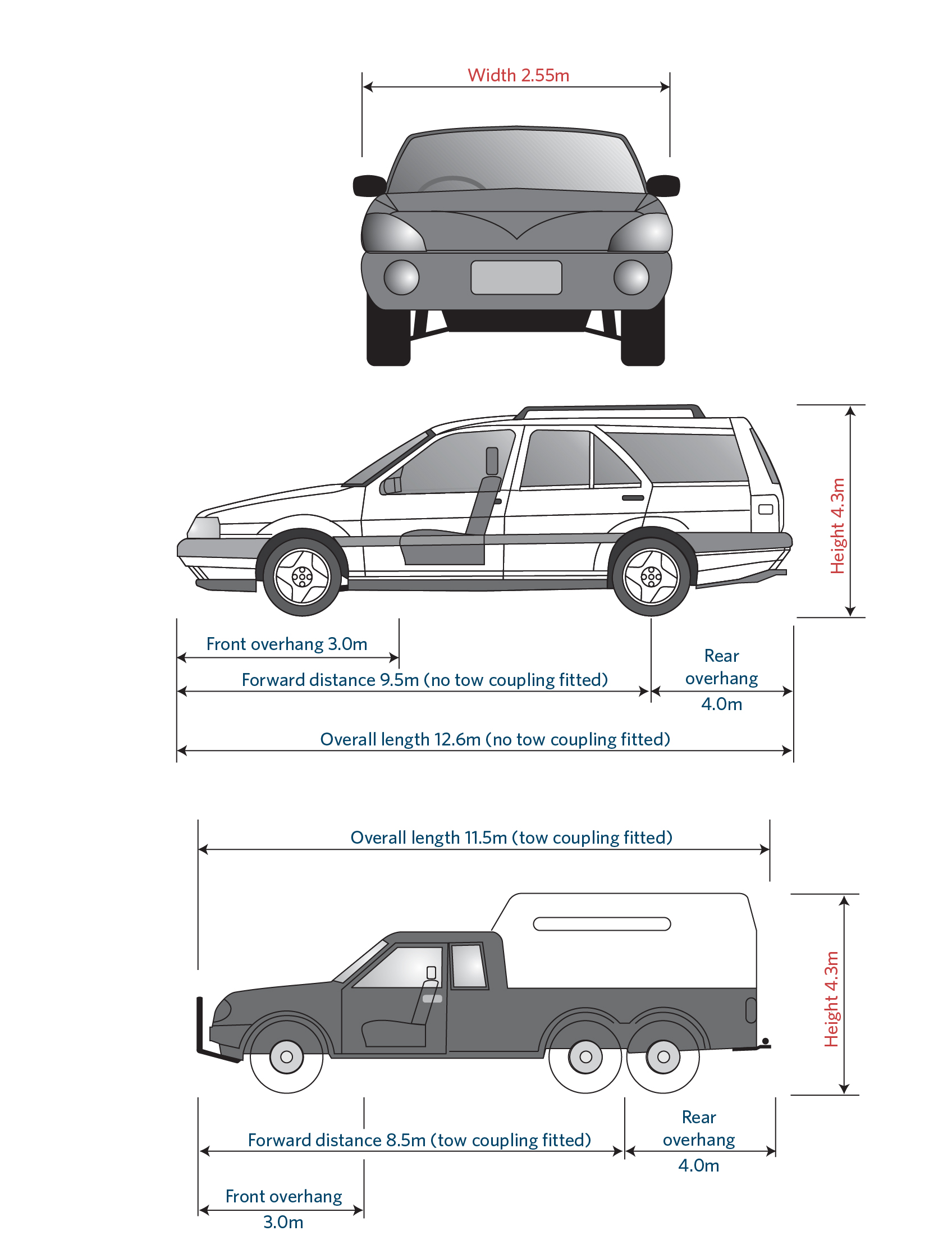
Figure 2-2-6. Hazard panel details
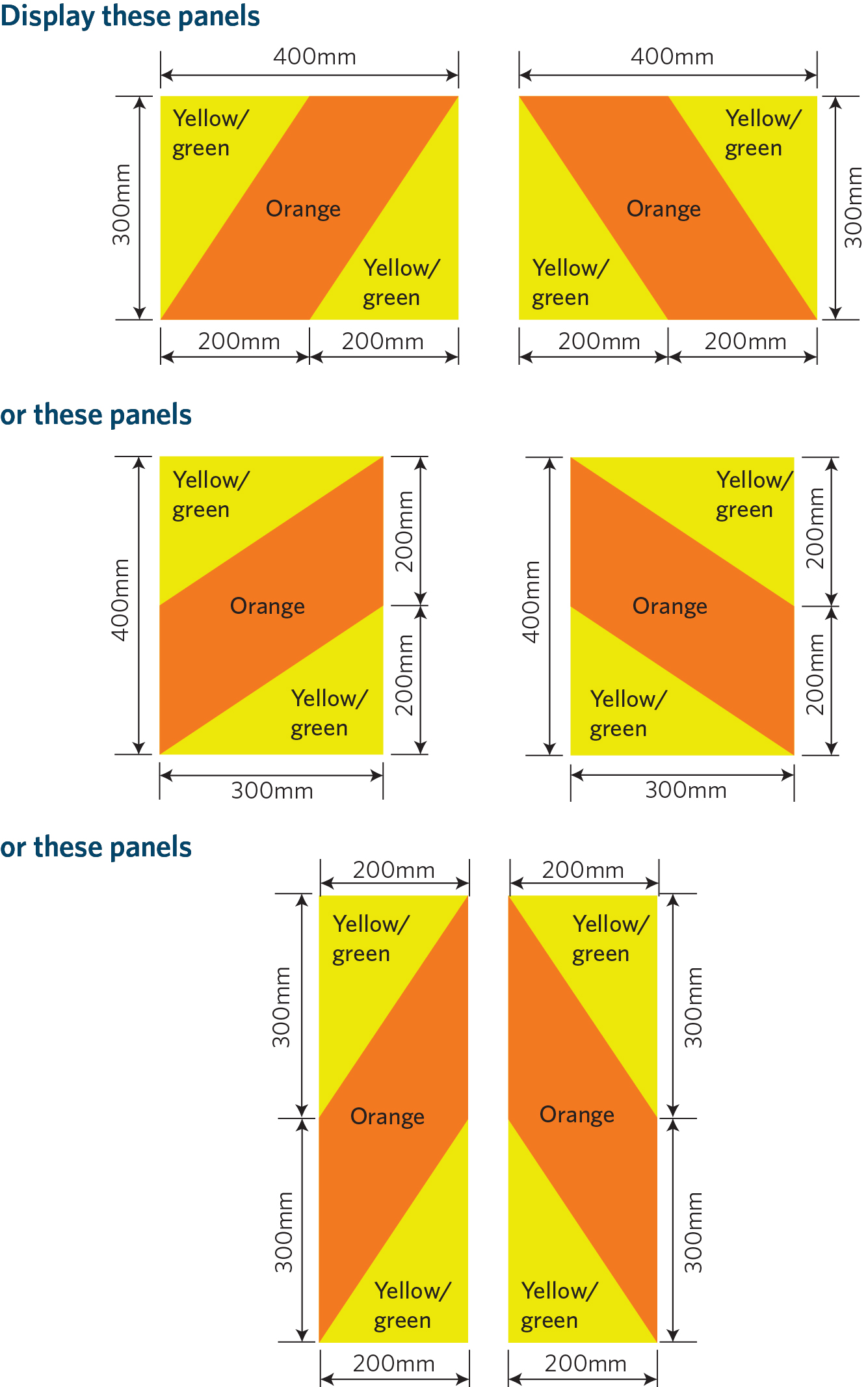
Figure 2-2-3. Hazard panel location and orientation
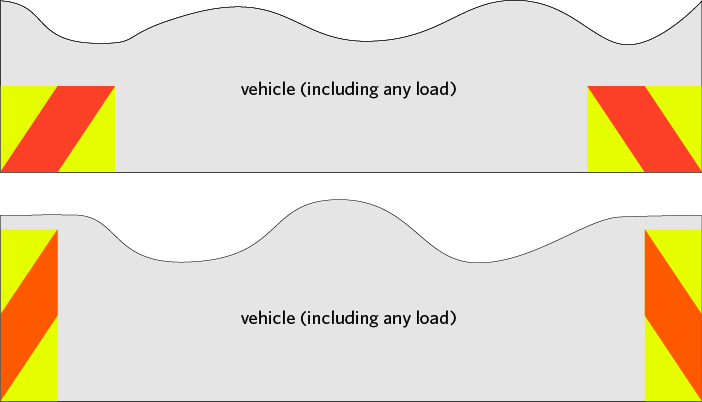
Figure 2-2-4. Vehicle categories and width/forward-distance thresholds
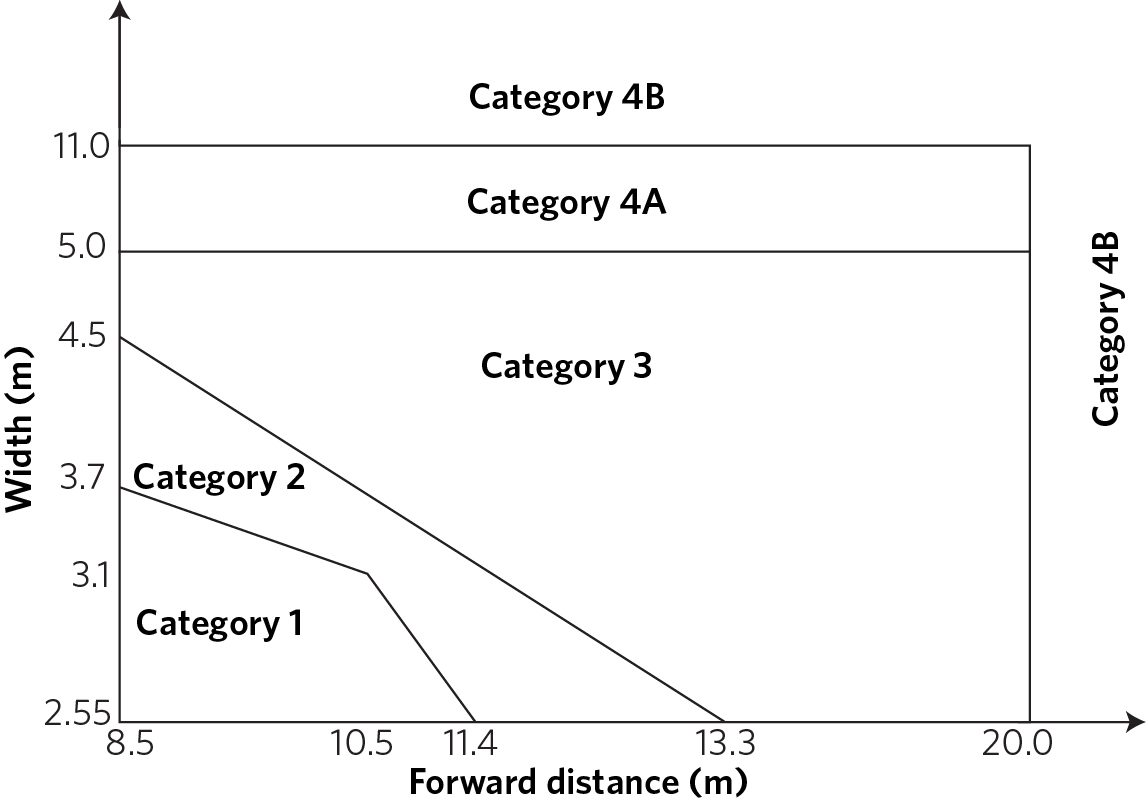
Use this figure to determine vehicle category in Table 2-2-2.
For the purposes of this figure, vehicles with a width less than 2.55m are deemed to have a width of 2.55m and vehicles with a forward distance of less than 8.5m are deemed to have a forward distance of 8.5m.
Summary of legislation
Applicable legislation
Mandatory equipment
1. A rigid vehicle, or an articulated bus, with a GVM of 3500kg or less that exceeds the dimensions in Table 2-2-1 must meet the requirements in Table 2-2-2.
2. A vehicle may exceed the dimensions in Table 2-2-3 only if it is:
a) a specialist overdimension vehicle (Note 3), or
b) a vehicle designed primarily to transport overdimension loads, or
c) a vehicle operating on a valid permit, exemption or approval.
VIRM: In-service certification (WoF and CoF) update –
effective 1 June 2013
List of changes
To view the page, click on the link in the section column.