Dedicated combination | 8 Sample certification documents
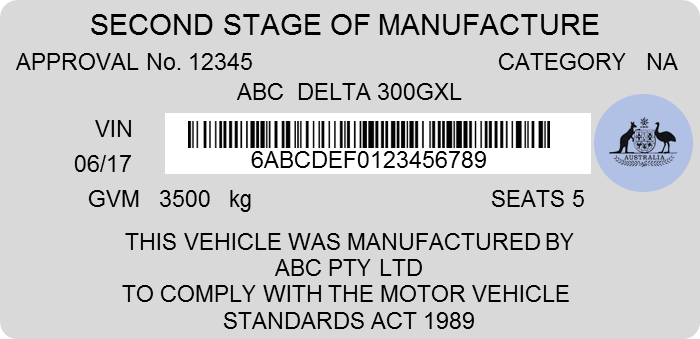
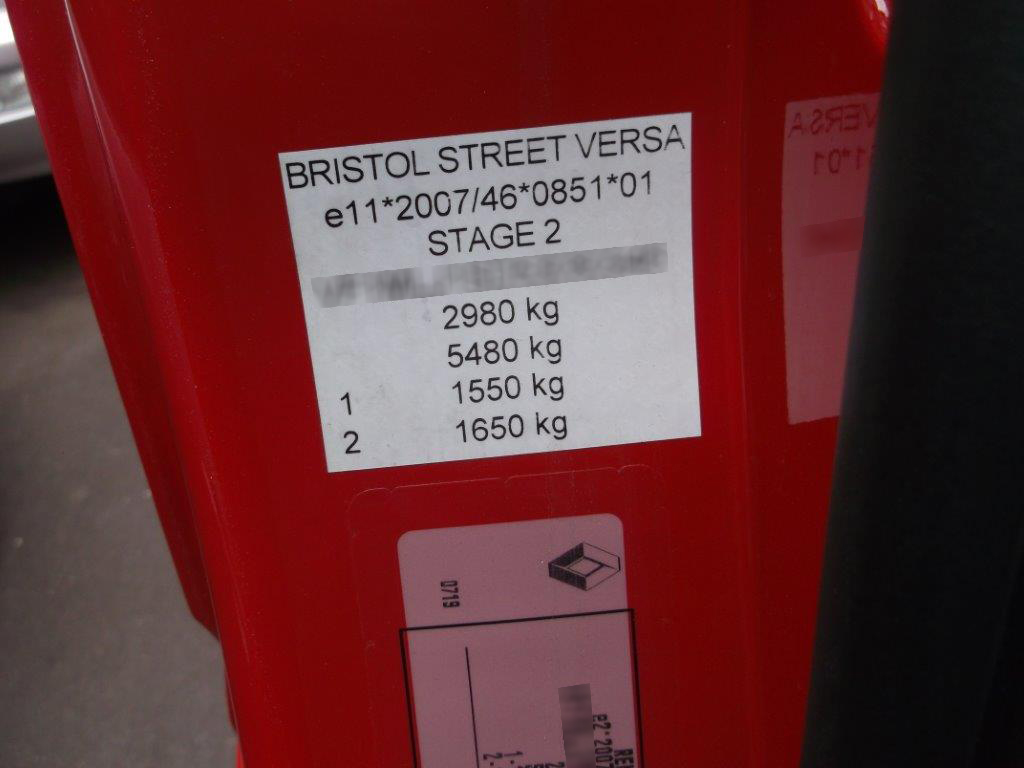
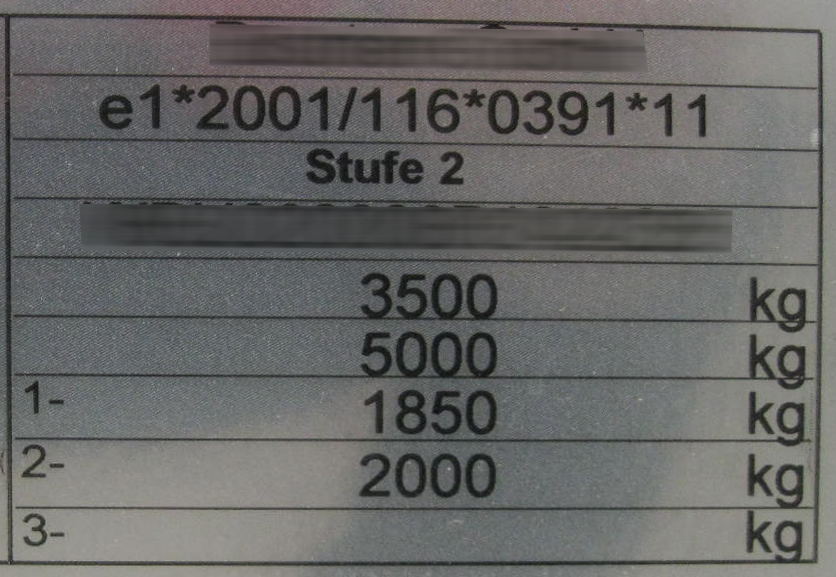
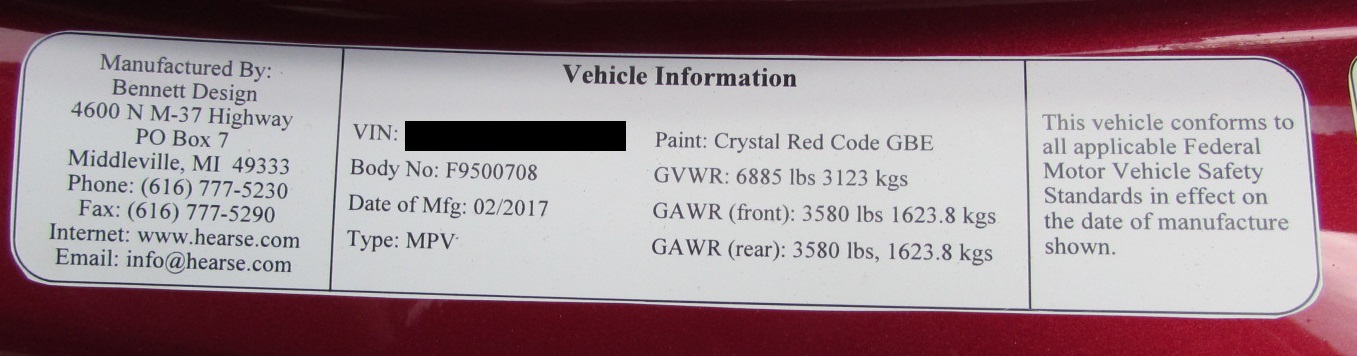
- Figure 8-1-1. LVV certification plates
- Figure 8-1-2. Modification declaration
- Figure 8-1-3. LVV Authority cards (can only be issued by MotorSport NZ and the NZ Hot Rod Association)
- Figure 8-1-4. Vintage Car Club identity cards
- Figure 8-1-5. Vehicle licence label
- Figure 8-1-6. LT400 Heavy vehicle specialist certificate
- Figure 8-1-7. Sample LVVTA electronic data plate
Page amended 1 April 2021 (see amendment details).
General vehicles
1 Vehicle identification
2 Vehicle exterior
1-1 VIN and chassis number
|
Important Ensure that the VIN or chassis number is recorded in full on the checksheet.
This number must be:
- the VIN if fitted – not the chassis number (locally allocated VIN)
- the stamped VIN on the VIN plate – not the VIN etched on the glazing.
Also refer to Table 1-1-1. Location of New Zealand VIN numbers, Figure 1-1-1. Structure of a VIN issued by the NZ Transport Agency and Figure 1-1-2. Structure of a VIN issued by the vehicle manufacturer.
|
Reasons for rejectionMandatory requirements1. A vehicle first registered or re-registered in New Zealand before 1 April 1994 does not have a VIN or chassis number (Note 1) (Note 3). 2. A vehicle first registered or re-registered in New Zealand from 1 April 1994 does not have a VIN number (Note 1) (Note 3). 3. A VIN number is not valid (Note 1) (Note 2). Condition4. A VIN or chassis number has been (Note 1) (Note 3): a) removed, or b) erased, or c) altered, or d) defaced, or e) obscured, or f) destroyed, or g) obliterated, or h) affixed unlawfully or by unauthorised persons.
Note 1
The vehicle inspector must notify NZTA using the Vehicle report form if there is reason to believe that the VIN or chassis number has been tampered with in any way.
Vehicle report form
The vehicle inspector must not issue a WoF/CoF/permit until approved by NZTA. Approval will usually include the issue or re-issue of a new VIN plate.
The vehicle inspector must not issue a WoF/CoF/permit if there is reason to believe that the VIN or chassis number has been tampered with in any way.
Refer the vehicle to a VIN issuing agent (VTNZ, VINZ, NZAA, Drivesure, CVC, Autochecks). They will inspect the vehicle and seek approval from NZTA to issue or re-issue a VIN plate. Once the vehicle has been approved the vehicle may continue through the inspection process.
Note 2A valid VIN is a unique number that has been assigned to the vehicle in the vehicle’s country of origin or by a person appointed by the NZTA. It consists of 17 characters that never contain the letters I, O or Q, and that is capable of being decoded to provide identifying information about the vehicle.
Note 3If the vehicle is failed because the VIN/chassis is missing or unreadable, then 'not found' must be recorded in place of the VIN number on the check sheet.
Table 1-1-1. Location of New Zealand VIN numbersVehicle | Permitted VIN locations |
|---|
Vehicles that are not forward controlled (passenger cars and off-road passenger vehicles) | - In the engine compartment on the right-hand side of the firewall
- In the engine compartment on the right-hand side adjacent to the front suspension mounting point
- In a location inside the engine compartment approved by NZTA for a specified vehicle or vehicle model
- On the firewall or inner guards so it is visible from the front of the vehicle.
| Forward-controlled vehicles
(passenger vans and off-road vehicles) | - In the passenger compartment, on the top of the right-hand side wheel arch adjacent to the seat cushion
- In the passenger compartment, on the inner panel of the right-hand A-pillar, adjacent to where the floor meets the A-pillar
- In the passenger compartment on the B-pillar.
| Goods vehicles and light omnibuses | Vehicle with a separate chassis: - On the outside of the chassis adjacent to the right front wheel arch,
Vehicle without a separate chassis: - As specified for forward-controlled vehicles.
|
If the vehicle is unfamiliar, and the VIN or chassis number cannot be located, the vehicle inspector should contact the manufacturer’s agent or the local VIN issuing agent (VTNZ, VINZ, NZAA, Drivesure, CVC, i4Checkpoint).
Summary of legislationApplicable legislationMandatory requirements1. A vehicle first registered or re-registered in New Zealand before 1 April 1994 must have a chassis number or VIN. 2. A vehicle first registered or re-registered in New Zealand from 1 April 1994 must have a VIN. Condition3. A VIN or chassis number must not have been removed, erased, altered, defaced, obscured, destroyed, obliterated or affixed unlawfully, or be unauthorised.
Page amended 1 October 2022 (see amendment details).
2-1 External projections
Reasons for rejectionCondition and performance1. The risk of a component (Note 5) hooking a vehicle, or hooking or grazing a person, has not been minimised, eg a bonnet or bumper has been removed, exposing sharp, moving or hot components. 2. An ornamental object or fitting (Note 2) protrudes in such a way that it is likely to injure a person. 3. A protruding object or fitting that has a functional purpose (Note 3) is not installed so that the risk of causing injury to a person is minimised, eg the object or fitting: a) is of excessively heavy construction for the purpose for which it has been fitted, or b) has sharp corners, or c) slopes forward, unless this is necessary to fit the contours of the vehicle, or d) has an unnecessarily wide gap between the object or fitting and the front of the vehicle, or e) exceeds the vehicle’s width by more than 100mm on either side, other than side mounted glass sheet transport racks and collapsible side mirrors, or f) is a glass sheet transport rack that is not fitted with a front flaring to minimise the risk of injury to a person. 4. A protruding component, object or fitting is not securely attached to the vehicle. 5. A protruding object or fitting adversely affects the driver’s vision or control. Modifications6. A modification (Note 4) affects an external projection – including a protruding object or fitting that has a functional purpose and affects the driver’s vision or control of the vehicle, and a) is not excluded from the requirements for specialist certification (Table 2-1-1), and b) is missing proof of specialist or accepted overseas certification, ie: i. the vehicle is not fitted with a valid vehicle certification plate (eg low volume vehicle plate or heavy vehicle certification plate/label), or ii. the operator is not able to produce a valid modification declaration or authority card iii. the vehicle has not been certified to an accepted overseas system as described in Technical bulletin 13 .
Note 1The external projections requirements relate to the design and maintenance of objects and fittings that protrude from the exterior of the motor vehicle with regard to the safety of other motor vehicles, pedestrians and cyclists. The attachment of such objects and fittings to the vehicle is addressed in the Vehicle structure section of this manual.
Note 2Ornamental object or fitting means an object or fitting that does not have a practical purpose, eg bonnet emblems.
Note 3Functional object or fitting means an object or fitting that has a practical purpose, eg panniers, pack racks, spare wheel carriers, and so on.
Note 4Modify means to change a vehicle from its original state by altering, substituting, adding or removing any structure, system, component or equipment, but does not include repair. Repair means to restore a damaged or worn vehicle, its structure, systems, components or equipment to within safe tolerance of its condition when manufactured, including replacement with equivalent undamaged or new structures, systems, components or equipment.
Note 5
Components include damaged, corroded and exposed body panels.
Note 6The following vehicles with a GVM of 2500kg or less must comply with a frontal impact occupant protection standard: - Class MA motor vehicles manufactured on or after 1 March 1999
- Class MA motor vehicles that were less than 20 years old when they were first registered in New Zealand on or after 1 April 2002
- Class MB and MC motor vehicles manufactured on or after 1 October 2003.
Note 7
Rear bumper removal must still meet external projection requirements.
Note 8Heating, drilling, welding or cutting the vehicle structure, modifying a roof bow, or modifying any part of the structure anchorage would be considered to weaken the structure. Cutting a single layer of unstressed panel of sheet metal (ie roof) is not considered to weaken the vehicle structure. Drilling a hole suitable for a child restraint top tether does not require LVV certification.
Note 9A pedestrian trap is any part of a vehicle that may hook, catch or pull/push a pedestrian into or under a vehicle. Vehicle components should be shaped to reduce injury to a pedestrian and to move the pedestrian away from the vehicle in the event of an incident.
Table 2-1-1. Modifications that do not require specialist certificationFitting of or modification to: | Specialist certification is not required provided that: |
|---|
Body kits and components
(including utility canopies, plastic bumper skins and bonnet projections) | - the fitting system does not weaken the vehicle structure (Note 8), and
- no frontal impact components have been removed where the vehicle is required to comply with a frontal impact occupant protection standard (Note 6)
- the kit or components do not present any external projections that could cause injury, to the occupants or pedestrians, or present a snagging/hooking risk to a vehicle or person, and
- the performance of any lamps is not affected as a result of the fitting of the kit or components, and
- the driver’s vision has not been affected.
See also Table 3-1-1. | Side racks (for glass or other sheet materials) | - there is no doubt as to the rack’s load carrying capacity, and
- the rack is secured without weakening the vehicle structure (Note 8) and,
- no forward-facing pedestrian traps exist (Note 9), and
- the rack is designed and protected so that sharp or dangerous cargo cannot face directly forward projecting beyond the outside of the body.
See also Table 3-1-1. | Bumper bar (removal and change) (Note 7) | - the vehicle is not required to comply with a frontal impact occupant protection standard (Note 6), and
- does not weaken the vehicle structure (see Note 8), and
- any changes to the bumper do not affect the performance of mudguards, or
- a rear bumper bar has been replaced by a towbar crossmember.
See also Table 3-1-1. | Auxiliary bars (including bull bars, nudge bars, external roll cages and A-frames [or similar]) | - the vehicle is not required to comply with a frontal impact occupant protection standard (Note 6)
- the auxiliary bar:
- presents no pedestrian traps (Note 9), and
- is not angled forward except where necessary to clear the contours of the vehicle, and
- presents no sharp edges or an external radius of less than 3mm
- the winch either:
- does not protrude forward of the front face of the bumper, or
- does project forward of the bumper line but is fitted with ‘pedestrian-friendly’ shrouds to reduce trapping risk and present a larger forward-facing surface area
- the vehicle is required to comply with a frontal impact occupant protection standard and the auxiliary bar:
- is a vehicle manufacturer supplied component for that vehicle, or
- has been certified by the auxiliary bar manufacturer as frontal impact compliant (as may be indicated by a label).
Note that an auxiliary bar that does not meet the above minimum requirements is unlikely to meet LVV requirements and so cannot be certified. See also Table 3-1-1. | |
A-frames
| - the A-frame meets all of the following requirements:
- is attached to the chassis by means other than welding, and
- the components are fit for purpose, and
- the brackets remaining on the vehicle when the A-frame is removed are recessed behind the forward surface of the bumper by no less than 20mm, and
- the brackets are fitted so that they do not bridge the vehicle’s crumple zones, and
- the brackets are fitted so that they do not significantly stiffen the front of the vehicle.
See also Table 3-1-1. | |
Bonnet emblems or badges
| - the emblem or badge is designed and attached in such a way that it will fold back or break off in the event of contact, without leaving any sharp edges, or
- the emblem or badge has no sharp edges, and is fitted flat to the bonnet with a thickness no more than 10mm.
| |
Bonnet pins
| - the vehicle is not required to comply with a frontal impact occupant protection standard (Note 6); and
- the pins:
- have no sharp edges/are rounded with radius more than 3mm, and
- do not present any external projections that could cause injury, to the occupants or pedestrians, and
- do not present a snagging risk
| |
Ute trays
| For vehicles first registered in New Zealand before 1 January 2021: For vehicles first registered in New Zealand on or after 1 January 2021: - the tray has no sharp edges and radiuses of not less than 3mm on every external edge, and
- no forward-facing pedestrian traps exist (Note 2), and
- the tray protrudes no more than 100mm from the widest part of the vehicle cab/body structure (excluding mirrors), or
- the forwards edges of the tray are tapered rearwards at an angle of no less than 30 degrees from the tray’s front edge or have an equivalent, or better, form of pedestrian protection.
See also Table 3-1-1. |
Fitting of or modification to: | Specialist certification is never required: |
|---|
Aerials | - in-service requirements for conditions and performance must be met.
| Roof-mounted solar panels | Trunk racks | Roof-mounted wheelchair winch | Roof racks (except heavy PSVs) | Additional or substituted rear-view mirrors | Any modification for the purposes of law enforcement or the provision of emergency services |
Summary of legislationApplicable legislationPermitted equipment1. A motor vehicle may be fitted with a protruding ornamental or functional object or fitting. Condition and performance2. A protruding ornamental object or fitting must not be likely to injure a person. 3. A protruding object or fitting that has a functional purpose must be installed so that the risk of the object or fitting causing injury to a person is minimised. 4. Components of a motor vehicle, including damaged or corroded body panels, must be such that the risk of their hooking a vehicle, or hooking or grazing a person, is minimised. 5. A protruding object or fitting must not adversely affect driver vision or driver control. Modifications6. A modification that affects an external projection must be inspected and certified by a specialist certifier, unless the vehicle: a) is excluded from the requirement for specialist certification (Table 2-1-1), and b) has been inspected in accordance with the requirements in this manual, including those for equipment, condition and performance.
Page amended 29 April 2020 (see amendment details).
1-2 Vehicle details
Reasons for rejection1. The number on the registration plate(s) is not the same as stated on the licence label. 2. The licence label does not correctly describe the vehicle - do not reject the vehicle if the label type is incorrect, eg 'B' or 'A'.
3. The Vehicle Inspection and Certification (VIC) or LATIS system does not correctly describe the vehicle.
Page added 1 October 2020 (see amendment details) Page updated 1 November 2024 (see details)
2-2 Dimensions
| The vehicle inspector need only inspect dimensions in detail if there is doubt about the vehicle’s compliance. |
Reasons for rejection
Mandatory equipment
1. A rigid vehicle (Note 1) with a GVM of 3500kg or less exceeds the dimension requirements set out in Table 2-2-1 and is not:
a) a specialist overdimension vehicle (Note 3), or
b) a vehicle designed primarily to transport an overdimension load, or
c) a vehicle operating on a valid permit, exemption or approval.
2. A rigid vehicle that exceeds the dimensions set out in Table 2-2-1 is not fitted with the appropriate hazard warning equipment set out in Table 2-2-2.
3. A required beacon cannot be activated and deactivated.
Note 1
A rigid vehicle means a vehicle with motive power, driver’s position and steering system, that does not have any pivot points to allow any part of the vehicle chassis to move or rotate in relation to any other part of the vehicle chassis, but includes a pivot steer vehicle.
Note 2
The rear axis of a vehicle means:
- if the vehicle is fitted with one rear axle: that axle
- if the vehicle is fitted with a set of two axles: midway between those two axles if each axle has an equal number of tyres on it, or two-thirds of the distance from the lesser-tyred axle towards the greater-tyred axle, if one axle has twice as many tyres on it as the other axle.
Note 3
Specialist overdimension vehicle means a vehicle of which the primary purpose is to carry out a specialist function that requires overdimension equipment, is not primarily designed to transport overdimension or overweight loads, and the dismantling of the equipment would make it unusable for its intended purpose, or it would take more than four hours to dismantle the equipment. Additional operational requirements may apply, eg if operated at night.
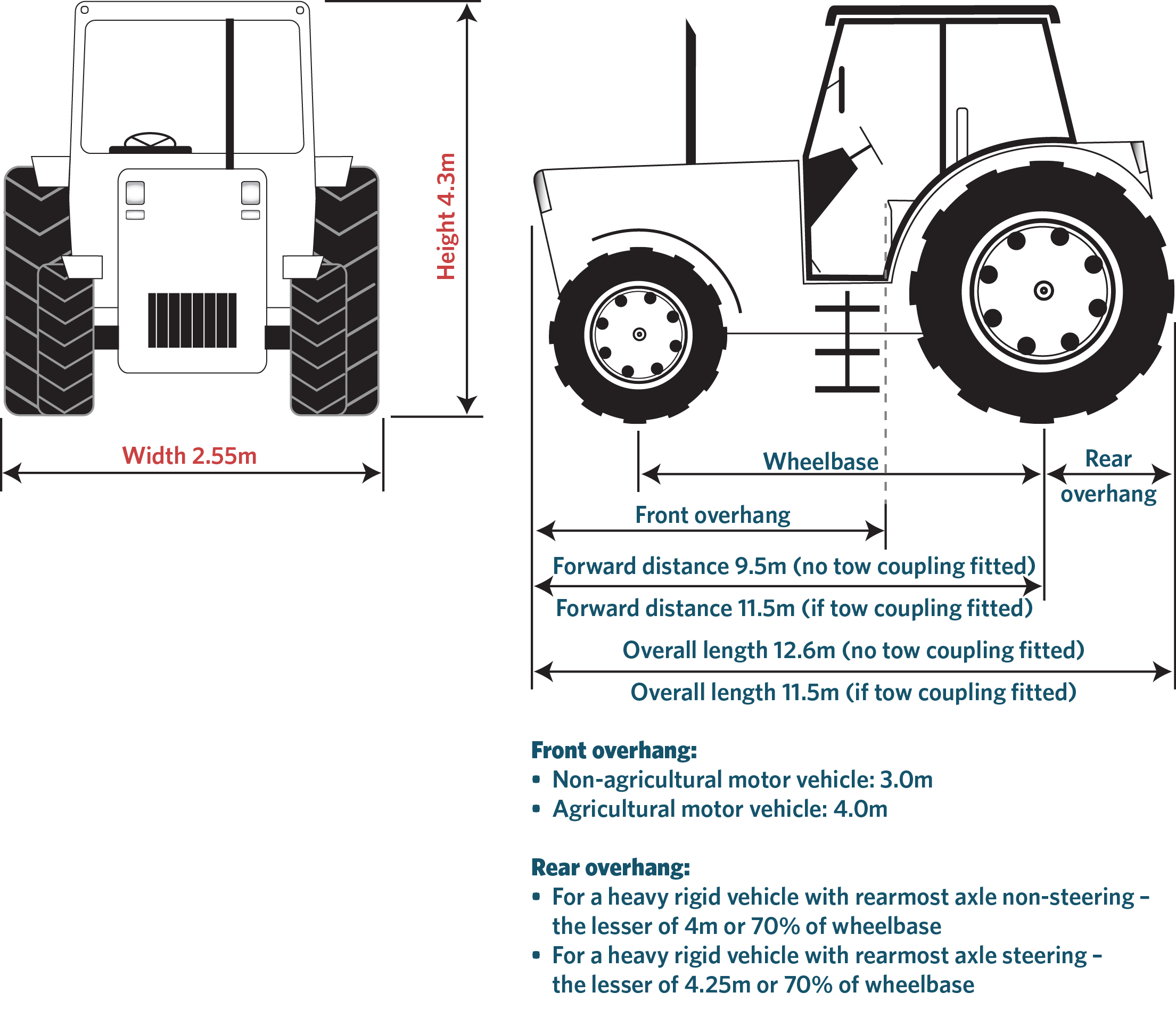
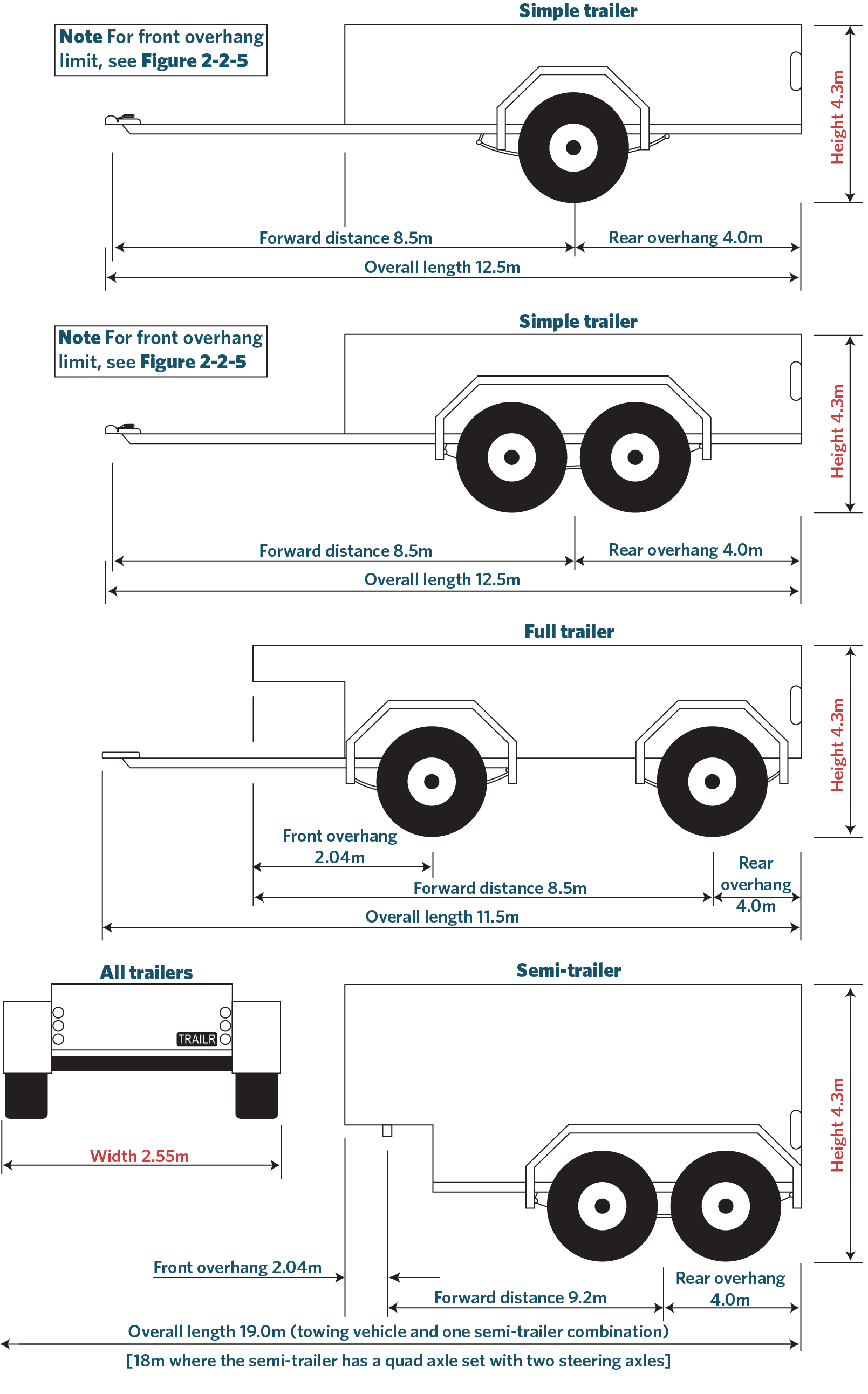
Table 2-2-1. Dimension requirements
(see also Figure 2-2-1)
|
Dimension
|
Maximum distance
|
Comments
|
|
Width
|
2.55m
1.275m from each side of the longitudinal centreline
|
Measurement does not include:
- collapsible mirrors which extend no more than 240mm from the side and 1.49m when measured from the vehicle's longitudinal centre line
- direction indicators and side-marker lamps
- cab exterior grab rails that extend no more than 50mm from the side of the vehicle
- the bulge towards the bottom of a tyre
- cameras or close-proximity monitoring systems mounted on the side exterior of a vehicle that extends not more than 70mm from the side wall of the vehicle
- devices for improving the aerodynamic performance of a vehicle that extend not more than 25mm from either side of a vehicle.
|
|
Overall length
|
12.6m (no tow coupling fitted)
11.5m (tow coupling fitted)
|
Measurement does not include collapsible mirrors.
|
|
Height
|
4.3m
|
|
|
Forward distance
|
9.5m (no tow coupling fitted)
8.5m (including tow coupling if fitted)
|
Forward distance is measured from the rear axis (Note 2) to the front of the vehicle or its load whichever is foremost.
Measurement does not include collapsible mirrors.
|
|
Rear overhang
|
4m
|
Rear overhang is measured from the rear axis (Note 2) to the rear of the vehicle or its load whichever is the greater.
|
|
Front overhang
|
3m
|
Front overhang is measured from the front edge of the driver’s seat in the rearmost position to the front of the vehicle.
|
| Articulated vehicle point of attachment |
No further rearward than the centre of the rear axle (where the rear axle consists of only one axle)
No further than 300mm rearward of the rear axis (where the rear axle set consists of more than one axle)
|
Example: Fifth wheel fitted to a truck to tow a semi-trailer caravan |
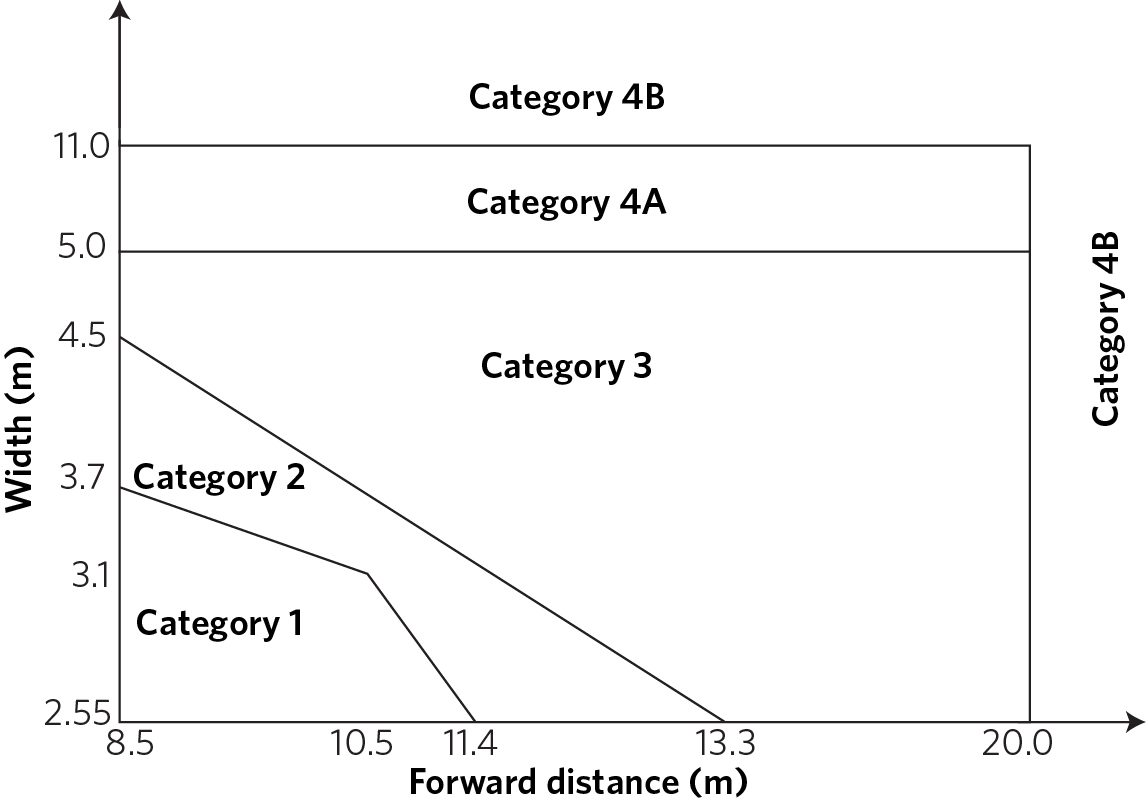
Table 2-2-2. Hazard warning equipment requirements
(see Figure 2-2-4 for vehicle category thresholds)
|
Vehicle category
(see Figure 2-2-4)
|
Dimension
|
Limits
(up to and including)
|
Required hazard warning equipment
|
|
Category 1
|
Width/forward distance
|
2.55m /11.4m, or
3.1m/10.5m, or
3.7m/8.5m, or
|
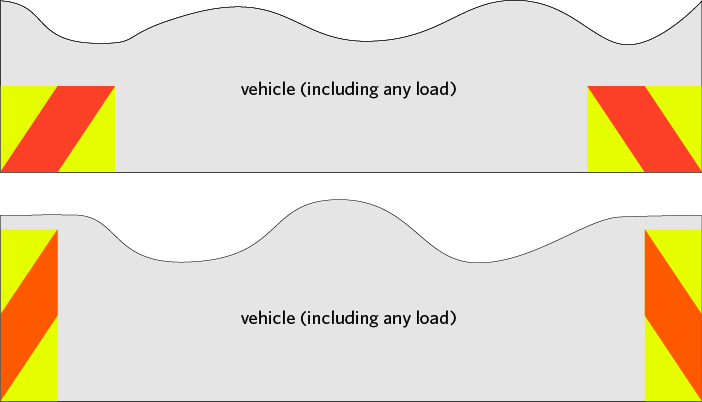
Flags1 or panels2 fitted on each side at the front and rear as close as practical to the outside edge
|
| Length |
25m, or |
| Front overhang |
7m, or |
| Rear overhang |
7m |
|
Category 2 (not including category 1)
|
Width/forward distance
|
2.55m /13.3m, or
4.5m/8.5m, or
|
1. Panels2 fitted on each side at the front and rear as close as practical to the outside edge
2. OVERSIZE sign3 fitted at the front and rear if more than 3.1m wide
3. Revolving amber beacon fitted so that it is visible to approaching traffic if the vehicle is more than 3.7m wide
|
| Length |
35m, or |
| Front overhang |
10m, or |
| Rear overhang |
10m |
|
Category 3 (not including category 2)
|
Width/forward distance
|
2.55m /20m
5m/20m
5m/8.5m
|
1. Panels2 fitted on each side at the front and rear as close as practical to the outside edge
2. OVERSIZE sign3 fitted at the front and rear
3. Revolving amber beacon fitted so that it is visible to approaching traffic if the vehicle is more than 3.7m wide
|
| Front overhang |
10m, or |
| Rear overhang |
10m |
|
Category 4A (not including category 3)
|
Width/forward distance
|
11m/20m
11m/8.5m
|
1. Panels2 fitted on each side at the front and rear as close as practical to the outside edge
2. OVERSIZE sign3 fitted at the front and rear
3. Revolving amber beacon fitted so that it is visible to approaching traffic if the vehicle is more than 3.7m wide
|
| Front overhang |
10m, or |
| Rear overhang |
10m |
| Category 4B |
Exceeding any limit in Category 4A |
1. Panels2 fitted on each side at the front and rear as close as practical to the outside edge
2. OVERSIZE sign3 fitted at the front and rear
3. Revolving amber beacon fitted so that it is visible to approaching traffic if the vehicle is more than 3.7m wide
|
1 Flags:
- must be fluorescent yellow
- must be at least 400mm long x 300mm wide.
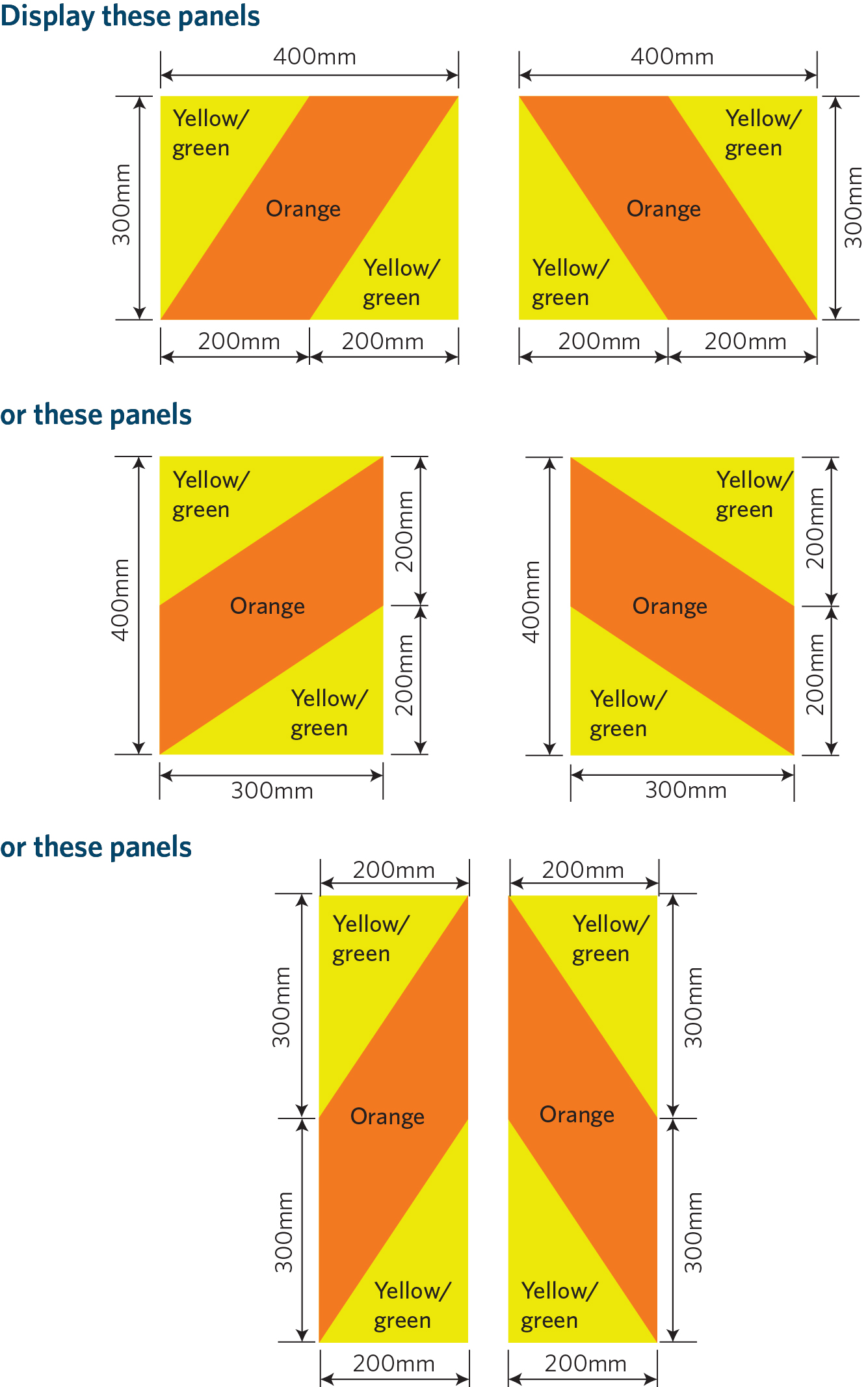
2 Hazard warning panels:
- must be reflective yellow-green with a reflective orange diagonal stripe
- comply with AS/NZS 1906.1:2007
- be frangible for those portions which extend beyond the vehicle’s limits (frangible means breakable or readily deformable)
- must be of at least the minimum dimensions and the colours specified in Figure 2-2-2.
3 OVERSIZE sign:
- must be black lettering on a yellow-green background
- must be at least 300mm x 1100mm in size
- be frangible if any part of the sign extends beyond the body or load of the vehicle, whichever it is attached to (frangible means breakable or readily deformable)
- may be in two parts: OVER and SIZE.
Summary of legislation
Applicable legislation
Mandatory equipment
1. A rigid vehicle, or an articulated bus, with a GVM of 3500kg or less that exceeds the dimensions in Table 2-2-1 must meet the requirements in Table 2-2-2.
2. A vehicle may exceed the dimensions in Table 2-2-3 only if it is:
a) a specialist overdimension vehicle (Note 3), or
b) a vehicle designed primarily to transport overdimension loads, or
c) a vehicle operating on a valid permit, exemption or approval.
Page amended 1 June 2019 (see amendment details).
3 Vehicle structure
3-1 Structure (incl. frontal impact)
Note 1The structure of a vehicle may incorporate crumple zones that form part of a frontal impact occupant protection system.
Reasons for rejectionCondition1. The structure of the vehicle (shaded areas of Figure 3-1-2) has visible: a) deformation from the original shape that has affected the vehicle’s structural integrity (Note 1) (Note 3) (Note 9) (Figure 3-1-4), or b) cracking, or c) fracture, or d) corrosion or wood rotting damage (Note 2) that is individually larger than 50mm in diameter (Figure 3-1-1), or e) corrosion or wood rotting damage within 150mm of the top of an A-pillar (Figure 3-1-2), or f) any corrosion or wood rotting that the inspector considers has caused weakening of a load-bearing structure (Note 6), or g) poor repairs that have not returned the structure to within a safe tolerance of when it was manufactured (Note 3) (Note 6), eg: i. filler has been used in an attempt to conceal any damage or deformation of a component ii. a high strength steel component has been heated iii. a component has been strengthened. Modification2. The performance of the frontal impact occupant protection system may have been affected by a modification, including an added or removed object, fitting or component, after the vehicle was manufactured if the vehicle has a GVM of 2500 kg or less and: a) is: i. a class MA motor vehicle manufactured from 1 March 1999, or ii a class MA motor vehicle that was less than 20 years old when it was first registered in New Zealand on or after 1 April 2002, or iii a class MB or MC motor vehicle manufactured from 1 October 2003, and b) is not excluded from the requirements for LVV specialist certification (Table 3-1-1). 3. A modification affects the vehicle structure – including an object or fitting affixed after manufacture that is welded to the chassis, sub-frame, cross-member or body of a monocoque structure (Note 7), and a) is not excluded from the requirements for LVV specialist certification (Table 3-1-1), and b) is missing proof of LVV specialist or accepted overseas certification, ie: i. the vehicle is not fitted with a valid LVV vehicle certification plate, or ii. the operator is not able to produce a valid modification declaration or authority card iii. the vehicle has not been certified to an accepted overseas system as described in Technical bulletin 13 .
Note 2Corrosion or wood rotting damage is where a metal or wooden structure has been eaten away and could be seen as bubbling, or pitting of the steel or by water damage, delamination or swelling of a wooden surface. The outward signs of such damage is typically displayed by the lifting, bubbling or discolouring of painted surfaces. In extreme cases, the area affected by the damage will fall out and leave a hole. Bumper bar means either the part inside a plastic bumper or a complete metal bumper as used on older vehicles. The bumper fascia (bumper cover) is not part of the bumper structure. It is the bumper reinforcement (also known as the bumper bar ) that is the actual bumper bar for inspection purposes (see Figure 3-1-3).
Note 3The vehicle inspector may request additional relevant information from a repairer or other relevant person. To the extent that it could affect the vehicle’s structural strength or one of the vehicle’s safety requirements, the vehicle inspector should withhold the warrant of fitness if there is reason to believe that the vehicle has: a) structural damage, or b) inadequate structural repair(s), or c) corrosion or wood rotting damage.
Note 5 DefinitionsModify means to change a vehicle from its original state by altering, substituting, adding or removing a structure, system, component or equipment, but does not include repair. Repair means to restore a damaged or worn vehicle, its structure, systems, components or equipment to within safe tolerance of its condition when manufactured, including replacement with equivalent undamaged or new structures, systems, components or equipment.
Note 6Where the inspector is presented with a Nissan Terrano or Nissan Mistral vehicle of the type that is fitted with a two-layer (double skin) floor panel, the inspection procedure in Technical bulletin 2 must be followed.
Note 7
A body lift on a body/chassis vehicle (commonly a 4x4) always requires LVV certification.
Note 8
Rear bumper removal must still meet external projection requirements.
Note 9Dents smaller than 5mm deep and 40mm in diameter (to the outer edges of the crease), such as those caused by hail, in the pillars, cant rail or any other similar roof structure, should not be considered to affect the vehicles structural integrity. Any damage larger than above should be referred to a repairer for additional information (see Figure 3-1-4).
Table 3-1-1. Modifications that do not require LVV certificationFitting of or modification to: | LVV certification is not required provided that: |
|---|
Addition of side windows into a panel van or goods van | - The modification was carried out before 1/3/1999, or
The modification was carried out on or after 1/3/1999, and the modification has not weakened the vehicle structure (Note 10). | Aftermarket sunroof or roof vent/hatch |
The fitting has not weakened the vehicle structure (Note 10)
| |
A-frames
| - the A-frame meets all of the following requirements:
- is attached to the chassis by means other than welding, and
- the components are fit for purpose, and
- the brackets remaining on the vehicle when the A-frame is removed are recessed behind the forward surface of the bumper by no less than 20mm, and
- the brackets are fitted so that they do not bridge the vehicle’s crumple zones, and
- the brackets are fitted so that they do not significantly stiffen the front of the vehicle.
See also Table 2-1-1 | Auxiliary bars (including bull bars, nudge bars, external roll cages and winches) | - The vehicle is not required to comply with a frontal impact occupant protection standard (Note 4)
- The auxiliary bar:
- presents no pedestrian traps (Note 11), and
- is not angled forward except where necessary to clear the contours of the vehicle, and
- presents no sharp edges or an external radius of less than 3mm, and
- The winch either:
- does not protrude forward of the front face of the bumper, or
- does project forward of the bumper line but is fitted with ‘pedestrian-friendly’ shrouds to reduce trapping risk and present a larger forward-facing surface area.
- the vehicle is required to comply with a frontal impact occupant protection standard and the auxiliary bar:
- is a vehicle manufacturer supplied component for that vehicle, or
- has been certified by the auxiliary bar manufacturer as frontal impact compliant (as may be indicated by a label).
Note that an auxiliary bar that does not meet the above minimum requirements is unlikely to meet LVV requirements and so cannot be certified. See also Table 2-1-1 | |
Body kits
| Fitting, removal or modification does not weaken the vehicle structure (Note 10). See also Table 2-1-1 | |
Bumper bar (removal and change)
| - the vehicle is not required to comply with a frontal impact occupant protection standard (Note 4), and
- Does not weaken the vehicle structure (Note 10)
- Any changes to the bumper do not affect the performance of mudguards or
- A rear bumper bar has been replaced by a towbar crossmember.
See also Table 2-1-1 | Campervan conversions | - the conversion was completed before 1/3/1999, or
- the conversion was completed on or after 1/3/1999, and
- no modifications were carried out to the cab rear wall, and
- modifications to the roof meet the following requirements:
- only a single panel of sheet metal may be cut per roof opening, and
- any bracing or structural elements have not been modified, and
- no modifications are within 150mm of a seatbelt anchorage; and
- no seats or seatbelt anchorages were retrofitted, or
- there is evidence of certification of the modification from the company that carried out the modification, ie a secondary certification plate or label in the case of a motorhome conversion (see Technical bulletin 13).
See also Table 7-1-1 and Table 7-5-1 | |
Cargo hoist/cargo lift platform
| - the vehicle is not adapted for the transportation of a person in a wheelchair, and the hoist or tail lifter is positioned to the rear of any vehicle occupants and adequately mounted, and
- the vehicle structure has not been weakened (Note 10).
See also Table 7-1-1 | Fibreglass replacement panels (that are substituted for OE panels) | - no frontal impact components have been removed where the vehicle is required to comply with a frontal impact occupant protection standard (Note 3), and
- the OE panels being replaced do not contribute to the strength of the vehicle structure, including side impact resistance, and
- the replacement panels use OE attachment points
(bonnet hinges and latches must be OE or direct replacements).
See also Table 2-1-1 | |
Gear shift lever location
| - no substantial modifications have occurred to the floor or gearbox tunnel area, other than provision for gear-shift mechanism, and
- the relocation presents no additional risk of injury than OE specification.
See also Table 7-1-1 | |
Glass racks
| Fitting, removal or modification does not weaken the vehicle structure (Note 10). See also Table 2-1-1 | Seatbelt anchorages retrofitted after 1 January 1992 in vehicles of classes MA, MB, MC or after 1 March 1999, in vehicles of other classes | - the anchorage is a top tether anchorage for a child seat or child harness, and
- the installation is carried out in accordance with the instructions of the seat or harness manufacturer.
| Suspension braces (strut tower braces) | - there are no structural changes to the body or suspension mounting points, and
- no cutting, heating or welding to the vehicle structure or suspension components is involved in the attachment of the brace, and
- the brace is attached to existing chassis/suspension points with the correct grade bolts and exposed thread is showing through the nut/fastener.
See also Table 9-1-1 | Front-mounted intercooler | - the front structure of the vehicle has not been modified, and
- the front bumper structure is unaltered (cosmetic changes are permitted) (Note 2), and
- the components do not present any forward-facing external projections, and
- none of the frontal impact components have been removed where the vehicle is required to comply with a frontal impact occupant protection standard (Note 4).
| |
Snorkels
| - the snorkel is fitted only to the outer skin of the A-pillar (not into the central structure), and
- the fixings are of an appropriate size, and
- the fixings are sealed to prevent water ingress into the A-pillar, and
- appropriate rust treatment is applied to prevent corrosion.
Note: it is recommended that snorkels are fitted with high strength adhesives rather than screws. | Stereo equipment and speakers | If fitted to the rear parcel shelf : - no upper seatbelt anchorage is attached to the shelf or any shelf support bracket, and
- in the case of a top tether point for a child seat attached to the rear shelf, the top tether point is not located within 150mm of a modification to a rear parcel shelf, and
- the removal of any material from the rear shelf is minimal and is unlikely to have weakened the vehicle structure to which a seatbelt anchorage is attached.
If fitted to a part of the vehicle other than the rear parcel shelf: - no structural material has been removed from within 300mm of a seatbelt anchorage, and
- any material removed is minimal and is unlikely to have weakened the vehicle structure (including a seatbelt anchorage structure), and
- the stereo equipment or speakers fitted in the passenger compartment:
- present no additional risk of injury, and
- are securely fastened by mechanical means.
See also Table 7-1-1 and Table 7-5-1 | |
Ute trays
| For vehicles registered in New Zealand on or after 1 January 2021: The fitting has not weakened the vehicle structure (Note 10); and the tray has no sharp edges and radiuses of not less than 3mm on every external edge. See also Table 2-1-1 | | Wheelchair stowing devices | The device: - is for stowing and/or deploying an unoccupied non-powered wheelchair, and
- is securely attached to the vehicle, and
- folds and locks in a position outside of the vehicle’s passenger compartments, and
- has no sharp protrusions (edges have a radius of at least 3mm), and
- doesn't compromise the safe performance of the vehicle.
|
Fitting of or modification to: | LVV certification is never required: |
|---|
Roof mounted solar panels | - in-service requirements for condition and performance must be met.
| Roof racks | Towbars | Any modification for the purposes of law enforcement or the provision of emergency services |
Note 4The following vehicles with a GVM of 2500kg or less must comply with a frontal impact occupant protection standard: - Class MA motor vehicles manufactured on or after 1 March 1999
- Class MA motor vehicles that were less than 20 years old when they were first registered in New Zealand on or after 1 April 2002
- Class MB and MC motor vehicles manufactured on or after 1 October 2003.
Note 10Heating, drilling, welding or cutting the vehicle structure, modifying a roof bow, or modifying any part of the structure would be considered to weaken it. Cutting a single layer of unstressed panel of sheet metal (i.e. roof) is not considered to weaken the vehicle structure. Drilling a hole suitable for a child restraint top tether does not require LVV certification.
Note 11A pedestrian trap is any part of a vehicle that may hook, catch or pull/push a pedestrian into or under a vehicle. Vehicle components should be shaped to reduce injury to a pedestrian and to move the pedestrian away from the vehicle in the event of an incident.
Summary of legislationApplicable legislationCondition1. The vehicle must be safe to be operated. 2. The components and materials must be fit for their purpose and within safe tolerance of their state when manufactured or modified. 3. The performance of a motor vehicle in relation to protecting occupants in a frontal impact collision must not be reduced below a safe tolerance by any factors, including corrosion, structural damage, material degradation, inadequate repair, the fitting of additional equipment, or the removal of equipment, taking into account: a) the function of the additional equipment fitted to the motor vehicle after manufacture, and the measures taken to minimise the risk of injury from the equipment; b) evidence that the motor vehicle is within the manufacturer’s operating limits. Modification4. A modification that affects the integrity of the vehicle structure must be inspected and certified by an LVV specialist certifier, unless the vehicle: a) is excluded from the requirement for LVV specialist certification (Table 3-1-1), and b) has been inspected in accordance with the requirements in this manual, including those for equipment, condition and performance.
Page amended 1 April 2024 (see amendment details)
4 Lighting
4-1 Headlamps
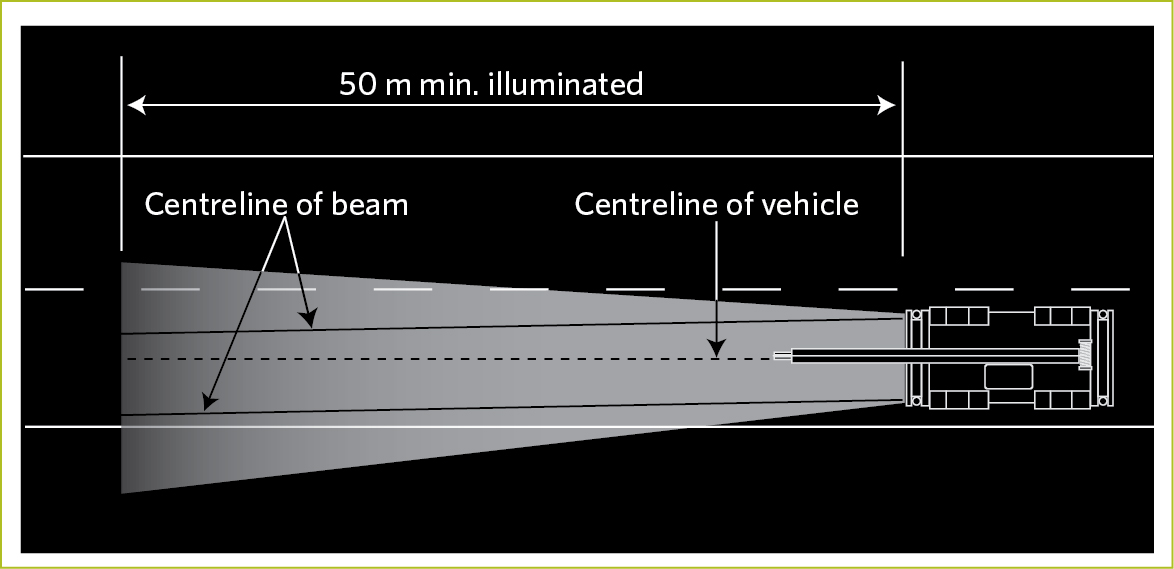
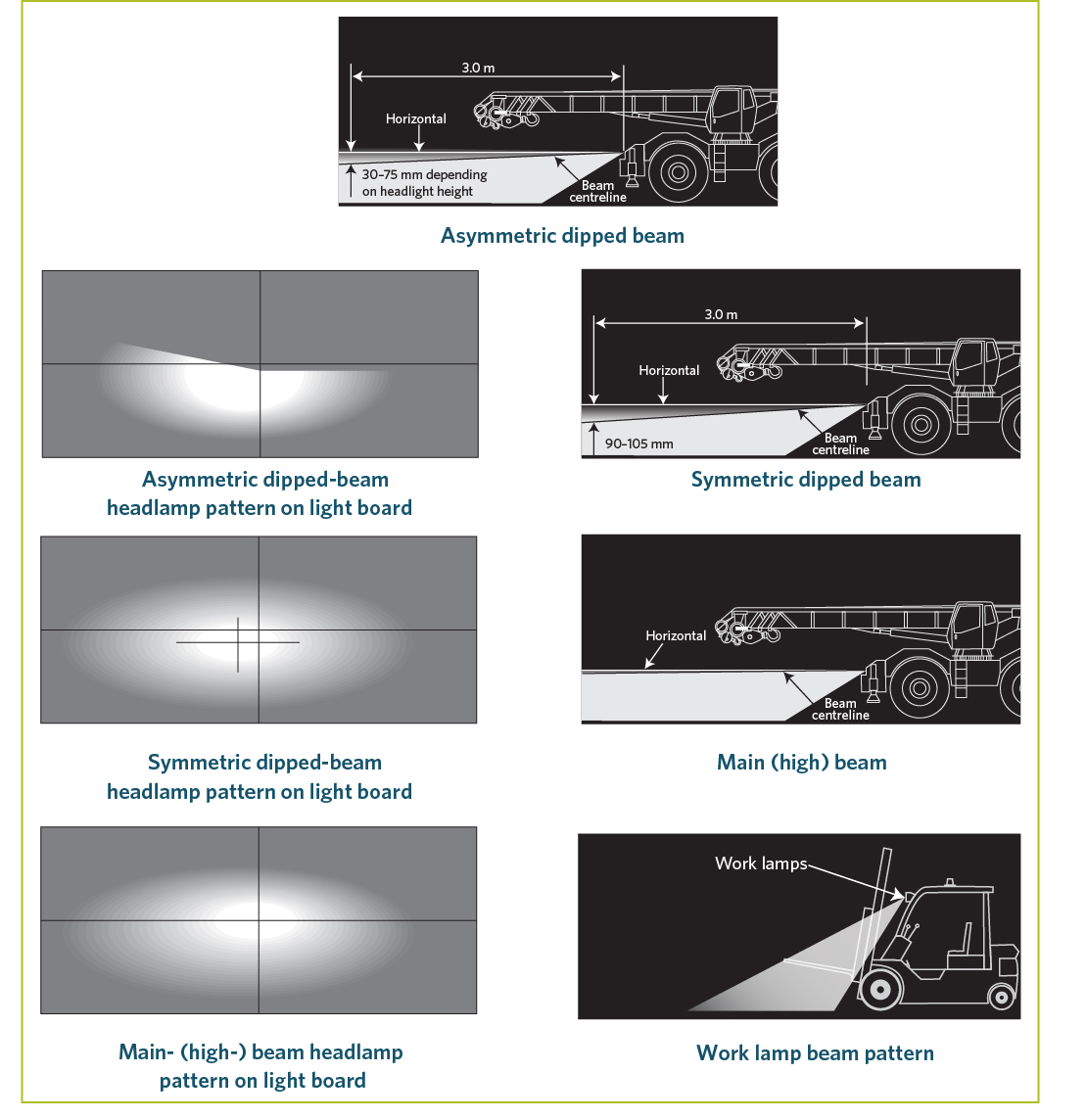
Reasons for rejectionMandatory and permitted equipment1. A vehicle other than class LE is not fitted with one pair of dipped-beam headlamps. 2. A vehicle other than class LE is fitted with more than: a) one pair of dipped-beam headlamps (Note 10) , or b) two pairs of dipped-beam headlamps if the vehicle was first registered anywhere between 1 January 1977 and 31 March 1980, or c) two pairs of main-beam headlamps. 3. A vehicle other than class LE is fitted with a headlamp that is not in a pair. 4. A vehicle of class LE is not fitted with one dipped-beam headlamp. 5. A vehicle of class LE is fitted with more than: a) two dipped-beam headlamps, or b) two main-beam headlamps. 6. A vehicle (eg a vintage or veteran vehicle) does not meet standard headlamp requirements, and: a) does not have a valid vehicle identity card with a lighting equipment endorsement, or b) does not meet the conditions of the lighting equipment endorsement in its vehicle identity card. 7. A device that allows the headlamps to flash alternately is fitted to a vehicle that is not an emergency vehicle or a pilot vehicle. 8. A vehicle is fitted with a dipped-beam headlamp where the maximum intensity of the beam is projected to the right. Condition(see Note 5) 9. A lamp is insecure, obscured, or contains dirt or moisture in the form of large droplets, runs or puddles. 10. A lens is missing, or has a hole, crack or other damage that allows moisture or dirt to enter. 11. A lens or reflector is damaged or has deteriorated so that light output is reduced. 12. A main-beam headlamp warning device is obscured from the driver’s vision. Performance13. When switched on, a headlamp emits a light that is: a) not substantially white or amber, or b) not approximately equal in colour or intensity from the other lamp in a pair, or c) not steady, or d) not bright enough to illuminate the road ahead, eg due to modification, deterioration or an incorrect light source, or e) too bright, eg due to the fitment of an HID or LED conversion kit (Note 8) or other incorrect light source (see also reason for rejection 19 below). 14. When the dipped-beam headlamps are switched on (with wheels pointing straight ahead): a) a lamp does not operate, or b) more than two lamps operate on dipped beam, or c) more than four lamps operate on dipped beam on a vehicle first registered anywhere between 1 January 1977 and 31 March 1980, or d) the light beam produces an incorrect beam pattern, is not focused, or is reduced or altered, or e) the centreline of the light beam is too far to the left or slopes down too far so that the headlamp is no longer capable of illuminating the road at least 50m ahead (Figure 4-1-2), or f) the centreline of the light beam projects to the right of the vehicle’s centreline, or projects from the lamp at an angle other than: i. as specified by the vehicle or lamp manufacturer, or ii. as specified in Table 4-1-1. 15. When the main-beam headlamps are switched on (with wheels pointing straight ahead): a) a lamp does not operate, or b) more than two lamps operate on main beam on a class LE vehicle, or c) more than four lamps operate on main beam on a vehicle of group M or N, or d) a vehicle first registered anywhere between 1 February 1977 and 31 March 1980 has a second pair of dipped-beam headlamps that continue to operate, or e) the centreline of the light beam projects to the right of the vehicle’s centreline or up from the horizontal, or f) the light beam produces an incorrect beam pattern, is not focused or is reduced or altered, or g) the lamps are not capable of being switched to dipped beam or turned off from the driver’s seating position, or h) a main-beam headlamp warning device, if fitted as original equipment, does not indicate to the driver that the main-beam headlamps are switched on. 16. A device fitted to a vehicle that allows the headlamps to flash alternately: a) does not indicate to the driver that the device is activated, or b) flashes: i. faster than two flashes per second, or ii. slower than one flash per second, or iii. at a varying frequency. 17. Where a headlamp comprises an array of light sources (eg LEDs) fewer than 75% of these operate. Modifications18. An overlay has been applied that reduces or distorts the light emitted from the lamp (eg a tinted cover). 19. A headlamp is retrofitted with a type of light source other than that specified by the vehicle manufacturer or the headlamp manufacturer (eg a headlamp designed for a halogen bulb is fitted with any other type of light source such as an HID or LED bulb, or any other light source such as LED strips or non-OEM angel eyes) (Note 8). 20. Retrofitted headlamps are not fitted: a) as a pair, or b) symmetrically, or c) as far towards each side of the vehicle as is practicable. 21. A retrofitted dipped-beam headlamp on a vehicle with a GVM of 12,000 kg or less is positioned at a height exceeding 1.2m from the ground (Note 9).
Note 1An original equipment (OE) lamp is one that is fitted by the vehicle manufacturer in the original position, or is an equivalent replacement or aftermarket lamp suitable for the position provided by the vehicle manufacturer for that lamp. All other lamps are considered retrofitted (ie non-OE).
Note 2If the dipped-beam headlamps are able to be adjusted from the driver’s seating position, the alignment must be checked with the adjustment at its highest position.
Note 3If the vehicle is fitted with self-levelling suspension, the alignment must be checked with the suspension at its normal level.
Note 4Modify means to change a vehicle from its original state by altering, substituting, adding or removing a structure, system, component or equipment, but does not include repair. Repair means to restore a damaged or worn vehicle, its structure, systems, components or equipment to within safe tolerance of its condition when manufactured, including replacement with undamaged or new structures, systems, components or equipment. Headlamp means a lamp designed to illuminate the road ahead of a vehicle, and that is a: a) dipped-beam headlamp (single lamp), or b) main-beam (high-beam) headlamp (single lamp), and includes a driving lamp, or c) combination of a dipped-beam headlamp and a main-beam headlamp (dual-lamp unit). Dipped-beam headlamp means a headlamp that is designed to emit a dipped beam, which is a beam of light that is angled downwards in such a way that it prevents undue dazzle or discomfort to oncoming drivers and other road users. Main-beam headlamp means a headlamp that is designed to illuminate the road over a long distance ahead of the vehicle.
Note 5If a headlamp is fitted with a readily removable cover, other than a clear protective cover, this must be removed for inspection of the headlamp.
Note 6A vehicle originally manufactured with a headlamp arrangement that differs from what is required or permitted in this section may retain the original headlamps provided they remain fitted in their original position and perform as intended by the vehicle manufacturer.
Note 7A forward-facing permitted lamp that does not comply with the equipment, condition and performance requirements must be made to comply or be removed from the vehicle.
Note 8A high-intensity discharge (HID or Xenon HID) or LED conversion kit consists of an HID or LED bulb which fits into the original headlamp unit in place of the original bulb with no change to the headlamp lens, reflector or housing. It is illegal to fit an HID or LED conversion kit to a vehicle as it brings the headlamp out of standards compliance by producing poor beam patterns and light that is often far too bright to be safe. The bulbs can also produce light that is noticeably blue and not the required substantially white or amber colour. Vehicle and headlamp manufacturers do not permit this modification, and these kits cannot be LVV certified. It is permitted to replace a complete halogen headlamp unit with a complete HID or LED headlamp unit. If the vehicle is required to meet an approved safety standard for headlamps, only approved headlamps can be retrofitted (see Figure 4-1-1).
Note 9The dipped-beam headlamps may be positioned at a height exceeding 1.2m if a road maintenance implement (eg, snowplough or roadsweeper) fitted to the front of the vehicle would obscure headlamps placed at a height of 1.2m or less.
Note 10It is acceptable for a pair of dipped-beam headlamps to consist of one symmetric and one asymmetric dipped-beam headlamp. However, in some cases this may result in one lamp being noticeably brighter than the other lamp in the pair. In that case, the vehicle inspector may determine that the dipped beams differ noticeably in light intensity, and the lamps fail the inspection. Note that a beamsetter’s luxmeter cannot measure the light intensity of a dipped beam headlamp.
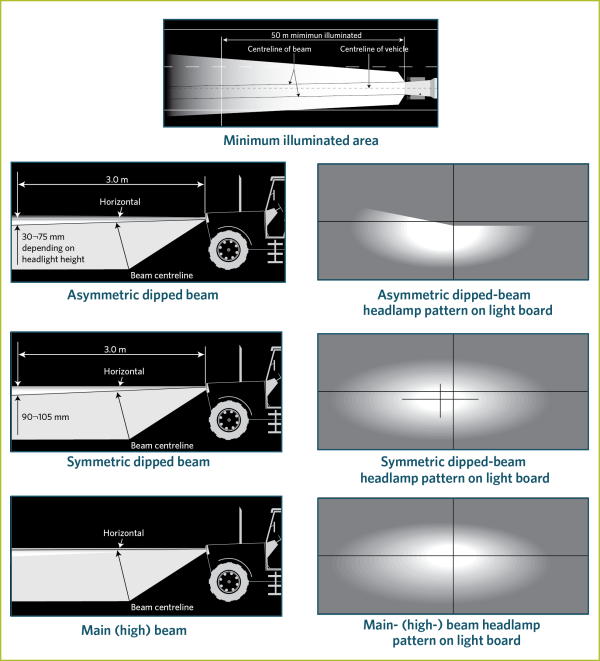
Table 4-1-1. Allowable dipped-beam headlamp alignment | Headlamp type | Distance from ground to centre of light source | Dip rate of beam centre:
lower and upper limits |
|---|
Percent (%) | mm/3 m | Degrees (°) | EITHER | Any headlamp dipped beam | N/A | That specified by the vehicle or headlamp manufacturer |
|---|
OR | Headlamp with an older style symmetric dipped-beam pattern (see Figure 4-1-2) | N/A | 3.0–3.5 | 90–105 | 1.7–2.0 |
|---|
OR | Headlamp with a modern symmetric or asymmetric dipped-beam pattern and distance from ground to centre of light source (see Figure 4-1-2) | less than 0.8 m | 1.0–1.5 | 30–45 | 0.57–0.85 |
|---|
0.8–1.2 m | 1.0–2.0 | 30–60 | 0.57–1.15 | more than 1.2 m | 2.0–2.5 | 60–75 | 1.15–1.43 |
Table 4-1-2. Dipped-beam angle conversionsPercent (%) | mm/3 m | Degrees (°) |
|---|
1.0 | 30 | 0.6 | 1.1 | 33 | 0.6 | 1.2 | 36 | 0.7 | 1.3 | 39 | 0.7 | 1.4 | 42 | 0.8 | 1.5 | 45 | 0.9 | 1.6 | 48 | 0.9 | 1.7 | 51 | 1.0 | 1.8 | 54 | 1.0 | 1.9 | 57 | 1.1 | 2.0 | 60 | 1.1 | 2.1 | 63 | 1.2 | 2.2 | 66 | 1.3 | 2.3 | 69 | 1.3 | 2.4 | 72 | 1.4 | 2.5 | 75 | 1.4 | 2.6 | 78 | 1.5 | 2.7 | 81 | 1.5 | 2.8 | 84 | 1.6 | 2.9 | 87 | 1.7 | 3.0 | 90 | 1.7 | 3.1 | 93 | 1.8 | 3.2 | 96 | 1.8 | 3.3 | 99 | 1.9 | 3.4 | 102 | 1.9 | 3.5 | 105 | 2.0 |
Summary of legislationApplicable legislationMandatory and permitted equipment1. A vehicle other than of class LE: a) must be fitted with one pair of dipped-beam headlamps, and b) may be fitted with one or two pairs of main-beam headlamps. 2. A vehicle of class LE: a) must be fitted with one or two dipped-beam headlamps, and b) may be fitted with one or two main-beam headlamps. 3. A vehicle first registered anywhere between 1 February 1977 and 31 March 1980 may be fitted with a second pair of dipped-beam headlamps that: a) do not operate when the main-beam headlamps are switched on, and b) may operate independently of the first pair of dipped-beam headlamps. 4. A vehicle (eg a vintage or veteran vehicle) manufactured without lamps, or with lamps that cannot meet specified requirements, may obtain a WoF if: a) the vehicle has a valid vehicle identity card with a lighting equipment endorsement, and b) the vehicle meets the conditions of that endorsement. 5. A vehicle required to meet an approved safety standard for lighting must continue to meet an approved safety standard for lighting. 6. A retrofitted dipped-beam headlamp on a vehicle with a GVM of 12,000 kg or less must be fitted at a height not exceeding 1.2 m from the ground (Note 9). 7. A warning device may be fitted that indicates that the main-beam headlamps are switched on. 8. An emergency vehicle or a pilot vehicle may be fitted with a device that allows the headlamps to flash alternately, provided it is also fitted with equipment that indicates to the driver that the device is activated. 9. A retrofitted pair of headlamps must be symmetrically mounted as far towards each side of the vehicle as is practicable. Prohibited equipment10. A dipped-beam headlamp designed solely for a left-hand drive vehicle, where the maximum intensity of the beam is dispersed to the right, must not be fitted. Condition (Note 5)11. A headlamp must: a) be in sound condition, and b) not be obscured. Performance12. A headlamp must operate in a way that is appropriate for the lamp and the vehicle. 13. A headlamp must emit a steady light. 14. A headlamp must provide sufficient illumination and light output to illuminate the road ahead. 15. If fitted with a device that allows headlamps to flash alternately, the lamps must flash at a fixed frequency. 16. A pair of headlamps must emit light that is approximately of equal colour and intensity when switched on. 17. A headlamp must emit a beam that is substantially white or amber. 18. A main-beam headlamp must be capable of being dipped or turned off from the driver’s position. 19. A warning device that indicates that the main-beam lamps are in operation must be in good working order. 20. When the headlamps are switched on and the vehicle’s front wheels are pointing in the straight-ahead position: a) the centre of a headlamp beam must be either parallel to or to the left of the longitudinal centreline of the vehicle, and b) the centre of a main-beam headlamp beam must be either parallel to or dipping down from the horizontal, and c) the centre of a dipped-beam headlamp beam must dip at an angle specified by the vehicle or lamp manufacturer, or: i. 3–3.5% for a symmetric beam pattern, or ii. 1–1.5% for an asymmetric beam pattern where the centre of the light source is less than 0.8 m from the ground, or iii. 1–2% for an asymmetric beam pattern where the centre of the light source is 0.8–1.2 m from the ground, or iv. 2–2.5% for an asymmetric beam pattern where the centre of the light source is above 1.2 m from the ground. 21. The dipped-beam headlamps must illuminate the road ahead for 50 m in normal darkness. 22. Where a headlamp comprises an array of light sources (eg LEDs), at least 75% of these must operate. 23. A device fitted to a vehicle that allows the headlamps to flash must: a) make the headlamps flash alternately at a frequency of 1–2 Hertz, and b) incorporate equipment that indicates to the driver that the device is activated. 24. A headlamp must be fitted with a light source that is specified by the vehicle manufacturer or the headlamp manufacturer. Modifications (Note 4)25. A headlamp that is affected by a modification must meet equipment, condition and performance requirements.
Page amended 1 April 2021 (see amendment details).
4-2 Front and rear fog lamps
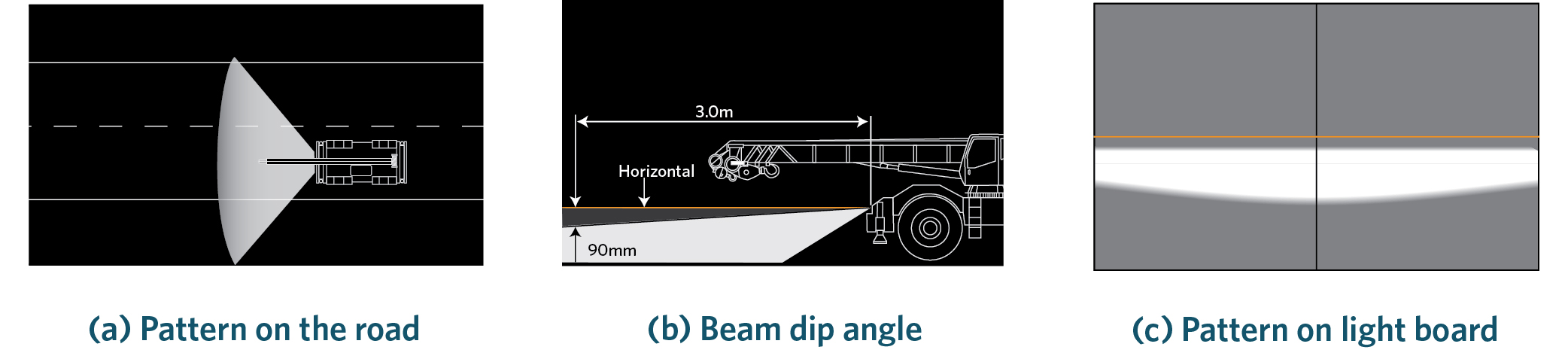
Reasons for rejectionPermitted equipment1. A group M or N vehicle is fitted with: a) only one front fog lamp, or b) more than one pair of front fog lamps. 2. A vehicle of class LE is fitted with more than two front fog lamps. 3. A vehicle is fitted with more than two rear fog lamps. 4. A retrofitted pair of fog lamps is not fitted: a) symmetrically, or b) as far towards each side of the vehicle as is practicable, or c) positioned higher than the dipped-beam headlamps. Condition(see Note 3) 5. A lamp is insecure or contains moisture in the form of large droplets, runs or puddles . 6. A lens is missing, or has a hole, crack or other damage that allows moisture or dirt to enter. 7. A reflector is damaged or has deteriorated so that light output is reduced. 8. A fog lamp warning device, if fitted, is obscured from the driver’s vision. Performance9. When switched on, a front fog lamp does not operate (Note 5). 10. When switched on, a front fog lamp emits light that: a) is not projected to the front, or b) produces an incorrect beam pattern (Figure 4-2-1), or c) is not substantially white or amber to the front, or d) is not approximately equal in colour or intensity from the other lamp in the pair, or e) is not steady, or f) is not bright enough to illuminate the road ahead in conditions of severely reduced visibility, eg due to modification, deterioration, dirt or an incorrect light source, or g) is too bright, and could dazzle other road users, eg due to the fitment of an HID or LED conversion kit (Note 6) or other incorrect light source , or h) is altered, eg due to damage or modification, or i) has a beam centre to the right of the vehicle’s centreline, or j) has a beam that is not permanently dipped, or k) has a beam centre that dips at an angle of less than 3% (Figure 4-2-1). 11. When switched on, a rear fog lamp emits light that is: a) not projected to the rear, or b) not diffuse, or c) not substantially red, or d) not approximately equal in colour or intensity from the other lamp in a pair, or e) of variable intensity, or f) not bright enough to indicate the presence of the vehicle from the rear in conditions of severely reduced visibility, eg due to modification, deterioration or an incorrect light source, or g) altered, eg due to damage or modification. 12. A fog lamp cannot be switched off from the driver’s seating position. 13. Where a fog lamp comprises an array of light sources (eg LEDs), fewer than 75% of these operate. 14. A fog lamp warning device, if fitted, does not operate.
Note 1Fog lamp means a high-intensity front or rear lamp designed to aid the driver or other road users in conditions of severely reduced visibility, including fog or snow, but not including clear atmospheric conditions under the hours of darkness.
Note 2A rear fog lamp that does not comply with equipment, condition and performance requirements must be made to comply or be disabled so that it does not emit a light.
Note 3If a front fog lamp is fitted with a readily removable cover, other than a clear protective cover, this must be removed for inspection of the fog lamp.
Note 4A vehicle originally manufactured with a front- or rear-fog-lamp arrangement that differs from what is required or permitted in this section may retain the original front or rear fog lamps provided they remain fitted in their original position and perform as intended by the vehicle manufacturer.
Note 5A forward-facing permitted lamp that does not comply with the equipment, condition and performance requirements must be made to comply, be removed from the vehicle, or be disabled so that it does not emit a light.
Note 6A high-intensity discharge (HID or Xenon HID) or LED conversion kit consists of an HID or LED bulb which fits into the original fog lamp unit in place of the original bulb with no change to the lens, reflector or housing. It is illegal to fit an HID or LED conversion kit to a vehicle as it brings the fog lamp out of specification by producing poor beam patterns and light that is often far too bright to be safe. The bulbs can also produce light that is noticeably blue and not the required substantially white or amber colour. Fog lamp manufacturers do not permit this modification, and these kits cannot be LVV certified. It is permitted to replace a complete halogen fog lamp unit with a complete HID or LED fog lamp unit.
Summary of legislationApplicable legislationPermitted equipment1. A vehicle other than class LE: one pair of front fog lamps. 2. A vehicle of class LE: one or two front fog lamps. 3. One or two rear fog lamps. 4. A retrofitted pair of fog lamps must be symmetrically mounted as far as is practicable towards each side of the vehicle. 5. A retrofitted front fog lamp must not be positioned higher than the dipped-beam headlamps. 6. A vehicle may be fitted with a warning device that indicates that a front or rear fog lamp is in operation. Condition7. A front fog lamp must be in sound condition. 8. A rear fog lamp must be in sound condition if it emits a light. Performance9. A fog lamp must operate in a way that is appropriate for the lamp and the vehicle. 10. A fog lamp must emit a steady light. 11. A front fog lamp must provide sufficient light output to illuminate the road ahead in conditions of severely reduced visibility. 12. A rear fog lamp must provide sufficient light output to indicate the presence of the vehicle on the road in conditions of severely reduced visibility. 13. The light emitted from a front fog lamp must be substantially white or amber. 14. The light emitted from a rear fog lamp must be diffuse and substantially red in colour. 15. A pair of fog lamps must emit light that is approximately equal in colour and intensity. 16. The centre of a front fog lamp beam must be parallel to or to the left of the longitudinal centreline of the vehicle. 17. The centre of a front fog lamp beam must be permanently dipped at an angle of at least 3%. 18. A fog lamp must be able to be turned off from the driver’s seating position. 19. A front or rear fog lamp warning device must be in good working order. 20. Where a fog lamp comprises an array of light sources (eg LEDs), at least 75% of these must operate. Modifications22. A fog lamp that is affected by a modification: a) must meet equipment, condition and performance requirements, and b) does not require LVV specialist certification.
Page amended 1 April 2024 (see amendment details).
4-3 Cornering lamps
Reasons for rejectionPermitted equipment1. A vehicle is fitted with: a) only one lamp, or b) more than one pair of lamps, or c) a lamp that either: i. was not originally fitted by the vehicle manufacturer, or ii. is not fitted in the original position. Condition2. A lamp is insecure. 3. A lens is missing, or has a hole, crack or other damage that allows moisture or dirt to enter. 4. A lamp’s reflector is damaged or has deteriorated so that light output is reduced. Performance5. When activated by switching on the direction indicator lamp or by turning the steering wheel, a cornering lamp: a) does not operate, or b) does not project in the direction of the turn. 6. A cornering lamp emits light that is: a) not substantially white or amber, or b) not approximately equal in colour or intensity from the other lamp in the pair, or c) not steady, or d) not bright enough to illuminate the road ahead in the direction of the turn, eg due to modification, deterioration, dirt or or an incorrect light source, or e) too bright causing dazzle to other road users, eg due to an incorrect light source or misalignment, or f) altered, eg due to damage or modification. 7. Where a cornering lamp comprises an array of light sources (eg LEDs), fewer than 75% of these operate.
Note 1Cornering lamp means a lamp designed to emit light at the front of a vehicle to supplement the vehicle’s headlamps by illuminating the road ahead in the direction of the turn.
Note 2An original equipment (OE) lamp is one that is fitted by the vehicle manufacturer in the original position, or is an equivalent replacement or aftermarket lamp suitable for the position provided by the vehicle manufacturer for that lamp. All other lamps are considered retrofitted (ie non-OE).
Note 3A vehicle originally manufactured with a cornering lamp arrangement that differs from what is required or permitted in this section may retain the original cornering lamps provided they remain fitted in their original position and perform as intended by the vehicle manufacturer.
Note 4A forward-facing permitted lamp that does not comply with the equipment, condition and performance requirements must be disabled so that it does not emit a light.
Summary of legislationApplicable legislationPermitted equipment1. One pair of cornering lamps fitted as OE. Condition2. A cornering lamp must be in sound condition. Performance3. A cornering lamp must operate in a way that is appropriate for the lamp and the vehicle. 4. A cornering lamp must emit light that is substantially white or amber. 5. A pair of cornering lamps must emit light that is approximately equal in colour and intensity. 6. A cornering lamp must emit a steady light. 7. A cornering lamp must provide sufficient light output to illuminate the road ahead in the direction of the turn. 8. A cornering lamp must be correctly aligned. 9. Where a cornering lamp comprises an array of light sources (eg LEDs), at least 75% of these must operate. Modifications10. A cornering lamp that is affected by a modification: a) must meet equipment, condition and performance requirements, and b) does not require LVV specialist certification.
Page amended 1 December 2016 (see amendment details).
4-4 Daytime running lamps
Reasons for rejectionPermitted equipment1. A vehicle other than class LE is fitted with: a) only one lamp, or b) more than one pair of lamps. 2. A vehicle of class LE is fitted with more than two lamps. 3. A lamp is fitted in a position other than at the front of the vehicle. 4. A retrofitted lamp is not: a) symmetrically mounted, or b) mounted as far towards each side of the vehicle as is practicable. Condition5. A lamp is insecure. 6. A lens is missing, or has a hole, crack or other damage that allows moisture or dirt to enter. 7. A lamp’s reflector is damaged or has deteriorated so that light output is reduced. Performance8. When switched on, a daytime running lamp does not operate (Note 4). 9. When switched on, a daytime running lamp emits light that is: a) projected in a direction other than to the front, or b) not substantially white or amber, or c) not approximately equal in colour or intensity from the other lamp in the pair, or d) not steady, or e) not bright enough to make the vehicle more easily seen during the daytime, eg due to modification, deterioration, dirt or or an incorrect light source, or f) too bright, causing significant dazzle to other road users, eg due to an incorrect light source, or g) altered, eg due to damage or modification. 10. Where a daytime running lamp comprises an array of light sources, fewer than 75% of these operate. 11. A daytime running lamp continues to operate when the headlamps or fog lamps are switched on.
Note 1Daytime running lamp means a lamp designed to emit a low-intensity light forward of a vehicle to make it more easily seen in the daytime.
Note 2A vehicle originally manufactured with a daytime running lamp arrangement that differs from what is required or permitted in this section may retain the original daytime running lamps provided they remain fitted in their original position and perform as intended by the vehicle manufacturer.
Note 3A forward-facing permitted lamp that does not comply with the equipment, condition and performance requirements must be made to comply or be disabled so that it does not emit a light.
Note 4Some vehicles are equipped with OE or after-market daytime running lamps (DRLs) that also incorporate position lamp and direction indicator lamp functions. When the DRLs are on (when headlamps are off), and an indicator lamp is activated, the corresponding DRL is temporarily extinguished or dimmed. When the position lamps are on and an indicator lamp is activated, the corresponding position lamp may remain lit.
Summary of legislationApplicable legislationPermitted equipment1. A vehicle other than class LE may have: one pair of daytime running lamps fitted to the front of the vehicle. 2. A vehicle of class LE may have one or two daytime running lamps fitted to the front of the vehicle. 3. A retrofitted lamp must be symmetrically mounted as far towards each side of the vehicle as is practicable. Condition4. A daytime running lamp must be in sound condition. Performance5. A daytime running lamp must operate in a way that is appropriate for the lamp and the vehicle. 6. A daytime running lamp must emit light that is substantially white or amber. 7. A pair of daytime running lamps must emit light that is of approximately equal colour and intensity. 8. A daytime running lamp must emit a steady light. 9. A daytime running lamp must provide sufficient light output to make the vehicle more easily seen during the daytime. 10. A daytime running lamp must be correctly aligned. 11. A daytime running lamp must not operate when a front fog lamp or a headlamp is in use. 12. Where a daytime running lamp comprises an array of light sources (eg LEDs), at least 75% of these must operate. Modifications13. A daytime running lamp that is affected by a modification: a) must meet equipment, condition and performance requirements, and b) does not require LVV specialist certification.
Page amended 1 December 2016 (see amendment details).
4-5 Direction indicator lamps
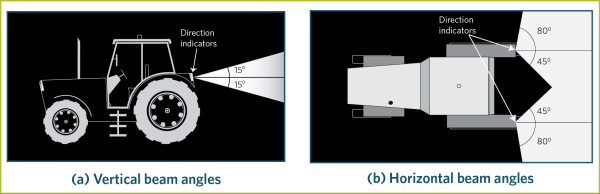
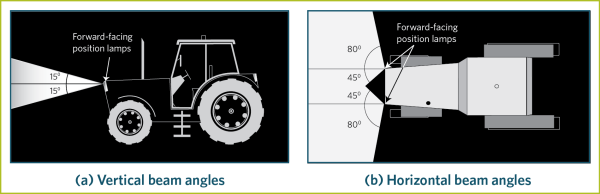
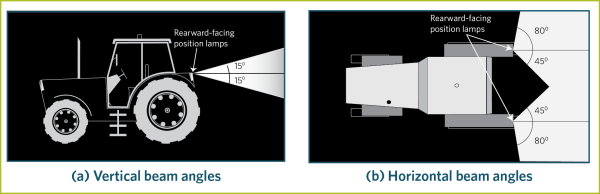
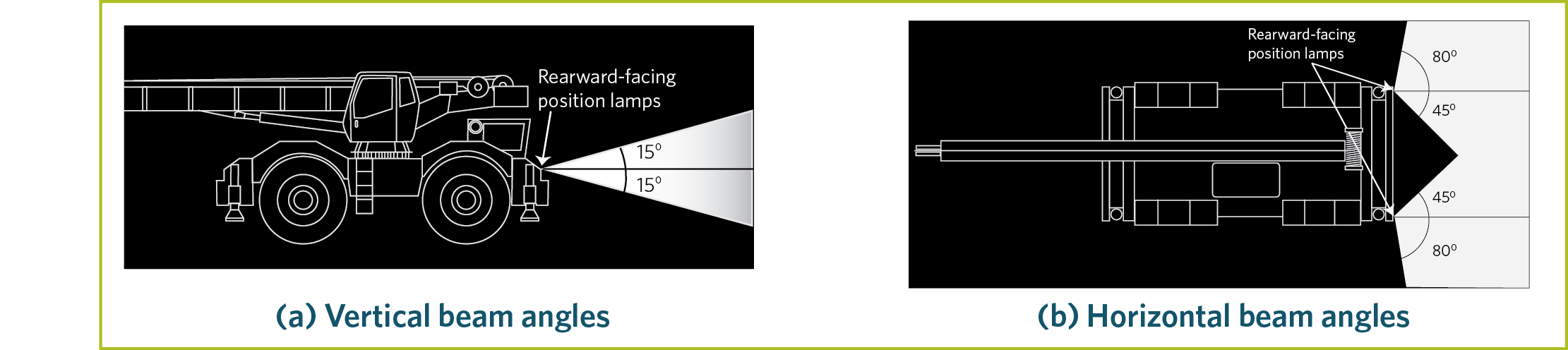
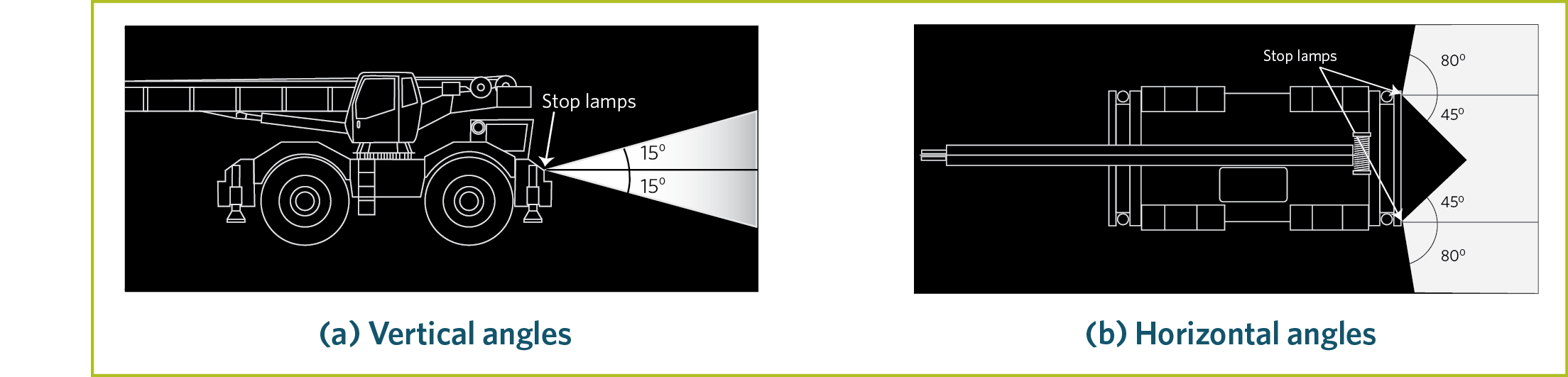
Reasons for rejectionMandatory and permitted equipment1. A vehicle of class LE first registered in New Zealand on or after 1 January 1978 is not fitted with one pair of lamps to the front and one pair of lamps to the rear. 2. A vehicle of class LE first registered in New Zealand before 1 January 1978 is fitted with more than one pair of lamps to the front or more than one pair of lamps to the rear. 3. A vehicle other than class LE first registered anywhere on or after 1 July 1967 is not fitted with one pair of lamps to the front and one pair of lamps to the rear. 4. A vehicle is fitted with more than: a) two pairs of lamps to the front, or b) two pairs of lamps to the rear, or c) three pairs of lamps (including top-mounted lamps) to the rear if the vehicle is an emergency vehicle. 5. An emergency vehicle is fitted at the rear with: a) more than one pair of top-mounted lamps, or b) top-mounted lamps that are not mounted as close as is practicable to the top corners of the bodywork. 6. A vehicle is fitted with more than two side-facing lamps on each side of the vehicle. 7. A vehicle is fitted with a lamp that is not in a pair. 8. A vehicle is not fitted with a visual lamp indicator device that indicates to the driver that a lamp has failed ( only where one was fitted as original equipment). 9. A retrofitted lamp is not: a) symmetrically mounted, or b) mounted as far towards each side of the vehicle as is practicable. 10. A retrofitted lamp, other than a top-mounted lamp on an emergency vehicle, is fitted at a height from the ground exceeding 1.5m (or 2.1m where fitting below 1.5m is not practicable due to the shape of the bodywork of the vehicle). 11. A vehicle (eg avintage or veteran vehicle) does not meet standard direction indicator lamp requirements, and: a) does not have a valid vehicle identity card with a lighting equipment endorsement, or b) does not meet the conditions of the lighting equipment endorsement in its vehicle identity card. Condition12. A lamp is insecure or, if a mandatory lamp, contains moisture in the form of large droplets, runs or puddles. 13. A lens is missing, or has a hole, crack or other damage that allows moisture or dirt to enter. 14. A lamp’s reflector is damaged or has deteriorated so that light output is reduced. 15. A visual lamp-failure warning device is obscured from the driver in the driver’s seating position. Performance16. When switched on, a direction indicator lamp: a) does not operate, or b) does not begin flashing within one second of switching on, or c) flashes: i. faster than two flashes per second, or ii. slower than one flash per second, or iii. at a different rate from other lamps on the same side. 17. When switched on, a direction indicator lamp emits a light that is: a) not substantially white or amber to the front, or b) not substantially amber or red to the rear, or c) not substantially amber to the side, or d) not approximately equal in colour or intensity from the other lamp in a pair, or e) not bright enough to be visible from 100m in normal daylight and from 200m in normal darkness, eg due to modification, deterioration, dirt or an incorrect light source, or f) too bright causing significant dazzle to other road users, eg due to an incorrect light source , or g) altered, eg due to damage or modification. 18. A non-OE mandatory lamp mounted outside the original position emits a light that is not visible within (Figure 4-5-1): a) 15˚ above and below the horizontal, or b) 45˚ inboard or 80˚ outboard. 19. An overlay has been applied that reduces or distorts the light emitted from the lamp (eg a tinted cover). 20. A modification to the vehicle has reduced the visibility angles of a mandatory lamp to less than (Figure 4-5-1): a) 15˚ above and below the horizontal, or b) 45˚ inboard or 80˚ outboard. 21. On a vehicle of American origin fitted with combined stop and indicator lamps, the stop lamp function is not overridden by the indicator function. 22. Where a lamp comprises an array of light sources (eg LEDs), fewer than 75% of these operate. 23. A visual lamp indicator device does not operate.
Note 1 DefinitionsModify means to change a vehicle from its original state by altering, substituting, adding or removing a structure, system, component or equipment, but does not include repair. Repair means to restore a damaged or worn vehicle, its structure, systems, components or equipment to within safe tolerance of its condition when manufactured, including replacement with undamaged or new structures, systems, components or equipment. Direction indicator lamp means a lamp designed to emit a flashing light to signal the intention of the driver to change the direction of the vehicle to the right or to the left.
Note 2A permitted (ie non-mandatory) rear or a non-OE side-facing direction indicator lamp that does not comply with equipment, condition and performance requirements must be made to comply or disabled so that it does not emit a light.
Note 3An original equipment (OE) lamp is one that is fitted by the vehicle manufacturer in the original position, or is an equivalent replacement or aftermarket lamp suitable for the position provided by the vehicle manufacturer for that lamp. All other lamps are considered retrofitted (ie non-OE).
Note 4Vehicles first registered in New Zealand before 27 February 2005 may have rear direction indicator lamps that also function as reversing lamps.
Note 5A vehicle originally manufactured with a direction indicator lamp arrangement that differs from what is required or permitted in this section may retain the original direction indicator lamps provided they remain fitted in their original position and perform as intended by the vehicle manufacturer.
Note 6A forward-facing permitted lamp that does not comply with the equipment, condition and performance requirements must be made to comply or be removed from the vehicle.
Note 7Some vehicles are equipped with OE or after-market daytime running lamps (DRLs) that also incorporate position lamp and direction indicator lamp functions. When the DRLs are on (when headlamps are off), and an indicator lamp is activated, the corresponding DRL is temporarily extinguished or dimmed. When the position lamps are on and an indicator lamp is activated, the corresponding position lamp may remain lit.
Summary of legislationApplicable legislationMandatory and permitted equipment1. A vehicle other than class LE first registered anywhere before 1 July 1967 may be fitted with one or two pairs of lamps to the front and one or two pairs of lamps to the rear of the vehicle. 2. A vehicle other than class LE first registered anywhere on or after 1 July 1967 must be fitted with one or two pairs of lamps to the front and one or two pairs of lamps to the rear of the vehicle. 3. A vehicle of class LE first registered in New Zealand before 1 January 1978 may be fitted with one pair of lamps to the front and one pair of lamps to the rear of the vehicle. 4. A vehicle of class LE first registered in New Zealand on or after 1 January 1978 must be fitted with one or two pairs of lamps to the front and one or two pairs of lamps to the rear of the vehicle. 5. An emergency vehicle may be fitted with an additional pair of indicator lamps at the rear of the vehicle that must be symmetrically mounted as near to the top corners of the bodywork of the vehicle as is practicable (top-mounted lamps). 6. A vehicle may be fitted with one or two side-facing lamps on each side. 7. A suitable device must be fitted that indicates to the driver the failure of a mandatory lamp. 8. A vehicle (eg a vintage or veteran vehicle) manufactured without lamps, or with lamps that cannot meet specified requirements, may obtain a WoF if: a) the vehicle has a valid vehicle identity card with a lighting equipment endorsement, and b) the vehicle meets the conditions of that endorsement. 9. A retrofitted pair of lamps, other than top-mounted lamps, must be mounted: a) symmetrically as far towards each side of the vehicle as is practicable, and b) at a height from the ground not exceeding 1.5 m, or if this is not practicable due to the shape of the bodywork of the vehicle, not exceeding 2.1 m. 10. On vehicles of American origin, the stop lamp and direction indicator lamp function may be combined in one lamp. Condition11. A direction indicator lamp must: a) be in sound condition, and b) not be obscured (if a mandatory lamp). Performance12. A direction indicator lamp must operate in a way that is appropriate for the lamp and the vehicle. 13. A direction indicator lamp must emit a light that is substantially: a) white or amber to the front, and b) red or amber to the rear, and c) amber to the side. 14. A lamp must flash at a fixed frequency in the range of 1–2 Hertz. 15. Each lamp in a pair must, when operated, emit a light of approximately equal intensity, colour and frequency. 16. The lamp-failure indicating device must function. 17. A lamp must emit a light that is visible from 100m during normal daylight and 200m in normal darkness. 18. A retrofitted mandatory lamp must emit a light that is visible within angles of a) 15˚ above and below the horizontal, and b) 45˚ inboard, and c) 80˚ outboard. 19. If a vehicle of American origin is fitted with combined stop and indicator lamps, the indicator lamps must override the stop lamps so that the stop lamps operate as direction indicators. 20. Where a lamp comprises an array of light sources (eg LEDs), at least 75% of these must operate. Modifications (Note 1) 21. A direction indicator lamp that is affected by a modification must meet equipment, condition and performance requirements.
Page amended 2 December 2019 (see amendment details).
4-6 Forward-facing position lamps
Reasons for rejectionMandatory and permitted equipment1. One pair of lamps is not fitted to: a) a vehicle first registered in New Zealand on or after 1 January 1978 that exceeds 1.5m in width, or b) a vehicle that exceeds 2m in width. 2. A vehicle is fitted with more than: a) one pair of lamps, or b) two single lamps. 3. A vehicle (eg a vintage or veteran vehicle) does not meet standard forward-facing position lamp requirements, and: a) does not have a valid vehicle identity card with a lighting equipment endorsement, or b) does not meet the conditions of the lighting equipment endorsement in its vehicle identity card. 4. A retrofitted lamp is mounted at a height from the ground exceeding 1.5m (or 2.1m where fitting below 1.5m is not practicable due to the shape of the bodywork of the vehicle). 5. A retrofitted pair of lamps is: a) not symmetrically mounted, or b) not mounted as far towards each side of the vehicle as is practicable. Condition6. A lamp is insecure or, if a mandatory lamp, contains moisture in the form of large droplets, runs or puddles. 7. A lens is missing, or has a hole, crack or other damage that allows moisture or dirt to enter. 8. A lamp’s reflector is damaged or has deteriorated so that light output is reduced. Performance9. When switched on, a forward-facing position lamp does not operate (Note 5). 10. When switched on, a forward-facing position lamp emits a light that is: a) not substantially white or amber, or b) not diffuse, or c) not projected to the front, or d) not approximately equal in colour or intensity from the other lamp in a pair, or e) not steady, or f) not bright enough to be visible from 200m in normal darkness, eg due to modification, deterioration, dirt or an incorrect light source, or g) is altered, eg due to damage or modification. 11. A non-OE mandatory lamp mounted outside the original position emits a light that is not visible within (Figure 4-6-1): a) 15˚ above and below the horizontal, or b) 45˚ inboard or 80˚ outboard. 12. A modification to the vehicle has reduced the visibility angles of a mandatory lamp to less than (Figure 4-6-1): a) 15˚ above and below the horizontal, or b) 45˚ inboard or 80˚ outboard. 13. An overlay has been applied that reduces or distorts the light emitted from the lamp (eg a tinted cover). 14. Where a lamp comprises an array of light sources (eg LEDs), fewer than 75% of these operate.
Note 1 DefinitionsModify means to change a vehicle from its original state by altering, substituting, adding or removing a structure, system, component or equipment, but does not include repair. Repair means to restore a damaged or worn vehicle, its structure, systems, components or equipment to within safe tolerance of its condition when manufactured, including replacement with undamaged or new structures, systems, components or equipment. Position lamp means a low-intensity lamp that is designed to indicate to road users the presence and dimensions of a vehicle, being: a) a forward-facing position lamp (front side lamp), or b) a rearward-facing position lamp (rear side lamp or tail lamp), or c) a side-marker lamp, or d) an end-outline marker lamp (including cab roof lamp).
Note 2An original equipment (OE) lamp is one that is fitted by the vehicle manufacturer in the original position, or is an equivalent replacement or aftermarket lamp suitable for the position provided by the vehicle manufacturer for that lamp. All other lamps are considered retrofitted (ie non-OE).
Note 3A vehicle originally manufactured with a forward-facing position lamp arrangement that differs from what is required or permitted in this section may retain the original forward-facing position lamps provided they remain fitted in their original position and perform as intended by the vehicle manufacturer.
Note 4A forward-facing permitted lamp that does not comply with the equipment, condition and performance requirements must be made to comply or be removed from the vehicle.
Note 5Some vehicles are equipped with OE or after-market daytime running lamps (DRLs) that also incorporate position lamp and direction indicator lamp functions. When the DRLs are on (when headlamps are off), and an indicator lamp is activated, the corresponding DRL is temporarily extinguished or dimmed. When the position lamps are on and an indicator lamp is activated, the corresponding position lamp may remain lit.
Summary of legislationApplicable legislationMandatory and permitted equipment1. One pair of lamps must be fitted to: a) a vehicle first registered in New Zealand on or after 1 January 1978 that exceeds 1.5m in width b) a vehicle that exceeds 2m in width. 2. One or two lamps may be fitted to: a) a vehicle that does not exceed 1.5m in width b) a vehicle first registered in New Zealand before 1 January 1978 that does not exceed 2m in width. 3. A vehicle (eg a vintage or veteran vehicle) manufactured without lamps, or with lamps that cannot meet specified requirements, may obtain a WoF if: a) the vehicle has a valid vehicle identity card with a lighting equipment endorsement, and b) the vehicle meets the conditions of that endorsement. 4. A retrofitted pair of lamps must be symmetrically mounted as far towards each side of the vehicle as is practicable. 5. A retrofitted lamp must be mounted at a height from the ground not exceeding 1.5m, or if this is not practicable due to the shape of the bodywork of the vehicle, not exceeding 2.1m. Condition6. A forward-facing position lamp must: a) be in sound condition b) not be obscured (if a mandatory lamp). Performance7. A forward-facing position lamp must operate in a way that is appropriate for the lamp and the vehicle. 8. A lamp must emit a light that is: a) diffuse, and b) substantially white or amber, and c) steady, and d) sufficient to indicate to other road users the presence and dimensions of the vehicle, and e) visible from 200m in normal darkness, and f) of approximately equal intensity and colour to the other lamp of a pair. 9. A retrofitted mandatory lamp must be visible within angles of: a) 15˚ above and below the horizontal, and b) 45˚ inboard, and c) 80˚ outboard. 10. Where a lamp comprises an array of light sources (eg LEDs), at least 75% of these must operate. Modifications (Note 1)11. A forward-facing position lamp that is affected by a modification must meet the equipment, condition and performance requirements.
Page amended 2 December 2019 (see amendment details).
4-7 Rearward-facing position lamps
Reasons for rejectionMandatory and permitted equipment1. A vehicle first registered in New Zealand on or after 1 January 1978 that is more than 1.5m wide: a) is not fitted with one pair of lamps, or b) is fitted with more than two pairs of lamps, or c) is fitted with a lamp that is not in a pair, or d) is an emergency vehicle and is fitted with more than three pairs of lamps, including top-mounted lamps. 2. A group M or N vehicle first registered in New Zealand before 1 January 1978 or is less than 1.5m wide is: a) not fitted with one single lamp or one pair of lamps, or b) fitted with more than one single lamp, or c) fitted with more than two pairs of lamps. 3. An emergency vehicle is fitted with: a) more than one pair of top-mounted lamps, or b) top-mounted lamps that are not mounted as close as is practicable to the top corners of the bodywork. 4. A class LE vehicle that was first registered in New Zealand before 1 January 1978 or that is less than 1.5m wide is not fitted with at least one lamp. 5. A vehicle (eg a vintage or veteran vehicle) does not meet standard rearward-facing position lamp requirements, and: a) does not have a valid vehicle identity card with a lighting equipment endorsement, or b) does not meet the conditions of the lighting equipment endorsement in its vehicle identity card. 6. A retrofitted lamp, other than a top-mounted lamp on an emergency vehicle, is mounted at a height from the ground exceeding 1.5m (or 2.1m where fitting below 1.5m is not practicable due to the shape of the bodywork of the vehicle). 7. A retrofitted pair of lamps: a) is not symmetrically mounted, or b) is not mounted as far towards each side of the vehicle as is practicable. Condition8. A lamp is insecure or, if a mandatory lamp, contains moisture in the form of large droplets, runs or puddles. 9. A lens is missing, or has a hole, crack or other damage that allows moisture or dirt to enter. 10. A lamp’s reflector is damaged or has deteriorated so that light output is reduced. Performance11. When switched on, a mandatory lamp does not operate. 12. When switched on, a lamp emits a light that is: a) not substantially red, or b) not diffuse, or c) not projected to the rear, or d) not approximately equal in colour or intensity from that of the other lamp in a pair, or e) not steady, or f) not bright enough to be visible from 200m in normal darkness, eg due to modification, deterioration, dirt or an incorrect light source, or g) is altered, eg due to damage or modification. 13. A non-OE mandatory lamp mounted outside the original position emits a light that is not visible within (Figure 4-7-1): a) 15˚ above and below the horizontal, or b) 45˚ inboard or 80˚ outboard. 14. A modification to the vehicle has reduced the visibility angles of a mandatory lamp to less than (Figure 4-7-1): a) 15˚ above and below the horizontal, or b) 45˚ inboard or 80˚ outboard. 15. An overlay has been applied that reduces or distorts the light emitted from the lamp (eg a tinted cover). 16. Where a lamp comprises an array of light sources (eg LEDs), fewer than 75% of these operate.
Note 1 DefinitionsModify means to change a vehicle from its original state by altering, substituting, adding or removing a structure, system, component or equipment, but does not include repair. Repair means to restore a damaged or worn vehicle, its structure, systems, components or equipment to within safe tolerance of its condition when manufactured, including replacement with undamaged or new structures, systems, components or equipment. Position lamp means a low-intensity lamp that is designed to indicate to road users the presence and dimensions of a vehicle, being: a) a forward-facing position lamp (front side lamp), or b) a rearward-facing position lamp (rear side lamp or tail lamp), or c) a side-marker lamp, or d) an end-outline marker lamp (including cab roof lamp).
Note 2A permitted rearward-facing position lamp that does not comply with equipment, condition and performance requirements must be made to comply or be disabled so that it does not emit a light.
Note 3An original equipment (OE) lamp is one that is fitted by the vehicle manufacturer in the original position, or is an equivalent replacement or aftermarket lamp suitable for the position provided by the vehicle manufacturer for that lamp. All other lamps are considered retrofitted (ie non-OE).
Note 4A vehicle originally manufactured with a rearward-facing position lamp arrangement that differs from what is required or permitted in this section may retain the original rearward-facing position lamps provided they remain fitted in their original position and perform as intended by the vehicle manufacturer.
Summary of legislationApplicable legislationMandatory and permitted equipment1. A vehicle first registered in New Zealand on or after 1 January 1978 and that is more than 1.5m wide must be fitted with one or two pairs of rearward-facing position lamps. 2. A vehicle of group M or N that was first registered in New Zealand before 1 January 1978 or that does not exceed 1.5m in width must be fitted with: a) one single rearward-facing position lamp in the centre or to the right of the centre of the vehicle, or b) one or two pairs of rearward-facing position lamps. 3. A vehicle of class LE that was first registered in New Zealand before 1 January 1978 or that does not exceed 1.5m in width must be fitted with at least one rearward-facing position lamp. 4. An emergency vehicle may be fitted with an additional pair of lamps that must be symmetrically mounted as near the top corners of the bodywork of the vehicle as is practicable (top-mounted lamps). 5. A vehicle (eg a vintage or veteran vehicle) manufactured without lamps, or with lamps that cannot meet specified requirements, may obtain a WoF if: a) the vehicle has a valid vehicle identity card with a lighting equipment endorsement, and b) the vehicle meets the conditions of that endorsement. 6. A retrofitted pair of lamps, other than top-mounted lamps, must be mounted: a) symmetrically as far towards each side of the vehicle as is practicable, and b) at a height from the ground not exceeding 1.5m, or if this is not practicable due to the shape of the bodywork of the vehicle, not exceeding 2.1m. Condition7. A rearward-facing position lamp must: a) be in sound condition, and b) not be obscured (if a mandatory lamp). Performance8. A rearward-facing position lamp must operate in a way that is appropriate for the lamp and the vehicle. 9. A lamp must emit a light that is: a) diffuse, and b) substantially red. 10. A lamp must emit a steady light. 11. A lamp must provide sufficient light output to indicate to other road users the presence and dimensions of the vehicle. 12. A lamp must emit light that is visible from a distance of 200m in normal darkness. 13. A retrofitted mandatory lamp must be visible within angles of 15˚ above and below the horizontal, and within 45˚ inboard and 80˚ outboard. 14. Each lamp in a pair must, when operated, emit a light of approximately equal intensity and colour. 15. Where a lamp comprises an array of light sources (eg LEDs), at least 75% of these must operate. Modifications (Note 4)16. A rearward-facing position lamp that is affected by a modification must meet equipment, condition and performance requirements.
Page amended 2 December 2019 (see amendment details).
4-8 Side-marker lamps
Reasons for rejectionPermitted and prohibited equipment1. A side-marker lamp is not positioned so that it gives an indication of the vehicle’s dimensions. 2. A vehicle less than 6m in length is fitted with a side-marker lamp, unless the vehicle is a production vehicle and the lamp is fitted as original equipment by the vehicle manufacturer. 3. A vehicle manufactured before 1 January 2006 has a forward-facing side-marker lamp that emits light that is not substantially white or amber. 4. A vehicle manufactured on or after 1 January 2006 has a forward-facing side-marker lamp that emits light that is not substantially amber. Condition5. A lamp is insecure. 6. A lens is missing, or has a hole, crack or other damage that allows moisture or dirt to enter. 7. A reflector is damaged or has deteriorated so that light output is reduced. Performance8. When switched on, a side-marker lamp emits a light that: a) is not substantially white or amber to the front, or b) is not substantially red or amber to the rear, or c) is not diffuse, or d) is not approximately of the same colour and intensity on each side of the vehicle, or e) does not remain steadily illuminated, or f) is not bright enough to produce light that is visible from 100m in normal daylight and from 200m in normal darkness, eg due to modification, deterioration, dirt or an incorrect light source. 9. Where a lamp comprises an array of light sources (eg LEDs), fewer than 75% of these operate. Modifications9. A side-marker lamp that is affected by a modification must meet equipment, condition and performance requirements.
Note 1 DefinitionsSide-marker lamp means a position lamp designed to be fitted to the side of a vehicle or its load. Position lamp means a low-intensity lamp that is designed to indicate to road users the presence and dimensions of a vehicle, being: a) a forward-facing position lamp (front side lamp), or b) a rearward-facing position lamp (rear side lamp or tail lamp), or c) a side-marker lamp, or d) an end-outline marker lamp (including cab roof lamp).
Note 2A permitted side-marker lamp that does not comply with equipment, condition and performance requirements must be made to comply or be disabled so that it does not emit a light.
Summary of legislationApplicable legislationPermitted and prohibited equipment1. A light vehicle 6m or more in length may be fitted with one or more side-marker lamps. 2. A side-marker lamp must be positioned so that it gives an indication of the vehicle’s dimensions. 3. A light vehicle less than 6m in length must not be fitted with a side-marker lamp, unless the vehicle is a production vehicle and the lamp is fitted as original equipment by the vehicle manufacturer. 4. The light emitted from a forward-facing side-marker lamp on a vehicle manufactured before 1 January 2006 is not substantially white or amber. 5. The light emitted from a forward-facing side-marker lamp on a vehicle manufactured on or after1 January 2006 is not substantially amber. Condition6. A side-marker lamp must be in sound condition. Performance7. A side-marker lamp must operate in a way that is appropriate for the lamp and the vehicle. 8. A lamp must emit a light that is: a) diffuse, and b) substantially white or amber to the front, and c) substantially red or amber to the rear. 7. A lamp must emit a steady light. 9. A side-marker lamp must provide sufficient light output to indicate to other road users the presence and dimensions of the vehicle. 10. A side-marker lamp must emit a light that is visible from a distance of 100m in daylight and 200m during the hours of darkness. 11. Where a lamp comprises an array of light sources (eg LEDs), at least 75% of these must operate. Modifications12. A side-marker lamp that is affected by a modification must meet equipment, condition and performance requirements.
Page amended 1 December 2016 (see amendment details).
4-9 End-outline marker lamps
Reasons for rejectionPermitted and prohibited equipment1. A light vehicle with an overall width of 1.8m or more is fitted with: a) more than four forward-facing lamps, or b) more than two rearward-facing lamps. 2. A light vehicle with an overall width of less than 1.8m is fitted with end-outline marker lamps. 3. The lamps are not positioned in such a way that they give an indication of the vehicles dimensions. Condition4. A lamp is insecure. 5. A lens is missing, or has a hole, crack or other damage that allows moisture or dirt to enter. 6. A reflector is damaged or has deteriorated so that light output is reduced. Performance7. When switched on, a forward-facing end-outline marker lamp does not operate (Note 2). 8. When switched on, an end-outline marker lamp emits a light that is: a) not substantially white or amber to the front, or b) not substantially red to the rear, or c) not diffuse, or d) not projected to the front or rear, or e) not approximately of the same colour or intensity as the other lamp if fitted in a pair, or f) not steady, or g) not bright enough to indicate the presence and dimensions of the vehicle to other road users. 9. Where a lamp comprises an array of light sources (eg LEDs), fewer than 75% of these operate.
Note 1 DefinitionsEnd-outline marker lamp means a position lamp designed to be fitted near the outer extremity of the vehicle in addition to forward-facing and rearward-facing position lamps, and includes a cab roof lamp. Position lamp means a low-intensity lamp that is designed to indicate the presence and dimensions of a vehicle to other road users, being: a) a forward-facing position lamp (front side or park lamp), or b) a rearward-facing position lamp (rear side lamp or tail lamp), or c) a side-marker lamp, or d) an end-outline marker lamp (including cab roof lamp).
Note 2A rearward-facing end-outline marker lamp that does not comply with the equipment, condition and performance requirements, must be made to comply or be disabled so that it does not emit a light. A non-complying forward-facing end-outline marker lamp must be made to comply or be fully removed from the vehicle.
Note 3A vehicle originally manufactured with an end-outline marker lamp arrangement that differs from what is required or permitted in this section may retain the original end-outline marker lamps provided they remain fitted in their original position and perform as intended by the vehicle manufacturer. Lamps visible from the front and from the rear on the same side of the vehicle may be combined into one device.
Summary of legislationApplicable legislationPermitted and prohibited equipment1. A light vehicle that has an overall width of 1.8m or more may be fitted with a maximum of: a) four forward-facing lamps, and b) two rearward-facing lamps. 2. The position of the lamps must be such that it gives an indication of the vehicle’s dimensions. 3. A light vehicle with an overall width of less than 1.8m must not be fitted with end-outline marker lamps. Condition4. An end-outline marker lamp must be in sound condition. Performance5. An end-outline marker lamp must operate in a way that is appropriate for the lamp and the vehicle. 6. A lamp must emit a light that is: a) diffuse, and b) substantially white or amber to the front, and c) substantially red to the rear. 7. A lamp must emit a steady light. 8. An end-outline marker lamp must provide sufficient light output to indicate to other road users the presence and dimensions of the vehicle. 9. Where a lamp comprises an array of light sources (eg LEDs), at least 75% of these must operate. Modifications10. An end-outline marker lamp that is affected by a modification must meet equipment, condition and performance requirements.
Page amended 1 November 2018 (see amendment details).
4-10 Stop lamps
Reasons for rejectionMandatory and permitted equipment1. A class LE vehicle first registered in New Zealand on or after 1 January 1978 is not fitted with one stop lamp. 2. A class LE vehicle is fitted with more than two stop lamps. 3. A group M or N vehicle first registered in New Zealand before 1 January 1978: a) is not fitted with one stop lamp if the vehicle is so constructed that the driver’s arm signals cannot be seen from behind the vehicle, or b) is fitted with more than four stop lamps. 4. A group M or N vehicle first registered in New Zealand on or after 1 January 1978 is: a) not fitted with one pair of stop lamps, or b) fitted with more than two pairs of stop lamps, or c) fitted with a stop lamp that is not in a pair, or d) an emergency vehicle and is fitted with more than three pairs of lamps, including top-mounted lamps. 5. An emergency vehicle is fitted with: a) more than one pair of top-mounted lamps, or b) top-mounted lamps that are not mounted as close as is practicable to the top corners of the bodywork. 6. A vehicle (eg vintage or veteran vehicle) does not meet standard stop lamp requirements, and: a) does not have a valid vehicle identity card with a lighting equipment endorsement, or b) does not meet the conditions of the lighting equipment endorsement in its vehicle identity card. 7. A retrofitted stop lamp, other than a top-mounted lamp on an emergency vehicle, is fitted at a height from the ground exceeding 1.5m (or 2.1m where fitting below 1.5m is not practicable due to the shape of the bodywork of the vehicle). 8. A retrofitted pair of lamps is not: a) symmetrically mounted, or b) mounted as far towards each side of the vehicle as is practicable. Condition9. A lamp is insecure or, if a mandatory lamp, contains moisture in the form of large droplets, runs or puddles. 10. A lens is missing, or has a hole, crack or other damage that allows moisture or dirt to enter. 11. A reflector is damaged or has deteriorated so that light output is reduced. Performance12. When the service brake is activated: a) a mandatory lamp does not operate, or b) a lamp does not remain steadily illuminated. 13. A lamp operates when the service brake is not applied. 14. A lamp emits a light that is: a) not substantially red, or b) not diffuse, or c) not projected to the rear, or d) not approximately equal in intensity from the other lamp in a pair, or e) not bright enough to produce a light that is visible from 100m in normal daylight, eg due to modification, deterioration, dirt or an incorrect light source, or f) is altered, eg due to damage or modification. 15. A non-OE mandatory lamp mounted outside the original position emits a light that is not visible within (Figure 4-10-1): a) 15˚ above and below the horizontal, or b) 45˚ inboard and outboard. 16. A modification to the vehicle has reduced the visibility angles of a mandatory lamp to less than (Figure 4-10-1): a) 15˚ above and below the horizontal, or b) 45˚ inboard and outboard. 17. An overlay has been applied that reduces or distorts the light emitted from the lamp (eg a tinted cover). 18. Where a lamp comprises an array of light sources (eg LEDs), fewer than 75% of these operate. 19. On a vehicle of American origin fitted with combined stop and direction indicator lamps, the stop lamp function is not overridden by the indicator function.
Note 1 DefinitionsModify means to change a vehicle from its original state by altering, substituting, adding or removing a structure, system, component or equipment, but does not include repair. Repair means to restore a damaged or worn vehicle, its structure, systems, components or equipment to within safe tolerance of its condition when manufactured, including replacement with undamaged or new structures, systems, components or equipment. Stop lamp means a lamp that is designed to operate when the service brake is activated.
Note 2A permitted stop lamp that does not comply with equipment, condition and performance requirements must be made to comply or be disabled so that it does not emit a light.
Note 3An original equipment (OE) lamp is one that is fitted by the vehicle manufacturer in the original position, or is an equivalent replacement or aftermarket lamp suitable for the position provided by the vehicle manufacturer for that lamp. All other lamps are considered retrofitted (ie non-OE).
Note 4A vehicle originally manufactured with a stop lamp arrangement that differs from what is required or permitted in this section may retain the original stop lamps provided they remain fitted in their original position and perform as intended by the vehicle manufacturer.
Summary of legislationApplicable legislationMandatory and permitted equipment1. A class LE vehicle: a) first registered in New Zealand before 1 January 1978 may be fitted with one or two stop lamps. b) first registered in New Zealand on or after 1 January 1978 must be fitted with one or two stop lamps 2. A group M or N vehicle: a) first registered in New Zealand before 1 January 1978: i. may be fitted with one, two or four stop lamps, or ii. must be fitted with one, two or four stop lamps if its construction, equipment or loading prevents an arm signal given by the driver from being seen from behind the vehicle. b) first registered in New Zealand on or after 1 January 1978 must be fitted with one or two pairs of stop lamps that emit a light that is visible from 100m. 3. An emergency vehicle may be fitted with an additional pair of lamps that must be symmetrically mounted as near the top corners of the bodywork of the vehicle as is practicable (top-mounted lamps). 4. A vehicle (eg a vintage or veteran vehicle) manufactured without lamps, or with lamps that cannot meet specified requirements, may obtain a WoF if: a) the vehicle has a valid vehicle identity card with a lighting equipment endorsement, and b) the vehicle meets the conditions of that endorsement. 5. A retrofitted pair of stop lamps must be symmetrically mounted as far towards each side of the vehicle as is practicable. 6. A retrofitted stop lamp, other than a top-mounted lamp, must be fitted at a height from the ground not exceeding 1.5m, or if this is not practicable due to the shape of the bodywork of the vehicle, not exceeding 2.1m. 7. A vehicle (eg a vintage or veteran vehicle) manufactured without lamps, or with lamps that cannot meet specified requirements, may obtain a WoF if: a) the vehicle has a valid vehicle identity card with a lighting equipment endorsement, and b) the vehicle meets the conditions of that endorsement. Condition8. A stop lamp must: a) be in sound condition, and b) not be obscured (if a mandatory lamp). Performance9. A stop lamp must operate in a way that is appropriate for the lamp and the vehicle. 10. The light emitted from a stop lamp must be diffuse light that is substantially red. 11. A required stop lamp must operate when a service brake is activated. 12. A required stop lamp must provide sufficient light output to fulfil its intended purpose. 13. A stop lamp must emit a steady light. 14. A retrofitted mandatory stop lamp must emit a light that is visible within the angles of 15˚ above and below the horizontal, and 45˚ inboard and outboard. 15. If a vehicle of American origin is fitted with combined stop and direction indicator lamps, the indicator lamps must override the stop lamps so that the stop lamps will operate as direction indicators. 16. Where a stop lamp comprises an array of light sources (eg LEDs), at least 75% of these must operate. Modifications (Note 1)17. A stop lamp that is affected by a modification must meet equipment, condition and performance requirements.
Page amended 2 December 2019 (see amendment details).
4-11 High-mounted stop lamps
Reasons for rejectionMandatory and permitted equipment1. A class MA vehicle first registered or manufactured on or after 1 January 1990 is not fitted with one high-mounted stop lamp. 2. A vehicle is fitted with more than two high-mounted stop lamps. 3. A lamp is not fitted in a central high-mounted position. 4. A lamp fitted to a group M or N vehicle, except one that does not have a rear window, or that does not have a rear window visible from the rear, has an illuminated surface that is lower than 150mm below the bottom edge of the rear window. 5. A vehicle (eg a vintage or veteran vehicle) does not meet standard stop lamp requirements, and: a) does not have a valid vehicle identity card with a lighting equipment endorsement, or b) does not meet the conditions of the lighting equipment endorsement in its vehicle identity card. Condition6. A lamp is insecure. 7. A mandatory lamp (Note 2) is obscured, or contains moisture in the form of large droplets, runs or puddles. 8. A lens is missing, or has a hole, crack or other damage that allows moisture or dirt to enter. 9. A reflector is damaged or has deteriorated so that light output is reduced. Performance10. When the service brake is activated: a) a mandatory (Note 2) lamp does not operate, or b) a lamp does not remain steadily illuminated. 11. A lamp operates when the service brake is not activated. 12. A lamp emits a light that is not: a) substantially red, or b) diffuse, or c) projected to the rear, or d) bright enough to be visible from 100m in normal daylight, eg due to modification, deterioration, dirt or an incorrect light source 13. Where a lamp comprises an array of light sources (eg LEDs), fewer than 75% of these operate.
Note 1 DefinitionsHigh-mounted stop lamp means a stop lamp that is designed to be fitted in a central, high-mounted position at the rear of a vehicle. Stop lamp means a lamp that is designed to operate when the service brake is activated.
Note 2Mandatory lamp – the vehicle must have one high-mounted stop lamp that meets the equipment, condition and performance requirements. Any other high-mounted stop lamp is a permitted lamp. The permitted lamp is not required to operate, but if it does operate, it must meet the equipment, condition and performance requirements, although it may be obscured.
Note 3A vehicle originally manufactured with a high-mounted stop lamp arrangement that differs from what is required or permitted in this section may retain the original high-mounted stop lamps provided they remain fitted in their original position and perform as intended by the vehicle manufacturer.
Summary of legislationApplicable legislationMandatory and permitted equipment1. A class MA vehicle first registered or manufactured on or after 1 January 1990 must be fitted with one or two high-mounted stop lamps. 2. Any other vehicle may be fitted with one or two high-mounted stop lamps. 3. A lamp on a group M or N vehicle must be fitted in a central high-mounted position at the rear of the vehicle. 4. No part of a lamp’s illuminated surface must be lower than 150mm below the bottom edge of the rear window, except where there is no rear window fitted or visible from behind the vehicle. 5. A vehicle (eg a vintage or veteran vehicle) manufactured without lamps, or with lamps that cannot meet specified requirements, may obtain a WoF if: a) the vehicle has a valid vehicle identity card with a lighting equipment endorsement, and b) the vehicle meets the conditions of that endorsement. Condition6. A high-mounted stop lamp must be in good condition. 7. At least one high-mounted stop lamp must not be obscured. Performance8. A high-mounted stop lamp must operate in a way that is appropriate for the lamp and the vehicle. 9. The light emitted from a high-mounted stop lamp must be diffuse light that is substantially red. 10. A high-mounted stop lamp must emit a steady light. 11. At least one unobscured lamp must operate when the vehicle’s service brakes are activated. 12. Where a high-mounted stop lamp comprises an array of light sources (eg LEDs), at least 75% of these must operate. Modifications13. An overlay has been applied that reduces or distorts the light emitted from the lamp (eg a tinted cover). 14. A high-mounted stop lamp that is affected by a modification: a) must meet equipment, condition and performance requirements, and b) does not require LVV specialist certification.
Page amended 2 December 2019 (see amendment details).
4-12 Rear-reg.-plate illumination lamps
Reasons for rejectionMandatory equipment1. A vehicle is not fitted with at least one rear-registration-plate illumination lamp. 2. A vehicle (eg a vintage or veteran vehicle) does not meet standard rear-registration-plate illumination lamp requirements, and: a) does not have a valid vehicle identity card with a lighting equipment endorsement, or b) does not meet the conditions of the lighting equipment endorsement in its vehicle identity card. Condition3. A lamp is insecure. 4. A lens is missing, or has a hole, crack or other damage that allows moisture or dirt to enter. 5. A reflector, or lens, is damaged or has deteriorated so that light output is reduced. Performance6. The lamp emits a light that is not: a) substantially white, or b) steady, or c) diffuse. 7. The lamp does not illuminate the registration plate (eg either the lamp or plate have been moved, or the lamps orientation has been changed). 8. The light source of a lamp is visible from the rear of the vehicle. 9. An overlay has been applied that reduces or distorts the light emitted from the lamp (eg a tinted cover).
Note 1 DefinitionsRear-registration-plate illumination lamp means a lamp designed to illuminate the rear registration plate of a vehicle. Modify means to change a vehicle from its original state by altering, substituting, adding or removing a structure, system, component or equipment, but does not include repair. Repair means to restore a damaged or worn vehicle, its structure, systems, components or equipment to within safe tolerance of its condition when manufactured, including replacement with undamaged or new structures, systems, components or equipment.
Note 2A vehicle originally manufactured with a rear-registration-plate illumination lamp arrangement that differs from what is required or permitted in this section may retain the original rear-registration-plate illumination lamps provided they remain fitted in their original position and perform as intended by the vehicle manufacturer.
Summary of legislationApplicable legislationMandatory equipment1. At least one rear-registration-plate illumination lamp. 2. A vehicle (eg a vintage or veteran vehicle) manufactured without lamps, or with lamps that cannot meet specified requirements, may obtain a WoF if: a) the vehicle has a valid vehicle identity card with a lighting equipment endorsement, and b) the vehicle meets the conditions of that endorsement. Performance3. A rear-registration-plate illumination lamp must operate in a way that is appropriate for the lamp and the vehicle. 4. A lamp must emit a diffuse light that is substantially white. 5. A rear-registration-plate illumination lamp must emit a steady light. 6. The light source of the lamp must not be visible from the rear of the vehicle. 7. A lamp must illuminate the figures and letters of the plate so that they are visible from 20m during normal darkness. 8. Where a lamp comprises an array of light sources (eg LEDs), at least 75% of these must operate. Modifications9. A rear-registration-plate illumination lamp that is affected by a modification must meet equipment, condition and performance requirements.
Page amended 1 October 2021 (see amendment details).
4-13 Rear-reflectors
Mandatory and permitted equipment1. A group M or N vehicle: a) is not fitted with at least one red rearward-facing reflector on each side, or b) is fitted with a red rearward-facing reflector that is not in a pair. 2. A class LE vehicle is not fitted with at least one red rearward-facing reflector. 3. A reflector is not positioned to the rear of the vehicle. 4. A retrofitted reflector is fitted at a height from the ground exceeding 1.5m (or 2.1m where fitting below 1.5m is not practicable due to the shape of the bodywork of the vehicle). 5. A retrofitted pair of reflectors is not: a) symmetrically mounted, or b) mounted as far towards each side of the vehicle as is practicable. Condition6. A mandatory reflector’s ability to reflect light is affected by excessive: a) fading, or b) scratching or other damage. 7. A mandatory reflector is obscured. Performance8. The reflected light from a mandatory reflector is not visible from 100m. 9. A rearward-facing reflector on a vehicle reflects white light shining on it as anything other than red light (this does not apply to reflective material such as conspicuity/reflective tape). 10. The reflected light from a reflector is not red. 11. An overlay has been applied that reduces or distorts the light emitted from the lamp (eg a tinted cover).
Note 1 DefinitionsReflector means a distinct item of lighting equipment that is designed to reflect incident light back towards the light source, but does not include reflective material (such as reflective tape). Reflective material means any material that is designed to reflect incident light back towards the light source and includes reflective tape, but does not include a reflector.
Note 2A vehicle originally manufactured with a rear reflector arrangement that differs from what is required or permitted in this section may retain the original rear reflectors provided they remain fitted in their original position and perform as intended by the vehicle manufacturer.
Summary of legislationApplicable legislationMandatory and permitted equipment1. A group M or N vehicle must be fitted with at least one pair of rearward-facing reflectors at a height from the ground not exceeding 1.5m, or if this is not practicable due to the shape of the bodywork of the vehicle, not exceeding 2.1m. 2. A class LE vehicle must be fitted with at least one rearward-facing reflector that reflects light that is visible from 100m. 3. A rearward-facing reflector must be positioned to the rear of the vehicle. 4. A reflector must be of an area that allows it to reflect light to improve the visibility of the vehicle to other road users, but it must not cause them undue dazzle or discomfort. 5. A retrofitted pair of reflectors must be symmetrically mounted as far towards each side of the vehicle as is practicable. Condition6. A mandatory reflector must be in good condition and not be obscured. Performance7. A reflector must operate in a way that is appropriate for the reflector and the vehicle. 8. A reflector must reflect white light as substantially red light. 9. A reflector must provide sufficient light reflection to fulfil its intended purpose. Modifications10. A rear reflector that is affected by a modification: a) must meet equipment, condition and performance requirements, and b) does not require LVV specialist certification.
Page amended 2 December 2019 (see amendment details).
4-14 Reversing lamps
Reasons for rejectionPermitted equipment(see Note 2) 1. A vehicle is fitted with more than two reversing lamps at the rear of the vehicle. 2. A retrofitted pair of reversing lamps is not: a) symmetrically mounted, or b) mounted as far towards each side of the vehicle as is practicable. Condition(see Note 2) 3. A lamp is insecure. 4. A lens is missing, or has a hole, crack or other damage that allows moisture or dirt to enter. 5. A reflector is damaged or has deteriorated so that light output is reduced. Performance(see Note 2) 6. A lamp controlled by gear engagement continues to display a light to the rear when the reverse gear is disengaged. 7. A lamp controlled by a manual switch continues to display a light to the rear while the headlamps are switched on. 8. When engaged, a lamp emits light that is not: a) substantially white (Note 3), or b) steady, or c) diffuse or a dipped beam. 9. Where a lamp comprises an array of light sources (eg LEDs), fewer than 75% of these operate.
Note 1 DefinitionsReversing lamp means a lamp designed to illuminate the area behind the vehicle while it is reversing and to warn other road users that the vehicle is reversing or about to reverse.
Note 2A reversing lamp that does not comply with equipment, condition and performance requirements must be made to comply or be disabled so that it does not emit a light.
Note 3Vehicles first registered in New Zealand before 27 February 2005 were allowed to use rear indicator lamps as reversing lamps. Although the light emitted is amber rather than white, this arrangement is still permitted for these vehicles.
Note 4A vehicle originally manufactured with a reversing lamp arrangement that differs from what is required or permitted in this section may retain the original reversing lamps provided they remain fitted in their original position and perform as intended by the vehicle manufacturer.
Summary of legislationApplicable legislationPermitted equipment1. One or two reversing lamps fitted at the rear of the vehicle. 2. A retrofitted pair of reversing lamps must be symmetrically mounted as far towards each side of the vehicle as is practicable. Condition3. A reversing lamp must be in good condition. Performance4. A reversing lamp must operate in a way that is appropriate for the lamp and the vehicle. 5. A reversing lamp, when operated, must emit a diffuse light or a dipped beam of light that is substantially white (Note 3). 6. A reversing lamp must emit a steady light. 7. A reversing lamp may operate only when the reverse gear is engaged or the headlamps are turned off. 8. Where a reversing lamp comprises an array of light sources (eg LEDs), at least 75% of these must operate. Modifications9. A reversing lamp that is affected by a modification: a) must meet equipment, condition and performance requirements, and b) does not require LVV specialist certification.
4-15 Other lighting
Reasons for rejectionPermitted equipment1. A cosmetic lamp (ie one not listed in Table 4-15-1) that is fitted to a vehicle: a) has a part of its light-emitting surface positioned within 250mm of any mandatory lamp, or b) is not mounted in a fixed position, or c) is positioned so that its light-emitting surface is visible within the shaded areas in Figure 4-15-1. 2. A work lamp that is fitted to a vehicle is wired in such a way that the switch or circuit for any mandatory or optional lamp controls it. Performance3. When switched on, a cosmetic lamp with a light-emitting surface not visible within the shaded areas in Figure 4-15-1 emits a light that: a) is not diffuse, or b) flashes or otherwise varies in intensity or colour, or c) revolves, rotates or otherwise moves, or d) is too bright and likely to dazzle other road users, or e) is likely to cause confusion about the orientation of the vehicle, or f) is red when seen directly from the front, or g) is not red or amber when seen directly from the rear. 4. A forward-facing reflector on a vehicle reflects white light shining on it as anything other than white or amber light. 5. A side-facing reflector on a vehicle reflects white light shining on it as anything other than white or amber light.
Note 1A rear or side cosmetic lamp that does not comply with requirements for condition or performance must be made to comply, or be disabled so that it does not emit a light.
Note 2 DefinitionsLamp means a device designed to emit light, and includes an array of separate light sources that appear as a continuous illuminated surface. Work lamp means a high-intensity lamp that is not necessary for the operation of the vehicle but is designed to illuminate the area or scene and include scene lamps, spot lamps and alley lamps. Scene lamp means a work lamp designed to provide a fixed or movable beam of light to illuminate the area around the vehicle or the vehicle itself. Alley lamp means a work lamp designed primarily to provide a fixed or movable beam of light to the side of the vehicle it is fitted to. Reflective material (or retroreflective material) means any material that is designed to reflect incident light back towards a light source or in a specific direction; but does not include a reflector. Cosmetic lamp means any lamp that is not listed in Table 4-15-1.
Note 3A forward-facing cosmetic lamp that does not comply with the equipment, condition and performance requirements must be made to comply or be removed from the vehicle.
Table 4-15-1. Lamps that are not cosmetic lampsLamps covered in the VIRM | Other lighting equipment not requiring inspection |
|---|
Headlamps Stop lamps High-mounted stop lamps Direction indicator lamps Position lamps
(includes side-marker lamps and end-outline marker lamps) Rear-registration-plate illumination lamps Rear reflectors Fog lamps Daytime running lamps Cornering lamps Reversing lamps PSV interior lamps Work lamps | Interior lamps
Designed to illuminate the interior of the vehicle for the convenience of passengers Flashing or revolving beacons Illuminated vehicle-mounted signs
Includes PSV destination signs, taxi signs and variable message signs operated by enforcement officers, under a traffic management plan or permitted by other legislation A light source that is a necessary part of equipment required or permitted by any enactment to be fitted to a vehicle
Includes LEDs that indicate status on eRUC labels |
Summary of legislationApplicable legislationPermitted equipment1. A vehicle may be fitted with one or more lamps not specified in Table 4-15-1, provided they are fitted so that light sources are not visible in those regions specified in Figure 4-15-1. 2. A cosmetic lamp must be fitted in a fixed position on the vehicle and positioned so that no part of the light source is situated within 250mm of a mandatory lamp. 3. A work lamp fitted to a vehicle must be wired in such a way that the switch or circuit for any mandatory lamp does not control it. 4. A vehicle may be fitted with reflective material to improve the visibility of the vehicle to other drivers and other road users, but the material must not dazzle, confuse or otherwise endanger their safety. Performance5. A cosmetic lamp must: a) only emit light that is diffuse, and b) not emit light that flashes or otherwise varies in intensity or colour, and c) be fitted in a way, and be of a luminance that ensures, that it does not dazzle, confuse or distract other road users, and d) not emit a light that revolves, rotates or otherwise moves, and e) not cause confusion as to the orientation of the vehicle, and f) not emit a red light that is directly visible from the front of the vehicle, and g) not emit a light other than red or amber if the light is directly visible from the rear of the vehicle. 6. A forward-facing reflector on a vehicle must reflect white light shining on it as white or amber light. 7. A side-facing reflector on a vehicle must reflect white light shining on it as white or amber light.
Page amended 1 November 2018 (see amendment details).
5 Vision
5-1 Glazing
Reasons for rejectionMandatory equipmentGlazing markings (windscreens and flat glass only) – visual inspection- Only windscreens and flat glass are required to be inspected for standards markings at in-service inspection. Flat glass is any glazing that is flat edge to edge (like typical housing window glass) in every direction ie a straight edge would sit flush on the glass in every possible position.
1. A glazing marking is not permanent, except for glazing marked by a vendor or installer, and fitted in a vehicle before 1 January 1997, which may be marked by means of a self-adhesive label. 2. A glazing marking required in Table 5-1-1 or Table 5-1-2 is missing, except for: a) plastic glazing behind the driver’s seat in a soft-top convertible, or b) hard plastic material behind the driver’s seat in a vehicle manufactured before 1 January 1991, or c) wire glass fitted to a window behind the driver’s seat of a dangerous goods vehicle, or d) markings on any isolation shield (see Table 5-1-6) (Note 7). 3. The glazing has an incorrect marking for the location in which it is fitted. 4. Glazing that is marked by a vendor or installer does not contain (Table 5-1-3 and Figure 5-1-3): a) wording, characters or symbols that indicate the approved vehicle standard, and b) the type of glazing, and c) the thickness of the glazing in millimetres, or, in the case of laminated glass only, the thickness of the intervening layer of plastic, and d) the identity of the vendor or installer of the glazing. Glazing condition5. A piece of glazing is not mechanically sound, or is not securely affixed to the vehicle. 6. A windscreen or front side window is so dirty or obstructed that the driver’s vision is impaired. 7. A windscreen has damage that prevents the wiper blades from working properly. 8. A windscreen has scratches, discolouration or other defects that unreasonably impair the driver’s vision or compromise the strength of the windscreen. Condition within the critical vision area (CVA)9. The critical vision area (CVA) of a windscreen (Figure 5-1-4) is damaged (apart from scratching, surface pitting, small stone marks and certified visible repairs that do not affect the driver’s vision). Condition outside the CVA10. A windscreen has damage (Note 2) of the types and exceeding the dimensions in Table 5-1-5. 11. Any damage that extends through more than one layer of glass. Glazing performance12. The overall visible light transmittance (VLT) (Note 3) of a windscreen is less than 70%. 13. The overall VLT of a front side window is less than 35% (see also Figure 5-1-6 for minimum VLT limits for modified glazing (tinted overlays) for different vehicle classes). 14. Glazing has a mirrored effect sufficient to dazzle other road users (unless it is OE and has an approved standard marking). Permitted modifications15. A modification that affects glazing is not within the limits in Table 5-1-6. Glazing removal16. OE glazing that affects the structural integrity of the vehicle (eg bonded glazing) has been permanently removed but the vehicle has not been certified to the LVV Code and is not fitted with a valid LVV certification plate, the operator is not able to produce a valid modification declaration or authority card, or the vehicle has not been certified to an accepted overseas system as described in Technical bulletin 13. Condition of modified glazing17. Glazing has scratches or other defects that unreasonably impair vision or compromise the strength of the glazing. Performance of modified glazing18. A modification: a) unreasonably impairs the driver’s vision through the windscreen or a front side window, or b) adversely affects the strength or mechanical performance of the glazing or the vehicle. Windscreen repair19. A windscreen that has been rejected for a WoF or CoF has been repaired and re-presented without the required documentation (Note 6).
Note 1 - DefinitionsWindscreen means all glazing extending across the front of a vehicle that is not parallel to the vehicle’s longitudinal centreline, but does not include a wind deflector. No fitting of overlays or stickers are permitted to the windscreen except those previously mentioned. Laminated glass means glazing consisting of two or more pieces of sheet glass, plate glass or float glass bonded together by one or more intervening layers of plastic material. Overlay means a transparent, translucent or opaque self-adhesive or clinging film that is applied to large areas, or the whole, of a piece of glazing, including anti-glare band overlays, stoneguard overlays. Sticker means a self-adhesive or clinging film, with or without print on it, that is applied for purposes such as, but not limited to, advertising, identification, information, or for aesthetic or legal reasons. Anti-glare band overlay means a tinted overlay that is transparent and that is applied along the top edge of the windscreen for the purpose of reducing glare from the sun. Stoneguard overlay means a clear overlay that is transparent and that is applied along the bottom edge of the windscreen for the purpose of preventing damage to the windscreen from stones and other debris thrown up by other vehicles.
Note 2Damage includes any unrepaired damage and attempted visible repairs that unreasonably impair the driver’s vision.
Note 3Visible light transmittance (VLT) is the proportion of visible light that passes through glazing, measured perpendicular to the glazing. Overall VLT is the VLT of the glazing together with any overlays.
Note 4Any OE opaque edging (usually black) is not considered part of the windscreen when determining the boundaries of the CVA, or the areas permitted for stickers, print on an anti-glare band, or radio antennae.
Note 5Perforated overlays are usually made from printed-on materials. They are therefore not transparent and may be fitted only where stickers are allowed.
Note 6When a windscreen has been rejected for a WoF or CoF, repaired, and then re-presented for inspection, the repair must be certified to AS/NZS 2366: 1999, AS 2366-1990 or NZS 5470: 1993. Proof of certification is the receipt issued in accordance with the relevant standard by the repairer. For AS/NZS 2366: 1999, the windscreen repair invoice must include: a) invoice number b) date of repair c) date of invoice (if different from date of repair) d) trading name and address of repairer e) name or identification of person performing the repair f) make of vehicle g) registration number of vehicle, or if registration number is unavailable then the vehicle identification number (VIN) or chassis number h) details of work carried out i) type and location of repaired damage on the windscreen (it is recommended that this be marked on a schematic windscreen on the invoice form) j) in the case of repairs performed to this standard, a statement that the repairs have been made in accordance with and comply with AS/NZS 2366.1 using a repair system that complies with AS/NZS 2366.2 k) any guarantees or warranties given.
Note 7NZTA makes no representations about the effectiveness of these installations, whether they are required, or whether they are sufficient for the purposes of meeting health and safety or other requirements. It takes no responsibility for the installation and use of isolation shields.
Note 8A tolerance of 5% is permitted for the visible light transmittance (VLT) reading, to compensate for variations in tint film and light meters.
Table 5-1-1. Required markings for windscreens| Date of manufacture |
|---|
| Vehicle class | before 1/1/60 | 1/1/60–1/7/86 | 1/7/86–1/1/91 | 1/1/91–1/7/97 | from 1/7/97 |
|---|
| MA, MB, MC, NA | – | Safety glass with approved trade name or approved standard | Laminated glass with approved standard | Laminated glass with approved standard | Laminated glass with approved standard | | MD1, MD2 | – | Safety glass with approved trade name or approved standard | Safety glass with approved standard | Safety glass with approved standard | Laminated glass with approved standard | | Low volume vehicles | – | – | – | LVV Code | LVV Code |
Table 5-1-2. Required markings for other glazing | Date of manufacture |
|---|
| Vehicle class | before 1/2/77 | 1/2/77–1/1/91 | from 1/1/91 |
|---|
| MA, MB, MC, NA, MD11, MD21 | – | Safety glass with approved trade name or approved standard | Safety glass with approved standard | | Low volume vehicles | – | – | LVV Code |
1 Curved scenic skylights above the cant rail, curved windows at front and rear corners, skylights, louvres and interior partitions may be made of a transparent material of a kind that does not shatter. This material is not usually marked.
Table 5-1-3. Approved trade names for glazingArmourfloat
Armourplate
Blindex
Duolite Safety
Duplate Safety
Flolite
Ford Indestructo
Ford Safety Glass
Ford Silver Arrow
Glacetex | Hankuk Glass Safety Heat
Line
HMC Glass Safety Hankuk
TF5
HMC Glass Safety Hankuk
TV5
Indestructo
Nippon Safety
NM Laminated Safety Glass
FHP
Peerless | Plexite
Safetyflex
Safety MGB (Meloplate)
Safety MGB (Melite Safety
Plate)
Sekurit
Sigla
Spectrofloat Splintex
Sunmat
Suntex Safety Glass | Temperlite
Temperlite Santa Marina
Thorex Connex
Triplex
Triplex Plate
Tuflite
Tyneside
Veracetex |
Table 5-1-4. Glossary of codes for safety glass (including laminated glass)- see Note 1, Note 4, Figure 5-1-1
L | laminated glass | F | float glass | P | plate glass | LF | laminated float | LP | laminated plate | |
V
| toughened, VLT <70%, when near the  mark mark | / | toughened, when near the mark | // or /// | laminated, when near the mark | TS | toughened glass | TP | toughened plate | T | toughened or tempered | Z | zone tempered | HP | high performance laminated safety glass | WHP | complies with impact test (windscreen high performance laminated safety glass) | DOT | Department of Transport (USA) | AS  1 or 1 or AS  2 2 | the glass, in the direction of the arrow, complies with the 70% light transmission requirement | ANSI | American National Standards Institute | FMVSS codes | AS1 | for use anywhere in the vehicle | AS2 | for use anywhere in the vehicle other than windscreen | AS3 | for rear and rear side windows only | AS4 and AS5 | for glazing not used for driver’s vision (eg the rear window of heavy truck cabs or convertible tops, windows/doors in motorhome bodies, ute canopies, rear windows on buses, roof glazing etc) | Glazing cut from mother sheet | L.76WHP | laminated, 0.76 mm interlayer, suitable for all locations | L.38 | laminated, 0.38 mm interlayer, must not be used for windscreens | PCZ26.1 | polycarbonate, meets requirements of ANSI Z26, must not be used for windscreens |
Table 5-1-5. Types and maximum sizes of windscreen damage (outside the CVA)

Table 5-1-6. Permitted modifications
|
Fitting of or modification to:
|
Modification permitted provided that:
|
| Isolation shields (to separate vehicle occupants for the purpose of medical isolation) (Note 7) |
The shield:
- is constructed from a transparent flexible thin film (minimum 80% VLT), and
- does not interfere with the driver’s vision (including through the front side windows, and rear-view mirrors), and
- does not interfere with the operation of airbags, and
- does not interfere with the driver’s ability to reach vehicle controls (including lights, warning devices, etc.), and
- is fastened to the vehicle using flexible/breakaway fixings that are unlikely to injure a vehicle occupant, and
- can be quickly and easily removed to allow for emergency access or exit of the vehicle.
(Note: the partition/shield should be able to be removed, or broken, with a reasonable push or strike to allow both the driver and passenger/s to use an alternative exit in the event of an emergency.)
|
|
Overlays (Note 1):
See below for overlays on windscreens, front side windows, rear and rear side windows, and sun roofs
|
– have any bubbling or other defect that could unreasonably impair vision, or
– have a mirrored effect that is sufficient to dazzle other road users, or
– affect the performance of any high-mounted stop lamp fitted to the vehicle.
|
|
Windscreens:
|
|
Stickers (Note 1)
|
- stickers are wholly within 100mm of the top or bottom edge, or 50mm of the side edges (Note 4), unless required or permitted by legislation, eg:
– a licence label
– a road user licence label
– a WoF label
– an alternative fuel sticker
– a current parking permit or other document issued by the local authority
– learner L-plates (in sticker format) provided the driver’s vision is not unreasonably affected.
|
|
Anti-glare band overlay
(Note 1)
|
- the overlay is transparent, and
- the overlay does not extend below the bottom edge of the vehicle’s OE sun visors when they are folded down as far as possible towards the windscreen, and
- the overlay does not contain print below a line that is 100 mm below and parallel to the top edge of the windscreen (Note 4).
|
|
Clear or transparent stoneguard overlay (Note 1)
|
- the vehicle is not of class MA or MC, and
- the overlay is applied only to the bottom edge of the windscreen, and
- the top edge of the overlay does not extend any higher than the highest point of the steering wheel.
|
|
Radio antennae
|
- antennae are wholly within 100mm of any edge (Note 4).
|
|
Front side windows:
|
|
Transparent overlays (Note 5)
|
- the overall visible light transmittance (VLT) is not reduced to below 35% (Note 8).
|
|
Stickers
|
- stickers are wholly within 100mm of the bottom edge, or 50 mm of any other edge, unless required or permitted by legislation.
|
|
Radio antennae
|
- antennae are wholly within 100mm of any edge.
|
| Window ports or hatches |
The hatch is fitted in a class ME vehicle; and
- The glazing in the hatch either meets an approved standard OR is made of a shatter proof polycarbonate or acrylic material, and
- the glazing has a VLT of not less than 35% (Note 8), AND
- the hatch and its frame:
- does not unreasonably interfere with the driver’s vision, and
- is minimised in size and located to have as little impact on vision as possible (Note 1), and
- is rigid, sturdy, secure and water tight, and
- the original glazing maintains the correct and original compliant markings
Note: A typical compliant hatch will have a frame with a thickness ≤40mm and a total area ≤0.12m2
|
|
Rear and rear-side windows (behind the driver’s seat) –
class MA vehicles except stretch limousines and body transfer vehicles:
|
|
Transparent overlays (Note 5)
|
- the overall visible light transmittance (VLT) is not reduced to below 35% (Note 8), and
- the vehicle is equipped on both sides with external rear-view mirrors.
|
|
Stickers
|
- the stickers are wholly within 100mm of any edge unless they are:
-
- required or permitted by legislation
- required for motorsport purposes (such as competition numbers or competitor names), and the vehicle has a valid motorsport authority card .
|
|
Radio antennae
|
- antennae are wholly within 100mm of any edge.
|
|
Rear and rear-side windows (behind the driver’s seat) –
any vehicle class except MA, but including stretch limousines and body transfer vehicles:
|
|
Overlays and other modifications
|
- the vehicle is equipped on both sides with external rear-view mirrors.
|
|
Stickers
|
- stickers may be applied anywhere on the glazing but, if not wholly within 100mm of any edge (Note 4), the vehicle must be equipped on both sides with external rear-view mirrors.
|
|
Radio antennae
|
- in-service requirements for condition and performance are met.
|
|
Fitting of or modification to:
|
Modification always permitted:
|
|
Monsoon shields
|
- in-service requirements for condition and performance must be met.
|
|
Electric demisters
|
|
Sunroofs (overlays and stickers applied anywhere on the glazing, radio antennae, and electric demisters)
|
|
Any modification for the purposes of law enforcement or the provision of emergency services
|
Summary of legislationApplicable legislationMandatory equipmentGlazing markings1. Windscreens and other glazing must be permanently and indelibly marked as complying with an approved trade name or approved vehicle standard as shown in Table 5-1-1 and Table 5-1-2 unless excluded as below: a) glazing marked by a vendor or installer, and fitted in a vehicle before 1 January 1997, may be marked by means of a self-adhesive label b) plastic glazing behind the driver’s seat in a soft-top convertible need not be marked c) hard plastic material behind the driver’s seat in a vehicle manufactured before 1 January 1991 need not be marked. 2. Glazing marked by the vendor or installer must contain wording, characters or symbols that indicate the approved vehicle standard, and the: a) type of glazing, and b) thickness of the glazing in millimetres or, in the case of laminated glass only, the thickness of the intervening layer of plastic, and c) identity of the vendor or installer of the glazing. Permitted glazing3. Wire glass may be used in any window behind the driver’s seat, if required or allowed under any legislation. 4. Vehicles of class MD1 or MD2 may be fitted with the following, which may be made of a transparent material of a kind that does not shatter: a) curved scenic skylights above the cant rail b) curved windows at the front and rear corners c) skylights d) louvres e) interior partitions. Glazing condition5. Glazing must be mechanically sound, strong, and securely affixed to the vehicle. 6. A windscreen and front side windows must be clean and free of obstruction to ensure the driver has sufficient vision through the glazing to operate the vehicle safely. 7. A windscreen must not have scratches and other defects that: a) unreasonably impair vision, or b) compromise its strength. 8. A laminated windscreen must not show signs of discolouration that could unreasonably impair the driver’s vision. 9. Glazing in roof panels may be tinted. Glazing performance10. A windscreen visible light transmittance (VLT) must be at least 70%. 11. Front side windows VLT must be at least 35%. 12. Glazing must not have a mirrored effect sufficient to dazzle other road users. Permitted modifications13. A modification that affects glazing is permitted if within the limits in Table 5-1-6. Glazing removal14. Permanent removal of OE-specified glazing that affects the structural integrity of the vehicle (eg bonded glazing) must be certified in accordance with the Low Volume Vehicle Code. Condition of modified glazing15. Overlays must not have any bubbling or other defects that could unreasonably impair vision. 16. Glazing must not have any scratches or other defects that unreasonably impair vision or compromise the strength of the glazing. Performance of modified glazing17. Modifications must not: a) unreasonably impair vision through a windscreen or a front side window, or a rear or rear side window in the case of MA vehicles other than stretch limousines or body transfer vehicles, or b) adversely affect the strength or mechanical performance of the glazing or the vehicle. Windscreen repair18. Windscreens: a repair to a windscreen carried out on or after 1 January 1997 must comply with whichever of the following standards is applicable at the date of repair: a) New Zealand standard 5470: 1993, Code of Practice for Automotive Windscreen Repair (superseded by Australian Standard/New Zealand standard 2366: 1999, Windscreen Repairs), or b) Australian standard 2366-1990, Repair of Laminated Glass Windscreens fitted to Road Vehicles (superseded by Australian Standard/New Zealand standard 2366: 1999, Windscreen Repairs).
Page amended 1 April 2023 (see amendment details).
Page updated 4 October 2023 (see details).
5-2 Sun visors
Reasons for rejection
Mandatory equipment
1. A sun visor for the driver’s use is not fitted to a vehicle (other than of class LE) which can practicably be fitted with a sun visor (Note 1).
Condition
2. A sun visor:
a) is insecurely mounted, or
b) for the driver, cannot be adjusted from the normal driving position, or
c) cannot maintain its adjusted position, or
d) has been modified or has deteriorated, and the likelihood of injury to vehicle occupants has not been minimised.
Performance
3. A driver’s sun visor does not effectively aid the driver’s vision by intercepting the glare from the sun.
Note 1 Definitions
Sun visor means any attachment mounted above the inside of the windscreen and provided for the purpose of shielding the eyes of the driver and other front seat passengers from solar glare.
Modify means to change a vehicle from its original state by altering, substituting, adding or removing a structure, system, component or equipment, but does not include repair.
Repair means to restore a damaged or worn vehicle, its structure, systems, components or equipment to within safe tolerance of its condition when manufactured, including replacement with undamaged or new structures, systems, components or equipment.
Summary of legislation
Applicable legislation
Mandatory equipment
1. A vehicle other than of class LE must be fitted with a sun visor for the driver’s use if it is reasonable and practicable to do so (Note 1).
Permitted equipment
2. A vehicle of class LE may be fitted with a sun visor.
3. Additional sun visors may be fitted in other positions.
Condition
4. The condition of a sun visor must be such that the likelihood of injury to occupants is minimised.
Performance
5. A driver’s sun visor must be effective.
Modification
6. A sun visor that is not OE or that has been affected by a modification (Note 1):
a) must meet the requirements for equipment, condition and performance, and
b) does not require LVV specialist certification.
5-3 Windscreen wipe and wash
Reasons for rejectionMandatory equipment1. A vehicle that has a windscreen is not fitted with a windscreen wipe system. 2. A vehicle manufactured on or after 1 January 1992 is not fitted with a windscreen wash system. 3. A vehicle manufactured on or after 1 January 1960 is fitted with wipers that are not power driven. ConditionWindscreen wipe system4. The wiper operating device is missing. 5. A wiper arm or wiper blade is: a) missing, or b) insecure, or c) damaged so as to affect the performance of the wipers. 6. The wiper operating mechanism is: a) missing, or b) insecure, or c) damaged so as to affect the performance of the wipers. Windscreen wash system7. A wash system component is missing or insecure. 8. The wash operating device is missing. PerformanceWindscreen wipe system9. A windscreen wiper does not wipe the windscreen effectively, preventing adequate forward vision by the driver. 10. The wipe operating device is unable to activate the wipe system. Windscreen wash system11. A windscreen wash nozzle does not discharge washer liquid directly onto the windscreen. 12. The wash operating device is unable to activate the wash system. Modifications13. A modification affects a windscreen wipe system, and: a) is not excluded from the requirements for LVV specialist certification (Table 5-3-1), and b) is missing proof of LVV specialist or accepted overseas certification, ie: i. the vehicle is not fitted with a valid LVV certification plate, or ii. the operator is not able to produce a valid modification declaration or authority card, or iii. the vehicle has not been certified to an accepted overseas system as described in Technical bulletin 13.
Table 5-3-1. Modifications that do not require LVV certificationFitting of or modification to: | LVV certification is never required: |
|---|
Removal of a windscreen wash system from a vehicle manufactured before 1/1/1992 | - in-service requirements for condition and performance must be met.
| Any modification for the purposes of law enforcement or the provision of emergency services |
Summary of legislationApplicable legislationMandatory equipment1. A vehicle manufactured before 1 January 1992 that is fitted with a windscreen must have a windscreen wipe system. 2. A vehicle manufactured on or after 1 January 1992 that is fitted with a windscreen must have a windscreen wipe and wash system. 3. Windscreen wipers must be power driven, unless they follow OE specifications in a vehicle manufactured before 1 January 1960. Permitted equipment4. A vehicle may be fitted with a wash system when this is not required. Condition5. A vehicle’s windscreen wipe system must be efficient and within the vehicle manufacturer’s operating limits. Performance6. The equipment fitted must be capable of keeping an adequate area of the windscreen clean and clear so that the vehicle may be operated safely under all reasonably foreseeable conditions. Modifications7. An OE windscreen washing system may be removed from a vehicle manufactured before 1 January 1992. 8. A modification to the windscreen wipe system must be inspected and certified by an LVV specialist certifier unless the vehicle: a) is excluded from the requirement for LVV specialist certification (Table 5-3-1), and b) has been inspected in accordance with the requirements in this manual, including those for equipment, condition, and performance.
Page amended 1 December 2016 (see amendment details).
5-4 Rear-view mirrors
Reasons for rejectionRear-view mirror includes a camera monitor system that uses cameras that are mounted in order to have the same or a similar view as a rear-view mirror and that displays the images viewed by the camera on a monitor inside the vehicle that is visible to the driver. |
Mandatory equipment1. A mandatory rear-view mirror identified in Table 5-4-1 is missing. Condition2. A rear-view mirror: a) is not mounted securely, or b) cannot be adjusted, or c) cannot maintain its adjusted position, or d) is corroded or dirty, or e) is damaged so that it increases the risk of injury to vehicle occupants. Performance3. A rear-view mirror: a) does not provide a clear view to the rear of the vehicle, or b) is not sufficiently isolated from vibrations. Modifications4. A modification affects rear-view mirrors, and: a) is not excluded from the requirements for LVV specialist certification (Table 5-4-2), and b) is missing proof of LVV specialist or accepted overseas certification, ie: i. the vehicle is not fitted with a valid LVV certification plate, or ii. the operator is not able to produce a valid modification declaration or authority card, or iii. the vehicle has not been certified to an accepted overseas system as described in Technical bulletin 13.
Note 1A vehicle with overlays on the rear side windows and rear screen must be fitted with a left-hand and a right-hand exterior mirror.
Table 5-4-1. Mandatory requirements for rear-view mirrorsFor left-hand drive vehicles, read R/H side instead of L/H side, and L/H side instead of R/H side. Vehicle class | Year of manufacture |
|---|
Before 1 January 2000 | From 1 January 2000 |
|---|
MA, MB, MC | External R/H side or interior | External R/H side and interior | NA | External R/H side or interior | External R/H side and interior or external L/H side | MD1, MD2 | External R/H side and external L/H side | External R/H side and external L/H side |
Table 5-4-2. Modifications that do not require LVV certificationFitting of or modification to: | LVV certification is never required: |
|---|
Additional or substituted rear-view mirrors , or removal of a non-mandatory mirror | - in-service requirements for condition and performance must be met.
| Any modification for the purposes of law enforcement or the provision of emergency services |
Summary of legislationApplicable legislationMandatory equipment1. A vehicle must be fitted with one or more of the rear-view mirrors listed in Table 5-4-1. Permitted equipment2. Additional rear-view mirrors may be fitted. Condition3. A rear-view mirror must be: a) securely attached so that the risk of injury is minimised, and b) mounted so that vibration does not inhibit the driver’s required clear view to the rear, and c) sufficiently adjustable, and able to maintain its position. Performance4. A rear-view mirror must provide a clear view to the rear of: a) the motor vehicle itself, and b) the vehicle’s load, and c) any towed trailer and its load. 5. A rear-view mirror must be sufficiently isolated from vibrations. Modifications6. The fitting of additional rear-view mirrors, or a modification that affects rear-view mirrors, must be inspected and certified by an LVV specialist certifier, unless the vehicle: a) is excluded from the requirement for LVV specialist certification (Table 5-4-2), and b) has been inspected in accordance with the requirements in this manual, including those for equipment, condition and performance.
6 Entrance and exit
6-1 Door and hinged panel retention systems
Reasons for rejectionMandatory equipment1. A motor vehicle fitted with doors used by the driver or passengers for entrance and exit of the motor vehicle does not have a door retention system. 2. A vehicle for transporting prisoners which does not have doors in the prison compartment that can be opened from the inside, has no alternative exit that can be operated by an authorised person in an emergency. Equipment condition3. A hinge for a door or other hinged panel is not securely attached to both the vehicle body and to the door or other hinged panel due to loose connections, corrosion or other damage (Note 1). 4. A latch, catch, striker or any other part of a door or hinged panel retention system is not securely attached, or is in poor condition, due to a loose connection, corrosion or other damage (Note 1). 5. A door used for entrance and exit of the driver or passengers cannot be opened from the inside, unless the vehicle is designed or adapted to transport prisoners and the door is inoperable from the inside of the prison compartment. 6. A child safety lock or similar safety device cannot be deactivated. 7. There is corrosion damage within 150 mm of the hinge of a door or other hinged panel (see Figure 6-1-1). 8. There is corrosion damage within 150 mm of the latch of a door or other hinged panel (see Figure 6-1-1). Equipment performance9. A door used for entrance and exit of the driver or passengers does not open or close easily. 10. A door or other hinged panel does not remain secure in a closed or locked position. Modifications11. A modification (Note 2) affects door or hinged panel retention systems, and: a) is not excluded from the requirements for LVV specialist certification (Table 6-1-1), and b) is missing proof of LVV specialist or accepted overseas certification, ie: i. the vehicle is not fitted with a valid LVV certification plate, or ii. the operator is not able to produce a valid modification declaration or authority card, or iii. the vehicle has not been certified to an accepted overseas system as described in Technical bulletin 13.
Note 1Corrosion damage is where the metal has been eaten away, which is evident by pitting. The outward signs of such corrosion damage is typically displayed by the lifting or bubbling of paint. In extreme cases, the area affected by the corrosion damage will fall out and leave a hole.
Note 2 DefinitionsModify means to change a vehicle from its original state by altering, substituting, adding or removing a structure, system, component or equipment, but does not include repair. Repair means to restore a damaged or worn vehicle, its structure, systems, components or equipment, including replacement with undamaged or new structures, systems, components or equipment. Child safety lock (also known as a kiddi-lock) means a safety device installed during the manufacture of the vehicle to prevent a door from being opened from the inside of the vehicle.
Tables and imagesTable 6-1-1 Modifications that do not require LVV certification| Fitting of or modification to: | LVV certification is not required provided that: |
|---|
| Exterior door handles (on doors normally used for entry and exit of occupants) | - the modification is minor (eg removal of key locks), and
- door handles remain fitted and in serviceable condition.
Note
The fitting of a door opening/closing mechanism (which may include the removal of exterior door handles) that differs from original must be LVV certified. |
Fitting of or modification to: | LVV certification is never required: |
|---|
| Any modification for the purposes of law enforcement or the provision of emergency services | - in-service requirements for condition and performance must be met.
|
Summary of legislationApplicable legislationMandatory equipment1. A motor vehicle fitted with doors used by the driver or passengers for entrance and exit of the motor vehicle must have a door retention system. Permitted equipment2. The door retention system on doors to the rear of the driver’s seat may incorporate safety devices installed during the manufacture of the vehicle to prevent the doors from being opened from the inside of the vehicle (eg child safety locks). 3. A vehicle designed or adapted to transport prisoners is not required to be fitted with a mechanism for opening a door from the inside if the prison compartment has an alternative exit that can be operated by an authorised person in an emergency. Equipment condition4. A door retention system and its mountings must be safe and structurally sound. 5. A door used for the entrance and exit of the driver or passengers must be operable by any occupant seated by the door from inside the motor vehicle, unless it is permitted equipment designed or adapted to operate otherwise. 6. The vehicle must be designed and constructed using components and materials that are fit for their purpose, and within safe tolerance of their state when manufactured or modified. Equipment performance7. A door retention system must be in good working order. 8. A door used for entrance and exit must open and close easily. 9. A door used for entrance and exit must remain secure in a closed position during the operation of the motor vehicle. Modifications10. A modification that affects door or hinged panel retention systems must be inspected and certified by a low volume vehicle specialist certifier, unless the vehicle: a) is excluded from the requirement for LVV specialist certification (Table 6-1-1), and b) has been inspected in accordance with the requirements in this manual, including those for equipment, condition and performance.
Page amended 2 December 2019 (see amendment details).
7 Vehicle interior
7-1 Seats and seat anchorages
Reasons for rejectionMandatory equipment1. The vehicle is not fitted with a driver’s seat. 2. A seat is not attached to the vehicle structure by seat anchorages. Condition and performance3. A seat frame or seat structure has been weakened, eg due to damage, corrosion or excessive wear. 4. The adjustment mechanism of a driver’s seat: a) does not operate, or b) is worn, causing excessive movement of the seat. 5. The attachment of the seat to the seat anchorage is loose or weakened by damage. 6. The attachment of the seat anchorage to the vehicle structure is loose or weakened by damage. 7. There is corrosion damage within 150mm of a seat anchorage (Note 4). 8. There is corrosion damage within 300mm of the anchorage of a seat with integrated seatbelt anchorages (Note 4). 9. A driver’s seat is in such a condition that it does not allow the driver to have proper control of the vehicle. Modification10. A modification (Note 3) carried out after 1 March 1999 affects a seat or seat anchorage, and: a) is not excluded from the requirements for LVV specialist certification (Table 7-1-1), and b) is missing proof of LVV specialist or accepted overseas certification, ie: i. the vehicle is not fitted with a valid LVV certification plate, or ii. the operator is not able to produce a valid modification declaration or authority card , or iii. the vehicle has not been certified to an accepted overseas system as described in Technical bulletin 13 .
Note 2Corrosion damage is where the metal has been eaten away, which is evident by pitting. The outward sign of such corrosion damage is typically displayed by the lifting or bubbling of paint. In extreme cases, the area affected by the corrosion damage will fall out and leave a hole.
Note 3 DefinitionsModify means to change a vehicle from its original state by altering, substituting, adding or removing a structure, system, component or equipment, but does not include repair. Repair means to restore a damaged or worn vehicle, its structure, systems, components or equipment to within safe tolerance of its condition when manufactured, including replacement with undamaged or new structures, systems, components or equipment. Seat means an assembly, or part of an assembly, intended to seat at least one person, which may or may not be integral to the structure of the vehicle, and includes components, such as rails and runners, that attach to the seat anchorages. Seat anchorages means the parts of the vehicle structure to which a seat is attached.
Note 4Where the inspector is presented with a Nissan Terrano or Nissan Mistral vehicle of the type that is fitted with a two-layer (double skin) floor panel, the inspection procedure in Technical bulletin 2 must be followed.
Note 5Where a seat with an integrated airbag is fitted with a seat cover that is not airbag compatible, this modification is allowed (a pass), but the inspector should advise the operator, for example by putting a note on the checksheet , that the seat airbag may not work properly in a crash. Airbag compatible seat covers are now readily available.
Note 6- Where a manufacturer fitted or LVV certified seat has been removed, a seatbelt is not required for that position, so any remaining seatbelt or seatbelt anchorage components are not required to be inspected.
- Where an LVV certified seat has been temporarily removed, meaning that the information on the LVV plate differs from the vehicle, this is not on its own a reason for rejection.
- Where seatbelt or seatbelt anchorage components remain fitted, and the vehicle is such that the removed seats can be readily re-fitted and used with the seatbelts, the vehicle inspector must:
- identify which seats were missing when the vehicle was presented for inspection, and
- advise the vehicle operator that the remaining seatbelt components have not been checked, and that if the missing seats are re-fitted at a later stage, it is the vehicle operators' responsibility to ensure that these seats and seatbelts are compliant prior to using them.
If the inspector chooses to inspect any remaining seatbelt components, then they should identify that to the vehicle operator. Any defects should be noted on the checksheet, but must not be failed. The same information as noted above must be recorded on the checksheet to make it clear that the responsibility lies with the vehicle operator if seats are re-fitted.
Table 7-1-1. Modifications that do not require LVV certificationFitting of or modification to: | LVV certification is not required provided that: |
|---|
Aftermarket ‘Retro’ brand child seats designed for children 5–12 years old (up to 38kg) | - the seat is identified as complying with the Australian Federal Code of Practice VSB-5A (category 2 and 3) and installed by Auckland Auto Trimmers or their agents before 1 June 2012.
| Seats – modification or replacement or installation of a seat anchorage after 1 March 1999 | - The seat is of stressed type (Note 7) and is an unmodified OE seat sourced from the same make and model vehicle, and
- the seat of unstressed type (see note 1) and is either an unmodified OE seat from another vehicle or of a known and reputable aftermarket brand, and
- no airbag has been removed or disabled, and
- the seat is fitted to unmodified OE seat anchorages, and
- the seatbelt anchorage or operation is not affected or moved, and
- the seat components (including brackets, runners and rails) are compatible with each other, i.e. they are either OE components from a production vehicle or of a known and reputable aftermarket brand, and are not fitted together by welding, and
- the relationship between seat, seat occupant, front airbag and location of the seatbelt anchorages is not affected.
Note LVV certification is not required where the only modification is the removal of seats and/or seatbelts. However, a class change, and a new load rating may be required in some cases. | |
Campervan conversions
| - The conversion was completed before 1/3/1999, or
- The conversion was completed on or after 1/3/1999, and
- no modifications were carried out to the vehicle rear wall, and
- modifications to the roof meet the following requirements:
- Only a single layer of sheet metal may be cut per roof opening, and
- any bracing or structural elements have not been modified, and
- no modifications are within 150mm of a seatbelt anchorage. and
- no seats or seatbelt anchorages were retrofitted, or
- There is evidence of certification of the modification from the company that carried out the modification, i.e. a secondary certification plate or label in the case of a motorhome conversion (see Technical bulletin 13).
See also Table 3-1-1 and Table 7-5-1 |
Fitting of or modification to: | LVV certification is never required: |
|---|
Seat pads or covers (see (Note 5) for seats with integrated airbags) | - in-service requirements for condition and performance must be met.
| Any modification for the purpose of law enforcement or the provision of emergency services |
Note 7A stressed type seat is a seat to which a seatbelt is directly mounted to any of the components that make up the seat and seat frame. An unstressed seat has no seatbelt attachment point on either the seat or the seat frame (i.e. the seat belt is attached to a different part of the vehicle structure).
Summary of legislationApplicable legislationMandatory equipment1. A motor vehicle must be fitted with a driver’s seat. 2. A seat in a motor vehicle must be fitted to the vehicle structure by means of seat anchorages. Condition and performance3. Seats and seat anchorages must be safe, strong, in sound condition and compatible in strength with each other and with the vehicle structure. 4. The driver’s seat and its anchorages must be designed, constructed and maintained to enable the driver to have proper control of the vehicle. 5. Seats and seat anchorages must be securely attached to the vehicle structure. 6. When a seatbelt or any part of the seatbelt is integral to a seat, the seat and seat anchorages must be compatible in strength with the seatbelt or with that part of the seatbelt attached to the seat. Modification7. A modification, on or after 1 March 1999 to a seat or seat anchorage must be inspected and certified by an LVV specialist certifier, unless the vehicle: a) is excluded from the requirement for LVV specialist certification (Table 7-1-1), and b) has been inspected in accordance with the requirements in this manual, including those for equipment, condition and performance.
Page amended 1 April 2021 (see amendment details).
7-3 Head restraints
Reasons for rejectionCondition and performance1. The external surfaces and padding of a head restraint have deteriorated to the extent that they are likely to injure a vehicle occupant. 2. An adjustable head restraint is unable to remain locked in its adjusted position. Modification3. A modification (Note 1) affects a head restraint, and a) is not excluded from the requirements for LVV specialist certification (Table 7-3-1), and b) is missing proof of LVV specialist or accepted overseas certification, ie: i. the vehicle is not fitted with a valid LVV certification plate, or ii. the operator is not able to produce a valid modification declaration or authority card, or iii. the vehicle has not been certified to an accepted overseas system as described in Technical bulletin 13.
Note 1 DefinitionsModify means to change a vehicle from its original state by altering, substituting, adding or removing a structure, system, component or equipment, but does not include repair. Repair means to restore a damaged or worn vehicle, its structure, systems, components or equipment to within safe tolerance of its condition when manufactured, including replacement with undamaged or new structures, systems, components or equipment.
Table 7-3-1. Modifications that do not require LVV certificationFitting of or modification to: | LVV certification is not required provided that: |
|---|
Head restraint removal | - A front head restraint must not be removed from a vehicle if:
- there is a solid structure within 300mm behind the seat back, or
- the vehicle is required to comply with a frontal impact occupant protection standard (Note 2)
- A rear head restraint must not be removed from a vehicle if there is a solid structure within 300mm behind the seat back.
| Fitting of aftermarket LCD screens to head restraints | - the performance of the head restraint is not affected, ie the head restraint still provides sufficient padding for the seat occupant, and
- the screen is fitted in a suitable manner, eg. it appears similar to OE fitments in other vehicles, or
- the screen can be easily attached or removed.
|
Fitting of or modification to: | LVV certification is never required: |
|---|
- Any modification for the purpose of law enforcement or the provision of emergency services
| - in-service requirements for condition and performance must be met.
|
Note 2The following vehicles with a GVM of 2500 kg or less are required to comply with such a standard: - class MA motor vehicles manufactured from 1 March 1999, and
- class MA motor vehicles that were less than 20 years old when they were first registered in New Zealand on or after 1 April 2002, and
- class MB or MC motor vehicles manufactured from 1 October 2003.
Summary of legislationApplicable legislationPermitted equipment1. A motor vehicle may be fitted with head restraints. Condition and performance2. The external surfaces and padding of a head restraint must not have deteriorated to the extent that the likelihood of injury to an occupant of the vehicle is increased. 3. An adjustable head restraint must remain able to be adjusted and locked into position. Modification4. A modification that affects a head restraint must be inspected and certified by an LVV specialist certifier, unless the vehicle is: a) excluded from the requirement for LVV specialist certification (Table 7-3-1), and b) has been inspected in accordance with the requirements in this manual, including those for equipment, condition and performance.
Page amended 29 April 2020 (see amendment details).
7-5 Seatbelts and seatbelt anchorages
Reasons for rejectionMandatory equipment1. A seatbelt (Note 1) of the type specified in Table 7-5-1 (first registered in NZ before 1/1/1991), Table 7-5-2 (first registered in NZ between 1/1/1991 and 31/3/2002)and Table 7-5-3 (first registered in NZ from 1/4/2002) has not been fitted for the relevant seating position (see (Note 18) for permitted specialist seatbelts), and a) the requirements for specific motor vehicles in Table 7-5-4 are not met, or b) the requirements for modification in Table 7-5-5 are not met. 2. A seat that can be rotated or reversed to face in different directions, for which seatbelts are not provided for all directions, has no notice easily visible by the seat occupant that indicates the direction the seat must (or must not) face when the vehicle is moving. 3. A three-point seatbelt imported and distributed by BVL (Business Ventures Limited) and manufactured by Changzhou BWD, China or Jiang Su Jiu Jiu Traffic Facilities Co. Ltd. is installed (see Figure 7-5-6 for samples to help identify the seatbelts). 4. A re-webbed seatbelt is fitted without evidence of exemption from requirements by NZTA. ConditionSeatbelts- see Figure 7-5-7 for guidance on webbing damage and Figure 7-5-8 for guidance on passable webbing indentations.
5. The seatbelt assembly is not securely fixed to a seatbelt anchorage. 6. A seatbelt component (eg protective plastic cover on buckle, tongue or retractor system) is damaged so that foreign objects may enter the interior components, or that they may cause damage to the interior components, mechanisms or webbing. 7. The seatbelt webbing (including webbing attached to the buckle) has: a) a cut, including a cut on the surface, or b) a rip or tear, or c) fraying, or d) stretching (eg the belt has unusual web patterns or the webbing is deformed, will not lie flat, or is curled or rippled) (see Figure 7-5-8 for exceptions), or e) fading so that most of the colour has been bleached, and: i. shows signs of chalking, or a powdery residue is evident on the webbing, or ii. it has become stiff f) been dyed to conceal fading, or g) contamination from grease, paint, solvents or similar products. h) been replaced or shows other signs of repair (Note 14) and there is no evidence of approval from the seatbelt manufacturer.
Note Such approval is very unlikely. 8. The seatbelt stitching: a) is damaged or insecure, or b) shows signs of home repair, eg gluing, stitching by hand or home sewing machine, staples, bolts, or rivets, or c) indicates that the 'rip stitch' system has been activated, ie the stitching is broken and a 'REPLACE BELT' label has been exposed near the lower seatbelt anchorage, or this label has been cut off. 9. A buckle and tongue: a) are mismatched, or b) do not lock, or c) do not remain locked, or d) do not release easily, or e) are insecure when coupled. 10. A component is missing (Note 19), or is cracked, distorted, damaged or deteriorated in such a way that: a) its strength or integrity is reduced, or b) it may damage another component or the webbing, or c) foreign matter may enter the interior of the mechanism, or d) the seatbelt or a seatbelt component cannot function as intended (does not apply to securely locked seatbelt height adjusters). 11. A seatbelt stalk: a) (wire-cable type) shows broken wires, or b) (plastic-covered webbing type) webbing has deteriorated, or is frayed, cut or faded, or c) (solid metal type) is corroded, cracked or buckled, or d) is not the correct type for the vehicle or the seating position. 12. A seatbelt pretensioning system has not been replaced after activation. Seatbelt anchorages13. A seatbelt anchorage (Note 12): a) is not securely fixed to the vehicle structure, or b) is not securely fixed to the seat if the seatbelt is an integral part of the seat, or c) is corroded, damaged or shows signs of tampering, or d) has evidence of corrosion damage (Note 13) (Note 17) or structural damage within 150mm of a lower seatbelt anchorage mounted in a wheel arch, or within 300mm of any other seatbelt anchorage. Performance14. The seatbelt webbing of a retractor-type seatbelt does not easily pull out from the retractor. 15. The seatbelt webbing of a retractor-type seatbelt has difficulty retracting, eg is slow or intermittent, or does not fully retract. 16. A static seatbelt cannot be adjusted to fit a variety of persons. 17. The seatbelt is not of sufficient length to fit a variety of persons. 18. A seatbelt is located so that it cannot be readily fastened or released by the wearer. 19. The web and/or vehicle sensitivity of a dual-sensitive retractor type seatbelt fitted in a front seating position does not function correctly. 20. The vehicle sensitivity of a single-sensitive retractor type seatbelt fitted in a front seating position does not function correctly. 21. The web sensitivity of a dual-sensitive retractor type seatbelt fitted in a rear seating position does not function correctly. 22. The vehicle sensitivity of a single-sensitive retractor type seatbelt fitted in a rear seating position does not function correctly. Modification23. A modification affects a seatbelt or seatbelt anchorage – including fitting of an alternative type of seatbelt, or a modification (since 1 January 1992) that affects a seatbelt anchorage, and a) is not excluded from the requirements for LVV specialist certification (Table 7–5–5), and b) is missing proof of LVV specialist or accepted overseas certification, ie: i. the vehicle is not fitted with a valid LVV certification plate, or ii. the operator is not able to produce a valid modification declaration or authority card, or iii. the vehicle has not been certified to an accepted overseas system as described in Technical bulletin 13 . 24. The seatbelt assembly has been removed after it was rejected for one or more reasons for rejection due to Condition or Performance (above), whether or not the seatbelt is required to be fitted.
Note 1Seatbelt means an assembly of straps made of webbing or metal with a securing buckle, adjusting devices and attachments, including any device for absorbing energy or for retracting the webbing, that is: a) able to be anchored to the interior of a vehicle, and b) designed to diminish the risk of injury to its wearer in the event of a collision or abrupt deceleration of the vehicle by
limiting the mobility of the wearer’s body.
Note 2
Retractor means a device to accommodate parts, or all, of the webbing of a seatbelt.
Note 3Single-sensitive means a seatbelt retractor that, during normal driving conditions, allows freedom of movement by the wearer of the seatbelt by means of length-adjusting components that automatically adjust the seatbelt to the wearer, and that comprises a locking mechanism activated in an emergency by deceleration of the vehicle (ie the seatbelt is vehicle sensitive).
Note 4Dual-sensitive means a seatbelt retractor that, during normal driving conditions, allows freedom of movement by the wearer of the seatbelt by means of length-adjusting components that automatically adjust the strap to the wearer, and that is activated by two or more of the following: a) deceleration of the vehicle, or b) acceleration of the strap from the retractor, or c) other means of activation.
Note 5Seating position means a seat or part of a seat that is of a suitable size and shape for one person.
Note 6Outer seating position means a seating position next to a side wall of a vehicle where there is no more than 500mm between the longitudinal centre of the seat and the side wall.
Note 7Middle seating position means a seating position in a vehicle that is not an outer seating position.
Note 9Monocoque, in relation to a motor vehicle, means that the chassis of the vehicle is integral to the body.
Note 10Retrofit, in relation to a seatbelt or seatbelt anchorage in a motor vehicle, means to fit a seatbelt or seatbelt anchorage in a location where a seatbelt or seatbelt anchorage has not been fitted before.
Note 11Motorhome means a motor vehicle, other than a trailer, that is permanently equipped with features intended to make the vehicle suitable as a dwelling place, and must include at least one sleeping berth and one table, both of which may be of a design that allows them to be retracted or folded away.
Note 12Seatbelt anchorage means the parts of a vehicle structure, seat structure or any other part of the vehicle to which a seatbelt assembly is attached.
Note 13Corrosion damage is where the metal has been eaten away, which is evident by pitting. The outward signs of such corrosion damage is typically displayed by the lifting or bubbling of paint. In extreme cases the area affected by the corrosion damage will fall out and leave a hole.
Note 14Modify means to change a vehicle from its original state by altering, substituting, adding or removing a structure, system, component or equipment, but does not include repair. Repair means to restore a damaged or worn vehicle, its structure, systems, components or equipment to within safe tolerance of its condition when manufactured, including replacement with undamaged or new structures, systems, components or equipment. - Any repairs, such as webbing or retractor replacement, must be approved by the seatbelt manufacturer. Any modification, such as fitting a different type of seatbelt or a seatbelt extension, must be approved by the seatbelt or vehicle manufacturer. It is very unlikely that a repair or modification will be approved by the vehicle or seatbelt manufacturer. Where such approval is claimed, the inspector must request appropriate evidence.
Note 15Specialist seatbelt means a seatbelt that is designed for specialist purposes, and includes a full harness seatbelt used for motorsport activities.
Note 16Permanent structure means a non-removable structure capable of sustaining loads associated with seatbelts and seatbelt anchorages.
Note 17Where the inspector is presented with a Nissan Terrano or Nissan Mistral vehicle of the type that is fitted with a two-layer (double skin) floor panel, the inspection procedure in Technical bulletin 2 must be followed.
Note 18A vehicle may be fitted with seatbelts other than of type L, S, R1 or R2 only if the seatbelts are of a specialist type (eg full harness seatbelts), and: a) the specialist seatbelts are the vehicle manufacturer’s original equipment specification, or b) the specialist seatbelts have been fitted for a specific purpose (eg motorsport), and the operator produces a valid LVV authority card, or c) the vehicle is scratchbuilt and the specialist seatbelts are noted on the LVV plate.
Note 19Some class MA vehicles must have a type R2 webbing clamp seatbelt in a front outer seating position when a type R1 or R2 seatbelt in that position failed an in-service inspection because of its condition or performance. Refer to Technical bulletin 5 for requirements and exceptions.
Note 20Where a seat has been removed, a seatbelt is not required for that position, and any remaining seatbelt or seatbelt anchorage components are not required to be inspected. Where seatbelt or seatbelt anchorage components remain fitted, and the vehicle is such that the removed seats can be readily re-fitted and used with the seatbelts, the vehicle inspector must: - Identify which seats were missing when the vehicle was presented for inspection, and
- Advise the vehicle operator that the remaining seatbelt components have not been checked, and that if the missing seats are re-fitted at a later stage, it is the vehicle operators' responsibility to ensure that these seats and seatbelts are compliant prior to using them.
If the inspector chooses to inspect any remaining seatbelt components, then they should identify that to the vehicle operator. Any defects should be noted on the checksheet, but must not be failed. The same information as noted above must be recorded on the checksheet to make it clear that the responsibility lies with the vehicle operator if seats are re-fitted.
Note 21Except as provided by Table 7-5-5, any seatbelt fitted to a seating position of a vehicle—either having been entry certified (as originally manufactured or modified) or subsequently specialist certified—must remain and be restored when damaged. It cannot be removed on the grounds that Table 7-5-1, Table 7-5-2, or Table 7-5-3 doesn’t require the seatbelt.
Key to Table 7-5-1, Table 7-5-2 and Table 7-5-3: Types of seatbelts1
|
–
|
No seatbelt required
|
|
L
|
Lap seatbelt
|
|
S
|
Static lap-and-diagonal seatbelt without a retractor (Note 2)
|
|
R1
|
Single-sensitive emergency-locking retractor (ELR) lap and diagonal seatbelt (Note 3)
|
|
R2
|
Multiple- (dual-) sensitive emergency-locking retractor lap-and-diagonal seatbelt (Note 4)
|
1 A requirement for a specified type of seatbelt may be met by the type specified or another type below it in the key.
Table 7-5-1. Vehicles first registered in New Zealand before 1 January 1991
|
Vehicle class
|
Seating position (Note 5)
|
First registered anywhere
|
|
1/1/1955–31/10/1979
|
1/11/1979–31/12/1990
|
|
MA, MB, MC
LE (without motorcycle controls)
(tare <2000 kg)
|
Front outer and driver’s (Note 6)
|
S2
|
R21, 3
|
|
Front middle (Note 7)
|
–
|
L
|
|
Rear outer (Note 8)
|
–
|
R2 or R1 or S
|
|
Rear middle
|
–
|
L
|
|
NA (tare <2000 kg)
|
Front outer and driver’s
|
S2
|
R21
|
|
Front middle
|
–
|
L
|
1 A four-wheel-drive vehicle may be fitted with type S or type R1 seatbelts in the front outer seating position.
2 May retain OE seatbelts, but replacement seatbelts must be of type S, R1 or R2.
3 A class MA vehicle must have a type R2 webbing clamp seatbelt in a front outer seating position, when a type R1 or R2 seatbelt in that position failed an in-service inspection because of its condition or performance.
Refer to Technical bulletin 5 for requirements and exceptions.
Key to Table 7-5-1, Table 7-5-2 and Table 7-5-3: Types of seatbelts1
|
–
|
No seatbelt required
|
|
L
|
Lap seatbelt
|
|
S
|
Static lap-and-diagonal seatbelt without a retractor (Note 2)
|
|
R1
|
Single-sensitive emergency-locking retractor (ELR) lap and diagonal seatbelt (Note 3)
|
|
R2
|
Multiple- (dual-) sensitive emergency-locking retractor lap-and-diagonal seatbelt (Note 4)
|
1 A requirement for a specified type of seatbelt may be met by the type specified or another type below it in the key.
Table 7-5-2. Vehicles first registered in New Zealand 1 January 1991 to 31 March 2002
|
Vehicle class
|
Seating position
|
First registered anywhere
|
| |
|
1/1/1955–
31/10/1979
|
1/11/1979–
31/3/2002
|
|
MA, MB, MC
LE (without motorcycle controls)
|
Front outer and driver’s
|
S1, 2
|
R25, 6
|
|
Front middle
|
–
|
L
|
|
Rear outer
|
–
|
R2 or R1 or S1
|
|
Rear middle
|
–
|
L or S or R1 or R2
|
|
NA
|
Front outer and driver’s
|
S1, 2
|
R25
|
|
Front middle
|
–
|
L
|
|
MD1, MD2
|
Front outer and driver’s
|
–
|
R23, 4, 5
|
| |
Front middle
|
–
|
L4
|
1 Tare weight less than 2000 kg.
2 May retain OE belts, but replacement belts must be of type S, R1 or R2.
3 Applies to MD2 only if of monocoque construction (Note 9).
4 If seatbelts are not fitted, but anchorages are fitted, must have seatbelts fitted from 1 October 2002. If anchorages are not fitted, seatbelts must be retrofitted from 1 October 2003.
5 Front type R1 seatbelts may remain fitted if they were fitted as OE and have a declaration issued by an entry certifier, or a plate affixed to the vehicle in a position approved by the Transport Agency (see Figure 7-5-2, Figure 7-5-3, Figure 7-5-4, Figure 7-5-5 and Figure 7-5-6). If missing, refer the vehicle to an entry certifier.
6 A class MA vehicle must have a type R2 webbing clamp seatbelt in a front outer seating position, when a type R1 or R2 seatbelt in that position failed an in-service inspection because of its condition or performance. Refer to Technical bulletin 5 for requirements and exceptions.
Key to Table 7-5-1, Table 7-5-2 and Table 7-5-3: Types of seatbelts1
|
–
|
No seatbelt required
|
|
L
|
Lap seatbelt
|
|
S
|
Static lap-and-diagonal seatbelt without a retractor (Note 2)
|
|
R1
|
Single-sensitive emergency-locking retractor (ELR) lap and diagonal seatbelt (Note 3)
|
|
R2
|
Multiple- (dual-) sensitive emergency-locking retractor lap-and-diagonal seatbelt (Note 4)
|
1 A requirement for a specified type of seatbelt may be met by the type specified or another type below it in the key.
Table 7-5-3. Vehicles first registered in New Zealand from 1 April 2002
|
Vehicle class
|
Seating position
|
Manufactured
|
|
1/1/1955–31/10/1979
|
1/11/1979–30/9/2003
|
1/10/2003–
|
|
MA, MB, MC
LE (without motorcycle controls)
|
Front outer and driver’s
|
S1, 2
|
R25, 6
|
R25, 6
|
|
Front middle
|
–
|
L
|
L
|
|
Rear outer
|
–
|
R2 or R1 or S1
|
L8 or R2 or R1
|
|
Rear middle
|
–
|
L or S or R1 or R2
|
L or S or R1 or R2
|
|
NA (excluding motorhomes manufactured from 1 October 2003, refer to Table 7-5-4)
|
Front outer and driver’s
|
S1, 2
|
R25
|
R25
|
|
Front middle
|
–
|
L
|
L
|
|
Rear outer
|
–
|
–
|
R2 or R1
|
|
Rear middle
|
–
|
–
|
L or S or R1 or R2
|
|
MD1, MD27
|
Front outer and driver’s
|
–
|
R23, 4, 5
|
R25
|
|
Front middle
|
–
|
L3, 4
|
L
|
|
Rear outer
|
–
|
–
|
L8 or R2 or R1
|
|
Rear middle
|
–
|
–
|
L or S or R1 or R2
|
1 Tare weight less than 2000 kg.
2 May retain OE belts, but replacement belts must be of type S, R1 or R2.
3 Applies to MD2 only if of monocoque construction (Note 9).
4 If seatbelts are not fitted, but anchorages are fitted, must have seatbelts fitted from 1 October 2002. If anchorages are not fitted, seatbelts must be retrofitted from 1 October 2003 (Note 10).
5 Front type R1 seatbelts may remain fitted if they were fitted as OE and have a declaration issued by an entry certifier, or a plate affixed to the vehicle in a position approved by the Transport Agency (see Figures 7-5-2 to 7-5-6). If missing, refer the vehicle to an entry certifier.
6 A class MA vehicle must have a type R2 webbing clamp seatbelt in a front outer seating position, when a type R1 or R2 seatbelt in that position failed an in-service inspection because of its condition or performance. Refer to Technical bulletin 5 for requirements and exceptions.
7MD2 vehicles must be issued with a CoF, please refer the vehicle to the nearest CoF testing station.
8 For motorhomes only.
Table 7-5-4. Requirements for specific motor vehicles
|
Specific vehicles
|
Mandatory equipment
|
|
Sideways-facing seating positions
|
1. A Land Rover manufactured before 1 January 1991 does not require a seatbelt to be fitted.
2. A vehicle fir
7-6 Frontal impact airbags
Reasons for rejectionMandatory equipment1. A deployed frontal impact airbag has not been replaced. 2. An OE airbag warning light system has been removed from a vehicle fitted with airbags. 3. A motor vehicle has a sign, light or other device that indicates the vehicle is fitted with an airbag when it is not fitted with an airbag. Condition and performance4. An airbag cover: a) is damaged, or b) has deteriorated (does not include deterioration of the dash surface due to the effects of sunlight), or c) shows signs of tampering or inadequate repair. 5. Additional equipment has been fitted that may affect the proper performance of the airbag. 6. The airbag warning light: a) does not operate, or b) indicates a fault in the system. Modification7. A modification (Note 2) affects an airbag system (eg an airbag has been removed, or made inoperable, including retrofitting a switch), and: a) is not excluded from the requirements for LVV specialist certification (Table 7-6-1), and b) is missing proof of LVV specialist or accepted overseas certification, ie: i. the vehicle is not fitted with a valid LVV certification plate, or ii. the operator is not able to produce a valid modification declaration or authority card, or iii. the vehicle has not been certified to an accepted overseas system as described in Technical bulletin 13. 8. A motor vehicle that has had an airbag system removed or made inoperable and been certified as above does not: a) have all OE signs, lights, or other devices that indicated the vehicle was fitted with an airbag removed, or b) if the signs, lights, or other devices cannot be readily removed, have a label that indicates an airbag has been removed permanently attached in a prominent location where it is clearly visible to any occupant of the seating position that was previously protected by the airbag.
Note 1 DefinitionsModify means to change a vehicle from its original state by altering, substituting, adding or removing a structure, system, component or equipment, but does not include repair. Repair means to restore a damaged or worn vehicle, its structure, systems, components or equipment to within safe tolerance of its condition when manufactured, including replacement with undamaged or new structures, systems, components or equipment.
Note 2Some modifications are permitted, but they must always be LVV certified. The only modifications permitted are: 1. fitting a switch to render an airbag temporarily inoperable, and 2. the removal or permanent deactivation of an airbag in a vehicle that: - is at least 14 years old, or
- has been adapted for a person with a disability, or
- has been extensively modified for motorsport use.
Table 7-6-1. Modifications that do not require LVV certificationFitting of or modification to: | LVV certification is never required: |
|---|
Any modification for the purposes of law enforcement or the provision of emergency services | - in-service requirements for condition and performance must be met.
|
Summary of legislationApplicable legislationMandatory equipment1. A frontal impact airbag and its operating system must remain operational if the vehicle was originally manufactured with a frontal impact airbag. 2. An airbag warning light system must remain operational if it was fitted by the vehicle manufacturer. 3. A motor vehicle must not have a sign, light, or other device that indicates the vehicle is fitted with an airbag if it is not fitted with an airbag. 4. A motor vehicle must not have a light or other device indicating an airbag operating system is operable if it is inoperable. Permitted equipment5. A switch may be installed as OE to render an airbag temporarily inoperable. Condition and performance6. An airbag and its operating system must be safe and in good condition. 7. An airbag warning light fitted by the manufacturer must remain operational. Modification8. A motor vehicle that has had an airbag removed or made inoperable must either: a) have all OE signs lights, or other devices that indicated the vehicle was fitted with an airbag removed, or b) if the signs, lights, or other devices cannot be readily removed, have a label that indicates an airbag has been removed permanently attached in a prominent location where it is clearly visible to any occupant of the seating position that was previously protected by the airbag. 9. A modification that affects an airbag system must be inspected and certified by an LVV specialist certifier, unless the vehicle is: a) excluded from the requirement for LVV specialist certification (Table 7-6-1), and b) has been inspected in accordance with the requirements in this manual, including those for equipment, condition and performance.
Page amended 1 December 2016 (see amendment details).
7-7 Interior impact
Reasons for rejectionMandatory equipment1. Where an interior fitting, control or surface has been added, removed, substituted or has deteriorated, the likelihood of injury to occupants has not been minimised. Modification2. A modification (Note 1) affects an interior fitting, control or surface, and: a) is not excluded from the requirements for LVV specialist certification (Table 7-7-1), and b) is missing proof of LVV specialist or accepted overseas certification, ie: i. the vehicle is not fitted with a valid LVV certification plate, or ii. the operator is not able to produce a valid modification declaration or authority card, or iii. the vehicle has not been certified to an accepted overseas system as described in Technical bulletin 13.
Note 1 DefinitionsModify means to change a vehicle from its original state by altering, substituting, adding or removing a structure, system, component or equipment, but does not include repair. Repair means to restore a damaged or worn vehicle, its structure, systems, components or equipment to within safe tolerance of its condition when manufactured, including replacement with undamaged or new structures, systems, components or equipment.
Table 7-7-1. Modifications that do not require LVV certification
|
Fitting of or modification to:
|
LVV certification is not required provided that:
|
| Isolation shields (to separate vehicle occupants for the purpose of medical isolation) (Note 3) |
The shield:
- is constructed from a transparent flexible thin film, and
- does not interfere with the driver’s vision (including through the front side windows, and rear-view mirrors), and
- does not interfere with the operation of airbags, and
- does not interfere with the driver’s ability to reach vehicle controls (including lights, warning devices, etc.), and
- is fastened to the vehicle using flexible/breakaway fixings that are unlikely to injure a vehicle occupant, and
- can be quickly and easily removed to allow for emergency access or exit of the vehicle.
(Note: the partition/shield should be able to be removed, or broken, with a reasonable push or strike to allow both the driver and passenger/s to use an alternative exit in the event of an emergency.)
|
|
Additional and substituted items such as instruments, switches, cellphone installations and navigation equipment or an OE item from another vehicle
|
- the items are:
- mounted flush with, or protected by, the dashboard surface, or
- fitted forward of the steering wheel, or between the steering wheel and the nearest door, or
- fitted between and forward of the front seats (where no centre seat exists), and within 140 mm either side of the vehicle centreline
|
| Additional accelerator and brake pedal (for driving school vehicles) |
- The operation of the primary brake pedal is not affected, and
- no modifications to the primary brake pedal or any other part of the primary brake system has occurred, and
- adequate clearance is maintained between all pedals.
See also Table 8-1-1
|
|
Aftermarket brake pedal pads or covers
|
- The operation of the primary brake pedal is not affected, and
- no modifications to the primary brake pedal or any other part of the primary brake system has occurred, and
- adequate clearance is maintained between all pedals.
See also Table 8-1-1
|
| Aftermarket or custom brake pedal extensions (for unusually short people) |
- The extension:
- does not exceed 100mm length when measured from the surface of the original brake pedal, and
- is securely clamped to the original pedal by mechanical means, and
- is sufficiently strong and rigid to withstand emergency brake loads, and
- does not involve any modification to, or compromise the strength of, the original brake pedal, and
- does not significantly change the sideways load or leverage against the pedal, and
- does not significantly increase the weight of the pedal
See also Table 8-1-1
|
| Cargo hoist/cargo lift platform (fitted inside the vehicle) |
- the vehicle is not adapted for the transportation of a person in a wheelchair, and the hoist or tail lifter is positioned to the rear of any vehicle occupants and adequately mounted and,
- the vehicle structure has not been weakened.
See also Table 3-1-1
|
| Cargo barriers |
The cargo barriers are positioned vertically behind the back of the rearmost seat, and
- each seating position, within 300mm of the cargo barrier, is fitted with an effective head restraint, or
- the barrier is constructed from a frame and wire mesh (wire less than or equal to 4mm in diameter) with the ability to collapse rearward in the event of a head-strike and with impact absorbing foam covering any frame structure above the seat and within 150mm of the centreline of the seat, or
- the barrier is of solid construction (metallic or fibre glass etc.) and has impact absorbing foam, covering any area that would otherwise be protected by a head restraint.
Notes
- Any required impact absorbing foam must be at least 25mm thick
- A seat may be removed or permanently disabled to allow the fitment of a cargo barrier without meeting the above requirements.
- Any padding added in place of a head restraint does not need to meet any standards approval unless it is attached to the seat.
- Rearward collapsibility of a cargo barrier can be achieved with anchorage brackets that deform, allowing the barrier to move backward (see Figure 7-7-2)
- Remember that thresholds are only applied to modified vehicles. Some vans have solid OE cargo barriers, and these do not need to meet this threshold
|
|
Disability adaptive controls
|
For disability adaptive hand control systems:
- the hand control operates the accelerator system only, and
- the presence of the hand control system does not significantly increase the risk of injury to occupants in the event of a crash.
For an additional accelerator pedal fitted to the left of the brake pedal:
- the vehicle is equipped with automatic transmission, and
- the additional accelerator pedal does not affect the operation of the brake pedal or any other part of the brake system, and
- the vehicle retains the original equipment accelerator pedal to the right of the brake pedal, and
- adequate clearance is maintained between all pedals, and
- the accelerator system is protected from accidental application, eg by shielding the right hand accelerator pedal or ability to fold away either accelerator pedal when not in use, and
- there is a warning notice easily visible to the driver warning that the foot controls are not as provided by the vehicle manufacturer.
For a steering wheel spinner to assist in the operation of the steering wheel:
- the spinner is contained within the outer circumference of the steering wheel.
|
|
Stereo equipment and speakers
|
- any modification or fitting carried out before 1/1/1992
If fitted to the rear parcel shelf:
- no upper seatbelt anchorage is attached to the shelf or any shelf support bracket, and
- in the case of a top tether point for a child seat attached to the rear shelf, the top tether point is not located within 150 mm of a modification to a rear parcel shelf, and
- the removal of any material from the rear shelf is minimal and is unlikely to have weakened the vehicle structure to which a seatbelt anchorage is attached.
If fitted to a part of the vehicle other than the rear parcel shelf:
- the fitting has not weakened the vehicle structure (Note 2)
- the stereo equipment or speakers fitted in the passenger compartment:
- present no additional risk of injury, and
- are securely fastened by mechanical means.
See also Table 3-1-1 and Table 7-5-1
|
|
Steering wheels
|
- the vehicle does not have an airbag installed as OE, and
- the vehicle is not required to comply with a frontal impact occupant protection standard1 (Note 2), and
- the steering wheel is:
- – a direct substitute without shaft modification, and
- – a non-OE item of a reputable brand or an OE item from another vehicle
- a direct substitute, without steering column shaft modification, and
- a non-OE item of a reputable brand or an OE item from another vehicle, and
- is mounted with a one-piece boss2, and
- has a diameter greater than 245mm, and
- does not significantly inhibit the drivers view of the speedometer or mandatory warning lights.
1 A vehicle that cannot comply with this clause cannot be LVV certified unless it has been issued with an LVV authority card or is at least 14 years old.
2 A vehicle fitted with a quick release steering wheel must always be referred for LVV certification and is only permitted within strict criteria
See also Table 9-1-1
|
|
Roll-bar or roll-cage structures (roll protection or cosmetic)
|
- each seating position is fitted with an effective head restraint, and
- the bars are positioned:
– behind, following a plane extending upward, parallel to the back of the backrest on the rear-most seat, and
– in such a way that the head restraint would provide protection from head contact with any bar section during a crash.
|
|
Gear shift lever relocation
|
- no substantial modifications have occurred to the floor or gearbox tunnel area, other than provision for gear-shift mechanism, and
- the relocation presents no additional risk of injury than OE specification.
See also Table 3-1-1
|
|
Fitting of or modification to:
|
LVV certification is never required:
|
|
Modified accelerator pedal
|
- in-service requirements for condition and performance must be met.
|
|
Roof and door lining replacement
|
|
Cargo barriers
|
|
Any modification for the purpose of law enforcement or the provision of emergency services
|
Note 2The following vehicles with a GVM of 2500 kg or less are required to comply with such a standard: - class MA motor vehicles manufactured from 1 March 1999, and
- class MA motor vehicles that were less than 20 years old when they were first registered in New Zealand on or after 1 April 2002, and
- class MB or MC motor vehicles manufactured from 1 October 2003.
Note 3NZTA makes no representations about the effectiveness of these installations, whether they are required, or whether they are sufficient for the purposes of meeting health and safety or other requirements. It takes no responsibility for the installation and use of isolation shields.
Summary of legislationApplicable legislationCondition and performance1. Interior fittings, controls and surfaces in the passenger compartments must be such that the likelihood of injury to occupants is minimised. Modification2. A modification that affects the interior fittings, controls or surfaces must be inspected and certified by an LVV specialist certifier, unless the vehicle: a) is excluded from the requirement for LVV specialist certification (Table 7-7-1), and b) has been inspected in accordance with the requirements in this manual, including those for equipment, condition and performance.
Page amended 2 December 2021 (see amendment details).
7-12 Speedometer
Reasons for rejectionMandatory equipment1. A vehicle first registered in New Zealand on or after 1 December 1951 that is capable of a speed exceeding 50km/h is not fitted with a speedometer, and the vehicle operator cannot produce acceptable written evidence (Note 2) that: a) the speedometer has been removed for repair, or b) there are no undue delays by the vehicle owner in having the speedometer replaced. Condition and performance2. The speedometer: a) does not operate as intended when the vehicle is moving forward (Note 3), or b) is obscured from the driver’s position, or c) does not indicate the vehicle’s speed in km/h or mph. 3. Reason for rejection 2(a), 2(b) or 2(c) applies and the vehicle operator cannot produce acceptable written evidence (Note 2) that repair of the speedometer or associated equipment is impracticable or that a suitable replacement is not available.
Note 1Speedometer means an instrument in a motor vehicle that continuously indicates to the driver the forward speed of the vehicle in either kilometres per hour (km/h) or miles per hour (mph). For clarification: This definition does not include the speed provided by a GPS system.
Note 2Acceptable written evidence is documentation provided by the speedometer repairer or supplier. A copy of the documentation must be kept on file with the checksheet.
Note 3
If an odometer is not fitted, not working or unable to be read an appropriate note must be entered into the ‘Comments’ section of the check sheet and '000001' entered into the odometer field of the check sheet and '000001' entered into VIC or LANDATA. This may display as “1” on some screens.
Summary of legislationApplicable legislationMandatory equipment1. A vehicle first registered in New Zealand on or after 1 December 1951 that is capable of a speed exceeding 50km/h must be fitted with a speedometer (Note 1). 2. A vehicle is not required to have a speedometer if the speedometer or associated equipment: a) has been removed for repair and there are no undue delays by the vehicle owner in having it replaced, or b) is out of repair, repair is impracticable and a suitable replacement is not available. Condition and performance3. The speedometer must be in good working order and operate while the vehicle is moving forward. Modification4. A speedometer that is affected by a modification: a) must meet the requirements for equipment, condition and performance, and b) does not require LVV specialist certification.
Page amended 1 October 2022 (see amendment details)
Page updated 1 November 2024 (see details)
7-13 Audible warning devices
Reasons for rejection
Mandatory equipment
1. A motor vehicle is:
a) not fitted with a horn, or
b) fitted with a bell or whistle (Note 2), or
c) not an emergency vehicle (Note 1) and is fitted with a siren (Note 2).
2. A horn cannot be easily operated from the driver’s seating position.
Performance
3. The horn does not operate when activated.
4. The horn operates when not activated.
5. The sound from the horn is not steady and continuous, eg the horn plays a tune.
6. The horn is not audible at a distance of 100 m.
7. A siren fitted to an emergency vehicle operates when not activated.
Note 1
Emergency vehicle means a vehicle used for the attendance of emergencies and operated:
a) by an enforcement officer, or
b) by an ambulance service, or
c) as a fire service vehicle, or
d) as a civil defence emergency vehicle, or
e) as a New Zealand Defence Force emergency vehicle.
Note 2
A vehicle may be fitted with a bell, whistle or siren that is part of an anti-theft car alarm, personal security alarm or reversing warning device.
Summary of legislation
Applicable legislation
Mandatory equipment
1. A vehicle must be fitted with a device (horn) that is audible to other road users.
Permitted equipment
2. A vehicle may be fitted with a bell, whistle or siren only as follows:
a) a siren fitted to an emergency vehicle (Note 1), or
b) a siren, bell or whistle that is part of an anti-theft car alarm, personal security alarm or a reversing warning device.
Performance
3. The device must be in good working order.
4. The device must be capable of giving a warning that is audible under normal traffic conditions from a distance of at least 100 m.
Modification
5. An audible warning device that is affected by a modification:
a) must meet the requirements for equipment and performance, and
b) does not require LVV specialist certification.
8 Brakes
8-1 Service brake and parking brake
Reasons for rejectionMandatory equipmentService brake(see Note 1) 1. A vehicle does not have a service brake. 2. A vehicle first registered anywhere on or after 1 February 1977 does not have a service brake that is designed to act on each wheel. 3. A vehicle first registered anywhere before 1 February 1977 does not have a service brake that is designed to act on at least two wheels. 4. A vehicle of class LE first registered anywhere before 1 February 1977 does not have a service brake that is designed to act on at least one wheel. 5. A vehicle of class MA, MB, MC, MD1, MD2 or NA first registered in New Zealand after 1 November 1990 that does not have a dual-circuit service brake does not have a parking brake that is capable of bringing the vehicle to a controlled stop. Parking brake(see Note 1) 6. A vehicle does not have a parking brake (does not apply to twinned-wheeled class LE vehicles). 7. A parking brake on a vehicle of class MA, MB, MC, MD1, MD2 or NA does not act on at least one complete axle. 8. A parking brake on a vehicle of class MA, MB, MC, MD1, MD2 or NA does not act on at least one axle that has dual wheels fitted. ConditionService brake9. There is corrosion damage (Note 1) within 150mm of a brake component mounting point. 10. The service brake pedal: a) is insecure, or b) is spongy (indicating air in the system), or c) creeps, or d) has a non-slip surface which has deteriorated to such an extent that the brake cannot be safely applied, or e) has excessive travel (pedal travel reduces after one or two applications). 11. A vacuum hose or pipe (including connections) is: a) insecure, or b) leaking, or c) damaged (cracked, chafed, twisted, stretched or corroded, eg showing signs of pitting or a noticeable decrease in the pipe’s outside diameter). 12. The brake vacuum servo (brake booster) is: a) not functioning fully or adequately, or b) leaking, or c) insecure. 13. The brake vacuum pump: a) is not functioning fully or adequately, or b) is insecure, or c) drive belt is in poor condition. 14. The brake master cylinder is: a) leaking brake fluid, or b) insecure, or c) excessively corroded, or d) reservoir fluid level is below the minimum indicator where this is visible externally. 15. A brake valve is: a) not operating (eg has a seized load-sensing valve), or b) leaking brake fluid, or c) insecure, or d) excessively corroded. 16. A brake pipe (including connections) is: a) leaking brake fluid, or b) insecure, or c) deformed from its original shape, or d) chafed, or e) corrosion damaged, eg there are signs of pitting or a noticeable increase in the pipe’s outside diameter. 17. A flexible hydraulic brake hose (including connections): a) is leaking brake fluid, or b) is insecure, or c) bulges under pressure, or d) is twisted, stretched or chafed, or e) has external sheathing which is cracked to the extent that the reinforcing cords are exposed, or f) has metal connections which are excessively corroded, or g) has an end fitting which is not attached to the hose by means of swaging, machine crimping or a similar process (Note 3). 18. A brake calliper: a) shows visible signs of leaking, or b) is insecure. 19. A brake backing plate is: a) insecure, or b) severely corroded, or c) deformed from its original shape, or d) cracked, or e) contaminated by brake fluid, oil or grease. 20. A wheel cylinder: a) shows visible signs of leaking, or b) is insecure, or c) is seized. 21. An ABS system component is damaged, insecure or missing. 22. A brake disc or drum is: a) worn beyond manufacturer’s specifications (where visible without removing vehicle components) (Note 2), or b) fractured or otherwise damaged (where visible without removing components) (Note 2), or c) contaminated by brake fluid, oil or grease. 23. Brake friction material (where visible without removing vehicle components) (Note 2) is: a) worn below manufacturer’s specifications, or b) separating from the brake pad backing plate or brake shoe, or c) contaminated by brake fluid, oil or grease. 24. A gap between the brake shoe and the brake drum exceeds manufacturer’s specifications (where visible without removing vehicle components) (Note 2). 25. A service brake component shows signs of heating or welding after original manufacture. Parking brake26. The parking brake lever: a) has excessive travel, or b) is insecure, or c) mounting is damaged, corroded, distorted or fractured within 150 mm of the lever mounting, or d) mechanism or lever pivot bearing is worn or damaged so that the parking brake could be easily released by accident. 27. The parking brake cable: a) is knotted, frayed or excessively corroded, or b) has an auxiliary tensioner fitted, or c) has otherwise deteriorated so that it may affect the parking brake performance. 28. A parking brake actuating rod or guide: a) is excessively corroded, or b) is excessively worn, or c) has otherwise deteriorated so that it may affect the parking brake performance. 29. A parking brake component shows signs of heating or welding after original manufacture. Electronic Stability Control (ESC) systems30. Where the vehicle is fitted with an ESC system (if determined by the vehicle inspector – see Technical Bulletin 11), the warning light indicates a fault. 31. Where the vehicle is fitted with an ESC system (if determined by the vehicle inspector – see Technical Bulletin 11), the system has been removed from the vehicle. Advanced brake systems32. A motorcycle that is fitted with an antilock brake system has a non-OEM means of disabling that system, such as an after-market/non-factory switch. 33. A motorcycle’s ABS has been disabled. PerformanceService brake34. The service brake cannot be applied in a controlled and progressive manner. 35. When the service brake is applied and without assistance from the engine: a) the vehicle does not stop within 7m from a speed of 30km/h (average brake efficiency of 50%), or b) the vehicle does not stop within 9m from a speed of 30km/h (average brake efficiency of 40%) for a vehicle which has a service brake designed to act on fewer than four wheels, or c) the vehicle does not stop within 20m from a speed of 30km/h (average brake efficiency of 18%) for a vehicle which has been manufactured before 31 December 1918. 36. When the service brake is applied: a) the vehicle vibrates under braking to the extent that the control of the vehicle is adversely affected, or b) the brake fails to release immediately after the brake pedal has been released, or c) the directional control is affected (eg there is swerving to one side, or the brakes on one side apply more slowly than on the other side), or d) the brake balance, at any time during the brake application, varies by more than 20% between wheels on a common axle. Advanced brake systems37. The ABS or brake system warning lamp or self-check system, if fitted, indicates a defect in the ABS or brake system (does not apply to brake pad wear warning systems (see Figure 8-1-1 for examples of a brake system warning lamp on group L vehicles). A defect can be identified by either: - the ABS light does not illuminate on ignition power-up (if ABS was originally fitted), or
- the ABS light does not turn off after the vehicle has been driven.
Parking brake38. When the parking brake is applied: a) the vehicle does not stop within 18m from a speed of 30km/h (average brake efficiency of 20%), or b) it does not hold the vehicle at rest on a slope of 1 in 5, or c) it does not hold all the wheels on a common axle stationary against attempts to drive the vehicle away. 39. The directional control of the vehicle is affected when the parking brake is being applied on a vehicle of class MA, MB, MC, MD1, MD2 or NA first registered in New Zealand on or after 1 November 1990 that does not have a dual-circuit service brake. 40. The parking brake is unusually difficult to apply or release. Modification41. A modification affects a brake or braking performance, and: a) is not excluded from the requirements for LVV specialist certification (Table 8-1-1), and b) is missing proof of LVV specialist or accepted overseas certification, ie: i. the vehicle is not fitted with a valid LVV certification plate, or ii. the operator is not able to produce a valid modification declaration or authority card , or iii. the vehicle has not been certified to an accepted overseas system as described in Technical bulletin 13 .
Note 1 DefinitionsService brake means a brake for intermittent use that is normally used to slow down and stop a vehicle. Parking brake means a brake readily applicable and capable of remaining applied for an indefinite period without further attention. Corrosion damage is where the metal has been eaten away, which is evident by pitting. The outward signs of such corrosion damage is typically displayed by the lifting or bubbling of paint. In extreme cases, the area affected by the corrosion damage will fall out and leave a hole. Modify means to change a vehicle from its original state by altering, substituting, adding or removing a structure, system, component or equipment, but does not include repair. Repair means to restore a damaged or worn vehicle, its structure, systems, components or equipment to within safe tolerance of its condition when manufactured, including replacement with undamaged or new structures, systems, components or equipment. Twinned wheels means two wheels mounted on the same axle where the distance between the centres of their areas of contact with the ground is equal to or less than 460 mm.
Note 2If a brake is fitted with an inspection port plug, this must be removed for inspection of the brake components.
Note 4Refer to Technical bulletin 10 for specific service and parking brake test procedures for specific vehicles (such as electro-mechanical parking brakes on BMW vehicles), especially when testing these vehicles on roller brake machines.
Table 8-1-1. Modifications that do not require LVV certification
|
Fitting of or modification to:
|
LVV certification is not required provided that:
|
|
Aftermarket brake pedal pads or covers
|
- the fitment of the pads or covers does not:
- necessitate any modification to the pedal arm, or
- significantly affect the safe operation of the brake pedal or other pedals (eg a brake pad or cover significantly wider than the original brake pad may not be acceptable, depending on fitment).
See also Table 7-1-1
|
|
Aftermarket or custom brake pedal extensions (for unusually short people)
|
- The extension:
- does not exceed 100mm length when measured from the surface of the original brake pedal, and
- is securely clamped to the original pedal by mechanical means, and
- is sufficiently strong and rigid to withstand emergency brake loads, and
- does not involve any modification to, or compromise the strength of, the original brake pedal, and
- does not significantly change the sideways load or leverage against the pedal, and
- does not significantly increase the weight of the pedal.
|
|
Additional brake pedals
(for driving school vehicles)
|
- the operation of the primary brake pedal is not affected, and
- no modifications to the primary brake pedal or any other part of the primary brake system has occurred.
|
| Brake lines/hoses (including stainless steel braided brake hoses) |
- Brake lines or hoses are direct replacements; and
- the lines or hoses are fitted using all OE mounts.
Note: Flexible hose end fittings must be crimped to the hose.
|
| Brake rotors |
- rotors are direct OE replacements, or
- after market substitute brake rotors are:
- the same size as the OE rotors, and
- catalogued aftermarket items for that make and model of vehicle (and can include cross-drilled and/or slotted types), and
- attached to unmodified OE parts, and
- not modified in anyway.
|
|
Disability parking brake system
|
- the system is a non-OE mechanical or electrical system for applying and releasing the OE parking brake, and:
– the parking brake performance is not compromised, and
– in the case of electrical failure, the parking brake does not release.
|
|
Removal of secondary accelerator and brake system (where driving school vehicle is converted to single primary system)
|
- the vehicle was not originally manufactured as a dual-control vehicle (system was retrofitted after manufacture), and
- the removal of the secondary system has reinstated the vehicle’s primary systems back to the vehicle’s exact original specification.
|
|
Fitting of or modification to:
|
LVV certification is never required:
|
|
Brake linings/pads
|
- in-service requirements for condition and performance must be met.
|
|
Any modifications for the purposes of law enforcement or the provision of emergency services
|
Summary of legislationApplicable legislationMandatory equipmentService brake1. Vehicles must have a service brake that acts on each wheel, except in the following cases: a) A vehicle first registered anywhere before 1 February 1977 may have a service brake that is designed to act on fewer than four wheels b) A vehicle of class LE first registered anywhere before 1 February 1977 may have a service brake that is designed to act on fewer than three wheels. 2. A vehicle of class MA, MB, MC, MD1, MD2 or NA first registered in New Zealand from 1 November 1990 that does not have a dual-circuit service brake must have a parking brake that is capable of bringing the vehicle to a controlled stop if the service brake fails. Parking brake3. A vehicle of class MA, MB, MC, MD1, MD2 or NA must have a parking brake that: a) acts on at least one complete axle, or b) if the vehicle has dual wheels on an axle, acts on that axle. 4. A vehicle of class MA, MB, MC, MD1, MD2 or NA first registered in New Zealand from 1 November 1990 without dual-circuit service brakes must have a parking brake that is capable of bringing the vehicle to a controlled stop if the service brake fails. Permitted equipment5. A vehicle of class MA, MB, MC, MD1, MD2 or NA may be fitted with a warning system that is part of, or associated with, the use of a brake component or system. Condition6. A brake must be in good condition. 7. The brake friction surfaces on a vehicle of class MA, MB, MC, MD1, MD2 or NA must be within safe tolerance of their state when manufactured, and must not be scored, weakened or damaged to the extent that the safety performance of the brake is adversely affected. Performance8. The service brake on a vehicle of class MA, MB, MC, MD1, MD2 or NA must be able to be applied in a controlled and progressive manner. 9. When the brake on a vehicle of class MA, MB, MC, MD1, MD2 or NA is applied: a) the vehicle or its controls must not vibrate to the extent that control of the vehicle is adversely affected, and b) the braking effort on each wheel must provide stable and efficient braking without adverse effect on the directional control of the vehicle, and c) if the vehicle is equipped with an anti-lock braking system (ABS), the wheels must not lock, other than when the speed of the vehicle falls below the ABS activation parameters set by the vehicle manufacturer. 10. A brake warning system, if fitted on a vehicle of class MA, MB, MC, MD1, MD2 or NA, must function correctly (does not apply to a brake pad wear system). Service brake11. The service brake of a vehicle or vehicle combination that is operated on a hard, dry, level surface that is free of loose material and without assistance from the compression of the engine or other retarders must operate in the following manner: a) A service brake that acts on each wheel must stop the vehicle within a distance of 7m from a speed of 30km/h (average brake efficiency of 50%). b) A service brake that is designed to act on fewer than four wheels on a vehicle first registered anywhere before 1 February 1977 must stop the vehicle within a distance of 9 m from a speed of 30km/h (average brake efficiency of 40%). c) The service brake on a vehicle manufactured before 31 December 1918 not capable of exceeding 30km/h must stop the vehicle within a distance of 20m from a speed of 30km/h (average brake efficiency of 18%). Electronic Stability Control (ESC) systems12. An ESC system, including all components of that system fitted in a motor vehicle, must: a) be maintained in good working order, and b) not be removed from the vehicle. Parking brake13. A parking brake must: a) stop the vehicle within 18m from a speed of 30km/h (average brake efficiency of 20%), or b) hold the vehicle at rest on a slope of 1 in 5. Modification14. A modification to a brake or vehicle that affects the braking performance must be inspected and certified by an LVV Specialist Certifier, unless the vehicle: a) is excluded from the requirement for LVV specialist certification (Table 8-1-1), and b) has been inspected in accordance with the requirements in this manual, including those for equipment, condition and performance.
Page amended 29 April 2020 (see amendment details)
Page updated 27 February 2023 (see details)
9 Steering and suspension
9-1 Steering and suspension systems
Note 1 DefinitionsModify means to change a vehicle from its original state by altering, substituting, adding or removing a structure, system, component or equipment, but does not include repair. Repair means to restore a damaged or worn vehicle, its structure, systems, components or equipment to within safe tolerance of its condition when manufactured, including replacement with undamaged or new structures, systems, components or equipment. Steering system means those components, parts and systems that connect the driver’s controls to a vehicle’s wheels or tracks by means of which the direction of motion of a vehicle is controlled. Suspension system means a system that allows controlled and limited movement of an axle relative to the chassis or body of a vehicle; and includes a spring and damping system and any associated controls.
Reasons for rejectionMandatory equipment1. A vehicle capable of exceeding a speed of 50km/h and equipped with a steering system (Note 1) with no direct mechanical connection between the driver’s means of control and the wheels, or other means of changing the vehicle’s direction, does not have at least one additional means of steering. 2. A LHD vehicle is operated in a transport service, rental service or otherwise for commercial purposes or for hire or reward (Note 2). Condition3. The steering wheel: a) is insecurely attached to the steering shaft, or b) shows excessive movement indicating unacceptable wear or looseness in the steering box or rack or steering column bearings, or c) has a rim covering which is insecure so that the directional control of the vehicle is affected. 4. The power steering system, either hydraulic or electric: a) has been disconnected, or b) does not operate correctly, requiring unreasonable force to steer the vehicle, is unreasonably light, or c) has a hose, pump drive, drive belt or pump mounting that is insecure, damaged or has significantly deteriorated, or d) has a significant fluid leak e) has a warning lamp or self-check system that indicates a defect in the power steering system. 5. Any steering component, including but not limited to linkages, joints, steering columns, arms, shafts, steering box or rack (Note 3) a) is insecure, or b) is damaged, significantly corroded, distorted or cracked, or c) shows signs of welding or heating after original manufacture, or d) has play beyond manufacturer’s specifications, or e) does not operate smoothly without roughness or stiffness, or f) has an excessive fluid leak, or g) is fouling on the vehicle structure, wheel tyre or brake system component, or h) shows signs of plastic injection. 6. A steering rack boot is missing, insecure or split. 7. A suspension component including shock absorbers, springs, upper or lower arms, sway bars, air suspension and kingpins (Note 4): a) is insecure or missing, or b) is damaged, significantly corroded, distorted or cracked, or c) shows signs of welding or heating after original manufacture, or d) has play beyond manufacturer’s specifications, or e) does not operate smoothly without roughness or stiffness, or f) has excessive leakage of damping fluid or air (Technical bulletin 9), or g) shows excessive play, roughness or stiffness in a strut upper support bearing, or h) has a replacement urethane suspension bush that is not voided or shaped to allow for similar movement to an OE bush, or i) has a flexible bush that is significantly cracked, damaged or perished. 8. A lock stop is loose, damaged or missing. 9. Air bag bellows has obvious external damage – protruding or worn cords (Figure 9-1-2). Note: Assessment to be conducted: - At standard ride height (air bellows inflated)
- Normal air pressure
- Soap and water for leakage test is acceptable.
10. A steering or suspension component mounting point: a) is insecure, or b) has corrosion damage (Note 1), buckling or fractures within 150mm of a mounting point (Figure 9-1-1). Performance11. During operation: a) the vehicle veers significantly to one side, or b) the vehicle requires unreasonable force to steer, or c) the steering is unreasonably stiff, rough or light, or d) the vehicle does not handle safely under normal conditions of road use, eg the suspension is excessively hard or soft, or there is excessive body roll, or e) the vehicle does not self-centre. Modifications12. A modification affects a steering or suspension component or system that directly or indirectly affects the directional control of the vehicle, and: a) is not excluded from the requirements for LVV specialist certification (Table 9-1-1), and b) is missing proof of LVV specialist certification, ie: i. the vehicle is not fitted with a valid LVV certification plate, or ii. the operator is not able to produce a valid modification declaration or authority card. 13. The LVV certified modified suspension ride height differs from the one listed on the LVV plate, when measured from the centre of the wheel to the underside of the wheel arch when the vehicle is unladen.
Note 2The following LHD vehicles are not prohibited from operation in a transport service or otherwise for commercial purposes or for hire or reward: a) a Category C1 - C5 specialist vehicle, or b) a vehicle operated by a diplomat, or c) a vehicle exempt from registration and licensing, or d) a vehicle that was formerly owned by the Crown.
Note 3A damaged boot on a steering joint is not a ground for rejection; however, the vehicle’s owner should be advised.
Note 4A damaged boot on a suspension joint is not a ground for rejection; however, the vehicle’s owner should be advised.
Note 5Corrosion damage is where the metal has been eaten away, which is evident by pitting. The outward signs of such corrosion damage is typically displayed by the lifting or bubbling of paint. In extreme cases, the area affected by the corrosion damage will fall out and leave a hole.
Note 6Where a vehicle has LVV certified modified suspension, the ride height is provided on the LVV plate. The ride height is measured from the centre of the wheel to the underside of the wheel arch when the vehicle is unladen.
Table 9-1-1. Modifications that do not require LVV certificationFitting of or modification to: | LVV certification is not required provided that: |
|---|
| Addition of anti-sway bar or uprated anti-sway bar | - the bar is attached to OE mounting points, and
- the bar and its fittings are catalogued items for the make and model of vehicle, and
- no cutting, drilling, heating or welding to the vehicle structure or suspension components is involved in the fitting of the bar.
Note: Removal or reduction/downrating of an antisway bar always requires certification. | Blocks for leaf springs to adjust their ride height (up or down) | - the leaf spring suspension has not been raised by any other means, and
- the leaf spring blocks are:
- securely fitted, and
- constructed from metal, and
- designed for the purpose, and
- firmly seated over not less than the OE seat area, and
- not more than 50mm in height, and
- located using the same method as original (assessment of location method is only required where visible without dismantling).
| Eccentric bolts/bushes for adjustability of wheel alignment (eg for camber correction in association with lowered suspensions) | – designed as a means of correcting or improving wheel alignment; and – catalogued aftermarket items for that make and model of vehicle. | Right-hand drive steering conversions | - the conversion can be proven via documented evidence to have been carried out prior to 1 August 1990, or
- the conversion was carried out between 1 August 1990 and 1 March 1999 and an approved conversion agent’s individually numbered plate is attached to the vehicle structure.
| Steering wheel spinner to assist in the operation of the steering wheel | | Steering wheels | - the vehicle does not have an airbag installed as OE, and
- the vehicle is not required to comply with a frontal impact occupant protection standard1 (Note 7), and
- the steering wheel is:
- a direct substitute, without steering column shaft modification, and
- a non-OE item of a reputable brand or an OE item from another vehicle, and
- is mounted with a one-piece boss2), and
- has a diameter greater than 245mm, and
- does not significantly inhibit the drivers view of the speedometer or mandatory warning lights.
1 A vehicle that cannot comply with this clause cannot be LVV certified unless it has been issued with an LVV authority card or is at least 14 years old. 2 A vehicle fitted with a quick release steering wheel must always be referred for LVV certification and is only permitted within strict criteria. | Springs and shock absorbers (including modification of ride height) | - the springs or shock absorbers are direct replacements, and
- replacement springs are contained within unmodified OE seats throughout full suspension travel (Note 8), and
- replacement springs are self-retaining in their seats at full extension, without the use of non-standard devices such as wire-ties, straps, or external spring locators, and
- replacement springs have not been heated or cut, and
- springs and spring seats are not height adjustable by any means (unless OE) (Note 9), and
- replacement shock absorbers, including air-adjustable units, fit unmodified OE mountings (Note 8), and
- suspension maintains sufficient travel for safe operation (Note 10), and
- suspension components maintain sufficient clearance from unmodified bump stops when fully laden (Note 11), and
- Suspension retains at least 40mm of rebound (droop) wheel travel (Note 12), and
- a minimum of 100mm ground clearance (unladen and without driver) exists below any part of the vehicle structure, or any steering, braking or suspension component (Note 13) and
- the normal relationship between front and rear suspension height is not unduly affected, and
- clearance is maintained between all components, when tested from lock to lock at full droop.
| Suspension braces (strut tower braces) | - there are no structural changes to the body or suspension mounting points and,
- no cutting, heating or welding to the vehicle structure or suspension components is involved in the attachment of the brace, and
the brace is attached to existing chassis/suspension points with the correct grade bolts and exposed thread is showing through the nut/fastener.
|
Fitting of or modification to: | LVV certification is never required: |
|---|
Urethane suspension bushes | - in-service requirements for condition and performance must be met.
| Any modification for the purposes of law enforcement or the provision of emergency services |
Note 7The following vehicles with a GVM of 2500 kg or less are required to comply with such a standard: - class MA motor vehicles manufactured from 1 March 1999, and
- class MA motor vehicles that were less than 20 years old when they were first registered in New Zealand on or after 1 April 2002, and
- class MB or MC motor vehicles manufactured from 1 October 2003.
Note 9The only other allowable methods of adjusting vehicle ride height without LVV certification are leaf spring blocks (as per below requirements) or adjustment of OE equipment (torsion bars or OE adjustable air suspension).
Note 10When determining if there is sufficient travel remaining, consider a case where the vehicle is laden and in use
Note 11Sufficient clearance must be maintained from the travel-limiting bump stop (not an O.E spring aid). The spring aid and/or bump stop must not be modified. A spring aid is a low-density conformable material that is fitted inside a coil spring or above a leaf spring by a vehicle manufacturer to assist the spring and acts as the bump stop only once it is fully compressed. The spring aid may be contacted at any loading condition to increase the vehicle’s spring rate, but the vehicle must retain sufficient wheel travel as per Note 10 above. A bump stop is a small high-density rubber bumper that is designed to stop vehicle suspension or driveline components from coming into contact with the vehicle structure at the extremes of its suspension travel and is not designed to carry the load of the vehicle for sustained periods of time.
Note 12Rebound wheel travel should be measured as the difference between the distance from the top of the tyre and the wheel arch with the vehicle resting on the ground and the top of the tyre to the wheel arch with the vehicle lifted so that its tyres are clear of the ground (suspension hanging in full rebound). This difference must be greater than 40mm.
Note 13Does not include such items as exhaust pipes and exterior body panels that do not contribute to the structural strength of the vehicle.
Summary of legislationApplicable legislation- Land Transport Rule: Steering Systems 2001
- Traffic Regulations 1976, regulation 70
- New Zealand Gazette, 19 March 1998, issue 42, page 978, notice 1851 and amendment
- New Zealand Gazette, 25 February 1999, issue 23, page 575, notice 1478.
Mandatory equipment1. The steering column of a motor vehicle shall be to the right of the longitudinal centreline of the body of the vehicle except as permitted below. 2. A motor vehicle capable of a speed of more than 50km/h and equipped with a steering system with no direct mechanical connection between the driver’s means of control and the wheels or other means of changing the vehicle’s direction must have at least one additional means of steering. Permitted equipment3. A registered vehicle may be in left-hand drive or dual-steer configuration. Such a vehicle is not required to carry a Left-Hand Drive Permit, as the LHD requirements are enforced at the time of first registration in New Zealand. Such a vehicle is not permitted to be operated in a transport service or otherwise for commercial purposes or for hire or reward. Condition4. The steering system and associated systems and components that directly or indirectly affect the directional control of the vehicle must be: a) sound and in good condition, and b) strong, durable and fit for their purpose, taking into account whether adverse effects have resulted from a loss of integrity of any protective system used by a relevant component. Performance5. The steering system and associated systems and components that directly or indirectly affect the directional control of the vehicle must provide the vehicle with safe, efficient, convenient and sensitive control. Modifications6. A modification that affects the steering system must be inspected and certified by an LVV Specialist Certifier, unless the vehicle: a) is excluded from the requirement for LVV specialist certification (Table 9-1-1), and b) has been inspected in accordance with the requirements in this manual, including those for equipment, condition and performance.
Page amended 4 November 2025 (see amendment details).
10 Tyres, wheels and hubs
10-1 Tyres and wheels
Note 1Tread pattern and tread depth requirements do not apply to vehicles that are not capable of exceeding 30 km/h.
Reasons for rejection
Mandatory equipment
Tyres
1. Tyres on the same axle are not of the same:
a) size designation (see Table 10-1-3), or
b) carcass type (ie mixed steel ply, fabric radial ply, bias/cross ply, run-flat), or
c) tread pattern type (mixed asymmetric, directional, normal highway, traction , winter tyre tread (Figure 10-1-3)).
2. All the tyres on a vehicle class MA, MB, MD1 or NA that was first registered or re-registered in New Zealand from 1 October 2002, other than vehicles that are incapable of exceeding 30km/h or are 30 years old or more, are not of the same carcass type (ie mixed steel ply, fabric radial ply, bias/cross ply, run-flat).
3. A class MA, MB, MC, MD1, MD2 or NA vehicle fitted with a winter tyre (Note 3) is not fitted with winter tyres on all road wheels (Note 6).
4. The tyres on an axle of a light vehicle do not meet at least one of the following:
- the tyre ply ratings are the same
- the tyre load indices differ by no more than 2 (Note 4).
5. An asymmetric tyre is fitted to a vehicle with the ‘inside’ tyre wall facing outwards.
6. A directional tyre is fitted contrary to its correct direction of rotation.
7. A tyre has a speed category that is less than the speed limit for the vehicle or less than the vehicle’s maximum speed if this is less than the speed limit (Note 4) (Note 5).
8. The vehicle has one or more of the following types of tyre fitted:
a) a space-saver tyre, or
b) a non-pneumatic tyre, or
c) a tyre with studs, cleats, lugs or other gripping devices, or
d) a tyre that is not compatible with the vehicle to which it is fitted, eg a tyre is marked with any of the following:
i. ‘NOT FOR HIGHWAY USE’
ii. ‘NHS’ (Not for Highway Service)
iii. ‘FOR TRAILER USE ONLY’
iv. ‘ADV’ (Agricultural Drawn Vehicle)
v. ‘RACING PURPOSES ONLY’.
9. A tyre has had any of the following information removed or concealed so that the tyre can no longer be identified (Figure 10-1-4):
- manufacturer
- brand
- model
- load rating
- speed rating
- standards markings (where applicable)
- direction of rotation (where applicable).
Wheels
(see also Introduction 3.1.2: Note 3)
10. A wheel is not compatible with the tyre fitted to it for rim profile, flange height or valve fitment (Note 6).
11. A wheel is:
a) not compatible with the vehicle to which it is fitted, or
b) not correctly attached to the vehicle.
Condition
Tyres (excluding spare tyres)
12. There are signs that a tyre is fouling on another part of the vehicle.
13. A tyre shows damage that is likely to compromise its ability to operate in a safe manner or lead to premature tyre failure, such as:
a) a lump or bulge that is likely to be caused by separation or partial failure of the tyre structure, or
b) a cut or crack in a sidewall or tread more than 25mm long that reaches the cords (see Figure 10-1-6), or
c) exposed or cut cords, or
d) the tread of a retreaded tyre shows signs of separation, or
e) nails or other sharp objects embedded in the tyre, or
f) significant perishing, eg due to age, moisture or exposure.
14. A tyre has a string-type repair visible from the outside.
15. A tyre, other than a winter tyre (Note 3), fitted to a vehicle capable of exceeding 30km/h, does not have a tread pattern depth (Technical bulletin 7) of at least 1.5mm (excluding any tie-bar or tread-depth indicator strip) around the whole circumference of the tyre:
a) within all the principal grooves that normally contain moulded tread depth indicators, or
b) if the tyre does not normally have moulded tread-depth indicators (such as some retreaded or vintage tyres), across at least three-quarters of the tread width.
16. A winter tyre (Note 3) does not have a tread depth of at least 4mm (excluding any tie-bar or tread-depth indicator strip) within all principal grooves that normally contain moulded tread-depth indicators and around the whole circumference of the tyre.
17. A tyre not identified as designed for regrooving has had its tread depth increased by regrooving.
18. A tyre is noticeably under- or over-inflated.
19. A tyre pressure monitoring system (TPMS) warning is active, eg there is a warning lamp illuminated or a message on the dash (see Figure 10-1-5).
- in the case of a tyre pressure sensor being removed, or the factory wheels removed, the sensor will need to be replaced or the dash light disabled.
Spare tyres
20. A spare tyre, if carried is not:
a) securely attached by a device that is in good condition and correctly applied, or
b) stowed in a closed compartment separate from the occupant space (eg if the manufacturer’s attachment device is missing or faulty).
Wheels
21. There are signs that a wheel is fouling on another part of the vehicle.
22. A wheel is:
a) cracked, or
b) significantly damaged, distorted or has deteriorated, or
c) not securely attached to the hub.
23. An alloy wheel has poor visible repairs.
24. A wheel nut is:
a) missing, or
b) loose, or
c) has deteriorated, or
d) is of the incorrect type, or
e) has insufficient thread engagement to the wheel stud, or
f) is an aftermarket wheel nut made from aluminium .
Modifications
(see also Introduction 3.1.2: Note 3)
25. A modification affects the wheels or tyres, and:
a) is not excluded from the requirements for LVV specialist certification (Table 10-1-1), and
b) is missing proof of LVV specialist or accepted overseas certification, ie:
i. the vehicle is not fitted with a valid LVV certification plate, or
ii. the operator is not able to produce a valid modification declaration or authority card, or
iii. the vehicle has not been certified to an accepted overseas system as described in Technical bulletin 13.
Note 2 Definitions:Asymmetric tyre means a tyre which, through tread pattern or construction, is required to be fitted to a vehicle so that one particular side wall faces outwards. Construction in relation to a tyre means: a) for a pneumatic tyre, the type of tyre carcass (including ply orientation and ply rating or load index, but not including tyre tread), or b) for any other tyre, characteristics relating to size, shape and material. Cross-ply means a pneumatic tyre structure in which the ply cords in the tyre carcass extend to the beads and are laid at alternate angles, which are substantially less than 90 degrees, to the centreline of the tread. This tyre structure is also referred to as ‘bias ply’ or ‘diagonal ply’. Directional tyre, also known as unidirectional tyre, means a tyre with a tread pattern that is designed to run in only one direction. A directional tyre usually has an arrow marked on the side wall indicating the direction it is designed to run. Load index is an assigned number ranging from 0 to 279 that corresponds with the maximum load-carrying capacity of the tyre. Most passenger car tyre load indices range from 62 (= 265kg) to 126 (= 1700kg). Modify means to change a vehicle from its original state by altering, substituting, adding or removing a structure, system, component or equipment, but does not include repair. Ply rating is an index of tyre strength used to identify a given tyre with its recommended maximum permitted load when used for a specific service. It does not necessarily represent the actual number of plies in a tyre. Common ply ratings are 2, 4, 6, 8, 10 and 12. Commercial (eg truck) tyres often have a ply rating rather than a load index. Pneumatic tyre means a tyre that, when in use, is inflated by air or gas introduced from time to time under pressure so as to enclose under normal inflation a cushion of air or gas forming altogether at least half of the total area of an average cross-section of a tyre so inflated. Principal grooves means the wide grooves in the tyre tread which have the tread-wear indicators located inside them. Any other grooves are secondary grooves which may wear out during the service life of the tyre. Radial-ply means a pneumatic tyre structure in which the ply cords, which extend from bead to bead, are laid at approximately 90 degrees to the centreline of the tread, the carcass being stabilised by an essentially inextensible circumferential belt. Repair means to restore a damaged or worn vehicle, its structure, systems, components or equipment to within safe tolerance of its condition when manufactured, including replacement with undamaged or new structures, systems, components or equipment. Rim means that part of the wheel on which the tyre is mounted and supported. Run-flat tyre (also known as self-supporting tyre) means a tyre that is so constructed that in case of a puncture the basic tyre functions are still provided for a short distance (at least 80km) and at a reduced speed (usually 80km/h), allowing the vehicle to be safely driven to a place of repair. Some run-flat tyres are identified by an ‘F’ within the size designation. Size designation means the size description of the tyre, ie section width, aspect ratio and rim diameter. It does not include the speed rating, load index or tyre construction (eg ‘R’ for radial). Space saver tyre (temporary-use spare tyre) means a combination tyre and wheel designed and constructed solely for temporary use under restricted driving conditions, and not intended for use under normal driving conditions. Speed category means a code allocated to a tyre by a tyre manufacturer that indicates the maximum vehicle speed for which the use of the tyre is rated. Tread means that part of a pneumatic tyre which comes into contact with the ground. Tread-depth indicator (or tread-wear indicator) means the projections within the principal grooves designed to give a visual indication of the degree of wear of the tread. To help locate these on a tyre, inspectors should look for a ‘ ’ or ‘TWI’ mark on the outer edge of the tyre side wall (most tyres have these marks). ’ or ‘TWI’ mark on the outer edge of the tyre side wall (most tyres have these marks). Tube means an inflatable elastic liner, in the form of a hollow ring fitted with an inflation valve assembly, designed for insertion into certain tyre assemblies to provide a cushion of air or gas that, when inflated, supports the wheel (also known as an ‘inner tube’). Tyre carcass means the structural part of a pneumatic tyre other than the tread and outermost rubber of the sidewalls that, when inflated, contains the gas that supports the load. Carcass type refers to steel ply, fabric radial ply, bias/cross ply, run-flat. Tyre load rating means the maximum load a tyre can carry at the corresponding cold inflation pressure prescribed by the tyre manufacturer and the speed indicated by its speed category symbol. It is usually indicated by the load index or ply rating. Wheel means a rotating load-carrying member between the tyre and the hub, which usually consists of two major parts, the rim and the wheel disc, and which may be manufactured as one part, or permanently attached to each other, or detachable from each other. Wheel centre-disc means the part of the wheel that is the supporting member between the hub and the rim. Wheel spacer means an additional component used for the purpose of positioning the wheel centre-disc relative to the hub or, in multiple wheel sets, for the purpose of positioning the wheel centre-disc relative to another wheel.
Note 3Winter tyre: Tyres marked different from above but with the 3PMSF symbol may be made for mud and snow but are not principally designed as winter tyres and should not be mixed with winter tyres. These tyres should be rejected if mixed with winter tyres unless evidence of principal design can be provided. Evidence of
Note 4The tyre load index and speed category are usually marked on the tyre. Where the tyre is not marked, the load and speed rating information must be obtained from the tyre manufacturer or a reference guide of tyre ratings before the tyre can be passed.
Note 5Sometimes a retreaded or repaired tyre has had its speed rating removed. Where a tyre has been repaired or retreaded in accordance with standard NZS 5423 (Repairing and retreading car, truck and bus tyres), the tyre must be marked with NZS 5423 and, if a car tyre, have the speed rating removed. In such a case, a missing speed rating is acceptable for WoF/CoF (unless the inspector believes on reasonable grounds that the tyre would not have had the required minimum speed rating for the vehicle in the first place).
Note 6If a vehicle inspector has concerns about any tyre/wheel combination, they should request/take into account relevant information provided by the tyre manufacturer (eg intended use of the tyre).
Table 10-1-1. Modifications that do not require LVV certificationFitting of or modification to: | LVV certification is not required provided that: |
|---|
Wheels | - the wheels:
- are of a known and reputable brand, and
- would be considered an appropriate fitment for the vehicle type by the wheel manufacturer, and
- are not modified, and
- do not have spacers or adaptors fitted, and
- have a load rating acceptable for the axle rating (or vehicle GVM where axle rating is not available)
Note: Where the wheel load rating is not visible a note should be made on the WoF/CoF checksheet and the operator should be informed to have the load rating checked. Insufficient load rating is only a reason for rejection if the load rating is visible and not sufficient.
| Tyres | - the tyres:
- have an outer circumference that is no more than 5% greater than OE, and
- are an appropriate selection for rim width (see LVVTA's Tyre size to wheel size compatibility guide, and
- have a load rating suitable for the axle (or vehicle where axle mass is not available)
- have a speed rating suitable for the vehicle
- the tyre tread does not protrude beyond:
- in the case of a vehicle that is not a class NA or class MC vehicle, the unmodified original body panels or factory fitted mudguard extension/flare; or
- in the case of an class NA or class MC vehicle, 25mm outside of the unmodified original body panels, provided that a flare or wheel arch extension covers the full width of the tyre tread.
Note: an original full-size spare wheel/tyre can be used for comparison of tyre size |
Fitting of or modification to: | LVV certification is never required: |
|---|
Any modification for the purposes of law enforcement or the provision of emergency services | - in-service requirements for condition and performance must be met.
|
Table 10-1-2. Tyre speed symbol categoriesSpeed symbol – speed category (km/h) |
|---|
A1 – 5 | A5 – 25 | B – 50 | F – 80 | L – 120 | Q – 160 | U – 200 | Y – 300 | A2 – 10 | A6 – 30 | C – 60 | G – 90 | M – 130 | R – 170 | H – 210 | ZR – over 240 | A3 – 15 | A7 – 35 | D – 65 | J – 100 | N – 140 | S – 180 | V – 240 | A4 – 20 | A8 – 40 | E – 70 | K – 110 | P – 150 | T – 190 | W – 270 |
Table 10-1-3. Tyre interchangeability – imperial and metricImperial sizing | Metric sizing |
|---|
10/70R22.5 | 255/70R22.5 | 11/70R22.5 | 275/70R22.5 | 12/70R22.5 | 305/70R22.5 | 15R22.5 | 385/65R22.5 | 16.5R22.5 | 425/65R22.5 | | 18R22.5 | 445/65R22.5 |
Summary of legislationApplicable legislationMandatory equipmentTyres1. Tyres must be compatible with the vehicle to which they are fitted. 2. Tyres on the same axle must be of the same size designation and construction, and of the same tread pattern type. 3. A vehicle of class MA, MB, MD1 or NA first registered or re-registered in New Zealand from 1 October 2002, must have all tyres of the same construction unless the vehicle is incapable of exceeding 30km/h or is 30 years old or more. 4. Winter tyres (Note 3), if fitted to a class MA, MB, MC, MD1, MD2 or NA vehicle, must be fitted to all of the vehicle’s road wheels. 5. Asymmetric tyres must be fitted in axle sets in accordance with manufacturer’s instructions. 6. A directional tyre must be fitted to a wheel position corresponding to its direction of rotation. 7. The speed category of a tyre must be compatible with the maximum legal speed limit for the vehicle, or the vehicle’s maximum speed (Note 4) (Note 5). 8. A vehicle must not be fitted with a metal tyre or other non-pneumatic tyre, or with a tyre with studs, cleats, lugs or other gripping devices. Wheels9. A wheel must be: a) sufficiently strong for the type of vehicle to which it is fitted, and b) compatible with the vehicle to which it is fitted, and c) compatible with the tyre rim profile, flange height and valve fitment (Note 6). 10. There must be adequate clearance for the brake, hub, suspension and steering mechanism, and body parts. Permitted equipment11. A vehicle may be fitted with retreaded tyres. ConditionTyres (excluding spare tyres and space-saver tyres)12. A tyre must be of good quality and construction, fit for its purpose, and maintained in a safe condition. 13. A tyre must not have worn, damaged or visible cords apparent by external examination. 14. A tyre, other than a winter tyre, fitted to a vehicle capable of exceeding 30km/h, must have a tread pattern depth of not less than 1.5mm (excluding any tie-bar or tread-depth indicator strip) around the whole circumference of the tyre: a) within all principal grooves that contain tread-depth indicators, or b) if the tyre does not normally have tread-depth indicators, across at least three-quarters of the tyre tread width. 15. A winter tyre (Note 3) must have a tread pattern depth of not less than 4mm (excluding any tie-bar or tread-depth indicator strip) within all principal grooves that contain moulded tread-depth indicators and around the circumference of the tyre. 16. The regrooving of a tyre is permitted only if the tyre is identified as having been specifically designed for regrooving after manufacture. 17. A tyre that is fitted to a vehicle must be maintained at a safe inflation pressure. Spare tyre18. If the vehicle carries a spare tyre, the tyre must be securely attached on or in the vehicle. Wheels19. The components of the wheel assembly must be in good condition. 20. The wheel must be securely attached to the hub. Modifications21. A modification that affects the wheels or tyres must be inspected and certified by an LVV Specialist Certifier, unless the vehicle is: a) excluded from the requirement for LVV specialist certification (Table 10-1-1), and has been inspected in accordance with the requirements in this manual, including those for equipment, condition and performance, or b) fitted with a wheel spacer that is approved for the purpose by the vehicle, wheel or axle manufacturer, or c) fitted with a hand-grooved tyre, provided the tyre was a blank tyre case manufactured for hand-grooving, and complies with the applicable listed requirements.
Page amended 1 April 2023 (see amendment details)
10-2 Hubs and axles
Reasons for rejection
Condition
1. A hub:
a) is not securely attached to the vehicle, or
b) has a visible crack, or
c) is significantly damaged, distorted or has deteriorated, or
d) has a broken or missing wheel stud.
2. A wheel bearing:
a) has play beyond the manufacturer’s specifications, or
b) is over-tight or binding, or
c) feels/sounds rough when rotated.
3. An axle:
a) is insecure, eg has loose U-bolts, or
b) is visibly cracked, or
c) is significantly damaged, distorted or has deteriorated, or
d) shows signs of welding or heating after original manufacture, or
e) shows signs of fouling the vehicle structure or a brake, suspension or steering component.
Performance
4. The geometry of a hub or axle causes:
a) the vehicle to veer significantly to one side, or
b) the wheels not to self centre.
Modification
(see also Introduction 3.1.2: Note 3)
5. A modification affects the hubs or axles, and:
a) is not excluded from the requirements for LVV specialist certification (Table 10-2-1), and
b) is missing proof of LVV specialist or accepted overseas certification, ie:
i. the vehicle is not fitted with a valid LVV certification plate, or
ii. the operator is not able to produce a valid modification declaration or authority card , or
iii. the vehicle has not been certified to an accepted overseas system as described in Technical bulletin 13.
Note 1 DefinitionsHub means that part of a vehicle that is attached to the axle and rotates on, or with, the axle, and to which the wheel is attached, and includes any bearings. Modify means to change a vehicle from its original state by altering, substituting, adding or removing a structure, system, component or equipment, but does not include repair. Repair means to restore a damaged or worn vehicle, its structure, systems, components or equipment to within safe tolerance of its condition when manufactured, including replacement with undamaged or new structures, systems, components or equipment.
Table 10-2-1. Modifications that do not require LVV certificationFitting of or modification to: | LVV certification is not required provided that: |
|---|
Differential ratio changes | - only the differential centre or gear-set is changed, and
- the OE axle housing is retained.
| Axle housing replacement | - the axle housing fits the vehicle without adaptation, and
- no change to the OE suspension geometry occurs, and
- the OE drive-shafts(s) is unmodified, and
- no changes are made to the OE brake system.
|
Fitting of or modification to: | LVV certification is never required: |
|---|
Any modification for the purposes of law enforcement or the provision of emergency services | - in-service requirements for condition and performance must be met.
|
Summary of legislationApplicable legislationCondition1. The components of the assembly must be in good condition. 2. The hub and axle must be sufficiently strong for the type of vehicle to which they are fitted. 3. The hub and axle must have a suitable and correctly adjusted geometry. Modification4. A modification that affects the hubs or axles must be inspected and certified by a Low Volume Vehicle Specialist Certifier, unless the vehicle: a) is excluded from the requirement for LVV specialist certification (Table 10-2-1), and b) has been inspected in accordance with the requirements in this manual, including those for equipment, condition and performance.
Page amended 1 April 2024 (see amendment details).
10-3 Mudguards
Reasons for rejectionMandatory equipment1. A mudguard over a road wheel is missing where it is reasonable and practicable to fit a mudguard, unless the vehicle is: a) in an unfinished condition legally used under the authority of trade plates, or b) not capable of exceeding a speed of 30km/h, or c) has a valid mudguard exemption issued by the New Zealand Hot Rod Association (Figure 10-3-4). 2. A mudguard does not cover the full tread width (Note 2) of a tyre or tyres fitted to a road wheel (Figure 10-3-1 and Figure 10-3-2), except when the mudguard is fitted to a vehicle designed for industrial purposes and it is not practicable to fit a full mudguard due to the vehicle’s construction. 3. On a vehicle with twin or close-spaced multiple tyres a mudguard fitted over a wheel on the rear axle is more than one-third higher than the horizontal distance between the vertical lines of the lowest point of the mudguard and the centre of the wheel (Figure 10-3-3), except when: a) the mudguard is fitted to a vehicle designed for industrial purposes and it is not practicable to fit a full mudguard due to the vehicle’s construction. 4. A truck used for transporting round timber does not have mudguards over steer axles (Figure 10-3-6). 5. A truck used for transporting round timber does not have at least partial guards fitted to the front and rear tyres of the drive axle set (Figure 10-3-6). Mudguard condition6. A mudguard is not securely fixed to the vehicle. 7. A mudguard is so constructed or damaged that it is likely to present a hazard to road users (Note 2). 8. A modification affects a mudguard, and: a) is not excluded from the requirements for LVV specialist certification (Table 10-3-1), and b) is missing proof of LVV specialist or accepted overseas certification, ie: i. the vehicle is not fitted with a valid LVV certification plate, or ii. the operator is not able to produce a valid modification declaration or authority card, or iii. the vehicle has not been certified to an accepted overseas system as described in Technical bulletin 13.
Note 1 DefinitionsMudguard means a fitting, inclusive of any portion of the vehicle and of any mudflaps attached, that serves to intercept material thrown up by a wheel more or less in the plane of the wheel. Tyre tread means the portion of a tyre that contacts the road. Modify means to change a vehicle from its original state by altering, substituting, adding or removing a structure, system, component or equipment, but does not include repair. Repair means to restore a damaged or worn vehicle, its structure, systems, components or equipment to within safe tolerance of its condition when manufactured, including replacement with undamaged or new structures, systems, components or equipment.
Note 2Damage on full mudguards fitted to logging trucks is permissible if it is above a horizontal line on top of the tyre (Figure 10-3-5), and that damage is unlikely to result in the mudguard presenting a hazard to road users.
Table 10-3-1. Modifications that do not require LVV certificationFitting of or modification to | LVV certification is not required provided that: |
|---|
Modified mudguards, including flared wheel arches or the addition of mudguard extensions | |
Fitting of or modification to | LVV certification is never required: |
|---|
Any modification for the purposes of law enforcement or the provision of emergency services | - in-service requirements for condition and performance must be met.
|
Summary of legislationApplicable legislationMandatory equipment1. A vehicle must be fitted with a mudguard over each road wheel if it is reasonable and practicable to do so (Note 1). 2. A mudguard must cover no less than the width of the tyre tread on each road wheel (Figure 10-3-1 and Figure 10-3-2). 3. A vehicle fitted with twin tyres or close-spaced multiple tyres must be fitted with a mudguard over each wheel on the rear axle that provides continuous protection from a horizontal line tangent to the top of the tyre tread (Note 2) to a line with a slope of 1 in 3 rising rearward from the tyre’s contact point on the road (Figure 10-3-3). 4. A vehicle designed for industrial purposes may be fitted with partial mudguards if the vehicle’s construction makes it impracticable to fit full mudguards. 5. The following vehicles are not required to be fitted with mudguards: a) a vehicle in an unfinished condition used under the authority of trade plates and operated in accordance with the Compliance Rule b) a vehicle not capable of exceeding a speed of 30 km/h c) a vehicle with a valid LVV authority card (Figure 10-3-4). Mudguard condition6. A mudguard must be securely fixed to the vehicle and must be constructed so that it does not present a hazard to road users. Modification7. A modification that affects a mudguard must be inspected and certified by a Low Volume Vehicle specialist certifier, unless the vehicle: a) is excluded from the requirement for LVV certification (Table 10-3-1), and b) has been inspected in accordance with the requirements in this manual, including those for equipment, condition and performance.
Page amended 29 April 2020 (see amendment details).
11 Exhaust
11-1 Exhaust system
Reasons for rejectionMandatory equipment1. A vehicle is not fitted with an exhaust system that includes a means of sound reduction (Note 1) (Note 6). 2. A light vehicle is presented for a WoF or CoF because it has been ordered off the road (pink- or green-stickered) by an enforcement officer for non-compliant exhaust noise, and there is no evidence that the vehicle has passed an LVVTA objective noise test since the vehicle was ordered off the road (Note 4), ie: a) the owner cannot produce a valid objective exhaust noise emissions test certificate (Figure 11-1-1) issued after the vehicle was ordered off the road (Note 5), and b) the exhaust system tail pipe is not fitted with a valid LVVTA noise test label (Figure 11-1-2) or an appropriate LVV data plate (Figure 11-1-3). Condition3. An exhaust system is not securely mounted. 4. The exhaust system has been constructed or modified that its operation or effectiveness can be readily interfered with (Note 8) . 5. The exhaust system is so constructed that emitted heat or fumes: - are not directed away from, and prevented from entering, the vehicle’s passenger compartment (Note 7), or
- are likely to harm vehicle occupants.
See also (Note 6) regarding screamer pipes. Performance6. There is a leak of exhaust fumes from the exhaust system. 7. The exhaust noise output from a class LE, MA, MB, MC, MD1, MD2 or NA vehicle (other than a class MA or MC motorsport vehicle with a valid motorsport authority card) is not less than or similar to the noise output the vehicle (or a vehicle of a similar type (Note 2)) would have had when it was manufactured with its original exhaust system, and: a) the increased noise output exceeds the relevant noise limit in Table 11-1-1 when assessed by the vehicle inspector: i. using their own experience, or ii. using the Noise Quick Check specified in Technical bulletin 1, or b) there is no evidence that the vehicle has passed an LVVTA objective noise test, ie: i. the owner cannot produce a valid objective exhaust noise emission test certificate (Figure 11-1-1), and ii. the exhaust system tailpipe is not fitted with a valid LVVTA noise test label (Figure 11-1-2).
Note 1Exhaust system means a pipe assembly through which the engine exhaust gases pass to the atmosphere and includes some means of sound reduction such as a silencer or resonator.
Note 2For the purpose of Reason for rejection, a vehicle of a similar type means a vehicle of similar age, vehicle size, body type, engine size and power output, and may be of a different make and model.
Note 3The noise limits in Table 11-1-1 are lower than the noise limits specified in legislation, and considered to be ‘clearly below’ the legal noise limits. Vehicles with an exhaust noise output clearly below the legal limits do not require an Objective Noise Test.
Note 4A new objective noise test is required every time the vehicle is ordered off the road for non-compliant exhaust noise, even if the vehicle is presented for WoF or CoF with a quieter or original exhaust system.
Note 5Sight the ordering off the road notice or phone the NZ Police to find out when the ordering off the notice was issued.
Note 6Externally venting wastegates (screamer pipes) are not permitted and cannot be certified as they are not adequately muffled and the exhaust gasses do not exit behind the passenger compartment. However, wastegates that feed gasses into their own muffled exhaust system exiting behind the passenger compartment, or feed gasses back into the vehicle’s exhaust system, are permitted.
Note 7Exhaust systems that direct exhaust fumes away from the perimeter of the vehicle’s passenger compartment will comply with this requirement, and an OE fitment (or direct OE replacement) where the exhaust system terminates directly below the vehicle’s floorpan is also permissible.
Note 8The vehicle owner or operator is able to interfere with or modify the exhaust system by the use of a device fitted to the exhaust system that alters the noise output easily. For example: - a manually switched non-factory valve
- a flame thrower kit that could harm a person
- any other device intended to increase noise levels above allowable limits
- a removable blanking plate is fitted that can be removed without the use of hand tools.
Table 11-1-1. Noise limits for the Noise Quick Check( see Note 3) | Vehicle | Noise limit (decibels) (Note 3) |
|---|
Class LE with an engine capacity of 125 cc or less |
93 dBA
| |
Class LE with an engine capacity of more than 125 cc
|
97 dBA
| |
Class MA, MB, MC, MD1, MD2, NA first registered in New Zealand before 1 June 2008
|
92 dBA
| Class MA, MB, MC, MD1, MD2, NA first registered in New Zealand on or after 1 June 2008 and: – manufactured before 1 January 1985 – manufactured on or after 1 January 1985 |
92 dBA 87 dBA |
Summary of legislationApplicable legislationMandatory equipment1. A vehicle with an internal combustion engine must be fitted with an exhaust system (Note 1) (Note 6). 2. A vehicle that is presented for a WoF or CoF because it has been ordered off the road by an enforcement officer for non-compliant exhaust noise must pass an LVVTA objective noise test before the vehicle may be issued with a WoF or CoF (Note 4). Condition3. An exhaust system must not be constructed or modified in a way that allows a person to interfere readily with its operation or reduce its effectiveness. 4. An exhaust system must be designed, constructed, positioned and maintained in a way that minimises the risk of heat or fumes emitted from the system harming the vehicle’s occupants. Performance5. An exhaust system must be effective and in good working order. 6. The noise output from the exhaust system of a class LE, MA, MB, MC, MD1, MD2 or NA vehicle (other than a class MA or MC motorsport vehicle with a valid motorsport authority card): a) must be less than or similar to the noise output from the vehicle’s original exhaust system at the time of the vehicle’s manufacture, or b) must not, if the noise output of the vehicle’s original exhaust system at the time of the vehicle’s manufacture is not known, exceed the applicable maximum decibel level when tested and certified by an LVV specialist certifier in accordance with the LVVTA objective noise test. Modification7. A class LE, MA, MB, MC, MD1, MD2 or NA vehicle that has been modified so as to increase its exhaust noise output must have the exhaust system inspected, tested and certified by an LVV specialist certifier as having passed the LVVTA objective noise test, unless: a) the increased noise output is clearly below (Note 3) the applicable noise limits, and b) the vehicle has been inspected in accordance with the requirements in this manual, including those for equipment, condition and performance. 8. When a vehicle has been certified by an LVV specialist certifier as having passed the LVVTA objective noise test: a) the owner must produce a valid objective exhaust noise emissions test certificate (Figure 11-1-1), and b) the exhaust system tailpipe must be fitted with a valid LVVTA noise test label (Figure 11-1-2).
Page amended 30 July 2025 (see amendment details).
Page updated 1 October (see details)
11-2 Exhaust emissions
Reasons for rejectionPerformance1. A vehicle with the engine at normal operating temperature (Note 1) emits clearly visible smoke (Technical bulletin 8) from the exhaust tailpipe (Note 2): a) for a continuous period of five seconds when the engine is idling and does not meet the additional requirements in Table 11-2-1, or b) as the engine is being rapidly accelerated to approximately 2500rpm or approximately half the maximum engine speed (whichever is lower) and does not meet the additional requirements in Table 11-2-1. 2. A vehicle (other than group L vehicle or a class MA or MC motorsport vehicle with a valid motorsport authority card) that was first registered in New Zealand on or after 1 May 2010 and manufactured from 1 January 1990 has a catalytic converter (or diesel particulate filter (DPF) in the case of diesel powered vehicles) removed where there is evidence that one was originally fitted, and there is no written evidence issued by an entry certifier that the vehicle passed a prescribed metered emissions test in this condition (Note 5) (Note 6) (Figure 11-2-1).
Note 1 Test procedure:a) Carry out the idling and acceleration tests in Reason for rejection 1. A vehicle that passes both tests with the engine below normal operating temperature is deemed to have passed with the engine at normal operating temperature. b) If the vehicle has failed either test, ensure the engine is at normal operating temperature. Then purge the system by increasing the engine speed to 2500 rpm (or half the maximum engine speed if this is lower) and holding it there for about 5 seconds. Repeat the idling and acceleration tests in Reasons for rejection 1.
Note 3Acceptable evidence is: a) a letter on the letterhead of the manufacturer or manufacturer’s representative, or b) a letter on the letterhead of an appropriate automobile club, or c) evidence of equal authority to (a) or (b) above, eg from an appropriate expert.
Note 4The vehicle inspector may need to take into account further information about unusual or older vehicles, eg from an appropriate expert such as an office holder in a vintage car club.
Note 5This reason for rejection does not apply if the vehicle operator can provide evidence that the vehicle was first certified for entry before 1 May 2008.
Note 6The metered emissions test can only be carried out at entry certifier sites (VTNZ, VINZ, NZAA) where entry inspections are carried out. The entry certifiers will issue a document (Figure 11-2-1) that identifies the vehicle, whether or not the vehicle has passed the test, and whether or not the vehicle was tested with any OE catalytic converters removed. A metered emissions test is not required if a catalytic converter is refitted, or if there is evidence that the vehicle was not originally fitted with a catalytic converter.
Table 11-2-1. Additional requirementsType of vehicle | Additional requirements |
|---|
First registered on or after 1 January 1960 with four-stroke engine, or First registered before 1 January 1960with four-stroke engine manufactured on or after 1 January 1960. | 1. Document produced by the vehicle operator that proves that (Note 3): a) the engine is original equipment for the vehicle, and b) its design means that the vehicle cannot reasonably comply with the visible smoke emission requirements. Note No evidence is required if, during the acceleration test, a diesel-powered vehicle emits moderate smoke caused by turbo lag. 2. The smoke produced is not noticeably and significantly more visible than it would have been when the vehicle was manufactured and supplied with the fuel recommended by the manufacturer. | First registered before 1 January 1960 with four-stroke engine manufactured before 1 January 1960, or Vehicle with two-stroke engine or rotary engine. | The smoke produced is not noticeably and significantly more visible than it would have been when the vehicle was manufactured and supplied with the fuel recommended by the manufacturer (Note 4). |
Summary of legislationApplicable legislationPerformance1. A motor vehicle must not emit clearly visible smoke (Note 2) when the vehicle’s engine is running at its normal operating temperature, under either of the following conditions: a) for a continuous period of five seconds when the engine is idling b) as the engine is being accelerated rapidly to approximately 2500 revolutions per minute or approximately half the maximum engine speed (whichever is lower). 2. Requirement 1 above does not apply if the driver of the vehicle produces documentation that proves that the engine is original equipment for the vehicle and the engine’s design means the vehicle cannot reasonably comply (Note 3). 3. The exhaust emissions system or exhaust control equipment of a vehicle (other than a group L vehicle or a class MA or MC motorsport vehicle) first certified for entry into service on or after 1 May 2008 and manufactured on or after 1 January 1990 must not be modified so as to prevent the vehicle from being able to pass a prescribed metered emissions test.
12 Towing connections
12-1 Light vehicle towbar and fifth wheel
Reasons for rejectionMandatory equipment1. A towbar fitted to a vehicle does not have provision for securely fitting the safety chain (Note 1) from a trailer coupling, except for: a) New Zealand Defence Force vehicles b) fire-fighting vehicles. Condition2. The towbar or towbar mounting (or fifth wheel or fifth-wheel mounting): a) is not securely attached, or b) has a bolt or nut that is missing or significantly corroded, or c) has corrosion damage (Note 2) within 150mm of the mounting points, or d) is cracked or distorted, or e) jaws are worn beyond manufacturer’s specifications or out of adjustment, or f) pivot is seized, worn beyond manufacturer’s specifications, or insecure, or g) has any other damage that the vehicle inspector considers has affected the structural integrity of the towbar or its attachment (Note 3) to the vehicle. 3. The towbar coupling (towball): a) is not securely attached, or b) is worn beyond the manufacturer’s specifications, or c) is significantly corroded, distorted or cracked, or d) has a nut that is missing or significantly corroded.
Note 1For vehicles fitted with a towbar that has a removable ball mount, such as the one shown on the right-hand side Figure 12-1-1, if the safety chain attaches to the removable part, the security of the removable part should be verified (eg retention clip should be of sufficient strength and in good condition).
Note 2Corrosion damage is where the metal has been eaten away, which is evident by pitting. The outward signs of such corrosion damage is typically displayed by the lifting or bubbling of paint. In extreme cases, the area affected by the corrosion damage will fall out and leave a hole.
Note 3A towbar attachment is a modification to the vehicle structure (which never requires LVV certification), refer to section 3-1 Structure for structure requirements around the towbar attachments.
Summary of legislationApplicable legislationMandatory equipment1. A towbar, if fitted to a vehicle, must have provision for securing the safety chain (Note 1) or cable from a trailer coupling, except if the vehicle is likely to tow any of the following trailers: a) a trailer designed for armament purposes by the New Zealand Defence Forces b) a trailer pump for fire-fighting purposes. Condition2. A trailer must be securely attached to the towing vehicle by an adequate coupling. 3. A vehicle must: a) be safe to be operated, and b) have been constructed using components and materials that are fit for the purpose, and c) be within safe tolerance of its state when manufactured or modified.
Page amended 1 November 2017 (see amendment details).
13 Miscellaneous items
13-1 Engine and transmission
Reasons for rejection
Condition
1. An engine, gearbox, transfer case, differential or other driveline mounting is insecure.
2. A driveshaft is bent or severely damaged.
3. A driveshaft flange:
a) is insecure, or
b) has a bolt or nut missing.
4. A driveshaft support bearing is:
a) insecure, or
b) worn beyond manufacturer’s specifications.
5. A driveshaft universal joint spider (cross) bearing:
a) is worn so that the movement in the joint is beyond manufacturer’s specifications, or
b) caps have loose or missing cap bolts or circlips, or
c) is damaged, displaced or the seals between the spider journals and bearing caps are missing.
6. A rubber doughnut-type driveshaft coupling:
a) is worn or damaged beyond manufacturer’s specifications, or
b) is split or delaminated so that its mechanical integrity is affected, or
c) securing bolt is loose or missing.
7. A driveshaft slip joint (spline) is worn beyond manufacturer’s specifications.
8. The universals in the driveshaft are not fitted in accordance with manufacturer’s specifications.
Modifications
(see also Introduction 3.1.2: Note 3)
9. A modification (Note 1) affects the engine and transmission (Note 2), and:
a) is not excluded from the requirements for LVV specialist certification (Table 13-1-1), and
b) is missing proof of LVV specialist or accepted overseas certification, ie:
i. the vehicle is not fitted with a valid LVV certification plate (Note 3), or
ii. the operator is not able to produce a valid modification declaration or authority card , or
iii. the vehicle has not been certified to an accepted overseas system as described in Technical bulletin 13.
Note 1 DefinitionsModify means to change a vehicle from its original state by altering, substituting, adding or removing a structure, system, component or equipment, but does not include repair. Repair means to restore a damaged or worn vehicle, its structure, systems, components or equipment to within safe tolerance of its condition when manufactured, including replacement with undamaged or new structures, systems, components or equipment.
Note 2LVV certification is always required for the fitting of a supercharger or turbocharger as a modification, or the upgrading of a supercharger, turbo or wastegate, or the re-chipping of electronic engine control units on turbo vehicles.
Note 3Where an LVV certification plate has the engine type as ‘MOD’ after the make (eg Nissan MOD), that certification can cover a wide range of modifications, including aftermarket or modified wastegates, larger or modified turbochargers, re-programed ECU’s, and many other performance enhancements commonly fitted to a wide range of vehicles. If presented with a vehicle with an engine modification and ‘MOD’ on the certification plate, assuming all other certification plate details match and all WoF requirements have been met, a WoF can be issued.
Note 4Externally venting wastegates (screamer pipes) are not permitted and cannot be certified as they are not adequately muffled and the exhaust gasses do not exit behind the passenger compartment. However, wastegates that feed gasses into their own muffled exhaust system exiting behind the passenger compartment, or feed gasses back into the vehicle’s exhaust system, are permitted.
Table 13-1-1. Modifications that do not require LVV certificationFitting of or modification to: | LVV certification is not required provided that: |
|---|
Substitution of engines | - when compared with the OE engine, the replacement engine:
- is of the same or less cubic capacity, and
- has equal or less weight, and
- uses the same fuel (petrol, diesel, LPG, CNG), and
- uses the same unmodified attachment points and system (i.e. bolts-in), and
- uses the same family of block and cylinder head from the same vehicle manufacturer, and
- the block has the same number of cylinders arranged in the same configuration, and
- the head has the same number of valves and camshafts, and
- meets the requirements of minor modifications detailed below, and
- when the minor modifications have been taken into consideration the total power or torque increase is no more than 20% over the OE engine specification.
| Minor modifications to OE engine | - the total modifications (including engine substitutions) are minor, resulting in no more than a 20% power or 20% torque output increase over the OE engine specification.
Note that common minor modifications include the fitting of: - extractor or free-flow exhaust manifolds, or big bore exhaust systems
- changed intake manifolds
- changed or multiple carburettors
- modified fuel injection systems
- changed ignition systems
- alternative cold air box induction systems.
Note that minor modifications DO NOT include: - fitting of a supercharger, or
- fitting of a turbocharger, or
- upgrading/modifying the supercharger, or
- upgrading/modifying the turbocharger, or
- upgrading/modifying the wastegate, or
- tuning/re-chipping (Note 5) the ECU of a turbocharged or supercharged engine, or
- single camshaft to twin camshaft, or
- carburettor to injectors, or
- injectors to carburettor, or
- stroker kit, or
- any other capacity increase that exceeds usual reconditioning.
| Gearbox substitution | - the OE gearbox cross-member has not been heated, cut or welded,
- the OE gearbox cross-member mounting to the OE body or chassis members is unchanged,
- no replacement gearbox cross-member is used,
- the OE driveshaft(s) is unmodified,
- no substantial modifications have occurred to the floor or gearbox tunnel area, other than provision for gear-shift mechanism,
- the braking system is not modified or changed, including the brake pedal.
| Change from 4WD to permanent 2WD (removal of drive train components in 4WD vehicles) | - the vehicle was originally manufactured with selectable 4WD and a solid/live front axle.
|
Fitting of or modification to: | LVV certification is never required: |
|---|
Any modification for the purposes of law enforcement or the provision of emergency services | - in-service requirements for condition and performance must be met.
|
Note 5Tuning/re-chipping includes any software or hardware (ECU or piggy back system) change that is intended to alter the fueling, boost pressure or ignition timing from the OE specifications.
Summary of legislationApplicable legislationCondition and performance1. The vehicle must be safe to be operated. 2. The components and materials must be fit for their purpose and within safe tolerance of their state when manufactured or modified. Modifications3. A modification that affects the engine and transmission must be inspected and certified by an LVV specialist certifier, unless the vehicle: a) is excluded from the requirement for LVV specialist certification (Table 13-1-1), and b) has been inspected in accordance with the requirements in this manual, including those for equipment, condition and performance.
Page amended 1 April 2024 (see amendment details).
13-2 Fuel system
Reasons for rejectionCondition1. There is a noticeable fuel leak from the fuel system. 2. There is corrosion damage (Note 1), cracking or other damage within 150mm of a tank mounting. 3. The security of the fuel tank is affected by: a) corrosion damage (Note 1) insecure or loose tank mountings. 4. A fuel line is insecure or loose so that it is likely to be damaged during normal use of the vehicle. 5. A fuel pipe is severely damaged or excessively corroded. 6. A fuel hose is damaged or perished. 7. The fuel pump is insecure. 8. The fuel filler cap or capless fuel filler seal is missing, insecure or likely to allow fuel spillage when the vehicle is in normal use. 9. The fuel tank is fitted with a ‘temporary use’ fuel filler cap. Modification10. A modification affects the fuel system, and: a) is not excluded from the requirements for LVV specialist certification (Table 13-2-1), or b) is missing proof of LVV specialist or accepted overseas certification, ie: i. the vehicle is not fitted with a valid LVV certification plate, or ii. the operator is not able to produce a valid modification declaration or authority card, or iii. the vehicle has not been certified to an accepted overseas system as described in Technical bulletin 13.
Note 1Corrosion damage is where the metal has been eaten away, which is evident by pitting. The outward signs of such corrosion damage is typically displayed by the lifting or bubbling of paint. In extreme cases, the area affected by corrosion damage will fall out and leave a hole.
Table 13-2-1. Modifications that do not require LVV certificationFitting of or modification to: | LVV certification is not required provided that: |
|---|
|
Electric fuel pump
| The electric fuel pump: - is a replacement for a mechanical pump on a carburetor engine, and
- is adequately supported, and
- does not increase the fuel pressure above OE.
| Fuel lines | The fuel lines are: - of similar construction to the OE fuel lines (ie hard lines are not replaced with flexible lines), and
- in the OE location and mounted to all the OE fixing clips.
| |
In-line fuel filter
| The in-line fuel filter is: - of an appropriate pressure rating, and
- adequately supported, and
- at least 50mm from the exhaust, and
at least 100mm from a catalytic converter. |
Note: All other fuel system modifications require certification Fitting of or modification to: | LVV certification is never required: |
|---|
Any modification for the purposes of law enforcement or the provision of emergency services | - in-service requirements for condition and performance must be met.
|
Summary of legislationApplicable legislationCondition and performance1. Fuel tanks, fuel lines and associated components must be: a) securely mounted, and b) made of suitable materials, and c) in good condition, and d) free from significant leaks, and e) positioned so that the risk of mechanical damage or heat gain is minimised. Modification2. A modification that affects the fuel tank and fuel lines must be inspected and certified by a Low Volume Vehicle Specialist Certifier, unless the vehicle: a) is excluded from the requirement for LVV certification (Table 13-2-1), and b) has been inspected in accordance with the requirements in this manual, including those for equipment, condition and performance.
Page amended 29 April 2020 (see amendment details).
13-3 LPG/CNG fuel system
Reasons for rejectionMandatory equipment1. A vehicle that is equipped with an LPG or CNG fuel system that is in working order does not have a current alternative fuel inspection certificate (Note 1) (Note 2) (Figure 13-3-1). Condition2. An LPG or CNG fuel system component is: a) loose, or b) significantly corroded, distorted or cracked. 3. A gas line: a) shows signs of corrosion damage (Note 3), such as pitting, or b) is bulging, or c) is insecure, or d) is damaged, eg cut or crimping. 4. There is a noticeable gas leak. 5. There is corrosion damage, distortion or fracture within 300mm of a tank mounting
Note 1 DefinitionsAlternative fuel inspection certificate means evidence of vehicle inspection relating to the periodic in-service inspection and certification of an LPG or CNG fuel system. Alternative fuel installation certificate means an inspection and certification document relating to the installation of an LPG or CNG fuel system. It is not required for the issue of a WoF or CoF. LPG/CNG fuel system means a fuel storage and conducting system that is used to provide liquid petroleum gas (LPG) or compressed natural gas (CNG) for the purpose of propulsion of a vehicle.
Note 2An LPG or CNG fuel system with all the necessary components is deemed to be in working order, whether or not it is charged. A system that has had the filler connection removed is deemed to be not in working order.
Note 3Corrosion damage is where the metal has been eaten away, which is evident by pitting. The outward signs of such corrosion damage is typically displayed by the lifting or bubbling of paint. In extreme cases, the area affected by the corrosion damage will fall out and leave a hole.
Table 13-3-1. Modifications that do not require LVV certification
Fitting or modification to:
|
LVV certification is never required |
LPG/CNG fuel system
|
- in-service requirements for performance and condition must be met.
|
Summary of legislationApplicable legislationMandatory equipment1. A motor vehicle equipped with an LPG or CNG fuel system that is in working order must display a current alternative fuel inspection certificate. Condition2. An LPG or CNG fuel system must be in safe working condition. Modification3. The installation of an LPG or CNG fuel system is not a modification that requires certification by a LVV specialist certifier. 4. A modification to an existing LPG or CNG fuel system must be inspected and certified by an approved LPG or CNG fuel inspector or inspecting organisation.
13-5 Electric and hybrid vehicle fuel and electrical system
Reasons for rejectionCondition (Note 1)1. High voltage wiring is: a) insecure or not adequately secured b) damaged or deteriorated (including insulation) c) likely to touch: i. hot components of the vehicle ii. sharp edges iii. rotating parts iv. the ground. 2. High voltage batteries are: a) insecure or not adequately secured b) damaged or deteriorated (including components and electrical insulation) c) leaking, or showing signs of leaking. 3. High voltage battery or wiring shields are damaged or not in place. 4. A high voltage component’s (eg battery) coolant system is leaking. 5. An electrical system warning lamp is illuminated. See Table 13-5-2 for examples. Modification4. A modification affects the electrical system, and: a) is not excluded from the requirements for specialist certification (Table 13-5-1), or b) is missing proof of specialist certification, that is: i. the vehicle is not fitted with a valid certification plate (eg low volume vehicle plate or heavy vehicle certification plate/label), or ii. the operator is not able to produce a valid modification declaration or authority card iii. The vehicle has not been certified to an accepted overseas system as described in Technical bulletin 13.
Table 13-5-1. Modifications that do not require specialist certificationFitting of or modification to: | Specialist certification is not required provided that: |
|---|
Fuel system changes and modifications | Note: Specialist certification is always required for changes to the high voltage electrical system. | | High voltage battery and control systems | - the high voltage battery pack is replaced by an OEM or aftermarket replacement; and
- there is no change in the operating voltage; and
- no modifications to the vehicles structure have occurred; and
- the replacement battery pack is attached to the vehicle's unmodified, original battery attachment points; and
- the replacement battery pack is similar in size, construction, and weight; and
- no modifications have occurred to any other part of the vehicle's high voltage system; and
- the vehicle retains any safety features (eg isolation/maintenance switch/connector) fitted by the OEM manufacturer; and
- the modifications have been carried out by persons professionally engaged in the modification of electric vehicles.
Note: For clarity, ‘similar weight’ is within 30kg of the original battery pack weight. |
Fitting of or modification to: | Specialist certification is never required: |
|---|
Any modification for the purposes of law enforcement or the provision of emergency services | - in-service requirements for condition and performance must be met.
|
Table 13-5-2. Electrical system warning iconsGeneral fault The vehicle may indicate exactly what the fault is. If the fault is not from an electrical system, or other safety critical system (eg brakes, steering, electrics, ESC etc.) the vehicle may pass the inspection. |  | Vehicle electrical fault The vehicle should be referred to a repairer for diagnostics. If the fault is not from a safety critical system (eg brakes, steering, high voltage electrics, ESC etc.), the vehicle may pass the inspection. |  | Limited power/Limp mode This is likely to do with a fault in the electric drive system. The vehicle should be referred to a repairer for diagnostics. The vehicle must fail the inspection. |  | Serious electrical fault The vehicle should be referred to a repairer for diagnostics. The vehicle must fail the inspection. |  | Master warning Could be a warning for any vehicle system and is likely to be serious. The vehicle should be referred to a repairer for diagnostics. The vehicle must fail the inspection. |  | High battery temperature Remove the car from any indoor premises immediately and turn the vehicle off. The vehicle should be referred to a repairer for diagnostics. The vehicle must fail the inspection. |  |
Summary of legislationApplicable legislationCondition and performance1. The vehicle must be safe to be operated. 2. The components and materials must be fit for their purpose and within safe tolerance of their state when manufactured or modified. Modifications3. A modification that affects the electrical system must be inspected and certified by an specialist certifier, unless the vehicle: a) is excluded from the requirement for specialist certification (Table 13-5-1), and b) has been inspected in accordance with the requirements in this manual, including those for equipment, condition and performance.
Page amended 1 October 2023 (see amendment details).
Heavy vehicles
1 Vehicle identification
1-1 VIN and chassis number
|
Important Ensure that the VIN or chassis number is recorded in full on the checksheet.
This number must be:
- the VIN if fitted – not the chassis number (locally allocated VIN)
- the stamped VIN on the VIN plate – not the VIN etched on the glazing.
Also refer to Table 1-1-1. Location of New Zealand VIN numbers, Figure 1-1-1. Structure of a VIN issued by the NZ Transport Agency and Figure 1-1-2. Structure of a VIN issued by the vehicle manufacturer.
|
Reasons for rejectionMandatory requirements1. A vehicle first registered or re-registered in New Zealand before 1 April 1994 does not have a VIN or chassis number (Note 1) (Note 3). 2. A vehicle first registered or re-registered in New Zealand from 1 April 1994 does not have a VIN number (Note 1) (Note 3). 3. A VIN number is not valid (Note 1) (Note 2). Condition4. A VIN or chassis number has been (Note 1) (Note 3): a) removed, or b) erased, or c) altered, or d) defaced, or e) obscured, or f) destroyed, or g) obliterated, or h) affixed unlawfully or by unauthorised persons.
Note 1
The vehicle inspector must notify NZTA using the Vehicle report form if there is reason to believe that the VIN or chassis number has been tampered with in any way.
Vehicle report form
The vehicle inspector must not issue a WoF/CoF/permit until approved by NZTA. Approval will usually include the issue or re-issue of a new VIN plate.
The vehicle inspector must not issue a WoF/CoF/permit if there is reason to believe that the VIN or chassis number has been tampered with in any way.
Refer the vehicle to a VIN issuing agent (VTNZ, VINZ, NZAA, Drivesure, CVC, Autochecks). They will inspect the vehicle and seek approval from NZTA to issue or re-issue a VIN plate. Once the vehicle has been approved the vehicle may continue through the inspection process.
Note 2A valid VIN is a unique number that has been assigned to the vehicle in the vehicle’s country of origin or by a person appointed by the NZTA. It consists of 17 characters that never contain the letters I, O or Q, and that is capable of being decoded to provide identifying information about the vehicle.
Note 3If the vehicle is failed because the VIN/chassis is missing or unreadable, then 'not found' must be recorded in place of the VIN number on the check sheet.
Table 1-1-1. Location of New Zealand VIN numbersVehicle | Permitted VIN locations |
|---|
Vehicles that are not forward controlled (passenger cars and off-road passenger vehicles) | - In the engine compartment on the right-hand side of the firewall
- In the engine compartment on the right-hand side adjacent to the front suspension mounting point
- In a location inside the engine compartment approved by NZTA for a specified vehicle or vehicle model
- On the firewall or inner guards so it is visible from the front of the vehicle.
| Forward-controlled vehicles
(passenger vans and off-road vehicles) | - In the passenger compartment, on the top of the right-hand side wheel arch adjacent to the seat cushion
- In the passenger compartment, on the inner panel of the right-hand A-pillar, adjacent to where the floor meets the A-pillar
- In the passenger compartment on the B-pillar.
| Goods vehicles and light omnibuses | Vehicle with a separate chassis: - On the outside of the chassis adjacent to the right front wheel arch,
Vehicle without a separate chassis: - As specified for forward-controlled vehicles.
|
If the vehicle is unfamiliar, and the VIN or chassis number cannot be located, the vehicle inspector should contact the manufacturer’s agent or the local VIN issuing agent (VTNZ, VINZ, NZAA, Drivesure, CVC, i4Checkpoint).
Summary of legislationApplicable legislationMandatory requirements1. A vehicle first registered or re-registered in New Zealand before 1 April 1994 must have a chassis number or VIN. 2. A vehicle first registered or re-registered in New Zealand from 1 April 1994 must have a VIN. Condition3. A VIN or chassis number must not have been removed, erased, altered, defaced, obscured, destroyed, obliterated or affixed unlawfully, or be unauthorised.
Page amended 1 October 2022 (see amendment details).
1-2 Vehicle details
Reasons for rejection1. The number on the registration plate(s) is not the same as stated on the licence label. 2. The licence label does not correctly describe the vehicle - do not reject the vehicle if the label type is incorrect, eg 'B' or 'A'.
3. The Vehicle Inspection and Certification (VIC) or LATIS system does not correctly describe the vehicle.
Page added 1 October 2020 (see amendment details) Page updated 1 November 2024 (see details)
2 Vehicle exterior
2-1 External projections
Reasons for rejectionCondition and performance1. The risk of a component (Note 5) hooking a vehicle, or hooking or grazing a person, has not been minimised, eg a bonnet or bumper has been removed, exposing sharp, moving or hot components. 2. An ornamental object or fitting (Note 2) protrudes in such a way that it is likely to injure a person. 3. A protruding object or fitting that has a functional purpose (Note 3) is not installed so that the risk of causing injury to a person is minimised, eg the object or fitting: a) is of excessively heavy construction for the purpose for which it has been fitted, or b) has sharp corners, or c) slopes forward, unless this is necessary to fit the contours of the vehicle, or d) has an unnecessarily wide gap between the object or fitting and the front of the vehicle, or e) exceeds the vehicle’s width by more than 100mm on either side, other than side mounted glass sheet transport racks and collapsible side mirrors, or f) is a glass sheet transport rack that is not fitted with a front flaring to minimise the risk of injury to a person. 4. A protruding component, object or fitting is not securely attached to the vehicle. 5. A protruding object or fitting adversely affects the driver’s vision or control. Modifications6. A modification (Note 4) affects an external projection – including a protruding object or fitting that has a functional purpose and affects the driver’s vision or control of the vehicle, and a) is not excluded from the requirements for specialist certification (Table 2-1-1), and b) is missing proof of specialist or accepted overseas certification, ie: i. the vehicle is not fitted with a valid vehicle certification plate (eg low volume vehicle plate or heavy vehicle certification plate/label), or ii. the operator is not able to produce a valid modification declaration or authority card iii. the vehicle has not been certified to an accepted overseas system as described in Technical bulletin 13 .
Note 1The external projections requirements relate to the design and maintenance of objects and fittings that protrude from the exterior of the motor vehicle with regard to the safety of other motor vehicles, pedestrians and cyclists. The attachment of such objects and fittings to the vehicle is addressed in the Vehicle structure section of this manual.
Note 2Ornamental object or fitting means an object or fitting that does not have a practical purpose, eg bonnet emblems.
Note 3Functional object or fitting means an object or fitting that has a practical purpose, eg panniers, pack racks, spare wheel carriers, and so on.
Note 4Modify means to change a vehicle from its original state by altering, substituting, adding or removing any structure, system, component or equipment, but does not include repair. Repair means to restore a damaged or worn vehicle, its structure, systems, components or equipment to within safe tolerance of its condition when manufactured, including replacement with equivalent undamaged or new structures, systems, components or equipment.
Note 5
Components include damaged, corroded and exposed body panels.
Note 6The following vehicles with a GVM of 2500kg or less must comply with a frontal impact occupant protection standard: - Class MA motor vehicles manufactured on or after 1 March 1999
- Class MA motor vehicles that were less than 20 years old when they were first registered in New Zealand on or after 1 April 2002
- Class MB and MC motor vehicles manufactured on or after 1 October 2003.
Note 7
Rear bumper removal must still meet external projection requirements.
Note 8Heating, drilling, welding or cutting the vehicle structure, modifying a roof bow, or modifying any part of the structure anchorage would be considered to weaken the structure. Cutting a single layer of unstressed panel of sheet metal (ie roof) is not considered to weaken the vehicle structure. Drilling a hole suitable for a child restraint top tether does not require LVV certification.
Note 9A pedestrian trap is any part of a vehicle that may hook, catch or pull/push a pedestrian into or under a vehicle. Vehicle components should be shaped to reduce injury to a pedestrian and to move the pedestrian away from the vehicle in the event of an incident.
Table 2-1-1. Modifications that do not require specialist certificationFitting of or modification to: | Specialist certification is not required provided that: |
|---|
Body kits and components
(including utility canopies, plastic bumper skins and bonnet projections) | - the fitting system does not weaken the vehicle structure (Note 8), and
- no frontal impact components have been removed where the vehicle is required to comply with a frontal impact occupant protection standard (Note 6)
- the kit or components do not present any external projections that could cause injury, to the occupants or pedestrians, or present a snagging/hooking risk to a vehicle or person, and
- the performance of any lamps is not affected as a result of the fitting of the kit or components, and
- the driver’s vision has not been affected.
See also Table 3-1-1. | Side racks (for glass or other sheet materials) | - there is no doubt as to the rack’s load carrying capacity, and
- the rack is secured without weakening the vehicle structure (Note 8) and,
- no forward-facing pedestrian traps exist (Note 9), and
- the rack is designed and protected so that sharp or dangerous cargo cannot face directly forward projecting beyond the outside of the body.
See also Table 3-1-1. | Bumper bar (removal and change) (Note 7) | - the vehicle is not required to comply with a frontal impact occupant protection standard (Note 6), and
- does not weaken the vehicle structure (see Note 8), and
- any changes to the bumper do not affect the performance of mudguards, or
- a rear bumper bar has been replaced by a towbar crossmember.
See also Table 3-1-1. | Auxiliary bars (including bull bars, nudge bars, external roll cages and A-frames [or similar]) | - the vehicle is not required to comply with a frontal impact occupant protection standard (Note 6)
- the auxiliary bar:
- presents no pedestrian traps (Note 9), and
- is not angled forward except where necessary to clear the contours of the vehicle, and
- presents no sharp edges or an external radius of less than 3mm
- the winch either:
- does not protrude forward of the front face of the bumper, or
- does project forward of the bumper line but is fitted with ‘pedestrian-friendly’ shrouds to reduce trapping risk and present a larger forward-facing surface area
- the vehicle is required to comply with a frontal impact occupant protection standard and the auxiliary bar:
- is a vehicle manufacturer supplied component for that vehicle, or
- has been certified by the auxiliary bar manufacturer as frontal impact compliant (as may be indicated by a label).
Note that an auxiliary bar that does not meet the above minimum requirements is unlikely to meet LVV requirements and so cannot be certified. See also Table 3-1-1. | |
A-frames
| - the A-frame meets all of the following requirements:
- is attached to the chassis by means other than welding, and
- the components are fit for purpose, and
- the brackets remaining on the vehicle when the A-frame is removed are recessed behind the forward surface of the bumper by no less than 20mm, and
- the brackets are fitted so that they do not bridge the vehicle’s crumple zones, and
- the brackets are fitted so that they do not significantly stiffen the front of the vehicle.
See also Table 3-1-1. | |
Bonnet emblems or badges
| - the emblem or badge is designed and attached in such a way that it will fold back or break off in the event of contact, without leaving any sharp edges, or
- the emblem or badge has no sharp edges, and is fitted flat to the bonnet with a thickness no more than 10mm.
| |
Bonnet pins
| - the vehicle is not required to comply with a frontal impact occupant protection standard (Note 6); and
- the pins:
- have no sharp edges/are rounded with radius more than 3mm, and
- do not present any external projections that could cause injury, to the occupants or pedestrians, and
- do not present a snagging risk
| |
Ute trays
| For vehicles first registered in New Zealand before 1 January 2021: For vehicles first registered in New Zealand on or after 1 January 2021: - the tray has no sharp edges and radiuses of not less than 3mm on every external edge, and
- no forward-facing pedestrian traps exist (Note 2), and
- the tray protrudes no more than 100mm from the widest part of the vehicle cab/body structure (excluding mirrors), or
- the forwards edges of the tray are tapered rearwards at an angle of no less than 30 degrees from the tray’s front edge or have an equivalent, or better, form of pedestrian protection.
See also Table 3-1-1. |
Fitting of or modification to: | Specialist certification is never required: |
|---|
Aerials | - in-service requirements for conditions and performance must be met.
| Roof-mounted solar panels | Trunk racks | Roof-mounted wheelchair winch | Roof racks (except heavy PSVs) | Additional or substituted rear-view mirrors | Any modification for the purposes of law enforcement or the provision of emergency services |
Summary of legislationApplicable legislationPermitted equipment1. A motor vehicle may be fitted with a protruding ornamental or functional object or fitting. Condition and performance2. A protruding ornamental object or fitting must not be likely to injure a person. 3. A protruding object or fitting that has a functional purpose must be installed so that the risk of the object or fitting causing injury to a person is minimised. 4. Components of a motor vehicle, including damaged or corroded body panels, must be such that the risk of their hooking a vehicle, or hooking or grazing a person, is minimised. 5. A protruding object or fitting must not adversely affect driver vision or driver control. Modifications6. A modification that affects an external projection must be inspected and certified by a specialist certifier, unless the vehicle: a) is excluded from the requirement for specialist certification (Table 2-1-1), and b) has been inspected in accordance with the requirements in this manual, including those for equipment, condition and performance.
Page amended 29 April 2020 (see amendment details).
2-2 Dimensions
|
The vehicle inspector need only inspect dimensions in detail if there is doubt about the vehicle’s compliance.
|
Note 1Rigid vehicle means a vehicle with motive power, driver’s position and steering system, that does not have any pivot points to allow any part of the chassis of the vehicle to move or rotate in relation to any other part of the chassis of the vehicle; but includes a pivot steer vehicle.
Reasons for rejectionMandatory equipment1. A rigid vehicle (Note 1) with a GVM of 3501kg or more exceeds the dimension requirements set out in Table 2-2-3 and is not: a) a specialist overdimension vehicle (Note 2), or b) a vehicle designed primarily to transport an overdimension load, or c) a vehicle operating on a valid permit, exemption or approval, or d) a vehicle presented with a completed 50MAX proforma entry certification and permit application declaration or HPMV proforma entry certification and permit application declaration signed by a heavy vehicle specialist certifier (Note 8) (Figure 2-2-5). 2. A rigid vehicle that exceeds the dimensions set out in Table 2-2-3 is not fitted with the appropriate hazard warning equipment set out in Table 2-2-4. 3. A required beacon cannot be activated and deactivated.
Note 2Specialist overdimension vehicle means a vehicle of which the primary purpose is to carry out a specialist function that requires overdimension equipment, and is not primarily designed to transport overdimension or overweight loads and the dismantling of the equipment would make it unusable for its intended purpose, or it would take more than four hours to dismantle the equipment. Additional operational requirements may apply, eg if operated at night.
Note 3High-productivity motor vehicle (HPMV) means a heavy motor vehicle or heavy combination vehicle with or without a load: a) exceeds a gross mass of 44,000kg, or b) varies from a dimension requirement in Table 2-2-3, (other than width, height or ground clearance), or c) both (a) and (b), and d) operates on an HPMV permit issued by a road controlling authority. Road controlling authority means the authority, body or person having control of the road (eg the Transport Agency, regional council or an authorized delegate)..
Note 4An HPMV that does not comply with a dimension requirement in Table 2-2-3 may comply instead with a variation to that requirement as specified on the HPMV permit. The permit must be produced for inspection if required. Any other conditions specified on the permit are not required to be enforced at CoF.
Note 5A bicycle rack fitted to the front of a vehicle of class MD3, MD4 or ME is not included in determining the overall length or forward distance of the vehicle provided the vehicle complies with the applicable swept path performance measures in section 3.5(2) of the Land Transport Rule: Vehicle Dimensions and Mass 2016.
Note 6A high-productivity motor vehicle is not required to comply with the Hazard warning equipment requirements of Table 2-2-4.
Note 7Instead of displaying a hazard warning flag or panel, the boom head of a mobile crane may be painted to delineate its excess front overhang, provided that the colour of the paint on the front face of the boom head is either white, yellow or red or a combination of these colours, so that the area on each side of the boom head that is painted covers an area of not less than 0.12 square metres (eg 400mm x 300 mm).
Table 2-2-3. Dimension requirements for heavy rigid vehicles(see Note 4, Note 5) Dimension | Maximum distance | Comments |
|---|
Width | 2.55m, or 1.275m from each side of the longitudinal centreline of the vehicle | Measurement does not include: - collapsible mirrors which extend no more than 240mm from the side and 1.49m when measured from the vehicle’s longitudinal centre line
- direction indicator and side-marker lamps
- cab exterior grab rails that extend no more than 1.325m when measured from a vehicle’s longitudinal centre-line
- the bulge towards the bottom of a tyre
- central tyre inflation system hoses that extend not more than 75mm beyond the outside of the tyre on the drive axles
- a hubodometer that extends not more than 50mm beyond one side of a vehicle from a non-lifting, non-steering axle whose outer casings are of a light colour, provided the hubodometer is fitted on the axle that causes the least overwidth
- trolley bus poles and their safety cables
- cameras or close-proximity monitoring systems mounted on the side exterior of a vehicle that extends not more than 70mm from the side wall of the vehicle
- devices for improving the aerodynamic performance of a vehicle that extend not more than 25mm from either side of a vehicle.
| Overall length | 11.5m (tow coupling fitted) 12.6m (no tow coupling fitted) 13.5m (rigid bus with three axles where the rearmost axle is a single-tyred steering axle that is: a) either positively and continuously linked to the front steer (except may be locked for reverse and high-speed operation); or b) automatically locked at a speed of 30 km/h in the straight-ahead position and for reverse operations) 18m (articulated bus) | Measurement does not include: - collapsible mirrors
- up to 50mm of any ferry securing point that extends beyond the body of the vehicle.
| Height | 4.3m
| | Forward distance | 8.5m (tow coupling fitted) 9.5m (no tow coupling fitted) 8.5m (for both front and rear sections of an articulated bus) | Forward distance is measured from: - the rear axis to the front of a rigid vehicle or front section of an articulated bus
- the rear axis of the rear section of an articulated bus to the centre of the point of attachment to the front section of the articulated bus.
Measurement does not include collapsible mirrors. A vehicle with a retractable axle must meet the dimension requirements whether the axle is in contact with the road or in the retracted position. | Rear overhang | 4m or 70% of wheelbase (whichever is less) wheelbase where rearmost axle is a non-steering axle 4.25m or 70% of wheelbase (whichever is less) wheelbase where rearmost axle is a steering axle 4.5m or 72% of wheelbase (whichever is less) of a rigid bus that exceeds 12.6 in overall length 4m or 50% of forward distance (whichever is less) of an articulated bus 4m (for a vehicle first registered anywhere before 1 December 1989) | Rear overhang is measured from the rear axis to the rear of the vehicle. A vehicle with a retractable axle must meet the dimension requirements whether the axle is in contact with the road or in the retracted position. | Ground clearance | The greater of 100mm or 6% of the distance from the nearest axle to the point where the ground clearance is measured | Measurement does not include flexible mudflaps, wheels, tyres or devices designed to discharge static electricity. | Front overhang | 3m | Front overhang is measured from the front edge of the driver’s seat in the rearmost position to the front of the vehicle. | Articulated vehicle point of attachment | No further rearward than centre of rear axle (where rear axle set consists of only one axle) No further than 300mm rearward of rear axis (where rear axle set consists of more than one axle) | Does not apply to articulated buses. | Tow coupling position (articulated bus only) | 45% of wheelbase of the leading unit | The tow coupling position is the distance rearward from the vehicle’s rear axis to the centre of the tow coupling. | Turning circle | 25m outside diameter 10.6m inside diameter (articulated bus only) | The vehicle must complete a 360-degree turn in either direction. No part of the vehicle (other than collapsible mirrors) must extend beyond the outside diameter or into the inside diameter. |
Table 2-2-4. Hazard warning equipment requirements for vehicles that exceed the dimensions in Table 2-2-3 (see Figure 2-2-3 for vehicle category thresholds) (Note 6)Vehicle category
(see Figure 2-2-3) | Dimension | Limits
(up to and including) | Required hazard warning equipment |
|---|
Category 1 | Width/forward distance | 2.55m /11.4m, or 3.1m/10.5m, or 3.7m/8.5m, or |
1. Flags1 or panels2 fitted on each side at the front and rear as close as practical to the outside edge (for alternative requirements for a mobile crane see (Note 7))
2. OVERSIZE sign3 fitted at the front and rear if more than 3.1m wide
| |
Length
|
25m, or
| |
Front overhang
|
7m, or
| |
Rear overhang
|
7m
| Category 2 (not including category 1) | Width/forward distance | 2.55m /13.3m, or 4.5m/8.5m, or |
1. Panels2 fitted on each side at the front and rear as close as practical to the outside edge (for alternative requirements for a mobile crane see (Note 7))
2. OVERSIZE sign3 fitted at the front and rear if more than 3.1m wide 3. Amber beacon fitted so that it is visible to approaching traffic if the vehicle is more than 3.7m wide | |
Length
|
35m, or
| |
Front overhang
|
10m, or
| |
Rear overhang
|
10m
| Category 3 (not including category 2) | Width/forward distance | 2.55m /20m 5m/20m 5m/8.5m | 1. Panels2 fitted on each side at the front and rear as close as practical to the outside edge (for alternative requirements for a mobile crane see (Note 7)) 2. OVERSIZE sign3 fitted at the front and rear 3. Amber beacon fitted so that it is visible to approaching traffic if the vehicle is more than 3.7m wide | |
Front overhang
|
10m, or
| |
Rear overhang
|
10m
| Category 4A (not including category 3) | Width/forward distance | 11m/20m 11m/8.5m | 1. Panels2 fitted on each side at the front and rear as close as practical to the outside edge (for alternative requirements for a mobile crane see (Note 7)) 2. OVERSIZE sign3 fitted at the front and rear 3. Amber beacon fitted so that it is visible to approaching traffic if the vehicle is more than 3.7m wide | |
Front overhang
|
10m, or
| |
Rear overhang
|
10m
| | Category 4B
| Exceeding any limit in Category 4A
| 1. Panels2 fitted on each side at the front and rear as close as practical to the outside edge 2. OVERSIZE sign3 fitted at the front and rear 3. Revolving amber beacon fitted so that it is visible to approaching traffic if the vehicle is more than 3.7m wide |
1. Panels2 fitted on each side at the front and rear as close as practical to the outside edge (for alternative requirements for a mobile crane see (Note 7)) 2. OVERSIZE sign 3 fitted at the front and rear 3. Revolving amber beacon fitted so that it is visible to approaching traffic if the vehicle is more than 3.7m wide 1 Flags: - must be fluorescent yellow
- must be at least 400mm long x 300mm wide.
2 Hazard warning panels: - must be reflective yellow-green with a reflective orange diagonal stripe
- comply with AS/NZS 1906.1:2007
- be frangible for those portions which extend beyond the vehicle’s limits (frangible means breakable or readily deformable)
- must be of at least the minimum dimensions and the colours specified in Table 2-2-4.
3 OVERSIZE sign: - must be black lettering on a yellow-green background
- must be at least 300mm x 1100mm in size
- be frangible if any part of the sign extends beyond the body or load of the vehicle, whichever it is attached to (frangible means breakable or readily deformable)
- may be in two parts: OVER and SIZE.
Summary of legislationApplicable legislationMandatory equipment1. A rigid vehicle, or an articulated bus, with a GVM of 3501kg or more that exceeds the dimensions in Table 2-2-3 must meet the requirements in Table 2‑2‑4. 2. A vehicle may exceed the dimensions in Table 2-2-3 only if it is a vehicle operating on a valid permit, exemption or approval.
Page amended 1 June 2019 (see amendment details).
2-3 Heavy vehicle equipment
Reasons for rejectionMandatory equipment1. An outrigger fitted to a vehicle does not have a locking device to prevent its inadvertent extension or separation . 2. The A vehicle recovery service hook truck or stinger-lift truck does not have its manufacturer’s stated lifting capacity clearly displayed, in kilograms, at the rear of the vehicle in letters and figures not less than 30mm high, rounded to the nearest 50kg Condition and performance3. A vehicle of class NB or class NC that is fitted with a swivelling (or knuckle boom) crane for loading the vehicle or a trailer towed by the vehicle does not have either: a) a locking device fitted to each outrigger that is able to be seen in a locked position when an outrigger is retracted, or b) a visual or audible alarm to warn the driver if an outrigger is not in the fully retracted position (Note 2). 4. An outrigger locking device is bent, worn or otherwise damaged or deteriorated so that it is not effective. 5. An outrigger locking device does not lock the outrigger in its retracted position.
Note 1 DefinitionsOutrigger means, in relation to a vehicle fitted with a crane or a hoist, a device fitted to the vehicle that extends and stabilises the vehicle while the crane or hoist is in use. Hook truck means a vehicle recovery service vehicle with a crane hoist that partially lifts the vehicle to be recovered, which is then towed in this position. Stinger-lift truck means a recovery service vehicle with an arm that partially lifts the vehicle to be recovered, which is then towed in this position. Vehicle recovery service vehicle means a vehicle used in a vehicle recovery service for towing or transporting on a road any motor vehicle; does not include a vehicle that is not designed or adapted for the purpose of towing or carrying motor vehicles. Lifting gear means, in relation to a vehicle recovery service vehicle, any equipment used to lift another vehicle, and includes a towing connection.
Note 2An alarm must be visible or audible from the driver’s seating position, and the alarm must operate when the vehicle’s engine is running, except when the parking brake is fully applied or when the gear selector of a vehicle with an automatic transmission is in the ‘park’ position.
Summary of legislationApplicable legislationMandatory equipment1. An outrigger fitted to a vehicle must have a locking device to prevent its inadvertent extension or separation. 2. The manufacturer’s stated lifting capacity of a hook truck or stinger-lift truck must be clearly displayed, in kilograms, at the rear of the vehicle in letters and figures not less than 30 mm high, rounded to the nearest 50kg. Condition and performance3. A vehicle of class NB or class NC that is fitted with a swivelling (or knuckle boom) crane for loading the vehicle or a trailer towed by the vehicle must be: a) fitted with a locking device to each outrigger that is able to be seen in a locked position when an outrigger is retracted, or b) equipped with a visual or audible alarm to warn the driver if an outrigger is not in the fully retracted position. 4. An alarm must be visible or audible from the driver’s seating position, and the alarm must operate when the vehicle’s engine is running, except when the parking brake is fully applied or when the gear selector of a vehicle with an automatic transmission is in the ‘park’ position. 5. An outrigger locking device must be effective.
3 Vehicle structure
3-1 Structure
Reasons for rejectionMandatory equipment1. A sliding chassis is not fitted with both: a) a locking device to prevent inadvertent extension or separation, and b) end stops at the end of the slideway to prevent separation of the sliding parts if the primary locking device fails. Condition and performance2. Refer to general vehicle pages. 3. The chassis (Note 1), body or other load-bearing structure of a vehicle, including a cab or a monocoque construction body, has damage so that the vehicle is no longer of adequate strength for all conditions of loading and operation for which the vehicle was constructed, such as: a) deformation from original shape that has affected the vehicle’s structural integrity (Note 6) (Figure 3-1-4), or b) cracking, or c) significant corrosion or delamination, or d) significant rust heave that exceeds the limits in (Figure 3-1-3), or e) poor repairs that have not returned the structure to within safe tolerance of when it was manufactured, eg: i. filler has been used to conceal corrosion damage or deformation of a component ii. a high-strength steel component has been heated iii. a component has been strengthened. f) loose, broken or missing fasteners or rivets, or g) damage that affects the integrity, operation or mounting of the following components: i. steering and suspension system, or ii. load anchorages iii. seat or seatbelt anchorages, or iv. brake system, or v. mandatory lighting equipment, or vi. towing connections, or vii. transmission, or viii. cab or vehicle body. 4. A body-to-chassis attachment, such as a weld, fastener, hinge, body guide or locking device, is: a) missing, or b) loose, or c) broken, or d) cracked, or e) otherwise in poor condition. 5. A tipping body hinge, body guide or locking device has deteriorated so that it is not effective in securing the body to the chassis. 6. The locking of a sliding chassis locking device is either: a) not readily verifiable by visual inspection, or b) the vehicle is not equipped with a visible or audible alarm to warn the driver if the chassis is not locked in one of the locking positions (Note 5). 7. A sliding chassis locking device has wear or damage, such as a worn or bent pin, so that it is not effective. 8. A sliding chassis locking device does not operate correctly. 9. A sliding chassis end stop is: a) missing, or b) insecure, or c) damaged. 10. A bin securing device does not operate correctly. 11. A vehicle which uses a wooden or wood laminate floor as a structural component of the chassis has: a) deformation from original shape that has affected the vehicle’s structural integrity (Note 6) (Figure 3-1-4), or b) significant cracking of the body structure or mounting points, or c) significant corrosion of steel elements, delamination, or wood rotting or d) significant rust heave in steel elements that exceeds the limits in (Figure 3-1-3), or e) poor repairs that have not returned the structure to within safe tolerance of when it was manufactured, for example: i. filler has been used to conceal any damage or deformation of a component ii. a high-strength steel component has been heated iii. a component has been strengthened. Modification and repair12. A modification or repair affects the vehicle structure and: a) is not excluded from the requirements for HVS certification (Table 3-1-2), or b) the modification is not for the purpose of law enforcement or the provision of emergency services, or c) is missing proof of HVS certification, ie the vehicle has been modified or repaired and: i. no LANDATA record has been entered, or ii. no valid LT400 form from a HVS certifier of category HVEC, or HMCD has been presented.
Note 1 DefinitionsChassis means the structural lower part of a vehicle to which the running gear and, as applicable, engine, transmission, steering system and body may be attached. Chassis assembly means a chassis with running gear attached and, as applicable, engine, transmission and steering system attached. Body means the part of the vehicle that is designed for the use and accommodation of the occupants or to hold any goods.
Note 2Rust stains can indicate fretting or movement between two components, eg as a result of loose fasteners or cracking.
Note 3Chassis cracking is most likely to occur in the following areas: - abrupt changes in chassis section
- adjacent to welds
- body mounting points
- adjacent to loose fasteners
- notches.
Note 4Corrosion is most likely to occur in areas where moisture is retained, or when the vehicle is used to carry stock, fertiliser or corrosive cargo.
Note 5An alarm must be visible or audible from the driver’s seating position, and the alarm must operate when the vehicle’s engine is running, except when the parking brake is fully applied or when the gear selector of a vehicle with an automatic transmission is in the ‘park’ position.
Note 6Dents smaller than 5mm deep and 40mm in diameter (to the outer edges of the crease), such as those caused by hail, in the pillars, cant rail or any other similar roof structure, should not be considered to affect the vehicles structural integrity. Any damage larger than above should be referred to a repairer for additional information (see Figure 3-1-4).
Table 3-1-2. Requirements for HVS certificationHVS certification is required | HVS certification is not required |
|---|
1. Repairs to a structural component of a monocoque body. 2. From 1 January 2025 (Note 8) repairs or modifications to a chassis, including a chassis cross-member, which is: a) the first or last cross-member of the chassis b) a cross-member that is fitted within 500mm of an engine mount, transmission mount, or suspension support c) a cross-member to which a driveshaft centre bearing is fitted d) a cross-member that supports any of the following: i. ballrace turntable ii. tow coupling iii. fifth wheel iv. kingpin v. bolster attachment vi. hoist, hydraulic cylinder of a tipping body or any other device that may place a concentrated load on the chassis. 3. Modifications carried out on or after 1 April 2005 that may result in increased stress to a localised area of the chassis or significant redistribution of the load over the chassis (eg fitting of a hoist, crane, tipping body, or other special equipment, etc.). For modifications carried out before 1 April 2005 it is up to the vehicle inspector to determine if certification is required. Individual certification is only required when the vehicle inspector determines, on reasonable grounds, that the component presents a safety risk. 4. Modifications carried out on or after 1 November 2018 to structural reinforcements of the cab/body likely to affect occupant protection (eg cut-outs through pillars, roof rails, reinforcements (not merely stiffeners), etc) for modifications such as campervan, crewcab, truck/bus conversions.
| 1. Repairs to a non-structural component of a monocoque body (eg a body panel). 2. Repairs to a first failure of a chassis cross-member except a repair listed in the left-hand column. 3. Repairs to a coaming rail that does not support a load anchorage point (including a stock crate J-hook) or that does not secure a load-rated curtain. 4. Any modification or repair likely to have been carried out before 1 January 1997 (modifications and repairs before this date generally required certification but for inspection purposes no evidence of this is required). 5. Any repair or modification not listed in the left-hand column unless the vehicle inspector considers that certification is required because the modification or repair has affected the vehicle’s safety performance (a second opinion from an expert may be needed). 6. Any used Japanese-market imported heavy vehicle that has original equipment fitted does not require HVS certification, provided the vehicle inspector is satisfied that the vehicle was registered in Japan in that configuration and no further modification has taken place. This applies to all makes of vehicles (Note 7). 7. There is evidence of an acceptable alternative certification of the modification from the company that carried out the modification (ie a statement of compliance or a second stage certification plate or label). See Technical bulletin 13: Acceptable overseas proof of modification. 8. Modifications to the structure of a cab on or before 31 October 2018. This is under a temporary class exemption from specialist certification until 1 October 2026 (see New Zealand Gazette notice 2021-au4295). Note: condition and performance reasons for rejection still apply. |
Note 8Welding carried out as part of a chassis modification on or after 1 April 2005 required certification. However, that was not made clear in this VIRM. Consequently, welding carried out as part of a modification between 1 April 2005 and 31 December 2024 can remain uncertified provided the vehicle inspector is satisfied that the vehicles safety performance is unaffected.
Summary of legislationApplicable legislationMandatory equipment1. A sliding chassis must be fitted with: a) a locking device to prevent inadvertent extension or separation, and b) endstops at the end of the slideway to prevent separation of the sliding parts if the primary locking device fails. 2. The body of a vehicle such as a tank body for transporting bulk liquid, a tipping body for transporting sand, grain or other bulk goods, or other types of body that are constructed to contain the transported goods without the use of lashings, chains or other devices, must be specifically designed to contain that type and size of load. Condition and performance3. The following must be of adequate strength for all conditions of loading and operation for which the vehicle was constructed: a) the chassis and body of the vehicle b) the body of a vehicle of monocoque construction c) any other load-bearing structure. 4. The locking of a sliding chassis locking device must be readily verifiable by visual inspection or the vehicle must be equipped with a visual or audible alarm to warn the driver if the chassis is not in one of the locking positions. 5. An alarm must be visible or audible from the driver’s seating position, and the alarm must operate when the vehicle’s engine is running, except when the parking brake is fully applied or when the gear selector of a vehicle with an automatic transmission is in the ‘park’ position. 6. A sliding chassis locking device must be effective. 7. If a sliding chassis locking device incorporates a system that provides energy for its operation, the device must remain fully engaged in the locked position, or the locking action must be initiated immediately, if the energising system fails. 8. Load-securing equipment that is fitted to a vehicle must be constructed to ensure that the load can be securely contained on the vehicle under all conditions of loading and operation for which the vehicle was constructed. Modification and repair9. A modification or repair that affects the vehicle structure must be inspected and certified by an HVS certifier of category HVEC or HMCD unless the vehicle: a) is excluded from the requirement for HVS certification (Table 3-1-2), and b) has been inspected in accordance with the requirements in this manual, including those for equipment, condition and performance.
Page amended 10 March 2025 (see amendment details)
4 Lighting
4-1 Headlamps
Reasons for rejectionMandatory and permitted equipment1. A vehicle other than class LE is not fitted with one pair of dipped-beam headlamps. 2. A vehicle other than class LE is fitted with more than: a) one pair of dipped-beam headlamps (Note 10) , or b) two pairs of dipped-beam headlamps if the vehicle was first registered anywhere between 1 January 1977 and 31 March 1980, or c) two pairs of main-beam headlamps. 3. A vehicle other than class LE is fitted with a headlamp that is not in a pair. 4. A vehicle of class LE is not fitted with one dipped-beam headlamp. 5. A vehicle of class LE is fitted with more than: a) two dipped-beam headlamps, or b) two main-beam headlamps. 6. A vehicle (eg a vintage or veteran vehicle) does not meet standard headlamp requirements, and: a) does not have a valid vehicle identity card with a lighting equipment endorsement, or b) does not meet the conditions of the lighting equipment endorsement in its vehicle identity card. 7. A device that allows the headlamps to flash alternately is fitted to a vehicle that is not an emergency vehicle or a pilot vehicle. 8. A vehicle is fitted with a dipped-beam headlamp where the maximum intensity of the beam is projected to the right. Condition(see Note 5) 9. A lamp is insecure, obscured, or contains dirt or moisture in the form of large droplets, runs or puddles. 10. A lens is missing, or has a hole, crack or other damage that allows moisture or dirt to enter. 11. A lens or reflector is damaged or has deteriorated so that light output is reduced. 12. A main-beam headlamp warning device is obscured from the driver’s vision. Performance13. When switched on, a headlamp emits a light that is: a) not substantially white or amber, or b) not approximately equal in colour or intensity from the other lamp in a pair, or c) not steady, or d) not bright enough to illuminate the road ahead, eg due to modification, deterioration or an incorrect light source, or e) too bright, eg due to the fitment of an HID or LED conversion kit (Note 8) or other incorrect light source (see also reason for rejection 19 below). 14. When the dipped-beam headlamps are switched on (with wheels pointing straight ahead): a) a lamp does not operate, or b) more than two lamps operate on dipped beam, or c) more than four lamps operate on dipped beam on a vehicle first registered anywhere between 1 January 1977 and 31 March 1980, or d) the light beam produces an incorrect beam pattern, is not focused, or is reduced or altered, or e) the centreline of the light beam is too far to the left or slopes down too far so that the headlamp is no longer capable of illuminating the road at least 50m ahead (Figure 4-1-2), or f) the centreline of the light beam projects to the right of the vehicle’s centreline, or projects from the lamp at an angle other than: i. as specified by the vehicle or lamp manufacturer, or ii. as specified in Table 4-1-1. 15. When the main-beam headlamps are switched on (with wheels pointing straight ahead): a) a lamp does not operate, or b) more than two lamps operate on main beam on a class LE vehicle, or c) more than four lamps operate on main beam on a vehicle of group M or N, or d) a vehicle first registered anywhere between 1 February 1977 and 31 March 1980 has a second pair of dipped-beam headlamps that continue to operate, or e) the centreline of the light beam projects to the right of the vehicle’s centreline or up from the horizontal, or f) the light beam produces an incorrect beam pattern, is not focused or is reduced or altered, or g) the lamps are not capable of being switched to dipped beam or turned off from the driver’s seating position, or h) a main-beam headlamp warning device, if fitted as original equipment, does not indicate to the driver that the main-beam headlamps are switched on. 16. A device fitted to a vehicle that allows the headlamps to flash alternately: a) does not indicate to the driver that the device is activated, or b) flashes: i. faster than two flashes per second, or ii. slower than one flash per second, or iii. at a varying frequency. 17. Where a headlamp comprises an array of light sources (eg LEDs) fewer than 75% of these operate. Modifications18. An overlay has been applied that reduces or distorts the light emitted from the lamp (eg a tinted cover). 19. A headlamp is retrofitted with a type of light source other than that specified by the vehicle manufacturer or the headlamp manufacturer (eg a headlamp designed for a halogen bulb is fitted with any other type of light source such as an HID or LED bulb, or any other light source such as LED strips or non-OEM angel eyes) (Note 8). 20. Retrofitted headlamps are not fitted: a) as a pair, or b) symmetrically, or c) as far towards each side of the vehicle as is practicable. 21. A retrofitted dipped-beam headlamp on a vehicle with a GVM of 12,000 kg or less is positioned at a height exceeding 1.2m from the ground (Note 9).
Note 1An original equipment (OE) lamp is one that is fitted by the vehicle manufacturer in the original position, or is an equivalent replacement or aftermarket lamp suitable for the position provided by the vehicle manufacturer for that lamp. All other lamps are considered retrofitted (ie non-OE).
Note 2If the dipped-beam headlamps are able to be adjusted from the driver’s seating position, the alignment must be checked with the adjustment at its highest position.
Note 3If the vehicle is fitted with self-levelling suspension, the alignment must be checked with the suspension at its normal level.
Note 4Modify means to change a vehicle from its original state by altering, substituting, adding or removing a structure, system, component or equipment, but does not include repair. Repair means to restore a damaged or worn vehicle, its structure, systems, components or equipment to within safe tolerance of its condition when manufactured, including replacement with undamaged or new structures, systems, components or equipment. Headlamp means a lamp designed to illuminate the road ahead of a vehicle, and that is a: a) dipped-beam headlamp (single lamp), or b) main-beam (high-beam) headlamp (single lamp), and includes a driving lamp, or c) combination of a dipped-beam headlamp and a main-beam headlamp (dual-lamp unit). Dipped-beam headlamp means a headlamp that is designed to emit a dipped beam, which is a beam of light that is angled downwards in such a way that it prevents undue dazzle or discomfort to oncoming drivers and other road users. Main-beam headlamp means a headlamp that is designed to illuminate the road over a long distance ahead of the vehicle.
Note 5If a headlamp is fitted with a readily removable cover, other than a clear protective cover, this must be removed for inspection of the headlamp.
Note 6A vehicle originally manufactured with a headlamp arrangement that differs from what is required or permitted in this section may retain the original headlamps provided they remain fitted in their original position and perform as intended by the vehicle manufacturer.
Note 7A forward-facing permitted lamp that does not comply with the equipment, condition and performance requirements must be made to comply or be removed from the vehicle.
Note 8A high-intensity discharge (HID or Xenon HID) or LED conversion kit consists of an HID or LED bulb which fits into the original headlamp unit in place of the original bulb with no change to the headlamp lens, reflector or housing. It is illegal to fit an HID or LED conversion kit to a vehicle as it brings the headlamp out of standards compliance by producing poor beam patterns and light that is often far too bright to be safe. The bulbs can also produce light that is noticeably blue and not the required substantially white or amber colour. Vehicle and headlamp manufacturers do not permit this modification, and these kits cannot be LVV certified. It is permitted to replace a complete halogen headlamp unit with a complete HID or LED headlamp unit. If the vehicle is required to meet an approved safety standard for headlamps, only approved headlamps can be retrofitted (see Figure 4-1-1).
Note 9The dipped-beam headlamps may be positioned at a height exceeding 1.2m if a road maintenance implement (eg, snowplough or roadsweeper) fitted to the front of the vehicle would obscure headlamps placed at a height of 1.2m or less.
Note 10It is acceptable for a pair of dipped-beam headlamps to consist of one symmetric and one asymmetric dipped-beam headlamp. However, in some cases this may result in one lamp being noticeably brighter than the other lamp in the pair. In that case, the vehicle inspector may determine that the dipped beams differ noticeably in light intensity, and the lamps fail the inspection. Note that a beamsetter’s luxmeter cannot measure the light intensity of a dipped beam headlamp.
Table 4-1-1. Allowable dipped-beam headlamp alignment | Headlamp type | Distance from ground to centre of light source | Dip rate of beam centre:
lower and upper limits |
|---|
Percent (%) | mm/3 m | Degrees (°) | EITHER | Any headlamp dipped beam | N/A | That specified by the vehicle or headlamp manufacturer |
|---|
OR | Headlamp with an older style symmetric dipped-beam pattern (see Figure 4-1-2) | N/A | 3.0–3.5 | 90–105 | 1.7–2.0 |
|---|
OR | Headlamp with a modern symmetric or asymmetric dipped-beam pattern and distance from ground to centre of light source (see Figure 4-1-2) | less than 0.8 m | 1.0–1.5 | 30–45 | 0.57–0.85 |
|---|
0.8–1.2 m | 1.0–2.0 | 30–60 | 0.57–1.15 | more than 1.2 m | 2.0–2.5 | 60–75 | 1.15–1.43 |
Table 4-1-2. Dipped-beam angle conversionsPercent (%) | mm/3 m | Degrees (°) |
|---|
1.0 | 30 | 0.6 | 1.1 | 33 | 0.6 | 1.2 | 36 | 0.7 | 1.3 | 39 | 0.7 | 1.4 | 42 | 0.8 | 1.5 | 45 | 0.9 | 1.6 | 48 | 0.9 | 1.7 | 51 | 1.0 | 1.8 | 54 | 1.0 | 1.9 | 57 | 1.1 | 2.0 | 60 | 1.1 | 2.1 | 63 | 1.2 | 2.2 | 66 | 1.3 | 2.3 | 69 | 1.3 | 2.4 | 72 | 1.4 | 2.5 | 75 | 1.4 | 2.6 | 78 | 1.5 | 2.7 | 81 | 1.5 | 2.8 | 84 | 1.6 | 2.9 | 87 | 1.7 | 3.0 | 90 | 1.7 | 3.1 | 93 | 1.8 | 3.2 | 96 | 1.8 | 3.3 | 99 | 1.9 | 3.4 | 102 | 1.9 | 3.5 | 105 | 2.0 |
Summary of legislationApplicable legislationMandatory and permitted equipment1. A vehicle other than of class LE: a) must be fitted with one pair of dipped-beam headlamps, and b) may be fitted with one or two pairs of main-beam headlamps. 2. A vehicle of class LE: a) must be fitted with one or two dipped-beam headlamps, and b) may be fitted with one or two main-beam headlamps. 3. A vehicle first registered anywhere between 1 February 1977 and 31 March 1980 may be fitted with a second pair of dipped-beam headlamps that: a) do not operate when the main-beam headlamps are switched on, and b) may operate independently of the first pair of dipped-beam headlamps. 4. A vehicle (eg a vintage or veteran vehicle) manufactured without lamps, or with lamps that cannot meet specified requirements, may obtain a WoF if: a) the vehicle has a valid vehicle identity card with a lighting equipment endorsement, and b) the vehicle meets the conditions of that endorsement. 5. A vehicle required to meet an approved safety standard for lighting must continue to meet an approved safety standard for lighting. 6. A retrofitted dipped-beam headlamp on a vehicle with a GVM of 12,000 kg or less must be fitted at a height not exceeding 1.2 m from the ground (Note 9). 7. A warning device may be fitted that indicates that the main-beam headlamps are switched on. 8. An emergency vehicle or a pilot vehicle may be fitted with a device that allows the headlamps to flash alternately, provided it is also fitted with equipment that indicates to the driver that the device is activated. 9. A retrofitted pair of headlamps must be symmetrically mounted as far towards each side of the vehicle as is practicable. Prohibited equipment10. A dipped-beam headlamp designed solely for a left-hand drive vehicle, where the maximum intensity of the beam is dispersed to the right, must not be fitted. Condition (Note 5)11. A headlamp must: a) be in sound condition, and b) not be obscured. Performance12. A headlamp must operate in a way that is appropriate for the lamp and the vehicle. 13. A headlamp must emit a steady light. 14. A headlamp must provide sufficient illumination and light output to illuminate the road ahead. 15. If fitted with a device that allows headlamps to flash alternately, the lamps must flash at a fixed frequency. 16. A pair of headlamps must emit light that is approximately of equal colour and intensity when switched on. 17. A headlamp must emit a beam that is substantially white or amber. 18. A main-beam headlamp must be capable of being dipped or turned off from the driver’s position. 19. A warning device that indicates that the main-beam lamps are in operation must be in good working order. 20. When the headlamps are switched on and the vehicle’s front wheels are pointing in the straight-ahead position: a) the centre of a headlamp beam must be either parallel to or to the left of the longitudinal centreline of the vehicle, and b) the centre of a main-beam headlamp beam must be either parallel to or dipping down from the horizontal, and c) the centre of a dipped-beam headlamp beam must dip at an angle specified by the vehicle or lamp manufacturer, or: i. 3–3.5% for a symmetric beam pattern, or ii. 1–1.5% for an asymmetric beam pattern where the centre of the light source is less than 0.8 m from the ground, or iii. 1–2% for an asymmetric beam pattern where the centre of the light source is 0.8–1.2 m from the ground, or iv. 2–2.5% for an asymmetric beam pattern where the centre of the light source is above 1.2 m from the ground. 21. The dipped-beam headlamps must illuminate the road ahead for 50 m in normal darkness. 22. Where a headlamp comprises an array of light sources (eg LEDs), at least 75% of these must operate. 23. A device fitted to a vehicle that allows the headlamps to flash must: a) make the headlamps flash alternately at a frequency of 1–2 Hertz, and b) incorporate equipment that indicates to the driver that the device is activated. 24. A headlamp must be fitted with a light source that is specified by the vehicle manufacturer or the headlamp manufacturer. Modifications (Note 4)25. A headlamp that is affected by a modification must meet equipment, condition and performance requirements.
Page amended 1 April 2021 (see amendment details).
4-2 Front and rear fog lamps
Reasons for rejectionPermitted equipment1. A group M or N vehicle is fitted with: a) only one front fog lamp, or b) more than one pair of front fog lamps. 2. A vehicle of class LE is fitted with more than two front fog lamps. 3. A vehicle is fitted with more than two rear fog lamps. 4. A retrofitted pair of fog lamps is not fitted: a) symmetrically, or b) as far towards each side of the vehicle as is practicable, or c) positioned higher than the dipped-beam headlamps. Condition(see Note 3) 5. A lamp is insecure or contains moisture in the form of large droplets, runs or puddles . 6. A lens is missing, or has a hole, crack or other damage that allows moisture or dirt to enter. 7. A reflector is damaged or has deteriorated so that light output is reduced. 8. A fog lamp warning device, if fitted, is obscured from the driver’s vision. Performance9. When switched on, a front fog lamp does not operate (Note 5). 10. When switched on, a front fog lamp emits light that: a) is not projected to the front, or b) produces an incorrect beam pattern (Figure 4-2-1), or c) is not substantially white or amber to the front, or d) is not approximately equal in colour or intensity from the other lamp in the pair, or e) is not steady, or f) is not bright enough to illuminate the road ahead in conditions of severely reduced visibility, eg due to modification, deterioration, dirt or an incorrect light source, or g) is too bright, and could dazzle other road users, eg due to the fitment of an HID or LED conversion kit (Note 6) or other incorrect light source , or h) is altered, eg due to damage or modification, or i) has a beam centre to the right of the vehicle’s centreline, or j) has a beam that is not permanently dipped, or k) has a beam centre that dips at an angle of less than 3% (Figure 4-2-1). 11. When switched on, a rear fog lamp emits light that is: a) not projected to the rear, or b) not diffuse, or c) not substantially red, or d) not approximately equal in colour or intensity from the other lamp in a pair, or e) of variable intensity, or f) not bright enough to indicate the presence of the vehicle from the rear in conditions of severely reduced visibility, eg due to modification, deterioration or an incorrect light source, or g) altered, eg due to damage or modification. 12. A fog lamp cannot be switched off from the driver’s seating position. 13. Where a fog lamp comprises an array of light sources (eg LEDs), fewer than 75% of these operate. 14. A fog lamp warning device, if fitted, does not operate.
Note 1Fog lamp means a high-intensity front or rear lamp designed to aid the driver or other road users in conditions of severely reduced visibility, including fog or snow, but not including clear atmospheric conditions under the hours of darkness.
Note 2A rear fog lamp that does not comply with equipment, condition and performance requirements must be made to comply or be disabled so that it does not emit a light.
Note 3If a front fog lamp is fitted with a readily removable cover, other than a clear protective cover, this must be removed for inspection of the fog lamp.
Note 4A vehicle originally manufactured with a front- or rear-fog-lamp arrangement that differs from what is required or permitted in this section may retain the original front or rear fog lamps provided they remain fitted in their original position and perform as intended by the vehicle manufacturer.
Note 5A forward-facing permitted lamp that does not comply with the equipment, condition and performance requirements must be made to comply, be removed from the vehicle, or be disabled so that it does not emit a light.
Note 6A high-intensity discharge (HID or Xenon HID) or LED conversion kit consists of an HID or LED bulb which fits into the original fog lamp unit in place of the original bulb with no change to the lens, reflector or housing. It is illegal to fit an HID or LED conversion kit to a vehicle as it brings the fog lamp out of specification by producing poor beam patterns and light that is often far too bright to be safe. The bulbs can also produce light that is noticeably blue and not the required substantially white or amber colour. Fog lamp manufacturers do not permit this modification, and these kits cannot be LVV certified. It is permitted to replace a complete halogen fog lamp unit with a complete HID or LED fog lamp unit.
Summary of legislationApplicable legislationPermitted equipment1. A vehicle other than class LE: one pair of front fog lamps. 2. A vehicle of class LE: one or two front fog lamps. 3. One or two rear fog lamps. 4. A retrofitted pair of fog lamps must be symmetrically mounted as far as is practicable towards each side of the vehicle. 5. A retrofitted front fog lamp must not be positioned higher than the dipped-beam headlamps. 6. A vehicle may be fitted with a warning device that indicates that a front or rear fog lamp is in operation. Condition7. A front fog lamp must be in sound condition. 8. A rear fog lamp must be in sound condition if it emits a light. Performance9. A fog lamp must operate in a way that is appropriate for the lamp and the vehicle. 10. A fog lamp must emit a steady light. 11. A front fog lamp must provide sufficient light output to illuminate the road ahead in conditions of severely reduced visibility. 12. A rear fog lamp must provide sufficient light output to indicate the presence of the vehicle on the road in conditions of severely reduced visibility. 13. The light emitted from a front fog lamp must be substantially white or amber. 14. The light emitted from a rear fog lamp must be diffuse and substantially red in colour. 15. A pair of fog lamps must emit light that is approximately equal in colour and intensity. 16. The centre of a front fog lamp beam must be parallel to or to the left of the longitudinal centreline of the vehicle. 17. The centre of a front fog lamp beam must be permanently dipped at an angle of at least 3%. 18. A fog lamp must be able to be turned off from the driver’s seating position. 19. A front or rear fog lamp warning device must be in good working order. 20. Where a fog lamp comprises an array of light sources (eg LEDs), at least 75% of these must operate. Modifications22. A fog lamp that is affected by a modification: a) must meet equipment, condition and performance requirements, and b) does not require LVV specialist certification.
Page amended 1 April 2024 (see amendment details).
4-3 Cornering lamps
Reasons for rejectionPermitted equipment1. A vehicle is fitted with: a) only one lamp, or b) more than one pair of lamps, or c) a lamp that either: i. was not originally fitted by the vehicle manufacturer, or ii. is not fitted in the original position. Condition2. A lamp is insecure. 3. A lens is missing, or has a hole, crack or other damage that allows moisture or dirt to enter. 4. A lamp’s reflector is damaged or has deteriorated so that light output is reduced. Performance5. When activated by switching on the direction indicator lamp or by turning the steering wheel, a cornering lamp: a) does not operate, or b) does not project in the direction of the turn. 6. A cornering lamp emits light that is: a) not substantially white or amber, or b) not approximately equal in colour or intensity from the other lamp in the pair, or c) not steady, or d) not bright enough to illuminate the road ahead in the direction of the turn, eg due to modification, deterioration, dirt or or an incorrect light source, or e) too bright causing dazzle to other road users, eg due to an incorrect light source or misalignment, or f) altered, eg due to damage or modification. 7. Where a cornering lamp comprises an array of light sources (eg LEDs), fewer than 75% of these operate.
Note 1Cornering lamp means a lamp designed to emit light at the front of a vehicle to supplement the vehicle’s headlamps by illuminating the road ahead in the direction of the turn.
Note 2An original equipment (OE) lamp is one that is fitted by the vehicle manufacturer in the original position, or is an equivalent replacement or aftermarket lamp suitable for the position provided by the vehicle manufacturer for that lamp. All other lamps are considered retrofitted (ie non-OE).
Note 3A vehicle originally manufactured with a cornering lamp arrangement that differs from what is required or permitted in this section may retain the original cornering lamps provided they remain fitted in their original position and perform as intended by the vehicle manufacturer.
Note 4A forward-facing permitted lamp that does not comply with the equipment, condition and performance requirements must be disabled so that it does not emit a light.
Summary of legislationApplicable legislationPermitted equipment1. One pair of cornering lamps fitted as OE. Condition2. A cornering lamp must be in sound condition. Performance3. A cornering lamp must operate in a way that is appropriate for the lamp and the vehicle. 4. A cornering lamp must emit light that is substantially white or amber. 5. A pair of cornering lamps must emit light that is approximately equal in colour and intensity. 6. A cornering lamp must emit a steady light. 7. A cornering lamp must provide sufficient light output to illuminate the road ahead in the direction of the turn. 8. A cornering lamp must be correctly aligned. 9. Where a cornering lamp comprises an array of light sources (eg LEDs), at least 75% of these must operate. Modifications10. A cornering lamp that is affected by a modification: a) must meet equipment, condition and performance requirements, and b) does not require LVV specialist certification.
Page amended 1 December 2016 (see amendment details).
4-4 Daytime running lamps
Reasons for rejectionPermitted equipment1. A vehicle other than class LE is fitted with: a) only one lamp, or b) more than one pair of lamps. 2. A vehicle of class LE is fitted with more than two lamps. 3. A lamp is fitted in a position other than at the front of the vehicle. 4. A retrofitted lamp is not: a) symmetrically mounted, or b) mounted as far towards each side of the vehicle as is practicable. Condition5. A lamp is insecure. 6. A lens is missing, or has a hole, crack or other damage that allows moisture or dirt to enter. 7. A lamp’s reflector is damaged or has deteriorated so that light output is reduced. Performance8. When switched on, a daytime running lamp does not operate (Note 4). 9. When switched on, a daytime running lamp emits light that is: a) projected in a direction other than to the front, or b) not substantially white or amber, or c) not approximately equal in colour or intensity from the other lamp in the pair, or d) not steady, or e) not bright enough to make the vehicle more easily seen during the daytime, eg due to modification, deterioration, dirt or or an incorrect light source, or f) too bright, causing significant dazzle to other road users, eg due to an incorrect light source, or g) altered, eg due to damage or modification. 10. Where a daytime running lamp comprises an array of light sources, fewer than 75% of these operate. 11. A daytime running lamp continues to operate when the headlamps or fog lamps are switched on.
Note 1Daytime running lamp means a lamp designed to emit a low-intensity light forward of a vehicle to make it more easily seen in the daytime.
Note 2A vehicle originally manufactured with a daytime running lamp arrangement that differs from what is required or permitted in this section may retain the original daytime running lamps provided they remain fitted in their original position and perform as intended by the vehicle manufacturer.
Note 3A forward-facing permitted lamp that does not comply with the equipment, condition and performance requirements must be made to comply or be disabled so that it does not emit a light.
Note 4Some vehicles are equipped with OE or after-market daytime running lamps (DRLs) that also incorporate position lamp and direction indicator lamp functions. When the DRLs are on (when headlamps are off), and an indicator lamp is activated, the corresponding DRL is temporarily extinguished or dimmed. When the position lamps are on and an indicator lamp is activated, the corresponding position lamp may remain lit.
Summary of legislationApplicable legislationPermitted equipment1. A vehicle other than class LE may have: one pair of daytime running lamps fitted to the front of the vehicle. 2. A vehicle of class LE may have one or two daytime running lamps fitted to the front of the vehicle. 3. A retrofitted lamp must be symmetrically mounted as far towards each side of the vehicle as is practicable. Condition4. A daytime running lamp must be in sound condition. Performance5. A daytime running lamp must operate in a way that is appropriate for the lamp and the vehicle. 6. A daytime running lamp must emit light that is substantially white or amber. 7. A pair of daytime running lamps must emit light that is of approximately equal colour and intensity. 8. A daytime running lamp must emit a steady light. 9. A daytime running lamp must provide sufficient light output to make the vehicle more easily seen during the daytime. 10. A daytime running lamp must be correctly aligned. 11. A daytime running lamp must not operate when a front fog lamp or a headlamp is in use. 12. Where a daytime running lamp comprises an array of light sources (eg LEDs), at least 75% of these must operate. Modifications13. A daytime running lamp that is affected by a modification: a) must meet equipment, condition and performance requirements, and b) does not require LVV specialist certification.
Page amended 1 December 2016 (see amendment details).
4-5 Direction indicator lamps
Reasons for rejection
Mandatory and permitted equipment
1. Refer to general vehicle pages.
2. A heavy vehicle of class MD3, MD4, ME, NB, or NC first registered on or after 1 January 1978 that exceeds 9.2m in length:
a) is not fitted with one side-facing direction indicator lamp on each side, at or near the front of the vehicle, or
b) is fitted with more than two side-facing direction indicator lamps on either side.
3. A retrofitted side-facing direction indicator lamp is fitted at a height from the ground exceeding 1.5m (or 2.1m where fitting below 1.5m is not practicable due to the shape of the bodywork of the vehicle).
4. A heavy vehicle is fitted at the rear with:
a) only one top-mounted lamp, or
b) more than one pair of top-mounted lamps, or
c) top-mounted lamps that are not mounted symmetrically as close as is practicable to the top corners of the bodywork.
5. A pair of forward-facing or rearward-facing direction indicator lamps (other than top-mounted lamps):
a) in the case of a vehicle with one pair, is fitted at a height from the ground exceeding 1.5m (or 2.1m where fitting below 1.5m is not practical due to the shape of the bodywork of the vehicle), or
b) in the case of a vehicle with two pairs:
i. the lower pair is fitted at a height from the ground exceeding 1.5m (or 2.1m where fitting below 1.5m is not practical due to the shape of the bodywork of the vehicle), or
ii. the other pair is fitted at a height from the ground exceeding 2.1m.
6. A heavy vehicle is fitted with top-mounted lamps at the front of the vehicle.
Condition
7. Refer to general vehicle pages.
Performance
8. Refer to general vehicle pages.
9. A mandatory side-facing direction indicator lamp is not visible from the side of the vehicle (Figure 4-5-2):
a) through an angle of 60° above and below a horizontal plane passing through the lamp, or
b) at least between an angle of 30° and 80° rearward of a vertical plane that is at right angles to the longitudinal centreline of the vehicle and passing through the lamp.
Note 1 DefinitionsModify means to change a vehicle from its original state by altering, substituting, adding or removing a structure, system, component or equipment, but does not include repair. Repair means to restore a damaged or worn vehicle, its structure, systems, components or equipment to within safe tolerance of its condition when manufactured, including replacement with undamaged or new structures, systems, components or equipment. Direction indicator lamp means a lamp designed to emit a flashing light to signal the intention of the driver to change the direction of the vehicle to the right or to the left.
Note 2A permitted (ie non-mandatory) rear or a non-OE side-facing direction indicator lamp that does not comply with equipment, condition and performance requirements must be made to comply or disabled so that it does not emit a light.
Note 3An original equipment (OE) lamp is one that is fitted by the vehicle manufacturer in the original position, or is an equivalent replacement or aftermarket lamp suitable for the position provided by the vehicle manufacturer for that lamp. All other lamps are considered retrofitted (ie non-OE).
Note 4Vehicles first registered in New Zealand before 27 February 2005 may have rear direction indicator lamps that also function as reversing lamps.
Note 5A vehicle originally manufactured with a direction indicator lamp arrangement that differs from what is required or permitted in this section may retain the original direction indicator lamps provided they remain fitted in their original position and perform as intended by the vehicle manufacturer.
Note 6A forward-facing permitted lamp that does not comply with the equipment, condition and performance requirements must be made to comply or be removed from the vehicle.
Summary of legislation
Applicable legislation
Mandatory and permitted equipment
1. Refer to general vehicle pages.
2. A heavy vehicle of class MD3, MD4, ME, NB, or NC first registered on or after 1 January 1978 that exceeds 9.2m in length must be fitted with one or two side-facing direction indicator lamps on each side, at or near the front of the vehicle.
3. A retrofitted side-facing direction indicator lamp must be mounted at a height not exceeding 1.5m, or if this is not practicable due to the shape of the bodywork of the vehicle, not exceeding 2.1m.
4. A heavy vehicle may be fitted with an additional pair of direction indicator lamps at the rear of the vehicle that must be symmetrically mounted as near the top corners of the bodywork of the vehicle as is practicable (top-mounted lamps).
5. Forward-facing or rearward-facing direction indicator lamps (excluding top-mounted lamps) may be mounted as follows:
a) one pair at a height from the ground not exceeding 1.5m, or if this is not practicable due to the shape of the bodywork of the vehicle, not exceeding 2.1m, and
b) a second pair at a height from the ground not exceeding 2.1m.
Condition
6. Refer to general vehicle pages.
Performance
7. Refer to general vehicle pages.
8. A mandatory side-facing direction indicator must be visible from the side of the vehicle:
a) through an angle of 60° above and below the horizontal plane passing through the lamp, and
b) at least between an angle of 30° and 80° rearward of a vertical plane that is at right angles to the longitudinal centreline of the vehicle and passing through the lamp.
Modifications
9. Refer to general vehicle pages.
Page amended 2 December 2019 (see amendment details).
4-6 Forward-facing position lamps
Reasons for rejection
Mandatory and permitted equipment
1. Refer to general vehicle pages.
2. A heavy vehicle is fitted at the front with:
a) only one top-mounted lamp, or
b) more than one pair of top-mounted lamps, or
c) top-mounted lamps that are not mounted as close as is practicable to the top corners of the bodywork.
Condition
3. Refer to general vehicle pages.
Performance
4. Refer to general vehicle pages.
Note 1
The following total numbers of position lamps may generally be fitted to the front or rear of a vehicle:
Front of vehicle:
a) one pair of forward-facing position lamps below 1.5 m (usually the OE lamps)
b) one pair of forward-facing position lamps at the top corners
c) two cab roof lamps
d) 10 end-outline marker lamps fitted elsewhere on the outline of the vehicle or on the cab roof (for vehicles first
registered in New Zealand before 27 February 2005 there is no restriction on the number of forward-facing end-outline marker lamps that may be fitted).
Rear of vehicle:
a) two pairs of rearward-facing position lamps, one pair below 1.5 m and a second pair below 2.1 m, fitted symmetrically as
far as possible towards the extremities
b) one pair of rearward-facing position lamps at the top corners
c) six end-outline marker lamps elsewhere on the outline of the vehicle.
Note 2 Definitions
Modify means to change a vehicle from its original state by altering, substituting, adding or removing a structure, system, component or equipment, but does not include repair.
Repair means to restore a damaged or worn vehicle, its structure, systems, components or equipment to within safe tolerance of its condition when manufactured, including replacement with undamaged or new structures, systems, components or equipment.
Position lamp means a low-intensity lamp that is designed to indicate to road users the presence and dimensions of a vehicle, being:
a) a forward-facing position lamp (front side lamp), or
b) a rearward-facing position lamp (rear side lamp or tail lamp), or
c) a side-marker lamp, or
d) an end-outline marker lamp (including cab roof lamp).
Note 3
A permitted forward-facing position lamp, fitted to a class NC vehicle first registered in New Zealand before 27 February 2005, that does not comply with condition and performance requirements must be made to comply or be disabled so that it does not emit a light. All other permitted forward-facing position lamps that do not comply with requirements must be made to comply or be removed from the vehicle.
Note 4
An original equipment (OE) lamp is one that is fitted by the vehicle manufacturer in the original position, or is an equivalent replacement or aftermarket lamp suitable for the position provided by the vehicle manufacturer for that lamp. All other lamps, including those fitted by the body builder, are considered retrofitted (ie non-OE).
Note 5
A vehicle originally manufactured with a position lamp arrangement that differs from what is required or permitted in this section may retain the original position lamps provided they remain fitted in their original position and perform as intended by the vehicle manufacturer. This does not include lamps fitted by a body builder.
Summary of legislation
Applicable legislation
Permitted equipment
1. A heavy vehicle may be fitted with an additional pair of forward-facing position lamps that must be symmetrically mounted as near the top corners of the bodywork of the vehicle as is practicable (top-mounted lamps).
Condition
2. Refer to general vehicle pages.
Performance
3. Refer to general vehicle pages.
Modifications
4. Refer to general vehicle pages.
Page amended 2 December 2019 (see amendment details).
4-7 Rearward-facing position lamps
Reasons for rejection
1. Refer to general vehicle pages.
2. A heavy vehicle is fitted at the rear with:
a) only one top-mounted lamp, or
b) more than one pair of top-mounted lamps, or
c) top-mounted lamps that are not mounted as close as is practicable to the top corners of the bodywork.
3. A rearward-facing position lamp (other than top-mounted lamps):
a) in the case of a vehicle with one or one pair, is fitted at a height from the ground exceeding 1.5m (or 2.1m where fitting below 1.5m is not practicable due to the shape of the bodywork of the vehicle), or
b) in the case of a vehicle with two pairs:
i. the lower pair is fitted at a height from the ground exceeding 1.5m (or 2.1m where fitting below 1.5m is not practicable due to the shape of the bodywork of the vehicle), or
ii. the other pair is fitted at a height from the ground exceeding 2.1m.
Condition
4. Refer to general vehicle pages.
Performance
5. Refer to general vehicle pages.
Note 1 DefinitionsModify means to change a vehicle from its original state by altering, substituting, adding or removing a structure, system, component or equipment, but does not include repair. Repair means to restore a damaged or worn vehicle, its structure, systems, components or equipment to within safe tolerance of its condition when manufactured, including replacement with undamaged or new structures, systems, components or equipment. Position lamp means a low-intensity lamp that is designed to indicate to road users the presence and dimensions of a vehicle, being: a) a forward-facing position lamp (front side lamp), or b) a rearward-facing position lamp (rear side lamp or tail lamp), or c) a side-marker lamp, or d) an end-outline marker lamp (including cab roof lamp).
Note 2A permitted rearward-facing position lamp that does not comply with equipment, condition and performance requirements must be made to comply or be disabled so that it does not emit a light.
Note 3An original equipment (OE) lamp is one that is fitted by the vehicle manufacturer in the original position, or is an equivalent replacement or aftermarket lamp suitable for the position provided by the vehicle manufacturer for that lamp. All other lamps are considered retrofitted (ie non-OE).
Note 4
A vehicle originally manufactured with a position lamp arrangement that differs from what is required or permitted in this section may retain the original position lamps provided they remain fitted in their original position and perform as intended by the vehicle manufacturer. This does not include lamps fitted by a body builder.
Summary of legislation
Applicable legislation
Permitted equipment
1. A heavy vehicle may be fitted with an additional pair of rearward-facing position lamps that must be symmetrically mounted as near the top corners of the bodywork of the vehicle as is practicable (top-mounted lamps).
2. Rearward-facing position lamps (excluding top-mounted lamps) may be mounted as follows:
a) one lamp or one pair at a height from the ground not exceeding 1.5m, or if this is not practicable due to the shape of the bodywork of the vehicle, not exceeding 2.1m, and
b) a second pair at a height from the ground not exceeding 2.1m.
Condition
3. Refer to general vehicle pages.
Performance
4. Refer to general vehicle pages.
Modifications
5. Refer to general vehicle pages.
Page amended 2 December 2019 (see amendment details).
4-8 Side-marker lamps
Reasons for rejection
Permitted equipment
1. A side-marker lamp is not positioned so that it gives an indication of the vehicle’s dimensions.
Condition
2. A lamp is insecure.
3. A lens is missing, or has a hole, crack or other damage that allows moisture or dirt to enter.
4. A reflector is damaged or has deteriorated so that light output is reduced.
Performance
5. When switched on, a side-marker lamp emits a light that:
a) is not substantially white or amber to the front(for a vehicle manufactured before January 2006), or
b)is not substantially amber to the front (for a vehicle manufactured on or after January 2006), or
c) is not substantially red or amber to the rear, or
d) is not diffuse, or
e) is not approximately of the same colour and intensity on each side of the vehicle, or
f) does not remain steadily illuminated, or
g) is not bright enough to produce light that is visible from 100m in normal daylight and from 200m in normal darkness, eg due to modification, deterioration, dirt or an incorrect light source.
6. Where a lamp comprises an array of light sources (eg LEDs), fewer than 75% of these operate.
Modifications
7. A side-marker lamp that is affected by a modification must meet equipment, condition and performance requirements.
Note 1 DefinitionsSide-marker lamp means a position lamp designed to be fitted to the side of a vehicle or its load. Position lamp means a low-intensity lamp that is designed to indicate to road users the presence and dimensions of a vehicle, being: a) a forward-facing position lamp (front side lamp), or b) a rearward-facing position lamp (rear side lamp or tail lamp), or c) a side-marker lamp, or d) an end-outline marker lamp (including cab roof lamp).
Note 2A permitted side-marker lamp that does not comply with equipment, condition and performance requirements must be made to comply or be disabled so that it does not emit a light.
Summary of legislation
Permitted equipment
1. A heavy vehicle may be fitted with one or more side-marker lamps.
2. A side-marker lamp must be positioned so that it gives an indication of the vehicle’s dimensions.
Condition
3. A side-marker lamp must:
a) be in sound condition, and
b) not be obscured (if a mandatory lamp).
Performance
4. A side-marker lamp must operate in a way that is appropriate for the lamp and the vehicle.
5. A lamp must emit a light that is:
a) diffuse, and
b) substantially white or amber to the front (for a vehicle manufactured before January 2006), or
c) substantially amber to the front (for a vehicle manufactured on or after January 2006), or
d) substantially red or amber to the rear.
6. A lamp must emit a steady light.
7. A side-marker lamp must provide sufficient light output to indicate to other road users the presence and dimensions of the vehicle.
8. A side-marker lamp must emit a light that is visible from a distance of 100m in daylight and 200m during the hours of darkness.
9. Where a lamp comprises an array of light sources (eg LEDs), at least 75% of these must operate.
Modifications
10. A side-marker lamp that is affected by a modification must meet equipment, condition and performance requirements.
Page amended 14 October 2013 (see amendment details).
4-9 End-outline marker lamps
Reasons for rejection
Mandatory, permitted and prohibited equipment
1. A vehicle listed in Table 4-9-1:
a) is not fitted with the lamps required in Table 4-9-1, or
b) is fitted with lamps that exceed the numbers permitted in Table 4-9-1.
2. A vehicle not listed in Table 4-9-1 is fitted with end-outline marker lamps.
3. An end-outline marker lamp is not positioned so that it gives an indication of the vehicle’s dimensions, that is lamps, other than cab roof lamps, are fitted other than around the outline of the vehicle (Note 2).
Condition
4. A lamp is insecure or, if a mandatory lamp, obscured.
5. A lens is missing, or has a hole, crack or other damage that allows moisture or dirt to enter.
6. A reflector is damaged or has deteriorated so that light output is reduced.
Performance
7. When switched on, a mandatory or a forward-facing end-outline marker lamp does not operate (Note 3).
8. When switched on, an end-outline marker lamp emits a light that is:
a) not substantially white or amber to the front, or
b) not substantially red to the rear, or
c) not diffuse, or
d) not projected to the front or rear, or
e) not approximately of the same colour or intensity as the other lamp if fitted in a pair, or
f) not steady, or
g) not bright enough to indicate the presence and dimensions of the vehicle to other road users.
9. A mandatory cab roof lamp is not bright enough to produce light that is visible from 100m in normal daylight and from 200m in normal darkness, eg due to modification, deterioration or an incorrect light source.
10. Where a lamp comprises an array of light sources (eg LEDs), fewer than 75% of these operate.
Note 1 Definitions
For vehicles manufactured before 1/5/2011, the following total numbers of position lamps may generally be fitted to the front or rear of a vehicle:
Front of vehicle:
a) one pair of forward-facing position lamps below 1.5m (usually the OE lamps)
b) one pair of forward-facing position lamps at the top corners
c) two cab roof lamps
d) 10 end-outline marker lamps fitted elsewhere on the outline of the vehicle or on the cab roof (for vehicles first
registered in New Zealand before 27 February 2005 there is no restriction on the number of forward-facing end-outline
marker lamps that may be fitted).
Rear of vehicle:
a) two pairs of rearward-facing position lamps, one pair below 1.5m and a second pair below 2.1m, fitted symmetrically as
far as possible towards the extremities
b) one pair of rearward-facing position lamps at the top corners
c) six end-outline marker lamps elsewhere on the outline of the vehicle.
Note 2
End-outline marker lamp means a position lamp designed to be fitted near the outer extremity of the vehicle in addition to forward-facing and rearward-facing position lamps, and includes a cab roof lamp.
Position lamp means a low-intensity lamp that is designed to indicate the presence and dimensions of a vehicle to other road users, being:
a) a forward-facing position lamp (front side or park lamp), or
b) a rearward-facing position lamp (rear side lamp or tail lamp), or
c) a side-marker lamp, or
d) an end-outline marker lamp (including cab roof lamp).
Note 3
A rearward-facing end-outline marker lamp, or a forward-facing end-outline marker lamp fitted to a class NC vehicle first registered in New Zealand before 27 February 2005, that does not comply with the equipment, condition and performance requirements, must be made to comply or be disabled so that it does not emit a light. All other permitted forward-facing end-outline marker lamps must be made to comply or be fully removed from the vehicle.
Note 4
A vehicle originally manufactured with an end-outline marker lamp arrangement that differs from what is required or permitted in this section may retain the original end-outline marker lamps provided they remain fitted in their original position and perform as intended by the vehicle manufacturer. Lamps visible from the front and from the rear on the same side of the vehicle may be combined into one device.
Table 4-9-1. Fitting requirements for end-outline marker lamps
|
If the vehicle was:
|
Row
|
Characteristics of the heavy vehicle
|
Front
|
Rear
|
|
Mandatory lamps1,4
|
Maximum permitted lamps2
|
Maximum permitted lamps2
|
|
Vehicle manufactured before 1/4/20113
|
A
|
- A vehicle with a GVM exceeding 11,300 kg
- A vehicle with a towing connection where the vehicle combination is likely to have a total length exceeding 9.2m
|
2
|
12
(No Limit if first registered before 27/2/2005)
|
6
|
|
B
|
A vehicle with an overall width of 1.8 m or more (other than a vehicle in row A)
|
Not required
|
6
|
4
|
|
Vehicle manufactured from 1/4/2011
|
C
|
A vehicle with an overall width exceeding 2.1m and with a GVM or GCM exceeding 12,000kg
|
2
|
12
|
6
|
|
D
|
A vehicle with an overall width exceeding 2.1m (other than a vehicle in row C)
|
2
|
6
|
4
|
|
E
|
A vehicle with an overall width of 1.8 m or more (other than a vehicle in row C or D).
|
Not required
|
6
|
4
|
1 Vehicles in are not required to be fitted with mandatory lamps.
2 Maximum permitted lamps are the maximum number of lamps allowed to be fitted, including mandatory lamps.
3 A vehicle manufactured before 1/4/2011 also has the option of complying with the requirements applicable to vehicles manufactured from 1/4/2011.
4 Mandatory lamps must be positioned at a height no lower than the top edge of the windscreen.
Table 4-9-2. Vehicles exempt from mandatory cab roof requirements
|
A vehicle fitted with a waste collection unit that incorporates front-loading container handling equipment and a cab protection shield, and which operates predominantly within 50km/h speed limit zones during daylight hours only.
|
|
A PSV used exclusively on urban routes.
|
|
A vehicle designed principally for carrying ready-mix concrete no more than 9.2m in length, and which operates predominantly in 50km/h speed limit zones.
|
Summary of legislation
Applicable legislation
Mandatory, permitted and prohibited equipment
1. A vehicle listed in Table 4-9-1 must or may be fitted with end-outline marker lamps as specified in the table.
2. A vehicle not listed in Table 4-9-1 must not be fitted with end-outline marker lamps.
3. An end-outline marker lamp must be positioned so that it gives an indication of the vehicle’s dimensions.
Condition
4. An end-outline marker lamp must:
a) be in sound condition, and
b) not be obscured (if a mandatory lamp).
Performance
5. An end-outline marker lamp must operate in a way that is appropriate for the lamp and the vehicle.
6. A lamp must emit a light that is:
a) diffuse, and
b) substantially white or amber to the front, and
c) substantially red to the rear.
7. A lamp must emit a steady light.
8. An end-outline marker lamp must provide sufficient light output to indicate to other road users the presence and dimensions of the vehicle.
9. A mandatory cab roof lamp must emit a light that is visible from a distance of 100m in daylight and 200m during the hours of darkness.
10. Where a lamp comprises an array of light sources (eg LEDs), at least 75% of these must operate.
Modifications
11. An end-outline marker lamp that is affected by a modification must meet equipment, condition and performance requirements.
Page amended 1 November 2018 (see amendment details).
4-10 Stop lamps
Reasons for rejection
Mandatory and permitted equipment
1. Refer to general vehicle pages.
2. A heavy vehicle is fitted at the rear with:
a) only one top-mounted lamp, or
b) more than one pair of top-mounted lamps, or
c) top-mounted lamps that are not mounted as close as is practicable to the top corners of the bodywork.
3. A stop lamp (other than top-mounted lamps):
a) in the case of a vehicle with one or one pair, is fitted at a height from the ground exceeding 1.5m (or 2.1m where fitting below 1.5m is not practicable due to the shape of the bodywork of the vehicle), or
b) in the case of a vehicle with two pairs:
i. the lower pair is fitted at a height from the ground exceeding 1.5m (or 2.1m where fitting below 1.5m is not practicable due to the shape of the bodywork of the vehicle), or
ii. the other pair is fitted at a height from the ground exceeding 2.1m.
Condition
4. Refer to
Mandatory and permitted equipment
1. Refer to general vehicle pages.
2. A heavy vehicle is fitted at the rear with:
a) only one top-mounted lamp, or
b) more than one pair of top-mounted lamps, or
c) top-mounted lamps that are not mounted as close as is practicable to the top corners of the bodywork.
3. A stop lamp (other than top-mounted lamps):
a) in the case of a vehicle with one or one pair, is fitted at a height from the ground exceeding 1.5m (or 2.1m where fitting below 1.5m is not practicable due to the shape of the bodywork of the vehicle), or
b) in the case of a vehicle with two pairs:
i. the lower pair is fitted at a height from the ground exceeding 1.5m (or 2.1m where fitting below 1.5m is not practicable due to the shape of the bodywork of the vehicle), or
ii. the other pair is fitted at a height from the ground exceeding 2.1m.
Condition
4. Refer to general vehicle pages.
Performance
5. Refer to general vehicle pages.
Performance
5. Refer to
Mandatory and permitted equipment
1. Refer to general vehicle pages.
2. A heavy vehicle is fitted at the rear with:
a) only one top-mounted lamp, or
b) more than one pair of top-mounted lamps, or
c) top-mounted lamps that are not mounted as close as is practicable to the top corners of the bodywork.
3. A stop lamp (other than top-mounted lamps):
a) in the case of a vehicle with one or one pair, is fitted at a height from the ground exceeding 1.5m (or 2.1m where fitting below 1.5m is not practicable due to the shape of the bodywork of the vehicle), or
b) in the case of a vehicle with two pairs:
i. the lower pair is fitted at a height from the ground exceeding 1.5m (or 2.1m where fitting below 1.5m is not practicable due to the shape of the bodywork of the vehicle), or
ii. the other pair is fitted at a height from the ground exceeding 2.1m.
Condition
4. Refer to general vehicle pages.
Performance
5. Refer to general vehicle pages.
Note 1 DefinitionsModify means to change a vehicle from its original state by altering, substituting, adding or removing a structure, system, component or equipment, but does not include repair. Repair means to restore a damaged or worn vehicle, its structure, systems, components or equipment to within safe tolerance of its condition when manufactured, including replacement with undamaged or new structures, systems, components or equipment. Stop lamp means a lamp that is designed to operate when the service brake is activated.
Note 2A permitted stop lamp that does not comply with equipment, condition and performance requirements must be made to comply or be disabled so that it does not emit a light.
Note 3An original equipment (OE) lamp is one that is fitted by the vehicle manufacturer in the original position, or is an equivalent replacement or aftermarket lamp suitable for the position provided by the vehicle manufacturer for that lamp. All other lamps are considered retrofitted (ie non-OE).
Note 4
A vehicle originally manufactured with a stop lamp arrangement that differs from what is required or permitted in this section may retain the original stop lamps provided they remain fitted in their original position and perform as intended by the vehicle manufacturer. This does not include lamps fitted by a body builder.
Summary of legislation
Applicable legislation
Permitted equipment
1. A heavy vehicle may be fitted with an additional pair of stop lamps that must be symmetrically mounted as near the top corners of the bodywork of the vehicle as is practicable (top-mounted lamps).
2. Stop lamps (excluding top-mounted lamps) may be mounted as follows:
a) one lamp or one pair at a height from the ground not exceeding 1.5m, or if this is not practicable due to the shape of the bodywork of the vehicle, not exceeding 2.1m, and
b) a second pair at a height from the ground not exceeding 2.1m.
Condition
3. Refer to general vehicle pages.
Performance
4. Refer to general vehicle pages.
Modifications
5. Refer to general vehicle pages.
Page amended 2 December 2019 (see amendment details).
4-11 High-mounted stop lamps
Reasons for rejectionMandatory and permitted equipment1. A class MA vehicle first registered or manufactured on or after 1 January 1990 is not fitted with one high-mounted stop lamp. 2. A vehicle is fitted with more than two high-mounted stop lamps. 3. A lamp is not fitted in a central high-mounted position. 4. A lamp fitted to a group M or N vehicle, except one that does not have a rear window, or that does not have a rear window visible from the rear, has an illuminated surface that is lower than 150mm below the bottom edge of the rear window. 5. A vehicle (eg a vintage or veteran vehicle) does not meet standard stop lamp requirements, and: a) does not have a valid vehicle identity card with a lighting equipment endorsement, or b) does not meet the conditions of the lighting equipment endorsement in its vehicle identity card. Condition6. A lamp is insecure. 7. A mandatory lamp (Note 2) is obscured, or contains moisture in the form of large droplets, runs or puddles. 8. A lens is missing, or has a hole, crack or other damage that allows moisture or dirt to enter. 9. A reflector is damaged or has deteriorated so that light output is reduced. Performance10. When the service brake is activated: a) a mandatory (Note 2) lamp does not operate, or b) a lamp does not remain steadily illuminated. 11. A lamp operates when the service brake is not activated. 12. A lamp emits a light that is not: a) substantially red, or b) diffuse, or c) projected to the rear, or d) bright enough to be visible from 100m in normal daylight, eg due to modification, deterioration, dirt or an incorrect light source 13. Where a lamp comprises an array of light sources (eg LEDs), fewer than 75% of these operate.
Note 1 DefinitionsHigh-mounted stop lamp means a stop lamp that is designed to be fitted in a central, high-mounted position at the rear of a vehicle. Stop lamp means a lamp that is designed to operate when the service brake is activated.
Note 2Mandatory lamp – the vehicle must have one high-mounted stop lamp that meets the equipment, condition and performance requirements. Any other high-mounted stop lamp is a permitted lamp. The permitted lamp is not required to operate, but if it does operate, it must meet the equipment, condition and performance requirements, although it may be obscured.
Note 3A vehicle originally manufactured with a high-mounted stop lamp arrangement that differs from what is required or permitted in this section may retain the original high-mounted stop lamps provided they remain fitted in their original position and perform as intended by the vehicle manufacturer.
Summary of legislationApplicable legislationMandatory and permitted equipment1. A class MA vehicle first registered or manufactured on or after 1 January 1990 must be fitted with one or two high-mounted stop lamps. 2. Any other vehicle may be fitted with one or two high-mounted stop lamps. 3. A lamp on a group M or N vehicle must be fitted in a central high-mounted position at the rear of the vehicle. 4. No part of a lamp’s illuminated surface must be lower than 150mm below the bottom edge of the rear window, except where there is no rear window fitted or visible from behind the vehicle. 5. A vehicle (eg a vintage or veteran vehicle) manufactured without lamps, or with lamps that cannot meet specified requirements, may obtain a WoF if: a) the vehicle has a valid vehicle identity card with a lighting equipment endorsement, and b) the vehicle meets the conditions of that endorsement. Condition6. A high-mounted stop lamp must be in good condition. 7. At least one high-mounted stop lamp must not be obscured. Performance8. A high-mounted stop lamp must operate in a way that is appropriate for the lamp and the vehicle. 9. The light emitted from a high-mounted stop lamp must be diffuse light that is substantially red. 10. A high-mounted stop lamp must emit a steady light. 11. At least one unobscured lamp must operate when the vehicle’s service brakes are activated. 12. Where a high-mounted stop lamp comprises an array of light sources (eg LEDs), at least 75% of these must operate. Modifications13. An overlay has been applied that reduces or distorts the light emitted from the lamp (eg a tinted cover). 14. A high-mounted stop lamp that is affected by a modification: a) must meet equipment, condition and performance requirements, and b) does not require LVV specialist certification.
Page amended 2 December 2019 (see amendment details).
4-12 Rear-reg.-plate illumination lamps
Reasons for rejectionMandatory equipment1. A vehicle is not fitted with at least one rear-registration-plate illumination lamp. 2. A vehicle (eg a vintage or veteran vehicle) does not meet standard rear-registration-plate illumination lamp requirements, and: a) does not have a valid vehicle identity card with a lighting equipment endorsement, or b) does not meet the conditions of the lighting equipment endorsement in its vehicle identity card. Condition3. A lamp is insecure. 4. A lens is missing, or has a hole, crack or other damage that allows moisture or dirt to enter. 5. A reflector, or lens, is damaged or has deteriorated so that light output is reduced. Performance6. The lamp emits a light that is not: a) substantially white, or b) steady, or c) diffuse. 7. The lamp does not illuminate the registration plate (eg either the lamp or plate have been moved, or the lamps orientation has been changed). 8. The light source of a lamp is visible from the rear of the vehicle. 9. An overlay has been applied that reduces or distorts the light emitted from the lamp (eg a tinted cover).
Note 1 DefinitionsRear-registration-plate illumination lamp means a lamp designed to illuminate the rear registration plate of a vehicle. Modify means to change a vehicle from its original state by altering, substituting, adding or removing a structure, system, component or equipment, but does not include repair. Repair means to restore a damaged or worn vehicle, its structure, systems, components or equipment to within safe tolerance of its condition when manufactured, including replacement with undamaged or new structures, systems, components or equipment.
Note 2A vehicle originally manufactured with a rear-registration-plate illumination lamp arrangement that differs from what is required or permitted in this section may retain the original rear-registration-plate illumination lamps provided they remain fitted in their original position and perform as intended by the vehicle manufacturer.
Summary of legislationApplicable legislationMandatory equipment1. At least one rear-registration-plate illumination lamp. 2. A vehicle (eg a vintage or veteran vehicle) manufactured without lamps, or with lamps that cannot meet specified requirements, may obtain a WoF if: a) the vehicle has a valid vehicle identity card with a lighting equipment endorsement, and b) the vehicle meets the conditions of that endorsement. Performance3. A rear-registration-plate illumination lamp must operate in a way that is appropriate for the lamp and the vehicle. 4. A lamp must emit a diffuse light that is substantially white. 5. A rear-registration-plate illumination lamp must emit a steady light. 6. The light source of the lamp must not be visible from the rear of the vehicle. 7. A lamp must illuminate the figures and letters of the plate so that they are visible from 20m during normal darkness. 8. Where a lamp comprises an array of light sources (eg LEDs), at least 75% of these must operate. Modifications9. A rear-registration-plate illumination lamp that is affected by a modification must meet equipment, condition and performance requirements.
Page amended 1 October 2021 (see amendment details).
4-13 Rear-reflectors
Mandatory equipment
1. Refer to general vehicle pages.
2. Rearward-facing retroreflectors fitted to a vehicle of NB or NC class do not meet one of the fitment requirements in Figure 4-13-1.
Condition
3. Refer to general vehicle pages.
Performance
4. A rearward-facing reflector on a vehicle reflects white light shining on it as anything other than red light (this does not apply to reflective material such as conspicuity/reflective tape).
5. Refer to general vehicle pages.
Definitions
Incorporated retroreflector means a retroreflector with a light reflecting surface that is combined with other lamps in a common lamp body. See Figure 4-13-3
Single retroreflector means a retroreflector with an independent light reflecting surface and body. See Figure 4-13-4
Note 1 DefinitionsReflector means a distinct item of lighting equipment that is designed to reflect incident light back towards the light source, but does not include reflective material (such as reflective tape). Reflective material means any material that is designed to reflect incident light back towards the light source and includes reflective tape, but does not include a reflector.
Note 2A vehicle originally manufactured with a rear reflector arrangement that differs from what is required or permitted in this section may retain the original rear reflectors provided they remain fitted in their original position and perform as intended by the vehicle manufacturer.
Summary of legislationApplicable legislationMandatory and permitted equipment1. A group M or N vehicle must be fitted with at least one pair of rearward-facing reflectors at a height from the ground not exceeding 1.5m, or if this is not practicable due to the shape of the bodywork of the vehicle, not exceeding 2.1m. 2. A class LE vehicle must be fitted with at least one rearward-facing reflector that reflects light that is visible from 100m. 3. A rearward-facing reflector must be positioned to the rear of the vehicle. 4. A reflector must be of an area that allows it to reflect light to improve the visibility of the vehicle to other road users, but it must not cause them undue dazzle or discomfort. 5. A retrofitted pair of reflectors must be symmetrically mounted as far towards each side of the vehicle as is practicable. Condition6. A mandatory reflector must be in good condition and not be obscured. Performance7. A reflector must operate in a way that is appropriate for the reflector and the vehicle. 8. A reflector must reflect white light as substantially red light. 9. A reflector must provide sufficient light reflection to fulfil its intended purpose. Modifications10. A rear reflector that is affected by a modification: a) must meet equipment, condition and performance requirements, and b) does not require LVV specialist certification.
Page amended 2 December 2019 (see amendment details).
4-14 Reversing lamps
Reasons for rejectionPermitted equipment(see Note 2) 1. A vehicle is fitted with more than two reversing lamps at the rear of the vehicle. 2. A retrofitted pair of reversing lamps is not: a) symmetrically mounted, or b) mounted as far towards each side of the vehicle as is practicable. Condition(see Note 2) 3. A lamp is insecure. 4. A lens is missing, or has a hole, crack or other damage that allows moisture or dirt to enter. 5. A reflector is damaged or has deteriorated so that light output is reduced. Performance(see Note 2) 6. A lamp controlled by gear engagement continues to display a light to the rear when the reverse gear is disengaged. 7. A lamp controlled by a manual switch continues to display a light to the rear while the headlamps are switched on. 8. When engaged, a lamp emits light that is not: a) substantially white (Note 3), or b) steady, or c) diffuse or a dipped beam. 9. Where a lamp comprises an array of light sources (eg LEDs), fewer than 75% of these operate.
Note 1 DefinitionsReversing lamp means a lamp designed to illuminate the area behind the vehicle while it is reversing and to warn other road users that the vehicle is reversing or about to reverse.
Note 2A reversing lamp that does not comply with equipment, condition and performance requirements must be made to comply or be disabled so that it does not emit a light.
Note 3Vehicles first registered in New Zealand before 27 February 2005 were allowed to use rear indicator lamps as reversing lamps. Although the light emitted is amber rather than white, this arrangement is still permitted for these vehicles.
Note 4A vehicle originally manufactured with a reversing lamp arrangement that differs from what is required or permitted in this section may retain the original reversing lamps provided they remain fitted in their original position and perform as intended by the vehicle manufacturer.
Summary of legislationApplicable legislationPermitted equipment1. One or two reversing lamps fitted at the rear of the vehicle. 2. A retrofitted pair of reversing lamps must be symmetrically mounted as far towards each side of the vehicle as is practicable. Condition3. A reversing lamp must be in good condition. Performance4. A reversing lamp must operate in a way that is appropriate for the lamp and the vehicle. 5. A reversing lamp, when operated, must emit a diffuse light or a dipped beam of light that is substantially white (Note 3). 6. A reversing lamp must emit a steady light. 7. A reversing lamp may operate only when the reverse gear is engaged or the headlamps are turned off. 8. Where a reversing lamp comprises an array of light sources (eg LEDs), at least 75% of these must operate. Modifications9. A reversing lamp that is affected by a modification: a) must meet equipment, condition and performance requirements, and b) does not require LVV specialist certification.
4-15 Other lighting
Reasons for rejection
Permitted equipment
1. A cosmetic lamp (ie one not listed in Table 4-15-1) that is fitted to a vehicle:
a) has a part of its light-emitting surface positioned within 250mm of any mandatory lamp, or
b) is not mounted in a fixed position, or
c) is positioned so that its light-emitting surface is visible within the shaded areas in Figure 4-15-1.
2. A work lamp that is fitted to a vehicle is wired in such a way that the switch or circuit for any mandatory or optional lamp controls it.
3. Retroreflective material fitted within 150mm of a required lamp or retroreflector on a heavy motor vehicle:
a) does not comply with an approved vehicle standard for retroreflective material, or
b) is not fitted in accordance with any other enactment relating to retroreflective material on vehicles.
- Note: does not apply to retroreflective material fitted to a heavy motor vehicle that is an emergency vehicle manufactured before 1 January 2006 and that was registered before 1 June 2019.
Performance
4. When switched on, a cosmetic lamp with a light-emitting surface not visible within the shaded areas in Figure 4-15-1 emits a light that:
a) is not diffuse, or
b) flashes or otherwise varies in intensity or colour, or
c) revolves, rotates or otherwise moves, or
d) is too bright and likely to dazzle other road users, or
e) is likely to cause confusion about the orientation of the vehicle, or
f) is red when seen directly from the front, or
g) is not red or amber when seen directly from the rear.
5. A forward-facing reflector on a vehicle reflects white light shining on it as anything other than white or amber light.
6. A side-facing reflector on a vehicle reflects white light shining on it as anything other than white or amber light.
Note 1A rear or side cosmetic lamp that does not comply with requirements for condition or performance must be made to comply, or be disabled so that it does not emit a light.
Note 2
A forward-facing cosmetic lamp fitted to a class NC vehicle first registered in New Zealand before 27 February 2005 that does not comply with the equipment, condition and performance requirements, must be made to comply or be disabled so that it does not emit a light. All other forward-facing cosmetic lamps that do not comply must be made to comply or be removed from the vehicle.
Note 3 Definitions
Lamp means a device designed to emit light, and includes an array of separate light sources that appear as a continuous illuminated surface.
Work lamp means a high-intensity lamp that is not necessary for the operation of the vehicle but is designed to illuminate the area or scene and include scene lamps, spot lamps and alley lamps.
Scene lamp means a work lamp designed to provide a fixed or movable beam of light to illuminate the area around the vehicle or the vehicle itself.
Alley lamp means a work lamp designed primarily to provide a fixed or movable beam of light to the side of the vehicle it is fitted to.
Reflective material (or retroreflective material) means any material that is designed to reflect incident light back towards a light source or in a specific direction; but does not include a reflector.
Cosmetic lamp means any lamp that is not listed in Table 4-15-1.
Table 4-15-1. Lamps that are not cosmetic lamps
|
Lamps covered in the VIRM
|
Other lighting equipment not requiring inspection
|
|
Headlamps
Stop lamps
High-mounted stop lamps
Direction indicator lamps
Position lamps
(includes side-marker lamps and end-outline marker lamps)
Rear-registration-plate illumination lamps
Rear reflectors
Fog lamps
Daytime running lamps
Cornering lamps
Reversing lamps
PSV interior lamps
Work lamps
|
Interior lamps
Designed to illuminate the interior of the vehicle for the convenience of passengers
Flashing or revolving beacons
Illuminated vehicle-mounted signs
Includes PSV destination signs, taxi signs and variable message signs operated by enforcement officers, under a traffic management plan or permitted by other legislation
A light source that is a necessary part of equipment required or permitted by any enactment to be fitted to a vehicle
Includes LEDs that indicate status on eRUC labels
|
Summary of legislation
Applicable legislation
Permitted equipment
1. A vehicle may be fitted with one or more lamps not specified in Table 4-15-1, provided they are fitted so that light sources are not visible in those regions specified in Figure 4-15-1.
2. A cosmetic lamp must be fitted in a fixed position on the vehicle and positioned so that no part of the light source is situated within 250mm of a mandatory lamp.
3. A work lamp that is fitted to a vehicle is wired in such a way that the switch or circuit for any mandatory or optional lamp controls it.
Performance
3. A cosmetic lamp must:
a) only emit light that is diffuse, and
b) not emit light that flashes or otherwise varies in intensity or colour, and
c) be fitted in a way, and be of a luminance that ensures, that it does not dazzle, confuse or distract other road users, and
d) not emit a light that revolves, rotates or otherwise moves, and
e) not cause confusion as to the orientation of the vehicle, and
f) not emit a red light that is directly visible from the front of the vehicle, and
g) not emit a light other than red or amber if the light is directly visible from the rear of the vehicle.
6. A forward-facing reflector on a vehicle must reflect white light shining on it as white or amber light.
7. A side-facing reflector on a vehicle must reflect white light shining on it as white or amber light.
Page amended 1 May 2021 (see amendment details).
4-16 Heavy vehicle lighting identification and requirements
You can download this section as a printable PDF:
Heavy vehicle lights identification and requirements
Identifying heavy vehicle lights – front of vehicle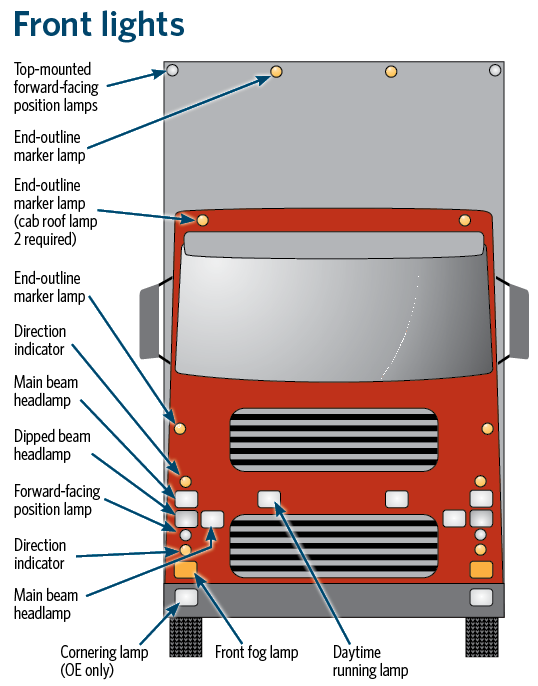
Heavy vehicle front mandatory lamps totals (Note 1) (Note 2)Type of front lamp | Minimum number | Maximum number | Other requirements |
|---|
Headlamps - dipped beam | 1 pair | 1 pair | 2 pair may be fitted if registered 01/01/1977 - 31/03/1980 | Direction indicator lamps | 1 pair | 2 pair | Vehicle first registered anywhere from 01/07/1967 | Direction indicator side lamps | 1 pair | 2 pair | Vehicle first registered from 01/01/1978, and exceeds 9.2m length | Forward facing position lamp | 1 pair | 1 pair | Vehicle first registered from 01/01/1978 that exceeds 1.5m width, or vehicle exceeds 2m width | End outline marker lamps | 2 (Cab roof) | Unlimited | Vehicle first registered before 27/02/2005, and GVM exceeds 11,300kg, or combination exceeds 9.2m length | End outline marker lamps | 2 (Cab roof) | 12 | Vehicle manufactured before 01/04/2011, and GVM exceeds 11,300kg, or combination exceeds 9.2m length | End outline marker lamps | 2 | 12 | Vehicle manufactured from 1/04/2011, and vehicle GVM/GCM exceeds 12,000kg, or combo exceeds 2.1m width | End outline marker lamps | 2 | 6 | Vehicle manufactured from 1/04/2011, and vehicle exceeds 2.1m width |
Identifying heavy vehicle lights – rear of vehicle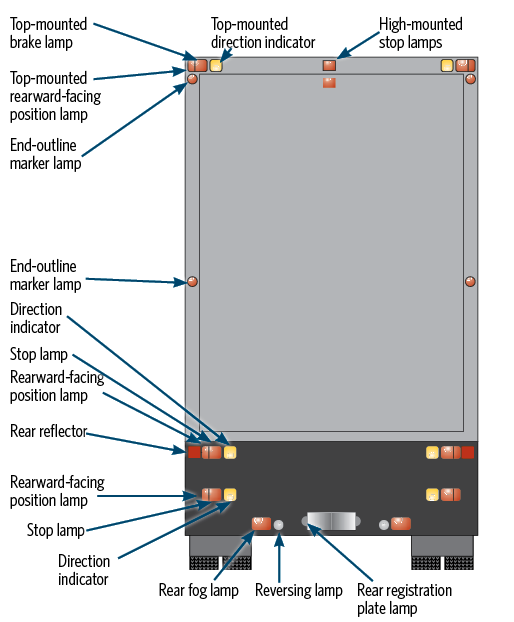
Note 1Land Transport Rule Vehicle Lighting 2004, s1.4(3) Lighting equipment that, before 27 February 2005, was approved for fitting to a vehicle under any enactment in force immediately before the commencement of this rule, whether or not the lighting equipment was required to be fitted, may remain fitted on or after 27 February 2005 if it complies with the relevant safety requirements in this rule.
Note 2Definition: Position lamp – a low intensity lamp to indicate the presence and dimensions of a vehicle, being: a forward facing position lamp (front side lamp), a rearward facing position lamp (rear side lamp or tail lamp), a side marker lamp, an end outline marker lamp (indludes cab roof lamp).
5 Vision
5-1 Glazing
Reasons for rejection
Mandatory equipment
1. Refer to general vehicle pages.
2. A glazing marking required in Table 5-1-8 or Table 5-1-9 is missing, except for:
a) hard plastic glazing behind the driver’s seat in a vehicle manufactured before 1 January 1991, or
b) markings on any isolation shield (see general vehicles Table 5-1-6) (Note 3).
Condition
3. Refer to general vehicle pages (Note 1).
4. A wire-mesh windscreen stoneguard (Figure 5-1-7):
a) top edge is both above the top of the steering wheel in its highest adjusted position and above 225mm measured from the bottom edge of the windscreen, or
b) has a mesh size smaller than 12mm (Note 2), or
c) makes it difficult to access the windscreen for cleaning.
Performance
5. Refer to general vehicle pages.
Modification
Permitted modifications
6. Refer to general vehicle pages.
7. OE glazing that affects the structural integrity of the vehicle has been permanently removed and:
a) is missing proof of HVS certification, ie the vehicle has been modified or repaired, and:
i. no LANDATA record has been entered, or
ii. no valid LT400 form from an HVS certifier of category HVEC or HMCD has been presented.
Windscreen repair
8. Refer to general vehicle pages.
Note 1With reference to Figure 5-1-8, for heavy vehicles only, the upper and lower boundaries of the CVA must be taken as: - Upper boundary: the lower of 100mm from the edge of the glazing or 900mm from the top of the uncompressed seat cushion
- Lower boundary: the higher of the top of the uncompressed seat cushion or 100mm from the bottom of the windscreen.
Note 2Objects, whether functional or otherwise (for example signage or badges) must not be attached to a wire-mesh windscreen stoneguard.
Note 3Waka Kotahi makes no representations about the effectiveness of these installations, whether they are required, or whether they are sufficient for the purposes of meeting health and safety or other requirements. It takes no responsibility for the installation and use of isolation shields. Container
Table 5-1-8. Required markings for windscreens on heavy vehiclesVehicle class | Date of manufacture |
|---|
Before 1/1/60 | 1/1/60–31/12/90 | 1/1/91–30/6/97 | From 1/7/97 |
|---|
MD3, MD4, ME, NB, NC | – | Safety glass with approved trade name or approved standard | Safety glass with approved standard | Laminated glass with approved standard |
Table 5-1-9. Required marking for other glazing on heavy vehiclesVehicle class | Date of manufacture |
|---|
Before 1/2/77 | 1/2/77–31/12/90 | From 1/1/91 |
|---|
MD31, MD41, ME1, NB, NC | – | Safety glass with approved trade name or approved standard | Safety glass with approved standard |
1 Curved scenic skylights above the cant rail, curved windows at front and rear corners, skylights, louvres and interior partitions may be made of transparent material of a kind that does not shatter. This material is not usually marked.
Summary of legislation
Applicable legislation
Mandatory equipment
1. Refer to general vehicle pages.
2. A glazing marking required in Table 5-1-8 or Table 5-1-9 is missing, unless it is hard plastic glazing behind the driver’s seat in a vehicle manufactured before 1 January 1991.
Condition
3. Refer to general vehicle pages.
Performance
4. Refer to general vehicle pages.
Modification
5. The permanent removal of OE glazing that affects the structural integrity of the vehicle requires certification by an HVS certifier.
Page amended 1 April 2023 (see amendment details).
5-2 Sun visors
Reasons for rejection
Mandatory equipment
1. A sun visor for the driver’s use is not fitted to a vehicle (other than of class LE) which can practicably be fitted with a sun visor (Note 1).
Condition
2. A sun visor:
a) is insecurely mounted, or
b) for the driver, cannot be adjusted from the normal driving position, or
c) cannot maintain its adjusted position, or
d) has been modified or has deteriorated, and the likelihood of injury to vehicle occupants has not been minimised.
Performance
3. A driver’s sun visor does not effectively aid the driver’s vision by intercepting the glare from the sun.
Note 1 Definitions
Sun visor means any attachment mounted above the inside of the windscreen and provided for the purpose of shielding the eyes of the driver and other front seat passengers from solar glare.
Modify means to change a vehicle from its original state by altering, substituting, adding or removing a structure, system, component or equipment, but does not include repair.
Repair means to restore a damaged or worn vehicle, its structure, systems, components or equipment to within safe tolerance of its condition when manufactured, including replacement with undamaged or new structures, systems, components or equipment.
Summary of legislation
Applicable legislation
Mandatory equipment
1. A vehicle other than of class LE must be fitted with a sun visor for the driver’s use if it is reasonable and practicable to do so (Note 1).
Permitted equipment
2. A vehicle of class LE may be fitted with a sun visor.
3. Additional sun visors may be fitted in other positions.
Condition
4. The condition of a sun visor must be such that the likelihood of injury to occupants is minimised.
Performance
5. A driver’s sun visor must be effective.
Modification
6. A sun visor that is not OE or that has been affected by a modification (Note 1):
a) must meet the requirements for equipment, condition and performance, and
b) does not require LVV specialist certification.
5-3 Windscreen wipe and wash
Reasons for rejection
Mandatory equipment
1. A vehicle that has a windscreen is not fitted with a windscreen wipe system.
2. A vehicle manufactured on or after 1 January 1992 is not fitted with a windscreen wash system.
3. A vehicle manufactured on or after 1 January 1960 is fitted with wipers that are not power driven.
Condition
Windscreen wipe system
4. The wiper operating device is missing.
5. A wiper arm or wiper blade is:
a) missing, or
b) insecure, or
c) damaged so as to affect the performance of the wipers.
6. The wiper operating mechanism is:
a) missing, or
b) insecure, or
c) damaged so as to affect the performance of the wipers.
Windscreen wash system
7. A wash system component is missing or insecure.
8. The wash operating device is missing.
Performance
Windscreen wipe system
9. A windscreen wiper does not wipe the windscreen effectively, preventing adequate forward vision by the driver.
10. The wipe operating device is unable to activate the wipe system.
Windscreen wash system
11. A windscreen wash nozzle does not discharge washer liquid directly onto the windscreen.
12. The wash operating device is unable to activate the wash system.
Modifications
13. A modification affects a windscreen wipe system, and:
a) is not excluded from the requirements for specialist certification (Table 5-3-1), and
b) is missing proof of specialist or accepted overseas certification, ie:
i. the vehicle is not fitted with a valid certification plate, or
ii. the operator is not able to produce a valid modification declaration or authority card.
Table 5-3-1. Modifications that do not require specialist certificationFitting of or modification to: | Specialist certification is never required: |
|---|
Removal of a windscreen wash system from a vehicle manufactured before 1/1/1992 | - in-service requirements for condition and performance must be met.
| Any modification for the purposes of law enforcement or the provision of emergency services |
Summary of legislation
Applicable legislation
Mandatory equipment
1. A vehicle manufactured before 1 January 1992 that is fitted with a windscreen must have a windscreen wipe system.
2. A vehicle manufactured on or after 1 January 1992 that is fitted with a windscreen must have a windscreen wipe and wash system.
3. Windscreen wipers must be power driven, unless they follow OE specifications in a vehicle manufactured before 1 January 1960.
Permitted equipment
4. A vehicle may be fitted with a wash system when this is not required.
Condition
5. A vehicle’s windscreen wipe system must be efficient and within the vehicle manufacturer’s operating limits.
Performance
6. The equipment fitted must be capable of keeping an adequate area of the windscreen clean and clear so that the vehicle may be operated safely under all reasonably foreseeable conditions.
Modifications
7. An OE windscreen washing system may be removed from a vehicle manufactured before 1 January 1992.
8. A modification to the windscreen wipe system must be inspected and certified by an specialist certifier unless the vehicle:
a) is excluded from the requirement for specialist certification (Table 5-3-1), and
b) has been inspected in accordance with the requirements in this manual, including those for equipment, condition, and performance.
Page updated 28 February 2022 (see details)
5-4 Rear-view mirrors
Reasons for rejection
Mandatory equipment
1. A class MD3, MD4, ME, NB or NC vehicle is not fitted with:
a) an outside left-hand rear view mirror, or
b) an outside right-hand rear view mirror.
2. An unclassified vehicle is not fitted with at least one rear view mirror.
Permitted equipment
3. Refer to general vehicle pages.
Condition
4. Refer to general vehicle pages.
Performance
5. Refer to general vehicle pages.
Summary of legislation
Applicable legislation
Mandatory equipment
1. A class MD3, MD4, ME, NB and NC vehicle must be fitted with an outside left-hand and an outside right-hand rear-view mirror.
2. An unclassified heavy vehicle must be fitted with at least one rear-view mirror.
Permitted equipment
3. Refer to general vehicle pages.
Condition
4. Refer to general vehicle pages.
Performance
5. Refer to general vehicle pages.
Modification and repair
6. A rear-view mirror that is affected by a modification or repair:
a) must meet the requirements for equipment, condition and performance, and
b) does not require HVS certification.
6 Entrance and exit
6-1 Door and hinged panel retention systems
Reasons for rejectionMandatory equipment1. A motor vehicle fitted with doors used by the driver or passengers for entrance and exit of the motor vehicle does not have a door retention system. 2. A vehicle for transporting prisoners which does not have doors in the prison compartment that can be opened from the inside, has no alternative exit that can be operated by an authorised person in an emergency. Equipment condition3. A hinge for a door or other hinged panel is not securely attached to both the vehicle body and to the door or other hinged panel due to loose connections, corrosion or other damage (Note 1). 4. A latch, catch, striker or any other part of a door or hinged panel retention system is not securely attached, or is in poor condition, due to a loose connection, corrosion or other damage (Note 1). 5. A door used for entrance and exit of the driver or passengers cannot be opened from the inside, unless the vehicle is designed or adapted to transport prisoners and the door is inoperable from the inside of the prison compartment. 6. A child safety lock or similar safety device cannot be deactivated. 7. There is corrosion damage within 150 mm of the hinge of a door or other hinged panel (see Figure 6-1-1). 8. There is corrosion damage within 150 mm of the latch of a door or other hinged panel (see Figure 6-1-1). Equipment performance9. A door used for entrance and exit of the driver or passengers does not open or close easily. 10. A door or other hinged panel does not remain secure in a closed or locked position. Modifications11. A modification (Note 2) affects door or hinged panel retention systems, and: a) is not excluded from the requirements for LVV specialist certification (Table 6-1-1), and b) is missing proof of LVV specialist or accepted overseas certification, ie: i. the vehicle is not fitted with a valid LVV certification plate, or ii. the operator is not able to produce a valid modification declaration or authority card, or iii. the vehicle has not been certified to an accepted overseas system as described in Technical bulletin 13.
Note 1Corrosion damage is where the metal has been eaten away, which is evident by pitting. The outward signs of such corrosion damage is typically displayed by the lifting or bubbling of paint. In extreme cases, the area affected by the corrosion damage will fall out and leave a hole.
Note 2 DefinitionsModify means to change a vehicle from its original state by altering, substituting, adding or removing a structure, system, component or equipment, but does not include repair. Repair means to restore a damaged or worn vehicle, its structure, systems, components or equipment, including replacement with undamaged or new structures, systems, components or equipment. Child safety lock (also known as a kiddi-lock) means a safety device installed during the manufacture of the vehicle to prevent a door from being opened from the inside of the vehicle.
Tables and imagesTable 6-1-1 Modifications that do not require LVV certification| Fitting of or modification to: | LVV certification is not required provided that: |
|---|
| Exterior door handles (on doors normally used for entry and exit of occupants) | - the modification is minor (eg removal of key locks), and
- door handles remain fitted and in serviceable condition.
Note
The fitting of a door opening/closing mechanism (which may include the removal of exterior door handles) that differs from original must be LVV certified. |
Fitting of or modification to: | LVV certification is never required: |
|---|
| Any modification for the purposes of law enforcement or the provision of emergency services | - in-service requirements for condition and performance must be met.
|
Summary of legislationApplicable legislationMandatory equipment1. A motor vehicle fitted with doors used by the driver or passengers for entrance and exit of the motor vehicle must have a door retention system. Permitted equipment2. The door retention system on doors to the rear of the driver’s seat may incorporate safety devices installed during the manufacture of the vehicle to prevent the doors from being opened from the inside of the vehicle (eg child safety locks). 3. A vehicle designed or adapted to transport prisoners is not required to be fitted with a mechanism for opening a door from the inside if the prison compartment has an alternative exit that can be operated by an authorised person in an emergency. Equipment condition4. A door retention system and its mountings must be safe and structurally sound. 5. A door used for the entrance and exit of the driver or passengers must be operable by any occupant seated by the door from inside the motor vehicle, unless it is permitted equipment designed or adapted to operate otherwise. 6. The vehicle must be designed and constructed using components and materials that are fit for their purpose, and within safe tolerance of their state when manufactured or modified. Equipment performance7. A door retention system must be in good working order. 8. A door used for entrance and exit must open and close easily. 9. A door used for entrance and exit must remain secure in a closed position during the operation of the motor vehicle. Modifications10. A modification that affects door or hinged panel retention systems must be inspected and certified by a low volume vehicle specialist certifier, unless the vehicle: a) is excluded from the requirement for LVV specialist certification (Table 6-1-1), and b) has been inspected in accordance with the requirements in this manual, including those for equipment, condition and performance.
Page amended 2 December 2019 (see amendment details).
7 Vehicle interior
7-1 Seats and seat anchorages
Reasons for rejection
Mandatory equipment
1. Refer to general vehicle pages.
Condition and performance
2. Refer to general vehicle pages.
Modification and repair
3. A modification or repair since 1 April 2002 (Note 1) affects a seat or seat anchorage and:
a) is not excluded from the requirements for HVS certification (Table 7-1-2), or
b) the modification is not for the purpose of law enforcement or the provision of emergency services, or
c) is missing proof of HVS certification, ie the vehicle has been modified or repaired, and:
i. no LANDATA record has been entered, or
ii. no valid LT400 form from an HVS certifier of category HVEC or HMCD has been presented.
Note 1
If the vehicle inspector is in doubt as to when the modification or repair was carried out the onus is on the vehicle owner to provide evidence to support their claim or specialist certification will be required.
Table 7-1-2. Requirements for HVS certification
|
Certification required
|
Certification not required
|
|
1. Retrofitting a seat that:
a) has an integrated seatbelt, or
b) is not fitted to existing unmodified OE seat anchorages.
|
1. Seat modification or replacement, or installation of a seat anchorage, provided that:
a) the seat is either an unmodified OE seat from another vehicle or of a known and reputable aftermarket brand, and
i. the seat is fitted to unmodified OE seat anchorages, and
ii. the anchorage or operation of seatbelts is not affected, and
iii. the relationship between seat, seat occupant, and location of the seatbelt anchorages is not affected.
2. Removal of seats and/or seatbelts (however, a class change and a new load rating may be required in some cases).
3. Fitting or modification to seat pads or covers.
4. Any repair or modification not listed in the left-hand column unless the vehicle inspector considers that certification is required because the modification or repair has affected the vehicle’s safety performance (a second opinion from an expert may be needed, eg the manufacturer’s representative, or a reputable workshop).
|
Summary of legislation
Applicable legislation
Mandatory equipment
1. Refer to to general vehicle pages.
Condition and performance
2. Refer to to general vehicle pages.
Modifications
3. A modification on or after 1 April 2002 (Note 1) that affects a seat or seat anchorage must be inspected and certified by an HVS certifier of category HVEC or HMCD unless the vehicle:
a) is excluded from the requirement for HVS certification (Table 7-1-2), and
b) has been inspected in accordance with the requirements in this manual, including those for equipment, condition and performance.
Page amended 1 April 2023 (see amendment details).
7-3 Head restraints
Reasons for rejectionCondition and performance1. The external surfaces and padding of a head restraint have deteriorated to the extent that they are likely to injure a vehicle occupant. 2. An adjustable head restraint is unable to remain locked in its adjusted position. Modification3. A modification (Note 1) affects a head restraint, and a) is not excluded from the requirements for LVV specialist certification (Table 7-3-1), and b) is missing proof of LVV specialist or accepted overseas certification, ie: i. the vehicle is not fitted with a valid LVV certification plate, or ii. the operator is not able to produce a valid modification declaration or authority card, or iii. the vehicle has not been certified to an accepted overseas system as described in Technical bulletin 13.
Note 1 DefinitionsModify means to change a vehicle from its original state by altering, substituting, adding or removing a structure, system, component or equipment, but does not include repair. Repair means to restore a damaged or worn vehicle, its structure, systems, components or equipment to within safe tolerance of its condition when manufactured, including replacement with undamaged or new structures, systems, components or equipment.
Table 7-3-1. Modifications that do not require LVV certificationFitting of or modification to: | LVV certification is not required provided that: |
|---|
Head restraint removal | - A front head restraint must not be removed from a vehicle if:
- there is a solid structure within 300mm behind the seat back, or
- the vehicle is required to comply with a frontal impact occupant protection standard (Note 2)
- A rear head restraint must not be removed from a vehicle if there is a solid structure within 300mm behind the seat back.
| Fitting of aftermarket LCD screens to head restraints | - the performance of the head restraint is not affected, ie the head restraint still provides sufficient padding for the seat occupant, and
- the screen is fitted in a suitable manner, eg. it appears similar to OE fitments in other vehicles, or
- the screen can be easily attached or removed.
|
Fitting of or modification to: | LVV certification is never required: |
|---|
- Any modification for the purpose of law enforcement or the provision of emergency services
| - in-service requirements for condition and performance must be met.
|
Note 2The following vehicles with a GVM of 2500 kg or less are required to comply with such a standard: - class MA motor vehicles manufactured from 1 March 1999, and
- class MA motor vehicles that were less than 20 years old when they were first registered in New Zealand on or after 1 April 2002, and
- class MB or MC motor vehicles manufactured from 1 October 2003.
Summary of legislationApplicable legislationPermitted equipment1. A motor vehicle may be fitted with head restraints. Condition and performance2. The external surfaces and padding of a head restraint must not have deteriorated to the extent that the likelihood of injury to an occupant of the vehicle is increased. 3. An adjustable head restraint must remain able to be adjusted and locked into position. Modification4. A modification that affects a head restraint must be inspected and certified by an LVV specialist certifier, unless the vehicle is: a) excluded from the requirement for LVV specialist certification (Table 7-3-1), and b) has been inspected in accordance with the requirements in this manual, including those for equipment, condition and performance.
Page amended 29 April 2020 (see amendment details).
7-5 Seatbelts and seatbelt anchorages
Mandatory equipment (Note 2)
1. Refer to general vehicle pages.
2. A class NB or NC vehicle is not fitted with seatbelts as specified in Table 7-5-7, and the requirements for specific vehicles in Table 7-5-4 (general vehicle pages) are not met.
3. A motorhome is not fitted with seatbelts as specified in Table 7-5-7.
4. A three-point seatbelt imported and distributed by BVL (Business Ventures Limited) and manufactured by Changzhou BWD, China or Jiang Su Jiu Jiu Traffic Facilities Co. Ltd. is installed (See Figure 7-5-1 for samples to help identify the seatbelts).
5. A re-webbed seatbelt is fitted without evidence of exemption from requirements by NZTA.
Condition
6. Refer to general vehicle pages.
Performance
7. Refer to general vehicle pages.
Modification and repair
8. A modification or repair since 1 April 2002 affects a seatbelt or seatbelt anchorage and:
a) is not excluded from the requirements for HVS certification (Table 7-5-8), or
b) the modification is not for the purpose of law enforcement or the provision of emergency services, or
c) is missing proof of HVS certification, ie the vehicle has been modified or repaired, and:
i. no LANDATA record has been entered, or
ii. no valid LT400 form from an HVS certifier of category HVEC or HMCD has been presented.
9. The seatbelt assembly has been removed after it was rejected for one or more reasons for rejection due to Condition or Performance (above), whether or not the seatbelt is required to be fitted.
Note 1
On NZ Army Pinzgauer vehicles, the belts/harnesses fitted in the rear are attached to load anchorage points certified to NZS 5444. They are not considered to be seatbelts for the purpose of CoF inspections.
Note 2
Except as provided by Table 7-5-8, item 5, any seatbelt fitted to a seating position of a vehicle—either having been entry certified (as originally manufactured or modified) or subsequently specialist certified—must remain and be restored when damaged. It cannot be removed on the grounds that Table 7-5-7 doesn’t require a seatbelt.
Table 7-5-7. Seatbelt requirements for heavy vehicles (first registered in New Zealand from 1 April 2002) and all heavy motorhomes (first registered anytime)
|
Vehicle class
|
Seating position
|
Manufactured3
|
|
before 1 October 2003
|
from 1 October 2003
|
|
NB, NC
|
Front outer and driver’s
|
–
|
R22
|
|
Front middle
|
–
|
L
|
|
Rear outer1
|
–
|
–
|
|
Rear middle1
|
–
|
–
|
| Motorhome |
Front outer and driver's |
–
|
R2 |
| Front middle |
–
|
L |
| Rear outer1, 4 |
–
|
R1 or R2 or L
|
| Rear middle4 |
–
|
L or S or R1 or R2
|
| Rear sideways-facing1, 4 |
- |
L |
1 A sideways-facing seating position in a vehicle first registered in New Zealand before 1 October 2002 may be fitted with a seatbelt of any type, and in a vehicle first registered from 1 October 2002 may be fitted with a seat belt that is a lapbelt only.
2 Front type R1 seatbelts may remain fitted if they were fitted as OE and have a declaration issued by a certifier, or a plate affixed to the vehicle in a position approved by NZTA.
3 For a motorhome, manufactured means motor vehicles converted to motorhomes as well as manufactured as motorhomes.
4 Rear seating positions: at least as many lap (type L) or lap-and-diagonal (type R1 or R2) seatbelts as there are sleeping berths minus the number of front seating positions.
Table 7-5-8. Certification requirements for seatbelts and seatbelt anchorages
|
HVS certification is required
|
HVS certification is not required
|
|
1. Retrofitting of seatbelt anchorages, including seats with integrated seatbelts (for Pinzgauers see (Note 1)).
2. Fitting of an alternative type of seatbelt.
|
1. Fitting of or modification to seatbelts, when:
a) the modification is approved by the seatbelt or vehicle manufacturer, or
b) the modification is temporary for the accommodation of a child restraint, and does not:
i. affect the performance of the child restraint, or
ii. cause injury to a vehicle occupant, or
iii. cause damage to the seatbelt.
2. Top-tether anchorage for a child seat or harness, when the installation has been carried out in accordance with the instructions of the seat or harness manufacturer.
3. Fitting of unmodified seatbelts.
4. Retrofitting type-tested rear seatbelt anchorages.
5. Removal of seatbelts (full or partial) where the seating position has been removed (Note 2).
6. Any repair or modification not listed in the left-hand column unless the vehicle inspector considers that certification is required because the modification or repair has affected the vehicle’s safety performance (a second opinion from an expert may be needed, eg the manufacturer’s representative, or a reputable workshop).
|
Applicable legislation
Mandatory equipment
1. Refer to general vehicle pages.
2. A class NB or NC vehicle must be fitted with seatbelts as specified in Table 7-5-7.
3. A motorhome manufactured on or after 1 October 2003 or a motor vehicle converted into a motorhome on or after 1 October 2003 must be fitted with seatbelts as specified in Table 7-5-7.
Permitted equipment
4. Refer to general vehicle pages.
Condition
5. Refer to general vehicle pages.
Performance
6. Refer to general vehicle pages.
Modification
7. Refer to general vehicle pages.
8. The fitting of an alternative type of seatbelt, or a modification on or after 1 April 2002 that affects a seatbelt anchorage in a heavy vehicle, must be inspected and certified by an HVS certifier of category HVEC or HMCD unless the vehicle is:
a) excluded from the requirement for HVS certification (Table 7-5-8), and
b) has been inspected in accordance with the requirements in this manual, including those for equipment, condition and performance.
Page amended 1 April 2023 (see amendment details).
7-6 Frontal impact airbags
Reasons for rejection
Mandatory equipment
1. Refer to general vehicle pages.
Condition and performance
2. Refer to general vehicle pages.
Modification
3. A modification affects an airbag system (eg an airbag has been removed or made inoperable, including retrofitting a switch), and
a) the modification is not for the purposes of law enforcement or the provision of emergency services, or
b) is missing proof of HVS certification, ie the vehicle has been modified or repaired, and:
i. no LANDATA record has been entered, or
ii. no valid LT400 form from a HVS certifier of category HVEC or HMCD has been presented.
4. A motor vehicle that has an airbag system removed or made inoperable and been certified as above does not:
a) have all OE signs, lights, or other devices that indicated that the vehicle was fitted with an airbag removed, or
b) if the signs, lights or other devices cannot be readily removed, have a label that indicates an airbag has been removed permanently attached in a prominent location where it is clearly visible to any occupant of the seating position that was previously protected by the airbag.
Note 1
Some modifications are permitted, but they must always be LVV certified. The only modifications permitted are:
1. fitting a switch to render an airbag temporarily inoperable, and
2. the removal or permanent deactivation of an airbag in a vehicle that:
- is at least 14 years old, or
- has been adapted for a person with a disability, or
- has been extensively modified for motorsport use.
Table 7-6-1. Modifications that do not require LVV certificationFitting of or modification to: | LVV certification is never required: |
|---|
Any modification for the purposes of law enforcement or the provision of emergency services | - in-service requirements for condition and performance must be met.
|
Summary of legislationApplicable legislationMandatory equipment1. A frontal impact airbag and its operating system must remain operational if the vehicle was originally manufactured with a frontal impact airbag. 2. An airbag warning light system must remain operational if it was fitted by the vehicle manufacturer. 3. A motor vehicle must not have a sign, light, or other device that indicates the vehicle is fitted with an airbag if it is not fitted with an airbag. 4. A motor vehicle must not have a light or other device indicating an airbag operating system is operable if it is inoperable. Permitted equipment5. A switch may be installed as OE to render an airbag temporarily inoperable. Condition and performance6. An airbag and its operating system must be safe and in good condition. 7. An airbag warning light fitted by the manufacturer must remain operational. Modification8. A motor vehicle that has had an airbag removed or made inoperable must either: a) have all OE signs lights, or other devices that indicated the vehicle was fitted with an airbag removed, or b) if the signs, lights, or other devices cannot be readily removed, have a label that indicates an airbag has been removed permanently attached in a prominent location where it is clearly visible to any occupant of the seating position that was previously protected by the airbag. 9. A modification that affects an airbag system must be inspected and certified by an LVV specialist certifier, unless the vehicle is: a) excluded from the requirement for LVV specialist certification (Table 7-6-1), and b) has been inspected in accordance with the requirements in this manual, including those for equipment, condition and performance.
Page amended 1 December 2016 (see amendment details).
7-7 Interior impact
Reasons for rejectionMandatory equipment1. Where an interior fitting, control or surface has been added, removed, substituted or has deteriorated, the likelihood of injury to occupants has not been minimised. Modification2. A modification (Note 1) affects an interior fitting, control or surface, and: a) is not excluded from the requirements for LVV specialist certification (Table 7-7-1), and b) is missing proof of LVV specialist or accepted overseas certification, ie: i. the vehicle is not fitted with a valid LVV certification plate, or ii. the operator is not able to produce a valid modification declaration or authority card, or iii. the vehicle has not been certified to an accepted overseas system as described in Technical bulletin 13.
Note 1 DefinitionsModify means to change a vehicle from its original state by altering, substituting, adding or removing a structure, system, component or equipment, but does not include repair. Repair means to restore a damaged or worn vehicle, its structure, systems, components or equipment to within safe tolerance of its condition when manufactured, including replacement with undamaged or new structures, systems, components or equipment.
Table 7-7-1. Modifications that do not require LVV certification
|
Fitting of or modification to:
|
LVV certification is not required provided that:
|
| Isolation shields (to separate vehicle occupants for the purpose of medical isolation) (Note 3) |
The shield:
- is constructed from a transparent flexible thin film, and
- does not interfere with the driver’s vision (including through the front side windows, and rear-view mirrors), and
- does not interfere with the operation of airbags, and
- does not interfere with the driver’s ability to reach vehicle controls (including lights, warning devices, etc.), and
- is fastened to the vehicle using flexible/breakaway fixings that are unlikely to injure a vehicle occupant, and
- can be quickly and easily removed to allow for emergency access or exit of the vehicle.
(Note: the partition/shield should be able to be removed, or broken, with a reasonable push or strike to allow both the driver and passenger/s to use an alternative exit in the event of an emergency.)
|
|
Additional and substituted items such as instruments, switches, cellphone installations and navigation equipment or an OE item from another vehicle
|
- the items are:
- mounted flush with, or protected by, the dashboard surface, or
- fitted forward of the steering wheel, or between the steering wheel and the nearest door, or
- fitted between and forward of the front seats (where no centre seat exists), and within 140 mm either side of the vehicle centreline
|
| Additional accelerator and brake pedal (for driving school vehicles) |
- The operation of the primary brake pedal is not affected, and
- no modifications to the primary brake pedal or any other part of the primary brake system has occurred, and
- adequate clearance is maintained between all pedals.
See also Table 8-1-1
|
|
Aftermarket brake pedal pads or covers
|
- The operation of the primary brake pedal is not affected, and
- no modifications to the primary brake pedal or any other part of the primary brake system has occurred, and
- adequate clearance is maintained between all pedals.
See also Table 8-1-1
|
| Aftermarket or custom brake pedal extensions (for unusually short people) |
- The extension:
- does not exceed 100mm length when measured from the surface of the original brake pedal, and
- is securely clamped to the original pedal by mechanical means, and
- is sufficiently strong and rigid to withstand emergency brake loads, and
- does not involve any modification to, or compromise the strength of, the original brake pedal, and
- does not significantly change the sideways load or leverage against the pedal, and
- does not significantly increase the weight of the pedal
See also Table 8-1-1
|
| Cargo hoist/cargo lift platform (fitted inside the vehicle) |
- the vehicle is not adapted for the transportation of a person in a wheelchair, and the hoist or tail lifter is positioned to the rear of any vehicle occupants and adequately mounted and,
- the vehicle structure has not been weakened.
See also Table 3-1-1
|
| Cargo barriers |
The cargo barriers are positioned vertically behind the back of the rearmost seat, and
- each seating position, within 300mm of the cargo barrier, is fitted with an effective head restraint, or
- the barrier is constructed from a frame and wire mesh (wire less than or equal to 4mm in diameter) with the ability to collapse rearward in the event of a head-strike and with impact absorbing foam covering any frame structure above the seat and within 150mm of the centreline of the seat, or
- the barrier is of solid construction (metallic or fibre glass etc.) and has impact absorbing foam, covering any area that would otherwise be protected by a head restraint.
Notes
- Any required impact absorbing foam must be at least 25mm thick
- A seat may be removed or permanently disabled to allow the fitment of a cargo barrier without meeting the above requirements.
- Any padding added in place of a head restraint does not need to meet any standards approval unless it is attached to the seat.
- Rearward collapsibility of a cargo barrier can be achieved with anchorage brackets that deform, allowing the barrier to move backward (see Figure 7-7-2)
- Remember that thresholds are only applied to modified vehicles. Some vans have solid OE cargo barriers, and these do not need to meet this threshold
|
|
Disability adaptive controls
|
For disability adaptive hand control systems:
- the hand control operates the accelerator system only, and
- the presence of the hand control system does not significantly increase the risk of injury to occupants in the event of a crash.
For an additional accelerator pedal fitted to the left of the brake pedal:
- the vehicle is equipped with automatic transmission, and
- the additional accelerator pedal does not affect the operation of the brake pedal or any other part of the brake system, and
- the vehicle retains the original equipment accelerator pedal to the right of the brake pedal, and
- adequate clearance is maintained between all pedals, and
- the accelerator system is protected from accidental application, eg by shielding the right hand accelerator pedal or ability to fold away either accelerator pedal when not in use, and
- there is a warning notice easily visible to the driver warning that the foot controls are not as provided by the vehicle manufacturer.
For a steering wheel spinner to assist in the operation of the steering wheel:
- the spinner is contained within the outer circumference of the steering wheel.
|
|
Stereo equipment and speakers
|
- any modification or fitting carried out before 1/1/1992
If fitted to the rear parcel shelf:
- no upper seatbelt anchorage is attached to the shelf or any shelf support bracket, and
- in the case of a top tether point for a child seat attached to the rear shelf, the top tether point is not located within 150 mm of a modification to a rear parcel shelf, and
- the removal of any material from the rear shelf is minimal and is unlikely to have weakened the vehicle structure to which a seatbelt anchorage is attached.
If fitted to a part of the vehicle other than the rear parcel shelf:
- the fitting has not weakened the vehicle structure (Note 2)
- the stereo equipment or speakers fitted in the passenger compartment:
- present no additional risk of injury, and
- are securely fastened by mechanical means.
See also Table 3-1-1 and Table 7-5-1
|
|
Steering wheels
|
- the vehicle does not have an airbag installed as OE, and
- the vehicle is not required to comply with a frontal impact occupant protection standard1 (Note 2), and
- the steering wheel is:
- – a direct substitute without shaft modification, and
- – a non-OE item of a reputable brand or an OE item from another vehicle
- a direct substitute, without steering column shaft modification, and
- a non-OE item of a reputable brand or an OE item from another vehicle, and
- is mounted with a one-piece boss2, and
- has a diameter greater than 245mm, and
- does not significantly inhibit the drivers view of the speedometer or mandatory warning lights.
1 A vehicle that cannot comply with this clause cannot be LVV certified unless it has been issued with an LVV authority card or is at least 14 years old.
2 A vehicle fitted with a quick release steering wheel must always be referred for LVV certification and is only permitted within strict criteria
See also Table 9-1-1
|
|
Roll-bar or roll-cage structures (roll protection or cosmetic)
|
- each seating position is fitted with an effective head restraint, and
- the bars are positioned:
– behind, following a plane extending upward, parallel to the back of the backrest on the rear-most seat, and
– in such a way that the head restraint would provide protection from head contact with any bar section during a crash.
|
|
Gear shift lever relocation
|
- no substantial modifications have occurred to the floor or gearbox tunnel area, other than provision for gear-shift mechanism, and
- the relocation presents no additional risk of injury than OE specification.
See also Table 3-1-1
|
|
Fitting of or modification to:
|
LVV certification is never required:
|
|
Modified accelerator pedal
|
- in-service requirements for condition and performance must be met.
|
|
Roof and door lining replacement
|
|
Cargo barriers
|
|
Any modification for the purpose of law enforcement or the provision of emergency services
|
Note 2The following vehicles with a GVM of 2500 kg or less are required to comply with such a standard: - class MA motor vehicles manufactured from 1 March 1999, and
- class MA motor vehicles that were less than 20 years old when they were first registered in New Zealand on or after 1 April 2002, and
- class MB or MC motor vehicles manufactured from 1 October 2003.
Note 3NZTA makes no representations about the effectiveness of these installations, whether they are required, or whether they are sufficient for the purposes of meeting health and safety or other requirements. It takes no responsibility for the installation and use of isolation shields.
Summary of legislationApplicable legislationCondition and performance1. Interior fittings, controls and surfaces in the passenger compartments must be such that the likelihood of injury to occupants is minimised. Modification2. A modification that affects the interior fittings, controls or surfaces must be inspected and certified by an LVV specialist certifier, unless the vehicle: a) is excluded from the requirement for LVV specialist certification (Table 7-7-1), and b) has been inspected in accordance with the requirements in this manual, including those for equipment, condition and performance.
Page amended 2 December 2021 (see amendment details).
7-12 Speedometer
Reasons for rejectionMandatory equipment1. A vehicle first registered in New Zealand on or after 1 December 1951 that is capable of a speed exceeding 50km/h is not fitted with a speedometer, and the vehicle operator cannot produce acceptable written evidence (Note 2) that: a) the speedometer has been removed for repair, or b) there are no undue delays by the vehicle owner in having the speedometer replaced. Condition and performance2. The speedometer: a) does not operate as intended when the vehicle is moving forward (Note 3), or b) is obscured from the driver’s position, or c) does not indicate the vehicle’s speed in km/h or mph. 3. Reason for rejection 2(a), 2(b) or 2(c) applies and the vehicle operator cannot produce acceptable written evidence (Note 2) that repair of the speedometer or associated equipment is impracticable or that a suitable replacement is not available.
Note 1Speedometer means an instrument in a motor vehicle that continuously indicates to the driver the forward speed of the vehicle in either kilometres per hour (km/h) or miles per hour (mph). For clarification: This definition does not include the speed provided by a GPS system.
Note 2Acceptable written evidence is documentation provided by the speedometer repairer or supplier. A copy of the documentation must be kept on file with the checksheet.
Note 3
If an odometer is not fitted, not working or unable to be read an appropriate note must be entered into the ‘Comments’ section of the check sheet and '000001' entered into the odometer field of the check sheet and '000001' entered into VIC or LANDATA. This may display as “1” on some screens.
Summary of legislationApplicable legislationMandatory equipment1. A vehicle first registered in New Zealand on or after 1 December 1951 that is capable of a speed exceeding 50km/h must be fitted with a speedometer (Note 1). 2. A vehicle is not required to have a speedometer if the speedometer or associated equipment: a) has been removed for repair and there are no undue delays by the vehicle owner in having it replaced, or b) is out of repair, repair is impracticable and a suitable replacement is not available. Condition and performance3. The speedometer must be in good working order and operate while the vehicle is moving forward. Modification4. A speedometer that is affected by a modification: a) must meet the requirements for equipment, condition and performance, and b) does not require LVV specialist certification.
Page amended 1 October 2022 (see amendment details)
Page updated 1 November 2024 (see details)
7-13 Audible warning devices
Reasons for rejection
Mandatory equipment
1. A motor vehicle is:
a) not fitted with a horn, or
b) fitted with a bell or whistle (Note 2), or
c) not an emergency vehicle (Note 1) and is fitted with a siren (Note 2).
2. A horn cannot be easily operated from the driver’s seating position.
Performance
3. The horn does not operate when activated.
4. The horn operates when not activated.
5. The sound from the horn is not steady and continuous, eg the horn plays a tune.
6. The horn is not audible at a distance of 100 m.
7. A siren fitted to an emergency vehicle operates when not activated.
Note 1
Emergency vehicle means a vehicle used for the attendance of emergencies and operated:
a) by an enforcement officer, or
b) by an ambulance service, or
c) as a fire service vehicle, or
d) as a civil defence emergency vehicle, or
e) as a New Zealand Defence Force emergency vehicle.
Note 2
A vehicle may be fitted with a bell, whistle or siren that is part of an anti-theft car alarm, personal security alarm or reversing warning device.
Summary of legislation
Applicable legislation
Mandatory equipment
1. A vehicle must be fitted with a device (horn) that is audible to other road users.
Permitted equipment
2. A vehicle may be fitted with a bell, whistle or siren only as follows:
a) a siren fitted to an emergency vehicle (Note 1), or
b) a siren, bell or whistle that is part of an anti-theft car alarm, personal security alarm or a reversing warning device.
Performance
3. The device must be in good working order.
4. The device must be capable of giving a warning that is audible under normal traffic conditions from a distance of at least 100 m.
Modification
5. An audible warning device that is affected by a modification:
a) must meet the requirements for equipment and performance, and
b) does not require LVV specialist certification.
8 Brakes
8-1 Service brake and parking brake
Reasons for rejectionMandatory equipmentService brake1. A heavy vehicle does not have a service brake. 2. A heavy vehicle first registered in New Zealand on or after 1 November 1990 does not have a service brake that is designed to act on each wheel. 3. A vehicle of class NB or NC listed in Table 8-1-2 is not fitted with an anti-lock braking system (ABS). Parking brake4. A heavy vehicle does not have a parking brake. 5. A parking brake of a heavy vehicle first registered in New Zealand on or after 1 November 1990 acts on less than 40% of the wheels. 6. The parking brake of a heavy vehicle or combination of vehicles cannot be applied by the driver from the normal driving position using one control only. 7. A class NB or NC vehicle fitted with a transmission/Cardan shaft park brake does not have a warning label, visible to the driver, advising that a transmission/Cardan shaft park brake is fitted to this vehicle (see Figure 8-1-6). 7. (From 27 February 2020) If requested by a vehicle inspector, a 4085D Operator statement of compliance with maintenance requirements for parking brake assemblies form is: a) not presented, or b) not complete, or c) not current. (see also technical bulletin (CoF) 9 Park brake inspection and 4085D requirements for guidance) Emergency brake8. A heavy vehicle does not have an emergency brake. 9. The emergency brake of a heavy vehicle first registered in New Zealand on or after 1 November 1990 that is combined with the service brake or with a parking brake that acts on the transmission does not meet the requirements of Table 8-1-3. Hoses and other flexible tubing10. A hose or other flexible tubing forming part of a compressed air or vacuum line does not comply with at least one of the standards in Table 8-1-4 (Note 2). Compressed air brake systems11. A heavy vehicle that is fitted with an air brake or a brake that is operated with the assistance of compressed air is not equipped with an air pressure gauge that indicates the pressure in a brake reservoir (Note 3). 12. The service brake circuit of an air-braked class NB or NC vehicle are not fitted with a low-pressure warning device visible and /or audible from the driver’s normal driving position. 13. An air-braked vehicle of class NB or NC listed in Table 8-1-5 does not have towing vehicle protection (Note 4). 14. The air brake of a heavy vehicle first registered in New Zealand on or after 1 March 2007 that has a towing connection to tow an air braked trailer (or a tow connection fitted on or after 1 March 2007) is not capable of being connected to the air brake of the trailer by means of a two-line system. 15. A vehicle that is certified to the New Zealand Heavy-vehicle Brake Specification (HVBNZ) does not have: a) a drain valve fitted to the lowest point of each brake reservoir, specifically, the reservoirs of the service brake and park brake, and including the so-called ‘wet tank’, or b) a drain valve fitted to an air-brake reservoir or to the reservoir of auxiliary equipment is not capable of being operated by a person standing beside the vehicle, without the need for a pit or hoist, or c) an automatic drain valve does not have a means of manual operation. Note Operation of drain valves must not require the use of tools. Permitted equipment16. An air-operated device is supplied air from a service brake reservoir (ie not from a separate reservoir) unless: a) the operation of the device requires only a small amount of compressed air and it is supplied with compressed air by a hose or pipe with an external diameter not exceeding 8mm, or b) the device is operated only when the vehicle is stationary, or c) the vehicle manufacturer allows it. 17. An air-operated device is connected to the air brake system without protection (Note 5). 18. A temporary stop brake: a) cannot be operated from the driver’s normal driving position, or b) interferes with the safe operation of the service brake or the parking brake of the vehicle, or c) when it can be deactivated only by the driver, does not have a label permanently attached displaying the words NOT FOR PARKING, or d) when it can be deactivated by the control system of the vehicle (eg when the engine is switched off), does not have at least one of the following: - a label permanently attached displaying the words NOT FOR PARKING
- an audible warning device that operates when the driver’s door is open while the device is activated and the parking brake is not fully applied.
19. A retarder or engine brake fitted on or after 1 March 2007 does not have a control that can be operated from the driver’s normal driving position. 20. A trailer - brake hand control does not: a) apply the service brakes of the trailer(s), or b) automatically return to its original position. Prohibited equipment21. A heavy vehicle has a device fitted that allows the driver to adjust the service brake force distribution between the axles or between the vehicles that are used in combination. 22. A service brake has more than one control (other than a separate trailer hand brake control or a vehicle converted to dual steering) Condition23. Refer to general vehicle pages. 24. A brake is not capable of being easily adjusted. 25. An adjustment indicator rod is: a) missing, or b) seized. 26. A brake component has excessive travel or stroke (eg as shown by an adjustment indicator rod or similar device). 27. A brake actuator (including a slack adjuster and associated components): a) is insecure, or b) is leaking air, or c) is cracked, or d) does not operate, or e) is excessively worn or corroded, or f) is not seated correctly. 28. A treadle valve, brake valve, reservoir, compressor or fluid pump: a) is missing, or b) is insecure, or c) is cracked, or d) is leaking air, or e) does not operate or operates incorrectly, eg due to corrosion, damage,incorrect fitment or excessive travel, or f) contains excessive amounts of foreign fluids (eg water or oil). 29. A compressor or pump drive belt is: a) insecure, or b) damaged, or c) significantly deteriorated. 30. A brake lining or brake pad: a) has obviously been replaced on or after 1 March 2007 without all the linings or pads on the axle being replaced at the same time, or b) is obviously of a different make, type or grade from another on the same axle. 31. A required service brake reservoir air pressure gauge is not readily visible to the driver (day and night) from the driver’s normal driving position (Note 6). 32. An air brake coupling device fitted to a heavy vehicle first registered in New Zealand on or after 1 March 2007 or fitted to a vehicle on or after that date: a) is not robust, durable, or suitable for automotive application, or b) is unable to prevent the incorrect connection of the control and supply lines, or c) adversely affects the performance of the brake of either the towing or towed vehicle(s), or d) does not have an effective break-away function, or e) the coupling is not fitted as close as practicable to: i. the centre-line of the vehicle, or ii. the rear of the towing vehicle, or iii. the towing connection by which the towed and towing vehicles are connected. 33. A brake pipe (including connections) is: a) leaking, or b) insecure, or c) deformed from its original shape, or d) chafed, or e) corrosion damaged, eg there are signs of pitting or a noticeable increase in the pipe’s diameter, or f) damaged so the cross-sectional area is reduced, or g) fouled by moving parts. 34. A hose or plastic brake pipe (including connections): a) is leaking, or b) is insecure, or c) bulges under pressure, or d) is twisted or stretched, or e) is cracked or chafed, eg the reinforcement cords are exposed, or f) has metal components that are excessively corroded, or g) fouled by moving parts. 35. A coiled nylon brake hose (suzie coil) does not have: a) a straight hose section at the connector that is at least 50mm long, or b) a spring guard adjacent to the end fittings capable of supporting and protecting the brake hose. - While spring guards can vary in design and length they must remain in good condition, ie not have broken or looped coils.
36. An ABS plug or socket (see Figure 8-1-5) a) is missing, or b) has damaged, displaced or corroded pins, or c) is otherwise broken or defective. - Dismantling of the plug or socket is not required, visual inspection only.
PerformanceService brake (Note 7)37. The service brake cannot be applied in a controlled and progressive manner. 38. When the service brake is applied and without assistance from the engine or other retarders: a) the vehicle does not stop within seven metres from a speed of 30km/h (average brake efficiency of 50%) for a vehicle which has a service brake designed to act on at least four wheels, or b) the vehicle does not stop within nine metres from a speed of 30km/h (average brake efficiency of 40%) for a vehicle first registered in New Zealand before 1 February 1977 which has a service brake designed to act on fewer than four wheels, or c) the vehicle does not stop within 20m from a speed of 30 km/h (average braking efficiency of 18%) or equivalent efficiency at its maximum speed for a vehicle manufactured before 31 December 1918 and not capable of exceeding a speed of 30km/h. 39. When the service brake is applied: a) the vehicle vibrates under braking to the extent that the control of the vehicle is adversely affected, or b) the brake fails to release immediately after the brake pedal has been released, or c) the directional control is affected (eg swerving to one side, or the brakes on one side apply more slowly than the other side), or d) the brake balance, at any time above the threshold value, varies by more than 30% between wheels on a common axle. 40. The ABS or brake system warning lamp or self-check system, if fitted, indicates a defect in the ABS or brake system (does not apply to brake pad wear warning systems). 41. An ABS system is inoperative (Note 11). Parking brake (Note 7)42. When the parking brake is applied: a) the vehicle does not stop within 18 m from a speed of 30 km/h (average brake efficiency of 20%), or b) a vehicle fitted with a transmission/Cardan shaft park brake does not meet the minimum brake force required for its GVM (see Table 8-1-9 for brake force requirements) c) it does not hold all the wheels on a common axle stationary against attempts to drive the vehicle away. 43. The parking brake is unusually difficult to apply or release. Compressed air brake systems44. Reservoir capacity: With the air pressure in the braking system at its maximum operational pressure as specified by the vehicle or brake manufacturer and the compressor stopped, the reserve of compressed air does not provide: a) for a combination of heavy vehicles equipped with a towing vehicle protection valve (tractor protection valve) on the towing vehicle and an emergency or a breakaway valve on the trailer(s): i. three full service brake applications with full release of the brakes before the low-pressure warning device operates, or before the emergency valve operates, and ii. two full applications with full release of the brakes after the low-pressure warning device operates, or b) For a single class NB or NC vehicle that complies with a Australian Design Rule 35 or European brake standard: i. three full service brake applications, with full release of the brakes after each application, before the low-pressure warning device operates, and ii. two full applications, with full release of the brakes, after the low-pressure warning device operates, or c) For all other vehicles: i. five full service brake applications, with full release of the brakes after each application, before the low-pressure warning device operates, and ii. two full applications, with full release of the brakes, after the low-pressure warning device operates. - A full service-brake application is considered to be made when the brake pedal is fully depressed and there is no further movement of the brake actuators.
45. Compressor capacity: At the maximum governed speed, or where the engine is not governed at a speed determined by the vehicle inspector, the compressor is not capable of raising the air pressure in the braking system to the maximum operating pressure specified by the vehicle or brake manufacturer, in the following times: a) in not more than three minutes, starting from the pressure at which: i. the low pressure warning device ceases to operate, or: ii. the pressure at which the emergency brake operates, and b) in not more than 90 seconds, starting from the pressure to which the brake system falls from the maximum specified operating pressure as a result of fully applying and releasing the service brakes: i. five times for a single class NB or NC vehicle, or a heavy vehicle combination without a towing vehicle protection valve (tractor protection valve) and an emergency or breakaway valve on the trailer(s), or ii. three times for heavy vehicle combinations with a towing vehicle protection valve (tractor protection valve) and an emergency or breakaway valve on the trailer(s). 46. A service brake reservoir air-pressure gauge does not operate correctly. 47. A required low-pressure warning device does not give a continuous signal, visible or audible, that clearly indicates to the driver when the pressure in any of the service brake circuits is below the minimum safe operating pressure unless the parking brake is fully applied or an automatic transmission is in the ‘park’ position (Note 8). 48. A required towing vehicle protection valve does not operate. 49. A required drain valve cannot be operated manually. - Operation of drain valves must not require the use of tools.
50. A class NB or NC vehicle has more than one air service brake circuit and there is no protection between those circuits (Note 9). 51. On a vehicle that is certified to the New Zealand Heavy-vehicle Brake Specification (HVBNZ) the simultaneous application of the service brake and the spring parking brake results in the compounding of the two individual brake forces on that axle. Modification and certification.52. A vehicle in Table 8-1-6: a) has not been certified as required by that table, or b) has been modified so that recertification is required. 53. A modification that affects the brake system has not been inspected and certified by a heavy vehicle specialist certifier, unless the vehicle: a) is exempted from the requirement for heavy vehicle specialist certification (Table 8-1-7), and b) has been inspected in accordance with the requirements in this manual, including those for equipment, condition and performance.
Note 1 DefinitionsAir brake means a brake, the operation of which requires the use of compressed air. Anti-lock braking system (ABS) means a device that senses that one or more of the wheels is starting to lock-up during braking and regulates the braking forces automatically and effectively to prevent it. Auxiliary brake means a device, other than a service brake or parking brake, fitted to a vehicle to enable the driver to control its speed, whether or not it is suitable to stop the vehicle. Dedicated combination means a combination of vehicles certified for use in combination where both vehicles are affixed with a plate clearly and indelibly marked with the VIN or chassis number of the other vehicle. Emergency brake in relation to any vehicle, or combination of vehicles, means the system that makes it possible to undertake a controlled stop of the vehicle or combination in the event of the failure of the service brake. (Emergency brakes must act as directly as practicable without any interposition of any differential gearing.) Foundation brake means the basic brake assembly fitted to each axle or road wheel which produces the braking force necessary to bring a vehicle to a stop; and includes the complete drum or disc brake. Hydraulic brake means a brake that utilises hydraulic pressure to activate the foundation brake, whether its operation is assisted by compressed air, vacuum or any other means. Modify means to change the vehicle from its original state by altering, substituting, adding or removing any structure, system, component or equipment; but does not include repair. Parking brake means a brake that is designed for keeping the vehicle stationary, and that is readily applicable and capable of remaining applied for an indefinite period without further attention. (Hydraulic locking devices are not acceptable as parking brakes. The parking brake must be applied by solely mechanical means.) Repair means to restore a damaged or worn vehicle, its structure, systems, components or equipment; and includes the replacement of damaged or worn structures, systems, components or equipment with equivalent undamaged or new structures, systems, components or equipment. Reservoir for the purpose of the Heavy-vehicle Brakes Rule, means a device designed and constructed to store fluid, compressed air, compressed gas, or vacuum; and does not include pipes, valves, hoses, or booster cylinders operated by vacuum or compressed air. Service brake means a brake for intermittent use that is designed for the purpose of slowing down and stopping the vehicle. Trailer brake hand control means a hand-operated control capable of applying the service brake of the trailer or trailers. Wheel means a rotating load-carrying member between the tyre and the hub, which usually consists of two major parts, the rim and the wheel disc, which may be manufactured as one part, or permanently attached to each other, or detachable from each other; and includes the tyre fitted to the rim.
Note 2For in-service inspections standards compliance must be verified when there is reason to believe a hose or flexible tubing does not comply or when it forms part of a brake modification or repair.
Note 3A vehicle may be fitted with more than one gauge, but only one gauge that indicates the pressure in one service brake reservoir is necessary. A gauge fitted to a supply reservoir (wet tank) cannot be used to indicate the pressure in a service brake reservoir.
Note 4Towing vehicle protection means a means by which the air brake system of a towing vehicle is protected from loss of air pressure in the event of failure of the trailer’s brake system, or when the trailer becomes disconnected from the towing vehicle.
Note 5Protection, in this case, means a system to prevent the operation or failure of the device lowering the pressure in any service brake reservoir below the pressure specified by the vehicle manufacturer or brake manufacturer or, if this information is not available, two-thirds of the maximum operational pressure specified by the vehicle manufacturer or brake manufacturer. (Air auxiliaries have to be inspected at Entry certification however they do not have to be tested for in-service inspection provided: - they have been fitted as standard equipment by the vehicle manufacturer or their approved New Zealand agent, or
- they are connected to an auxiliary take-off point provided by the vehicle manufacturer).
Note 6A pressure gauge must indicate the pressure in pressure units, or on a coloured scale, or in an equivalent way. The gauge display must be visible, though it may be multi-functional, ie have the ability to display various items including the air pressure.
Note 7For the purpose of testing the brakes, the vehicle shall be presented with a load of at least 65% of the road legal limit, or be subject to equivalent load simulation (refer to the NZ heavy vehicle brake test protocol).
Note 8Where the minimum safe operating pressure is not specified by the vehicle or brake manufacturer, the minimum safe operating pressure is taken as 50% of the correctly adjusted cut-out pressure for the compressor or governor.
Note 9Protection, in this case, means a system to prevent a brake failure that lowers the pressure in one service brake circuit below the minimum safe operating pressure from lowering the pressure in any other service brake circuit below the minimum safe operating pressure or pressure specified by the vehicle manufacturer or brake manufacturer.
Note 10A supply reservoir (wet tank) is a brake reservoir from which the service brake reservoirs receive compressed air.
Note 11
The ABS system must be cycled, this can be done by shutting down the vehicle engine and returning the ignition to 'on' only, observe ABS warning light operation and listen for a clicking or chuffing sound from the modulator or valve unit.
Check wheel sensors and pulse rings (if visible) and for trapped wiring or damaged air lines.
Table 8-1-2. Class NB and NC vehicles that must be fitted with an anti-lock braking system1Class NB and NC vehicles |
|---|
Imported vehicles - operated in a combination with a GM2>39 ≤44 t, and
- first registered in New Zealand after 1 March 2007 and before 1 July 2008, EXCEPT FOR
– vehicles that comply with European standards3 UNLESS fitted OE with ABS, and – logging vehicles UNLESS fitted OE with ABS, and – vehicles that comply with HVBS(2) or HVBC(2) | Imported vehicles - fitted with a towing connection for towing a heavy trailer, and
- first registered in New Zealand on or after 1 July 2008, EXCEPT FOR
– vehicles that comply with European standards3 UNLESS fitted OE with ABS, and – logging vehicles UNLESS fitted OE with ABS |
1 The OE fitting of an anti-lock braking system (ABS) indicates that it was probably required by the standard. The removal of an ABS is a modification and must be HVS certified. 2 GM means gross mass (see definitions in the Introduction) 3 A vehicle that complies with European standards is identified as HVBE on the Certificate of Loading. Refer to Table 3-1-2-1 of the LATIS agent's manual.
Table 8-1-3. Emergency brake requirements for class NB and NC vehiclesAll vehicles first registered in New Zealand on or after 1 November 1990 except those in the right hand column | Vehicles first registered in New Zealand 1 November 1990 to 31 December 1994 when the parking brake acts on the transmission and brakes not modified since manufacture |
|---|
Full dual-circuit service brake1, and a) one of those circuits activates the brake on all the front wheels and the other circuit activates the brake on all the rear wheels, or b) each circuit activates the brake on at least one-third of the wheels2. | EITHER A full dual-circuit service brake1, and a) one of those circuits activates the brake on all the front wheels and the other circuit activates the brake on all the rear wheels, or b) each circuit activates the brake on at least one-third of the wheels2 OR A dual-line service brake that is fitted with a tandem/dual master cylinder OR A single-line hydraulic service brake that is divided into two independent circuits through and excess flow-prevention valve, and the brake fluid reservoir is fitted with a low-level warning device. |
1 For a hydraulic system, this means a dual or tandem master cylinder. 2 Both circuits together must activate the brake on all the wheels.
Table 8-1-4. Approved vehicle standards for brake hoses and flexible tubing1All vehicles |
|---|
SAE J844: Nonmetallic Air Brake System Tubing SAE J1394: Metric Nonmetallic Air Brake System Tubing SAE J1402: Automotive Air Brake Hose and Hose Assemblies SAE J1403: Vacuum Brake Hose (supersedes SAE 40 R3) British Standard AU 110: 1965, Specification for rubber hoses and hose assemblies for automotive air pressure brakes systems (withdrawn, revised) British Standard AU 109: 1965, Specification for vacuum brake hose (heavy duty) of oil-resistant rubber (withdrawn) Japan Industrial Standard D2606-80: Rubber hose for automotive air brake system DIN 74324-1: 1996, Air braking systems – Thermoplastic tubing – Requirements and tests DIN 73378: 1996, Polyamide tubing for motor vehicles Federal Motor Vehicle Safety Standard No. 106: Brake hoses SAE 40 R2 (A-E) SAE 70 R3H SAE 40 R3 L SAE 40 R3 H SAE R3 M Nylon tubing of approved makes: Anson Plastics, Nylex, TWL |
1 Hoses and tubing may comply with a more recent version of these standards if the safety performance of the vehicle is not adversely affected. Refer also Figure 8-1-4.
Table 8-1-5. Air-braked class NB and NC vehicles that must have towing vehicle protectionAir-braked class NB and NC vehicles |
|---|
Operated in a combination with a GM1>39 ≤44 t, and - first registered in New Zealand after 1 March 2007 and before 1 July 2008, or
- modified after 1 March 2007 and before 1 July2008.
| Fitted with a towing connection for towing a heavy trailer, and - first registered in New Zealand on or after 1 July 2008, or
- modified on or after 1 July 2008.
|
1GM means gross mass (see definitions in the Introduction).
Table 8-1-6. Heavy vehicle brakes: certification requirements for class NB and NC vehiclesConditions applying | Requirements |
|---|
Operated in a combination with a GM2>39 ≤44 t, and - first registered in New Zealand before 1 March 2007, and
- not modified on or after 1 March 2007 (includes vehicles modified before 1 March 2007)
| Existing applicable certification: - IHVBS(1) Interim Performance Specification for Heavy Vehicle Braking, or
- IHVBS(2) Heavy vehicle braking specification of 6 December 1998, or
- HVBC(1) Heavy Vehicle Brake Code, First Edition 1991, or
- HVBC(2) Heavy vehicle brake code, second edition
| Modified3 in New Zealand 1 March 2007–30 June 2008, and - operated in a combination with a GM2>39 ≤44 t.
| Applicable certification: - IHVBS(2) Heavy vehicle braking specification of 6 December 1998, or
- HVBC(2) Heavy vehicle brake code, second edition, or
- HVBNZ New Zealand heavy vehicle brake specification1
| Modified3 in New Zealand 1 March 2007–30 June 2008 | Heavy vehicle specialist certification | Modified3 in New Zealand on or after 1 July 2008, and without towing connection for towing a heavy trailer. | Applicable certification: - HVBNZ New Zealand heavy vehicle brake specification1, or
- 6.1(2)(b) of Heavy Vehicle Brake Rule (stopping tests)1
| Modified3 in New Zealand on or after 1 July 2008, and with a towing connection for towing a heavy trailer. When an alteration or modification requires brake certification, the lead HVSC for a project must ensure that brake certification is carried out and that an HVEK LT400 is issued prior to HVSC certification for the finished project. The responsibility for obtaining brake certification cannot be delegated to another certifier or the vehicle owner or any other entity. | Applicable requirements: - Brake modification LT400, or
- Towing connection LT400, or
- Chassis modification LT400
|
1 Except that a vehicle that originally complied with one of the approved vehicle standards for brakes and that is modified by fitting an additional axle, removing an axle, replacing an axle with one that is not of the same make and model, or replacing the brake of an axle with one that is not of the same make and model may be modified so as to continue to meet the technical and performance requirements of the approved vehicle standard for brakes with which it originally complied. (A heavy vehicle specialist certifier is required to certify compliance). 2GM m
8-2 Heavy vehicle brake code
Reasons for rejectionMandatory requirement1. A vehicle that has been certified to the Heavy Vehicle Brake Code does not have a label stating that the vehicle complies with either NZHVBC first or second edition. 2. An NZHVBC label: a) is missing, or b) is illegible, or c) does not match the vehicle, or d) has obvious signs of tampering, or e) is not affixed as close as practicable to the vehicle manufacturer’s identification plate. Mandatory equipmentService brake3. Refer to heavy vehicles, section 8-1. Parking brake4. A heavy vehicle does not have a parking brake. 5. A vehicle that was first registered in New Zealand on or after 1 November 1990 does not have a park brake that acts on at least half of the wheels. Emergency brake6. A vehicle does not have an emergency brake combined with either: a) the parking brake, or b) the service brake. 7. A vehicle that was first registered in New Zealand on or after 1 November 1990 does not have an emergency brake that acts on at least half of the wheels. 8. The emergency brake is not operable from the driving seat while keeping at least one hand on the steering control. Hoses or other flexible tubing9. Refer to heavy vehicles, section 8-1. Compressed air brake systems10. Refer to heavy vehicles, section 8-1. 11. The vehicle is not fitted with air pressure gauges which indicate the pressure in each independent service brake air reservoir. 12. A vehicle equipped with compressed air operated service brakes is not equipped with an audible low pressure warning device. 13. A vehicle does not have a tractor protection valve. 14. Air connections between all towing vehicles and trailers are not of the two line system using a one piece coupling, eg: a) a duomatic coupling, or b) a triomatic coupling where an auxiliary air supply (separate from the braking system) is required for a trailer. 15. The coupling housing (eg duomatic or triomatic) is not situated close to the centre line (preferably to the right hand side of the centre, ie driver’s side). 16. The air lines are not installed so that when facing the cover of the female section of the coupling housing: a) the control (service) line is not on the left side of the housing, and coloured blue or black within 150mm of the coupling or junction, and b) the supply (emergency) line is not on the right side of the housing, and coloured red or yellow within 150mm of the coupling or junction. 17. A service brake or parking brake reservoir, including any wet tank in an air brake system: a) is not fitted with a condensate drain valve at the lowest point, or b) is fitted with an automatic condensate valve that does not have provision for manual operation. Note Operation of drain valves must not require the use of tools. Permitted equipment18. Refer to heavy vehicles, section 8-1. 19. A manually operated push/pull valve that is used to apply the park brakes on the towing vehicle or trailer separately is not adequately guarded to prevent accidental operation during an emergency. 20. A manually operated push/pull valve that is used to apply the combination’s park brakes is not coloured yellow. Prohibited equipment21. Refer to heavy vehicles, section 8-1. Condition22. Refer to heavy vehicles, section 8-1. 23. A brake lining or brake pad: a) has been replaced without all the linings or pads on the axle being replaced at the same time, or b) does not comply with the NZHVBC (Note 1) 24. A service brake reservoir air pressure gauge is not readily visible to the driver (day and night) from the driver’s normal driving position. PerformanceService brake25. Refer to heavy vehicles, section 8-1. Parking brake26. Refer to heavy vehicles, section 8-1. Compressed air brake systems27. Refer to heavy vehicles, section 8-1. 28. An air pressure gauge does not operate correctly. 29. A low pressure warning device does not give a continuous audible signal that clearly indicates to the driver when the pressure in any of the service brake circuits is below the minimum safe operating pressure recommended by the manufacturer unless the park brake is fully applied and the automatic transmission is in the ‘park’ position. 30. A tractor protection valve does not operate. 31. A drain valve is not able to be operated manually. Note Operation of drain valves must not require the use of tools. 32. The individual brake forces of the service brake and spring parking brake are able to be compounded. Modification and certification (Note 1)33. Refer to heavy vehicles, section 8-1.
Note 1If there is reason to believe that a component does not meet the requirements of the NZHVBC then the vehicle inspector must require the brake maintenance records to be produced.
Summary of legislationApplicable legislationMandatory requirement1. A vehicle that has been certified to the Heavy Vehicle Brake Code (first edition) prior to 31 August 1997 must have a label affixed to the vehicle, adjacent to the vehicle manufacturer’s identification plate stating that the vehicle complies with “NZHVBC, dated 1991” 2. A vehicle that has been certified to the Heavy Vehicle Brake Code (second edition) on or after 31 August 1997 and before 1 July 2008 must have a label of permanent material affixed to the vehicle, as close as practicable to the vehicle manufacturer’s identification plate. The label must include the words “NZHVBC Edition No. 2”. Mandatory equipmentService brake3. Refer to heavy vehicles, section 8-1. Parking brake4. A vehicle must have a parking brake. 5. A vehicle that was first registered in New Zealand on or after 1 November 1990 must have a park brake that acts on at least half of the wheels. Note Spring brakes are the preferred type of park brake. 6. A parking brake must be able to be applied by the driver from the normal driving position. Emergency brake7. A vehicle must have an emergency brake which may be combined with the parking brake or the service brake. 8. A vehicle that was first registered in New Zealand on or after 1 November 1990 must have an emergency brake that acts on at least half of the wheels. 9. The emergency brake must be operable from the driving seat while keeping at least one hand on the steering control. Hoses or other flexible tubing10. Refer to heavy vehicles, section 8-1. Compressed air brake systems11. Refer to heavy vehicles, section 8-1. 12. The service brake air system of vehicles first registered in New Zealand on or after 1 November 1990 must have at least two completely independent brake actuating circuits, each with its own air reservoir. 13. Gauges must be fitted to indicate to the driver the pressure in each independent service brake air reservoir and be visible to the driver from the normal driving position 14. Every vehicle equipped with compressed air operated service brakes and where the prescribed emergency braking performance cannot be achieved without the use of the compressed air, the air reservoirs must be equipped with a low pressure alarm device. The low pressure alarm may be rendered inoperative while the parking brake is applied and the selector is in the park position in vehicles fitted with an automatic transmission. 15. The service brake system of the towing vehicle must incorporate a tractor protection valve to preserve the integrity of the brake system should the trailer’s brake system fail. 16. A pressure test connection must be fitted to the air inlet of the least favourably placed brake chamber (or pneumatic device in the case of part pneumatic brake systems) on each independent circuit of the braking system. 17. Air connections between all towing vehicles and trailers must be of the two line system using a one piece coupling, eg a duomatic coupling, or when an auxiliary air supply (separate from the braking system) is required for a trailer, a triomatic coupling . 18. The coupling housing (eg duomatic or triomatic) must be situated close to the centre line, preferably to the right hand side (ie driver’s side) of centre. 19. The control (service) and supply (emergency) air lines must be installed so that when facing the cover of the female section of the coupling housing: a) the control (service) line must be on the left side of the housing, and coloured blue or black within 150mm of the coupling or junction, and b) the supply (emergency) line must be on the right side of the housing, and coloured red or yellow within 150mm of the coupling or junction. 20. Each reservoir in an air brake system must be fitted with a condensate drain valve at the lowest point. 21. Where an automatic condensate valve is fitted, it must have a provision for manual operation. Permitted equipment22. Refer to heavy vehicles, section 8-1. 23. A vehicle may be fitted with additional manually operated push/pull valves that are used to apply the park brakes on the towing vehicle or trailer separately provided these valves are adequately guarded to prevent accidental operation during an emergency. 24. A vehicle may be fitted with an additional manually operated push/pull valve that is used to apply the combination’s park brakes provided it is coloured yellow. Prohibited equipment24. Refer to heavy vehicles, section 8-1. Condition25. Refer to heavy vehicles, section 8-1. 26. Brake linings or brake pads must be replaced as axle sets. Performance27. Refer to heavy vehicles, section 8-1. Service brake28. Refer to heavy vehicles, section 8-1. Parking brake29. Refer to heavy vehicles, section 8-1. Compressed air brake systems30. Refer to heavy vehicles, section 8-1. 31. A low pressure alarm device must sound loudly when the brake air reservoir pressures fall below the minimum safe operating pressure recommended by the manufacturer. 32. The low pressure alarm may be rendered inoperative while: a) the park brake is applied, and b) the selector is in the park position in vehicles fitted with an automatic transmission. 33. The brake systems must not compound their individual brake forces. Modification and certification34. Refer to heavy vehicles, section 8-1.
Page amended 1 November 2019 (see amendment details).
8-3 Interim heavy vehicle braking specification
Reasons for rejection
Mandatory requirement
Service brake
1. Refer to heavy vehicles, section 8-1.
2. The service brake does not act on each axle.
Parking brake
3. Refer to heavy vehicles, section 8-1.
4. The parking brake does not act on at least half of the vehicle’s axles.
Emergency brake
5. The vehicle does not have an emergency brake.
6. The emergency brake:
a) does not act on at least half of the vehicle’s axles, or
b) is not operable from one control within easy reach of the driver in his normal seating position.
Hoses and other flexible tubing
7. Refer to heavy vehicles, section 8-1.
Compressed air brake systems
8. Refer to heavy vehicles, section 8-1.
9. Air connections between the towing and towed vehicles are not of the two-line type (excluding auxiliaries).
10. Air connections between the towing and towed vehicles that are physically capable of being incorrectly connected are not colour-coded, ie:
a) the control (service) line is not coloured yellow, green or blue, or
b) the supply (emergency) line is not coloured red.
11. The couplings used for the air connections between the towing and towed vehicles:
a) are not mounted on the longitudinal centre-line of the vehicle, or as close to it on the right-hand side, or
b) do not have the control (service) line to the left of the vehicle, ie the curb side, or
c) do not have the supply (emergency) line to the right of the vehicle, ie the driver’s side.
Permitted equipment
12. Refer to heavy vehicles, section 8-1.
Prohibited equipment
13. Refer to heavy vehicles, section 8-1.
Condition
14. Refer to heavy vehicles, section 8-1.
Performance
Service brake
15. Refer to heavy vehicles, section 8-1.
Parking brake
16. Refer to heavy vehicles, section 8-1.
Compressed air brake systems
17. Refer to heavy vehicles, section 8-1.
Modification and certification (Note 1)
18. Refer to heavy vehicles, section 8-1.
Note 1
If there is reason to believe that the vehicle has been modified since it was certified to the Interim Heavy Vehicle Braking Specification then the vehicle inspector must refer to the details shown on the vehicle’s data sheet (form 4067A) issued at the time of certification.
Summary of legislation
Applicable legislation
Mandatory equipment
Service brake
1. Refer to heavy vehicles, section 8-1.
2. The service brake must operate on each axle.
Parking brake
3. Refer to heavy vehicles, section 8-1.
4. The park brake must act on at least half of the axles on each vehicle.
Emergency brake
5. The vehicle must have an emergency brake system, which is substantially independent of the service braking system.
6. The emergency brake must:
a) act on at least half of the axles on each vehicle, and
b) be operable from one control within easy reach of the driver in his normal seating position.
Hoses and other flexible tubing
7. Refer to heavy vehicles, section 8-1.
Compressed air brake systems
8. Refer to heavy vehicles, section 8-1.
9. Air connections between the towing and towed vehicles must be of the two-line type (excluding auxiliaries).
10. Air connections between the towing and towed vehicles that are physically capable of being incorrectly connected shall be colour-coded as follows:
a) the control (service) line must be coloured yellow, green or blue, and
b) the supply (emergency) line must be coloured red.
11. The couplings used for the air connections between the towing and towed vehicles must:
a) be mounted on the longitudinal centre-line of the vehicle, or as close to it on the right-hand side, and
b) have the control (service) line to the left of the vehicle, ie the curb side, and
c) have the supply (emergency) line to the right of the vehicle, ie the driver’s side.
Permitted equipment
12. Refer to heavy vehicles, section 8-1.
Prohibited equipment
13. Refer to heavy vehicles, section 8-1.
Condition
14. Refer to heavy vehicles, section 8-1.
Performance
Service brake
15. Refer to heavy vehicles, section 8-1.
Parking brake
16. Refer to heavy vehicles, section 8-1.
Emergency brake
17. Refer to heavy vehicles, section 8-1.
Compressed air brake systems
18. Refer to heavy vehicles, section 8-1.
Modification and certification
19. Refer to heavy vehicles, section 8-1.
9 Steering and suspension
9-1 Steering and suspension systems
Reasons for rejection
Reasons for rejection
Mandatory equipment
1. Refer to general vehicle pages.
Condition
2. Refer to general vehicle pages.
3. An axle-stop has been removed, or its condition is such that it may not be effective.
Performance
4. Refer to general vehicle pages.
Modification and repair
5. A modification or repair affects the steering and suspension system and:
a) is not excluded from the requirements for HVS certification (Table 9-1-2), or
b) the modification is not for the purpose of law enforcement or the provision of emergency services, or
c) is missing proof of HVS certification, ie the vehicle has been modified or repaired, and:
i. no LANDATA record has been entered, or
ii.the vehicle was modified or repaired since the last CoF inspection and no valid LT400 form from an HVS certifier of category HVEC or HMCD has been presented.
Note 1 Definitions
Axle-stop device means a device to control the movement of the axle in the event of suspension failure (eg a shackle stop, security strap [SAF] or catch strap [BPW]).
Note 2
Steering system means those components, parts and systems that connect the driver’s controls to a vehicle’s wheels or tracks by means of which the direction of motion of a vehicle is controlled.
Note 3
Suspension system means a system that allows controlled and limited movement of an axle relative to the chassis or body of a vehicle; and includes a spring and damping system and any associated controls.
Table 9-1-2. Requirements for HVS certification
|
HVS certification is required
|
HVS certification is not required
|
|
1. Left- to right-hand drive or dual-steering conversion.
2. A steering or suspension system that is modified, including a replacement system that is not identical to the system fitted by the vehicle manufacturer.
3. The steering system of a vehicle to which a second steering axle is fitted to form a twin-steer axle set.
4. Any components showing successive repairs.
|
1. Any modification or repair likely to have been carried out before 1 January 1997. (Modifications and repairs before this date generally required certification but for inspection purposes no evidence of this is required.)
2. Any repair or modification not listed in the left-hand column unless the vehicle inspector considers that certification is required because the modification or repair has affected the vehicle’s safety performance (a second opinion from an expert may be needed, eg the manufacturer’s representative, or a reputable workshop).
|
Summary of legislation
Applicable legislation
Mandatory equipment
1. Refer to general vehicle pages.
Permitted equipment
2. Refer to general vehicle pages.
3. A vehicle may be fitted with an axle-stop device.
4. A vehicle may be fitted with a ballrace turntable.
Condition
5. Refer to general vehicle pages.
6. The suspension system must have adequate strength for all conditions of loading and operation for which the vehicle was constructed.
7. An axle-stop device fitted to a vehicle must be within safe tolerance of its original condition.
Performance
8. Refer to general vehicle pages.
9. The suspension system must have performance characteristics for all conditions of loading and operation for which the vehicle was constructed.
Modification and repair
10. A modification or repair that affects the steering or suspension system must be inspected and certified by an HVS certifier of category HVEC or HMCD unless the vehicle:
a) is excluded from the requirement for HVS certification (Table 9-1-2), and
b) has been inspected in accordance with the requirements in this manual, including those for equipment, condition and performance.
Page amended 1 April 2023 (see amendment details).
10 Tyres, wheels and hubs
10-1 Tyres and wheels
Reasons for rejection
Mandatory and permitted equipment
1. Refer to general vehicle pages.
2. On a groundspreader or dedicated groundsprayer fitted with multiple tyre sets that are made up of tyres of different size or construction:
a) the tyre sets are not fitted so that those fitted at one end of the axle mirror those fitted at the other end of the axle.
3. The tyres on an axle do not meet at least one of the following:
a) the tyre ply ratings:
i. are the same on a class MD3 vehicle
ii. differ by no more than two on a vehicle of other than class MD3
b) the tyre load indices:
i. differ by no more than two on a class MD3 vehicle
ii. differ by no more than six on a vehicle of other than class MD3
c) where no load index is indicated, the tyre load ratings (kg) on an axle differ by no more than 21% of the lowest rating.
Condition
4. Refer to general vehicle pages.
5. A tyre shows damage that is likely to compromise its ability to operate in a safe manner or lead to premature tyre failure, such as:
a) a lump or bulge that is likely to be caused by separation of the tyre structure, or
b) a cut or crack in a side wall or tread more than 25mm long that reaches the cords (see (Note 2) for visible cords in the tread area of heavy vehicle radial-ply tyres), or
c) exposed or cut cords (see (Note 2) for visible cords in the tread area of heavy vehicle radial-ply tyres), or
d) the tread of a retreaded tyre shows signs of separation, or
e) nails or other sharp objects embedded in the tyre, or
f) significant perishing, eg due to age, moisture or exposure.
Modification and repair
6. A modification or repair affects the tyres and wheels and:
a) is not excluded from the requirements for HVS certification (Table 10-1-4), or
b) the modification is not for the purpose of law enforcement or the provision of emergency services, or
c) is missing proof of HVS certification, ie the vehicle has been modified or repaired, and:
i. no LANDATA record has been entered, or
ii. no valid LT400 form from an HVS certifier of category HVEC or HMCD has been presented.
Note 1 Definitions:
Central tyre inflation system means a type of tyre pressure control system that adjusts tyre pressure for the purpose of inflating and deflating tyres to improve tyre adhesion and reduce road surface damage and is under the central control of the driver or an automated system, or a combination of both the driver and an automated system (commonly known as ‘CTI’).
Dedicated groundsprayer means a self-propelled or trailing machine whose sole function is the application of chemicals or liquid fertiliser to crops or to the ground.
Groundspreader means a vehicle designed specifically for the carriage of powder or particulate artificial fertilisers on the road, and for the distribution of those fertilisers directly from the vehicle onto the land by means of a mechanical or pneumatic distributor that forms part of the vehicle.
Protective belt, sometimes called a protective ply or breaker, means an optional layer of ply material (cords) located immediately under the tread to minimise damage to the structural belts beneath.
Note 2
Where a heavy vehicle radial-ply tyre has visible cords in the tread area, the vehicle inspector may pass such a tyre for CoF provided the tyre is in a safe condition, eg only the protective cord layer (protective belt, see Figure 10-1-5) is visible. When determining whether such a tyre is in a safe condition, the vehicle inspector may take into account written evidence from a person who has current specialist tyre knowledge and experience, particularly in heavy vehicle tyre inspection.
Table 10-1-4. Requirements for HVS certification
|
HVS certification is required
|
HVS certification is not required
|
|
1. Increase of track width beyond vehicle manufacturer’s specified limits.
2. Fitting of tyres additional to the limit specified by the vehicle manufacturer.
3. Modified wheels (including fitting of different rims).
|
1. Modified wheels with written evidence from the vehicle manufacturer that the complete assembly of tyre, hub and axle is within the vehicle manufacturer’s operating limits. Such approval is likely to contain the approved tyre and wheel sizes and the maximum track, separately for all axles, together with the maximum number of wheels fitted to one axle, and may also include a few restrictions such as reduced axle load and so on (see Technical bulletin (CoF) 2).
2. Retrofitting a tyre pressure control system in accordance with the equipment manufacturer’s instructions.
3. Fitting a regrooved tyre identified as specifically designed and constructed for the process of regrooving after manufacture.
|
| |
4. Any modification or repair likely to have been carried out before 1 January 1997 (modifications and repairs before this date generally required certification but for inspection purposes no evidence of this is required).
5. Any repair or modification not listed in the left-hand column unless the vehicle inspector considers that certification is required because the modification or repair has affected the vehicle’s safety performance (a second opinion from an expert may be needed, eg the manufacturer’s representative, or a reputable workshop).
|
Summary of legislation
Applicable legislation
Mandatory and permitted equipment
1. Refer to general vehicle pages.
2. Individual tyres of multiple tyre sets on groundspreaders or dedicated groundsprayers may be of different sizes or construction in the same set, but each multiple tyre set must be the same as the other multiple tyre set on the same axle.
Condition
3. Refer to general vehicle pages.
4. A heavy vehicle radial-ply tyre may have visible cords in the tyre tread area provided the tyre is in a safe condition. To assess whether such a tyre is in a safe condition, the vehicle inspector may take into account written evidence from a person who has current specialist tyre knowledge and experience, particularly in heavy vehicle tyre inspection.
Modification and repair
5. A modification or repair that affects the tyres or wheels must be inspected and certified by an HVS certifier of category HVEC or HMCD unless the vehicle:
a) is excluded from the requirement for HVS certification (Table 10-1-4), and
b) has been inspected in accordance with the requirements in this manual, including those for equipment, condition and performance.
Page amended 1 April 2023 (see amendment details)
10-1 Hubs and axles
Reasons for rejection
Mandatory and permitted equipment (Note 1)
1. A rigid heavy vehicle is not supported by:
a) a single or twin-steer axle set at the front, or
b) a single, tandem or tri-axle set at the rear.
2. An axle set, other than a twin-steer axle set, is not load sharing.
3. The manufacturer’s plate for a tandem axle set (except for a tandem axle set in a heavy passenger service vehicle) with a twin-tyred axle and a large single-tyred axle (where these were fitted from 1 July 2002):
a) is missing, or
b) is not legible, or
c) does not show:
i. the load-share ratio of the axle set, or
ii. a ratio that is either 60:40 or 55:45, or
iii. the tyre size on each axle, or
iv. the maximum individual axle ratings, or
d) has details that do not match the vehicle.
4. A heavy vehicle is fitted with one or more rear steering axles, and the vehicle is not one of the following types:
a) a mobile crane
b) the rear unit of an articulated bus
c) a rigid vehicle without a heavy tow coupling, provided that no more than half of the axles within the rear axle set steer at any one time
d) a specialist vehicle designed to transport overdimension or overweight load, or to primarily carry out a specialist function that requires overdimension equipment.
5. A mobile crane does not have at least either a non-steering axle or a steering axle capable of being locked so that it is non-steering.
6. A heavy vehicle is presented towing an A-train or B-train and is fitted with a retractable axle in its rear axle set.
7. A device for altering the distribution of mass between axles has been fitted to the vehicle when:
a) the device does not lift an unpowered axle clear of the ground, or
b) the device reduces the mass carried by an unpowered axle without lifting it clear of the ground, but the device:
i. does not have a spring-loaded control, ie when the control is released, the mass on the unpowered axle does not revert to what it was before the operation of the control, or
ii. does not have a control with an automatic timing device with an activation time of not more than two minutes after which the mass on the unpowered axle reverts automatically to what it was before the operation of the control, and with a non-activation time of at least 30 seconds during which the control cannot be activated again.
8. A sliding axle set is not fitted with both:
a) an effective locking device to prevent inadvertent extension or separation, and
b) endstops at the end of the slideway to prevent separation of the sliding parts if the primary locking device fails.
Condition
9. Refer to general vehicle pages.
10. A sliding axle assembly has deteriorated, eg:
a) a chassis rail/guide, locking pin or other component is missing, deformed, cracked or otherwise worn or damaged, or
b) a locking pin is too small or too short, or
c) there is an air leak from the lock pin air ram.
11. A locking of a sliding axle locking device is either:
a) not readily verifiable by visual inspection, or
b) the vehicle is not equipped with a visual or audible alarm to warn the driver if the axle is not locked in one of the locking positions (Note 2).
12. A sliding axle locking device is bent, worn or otherwise damaged, or has deteriorated so that it is not effective.
13. A sliding axle locking device does not operate correctly.
14. A sliding axle endstop is:
a) missing, or
b) insecure, or
c) damaged.
Performance
15. Refer to general vehicle pages.
Modification and repair
16. A modification or repair affects the hubs or axles and:
a) is not excluded from the requirements for HVS certification (Table 10-2-2), or
b) the modification is not for the purpose of law enforcement or the provision of emergency services, or
c) is missing proof of HVS certification, ie the vehicle has been modified or repaired, and:
i. no LANDATA record has been entered, or
ii. no valid LT400 form from an HVS certifier of category HVEC or HMCD has been presented.
Note 1
For specialist overdimension vehicles, none of the equipment Reasons for rejection or Summaries of legislation apply except numbers 2 and 7, that is axle sets must be load sharing, and axle mass redistribution devices must meet specified requirements.
Note 2
An alarm must be visible or audible from the driver’s seating position, and the alarm must operate when the vehicle’s engine is running, except when the parking brake is fully applied or when the gear selector of a vehicle with an automatic transmission is in the ‘park’ position.
Note 3 Definitions
Load-sharing axle set means an axle set suspension system that has effective damping characteristics on all axles of the set and is built to divide the load between the tyres on the set so that no tyre carries a mass more than 10% greater than the mass it would carry if:
a) the load were divided in the axle set so that each tyre carries an equal load, or
b) the axle set is a tandem-axle set comprising a twin-tyred axle and a large single-tyred axle and is built to divide the load between the tyres on the set so that:
i. 60% of the load is borne by the twin-tyred axle and 40% of the load is borne by the large single-tyred axle, or
ii. 55% of the load is borne by the twin-tyred axle and 45% of the load is borne by the large single-tyred axle.
Retractable axle means an axle that has a convenient adjustment to allow the axle load distribution of the axle set to be varied substantially. An axle that is retracted is not considered to be part of the axle set.
Specialist overdimension vehicle means:
a) a vehicle designed primarily to transport overdimension or overweight loads, or
b) a vehicle whose primary purpose is to carry out a specialist function that requires overdimension equipment, and
i. dismantling of the vehicle’s equipment would make the equipment unusable for its intended purpose, or
ii. it would take more than four hours to dismantle the vehicle’s equipment.
Table 10-2-2. Requirements for HVS certification
|
HVS certification is required
|
HVS certification is not required
|
|
1. An axle that is modified, including a replacement axle that is not identical to the one fitted by the vehicle manufacturer.
2. Fitting of an additional axle.
3. A retractable axle.
|
1. Any modification or repair likely to have been carried out before 1 January 1997, (modifications and repairs before this date generally required certification but for inspection purposes no evidence of this is required).
2. Any repair or modification not listed in the left-hand column unless the vehicle inspector considers that certification is required because the modification or repair has affected the vehicle’s safety performance (a second opinion from an expert may be needed, eg the manufacturer’s representative, reputable workshop).
|
Summary of legislation
Applicable legislation
Mandatory and permitted equipment (Note 1)
1. A rigid heavy vehicle must be supported by a front single or twin-steer axle set, and by a rear single, tandem or tri-axle set.
2. The axle sets, except a twin-steer axle set, of a heavy vehicle must be load sharing.
3. A tandem-axle set (except for a tandem axle set in a heavy passenger service vehicle) with a large single-tyred axle must have a manufacturer’s indelible plate clearly visible to the person weighing the vehicle that specifies the:
a) load-share ratio of the axle set of 60:40 or 55:45, and
b) tyre size on each axle, and
c) maximum individual axle ratings.
4. A heavy vehicle must not have any rear steering axles, except if the vehicle is:
a) a mobile crane, or
b) the rear unit of an articulated bus, or
c) a rigid vehicle without a heavy tow coupling provided no more than half the axles within the rear axle set steer at any one time, or
d) a specialist vehicle designed to transport overdimension or overweight loads, or to primarily carry out a specialist function that requires overdimension equipment.
5. A mobile crane must have at least one rear axle capable of being locked so that it is non-steering.
6. A heavy vehicle not towing an A-train or B-train may have a retractable axle in its rear axle set.
7. A device for altering the distribution of mass between axles may only be fitted to a vehicle if the device:
a) lifts an unpowered axle clear of the ground, or
i. reduces the mass carried by an unpowered axle without lifting it clear of the ground, and
ii. is a control that is spring loaded, so that when the control is released the mass on the unpowered axle reverts to what it was before the operation of the controls, or
b) has a control with an automatic timing device with an activation time of not more than two minutes after which the mass on the unpowered axle reverts automatically to what is was before the operation of the control, and with a non-activation time of at least 30 seconds during which the control cannot be activated again.
8. A sliding axle set must be fitted with both:
a) an effective locking device to prevent inadvertent separation or extension, and
b) endstops at the end of the slideway to prevent the separation of the sliding parts if the primary locking device fails.
Permitted equipment
9. A vehicle may be fitted with a ballrace turntable.
Condition
10. Refer to general vehicle pages.
11. An axle fitted to a vehicle must have adequate strength and performance characteristics for all conditions of loading and operation for which the vehicle was constructed.
12. The locking of a sliding axle locking device must be readily verifiable by visual inspection, or the vehicle must be equipped with a visual or audible alarm to warn the driver if the equipment is not locked in one of the locking positions.
Performance
13. An alarm must be visible or audible from the driver’s seating position , and the alarm must operate when the vehicle’s engine is running, except when the parking brake is fully applied or when the gear selector of a vehicle with an automatic transmission is in the ‘park’ position.
14. If the sliding axle set locking device incorporates a system that provides energy for its operation, the device must remain fully engaged in the locking position, or the locking action must be initiated immediately, if the energising system fails.
15. Refer to general vehicle pages.
Modification and repair
16. A modification or repair that affects the hubs or axles must be inspected and certified by an HVS certifier of category HVEC or HMCD unless the vehicle:
a) is excluded from the requirement for HVS certification (Table 10-2-2), and
b) has been inspected in accordance with the requirements in this manual, including those for equipment, condition and performance.
Page amended 1 April 2024 (see amendment details).
10-3 Mudguards
Reasons for rejectionMandatory equipment1. A mudguard over a road wheel is missing where it is reasonable and practicable to fit a mudguard, unless the vehicle is: a) in an unfinished condition legally used under the authority of trade plates, or b) not capable of exceeding a speed of 30km/h, or c) has a valid mudguard exemption issued by the New Zealand Hot Rod Association (Figure 10-3-4). 2. A mudguard does not cover the full tread width (Note 2) of a tyre or tyres fitted to a road wheel (Figure 10-3-1 and Figure 10-3-2), except when the mudguard is fitted to a vehicle designed for industrial purposes and it is not practicable to fit a full mudguard due to the vehicle’s construction. 3. On a vehicle with twin or close-spaced multiple tyres a mudguard fitted over a wheel on the rear axle is more than one-third higher than the horizontal distance between the vertical lines of the lowest point of the mudguard and the centre of the wheel (Figure 10-3-3), except when: a) the mudguard is fitted to a vehicle designed for industrial purposes and it is not practicable to fit a full mudguard due to the vehicle’s construction. 4. A truck used for transporting round timber does not have mudguards over steer axles (Figure 10-3-6). 5. A truck used for transporting round timber does not have at least partial guards fitted to the front and rear tyres of the drive axle set (Figure 10-3-6). Mudguard condition6. A mudguard is not securely fixed to the vehicle. 7. A mudguard is so constructed or damaged that it is likely to present a hazard to road users (Note 2). 8. A modification affects a mudguard, and: a) is not excluded from the requirements for LVV specialist certification (Table 10-3-1), and b) is missing proof of LVV specialist or accepted overseas certification, ie: i. the vehicle is not fitted with a valid LVV certification plate, or ii. the operator is not able to produce a valid modification declaration or authority card, or iii. the vehicle has not been certified to an accepted overseas system as described in Technical bulletin 13.
Note 1 DefinitionsMudguard means a fitting, inclusive of any portion of the vehicle and of any mudflaps attached, that serves to intercept material thrown up by a wheel more or less in the plane of the wheel. Tyre tread means the portion of a tyre that contacts the road. Modify means to change a vehicle from its original state by altering, substituting, adding or removing a structure, system, component or equipment, but does not include repair. Repair means to restore a damaged or worn vehicle, its structure, systems, components or equipment to within safe tolerance of its condition when manufactured, including replacement with undamaged or new structures, systems, components or equipment.
Note 2Damage on full mudguards fitted to logging trucks is permissible if it is above a horizontal line on top of the tyre (Figure 10-3-5), and that damage is unlikely to result in the mudguard presenting a hazard to road users.
Table 10-3-1. Modifications that do not require LVV certificationFitting of or modification to | LVV certification is not required provided that: |
|---|
Modified mudguards, including flared wheel arches or the addition of mudguard extensions | |
Fitting of or modification to | LVV certification is never required: |
|---|
Any modification for the purposes of law enforcement or the provision of emergency services | - in-service requirements for condition and performance must be met.
|
Summary of legislationApplicable legislationMandatory equipment1. A vehicle must be fitted with a mudguard over each road wheel if it is reasonable and practicable to do so (Note 1). 2. A mudguard must cover no less than the width of the tyre tread on each road wheel (Figure 10-3-1 and Figure 10-3-2). 3. A vehicle fitted with twin tyres or close-spaced multiple tyres must be fitted with a mudguard over each wheel on the rear axle that provides continuous protection from a horizontal line tangent to the top of the tyre tread (Note 2) to a line with a slope of 1 in 3 rising rearward from the tyre’s contact point on the road (Figure 10-3-3). 4. A vehicle designed for industrial purposes may be fitted with partial mudguards if the vehicle’s construction makes it impracticable to fit full mudguards. 5. The following vehicles are not required to be fitted with mudguards: a) a vehicle in an unfinished condition used under the authority of trade plates and operated in accordance with the Compliance Rule b) a vehicle not capable of exceeding a speed of 30 km/h c) a vehicle with a valid LVV authority card (Figure 10-3-4). Mudguard condition6. A mudguard must be securely fixed to the vehicle and must be constructed so that it does not present a hazard to road users. Modification7. A modification that affects a mudguard must be inspected and certified by a Low Volume Vehicle specialist certifier, unless the vehicle: a) is excluded from the requirement for LVV certification (Table 10-3-1), and b) has been inspected in accordance with the requirements in this manual, including those for equipment, condition and performance.
Page amended 29 April 2020 (see amendment details).
11 Exhaust
11-1 Exhaust system
Reasons for rejection
Mandatory equipment
1. A vehicle is not fitted with an exhaust system that includes a means of sound reduction (Note 1).
Condition
2. An exhaust system is not securely mounted.
3. The exhaust system is so constructed or modified that its operation or effectiveness can be readily interfered with, eg the driver is able to interfere with the exhaust system by operating a manual switch.
4. The exhaust system is so constructed that emitted heat or fumes:
- are not directed away from, and prevented from entering, the vehicle’s passenger compartment (Note 2), or
- are likely to harm vehicle occupants.
Performance
5. There is a leak of exhaust fumes from the exhaust system.
6. The exhaust noise output from a heavy vehicle is noticeably and significantly louder than it would have been when the vehicle was manufactured with its original exhaust system
Note 1
Exhaust system means a pipe assembly through which the engine exhaust gases pass to the atmosphere and includes some means of sound reduction such as a silencer or resonator.
Note 2
Exhaust systems that direct exhaust fumes away from the perimeter of the vehicle’s passenger compartment will comply with this requirement, and an OE fitment (or direct OE replacement) where the exhaust system terminates directly below the vehicle’s floorpan is also permissible.
Summary of legislation
Applicable legislation
Mandatory equipment
1. A motor vehicle with an internal combustion engine must be fitted with an exhaust system.
Condition
2. An exhaust system must not be constructed or modified in a way that allows a person to interfere readily with its operation or reduce its effectiveness.
3. An exhaust system must be designed, constructed, positioned and maintained in a way that minimises the risk of heat or fumes emitted from the system harming the vehicle’s occupants.
Performance
4. An exhaust system must be effective and in good working order.
5. The noise output from the exhaust system of a heavy vehicle must not be noticeably and significantly louder than the noise output from the vehicle’s original exhaust system at the time of the vehicle’s manufacture.
Modification
6. An exhaust system that is affected by a modification must meet the requirements in this manual, including those for equipment, condition and performance.
Page amended 1 October 2020 (see amendment details).
11-2 Exhaust emissions
Reasons for rejectionPerformance1. A vehicle with the engine at normal operating temperature (Note 1) emits clearly visible smoke (Technical bulletin 8) from the exhaust tailpipe (Note 2): a) for a continuous period of five seconds when the engine is idling and does not meet the additional requirements in Table 11-2-1, or b) as the engine is being rapidly accelerated to approximately 2500rpm or approximately half the maximum engine speed (whichever is lower) and does not meet the additional requirements in Table 11-2-1. 2. A vehicle (other than group L vehicle or a class MA or MC motorsport vehicle with a valid motorsport authority card) that was first registered in New Zealand on or after 1 May 2010 and manufactured from 1 January 1990 has a catalytic converter (or diesel particulate filter (DPF) in the case of diesel powered vehicles) removed where there is evidence that one was originally fitted, and there is no written evidence issued by an entry certifier that the vehicle passed a prescribed metered emissions test in this condition (Note 5) (Note 6) (Figure 11-2-1).
Note 1 Test procedure:a) Carry out the idling and acceleration tests in Reason for rejection 1. A vehicle that passes both tests with the engine below normal operating temperature is deemed to have passed with the engine at normal operating temperature. b) If the vehicle has failed either test, ensure the engine is at normal operating temperature. Then purge the system by increasing the engine speed to 2500 rpm (or half the maximum engine speed if this is lower) and holding it there for about 5 seconds. Repeat the idling and acceleration tests in Reasons for rejection 1.
Note 3Acceptable evidence is: a) a letter on the letterhead of the manufacturer or manufacturer’s representative, or b) a letter on the letterhead of an appropriate automobile club, or c) evidence of equal authority to (a) or (b) above, eg from an appropriate expert.
Note 4The vehicle inspector may need to take into account further information about unusual or older vehicles, eg from an appropriate expert such as an office holder in a vintage car club.
Note 5This reason for rejection does not apply if the vehicle operator can provide evidence that the vehicle was first certified for entry before 1 May 2008.
Note 6The metered emissions test can only be carried out at entry certifier sites (VTNZ, VINZ, NZAA) where entry inspections are carried out. The entry certifiers will issue a document (Figure 11-2-1) that identifies the vehicle, whether or not the vehicle has passed the test, and whether or not the vehicle was tested with any OE catalytic converters removed. A metered emissions test is not required if a catalytic converter is refitted, or if there is evidence that the vehicle was not originally fitted with a catalytic converter.
Table 11-2-1. Additional requirementsType of vehicle | Additional requirements |
|---|
First registered on or after 1 January 1960 with four-stroke engine, or First registered before 1 January 1960with four-stroke engine manufactured on or after 1 January 1960. | 1. Document produced by the vehicle operator that proves that (Note 3): a) the engine is original equipment for the vehicle, and b) its design means that the vehicle cannot reasonably comply with the visible smoke emission requirements. Note No evidence is required if, during the acceleration test, a diesel-powered vehicle emits moderate smoke caused by turbo lag. 2. The smoke produced is not noticeably and significantly more visible than it would have been when the vehicle was manufactured and supplied with the fuel recommended by the manufacturer. | First registered before 1 January 1960 with four-stroke engine manufactured before 1 January 1960, or Vehicle with two-stroke engine or rotary engine. | The smoke produced is not noticeably and significantly more visible than it would have been when the vehicle was manufactured and supplied with the fuel recommended by the manufacturer (Note 4). |
Summary of legislationApplicable legislationPerformance1. A motor vehicle must not emit clearly visible smoke (Note 2) when the vehicle’s engine is running at its normal operating temperature, under either of the following conditions: a) for a continuous period of five seconds when the engine is idling b) as the engine is being accelerated rapidly to approximately 2500 revolutions per minute or approximately half the maximum engine speed (whichever is lower). 2. Requirement 1 above does not apply if the driver of the vehicle produces documentation that proves that the engine is original equipment for the vehicle and the engine’s design means the vehicle cannot reasonably comply (Note 3). 3. The exhaust emissions system or exhaust control equipment of a vehicle (other than a group L vehicle or a class MA or MC motorsport vehicle) first certified for entry into service on or after 1 May 2008 and manufactured on or after 1 January 1990 must not be modified so as to prevent the vehicle from being able to pass a prescribed metered emissions test.
12 Towing connections
12-2 Towbar
Reasons for rejectionMandatory requirement1. A towbar fitted to a heavy vehicle does not have evidence of certification, ie: a) the towbar was fitted before the last CoF inspection, and after 1 January 1997, and no LANDATA record has been entered, Note Before 1 January 1997 certification was required but for inspection purposes the LANDATA record need not be checked or b) the towbar was fitted after the last CoF inspection and i. a valid LT400 form has not been presented, or ii. the HVS certifier was not of category HVET or HMTD or c) there is no valid certification plate/label attached to the vehicle as required in Table 12-2-1. 2. A towbar fitted to a heavy vehicle before 1 April 2006 for towing a light trailer has not been certified as complying with at least one of the following: - NZS 5467: 1993
- NZS 5446: 1987
- NZS 5446: 1987, amended by Appendix A to Policy Statement 5 for towbars rated for a maximum towed mass of 2000 kg or less.
3. A towbar fitted to a heavy vehicle on or after 1 April 2006 for towing a light trailer has not been certified as complying with NZS 5467: 1993. 4. The certification label or plate: a) is not indelible, or b) is illegible, or c) is not complete, or d) has expired (where expiry date is required under Table 12-2-1), or e) is not attached to the towbar in an easily visible position, or f) does not match the vehicle, or g) has obvious signs of tampering. 5. A 50mm or 1 7/8-inch-diameter tow ball for towing a light trailer is not marked with: a) the ball size, that is 50mm or 1 7/8 inch, or b) the ball rating in kilograms. 6. A high rise towball is fitted to a heavy vehicle (see Figure 12-1-1). Mandatory equipment7. A towbar does not have provision for securely fitting the safety chain from a trailer coupling, except for: a) New Zealand Armed Forces vehicles b) fire fighting vehicles. Condition8. The towbar or towbar mounting: a) is not securely attached, or b) has a bolt or nut that is missing or significantly corroded, or c) has corrosion damage within 150mm of the mounting points, or d) is cracked or distorted. 9. The towbar coupling (towball): a) is not securely attached, or b) is worn beyond manufacturer’s specifications, or c) is significantly corroded, distorted or cracked, or d) has a nut that is missing or significantly corroded. Revoked certifications10. A towbar fitted to a heavy vehicle was last certified by Peter Wastney (PW) of Peter Wastney Engineering Ltd (for sample plates see Figure 12-1-2). 11. A towbar fitted to a heavy vehicle was last certified by Patrick Chu (ZC) of Transport and Structure Ltd (for sample plates see Figure 12-1-2). Modification and repair12. A modification or repair affects the towbar and: a) is not excluded from the requirements for HVS certification (Table 12-2-2), or b) is not for the purpose of law enforcement or the provision of emergency services, or c) is missing proof of HVS certification, ie the vehicle has been modified or repaired, and: i. no LANDATA record has been entered, or ii.no valid LT400 form from an HVS certifier of category HVET or HMTD has been presented.
Note 1 DefinitionsCoupling means that part of a vehicle that is specifically designed to enable it to be connected to another vehicle; does not include a structural member of the towing or towed vehicle (for example fifth wheel, hook, pin, ball or socket type). Light trailer means a trailer that has a gross vehicle mass of 3500kg or less. Towbar means that part of the towing vehicle to which a coupling for a light trailer is connected.
Table 12-2-1. Minimum information on towbar certification label/plateNZS 5467 | NZS 5446 | NZS 5446 as amended by
Appendix A to Policy Statement 5 |
|---|
Manufacturer’s name or trademark Maximum towed mass (braked and unbraked) Model (vehicle make, model or part number) Maximum vertical load Certifier or agency approval number | Company or agency name Certifying engineer Vehicle VIN or chassis number Maximum towed mass (kg) Expiry date (if certified after August 1991) | Manufacturer’s name Towbar model number or part number Rating – maximum towed mass (MTM) in kg (maximum of 2000kg) |
Table 12-2-2. Requirements for HVS certificationHVS certification is required | HVS certification is not required |
|---|
1. Fitting of a towbar | 1. A replacement bolt-on 50mm or 1 7/8-inch-diameter tow ball 2. Any modification or repair likely to have been carried out before 1 January 1997 (modifications and repairs before this date generally required certification but for inspection purposes the LANDATA record need not be checked). 3. Any repair or modification not listed in the left-hand column unless the vehicle inspector considers that certification is required because the modification or repair has affected the vehicle’s safety performance (a second opinion from an expert may be needed, eg the manufacturer’s representative, or a reputable workshop). |
Summary of legislation
Applicable legislation
Mandatory requirement
1. A towbar fitted to a heavy vehicle before 1 April 2006 must comply with and be certified to:
a) NZS 5467: 1993, or
b) NZS 5446: 1987, or
c) NZS 5446: 1987, amended by Appendix A to Policy Statement 5 for towbars rated for a maximum towed mass of 2000kg or less.
2. A towbar fitted to a vehicle on or after 1 April 2006 for towing a light trailer must comply with and be certified to NZS 5467: 1993. 3. The towball on a towbar fitted to a heavy vehicle must comply with NZS 5232.
Mandatory equipment
4. A towbar, if fitted to a vehicle, must have provision for securing the safety chain or cable from a trailer coupling, except if the vehicle is likely to tow any of the following trailers:
a) a trailer designed for armament purposes by the New Zealand Defence Force
b) a trailer pump for fire fighting purposes.
Condition
5. Towing connection components fitted to a vehicle must ensure that a secure connection can be maintained between the towing and towed vehicles under all conditions of loading and operation for which the vehicle was constructed.
Modification and repair
6. A modification or repair that affects the towbar must be inspected and certified by an HVS certifier of category HVET or HMTD unless the vehicle:
a) is excluded from the requirement for HVS certification (Table 12-2-2), and
b) has been inspected in accordance with the requirements in this manual, including those for equipment, condition and performance.
Page amended 1 April 2023 (see amendment details)
12-3 Drawbeam
Reasons for rejectionMandatory requirement1. A drawbeam fitted to a heavy vehicle, other than a tractor to which section 12-4 applies or a recovery service vehicle, does not have evidence of certification to NZS 5446, ie a) the drawbeam was fitted before the last CoF inspection, and after 1 January 1997, and no LANDATA record has been entered, Note Before 1 January 1997 certification was required but for inspection purposes the LANDATA record need not be checked or b) the drawbeam was fitted after the last CoF inspection and i. a valid LT400 form has not been presented, or ii. the HVS certifier was not of category HVET or HMTD, or c) there is no valid certification label or plate attached to the vehicle as required in Table 12-3-1. 2. The certification label or plate: a) is not indelible, or b) is illegible, or c) is not complete, or d) is not attached to the drawbeam in an easily visible position, or e) does not match the vehicle, or f) has obvious signs of tampering, or g) has expired. 3. An air assisted automatic coupling device fitted to a towing connection is not fitted with a failsafe system that prevents unintentional release. Mandatory equipment4. A hook- or pin-type coupling does not have a locking device or a separate means of retaining this device in the locked position. Condition and performance5. A towing connection component is: a) damaged, deformed, cracked or has significantly deteriorated, or b) worn beyond manufacturer’s specifications, or c) not securely attached, or d) missing, or e) not mounted in accordance with manufacturer’s specifications. 6. The towing pin diameter is worn to less than (Note 1): a) 36.4mm for a 40mm pin, or b) 46.4mm for a 50mm pin. 7. A towing hook, pin or ball has been repaired or welded. 8. Towing connection components fitted to a vehicle must ensure that a secure connection can be maintained between the towing and towed vehicles under all conditions of loading and operation for which the vehicle was constructed. 9. A drawbeam is sliding or adjustable. 10. Locking of the coupling is not readily verifiable by visual inspection. 11. A coupling locking device is in such condition that it is not effective. Revoked certifications12. A drawbeam fitted to a heavy vehicle was last certified by Peter Wastney (PW) of Peter Wastney Engineering Ltd (for sample plates see Figure 12-3-2). 13. A drawbeam fitted to a heavy vehicle was last certified by Patrick Chu (ZC) of Transport and Structure Ltd (for sample plates see Figure 12-3-2). Modification and repair(see Note 4) 14. A modification or repair affects the drawbeam and: a) the modification is not for the purpose of law enforcement or the provision of emergency services, or b) is missing proof of HVS certification, ie the vehicle has been modified or repaired, and: i.no LANDATA record has been entered, or ii. no valid LT400 form from a HVS Certifier of category HVET or HMTD has been presented.
Note 1Manufacturer’s wear limits may be used instead of those stated.
Note 2 DefinitionsCoupling means that part of a vehicle that is specifically designed to enable it to be connected to another vehicle; it does not include a structural member of the towing or towed vehicle (eg fifth wheel, hook, pin, ball or socket type). Drawbeam means that part of the towing vehicle to which a coupling is fitted to enable a heavy trailer to be connected; it includes the attached coupling. Full trailer means a trailer with two axle sets, the foremost of which is steered by a drawbar; includes a semi-trailer with non-steering axles coupled to a converter dolly.
Note 3Some special-use vehicles, such as fertiliser trucks and trailers, are fitted with towing connections where the towing eye is fitted to the towing vehicle and the pin- or hook-type coupling to the trailer. This is permitted. In these cases, please refer to heavy trailer pages of section 8-3 for wear limits and other relevant requirements.
Note 4A towing connection that was certified to New Zealand standard 5446: 1987 (superseded) before November 2007 may continue to comply with and be certified to that standard until the towing connection is modified.
Table 12-3-1. Minimum information on drawbeam certification label/plateNZS 5446: 1987 | NZS 5446: 2007 / NZS5446:2024 | Company or agency name Certifying engineer VIN/Chassis number Maximum towed mass (kg) Expiry date (if certified on or after 1 August 1991) | Person, company or agency name Certifier ID LT400 number* VIN/Chassis number Maximum towed mass Permitted static vertical load (where applicable)** Coupling D value (minimum) (where applicable)** Expiry date NZS 5446 |
*Prior to 1 December 2016 the engineer's job file number could have been used instead of the LT400 number. **If these values are not applicable, ‘N/A’ must be used (from 1 October 2020). Prior to 1 October 2020 the plate may have a blank space or a zero, nil or N/A value. For example: - hinged drawbars do not have a vertical load rating
- most pintle hooks/eyes do not have a D value.
Figure 12-3-2. Sample certification plates (Peter Wastney Ltd and Patrick Chu (ZC) of Transport and Structure Ltd)
| Peter Wastney Ltd |
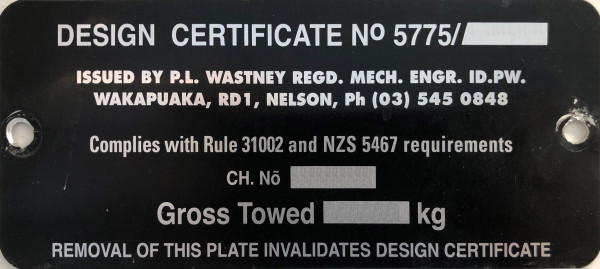
|
| Patrick Chu (ZC) of Transport and Structure Ltd |
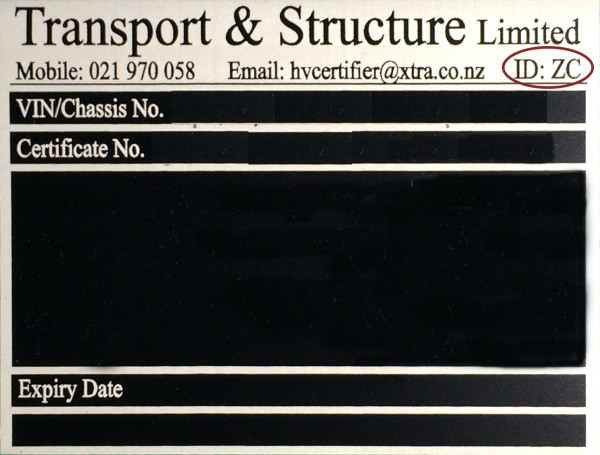
|
Summary of legislationApplicable legislationMandatory requirement1. A drawbeam fitted to a vehicle used in a combination, (other than a tractor to which section 12-4 applies or a recovery service vehicle) must comply and be certified to NZS 5446. Mandatory equipment2. A hook- or pin-type coupling must have an effective locking device and a separate means of retaining this device in the locked position. Condition and performance3. Towing connection components fitted to a vehicle must ensure that a secure connection can be maintained between the towing and towed vehicles under all conditions of loading and operation for which the vehicle was constructed. 4. A drawbeam used for towing a full trailer must not be sliding or adjustable. 5. Locking of the coupling must be readily verifiable by visual inspection. Modification and repair6. A modification or repair that affects the drawbeam must be inspected and certified by an HVS certifier of category HVET or HMTD.
Page amended 4 November 2025 (see amendment details)
12-4 Heavy tractor towing connection
Reasons for rejection
Mandatory and permitted equipment
1. A tractor with a towing connection other than a three-point linkage does not have one or two attachment points to which safety chains from a trailer coupling can be securely attached.
Condition
2. A towing connection component including a safety chain attachment point is:
a) damaged, deformed, cracked or has significantly deteriorated, or
b) worn beyond manufacturer’s specifications, or
c) not securely attached, or
d) missing, or
e) not mounted in accordance with manufacturer’s specifications.
3. A coupling mechanism or safety locking device does not:
a) operate smoothly or effectively, or
b) fasten securely.
Note 1 Definitions
Heavy tractor means a motor vehicle (other than a traction engine) with a gross vehicle mass exceeding 3500 kg constructed principally for towing an agricultural trailer or powering agricultural implements. This definition applies to towing connections only.
Towing connection means the combination of components that enables one vehicle to tow or be towed by another vehicle; it includes a towbar, drawbar, drawbeam and coupling.
Three-point linkage means, for a tractor or agricultural trailer, a towing connection that has three points of attachment.
Summary of legislation
Applicable legislation
Mandatory and permitted equipment
1. A tractor may be fitted with towing connections, including three-point agricultural linkages.
2. A tractor with a towing connection other than a three-point linkage must have one or two points for attaching trailer safety chains that each has a strength of at least twice the maximum mass of any vehicles that may be towed by the tractor by means of that towing connection.
Condition
3. Towing connection components fitted to a vehicle must ensure that a secure connection can be maintained between the towing and towed vehicles under all conditions of loading and operations for which the vehicle was constructed.
Page amended 1 October 2020 (see amendment details)
12-5 Heavy vehicle fifth wheel or ball coupling (for towing a semi-trailer)
Reasons for rejectionMandatory equipment1. A fifth wheel is not designed to fit a 50mm or 90mm kingpin. 2. A fifth wheel or ball-type coupling fitted to a heavy vehicle does not have evidence of certification (unless excepted in Table 12-5-1), ie: a) the coupling was fitted before the last CoF inspection, and after 1 January 1997, and no LANDATA record has been entered, Note Before 1 January 1997 certification was required but for inspection purposes the LANDATA record need not be checked or b) the coupling was fitted after the last CoF inspection and i. a valid LT400 form has not been presented, or ii. the HVS certifier was not of category HVET or HMTD. 3. A 50mm-diameter fifth wheel, other than a rigid fifth wheel, has not been: a) certified to NZS 5450: 1989, or b) certified to all of the following: i. Australian/New Zealand Standard 4968.1-2003, and ii. Australian/New Zealand Standard 4968.2-2003, and iii. Australian Standard 2174-2006, or c) fitted by the vehicle manufacturer in compliance with UN/ECE Regulation 55 (if fitted to an imported vehicle). 4. A 90mm-diameter fifth wheel, other than a rigid fifth wheel, has not been certified to one of the following: a) if fitted before 1 April 2005, NZS 5450 b) if fitted on or after 1 April 2005, both AS 2174 and AS/NZS 4968 (Note 1). 5. A rigid fifth wheel has not been certified to manufacturer’s specifications. 6. A vehicle that is fitted with a 90mm-diameter fifth wheel does not have ‘90mm fifth wheel’, where ‘90’ is at least 60mm high, clearly displayed in a position readily visible from the position from which the release handle of the fifth wheel is operated. 7. An ‘Operator Statement of Compliance with the Maintenance Requirements of NZS 5450: 1989’ (NZTA 4085A form) is: a) not presented, or b) incomplete (Note 2), or c) not current, ie more than: i. the time or distance specified by the fifth wheel manufacturer has elapsed or been travelled since the most recent inspection recorded on the form, or ii. 30 days have lapsed or 15,000km has been travelled, whichever occurred sooner, since the most recent inspection recorded on the form, where manufacturer’s specifications are unavailable. 8. A vehicle is fitted with a ball-type coupling to tow a semi-trailer and: a) is not certified to NZS 5446, or b) does not have a valid certification label or plate attached to the vehicle as required in Table 12-5-2, or c) is not part of a dedicated combination. 9. A required certification label or plate (ball-type couplings only): a) is not indelible, or b) is illegible, or c) is not complete, or d) is not attached to the vehicle in an easily visible position, or e) does not match the vehicle, or f) has obvious signs of tampering, or g) has expired. Condition and performance (Note 3)10. A coupling or its mounting: a) is not securely attached, or b) bolt or nut is missing, significantly corroded or not suitable, or c) is cracked, distorted or significantly corroded or has deteriorated, or d) has corrosion damage within 150mm of the mounting points, or e) pivot is seized, worn beyond manufacturer’s specifications, or not securely attached, or f) is worn beyong manufacturer’s specifications. 11. The fifth wheel release mechanism: a) is not in good condition, eg the handle is bent or damaged, or b) does not operate freely (check only if presented without trailer attached). 12. The fifth wheel locking mechanism: a) is not in good condition, eg jaws are worn beyond manufacturer’s specifications or out of adjustment, or b) does not operate freely (check only if presented without trailer attached). Modification and repair (Note 4)13. A modification or repair affects the coupling and: a) is not excepted from the requirements for HVS certification (Table 12-5-1), or b) the modification is not for the purpose of law enforcement or the provision of emergency services, or c) is missing proof of HVS certification, ie vehicle has been modified or repaired, and: i. no LANDATA record has been entered, or ii. no valid LT400 form from an HVS certifier of category HVET or HMTD has been presented.
Note 1AS/NZS 4968 supersedes AS 1773 and AS 1771.
Note 2Where the service history is incomplete, the CoF inspector must note this on the CoF checksheet, but the vehicle is not required to be failed for this reason alone.
Note 3Where a vehicle is presented in combination, the vehicles do not have to be separated, but a thorough visual inspection as far as practicable must be carried out.
Note 4A towing connection that was certified to New Zealand standard 5446: 1987 (superseded) before November 2007 may continue to comply with and be certified to that standard until the towing connection is modified.
Note 5While not included as an inspection item, a vehicle may not be towed using a fifth wheel coupled to another fifth wheel.
Note 6 DefinitionsFifth wheel means a device fitted to a vehicle to enable a semi-trailer to be connected to it by means of a kingpin so that the semi-trailer may be towed. Coupling means that part of a vehicle that is specifically designed to enable it to be connected to another vehicle; it does not include a structural member of the towing or towed vehicle (eg fifth wheel, hook, pin, ball or socket type). Dedicated combination means a combination of vehicles certified for use in combination where both vehicles are affixed with a plate clearly and indelibly marked with the VIN or chassis number of the other vehicle (the plate is fitted by the HVS certifying Eengineer). Semi-trailer means a trailer with only one axle set that is partially superimposed on the towing vehicle so that a substantial part of the trailer and its load is borne by the towing vehicle.
Table 12-5-1. Requirements for HVS certificationHVS certification is required | HVS certification is not required |
|---|
1. Fitting of a coupling, other than a direct bolt-on replacement. 2. Modification or repair of a coupling, except when this is not required in the right-hand column. | 1. Fifth wheel or ball-type coupling that is a direct bolt-on replacement. 2. Any modification or repair likely to have been carried out before 1 January 1997 (modifications and repairs before this date required certification but for inspection purposes the LANDATA record need not be checked). 3. Any repair or modification not listed in the left-hand column unless the vehicle inspector considers that certification is required because the modification or repair has affected the vehicle’s safety performance (a second opinion from an expert may be needed, eg the manufacturer’s representative, or a reputable workshop). 4. A 50mm fifth wheel that complies with UN/ECE Regulation 55 fitted to an imported vehicle. |
Figure 12-5-4. NZTA 4085A form (blank forms available from CoF inspecting organisations)
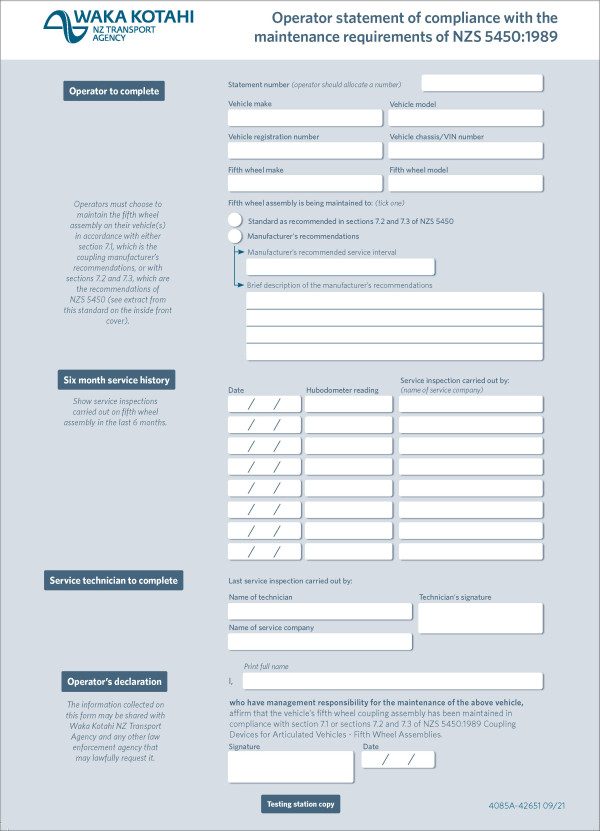
Summary of legislation
Applicable legislation
- Land Transport Rule: Heavy Vehicles 2004
- New Zealand Standard 5450: 1989, Coupling Devices for Articulated Vehicles – Fifth Wheel Assemblies
- Australian Standard 1773-1996: Articulated Vehicles – Fifth Wheel Assemblies
- Australian Standard 1771-1996: Installation of Fifth Wheel and Turntable Assemblies
- Australian Standard 2174-1994: Articulated Vehicles – Mechanical Coupling between Prime Movers and Semi-Trailers – Interchangeability Requirements
- Australian Standard 2174-2006:Articulated Vehicles – Mechanical coupling between prime movers and semitrailers – Interchangeability requirements
- Australian/New Zealand Standard 4968.1-2003: Heavy-road vehicles – Mechanical coupling between articulated vehicle combinations – Design criteria and selection requirements for fifth wheel, kingpin and associated equipment
- Australian/New Zealand Standard 4968.2-2003: Heavy-road vehicles – Mechanical coupling between articulated vehicle combinations – Testing and installation of fifth wheel and associated equipment
- New Zealand Standard 5446: 1987, Code of Practice for Heavy Motor Towing Connections – Drawbar Trailers
- New Zealand Standard 5446: 2007, Code of Practice for Heavy Motor Towing Connections – Drawbeams and Drawbars
- New Zealand Standard 5446:2024, On-road heavy vehicle towing connections – Drawbeams and drawbars
- UN/ECE Regulation 55:Uniform Provisions Concerning the Approval of Mechanical Coupling Components of Combinations of Vehicles E/ECE/32 4 Rev.1/Add.54/Rev.1 E/ECE/TRANS/505A.
Mandatory equipment
1. A vehicle that is constructed to tow a semi-trailer must be fitted with either:
a) a 50mm-diameter fifth wheel, or
b) a 90mm-diameter fifth wheel, or
c) a ball-type coupling certified to NSZ 5446 and be operated as part of a dedicated combination.
2. A 50mm-diameter fifth wheel must comply with:
a) New Zealand Standard 5450: 1989, or
b) all of the following:
i. Australian/New Zealand Standard 4968.1-2003: Heavy-road vehicles – Mechanical coupling between articulated vehicle combinations – Design criteria and selection requirements for fifth wheel, kingpin and associated equipment, and
ii. Australian/New Zealand Standard 4968.2-2003: Heavy-road vehicles – Mechanical coupling between articulated vehicle combinations – Testing and installation of fifth wheel and associated equipment, and
iii. Australian Standard 2174-2006: Articulated Vehicles – Mechanical coupling between prime movers and semitrailers – Interchangeability requirements, or
c) Despite the requirements in 2b) above, an imported vehicle that is constructed to tow a semi-trailer may be fitted with a 50mm diameter fifth wheel that complies with UN/ECE Regulation 55: Uniform Provisions Concerning the Approval of Mechanical Coupling Components of Combinations of Vehicles E/ECE/32 4 Rev.1/Add.54/Rev.1 E/ECE/TRANS/505A.3. A 90mm-diameter fifth wheel installed before 1 April 2005 must comply with NZS 5450: 1989.
4. A 90mm-diameter fifth wheel installed on or after 1 April 2005 and before 29 December 2007 must comply with:
a) Australian Standard 1773-1996, and
b) Australian Standard 1771-1996, and
c) Australian Standard 2174-1994.
5. A 90mm-diameter fifth wheel installed on or after 29 December 2007 must comply with:
a) AS/NZS 4968, and
b) AS 2174.
6. A vehicle that is fitted with a 90mm-diameter fifth wheel must have, clearly displayed in a position readily visible from the position from which the release handle of the fifth wheel is operated, ‘90mm fifth wheel’ where ‘90’ must not be less than 60mm high.
7. A rigid fifth wheel fitted to a vehicle must be installed and maintained in accordance with the fifth-wheel manufacturer’s instructions.
Condition and performance
8. Towing connection components fitted to a vehicle must ensure that a secure connection can be maintained between the towing and towed vehicles under all conditions of loading and operations for which the vehicle was constructed.
Modification and repair
9. A modification or repair that affects a coupling must be inspected and certified by a HVS Certifier of category HVET or HMTD unless the vehicle:
a) excepted from the requirement for HVS certification (Table 12-5-1), and
b) has been inspected in accordance with the requirements in this manual, including those for equipment, condition and performance.
Page amended 10 March 2025 (see amendment details)
13 Miscellaneous items
13-1 Engine and transmission
Reasons for rejection
Condition
1. Refer to general vehicle pages.
2. A device fitted to a vehicle to restrict the field of swing of a driveshaft in the event of driveshaft failure is:
a) missing, where there is evidence that one was originally fitted, or
b) not securely attached, or
c) cracked, or
d) significantly deteriorated or damaged so that it is unlikely to prevent the driveshaft from striking the ground, chassis or floor in the event of driveshaft failure, or
e) showing evidence of contact with the driveshaft.
Modification
3. A modification or repair affects the engine or transmission and:
a) is not excluded from the requirements for HVS certification (Table 13-1-2), or
b) the modification is not for the purpose of law enforcement or the provision of emergency services, or
c) is missing proof of HVS certification, ie the vehicle has been modified or repaired, and
i. no LANDATA record has been entered, or
ii. no valid LT400 form from an HVS certifier of category HVEC or HMCD has been presented.
Table 13-1-2. Requirements for HVS certification
|
HVS certification is required
|
HVS certification is not required
|
|
1. Significant work involving:
a) relocation of components
b) fitting of components that are not identical to OE components
c) modification of components.
|
1. Any modification or repair likely to have been carried out before 1 January 1997 (modifications and repairs before this date generally required certification but for inspection purposes no evidence of this is required).
2. Any repair or modification not listed in the left-hand column unless the vehicle inspector considers that certification is required because the modification or repair has affected the vehicle’s safety performance (a second opinion from an expert may be needed, eg the manufacturer’s representative, or a reputable workshop).
|
Summary of legislation
Applicable legislation
Permitted equipment
1. The vehicle may be fitted with a device to restrict the field of swing of a driveshaft in the event of driveshaft failure.
Condition
2. The transmission must:
a) be within safe tolerance of its original condition, and
b) have adequate strength and performance characteristics for the conditions and loading for which the vehicle was constructed.
3. A device fitted to a vehicle to restrict the field of swing of a driveshaft in the event of driveshaft failure must be within safe tolerance of its original condition.
Modification
4. A modification or repair that affects the engine or transmission must be inspected and certified by an HVS certifier of category HVEC or HMCD unless the vehicle:
a) excluded from the requirement for HVS certification (Table 13-1-2), and
b) has been inspected in accordance with the requirements in this manual, including those for equipment, condition and performance.
13-2 Fuel system
Reasons for rejectionCondition1. There is a noticeable fuel leak from the fuel system. 2. There is corrosion damage (Note 1), cracking or other damage within 150mm of a tank mounting. 3. The security of the fuel tank is affected by: a) corrosion damage (Note 1) insecure or loose tank mountings. 4. A fuel line is insecure or loose so that it is likely to be damaged during normal use of the vehicle. 5. A fuel pipe is severely damaged or excessively corroded. 6. A fuel hose is damaged or perished. 7. The fuel pump is insecure. 8. The fuel filler cap or capless fuel filler seal is missing, insecure or likely to allow fuel spillage when the vehicle is in normal use. 9. The fuel tank is fitted with a ‘temporary use’ fuel filler cap. Modification10. A modification affects the fuel system, and: a) is not excluded from the requirements for LVV specialist certification (Table 13-2-1), or b) is missing proof of LVV specialist or accepted overseas certification, ie: i. the vehicle is not fitted with a valid LVV certification plate, or ii. the operator is not able to produce a valid modification declaration or authority card, or iii. the vehicle has not been certified to an accepted overseas system as described in Technical bulletin 13.
Note 1Corrosion damage is where the metal has been eaten away, which is evident by pitting. The outward signs of such corrosion damage is typically displayed by the lifting or bubbling of paint. In extreme cases, the area affected by corrosion damage will fall out and leave a hole.
Table 13-2-1. Modifications that do not require LVV certificationFitting of or modification to: | LVV certification is not required provided that: |
|---|
|
Electric fuel pump
| The electric fuel pump: - is a replacement for a mechanical pump on a carburetor engine, and
- is adequately supported, and
- does not increase the fuel pressure above OE.
| Fuel lines | The fuel lines are: - of similar construction to the OE fuel lines (ie hard lines are not replaced with flexible lines), and
- in the OE location and mounted to all the OE fixing clips.
| |
In-line fuel filter
| The in-line fuel filter is: - of an appropriate pressure rating, and
- adequately supported, and
- at least 50mm from the exhaust, and
at least 100mm from a catalytic converter. |
Note: All other fuel system modifications require certification Fitting of or modification to: | LVV certification is never required: |
|---|
Any modification for the purposes of law enforcement or the provision of emergency services | - in-service requirements for condition and performance must be met.
|
Summary of legislationApplicable legislationCondition and performance1. Fuel tanks, fuel lines and associated components must be: a) securely mounted, and b) made of suitable materials, and c) in good condition, and d) free from significant leaks, and e) positioned so that the risk of mechanical damage or heat gain is minimised. Modification2. A modification that affects the fuel tank and fuel lines must be inspected and certified by a Low Volume Vehicle Specialist Certifier, unless the vehicle: a) is excluded from the requirement for LVV certification (Table 13-2-1), and b) has been inspected in accordance with the requirements in this manual, including those for equipment, condition and performance.
Page amended 29 April 2020 (see amendment details).
13-3 LPG/CNG fuel system
Reasons for rejectionMandatory equipment1. A vehicle that is equipped with an LPG or CNG fuel system that is in working order does not have a current alternative fuel inspection certificate (Note 1) (Note 2) (Figure 13-3-1). Condition2. An LPG or CNG fuel system component is: a) loose, or b) significantly corroded, distorted or cracked. 3. A gas line: a) shows signs of corrosion damage (Note 3), such as pitting, or b) is bulging, or c) is insecure, or d) is damaged, eg cut or crimping. 4. There is a noticeable gas leak. 5. There is corrosion damage, distortion or fracture within 300mm of a tank mounting
Note 1 DefinitionsAlternative fuel inspection certificate means evidence of vehicle inspection relating to the periodic in-service inspection and certification of an LPG or CNG fuel system. Alternative fuel installation certificate means an inspection and certification document relating to the installation of an LPG or CNG fuel system. It is not required for the issue of a WoF or CoF. LPG/CNG fuel system means a fuel storage and conducting system that is used to provide liquid petroleum gas (LPG) or compressed natural gas (CNG) for the purpose of propulsion of a vehicle.
Note 2An LPG or CNG fuel system with all the necessary components is deemed to be in working order, whether or not it is charged. A system that has had the filler connection removed is deemed to be not in working order.
Note 3Corrosion damage is where the metal has been eaten away, which is evident by pitting. The outward signs of such corrosion damage is typically displayed by the lifting or bubbling of paint. In extreme cases, the area affected by the corrosion damage will fall out and leave a hole.
Table 13-3-1. Modifications that do not require LVV certification
Fitting or modification to:
|
LVV certification is never required |
LPG/CNG fuel system
|
- in-service requirements for performance and condition must be met.
|
Summary of legislationApplicable legislationMandatory equipment1. A motor vehicle equipped with an LPG or CNG fuel system that is in working order must display a current alternative fuel inspection certificate. Condition2. An LPG or CNG fuel system must be in safe working condition. Modification3. The installation of an LPG or CNG fuel system is not a modification that requires certification by a LVV specialist certifier. 4. A modification to an existing LPG or CNG fuel system must be inspected and certified by an approved LPG or CNG fuel inspector or inspecting organisation.
13-3 Electrical wiring
Reasons for rejection
Condition
1. An electrical wire shows signs of:
a) overheating, or
b) chafing, or
c) other damage.
2. Electrical wires in a heavy vehicle are not:
a) insulated and protected from damage that could be caused by water, fuel, oil, other fluids, dirt or heat, or
b) clipped or otherwise gathered into looms with an insulating material, where this is practicable.
3. Electrical wires and looms are not:
a) appropriately and securely fastened to the vehicle to protect them from damage, or
b) protected from damage where they pass through holes in the vehicle structure.
Summary of legislation
Applicable legislation
Condition
1. The current ratings of the electrical wires in a vehicle must not be exceeded.
2. Electrical wires in a heavy vehicle must:
a) be insulated and protected from damage that could be caused by water, fuel, oil, other fluids, dirt or heat, and
b) if practicable, be clipped or otherwise gathered into looms with an insulating material.
3. Electrical wires and looms must:
a) be appropriately and securely fastened to the vehicle to protect them from damage, and
b) where they pass through holes in the vehicle structure, be protected from damage.
13-5 Electric and hybrid vehicle fuel and electrical system
Reasons for rejectionCondition (Note 1)1. High voltage wiring is: a) insecure or not adequately secured b) damaged or deteriorated (including insulation) c) likely to touch: i. hot components of the vehicle ii. sharp edges iii. rotating parts iv. the ground. 2. High voltage batteries are: a) insecure or not adequately secured b) damaged or deteriorated (including components and electrical insulation) c) leaking, or showing signs of leaking. 3. High voltage battery or wiring shields are damaged or not in place. 4. A high voltage component’s (eg battery) coolant system is leaking. 5. An electrical system warning lamp is illuminated. See Table 13-5-2 for examples. Modification4. A modification affects the electrical system, and: a) is not excluded from the requirements for specialist certification (Table 13-5-1), or b) is missing proof of specialist certification, that is: i. the vehicle is not fitted with a valid certification plate (eg low volume vehicle plate or heavy vehicle certification plate/label), or ii. the operator is not able to produce a valid modification declaration or authority card iii. The vehicle has not been certified to an accepted overseas system as described in Technical bulletin 13.
Table 13-5-1. Modifications that do not require specialist certificationFitting of or modification to: | Specialist certification is not required provided that: |
|---|
Fuel system changes and modifications | Note: Specialist certification is always required for changes to the high voltage electrical system. | | High voltage battery and control systems | - the high voltage battery pack is replaced by an OEM or aftermarket replacement; and
- there is no change in the operating voltage; and
- no modifications to the vehicles structure have occurred; and
- the replacement battery pack is attached to the vehicle's unmodified, original battery attachment points; and
- the replacement battery pack is similar in size, construction, and weight; and
- no modifications have occurred to any other part of the vehicle's high voltage system; and
- the vehicle retains any safety features (eg isolation/maintenance switch/connector) fitted by the OEM manufacturer; and
- the modifications have been carried out by persons professionally engaged in the modification of electric vehicles.
Note: For clarity, ‘similar weight’ is within 30kg of the original battery pack weight. |
Fitting of or modification to: | Specialist certification is never required: |
|---|
Any modification for the purposes of law enforcement or the provision of emergency services | - in-service requirements for condition and performance must be met.
|
Table 13-5-2. Electrical system warning iconsGeneral fault The vehicle may indicate exactly what the fault is. If the fault is not from an electrical system, or other safety critical system (eg brakes, steering, electrics, ESC etc.) the vehicle may pass the inspection. | | Vehicle electrical fault The vehicle should be referred to a repairer for diagnostics. If the fault is not from a safety critical system (eg brakes, steering, high voltage electrics, ESC etc.), the vehicle may pass the inspection. | | Limited power/Limp mode This is likely to do with a fault in the electric drive system. The vehicle should be referred to a repairer for diagnostics. The vehicle must fail the inspection. | | Serious electrical fault The vehicle should be referred to a repairer for diagnostics. The vehicle must fail the inspection. | | Master warning Could be a warning for any vehicle system and is likely to be serious. The vehicle should be referred to a repairer for diagnostics. The vehicle must fail the inspection. | | High battery temperature Remove the car from any indoor premises immediately and turn the vehicle off. The vehicle should be referred to a repairer for diagnostics. The vehicle must fail the inspection. | |
Summary of legislationApplicable legislationCondition and performance1. The vehicle must be safe to be operated. 2. The components and materials must be fit for their purpose and within safe tolerance of their state when manufactured or modified. Modifications3. A modification that affects the electrical system must be inspected and certified by an specialist certifier, unless the vehicle: a) is excluded from the requirement for specialist certification (Table 13-5-1), and b) has been inspected in accordance with the requirements in this manual, including those for equipment, condition and performance.
Page amended 1 October 2023 (see amendment details).
14 Load restraints
14-1 Load anchorages
Reasons for rejectionMandatory requirement1. A load anchorage point does not have evidence of certification to NZS 5444, ie: a) the load anchorage point was fitted before the last CoF inspection, and after 1 January 1997, and no LANDATA record has been entered, Note Before 1 January 1997 certification was required but for inspection purposes the LANDATA record need not be checked or b) the load anchorage point was fitted after the last CoF inspection and: i. a valid LT400 form has not been presented, or ii. the HVS certifier was not of category HVEA or HMAD, or c) there is no valid certification label or plate attached to the vehicle (usually fitted to the left-hand chassis or coaming rail, or to the load platform) as specified in Table 14-1-1. Mandatory equipment2. A vehicle constructed to transport a load is not fitted with load anchorage points (hooks, rope rails, twist locks, tie-down rings, keyhole plates or chain slots), unless the vehicle is one of the following: a) a vehicle fitted with a body that is specifically designed to contain the transported load without the use of lashings, chains or other devices, such as a tank body or a tipping body for transporting bulk goods (refer to section 3-1) b) a vehicle fitted with a stock crate and stock crate retention devices (refer to section 14-2) c) a curtain-sided body fitted with a load-rated curtain and curtain anchorage system (refer to section 14-5) d) a vehicle fitted with logging bolsters (refer to section 14-3). Condition3. A certification label or plate: a) is not indelibly marked, or b) is illegible, or c) is attached so that it is not easily visible, or d) has details that do not match the vehicle, or e) has obvious signs of tampering. 4. A load anchorage component: a) is missing, or b) is not securely attached, or c) is cracked or deformed, or d) has significant corrosion damage, or e) is worn beyond manufacturer’s specifications. Modification and repair5. A modification or repair affects a load anchorage or its attachment and: a) is not excluded from the requirements for HVS certification (Table 14-1-2), or b) is not for the purpose of law enforcement or the provision of emergency services, or c) is missing proof of HVS certification, ie the vehicle has been modified or repaired, and: i. no LANDATA record has been entered, or ii. no valid LT400 form from an HVS certifier of category HVEA or HMAD has been presented.
Note 1 DefinitionsLoad-securing equipment means equipment or a device permanently fitted to a vehicle to secure, either by itself or in conjunction with other equipment or devices such as lashings, a load to a vehicle. Load anchorage point means a device permanently attached to a vehicle to enable a load to be secured or attached to the vehicle.
Table 14-1-1. Minimum certification label and plate details requiredNZS 5444: 1989 | NZS 5444: 2005 |
|---|
Identity of the manufacturer Rated capacity of the load anchorage points | Any label or plate issued on or after 1 June 2005 and before 1 December 2016 must contain the information below Certificate number HVS identifier Number and capacity of each type of load anchorage point fitted VIN or chassis number Any special conditions if applicable | Identity of the manufacturer Rated capacity of the load anchorage points | Any label or plate issued on or after 1 December 2016 must contain the information below Compliance Certificate number (LT400) HVS identifier Number and capacity of each type of load anchorage point fitted VIN or chassis number Any special conditions if applicable |
Table 14-1-2. Requirements for HVS certificationHVS certification is required | HVS certification is not required |
|---|
1. Fitting of load anchorages 2. A repair (by heating or welding) affects a load anchorage or attachment) 3. A modification affects a load anchorage or attachment | 1. Repairs to coaming rails that do not support certified load anchorage points or J-hooks. 2. A vehicle fitted with a bin lifting and hooking mechanism does not require HVS certification to NZS 5444, but the bin must be able to be secured safely using a fail-safe system. This may include a hydraulically operated and locked hook or similar, provided the locking device can only be opened by applying a positive and definitive hydraulic pressure. 3. Tarpaulin hooks and load restraints fitted inside a box- or van-type body, eg to restrain furniture, are not considered to be load anchorages and therefore do not require HVS certification (it is recommended that tarpaulin hooks and rails are identified to be used only for retaining tarpaulins). 4. Any modification or repair likely to have been carried out before 1 January 1997 (modifications and repairs before this date required certification but for inspection purposes the LANDATA record need not be checked). 5. Any repair or modification not listed in the left-hand column unless the vehicle inspector considers that certification is required because the modification or repair has affected the vehicle’s safety performance (a second opinion from an expert may be needed, eg the manufacturer’s representative, or a reputable workshop). |
Summary of legislationApplicable legislation- Land Transport Rule: Heavy Vehicles 2004
- New Zealand Standard 5444: 1989, Load Anchorage Points for Heavy Vehicles
- New Zealand Standard 5444: 2005, Load Anchorage Points for Heavy Vehicles (applicable from 1 June 2005).
Mandatory requirement1. Load anchorage points (hooks, rope rails, twist locks, tie-down rings, keyhole plates and chain slots) must comply with and be certified to NZS 5444. Mandatory equipment2. A vehicle that is constructed to transport a load must be fitted with load securing equipment (Note 1). 3. A vehicle must have load anchorage points that are certified by an HVS certifier as complying with New Zealand standard 5444, unless the vehicle is one of the following: a) a vehicle fitted with a body that is specifically designed to contain the transported load without the use of lashings, chains or other devices, such as a tank body or a tipping body for transporting bulk goods (refer to section 3-1), or b) a vehicle fitted with a stock crate and stock crate retention devices (refer to section 14-2), or c) a curtain-sided body fitted with a load-rated curtain and curtain anchorage system (refer to section 14-5), or d) a vehicle fitted with logging bolsters (refer to section 14-3). 4. A load anchorage must be certified by an HVS certifier of category HMLD or HVEA. Condition5. A certification label or plate must be: a) clearly and indelibly marked, and b) securely attached. 6. Load securing equipment that is fitted to a vehicle must be constructed to ensure that the load can be securely contained on the vehicle under all conditions of loading and operation for which the vehicle was constructed. Modification and repair7. A modification or repair that affects a load anchorage point must be inspected and certified by an HVS certifier of category HVEA or HMAD unless the vehicle: a) is excluded from the requirement for HVS certification (Table 14-1-2), and b) has been inspected in accordance with the requirements in this manual, including those for equipment, condition and performance.
Page amended 1 April 2023 (see amendment details)
14-2 Stock crates and stock crate retention devices
Reasons for rejectionMandatory equipment(see Technical bulletin 7: Stock crate retention) 1. A stock crate, including its retention devices (Figure 14-2-1), fitted to a vehicle with a GVM of 6000 kg or more, has no manufacturer’s plate certifying construction in accordance with NZS 5413, that specifies at least all of the following details: - company name
- stock crate serial number
- date of manufacture of stock crate
- restraint capacity total in kilograms (not required for monocoque stock crates)
- restraint capacity individual in kilograms (not required for monocoque stock crates)
- number of restraints per side (not required for monocoque stock crates).
2. Stock crate anchorage points fitted to the deck have not been certified to NZS 5444, ie: a) the stock crate anchorage points were fitted before the last CoF inspection, and after 1 January 1997, and there is no LANDATA record, Note Before 1 January 1997 certification was required but for inspection purposes the LANDATA record need not be checked or b) the stock crate anchorage points were fitted after the last CoF inspection and: i. a valid LT400 form is not presented, or ii. the HVS certifier was not of category HVEA or HMAD, or iii. there is no valid certification plate/label attached to the stock crate as required in Table 14-2-1. Refer to Technical Bulletin 7: Stock crate certification for details on the plating requirements for vehicles fitted with stock crates. Condition3. A certification label or plate: a) is not indelibly marked, or b) is illegible, or c) is attached so that it is not easily visible, or d) has details that do not match the vehicle, or e) has obvious signs of tampering. 4. The stock crate’s external doors: a) are not securely attached to the stock crate body, or b) do not remain secure in a closed or locked position. 5. A J-hook assembly or other retention device, or an anchorage point: a) is not securely attached, or b) has a bush, fastener, washer, J-hook or other component missing or significantly corroded, or c) is cracked or distorted, or d) has cracks or corrosion damage on the stock crate within 150mm of the retention device attachment point, or e) is not of a type suitable for retaining the stock crate, or f) is worn beyond manufacturer’s specifications. Modification and repair6. A modification or repair affects the stock crate or its retention devices and: a) is not excluded from the requirements for HVS certification (Table 14-2-2), or b) is not for the purpose of law enforcement or the provision of emergency services, or c) is missing proof of HVS certification, ie the vehicle has been modified or repaired, and: i. no LANDATA record has been entered, or ii. no valid LT400 form from an HVS certifier of category HVEA or HMAD has been presented.
Note 1 DefinitionsBody means the part of the vehicle that is designed for the use and accommodation of the occupants or to hold any goods. It comprises the load platform/deck, headboard, sideboards, tailgate, coaming rails, cross-members, runners and attachment to the chassis. Chassis means the structural lower part of a vehicle to which the running gear and, as applicable, engine, transmission, steering system and body may be attached. J-hook means a retention device fabricated from metal for the retention of stock crates to the vehicle load platform, mounted in such a way as to be fixed either inside or outside the coaming rail vertically and tensioned through a bush on the crate structure by way of a threaded fastener. Load anchorage point means a device permanently attached to a vehicle to enable a load to be secured or attached to the vehicle.
Table 14-2-1. Minimum certification label and plate details requiredNZS 5444: 1989 | NZS 5444: 2005 |
|---|
Identity of the manufacturer Rated capacity of the load anchorage points | Certificate number HVS identifier Number and capacity of each type of load anchorage point fitted VIN or chassis number Any special conditions if applicable Note Any label or plate issued on or after 1 June 2005 must contain the above information. |
Table 14-2-2. Requirements for HVS certificationHVS certification is required | HVS certification is not required |
|---|
1. Stock crate retention devices that have been modified or repaired resulting in altered load ratings | 1. A stock crate retention device has been repaired or modified, and the HVS Certifier can confirm that the load ratings are still correct. 2. Any modification or repair likely to have been carried out before 1 January 1997 (modifications and repairs before this date generally required certification but for inspection purposes the LANDATA record need not be checked). 3. Any repair or modification not listed in the left-hand column unless the vehicle inspector considers that certification is required because the modification or repair has affected the vehicle’s safety performance (a second opinion from an expert may be needed, eg the manufacturer’s representative,or a reputable workshop). |
Summary of legislationApplicable legislation- Land Transport Rule: Heavy Vehicles 2004
- New Zealand Standard 5413: 1993, Code of Practice for the Manufacture and Use of Stock crates on Heavy Vehicles
- New Zealand Standard 5444: 1989, Load Anchorage Points for Heavy Vehicles
- New Zealand Standard 5444: 2005, Load Anchorage Points for Heavy Vehicles.
Mandatory equipment1. A stock crate and its retention devices, if fitted to a vehicle with a GVM of 6000 kg or more, or be fitted with a stock crate plate (see Technical bulletin: Stock crate retention). 2. Stock crate anchorage points fitted to the deck of a vehicle must comply with and be certified to NZS 5444. 3. There is no valid certification plate/label attached to the stock crate or vehicle as required in Table 14-2-1. 4. Stock crate retention devices must be attached to the crate structure so as to transmit the restraint forces to the vehicle load platform or basic vehicle structure. Condition5. External doors shall be firmly fixed to prevent stock from being ejected onto the roadway. 6. Load securing equipment must be constructed to ensure that the load can be safely contained on the vehicle under all conditions of loading and operation for which the vehicle was constructed. Modification and repair7. A modification or repair that affects a stock crate anchorage point must be inspected and certified by an HVS certifier of category HVEA or HMAD unless the vehicle: a) is excluded from the requirement for HVS certification (Table 14-2-2), and b) has been inspected in accordance with the requirements in this manual, including those for equipment, condition and performance.
14-3 Log bolsters
Reasons for rejectionMandatory requirement1. A logging bolster attachment fitted to a vehicle that is required to be certified in Table 14-3-1 does not have evidence of certification. 2. A logging bolster attachment fitted to a vehicle certified to the Bolster Attachment Code (issue 1 May 2001 and issue 2 November 2010) does not have evidence of certification, ie: a) the attachment was fitted before the last CoF inspection and there is no LANDATA record of the certification, or b) the attachment was fitted after the last CoF inspection and: i. a valid LT400 form is not presented, or ii. the HVS Certifier was not of category HVEL or HMLD, or c) individual bolsters are not stamped, indelibly labelled or marked to clearly identify their serial numbers, or d) individual bolster attachments are not stamped, indelibly labelled or marked to clearly identify their serial numbers, or e) the vehicle is not fitted on the left-hand chassis rail with at least one tag clearly identifying the bolsters, bolster attachments, bolster rating, HVS Certifier, bolster manufacturer, vehicle and expiry date. 3. A logging bolster attachment fitted to a vehicle certified to the Bolster Attachment Code (issue 27 November 1998) does not have evidence of certification, ie: a) there is no LANDATA record of the certification, or b) individual bolsters are not stamped, indelibly labelled or marked to clearly identify the bolster manufacturer, bolster serial number and rated bolster load, or c) the vehicle is not fitted on the left-hand chassis rail with at least one tag to clearly identify the bolsters, bolster attachment, vehicle and expiry date. 4. A logging bolster attachment on a long-log logging vehicle fitted with a convertible (sliding or folding) bolster does not have evidence of certification required in Table 14-3-1, ie there is no LANDATA record of the certification. Condition5. A required certification label, plate, or marking is: a) illegible, or b) incorrect, eg serial numbers differ between the label and the bolsters, or c) expired. 6. A log bolster or log bolster mounting, including a component such as a load cell, weld and fastener: a) is missing, or b) is not securely attached, or c) is cracked or deformed, or d) has significant corrosion damage, or e) is worn beyond manufacturer’s specifications, or f) has excessive wear between mating surfaces. 7. A sliding bolster locking device is: a) missing, or b) not effective, or c) of an unacceptable type, eg air or hydraulic slide cylinder or chain drives. Modification and repair8. A modification or repair affects the log bolster or its attachment and: a) is not excluded from the requirements for HVS certification (Table 14-3-2), or b) is not for the purpose of law enforcement or the provision of emergency services, or c) is missing proof of HVS certification, ie the vehicle has been modified or repaired, and: i. no LANDATA record has been entered, or ii. no valid LT400 form from an HVS certifier of category HVEL or HMLD has been presented.
Note 1A convertible bolster is usually slid to a different position or dropped down to allow long logs to span two trailers.
Note 2Logging bolster means a vertically orientated member attached to a vehicle that is used to secure loads of timber logs.
Table 14-3-1. Logging bolster attachment certification requirementsFitted before 1 October 1999 | Fitted 1 October 1999–
30 April 2001 | Fitted from 1 May 2001–
30 September 2011 | Fitted from 1 October 2011 |
|---|
No certification | Either: - Bolster Attachment Code (issue 27 November 1998), or
- Bolster Attachment Code (issue
1 May 2001), or - optional for convertible bolsters on long-log logging vehicles:
- certification that the same design of bolster attachments has successfully completed 250,000km of service on a single vehicle without indications of fatigue or failure.
| All bolster attachments: - Bolster Attachment Code (issue
1 May 2001), or - optional for convertible bolsters on long-log logging vehicles:
- certification that the same design of bolster attachments has successfully completed 250,000km of service on a single vehicle without indications of fatigue or failure.
| All bolster attachments: - Bolster Attachment Code (issue
2 November 2010), or - optional for convertible bolsters on long-log logging vehicles:
- certification that the same design of bolster attachments has successfully completed 250,000km of service on a single vehicle without indications of fatigue or failure.
|
Table 14-3-2. Requirements for HVS certificationHVS certification is required | HVS certification is not required |
|---|
1. Any repairs to the bolster attachments | 1. Where a fastener fails the inspection, the CoF inspector must request a written report from an HVS certifier of category HVEL or HMLD who will disassemble the fasteners and confirm that: a) movable parts such as lock pins have been checked for proper operation and engagement, and b) mating parts seat correctly, and c) fasteners have been fitted to manufacturer’s specifications and bolt torques are correct, and d) any other manufacturer’s requirements have been complied with. 2. Any modification or repair likely to have been carried out before 1 October 1999. 3. Any repair or modification not listed in the left-hand column unless the vehicle inspector considers that certification is required because the modification or repair has affected the vehicle’s safety performance (a second opinion from an expert may be needed, for example the manufacturer’s representative, or a reputable workshop). |
Summary of legislationApplicable legislation- Land Transport Rule: Heavy Vehicles 2004
- Bolster Attachment Code, issue 27 November 1998
- Bolster Attachment Code, issue 1 May 2001
- Bolster Attachment Code, issue 2 November 2010
- New Zealand Gazette, 14 January 1999, issue 1, page 64
- New Zealand Gazette, 27 May 1999, issue 60, page 1431
- New Zealand Gazette, 26 April 2001, issue 43, page 957.
Mandatory requirement1. A logging bolster attachment fitted to a vehicle must comply with the requirements in Table 14-3-1. 2. Certification of a logging bolster attachment must be by an HVS certifier of category HVEL or HMLD . Mandatory equipmentBolster Attachment Code (issue 27 November 1998)3. Individual bolsters must be stamped, indelibly labelled or marked to clearly identify the: a) bolster manufacturer, and b) bolster serial number, and c) rated bolster load. 4. The vehicle must be fitted, on the left-hand side chassis rail as far as practicable in line with the front of the coaming rail, with at least one tag identifying the: a) bolsters, and b) bolster attachment, and c) vehicle, and d) expiry date. Bolster Attachment Code (issue 1 May 2001 and issue 2 November 2010)5. Individual bolsters must be stamped, indelibly labelled or marked to clearly identify their serial number. 6. Individual bolster mounts must be stamped, indelibly labelled or marked to clearly identify their serial number. 7. The vehicle must be fitted with at least one tag identifying the bolsters, bolster attachments, bolster rating, the HVS certifier, the bolster manufacturer, the vehicle and the expiry date. Condition8. Load-securing equipment that is fitted to a vehicle must be constructed to ensure that the load can be securely contained on the vehicle under all conditions of loading and operation for which the vehicle was constructed. 9. A load-bearing structure must be of adequate strength for all conditions and loading for which the vehicle was constructed. Modification and repair10. A modification or repair that affects a log bolster attachment must be inspected and certified by an HVS certifier of category HVEL or HMLD , unless the vehicle: a) is excluded from the requirement for HVS certification (Table 14-3-2), and b) has been inspected in accordance with the requirements in this manual, including those for equipment, condition and performance.
Page amended 1 April 2023 (see amendment details)
14-4 Cab-guards, headboards, sideboards and tailboards
Reasons for rejection
Mandatory equipment
1. A logging truck is not fitted with a cab guard, or the cab guard:
a) is not attached to the chassis, or
b) is not at least as wide and as high as the cab, or
c) has apertures that could allow any forward-moving logs to pass through the cab guard.
Condition
2. A cab guard on a logging truck, or a headboard, sideboard or tailboard:
a) is not securely attached, or
b) has a fastener that is missing or loose, or
c) is cracked or significantly distorted or corroded.
Note 1 Definitions
Cab guard means a structure attached to a vehicle that provides protection to the cab occupants from the effects of load impact and may include a headboard.
Headboard means the substantially vertical part of the forward end of a flat-deck or curtain-sided body of a vehicle.
Sideboard means the substantially vertical part of the side of a flat-deck body of a vehicle.
Tailboard means the substantially vertical part of the rear end of a flat-deck or curtain-sided body of a vehicle.
Summary of legislation
Applicable legislation
Mandatory equipment
1. A vehicle constructed for the purpose of transporting timber logs must be fitted with a cab guard that:
a) is attached to the chassis, and
b) is at least as wide and as high as the cab, and
c) does not have apertures that could allow any forward-moving logs to pass through the cab guard.
Condition
2. A cab guard on a logging truck, and its attachment to the chassis:
a) must be strong enough to withstand load impact during loading, unloading and emergency braking, and
b) must not adversely affect the strength and durability of the chassis or cause damage to the chassis during heavy load impact.
3. A headboard, sideboard or tailboard fitted to a vehicle for the purpose of restraining a load on that vehicle must be of adequate strength to withstand load forces without incurring permanent deformation.
4. A headboard, sideboard or tailboard must be fitted to a vehicle in a way that ensures that the parts of the vehicle to which it is attached are able to withstand the forces exerted by the headboard, sideboard or tailboard without incurring permanent deformation.
14-5 Curtain systems
Reasons for rejection
Condition
1. A load-rated curtain (Note 1) (Note 2):
a) is ripped, or
b) has deteriorated, resulting in weakening of the curtain material, eg crazing, brittleness or stiffness, or
c) has become detached from the frame, or
d) has been poorly repaired.
2. A load-rated curtain-tensioning system component:
a) is missing, or
b) is not securely attached, or
c) is damaged, cracked or deformed, or
d) has significant corrosion damage, or
e) is worn beyond manufacturer’s specifications, or
f) does not function correctly.
3. A non-load-rated curtain has deteriorated to such an extent that parts could come loose (Note 3).
Note 1
For the purposes of this inspection, a load-rated curtain is one that has labelling that includes the manufacturer’s load rating in kilograms per metre.
Note 2
Advice from the curtain manufacturer may be required in case of doubt about damage and deterioration limits and quality of repairs.
Note 3
For curtain siders that are not load rated, refer to section 14-1 Load anchorages for requirements.
Summary of legislation
Applicable legislation
Mandatory equipment
1. If a vehicle has a curtain-sided body that is constructed to secure a load on a vehicle, each curtain and curtain anchorage system must:
a) have a manufacturer’s load rating appropriate for all conditions of loading and operation of the vehicle, and
b) be clearly marked with the manufacturer’s load rating in kilograms per metre, in a position on the curtain that is readily accessible for inspection purposes.
Condition
2. Load-securing equipment that is fitted to a vehicle must be constructed to ensure that the load can be securely contained on the vehicle under all conditions of loading and operation for which the vehicle was constructed.
15 Certificate of loading
15-1 Certificate of loading
Reasons for rejection
Mandatory requirement
1. A heavy vehicle that requires a certificate of fitness (Note 1) does not have a certificate of loading (Note 2) displayed on the vehicle.
2. The vehicle is one of the following and the CoL is no longer valid:
a) the vehicle has been modified so as to require heavy vehicle specialist certification, or
b) the vehicle has been de-registered, or
c) an application for a change of use has been made (ie an MR14 has been completed) and the requirements for CoL differ for the new use, eg change from PSV to motorhome.
3. An invalid certificate of loading has not been surrendered to the vehicle inspector (Note 3).
Condition
4. A certificate of loading:
a) is illegible, or
b) is attached so that it is not easily visible, or
c) has details that do not match the vehicle, or
d) has obvious signs of tampering.
Note 1
Vehicles that require a certificate of fitness are listed in section 3.3.1 in the Introduction of this manual.
Note 2
Certificate of loading means a certificate issued under this section to a vehicle that requires verification of its loading and weight limits.
Summary of legislation
Applicable legislation
Mandatory requirement
1. A heavy vehicle that requires a certificate of fitness (Note 1) requires a certificate of loading (Note 2).
2. Before issuing a certificate of fitness, a vehicle inspector must determine that a current certificate of loading is still valid, if one or more of the following events has occurred since the current certificate of loading was issued:
a) the vehicle has been modified so as to require heavy vehicle specialist certification, or
b) the vehicle has been de-registered, or
c) an application for a change of use has been made under section 16 of the Transport (Vehicle and Driver Registration and Licensing) Act 1986 and the requirements for certificates of loading differ for the new use.
3. If a vehicle inspector has determined that a current certificate of loading for a vehicle is no longer valid, they must request the vehicle’s operator to surrender the certificate to the NZTA.
16 Transport service licence
16-1 TSL
Mandatory requirement1. The operator of a vehicle that requires a transport service licence (Table 16-1-1) has not notified (Note 2) the vehicle inspector of the transport service licence number under which the vehicle is operated.
Note 1If correctly licensed, a vehicle requiring a transport service licence can be identified by the ‘T’ or ‘L’ on the vehicle licence label.
Note 2Every vehicle that operates in a goods service or vehicle recovery service must display a TSL label that identifies the TSL number the vehicle is presently operated under (see Figure 16-1-1). For CoF purposes, the vehicle inspector must record the number on the TSL label. Where there is no TSL label, or for a rental vehicle, the KSDP is expected to make a reasonable effort to request the TSL number from the driver. The TSL number must be entered into the system when the inspection is recorded, but where a TSL number cannot be obtained, fault code VLP must be entered.
Table 16-1-1. Requirements for transport service licencesVehicles that require | Vehicles that do not require |
|---|
Goods service licence: | Heavy vehicles with a GVM of 6000 kg or more and capable of carrying goods | Vehicle recovery service vehicle Vehicles running on tracks and rollers Vehicles that operate solely in areas to which the public does not have right of access Vehicles used as places of abode that are not used in a rental service (eg motorhomes and dual-purpose motorhomes carrying horses where at least 50% of the floor space is constructed for human accommodation (this includes dedicated tractor and semi-trailer motorhomes)) Vehicles listed as farm vehicles (ie exempt class B licence) Vehicles used by registered traders to carry goods for demonstration and sale purposes Tractors and traction engines Forklifts Hearses Mobile cranes Fire engines Mobile machines | Vehicle recovery service licence: | Vehicle recovery service vehicles (ie designed or adapted for the purpose of towing or carrying motor vehicles for hire or reward) | Recovery vehicles of the New Zealand Defence Force | Rental service licence: | Rental vehicles | |
Summary of legislationApplicable legislationMandatory requirementBusiness details1. No certificate of fitness shall be issued in respect of any transport service vehicle unless the vehicle inspector has been notified of the transport service licence number under which the vehicle is being operated.
Light PSVs
1 Vehicle identification
1-1 VIN and chassis number
|
Important Ensure that the VIN or chassis number is recorded in full on the checksheet.
This number must be:
- the VIN if fitted – not the chassis number (locally allocated VIN)
- the stamped VIN on the VIN plate – not the VIN etched on the glazing.
Also refer to Table 1-1-1. Location of New Zealand VIN numbers, Figure 1-1-1. Structure of a VIN issued by the NZ Transport Agency and Figure 1-1-2. Structure of a VIN issued by the vehicle manufacturer.
|
Reasons for rejectionMandatory requirements1. A vehicle first registered or re-registered in New Zealand before 1 April 1994 does not have a VIN or chassis number (Note 1) (Note 3). 2. A vehicle first registered or re-registered in New Zealand from 1 April 1994 does not have a VIN number (Note 1) (Note 3). 3. A VIN number is not valid (Note 1) (Note 2). Condition4. A VIN or chassis number has been (Note 1) (Note 3): a) removed, or b) erased, or c) altered, or d) defaced, or e) obscured, or f) destroyed, or g) obliterated, or h) affixed unlawfully or by unauthorised persons.
Note 1
The vehicle inspector must notify NZTA using the Vehicle report form if there is reason to believe that the VIN or chassis number has been tampered with in any way.
Vehicle report form
The vehicle inspector must not issue a WoF/CoF/permit until approved by NZTA. Approval will usually include the issue or re-issue of a new VIN plate.
The vehicle inspector must not issue a WoF/CoF/permit if there is reason to believe that the VIN or chassis number has been tampered with in any way.
Refer the vehicle to a VIN issuing agent (VTNZ, VINZ, NZAA, Drivesure, CVC, Autochecks). They will inspect the vehicle and seek approval from NZTA to issue or re-issue a VIN plate. Once the vehicle has been approved the vehicle may continue through the inspection process.
Note 2A valid VIN is a unique number that has been assigned to the vehicle in the vehicle’s country of origin or by a person appointed by the NZTA. It consists of 17 characters that never contain the letters I, O or Q, and that is capable of being decoded to provide identifying information about the vehicle.
Note 3If the vehicle is failed because the VIN/chassis is missing or unreadable, then 'not found' must be recorded in place of the VIN number on the check sheet.
Table 1-1-1. Location of New Zealand VIN numbersVehicle | Permitted VIN locations |
|---|
Vehicles that are not forward controlled (passenger cars and off-road passenger vehicles) | - In the engine compartment on the right-hand side of the firewall
- In the engine compartment on the right-hand side adjacent to the front suspension mounting point
- In a location inside the engine compartment approved by NZTA for a specified vehicle or vehicle model
- On the firewall or inner guards so it is visible from the front of the vehicle.
| Forward-controlled vehicles
(passenger vans and off-road vehicles) | - In the passenger compartment, on the top of the right-hand side wheel arch adjacent to the seat cushion
- In the passenger compartment, on the inner panel of the right-hand A-pillar, adjacent to where the floor meets the A-pillar
- In the passenger compartment on the B-pillar.
| Goods vehicles and light omnibuses | Vehicle with a separate chassis: - On the outside of the chassis adjacent to the right front wheel arch,
Vehicle without a separate chassis: - As specified for forward-controlled vehicles.
|
If the vehicle is unfamiliar, and the VIN or chassis number cannot be located, the vehicle inspector should contact the manufacturer’s agent or the local VIN issuing agent (VTNZ, VINZ, NZAA, Drivesure, CVC, i4Checkpoint).
Summary of legislationApplicable legislationMandatory requirements1. A vehicle first registered or re-registered in New Zealand before 1 April 1994 must have a chassis number or VIN. 2. A vehicle first registered or re-registered in New Zealand from 1 April 1994 must have a VIN. Condition3. A VIN or chassis number must not have been removed, erased, altered, defaced, obscured, destroyed, obliterated or affixed unlawfully, or be unauthorised.
Page amended 1 October 2022 (see amendment details).
1-2 Vehicle details
Reasons for rejection1. The number on the registration plate(s) is not the same as stated on the licence label. 2. The licence label does not correctly describe the vehicle - do not reject the vehicle if the label type is incorrect, eg 'B' or 'A'.
3. The Vehicle Inspection and Certification (VIC) or LATIS system does not correctly describe the vehicle.
Page added 1 October 2020 (see amendment details) Page updated 1 November 2024 (see details)
2 Vehicle exterior
2-1 External projections
Reasons for rejectionCondition and performance1. The risk of a component (Note 5) hooking a vehicle, or hooking or grazing a person, has not been minimised, eg a bonnet or bumper has been removed, exposing sharp, moving or hot components. 2. An ornamental object or fitting (Note 2) protrudes in such a way that it is likely to injure a person. 3. A protruding object or fitting that has a functional purpose (Note 3) is not installed so that the risk of causing injury to a person is minimised, eg the object or fitting: a) is of excessively heavy construction for the purpose for which it has been fitted, or b) has sharp corners, or c) slopes forward, unless this is necessary to fit the contours of the vehicle, or d) has an unnecessarily wide gap between the object or fitting and the front of the vehicle, or e) exceeds the vehicle’s width by more than 100mm on either side, other than side mounted glass sheet transport racks and collapsible side mirrors, or f) is a glass sheet transport rack that is not fitted with a front flaring to minimise the risk of injury to a person. 4. A protruding component, object or fitting is not securely attached to the vehicle. 5. A protruding object or fitting adversely affects the driver’s vision or control. Modifications6. A modification (Note 4) affects an external projection – including a protruding object or fitting that has a functional purpose and affects the driver’s vision or control of the vehicle, and a) is not excluded from the requirements for specialist certification (Table 2-1-1), and b) is missing proof of specialist or accepted overseas certification, ie: i. the vehicle is not fitted with a valid vehicle certification plate (eg low volume vehicle plate or heavy vehicle certification plate/label), or ii. the operator is not able to produce a valid modification declaration or authority card iii. the vehicle has not been certified to an accepted overseas system as described in Technical bulletin 13 .
Note 1The external projections requirements relate to the design and maintenance of objects and fittings that protrude from the exterior of the motor vehicle with regard to the safety of other motor vehicles, pedestrians and cyclists. The attachment of such objects and fittings to the vehicle is addressed in the Vehicle structure section of this manual.
Note 2Ornamental object or fitting means an object or fitting that does not have a practical purpose, eg bonnet emblems.
Note 3Functional object or fitting means an object or fitting that has a practical purpose, eg panniers, pack racks, spare wheel carriers, and so on.
Note 4Modify means to change a vehicle from its original state by altering, substituting, adding or removing any structure, system, component or equipment, but does not include repair. Repair means to restore a damaged or worn vehicle, its structure, systems, components or equipment to within safe tolerance of its condition when manufactured, including replacement with equivalent undamaged or new structures, systems, components or equipment.
Note 5
Components include damaged, corroded and exposed body panels.
Note 6The following vehicles with a GVM of 2500kg or less must comply with a frontal impact occupant protection standard: - Class MA motor vehicles manufactured on or after 1 March 1999
- Class MA motor vehicles that were less than 20 years old when they were first registered in New Zealand on or after 1 April 2002
- Class MB and MC motor vehicles manufactured on or after 1 October 2003.
Note 7
Rear bumper removal must still meet external projection requirements.
Note 8Heating, drilling, welding or cutting the vehicle structure, modifying a roof bow, or modifying any part of the structure anchorage would be considered to weaken the structure. Cutting a single layer of unstressed panel of sheet metal (ie roof) is not considered to weaken the vehicle structure. Drilling a hole suitable for a child restraint top tether does not require LVV certification.
Note 9A pedestrian trap is any part of a vehicle that may hook, catch or pull/push a pedestrian into or under a vehicle. Vehicle components should be shaped to reduce injury to a pedestrian and to move the pedestrian away from the vehicle in the event of an incident.
Table 2-1-1. Modifications that do not require specialist certificationFitting of or modification to: | Specialist certification is not required provided that: |
|---|
Body kits and components
(including utility canopies, plastic bumper skins and bonnet projections) | - the fitting system does not weaken the vehicle structure (Note 8), and
- no frontal impact components have been removed where the vehicle is required to comply with a frontal impact occupant protection standard (Note 6)
- the kit or components do not present any external projections that could cause injury, to the occupants or pedestrians, or present a snagging/hooking risk to a vehicle or person, and
- the performance of any lamps is not affected as a result of the fitting of the kit or components, and
- the driver’s vision has not been affected.
See also Table 3-1-1. | Side racks (for glass or other sheet materials) | - there is no doubt as to the rack’s load carrying capacity, and
- the rack is secured without weakening the vehicle structure (Note 8) and,
- no forward-facing pedestrian traps exist (Note 9), and
- the rack is designed and protected so that sharp or dangerous cargo cannot face directly forward projecting beyond the outside of the body.
See also Table 3-1-1. | Bumper bar (removal and change) (Note 7) | - the vehicle is not required to comply with a frontal impact occupant protection standard (Note 6), and
- does not weaken the vehicle structure (see Note 8), and
- any changes to the bumper do not affect the performance of mudguards, or
- a rear bumper bar has been replaced by a towbar crossmember.
See also Table 3-1-1. | Auxiliary bars (including bull bars, nudge bars, external roll cages and A-frames [or similar]) | - the vehicle is not required to comply with a frontal impact occupant protection standard (Note 6)
- the auxiliary bar:
- presents no pedestrian traps (Note 9), and
- is not angled forward except where necessary to clear the contours of the vehicle, and
- presents no sharp edges or an external radius of less than 3mm
- the winch either:
- does not protrude forward of the front face of the bumper, or
- does project forward of the bumper line but is fitted with ‘pedestrian-friendly’ shrouds to reduce trapping risk and present a larger forward-facing surface area
- the vehicle is required to comply with a frontal impact occupant protection standard and the auxiliary bar:
- is a vehicle manufacturer supplied component for that vehicle, or
- has been certified by the auxiliary bar manufacturer as frontal impact compliant (as may be indicated by a label).
Note that an auxiliary bar that does not meet the above minimum requirements is unlikely to meet LVV requirements and so cannot be certified. See also Table 3-1-1. | |
A-frames
| - the A-frame meets all of the following requirements:
- is attached to the chassis by means other than welding, and
- the components are fit for purpose, and
- the brackets remaining on the vehicle when the A-frame is removed are recessed behind the forward surface of the bumper by no less than 20mm, and
- the brackets are fitted so that they do not bridge the vehicle’s crumple zones, and
- the brackets are fitted so that they do not significantly stiffen the front of the vehicle.
See also Table 3-1-1. | |
Bonnet emblems or badges
| - the emblem or badge is designed and attached in such a way that it will fold back or break off in the event of contact, without leaving any sharp edges, or
- the emblem or badge has no sharp edges, and is fitted flat to the bonnet with a thickness no more than 10mm.
| |
Bonnet pins
| - the vehicle is not required to comply with a frontal impact occupant protection standard (Note 6); and
- the pins:
- have no sharp edges/are rounded with radius more than 3mm, and
- do not present any external projections that could cause injury, to the occupants or pedestrians, and
- do not present a snagging risk
| |
Ute trays
| For vehicles first registered in New Zealand before 1 January 2021: For vehicles first registered in New Zealand on or after 1 January 2021: - the tray has no sharp edges and radiuses of not less than 3mm on every external edge, and
- no forward-facing pedestrian traps exist (Note 2), and
- the tray protrudes no more than 100mm from the widest part of the vehicle cab/body structure (excluding mirrors), or
- the forwards edges of the tray are tapered rearwards at an angle of no less than 30 degrees from the tray’s front edge or have an equivalent, or better, form of pedestrian protection.
See also Table 3-1-1. |
Fitting of or modification to: | Specialist certification is never required: |
|---|
Aerials | - in-service requirements for conditions and performance must be met.
| Roof-mounted solar panels | Trunk racks | Roof-mounted wheelchair winch | Roof racks (except heavy PSVs) | Additional or substituted rear-view mirrors | Any modification for the purposes of law enforcement or the provision of emergency services |
Summary of legislationApplicable legislationPermitted equipment1. A motor vehicle may be fitted with a protruding ornamental or functional object or fitting. Condition and performance2. A protruding ornamental object or fitting must not be likely to injure a person. 3. A protruding object or fitting that has a functional purpose must be installed so that the risk of the object or fitting causing injury to a person is minimised. 4. Components of a motor vehicle, including damaged or corroded body panels, must be such that the risk of their hooking a vehicle, or hooking or grazing a person, is minimised. 5. A protruding object or fitting must not adversely affect driver vision or driver control. Modifications6. A modification that affects an external projection must be inspected and certified by a specialist certifier, unless the vehicle: a) is excluded from the requirement for specialist certification (Table 2-1-1), and b) has been inspected in accordance with the requirements in this manual, including those for equipment, condition and performance.
Page amended 29 April 2020 (see amendment details).
2-2 Dimensions
Reasons for rejectionMandatory equipment1. A rigid vehicle (Note 1) with a GVM of 3500kg or less exceeds the dimension requirements set out in Table 2-2-1 and is not a vehicle operating on a valid permit, exemption or approval. 2. A rigid vehicle that exceeds the dimensions set out in Table 2-2-1 is not fitted with the appropriate hazard warning equipment set out in Table 2-2-2.
Note 1A rigid vehicle means a vehicle with motive power, driver’s position and steering system, that does not have any pivot points to allow any part of the vehicle chassis to move or rotate in relation to any other part of the vehicle chassis, but includes a pivot steer vehicle.
Note 2The rear axis of a vehicle means: - if the vehicle is fitted with one rear axle: the centre of that axle
- if the vehicle is fitted with a set of two axles: midway between those two axles if each axle has an equal number of tyres on it, or two-thirds of the distance from the lesser-tyred axle towards the greater-tyred axle, if one axle has twice as many tyres on it as the other axle.
Table 2-2-1. Dimension requirements (see Figure 2-2-1)Dimension | Maximum distance | Comments |
|---|
Width | 2.55m 1.275m from each side of the longitudinal centreline | Measurement does not include: - collapsible mirrors which extend no more than 240mm from the side and 1.49m when measured from the vehicle's longitudinal centre line
- direction indicators and side-marker lamps
- cab exterior grab rails that extend no more than 1.325m when measured from a vehicle’s longitudinal centre-line
- the bulge towards the bottom of a tyre
- cameras or close-proximity monitoring systems mounted on the side exterior of a vehicle that extends not more than 70mm from the side wall of the vehicle
- devices for improving the aerodynamic performance of a vehicle that extend not more than 25mm from either side of a vehicle.
| Overall length | 12.6m (no tow coupling fitted) 11.5m (tow coupling fitted) | Measurement does not include collapsible mirrors. | Height | 4.3m | | Forward distance | 9.5m (no tow coupling fitted) 8.5m (including tow coupling if fitted) | Forward distance is measured from the rear axis (Note 2) to the front of the vehicle or its load whichever is foremost. Measurement does not include collapsible mirrors. | Rear overhang | 4m | Rear overhang is measured from the rear axis (Note 2) to the rear of the vehicle or its load whichever is the greater. | Front overhang | 3m | Front overhang is measured from the front edge of the driver’s seat in the rearmost position to the front of the vehicle. | |
Articulated vehicle point of attachment
| No further rearward than the centre of the rear axle (where the rear axle consists of only one axle) No further than 300mm rearward of the rear axis (where the rear axle set consists of more than one axle) |
Example: Fifth wheel fitted to a truck to tow a semi-trailer caravan |
Table 2-2-4. Hazard warning equipment requirements for vehicles that exceed the dimensions in Table 2-2-3(see Figure 2-2-3 for vehicle category thresholds) (Note 6) Vehicle category
(see Figure 2-2-3) | Dimension | Limits
(up to and including) | Required hazard warning equipment |
|---|
Category 1 | Width/forward distance | 2.55m /11.4m, or 3.1m/10.5m, or 3.7m/8.5m, or |
1. Flags1 or panels2 fitted on each side at the front and rear as close as practical to the outside edge (for alternative requirements for a mobile crane see (Note 7))
2. OVERSIZE sign3 fitted at the front and rear if more than 3.1m wide | |
Length
|
25m, or
| |
Front overhang
|
7m, or
| |
Rear overhang
|
7m
| Category 2 (not including category 1) | Width/forward distance | 2.55m /13.3m, or 4.5m/8.5m, or |
1. Panels2 fitted on each side at the front and rear as close as practical to the outside edge (for alternative requirements for a mobile crane see (Note 7))
2. OVERSIZE sign3 fitted at the front and rear if more than 3.1m wide 3. Amber beacon fitted so that it is visible to approaching traffic if the vehicle is more than 3.7m wide | |
Length
|
35m, or
| |
Front overhang
|
10m, or
| |
Rear overhang
|
10m
| Category 3 (not including category 2) | Width/forward distance | 2.55m /20m 5m/20m 5m/8.5m | 1. Panels2 fitted on each side at the front and rear as close as practical to the outside edge (for alternative requirements for a mobile crane see (Note 7)) 2. OVERSIZE sign3 fitted at the front and rear 3. Amber beacon fitted so that it is visible to approaching traffic if the vehicle is more than 3.7m wide | | Front overhang | 10m, or | | Rear overhang | 10m | Category 4A (not including category 3) | Width/forward distance | 11m/20m 11m/8.5m | 1. Panels2 fitted on each side at the front and rear as close as practical to the outside edge (for alternative requirements for a mobile crane see (Note 7)) 2. OVERSIZE sign3 fitted at the front and rear 3. Amber beacon fitted so that it is visible to approaching traffic if the vehicle is more than 3.7m wide | | Front overhang | 10m, or | | Rear overhang | 10m | | Category 4B | Exceeding any limit in Category 4A | 1. Panels2 fitted on each side at the front and rear as close as practical to the outside edge 2. OVERSIZE sign3 fitted at the front and rear 3. Revolving amber beacon fitted so that it is visible to approaching traffic if the vehicle is more than 3.7m wide |
1 Flags: - must be fluorescent yellow
- must be at least 400mm long x 300mm wide.
2 Hazard warning panels: - must be reflective yellow-green with a reflective orange diagonal stripe
- comply with AS/NZS 1906.1:2007
- be frangible for those portions which extend beyond the vehicle’s limits (frangible means breakable or readily deformable)
- must be of at least the minimum dimensions and the colours specified in Figure 2-2-2.
3 OVERSIZE sign: - must be black lettering on a yellow-green background
- must be at least 300mm x 1100mm in size
- be frangible if any part of the sign extends beyond the body or load of the vehicle, whichever it is attached to (frangible means breakable or readily deformable)
- may be in two parts: OVER and SIZE.
Summary of legislationApplicable legislationMandatory equipment1. A rigid vehicle, or an articulated bus, with a GVM of 3500kg or less that exceeds the dimensions in Table 2-2-1 must meet the requirements in Table 2-2-2. 2. A vehicle may exceed the dimensions in Table 2-2-3 only if it is a vehicle operating on a valid permit, exemption or approval.
Page amended 1 June 2019 (see amendment details).
3 Vehicle structure
3-1 Structure
Reasons for rejection
Mandatory equipment
1. An open-bodied vehicle that entered service as a PSV in New Zealand on or after 1 January 2001:
a) has side walls that are less than 450mm above the highest point of the uncompressed seat cushion on the open-bodied part of the vehicle, or
b) does not have a permanent framework in addition to the side walls to provide reasonable protection for the occupants in the case of the vehicle rolling over, or
c) on any upper deck does not have any drains to prevent water from collecting on it or draining into the body of the vehicle.
Condition
2. Refer to general vehicle pages.
3. The structural strength of a PSV has been reduced so that it does not provide reasonable protection for the occupants in the event of roof or wall deformation resulting from the vehicle rolling over, eg:
a) structural parts of the superstructure have been removed or substituted with parts that are of insufficient strength or not fit for purpose.
4. A body to chassis attachment, such as a weld, or fastener is:
a) missing, or
b) loose, or
c) cracked, or
d) broken, or
e) significantly corroded, or
f) otherwise in poor condition.
Modification
5. Refer to general vehicle pages.
Summary of legislation
Applicable legislation
Mandatory equipment
1. An open-bodied vehicle that entered service as a PSV in New Zealand on or after 1 January 2001 must:
a) on the open-bodied part of the vehicle have side walls that extend at least 450 mm above the highest point of the uncompressed seat cushion, and
b) have a permanent framework to provide reasonable protection for the occupants in the case of the vehicle rolling over, and
c) on any upper deck have drains to prevent water from collecting on it or draining into the body of the vehicle.
Condition
2. Refer to general vehicle pages.
3. The structural strength must be maintained throughout the service life of the PSV.
4. The superstructure must be of robust design, and made of materials fit for the purpose.
5. The body of a PSV must be fit for its purpose and securely fixed to the chassis.
6. The structural strength of a PSV must be sufficient to provide reasonable protection for the occupants in the event of roof or wall deformation resulting from the vehicle rolling over.
Modification
7. Refer to general vehicle pages.
8. A modification that affects the vehicle structure must be inspected and certified by an LVV specialist certifier.
3-2 Stability
Reasons for rejectionModification1. A modification from 1 July 2000 affects the vehicle stability and: a) is not excluded from the requirements for LVV certification (Table 3-2-1), or b) is not for the purpose of law enforcement or the provision of emergency services, or c) is missing proof of LVV certification, that is the vehicle is not fitted with a valid low volume vehicle certification plate, or d) is missing proof of certification from an accepted overseas system as described in Technical bulletin 13.
Table 3-2-1. Requirements for LVV certificationLVV certification is required | LVV certification is not required |
|---|
1. Fitting of components to the roof, eg an air conditioning unit. 2. Changes in floor height or geometry, eg due to changes to suspension, wheel or tyre size. | 1. Fitting of a roof rack 2. Any modification not listed in the left-hand column unless the vehicle inspector considers that certification is required because the modification or repair has affected the vehicle’s safety performance (a second opinion from an expert may be needed). |
Summary of legislationApplicable legislationModification1. A modification, on or after 1 July 2000, that affects the stability of a light PSV must be inspected and certified by an LVV specialist certifier, unless the vehicle: a) is excluded from the requirements for LVV specialist certification (Table 3-2-1), and b) has been inspected in accordance with the requirements in this manual, including those for equipment, condition and performance.
Page amended 1 December 2016 (see amendment details).
4 Lighting
4-1 Headlamps
Reasons for rejectionMandatory and permitted equipment1. A vehicle other than class LE is not fitted with one pair of dipped-beam headlamps. 2. A vehicle other than class LE is fitted with more than: a) one pair of dipped-beam headlamps (Note 10) , or b) two pairs of dipped-beam headlamps if the vehicle was first registered anywhere between 1 January 1977 and 31 March 1980, or c) two pairs of main-beam headlamps. 3. A vehicle other than class LE is fitted with a headlamp that is not in a pair. 4. A vehicle of class LE is not fitted with one dipped-beam headlamp. 5. A vehicle of class LE is fitted with more than: a) two dipped-beam headlamps, or b) two main-beam headlamps. 6. A vehicle (eg a vintage or veteran vehicle) does not meet standard headlamp requirements, and: a) does not have a valid vehicle identity card with a lighting equipment endorsement, or b) does not meet the conditions of the lighting equipment endorsement in its vehicle identity card. 7. A device that allows the headlamps to flash alternately is fitted to a vehicle that is not an emergency vehicle or a pilot vehicle. 8. A vehicle is fitted with a dipped-beam headlamp where the maximum intensity of the beam is projected to the right. Condition(see Note 5) 9. A lamp is insecure, obscured, or contains dirt or moisture in the form of large droplets, runs or puddles. 10. A lens is missing, or has a hole, crack or other damage that allows moisture or dirt to enter. 11. A lens or reflector is damaged or has deteriorated so that light output is reduced. 12. A main-beam headlamp warning device is obscured from the driver’s vision. Performance13. When switched on, a headlamp emits a light that is: a) not substantially white or amber, or b) not approximately equal in colour or intensity from the other lamp in a pair, or c) not steady, or d) not bright enough to illuminate the road ahead, eg due to modification, deterioration or an incorrect light source, or e) too bright, eg due to the fitment of an HID or LED conversion kit (Note 8) or other incorrect light source (see also reason for rejection 19 below). 14. When the dipped-beam headlamps are switched on (with wheels pointing straight ahead): a) a lamp does not operate, or b) more than two lamps operate on dipped beam, or c) more than four lamps operate on dipped beam on a vehicle first registered anywhere between 1 January 1977 and 31 March 1980, or d) the light beam produces an incorrect beam pattern, is not focused, or is reduced or altered, or e) the centreline of the light beam is too far to the left or slopes down too far so that the headlamp is no longer capable of illuminating the road at least 50m ahead (Figure 4-1-2), or f) the centreline of the light beam projects to the right of the vehicle’s centreline, or projects from the lamp at an angle other than: i. as specified by the vehicle or lamp manufacturer, or ii. as specified in Table 4-1-1. 15. When the main-beam headlamps are switched on (with wheels pointing straight ahead): a) a lamp does not operate, or b) more than two lamps operate on main beam on a class LE vehicle, or c) more than four lamps operate on main beam on a vehicle of group M or N, or d) a vehicle first registered anywhere between 1 February 1977 and 31 March 1980 has a second pair of dipped-beam headlamps that continue to operate, or e) the centreline of the light beam projects to the right of the vehicle’s centreline or up from the horizontal, or f) the light beam produces an incorrect beam pattern, is not focused or is reduced or altered, or g) the lamps are not capable of being switched to dipped beam or turned off from the driver’s seating position, or h) a main-beam headlamp warning device, if fitted as original equipment, does not indicate to the driver that the main-beam headlamps are switched on. 16. A device fitted to a vehicle that allows the headlamps to flash alternately: a) does not indicate to the driver that the device is activated, or b) flashes: i. faster than two flashes per second, or ii. slower than one flash per second, or iii. at a varying frequency. 17. Where a headlamp comprises an array of light sources (eg LEDs) fewer than 75% of these operate. Modifications18. An overlay has been applied that reduces or distorts the light emitted from the lamp (eg a tinted cover). 19. A headlamp is retrofitted with a type of light source other than that specified by the vehicle manufacturer or the headlamp manufacturer (eg a headlamp designed for a halogen bulb is fitted with any other type of light source such as an HID or LED bulb, or any other light source such as LED strips or non-OEM angel eyes) (Note 8). 20. Retrofitted headlamps are not fitted: a) as a pair, or b) symmetrically, or c) as far towards each side of the vehicle as is practicable. 21. A retrofitted dipped-beam headlamp on a vehicle with a GVM of 12,000 kg or less is positioned at a height exceeding 1.2m from the ground (Note 9).
Note 1An original equipment (OE) lamp is one that is fitted by the vehicle manufacturer in the original position, or is an equivalent replacement or aftermarket lamp suitable for the position provided by the vehicle manufacturer for that lamp. All other lamps are considered retrofitted (ie non-OE).
Note 2If the dipped-beam headlamps are able to be adjusted from the driver’s seating position, the alignment must be checked with the adjustment at its highest position.
Note 3If the vehicle is fitted with self-levelling suspension, the alignment must be checked with the suspension at its normal level.
Note 4Modify means to change a vehicle from its original state by altering, substituting, adding or removing a structure, system, component or equipment, but does not include repair. Repair means to restore a damaged or worn vehicle, its structure, systems, components or equipment to within safe tolerance of its condition when manufactured, including replacement with undamaged or new structures, systems, components or equipment. Headlamp means a lamp designed to illuminate the road ahead of a vehicle, and that is a: a) dipped-beam headlamp (single lamp), or b) main-beam (high-beam) headlamp (single lamp), and includes a driving lamp, or c) combination of a dipped-beam headlamp and a main-beam headlamp (dual-lamp unit). Dipped-beam headlamp means a headlamp that is designed to emit a dipped beam, which is a beam of light that is angled downwards in such a way that it prevents undue dazzle or discomfort to oncoming drivers and other road users. Main-beam headlamp means a headlamp that is designed to illuminate the road over a long distance ahead of the vehicle.
Note 5If a headlamp is fitted with a readily removable cover, other than a clear protective cover, this must be removed for inspection of the headlamp.
Note 6A vehicle originally manufactured with a headlamp arrangement that differs from what is required or permitted in this section may retain the original headlamps provided they remain fitted in their original position and perform as intended by the vehicle manufacturer.
Note 7A forward-facing permitted lamp that does not comply with the equipment, condition and performance requirements must be made to comply or be removed from the vehicle.
Note 8A high-intensity discharge (HID or Xenon HID) or LED conversion kit consists of an HID or LED bulb which fits into the original headlamp unit in place of the original bulb with no change to the headlamp lens, reflector or housing. It is illegal to fit an HID or LED conversion kit to a vehicle as it brings the headlamp out of standards compliance by producing poor beam patterns and light that is often far too bright to be safe. The bulbs can also produce light that is noticeably blue and not the required substantially white or amber colour. Vehicle and headlamp manufacturers do not permit this modification, and these kits cannot be LVV certified. It is permitted to replace a complete halogen headlamp unit with a complete HID or LED headlamp unit. If the vehicle is required to meet an approved safety standard for headlamps, only approved headlamps can be retrofitted (see Figure 4-1-1).
Note 9The dipped-beam headlamps may be positioned at a height exceeding 1.2m if a road maintenance implement (eg, snowplough or roadsweeper) fitted to the front of the vehicle would obscure headlamps placed at a height of 1.2m or less.
Note 10It is acceptable for a pair of dipped-beam headlamps to consist of one symmetric and one asymmetric dipped-beam headlamp. However, in some cases this may result in one lamp being noticeably brighter than the other lamp in the pair. In that case, the vehicle inspector may determine that the dipped beams differ noticeably in light intensity, and the lamps fail the inspection. Note that a beamsetter’s luxmeter cannot measure the light intensity of a dipped beam headlamp.
Table 4-1-1. Allowable dipped-beam headlamp alignment | Headlamp type | Distance from ground to centre of light source | Dip rate of beam centre:
lower and upper limits |
|---|
Percent (%) | mm/3 m | Degrees (°) | EITHER | Any headlamp dipped beam | N/A | That specified by the vehicle or headlamp manufacturer |
|---|
OR | Headlamp with an older style symmetric dipped-beam pattern (see Figure 4-1-2) | N/A | 3.0–3.5 | 90–105 | 1.7–2.0 |
|---|
OR | Headlamp with a modern symmetric or asymmetric dipped-beam pattern and distance from ground to centre of light source (see Figure 4-1-2) | less than 0.8 m | 1.0–1.5 | 30–45 | 0.57–0.85 |
|---|
0.8–1.2 m | 1.0–2.0 | 30–60 | 0.57–1.15 | more than 1.2 m | 2.0–2.5 | 60–75 | 1.15–1.43 |
Table 4-1-2. Dipped-beam angle conversionsPercent (%) | mm/3 m | Degrees (°) |
|---|
1.0 | 30 | 0.6 | 1.1 | 33 | 0.6 | 1.2 | 36 | 0.7 | 1.3 | 39 | 0.7 | 1.4 | 42 | 0.8 | 1.5 | 45 | 0.9 | 1.6 | 48 | 0.9 | 1.7 | 51 | 1.0 | 1.8 | 54 | 1.0 | 1.9 | 57 | 1.1 | 2.0 | 60 | 1.1 | 2.1 | 63 | 1.2 | 2.2 | 66 | 1.3 | 2.3 | 69 | 1.3 | 2.4 | 72 | 1.4 | 2.5 | 75 | 1.4 | 2.6 | 78 | 1.5 | 2.7 | 81 | 1.5 | 2.8 | 84 | 1.6 | 2.9 | 87 | 1.7 | 3.0 | 90 | 1.7 | 3.1 | 93 | 1.8 | 3.2 | 96 | 1.8 | 3.3 | 99 | 1.9 | 3.4 | 102 | 1.9 | 3.5 | 105 | 2.0 |
Summary of legislationApplicable legislationMandatory and permitted equipment1. A vehicle other than of class LE: a) must be fitted with one pair of dipped-beam headlamps, and b) may be fitted with one or two pairs of main-beam headlamps. 2. A vehicle of class LE: a) must be fitted with one or two dipped-beam headlamps, and b) may be fitted with one or two main-beam headlamps. 3. A vehicle first registered anywhere between 1 February 1977 and 31 March 1980 may be fitted with a second pair of dipped-beam headlamps that: a) do not operate when the main-beam headlamps are switched on, and b) may operate independently of the first pair of dipped-beam headlamps. 4. A vehicle (eg a vintage or veteran vehicle) manufactured without lamps, or with lamps that cannot meet specified requirements, may obtain a WoF if: a) the vehicle has a valid vehicle identity card with a lighting equipment endorsement, and b) the vehicle meets the conditions of that endorsement. 5. A vehicle required to meet an approved safety standard for lighting must continue to meet an approved safety standard for lighting. 6. A retrofitted dipped-beam headlamp on a vehicle with a GVM of 12,000 kg or less must be fitted at a height not exceeding 1.2 m from the ground (Note 9). 7. A warning device may be fitted that indicates that the main-beam headlamps are switched on. 8. An emergency vehicle or a pilot vehicle may be fitted with a device that allows the headlamps to flash alternately, provided it is also fitted with equipment that indicates to the driver that the device is activated. 9. A retrofitted pair of headlamps must be symmetrically mounted as far towards each side of the vehicle as is practicable. Prohibited equipment10. A dipped-beam headlamp designed solely for a left-hand drive vehicle, where the maximum intensity of the beam is dispersed to the right, must not be fitted. Condition (Note 5)11. A headlamp must: a) be in sound condition, and b) not be obscured. Performance12. A headlamp must operate in a way that is appropriate for the lamp and the vehicle. 13. A headlamp must emit a steady light. 14. A headlamp must provide sufficient illumination and light output to illuminate the road ahead. 15. If fitted with a device that allows headlamps to flash alternately, the lamps must flash at a fixed frequency. 16. A pair of headlamps must emit light that is approximately of equal colour and intensity when switched on. 17. A headlamp must emit a beam that is substantially white or amber. 18. A main-beam headlamp must be capable of being dipped or turned off from the driver’s position. 19. A warning device that indicates that the main-beam lamps are in operation must be in good working order. 20. When the headlamps are switched on and the vehicle’s front wheels are pointing in the straight-ahead position: a) the centre of a headlamp beam must be either parallel to or to the left of the longitudinal centreline of the vehicle, and b) the centre of a main-beam headlamp beam must be either parallel to or dipping down from the horizontal, and c) the centre of a dipped-beam headlamp beam must dip at an angle specified by the vehicle or lamp manufacturer, or: i. 3–3.5% for a symmetric beam pattern, or ii. 1–1.5% for an asymmetric beam pattern where the centre of the light source is less than 0.8 m from the ground, or iii. 1–2% for an asymmetric beam pattern where the centre of the light source is 0.8–1.2 m from the ground, or iv. 2–2.5% for an asymmetric beam pattern where the centre of the light source is above 1.2 m from the ground. 21. The dipped-beam headlamps must illuminate the road ahead for 50 m in normal darkness. 22. Where a headlamp comprises an array of light sources (eg LEDs), at least 75% of these must operate. 23. A device fitted to a vehicle that allows the headlamps to flash must: a) make the headlamps flash alternately at a frequency of 1–2 Hertz, and b) incorporate equipment that indicates to the driver that the device is activated. 24. A headlamp must be fitted with a light source that is specified by the vehicle manufacturer or the headlamp manufacturer. Modifications (Note 4)25. A headlamp that is affected by a modification must meet equipment, condition and performance requirements.
Page amended 1 April 2021 (see amendment details).
4-2 Front and rear fog lamps
Reasons for rejectionPermitted equipment1. A group M or N vehicle is fitted with: a) only one front fog lamp, or b) more than one pair of front fog lamps. 2. A vehicle of class LE is fitted with more than two front fog lamps. 3. A vehicle is fitted with more than two rear fog lamps. 4. A retrofitted pair of fog lamps is not fitted: a) symmetrically, or b) as far towards each side of the vehicle as is practicable, or c) positioned higher than the dipped-beam headlamps. Condition(see Note 3) 5. A lamp is insecure or contains moisture in the form of large droplets, runs or puddles . 6. A lens is missing, or has a hole, crack or other damage that allows moisture or dirt to enter. 7. A reflector is damaged or has deteriorated so that light output is reduced. 8. A fog lamp warning device, if fitted, is obscured from the driver’s vision. Performance9. When switched on, a front fog lamp does not operate (Note 5). 10. When switched on, a front fog lamp emits light that: a) is not projected to the front, or b) produces an incorrect beam pattern (Figure 4-2-1), or c) is not substantially white or amber to the front, or d) is not approximately equal in colour or intensity from the other lamp in the pair, or e) is not steady, or f) is not bright enough to illuminate the road ahead in conditions of severely reduced visibility, eg due to modification, deterioration, dirt or an incorrect light source, or g) is too bright, and could dazzle other road users, eg due to the fitment of an HID or LED conversion kit (Note 6) or other incorrect light source , or h) is altered, eg due to damage or modification, or i) has a beam centre to the right of the vehicle’s centreline, or j) has a beam that is not permanently dipped, or k) has a beam centre that dips at an angle of less than 3% (Figure 4-2-1). 11. When switched on, a rear fog lamp emits light that is: a) not projected to the rear, or b) not diffuse, or c) not substantially red, or d) not approximately equal in colour or intensity from the other lamp in a pair, or e) of variable intensity, or f) not bright enough to indicate the presence of the vehicle from the rear in conditions of severely reduced visibility, eg due to modification, deterioration or an incorrect light source, or g) altered, eg due to damage or modification. 12. A fog lamp cannot be switched off from the driver’s seating position. 13. Where a fog lamp comprises an array of light sources (eg LEDs), fewer than 75% of these operate. 14. A fog lamp warning device, if fitted, does not operate.
Note 1Fog lamp means a high-intensity front or rear lamp designed to aid the driver or other road users in conditions of severely reduced visibility, including fog or snow, but not including clear atmospheric conditions under the hours of darkness.
Note 2A rear fog lamp that does not comply with equipment, condition and performance requirements must be made to comply or be disabled so that it does not emit a light.
Note 3If a front fog lamp is fitted with a readily removable cover, other than a clear protective cover, this must be removed for inspection of the fog lamp.
Note 4A vehicle originally manufactured with a front- or rear-fog-lamp arrangement that differs from what is required or permitted in this section may retain the original front or rear fog lamps provided they remain fitted in their original position and perform as intended by the vehicle manufacturer.
Note 5A forward-facing permitted lamp that does not comply with the equipment, condition and performance requirements must be made to comply, be removed from the vehicle, or be disabled so that it does not emit a light.
Note 6A high-intensity discharge (HID or Xenon HID) or LED conversion kit consists of an HID or LED bulb which fits into the original fog lamp unit in place of the original bulb with no change to the lens, reflector or housing. It is illegal to fit an HID or LED conversion kit to a vehicle as it brings the fog lamp out of specification by producing poor beam patterns and light that is often far too bright to be safe. The bulbs can also produce light that is noticeably blue and not the required substantially white or amber colour. Fog lamp manufacturers do not permit this modification, and these kits cannot be LVV certified. It is permitted to replace a complete halogen fog lamp unit with a complete HID or LED fog lamp unit.
Summary of legislationApplicable legislationPermitted equipment1. A vehicle other than class LE: one pair of front fog lamps. 2. A vehicle of class LE: one or two front fog lamps. 3. One or two rear fog lamps. 4. A retrofitted pair of fog lamps must be symmetrically mounted as far as is practicable towards each side of the vehicle. 5. A retrofitted front fog lamp must not be positioned higher than the dipped-beam headlamps. 6. A vehicle may be fitted with a warning device that indicates that a front or rear fog lamp is in operation. Condition7. A front fog lamp must be in sound condition. 8. A rear fog lamp must be in sound condition if it emits a light. Performance9. A fog lamp must operate in a way that is appropriate for the lamp and the vehicle. 10. A fog lamp must emit a steady light. 11. A front fog lamp must provide sufficient light output to illuminate the road ahead in conditions of severely reduced visibility. 12. A rear fog lamp must provide sufficient light output to indicate the presence of the vehicle on the road in conditions of severely reduced visibility. 13. The light emitted from a front fog lamp must be substantially white or amber. 14. The light emitted from a rear fog lamp must be diffuse and substantially red in colour. 15. A pair of fog lamps must emit light that is approximately equal in colour and intensity. 16. The centre of a front fog lamp beam must be parallel to or to the left of the longitudinal centreline of the vehicle. 17. The centre of a front fog lamp beam must be permanently dipped at an angle of at least 3%. 18. A fog lamp must be able to be turned off from the driver’s seating position. 19. A front or rear fog lamp warning device must be in good working order. 20. Where a fog lamp comprises an array of light sources (eg LEDs), at least 75% of these must operate. Modifications22. A fog lamp that is affected by a modification: a) must meet equipment, condition and performance requirements, and b) does not require LVV specialist certification.
Page amended 1 April 2024 (see amendment details).
4-3 Cornering lamps
Reasons for rejectionPermitted equipment1. A vehicle is fitted with: a) only one lamp, or b) more than one pair of lamps, or c) a lamp that either: i. was not originally fitted by the vehicle manufacturer, or ii. is not fitted in the original position. Condition2. A lamp is insecure. 3. A lens is missing, or has a hole, crack or other damage that allows moisture or dirt to enter. 4. A lamp’s reflector is damaged or has deteriorated so that light output is reduced. Performance5. When activated by switching on the direction indicator lamp or by turning the steering wheel, a cornering lamp: a) does not operate, or b) does not project in the direction of the turn. 6. A cornering lamp emits light that is: a) not substantially white or amber, or b) not approximately equal in colour or intensity from the other lamp in the pair, or c) not steady, or d) not bright enough to illuminate the road ahead in the direction of the turn, eg due to modification, deterioration, dirt or or an incorrect light source, or e) too bright causing dazzle to other road users, eg due to an incorrect light source or misalignment, or f) altered, eg due to damage or modification. 7. Where a cornering lamp comprises an array of light sources (eg LEDs), fewer than 75% of these operate.
Note 1Cornering lamp means a lamp designed to emit light at the front of a vehicle to supplement the vehicle’s headlamps by illuminating the road ahead in the direction of the turn.
Note 2An original equipment (OE) lamp is one that is fitted by the vehicle manufacturer in the original position, or is an equivalent replacement or aftermarket lamp suitable for the position provided by the vehicle manufacturer for that lamp. All other lamps are considered retrofitted (ie non-OE).
Note 3A vehicle originally manufactured with a cornering lamp arrangement that differs from what is required or permitted in this section may retain the original cornering lamps provided they remain fitted in their original position and perform as intended by the vehicle manufacturer.
Note 4A forward-facing permitted lamp that does not comply with the equipment, condition and performance requirements must be disabled so that it does not emit a light.
Summary of legislationApplicable legislationPermitted equipment1. One pair of cornering lamps fitted as OE. Condition2. A cornering lamp must be in sound condition. Performance3. A cornering lamp must operate in a way that is appropriate for the lamp and the vehicle. 4. A cornering lamp must emit light that is substantially white or amber. 5. A pair of cornering lamps must emit light that is approximately equal in colour and intensity. 6. A cornering lamp must emit a steady light. 7. A cornering lamp must provide sufficient light output to illuminate the road ahead in the direction of the turn. 8. A cornering lamp must be correctly aligned. 9. Where a cornering lamp comprises an array of light sources (eg LEDs), at least 75% of these must operate. Modifications10. A cornering lamp that is affected by a modification: a) must meet equipment, condition and performance requirements, and b) does not require LVV specialist certification.
Page amended 1 December 2016 (see amendment details).
4-4 Daytime running lamps
Reasons for rejectionPermitted equipment1. A vehicle other than class LE is fitted with: a) only one lamp, or b) more than one pair of lamps. 2. A vehicle of class LE is fitted with more than two lamps. 3. A lamp is fitted in a position other than at the front of the vehicle. 4. A retrofitted lamp is not: a) symmetrically mounted, or b) mounted as far towards each side of the vehicle as is practicable. Condition5. A lamp is insecure. 6. A lens is missing, or has a hole, crack or other damage that allows moisture or dirt to enter. 7. A lamp’s reflector is damaged or has deteriorated so that light output is reduced. Performance8. When switched on, a daytime running lamp does not operate (Note 4). 9. When switched on, a daytime running lamp emits light that is: a) projected in a direction other than to the front, or b) not substantially white or amber, or c) not approximately equal in colour or intensity from the other lamp in the pair, or d) not steady, or e) not bright enough to make the vehicle more easily seen during the daytime, eg due to modification, deterioration, dirt or or an incorrect light source, or f) too bright, causing significant dazzle to other road users, eg due to an incorrect light source, or g) altered, eg due to damage or modification. 10. Where a daytime running lamp comprises an array of light sources, fewer than 75% of these operate. 11. A daytime running lamp continues to operate when the headlamps or fog lamps are switched on.
Note 1Daytime running lamp means a lamp designed to emit a low-intensity light forward of a vehicle to make it more easily seen in the daytime.
Note 2A vehicle originally manufactured with a daytime running lamp arrangement that differs from what is required or permitted in this section may retain the original daytime running lamps provided they remain fitted in their original position and perform as intended by the vehicle manufacturer.
Note 3A forward-facing permitted lamp that does not comply with the equipment, condition and performance requirements must be made to comply or be disabled so that it does not emit a light.
Note 4Some vehicles are equipped with OE or after-market daytime running lamps (DRLs) that also incorporate position lamp and direction indicator lamp functions. When the DRLs are on (when headlamps are off), and an indicator lamp is activated, the corresponding DRL is temporarily extinguished or dimmed. When the position lamps are on and an indicator lamp is activated, the corresponding position lamp may remain lit.
Summary of legislationApplicable legislationPermitted equipment1. A vehicle other than class LE may have: one pair of daytime running lamps fitted to the front of the vehicle. 2. A vehicle of class LE may have one or two daytime running lamps fitted to the front of the vehicle. 3. A retrofitted lamp must be symmetrically mounted as far towards each side of the vehicle as is practicable. Condition4. A daytime running lamp must be in sound condition. Performance5. A daytime running lamp must operate in a way that is appropriate for the lamp and the vehicle. 6. A daytime running lamp must emit light that is substantially white or amber. 7. A pair of daytime running lamps must emit light that is of approximately equal colour and intensity. 8. A daytime running lamp must emit a steady light. 9. A daytime running lamp must provide sufficient light output to make the vehicle more easily seen during the daytime. 10. A daytime running lamp must be correctly aligned. 11. A daytime running lamp must not operate when a front fog lamp or a headlamp is in use. 12. Where a daytime running lamp comprises an array of light sources (eg LEDs), at least 75% of these must operate. Modifications13. A daytime running lamp that is affected by a modification: a) must meet equipment, condition and performance requirements, and b) does not require LVV specialist certification.
Page amended 1 December 2016 (see amendment details).
4-5 Direction indicator lamps
Reasons for rejectionMandatory and permitted equipment1. A vehicle of class LE first registered in New Zealand on or after 1 January 1978 is not fitted with one pair of lamps to the front and one pair of lamps to the rear. 2. A vehicle of class LE first registered in New Zealand before 1 January 1978 is fitted with more than one pair of lamps to the front or more than one pair of lamps to the rear. 3. A vehicle other than class LE first registered anywhere on or after 1 July 1967 is not fitted with one pair of lamps to the front and one pair of lamps to the rear. 4. A vehicle is fitted with more than: a) two pairs of lamps to the front, or b) two pairs of lamps to the rear, or c) three pairs of lamps (including top-mounted lamps) to the rear if the vehicle is an emergency vehicle. 5. An emergency vehicle is fitted at the rear with: a) more than one pair of top-mounted lamps, or b) top-mounted lamps that are not mounted as close as is practicable to the top corners of the bodywork. 6. A vehicle is fitted with more than two side-facing lamps on each side of the vehicle. 7. A vehicle is fitted with a lamp that is not in a pair. 8. A vehicle is not fitted with a visual lamp indicator device that indicates to the driver that a lamp has failed ( only where one was fitted as original equipment). 9. A retrofitted lamp is not: a) symmetrically mounted, or b) mounted as far towards each side of the vehicle as is practicable. 10. A retrofitted lamp, other than a top-mounted lamp on an emergency vehicle, is fitted at a height from the ground exceeding 1.5m (or 2.1m where fitting below 1.5m is not practicable due to the shape of the bodywork of the vehicle). 11. A vehicle (eg avintage or veteran vehicle) does not meet standard direction indicator lamp requirements, and: a) does not have a valid vehicle identity card with a lighting equipment endorsement, or b) does not meet the conditions of the lighting equipment endorsement in its vehicle identity card. Condition12. A lamp is insecure or, if a mandatory lamp, contains moisture in the form of large droplets, runs or puddles. 13. A lens is missing, or has a hole, crack or other damage that allows moisture or dirt to enter. 14. A lamp’s reflector is damaged or has deteriorated so that light output is reduced. 15. A visual lamp-failure warning device is obscured from the driver in the driver’s seating position. Performance16. When switched on, a direction indicator lamp: a) does not operate, or b) does not begin flashing within one second of switching on, or c) flashes: i. faster than two flashes per second, or ii. slower than one flash per second, or iii. at a different rate from other lamps on the same side. 17. When switched on, a direction indicator lamp emits a light that is: a) not substantially white or amber to the front, or b) not substantially amber or red to the rear, or c) not substantially amber to the side, or d) not approximately equal in colour or intensity from the other lamp in a pair, or e) not bright enough to be visible from 100m in normal daylight and from 200m in normal darkness, eg due to modification, deterioration, dirt or an incorrect light source, or f) too bright causing significant dazzle to other road users, eg due to an incorrect light source , or g) altered, eg due to damage or modification. 18. A non-OE mandatory lamp mounted outside the original position emits a light that is not visible within (Figure 4-5-1): a) 15˚ above and below the horizontal, or b) 45˚ inboard or 80˚ outboard. 19. An overlay has been applied that reduces or distorts the light emitted from the lamp (eg a tinted cover). 20. A modification to the vehicle has reduced the visibility angles of a mandatory lamp to less than (Figure 4-5-1): a) 15˚ above and below the horizontal, or b) 45˚ inboard or 80˚ outboard. 21. On a vehicle of American origin fitted with combined stop and indicator lamps, the stop lamp function is not overridden by the indicator function. 22. Where a lamp comprises an array of light sources (eg LEDs), fewer than 75% of these operate. 23. A visual lamp indicator device does not operate.
Note 1 DefinitionsModify means to change a vehicle from its original state by altering, substituting, adding or removing a structure, system, component or equipment, but does not include repair. Repair means to restore a damaged or worn vehicle, its structure, systems, components or equipment to within safe tolerance of its condition when manufactured, including replacement with undamaged or new structures, systems, components or equipment. Direction indicator lamp means a lamp designed to emit a flashing light to signal the intention of the driver to change the direction of the vehicle to the right or to the left.
Note 2A permitted (ie non-mandatory) rear or a non-OE side-facing direction indicator lamp that does not comply with equipment, condition and performance requirements must be made to comply or disabled so that it does not emit a light.
Note 3An original equipment (OE) lamp is one that is fitted by the vehicle manufacturer in the original position, or is an equivalent replacement or aftermarket lamp suitable for the position provided by the vehicle manufacturer for that lamp. All other lamps are considered retrofitted (ie non-OE).
Note 4Vehicles first registered in New Zealand before 27 February 2005 may have rear direction indicator lamps that also function as reversing lamps.
Note 5A vehicle originally manufactured with a direction indicator lamp arrangement that differs from what is required or permitted in this section may retain the original direction indicator lamps provided they remain fitted in their original position and perform as intended by the vehicle manufacturer.
Note 6A forward-facing permitted lamp that does not comply with the equipment, condition and performance requirements must be made to comply or be removed from the vehicle.
Note 7Some vehicles are equipped with OE or after-market daytime running lamps (DRLs) that also incorporate position lamp and direction indicator lamp functions. When the DRLs are on (when headlamps are off), and an indicator lamp is activated, the corresponding DRL is temporarily extinguished or dimmed. When the position lamps are on and an indicator lamp is activated, the corresponding position lamp may remain lit.
Summary of legislationApplicable legislationMandatory and permitted equipment1. A vehicle other than class LE first registered anywhere before 1 July 1967 may be fitted with one or two pairs of lamps to the front and one or two pairs of lamps to the rear of the vehicle. 2. A vehicle other than class LE first registered anywhere on or after 1 July 1967 must be fitted with one or two pairs of lamps to the front and one or two pairs of lamps to the rear of the vehicle. 3. A vehicle of class LE first registered in New Zealand before 1 January 1978 may be fitted with one pair of lamps to the front and one pair of lamps to the rear of the vehicle. 4. A vehicle of class LE first registered in New Zealand on or after 1 January 1978 must be fitted with one or two pairs of lamps to the front and one or two pairs of lamps to the rear of the vehicle. 5. An emergency vehicle may be fitted with an additional pair of indicator lamps at the rear of the vehicle that must be symmetrically mounted as near to the top corners of the bodywork of the vehicle as is practicable (top-mounted lamps). 6. A vehicle may be fitted with one or two side-facing lamps on each side. 7. A suitable device must be fitted that indicates to the driver the failure of a mandatory lamp. 8. A vehicle (eg a vintage or veteran vehicle) manufactured without lamps, or with lamps that cannot meet specified requirements, may obtain a WoF if: a) the vehicle has a valid vehicle identity card with a lighting equipment endorsement, and b) the vehicle meets the conditions of that endorsement. 9. A retrofitted pair of lamps, other than top-mounted lamps, must be mounted: a) symmetrically as far towards each side of the vehicle as is practicable, and b) at a height from the ground not exceeding 1.5 m, or if this is not practicable due to the shape of the bodywork of the vehicle, not exceeding 2.1 m. 10. On vehicles of American origin, the stop lamp and direction indicator lamp function may be combined in one lamp. Condition11. A direction indicator lamp must: a) be in sound condition, and b) not be obscured (if a mandatory lamp). Performance12. A direction indicator lamp must operate in a way that is appropriate for the lamp and the vehicle. 13. A direction indicator lamp must emit a light that is substantially: a) white or amber to the front, and b) red or amber to the rear, and c) amber to the side. 14. A lamp must flash at a fixed frequency in the range of 1–2 Hertz. 15. Each lamp in a pair must, when operated, emit a light of approximately equal intensity, colour and frequency. 16. The lamp-failure indicating device must function. 17. A lamp must emit a light that is visible from 100m during normal daylight and 200m in normal darkness. 18. A retrofitted mandatory lamp must emit a light that is visible within angles of a) 15˚ above and below the horizontal, and b) 45˚ inboard, and c) 80˚ outboard. 19. If a vehicle of American origin is fitted with combined stop and indicator lamps, the indicator lamps must override the stop lamps so that the stop lamps operate as direction indicators. 20. Where a lamp comprises an array of light sources (eg LEDs), at least 75% of these must operate. Modifications (Note 1) 21. A direction indicator lamp that is affected by a modification must meet equipment, condition and performance requirements.
Page amended 2 December 2019 (see amendment details).
4-6 Forward-facing position lamps
Reasons for rejectionMandatory and permitted equipment1. One pair of lamps is not fitted to: a) a vehicle first registered in New Zealand on or after 1 January 1978 that exceeds 1.5m in width, or b) a vehicle that exceeds 2m in width. 2. A vehicle is fitted with more than: a) one pair of lamps, or b) two single lamps. 3. A vehicle (eg a vintage or veteran vehicle) does not meet standard forward-facing position lamp requirements, and: a) does not have a valid vehicle identity card with a lighting equipment endorsement, or b) does not meet the conditions of the lighting equipment endorsement in its vehicle identity card. 4. A retrofitted lamp is mounted at a height from the ground exceeding 1.5m (or 2.1m where fitting below 1.5m is not practicable due to the shape of the bodywork of the vehicle). 5. A retrofitted pair of lamps is: a) not symmetrically mounted, or b) not mounted as far towards each side of the vehicle as is practicable. Condition6. A lamp is insecure or, if a mandatory lamp, contains moisture in the form of large droplets, runs or puddles. 7. A lens is missing, or has a hole, crack or other damage that allows moisture or dirt to enter. 8. A lamp’s reflector is damaged or has deteriorated so that light output is reduced. Performance9. When switched on, a forward-facing position lamp does not operate (Note 5). 10. When switched on, a forward-facing position lamp emits a light that is: a) not substantially white or amber, or b) not diffuse, or c) not projected to the front, or d) not approximately equal in colour or intensity from the other lamp in a pair, or e) not steady, or f) not bright enough to be visible from 200m in normal darkness, eg due to modification, deterioration, dirt or an incorrect light source, or g) is altered, eg due to damage or modification. 11. A non-OE mandatory lamp mounted outside the original position emits a light that is not visible within (Figure 4-6-1): a) 15˚ above and below the horizontal, or b) 45˚ inboard or 80˚ outboard. 12. A modification to the vehicle has reduced the visibility angles of a mandatory lamp to less than (Figure 4-6-1): a) 15˚ above and below the horizontal, or b) 45˚ inboard or 80˚ outboard. 13. An overlay has been applied that reduces or distorts the light emitted from the lamp (eg a tinted cover). 14. Where a lamp comprises an array of light sources (eg LEDs), fewer than 75% of these operate.
Note 1 DefinitionsModify means to change a vehicle from its original state by altering, substituting, adding or removing a structure, system, component or equipment, but does not include repair. Repair means to restore a damaged or worn vehicle, its structure, systems, components or equipment to within safe tolerance of its condition when manufactured, including replacement with undamaged or new structures, systems, components or equipment. Position lamp means a low-intensity lamp that is designed to indicate to road users the presence and dimensions of a vehicle, being: a) a forward-facing position lamp (front side lamp), or b) a rearward-facing position lamp (rear side lamp or tail lamp), or c) a side-marker lamp, or d) an end-outline marker lamp (including cab roof lamp).
Note 2An original equipment (OE) lamp is one that is fitted by the vehicle manufacturer in the original position, or is an equivalent replacement or aftermarket lamp suitable for the position provided by the vehicle manufacturer for that lamp. All other lamps are considered retrofitted (ie non-OE).
Note 3A vehicle originally manufactured with a forward-facing position lamp arrangement that differs from what is required or permitted in this section may retain the original forward-facing position lamps provided they remain fitted in their original position and perform as intended by the vehicle manufacturer.
Note 4A forward-facing permitted lamp that does not comply with the equipment, condition and performance requirements must be made to comply or be removed from the vehicle.
Note 5Some vehicles are equipped with OE or after-market daytime running lamps (DRLs) that also incorporate position lamp and direction indicator lamp functions. When the DRLs are on (when headlamps are off), and an indicator lamp is activated, the corresponding DRL is temporarily extinguished or dimmed. When the position lamps are on and an indicator lamp is activated, the corresponding position lamp may remain lit.
Summary of legislationApplicable legislationMandatory and permitted equipment1. One pair of lamps must be fitted to: a) a vehicle first registered in New Zealand on or after 1 January 1978 that exceeds 1.5m in width b) a vehicle that exceeds 2m in width. 2. One or two lamps may be fitted to: a) a vehicle that does not exceed 1.5m in width b) a vehicle first registered in New Zealand before 1 January 1978 that does not exceed 2m in width. 3. A vehicle (eg a vintage or veteran vehicle) manufactured without lamps, or with lamps that cannot meet specified requirements, may obtain a WoF if: a) the vehicle has a valid vehicle identity card with a lighting equipment endorsement, and b) the vehicle meets the conditions of that endorsement. 4. A retrofitted pair of lamps must be symmetrically mounted as far towards each side of the vehicle as is practicable. 5. A retrofitted lamp must be mounted at a height from the ground not exceeding 1.5m, or if this is not practicable due to the shape of the bodywork of the vehicle, not exceeding 2.1m. Condition6. A forward-facing position lamp must: a) be in sound condition b) not be obscured (if a mandatory lamp). Performance7. A forward-facing position lamp must operate in a way that is appropriate for the lamp and the vehicle. 8. A lamp must emit a light that is: a) diffuse, and b) substantially white or amber, and c) steady, and d) sufficient to indicate to other road users the presence and dimensions of the vehicle, and e) visible from 200m in normal darkness, and f) of approximately equal intensity and colour to the other lamp of a pair. 9. A retrofitted mandatory lamp must be visible within angles of: a) 15˚ above and below the horizontal, and b) 45˚ inboard, and c) 80˚ outboard. 10. Where a lamp comprises an array of light sources (eg LEDs), at least 75% of these must operate. Modifications (Note 1)11. A forward-facing position lamp that is affected by a modification must meet the equipment, condition and performance requirements.
Page amended 2 December 2019 (see amendment details).
4-7 Rearward-facing position lamps
Reasons for rejectionMandatory and permitted equipment1. A vehicle first registered in New Zealand on or after 1 January 1978 that is more than 1.5m wide: a) is not fitted with one pair of lamps, or b) is fitted with more than two pairs of lamps, or c) is fitted with a lamp that is not in a pair, or d) is an emergency vehicle and is fitted with more than three pairs of lamps, including top-mounted lamps. 2. A group M or N vehicle first registered in New Zealand before 1 January 1978 or is less than 1.5m wide is: a) not fitted with one single lamp or one pair of lamps, or b) fitted with more than one single lamp, or c) fitted with more than two pairs of lamps. 3. An emergency vehicle is fitted with: a) more than one pair of top-mounted lamps, or b) top-mounted lamps that are not mounted as close as is practicable to the top corners of the bodywork. 4. A class LE vehicle that was first registered in New Zealand before 1 January 1978 or that is less than 1.5m wide is not fitted with at least one lamp. 5. A vehicle (eg a vintage or veteran vehicle) does not meet standard rearward-facing position lamp requirements, and: a) does not have a valid vehicle identity card with a lighting equipment endorsement, or b) does not meet the conditions of the lighting equipment endorsement in its vehicle identity card. 6. A retrofitted lamp, other than a top-mounted lamp on an emergency vehicle, is mounted at a height from the ground exceeding 1.5m (or 2.1m where fitting below 1.5m is not practicable due to the shape of the bodywork of the vehicle). 7. A retrofitted pair of lamps: a) is not symmetrically mounted, or b) is not mounted as far towards each side of the vehicle as is practicable. Condition8. A lamp is insecure or, if a mandatory lamp, contains moisture in the form of large droplets, runs or puddles. 9. A lens is missing, or has a hole, crack or other damage that allows moisture or dirt to enter. 10. A lamp’s reflector is damaged or has deteriorated so that light output is reduced. Performance11. When switched on, a mandatory lamp does not operate. 12. When switched on, a lamp emits a light that is: a) not substantially red, or b) not diffuse, or c) not projected to the rear, or d) not approximately equal in colour or intensity from that of the other lamp in a pair, or e) not steady, or f) not bright enough to be visible from 200m in normal darkness, eg due to modification, deterioration, dirt or an incorrect light source, or g) is altered, eg due to damage or modification. 13. A non-OE mandatory lamp mounted outside the original position emits a light that is not visible within (Figure 4-7-1): a) 15˚ above and below the horizontal, or b) 45˚ inboard or 80˚ outboard. 14. A modification to the vehicle has reduced the visibility angles of a mandatory lamp to less than (Figure 4-7-1): a) 15˚ above and below the horizontal, or b) 45˚ inboard or 80˚ outboard. 15. An overlay has been applied that reduces or distorts the light emitted from the lamp (eg a tinted cover). 16. Where a lamp comprises an array of light sources (eg LEDs), fewer than 75% of these operate.
Note 1 DefinitionsModify means to change a vehicle from its original state by altering, substituting, adding or removing a structure, system, component or equipment, but does not include repair. Repair means to restore a damaged or worn vehicle, its structure, systems, components or equipment to within safe tolerance of its condition when manufactured, including replacement with undamaged or new structures, systems, components or equipment. Position lamp means a low-intensity lamp that is designed to indicate to road users the presence and dimensions of a vehicle, being: a) a forward-facing position lamp (front side lamp), or b) a rearward-facing position lamp (rear side lamp or tail lamp), or c) a side-marker lamp, or d) an end-outline marker lamp (including cab roof lamp).
Note 2A permitted rearward-facing position lamp that does not comply with equipment, condition and performance requirements must be made to comply or be disabled so that it does not emit a light.
Note 3An original equipment (OE) lamp is one that is fitted by the vehicle manufacturer in the original position, or is an equivalent replacement or aftermarket lamp suitable for the position provided by the vehicle manufacturer for that lamp. All other lamps are considered retrofitted (ie non-OE).
Note 4A vehicle originally manufactured with a rearward-facing position lamp arrangement that differs from what is required or permitted in this section may retain the original rearward-facing position lamps provided they remain fitted in their original position and perform as intended by the vehicle manufacturer.
Summary of legislationApplicable legislationMandatory and permitted equipment1. A vehicle first registered in New Zealand on or after 1 January 1978 and that is more than 1.5m wide must be fitted with one or two pairs of rearward-facing position lamps. 2. A vehicle of group M or N that was first registered in New Zealand before 1 January 1978 or that does not exceed 1.5m in width must be fitted with: a) one single rearward-facing position lamp in the centre or to the right of the centre of the vehicle, or b) one or two pairs of rearward-facing position lamps. 3. A vehicle of class LE that was first registered in New Zealand before 1 January 1978 or that does not exceed 1.5m in width must be fitted with at least one rearward-facing position lamp. 4. An emergency vehicle may be fitted with an additional pair of lamps that must be symmetrically mounted as near the top corners of the bodywork of the vehicle as is practicable (top-mounted lamps). 5. A vehicle (eg a vintage or veteran vehicle) manufactured without lamps, or with lamps that cannot meet specified requirements, may obtain a WoF if: a) the vehicle has a valid vehicle identity card with a lighting equipment endorsement, and b) the vehicle meets the conditions of that endorsement. 6. A retrofitted pair of lamps, other than top-mounted lamps, must be mounted: a) symmetrically as far towards each side of the vehicle as is practicable, and b) at a height from the ground not exceeding 1.5m, or if this is not practicable due to the shape of the bodywork of the vehicle, not exceeding 2.1m. Condition7. A rearward-facing position lamp must: a) be in sound condition, and b) not be obscured (if a mandatory lamp). Performance8. A rearward-facing position lamp must operate in a way that is appropriate for the lamp and the vehicle. 9. A lamp must emit a light that is: a) diffuse, and b) substantially red. 10. A lamp must emit a steady light. 11. A lamp must provide sufficient light output to indicate to other road users the presence and dimensions of the vehicle. 12. A lamp must emit light that is visible from a distance of 200m in normal darkness. 13. A retrofitted mandatory lamp must be visible within angles of 15˚ above and below the horizontal, and within 45˚ inboard and 80˚ outboard. 14. Each lamp in a pair must, when operated, emit a light of approximately equal intensity and colour. 15. Where a lamp comprises an array of light sources (eg LEDs), at least 75% of these must operate. Modifications (Note 4)16. A rearward-facing position lamp that is affected by a modification must meet equipment, condition and performance requirements.
Page amended 2 December 2019 (see amendment details).
4-8 Side-marker lamps
Reasons for rejectionPermitted and prohibited equipment1. A side-marker lamp is not positioned so that it gives an indication of the vehicle’s dimensions. 2. A vehicle less than 6m in length is fitted with a side-marker lamp, unless the vehicle is a production vehicle and the lamp is fitted as original equipment by the vehicle manufacturer. 3. A vehicle manufactured before 1 January 2006 has a forward-facing side-marker lamp that emits light that is not substantially white or amber. 4. A vehicle manufactured on or after 1 January 2006 has a forward-facing side-marker lamp that emits light that is not substantially amber. Condition5. A lamp is insecure. 6. A lens is missing, or has a hole, crack or other damage that allows moisture or dirt to enter. 7. A reflector is damaged or has deteriorated so that light output is reduced. Performance8. When switched on, a side-marker lamp emits a light that: a) is not substantially white or amber to the front, or b) is not substantially red or amber to the rear, or c) is not diffuse, or d) is not approximately of the same colour and intensity on each side of the vehicle, or e) does not remain steadily illuminated, or f) is not bright enough to produce light that is visible from 100m in normal daylight and from 200m in normal darkness, eg due to modification, deterioration, dirt or an incorrect light source. 9. Where a lamp comprises an array of light sources (eg LEDs), fewer than 75% of these operate. Modifications9. A side-marker lamp that is affected by a modification must meet equipment, condition and performance requirements.
Note 1 DefinitionsSide-marker lamp means a position lamp designed to be fitted to the side of a vehicle or its load. Position lamp means a low-intensity lamp that is designed to indicate to road users the presence and dimensions of a vehicle, being: a) a forward-facing position lamp (front side lamp), or b) a rearward-facing position lamp (rear side lamp or tail lamp), or c) a side-marker lamp, or d) an end-outline marker lamp (including cab roof lamp).
Note 2A permitted side-marker lamp that does not comply with equipment, condition and performance requirements must be made to comply or be disabled so that it does not emit a light.
Summary of legislationApplicable legislationPermitted and prohibited equipment1. A light vehicle 6m or more in length may be fitted with one or more side-marker lamps. 2. A side-marker lamp must be positioned so that it gives an indication of the vehicle’s dimensions. 3. A light vehicle less than 6m in length must not be fitted with a side-marker lamp, unless the vehicle is a production vehicle and the lamp is fitted as original equipment by the vehicle manufacturer. 4. The light emitted from a forward-facing side-marker lamp on a vehicle manufactured before 1 January 2006 is not substantially white or amber. 5. The light emitted from a forward-facing side-marker lamp on a vehicle manufactured on or after1 January 2006 is not substantially amber. Condition6. A side-marker lamp must be in sound condition. Performance7. A side-marker lamp must operate in a way that is appropriate for the lamp and the vehicle. 8. A lamp must emit a light that is: a) diffuse, and b) substantially white or amber to the front, and c) substantially red or amber to the rear. 7. A lamp must emit a steady light. 9. A side-marker lamp must provide sufficient light output to indicate to other road users the presence and dimensions of the vehicle. 10. A side-marker lamp must emit a light that is visible from a distance of 100m in daylight and 200m during the hours of darkness. 11. Where a lamp comprises an array of light sources (eg LEDs), at least 75% of these must operate. Modifications12. A side-marker lamp that is affected by a modification must meet equipment, condition and performance requirements.
Page amended 1 December 2016 (see amendment details).
4-9 End-outline marker lamps
Reasons for rejectionPermitted and prohibited equipment1. A light vehicle with an overall width of 1.8m or more is fitted with: a) more than four forward-facing lamps, or b) more than two rearward-facing lamps. 2. A light vehicle with an overall width of less than 1.8m is fitted with end-outline marker lamps. 3. The lamps are not positioned in such a way that they give an indication of the vehicles dimensions. Condition4. A lamp is insecure. 5. A lens is missing, or has a hole, crack or other damage that allows moisture or dirt to enter. 6. A reflector is damaged or has deteriorated so that light output is reduced. Performance7. When switched on, a forward-facing end-outline marker lamp does not operate (Note 2). 8. When switched on, an end-outline marker lamp emits a light that is: a) not substantially white or amber to the front, or b) not substantially red to the rear, or c) not diffuse, or d) not projected to the front or rear, or e) not approximately of the same colour or intensity as the other lamp if fitted in a pair, or f) not steady, or g) not bright enough to indicate the presence and dimensions of the vehicle to other road users. 9. Where a lamp comprises an array of light sources (eg LEDs), fewer than 75% of these operate.
Note 1 DefinitionsEnd-outline marker lamp means a position lamp designed to be fitted near the outer extremity of the vehicle in addition to forward-facing and rearward-facing position lamps, and includes a cab roof lamp. Position lamp means a low-intensity lamp that is designed to indicate the presence and dimensions of a vehicle to other road users, being: a) a forward-facing position lamp (front side or park lamp), or b) a rearward-facing position lamp (rear side lamp or tail lamp), or c) a side-marker lamp, or d) an end-outline marker lamp (including cab roof lamp).
Note 2A rearward-facing end-outline marker lamp that does not comply with the equipment, condition and performance requirements, must be made to comply or be disabled so that it does not emit a light. A non-complying forward-facing end-outline marker lamp must be made to comply or be fully removed from the vehicle.
Note 3A vehicle originally manufactured with an end-outline marker lamp arrangement that differs from what is required or permitted in this section may retain the original end-outline marker lamps provided they remain fitted in their original position and perform as intended by the vehicle manufacturer. Lamps visible from the front and from the rear on the same side of the vehicle may be combined into one device.
Summary of legislationApplicable legislationPermitted and prohibited equipment1. A light vehicle that has an overall width of 1.8m or more may be fitted with a maximum of: a) four forward-facing lamps, and b) two rearward-facing lamps. 2. The position of the lamps must be such that it gives an indication of the vehicle’s dimensions. 3. A light vehicle with an overall width of less than 1.8m must not be fitted with end-outline marker lamps. Condition4. An end-outline marker lamp must be in sound condition. Performance5. An end-outline marker lamp must operate in a way that is appropriate for the lamp and the vehicle. 6. A lamp must emit a light that is: a) diffuse, and b) substantially white or amber to the front, and c) substantially red to the rear. 7. A lamp must emit a steady light. 8. An end-outline marker lamp must provide sufficient light output to indicate to other road users the presence and dimensions of the vehicle. 9. Where a lamp comprises an array of light sources (eg LEDs), at least 75% of these must operate. Modifications10. An end-outline marker lamp that is affected by a modification must meet equipment, condition and performance requirements.
Page amended 1 November 2018 (see amendment details).
4-10 Stop lamps
Reasons for rejectionMandatory and permitted equipment1. A class LE vehicle first registered in New Zealand on or after 1 January 1978 is not fitted with one stop lamp. 2. A class LE vehicle is fitted with more than two stop lamps. 3. A group M or N vehicle first registered in New Zealand before 1 January 1978: a) is not fitted with one stop lamp if the vehicle is so constructed that the driver’s arm signals cannot be seen from behind the vehicle, or b) is fitted with more than four stop lamps. 4. A group M or N vehicle first registered in New Zealand on or after 1 January 1978 is: a) not fitted with one pair of stop lamps, or b) fitted with more than two pairs of stop lamps, or c) fitted with a stop lamp that is not in a pair, or d) an emergency vehicle and is fitted with more than three pairs of lamps, including top-mounted lamps. 5. An emergency vehicle is fitted with: a) more than one pair of top-mounted lamps, or b) top-mounted lamps that are not mounted as close as is practicable to the top corners of the bodywork. 6. A vehicle (eg vintage or veteran vehicle) does not meet standard stop lamp requirements, and: a) does not have a valid vehicle identity card with a lighting equipment endorsement, or b) does not meet the conditions of the lighting equipment endorsement in its vehicle identity card. 7. A retrofitted stop lamp, other than a top-mounted lamp on an emergency vehicle, is fitted at a height from the ground exceeding 1.5m (or 2.1m where fitting below 1.5m is not practicable due to the shape of the bodywork of the vehicle). 8. A retrofitted pair of lamps is not: a) symmetrically mounted, or b) mounted as far towards each side of the vehicle as is practicable. Condition9. A lamp is insecure or, if a mandatory lamp, contains moisture in the form of large droplets, runs or puddles. 10. A lens is missing, or has a hole, crack or other damage that allows moisture or dirt to enter. 11. A reflector is damaged or has deteriorated so that light output is reduced. Performance12. When the service brake is activated: a) a mandatory lamp does not operate, or b) a lamp does not remain steadily illuminated. 13. A lamp operates when the service brake is not applied. 14. A lamp emits a light that is: a) not substantially red, or b) not diffuse, or c) not projected to the rear, or d) not approximately equal in intensity from the other lamp in a pair, or e) not bright enough to produce a light that is visible from 100m in normal daylight, eg due to modification, deterioration, dirt or an incorrect light source, or f) is altered, eg due to damage or modification. 15. A non-OE mandatory lamp mounted outside the original position emits a light that is not visible within (Figure 4-10-1): a) 15˚ above and below the horizontal, or b) 45˚ inboard and outboard. 16. A modification to the vehicle has reduced the visibility angles of a mandatory lamp to less than (Figure 4-10-1): a) 15˚ above and below the horizontal, or b) 45˚ inboard and outboard. 17. An overlay has been applied that reduces or distorts the light emitted from the lamp (eg a tinted cover). 18. Where a lamp comprises an array of light sources (eg LEDs), fewer than 75% of these operate. 19. On a vehicle of American origin fitted with combined stop and direction indicator lamps, the stop lamp function is not overridden by the indicator function.
Note 1 DefinitionsModify means to change a vehicle from its original state by altering, substituting, adding or removing a structure, system, component or equipment, but does not include repair. Repair means to restore a damaged or worn vehicle, its structure, systems, components or equipment to within safe tolerance of its condition when manufactured, including replacement with undamaged or new structures, systems, components or equipment. Stop lamp means a lamp that is designed to operate when the service brake is activated.
Note 2A permitted stop lamp that does not comply with equipment, condition and performance requirements must be made to comply or be disabled so that it does not emit a light.
Note 3An original equipment (OE) lamp is one that is fitted by the vehicle manufacturer in the original position, or is an equivalent replacement or aftermarket lamp suitable for the position provided by the vehicle manufacturer for that lamp. All other lamps are considered retrofitted (ie non-OE).
Note 4A vehicle originally manufactured with a stop lamp arrangement that differs from what is required or permitted in this section may retain the original stop lamps provided they remain fitted in their original position and perform as intended by the vehicle manufacturer.
Summary of legislationApplicable legislationMandatory and permitted equipment1. A class LE vehicle: a) first registered in New Zealand before 1 January 1978 may be fitted with one or two stop lamps. b) first registered in New Zealand on or after 1 January 1978 must be fitted with one or two stop lamps 2. A group M or N vehicle: a) first registered in New Zealand before 1 January 1978: i. may be fitted with one, two or four stop lamps, or ii. must be fitted with one, two or four stop lamps if its construction, equipment or loading prevents an arm signal given by the driver from being seen from behind the vehicle. b) first registered in New Zealand on or after 1 January 1978 must be fitted with one or two pairs of stop lamps that emit a light that is visible from 100m. 3. An emergency vehicle may be fitted with an additional pair of lamps that must be symmetrically mounted as near the top corners of the bodywork of the vehicle as is practicable (top-mounted lamps). 4. A vehicle (eg a vintage or veteran vehicle) manufactured without lamps, or with lamps that cannot meet specified requirements, may obtain a WoF if: a) the vehicle has a valid vehicle identity card with a lighting equipment endorsement, and b) the vehicle meets the conditions of that endorsement. 5. A retrofitted pair of stop lamps must be symmetrically mounted as far towards each side of the vehicle as is practicable. 6. A retrofitted stop lamp, other than a top-mounted lamp, must be fitted at a height from the ground not exceeding 1.5m, or if this is not practicable due to the shape of the bodywork of the vehicle, not exceeding 2.1m. 7. A vehicle (eg a vintage or veteran vehicle) manufactured without lamps, or with lamps that cannot meet specified requirements, may obtain a WoF if: a) the vehicle has a valid vehicle identity card with a lighting equipment endorsement, and b) the vehicle meets the conditions of that endorsement. Condition8. A stop lamp must: a) be in sound condition, and b) not be obscured (if a mandatory lamp). Performance9. A stop lamp must operate in a way that is appropriate for the lamp and the vehicle. 10. The light emitted from a stop lamp must be diffuse light that is substantially red. 11. A required stop lamp must operate when a service brake is activated. 12. A required stop lamp must provide sufficient light output to fulfil its intended purpose. 13. A stop lamp must emit a steady light. 14. A retrofitted mandatory stop lamp must emit a light that is visible within the angles of 15˚ above and below the horizontal, and 45˚ inboard and outboard. 15. If a vehicle of American origin is fitted with combined stop and direction indicator lamps, the indicator lamps must override the stop lamps so that the stop lamps will operate as direction indicators. 16. Where a stop lamp comprises an array of light sources (eg LEDs), at least 75% of these must operate. Modifications (Note 1)17. A stop lamp that is affected by a modification must meet equipment, condition and performance requirements.
Page amended 2 December 2019 (see amendment details).
4-11 High-mounted stop lamps
Reasons for rejectionMandatory and permitted equipment1. A class MA vehicle first registered or manufactured on or after 1 January 1990 is not fitted with one high-mounted stop lamp. 2. A vehicle is fitted with more than two high-mounted stop lamps. 3. A lamp is not fitted in a central high-mounted position. 4. A lamp fitted to a group M or N vehicle, except one that does not have a rear window, or that does not have a rear window visible from the rear, has an illuminated surface that is lower than 150mm below the bottom edge of the rear window. 5. A vehicle (eg a vintage or veteran vehicle) does not meet standard stop lamp requirements, and: a) does not have a valid vehicle identity card with a lighting equipment endorsement, or b) does not meet the conditions of the lighting equipment endorsement in its vehicle identity card. Condition6. A lamp is insecure. 7. A mandatory lamp (Note 2) is obscured, or contains moisture in the form of large droplets, runs or puddles. 8. A lens is missing, or has a hole, crack or other damage that allows moisture or dirt to enter. 9. A reflector is damaged or has deteriorated so that light output is reduced. Performance10. When the service brake is activated: a) a mandatory (Note 2) lamp does not operate, or b) a lamp does not remain steadily illuminated. 11. A lamp operates when the service brake is not activated. 12. A lamp emits a light that is not: a) substantially red, or b) diffuse, or c) projected to the rear, or d) bright enough to be visible from 100m in normal daylight, eg due to modification, deterioration, dirt or an incorrect light source 13. Where a lamp comprises an array of light sources (eg LEDs), fewer than 75% of these operate.
Note 1 DefinitionsHigh-mounted stop lamp means a stop lamp that is designed to be fitted in a central, high-mounted position at the rear of a vehicle. Stop lamp means a lamp that is designed to operate when the service brake is activated.
Note 2Mandatory lamp – the vehicle must have one high-mounted stop lamp that meets the equipment, condition and performance requirements. Any other high-mounted stop lamp is a permitted lamp. The permitted lamp is not required to operate, but if it does operate, it must meet the equipment, condition and performance requirements, although it may be obscured.
Note 3A vehicle originally manufactured with a high-mounted stop lamp arrangement that differs from what is required or permitted in this section may retain the original high-mounted stop lamps provided they remain fitted in their original position and perform as intended by the vehicle manufacturer.
Summary of legislationApplicable legislationMandatory and permitted equipment1. A class MA vehicle first registered or manufactured on or after 1 January 1990 must be fitted with one or two high-mounted stop lamps. 2. Any other vehicle may be fitted with one or two high-mounted stop lamps. 3. A lamp on a group M or N vehicle must be fitted in a central high-mounted position at the rear of the vehicle. 4. No part of a lamp’s illuminated surface must be lower than 150mm below the bottom edge of the rear window, except where there is no rear window fitted or visible from behind the vehicle. 5. A vehicle (eg a vintage or veteran vehicle) manufactured without lamps, or with lamps that cannot meet specified requirements, may obtain a WoF if: a) the vehicle has a valid vehicle identity card with a lighting equipment endorsement, and b) the vehicle meets the conditions of that endorsement. Condition6. A high-mounted stop lamp must be in good condition. 7. At least one high-mounted stop lamp must not be obscured. Performance8. A high-mounted stop lamp must operate in a way that is appropriate for the lamp and the vehicle. 9. The light emitted from a high-mounted stop lamp must be diffuse light that is substantially red. 10. A high-mounted stop lamp must emit a steady light. 11. At least one unobscured lamp must operate when the vehicle’s service brakes are activated. 12. Where a high-mounted stop lamp comprises an array of light sources (eg LEDs), at least 75% of these must operate. Modifications13. An overlay has been applied that reduces or distorts the light emitted from the lamp (eg a tinted cover). 14. A high-mounted stop lamp that is affected by a modification: a) must meet equipment, condition and performance requirements, and b) does not require LVV specialist certification.
Page amended 2 December 2019 (see amendment details).
4-12 Rear-reg.-plate illumination lamps
Reasons for rejectionMandatory equipment1. A vehicle is not fitted with at least one rear-registration-plate illumination lamp. 2. A vehicle (eg a vintage or veteran vehicle) does not meet standard rear-registration-plate illumination lamp requirements, and: a) does not have a valid vehicle identity card with a lighting equipment endorsement, or b) does not meet the conditions of the lighting equipment endorsement in its vehicle identity card. Condition3. A lamp is insecure. 4. A lens is missing, or has a hole, crack or other damage that allows moisture or dirt to enter. 5. A reflector, or lens, is damaged or has deteriorated so that light output is reduced. Performance6. The lamp emits a light that is not: a) substantially white, or b) steady, or c) diffuse. 7. The lamp does not illuminate the registration plate (eg either the lamp or plate have been moved, or the lamps orientation has been changed). 8. The light source of a lamp is visible from the rear of the vehicle. 9. An overlay has been applied that reduces or distorts the light emitted from the lamp (eg a tinted cover).
Note 1 DefinitionsRear-registration-plate illumination lamp means a lamp designed to illuminate the rear registration plate of a vehicle. Modify means to change a vehicle from its original state by altering, substituting, adding or removing a structure, system, component or equipment, but does not include repair. Repair means to restore a damaged or worn vehicle, its structure, systems, components or equipment to within safe tolerance of its condition when manufactured, including replacement with undamaged or new structures, systems, components or equipment.
Note 2A vehicle originally manufactured with a rear-registration-plate illumination lamp arrangement that differs from what is required or permitted in this section may retain the original rear-registration-plate illumination lamps provided they remain fitted in their original position and perform as intended by the vehicle manufacturer.
Summary of legislationApplicable legislationMandatory equipment1. At least one rear-registration-plate illumination lamp. 2. A vehicle (eg a vintage or veteran vehicle) manufactured without lamps, or with lamps that cannot meet specified requirements, may obtain a WoF if: a) the vehicle has a valid vehicle identity card with a lighting equipment endorsement, and b) the vehicle meets the conditions of that endorsement. Performance3. A rear-registration-plate illumination lamp must operate in a way that is appropriate for the lamp and the vehicle. 4. A lamp must emit a diffuse light that is substantially white. 5. A rear-registration-plate illumination lamp must emit a steady light. 6. The light source of the lamp must not be visible from the rear of the vehicle. 7. A lamp must illuminate the figures and letters of the plate so that they are visible from 20m during normal darkness. 8. Where a lamp comprises an array of light sources (eg LEDs), at least 75% of these must operate. Modifications9. A rear-registration-plate illumination lamp that is affected by a modification must meet equipment, condition and performance requirements.
Page amended 1 October 2021 (see amendment details).
4-13 Rear-reflectors
Mandatory and permitted equipment1. A group M or N vehicle: a) is not fitted with at least one red rearward-facing reflector on each side, or b) is fitted with a red rearward-facing reflector that is not in a pair. 2. A class LE vehicle is not fitted with at least one red rearward-facing reflector. 3. A reflector is not positioned to the rear of the vehicle. 4. A retrofitted reflector is fitted at a height from the ground exceeding 1.5m (or 2.1m where fitting below 1.5m is not practicable due to the shape of the bodywork of the vehicle). 5. A retrofitted pair of reflectors is not: a) symmetrically mounted, or b) mounted as far towards each side of the vehicle as is practicable. Condition6. A mandatory reflector’s ability to reflect light is affected by excessive: a) fading, or b) scratching or other damage. 7. A mandatory reflector is obscured. Performance8. The reflected light from a mandatory reflector is not visible from 100m. 9. A rearward-facing reflector on a vehicle reflects white light shining on it as anything other than red light (this does not apply to reflective material such as conspicuity/reflective tape). 10. The reflected light from a reflector is not red. 11. An overlay has been applied that reduces or distorts the light emitted from the lamp (eg a tinted cover).
Note 1 DefinitionsReflector means a distinct item of lighting equipment that is designed to reflect incident light back towards the light source, but does not include reflective material (such as reflective tape). Reflective material means any material that is designed to reflect incident light back towards the light source and includes reflective tape, but does not include a reflector.
Note 2A vehicle originally manufactured with a rear reflector arrangement that differs from what is required or permitted in this section may retain the original rear reflectors provided they remain fitted in their original position and perform as intended by the vehicle manufacturer.
Summary of legislationApplicable legislationMandatory and permitted equipment1. A group M or N vehicle must be fitted with at least one pair of rearward-facing reflectors at a height from the ground not exceeding 1.5m, or if this is not practicable due to the shape of the bodywork of the vehicle, not exceeding 2.1m. 2. A class LE vehicle must be fitted with at least one rearward-facing reflector that reflects light that is visible from 100m. 3. A rearward-facing reflector must be positioned to the rear of the vehicle. 4. A reflector must be of an area that allows it to reflect light to improve the visibility of the vehicle to other road users, but it must not cause them undue dazzle or discomfort. 5. A retrofitted pair of reflectors must be symmetrically mounted as far towards each side of the vehicle as is practicable. Condition6. A mandatory reflector must be in good condition and not be obscured. Performance7. A reflector must operate in a way that is appropriate for the reflector and the vehicle. 8. A reflector must reflect white light as substantially red light. 9. A reflector must provide sufficient light reflection to fulfil its intended purpose. Modifications10. A rear reflector that is affected by a modification: a) must meet equipment, condition and performance requirements, and b) does not require LVV specialist certification.
Page amended 2 December 2019 (see amendment details).
4-14 Reversing lamps
Reasons for rejectionPermitted equipment(see Note 2) 1. A vehicle is fitted with more than two reversing lamps at the rear of the vehicle. 2. A retrofitted pair of reversing lamps is not: a) symmetrically mounted, or b) mounted as far towards each side of the vehicle as is practicable. Condition(see Note 2) 3. A lamp is insecure. 4. A lens is missing, or has a hole, crack or other damage that allows moisture or dirt to enter. 5. A reflector is damaged or has deteriorated so that light output is reduced. Performance(see Note 2) 6. A lamp controlled by gear engagement continues to display a light to the rear when the reverse gear is disengaged. 7. A lamp controlled by a manual switch continues to display a light to the rear while the headlamps are switched on. 8. When engaged, a lamp emits light that is not: a) substantially white (Note 3), or b) steady, or c) diffuse or a dipped beam. 9. Where a lamp comprises an array of light sources (eg LEDs), fewer than 75% of these operate.
Note 1 DefinitionsReversing lamp means a lamp designed to illuminate the area behind the vehicle while it is reversing and to warn other road users that the vehicle is reversing or about to reverse.
Note 2A reversing lamp that does not comply with equipment, condition and performance requirements must be made to comply or be disabled so that it does not emit a light.
Note 3Vehicles first registered in New Zealand before 27 February 2005 were allowed to use rear indicator lamps as reversing lamps. Although the light emitted is amber rather than white, this arrangement is still permitted for these vehicles.
Note 4A vehicle originally manufactured with a reversing lamp arrangement that differs from what is required or permitted in this section may retain the original reversing lamps provided they remain fitted in their original position and perform as intended by the vehicle manufacturer.
Summary of legislationApplicable legislationPermitted equipment1. One or two reversing lamps fitted at the rear of the vehicle. 2. A retrofitted pair of reversing lamps must be symmetrically mounted as far towards each side of the vehicle as is practicable. Condition3. A reversing lamp must be in good condition. Performance4. A reversing lamp must operate in a way that is appropriate for the lamp and the vehicle. 5. A reversing lamp, when operated, must emit a diffuse light or a dipped beam of light that is substantially white (Note 3). 6. A reversing lamp must emit a steady light. 7. A reversing lamp may operate only when the reverse gear is engaged or the headlamps are turned off. 8. Where a reversing lamp comprises an array of light sources (eg LEDs), at least 75% of these must operate. Modifications9. A reversing lamp that is affected by a modification: a) must meet equipment, condition and performance requirements, and b) does not require LVV specialist certification.
4-15 Other lighting
Reasons for rejectionPermitted equipment1. A cosmetic lamp (ie one not listed in Table 4-15-1) that is fitted to a vehicle: a) has a part of its light-emitting surface positioned within 250mm of any mandatory lamp, or b) is not mounted in a fixed position, or c) is positioned so that its light-emitting surface is visible within the shaded areas in Figure 4-15-1. 2. A work lamp that is fitted to a vehicle is wired in such a way that the switch or circuit for any mandatory or optional lamp controls it. Performance3. When switched on, a cosmetic lamp with a light-emitting surface not visible within the shaded areas in Figure 4-15-1 emits a light that: a) is not diffuse, or b) flashes or otherwise varies in intensity or colour, or c) revolves, rotates or otherwise moves, or d) is too bright and likely to dazzle other road users, or e) is likely to cause confusion about the orientation of the vehicle, or f) is red when seen directly from the front, or g) is not red or amber when seen directly from the rear. 4. A forward-facing reflector on a vehicle reflects white light shining on it as anything other than white or amber light. 5. A side-facing reflector on a vehicle reflects white light shining on it as anything other than white or amber light.
Note 1A rear or side cosmetic lamp that does not comply with requirements for condition or performance must be made to comply, or be disabled so that it does not emit a light.
Note 2 DefinitionsLamp means a device designed to emit light, and includes an array of separate light sources that appear as a continuous illuminated surface. Work lamp means a high-intensity lamp that is not necessary for the operation of the vehicle but is designed to illuminate the area or scene and include scene lamps, spot lamps and alley lamps. Scene lamp means a work lamp designed to provide a fixed or movable beam of light to illuminate the area around the vehicle or the vehicle itself. Alley lamp means a work lamp designed primarily to provide a fixed or movable beam of light to the side of the vehicle it is fitted to. Reflective material (or retroreflective material) means any material that is designed to reflect incident light back towards a light source or in a specific direction; but does not include a reflector. Cosmetic lamp means any lamp that is not listed in Table 4-15-1.
Note 3A forward-facing cosmetic lamp that does not comply with the equipment, condition and performance requirements must be made to comply or be removed from the vehicle.
Table 4-15-1. Lamps that are not cosmetic lampsLamps covered in the VIRM | Other lighting equipment not requiring inspection |
|---|
Headlamps Stop lamps High-mounted stop lamps Direction indicator lamps Position lamps
(includes side-marker lamps and end-outline marker lamps) Rear-registration-plate illumination lamps Rear reflectors Fog lamps Daytime running lamps Cornering lamps Reversing lamps PSV interior lamps Work lamps | Interior lamps
Designed to illuminate the interior of the vehicle for the convenience of passengers Flashing or revolving beacons Illuminated vehicle-mounted signs
Includes PSV destination signs, taxi signs and variable message signs operated by enforcement officers, under a traffic management plan or permitted by other legislation A light source that is a necessary part of equipment required or permitted by any enactment to be fitted to a vehicle
Includes LEDs that indicate status on eRUC labels |
Summary of legislationApplicable legislationPermitted equipment1. A vehicle may be fitted with one or more lamps not specified in Table 4-15-1, provided they are fitted so that light sources are not visible in those regions specified in Figure 4-15-1. 2. A cosmetic lamp must be fitted in a fixed position on the vehicle and positioned so that no part of the light source is situated within 250mm of a mandatory lamp. 3. A work lamp fitted to a vehicle must be wired in such a way that the switch or circuit for any mandatory lamp does not control it. 4. A vehicle may be fitted with reflective material to improve the visibility of the vehicle to other drivers and other road users, but the material must not dazzle, confuse or otherwise endanger their safety. Performance5. A cosmetic lamp must: a) only emit light that is diffuse, and b) not emit light that flashes or otherwise varies in intensity or colour, and c) be fitted in a way, and be of a luminance that ensures, that it does not dazzle, confuse or distract other road users, and d) not emit a light that revolves, rotates or otherwise moves, and e) not cause confusion as to the orientation of the vehicle, and f) not emit a red light that is directly visible from the front of the vehicle, and g) not emit a light other than red or amber if the light is directly visible from the rear of the vehicle. 6. A forward-facing reflector on a vehicle must reflect white light shining on it as white or amber light. 7. A side-facing reflector on a vehicle must reflect white light shining on it as white or amber light.
Page amended 1 November 2018 (see amendment details).
4-17 PSV interior lighting
Reasons for rejection
1. An interior light for the purpose of illuminating a doorway, aisle or step:
a) does not function, or
b) interferes with the driver’s vision when the doors are closed.
Summary of legislation
Applicable legislation
Condition and performance
1. Interior lights must be positioned so that they adequately illuminate doorways, aisles and steps, but without interfering with the driver’s vision when the doors are closed.
5 Vision
5-1 Glazing
Reasons for rejectionMandatory equipmentGlazing markings (windscreens and flat glass only) – visual inspection- Only windscreens and flat glass are required to be inspected for standards markings at in-service inspection. Flat glass is any glazing that is flat edge to edge (like typical housing window glass) in every direction ie a straight edge would sit flush on the glass in every possible position.
1. A glazing marking is not permanent, except for glazing marked by a vendor or installer, and fitted in a vehicle before 1 January 1997, which may be marked by means of a self-adhesive label. 2. A glazing marking required in Table 5-1-1 or Table 5-1-2 is missing, except for: a) plastic glazing behind the driver’s seat in a soft-top convertible, or b) hard plastic material behind the driver’s seat in a vehicle manufactured before 1 January 1991, or c) wire glass fitted to a window behind the driver’s seat of a dangerous goods vehicle, or d) markings on any isolation shield (see Table 5-1-6) (Note 7). 3. The glazing has an incorrect marking for the location in which it is fitted. 4. Glazing that is marked by a vendor or installer does not contain (Table 5-1-3 and Figure 5-1-3): a) wording, characters or symbols that indicate the approved vehicle standard, and b) the type of glazing, and c) the thickness of the glazing in millimetres, or, in the case of laminated glass only, the thickness of the intervening layer of plastic, and d) the identity of the vendor or installer of the glazing. Glazing condition5. A piece of glazing is not mechanically sound, or is not securely affixed to the vehicle. 6. A windscreen or front side window is so dirty or obstructed that the driver’s vision is impaired. 7. A windscreen has damage that prevents the wiper blades from working properly. 8. A windscreen has scratches, discolouration or other defects that unreasonably impair the driver’s vision or compromise the strength of the windscreen. Condition within the critical vision area (CVA)9. The critical vision area (CVA) of a windscreen (Figure 5-1-4) is damaged (apart from scratching, surface pitting, small stone marks and certified visible repairs that do not affect the driver’s vision). Condition outside the CVA10. A windscreen has damage (Note 2) of the types and exceeding the dimensions in Table 5-1-5. 11. Any damage that extends through more than one layer of glass. Glazing performance12. The overall visible light transmittance (VLT) (Note 3) of a windscreen is less than 70%. 13. The overall VLT of a front side window is less than 35% (see also Figure 5-1-6 for minimum VLT limits for modified glazing (tinted overlays) for different vehicle classes). 14. Glazing has a mirrored effect sufficient to dazzle other road users (unless it is OE and has an approved standard marking). Permitted modifications15. A modification that affects glazing is not within the limits in Table 5-1-6. Glazing removal16. OE glazing that affects the structural integrity of the vehicle (eg bonded glazing) has been permanently removed but the vehicle has not been certified to the LVV Code and is not fitted with a valid LVV certification plate, the operator is not able to produce a valid modification declaration or authority card, or the vehicle has not been certified to an accepted overseas system as described in Technical bulletin 13. Condition of modified glazing17. Glazing has scratches or other defects that unreasonably impair vision or compromise the strength of the glazing. Performance of modified glazing18. A modification: a) unreasonably impairs the driver’s vision through the windscreen or a front side window, or b) adversely affects the strength or mechanical performance of the glazing or the vehicle. Windscreen repair19. A windscreen that has been rejected for a WoF or CoF has been repaired and re-presented without the required documentation (Note 6).
Note 1 - DefinitionsWindscreen means all glazing extending across the front of a vehicle that is not parallel to the vehicle’s longitudinal centreline, but does not include a wind deflector. No fitting of overlays or stickers are permitted to the windscreen except those previously mentioned. Laminated glass means glazing consisting of two or more pieces of sheet glass, plate glass or float glass bonded together by one or more intervening layers of plastic material. Overlay means a transparent, translucent or opaque self-adhesive or clinging film that is applied to large areas, or the whole, of a piece of glazing, including anti-glare band overlays, stoneguard overlays. Sticker means a self-adhesive or clinging film, with or without print on it, that is applied for purposes such as, but not limited to, advertising, identification, information, or for aesthetic or legal reasons. Anti-glare band overlay means a tinted overlay that is transparent and that is applied along the top edge of the windscreen for the purpose of reducing glare from the sun. Stoneguard overlay means a clear overlay that is transparent and that is applied along the bottom edge of the windscreen for the purpose of preventing damage to the windscreen from stones and other debris thrown up by other vehicles.
Note 2Damage includes any unrepaired damage and attempted visible repairs that unreasonably impair the driver’s vision.
Note 3Visible light transmittance (VLT) is the proportion of visible light that passes through glazing, measured perpendicular to the glazing. Overall VLT is the VLT of the glazing together with any overlays.
Note 4Any OE opaque edging (usually black) is not considered part of the windscreen when determining the boundaries of the CVA, or the areas permitted for stickers, print on an anti-glare band, or radio antennae.
Note 5Perforated overlays are usually made from printed-on materials. They are therefore not transparent and may be fitted only where stickers are allowed.
Note 6When a windscreen has been rejected for a WoF or CoF, repaired, and then re-presented for inspection, the repair must be certified to AS/NZS 2366: 1999, AS 2366-1990 or NZS 5470: 1993. Proof of certification is the receipt issued in accordance with the relevant standard by the repairer. For AS/NZS 2366: 1999, the windscreen repair invoice must include: a) invoice number b) date of repair c) date of invoice (if different from date of repair) d) trading name and address of repairer e) name or identification of person performing the repair f) make of vehicle g) registration number of vehicle, or if registration number is unavailable then the vehicle identification number (VIN) or chassis number h) details of work carried out i) type and location of repaired damage on the windscreen (it is recommended that this be marked on a schematic windscreen on the invoice form) j) in the case of repairs performed to this standard, a statement that the repairs have been made in accordance with and comply with AS/NZS 2366.1 using a repair system that complies with AS/NZS 2366.2 k) any guarantees or warranties given.
Note 7NZTA makes no representations about the effectiveness of these installations, whether they are required, or whether they are sufficient for the purposes of meeting health and safety or other requirements. It takes no responsibility for the installation and use of isolation shields.
Note 8A tolerance of 5% is permitted for the visible light transmittance (VLT) reading, to compensate for variations in tint film and light meters.
Table 5-1-1. Required markings for windscreens| Date of manufacture |
|---|
| Vehicle class | before 1/1/60 | 1/1/60–1/7/86 | 1/7/86–1/1/91 | 1/1/91–1/7/97 | from 1/7/97 |
|---|
| MA, MB, MC, NA | – | Safety glass with approved trade name or approved standard | Laminated glass with approved standard | Laminated glass with approved standard | Laminated glass with approved standard | | MD1, MD2 | – | Safety glass with approved trade name or approved standard | Safety glass with approved standard | Safety glass with approved standard | Laminated glass with approved standard | | Low volume vehicles | – | – | – | LVV Code | LVV Code |
Table 5-1-2. Required markings for other glazing | Date of manufacture |
|---|
| Vehicle class | before 1/2/77 | 1/2/77–1/1/91 | from 1/1/91 |
|---|
| MA, MB, MC, NA, MD11, MD21 | – | Safety glass with approved trade name or approved standard | Safety glass with approved standard | | Low volume vehicles | – | – | LVV Code |
1 Curved scenic skylights above the cant rail, curved windows at front and rear corners, skylights, louvres and interior partitions may be made of a transparent material of a kind that does not shatter. This material is not usually marked.
Table 5-1-3. Approved trade names for glazingArmourfloat
Armourplate
Blindex
Duolite Safety
Duplate Safety
Flolite
Ford Indestructo
Ford Safety Glass
Ford Silver Arrow
Glacetex | Hankuk Glass Safety Heat
Line
HMC Glass Safety Hankuk
TF5
HMC Glass Safety Hankuk
TV5
Indestructo
Nippon Safety
NM Laminated Safety Glass
FHP
Peerless | Plexite
Safetyflex
Safety MGB (Meloplate)
Safety MGB (Melite Safety
Plate)
Sekurit
Sigla
Spectrofloat Splintex
Sunmat
Suntex Safety Glass | Temperlite
Temperlite Santa Marina
Thorex Connex
Triplex
Triplex Plate
Tuflite
Tyneside
Veracetex |
Table 5-1-4. Glossary of codes for safety glass (including laminated glass)- see Note 1, Note 4, Figure 5-1-1
L | laminated glass | F | float glass | P | plate glass | LF | laminated float | LP | laminated plate | |
V
| toughened, VLT <70%, when near the mark | / | toughened, when near the mark | // or /// | laminated, when near the mark | TS | toughened glass | TP | toughened plate | T | toughened or tempered | Z | zone tempered | HP | high performance laminated safety glass | WHP | complies with impact test (windscreen high performance laminated safety glass) | DOT | Department of Transport (USA) | AS 1 or AS 2 | the glass, in the direction of the arrow, complies with the 70% light transmission requirement | ANSI | American National Standards Institute | FMVSS codes | AS1 | for use anywhere in the vehicle | AS2 | for use anywhere in the vehicle other than windscreen | AS3 | for rear and rear side windows only | AS4 and AS5 | for glazing not used for driver’s vision (eg the rear window of heavy truck cabs or convertible tops, windows/doors in motorhome bodies, ute canopies, rear windows on buses, roof glazing etc) | Glazing cut from mother sheet | L.76WHP | laminated, 0.76 mm interlayer, suitable for all locations | L.38 | laminated, 0.38 mm interlayer, must not be used for windscreens | PCZ26.1 | polycarbonate, meets requirements of ANSI Z26, must not be used for windscreens |
Table 5-1-5. Types and maximum sizes of windscreen damage (outside the CVA)
Table 5-1-6. Permitted modifications
|
Fitting of or modification to:
|
Modification permitted provided that:
|
| Isolation shields (to separate vehicle occupants for the purpose of medical isolation) (Note 7) |
The shield:
- is constructed from a transparent flexible thin film (minimum 80% VLT), and
- does not interfere with the driver’s vision (including through the front side windows, and rear-view mirrors), and
- does not interfere with the operation of airbags, and
- does not interfere with the driver’s ability to reach vehicle controls (including lights, warning devices, etc.), and
- is fastened to the vehicle using flexible/breakaway fixings that are unlikely to injure a vehicle occupant, and
- can be quickly and easily removed to allow for emergency access or exit of the vehicle.
(Note: the partition/shield should be able to be removed, or broken, with a reasonable push or strike to allow both the driver and passenger/s to use an alternative exit in the event of an emergency.)
|
|
Overlays (Note 1):
See below for overlays on windscreens, front side windows, rear and rear side windows, and sun roofs
|
– have any bubbling or other defect that could unreasonably impair vision, or
– have a mirrored effect that is sufficient to dazzle other road users, or
– affect the performance of any high-mounted stop lamp fitted to the vehicle.
|
|
Windscreens:
|
|
Stickers (Note 1)
|
- stickers are wholly within 100mm of the top or bottom edge, or 50mm of the side edges (Note 4), unless required or permitted by legislation, eg:
– a licence label
– a road user licence label
– a WoF label
– an alternative fuel sticker
– a current parking permit or other document issued by the local authority
– learner L-plates (in sticker format) provided the driver’s vision is not unreasonably affected.
|
|
Anti-glare band overlay
(Note 1)
|
- the overlay is transparent, and
- the overlay does not extend below the bottom edge of the vehicle’s OE sun visors when they are folded down as far as possible towards the windscreen, and
- the overlay does not contain print below a line that is 100 mm below and parallel to the top edge of the windscreen (Note 4).
|
|
Clear or transparent stoneguard overlay (Note 1)
|
- the vehicle is not of class MA or MC, and
- the overlay is applied only to the bottom edge of the windscreen, and
- the top edge of the overlay does not extend any higher than the highest point of the steering wheel.
|
|
Radio antennae
|
- antennae are wholly within 100mm of any edge (Note 4).
|
|
Front side windows:
|
|
Transparent overlays (Note 5)
|
- the overall visible light transmittance (VLT) is not reduced to below 35% (Note 8).
|
|
Stickers
|
- stickers are wholly within 100mm of the bottom edge, or 50 mm of any other edge, unless required or permitted by legislation.
|
|
Radio antennae
|
- antennae are wholly within 100mm of any edge.
|
| Window ports or hatches |
The hatch is fitted in a class ME vehicle; and
- The glazing in the hatch either meets an approved standard OR is made of a shatter proof polycarbonate or acrylic material, and
- the glazing has a VLT of not less than 35% (Note 8), AND
- the hatch and its frame:
- does not unreasonably interfere with the driver’s vision, and
- is minimised in size and located to have as little impact on vision as possible (Note 1), and
- is rigid, sturdy, secure and water tight, and
- the original glazing maintains the correct and original compliant markings
Note: A typical compliant hatch will have a frame with a thickness ≤40mm and a total area ≤0.12m2
|
|
Rear and rear-side windows (behind the driver’s seat) –
class MA vehicles except stretch limousines and body transfer vehicles:
|
|
Transparent overlays (Note 5)
|
- the overall visible light transmittance (VLT) is not reduced to below 35% (Note 8), and
- the vehicle is equipped on both sides with external rear-view mirrors.
|
|
Stickers
|
- the stickers are wholly within 100mm of any edge unless they are:
-
- required or permitted by legislation
- required for motorsport purposes (such as competition numbers or competitor names), and the vehicle has a valid motorsport authority card .
|
|
Radio antennae
|
- antennae are wholly within 100mm of any edge.
|
|
Rear and rear-side windows (behind the driver’s seat) –
any vehicle class except MA, but including stretch limousines and body transfer vehicles:
|
|
Overlays and other modifications
|
- the vehicle is equipped on both sides with external rear-view mirrors.
|
|
Stickers
|
- stickers may be applied anywhere on the glazing but, if not wholly within 100mm of any edge (Note 4), the vehicle must be equipped on both sides with external rear-view mirrors.
|
|
Radio antennae
|
- in-service requirements for condition and performance are met.
|
|
Fitting of or modification to:
|
Modification always permitted:
|
|
Monsoon shields
|
- in-service requirements for condition and performance must be met.
|
|
Electric demisters
|
|
Sunroofs (overlays and stickers applied anywhere on the glazing, radio antennae, and electric demisters)
|
|
Any modification for the purposes of law enforcement or the provision of emergency services
|
Summary of legislationApplicable legislationMandatory equipmentGlazing markings1. Windscreens and other glazing must be permanently and indelibly marked as complying with an approved trade name or approved vehicle standard as shown in Table 5-1-1 and Table 5-1-2 unless excluded as below: a) glazing marked by a vendor or installer, and fitted in a vehicle before 1 January 1997, may be marked by means of a self-adhesive label b) plastic glazing behind the driver’s seat in a soft-top convertible need not be marked c) hard plastic material behind the driver’s seat in a vehicle manufactured before 1 January 1991 need not be marked. 2. Glazing marked by the vendor or installer must contain wording, characters or symbols that indicate the approved vehicle standard, and the: a) type of glazing, and b) thickness of the glazing in millimetres or, in the case of laminated glass only, the thickness of the intervening layer of plastic, and c) identity of the vendor or installer of the glazing. Permitted glazing3. Wire glass may be used in any window behind the driver’s seat, if required or allowed under any legislation. 4. Vehicles of class MD1 or MD2 may be fitted with the following, which may be made of a transparent material of a kind that does not shatter: a) curved scenic skylights above the cant rail b) curved windows at the front and rear corners c) skylights d) louvres e) interior partitions. Glazing condition5. Glazing must be mechanically sound, strong, and securely affixed to the vehicle. 6. A windscreen and front side windows must be clean and free of obstruction to ensure the driver has sufficient vision through the glazing to operate the vehicle safely. 7. A windscreen must not have scratches and other defects that: a) unreasonably impair vision, or b) compromise its strength. 8. A laminated windscreen must not show signs of discolouration that could unreasonably impair the driver’s vision. 9. Glazing in roof panels may be tinted. Glazing performance10. A windscreen visible light transmittance (VLT) must be at least 70%. 11. Front side windows VLT must be at least 35%. 12. Glazing must not have a mirrored effect sufficient to dazzle other road users. Permitted modifications13. A modification that affects glazing is permitted if within the limits in Table 5-1-6. Glazing removal14. Permanent removal of OE-specified glazing that affects the structural integrity of the vehicle (eg bonded glazing) must be certified in accordance with the Low Volume Vehicle Code. Condition of modified glazing15. Overlays must not have any bubbling or other defects that could unreasonably impair vision. 16. Glazing must not have any scratches or other defects that unreasonably impair vision or compromise the strength of the glazing. Performance of modified glazing17. Modifications must not: a) unreasonably impair vision through a windscreen or a front side window, or a rear or rear side window in the case of MA vehicles other than stretch limousines or body transfer vehicles, or b) adversely affect the strength or mechanical performance of the glazing or the vehicle. Windscreen repair18. Windscreens: a repair to a windscreen carried out on or after 1 January 1997 must comply with whichever of the following standards is applicable at the date of repair: a) New Zealand standard 5470: 1993, Code of Practice for Automotive Windscreen Repair (superseded by Australian Standard/New Zealand standard 2366: 1999, Windscreen Repairs), or b) Australian standard 2366-1990, Repair of Laminated Glass Windscreens fitted to Road Vehicles (superseded by Australian Standard/New Zealand standard 2366: 1999, Windscreen Repairs).
Page amended 1 April 2023 (see amendment details).
Page updated 4 October 2023 (see details).
5-2 Sun visors
Reasons for rejection
Mandatory equipment
1. A sun visor for the driver’s use is not fitted to a vehicle (other than of class LE) which can practicably be fitted with a sun visor (Note 1).
Condition
2. A sun visor:
a) is insecurely mounted, or
b) for the driver, cannot be adjusted from the normal driving position, or
c) cannot maintain its adjusted position, or
d) has been modified or has deteriorated, and the likelihood of injury to vehicle occupants has not been minimised.
Performance
3. A driver’s sun visor does not effectively aid the driver’s vision by intercepting the glare from the sun.
Note 1 Definitions
Sun visor means any attachment mounted above the inside of the windscreen and provided for the purpose of shielding the eyes of the driver and other front seat passengers from solar glare.
Modify means to change a vehicle from its original state by altering, substituting, adding or removing a structure, system, component or equipment, but does not include repair.
Repair means to restore a damaged or worn vehicle, its structure, systems, components or equipment to within safe tolerance of its condition when manufactured, including replacement with undamaged or new structures, systems, components or equipment.
Summary of legislation
Applicable legislation
Mandatory equipment
1. A vehicle other than of class LE must be fitted with a sun visor for the driver’s use if it is reasonable and practicable to do so (Note 1).
Permitted equipment
2. A vehicle of class LE may be fitted with a sun visor.
3. Additional sun visors may be fitted in other positions.
Condition
4. The condition of a sun visor must be such that the likelihood of injury to occupants is minimised.
Performance
5. A driver’s sun visor must be effective.
Modification
6. A sun visor that is not OE or that has been affected by a modification (Note 1):
a) must meet the requirements for equipment, condition and performance, and
b) does not require LVV specialist certification.
5-3 Windscreen wipe and wash
Reasons for rejectionMandatory equipment1. A vehicle that has a windscreen is not fitted with a windscreen wipe system. 2. A vehicle manufactured on or after 1 January 1992 is not fitted with a windscreen wash system. 3. A vehicle manufactured on or after 1 January 1960 is fitted with wipers that are not power driven. ConditionWindscreen wipe system4. The wiper operating device is missing. 5. A wiper arm or wiper blade is: a) missing, or b) insecure, or c) damaged so as to affect the performance of the wipers. 6. The wiper operating mechanism is: a) missing, or b) insecure, or c) damaged so as to affect the performance of the wipers. Windscreen wash system7. A wash system component is missing or insecure. 8. The wash operating device is missing. PerformanceWindscreen wipe system9. A windscreen wiper does not wipe the windscreen effectively, preventing adequate forward vision by the driver. 10. The wipe operating device is unable to activate the wipe system. Windscreen wash system11. A windscreen wash nozzle does not discharge washer liquid directly onto the windscreen. 12. The wash operating device is unable to activate the wash system. Modifications13. A modification affects a windscreen wipe system, and: a) is not excluded from the requirements for LVV specialist certification (Table 5-3-1), and b) is missing proof of LVV specialist or accepted overseas certification, ie: i. the vehicle is not fitted with a valid LVV certification plate, or ii. the operator is not able to produce a valid modification declaration or authority card, or iii. the vehicle has not been certified to an accepted overseas system as described in Technical bulletin 13.
Table 5-3-1. Modifications that do not require LVV certificationFitting of or modification to: | LVV certification is never required: |
|---|
Removal of a windscreen wash system from a vehicle manufactured before 1/1/1992 | - in-service requirements for condition and performance must be met.
| Any modification for the purposes of law enforcement or the provision of emergency services |
Summary of legislationApplicable legislationMandatory equipment1. A vehicle manufactured before 1 January 1992 that is fitted with a windscreen must have a windscreen wipe system. 2. A vehicle manufactured on or after 1 January 1992 that is fitted with a windscreen must have a windscreen wipe and wash system. 3. Windscreen wipers must be power driven, unless they follow OE specifications in a vehicle manufactured before 1 January 1960. Permitted equipment4. A vehicle may be fitted with a wash system when this is not required. Condition5. A vehicle’s windscreen wipe system must be efficient and within the vehicle manufacturer’s operating limits. Performance6. The equipment fitted must be capable of keeping an adequate area of the windscreen clean and clear so that the vehicle may be operated safely under all reasonably foreseeable conditions. Modifications7. An OE windscreen washing system may be removed from a vehicle manufactured before 1 January 1992. 8. A modification to the windscreen wipe system must be inspected and certified by an LVV specialist certifier unless the vehicle: a) is excluded from the requirement for LVV specialist certification (Table 5-3-1), and b) has been inspected in accordance with the requirements in this manual, including those for equipment, condition, and performance.
Page amended 1 December 2016 (see amendment details).
5-4 Rear-view mirrors
Reasons for rejectionRear-view mirror includes a camera monitor system that uses cameras that are mounted in order to have the same or a similar view as a rear-view mirror and that displays the images viewed by the camera on a monitor inside the vehicle that is visible to the driver. |
Mandatory equipment1. A mandatory rear-view mirror identified in Table 5-4-1 is missing. Condition2. A rear-view mirror: a) is not mounted securely, or b) cannot be adjusted, or c) cannot maintain its adjusted position, or d) is corroded or dirty, or e) is damaged so that it increases the risk of injury to vehicle occupants. Performance3. A rear-view mirror: a) does not provide a clear view to the rear of the vehicle, or b) is not sufficiently isolated from vibrations. Modifications4. A modification affects rear-view mirrors, and: a) is not excluded from the requirements for LVV specialist certification (Table 5-4-2), and b) is missing proof of LVV specialist or accepted overseas certification, ie: i. the vehicle is not fitted with a valid LVV certification plate, or ii. the operator is not able to produce a valid modification declaration or authority card, or iii. the vehicle has not been certified to an accepted overseas system as described in Technical bulletin 13.
Note 1A vehicle with overlays on the rear side windows and rear screen must be fitted with a left-hand and a right-hand exterior mirror.
Table 5-4-1. Mandatory requirements for rear-view mirrorsFor left-hand drive vehicles, read R/H side instead of L/H side, and L/H side instead of R/H side. Vehicle class | Year of manufacture |
|---|
Before 1 January 2000 | From 1 January 2000 |
|---|
MA, MB, MC | External R/H side or interior | External R/H side and interior | NA | External R/H side or interior | External R/H side and interior or external L/H side | MD1, MD2 | External R/H side and external L/H side | External R/H side and external L/H side |
Table 5-4-2. Modifications that do not require LVV certificationFitting of or modification to: | LVV certification is never required: |
|---|
Additional or substituted rear-view mirrors , or removal of a non-mandatory mirror | - in-service requirements for condition and performance must be met.
| Any modification for the purposes of law enforcement or the provision of emergency services |
Summary of legislationApplicable legislationMandatory equipment1. A vehicle must be fitted with one or more of the rear-view mirrors listed in Table 5-4-1. Permitted equipment2. Additional rear-view mirrors may be fitted. Condition3. A rear-view mirror must be: a) securely attached so that the risk of injury is minimised, and b) mounted so that vibration does not inhibit the driver’s required clear view to the rear, and c) sufficiently adjustable, and able to maintain its position. Performance4. A rear-view mirror must provide a clear view to the rear of: a) the motor vehicle itself, and b) the vehicle’s load, and c) any towed trailer and its load. 5. A rear-view mirror must be sufficiently isolated from vibrations. Modifications6. The fitting of additional rear-view mirrors, or a modification that affects rear-view mirrors, must be inspected and certified by an LVV specialist certifier, unless the vehicle: a) is excluded from the requirement for LVV specialist certification (Table 5-4-2), and b) has been inspected in accordance with the requirements in this manual, including those for equipment, condition and performance.
5-5 PSV driver's vision
Reasons for rejection
Condition and performance
1. The driver’s view through the windscreen or front side window is obstructed.
2. A passenger seat is positioned so that its occupant obstructs the driver’s view through the windscreen or front side windows.
3. The interior of the vehicle, except a stretch limousine, cannot be clearly seen by the driver either:
a) directly, or
b) indirectly using mirrors or closed-circuit cameras (Note 1).
4. A person in the exterior vicinity of any door used by passengers cannot be clearly seen by the driver either:
a) directly, or
b) indirectly using existing rear-view mirrors, additional mirrors, or closed-circuit cameras.
5. A required closed-circuit camera has a screen that does not operate.
Note 1
The indirect view may be provided using rear-view mirrors (section 5-4), additional mirrors, or closed-circuit cameras.
Summary of legislation
Applicable legislation
Performance
1. The vehicle must provide the driver with a direct or indirect (Note 1) clear view of:
a) the interior of the vehicle (except for stretch limousines), and
b) any person in the exterior vicinity of any door used by passengers.
2. Seats must not be positioned where their occupants will obstruct the driver’s view through the windscreen or front side windows.
3. A closed-circuit camera system may be fitted to provide the driver with an indirect view on a television screen.
Page amended 1 October 2012 (see amendment details).
5-6 PSV demisters
Reasons for rejectionMandatory equipment1. The windscreen and side window used by the driver is not equipped with demisting equipment. Condition and performance2. The demisting equipment: a) does not operate, or b) is ineffective, eg the air is not hot enough or there is insufficient volume, or c) cannot be operated from the driver’s seat.
Summary of legislationApplicable legislationMandatory equipment1. The front windscreen and side windows used by the driver must be equipped with effective demisting equipment, adjustable from the driver’s seat.
Page updated 18 July 2023 (see details).
6 Entrance and exit
6-1 Door and hinged panel retention systems
Reasons for rejectionMandatory equipment1. A motor vehicle fitted with doors used by the driver or passengers for entrance and exit of the motor vehicle does not have a door retention system. 2. A vehicle for transporting prisoners which does not have doors in the prison compartment that can be opened from the inside, has no alternative exit that can be operated by an authorised person in an emergency. Equipment condition3. A hinge for a door or other hinged panel is not securely attached to both the vehicle body and to the door or other hinged panel due to loose connections, corrosion or other damage (Note 1). 4. A latch, catch, striker or any other part of a door or hinged panel retention system is not securely attached, or is in poor condition, due to a loose connection, corrosion or other damage (Note 1). 5. A door used for entrance and exit of the driver or passengers cannot be opened from the inside, unless the vehicle is designed or adapted to transport prisoners and the door is inoperable from the inside of the prison compartment. 6. A child safety lock or similar safety device cannot be deactivated. 7. There is corrosion damage within 150 mm of the hinge of a door or other hinged panel (see Figure 6-1-1). 8. There is corrosion damage within 150 mm of the latch of a door or other hinged panel (see Figure 6-1-1). Equipment performance9. A door used for entrance and exit of the driver or passengers does not open or close easily. 10. A door or other hinged panel does not remain secure in a closed or locked position. Modifications11. A modification (Note 2) affects door or hinged panel retention systems, and: a) is not excluded from the requirements for LVV specialist certification (Table 6-1-1), and b) is missing proof of LVV specialist or accepted overseas certification, ie: i. the vehicle is not fitted with a valid LVV certification plate, or ii. the operator is not able to produce a valid modification declaration or authority card, or iii. the vehicle has not been certified to an accepted overseas system as described in Technical bulletin 13.
Note 1Corrosion damage is where the metal has been eaten away, which is evident by pitting. The outward signs of such corrosion damage is typically displayed by the lifting or bubbling of paint. In extreme cases, the area affected by the corrosion damage will fall out and leave a hole.
Note 2 DefinitionsModify means to change a vehicle from its original state by altering, substituting, adding or removing a structure, system, component or equipment, but does not include repair. Repair means to restore a damaged or worn vehicle, its structure, systems, components or equipment, including replacement with undamaged or new structures, systems, components or equipment. Child safety lock (also known as a kiddi-lock) means a safety device installed during the manufacture of the vehicle to prevent a door from being opened from the inside of the vehicle.
Tables and imagesTable 6-1-1 Modifications that do not require LVV certification| Fitting of or modification to: | LVV certification is not required provided that: |
|---|
| Exterior door handles (on doors normally used for entry and exit of occupants) | - the modification is minor (eg removal of key locks), and
- door handles remain fitted and in serviceable condition.
Note
The fitting of a door opening/closing mechanism (which may include the removal of exterior door handles) that differs from original must be LVV certified. |
Fitting of or modification to: | LVV certification is never required: |
|---|
| Any modification for the purposes of law enforcement or the provision of emergency services | - in-service requirements for condition and performance must be met.
|
Summary of legislationApplicable legislationMandatory equipment1. A motor vehicle fitted with doors used by the driver or passengers for entrance and exit of the motor vehicle must have a door retention system. Permitted equipment2. The door retention system on doors to the rear of the driver’s seat may incorporate safety devices installed during the manufacture of the vehicle to prevent the doors from being opened from the inside of the vehicle (eg child safety locks). 3. A vehicle designed or adapted to transport prisoners is not required to be fitted with a mechanism for opening a door from the inside if the prison compartment has an alternative exit that can be operated by an authorised person in an emergency. Equipment condition4. A door retention system and its mountings must be safe and structurally sound. 5. A door used for the entrance and exit of the driver or passengers must be operable by any occupant seated by the door from inside the motor vehicle, unless it is permitted equipment designed or adapted to operate otherwise. 6. The vehicle must be designed and constructed using components and materials that are fit for their purpose, and within safe tolerance of their state when manufactured or modified. Equipment performance7. A door retention system must be in good working order. 8. A door used for entrance and exit must open and close easily. 9. A door used for entrance and exit must remain secure in a closed position during the operation of the motor vehicle. Modifications10. A modification that affects door or hinged panel retention systems must be inspected and certified by a low volume vehicle specialist certifier, unless the vehicle: a) is excluded from the requirement for LVV specialist certification (Table 6-1-1), and b) has been inspected in accordance with the requirements in this manual, including those for equipment, condition and performance.
Page amended 2 December 2019 (see amendment details).
6-2 PSV doors and doorways
Reasons for Rejection
Mandatory equipment
General
1. Refer to section 6-1.
2. A PSV does not have at least one doorway for passenger entry or exit on the left-hand side of the vehicle, unless it is:
a) an outdoor-access vehicle, or
b) a vehicle fitted with equipment for people with special mobility requirements.
3. An outdoor-access vehicle does not have at least one doorway for passenger entry or exit on the left-hand side or in the rear of the vehicle.
4. On a motor vehicle that entered service as a PSV on or after 1 July 2000, a door, except for a left-front door alongside and within direct line of sight of the driver, does not have a device that warns the driver if the door is not closed properly when the vehicle is stationary or driven away.
Power-operated doors
5. A motor vehicle that entered service as a PSV before 1 July 2000 that has a door which is controlled from the driver’s seat does not have either:
a) a sign by the door, in letters at least 10 mm high, which states: In an emergency use door control by the driver’s seat, or
b) emergency controls which:
i. are fitted on or next to the door, both inside and outside the vehicle, or
ii. have easy-to-understand operating instructions fitted next to them, both inside and outside the vehicle.
6. A motor vehicle that entered service as a PSV on or after 1 July 2000 that has a door which is controlled from the driver’s seat does not have emergency controls which:
a) can be operated in an emergency when the PSV is stationary, or
b) are fitted on or next to the door, both inside and outside the vehicle, or
c) have easy-to-understand operating instructions fitted next to them, both inside and outside the vehicle.
Condition and performance
General
7. Refer to section 6-1.
8. A door locks automatically when it is closed.
9. A small passenger service vehicle (Note 2) has a speed-sensitive or other automatic central-locking device that causes any door to stay locked while the vehicle is stationary.
10. A safety device installed during the manufacture of the vehicle to prevent the doors from being opened from inside the vehicle, eg a child safety lock (Note 1), has not been removed or permanently deactivated, and
a) an approved sign (Figure 6-2-1) is not displayed adjacent to the exterior handle of each rear side door, or
b) the approved sign is not clearly legible, or
c) in the case of a class MD2 vehicle, a valid exemption cannot be produced.
11. A door that is not controlled by the driver cannot be opened from outside the vehicle.
12. A doorway provided for passenger entry or exit is obstructed.
13. A device to warn the driver that the door is not closed properly:
a) does not function correctly, or
b) is not effective.
14. A door or doorway is in such a condition that it is likely to injure passengers entering or leaving the vehicle.
15. An emergency door control sign or operating instruction is not clearly legible.
16. An emergency door control:
a) cannot be operated when the PSV is stationary, or
b) does not allow the door to be operated manually in the event of a power failure, or
c) has a component that has significantly deteriorated so that its operation in an emergency is likely to be compromised.
Power-operated doors
17. A power-operated door is such that it is likely to injure or trap a person eg by excessive opening or closing force, or damage or deterioration (Note 3).
Modification
18. Refer to section 6-1.
19. A door or doorway was modified since the last CoF inspection and there is no written confirmation that items affected by the modification comply with the requirements for entry certification.
Note 1Child safety lock (also known as a kiddi-lock) means a safety device installed during the manufacture of the vehicle to prevent a door from being opened from the inside of the vehicle.
Note 2Small passenger service vehicle means a vehicle used or available for use in a passenger service for the carriage of passengers that is designed or adapted to carry 12 or fewer persons (including the driver).
Note 3A power-operated door may be deemed acceptable in terms of potential injury or entrapment of a person due to excessive closing force if: a) the door is located at the left-front of the vehicle within the driver’s clear view from his seat (without using mirrors or CCTV), and is opened and closed by means of a driver-operated control, or b) the door automatically opens when it meets an obstruction, and remains open until being closed using the driver-operated control, or c) in the event that the door closes onto part of a person, the person can readily extract the trapped part. For compressed air- or vacuum-operated doors only see Technical Bulletin 5: Door test procedure: Compressed air- or vacuum-operated doors).
Summary of legislationApplicable legislationMandatory equipmentGeneral1. Refer to section 6-1. 2. A PSV must have at least one doorway for passenger entry or exit on the left-hand side of the vehicle, unless it is: a) an outdoor-access vehicle, and a doorway for passenger entry or exit is provided in the rear, or b) a vehicle fitted with equipment for people with special mobility requirements. 3. On a motor vehicle that entered service as a PSV on or after 1 July 2000, a door, except a left-front door alongside and within direct line of sight of the driver, must have a device that warns the driver if the door is not closed properly. Power-operated doors4. A motor vehicle that entered service as a PSV before 1 July 2000 that has a door which is controlled from the driver’s seat must have: a) a sign by the door, in letters at least 10 mm high, which states: In an emergency use door control by the driver’s seat, or b) emergency controls which: i. can be operated in an emergency when the PSV is stationary, and ii. are fitted on or next to the door, both inside and outside the vehicle, and iii. have easy-to-understand operating instructions fitted next to them, both inside and outside the vehicle. 5. A motor vehicle that entered service as a PSV on or after 1 July 2000 that has a door which is controlled from the driver’s seat must have emergency controls which: a) can be operated in an emergency when the PSV is stationary, and b) are fitted on or next to the door, both inside and outside the vehicle, and c) have easy-to-understand operating instructions fitted next to them, both inside and outside the vehicle. PerformanceGeneral6. A door and its operation must meet the requirements of section 6-1, except: - safety devices installed during the manufacture of the vehicle to prevent the doors from being opened from the inside of the vehicle (eg a child safety lock (Note 1)) must be removed or permanently deactivated (unless the vehicle is a small passenger service vehicle (Note 2) and a sign approved by NZTA is displayed at the outer door handle), and
- doors that are not controlled by the driver must be able to be opened from both inside and outside the vehicle when someone is in the vehicle except when the occupant has locked the doors, and
- a door must be operable by any occupant next to the door, from inside the vehicle.
7. A doorway provided for passenger entry or exit must be clear of obstruction. 8. A door must not lock automatically when it is closed. 9. Speed-sensitive or other automatically operating central-locking devices fitted to a small passenger service vehicle (Note 2) must not automatically cause any door to be locked while the vehicle is stationary. Power-operated doors10. A power-operated door must be maintained so that the opening and closing force of the door, or its method of operation, is unlikely to injure or trap any person (Note 3). Modification11. If a PSV doorway has been modified since it was last certified for operation in-service and the modification has affected the door’s operation or the doorway dimensions, the doorway must comply with the requirements for entry certification.
Page amended 1 November 2014 (see amendment details).
6-3 PSV entry and exit steps, ramps and hoists
Reasons for rejection
Mandatory requirement
1. A wheelchair ramp or hoist fitted to a PSV that entered service as a PSV in New Zealand on or after 1 July 2000, or a wheelchair ramp or hoist fitted to a PSV on or after 1 July 2000, does not have evidence of LVV specialist certification, that is the vehicle is not fitted with a valid LVV certification plate.
2. A wheelchair hoist fitted to a PSV that entered service as a PSV in New Zealand on or after 1 July 2000, or a wheelchair hoist fitted to a PSV on or after 1 July 2000, does not have evidence that it is load-rated for 300kg or more.
Condition and performance
3. An entry and exit step or ramp:
a) does not have a slip-resistant tread surface, or
b) does not provide safe entry or exit for occupants, eg:
i. the tread surface is slippery or has significantly deteriorated, or
ii. the structure or its attachment is loose or significantly deteriorated.
4. A ramp or retractable step does not:
a) operate correctly, or
b) remain secure in its retracted position or when in use.
Wheelchair hoists (Note 1)
5. A wheelchair hoist:
a) does not operate correctly, or
b) is not securely fitted to the vehicle, or
c) has a component which is missing, insecure or has significantly deteriorated, or
d) if power-operated, does not incorporate a braking function that actuates when the control device is released, or
e) when powered down, does not have a device that prevents jacking of the vehicle, or
f) if side-mounted, does not have a means of warning the driver when the hoist is not stowed, or
g) has moving parts which touch the vehicle during the raising/lowering cycle, or
h) platform does not provide safe parking for the wheelchair, or
i) is not fitted with a constraint to prevent the wheelchair rolling off the platform, or
j) platform cannot be manually deployed and lowered.
Wheelchair ramps (Note 2)
6. On a vehicle fitted with a wheelchair ramp that entered passenger service in New Zealand on or after 1 July 2000, or on a PSV fitted with a wheelchair ramp on or after 1 July 2000, a wheelchair ramp and its fitting to a PSV:
a) does not, from the driving position, allow an unobstructed view of :
i. the exterior and interior of the doorway used for entry and exit, or
ii. the wheelchair parking position, or
iii. the ramp, unless where the ramp is power operated and cannot be seen clearly by the driver, or
b) if it is power operated and cannot be clearly seen by the driver, does not stop or retract if it meets an obstruction before it is fully extended, or
c) does not have on the ramp side edges:
i. a safety ridge, or
ii. a conspicuous stripe at least 20 mm wide, or
d) does not have adequate illumination of the fully extended ramp to enable safe use during the hours of darkness, or
e) if it is power operated, the ramp:
i. has no audible warning while the ramp is extending or retracting, or
ii. has no safety system to prevent the vehicle from moving off while the ramp is extended, or
iii. cannot be manually deployed and lowered in the event of a power failure.
7. A wheelchair ramp:
a) if side-mounted, has no device that warns the driver when the ramp is not stowed, or
b) has a moving part which touches the vehicle during the raising/lowering cycle.
Modification
8. An entry and exit step or ramp, or a wheelchair hoist or ramp, was modified since the last CoF inspection and there is no written confirmation that items affected by the modification comply with the requirements for entry certification.
Note 1Wheelchair hoist means an appliance attached to the vehicle which is used for raising or lowering wheelchairs and their occupants into or out of the vehicle.
Note 2Wheelchair ramp means an inclined platform that is either permanently or temporarily attached to the vehicle to allow wheelchairs and their occupants into or out of the vehicle.
Summary of legislation
Applicable legislation
Mandatory requirement
1. On a vehicle fitted with a wheelchair ramp that entered passenger service in New Zealand on or after 1 July 2000, or on a PSV fitted with a wheelchair ramp on or after 1 July 2000, a wheelchair ramp and its fitting to a PSV must be certified by an LVV specialist certifier.
2. On a vehicle fitted with a wheelchair hoist that entered passenger service in New Zealand on or after 1 July 2000, or on a PSV fitted with a wheelchair hoist on or after 1 July 2000, a wheelchair hoist and its attachment to a PSV must be certified by an LVV specialist certifier.
3. On a vehicle fitted with a wheelchair hoist that entered passenger service in New Zealand on or after 1 July 2000, or on a PSV fitted with a wheelchair hoist on or after 1 July 2000, a wheelchair ramp or hoist must display a load rating of at least 300kg.
Condition and performance
4. The step-tread surfaces of entry and exit steps and ramps must be of a slip-resistant material.
5. Entry and exit steps and ramps must provide safe entry or exit for the occupants of a PSV.
6. External steps and ramps must be constructed so that they are not likely to injure any person.
Wheelchair hoists (Note 1)
7. The vehicle must be safe to be operated.
8. The components and materials must be fit for their purpose and within safe tolerance of their state when manufactured or modified.
Wheelchair ramps (Note 2)
9. On a vehicle fitted with a wheelchair ramp that entered passenger service in New Zealand on or after 1 July 2000, or on a PSV fitted with a wheelchair ramp on or after 1 July 2000:
a) there must be an unobstructed view from the driving position, either directly or indirectly of:
i. the exterior and interior of the doorway used for entry and exit, and
ii. the wheelchair parking position, and
iii. the ramp, except where the ramp is power operated and cannot be seen clearly by the driver, it must be fitted with a sensor so that the ramp stops or retracts if it meets an obstruction before it is fully extended, and
b) ramps must have a slip-resistant surface, and
c) ramps must have:
i. a safety ridge along the side edges, or
ii. a conspicuous stripe, at least 20mm wide, along the side edges, and
d) there must be adequate illumination of the fully extended ramp to enable safe use during the hours of darkness, and
e) power-operated ramps must:
i. be fitted with a device that gives audible warning while the ramp is extending or retracting, and
ii. have a safety system to prevent the vehicle from moving off while the ramp is extended, and
iii. be able to be operated in the event of power failure.
Modification
10. An entry and exit step or ramp, or a wheelchair hoist or ramp, fitted to or modified on a light PSV since it was last certified for operation in-service, must meet the requirements for entry certification.
Page amended 1 November 2017 (see amendment details)
Page updated 9 May 2018 (see details)
6-4 PSV emergency exits
Reasons for rejectionMandatory equipmentEmergency exits (Note 3)1. The compartment (Note 2) of a heavy PSV does not have at least (Note 6): a) two emergency exits, if the compartment accommodates 26 or fewer persons, or b) three emergency exits, if the compartment accommodates 27 or more persons, or c) four emergency exits, if the compartment accommodates 36 or more persons and the vehicle entered service as a PSV in New Zealand on or after 1 September 1999. Signs and markings (Note 1)2. A dedicated emergency exit does not have at least one of the following: a) a coloured band on the inside frame, at least 20mm wide, which contrasts with the background b) signs on the exit, both inside and outside the PSV, with the words EMERGENCY EXIT in letters that are at least 75mm high. 3. A clear instruction sign for opening the exit: a) is not displayed on or next to every dedicated emergency exit and power-operated passenger entry and exit door, both inside and outside the PSV, or b) does not include the word "Emergency" in letters that are at least 10mm high, or c) does not have words or drawings that identify the exit, and that clearly identify and describe or illustrate its operating mechanism. Dedicated emergency exits (Note 4)4. A breakable-glass dedicated emergency exit does not have a device (eg a hammer) that is capable of breaking the glass fitted in a prominent position on or next to the glass, inside the PSV. 5. The glazing of a breakable-glass dedicated emergency exit: a) is laminated, or b) is not made of readily breakable, toughened safety glass (refer to section 5-1 of this manual for markings), or c) has been modified, covered or treated in a way which might adversely affect the breakability or the removal of the glass, eg it has a vinyl overlay (Note 7). 6. A chain or similar device used to retain a dedicated emergency exit is not easily breakable or detachable. 7. A seat which is designed to tilt out of the way to provide access to a dedicated emergency exit does not have: a) a single-action tilting mechanism, or b) a tilting mechanism that has an automatic locking device which locks the seat in the tilted position, or c) operating instructions. PerformanceDedicated emergency exits (Note 4)8. The removal of a readily removeable glass-breaking device (eg a hammer) does not generate an audible or visible warning to the driver that the hammer has been removed or tampered with. 9. A dedicated emergency exit, including its control mechanisms or associated equipment: a) is likely to injure or trap any person, if it is operated according to the operating instructions, or b) does not open easily from both inside and outside the vehicle when stationary, or c) has sharp edges on the frame, or d) has security locks or similar devices that do not give audible and visible warning to the driver when the exit is locked and the engine is running. 10. Internal access to a dedicated emergency exit is obstructed. 11. A hinged or hatch-type dedicated emergency exit does not open easily from both inside and outside the PSV (Note 5). 12. The opening of a hinged or hatch-type dedicated emergency exit does not generate an audible warning to the driver that the opening mechanism is activated, with the exception of: a) an emergency hatch in the floor of the upper deck of a double-decked vehicle b) an emergency roof hatch, if its internal opening device is sealed in such a way that it is clearly apparent if the seal has been opened c) an emergency window, if its internal opening device is sealed in such a way that it is clearly apparent if the seal has been opened. Modification13. An emergency exit was modified (including fitting or removal) since the last CoF inspection and there is no written confirmation that items affected by the modification comply with the requirements for entry certification.
Note 1These requirements are for heavy PSV emergency exit signs. Section 7-10 covers signs and instructions generally.
Note 2Compartment, for the purposes of emergency exits, means: a) the separated driver’s compartment b) the upper and lower passenger compartments of a double-decked vehicle c) the front and rear sections of the passenger compartment of an articulated bus d) the passenger compartment of a single-decked non-articulated bus.
Note 3Emergency exit means: a) a door used for the entry and exit of the occupants and, for this purpose, a door of double width is a single emergency exit b) the access between the front and rear sections of an articulated bus c) the stairway from the upper deck to the lower deck d) a dedicated emergency exit.
Note 4Dedicated emergency exit means any doorway, window, hatch or other opening that is designed and constructed solely to provide a means of leaving the vehicle in the event of an emergency.
Note 6A sliding or similar type of dedicated emergency exit, which is likely to jam even with slight distortion of the vehicle body, must not be taken into account when counting the number of required emergency exits
Note 7An overlay may be fitted providing it has a gap of at least 4mm between the overlay material and the window edge where it meets the rubber seal or the edge of the adhesive. The gap must be around the entire perimeter of the exit and around a burst device.
Summary of legislationApplicable legislationMandatory equipmentEmergency exits (Note 3)1. The compartment (Note 2) of a heavy PSV must have at least: a) two emergency exits, if the compartment accommodates 26 or fewer persons, or b) three emergency exits, if the compartment accommodates 27 or more persons, or c) four emergency exits, if the compartment accommodates 36 or more persons and the vehicle entered service as a PSV in New Zealand on or after 1 September 1999. Signs and markings (Note 1)2. A dedicated emergency exit must have: a) a coloured band on the inside frame, at least 20 mm wide, which contrasts with the background, or b) signs on the exit, both inside and outside the PSV, with the words EMERGENCY EXIT in letters that are at least 75mm high. 3. A clear instruction sign for opening the exit must be displayed: a) both inside and outside the vehicle on or next to every: i. power-operated passenger entry and exit door, and ii. dedicated emergency exit, and b) the clear instruction sign must include: i. the word "Emergency" in letters that are at least 10 mm high, and ii. words or drawings that identify the exit, and clearly identify and describve or illustrate its operating mechanism. Dedicated emergency exits (Note 4)4. A breakable-glass dedicated emergency exit must have a device that is capable of breaking the glass to enable the safe exit of passengers: a) is provided in a prominent position on or next to the glass, on the inside of the vehicle, and b) if the device is readily removeable there must be an audible or visual alarm system that alerts the driver if the device is removed or tampered with. 5. Seats which are designed to tilt out of the way to provide access to a dedicated emergency exit must have: a) a single-action tilting mechanism, and b) a tilting mechanism that has an automatic locking device which locks the seat in the tilted position, and c) operating instructions. 6. A chain or similar device used to retain the dedicated emergency exit must be easily breakable or detachable. 7. The glazing of a breakable-glass dedicated emergency exit must: a) not be laminated, and b) be made of readily breakable, toughened safety glass (refer to section 5-1 of this manual for markings), and c) not be modified, covered or treated in a way which might adversely affect the breakability or the removal of the glass. PerformanceDedicated emergency exits (Note 4)8. A dedicated emergency exit, its control mechanisms and associated equipment must comply with the following requirements: a) its operation must be unlikely to injure or trap any person, if it is operated according to the operating instructions, and b) it must open easily from both inside and outside the vehicle when stationary, and c) the frame must not have sharp edges, and d) security locks or similar devices , if fitted, must have a device which gives audible and visible warning to the driver when the exit is locked and the engine is running. 9. Internal access to a dedicated emergency exit must not be obstructed. 10. A dedicated emergency exit must open easily from both inside and outside the PSV. 11. A dedicated emergency exit must have an audible alarm system to warn the driver if the opening mechanism is activated, with the exception of: a) a breakable-glass dedicated emergency exit b) an emergency hatch in the floor of the upper deck of a double-decked vehicle c) an emergency roof hatch or emergency window, if its internal opening device is sealed in such a way that it is clearly apparent if the seal has been opened. Modification12. If an emergency exit or dedicated emergency exit is modified (including fitting or removal) on a heavy PSV since it was last certified for operation in-service, the emergency exit or dedicated emergency exit must meet the requirements for entry certification.
Page amended 1 October 2023 (see amendment details).
7 Vehicle interior
7-1 Seats and seat anchorages
Reasons for rejectionMandatory equipment1. The vehicle is not fitted with a driver’s seat. 2. A seat is not attached to the vehicle structure by seat anchorages. Condition and performance3. A seat frame or seat structure has been weakened, eg due to damage, corrosion or excessive wear. 4. The adjustment mechanism of a driver’s seat: a) does not operate, or b) is worn, causing excessive movement of the seat. 5. The attachment of the seat to the seat anchorage is loose or weakened by damage. 6. The attachment of the seat anchorage to the vehicle structure is loose or weakened by damage. 7. There is corrosion damage within 150mm of a seat anchorage (Note 4). 8. There is corrosion damage within 300mm of the anchorage of a seat with integrated seatbelt anchorages (Note 4). 9. A driver’s seat is in such a condition that it does not allow the driver to have proper control of the vehicle. Modification10. A modification (Note 3) carried out after 1 March 1999 affects a seat or seat anchorage, and: a) is not excluded from the requirements for LVV specialist certification (Table 7-1-1), and b) is missing proof of LVV specialist or accepted overseas certification, ie: i. the vehicle is not fitted with a valid LVV certification plate, or ii. the operator is not able to produce a valid modification declaration or authority card , or iii. the vehicle has not been certified to an accepted overseas system as described in Technical bulletin 13 .
Note 2Corrosion damage is where the metal has been eaten away, which is evident by pitting. The outward sign of such corrosion damage is typically displayed by the lifting or bubbling of paint. In extreme cases, the area affected by the corrosion damage will fall out and leave a hole.
Note 3 DefinitionsModify means to change a vehicle from its original state by altering, substituting, adding or removing a structure, system, component or equipment, but does not include repair. Repair means to restore a damaged or worn vehicle, its structure, systems, components or equipment to within safe tolerance of its condition when manufactured, including replacement with undamaged or new structures, systems, components or equipment. Seat means an assembly, or part of an assembly, intended to seat at least one person, which may or may not be integral to the structure of the vehicle, and includes components, such as rails and runners, that attach to the seat anchorages. Seat anchorages means the parts of the vehicle structure to which a seat is attached.
Note 4Where the inspector is presented with a Nissan Terrano or Nissan Mistral vehicle of the type that is fitted with a two-layer (double skin) floor panel, the inspection procedure in Technical bulletin 2 must be followed.
Note 5Where a seat with an integrated airbag is fitted with a seat cover that is not airbag compatible, this modification is allowed (a pass), but the inspector should advise the operator, for example by putting a note on the checksheet , that the seat airbag may not work properly in a crash. Airbag compatible seat covers are now readily available.
Note 6- Where a manufacturer fitted or LVV certified seat has been removed, a seatbelt is not required for that position, so any remaining seatbelt or seatbelt anchorage components are not required to be inspected.
- Where an LVV certified seat has been temporarily removed, meaning that the information on the LVV plate differs from the vehicle, this is not on its own a reason for rejection.
- Where seatbelt or seatbelt anchorage components remain fitted, and the vehicle is such that the removed seats can be readily re-fitted and used with the seatbelts, the vehicle inspector must:
- identify which seats were missing when the vehicle was presented for inspection, and
- advise the vehicle operator that the remaining seatbelt components have not been checked, and that if the missing seats are re-fitted at a later stage, it is the vehicle operators' responsibility to ensure that these seats and seatbelts are compliant prior to using them.
If the inspector chooses to inspect any remaining seatbelt components, then they should identify that to the vehicle operator. Any defects should be noted on the checksheet, but must not be failed. The same information as noted above must be recorded on the checksheet to make it clear that the responsibility lies with the vehicle operator if seats are re-fitted.
Table 7-1-1. Modifications that do not require LVV certificationFitting of or modification to: | LVV certification is not required provided that: |
|---|
Aftermarket ‘Retro’ brand child seats designed for children 5–12 years old (up to 38kg) | - the seat is identified as complying with the Australian Federal Code of Practice VSB-5A (category 2 and 3) and installed by Auckland Auto Trimmers or their agents before 1 June 2012.
| Seats – modification or replacement or installation of a seat anchorage after 1 March 1999 | - The seat is of stressed type (Note 7) and is an unmodified OE seat sourced from the same make and model vehicle, and
- the seat of unstressed type (see note 1) and is either an unmodified OE seat from another vehicle or of a known and reputable aftermarket brand, and
- no airbag has been removed or disabled, and
- the seat is fitted to unmodified OE seat anchorages, and
- the seatbelt anchorage or operation is not affected or moved, and
- the seat components (including brackets, runners and rails) are compatible with each other, i.e. they are either OE components from a production vehicle or of a known and reputable aftermarket brand, and are not fitted together by welding, and
- the relationship between seat, seat occupant, front airbag and location of the seatbelt anchorages is not affected.
Note LVV certification is not required where the only modification is the removal of seats and/or seatbelts. However, a class change, and a new load rating may be required in some cases. | |
Campervan conversions
| - The conversion was completed before 1/3/1999, or
- The conversion was completed on or after 1/3/1999, and
- no modifications were carried out to the vehicle rear wall, and
- modifications to the roof meet the following requirements:
- Only a single layer of sheet metal may be cut per roof opening, and
- any bracing or structural elements have not been modified, and
- no modifications are within 150mm of a seatbelt anchorage. and
- no seats or seatbelt anchorages were retrofitted, or
- There is evidence of certification of the modification from the company that carried out the modification, i.e. a secondary certification plate or label in the case of a motorhome conversion (see Technical bulletin 13).
See also Table 3-1-1 and Table 7-5-1 |
Fitting of or modification to: | LVV certification is never required: |
|---|
Seat pads or covers (see (Note 5) for seats with integrated airbags) | - in-service requirements for condition and performance must be met.
| Any modification for the purpose of law enforcement or the provision of emergency services |
Note 7A stressed type seat is a seat to which a seatbelt is directly mounted to any of the components that make up the seat and seat frame. An unstressed seat has no seatbelt attachment point on either the seat or the seat frame (i.e. the seat belt is attached to a different part of the vehicle structure).
Summary of legislationApplicable legislationMandatory equipment1. A motor vehicle must be fitted with a driver’s seat. 2. A seat in a motor vehicle must be fitted to the vehicle structure by means of seat anchorages. Condition and performance3. Seats and seat anchorages must be safe, strong, in sound condition and compatible in strength with each other and with the vehicle structure. 4. The driver’s seat and its anchorages must be designed, constructed and maintained to enable the driver to have proper control of the vehicle. 5. Seats and seat anchorages must be securely attached to the vehicle structure. 6. When a seatbelt or any part of the seatbelt is integral to a seat, the seat and seat anchorages must be compatible in strength with the seatbelt or with that part of the seatbelt attached to the seat. Modification7. A modification, on or after 1 March 1999 to a seat or seat anchorage must be inspected and certified by an LVV specialist certifier, unless the vehicle: a) is excluded from the requirement for LVV specialist certification (Table 7-1-1), and b) has been inspected in accordance with the requirements in this manual, including those for equipment, condition and performance.
Page amended 1 April 2021 (see amendment details).
7-2 PSV seating
Reasons for rejection
Mandatory requirement
1. On a vehicle fitted with a wheelchair or wheelchair and occupant restraint that entered passenger service in New Zealand on or after 1 July 2000, or on a light PSV fitted with a wheelchair occupant restraint on or after 1 July 2000, a wheelchair or wheelchair and occupant restraint has not been certified by an LVV specialist certifier.
Mandatory and permitted equipment
2. The driver's seat is not adjustable.
3. Refer to section 7-1.
4. There is a seat on the right-hand side of the driver’s seat.
5. A forward-facing passenger seat (other than one fitted with a seatbelt) does not have either another seat, a partition or a guard rail positioned no more than 1m in front of the front edge of the seat.
6. A vehicle, except any outdoor-access vehicle (Note 2), that entered service as a PSV in New Zealand:
a) before 1 July 2000 does not have armrests fitted to the open ends of sideways-facing seats, or
b) on or after 1 July 2000 does not have armrests fitted to sideways-facing seats at intervals of 1.8 m or less as well as to the open ends of sideways-facing seats.
7. A folding crew seat (Note 1):
a) is fitted other than in the stairwell of the front doorway, or
b) does not fold away automatically when unoccupied, or
c) does not have clear signs stating that the seats:
i. are for use by crew members only, or
ii. must be secured in the fold-away position when they are not being used.
Wheelchair and wheelchair-occupant restraints
8. A PSV that entered passenger service in New Zealand on or after 1 July 2000, and is designed to carry a forward-facing wheelchair and occupant, is not fitted with a restraint system for a wheelchair.
9. A light PSV that entered passenger service in New Zealand on or after 1 July 2000 and that is designed to carry a rearward-facing wheelchair and occupant is not fitted with a backrest head support and a restraint system for a wheelchair.
10. A restraint system for a wheelchair, or for a wheelchair and occupant, on a vehicle that entered passenger service in New Zealand on or after 1 July 2000, or that was fitted with such equipment on or after 1 July 2000 is not certified by an LVV specialist certifier, or doesn't meet all of the following requirements:
a) a horizontal handrail adjacent to the wheelchair parking position for wheelchair occupants to steady themselves while the passenger service vehicle is moving, or
b) a means of preventing the wheelchair from tipping backwards, or
c) a head support if the back of the wheelchair occupant’s head would be against a window, bulkhead or partition, or
d) a means of preventing the wheelchair from swinging out of position or tipping over, or
e) a sign adjacent to the wheelchair parking position stating that the restraint system must be secured and the wheelchair’s brakes applied, or
f) easily accessible quick-release mechanisms.
Condition and performance
11. Refer to section 7-1.
12. A wheelchair or wheelchair-occupant restraint does not meet the condition and performance requirements of section 7-5, general vehicle pages.
13. The driver does not have safe and reasonably easy access to the driver’s seat.
14. The driving controls are not protected, or located in such a way as to minimise the risk that they will be operated accidentally.
Modification
15. Refer to section 7-1.
16. A seat or seating arrangement, including a wheelchair or wheelchair occupant restraint system, has been modified since the last CoF inspection and there is no written confirmation that items affected by the modification comply with the requirements for entry certification.
Note 1
Crew, in relation to a PSV, means the person or group of persons in control or having responsibility for the operation of the vehicle or the wellbeing of the passengers.
Note 2
Outdoor-access vehicle means a motor vehicle that is used to provide access to remote areas solely in connection with outdoor activities.
Summary of legislation
Applicable legislation
Mandatory requirement
1. On a vehicle fitted with a wheelchair or wheelchair and occupant restraint that entered passenger service in New Zealand on or after 1 July 2000, or on a light PSV fitted with a wheelchair occupant restraint on or after 1 July 2000, a wheelchair occupant restraint must be certified by an LVV specialist certifier.
Mandatory and permitted equipment
2. A driver's seat must be adjustable to ensure the driver has access to the driving controls.
3. Refer to section 7-1.
4. There must not be a seat on the right-hand side of the driver’s seat.
5. Every forward-facing passenger seat must have either another seat, a partition or a guard rail positioned no more than 1 m in front of the front edge of the seat unless the seat is fitted with a seatbelt.
6. A vehicle, except any outdoor-access vehicle (Note 2), that entered service as a PSV in New Zealand:
a) before 1 July 2000 must have armrests fitted to the open ends of sideways-facing seats, or
b) on or after 1 July 2000 must have armrests fitted to sideways-facing seats at intervals of 1.8 m or less as well as to the open ends of sideways-facing seats.
7. Folding crew seats (Note 1):
a) may be fitted only in the stairwell of the front doorway of a PSV, and
b) must fold away automatically when unoccupied, and
c) must have clear signs stating that the seats:
i. are for use by crew members only, and
ii. must be secured in the fold-away position when they are not being used.
Wheelchair and wheelchair-occupant restraints
8. A restraint system for a wheelchair, or for a wheelchair and occupant, must:
a) comply with the design and construction requirements of the version of AS 2942-1987 or the version of AS 29421994/Amdt 1-1998 that was applicable at the time it was attached; or
b) be certified in accordance with Land Transport Rule: Vehicle Standards Compliance 2002 as complying with, or being equivalent to, the technical requirements of the version of AS 2942-1987 or the version of AS 29421994/Amdt 1-1998 that was applicable at the time it was fitted, or
c) comply with all of the following requirements:
i. there must be a horizontal handrail adjacent to the wheelchair parking position for wheelchair occupants to steady themselves while the passenger service vehicle is moving; and
ii. the wheelchair must be prevented from tipping backwards; and
iii. a head support must be fitted if the back of the wheelchair occupant’s head would be against a window, bulkhead or partition; and
iv. a restraint system must be fitted to prevent the wheelchair from swinging out of position or tipping over; and
v. there must be a sign adjacent to the wheelchair parking position stating that the restraint system must be secured and the wheelchair’s brakes applied; and
vi. the restraint system must include easily accessible quick-release mechanisms; and
vii. a vehicle inspector must certify that the seatbelt anchorage or alternative wheelchair restraint system complies with the version of Australian Design Rule 5/03 which was applicable at the time it was installed, or can withstand equal loadings in the case of an alternative restraint system.
9. A PSV that entered passenger service in New Zealand on or after 1 July 2000 that is designed to carry a forward-facing wheelchair and occupant must be fitted with a restraint system for a wheelchair.
10. A light PSV that entered passenger service in New Zealand on or after 1 July 2000 that is designed to carry a rearward-facing wheelchair and occupant, must be fitted with a backrest head support and a restraint system for a wheelchair.
11. Refer to section 7-1.
12. The driver must have safe and reasonably easy access to the driver’s seat.
13. The driving controls must be protected, or located in such a way as to minimise the risk that they will be operated accidentally.
Modification
14. Refer to section 7-1.
15. If a passenger seat, crew seat, wheelchair restraint system, or wheelchair and occupant restraint system is fitted, relocated or modified in a light PSV since it was last certified for operation in-service, the passenger seat, crew seat, wheelchair restraint system or wheelchair and occupant restraint system must comply with the requirements for entry certification.
Page amended 1 October 2012 (see amendment details).
7-3 Head restraints
Reasons for rejectionCondition and performance1. The external surfaces and padding of a head restraint have deteriorated to the extent that they are likely to injure a vehicle occupant. 2. An adjustable head restraint is unable to remain locked in its adjusted position. Modification3. A modification (Note 1) affects a head restraint, and a) is not excluded from the requirements for LVV specialist certification (Table 7-3-1), and b) is missing proof of LVV specialist or accepted overseas certification, ie: i. the vehicle is not fitted with a valid LVV certification plate, or ii. the operator is not able to produce a valid modification declaration or authority card, or iii. the vehicle has not been certified to an accepted overseas system as described in Technical bulletin 13.
Note 1 DefinitionsModify means to change a vehicle from its original state by altering, substituting, adding or removing a structure, system, component or equipment, but does not include repair. Repair means to restore a damaged or worn vehicle, its structure, systems, components or equipment to within safe tolerance of its condition when manufactured, including replacement with undamaged or new structures, systems, components or equipment.
Table 7-3-1. Modifications that do not require LVV certificationFitting of or modification to: | LVV certification is not required provided that: |
|---|
Head restraint removal | - A front head restraint must not be removed from a vehicle if:
- there is a solid structure within 300mm behind the seat back, or
- the vehicle is required to comply with a frontal impact occupant protection standard (Note 2)
- A rear head restraint must not be removed from a vehicle if there is a solid structure within 300mm behind the seat back.
| Fitting of aftermarket LCD screens to head restraints | - the performance of the head restraint is not affected, ie the head restraint still provides sufficient padding for the seat occupant, and
- the screen is fitted in a suitable manner, eg. it appears similar to OE fitments in other vehicles, or
- the screen can be easily attached or removed.
|
Fitting of or modification to: | LVV certification is never required: |
|---|
- Any modification for the purpose of law enforcement or the provision of emergency services
| - in-service requirements for condition and performance must be met.
|
Note 2The following vehicles with a GVM of 2500 kg or less are required to comply with such a standard: - class MA motor vehicles manufactured from 1 March 1999, and
- class MA motor vehicles that were less than 20 years old when they were first registered in New Zealand on or after 1 April 2002, and
- class MB or MC motor vehicles manufactured from 1 October 2003.
Summary of legislationApplicable legislationPermitted equipment1. A motor vehicle may be fitted with head restraints. Condition and performance2. The external surfaces and padding of a head restraint must not have deteriorated to the extent that the likelihood of injury to an occupant of the vehicle is increased. 3. An adjustable head restraint must remain able to be adjusted and locked into position. Modification4. A modification that affects a head restraint must be inspected and certified by an LVV specialist certifier, unless the vehicle is: a) excluded from the requirement for LVV specialist certification (Table 7-3-1), and b) has been inspected in accordance with the requirements in this manual, including those for equipment, condition and performance.
Page amended 29 April 2020 (see amendment details).
7-4 PSV aisles
|
Note An unmodified vehicle is not required to comply with section 7-4 provided that it complies with either:
- UN/ECE 36 and UN/ECE 66; UN/ECE 107 and UN/ECE 66; UN/ECE 52 or Directive 2001/85/EC.
|
Reasons for rejection
Mandatory equipment
1. A PSV does not have at least one of the following:
a) an aisle to provide unobstructed access throughout the PSV from each doorway used for passenger entry and exit
b) a door alongside every seat or every row of forward-facing or rearward-facing seats
c) a doorway that gives access to a compartment with fewer than nine seating positions in two rows of seats that face each other and opens into the space between the seats
d) in an outdoor-access vehicle with sideways-facing seats, at least a 300mm space between the front edges of seats which face each other, and at least 300mm foot room for any other seats.
Aisle steps and ramps
2. A flight of aisle steps, an internal ramp or a landing is not provided with handrails, handholds, or handgrips.
Aisles in a PSV used for standing passengers
3. A PSV with a certificate of loading that allows standing passengers is not fitted with handrails, handholds or handgrips whose number and location are appropriate for:
a) the number of passengers permitted to occupy the aisle, or
b) passengers of different heights.
Condition and performance
4. A light, push button, air vent or similar device:
a) projects more than 5mm into the required minimum aisle space, or
b) is not designed to minimise the risk of injury to passengers.
5. A handrail, handhold or handgrip is:
a) not suitable, or
b) not securely attached, or
c) in a condition such that it is likely to injure a person.
6. The aisle step-tread surfaces are:
a) not of a slip-resistant material, or
b) slippery or have deteriorated so that they are no longer safe to use.
Modification
7. An aisle arrangement was modified since the last CoF inspection and there is no written confirmation that items affected by the modification comply with the requirements for entry certification.
Summary of legislation
Applicable legislation
Mandatory equipment
1. An aisle is required in a PSV to provide unobstructed access throughout the PSV from each doorway used for passenger entry and exit, except where:
a) there is a door alongside every seat or every row of forward- or rearward-facing seats, or
b) a doorway:
i. gives access to a compartment with fewer than nine seating positions in two rows of seats which face each other, and
ii. opens into the space between the seats, or
c) the sideways-facing seats in an outdoor-access vehicle have at least a 300mm space between the front edges of seats which face each other, and there is at least 300mm foot room for any other seats.
Aisle steps and ramps
2. Aisle steps, internal ramps and landings must be provided with suitable handrails, handholds or handgrips.
Aisles in a PSV used for standing passengers
3. If the certificate of loading allows standing passengers to be carried on the PSV, handrails, handholds or handgrips must be fitted, whose number and location must be appropriate for the number of passengers permitted to occupy the aisle and for passengers of different heights.
Performance
4. An aisle, where required, must provide unobstructed access throughout the PSV from each doorway used for passenger entry and exit.
5. The aisle, where required, must be clear of any fixture, except that lights, push buttons, air vents, and similar devices may project up to 5mm into the required minimum aisle-height space, provided it is designed to minimise the risk of injury to passengers.
Aisle steps and ramps
6. The aisle step-tread surfaces must be of a slip-resistant material.
Modification
7. If an aisle in a PSV has been modified since it was last certified for operation in-service, the aisle must meet the requirements for entry certification.
Page amended 1 October 2012 (see amendment details).
7-5 Seatbelts and seatbelt anchorages
Reasons for rejectionMandatory equipment1. A seatbelt (Note 1) of the type specified in Table 7-5-1 (first registered in NZ before 1/1/1991), Table 7-5-2 (first registered in NZ between 1/1/1991 and 31/3/2002)and Table 7-5-3 (first registered in NZ from 1/4/2002) has not been fitted for the relevant seating position (see (Note 18) for permitted specialist seatbelts), and a) the requirements for specific motor vehicles in Table 7-5-4 are not met, or b) the requirements for modification in Table 7-5-5 are not met. 2. A seat that can be rotated or reversed to face in different directions, for which seatbelts are not provided for all directions, has no notice easily visible by the seat occupant that indicates the direction the seat must (or must not) face when the vehicle is moving. 3. A three-point seatbelt imported and distributed by BVL (Business Ventures Limited) and manufactured by Changzhou BWD, China or Jiang Su Jiu Jiu Traffic Facilities Co. Ltd. is installed (see Figure 7-5-6 for samples to help identify the seatbelts). 4. A re-webbed seatbelt is fitted without evidence of exemption from requirements by NZTA. ConditionSeatbelts- see Figure 7-5-7 for guidance on webbing damage and Figure 7-5-8 for guidance on passable webbing indentations.
5. The seatbelt assembly is not securely fixed to a seatbelt anchorage. 6. A seatbelt component (eg protective plastic cover on buckle, tongue or retractor system) is damaged so that foreign objects may enter the interior components, or that they may cause damage to the interior components, mechanisms or webbing. 7. The seatbelt webbing (including webbing attached to the buckle) has: a) a cut, including a cut on the surface, or b) a rip or tear, or c) fraying, or d) stretching (eg the belt has unusual web patterns or the webbing is deformed, will not lie flat, or is curled or rippled) (see Figure 7-5-8 for exceptions), or e) fading so that most of the colour has been bleached, and: i. shows signs of chalking, or a powdery residue is evident on the webbing, or ii. it has become stiff f) been dyed to conceal fading, or g) contamination from grease, paint, solvents or similar products. h) been replaced or shows other signs of repair (Note 14) and there is no evidence of approval from the seatbelt manufacturer.
Note Such approval is very unlikely. 8. The seatbelt stitching: a) is damaged or insecure, or b) shows signs of home repair, eg gluing, stitching by hand or home sewing machine, staples, bolts, or rivets, or c) indicates that the 'rip stitch' system has been activated, ie the stitching is broken and a 'REPLACE BELT' label has been exposed near the lower seatbelt anchorage, or this label has been cut off. 9. A buckle and tongue: a) are mismatched, or b) do not lock, or c) do not remain locked, or d) do not release easily, or e) are insecure when coupled. 10. A component is missing (Note 19), or is cracked, distorted, damaged or deteriorated in such a way that: a) its strength or integrity is reduced, or b) it may damage another component or the webbing, or c) foreign matter may enter the interior of the mechanism, or d) the seatbelt or a seatbelt component cannot function as intended (does not apply to securely locked seatbelt height adjusters). 11. A seatbelt stalk: a) (wire-cable type) shows broken wires, or b) (plastic-covered webbing type) webbing has deteriorated, or is frayed, cut or faded, or c) (solid metal type) is corroded, cracked or buckled, or d) is not the correct type for the vehicle or the seating position. 12. A seatbelt pretensioning system has not been replaced after activation. Seatbelt anchorages13. A seatbelt anchorage (Note 12): a) is not securely fixed to the vehicle structure, or b) is not securely fixed to the seat if the seatbelt is an integral part of the seat, or c) is corroded, damaged or shows signs of tampering, or d) has evidence of corrosion damage (Note 13) (Note 17) or structural damage within 150mm of a lower seatbelt anchorage mounted in a wheel arch, or within 300mm of any other seatbelt anchorage. Performance14. The seatbelt webbing of a retractor-type seatbelt does not easily pull out from the retractor. 15. The seatbelt webbing of a retractor-type seatbelt has difficulty retracting, eg is slow or intermittent, or does not fully retract. 16. A static seatbelt cannot be adjusted to fit a variety of persons. 17. The seatbelt is not of sufficient length to fit a variety of persons. 18. A seatbelt is located so that it cannot be readily fastened or released by the wearer. 19. The web and/or vehicle sensitivity of a dual-sensitive retractor type seatbelt fitted in a front seating position does not function correctly. 20. The vehicle sensitivity of a single-sensitive retractor type seatbelt fitted in a front seating position does not function correctly. 21. The web sensitivity of a dual-sensitive retractor type seatbelt fitted in a rear seating position does not function correctly. 22. The vehicle sensitivity of a single-sensitive retractor type seatbelt fitted in a rear seating position does not function correctly. Modification23. A modification affects a seatbelt or seatbelt anchorage – including fitting of an alternative type of seatbelt, or a modification (since 1 January 1992) that affects a seatbelt anchorage, and a) is not excluded from the requirements for LVV specialist certification (Table 7–5–5), and b) is missing proof of LVV specialist or accepted overseas certification, ie: i. the vehicle is not fitted with a valid LVV certification plate, or ii. the operator is not able to produce a valid modification declaration or authority card, or iii. the vehicle has not been certified to an accepted overseas system as described in Technical bulletin 13 . 24. The seatbelt assembly has been removed after it was rejected for one or more reasons for rejection due to Condition or Performance (above), whether or not the seatbelt is required to be fitted.
Note 1Seatbelt means an assembly of straps made of webbing or metal with a securing buckle, adjusting devices and attachments, including any device for absorbing energy or for retracting the webbing, that is: a) able to be anchored to the interior of a vehicle, and b) designed to diminish the risk of injury to its wearer in the event of a collision or abrupt deceleration of the vehicle by
limiting the mobility of the wearer’s body.
Note 2
Retractor means a device to accommodate parts, or all, of the webbing of a seatbelt.
Note 3Single-sensitive means a seatbelt retractor that, during normal driving conditions, allows freedom of movement by the wearer of the seatbelt by means of length-adjusting components that automatically adjust the seatbelt to the wearer, and that comprises a locking mechanism activated in an emergency by deceleration of the vehicle (ie the seatbelt is vehicle sensitive).
Note 4Dual-sensitive means a seatbelt retractor that, during normal driving conditions, allows freedom of movement by the wearer of the seatbelt by means of length-adjusting components that automatically adjust the strap to the wearer, and that is activated by two or more of the following: a) deceleration of the vehicle, or b) acceleration of the strap from the retractor, or c) other means of activation.
Note 5Seating position means a seat or part of a seat that is of a suitable size and shape for one person.
Note 6Outer seating position means a seating position next to a side wall of a vehicle where there is no more than 500mm between the longitudinal centre of the seat and the side wall.
Note 7Middle seating position means a seating position in a vehicle that is not an outer seating position.
Note 9Monocoque, in relation to a motor vehicle, means that the chassis of the vehicle is integral to the body.
Note 10Retrofit, in relation to a seatbelt or seatbelt anchorage in a motor vehicle, means to fit a seatbelt or seatbelt anchorage in a location where a seatbelt or seatbelt anchorage has not been fitted before.
Note 11Motorhome means a motor vehicle, other than a trailer, that is permanently equipped with features intended to make the vehicle suitable as a dwelling place, and must include at least one sleeping berth and one table, both of which may be of a design that allows them to be retracted or folded away.
Note 12Seatbelt anchorage means the parts of a vehicle structure, seat structure or any other part of the vehicle to which a seatbelt assembly is attached.
Note 13Corrosion damage is where the metal has been eaten away, which is evident by pitting. The outward signs of such corrosion damage is typically displayed by the lifting or bubbling of paint. In extreme cases the area affected by the corrosion damage will fall out and leave a hole.
Note 14Modify means to change a vehicle from its original state by altering, substituting, adding or removing a structure, system, component or equipment, but does not include repair. Repair means to restore a damaged or worn vehicle, its structure, systems, components or equipment to within safe tolerance of its condition when manufactured, including replacement with undamaged or new structures, systems, components or equipment. - Any repairs, such as webbing or retractor replacement, must be approved by the seatbelt manufacturer. Any modification, such as fitting a different type of seatbelt or a seatbelt extension, must be approved by the seatbelt or vehicle manufacturer. It is very unlikely that a repair or modification will be approved by the vehicle or seatbelt manufacturer. Where such approval is claimed, the inspector must request appropriate evidence.
Note 15Specialist seatbelt means a seatbelt that is designed for specialist purposes, and includes a full harness seatbelt used for motorsport activities.
Note 16Permanent structure means a non-removable structure capable of sustaining loads associated with seatbelts and seatbelt anchorages.
Note 17Where the inspector is presented with a Nissan Terrano or Nissan Mistral vehicle of the type that is fitted with a two-layer (double skin) floor panel, the inspection procedure in Technical bulletin 2 must be followed.
Note 18A vehicle may be fitted with seatbelts other than of type L, S, R1 or R2 only if the seatbelts are of a specialist type (eg full harness seatbelts), and: a) the specialist seatbelts are the vehicle manufacturer’s original equipment specification, or b) the specialist seatbelts have been fitted for a specific purpose (eg motorsport), and the operator produces a valid LVV authority card, or c) the vehicle is scratchbuilt and the specialist seatbelts are noted on the LVV plate.
Note 19Some class MA vehicles must have a type R2 webbing clamp seatbelt in a front outer seating position when a type R1 or R2 seatbelt in that position failed an in-service inspection because of its condition or performance. Refer to Technical bulletin 5 for requirements and exceptions.
Note 20Where a seat has been removed, a seatbelt is not required for that position, and any remaining seatbelt or seatbelt anchorage components are not required to be inspected. Where seatbelt or seatbelt anchorage components remain fitted, and the vehicle is such that the removed seats can be readily re-fitted and used with the seatbelts, the vehicle inspector must: - Identify which seats were missing when the vehicle was presented for inspection, and
- Advise the vehicle operator that the remaining seatbelt components have not been checked, and that if the missing seats are re-fitted at a later stage, it is the vehicle operators' responsibility to ensure that these seats and seatbelts are compliant prior to using them.
If the inspector chooses to inspect any remaining seatbelt components, then they should identify that to the vehicle operator. Any defects should be noted on the checksheet, but must not be failed. The same information as noted above must be recorded on the checksheet to make it clear that the responsibility lies with the vehicle operator if seats are re-fitted.
Note 21Except as provided by Table 7-5-5, any seatbelt fitted to a seating position of a vehicle—either having been entry certified (as originally manufactured or modified) or subsequently specialist certified—must remain and be restored when damaged. It cannot be removed on the grounds that Table 7-5-1, Table 7-5-2, or Table 7-5-3 doesn’t require the seatbelt.
Key to Table 7-5-1, Table 7-5-2 and Table 7-5-3: Types of seatbelts1
|
–
|
No seatbelt required
|
|
L
|
Lap seatbelt
|
|
S
|
Static lap-and-diagonal seatbelt without a retractor (Note 2)
|
|
R1
|
Single-sensitive emergency-locking retractor (ELR) lap and diagonal seatbelt (Note 3)
|
|
R2
|
Multiple- (dual-) sensitive emergency-locking retractor lap-and-diagonal seatbelt (Note 4)
|
1 A requirement for a specified type of seatbelt may be met by the type specified or another type below it in the key.
Table 7-5-1. Vehicles first registered in New Zealand before 1 January 1991
|
Vehicle class
|
Seating position (Note 5)
|
First registered anywhere
|
|
1/1/1955–31/10/1979
|
1/11/1979–31/12/1990
|
|
MA, MB, MC
LE (without motorcycle controls)
(tare <2000 kg)
|
Front outer and driver’s (Note 6)
|
S2
|
R21, 3
|
|
Front middle (Note 7)
|
–
|
L
|
|
Rear outer (Note 8)
|
–
|
R2 or R1 or S
|
|
Rear middle
|
–
|
L
|
|
NA (tare <2000 kg)
|
Front outer and driver’s
|
S2
|
R21
|
|
Front middle
|
–
|
L
|
1 A four-wheel-drive vehicle may be fitted with type S or type R1 seatbelts in the front outer seating position.
2 May retain OE seatbelts, but replacement seatbelts must be of type S, R1 or R2.
3 A class MA vehicle must have a type R2 webbing clamp seatbelt in a front outer seating position, when a type R1 or R2 seatbelt in that position failed an in-service inspection because of its condition or performance.
Refer to Technical bulletin 5 for requirements and exceptions.
Key to Table 7-5-1, Table 7-5-2 and Table 7-5-3: Types of seatbelts1
|
–
|
No seatbelt required
|
|
L
|
Lap seatbelt
|
|
S
|
Static lap-and-diagonal seatbelt without a retractor (Note 2)
|
|
R1
|
Single-sensitive emergency-locking retractor (ELR) lap and diagonal seatbelt (Note 3)
|
|
R2
|
Multiple- (dual-) sensitive emergency-locking retractor lap-and-diagonal seatbelt (Note 4)
|
1 A requirement for a specified type of seatbelt may be met by the type specified or another type below it in the key.
Table 7-5-2. Vehicles first registered in New Zealand 1 January 1991 to 31 March 2002
|
Vehicle class
|
Seating position
|
First registered anywhere
|
| |
|
1/1/1955–
31/10/1979
|
1/11/1979–
31/3/2002
|
|
MA, MB, MC
LE (without motorcycle controls)
|
Front outer and driver’s
|
S1, 2
|
R25, 6
|
|
Front middle
|
–
|
L
|
|
Rear outer
|
–
|
R2 or R1 or S1
|
|
Rear middle
|
–
|
L or S or R1 or R2
|
|
NA
|
Front outer and driver’s
|
S1, 2
|
R25
|
|
Front middle
|
–
|
L
|
|
MD1, MD2
|
Front outer and driver’s
|
–
|
R23, 4, 5
|
| |
Front middle
|
–
|
L4
|
1 Tare weight less than 2000 kg.
2 May retain OE belts, but replacement belts must be of type S, R1 or R2.
3 Applies to MD2 only if of monocoque construction (Note 9).
4 If seatbelts are not fitted, but anchorages are fitted, must have seatbelts fitted from 1 October 2002. If anchorages are not fitted, seatbelts must be retrofitted from 1 October 2003.
5 Front type R1 seatbelts may remain fitted if they were fitted as OE and have a declaration issued by an entry certifier, or a plate affixed to the vehicle in a position approved by the Transport Agency (see Figure 7-5-2, Figure 7-5-3, Figure 7-5-4, Figure 7-5-5 and Figure 7-5-6). If missing, refer the vehicle to an entry certifier.
6 A class MA vehicle must have a type R2 webbing clamp seatbelt in a front outer seating position, when a type R1 or R2 seatbelt in that position failed an in-service inspection because of its condition or performance. Refer to Technical bulletin 5 for requirements and exceptions.
Key to Table 7-5-1, Table 7-5-2 and Table 7-5-3: Types of seatbelts1
|
–
|
No seatbelt required
|
|
L
|
Lap seatbelt
|
|
S
|
Static lap-and-diagonal seatbelt without a retractor (Note 2)
|
|
R1
|
Single-sensitive emergency-locking retractor (ELR) lap and diagonal seatbelt (Note 3)
|
|
R2
|
Multiple- (dual-) sensitive emergency-locking retractor lap-and-diagonal seatbelt (Note 4)
|
1 A requirement for a specified type of seatbelt may be met by the type specified or another type below it in the key.
Table 7-5-3. Vehicles first registered in New Zealand from 1 April 2002
|
Vehicle class
|
Seating position
|
Manufactured
|
|
1/1/1955–31/10/1979
|
1/11/1979–30/9/2003
|
1/10/2003–
|
|
MA, MB, MC
LE (without motorcycle controls)
|
Front outer and driver’s
|
S1, 2
|
R25, 6
|
R25, 6
|
|
Front middle
|
–
|
L
|
L
|
|
Rear outer
|
–
|
R2 or R1 or S1
|
L8 or R2 or R1
|
|
Rear middle
|
–
|
L or S or R1 or R2
|
L or S or R1 or R2
|
|
NA (excluding motorhomes manufactured from 1 October 2003, refer to Table 7-5-4)
|
Front outer and driver’s
|
S1, 2
|
R25
|
R25
|
|
Front middle
|
–
|
L
|
L
|
|
Rear outer
|
–
|
–
|
R2 or R1
|
|
Rear middle
|
–
|
–
|
L or S or R1 or R2
|
|
MD1, MD27
|
Front outer and driver’s
|
–
|
R23, 4, 5
|
R25
|
|
Front middle
|
–
|
L3, 4
|
L
|
|
Rear outer
|
–
|
–
|
L8 or R2 or R1
|
|
Rear middle
|
–
|
–
|
L or S or R1 or R2
|
1 Tare weight less than 2000 kg.
2 May retain OE belts, but replacement belts must be of type S, R1 or R2.
3 Applies to MD2 only if of monocoque construction (Note 9).
4 If seatbelts are not fitted, but anchorages are fitted, must have seatbelts fitted from 1 October 2002. If anchorages are not fitted, seatbelts must be retrofitted from 1 October 2003 (Note 10).
5 Front type R1 seatbelts may remain fitted if they were fitted as OE and have a declaration issued by an entry certifier, or a plate affixed to the vehicle in a position approved by the Transport Agency (see Figures 7-5-2 to 7-5-6). If missing, refer the vehicle to an entry certifier.
6 A class MA vehicle must have a type R2 webbing clamp seatbelt in a front outer seating position, when a type R1 or R2 seatbelt in that position failed an in-service inspection because of its condition or performance. Refer to Technical bulletin 5 for requirements and exceptions.
7MD2 vehicles must be issued with a CoF, please refer the vehicle to the nearest CoF testing station.
8 For motorhomes only.
Table 7-5-4. Requirements for specific motor vehicles
|
Specific vehicles
|
Mandatory equipment
|
|
Sideways-facing seating positions
|
1. A Land Rover manufactured before 1
7-6 Frontal impact airbags
Reasons for rejectionMandatory equipment1. A deployed frontal impact airbag has not been replaced. 2. An OE airbag warning light system has been removed from a vehicle fitted with airbags. 3. A motor vehicle has a sign, light or other device that indicates the vehicle is fitted with an airbag when it is not fitted with an airbag. Condition and performance4. An airbag cover: a) is damaged, or b) has deteriorated (does not include deterioration of the dash surface due to the effects of sunlight), or c) shows signs of tampering or inadequate repair. 5. Additional equipment has been fitted that may affect the proper performance of the airbag. 6. The airbag warning light: a) does not operate, or b) indicates a fault in the system. Modification7. A modification (Note 2) affects an airbag system (eg an airbag has been removed, or made inoperable, including retrofitting a switch), and: a) is not excluded from the requirements for LVV specialist certification (Table 7-6-1), and b) is missing proof of LVV specialist or accepted overseas certification, ie: i. the vehicle is not fitted with a valid LVV certification plate, or ii. the operator is not able to produce a valid modification declaration or authority card, or iii. the vehicle has not been certified to an accepted overseas system as described in Technical bulletin 13. 8. A motor vehicle that has had an airbag system removed or made inoperable and been certified as above does not: a) have all OE signs, lights, or other devices that indicated the vehicle was fitted with an airbag removed, or b) if the signs, lights, or other devices cannot be readily removed, have a label that indicates an airbag has been removed permanently attached in a prominent location where it is clearly visible to any occupant of the seating position that was previously protected by the airbag.
Note 1 DefinitionsModify means to change a vehicle from its original state by altering, substituting, adding or removing a structure, system, component or equipment, but does not include repair. Repair means to restore a damaged or worn vehicle, its structure, systems, components or equipment to within safe tolerance of its condition when manufactured, including replacement with undamaged or new structures, systems, components or equipment.
Note 2Some modifications are permitted, but they must always be LVV certified. The only modifications permitted are: 1. fitting a switch to render an airbag temporarily inoperable, and 2. the removal or permanent deactivation of an airbag in a vehicle that: - is at least 14 years old, or
- has been adapted for a person with a disability, or
- has been extensively modified for motorsport use.
Table 7-6-1. Modifications that do not require LVV certificationFitting of or modification to: | LVV certification is never required: |
|---|
Any modification for the purposes of law enforcement or the provision of emergency services | - in-service requirements for condition and performance must be met.
|
Summary of legislationApplicable legislationMandatory equipment1. A frontal impact airbag and its operating system must remain operational if the vehicle was originally manufactured with a frontal impact airbag. 2. An airbag warning light system must remain operational if it was fitted by the vehicle manufacturer. 3. A motor vehicle must not have a sign, light, or other device that indicates the vehicle is fitted with an airbag if it is not fitted with an airbag. 4. A motor vehicle must not have a light or other device indicating an airbag operating system is operable if it is inoperable. Permitted equipment5. A switch may be installed as OE to render an airbag temporarily inoperable. Condition and performance6. An airbag and its operating system must be safe and in good condition. 7. An airbag warning light fitted by the manufacturer must remain operational. Modification8. A motor vehicle that has had an airbag removed or made inoperable must either: a) have all OE signs lights, or other devices that indicated the vehicle was fitted with an airbag removed, or b) if the signs, lights, or other devices cannot be readily removed, have a label that indicates an airbag has been removed permanently attached in a prominent location where it is clearly visible to any occupant of the seating position that was previously protected by the airbag. 9. A modification that affects an airbag system must be inspected and certified by an LVV specialist certifier, unless the vehicle is: a) excluded from the requirement for LVV specialist certification (Table 7-6-1), and b) has been inspected in accordance with the requirements in this manual, including those for equipment, condition and performance.
Page amended 1 December 2016 (see amendment details).
7-7 Interior impact
Reasons for rejection
Mandatory equipment
1. An outdoor-access vehicle is not fitted with energy-absorbent material on all the interior surfaces that could come into contact with the occupants when the vehicle is vigorously manoeuvring or in a crash.
2. A motor vehicle that entered service as a PSV in New Zealand on or after 1 July 2000 is not fitted with energy-absorbent material to:
a) the tops of exposed partitions, which are less than 1.2m high, situated in front of seats, or
b) the tops of seats, except in the following limited areas:
i. at the upper corners of seat backs which are dedicated handholds and which are integrated parts of the seat frames
ii. where the upper point of a lap-and-diagonal seatbelt is fitted.
Condition and performance
3. Refer to general vehicle pages.
4. Energy-absorbent material is missing, damaged or has deteriorated to the extent that the likelihood of injury to passengers is increased.
Modifications
5. Refer to general vehicle pages.
Summary of legislation
Applicable legislation
Mandatory equipment
1. If the vehicle is an outdoor-access vehicle it must be fitted with energy-absorbent material on the interior surfaces that could come into contact with the occupants when the vehicle is vigorously manoeuvring or in a crash.
2. A motor vehicle that entered service as a PSV in New Zealand on or after 1 July 2000 must be fitted with energy-absorbent material to:
a) the tops of exposed partitions, which are less than 1.2m high, situated in front of seats, and
b) the tops of seats, except in a limited area:
i. at the upper corners of seat backs which are dedicated handholds and which are integrated parts of the seat frames, or
ii. to which the upper point of a lap-and-diagonal seatbelt is fitted.
Condition and performance
4. Refer to general vehicle pages.
Page amended 2 December 2021 (see amendment details).
7-8 PSV heating and ventillation
Reasons for rejection
Mandatory equipment
1. A PSV does not have ventilation that is provided by at least one of the following:
a) opening windows or roof hatches,
b) forced ventilation.
2. The driver does not have at least one independently adjustable means of ventilation.
Condition and performance
3. A window or roof hatch used for ventilation cannot be easily opened.
4. A forced ventilation system:
a) does not operate, or
b) has insufficient air flow.
5. An interior heating system is installed in a way that does not minimise the risk of occupants being burned.
6. The operation of an interior heating, ventilation or air-conditioning system introduces harmful gases into the vehicle.
Summary of legislation
Applicable legislation
Mandatory equipment
1. A PSV must have ventilation that is provided by:
a) opening windows or roof hatches, or
b) forced ventilation.
2. The driver must have at least one independently adjustable means of ventilation.
Condition and performance
3. The ventilation system must provide adequate ventilation throughout the length of the passenger compartment.
4. An interior heating system must be installed in a way that will minimise the risk of occupants being burned.
5. An interior heating or air-conditioning system must be designed and constructed so that no harmful fumes associated with its operation can be introduced into the vehicle.
6. Ventilation air intakes must be in a position which minimises the possibility of introducing exhaust gases or other harmful fumes into the passenger compartment.
7-9 PSV fire protection
Reasons for rejectionMandatory and permitted equipmentFire extinguishers1. A PSV that has more than 12 seating positions is not equipped with a fire extinguisher. 2. The fire extinguishers in a PSV with more than 12 seating positions are not appropriate for: a) the size of the vehicle, or b) the materials used in the construction of the vehicle, or c) the type of fuel used, eg a trolley bus has a fire extinguisher filled with water. 3. A passenger compartment (Note 1) that has more than 12 seating positions does not have at least one fire extinguisher. 4. A fire extinguisher does not have clear and simple operating instructions, in English or with pictorial symbols, attached to it. 5. A PSV required to have a fire extinguisher does not have a fire extinguisher located near the driver: a) that is also clearly visible to passengers, or
b) where there is clearly visible signage that indicates its location to passengers. 6. If a fire extinguisher is located within a closed container, the container does not: a) have a cover that is readily removable or breakable by a passenger, or b) clearly display instructions that explain how to access the fire extinguisher in an emergency, or c) enable a driver to confirm that the fire extinguisher is present by: i. being sufficiently transparent to enable a clear view of the fire extinguisher, or ii. being equipped with an audible or visual alarm system that alerts the driver if the extinguisher is not in place when the vehicle’s engine is running. Condition and performanceFire extinguishers7. A fire extinguisher: a) does not have a date of inspection recorded on or near the fire extinguisher, or b) is past its specified re-inspection period (usually printed on the extinguisher), or c) is not within six months of the last recorded inspection, where no re-inspection period is specified, or d) is showing ‘low’ on its charge indicator, or e) is not sealed, that is it may have been discharged and needs recharging or replacement.
Note 1Compartment, for the purposes of fire extinguishers, means a) the separated driver's compartment b) the upper and lower passenger compartments of a double-decked vehicle c) the front and rear sections of the passenger compartment of an articulated bus d) the passenger compartment of a single-decked non-articulated bus.
Summary of legislationApplicable legislationMandatory equipmentFire extinguishers1. A PSV that has more than 12 seating positions must be equipped with fire extinguishers that are appropriate for: a) the size of the vehicle, and b) the materials used in the construction of the vehicle, and c) the type of fuel used. 2. Every passenger compartment (Note 1) must have at least one fire extinguisher if that passenger compartment has more than 12 seating positions. 3. Clear and simple operating instructions, in English or with pictorial symbols, must be attached to each fire extinguisher. 4. One of the fire extinguishers must be located near the driver, clearly visible to the passengers and must: a) be clearly visible to the passengers, or b) have clearly visible signage that indictaes its location to passengers. 5. If a fire extinguisher is located within a closed container, the container must: a) have a cover that is readily removable or breakable by a passenger, and b) clearly display instructions that explain how to access the fire extinguisher in an emergency, and c) enable a driver to confirm that the fire extinguisher is present by: i. being sufficiently transparent to enable a clear view of the fire extinguisher, or ii. being equipped with an audible or visual alarm system that alerts the driver if the extinguisher is not in place when the vehicle’s engine is running. Condition and performanceFire extinguishers6. A fire extinguisher must be: a) inspected regularly as is appropriate for the particular make and model of fire extinguisher, and the date of the inspection must be recorded on or near the fire extinguisher, and b) sealed so it is clearly apparent if it has been discharged and needs recharging or replacement.
Page amended 1 October 2012 (see amendment details).
7-10 PSV signs and instructions
Reasons for rejectionCondition and performance1. A sign or instruction is: a) not in a simple typeface, or b) not in a colour which contrasts with the background of the sign, or c) obscured by other fittings, or d) incomplete, or e) illegible.
Summary of legislationApplicable legislationCondition and performance1. Signs and instructions: a) must be in a simple typeface, and b) must be in a colour which contrasts with the background of the sign, and c) must not be obscured by other fittings.
7-11 PSV emergency passenger signals
Reasons for rejection
Mandatory equipment
1. A vehicle in which direct communication between the passengers and driver is restricted by a partition, obstruction or for some other reason, has no other form of communication between the passengers and the driver in case of emergency (Note 1).
Condition and performance
2. An emergency communication system between passengers and driver:
a) is in poor condition, or
b) does not operate as intended.
Note 1
This does not include signalling equipment designed to indicate to the driver that a passenger wishes to alight at the next stop.
Summary of legislation
Applicable legislation
Mandatory equipment
1. If direct communication with the driver is restricted by a partition, obstruction or for some other reason, signalling equipment must be installed to provide the passengers with some other form of communication with the driver in case of emergency.
7-12 Speedometer
Reasons for rejectionMandatory equipment1. A vehicle first registered in New Zealand on or after 1 December 1951 that is capable of a speed exceeding 50km/h is not fitted with a speedometer, and the vehicle operator cannot produce acceptable written evidence (Note 2) that: a) the speedometer has been removed for repair, or b) there are no undue delays by the vehicle owner in having the speedometer replaced. Condition and performance2. The speedometer: a) does not operate as intended when the vehicle is moving forward (Note 3), or b) is obscured from the driver’s position, or c) does not indicate the vehicle’s speed in km/h or mph. 3. Reason for rejection 2(a), 2(b) or 2(c) applies and the vehicle operator cannot produce acceptable written evidence (Note 2) that repair of the speedometer or associated equipment is impracticable or that a suitable replacement is not available.
Note 1Speedometer means an instrument in a motor vehicle that continuously indicates to the driver the forward speed of the vehicle in either kilometres per hour (km/h) or miles per hour (mph). For clarification: This definition does not include the speed provided by a GPS system.
Note 2Acceptable written evidence is documentation provided by the speedometer repairer or supplier. A copy of the documentation must be kept on file with the checksheet.
Note 3
If an odometer is not fitted, not working or unable to be read an appropriate note must be entered into the ‘Comments’ section of the check sheet and '000001' entered into the odometer field of the check sheet and '000001' entered into VIC or LANDATA. This may display as “1” on some screens.
Summary of legislationApplicable legislationMandatory equipment1. A vehicle first registered in New Zealand on or after 1 December 1951 that is capable of a speed exceeding 50km/h must be fitted with a speedometer (Note 1). 2. A vehicle is not required to have a speedometer if the speedometer or associated equipment: a) has been removed for repair and there are no undue delays by the vehicle owner in having it replaced, or b) is out of repair, repair is impracticable and a suitable replacement is not available. Condition and performance3. The speedometer must be in good working order and operate while the vehicle is moving forward. Modification4. A speedometer that is affected by a modification: a) must meet the requirements for equipment, condition and performance, and b) does not require LVV specialist certification.
Page amended 1 October 2022 (see amendment details)
Page updated 1 November 2024 (see details)
7-13 Audible warning devices
Reasons for rejection
Mandatory equipment
1. A motor vehicle is:
a) not fitted with a horn, or
b) fitted with a bell or whistle (Note 2), or
c) not an emergency vehicle (Note 1) and is fitted with a siren (Note 2).
2. A horn cannot be easily operated from the driver’s seating position.
Performance
3. The horn does not operate when activated.
4. The horn operates when not activated.
5. The sound from the horn is not steady and continuous, eg the horn plays a tune.
6. The horn is not audible at a distance of 100 m.
7. A siren fitted to an emergency vehicle operates when not activated.
Note 1
Emergency vehicle means a vehicle used for the attendance of emergencies and operated:
a) by an enforcement officer, or
b) by an ambulance service, or
c) as a fire service vehicle, or
d) as a civil defence emergency vehicle, or
e) as a New Zealand Defence Force emergency vehicle.
Note 2
A vehicle may be fitted with a bell, whistle or siren that is part of an anti-theft car alarm, personal security alarm or reversing warning device.
Summary of legislation
Applicable legislation
Mandatory equipment
1. A vehicle must be fitted with a device (horn) that is audible to other road users.
Permitted equipment
2. A vehicle may be fitted with a bell, whistle or siren only as follows:
a) a siren fitted to an emergency vehicle (Note 1), or
b) a siren, bell or whistle that is part of an anti-theft car alarm, personal security alarm or a reversing warning device.
Performance
3. The device must be in good working order.
4. The device must be capable of giving a warning that is audible under normal traffic conditions from a distance of at least 100 m.
Modification
5. An audible warning device that is affected by a modification:
a) must meet the requirements for equipment and performance, and
b) does not require LVV specialist certification.
8 Brakes
8-1 Service brake and parking brake
Reasons for rejectionMandatory equipmentService brake(see Note 1) 1. A vehicle does not have a service brake. 2. A vehicle first registered anywhere on or after 1 February 1977 does not have a service brake that is designed to act on each wheel. 3. A vehicle first registered anywhere before 1 February 1977 does not have a service brake that is designed to act on at least two wheels. 4. A vehicle of class LE first registered anywhere before 1 February 1977 does not have a service brake that is designed to act on at least one wheel. 5. A vehicle of class MA, MB, MC, MD1, MD2 or NA first registered in New Zealand after 1 November 1990 that does not have a dual-circuit service brake does not have a parking brake that is capable of bringing the vehicle to a controlled stop. Parking brake(see Note 1) 6. A vehicle does not have a parking brake (does not apply to twinned-wheeled class LE vehicles). 7. A parking brake on a vehicle of class MA, MB, MC, MD1, MD2 or NA does not act on at least one complete axle. 8. A parking brake on a vehicle of class MA, MB, MC, MD1, MD2 or NA does not act on at least one axle that has dual wheels fitted. ConditionService brake9. There is corrosion damage (Note 1) within 150mm of a brake component mounting point. 10. The service brake pedal: a) is insecure, or b) is spongy (indicating air in the system), or c) creeps, or d) has a non-slip surface which has deteriorated to such an extent that the brake cannot be safely applied, or e) has excessive travel (pedal travel reduces after one or two applications). 11. A vacuum hose or pipe (including connections) is: a) insecure, or b) leaking, or c) damaged (cracked, chafed, twisted, stretched or corroded, eg showing signs of pitting or a noticeable decrease in the pipe’s outside diameter). 12. The brake vacuum servo (brake booster) is: a) not functioning fully or adequately, or b) leaking, or c) insecure. 13. The brake vacuum pump: a) is not functioning fully or adequately, or b) is insecure, or c) drive belt is in poor condition. 14. The brake master cylinder is: a) leaking brake fluid, or b) insecure, or c) excessively corroded, or d) reservoir fluid level is below the minimum indicator where this is visible externally. 15. A brake valve is: a) not operating (eg has a seized load-sensing valve), or b) leaking brake fluid, or c) insecure, or d) excessively corroded. 16. A brake pipe (including connections) is: a) leaking brake fluid, or b) insecure, or c) deformed from its original shape, or d) chafed, or e) corrosion damaged, eg there are signs of pitting or a noticeable increase in the pipe’s outside diameter. 17. A flexible hydraulic brake hose (including connections): a) is leaking brake fluid, or b) is insecure, or c) bulges under pressure, or d) is twisted, stretched or chafed, or e) has external sheathing which is cracked to the extent that the reinforcing cords are exposed, or f) has metal connections which are excessively corroded, or g) has an end fitting which is not attached to the hose by means of swaging, machine crimping or a similar process (Note 3). 18. A brake calliper: a) shows visible signs of leaking, or b) is insecure. 19. A brake backing plate is: a) insecure, or b) severely corroded, or c) deformed from its original shape, or d) cracked, or e) contaminated by brake fluid, oil or grease. 20. A wheel cylinder: a) shows visible signs of leaking, or b) is insecure, or c) is seized. 21. An ABS system component is damaged, insecure or missing. 22. A brake disc or drum is: a) worn beyond manufacturer’s specifications (where visible without removing vehicle components) (Note 2), or b) fractured or otherwise damaged (where visible without removing components) (Note 2), or c) contaminated by brake fluid, oil or grease. 23. Brake friction material (where visible without removing vehicle components) (Note 2) is: a) worn below manufacturer’s specifications, or b) separating from the brake pad backing plate or brake shoe, or c) contaminated by brake fluid, oil or grease. 24. A gap between the brake shoe and the brake drum exceeds manufacturer’s specifications (where visible without removing vehicle components) (Note 2). 25. A service brake component shows signs of heating or welding after original manufacture. Parking brake26. The parking brake lever: a) has excessive travel, or b) is insecure, or c) mounting is damaged, corroded, distorted or fractured within 150 mm of the lever mounting, or d) mechanism or lever pivot bearing is worn or damaged so that the parking brake could be easily released by accident. 27. The parking brake cable: a) is knotted, frayed or excessively corroded, or b) has an auxiliary tensioner fitted, or c) has otherwise deteriorated so that it may affect the parking brake performance. 28. A parking brake actuating rod or guide: a) is excessively corroded, or b) is excessively worn, or c) has otherwise deteriorated so that it may affect the parking brake performance. 29. A parking brake component shows signs of heating or welding after original manufacture. Electronic Stability Control (ESC) systems30. Where the vehicle is fitted with an ESC system (if determined by the vehicle inspector – see Technical Bulletin 11), the warning light indicates a fault. 31. Where the vehicle is fitted with an ESC system (if determined by the vehicle inspector – see Technical Bulletin 11), the system has been removed from the vehicle. Advanced brake systems32. A motorcycle that is fitted with an antilock brake system has a non-OEM means of disabling that system, such as an after-market/non-factory switch. 33. A motorcycle’s ABS has been disabled. PerformanceService brake34. The service brake cannot be applied in a controlled and progressive manner. 35. When the service brake is applied and without assistance from the engine: a) the vehicle does not stop within 7m from a speed of 30km/h (average brake efficiency of 50%), or b) the vehicle does not stop within 9m from a speed of 30km/h (average brake efficiency of 40%) for a vehicle which has a service brake designed to act on fewer than four wheels, or c) the vehicle does not stop within 20m from a speed of 30km/h (average brake efficiency of 18%) for a vehicle which has been manufactured before 31 December 1918. 36. When the service brake is applied: a) the vehicle vibrates under braking to the extent that the control of the vehicle is adversely affected, or b) the brake fails to release immediately after the brake pedal has been released, or c) the directional control is affected (eg there is swerving to one side, or the brakes on one side apply more slowly than on the other side), or d) the brake balance, at any time during the brake application, varies by more than 20% between wheels on a common axle. Advanced brake systems37. The ABS or brake system warning lamp or self-check system, if fitted, indicates a defect in the ABS or brake system (does not apply to brake pad wear warning systems (see Figure 8-1-1 for examples of a brake system warning lamp on group L vehicles). A defect can be identified by either: - the ABS light does not illuminate on ignition power-up (if ABS was originally fitted), or
- the ABS light does not turn off after the vehicle has been driven.
Parking brake38. When the parking brake is applied: a) the vehicle does not stop within 18m from a speed of 30km/h (average brake efficiency of 20%), or b) it does not hold the vehicle at rest on a slope of 1 in 5, or c) it does not hold all the wheels on a common axle stationary against attempts to drive the vehicle away. 39. The directional control of the vehicle is affected when the parking brake is being applied on a vehicle of class MA, MB, MC, MD1, MD2 or NA first registered in New Zealand on or after 1 November 1990 that does not have a dual-circuit service brake. 40. The parking brake is unusually difficult to apply or release. Modification41. A modification affects a brake or braking performance, and: a) is not excluded from the requirements for LVV specialist certification (Table 8-1-1), and b) is missing proof of LVV specialist or accepted overseas certification, ie: i. the vehicle is not fitted with a valid LVV certification plate, or ii. the operator is not able to produce a valid modification declaration or authority card , or iii. the vehicle has not been certified to an accepted overseas system as described in Technical bulletin 13 .
Note 1 DefinitionsService brake means a brake for intermittent use that is normally used to slow down and stop a vehicle. Parking brake means a brake readily applicable and capable of remaining applied for an indefinite period without further attention. Corrosion damage is where the metal has been eaten away, which is evident by pitting. The outward signs of such corrosion damage is typically displayed by the lifting or bubbling of paint. In extreme cases, the area affected by the corrosion damage will fall out and leave a hole. Modify means to change a vehicle from its original state by altering, substituting, adding or removing a structure, system, component or equipment, but does not include repair. Repair means to restore a damaged or worn vehicle, its structure, systems, components or equipment to within safe tolerance of its condition when manufactured, including replacement with undamaged or new structures, systems, components or equipment. Twinned wheels means two wheels mounted on the same axle where the distance between the centres of their areas of contact with the ground is equal to or less than 460 mm.
Note 2If a brake is fitted with an inspection port plug, this must be removed for inspection of the brake components.
Note 4Refer to Technical bulletin 10 for specific service and parking brake test procedures for specific vehicles (such as electro-mechanical parking brakes on BMW vehicles), especially when testing these vehicles on roller brake machines.
Table 8-1-1. Modifications that do not require LVV certification
|
Fitting of or modification to:
|
LVV certification is not required provided that:
|
|
Aftermarket brake pedal pads or covers
|
- the fitment of the pads or covers does not:
- necessitate any modification to the pedal arm, or
- significantly affect the safe operation of the brake pedal or other pedals (eg a brake pad or cover significantly wider than the original brake pad may not be acceptable, depending on fitment).
See also Table 7-1-1
|
|
Aftermarket or custom brake pedal extensions (for unusually short people)
|
- The extension:
- does not exceed 100mm length when measured from the surface of the original brake pedal, and
- is securely clamped to the original pedal by mechanical means, and
- is sufficiently strong and rigid to withstand emergency brake loads, and
- does not involve any modification to, or compromise the strength of, the original brake pedal, and
- does not significantly change the sideways load or leverage against the pedal, and
- does not significantly increase the weight of the pedal.
|
|
Additional brake pedals
(for driving school vehicles)
|
- the operation of the primary brake pedal is not affected, and
- no modifications to the primary brake pedal or any other part of the primary brake system has occurred.
|
| Brake lines/hoses (including stainless steel braided brake hoses) |
- Brake lines or hoses are direct replacements; and
- the lines or hoses are fitted using all OE mounts.
Note: Flexible hose end fittings must be crimped to the hose.
|
| Brake rotors |
- rotors are direct OE replacements, or
- after market substitute brake rotors are:
- the same size as the OE rotors, and
- catalogued aftermarket items for that make and model of vehicle (and can include cross-drilled and/or slotted types), and
- attached to unmodified OE parts, and
- not modified in anyway.
|
|
Disability parking brake system
|
- the system is a non-OE mechanical or electrical system for applying and releasing the OE parking brake, and:
– the parking brake performance is not compromised, and
– in the case of electrical failure, the parking brake does not release.
|
|
Removal of secondary accelerator and brake system (where driving school vehicle is converted to single primary system)
|
- the vehicle was not originally manufactured as a dual-control vehicle (system was retrofitted after manufacture), and
- the removal of the secondary system has reinstated the vehicle’s primary systems back to the vehicle’s exact original specification.
|
|
Fitting of or modification to:
|
LVV certification is never required:
|
|
Brake linings/pads
|
- in-service requirements for condition and performance must be met.
|
|
Any modifications for the purposes of law enforcement or the provision of emergency services
|
Summary of legislationApplicable legislationMandatory equipmentService brake1. Vehicles must have a service brake that acts on each wheel, except in the following cases: a) A vehicle first registered anywhere before 1 February 1977 may have a service brake that is designed to act on fewer than four wheels b) A vehicle of class LE first registered anywhere before 1 February 1977 may have a service brake that is designed to act on fewer than three wheels. 2. A vehicle of class MA, MB, MC, MD1, MD2 or NA first registered in New Zealand from 1 November 1990 that does not have a dual-circuit service brake must have a parking brake that is capable of bringing the vehicle to a controlled stop if the service brake fails. Parking brake3. A vehicle of class MA, MB, MC, MD1, MD2 or NA must have a parking brake that: a) acts on at least one complete axle, or b) if the vehicle has dual wheels on an axle, acts on that axle. 4. A vehicle of class MA, MB, MC, MD1, MD2 or NA first registered in New Zealand from 1 November 1990 without dual-circuit service brakes must have a parking brake that is capable of bringing the vehicle to a controlled stop if the service brake fails. Permitted equipment5. A vehicle of class MA, MB, MC, MD1, MD2 or NA may be fitted with a warning system that is part of, or associated with, the use of a brake component or system. Condition6. A brake must be in good condition. 7. The brake friction surfaces on a vehicle of class MA, MB, MC, MD1, MD2 or NA must be within safe tolerance of their state when manufactured, and must not be scored, weakened or damaged to the extent that the safety performance of the brake is adversely affected. Performance8. The service brake on a vehicle of class MA, MB, MC, MD1, MD2 or NA must be able to be applied in a controlled and progressive manner. 9. When the brake on a vehicle of class MA, MB, MC, MD1, MD2 or NA is applied: a) the vehicle or its controls must not vibrate to the extent that control of the vehicle is adversely affected, and b) the braking effort on each wheel must provide stable and efficient braking without adverse effect on the directional control of the vehicle, and c) if the vehicle is equipped with an anti-lock braking system (ABS), the wheels must not lock, other than when the speed of the vehicle falls below the ABS activation parameters set by the vehicle manufacturer. 10. A brake warning system, if fitted on a vehicle of class MA, MB, MC, MD1, MD2 or NA, must function correctly (does not apply to a brake pad wear system). Service brake11. The service brake of a vehicle or vehicle combination that is operated on a hard, dry, level surface that is free of loose material and without assistance from the compression of the engine or other retarders must operate in the following manner: a) A service brake that acts on each wheel must stop the vehicle within a distance of 7m from a speed of 30km/h (average brake efficiency of 50%). b) A service brake that is designed to act on fewer than four wheels on a vehicle first registered anywhere before 1 February 1977 must stop the vehicle within a distance of 9 m from a speed of 30km/h (average brake efficiency of 40%). c) The service brake on a vehicle manufactured before 31 December 1918 not capable of exceeding 30km/h must stop the vehicle within a distance of 20m from a speed of 30km/h (average brake efficiency of 18%). Electronic Stability Control (ESC) systems12. An ESC system, including all components of that system fitted in a motor vehicle, must: a) be maintained in good working order, and b) not be removed from the vehicle. Parking brake13. A parking brake must: a) stop the vehicle within 18m from a speed of 30km/h (average brake efficiency of 20%), or b) hold the vehicle at rest on a slope of 1 in 5. Modification14. A modification to a brake or vehicle that affects the braking performance must be inspected and certified by an LVV Specialist Certifier, unless the vehicle: a) is excluded from the requirement for LVV specialist certification (Table 8-1-1), and b) has been inspected in accordance with the requirements in this manual, including those for equipment, condition and performance.
Page amended 29 April 2020 (see amendment details)
Page updated 27 February 2023 (see details)
9 Steering and suspension
9-1 Steering and suspension systems
Reasons for rejection
Prohibited equipment
1. A passenger service vehicle has its steering column to the left of the longitudinal centreline of the body of the vehicle (meaning left-hand drive).
Condition and performance
2. Refer to general vehicle pages.
3. The condition of the PSV is such that excessive body sway is likely to adversely affect the steering stability.
4. An axle-stop, shackle or other suspension safeguard is:
a) missing (where originally fitted), or
b) insecure, or
c) bent, or
d) cracked, or
e) excessively corroded or otherwise weakened.
Modification
5. Refer to general vehicle pages.
Summary of legislation
Applicable legislation
Prohibited equipment
1. A left-hand drive vehicle may not enter service as a PSV.
Condition and performance
2. Refer to general vehicle pages.
3. A PSV must be maintained so that no excessive body sway will occur which is likely to adversely affect the steering stability.
4. Axle-stops, shackles, or similar devices must be maintained within safe tolerance of their original condition.
Modification
5. Refer to general vehicle pages.
Page amended 1 May 2017 (see amendment details).
10 Tyres, wheels and hubs
10-1 Tyres and wheels
Note 1Tread pattern and tread depth requirements do not apply to vehicles that are not capable of exceeding 30 km/h.
Reasons for rejection
Mandatory equipment
Tyres
1. Tyres on the same axle are not of the same:
a) size designation (see Table 10-1-3), or
b) carcass type (ie mixed steel ply, fabric radial ply, bias/cross ply, run-flat), or
c) tread pattern type (mixed asymmetric, directional, normal highway, traction , winter tyre tread (Figure 10-1-3)).
2. All the tyres on a vehicle class MA, MB, MD1 or NA that was first registered or re-registered in New Zealand from 1 October 2002, other than vehicles that are incapable of exceeding 30km/h or are 30 years old or more, are not of the same carcass type (ie mixed steel ply, fabric radial ply, bias/cross ply, run-flat).
3. A class MA, MB, MC, MD1, MD2 or NA vehicle fitted with a winter tyre (Note 3) is not fitted with winter tyres on all road wheels (Note 6).
4. The tyres on an axle of a light vehicle do not meet at least one of the following:
- the tyre ply ratings are the same
- the tyre load indices differ by no more than 2 (Note 4).
5. An asymmetric tyre is fitted to a vehicle with the ‘inside’ tyre wall facing outwards.
6. A directional tyre is fitted contrary to its correct direction of rotation.
7. A tyre has a speed category that is less than the speed limit for the vehicle or less than the vehicle’s maximum speed if this is less than the speed limit (Note 4) (Note 5).
8. The vehicle has one or more of the following types of tyre fitted:
a) a space-saver tyre, or
b) a non-pneumatic tyre, or
c) a tyre with studs, cleats, lugs or other gripping devices, or
d) a tyre that is not compatible with the vehicle to which it is fitted, eg a tyre is marked with any of the following:
i. ‘NOT FOR HIGHWAY USE’
ii. ‘NHS’ (Not for Highway Service)
iii. ‘FOR TRAILER USE ONLY’
iv. ‘ADV’ (Agricultural Drawn Vehicle)
v. ‘RACING PURPOSES ONLY’.
9. A tyre has had any of the following information removed or concealed so that the tyre can no longer be identified (Figure 10-1-4):
- manufacturer
- brand
- model
- load rating
- speed rating
- standards markings (where applicable)
- direction of rotation (where applicable).
Wheels
(see also Introduction 3.1.2: Note 3)
10. A wheel is not compatible with the tyre fitted to it for rim profile, flange height or valve fitment (Note 6).
11. A wheel is:
a) not compatible with the vehicle to which it is fitted, or
b) not correctly attached to the vehicle.
Condition
Tyres (excluding spare tyres)
12. There are signs that a tyre is fouling on another part of the vehicle.
13. A tyre shows damage that is likely to compromise its ability to operate in a safe manner or lead to premature tyre failure, such as:
a) a lump or bulge that is likely to be caused by separation or partial failure of the tyre structure, or
b) a cut or crack in a sidewall or tread more than 25mm long that reaches the cords (see Figure 10-1-6), or
c) exposed or cut cords, or
d) the tread of a retreaded tyre shows signs of separation, or
e) nails or other sharp objects embedded in the tyre, or
f) significant perishing, eg due to age, moisture or exposure.
14. A tyre has a string-type repair visible from the outside.
15. A tyre, other than a winter tyre (Note 3), fitted to a vehicle capable of exceeding 30km/h, does not have a tread pattern depth (Technical bulletin 7) of at least 1.5mm (excluding any tie-bar or tread-depth indicator strip) around the whole circumference of the tyre:
a) within all the principal grooves that normally contain moulded tread depth indicators, or
b) if the tyre does not normally have moulded tread-depth indicators (such as some retreaded or vintage tyres), across at least three-quarters of the tread width.
16. A winter tyre (Note 3) does not have a tread depth of at least 4mm (excluding any tie-bar or tread-depth indicator strip) within all principal grooves that normally contain moulded tread-depth indicators and around the whole circumference of the tyre.
17. A tyre not identified as designed for regrooving has had its tread depth increased by regrooving.
18. A tyre is noticeably under- or over-inflated.
19. A tyre pressure monitoring system (TPMS) warning is active, eg there is a warning lamp illuminated or a message on the dash (see Figure 10-1-5).
- in the case of a tyre pressure sensor being removed, or the factory wheels removed, the sensor will need to be replaced or the dash light disabled.
Spare tyres
20. A spare tyre, if carried is not:
a) securely attached by a device that is in good condition and correctly applied, or
b) stowed in a closed compartment separate from the occupant space (eg if the manufacturer’s attachment device is missing or faulty).
Wheels
21. There are signs that a wheel is fouling on another part of the vehicle.
22. A wheel is:
a) cracked, or
b) significantly damaged, distorted or has deteriorated, or
c) not securely attached to the hub.
23. An alloy wheel has poor visible repairs.
24. A wheel nut is:
a) missing, or
b) loose, or
c) has deteriorated, or
d) is of the incorrect type, or
e) has insufficient thread engagement to the wheel stud, or
f) is an aftermarket wheel nut made from aluminium .
Modifications
(see also Introduction 3.1.2: Note 3)
25. A modification affects the wheels or tyres, and:
a) is not excluded from the requirements for LVV specialist certification (Table 10-1-1), and
b) is missing proof of LVV specialist or accepted overseas certification, ie:
i. the vehicle is not fitted with a valid LVV certification plate, or
ii. the operator is not able to produce a valid modification declaration or authority card, or
iii. the vehicle has not been certified to an accepted overseas system as described in Technical bulletin 13.
Note 2 Definitions:Asymmetric tyre means a tyre which, through tread pattern or construction, is required to be fitted to a vehicle so that one particular side wall faces outwards. Construction in relation to a tyre means: a) for a pneumatic tyre, the type of tyre carcass (including ply orientation and ply rating or load index, but not including tyre tread), or b) for any other tyre, characteristics relating to size, shape and material. Cross-ply means a pneumatic tyre structure in which the ply cords in the tyre carcass extend to the beads and are laid at alternate angles, which are substantially less than 90 degrees, to the centreline of the tread. This tyre structure is also referred to as ‘bias ply’ or ‘diagonal ply’. Directional tyre, also known as unidirectional tyre, means a tyre with a tread pattern that is designed to run in only one direction. A directional tyre usually has an arrow marked on the side wall indicating the direction it is designed to run. Load index is an assigned number ranging from 0 to 279 that corresponds with the maximum load-carrying capacity of the tyre. Most passenger car tyre load indices range from 62 (= 265kg) to 126 (= 1700kg). Modify means to change a vehicle from its original state by altering, substituting, adding or removing a structure, system, component or equipment, but does not include repair. Ply rating is an index of tyre strength used to identify a given tyre with its recommended maximum permitted load when used for a specific service. It does not necessarily represent the actual number of plies in a tyre. Common ply ratings are 2, 4, 6, 8, 10 and 12. Commercial (eg truck) tyres often have a ply rating rather than a load index. Pneumatic tyre means a tyre that, when in use, is inflated by air or gas introduced from time to time under pressure so as to enclose under normal inflation a cushion of air or gas forming altogether at least half of the total area of an average cross-section of a tyre so inflated. Principal grooves means the wide grooves in the tyre tread which have the tread-wear indicators located inside them. Any other grooves are secondary grooves which may wear out during the service life of the tyre. Radial-ply means a pneumatic tyre structure in which the ply cords, which extend from bead to bead, are laid at approximately 90 degrees to the centreline of the tread, the carcass being stabilised by an essentially inextensible circumferential belt. Repair means to restore a damaged or worn vehicle, its structure, systems, components or equipment to within safe tolerance of its condition when manufactured, including replacement with undamaged or new structures, systems, components or equipment. Rim means that part of the wheel on which the tyre is mounted and supported. Run-flat tyre (also known as self-supporting tyre) means a tyre that is so constructed that in case of a puncture the basic tyre functions are still provided for a short distance (at least 80km) and at a reduced speed (usually 80km/h), allowing the vehicle to be safely driven to a place of repair. Some run-flat tyres are identified by an ‘F’ within the size designation. Size designation means the size description of the tyre, ie section width, aspect ratio and rim diameter. It does not include the speed rating, load index or tyre construction (eg ‘R’ for radial). Space saver tyre (temporary-use spare tyre) means a combination tyre and wheel designed and constructed solely for temporary use under restricted driving conditions, and not intended for use under normal driving conditions. Speed category means a code allocated to a tyre by a tyre manufacturer that indicates the maximum vehicle speed for which the use of the tyre is rated. Tread means that part of a pneumatic tyre which comes into contact with the ground. Tread-depth indicator (or tread-wear indicator) means the projections within the principal grooves designed to give a visual indication of the degree of wear of the tread. To help locate these on a tyre, inspectors should look for a ‘’ or ‘TWI’ mark on the outer edge of the tyre side wall (most tyres have these marks). Tube means an inflatable elastic liner, in the form of a hollow ring fitted with an inflation valve assembly, designed for insertion into certain tyre assemblies to provide a cushion of air or gas that, when inflated, supports the wheel (also known as an ‘inner tube’). Tyre carcass means the structural part of a pneumatic tyre other than the tread and outermost rubber of the sidewalls that, when inflated, contains the gas that supports the load. Carcass type refers to steel ply, fabric radial ply, bias/cross ply, run-flat. Tyre load rating means the maximum load a tyre can carry at the corresponding cold inflation pressure prescribed by the tyre manufacturer and the speed indicated by its speed category symbol. It is usually indicated by the load index or ply rating. Wheel means a rotating load-carrying member between the tyre and the hub, which usually consists of two major parts, the rim and the wheel disc, and which may be manufactured as one part, or permanently attached to each other, or detachable from each other. Wheel centre-disc means the part of the wheel that is the supporting member between the hub and the rim. Wheel spacer means an additional component used for the purpose of positioning the wheel centre-disc relative to the hub or, in multiple wheel sets, for the purpose of positioning the wheel centre-disc relative to another wheel.
Note 3Winter tyre: Tyres marked different from above but with the 3PMSF symbol may be made for mud and snow but are not principally designed as winter tyres and should not be mixed with winter tyres. These tyres should be rejected if mixed with winter tyres unless evidence of principal design can be provided. Evidence of
Note 4The tyre load index and speed category are usually marked on the tyre. Where the tyre is not marked, the load and speed rating information must be obtained from the tyre manufacturer or a reference guide of tyre ratings before the tyre can be passed.
Note 5Sometimes a retreaded or repaired tyre has had its speed rating removed. Where a tyre has been repaired or retreaded in accordance with standard NZS 5423 (Repairing and retreading car, truck and bus tyres), the tyre must be marked with NZS 5423 and, if a car tyre, have the speed rating removed. In such a case, a missing speed rating is acceptable for WoF/CoF (unless the inspector believes on reasonable grounds that the tyre would not have had the required minimum speed rating for the vehicle in the first place).
Note 6If a vehicle inspector has concerns about any tyre/wheel combination, they should request/take into account relevant information provided by the tyre manufacturer (eg intended use of the tyre).
Table 10-1-1. Modifications that do not require LVV certificationFitting of or modification to: | LVV certification is not required provided that: |
|---|
Wheels | - the wheels:
- are of a known and reputable brand, and
- would be considered an appropriate fitment for the vehicle type by the wheel manufacturer, and
- are not modified, and
- do not have spacers or adaptors fitted, and
- have a load rating acceptable for the axle rating (or vehicle GVM where axle rating is not available)
Note: Where the wheel load rating is not visible a note should be made on the WoF/CoF checksheet and the operator should be informed to have the load rating checked. Insufficient load rating is only a reason for rejection if the load rating is visible and not sufficient.
| Tyres | - the tyres:
- have an outer circumference that is no more than 5% greater than OE, and
- are an appropriate selection for rim width (see LVVTA's Tyre size to wheel size compatibility guide, and
- have a load rating suitable for the axle (or vehicle where axle mass is not available)
- have a speed rating suitable for the vehicle
- the tyre tread does not protrude beyond:
- in the case of a vehicle that is not a class NA or class MC vehicle, the unmodified original body panels or factory fitted mudguard extension/flare; or
- in the case of an class NA or class MC vehicle, 25mm outside of the unmodified original body panels, provided that a flare or wheel arch extension covers the full width of the tyre tread.
Note: an original full-size spare wheel/tyre can be used for comparison of tyre size |
Fitting of or modification to: | LVV certification is never required: |
|---|
Any modification for the purposes of law enforcement or the provision of emergency services | - in-service requirements for condition and performance must be met.
|
Table 10-1-2. Tyre speed symbol categoriesSpeed symbol – speed category (km/h) |
|---|
A1 – 5 | A5 – 25 | B – 50 | F – 80 | L – 120 | Q – 160 | U – 200 | Y – 300 | A2 – 10 | A6 – 30 | C – 60 | G – 90 | M – 130 | R – 170 | H – 210 | ZR – over 240 | A3 – 15 | A7 – 35 | D – 65 | J – 100 | N – 140 | S – 180 | V – 240 | A4 – 20 | A8 – 40 | E – 70 | K – 110 | P – 150 | T – 190 | W – 270 |
Table 10-1-3. Tyre interchangeability – imperial and metricImperial sizing | Metric sizing |
|---|
10/70R22.5 | 255/70R22.5 | 11/70R22.5 | 275/70R22.5 | 12/70R22.5 | 305/70R22.5 | 15R22.5 | 385/65R22.5 | 16.5R22.5 | 425/65R22.5 | | 18R22.5 | 445/65R22.5 |
Summary of legislationApplicable legislationMandatory equipmentTyres1. Tyres must be compatible with the vehicle to which they are fitted. 2. Tyres on the same axle must be of the same size designation and construction, and of the same tread pattern type. 3. A vehicle of class MA, MB, MD1 or NA first registered or re-registered in New Zealand from 1 October 2002, must have all tyres of the same construction unless the vehicle is incapable of exceeding 30km/h or is 30 years old or more. 4. Winter tyres (Note 3), if fitted to a class MA, MB, MC, MD1, MD2 or NA vehicle, must be fitted to all of the vehicle’s road wheels. 5. Asymmetric tyres must be fitted in axle sets in accordance with manufacturer’s instructions. 6. A directional tyre must be fitted to a wheel position corresponding to its direction of rotation. 7. The speed category of a tyre must be compatible with the maximum legal speed limit for the vehicle, or the vehicle’s maximum speed (Note 4) (Note 5). 8. A vehicle must not be fitted with a metal tyre or other non-pneumatic tyre, or with a tyre with studs, cleats, lugs or other gripping devices. Wheels9. A wheel must be: a) sufficiently strong for the type of vehicle to which it is fitted, and b) compatible with the vehicle to which it is fitted, and c) compatible with the tyre rim profile, flange height and valve fitment (Note 6). 10. There must be adequate clearance for the brake, hub, suspension and steering mechanism, and body parts. Permitted equipment11. A vehicle may be fitted with retreaded tyres. ConditionTyres (excluding spare tyres and space-saver tyres)12. A tyre must be of good quality and construction, fit for its purpose, and maintained in a safe condition. 13. A tyre must not have worn, damaged or visible cords apparent by external examination. 14. A tyre, other than a winter tyre, fitted to a vehicle capable of exceeding 30km/h, must have a tread pattern depth of not less than 1.5mm (excluding any tie-bar or tread-depth indicator strip) around the whole circumference of the tyre: a) within all principal grooves that contain tread-depth indicators, or b) if the tyre does not normally have tread-depth indicators, across at least three-quarters of the tyre tread width. 15. A winter tyre (Note 3) must have a tread pattern depth of not less than 4mm (excluding any tie-bar or tread-depth indicator strip) within all principal grooves that contain moulded tread-depth indicators and around the circumference of the tyre. 16. The regrooving of a tyre is permitted only if the tyre is identified as having been specifically designed for regrooving after manufacture. 17. A tyre that is fitted to a vehicle must be maintained at a safe inflation pressure. Spare tyre18. If the vehicle carries a spare tyre, the tyre must be securely attached on or in the vehicle. Wheels19. The components of the wheel assembly must be in good condition. 20. The wheel must be securely attached to the hub. Modifications21. A modification that affects the wheels or tyres must be inspected and certified by an LVV Specialist Certifier, unless the vehicle is: a) excluded from the requirement for LVV specialist certification (Table 10-1-1), and has been inspected in accordance with the requirements in this manual, including those for equipment, condition and performance, or b) fitted with a wheel spacer that is approved for the purpose by the vehicle, wheel or axle manufacturer, or c) fitted with a hand-grooved tyre, provided the tyre was a blank tyre case manufactured for hand-grooving, and complies with the applicable listed requirements.
Page amended 1 April 2023 (see amendment details)
10-2 Hubs and axles
Reasons for rejection
Condition
1. A hub:
a) is not securely attached to the vehicle, or
b) has a visible crack, or
c) is significantly damaged, distorted or has deteriorated, or
d) has a broken or missing wheel stud.
2. A wheel bearing:
a) has play beyond the manufacturer’s specifications, or
b) is over-tight or binding, or
c) feels/sounds rough when rotated.
3. An axle:
a) is insecure, eg has loose U-bolts, or
b) is visibly cracked, or
c) is significantly damaged, distorted or has deteriorated, or
d) shows signs of welding or heating after original manufacture, or
e) shows signs of fouling the vehicle structure or a brake, suspension or steering component.
Performance
4. The geometry of a hub or axle causes:
a) the vehicle to veer significantly to one side, or
b) the wheels not to self centre.
Modification
(see also Introduction 3.1.2: Note 3)
5. A modification affects the hubs or axles, and:
a) is not excluded from the requirements for LVV specialist certification (Table 10-2-1), and
b) is missing proof of LVV specialist or accepted overseas certification, ie:
i. the vehicle is not fitted with a valid LVV certification plate, or
ii. the operator is not able to produce a valid modification declaration or authority card , or
iii. the vehicle has not been certified to an accepted overseas system as described in Technical bulletin 13.
Note 1 DefinitionsHub means that part of a vehicle that is attached to the axle and rotates on, or with, the axle, and to which the wheel is attached, and includes any bearings. Modify means to change a vehicle from its original state by altering, substituting, adding or removing a structure, system, component or equipment, but does not include repair. Repair means to restore a damaged or worn vehicle, its structure, systems, components or equipment to within safe tolerance of its condition when manufactured, including replacement with undamaged or new structures, systems, components or equipment.
Table 10-2-1. Modifications that do not require LVV certificationFitting of or modification to: | LVV certification is not required provided that: |
|---|
Differential ratio changes | - only the differential centre or gear-set is changed, and
- the OE axle housing is retained.
| Axle housing replacement | - the axle housing fits the vehicle without adaptation, and
- no change to the OE suspension geometry occurs, and
- the OE drive-shafts(s) is unmodified, and
- no changes are made to the OE brake system.
|
Fitting of or modification to: | LVV certification is never required: |
|---|
Any modification for the purposes of law enforcement or the provision of emergency services | - in-service requirements for condition and performance must be met.
|
Summary of legislationApplicable legislationCondition1. The components of the assembly must be in good condition. 2. The hub and axle must be sufficiently strong for the type of vehicle to which they are fitted. 3. The hub and axle must have a suitable and correctly adjusted geometry. Modification4. A modification that affects the hubs or axles must be inspected and certified by a Low Volume Vehicle Specialist Certifier, unless the vehicle: a) is excluded from the requirement for LVV specialist certification (Table 10-2-1), and b) has been inspected in accordance with the requirements in this manual, including those for equipment, condition and performance.
Page amended 1 April 2024 (see amendment details).
10-3 Mudguards
Reasons for rejectionMandatory equipment1. A mudguard over a road wheel is missing where it is reasonable and practicable to fit a mudguard, unless the vehicle is: a) in an unfinished condition legally used under the authority of trade plates, or b) not capable of exceeding a speed of 30km/h, or c) has a valid mudguard exemption issued by the New Zealand Hot Rod Association (Figure 10-3-4). 2. A mudguard does not cover the full tread width (Note 2) of a tyre or tyres fitted to a road wheel (Figure 10-3-1 and Figure 10-3-2), except when the mudguard is fitted to a vehicle designed for industrial purposes and it is not practicable to fit a full mudguard due to the vehicle’s construction. 3. On a vehicle with twin or close-spaced multiple tyres a mudguard fitted over a wheel on the rear axle is more than one-third higher than the horizontal distance between the vertical lines of the lowest point of the mudguard and the centre of the wheel (Figure 10-3-3), except when: a) the mudguard is fitted to a vehicle designed for industrial purposes and it is not practicable to fit a full mudguard due to the vehicle’s construction. 4. A truck used for transporting round timber does not have mudguards over steer axles (Figure 10-3-6). 5. A truck used for transporting round timber does not have at least partial guards fitted to the front and rear tyres of the drive axle set (Figure 10-3-6). Mudguard condition6. A mudguard is not securely fixed to the vehicle. 7. A mudguard is so constructed or damaged that it is likely to present a hazard to road users (Note 2). 8. A modification affects a mudguard, and: a) is not excluded from the requirements for LVV specialist certification (Table 10-3-1), and b) is missing proof of LVV specialist or accepted overseas certification, ie: i. the vehicle is not fitted with a valid LVV certification plate, or ii. the operator is not able to produce a valid modification declaration or authority card, or iii. the vehicle has not been certified to an accepted overseas system as described in Technical bulletin 13.
Note 1 DefinitionsMudguard means a fitting, inclusive of any portion of the vehicle and of any mudflaps attached, that serves to intercept material thrown up by a wheel more or less in the plane of the wheel. Tyre tread means the portion of a tyre that contacts the road. Modify means to change a vehicle from its original state by altering, substituting, adding or removing a structure, system, component or equipment, but does not include repair. Repair means to restore a damaged or worn vehicle, its structure, systems, components or equipment to within safe tolerance of its condition when manufactured, including replacement with undamaged or new structures, systems, components or equipment.
Note 2Damage on full mudguards fitted to logging trucks is permissible if it is above a horizontal line on top of the tyre (Figure 10-3-5), and that damage is unlikely to result in the mudguard presenting a hazard to road users.
Table 10-3-1. Modifications that do not require LVV certificationFitting of or modification to | LVV certification is not required provided that: |
|---|
Modified mudguards, including flared wheel arches or the addition of mudguard extensions | |
Fitting of or modification to | LVV certification is never required: |
|---|
Any modification for the purposes of law enforcement or the provision of emergency services | - in-service requirements for condition and performance must be met.
|
Summary of legislationApplicable legislationMandatory equipment1. A vehicle must be fitted with a mudguard over each road wheel if it is reasonable and practicable to do so (Note 1). 2. A mudguard must cover no less than the width of the tyre tread on each road wheel (Figure 10-3-1 and Figure 10-3-2). 3. A vehicle fitted with twin tyres or close-spaced multiple tyres must be fitted with a mudguard over each wheel on the rear axle that provides continuous protection from a horizontal line tangent to the top of the tyre tread (Note 2) to a line with a slope of 1 in 3 rising rearward from the tyre’s contact point on the road (Figure 10-3-3). 4. A vehicle designed for industrial purposes may be fitted with partial mudguards if the vehicle’s construction makes it impracticable to fit full mudguards. 5. The following vehicles are not required to be fitted with mudguards: a) a vehicle in an unfinished condition used under the authority of trade plates and operated in accordance with the Compliance Rule b) a vehicle not capable of exceeding a speed of 30 km/h c) a vehicle with a valid LVV authority card (Figure 10-3-4). Mudguard condition6. A mudguard must be securely fixed to the vehicle and must be constructed so that it does not present a hazard to road users. Modification7. A modification that affects a mudguard must be inspected and certified by a Low Volume Vehicle specialist certifier, unless the vehicle: a) is excluded from the requirement for LVV certification (Table 10-3-1), and b) has been inspected in accordance with the requirements in this manual, including those for equipment, condition and performance.
Page amended 29 April 2020 (see amendment details).
11 Exhaust
11-1 Exhaust system
Reasons for rejection
Mandatory equipment
1. Refer to general vehicle pages.
Condition and performance
2. Refer to general vehicle pages.
3. Part of the exhaust system or turbocharger is located where:
a) ignitable or heat-sensitive materials could fall on it, or
b) adjacent material has been degraded by heat.
4. Exhaust system heat shielding has been removed or does not perform as intended.
5. Ventilation designed to cool part of the exhaust system does not perform as intended.
6. Exhaust heat or fumes can harm occupants.
7. The outlet pipe is not located or shielded to avoid injury to passengers entering or exiting, or to other road users.
8. The outlet pipe discharges on the left-hand side of the vehicle.
Summary of legislation
Applicable legislation
Mandatory equipment
1. Refer to general vehicle pages.
Condition and performance
2. Refer to general vehicle pages.
3. The exhaust system, including any turbochargers, must be installed, located, shielded and ventilated so that:
a) no ignitable or heat-sensitive materials could fall on the exhaust system, and
b) material adjacent to any hot surface forming part of, or connected to, the exhaust system must not, under any operating condition, be heated sufficiently to cause degradation.
4. The design, construction and maintenance of the exhaust system must ensure that:
a) emitted heat or fumes cannot harm the occupants of the PSV, and
b) the outlet pipe is shielded or located in a position where other road users, or passengers entering or exiting the vehicle, cannot be burned by the exhaust, and
c) the outlet pipe does not discharge on the left-hand side of the vehicle.
11-2 Exhaust emissions
Reasons for rejectionPerformance1. A vehicle with the engine at normal operating temperature (Note 1) emits clearly visible smoke (Technical bulletin 8) from the exhaust tailpipe (Note 2): a) for a continuous period of five seconds when the engine is idling and does not meet the additional requirements in Table 11-2-1, or b) as the engine is being rapidly accelerated to approximately 2500rpm or approximately half the maximum engine speed (whichever is lower) and does not meet the additional requirements in Table 11-2-1. 2. A vehicle (other than group L vehicle or a class MA or MC motorsport vehicle with a valid motorsport authority card) that was first registered in New Zealand on or after 1 May 2010 and manufactured from 1 January 1990 has a catalytic converter (or diesel particulate filter (DPF) in the case of diesel powered vehicles) removed where there is evidence that one was originally fitted, and there is no written evidence issued by an entry certifier that the vehicle passed a prescribed metered emissions test in this condition (Note 5) (Note 6) (Figure 11-2-1).
Note 1 Test procedure:a) Carry out the idling and acceleration tests in Reason for rejection 1. A vehicle that passes both tests with the engine below normal operating temperature is deemed to have passed with the engine at normal operating temperature. b) If the vehicle has failed either test, ensure the engine is at normal operating temperature. Then purge the system by increasing the engine speed to 2500 rpm (or half the maximum engine speed if this is lower) and holding it there for about 5 seconds. Repeat the idling and acceleration tests in Reasons for rejection 1.
Note 3Acceptable evidence is: a) a letter on the letterhead of the manufacturer or manufacturer’s representative, or b) a letter on the letterhead of an appropriate automobile club, or c) evidence of equal authority to (a) or (b) above, eg from an appropriate expert.
Note 4The vehicle inspector may need to take into account further information about unusual or older vehicles, eg from an appropriate expert such as an office holder in a vintage car club.
Note 5This reason for rejection does not apply if the vehicle operator can provide evidence that the vehicle was first certified for entry before 1 May 2008.
Note 6The metered emissions test can only be carried out at entry certifier sites (VTNZ, VINZ, NZAA) where entry inspections are carried out. The entry certifiers will issue a document (Figure 11-2-1) that identifies the vehicle, whether or not the vehicle has passed the test, and whether or not the vehicle was tested with any OE catalytic converters removed. A metered emissions test is not required if a catalytic converter is refitted, or if there is evidence that the vehicle was not originally fitted with a catalytic converter.
Table 11-2-1. Additional requirementsType of vehicle | Additional requirements |
|---|
First registered on or after 1 January 1960 with four-stroke engine, or First registered before 1 January 1960with four-stroke engine manufactured on or after 1 January 1960. | 1. Document produced by the vehicle operator that proves that (Note 3): a) the engine is original equipment for the vehicle, and b) its design means that the vehicle cannot reasonably comply with the visible smoke emission requirements. Note No evidence is required if, during the acceleration test, a diesel-powered vehicle emits moderate smoke caused by turbo lag. 2. The smoke produced is not noticeably and significantly more visible than it would have been when the vehicle was manufactured and supplied with the fuel recommended by the manufacturer. | First registered before 1 January 1960 with four-stroke engine manufactured before 1 January 1960, or Vehicle with two-stroke engine or rotary engine. | The smoke produced is not noticeably and significantly more visible than it would have been when the vehicle was manufactured and supplied with the fuel recommended by the manufacturer (Note 4). |
Summary of legislationApplicable legislationPerformance1. A motor vehicle must not emit clearly visible smoke (Note 2) when the vehicle’s engine is running at its normal operating temperature, under either of the following conditions: a) for a continuous period of five seconds when the engine is idling b) as the engine is being accelerated rapidly to approximately 2500 revolutions per minute or approximately half the maximum engine speed (whichever is lower). 2. Requirement 1 above does not apply if the driver of the vehicle produces documentation that proves that the engine is original equipment for the vehicle and the engine’s design means the vehicle cannot reasonably comply (Note 3). 3. The exhaust emissions system or exhaust control equipment of a vehicle (other than a group L vehicle or a class MA or MC motorsport vehicle) first certified for entry into service on or after 1 May 2008 and manufactured on or after 1 January 1990 must not be modified so as to prevent the vehicle from being able to pass a prescribed metered emissions test.
12 Towing connections
12-1 Light vehicle towbar and fifth wheel
Reasons for rejectionMandatory equipment1. A towbar fitted to a vehicle does not have provision for securely fitting the safety chain (Note 1) from a trailer coupling, except for: a) New Zealand Defence Force vehicles b) fire-fighting vehicles. Condition2. The towbar or towbar mounting (or fifth wheel or fifth-wheel mounting): a) is not securely attached, or b) has a bolt or nut that is missing or significantly corroded, or c) has corrosion damage (Note 2) within 150mm of the mounting points, or d) is cracked or distorted, or e) jaws are worn beyond manufacturer’s specifications or out of adjustment, or f) pivot is seized, worn beyond manufacturer’s specifications, or insecure, or g) has any other damage that the vehicle inspector considers has affected the structural integrity of the towbar or its attachment (Note 3) to the vehicle. 3. The towbar coupling (towball): a) is not securely attached, or b) is worn beyond the manufacturer’s specifications, or c) is significantly corroded, distorted or cracked, or d) has a nut that is missing or significantly corroded.
Note 1For vehicles fitted with a towbar that has a removable ball mount, such as the one shown on the right-hand side Figure 12-1-1, if the safety chain attaches to the removable part, the security of the removable part should be verified (eg retention clip should be of sufficient strength and in good condition).
Note 2Corrosion damage is where the metal has been eaten away, which is evident by pitting. The outward signs of such corrosion damage is typically displayed by the lifting or bubbling of paint. In extreme cases, the area affected by the corrosion damage will fall out and leave a hole.
Note 3A towbar attachment is a modification to the vehicle structure (which never requires LVV certification), refer to section 3-1 Structure for structure requirements around the towbar attachments.
Summary of legislationApplicable legislationMandatory equipment1. A towbar, if fitted to a vehicle, must have provision for securing the safety chain (Note 1) or cable from a trailer coupling, except if the vehicle is likely to tow any of the following trailers: a) a trailer designed for armament purposes by the New Zealand Defence Forces b) a trailer pump for fire-fighting purposes. Condition2. A trailer must be securely attached to the towing vehicle by an adequate coupling. 3. A vehicle must: a) be safe to be operated, and b) have been constructed using components and materials that are fit for the purpose, and c) be within safe tolerance of its state when manufactured or modified.
Page amended 1 November 2017 (see amendment details).
12-2 Towbar
Reasons for rejection
Mandatory equipment
1. A towbar that is fitted to a PSV does not show evidence of meeting the requirements of Table 12-2-1.
Condition and performance
2. Refer to general vehicle pages.
3. A certification plate is:
a) illegible, or
b) has details that do not match the vehicle, or
c) has obvious signs of tampering.
Table 12-2-1. Requirements for certification
|
Towbar/vehicle date
|
Evidence of certification
|
|
Vehicle entered service as a PSV in New Zealand before 1 September 1999 and fitted with a towbar before 1 September 1999
|
1. A towbar fitted to a class MA vehicle is identified as supplied by the vehicle manufacturer.
2. For any vehicle, a permanently attached plate, indelibly marked with:
a) manufacturer’s name, and
b) towbar model number or part number, and
c) rating – maximum towed mass (MTM)
i. not exceeding 2000 kg if vehicle class is MA, MB, MC or MD1, or
ii. not exceeding 3500 kg if vehicle class is MD2.
Note A towbar that doesn’t meet 1. or 2. above must be identified for private use only, for example on the checksheet.
|
|
Vehicle entered service as a PSV in New Zealand on or after 1 September 1999 and fitted with a towbar, or vehicle entered service as a PSV in New Zealand before 1 September 1999 and fitted with a towbar on or after 1 September 1999.
|
1. A towbar fitted to a class MA vehicle is identified as supplied by the vehicle manufacturer.
2. For any vehicle, a permanently attached plate, indelibly marked with:
a) manufacturer’s name or trademark which clearly identifies the agency or person who has built the towbar, and
b) the maximum towed mass (MTM) not exceeding 3500 kg, and
c) the maximum vertical load applied at the towing ball, and
d) vehicle make, model or part number which identifies the vehicle(s) for which the towbar has been designed.
|
Note An unrated towbar may be assessed, rated and plated by an appropriately qualified engineer (does not have to be an engineer appointed by the NZTA).
Summary of legislation
Applicable legislation
Mandatory equipment
1. A towbar that is fitted to a PSV must comply with the requirements in Table 12-2-1.
Condition and performance
2. Refer to general vehicle pages.
13 Miscellaneous items
13-1 Engine and transmission
Reasons for rejection
Mandatory equipment
1. The engine compartment is not lined with, or made of, fire-resistant materials.
Condition and performance
2. Refer to general vehicle pages.
3. Fuel, oil or other combustible materials have accumulated or dripped onto a high temperature surface within the engine compartment.
4. A fire-resistant lining is:
a) missing, or
b) damaged or deteriorated so that the risk of fire is increased.
5. A device fitted to a vehicle to restrict the field of swing of a driveshaft in the event of driveshaft failure is:
a) missing, where there is evidence that one was originally fitted, or
b) not securely attached, or
c) cracked, or
d) significantly deteriorated or damaged so that it is unlikely to prevent the driveshaft from striking the ground, chassis or floor in the event of driveshaft failure, or
e) showing evidence of contact with the driveshaft.
Modification
6. Refer to general vehicle pages.
Summary of legislation
Applicable legislation
Mandatory equipment
1. The engine compartment must be lined with, or made of, fire-resistant materials, in a manner that complies with the engine manufacturer’s specifications for minimum clearances.
Permitted equipment
2. The vehicle may be fitted with a device to restrict the field of swing of a driveshaft in the event of driveshaft failure.
Condition and performance
3. Refer to general vehicle pages.
4. The design of the engine installation and engine compartment must ensure that no fuel, oil or other combustible materials could accumulate in the engine compartment or drip on to any high temperature surface.
5. Devices to protect against driveshaft failure must be maintained within safe tolerance of their original condition.
Modification
6. Refer to general vehicle pages.
Page amended 1 October 2012 (see amendment details).
13-2 Fuel system
Reasons for rejection
Mandatory equipment
1. Fuel for a PSV is carried in a temporary fuel tank.
Condition and performance
2. Refer to general vehicle pages.
3. A fuel tank or fuel line shows signs of corrosion.
4. The fuel-tank filling inlet cannot be accessed from outside the body.
5. A fuel cap:
a) does not tighten properly, or
b) seal is in poor condition.
Summary of legislation
Applicable legislation
Mandatory equipment
1. Fuels for a PSV and the vehicle’s equipment must be carried in permanent fuel tanks.
2. Each filling inlet must be provided with a leak-proof cap.
Condition and performance
3. Refer to general vehicle pages.
4. Fuel tanks and fuel lines must be:
a) corrosion resistant, and
b) designed and constructed of durable, fuel-resistant material, and
c) securely mounted, and
d) reasonably protected from collision damage.
5. Access to the fuel-tank filling inlet must be from outside the body of the PSV.
Page amended 29 April 2020 (see amendment details).
13-3 LPG/CNG fuel system
Reasons for rejectionMandatory equipment1. A vehicle that is equipped with an LPG or CNG fuel system that is in working order does not have a current alternative fuel inspection certificate (Note 1) (Note 2) (Figure 13-3-1). Condition2. An LPG or CNG fuel system component is: a) loose, or b) significantly corroded, distorted or cracked. 3. A gas line: a) shows signs of corrosion damage (Note 3), such as pitting, or b) is bulging, or c) is insecure, or d) is damaged, eg cut or crimping. 4. There is a noticeable gas leak. 5. There is corrosion damage, distortion or fracture within 300mm of a tank mounting
Note 1 DefinitionsAlternative fuel inspection certificate means evidence of vehicle inspection relating to the periodic in-service inspection and certification of an LPG or CNG fuel system. Alternative fuel installation certificate means an inspection and certification document relating to the installation of an LPG or CNG fuel system. It is not required for the issue of a WoF or CoF. LPG/CNG fuel system means a fuel storage and conducting system that is used to provide liquid petroleum gas (LPG) or compressed natural gas (CNG) for the purpose of propulsion of a vehicle.
Note 2An LPG or CNG fuel system with all the necessary components is deemed to be in working order, whether or not it is charged. A system that has had the filler connection removed is deemed to be not in working order.
Note 3Corrosion damage is where the metal has been eaten away, which is evident by pitting. The outward signs of such corrosion damage is typically displayed by the lifting or bubbling of paint. In extreme cases, the area affected by the corrosion damage will fall out and leave a hole.
Table 13-3-1. Modifications that do not require LVV certification
Fitting or modification to:
|
LVV certification is never required |
LPG/CNG fuel system
|
- in-service requirements for performance and condition must be met.
|
Summary of legislationApplicable legislationMandatory equipment1. A motor vehicle equipped with an LPG or CNG fuel system that is in working order must display a current alternative fuel inspection certificate. Condition2. An LPG or CNG fuel system must be in safe working condition. Modification3. The installation of an LPG or CNG fuel system is not a modification that requires certification by a LVV specialist certifier. 4. A modification to an existing LPG or CNG fuel system must be inspected and certified by an approved LPG or CNG fuel inspector or inspecting organisation.
13-4 Electrical wiring
Reasons for rejection
Condition and performance
1. An electrical cable is not:
a) insulated and protected from damage that could be caused by water, fuel, oil, other fluids, dirt or heat, or
b) if practicable, clipped or otherwise gathered into looms with an insulated material, or
c) appropriately and securely fastened to the vehicle, or
d) protected from damage where it passes through holes in the vehicle structure.
2. An electrical cable that enters the passenger compartment is not protected by a secure cover.
3. A detachable service cover inside the vehicle giving access to electrical cables or equipment does not have a sign warning of the operating voltage.
4. An electrical cable or insulation shows signs of overheating, chafing or other damage.
Summary of legislation
Applicable legislation
Condition
Electrical voltages up to and including 32 volts AC or 115 volts DC:
1. The electrical current ratings appropriate to that make and model of cable as installed in the PSV must not be exceeded.
2. Electrical cables must be:
a) insulated and protected from heat, water, fuel, oil and other fluids used in the PSV, and
b) held securely in position and protected from damage due to cutting, abrasion or chafing.
3. Any cable that enters or passes through the passenger compartment must be protected from damage by secure covers.
4. Where electrical cables or equipment are installed in a PSV there must be a sign warning of the operating voltage adjacent to any detachable service cover giving access to the electrical cables or equipment.
13-5 Electric and hybrid vehicle fuel and electrical system
Reasons for rejectionCondition (Note 1)1. High voltage wiring is: a) insecure or not adequately secured b) damaged or deteriorated (including insulation) c) likely to touch: i. hot components of the vehicle ii. sharp edges iii. rotating parts iv. the ground. 2. High voltage batteries are: a) insecure or not adequately secured b) damaged or deteriorated (including components and electrical insulation) c) leaking, or showing signs of leaking. 3. High voltage battery or wiring shields are damaged or not in place. 4. A high voltage component’s (eg battery) coolant system is leaking. 5. An electrical system warning lamp is illuminated. See Table 13-5-2 for examples. Modification4. A modification affects the electrical system, and: a) is not excluded from the requirements for specialist certification (Table 13-5-1), or b) is missing proof of specialist certification, that is: i. the vehicle is not fitted with a valid certification plate (eg low volume vehicle plate or heavy vehicle certification plate/label), or ii. the operator is not able to produce a valid modification declaration or authority card iii. The vehicle has not been certified to an accepted overseas system as described in Technical bulletin 13.
Table 13-5-1. Modifications that do not require specialist certificationFitting of or modification to: | Specialist certification is not required provided that: |
|---|
Fuel system changes and modifications | Note: Specialist certification is always required for changes to the high voltage electrical system. | | High voltage battery and control systems | - the high voltage battery pack is replaced by an OEM or aftermarket replacement; and
- there is no change in the operating voltage; and
- no modifications to the vehicles structure have occurred; and
- the replacement battery pack is attached to the vehicle's unmodified, original battery attachment points; and
- the replacement battery pack is similar in size, construction, and weight; and
- no modifications have occurred to any other part of the vehicle's high voltage system; and
- the vehicle retains any safety features (eg isolation/maintenance switch/connector) fitted by the OEM manufacturer; and
- the modifications have been carried out by persons professionally engaged in the modification of electric vehicles.
Note: For clarity, ‘similar weight’ is within 30kg of the original battery pack weight. |
Fitting of or modification to: | Specialist certification is never required: |
|---|
Any modification for the purposes of law enforcement or the provision of emergency services | - in-service requirements for condition and performance must be met.
|
Table 13-5-2. Electrical system warning iconsGeneral fault The vehicle may indicate exactly what the fault is. If the fault is not from an electrical system, or other safety critical system (eg brakes, steering, electrics, ESC etc.) the vehicle may pass the inspection. | | Vehicle electrical fault The vehicle should be referred to a repairer for diagnostics. If the fault is not from a safety critical system (eg brakes, steering, high voltage electrics, ESC etc.), the vehicle may pass the inspection. | | Limited power/Limp mode This is likely to do with a fault in the electric drive system. The vehicle should be referred to a repairer for diagnostics. The vehicle must fail the inspection. | | Serious electrical fault The vehicle should be referred to a repairer for diagnostics. The vehicle must fail the inspection. | | Master warning Could be a warning for any vehicle system and is likely to be serious. The vehicle should be referred to a repairer for diagnostics. The vehicle must fail the inspection. | | High battery temperature Remove the car from any indoor premises immediately and turn the vehicle off. The vehicle should be referred to a repairer for diagnostics. The vehicle must fail the inspection. | |
Summary of legislationApplicable legislationCondition and performance1. The vehicle must be safe to be operated. 2. The components and materials must be fit for their purpose and within safe tolerance of their state when manufactured or modified. Modifications3. A modification that affects the electrical system must be inspected and certified by an specialist certifier, unless the vehicle: a) is excluded from the requirement for specialist certification (Table 13-5-1), and b) has been inspected in accordance with the requirements in this manual, including those for equipment, condition and performance.
Page amended 1 October 2023 (see amendment details).
14 Load restraints
14-6 PSV baggage and freight restraints
Reasons for rejectionMandatory equipment1. A light PSV that is designed to carry cargo is not equipped with facilities capable of securing or containing that cargo such as: a) a separate cargo compartment, or b) a means of safely securing items of cargo likely to be carried (Note 1), or c) a cargo barrier that is fit for purpose, for example, the cargo barrier is fitted with a label or plate indicating compliance with AS/NZS 4034. Condition and performance2. Baggage and freight cannot be safely secured or contained to protect occupants, pedestrians and other road users from its possible movement, for example, the compartment, barrier or securing device is unlikely to be strong enough to restrain the cargo and prevent it from entering the passenger area during: - normal driving operations, or
- an emergency stop, or
- a sudden change of direction (swerve) to avoid a collision.
Note 1A stretch cargo net of reasonable quality would be sufficient to meet the requirement of safely securing items of cargo likely to be carried in a small passenger services vehicle. As such, a vehicle equipped with serviceable tie down points and a cargo net in good order (stretch or fixed) would satisfy the requirements for a CoF.
Summary of legislationApplicable legislationMandatory equipment1. A light PSV that is designed to carry cargo must be equipped with facilities capable of securing or containing that cargo such as: a) a separate cargo compartment, or b) a means of safely securing items of cargo likely to be carried (Note 1) , or c) a cargo barrier that is fit for purpose, which may be demonstrated by compliance with the version of Australian Standard/New Zealand Standard 4034 that was applicable at the time the cargo barrier was installed. Condition and performance2. A PSV and its fittings must be designed, constructed and maintained so that baggage and freight can be safely secured or contained to protect occupants, pedestrians and other road users from its possible movement.
Page amended 1 June 2018 (see amendment details).
15 Certificate of loading
15-1 Certificate of loading
Reasons for rejectionMandatory requirement1. A light PSV that requires a certificate of fitness (Note 1) does not have a certificate of loading (Note 2) displayed on the vehicle. 2. The vehicle is one of the following and the CoL is no longer valid: a) the vehicle has been modified so as to require LVV specialist certification, or b) the vehicle has been de-registered, or c) the vehicle has changed use and the requirements for CoL differ for the new use, eg change from goods van to PSV (refer to Introduction: 3-5 Establishing whether a vehicle complies). 3. An invalid certificate of loading has not been surrendered to the vehicle inspector (Note 3). Condition4. A certificate of loading: a) is illegible, or b) is attached so that it is not easily visible, or c) has details that do not match the vehicle, or d) has obvious signs of tampering.
Note 1Vehicles that require a certificate of fitness are listed in section 3.3.1 in the Introduction of this manual.
Note 2Certificate of loading means a certificate issued under this section to a vehicle that requires verification of its loading and weight limits. Light rental vehicles do not require a CoL.
Summary of legislationApplicable legislationMandatory requirement1. A passenger service vehicle with a GVM of 3500kg or less that requires a certificate of fitness (Note 1) requires a certificate of loading (Note 2). 2. Before issuing a certificate of fitness, a CoF vehicle inspector must determine that a current certificate of loading is still valid, if one or more of the following events has occurred since the current certificate of loading was issued: a) the vehicle has been modified so as to require low volume vehicle specialist certification, or b) the vehicle has been de-registered, or c) an application for a change of use has been made under section 16 of the Transport (Vehicle and Driver Registration and Licensing) Act 1986 and the requirements for certificates of loading differ for the new use. 3. If a vehicle inspector has determined that a current certificate of loading for a vehicle is no longer valid, they must request the vehicle’s operator to surrender the certificate to the NZTA.
16 Transport service licence
16-1 TSL
|
Please note that this page includes light rental vehicles and light vehicle recovery service vehicles.
|
Reasons for rejection
Mandatory requirement
1. The operator of a light PSV has not notified (Note 3) the vehicle inspector of the passenger service licence number under which the vehicle is operated.
2. The operator of a light rental service vehicle has not notified the vehicle inspector of the rental service licence number under which the vehicle is operated.
3. The operator of a light vehicle recovery service vehicle has not notified the vehicle inspector of the vehicle recovery service licence number under which the vehicle is operated.
Note 1
If correctly licensed, a vehicle that requires a transport service licence can be identified by the ‘L’ on the vehicle licence label.
Note 2 Definitions
PSV (passenger service vehicle), for the purpose of this section, means a vehicle that:
- is used to carry passengers for hire or reward, including the letting on hire of a vehicle by a person who drives the vehicle
or provides a driver for the vehicle if, during hiring, the vehicle is used for the carriage of passengers, or
- is a class MD2 vehicle,
- but does not include the following:
- a rental vehicle that is not a passenger service vehicle, or
- a vehicle used as a place of abode to the extent that it is not used in a rental service (eg a motorhome or dual-purpose
motorhome carrying horses where at least 50% of the floor space is constructed for human accommodation), or
- a hearse.
Rental service vehicle, for the purposes of this section, means a vehicle that is used or available for use in a rental service for letting on hire for the carriage of passengers or goods, or both, to a person who drives or provides a driver for the vehicle.
Vehicle recovery service vehicle, for the purpose of this section, means a vehicle that is designed or adapted for the purpose of towing or carrying motor vehicles for hire or reward, but does not include recovery vehicles of the New Zealand Defence Force.
Note 3
Many vehicles are required to display a TSL label that identifies the TSL number the vehicle is presently operated under (see Figure 16-1-1). For CoF purposes, the vehicle inspector should use the number on the TSL label unless otherwise notified by the operator.
Summary of legislation
Applicable legislation
Mandatory requirement
1. No certificate of fitness shall be issued in respect of any transport service vehicle unless the vehicle inspector has been notified of the transport service licence number under which the vehicle is being operated.
Page amended 1 July 2014 (see amendment details).
Heavy PSVs
1 Vehicle identification
1-1 VIN and chassis number
|
Important Ensure that the VIN or chassis number is recorded in full on the checksheet.
This number must be:
- the VIN if fitted – not the chassis number (locally allocated VIN)
- the stamped VIN on the VIN plate – not the VIN etched on the glazing.
Also refer to Table 1-1-1. Location of New Zealand VIN numbers, Figure 1-1-1. Structure of a VIN issued by the NZ Transport Agency and Figure 1-1-2. Structure of a VIN issued by the vehicle manufacturer.
|
Reasons for rejectionMandatory requirements1. A vehicle first registered or re-registered in New Zealand before 1 April 1994 does not have a VIN or chassis number (Note 1) (Note 3). 2. A vehicle first registered or re-registered in New Zealand from 1 April 1994 does not have a VIN number (Note 1) (Note 3). 3. A VIN number is not valid (Note 1) (Note 2). Condition4. A VIN or chassis number has been (Note 1) (Note 3): a) removed, or b) erased, or c) altered, or d) defaced, or e) obscured, or f) destroyed, or g) obliterated, or h) affixed unlawfully or by unauthorised persons.
Note 1
The vehicle inspector must notify NZTA using the Vehicle report form if there is reason to believe that the VIN or chassis number has been tampered with in any way.
Vehicle report form
The vehicle inspector must not issue a WoF/CoF/permit until approved by NZTA. Approval will usually include the issue or re-issue of a new VIN plate.
The vehicle inspector must not issue a WoF/CoF/permit if there is reason to believe that the VIN or chassis number has been tampered with in any way.
Refer the vehicle to a VIN issuing agent (VTNZ, VINZ, NZAA, Drivesure, CVC, Autochecks). They will inspect the vehicle and seek approval from NZTA to issue or re-issue a VIN plate. Once the vehicle has been approved the vehicle may continue through the inspection process.
Note 2A valid VIN is a unique number that has been assigned to the vehicle in the vehicle’s country of origin or by a person appointed by the NZTA. It consists of 17 characters that never contain the letters I, O or Q, and that is capable of being decoded to provide identifying information about the vehicle.
Note 3If the vehicle is failed because the VIN/chassis is missing or unreadable, then 'not found' must be recorded in place of the VIN number on the check sheet.
Table 1-1-1. Location of New Zealand VIN numbersVehicle | Permitted VIN locations |
|---|
Vehicles that are not forward controlled (passenger cars and off-road passenger vehicles) | - In the engine compartment on the right-hand side of the firewall
- In the engine compartment on the right-hand side adjacent to the front suspension mounting point
- In a location inside the engine compartment approved by NZTA for a specified vehicle or vehicle model
- On the firewall or inner guards so it is visible from the front of the vehicle.
| Forward-controlled vehicles
(passenger vans and off-road vehicles) | - In the passenger compartment, on the top of the right-hand side wheel arch adjacent to the seat cushion
- In the passenger compartment, on the inner panel of the right-hand A-pillar, adjacent to where the floor meets the A-pillar
- In the passenger compartment on the B-pillar.
| Goods vehicles and light omnibuses | Vehicle with a separate chassis: - On the outside of the chassis adjacent to the right front wheel arch,
Vehicle without a separate chassis: - As specified for forward-controlled vehicles.
|
If the vehicle is unfamiliar, and the VIN or chassis number cannot be located, the vehicle inspector should contact the manufacturer’s agent or the local VIN issuing agent (VTNZ, VINZ, NZAA, Drivesure, CVC, i4Checkpoint).
Summary of legislationApplicable legislationMandatory requirements1. A vehicle first registered or re-registered in New Zealand before 1 April 1994 must have a chassis number or VIN. 2. A vehicle first registered or re-registered in New Zealand from 1 April 1994 must have a VIN. Condition3. A VIN or chassis number must not have been removed, erased, altered, defaced, obscured, destroyed, obliterated or affixed unlawfully, or be unauthorised.
Page amended 1 October 2022 (see amendment details).
1-2 Vehicle details
Reasons for rejection1. The number on the registration plate(s) is not the same as stated on the licence label. 2. The licence label does not correctly describe the vehicle - do not reject the vehicle if the label type is incorrect, eg 'B' or 'A'.
3. The Vehicle Inspection and Certification (VIC) or LATIS system does not correctly describe the vehicle.
Page added 1 October 2020 (see amendment details) Page updated 1 November 2024 (see details)
2 Vehicle exterior
2-1 External projections
Reasons for rejectionCondition and performance1. The risk of a component (Note 5) hooking a vehicle, or hooking or grazing a person, has not been minimised, eg a bonnet or bumper has been removed, exposing sharp, moving or hot components. 2. An ornamental object or fitting (Note 2) protrudes in such a way that it is likely to injure a person. 3. A protruding object or fitting that has a functional purpose (Note 3) is not installed so that the risk of causing injury to a person is minimised, eg the object or fitting: a) is of excessively heavy construction for the purpose for which it has been fitted, or b) has sharp corners, or c) slopes forward, unless this is necessary to fit the contours of the vehicle, or d) has an unnecessarily wide gap between the object or fitting and the front of the vehicle, or e) exceeds the vehicle’s width by more than 100mm on either side, other than side mounted glass sheet transport racks and collapsible side mirrors, or f) is a glass sheet transport rack that is not fitted with a front flaring to minimise the risk of injury to a person. 4. A protruding component, object or fitting is not securely attached to the vehicle. 5. A protruding object or fitting adversely affects the driver’s vision or control. Modifications6. A modification (Note 4) affects an external projection – including a protruding object or fitting that has a functional purpose and affects the driver’s vision or control of the vehicle, and a) is not excluded from the requirements for specialist certification (Table 2-1-1), and b) is missing proof of specialist or accepted overseas certification, ie: i. the vehicle is not fitted with a valid vehicle certification plate (eg low volume vehicle plate or heavy vehicle certification plate/label), or ii. the operator is not able to produce a valid modification declaration or authority card iii. the vehicle has not been certified to an accepted overseas system as described in Technical bulletin 13 .
Note 1The external projections requirements relate to the design and maintenance of objects and fittings that protrude from the exterior of the motor vehicle with regard to the safety of other motor vehicles, pedestrians and cyclists. The attachment of such objects and fittings to the vehicle is addressed in the Vehicle structure section of this manual.
Note 2Ornamental object or fitting means an object or fitting that does not have a practical purpose, eg bonnet emblems.
Note 3Functional object or fitting means an object or fitting that has a practical purpose, eg panniers, pack racks, spare wheel carriers, and so on.
Note 4Modify means to change a vehicle from its original state by altering, substituting, adding or removing any structure, system, component or equipment, but does not include repair. Repair means to restore a damaged or worn vehicle, its structure, systems, components or equipment to within safe tolerance of its condition when manufactured, including replacement with equivalent undamaged or new structures, systems, components or equipment.
Note 5
Components include damaged, corroded and exposed body panels.
Note 6The following vehicles with a GVM of 2500kg or less must comply with a frontal impact occupant protection standard: - Class MA motor vehicles manufactured on or after 1 March 1999
- Class MA motor vehicles that were less than 20 years old when they were first registered in New Zealand on or after 1 April 2002
- Class MB and MC motor vehicles manufactured on or after 1 October 2003.
Note 7
Rear bumper removal must still meet external projection requirements.
Note 8Heating, drilling, welding or cutting the vehicle structure, modifying a roof bow, or modifying any part of the structure anchorage would be considered to weaken the structure. Cutting a single layer of unstressed panel of sheet metal (ie roof) is not considered to weaken the vehicle structure. Drilling a hole suitable for a child restraint top tether does not require LVV certification.
Note 9A pedestrian trap is any part of a vehicle that may hook, catch or pull/push a pedestrian into or under a vehicle. Vehicle components should be shaped to reduce injury to a pedestrian and to move the pedestrian away from the vehicle in the event of an incident.
Table 2-1-1. Modifications that do not require specialist certificationFitting of or modification to: | Specialist certification is not required provided that: |
|---|
Body kits and components
(including utility canopies, plastic bumper skins and bonnet projections) | - the fitting system does not weaken the vehicle structure (Note 8), and
- no frontal impact components have been removed where the vehicle is required to comply with a frontal impact occupant protection standard (Note 6)
- the kit or components do not present any external projections that could cause injury, to the occupants or pedestrians, or present a snagging/hooking risk to a vehicle or person, and
- the performance of any lamps is not affected as a result of the fitting of the kit or components, and
- the driver’s vision has not been affected.
See also Table 3-1-1. | Side racks (for glass or other sheet materials) | - there is no doubt as to the rack’s load carrying capacity, and
- the rack is secured without weakening the vehicle structure (Note 8) and,
- no forward-facing pedestrian traps exist (Note 9), and
- the rack is designed and protected so that sharp or dangerous cargo cannot face directly forward projecting beyond the outside of the body.
See also Table 3-1-1. | Bumper bar (removal and change) (Note 7) | - the vehicle is not required to comply with a frontal impact occupant protection standard (Note 6), and
- does not weaken the vehicle structure (see Note 8), and
- any changes to the bumper do not affect the performance of mudguards, or
- a rear bumper bar has been replaced by a towbar crossmember.
See also Table 3-1-1. | Auxiliary bars (including bull bars, nudge bars, external roll cages and A-frames [or similar]) | - the vehicle is not required to comply with a frontal impact occupant protection standard (Note 6)
- the auxiliary bar:
- presents no pedestrian traps (Note 9), and
- is not angled forward except where necessary to clear the contours of the vehicle, and
- presents no sharp edges or an external radius of less than 3mm
- the winch either:
- does not protrude forward of the front face of the bumper, or
- does project forward of the bumper line but is fitted with ‘pedestrian-friendly’ shrouds to reduce trapping risk and present a larger forward-facing surface area
- the vehicle is required to comply with a frontal impact occupant protection standard and the auxiliary bar:
- is a vehicle manufacturer supplied component for that vehicle, or
- has been certified by the auxiliary bar manufacturer as frontal impact compliant (as may be indicated by a label).
Note that an auxiliary bar that does not meet the above minimum requirements is unlikely to meet LVV requirements and so cannot be certified. See also Table 3-1-1. | |
A-frames
| - the A-frame meets all of the following requirements:
- is attached to the chassis by means other than welding, and
- the components are fit for purpose, and
- the brackets remaining on the vehicle when the A-frame is removed are recessed behind the forward surface of the bumper by no less than 20mm, and
- the brackets are fitted so that they do not bridge the vehicle’s crumple zones, and
- the brackets are fitted so that they do not significantly stiffen the front of the vehicle.
See also Table 3-1-1. | |
Bonnet emblems or badges
| - the emblem or badge is designed and attached in such a way that it will fold back or break off in the event of contact, without leaving any sharp edges, or
- the emblem or badge has no sharp edges, and is fitted flat to the bonnet with a thickness no more than 10mm.
| |
Bonnet pins
| - the vehicle is not required to comply with a frontal impact occupant protection standard (Note 6); and
- the pins:
- have no sharp edges/are rounded with radius more than 3mm, and
- do not present any external projections that could cause injury, to the occupants or pedestrians, and
- do not present a snagging risk
| |
Ute trays
| For vehicles first registered in New Zealand before 1 January 2021: For vehicles first registered in New Zealand on or after 1 January 2021: - the tray has no sharp edges and radiuses of not less than 3mm on every external edge, and
- no forward-facing pedestrian traps exist (Note 2), and
- the tray protrudes no more than 100mm from the widest part of the vehicle cab/body structure (excluding mirrors), or
- the forwards edges of the tray are tapered rearwards at an angle of no less than 30 degrees from the tray’s front edge or have an equivalent, or better, form of pedestrian protection.
See also Table 3-1-1. |
Fitting of or modification to: | Specialist certification is never required: |
|---|
Aerials | - in-service requirements for conditions and performance must be met.
| Roof-mounted solar panels | Trunk racks | Roof-mounted wheelchair winch | Roof racks (except heavy PSVs) | Additional or substituted rear-view mirrors | Any modification for the purposes of law enforcement or the provision of emergency services |
Summary of legislationApplicable legislationPermitted equipment1. A motor vehicle may be fitted with a protruding ornamental or functional object or fitting. Condition and performance2. A protruding ornamental object or fitting must not be likely to injure a person. 3. A protruding object or fitting that has a functional purpose must be installed so that the risk of the object or fitting causing injury to a person is minimised. 4. Components of a motor vehicle, including damaged or corroded body panels, must be such that the risk of their hooking a vehicle, or hooking or grazing a person, is minimised. 5. A protruding object or fitting must not adversely affect driver vision or driver control. Modifications6. A modification that affects an external projection must be inspected and certified by a specialist certifier, unless the vehicle: a) is excluded from the requirement for specialist certification (Table 2-1-1), and b) has been inspected in accordance with the requirements in this manual, including those for equipment, condition and performance.
Page amended 29 April 2020 (see amendment details).
2-2 Dimensions
Reasons for rejection
Mandatory requirement
1. A rigid vehicle (Note 1) with a GVM of 3501kg or more exceeds the dimension requirements set out in Table 2-2-3 and is not a vehicle operating on a valid permit, exemption or approval.
2. A bicycle rack on a public transport vehicle of class MD3, MD4 or ME is:
a) not centrally mounted from the longitudinal centre of the vehicle, or
b) more than 1200mm from the forwardmost point of the vehicle, or
c) wider than 2100mm (see Figure 2-2-2)
Note 1A rigid vehicle means a vehicle with motive power, driver’s position and steering system, that does not have any pivot points to allow any part of the vehicle chassis to move or rotate in relation to any other part of the vehicle chassis, but includes a pivot steer vehicle.
Note 2The rear axis of a vehicle means: - if the vehicle is fitted with one rear axle: the centre of that axle
- if the vehicle is fitted with a set of two axles: midway between those two axles if each axle has an equal number of tyres on it, or two-thirds of the distance from the lesser-tyred axle towards the greater-tyred axle, if one axle has twice as many tyres on it as the other axle.
Table 2-2-1. Dimension requirements (see Figure 2-2-1)Dimension | Maximum distance | Comments |
|---|
Width | 2.55m 1.275m from each side of the longitudinal centreline | Measurement does not include: - collapsible mirrors which extend no more than 240mm from the side and 1.49m when measured from the vehicle's longitudinal centre line
- direction indicators and side-marker lamps
- cab exterior grab rails that extend no more than 1.325m when measured from a vehicle’s longitudinal centre-line
- the bulge towards the bottom of a tyre
- cameras or close-proximity monitoring systems mounted on the side exterior of a vehicle that extends not more than 70mm from the side wall of the vehicle
- devices for improving the aerodynamic performance of a vehicle that extend not more than 25mm from either side of a vehicle.
| Overall length | 12.6m (no tow coupling fitted) 11.5m (tow coupling fitted) | Measurement does not include collapsible mirrors. | Height | 4.3m | | Forward distance | 9.5m (no tow coupling fitted) 8.5m (including tow coupling if fitted) | Forward distance is measured from the rear axis (Note 2) to the front of the vehicle or its load whichever is foremost. Measurement does not include collapsible mirrors. | Rear overhang | 4m | Rear overhang is measured from the rear axis (Note 2) to the rear of the vehicle or its load whichever is the greater. | Front overhang | 3m | Front overhang is measured from the front edge of the driver’s seat in the rearmost position to the front of the vehicle. | |
Articulated vehicle point of attachment
| No further rearward than the centre of the rear axle (where the rear axle consists of only one axle) No further than 300mm rearward of the rear axis (where the rear axle set consists of more than one axle) |
Example: Fifth wheel fitted to a truck to tow a semi-trailer caravan |
Table 2-2-4. Hazard warning equipment requirements for vehicles that exceed the dimensions in Table 2-2-3(see Figure 2-2-3 for vehicle category thresholds) (Note 6) Vehicle category
(see Figure 2-2-3) | Dimension | Limits
(up to and including) | Required hazard warning equipment |
|---|
Category 1 | Width/forward distance | 2.55m /11.4m, or 3.1m/10.5m, or 3.7m/8.5m, or |
1. Flags1 or panels2 fitted on each side at the front and rear as close as practical to the outside edge (for alternative requirements for a mobile crane see (Note 7))
2. OVERSIZE sign3 fitted at the front and rear if more than 3.1m wide | |
Length
|
25m, or
| |
Front overhang
|
7m, or
| |
Rear overhang
|
7m
| Category 2 (not including category 1) | Width/forward distance | 2.55m /13.3m, or 4.5m/8.5m, or |
1. Panels2 fitted on each side at the front and rear as close as practical to the outside edge (for alternative requirements for a mobile crane see (Note 7))
2. OVERSIZE sign3 fitted at the front and rear if more than 3.1m wide 3. Amber beacon fitted so that it is visible to approaching traffic if the vehicle is more than 3.7m wide | |
Length
|
35m, or
| |
Front overhang
|
10m, or
| |
Rear overhang
|
10m
| Category 3 (not including category 2) | Width/forward distance | 2.55m /20m 5m/20m 5m/8.5m | 1. Panels2 fitted on each side at the front and rear as close as practical to the outside edge (for alternative requirements for a mobile crane see (Note 7)) 2. OVERSIZE sign3 fitted at the front and rear 3. Amber beacon fitted so that it is visible to approaching traffic if the vehicle is more than 3.7m wide | | Front overhang | 10m, or | | Rear overhang | 10m | Category 4A (not including category 3) | Width/forward distance | 11m/20m 11m/8.5m | 1. Panels2 fitted on each side at the front and rear as close as practical to the outside edge (for alternative requirements for a mobile crane see (Note 7)) 2. OVERSIZE sign3 fitted at the front and rear 3. Amber beacon fitted so that it is visible to approaching traffic if the vehicle is more than 3.7m wide | | Front overhang | 10m, or | | Rear overhang | 10m | | Category 4B | Exceeding any limit in Category 4A | 1. Panels2 fitted on each side at the front and rear as close as practical to the outside edge 2. OVERSIZE sign3 fitted at the front and rear 3. Revolving amber beacon fitted so that it is visible to approaching traffic if the vehicle is more than 3.7m wide |
1 Flags: - must be fluorescent yellow
- must be at least 400mm long x 300mm wide.
2 Hazard warning panels: - must be reflective yellow-green with a reflective orange diagonal stripe
- comply with AS/NZS 1906.1:2007
- be frangible for those portions which extend beyond the vehicle’s limits (frangible means breakable or readily deformable)
- must be of at least the minimum dimensions and the colours specified in Figure 2-2-2.
3 OVERSIZE sign: - must be black lettering on a yellow-green background
- must be at least 300mm x 1100mm in size
- be frangible if any part of the sign extends beyond the body or load of the vehicle, whichever it is attached to (frangible means breakable or readily deformable)
- may be in two parts: OVER and SIZE.
Summary of legislation
Applicable legislation
Mandatory requirement
1. A rigid vehicle, or an articulated bus, with a GVM of 3501kg or more that exceeds the dimensions in Table 2-2-3 must be operating on a valid permit, exemption or approval.
Page amended 1 June 2019 (see amendment details).
3 Vehicle structure
3-1 Structure
Reasons for rejection
Mandatory equipment
1. An open-bodied vehicle that entered service as a PSV in New Zealand on or after 1 January 2001:
a) has side walls that are less than 450mm above the highest point of the uncompressed seat cushion on the open-bodied part of the vehicle, or
b) does not have a permanent framework in addition to the side walls to provide reasonable protection for the occupants in the case of the vehicle rolling over, or
c) on any upper deck does not have drains to prevent water from collecting on it or draining into the body of the vehicle.
2. On a heavy open-bodied vehicle that entered service as a PSV in New Zealand on or after 1 July 2001:
a) a front screen to extend above the upper floor level:
i. is missing, or
ii. does not extend to at least 1m above the highest point of the uncompressed seat cushion, or
iii. does not extend to at least 1.95m above the upper floor level, or
b) a railing, or another structure, to extend above the side walls:
i. has a railing above the side walls through which a sphere of 125mm diameter can be passed, or
ii. has a railing that does not extend above the side walls to a height of at least 610mm above the highest point of the uncompressed seat cushion.
Condition
3. Refer to heavy vehicle pages.
4. The structural strength of a PSV has been reduced so that it does not provide reasonable protection for the occupants in the event of roof or wall deformation resulting from the vehicle rolling over, eg:
a) structural parts of the superstructure have been removed or substituted with parts that are of insufficient strength or not fit for purpose.
5. A body-to-chassis attachment, such as a weld, or fastener is:
a) missing, or
b) loose, or
c) cracked, or
d) broken, or
e) significantly corroded, or
f) otherwise in poor condition.
Modification
6. Refer to heavy vehicle pages.
Summary of legislation
Applicable legislation
Mandatory equipment
1. An open-bodied vehicle that entered service as a PSV in New Zealand on or after 1 January 2001 must:
a) on the open-bodied part of the vehicle have side walls that extend at least 450mm above the highest point of the uncompressed seat cushion, and
b) have a permanent framework to provide reasonable protection for the occupants in the case of the vehicle rolling over, and
c) on any upper deck have drains to prevent water from collecting on it or draining into the body of the vehicle.
2. A heavy open-bodied vehicle that entered service as a PSV in New Zealand on or after 1 July 2001 must have:
a) a front screen that extends at least 1m above the highest uncompressed seat cushion, and at least 1.95 m above the upper floor level, and
b) a railing, or another structure through which a sphere of 125mm diameter cannot be passed, that extends above the side walls to a height of 610mm above the highest point of the uncompressed seat cushion.
Condition
3. Refer to heavy vehicle pages.
4. The structural strength must be maintained throughout the service life of the PSV.
5. The superstructure must be of robust design, and made of materials fit for the purpose.
6. The body of a PSV must be fit for its purpose and securely fixed to the chassis.
7. The structural strength of a PSV must be sufficient to provide reasonable protection for the occupants in the event of roof or wall deformation resulting from the vehicle rolling over.
Modification and repair
8. Refer to heavy vehicle pages.
3-2 Stability
Reasons for rejection
Modification and repair
1. A modification or repair since 1 July 2000 affects the vehicle stability and:
a) is not excluded from the requirements for HVS certification (Table 3-2-1), or
b) the modification is not for the purpose of law enforcement or the provision of emergency services, or
c) is missing proof of HVS certification, ie:
i. the vehicle was modified or repaired before the last CoF inspection and no LANDATA record has been entered, or
ii. the vehicle was modified or repaired since the last CoF inspection and no valid LT400 form from an HVS certifier has been presented.
Table 3-2-1. Requirements for HVS certification
|
HVS certification is required
|
HVS certification is not required
|
|
1. Fitting of components to the roof, eg a roof rack or an air conditioning unit.
2. Changes in floor height or geometry, eg due to changes to suspension, wheel or tyre size.
|
1. Any repair or modification not listed in the left-hand column unless the vehicle inspector considers that certification is required because the modification or repair has affected the vehicle’s safety performance (a second opinion from an expert may be needed).
|
Summary of legislation
Applicable legislation
Modification and repair
1. A modification or repair, on or after 1 July 2000, that affects the stability of a heavy PSV must be inspected and certified by an HVS certifier, unless the vehicle:
a) is excluded from the requirements for HVS certification (Table 3-2-1), and
b) has been inspected in accordance with the requirements in this manual, including those for equipment, condition and performance.
Page amended 1 April 2023 (see amendment details).
3-3 Heavy PSV roof racks
Reasons for rejectionMandatory requirement1. A roof rack does not have a sign or plate on the left-hand side. 2. A roof rack sign or plate does not state: a) the purpose of the roof rack, if other than for general baggage, or b) the maximum weight it is allowed to carry, or c) the manufacturer of the roof rack, or d) at least one of the following: i. the make, model and registration number of the PSV to which it is fitted ii. vehicle identification number or chassis number of the PSV to which it is fitted iii. if rated and certified either by the vehicle manufacturer or by a heavy vehicle specialist certifier for a vehicle model, the approval for that vehicle model. Condition3. The roof rack sign or plate is: a) not securely fitted, or b) not legible. 4. A roof rack that is fitted to a heavy PSV: a) is not fitted as appropriate for that particular vehicle make and model, or b) is not fitted securely, eg fastenings are missing, broken or loose, or c) shows signs of significant deterioration that affects its ability to hold or retain the rated load. Modification and repair5. A modification or repair affects the roof rack, or a roof rack has been fitted, and: a) is not excluded from the requirements for HVS certification (Table 3-3-1), or b) the modification is not for the purpose of law enforcement or the provision of emergency services, or c) is missing proof of HVS certification (other than one rated and certified by the vehicle manufacturer), ie: i. the vehicle was modified or repaired before the last CoF inspection and no LANDATA record has been entered, or ii. the vehicle was modified or repaired since the last CoF inspection and no valid LT400 form from a HVS certifier of category HVEC or HMCD has been presented.
Table 3-3-1. Requirements for HVS certificationHVS certification is required | HVS certification is not required |
|---|
Fitting a roof rack (other than one rated and certified by the vehicle manufacturer) | Any repair or modification not listed in the left-hand column unless the vehicle inspector considers that certification is required because the modification or repair has affected the vehicle’s safety performance (a second opinion from an expert may be needed, eg the manufacturer’s representative or a reputable workshop). |
Summary of legislationApplicable legislationMandatory requirement1. A roof rack that is fitted to a heavy PSV must have a sign or plate on the left-hand side stating: a) the purpose of the roof rack, if other than for general baggage, and b) the maximum weight it is allowed to carry, and c) the manufacturer of the roof rack, and d) either: i. the make, model and registration number of the PSV to which it is fitted, or ii. vehicle identification number or chassis number of the PSV to which it is fitted, or iii. if rated and certified by the vehicle manufacturer or a category HVEC or HMCD heavy vehicle specialist certifier for a vehicle model, the approval for that vehicle model. Condition2. A roof rack fitted to a heavy PSV must: a) be fitted and rated as appropriate for that particular make and model of PSV, or b) be rated and certified by a category HVEC or HMCD heavy vehicle specialist certifier and fitted in accordance with their instructions. 3. A roof rack that is fitted to a heavy PSV must be fitted in accordance with instructions by a category HVEC or HMCD heavy vehicle specialist certifier. Modification4. A modification that affects the roof rack of a heavy PSV, including the fitting of a roof rack, must be inspected and certified by an HVS certifier, unless the vehicle: a) is excluded from the requirements for HVS specialist certification (Table 3-3-1), and b) has been inspected in accordance with the requirements in this manual, including those for equipment, condition and performance.
Page amended 1 April 2023 (see amendment details)
4 Lighting
4-1 Headlamps
Reasons for rejectionMandatory and permitted equipment1. A vehicle other than class LE is not fitted with one pair of dipped-beam headlamps. 2. A vehicle other than class LE is fitted with more than: a) one pair of dipped-beam headlamps (Note 10) , or b) two pairs of dipped-beam headlamps if the vehicle was first registered anywhere between 1 January 1977 and 31 March 1980, or c) two pairs of main-beam headlamps. 3. A vehicle other than class LE is fitted with a headlamp that is not in a pair. 4. A vehicle of class LE is not fitted with one dipped-beam headlamp. 5. A vehicle of class LE is fitted with more than: a) two dipped-beam headlamps, or b) two main-beam headlamps. 6. A vehicle (eg a vintage or veteran vehicle) does not meet standard headlamp requirements, and: a) does not have a valid vehicle identity card with a lighting equipment endorsement, or b) does not meet the conditions of the lighting equipment endorsement in its vehicle identity card. 7. A device that allows the headlamps to flash alternately is fitted to a vehicle that is not an emergency vehicle or a pilot vehicle. 8. A vehicle is fitted with a dipped-beam headlamp where the maximum intensity of the beam is projected to the right. Condition(see Note 5) 9. A lamp is insecure, obscured, or contains dirt or moisture in the form of large droplets, runs or puddles. 10. A lens is missing, or has a hole, crack or other damage that allows moisture or dirt to enter. 11. A lens or reflector is damaged or has deteriorated so that light output is reduced. 12. A main-beam headlamp warning device is obscured from the driver’s vision. Performance13. When switched on, a headlamp emits a light that is: a) not substantially white or amber, or b) not approximately equal in colour or intensity from the other lamp in a pair, or c) not steady, or d) not bright enough to illuminate the road ahead, eg due to modification, deterioration or an incorrect light source, or e) too bright, eg due to the fitment of an HID or LED conversion kit (Note 8) or other incorrect light source (see also reason for rejection 19 below). 14. When the dipped-beam headlamps are switched on (with wheels pointing straight ahead): a) a lamp does not operate, or b) more than two lamps operate on dipped beam, or c) more than four lamps operate on dipped beam on a vehicle first registered anywhere between 1 January 1977 and 31 March 1980, or d) the light beam produces an incorrect beam pattern, is not focused, or is reduced or altered, or e) the centreline of the light beam is too far to the left or slopes down too far so that the headlamp is no longer capable of illuminating the road at least 50m ahead (Figure 4-1-2), or f) the centreline of the light beam projects to the right of the vehicle’s centreline, or projects from the lamp at an angle other than: i. as specified by the vehicle or lamp manufacturer, or ii. as specified in Table 4-1-1. 15. When the main-beam headlamps are switched on (with wheels pointing straight ahead): a) a lamp does not operate, or b) more than two lamps operate on main beam on a class LE vehicle, or c) more than four lamps operate on main beam on a vehicle of group M or N, or d) a vehicle first registered anywhere between 1 February 1977 and 31 March 1980 has a second pair of dipped-beam headlamps that continue to operate, or e) the centreline of the light beam projects to the right of the vehicle’s centreline or up from the horizontal, or f) the light beam produces an incorrect beam pattern, is not focused or is reduced or altered, or g) the lamps are not capable of being switched to dipped beam or turned off from the driver’s seating position, or h) a main-beam headlamp warning device, if fitted as original equipment, does not indicate to the driver that the main-beam headlamps are switched on. 16. A device fitted to a vehicle that allows the headlamps to flash alternately: a) does not indicate to the driver that the device is activated, or b) flashes: i. faster than two flashes per second, or ii. slower than one flash per second, or iii. at a varying frequency. 17. Where a headlamp comprises an array of light sources (eg LEDs) fewer than 75% of these operate. Modifications18. An overlay has been applied that reduces or distorts the light emitted from the lamp (eg a tinted cover). 19. A headlamp is retrofitted with a type of light source other than that specified by the vehicle manufacturer or the headlamp manufacturer (eg a headlamp designed for a halogen bulb is fitted with any other type of light source such as an HID or LED bulb, or any other light source such as LED strips or non-OEM angel eyes) (Note 8). 20. Retrofitted headlamps are not fitted: a) as a pair, or b) symmetrically, or c) as far towards each side of the vehicle as is practicable. 21. A retrofitted dipped-beam headlamp on a vehicle with a GVM of 12,000 kg or less is positioned at a height exceeding 1.2m from the ground (Note 9).
Note 1An original equipment (OE) lamp is one that is fitted by the vehicle manufacturer in the original position, or is an equivalent replacement or aftermarket lamp suitable for the position provided by the vehicle manufacturer for that lamp. All other lamps are considered retrofitted (ie non-OE).
Note 2If the dipped-beam headlamps are able to be adjusted from the driver’s seating position, the alignment must be checked with the adjustment at its highest position.
Note 3If the vehicle is fitted with self-levelling suspension, the alignment must be checked with the suspension at its normal level.
Note 4Modify means to change a vehicle from its original state by altering, substituting, adding or removing a structure, system, component or equipment, but does not include repair. Repair means to restore a damaged or worn vehicle, its structure, systems, components or equipment to within safe tolerance of its condition when manufactured, including replacement with undamaged or new structures, systems, components or equipment. Headlamp means a lamp designed to illuminate the road ahead of a vehicle, and that is a: a) dipped-beam headlamp (single lamp), or b) main-beam (high-beam) headlamp (single lamp), and includes a driving lamp, or c) combination of a dipped-beam headlamp and a main-beam headlamp (dual-lamp unit). Dipped-beam headlamp means a headlamp that is designed to emit a dipped beam, which is a beam of light that is angled downwards in such a way that it prevents undue dazzle or discomfort to oncoming drivers and other road users. Main-beam headlamp means a headlamp that is designed to illuminate the road over a long distance ahead of the vehicle.
Note 5If a headlamp is fitted with a readily removable cover, other than a clear protective cover, this must be removed for inspection of the headlamp.
Note 6A vehicle originally manufactured with a headlamp arrangement that differs from what is required or permitted in this section may retain the original headlamps provided they remain fitted in their original position and perform as intended by the vehicle manufacturer.
Note 7A forward-facing permitted lamp that does not comply with the equipment, condition and performance requirements must be made to comply or be removed from the vehicle.
Note 8A high-intensity discharge (HID or Xenon HID) or LED conversion kit consists of an HID or LED bulb which fits into the original headlamp unit in place of the original bulb with no change to the headlamp lens, reflector or housing. It is illegal to fit an HID or LED conversion kit to a vehicle as it brings the headlamp out of standards compliance by producing poor beam patterns and light that is often far too bright to be safe. The bulbs can also produce light that is noticeably blue and not the required substantially white or amber colour. Vehicle and headlamp manufacturers do not permit this modification, and these kits cannot be LVV certified. It is permitted to replace a complete halogen headlamp unit with a complete HID or LED headlamp unit. If the vehicle is required to meet an approved safety standard for headlamps, only approved headlamps can be retrofitted (see Figure 4-1-1).
Note 9The dipped-beam headlamps may be positioned at a height exceeding 1.2m if a road maintenance implement (eg, snowplough or roadsweeper) fitted to the front of the vehicle would obscure headlamps placed at a height of 1.2m or less.
Note 10It is acceptable for a pair of dipped-beam headlamps to consist of one symmetric and one asymmetric dipped-beam headlamp. However, in some cases this may result in one lamp being noticeably brighter than the other lamp in the pair. In that case, the vehicle inspector may determine that the dipped beams differ noticeably in light intensity, and the lamps fail the inspection. Note that a beamsetter’s luxmeter cannot measure the light intensity of a dipped beam headlamp.
Table 4-1-1. Allowable dipped-beam headlamp alignment | Headlamp type | Distance from ground to centre of light source | Dip rate of beam centre:
lower and upper limits |
|---|
Percent (%) | mm/3 m | Degrees (°) | EITHER | Any headlamp dipped beam | N/A | That specified by the vehicle or headlamp manufacturer |
|---|
OR | Headlamp with an older style symmetric dipped-beam pattern (see Figure 4-1-2) | N/A | 3.0–3.5 | 90–105 | 1.7–2.0 |
|---|
OR | Headlamp with a modern symmetric or asymmetric dipped-beam pattern and distance from ground to centre of light source (see Figure 4-1-2) | less than 0.8 m | 1.0–1.5 | 30–45 | 0.57–0.85 |
|---|
0.8–1.2 m | 1.0–2.0 | 30–60 | 0.57–1.15 | more than 1.2 m | 2.0–2.5 | 60–75 | 1.15–1.43 |
Table 4-1-2. Dipped-beam angle conversionsPercent (%) | mm/3 m | Degrees (°) |
|---|
1.0 | 30 | 0.6 | 1.1 | 33 | 0.6 | 1.2 | 36 | 0.7 | 1.3 | 39 | 0.7 | 1.4 | 42 | 0.8 | 1.5 | 45 | 0.9 | 1.6 | 48 | 0.9 | 1.7 | 51 | 1.0 | 1.8 | 54 | 1.0 | 1.9 | 57 | 1.1 | 2.0 | 60 | 1.1 | 2.1 | 63 | 1.2 | 2.2 | 66 | 1.3 | 2.3 | 69 | 1.3 | 2.4 | 72 | 1.4 | 2.5 | 75 | 1.4 | 2.6 | 78 | 1.5 | 2.7 | 81 | 1.5 | 2.8 | 84 | 1.6 | 2.9 | 87 | 1.7 | 3.0 | 90 | 1.7 | 3.1 | 93 | 1.8 | 3.2 | 96 | 1.8 | 3.3 | 99 | 1.9 | 3.4 | 102 | 1.9 | 3.5 | 105 | 2.0 |
Summary of legislationApplicable legislationMandatory and permitted equipment1. A vehicle other than of class LE: a) must be fitted with one pair of dipped-beam headlamps, and b) may be fitted with one or two pairs of main-beam headlamps. 2. A vehicle of class LE: a) must be fitted with one or two dipped-beam headlamps, and b) may be fitted with one or two main-beam headlamps. 3. A vehicle first registered anywhere between 1 February 1977 and 31 March 1980 may be fitted with a second pair of dipped-beam headlamps that: a) do not operate when the main-beam headlamps are switched on, and b) may operate independently of the first pair of dipped-beam headlamps. 4. A vehicle (eg a vintage or veteran vehicle) manufactured without lamps, or with lamps that cannot meet specified requirements, may obtain a WoF if: a) the vehicle has a valid vehicle identity card with a lighting equipment endorsement, and b) the vehicle meets the conditions of that endorsement. 5. A vehicle required to meet an approved safety standard for lighting must continue to meet an approved safety standard for lighting. 6. A retrofitted dipped-beam headlamp on a vehicle with a GVM of 12,000 kg or less must be fitted at a height not exceeding 1.2 m from the ground (Note 9). 7. A warning device may be fitted that indicates that the main-beam headlamps are switched on. 8. An emergency vehicle or a pilot vehicle may be fitted with a device that allows the headlamps to flash alternately, provided it is also fitted with equipment that indicates to the driver that the device is activated. 9. A retrofitted pair of headlamps must be symmetrically mounted as far towards each side of the vehicle as is practicable. Prohibited equipment10. A dipped-beam headlamp designed solely for a left-hand drive vehicle, where the maximum intensity of the beam is dispersed to the right, must not be fitted. Condition (Note 5)11. A headlamp must: a) be in sound condition, and b) not be obscured. Performance12. A headlamp must operate in a way that is appropriate for the lamp and the vehicle. 13. A headlamp must emit a steady light. 14. A headlamp must provide sufficient illumination and light output to illuminate the road ahead. 15. If fitted with a device that allows headlamps to flash alternately, the lamps must flash at a fixed frequency. 16. A pair of headlamps must emit light that is approximately of equal colour and intensity when switched on. 17. A headlamp must emit a beam that is substantially white or amber. 18. A main-beam headlamp must be capable of being dipped or turned off from the driver’s position. 19. A warning device that indicates that the main-beam lamps are in operation must be in good working order. 20. When the headlamps are switched on and the vehicle’s front wheels are pointing in the straight-ahead position: a) the centre of a headlamp beam must be either parallel to or to the left of the longitudinal centreline of the vehicle, and b) the centre of a main-beam headlamp beam must be either parallel to or dipping down from the horizontal, and c) the centre of a dipped-beam headlamp beam must dip at an angle specified by the vehicle or lamp manufacturer, or: i. 3–3.5% for a symmetric beam pattern, or ii. 1–1.5% for an asymmetric beam pattern where the centre of the light source is less than 0.8 m from the ground, or iii. 1–2% for an asymmetric beam pattern where the centre of the light source is 0.8–1.2 m from the ground, or iv. 2–2.5% for an asymmetric beam pattern where the centre of the light source is above 1.2 m from the ground. 21. The dipped-beam headlamps must illuminate the road ahead for 50 m in normal darkness. 22. Where a headlamp comprises an array of light sources (eg LEDs), at least 75% of these must operate. 23. A device fitted to a vehicle that allows the headlamps to flash must: a) make the headlamps flash alternately at a frequency of 1–2 Hertz, and b) incorporate equipment that indicates to the driver that the device is activated. 24. A headlamp must be fitted with a light source that is specified by the vehicle manufacturer or the headlamp manufacturer. Modifications (Note 4)25. A headlamp that is affected by a modification must meet equipment, condition and performance requirements.
Page amended 1 April 2021 (see amendment details).
4-2 Front and rear fog lamps
Reasons for rejectionPermitted equipment1. A group M or N vehicle is fitted with: a) only one front fog lamp, or b) more than one pair of front fog lamps. 2. A vehicle of class LE is fitted with more than two front fog lamps. 3. A vehicle is fitted with more than two rear fog lamps. 4. A retrofitted pair of fog lamps is not fitted: a) symmetrically, or b) as far towards each side of the vehicle as is practicable, or c) positioned higher than the dipped-beam headlamps. Condition(see Note 3) 5. A lamp is insecure or contains moisture in the form of large droplets, runs or puddles . 6. A lens is missing, or has a hole, crack or other damage that allows moisture or dirt to enter. 7. A reflector is damaged or has deteriorated so that light output is reduced. 8. A fog lamp warning device, if fitted, is obscured from the driver’s vision. Performance9. When switched on, a front fog lamp does not operate (Note 5). 10. When switched on, a front fog lamp emits light that: a) is not projected to the front, or b) produces an incorrect beam pattern (Figure 4-2-1), or c) is not substantially white or amber to the front, or d) is not approximately equal in colour or intensity from the other lamp in the pair, or e) is not steady, or f) is not bright enough to illuminate the road ahead in conditions of severely reduced visibility, eg due to modification, deterioration, dirt or an incorrect light source, or g) is too bright, and could dazzle other road users, eg due to the fitment of an HID or LED conversion kit (Note 6) or other incorrect light source , or h) is altered, eg due to damage or modification, or i) has a beam centre to the right of the vehicle’s centreline, or j) has a beam that is not permanently dipped, or k) has a beam centre that dips at an angle of less than 3% (Figure 4-2-1). 11. When switched on, a rear fog lamp emits light that is: a) not projected to the rear, or b) not diffuse, or c) not substantially red, or d) not approximately equal in colour or intensity from the other lamp in a pair, or e) of variable intensity, or f) not bright enough to indicate the presence of the vehicle from the rear in conditions of severely reduced visibility, eg due to modification, deterioration or an incorrect light source, or g) altered, eg due to damage or modification. 12. A fog lamp cannot be switched off from the driver’s seating position. 13. Where a fog lamp comprises an array of light sources (eg LEDs), fewer than 75% of these operate. 14. A fog lamp warning device, if fitted, does not operate.
Note 1Fog lamp means a high-intensity front or rear lamp designed to aid the driver or other road users in conditions of severely reduced visibility, including fog or snow, but not including clear atmospheric conditions under the hours of darkness.
Note 2A rear fog lamp that does not comply with equipment, condition and performance requirements must be made to comply or be disabled so that it does not emit a light.
Note 3If a front fog lamp is fitted with a readily removable cover, other than a clear protective cover, this must be removed for inspection of the fog lamp.
Note 4A vehicle originally manufactured with a front- or rear-fog-lamp arrangement that differs from what is required or permitted in this section may retain the original front or rear fog lamps provided they remain fitted in their original position and perform as intended by the vehicle manufacturer.
Note 5A forward-facing permitted lamp that does not comply with the equipment, condition and performance requirements must be made to comply, be removed from the vehicle, or be disabled so that it does not emit a light.
Note 6A high-intensity discharge (HID or Xenon HID) or LED conversion kit consists of an HID or LED bulb which fits into the original fog lamp unit in place of the original bulb with no change to the lens, reflector or housing. It is illegal to fit an HID or LED conversion kit to a vehicle as it brings the fog lamp out of specification by producing poor beam patterns and light that is often far too bright to be safe. The bulbs can also produce light that is noticeably blue and not the required substantially white or amber colour. Fog lamp manufacturers do not permit this modification, and these kits cannot be LVV certified. It is permitted to replace a complete halogen fog lamp unit with a complete HID or LED fog lamp unit.
Summary of legislationApplicable legislationPermitted equipment1. A vehicle other than class LE: one pair of front fog lamps. 2. A vehicle of class LE: one or two front fog lamps. 3. One or two rear fog lamps. 4. A retrofitted pair of fog lamps must be symmetrically mounted as far as is practicable towards each side of the vehicle. 5. A retrofitted front fog lamp must not be positioned higher than the dipped-beam headlamps. 6. A vehicle may be fitted with a warning device that indicates that a front or rear fog lamp is in operation. Condition7. A front fog lamp must be in sound condition. 8. A rear fog lamp must be in sound condition if it emits a light. Performance9. A fog lamp must operate in a way that is appropriate for the lamp and the vehicle. 10. A fog lamp must emit a steady light. 11. A front fog lamp must provide sufficient light output to illuminate the road ahead in conditions of severely reduced visibility. 12. A rear fog lamp must provide sufficient light output to indicate the presence of the vehicle on the road in conditions of severely reduced visibility. 13. The light emitted from a front fog lamp must be substantially white or amber. 14. The light emitted from a rear fog lamp must be diffuse and substantially red in colour. 15. A pair of fog lamps must emit light that is approximately equal in colour and intensity. 16. The centre of a front fog lamp beam must be parallel to or to the left of the longitudinal centreline of the vehicle. 17. The centre of a front fog lamp beam must be permanently dipped at an angle of at least 3%. 18. A fog lamp must be able to be turned off from the driver’s seating position. 19. A front or rear fog lamp warning device must be in good working order. 20. Where a fog lamp comprises an array of light sources (eg LEDs), at least 75% of these must operate. Modifications22. A fog lamp that is affected by a modification: a) must meet equipment, condition and performance requirements, and b) does not require LVV specialist certification.
Page amended 1 April 2024 (see amendment details).
4-3 Cornering lamps
Reasons for rejectionPermitted equipment1. A vehicle is fitted with: a) only one lamp, or b) more than one pair of lamps, or c) a lamp that either: i. was not originally fitted by the vehicle manufacturer, or ii. is not fitted in the original position. Condition2. A lamp is insecure. 3. A lens is missing, or has a hole, crack or other damage that allows moisture or dirt to enter. 4. A lamp’s reflector is damaged or has deteriorated so that light output is reduced. Performance5. When activated by switching on the direction indicator lamp or by turning the steering wheel, a cornering lamp: a) does not operate, or b) does not project in the direction of the turn. 6. A cornering lamp emits light that is: a) not substantially white or amber, or b) not approximately equal in colour or intensity from the other lamp in the pair, or c) not steady, or d) not bright enough to illuminate the road ahead in the direction of the turn, eg due to modification, deterioration, dirt or or an incorrect light source, or e) too bright causing dazzle to other road users, eg due to an incorrect light source or misalignment, or f) altered, eg due to damage or modification. 7. Where a cornering lamp comprises an array of light sources (eg LEDs), fewer than 75% of these operate.
Note 1Cornering lamp means a lamp designed to emit light at the front of a vehicle to supplement the vehicle’s headlamps by illuminating the road ahead in the direction of the turn.
Note 2An original equipment (OE) lamp is one that is fitted by the vehicle manufacturer in the original position, or is an equivalent replacement or aftermarket lamp suitable for the position provided by the vehicle manufacturer for that lamp. All other lamps are considered retrofitted (ie non-OE).
Note 3A vehicle originally manufactured with a cornering lamp arrangement that differs from what is required or permitted in this section may retain the original cornering lamps provided they remain fitted in their original position and perform as intended by the vehicle manufacturer.
Note 4A forward-facing permitted lamp that does not comply with the equipment, condition and performance requirements must be disabled so that it does not emit a light.
Summary of legislationApplicable legislationPermitted equipment1. One pair of cornering lamps fitted as OE. Condition2. A cornering lamp must be in sound condition. Performance3. A cornering lamp must operate in a way that is appropriate for the lamp and the vehicle. 4. A cornering lamp must emit light that is substantially white or amber. 5. A pair of cornering lamps must emit light that is approximately equal in colour and intensity. 6. A cornering lamp must emit a steady light. 7. A cornering lamp must provide sufficient light output to illuminate the road ahead in the direction of the turn. 8. A cornering lamp must be correctly aligned. 9. Where a cornering lamp comprises an array of light sources (eg LEDs), at least 75% of these must operate. Modifications10. A cornering lamp that is affected by a modification: a) must meet equipment, condition and performance requirements, and b) does not require LVV specialist certification.
Page amended 1 December 2016 (see amendment details).
4-4 Daytime running lamps
Reasons for rejectionPermitted equipment1. A vehicle other than class LE is fitted with: a) only one lamp, or b) more than one pair of lamps. 2. A vehicle of class LE is fitted with more than two lamps. 3. A lamp is fitted in a position other than at the front of the vehicle. 4. A retrofitted lamp is not: a) symmetrically mounted, or b) mounted as far towards each side of the vehicle as is practicable. Condition5. A lamp is insecure. 6. A lens is missing, or has a hole, crack or other damage that allows moisture or dirt to enter. 7. A lamp’s reflector is damaged or has deteriorated so that light output is reduced. Performance8. When switched on, a daytime running lamp does not operate (Note 4). 9. When switched on, a daytime running lamp emits light that is: a) projected in a direction other than to the front, or b) not substantially white or amber, or c) not approximately equal in colour or intensity from the other lamp in the pair, or d) not steady, or e) not bright enough to make the vehicle more easily seen during the daytime, eg due to modification, deterioration, dirt or or an incorrect light source, or f) too bright, causing significant dazzle to other road users, eg due to an incorrect light source, or g) altered, eg due to damage or modification. 10. Where a daytime running lamp comprises an array of light sources, fewer than 75% of these operate. 11. A daytime running lamp continues to operate when the headlamps or fog lamps are switched on.
Note 1Daytime running lamp means a lamp designed to emit a low-intensity light forward of a vehicle to make it more easily seen in the daytime.
Note 2A vehicle originally manufactured with a daytime running lamp arrangement that differs from what is required or permitted in this section may retain the original daytime running lamps provided they remain fitted in their original position and perform as intended by the vehicle manufacturer.
Note 3A forward-facing permitted lamp that does not comply with the equipment, condition and performance requirements must be made to comply or be disabled so that it does not emit a light.
Note 4Some vehicles are equipped with OE or after-market daytime running lamps (DRLs) that also incorporate position lamp and direction indicator lamp functions. When the DRLs are on (when headlamps are off), and an indicator lamp is activated, the corresponding DRL is temporarily extinguished or dimmed. When the position lamps are on and an indicator lamp is activated, the corresponding position lamp may remain lit.
Summary of legislationApplicable legislationPermitted equipment1. A vehicle other than class LE may have: one pair of daytime running lamps fitted to the front of the vehicle. 2. A vehicle of class LE may have one or two daytime running lamps fitted to the front of the vehicle. 3. A retrofitted lamp must be symmetrically mounted as far towards each side of the vehicle as is practicable. Condition4. A daytime running lamp must be in sound condition. Performance5. A daytime running lamp must operate in a way that is appropriate for the lamp and the vehicle. 6. A daytime running lamp must emit light that is substantially white or amber. 7. A pair of daytime running lamps must emit light that is of approximately equal colour and intensity. 8. A daytime running lamp must emit a steady light. 9. A daytime running lamp must provide sufficient light output to make the vehicle more easily seen during the daytime. 10. A daytime running lamp must be correctly aligned. 11. A daytime running lamp must not operate when a front fog lamp or a headlamp is in use. 12. Where a daytime running lamp comprises an array of light sources (eg LEDs), at least 75% of these must operate. Modifications13. A daytime running lamp that is affected by a modification: a) must meet equipment, condition and performance requirements, and b) does not require LVV specialist certification.
Page amended 1 December 2016 (see amendment details).
4-5 Direction indicator lamps
Reasons for rejection
Mandatory and permitted equipment
1. Refer to general vehicle pages.
2. A heavy vehicle of class MD3, MD4, ME, NB, or NC first registered on or after 1 January 1978 that exceeds 9.2m in length:
a) is not fitted with one side-facing direction indicator lamp on each side, at or near the front of the vehicle, or
b) is fitted with more than two side-facing direction indicator lamps on either side.
3. A retrofitted side-facing direction indicator lamp is fitted at a height from the ground exceeding 1.5m (or 2.1m where fitting below 1.5m is not practicable due to the shape of the bodywork of the vehicle).
4. A heavy vehicle is fitted at the rear with:
a) only one top-mounted lamp, or
b) more than one pair of top-mounted lamps, or
c) top-mounted lamps that are not mounted symmetrically as close as is practicable to the top corners of the bodywork.
5. A pair of forward-facing or rearward-facing direction indicator lamps (other than top-mounted lamps):
a) in the case of a vehicle with one pair, is fitted at a height from the ground exceeding 1.5m (or 2.1m where fitting below 1.5m is not practical due to the shape of the bodywork of the vehicle), or
b) in the case of a vehicle with two pairs:
i. the lower pair is fitted at a height from the ground exceeding 1.5m (or 2.1m where fitting below 1.5m is not practical due to the shape of the bodywork of the vehicle), or
ii. the other pair is fitted at a height from the ground exceeding 2.1m.
6. A heavy vehicle is fitted with top-mounted lamps at the front of the vehicle.
Condition
7. Refer to general vehicle pages.
Performance
8. Refer to general vehicle pages.
9. A mandatory side-facing direction indicator lamp is not visible from the side of the vehicle (Figure 4-5-2):
a) through an angle of 60° above and below a horizontal plane passing through the lamp, or
b) at least between an angle of 30° and 80° rearward of a vertical plane that is at right angles to the longitudinal centreline of the vehicle and passing through the lamp.
Note 1 DefinitionsModify means to change a vehicle from its original state by altering, substituting, adding or removing a structure, system, component or equipment, but does not include repair. Repair means to restore a damaged or worn vehicle, its structure, systems, components or equipment to within safe tolerance of its condition when manufactured, including replacement with undamaged or new structures, systems, components or equipment. Direction indicator lamp means a lamp designed to emit a flashing light to signal the intention of the driver to change the direction of the vehicle to the right or to the left.
Note 2A permitted (ie non-mandatory) rear or a non-OE side-facing direction indicator lamp that does not comply with equipment, condition and performance requirements must be made to comply or disabled so that it does not emit a light.
Note 3An original equipment (OE) lamp is one that is fitted by the vehicle manufacturer in the original position, or is an equivalent replacement or aftermarket lamp suitable for the position provided by the vehicle manufacturer for that lamp. All other lamps are considered retrofitted (ie non-OE).
Note 4Vehicles first registered in New Zealand before 27 February 2005 may have rear direction indicator lamps that also function as reversing lamps.
Note 5A vehicle originally manufactured with a direction indicator lamp arrangement that differs from what is required or permitted in this section may retain the original direction indicator lamps provided they remain fitted in their original position and perform as intended by the vehicle manufacturer.
Note 6A forward-facing permitted lamp that does not comply with the equipment, condition and performance requirements must be made to comply or be removed from the vehicle.
Summary of legislation
Applicable legislation
Mandatory and permitted equipment
1. Refer to general vehicle pages.
2. A heavy vehicle of class MD3, MD4, ME, NB, or NC first registered on or after 1 January 1978 that exceeds 9.2m in length must be fitted with one or two side-facing direction indicator lamps on each side, at or near the front of the vehicle.
3. A retrofitted side-facing direction indicator lamp must be mounted at a height not exceeding 1.5m, or if this is not practicable due to the shape of the bodywork of the vehicle, not exceeding 2.1m.
4. A heavy vehicle may be fitted with an additional pair of direction indicator lamps at the rear of the vehicle that must be symmetrically mounted as near the top corners of the bodywork of the vehicle as is practicable (top-mounted lamps).
5. Forward-facing or rearward-facing direction indicator lamps (excluding top-mounted lamps) may be mounted as follows:
a) one pair at a height from the ground not exceeding 1.5m, or if this is not practicable due to the shape of the bodywork of the vehicle, not exceeding 2.1m, and
b) a second pair at a height from the ground not exceeding 2.1m.
Condition
6. Refer to general vehicle pages.
Performance
7. Refer to general vehicle pages.
8. A mandatory side-facing direction indicator must be visible from the side of the vehicle:
a) through an angle of 60° above and below the horizontal plane passing through the lamp, and
b) at least between an angle of 30° and 80° rearward of a vertical plane that is at right angles to the longitudinal centreline of the vehicle and passing through the lamp.
Modifications
9. Refer to general vehicle pages.
Page amended 2 December 2019 (see amendment details).
4-6 Forward-facing position lamps
Reasons for rejection
Mandatory and permitted equipment
1. Refer to general vehicle pages.
2. A heavy vehicle is fitted at the front with:
a) only one top-mounted lamp, or
b) more than one pair of top-mounted lamps, or
c) top-mounted lamps that are not mounted as close as is practicable to the top corners of the bodywork.
Condition
3. Refer to general vehicle pages.
Performance
4. Refer to general vehicle pages.
Note 1
The following total numbers of position lamps may generally be fitted to the front or rear of a vehicle:
Front of vehicle:
a) one pair of forward-facing position lamps below 1.5 m (usually the OE lamps)
b) one pair of forward-facing position lamps at the top corners
c) two cab roof lamps
d) 10 end-outline marker lamps fitted elsewhere on the outline of the vehicle or on the cab roof (for vehicles first
registered in New Zealand before 27 February 2005 there is no restriction on the number of forward-facing end-outline marker lamps that may be fitted).
Rear of vehicle:
a) two pairs of rearward-facing position lamps, one pair below 1.5 m and a second pair below 2.1 m, fitted symmetrically as
far as possible towards the extremities
b) one pair of rearward-facing position lamps at the top corners
c) six end-outline marker lamps elsewhere on the outline of the vehicle.
Note 2 Definitions
Modify means to change a vehicle from its original state by altering, substituting, adding or removing a structure, system, component or equipment, but does not include repair.
Repair means to restore a damaged or worn vehicle, its structure, systems, components or equipment to within safe tolerance of its condition when manufactured, including replacement with undamaged or new structures, systems, components or equipment.
Position lamp means a low-intensity lamp that is designed to indicate to road users the presence and dimensions of a vehicle, being:
a) a forward-facing position lamp (front side lamp), or
b) a rearward-facing position lamp (rear side lamp or tail lamp), or
c) a side-marker lamp, or
d) an end-outline marker lamp (including cab roof lamp).
Note 3
A permitted forward-facing position lamp, fitted to a class NC vehicle first registered in New Zealand before 27 February 2005, that does not comply with condition and performance requirements must be made to comply or be disabled so that it does not emit a light. All other permitted forward-facing position lamps that do not comply with requirements must be made to comply or be removed from the vehicle.
Note 4
An original equipment (OE) lamp is one that is fitted by the vehicle manufacturer in the original position, or is an equivalent replacement or aftermarket lamp suitable for the position provided by the vehicle manufacturer for that lamp. All other lamps, including those fitted by the body builder, are considered retrofitted (ie non-OE).
Note 5
A vehicle originally manufactured with a position lamp arrangement that differs from what is required or permitted in this section may retain the original position lamps provided they remain fitted in their original position and perform as intended by the vehicle manufacturer. This does not include lamps fitted by a body builder.
Summary of legislation
Applicable legislation
Permitted equipment
1. A heavy vehicle may be fitted with an additional pair of forward-facing position lamps that must be symmetrically mounted as near the top corners of the bodywork of the vehicle as is practicable (top-mounted lamps).
Condition
2. Refer to general vehicle pages.
Performance
3. Refer to general vehicle pages.
Modifications
4. Refer to general vehicle pages.
Page amended 2 December 2019 (see amendment details).
4-7 Rearward-facing position lamps
Reasons for rejection
1. Refer to general vehicle pages.
2. A heavy vehicle is fitted at the rear with:
a) only one top-mounted lamp, or
b) more than one pair of top-mounted lamps, or
c) top-mounted lamps that are not mounted as close as is practicable to the top corners of the bodywork.
3. A rearward-facing position lamp (other than top-mounted lamps):
a) in the case of a vehicle with one or one pair, is fitted at a height from the ground exceeding 1.5m (or 2.1m where fitting below 1.5m is not practicable due to the shape of the bodywork of the vehicle), or
b) in the case of a vehicle with two pairs:
i. the lower pair is fitted at a height from the ground exceeding 1.5m (or 2.1m where fitting below 1.5m is not practicable due to the shape of the bodywork of the vehicle), or
ii. the other pair is fitted at a height from the ground exceeding 2.1m.
Condition
4. Refer to general vehicle pages.
Performance
5. Refer to general vehicle pages.
Note 1 DefinitionsModify means to change a vehicle from its original state by altering, substituting, adding or removing a structure, system, component or equipment, but does not include repair. Repair means to restore a damaged or worn vehicle, its structure, systems, components or equipment to within safe tolerance of its condition when manufactured, including replacement with undamaged or new structures, systems, components or equipment. Position lamp means a low-intensity lamp that is designed to indicate to road users the presence and dimensions of a vehicle, being: a) a forward-facing position lamp (front side lamp), or b) a rearward-facing position lamp (rear side lamp or tail lamp), or c) a side-marker lamp, or d) an end-outline marker lamp (including cab roof lamp).
Note 2A permitted rearward-facing position lamp that does not comply with equipment, condition and performance requirements must be made to comply or be disabled so that it does not emit a light.
Note 3An original equipment (OE) lamp is one that is fitted by the vehicle manufacturer in the original position, or is an equivalent replacement or aftermarket lamp suitable for the position provided by the vehicle manufacturer for that lamp. All other lamps are considered retrofitted (ie non-OE).
Note 4
A vehicle originally manufactured with a position lamp arrangement that differs from what is required or permitted in this section may retain the original position lamps provided they remain fitted in their original position and perform as intended by the vehicle manufacturer. This does not include lamps fitted by a body builder.
Summary of legislation
Applicable legislation
Permitted equipment
1. A heavy vehicle may be fitted with an additional pair of rearward-facing position lamps that must be symmetrically mounted as near the top corners of the bodywork of the vehicle as is practicable (top-mounted lamps).
2. Rearward-facing position lamps (excluding top-mounted lamps) may be mounted as follows:
a) one lamp or one pair at a height from the ground not exceeding 1.5m, or if this is not practicable due to the shape of the bodywork of the vehicle, not exceeding 2.1m, and
b) a second pair at a height from the ground not exceeding 2.1m.
Condition
3. Refer to general vehicle pages.
Performance
4. Refer to general vehicle pages.
Modifications
5. Refer to general vehicle pages.
Page amended 2 December 2019 (see amendment details).
4-8 Side-marker lamps
Reasons for rejection
Permitted equipment
1. A side-marker lamp is not positioned so that it gives an indication of the vehicle’s dimensions.
Condition
2. A lamp is insecure.
3. A lens is missing, or has a hole, crack or other damage that allows moisture or dirt to enter.
4. A reflector is damaged or has deteriorated so that light output is reduced.
Performance
5. When switched on, a side-marker lamp emits a light that:
a) is not substantially white or amber to the front(for a vehicle manufactured before January 2006), or
b)is not substantially amber to the front (for a vehicle manufactured on or after January 2006), or
c) is not substantially red or amber to the rear, or
d) is not diffuse, or
e) is not approximately of the same colour and intensity on each side of the vehicle, or
f) does not remain steadily illuminated, or
g) is not bright enough to produce light that is visible from 100m in normal daylight and from 200m in normal darkness, eg due to modification, deterioration, dirt or an incorrect light source.
6. Where a lamp comprises an array of light sources (eg LEDs), fewer than 75% of these operate.
Modifications
7. A side-marker lamp that is affected by a modification must meet equipment, condition and performance requirements.
Note 1 DefinitionsSide-marker lamp means a position lamp designed to be fitted to the side of a vehicle or its load. Position lamp means a low-intensity lamp that is designed to indicate to road users the presence and dimensions of a vehicle, being: a) a forward-facing position lamp (front side lamp), or b) a rearward-facing position lamp (rear side lamp or tail lamp), or c) a side-marker lamp, or d) an end-outline marker lamp (including cab roof lamp).
Note 2A permitted side-marker lamp that does not comply with equipment, condition and performance requirements must be made to comply or be disabled so that it does not emit a light.
Summary of legislation
Permitted equipment
1. A heavy vehicle may be fitted with one or more side-marker lamps.
2. A side-marker lamp must be positioned so that it gives an indication of the vehicle’s dimensions.
Condition
3. A side-marker lamp must:
a) be in sound condition, and
b) not be obscured (if a mandatory lamp).
Performance
4. A side-marker lamp must operate in a way that is appropriate for the lamp and the vehicle.
5. A lamp must emit a light that is:
a) diffuse, and
b) substantially white or amber to the front (for a vehicle manufactured before January 2006), or
c) substantially amber to the front (for a vehicle manufactured on or after January 2006), or
d) substantially red or amber to the rear.
6. A lamp must emit a steady light.
7. A side-marker lamp must provide sufficient light output to indicate to other road users the presence and dimensions of the vehicle.
8. A side-marker lamp must emit a light that is visible from a distance of 100m in daylight and 200m during the hours of darkness.
9. Where a lamp comprises an array of light sources (eg LEDs), at least 75% of these must operate.
Modifications
10. A side-marker lamp that is affected by a modification must meet equipment, condition and performance requirements.
Page amended 14 October 2013 (see amendment details).
4-9 End-outline marker lamps
Reasons for rejection
Mandatory, permitted and prohibited equipment
1. A vehicle listed in Table 4-9-1:
a) is not fitted with the lamps required in Table 4-9-1, or
b) is fitted with lamps that exceed the numbers permitted in Table 4-9-1.
2. A vehicle not listed in Table 4-9-1 is fitted with end-outline marker lamps.
3. An end-outline marker lamp is not positioned so that it gives an indication of the vehicle’s dimensions, that is lamps, other than cab roof lamps, are fitted other than around the outline of the vehicle (Note 2).
Condition
4. A lamp is insecure or, if a mandatory lamp, obscured.
5. A lens is missing, or has a hole, crack or other damage that allows moisture or dirt to enter.
6. A reflector is damaged or has deteriorated so that light output is reduced.
Performance
7. When switched on, a mandatory or a forward-facing end-outline marker lamp does not operate (Note 3).
8. When switched on, an end-outline marker lamp emits a light that is:
a) not substantially white or amber to the front, or
b) not substantially red to the rear, or
c) not diffuse, or
d) not projected to the front or rear, or
e) not approximately of the same colour or intensity as the other lamp if fitted in a pair, or
f) not steady, or
g) not bright enough to indicate the presence and dimensions of the vehicle to other road users.
9. A mandatory cab roof lamp is not bright enough to produce light that is visible from 100m in normal daylight and from 200m in normal darkness, eg due to modification, deterioration or an incorrect light source.
10. Where a lamp comprises an array of light sources (eg LEDs), fewer than 75% of these operate.
Note 1 Definitions
For vehicles manufactured before 1/5/2011, the following total numbers of position lamps may generally be fitted to the front or rear of a vehicle:
Front of vehicle:
a) one pair of forward-facing position lamps below 1.5m (usually the OE lamps)
b) one pair of forward-facing position lamps at the top corners
c) two cab roof lamps
d) 10 end-outline marker lamps fitted elsewhere on the outline of the vehicle or on the cab roof (for vehicles first
registered in New Zealand before 27 February 2005 there is no restriction on the number of forward-facing end-outline
marker lamps that may be fitted).
Rear of vehicle:
a) two pairs of rearward-facing position lamps, one pair below 1.5m and a second pair below 2.1m, fitted symmetrically as
far as possible towards the extremities
b) one pair of rearward-facing position lamps at the top corners
c) six end-outline marker lamps elsewhere on the outline of the vehicle.
Note 2
End-outline marker lamp means a position lamp designed to be fitted near the outer extremity of the vehicle in addition to forward-facing and rearward-facing position lamps, and includes a cab roof lamp.
Position lamp means a low-intensity lamp that is designed to indicate the presence and dimensions of a vehicle to other road users, being:
a) a forward-facing position lamp (front side or park lamp), or
b) a rearward-facing position lamp (rear side lamp or tail lamp), or
c) a side-marker lamp, or
d) an end-outline marker lamp (including cab roof lamp).
Note 3
A rearward-facing end-outline marker lamp, or a forward-facing end-outline marker lamp fitted to a class NC vehicle first registered in New Zealand before 27 February 2005, that does not comply with the equipment, condition and performance requirements, must be made to comply or be disabled so that it does not emit a light. All other permitted forward-facing end-outline marker lamps must be made to comply or be fully removed from the vehicle.
Note 4
A vehicle originally manufactured with an end-outline marker lamp arrangement that differs from what is required or permitted in this section may retain the original end-outline marker lamps provided they remain fitted in their original position and perform as intended by the vehicle manufacturer. Lamps visible from the front and from the rear on the same side of the vehicle may be combined into one device.
Table 4-9-1. Fitting requirements for end-outline marker lamps
|
If the vehicle was:
|
Row
|
Characteristics of the heavy vehicle
|
Front
|
Rear
|
|
Mandatory lamps1,4
|
Maximum permitted lamps2
|
Maximum permitted lamps2
|
|
Vehicle manufactured before 1/4/20113
|
A
|
- A vehicle with a GVM exceeding 11,300 kg
- A vehicle with a towing connection where the vehicle combination is likely to have a total length exceeding 9.2m
|
2
|
12
(No Limit if first registered before 27/2/2005)
|
6
|
|
B
|
A vehicle with an overall width of 1.8 m or more (other than a vehicle in row A)
|
Not required
|
6
|
4
|
|
Vehicle manufactured from 1/4/2011
|
C
|
A vehicle with an overall width exceeding 2.1m and with a GVM or GCM exceeding 12,000kg
|
2
|
12
|
6
|
|
D
|
A vehicle with an overall width exceeding 2.1m (other than a vehicle in row C)
|
2
|
6
|
4
|
|
E
|
A vehicle with an overall width of 1.8 m or more (other than a vehicle in row C or D).
|
Not required
|
6
|
4
|
1 Vehicles in are not required to be fitted with mandatory lamps.
2 Maximum permitted lamps are the maximum number of lamps allowed to be fitted, including mandatory lamps.
3 A vehicle manufactured before 1/4/2011 also has the option of complying with the requirements applicable to vehicles manufactured from 1/4/2011.
4 Mandatory lamps must be positioned at a height no lower than the top edge of the windscreen.
Table 4-9-2. Vehicles exempt from mandatory cab roof requirements
|
A vehicle fitted with a waste collection unit that incorporates front-loading container handling equipment and a cab protection shield, and which operates predominantly within 50km/h speed limit zones during daylight hours only.
|
|
A PSV used exclusively on urban routes.
|
|
A vehicle designed principally for carrying ready-mix concrete no more than 9.2m in length, and which operates predominantly in 50km/h speed limit zones.
|
Summary of legislation
Applicable legislation
Mandatory, permitted and prohibited equipment
1. A vehicle listed in Table 4-9-1 must or may be fitted with end-outline marker lamps as specified in the table.
2. A vehicle not listed in Table 4-9-1 must not be fitted with end-outline marker lamps.
3. An end-outline marker lamp must be positioned so that it gives an indication of the vehicle’s dimensions.
Condition
4. An end-outline marker lamp must:
a) be in sound condition, and
b) not be obscured (if a mandatory lamp).
Performance
5. An end-outline marker lamp must operate in a way that is appropriate for the lamp and the vehicle.
6. A lamp must emit a light that is:
a) diffuse, and
b) substantially white or amber to the front, and
c) substantially red to the rear.
7. A lamp must emit a steady light.
8. An end-outline marker lamp must provide sufficient light output to indicate to other road users the presence and dimensions of the vehicle.
9. A mandatory cab roof lamp must emit a light that is visible from a distance of 100m in daylight and 200m during the hours of darkness.
10. Where a lamp comprises an array of light sources (eg LEDs), at least 75% of these must operate.
Modifications
11. An end-outline marker lamp that is affected by a modification must meet equipment, condition and performance requirements.
Page amended 1 November 2018 (see amendment details).
4-10 Stop lamps
Reasons for rejection
Mandatory and permitted equipment
1. Refer to general vehicle pages.
2. A heavy vehicle is fitted at the rear with:
a) only one top-mounted lamp, or
b) more than one pair of top-mounted lamps, or
c) top-mounted lamps that are not mounted as close as is practicable to the top corners of the bodywork.
3. A stop lamp (other than top-mounted lamps):
a) in the case of a vehicle with one or one pair, is fitted at a height from the ground exceeding 1.5m (or 2.1m where fitting below 1.5m is not practicable due to the shape of the bodywork of the vehicle), or
b) in the case of a vehicle with two pairs:
i. the lower pair is fitted at a height from the ground exceeding 1.5m (or 2.1m where fitting below 1.5m is not practicable due to the shape of the bodywork of the vehicle), or
ii. the other pair is fitted at a height from the ground exceeding 2.1m.
Condition
4. Refer to
Mandatory and permitted equipment
1. Refer to general vehicle pages.
2. A heavy vehicle is fitted at the rear with:
a) only one top-mounted lamp, or
b) more than one pair of top-mounted lamps, or
c) top-mounted lamps that are not mounted as close as is practicable to the top corners of the bodywork.
3. A stop lamp (other than top-mounted lamps):
a) in the case of a vehicle with one or one pair, is fitted at a height from the ground exceeding 1.5m (or 2.1m where fitting below 1.5m is not practicable due to the shape of the bodywork of the vehicle), or
b) in the case of a vehicle with two pairs:
i. the lower pair is fitted at a height from the ground exceeding 1.5m (or 2.1m where fitting below 1.5m is not practicable due to the shape of the bodywork of the vehicle), or
ii. the other pair is fitted at a height from the ground exceeding 2.1m.
Condition
4. Refer to general vehicle pages.
Performance
5. Refer to general vehicle pages.
Performance
5. Refer to
Mandatory and permitted equipment
1. Refer to general vehicle pages.
2. A heavy vehicle is fitted at the rear with:
a) only one top-mounted lamp, or
b) more than one pair of top-mounted lamps, or
c) top-mounted lamps that are not mounted as close as is practicable to the top corners of the bodywork.
3. A stop lamp (other than top-mounted lamps):
a) in the case of a vehicle with one or one pair, is fitted at a height from the ground exceeding 1.5m (or 2.1m where fitting below 1.5m is not practicable due to the shape of the bodywork of the vehicle), or
b) in the case of a vehicle with two pairs:
i. the lower pair is fitted at a height from the ground exceeding 1.5m (or 2.1m where fitting below 1.5m is not practicable due to the shape of the bodywork of the vehicle), or
ii. the other pair is fitted at a height from the ground exceeding 2.1m.
Condition
4. Refer to general vehicle pages.
Performance
5. Refer to general vehicle pages.
Note 1 DefinitionsModify means to change a vehicle from its original state by altering, substituting, adding or removing a structure, system, component or equipment, but does not include repair. Repair means to restore a damaged or worn vehicle, its structure, systems, components or equipment to within safe tolerance of its condition when manufactured, including replacement with undamaged or new structures, systems, components or equipment. Stop lamp means a lamp that is designed to operate when the service brake is activated.
Note 2A permitted stop lamp that does not comply with equipment, condition and performance requirements must be made to comply or be disabled so that it does not emit a light.
Note 3An original equipment (OE) lamp is one that is fitted by the vehicle manufacturer in the original position, or is an equivalent replacement or aftermarket lamp suitable for the position provided by the vehicle manufacturer for that lamp. All other lamps are considered retrofitted (ie non-OE).
Note 4
A vehicle originally manufactured with a stop lamp arrangement that differs from what is required or permitted in this section may retain the original stop lamps provided they remain fitted in their original position and perform as intended by the vehicle manufacturer. This does not include lamps fitted by a body builder.
Summary of legislation
Applicable legislation
Permitted equipment
1. A heavy vehicle may be fitted with an additional pair of stop lamps that must be symmetrically mounted as near the top corners of the bodywork of the vehicle as is practicable (top-mounted lamps).
2. Stop lamps (excluding top-mounted lamps) may be mounted as follows:
a) one lamp or one pair at a height from the ground not exceeding 1.5m, or if this is not practicable due to the shape of the bodywork of the vehicle, not exceeding 2.1m, and
b) a second pair at a height from the ground not exceeding 2.1m.
Condition
3. Refer to general vehicle pages.
Performance
4. Refer to general vehicle pages.
Modifications
5. Refer to general vehicle pages.
Page amended 2 December 2019 (see amendment details).
4-11 High-mounted stop lamps
Reasons for rejectionMandatory and permitted equipment1. A class MA vehicle first registered or manufactured on or after 1 January 1990 is not fitted with one high-mounted stop lamp. 2. A vehicle is fitted with more than two high-mounted stop lamps. 3. A lamp is not fitted in a central high-mounted position. 4. A lamp fitted to a group M or N vehicle, except one that does not have a rear window, or that does not have a rear window visible from the rear, has an illuminated surface that is lower than 150mm below the bottom edge of the rear window. 5. A vehicle (eg a vintage or veteran vehicle) does not meet standard stop lamp requirements, and: a) does not have a valid vehicle identity card with a lighting equipment endorsement, or b) does not meet the conditions of the lighting equipment endorsement in its vehicle identity card. Condition6. A lamp is insecure. 7. A mandatory lamp (Note 2) is obscured, or contains moisture in the form of large droplets, runs or puddles. 8. A lens is missing, or has a hole, crack or other damage that allows moisture or dirt to enter. 9. A reflector is damaged or has deteriorated so that light output is reduced. Performance10. When the service brake is activated: a) a mandatory (Note 2) lamp does not operate, or b) a lamp does not remain steadily illuminated. 11. A lamp operates when the service brake is not activated. 12. A lamp emits a light that is not: a) substantially red, or b) diffuse, or c) projected to the rear, or d) bright enough to be visible from 100m in normal daylight, eg due to modification, deterioration, dirt or an incorrect light source 13. Where a lamp comprises an array of light sources (eg LEDs), fewer than 75% of these operate.
Note 1 DefinitionsHigh-mounted stop lamp means a stop lamp that is designed to be fitted in a central, high-mounted position at the rear of a vehicle. Stop lamp means a lamp that is designed to operate when the service brake is activated.
Note 2Mandatory lamp – the vehicle must have one high-mounted stop lamp that meets the equipment, condition and performance requirements. Any other high-mounted stop lamp is a permitted lamp. The permitted lamp is not required to operate, but if it does operate, it must meet the equipment, condition and performance requirements, although it may be obscured.
Note 3A vehicle originally manufactured with a high-mounted stop lamp arrangement that differs from what is required or permitted in this section may retain the original high-mounted stop lamps provided they remain fitted in their original position and perform as intended by the vehicle manufacturer.
Summary of legislationApplicable legislationMandatory and permitted equipment1. A class MA vehicle first registered or manufactured on or after 1 January 1990 must be fitted with one or two high-mounted stop lamps. 2. Any other vehicle may be fitted with one or two high-mounted stop lamps. 3. A lamp on a group M or N vehicle must be fitted in a central high-mounted position at the rear of the vehicle. 4. No part of a lamp’s illuminated surface must be lower than 150mm below the bottom edge of the rear window, except where there is no rear window fitted or visible from behind the vehicle. 5. A vehicle (eg a vintage or veteran vehicle) manufactured without lamps, or with lamps that cannot meet specified requirements, may obtain a WoF if: a) the vehicle has a valid vehicle identity card with a lighting equipment endorsement, and b) the vehicle meets the conditions of that endorsement. Condition6. A high-mounted stop lamp must be in good condition. 7. At least one high-mounted stop lamp must not be obscured. Performance8. A high-mounted stop lamp must operate in a way that is appropriate for the lamp and the vehicle. 9. The light emitted from a high-mounted stop lamp must be diffuse light that is substantially red. 10. A high-mounted stop lamp must emit a steady light. 11. At least one unobscured lamp must operate when the vehicle’s service brakes are activated. 12. Where a high-mounted stop lamp comprises an array of light sources (eg LEDs), at least 75% of these must operate. Modifications13. An overlay has been applied that reduces or distorts the light emitted from the lamp (eg a tinted cover). 14. A high-mounted stop lamp that is affected by a modification: a) must meet equipment, condition and performance requirements, and b) does not require LVV specialist certification.
Page amended 2 December 2019 (see amendment details).
4-12 Rear-reg.-plate illumination lamps
Reasons for rejectionMandatory equipment1. A vehicle is not fitted with at least one rear-registration-plate illumination lamp. 2. A vehicle (eg a vintage or veteran vehicle) does not meet standard rear-registration-plate illumination lamp requirements, and: a) does not have a valid vehicle identity card with a lighting equipment endorsement, or b) does not meet the conditions of the lighting equipment endorsement in its vehicle identity card. Condition3. A lamp is insecure. 4. A lens is missing, or has a hole, crack or other damage that allows moisture or dirt to enter. 5. A reflector, or lens, is damaged or has deteriorated so that light output is reduced. Performance6. The lamp emits a light that is not: a) substantially white, or b) steady, or c) diffuse. 7. The lamp does not illuminate the registration plate (eg either the lamp or plate have been moved, or the lamps orientation has been changed). 8. The light source of a lamp is visible from the rear of the vehicle. 9. An overlay has been applied that reduces or distorts the light emitted from the lamp (eg a tinted cover).
Note 1 DefinitionsRear-registration-plate illumination lamp means a lamp designed to illuminate the rear registration plate of a vehicle. Modify means to change a vehicle from its original state by altering, substituting, adding or removing a structure, system, component or equipment, but does not include repair. Repair means to restore a damaged or worn vehicle, its structure, systems, components or equipment to within safe tolerance of its condition when manufactured, including replacement with undamaged or new structures, systems, components or equipment.
Note 2A vehicle originally manufactured with a rear-registration-plate illumination lamp arrangement that differs from what is required or permitted in this section may retain the original rear-registration-plate illumination lamps provided they remain fitted in their original position and perform as intended by the vehicle manufacturer.
Summary of legislationApplicable legislationMandatory equipment1. At least one rear-registration-plate illumination lamp. 2. A vehicle (eg a vintage or veteran vehicle) manufactured without lamps, or with lamps that cannot meet specified requirements, may obtain a WoF if: a) the vehicle has a valid vehicle identity card with a lighting equipment endorsement, and b) the vehicle meets the conditions of that endorsement. Performance3. A rear-registration-plate illumination lamp must operate in a way that is appropriate for the lamp and the vehicle. 4. A lamp must emit a diffuse light that is substantially white. 5. A rear-registration-plate illumination lamp must emit a steady light. 6. The light source of the lamp must not be visible from the rear of the vehicle. 7. A lamp must illuminate the figures and letters of the plate so that they are visible from 20m during normal darkness. 8. Where a lamp comprises an array of light sources (eg LEDs), at least 75% of these must operate. Modifications9. A rear-registration-plate illumination lamp that is affected by a modification must meet equipment, condition and performance requirements.
Page amended 1 October 2021 (see amendment details).
4-13 Rear-reflectors
Mandatory and permitted equipment1. A group M or N vehicle: a) is not fitted with at least one red rearward-facing reflector on each side, or b) is fitted with a red rearward-facing reflector that is not in a pair. 2. A class LE vehicle is not fitted with at least one red rearward-facing reflector. 3. A reflector is not positioned to the rear of the vehicle. 4. A retrofitted reflector is fitted at a height from the ground exceeding 1.5m (or 2.1m where fitting below 1.5m is not practicable due to the shape of the bodywork of the vehicle). 5. A retrofitted pair of reflectors is not: a) symmetrically mounted, or b) mounted as far towards each side of the vehicle as is practicable. Condition6. A mandatory reflector’s ability to reflect light is affected by excessive: a) fading, or b) scratching or other damage. 7. A mandatory reflector is obscured. Performance8. The reflected light from a mandatory reflector is not visible from 100m. 9. A rearward-facing reflector on a vehicle reflects white light shining on it as anything other than red light (this does not apply to reflective material such as conspicuity/reflective tape). 10. The reflected light from a reflector is not red. 11. An overlay has been applied that reduces or distorts the light emitted from the lamp (eg a tinted cover).
Note 1 DefinitionsReflector means a distinct item of lighting equipment that is designed to reflect incident light back towards the light source, but does not include reflective material (such as reflective tape). Reflective material means any material that is designed to reflect incident light back towards the light source and includes reflective tape, but does not include a reflector.
Note 2A vehicle originally manufactured with a rear reflector arrangement that differs from what is required or permitted in this section may retain the original rear reflectors provided they remain fitted in their original position and perform as intended by the vehicle manufacturer.
Summary of legislationApplicable legislationMandatory and permitted equipment1. A group M or N vehicle must be fitted with at least one pair of rearward-facing reflectors at a height from the ground not exceeding 1.5m, or if this is not practicable due to the shape of the bodywork of the vehicle, not exceeding 2.1m. 2. A class LE vehicle must be fitted with at least one rearward-facing reflector that reflects light that is visible from 100m. 3. A rearward-facing reflector must be positioned to the rear of the vehicle. 4. A reflector must be of an area that allows it to reflect light to improve the visibility of the vehicle to other road users, but it must not cause them undue dazzle or discomfort. 5. A retrofitted pair of reflectors must be symmetrically mounted as far towards each side of the vehicle as is practicable. Condition6. A mandatory reflector must be in good condition and not be obscured. Performance7. A reflector must operate in a way that is appropriate for the reflector and the vehicle. 8. A reflector must reflect white light as substantially red light. 9. A reflector must provide sufficient light reflection to fulfil its intended purpose. Modifications10. A rear reflector that is affected by a modification: a) must meet equipment, condition and performance requirements, and b) does not require LVV specialist certification.
Page amended 2 December 2019 (see amendment details).
4-14 Reversing lamps
Reasons for rejectionPermitted equipment(see Note 2) 1. A vehicle is fitted with more than two reversing lamps at the rear of the vehicle. 2. A retrofitted pair of reversing lamps is not: a) symmetrically mounted, or b) mounted as far towards each side of the vehicle as is practicable. Condition(see Note 2) 3. A lamp is insecure. 4. A lens is missing, or has a hole, crack or other damage that allows moisture or dirt to enter. 5. A reflector is damaged or has deteriorated so that light output is reduced. Performance(see Note 2) 6. A lamp controlled by gear engagement continues to display a light to the rear when the reverse gear is disengaged. 7. A lamp controlled by a manual switch continues to display a light to the rear while the headlamps are switched on. 8. When engaged, a lamp emits light that is not: a) substantially white (Note 3), or b) steady, or c) diffuse or a dipped beam. 9. Where a lamp comprises an array of light sources (eg LEDs), fewer than 75% of these operate.
Note 1 DefinitionsReversing lamp means a lamp designed to illuminate the area behind the vehicle while it is reversing and to warn other road users that the vehicle is reversing or about to reverse.
Note 2A reversing lamp that does not comply with equipment, condition and performance requirements must be made to comply or be disabled so that it does not emit a light.
Note 3Vehicles first registered in New Zealand before 27 February 2005 were allowed to use rear indicator lamps as reversing lamps. Although the light emitted is amber rather than white, this arrangement is still permitted for these vehicles.
Note 4A vehicle originally manufactured with a reversing lamp arrangement that differs from what is required or permitted in this section may retain the original reversing lamps provided they remain fitted in their original position and perform as intended by the vehicle manufacturer.
Summary of legislationApplicable legislationPermitted equipment1. One or two reversing lamps fitted at the rear of the vehicle. 2. A retrofitted pair of reversing lamps must be symmetrically mounted as far towards each side of the vehicle as is practicable. Condition3. A reversing lamp must be in good condition. Performance4. A reversing lamp must operate in a way that is appropriate for the lamp and the vehicle. 5. A reversing lamp, when operated, must emit a diffuse light or a dipped beam of light that is substantially white (Note 3). 6. A reversing lamp must emit a steady light. 7. A reversing lamp may operate only when the reverse gear is engaged or the headlamps are turned off. 8. Where a reversing lamp comprises an array of light sources (eg LEDs), at least 75% of these must operate. Modifications9. A reversing lamp that is affected by a modification: a) must meet equipment, condition and performance requirements, and b) does not require LVV specialist certification.
4-15 Other lighting
Reasons for rejection
Permitted equipment
1. A cosmetic lamp (ie one not listed in Table 4-15-1) that is fitted to a vehicle:
a) has a part of its light-emitting surface positioned within 250mm of any mandatory lamp, or
b) is not mounted in a fixed position, or
c) is positioned so that its light-emitting surface is visible within the shaded areas in Figure 4-15-1.
2. A work lamp that is fitted to a vehicle is wired in such a way that the switch or circuit for any mandatory or optional lamp controls it.
3. Retroreflective material fitted within 150mm of a required lamp or retroreflector on a heavy motor vehicle:
a) does not comply with an approved vehicle standard for retroreflective material, or
b) is not fitted in accordance with any other enactment relating to retroreflective material on vehicles.
- Note: does not apply to retroreflective material fitted to a heavy motor vehicle that is an emergency vehicle manufactured before 1 January 2006 and that was registered before 1 June 2019.
Performance
4. When switched on, a cosmetic lamp with a light-emitting surface not visible within the shaded areas in Figure 4-15-1 emits a light that:
a) is not diffuse, or
b) flashes or otherwise varies in intensity or colour, or
c) revolves, rotates or otherwise moves, or
d) is too bright and likely to dazzle other road users, or
e) is likely to cause confusion about the orientation of the vehicle, or
f) is red when seen directly from the front, or
g) is not red or amber when seen directly from the rear.
5. A forward-facing reflector on a vehicle reflects white light shining on it as anything other than white or amber light.
6. A side-facing reflector on a vehicle reflects white light shining on it as anything other than white or amber light.
Note 1A rear or side cosmetic lamp that does not comply with requirements for condition or performance must be made to comply, or be disabled so that it does not emit a light.
Note 2
A forward-facing cosmetic lamp fitted to a class NC vehicle first registered in New Zealand before 27 February 2005 that does not comply with the equipment, condition and performance requirements, must be made to comply or be disabled so that it does not emit a light. All other forward-facing cosmetic lamps that do not comply must be made to comply or be removed from the vehicle.
Note 3 Definitions
Lamp means a device designed to emit light, and includes an array of separate light sources that appear as a continuous illuminated surface.
Work lamp means a high-intensity lamp that is not necessary for the operation of the vehicle but is designed to illuminate the area or scene and include scene lamps, spot lamps and alley lamps.
Scene lamp means a work lamp designed to provide a fixed or movable beam of light to illuminate the area around the vehicle or the vehicle itself.
Alley lamp means a work lamp designed primarily to provide a fixed or movable beam of light to the side of the vehicle it is fitted to.
Reflective material (or retroreflective material) means any material that is designed to reflect incident light back towards a light source or in a specific direction; but does not include a reflector.
Cosmetic lamp means any lamp that is not listed in Table 4-15-1.
Table 4-15-1. Lamps that are not cosmetic lamps
|
Lamps covered in the VIRM
|
Other lighting equipment not requiring inspection
|
|
Headlamps
Stop lamps
High-mounted stop lamps
Direction indicator lamps
Position lamps
(includes side-marker lamps and end-outline marker lamps)
Rear-registration-plate illumination lamps
Rear reflectors
Fog lamps
Daytime running lamps
Cornering lamps
Reversing lamps
PSV interior lamps
Work lamps
|
Interior lamps
Designed to illuminate the interior of the vehicle for the convenience of passengers
Flashing or revolving beacons
Illuminated vehicle-mounted signs
Includes PSV destination signs, taxi signs and variable message signs operated by enforcement officers, under a traffic management plan or permitted by other legislation
A light source that is a necessary part of equipment required or permitted by any enactment to be fitted to a vehicle
Includes LEDs that indicate status on eRUC labels
|
Summary of legislation
Applicable legislation
Permitted equipment
1. A vehicle may be fitted with one or more lamps not specified in Table 4-15-1, provided they are fitted so that light sources are not visible in those regions specified in Figure 4-15-1.
2. A cosmetic lamp must be fitted in a fixed position on the vehicle and positioned so that no part of the light source is situated within 250mm of a mandatory lamp.
3. A work lamp that is fitted to a vehicle is wired in such a way that the switch or circuit for any mandatory or optional lamp controls it.
Performance
3. A cosmetic lamp must:
a) only emit light that is diffuse, and
b) not emit light that flashes or otherwise varies in intensity or colour, and
c) be fitted in a way, and be of a luminance that ensures, that it does not dazzle, confuse or distract other road users, and
d) not emit a light that revolves, rotates or otherwise moves, and
e) not cause confusion as to the orientation of the vehicle, and
f) not emit a red light that is directly visible from the front of the vehicle, and
g) not emit a light other than red or amber if the light is directly visible from the rear of the vehicle.
6. A forward-facing reflector on a vehicle must reflect white light shining on it as white or amber light.
7. A side-facing reflector on a vehicle must reflect white light shining on it as white or amber light.
Page amended 1 May 2021 (see amendment details).
4-16 PSV audible and visible reversing warning devices
Reasons for rejection
Mandatory equipment
1. A heavy motor vehicle that can carry 13 or more persons, which entered service on or after 1 July 2000, is not fitted with a reversing warning device that operates when the reverse gear is engaged and the engine is running.
Condition and performance
2. With reverse gear engaged and the engine running, the reversing warning device does not give:
a) an audible external warning, or
b) a visible external warning (usually the reversing lamps).
Summary of legislation
Applicable legislation
Mandatory equipment
1. A heavy motor vehicle that can carry more than 12 persons, which entered service on or after 1 July 2000, must be fitted with a device that operates when the reverse gear is engaged and the engine is running, and which gives an audible and visible external warning when the vehicle is reversing.
4-17 PSV interior lighting
Reasons for rejection
1. An interior light for the purpose of illuminating a doorway, aisle or step:
a) does not function, or
b) interferes with the driver’s vision when the doors are closed.
Summary of legislation
Applicable legislation
Condition and performance
1. Interior lights must be positioned so that they adequately illuminate doorways, aisles and steps, but without interfering with the driver’s vision when the doors are closed.
5 Vision
5-1 Glazing
Reasons for rejectionMandatory equipmentGlazing markings (windscreens and flat glass only) – visual inspection- Only windscreens and flat glass are required to be inspected for standards markings at in-service inspection. Flat glass is any glazing that is flat edge to edge (like typical housing window glass) in every direction ie a straight edge would sit flush on the glass in every possible position.
1. A glazing marking is not permanent, except for glazing marked by a vendor or installer, and fitted in a vehicle before 1 January 1997, which may be marked by means of a self-adhesive label. 2. A glazing marking required in Table 5-1-1 or Table 5-1-2 is missing, except for: a) plastic glazing behind the driver’s seat in a soft-top convertible, or b) hard plastic material behind the driver’s seat in a vehicle manufactured before 1 January 1991, or c) wire glass fitted to a window behind the driver’s seat of a dangerous goods vehicle, or d) markings on any isolation shield (see Table 5-1-6) (Note 7). 3. The glazing has an incorrect marking for the location in which it is fitted. 4. Glazing that is marked by a vendor or installer does not contain (Table 5-1-3 and Figure 5-1-3): a) wording, characters or symbols that indicate the approved vehicle standard, and b) the type of glazing, and c) the thickness of the glazing in millimetres, or, in the case of laminated glass only, the thickness of the intervening layer of plastic, and d) the identity of the vendor or installer of the glazing. Glazing condition5. A piece of glazing is not mechanically sound, or is not securely affixed to the vehicle. 6. A windscreen or front side window is so dirty or obstructed that the driver’s vision is impaired. 7. A windscreen has damage that prevents the wiper blades from working properly. 8. A windscreen has scratches, discolouration or other defects that unreasonably impair the driver’s vision or compromise the strength of the windscreen. Condition within the critical vision area (CVA)9. The critical vision area (CVA) of a windscreen (Figure 5-1-4) is damaged (apart from scratching, surface pitting, small stone marks and certified visible repairs that do not affect the driver’s vision). Condition outside the CVA10. A windscreen has damage (Note 2) of the types and exceeding the dimensions in Table 5-1-5. 11. Any damage that extends through more than one layer of glass. Glazing performance12. The overall visible light transmittance (VLT) (Note 3) of a windscreen is less than 70%. 13. The overall VLT of a front side window is less than 35% (see also Figure 5-1-6 for minimum VLT limits for modified glazing (tinted overlays) for different vehicle classes). 14. Glazing has a mirrored effect sufficient to dazzle other road users (unless it is OE and has an approved standard marking). Permitted modifications15. A modification that affects glazing is not within the limits in Table 5-1-6. Glazing removal16. OE glazing that affects the structural integrity of the vehicle (eg bonded glazing) has been permanently removed but the vehicle has not been certified to the LVV Code and is not fitted with a valid LVV certification plate, the operator is not able to produce a valid modification declaration or authority card, or the vehicle has not been certified to an accepted overseas system as described in Technical bulletin 13. Condition of modified glazing17. Glazing has scratches or other defects that unreasonably impair vision or compromise the strength of the glazing. Performance of modified glazing18. A modification: a) unreasonably impairs the driver’s vision through the windscreen or a front side window, or b) adversely affects the strength or mechanical performance of the glazing or the vehicle. Windscreen repair19. A windscreen that has been rejected for a WoF or CoF has been repaired and re-presented without the required documentation (Note 6).
Note 1 - DefinitionsWindscreen means all glazing extending across the front of a vehicle that is not parallel to the vehicle’s longitudinal centreline, but does not include a wind deflector. No fitting of overlays or stickers are permitted to the windscreen except those previously mentioned. Laminated glass means glazing consisting of two or more pieces of sheet glass, plate glass or float glass bonded together by one or more intervening layers of plastic material. Overlay means a transparent, translucent or opaque self-adhesive or clinging film that is applied to large areas, or the whole, of a piece of glazing, including anti-glare band overlays, stoneguard overlays. Sticker means a self-adhesive or clinging film, with or without print on it, that is applied for purposes such as, but not limited to, advertising, identification, information, or for aesthetic or legal reasons. Anti-glare band overlay means a tinted overlay that is transparent and that is applied along the top edge of the windscreen for the purpose of reducing glare from the sun. Stoneguard overlay means a clear overlay that is transparent and that is applied along the bottom edge of the windscreen for the purpose of preventing damage to the windscreen from stones and other debris thrown up by other vehicles.
Note 2Damage includes any unrepaired damage and attempted visible repairs that unreasonably impair the driver’s vision.
Note 3Visible light transmittance (VLT) is the proportion of visible light that passes through glazing, measured perpendicular to the glazing. Overall VLT is the VLT of the glazing together with any overlays.
Note 4Any OE opaque edging (usually black) is not considered part of the windscreen when determining the boundaries of the CVA, or the areas permitted for stickers, print on an anti-glare band, or radio antennae.
Note 5Perforated overlays are usually made from printed-on materials. They are therefore not transparent and may be fitted only where stickers are allowed.
Note 6When a windscreen has been rejected for a WoF or CoF, repaired, and then re-presented for inspection, the repair must be certified to AS/NZS 2366: 1999, AS 2366-1990 or NZS 5470: 1993. Proof of certification is the receipt issued in accordance with the relevant standard by the repairer. For AS/NZS 2366: 1999, the windscreen repair invoice must include: a) invoice number b) date of repair c) date of invoice (if different from date of repair) d) trading name and address of repairer e) name or identification of person performing the repair f) make of vehicle g) registration number of vehicle, or if registration number is unavailable then the vehicle identification number (VIN) or chassis number h) details of work carried out i) type and location of repaired damage on the windscreen (it is recommended that this be marked on a schematic windscreen on the invoice form) j) in the case of repairs performed to this standard, a statement that the repairs have been made in accordance with and comply with AS/NZS 2366.1 using a repair system that complies with AS/NZS 2366.2 k) any guarantees or warranties given.
Note 7NZTA makes no representations about the effectiveness of these installations, whether they are required, or whether they are sufficient for the purposes of meeting health and safety or other requirements. It takes no responsibility for the installation and use of isolation shields.
Note 8A tolerance of 5% is permitted for the visible light transmittance (VLT) reading, to compensate for variations in tint film and light meters.
Table 5-1-1. Required markings for windscreens| Date of manufacture |
|---|
| Vehicle class | before 1/1/60 | 1/1/60–1/7/86 | 1/7/86–1/1/91 | 1/1/91–1/7/97 | from 1/7/97 |
|---|
| MA, MB, MC, NA | – | Safety glass with approved trade name or approved standard | Laminated glass with approved standard | Laminated glass with approved standard | Laminated glass with approved standard | | MD1, MD2 | – | Safety glass with approved trade name or approved standard | Safety glass with approved standard | Safety glass with approved standard | Laminated glass with approved standard | | Low volume vehicles | – | – | – | LVV Code | LVV Code |
Table 5-1-2. Required markings for other glazing | Date of manufacture |
|---|
| Vehicle class | before 1/2/77 | 1/2/77–1/1/91 | from 1/1/91 |
|---|
| MA, MB, MC, NA, MD11, MD21 | – | Safety glass with approved trade name or approved standard | Safety glass with approved standard | | Low volume vehicles | – | – | LVV Code |
1 Curved scenic skylights above the cant rail, curved windows at front and rear corners, skylights, louvres and interior partitions may be made of a transparent material of a kind that does not shatter. This material is not usually marked.
Table 5-1-3. Approved trade names for glazingArmourfloat
Armourplate
Blindex
Duolite Safety
Duplate Safety
Flolite
Ford Indestructo
Ford Safety Glass
Ford Silver Arrow
Glacetex | Hankuk Glass Safety Heat
Line
HMC Glass Safety Hankuk
TF5
HMC Glass Safety Hankuk
TV5
Indestructo
Nippon Safety
NM Laminated Safety Glass
FHP
Peerless | Plexite
Safetyflex
Safety MGB (Meloplate)
Safety MGB (Melite Safety
Plate)
Sekurit
Sigla
Spectrofloat Splintex
Sunmat
Suntex Safety Glass | Temperlite
Temperlite Santa Marina
Thorex Connex
Triplex
Triplex Plate
Tuflite
Tyneside
Veracetex |
Table 5-1-4. Glossary of codes for safety glass (including laminated glass)- see Note 1, Note 4, Figure 5-1-1
L | laminated glass | F | float glass | P | plate glass | LF | laminated float | LP | laminated plate | |
V
| toughened, VLT <70%, when near the mark | / | toughened, when near the mark | // or /// | laminated, when near the mark | TS | toughened glass | TP | toughened plate | T | toughened or tempered | Z | zone tempered | HP | high performance laminated safety glass | WHP | complies with impact test (windscreen high performance laminated safety glass) | DOT | Department of Transport (USA) | AS 1 or AS 2 | the glass, in the direction of the arrow, complies with the 70% light transmission requirement | ANSI | American National Standards Institute | FMVSS codes | AS1 | for use anywhere in the vehicle | AS2 | for use anywhere in the vehicle other than windscreen | AS3 | for rear and rear side windows only | AS4 and AS5 | for glazing not used for driver’s vision (eg the rear window of heavy truck cabs or convertible tops, windows/doors in motorhome bodies, ute canopies, rear windows on buses, roof glazing etc) | Glazing cut from mother sheet | L.76WHP | laminated, 0.76 mm interlayer, suitable for all locations | L.38 | laminated, 0.38 mm interlayer, must not be used for windscreens | PCZ26.1 | polycarbonate, meets requirements of ANSI Z26, must not be used for windscreens |
Table 5-1-5. Types and maximum sizes of windscreen damage (outside the CVA)
Table 5-1-6. Permitted modifications
|
Fitting of or modification to:
|
Modification permitted provided that:
|
| Isolation shields (to separate vehicle occupants for the purpose of medical isolation) (Note 7) |
The shield:
- is constructed from a transparent flexible thin film (minimum 80% VLT), and
- does not interfere with the driver’s vision (including through the front side windows, and rear-view mirrors), and
- does not interfere with the operation of airbags, and
- does not interfere with the driver’s ability to reach vehicle controls (including lights, warning devices, etc.), and
- is fastened to the vehicle using flexible/breakaway fixings that are unlikely to injure a vehicle occupant, and
- can be quickly and easily removed to allow for emergency access or exit of the vehicle.
(Note: the partition/shield should be able to be removed, or broken, with a reasonable push or strike to allow both the driver and passenger/s to use an alternative exit in the event of an emergency.)
|
|
Overlays (Note 1):
See below for overlays on windscreens, front side windows, rear and rear side windows, and sun roofs
|
– have any bubbling or other defect that could unreasonably impair vision, or
– have a mirrored effect that is sufficient to dazzle other road users, or
– affect the performance of any high-mounted stop lamp fitted to the vehicle.
|
|
Windscreens:
|
|
Stickers (Note 1)
|
- stickers are wholly within 100mm of the top or bottom edge, or 50mm of the side edges (Note 4), unless required or permitted by legislation, eg:
– a licence label
– a road user licence label
– a WoF label
– an alternative fuel sticker
– a current parking permit or other document issued by the local authority
– learner L-plates (in sticker format) provided the driver’s vision is not unreasonably affected.
|
|
Anti-glare band overlay
(Note 1)
|
- the overlay is transparent, and
- the overlay does not extend below the bottom edge of the vehicle’s OE sun visors when they are folded down as far as possible towards the windscreen, and
- the overlay does not contain print below a line that is 100 mm below and parallel to the top edge of the windscreen (Note 4).
|
|
Clear or transparent stoneguard overlay (Note 1)
|
- the vehicle is not of class MA or MC, and
- the overlay is applied only to the bottom edge of the windscreen, and
- the top edge of the overlay does not extend any higher than the highest point of the steering wheel.
|
|
Radio antennae
|
- antennae are wholly within 100mm of any edge (Note 4).
|
|
Front side windows:
|
|
Transparent overlays (Note 5)
|
- the overall visible light transmittance (VLT) is not reduced to below 35% (Note 8).
|
|
Stickers
|
- stickers are wholly within 100mm of the bottom edge, or 50 mm of any other edge, unless required or permitted by legislation.
|
|
Radio antennae
|
- antennae are wholly within 100mm of any edge.
|
| Window ports or hatches |
The hatch is fitted in a class ME vehicle; and
- The glazing in the hatch either meets an approved standard OR is made of a shatter proof polycarbonate or acrylic material, and
- the glazing has a VLT of not less than 35% (Note 8), AND
- the hatch and its frame:
- does not unreasonably interfere with the driver’s vision, and
- is minimised in size and located to have as little impact on vision as possible (Note 1), and
- is rigid, sturdy, secure and water tight, and
- the original glazing maintains the correct and original compliant markings
Note: A typical compliant hatch will have a frame with a thickness ≤40mm and a total area ≤0.12m2
|
|
Rear and rear-side windows (behind the driver’s seat) –
class MA vehicles except stretch limousines and body transfer vehicles:
|
|
Transparent overlays (Note 5)
|
- the overall visible light transmittance (VLT) is not reduced to below 35% (Note 8), and
- the vehicle is equipped on both sides with external rear-view mirrors.
|
|
Stickers
|
- the stickers are wholly within 100mm of any edge unless they are:
-
- required or permitted by legislation
- required for motorsport purposes (such as competition numbers or competitor names), and the vehicle has a valid motorsport authority card .
|
|
Radio antennae
|
- antennae are wholly within 100mm of any edge.
|
|
Rear and rear-side windows (behind the driver’s seat) –
any vehicle class except MA, but including stretch limousines and body transfer vehicles:
|
|
Overlays and other modifications
|
- the vehicle is equipped on both sides with external rear-view mirrors.
|
|
Stickers
|
- stickers may be applied anywhere on the glazing but, if not wholly within 100mm of any edge (Note 4), the vehicle must be equipped on both sides with external rear-view mirrors.
|
|
Radio antennae
|
- in-service requirements for condition and performance are met.
|
|
Fitting of or modification to:
|
Modification always permitted:
|
|
Monsoon shields
|
- in-service requirements for condition and performance must be met.
|
|
Electric demisters
|
|
Sunroofs (overlays and stickers applied anywhere on the glazing, radio antennae, and electric demisters)
|
|
Any modification for the purposes of law enforcement or the provision of emergency services
|
Summary of legislationApplicable legislationMandatory equipmentGlazing markings1. Windscreens and other glazing must be permanently and indelibly marked as complying with an approved trade name or approved vehicle standard as shown in Table 5-1-1 and Table 5-1-2 unless excluded as below: a) glazing marked by a vendor or installer, and fitted in a vehicle before 1 January 1997, may be marked by means of a self-adhesive label b) plastic glazing behind the driver’s seat in a soft-top convertible need not be marked c) hard plastic material behind the driver’s seat in a vehicle manufactured before 1 January 1991 need not be marked. 2. Glazing marked by the vendor or installer must contain wording, characters or symbols that indicate the approved vehicle standard, and the: a) type of glazing, and b) thickness of the glazing in millimetres or, in the case of laminated glass only, the thickness of the intervening layer of plastic, and c) identity of the vendor or installer of the glazing. Permitted glazing3. Wire glass may be used in any window behind the driver’s seat, if required or allowed under any legislation. 4. Vehicles of class MD1 or MD2 may be fitted with the following, which may be made of a transparent material of a kind that does not shatter: a) curved scenic skylights above the cant rail b) curved windows at the front and rear corners c) skylights d) louvres e) interior partitions. Glazing condition5. Glazing must be mechanically sound, strong, and securely affixed to the vehicle. 6. A windscreen and front side windows must be clean and free of obstruction to ensure the driver has sufficient vision through the glazing to operate the vehicle safely. 7. A windscreen must not have scratches and other defects that: a) unreasonably impair vision, or b) compromise its strength. 8. A laminated windscreen must not show signs of discolouration that could unreasonably impair the driver’s vision. 9. Glazing in roof panels may be tinted. Glazing performance10. A windscreen visible light transmittance (VLT) must be at least 70%. 11. Front side windows VLT must be at least 35%. 12. Glazing must not have a mirrored effect sufficient to dazzle other road users. Permitted modifications13. A modification that affects glazing is permitted if within the limits in Table 5-1-6. Glazing removal14. Permanent removal of OE-specified glazing that affects the structural integrity of the vehicle (eg bonded glazing) must be certified in accordance with the Low Volume Vehicle Code. Condition of modified glazing15. Overlays must not have any bubbling or other defects that could unreasonably impair vision. 16. Glazing must not have any scratches or other defects that unreasonably impair vision or compromise the strength of the glazing. Performance of modified glazing17. Modifications must not: a) unreasonably impair vision through a windscreen or a front side window, or a rear or rear side window in the case of MA vehicles other than stretch limousines or body transfer vehicles, or b) adversely affect the strength or mechanical performance of the glazing or the vehicle. Windscreen repair18. Windscreens: a repair to a windscreen carried out on or after 1 January 1997 must comply with whichever of the following standards is applicable at the date of repair: a) New Zealand standard 5470: 1993, Code of Practice for Automotive Windscreen Repair (superseded by Australian Standard/New Zealand standard 2366: 1999, Windscreen Repairs), or b) Australian standard 2366-1990, Repair of Laminated Glass Windscreens fitted to Road Vehicles (superseded by Australian Standard/New Zealand standard 2366: 1999, Windscreen Repairs).
Page amended 1 April 2023 (see amendment details).
Page updated 4 October 2023 (see details).
5-2 Sun visors
Reasons for rejection
Mandatory equipment
1. A sun visor for the driver’s use is not fitted to a vehicle (other than of class LE) which can practicably be fitted with a sun visor (Note 1).
Condition
2. A sun visor:
a) is insecurely mounted, or
b) for the driver, cannot be adjusted from the normal driving position, or
c) cannot maintain its adjusted position, or
d) has been modified or has deteriorated, and the likelihood of injury to vehicle occupants has not been minimised.
Performance
3. A driver’s sun visor does not effectively aid the driver’s vision by intercepting the glare from the sun.
Note 1 Definitions
Sun visor means any attachment mounted above the inside of the windscreen and provided for the purpose of shielding the eyes of the driver and other front seat passengers from solar glare.
Modify means to change a vehicle from its original state by altering, substituting, adding or removing a structure, system, component or equipment, but does not include repair.
Repair means to restore a damaged or worn vehicle, its structure, systems, components or equipment to within safe tolerance of its condition when manufactured, including replacement with undamaged or new structures, systems, components or equipment.
Summary of legislation
Applicable legislation
Mandatory equipment
1. A vehicle other than of class LE must be fitted with a sun visor for the driver’s use if it is reasonable and practicable to do so (Note 1).
Permitted equipment
2. A vehicle of class LE may be fitted with a sun visor.
3. Additional sun visors may be fitted in other positions.
Condition
4. The condition of a sun visor must be such that the likelihood of injury to occupants is minimised.
Performance
5. A driver’s sun visor must be effective.
Modification
6. A sun visor that is not OE or that has been affected by a modification (Note 1):
a) must meet the requirements for equipment, condition and performance, and
b) does not require LVV specialist certification.
5-3 Windscreen wipe and wash
Reasons for rejection
Mandatory equipment
1. A vehicle that has a windscreen is not fitted with a windscreen wipe system.
2. A vehicle manufactured on or after 1 January 1992 is not fitted with a windscreen wash system.
3. A vehicle manufactured on or after 1 January 1960 is fitted with wipers that are not power driven.
Condition
Windscreen wipe system
4. The wiper operating device is missing.
5. A wiper arm or wiper blade is:
a) missing, or
b) insecure, or
c) damaged so as to affect the performance of the wipers.
6. The wiper operating mechanism is:
a) missing, or
b) insecure, or
c) damaged so as to affect the performance of the wipers.
Windscreen wash system
7. A wash system component is missing or insecure.
8. The wash operating device is missing.
Performance
Windscreen wipe system
9. A windscreen wiper does not wipe the windscreen effectively, preventing adequate forward vision by the driver.
10. The wipe operating device is unable to activate the wipe system.
Windscreen wash system
11. A windscreen wash nozzle does not discharge washer liquid directly onto the windscreen.
12. The wash operating device is unable to activate the wash system.
Modifications
13. A modification affects a windscreen wipe system, and:
a) is not excluded from the requirements for specialist certification (Table 5-3-1), and
b) is missing proof of specialist or accepted overseas certification, ie:
i. the vehicle is not fitted with a valid certification plate, or
ii. the operator is not able to produce a valid modification declaration or authority card.
Table 5-3-1. Modifications that do not require specialist certificationFitting of or modification to: | Specialist certification is never required: |
|---|
Removal of a windscreen wash system from a vehicle manufactured before 1/1/1992 | - in-service requirements for condition and performance must be met.
| Any modification for the purposes of law enforcement or the provision of emergency services |
Summary of legislation
Applicable legislation
Mandatory equipment
1. A vehicle manufactured before 1 January 1992 that is fitted with a windscreen must have a windscreen wipe system.
2. A vehicle manufactured on or after 1 January 1992 that is fitted with a windscreen must have a windscreen wipe and wash system.
3. Windscreen wipers must be power driven, unless they follow OE specifications in a vehicle manufactured before 1 January 1960.
Permitted equipment
4. A vehicle may be fitted with a wash system when this is not required.
Condition
5. A vehicle’s windscreen wipe system must be efficient and within the vehicle manufacturer’s operating limits.
Performance
6. The equipment fitted must be capable of keeping an adequate area of the windscreen clean and clear so that the vehicle may be operated safely under all reasonably foreseeable conditions.
Modifications
7. An OE windscreen washing system may be removed from a vehicle manufactured before 1 January 1992.
8. A modification to the windscreen wipe system must be inspected and certified by an specialist certifier unless the vehicle:
a) is excluded from the requirement for specialist certification (Table 5-3-1), and
b) has been inspected in accordance with the requirements in this manual, including those for equipment, condition, and performance.
Page updated 28 February 2022 (see details)
5-4 Rear-view mirrors
Reasons for rejection
Mandatory equipment
1. A class MD3, MD4, ME, NB or NC vehicle is not fitted with:
a) an outside left-hand rear view mirror, or
b) an outside right-hand rear view mirror.
2. An unclassified vehicle is not fitted with at least one rear view mirror.
Permitted equipment
3. Refer to general vehicle pages.
Condition
4. Refer to general vehicle pages.
Performance
5. Refer to general vehicle pages.
Summary of legislation
Applicable legislation
Mandatory equipment
1. A class MD3, MD4, ME, NB and NC vehicle must be fitted with an outside left-hand and an outside right-hand rear-view mirror.
2. An unclassified heavy vehicle must be fitted with at least one rear-view mirror.
Permitted equipment
3. Refer to general vehicle pages.
Condition
4. Refer to general vehicle pages.
Performance
5. Refer to general vehicle pages.
Modification and repair
6. A rear-view mirror that is affected by a modification or repair:
a) must meet the requirements for equipment, condition and performance, and
b) does not require HVS certification.
5-5 PSV driver's vision
Reasons for rejection
Condition and performance
1. The driver’s view through the windscreen or front side window is obstructed.
2. A passenger seat is positioned so that its occupant obstructs the driver’s view through the windscreen or front side windows.
3. The interior of the vehicle, except a stretch limousine, cannot be clearly seen by the driver either:
a) directly, or
b) indirectly using mirrors or closed-circuit cameras (Note 1).
4. A person in the exterior vicinity of any door used by passengers cannot be clearly seen by the driver either:
a) directly, or
b) indirectly using existing rear-view mirrors, additional mirrors, or closed-circuit cameras.
5. A required closed-circuit camera has a screen that does not operate.
Note 1
The indirect view may be provided using rear-view mirrors (section 5-4), additional mirrors, or closed-circuit cameras.
Summary of legislation
Applicable legislation
Performance
1. The vehicle must provide the driver with a direct or indirect (Note 1) clear view of:
a) the interior of the vehicle (except for stretch limousines), and
b) any person in the exterior vicinity of any door used by passengers.
2. Seats must not be positioned where their occupants will obstruct the driver’s view through the windscreen or front side windows.
3. A closed-circuit camera system may be fitted to provide the driver with an indirect view on a television screen.
Page amended 1 October 2012 (see amendment details).
5-6 PSV demisters
Reasons for rejectionMandatory equipment1. The windscreen and side window used by the driver is not equipped with demisting equipment. Condition and performance2. The demisting equipment: a) does not operate, or b) is ineffective, eg the air is not hot enough or there is insufficient volume, or c) cannot be operated from the driver’s seat.
Summary of legislationApplicable legislationMandatory equipment1. The front windscreen and side windows used by the driver must be equipped with effective demisting equipment, adjustable from the driver’s seat.
Page updated 18 July 2023 (see details).
6 Entrance and exit
6-1 Door and hinged panel retention systems
Reasons for rejectionMandatory equipment1. A motor vehicle fitted with doors used by the driver or passengers for entrance and exit of the motor vehicle does not have a door retention system. 2. A vehicle for transporting prisoners which does not have doors in the prison compartment that can be opened from the inside, has no alternative exit that can be operated by an authorised person in an emergency. Equipment condition3. A hinge for a door or other hinged panel is not securely attached to both the vehicle body and to the door or other hinged panel due to loose connections, corrosion or other damage (Note 1). 4. A latch, catch, striker or any other part of a door or hinged panel retention system is not securely attached, or is in poor condition, due to a loose connection, corrosion or other damage (Note 1). 5. A door used for entrance and exit of the driver or passengers cannot be opened from the inside, unless the vehicle is designed or adapted to transport prisoners and the door is inoperable from the inside of the prison compartment. 6. A child safety lock or similar safety device cannot be deactivated. 7. There is corrosion damage within 150 mm of the hinge of a door or other hinged panel (see Figure 6-1-1). 8. There is corrosion damage within 150 mm of the latch of a door or other hinged panel (see Figure 6-1-1). Equipment performance9. A door used for entrance and exit of the driver or passengers does not open or close easily. 10. A door or other hinged panel does not remain secure in a closed or locked position. Modifications11. A modification (Note 2) affects door or hinged panel retention systems, and: a) is not excluded from the requirements for LVV specialist certification (Table 6-1-1), and b) is missing proof of LVV specialist or accepted overseas certification, ie: i. the vehicle is not fitted with a valid LVV certification plate, or ii. the operator is not able to produce a valid modification declaration or authority card, or iii. the vehicle has not been certified to an accepted overseas system as described in Technical bulletin 13.
Note 1Corrosion damage is where the metal has been eaten away, which is evident by pitting. The outward signs of such corrosion damage is typically displayed by the lifting or bubbling of paint. In extreme cases, the area affected by the corrosion damage will fall out and leave a hole.
Note 2 DefinitionsModify means to change a vehicle from its original state by altering, substituting, adding or removing a structure, system, component or equipment, but does not include repair. Repair means to restore a damaged or worn vehicle, its structure, systems, components or equipment, including replacement with undamaged or new structures, systems, components or equipment. Child safety lock (also known as a kiddi-lock) means a safety device installed during the manufacture of the vehicle to prevent a door from being opened from the inside of the vehicle.
Tables and imagesTable 6-1-1 Modifications that do not require LVV certification| Fitting of or modification to: | LVV certification is not required provided that: |
|---|
| Exterior door handles (on doors normally used for entry and exit of occupants) | - the modification is minor (eg removal of key locks), and
- door handles remain fitted and in serviceable condition.
Note
The fitting of a door opening/closing mechanism (which may include the removal of exterior door handles) that differs from original must be LVV certified. |
Fitting of or modification to: | LVV certification is never required: |
|---|
| Any modification for the purposes of law enforcement or the provision of emergency services | - in-service requirements for condition and performance must be met.
|
Summary of legislationApplicable legislationMandatory equipment1. A motor vehicle fitted with doors used by the driver or passengers for entrance and exit of the motor vehicle must have a door retention system. Permitted equipment2. The door retention system on doors to the rear of the driver’s seat may incorporate safety devices installed during the manufacture of the vehicle to prevent the doors from being opened from the inside of the vehicle (eg child safety locks). 3. A vehicle designed or adapted to transport prisoners is not required to be fitted with a mechanism for opening a door from the inside if the prison compartment has an alternative exit that can be operated by an authorised person in an emergency. Equipment condition4. A door retention system and its mountings must be safe and structurally sound. 5. A door used for the entrance and exit of the driver or passengers must be operable by any occupant seated by the door from inside the motor vehicle, unless it is permitted equipment designed or adapted to operate otherwise. 6. The vehicle must be designed and constructed using components and materials that are fit for their purpose, and within safe tolerance of their state when manufactured or modified. Equipment performance7. A door retention system must be in good working order. 8. A door used for entrance and exit must open and close easily. 9. A door used for entrance and exit must remain secure in a closed position during the operation of the motor vehicle. Modifications10. A modification that affects door or hinged panel retention systems must be inspected and certified by a low volume vehicle specialist certifier, unless the vehicle: a) is excluded from the requirement for LVV specialist certification (Table 6-1-1), and b) has been inspected in accordance with the requirements in this manual, including those for equipment, condition and performance.
Page amended 2 December 2019 (see amendment details).
6-2 PSV doors and doorways
Reasons for rejection
Mandatory equipment
General
1. Refer to section 6-1.
2. A heavy PSV does not have all doorways for normal passenger entry and exit on the left-hand side of the vehicle, unless it is an outdoor access vehicle with a doorway provided for passenger entry and exit in the rear.
3. A heavy PSV has a doorway on the right-hand side of the vehicle unless it is a vehicle a vehicle fitted with equipment for people with special mobility requirements.
4. An outdoor-access vehicle does not have at least one doorway for passenger entry or exit either on the left-hand side or in the rear of the vehicle.
5. On a motor vehicle that entered service as a PSV on or after 1 July 2000, a door, except for a left-front door alongside and within direct line of sight of the driver, does not have a device that warns the driver if the door is not closed properly when the vehicle is stationary or driven away.
Power-operated doors (Note 4)
6. A motor vehicle that entered service as a PSV before 1 July 2000 that has a door which is controlled from the driver’s seat does not have either:
a) a sign by the door, in letters at least 10 mm high, which states: In an emergency use door control by the driver’s seat, or
b) emergency controls which:
i. are fitted on or next to the door, both inside and outside the vehicle, or
ii. have easy-to-understand operating instructions fitted next to them, both inside and outside the vehicle.
7. A motor vehicle that entered service as a PSV on or after 1 July 2000 that has a door which is controlled from the driver’s seat does not have emergency controls which:
a) can be operated in an emergency when the PSV is stationary, or
b) are fitted on or next to the door, both inside and outside the vehicle, or
c) have easy-to-understand operating instructions fitted next to them, both inside and outside the vehicle.
Condition and performance
General
8. Refer to section 6-1.
9. A door locks automatically when it is closed.
10. A small passenger service vehicle (Note 2) has a speed-sensitive or other automatic central locking device that causes any door to be locked while the vehicle is stationary.
11. A passenger service vehicle, other than a small passenger service vehicle (Note 2), has a safety device installed during the manufacture of the vehicle to prevent the doors from being opened from inside the vehicle, eg a child safety lock (Note 1), and the safety device has not been removed or permanently deactivated, and
a) a valid exemption cannot be produced, or
b) an approved sign (Figure 6-2-1) is not displayed adjacent to the exterior handle of each rear side door, or
c) the approved sign is not clearly legible.
12. A small passenger service vehicle (Note 2) has a safety device installed during the manufacture of the vehicle to prevent the doors from being opened from inside the vehicle, eg a child safety lock (Note 1), and the safety device has not been removed or permanently deactivated, and
a) an approved sign (Figure 6-2-1) is not displayed adjacent to the exterior handle of each rear side door, or
b) the approved sign is not clearly legible.
13. A door that is not controlled by the driver cannot be opened from outside the vehicle.
14. A doorway provided for passenger entry or exit is obstructed.
15. A device to warn the driver that the door is not closed properly:
a) does not function correctly, or
b) is not effective.
16. A door or doorway is in such a condition that it is likely to injure passengers entering or leaving the vehicle.
17. An emergency door control sign or operating instruction is not clearly legible.
18. An emergency door control:
a) cannot be operated when the PSV is stationary, or
b) has a component that has significantly deteriorated so that its operation in an emergency is likely to be compromised.
19. A handrail or handhold for assisting people who are entering or leaving the vehicle is:
a) missing, or
b) insecure, or
c) significantly deteriorated so that it is likely to injure passengers.
Power-operated doors
20. A power-operated door is such that it is likely to injure or trap a person eg by excessive opening or closing force, or damage or deterioration (Note 3).
Modification
21. A door or doorway was modified since the last CoF inspection and there is no written confirmation that items affected by the modification comply with the requirements for entry certification.
Note 1Child safety lock (also known as a kiddi-lock) means a safety device installed during the manufacture of the vehicle to prevent a door from being opened from the inside of the vehicle.
Note 2Small passenger service vehicle means a vehicle used for use in a passenger service for the carriage of passengers that is designed or adapted to carry 12 or fewer persons (including the driver).
Note 3A power-operated door may be deemed acceptable in terms of potential injury or entrapment of a person due to excessive closing force if: a) the door is located at the left-front of the vehicle within the driver’s clear view from their seat
(without using mirrors or CCTV), and is opened and closed by means of a driver-operated control, or b) the door automatically opens when it meets an obstruction, and remains open until being closed using the driver-operated control, or c) in the event that the door closes onto part of a person, the person can readily extract the trapped part. For compressed air- or vacuum-operated doors only see Technical Bulletin 5: Door test procedure: Compressed air- or vacuum-operated doors).
Note 4If a passenger service vehicle has more than one door, the emergency controls for a door, other than the door nearest to the driver, are not required to be operational when: a) the passenger service vehicle is stationary, and b) the driver is the only person inside the vehicle, and c) the emergency controls for the door nearest to the driver can be operated. Container
Figure 6-2-1. Approved child safety lock sign (white text on red background)

Summary of legislation
Applicable legislation
Mandatory equipment
General
1. Refer to section 6-1.
2. Heavy PSV and doorways for passenger entry or exit must be on the left-hand side of the vehicle, unless:
a) the vehicle is an outdoor-access vehicle, and a doorway for passenger entry or exit is provided in the rear, or
b) the vehicle is fitted with equipment for people with special mobility requirements.
3. On a motor vehicle that entered service as a PSV on or after 1 July 2000, a door, except a left-front door alongside and within direct line of sight of the driver, must have a device that warns the driver if the door is not closed properly.
4. A heavy PSV must be fitted with handrails or handholds which are suitable to assist people who are entering or leaving the vehicle.
Power-operated doors
5. A motor vehicle that entered service as a PSV before 1 July 2000 that has a door which is controlled from the driver’s seat must have:
a) a sign by the door, in letters at least 10 mm high, which states: In an emergency use door control by the driver’s seat, or
b) emergency controls which:
i. can be operated in an emergency when the PSV is stationary, and
ii. are fitted on or next to the door, both inside and outside the vehicle, and
iii. have easy-to-understand operating instructions fitted next to them, both inside and outside the vehicle.
6. A motor vehicle that entered service as a PSV on or after 1 July 2000 that has a door which is controlled from the driver’s seat must have emergency controls which:
a) can be operated in an emergency when the PSV is stationary, and
b) are fitted on or next to the door, both inside and outside the vehicle, and
c) have easy-to-understand operating instructions fitted next to them, both inside and outside the vehicle.
Performance
General
7. A door and its operation must meet the requirements of section 6-1, except:
a) safety devices installed during the manufacture of the vehicle to prevent the doors from being opened from the inside of the vehicle (eg a child safety lock (Note 1)) must be removed or permanently deactivated (unless the vehicle is a small passenger service vehicle (Note 2) and a sign approved by the NZTA is displayed at the outer door handle), and
b) doors that are not controlled by the driver must be able to be opened from both inside and outside the vehicle when someone is in the vehicle except when the occupant has locked the doors, and
c) a door must be operable by any occupant next to the door, from inside the vehicle.
8. A doorway provided for passenger entry or exit must be clear of obstruction.
9. A door must not lock automatically when it is closed.
10. Speed-sensitive or other automatically operating central-locking devices fitted to a small passenger service vehicle (Note 2) must not automatically cause any door to be locked while the vehicle is stationary.
Power-operated doors
11. A power-operated door must be maintained so that the opening and closing force of the door, or its method of operation, is unlikely to injure or trap any person (Note 3).
Modification
12. If a PSV doorway has been modified since it was last certified for operation in-service and the modification has affected the door’s operation or the doorway dimensions, items affected by the modification must comply with the requirements for entry certification.
Page amended 1 November 2014 (see amendment details).
6-3 PSV entry and exit steps, ramps and hoists
|
Note An unmodified vehicle is not required to comply with Summary of legislation 1–5 or Reasons for rejection 1–4 provided that it complies with either:
- UN/ECE 36 and UN/ECE 66; UN/ECE 107 and UN/ECE 66; UN/ECE 52 or Directive 2001/85/EC.
|
Reasons for rejectionMandatory requirement1. A wheelchair hoist fitted to a PSV that entered service as a PSV in New Zealand on or after 1 July 2000 or a wheelchair hoist fitted to a PSV on or after 1 July 2000 does not have evidence of HVS certification, ie: a) the hoist was fitted before the last CoF inspection and no LANDATA record has been entered, or b) the hoist was fitted after the last CoF inspection and: i. a valid LT400 form has not been presented, or ii. the HVS certifier was not of the category, HVEC or HMCD. 2. A wheelchair hoist fitted to a PSV that entered service as a PSV in New Zealand on or after 1 July 2000 or a wheelchair hoist fitted to a PSV on or after 1 July 2000 does not have evidence that it is load-rated for 300kg or more. Mandatory equipment2. A heavy PSV is not fitted with a panel to prevent the feet of seated passengers from protruding into any nearby stairwell or ramp in such a way as to create a hazard. 3. A heavy PSV is not fitted with a guardrail or equivalent item both: - to the rearward side of any stairwell or ramp if passengers can stand or sit behind the stairwell or ramp, and
- to the forward side of the stairwell or ramp if there is a rearward- or sideways-facing seat in front of it or if passengers can stand in front of it.
Condition and performance4. An entry and exit step or ramp: a) does not have a slip-resistant tread surface, or b) does not provide safe entry or exit for occupants, eg: i. the tread surface is slippery or has significantly deteriorated, or ii. the structure or its attachment is loose or has significantly deteriorated. 5. A ramp or retractable step does not: a) operate correctly, or b) remain secure in its retracted position or when in use. 6. A panel fitted to prevent the feet of seated passengers from protruding into any nearby stairwell or ramp: a) is insecure, or b) has deteriorated so that it is likely to injure occupants. 7. A guardrail or equivalent item: a) is insecure, or b) has deteriorated so that it is likely to injure occupants. Wheelchair hoists (Note 1)8. A wheelchair hoist: a) does not operate correctly, or b) is not securely fitted to the vehicle, or c) has a component which is missing, insecure or has significantly deteriorated, or d) if power operated, does not incorporate a braking function that actuates when the control device is released, or e) when powered down, does not have a device that prevents jacking of the vehicle, or f) if side-mounted, does not have a means of warning the driver when the hoist is not stowed, or g) has moving parts which touch the vehicle during the raising/lowering cycle, or h) platform does not provide safe parking for the wheelchair, or i) is not fitted with a constraint to prevent the wheelchair rolling off the platform, or j) platform cannot be manually deployed and lowered. Wheelchair ramps (Note 2)| A wheelchair ramp and its fitting to the vehicle must comply with all of the requirements specified below. HVS certification is required if the vehicle inspector has reason to doubt the safety of the wheelchair ramp and its fitting to the vehicle. |
9. On a vehicle fitted with a wheelchair ramp that entered passenger service in New Zealand on or after 1 July 2000, or on a PSV fitted with a wheelchair ramp on or after 1 July 2000, a wheelchair ramp and its fitting to a PSV: a) does not, from the driving position, allow an unobstructed view (either directly or indirectly) of : i. the exterior and interior of the doorway used for entry and exit, or ii. the wheelchair parking position, or iii. the ramp, unless the ramp is power operated and cannot be seen clearly by the driver, or b) if it is power operated and cannot be clearly seen by the driver, does not stop or retract if it meets an obstruction before it is fully extended, or c) does not have on the ramp side edges: i. a safety ridge, or ii. a conspicuous stripe at least 20 mm wide, or d) does not have adequate illumination of the fully extended ramp to enable safe use during the hours of darkness, or e) if it is power operated: i. has no audible warning while the ramp is extending or retracting, or ii. has no safety system to prevent the vehicle from moving off while the ramp is extended, or iii. cannot be manually deployed and lowered in the event of a power failure. 10. A wheelchair ramp: a) if side-mounted, has no device that warns the driver when the ramp is not stowed, or b) has a moving part which touches the vehicle during the raising/lowering cycle. Modification11. An entry and exit step or ramp, or a wheelchair hoist or ramp, was modified since the last CoF inspection and there is no written confirmation that items affected by the modification comply with the requirements for entry certification.
Note 1Wheelchair hoist means an appliance attached to the vehicle which is used for raising or lowering wheelchairs and their occupants into or out of the vehicle.
Note 2Wheelchair ramp means an inclined platform that is either permanently or temporarily attached to the vehicle to allow wheelchairs and their occupants into or out of the vehicle.
Summary of legislationApplicable legislationMandatory requirement1. On a vehicle fitted with a wheelchair ramp that entered passenger service in New Zealand on or after 1 July 2000, or on a PSV fitted with a wheelchair ramp on or after 1 July 2000, a wheelchair ramp and its fitting to a PSV must be certified by an HVS certifier. 2. On a vehicle fitted with a wheelchair hoist that entered passenger service in New Zealand on or after 1 July 2000, or on a PSV fitted with a wheelchair hoist on or after 1 July 2000, a wheelchair hoist and its attachment to a PSV must be certified by an HVS certifier. 3. On a vehicle fitted with a wheelchair hoist that entered passenger service in New Zealand on or after 1 July 2000, or on a PSV fitted with a wheelchair hoist on or after 1 July 2000, a wheelchair ramp must display a load rating of at least 300kg. Mandatory equipment3. A heavy PSV must be fitted with a panel to prevent the feet of seated passengers from protruding into any nearby stairwell or ramp in such a way as to create a hazard. 4. A heavy PSV must be fitted with a guardrail or equivalent item: a) to the rearward side of any stairwell or ramp if passengers can stand or sit behind the stairwell or ramp, and b) to the forward side of the stairwell or ramp if there is a rearward- or sideways-facing seat in front of it or if passengers can stand in front of it. Condition and performance5. The step-tread surfaces of entry and exit steps and ramps must be of a slip-resistant material. 6. Entry and exit steps and ramps must provide safe entry or exit for the occupants of a PSV. 7. External steps and ramps must be constructed so that they are not likely to injure any person. Wheelchair hoists (Note 1)8. The vehicle must be safe to be operated. 9. The components and materials must be fit for their purpose and within safe tolerance of their state when manufactured or modified. Wheelchair ramps (Note 2)10. On a vehicle fitted with a wheelchair ramp that entered passenger service in New Zealand on or after 1 July 2000, or on a PSV fitted with a wheelchair ramp on or after 1 July 2000: a) there must be an unobstructed view from the driving position, either directly or indirectly of the: i. exterior and interior of the doorway used for entry and exit, and ii. wheelchair parking position, and iii. ramp, except where the ramp is power operated and cannot be seen clearly by the driver, it must be fitted with a sensor so that the ramp stops or retracts if it meets an obstruction before it is fully extended, and b) ramps must have a slip-resistant surface, and c) ramps must have: i. a safety ridge along the side edges, or ii. a conspicuous stripe, at least 20mm wide, along the side edges, and d) there must be adequate illumination of the fully extended ramp to enable safe use during the hours of darkness, and e) power-operated ramps must: i. be fitted with a device that gives audible warning while the ramp is extending or retracting, and ii. have a safety system to prevent the vehicle from moving off while the ramp is extended, and iii. be able to be operated in the event of power failure. Modification11. An entry and exit step or ramp, or a wheelchair hoist or ramp, fitted to or modified on a heavy PSV since it was last certified for operation in-service must meet the requirements for entry certification.
Page amended 1 June 2019 (see amendment details).
6-4 PSV emergency exits
Reasons for rejectionMandatory equipmentEmergency exits (Note 3)1. The compartment (Note 2) of a heavy PSV does not have at least (Note 6): a) two emergency exits, if the compartment accommodates 26 or fewer persons, or b) three emergency exits, if the compartment accommodates 27 or more persons, or c) four emergency exits, if the compartment accommodates 36 or more persons and the vehicle entered service as a PSV in New Zealand on or after 1 September 1999. Signs and markings (Note 1)2. A dedicated emergency exit does not have at least one of the following: a) a coloured band on the inside frame, at least 20mm wide, which contrasts with the background b) signs on the exit, both inside and outside the PSV, with the words EMERGENCY EXIT in letters that are at least 75mm high. 3. A clear instruction sign for opening the exit: a) is not displayed on or next to every dedicated emergency exit and power-operated passenger entry and exit door, both inside and outside the PSV, or b) does not include the word "Emergency" in letters that are at least 10mm high, or c) does not have words or drawings that identify the exit, and that clearly identify and describe or illustrate its operating mechanism. Dedicated emergency exits (Note 4)4. A breakable-glass dedicated emergency exit does not have a device (eg a hammer) that is capable of breaking the glass fitted in a prominent position on or next to the glass, inside the PSV. 5. The glazing of a breakable-glass dedicated emergency exit: a) is laminated, or b) is not made of readily breakable, toughened safety glass (refer to section 5-1 of this manual for markings), or c) has been modified, covered or treated in a way which might adversely affect the breakability or the removal of the glass, eg it has a vinyl overlay (Note 7). 6. A chain or similar device used to retain a dedicated emergency exit is not easily breakable or detachable. 7. A seat which is designed to tilt out of the way to provide access to a dedicated emergency exit does not have: a) a single-action tilting mechanism, or b) a tilting mechanism that has an automatic locking device which locks the seat in the tilted position, or c) operating instructions. PerformanceDedicated emergency exits (Note 4)8. The removal of a readily removeable glass-breaking device (eg a hammer) does not generate an audible or visible warning to the driver that the hammer has been removed or tampered with. 9. A dedicated emergency exit, including its control mechanisms or associated equipment: a) is likely to injure or trap any person, if it is operated according to the operating instructions, or b) does not open easily from both inside and outside the vehicle when stationary, or c) has sharp edges on the frame, or d) has security locks or similar devices that do not give audible and visible warning to the driver when the exit is locked and the engine is running. 10. Internal access to a dedicated emergency exit is obstructed. 11. A hinged or hatch-type dedicated emergency exit does not open easily from both inside and outside the PSV (Note 5). 12. The opening of a hinged or hatch-type dedicated emergency exit does not generate an audible warning to the driver that the opening mechanism is activated, with the exception of: a) an emergency hatch in the floor of the upper deck of a double-decked vehicle b) an emergency roof hatch, if its internal opening device is sealed in such a way that it is clearly apparent if the seal has been opened c) an emergency window, if its internal opening device is sealed in such a way that it is clearly apparent if the seal has been opened. Modification13. An emergency exit was modified (including fitting or removal) since the last CoF inspection and there is no written confirmation that items affected by the modification comply with the requirements for entry certification.
Note 1These requirements are for heavy PSV emergency exit signs. Section 7-10 covers signs and instructions generally.
Note 2Compartment, for the purposes of emergency exits, means: a) the separated driver’s compartment b) the upper and lower passenger compartments of a double-decked vehicle c) the front and rear sections of the passenger compartment of an articulated bus d) the passenger compartment of a single-decked non-articulated bus.
Note 3Emergency exit means: a) a door used for the entry and exit of the occupants and, for this purpose, a door of double width is a single emergency exit b) the access between the front and rear sections of an articulated bus c) the stairway from the upper deck to the lower deck d) a dedicated emergency exit.
Note 4Dedicated emergency exit means any doorway, window, hatch or other opening that is designed and constructed solely to provide a means of leaving the vehicle in the event of an emergency.
Note 6A sliding or similar type of dedicated emergency exit, which is likely to jam even with slight distortion of the vehicle body, must not be taken into account when counting the number of required emergency exits
Note 7An overlay may be fitted providing it has a gap of at least 4mm between the overlay material and the window edge where it meets the rubber seal or the edge of the adhesive. The gap must be around the entire perimeter of the exit and around a burst device.
Summary of legislationApplicable legislationMandatory equipmentEmergency exits (Note 3)1. The compartment (Note 2) of a heavy PSV must have at least: a) two emergency exits, if the compartment accommodates 26 or fewer persons, or b) three emergency exits, if the compartment accommodates 27 or more persons, or c) four emergency exits, if the compartment accommodates 36 or more persons and the vehicle entered service as a PSV in New Zealand on or after 1 September 1999. Signs and markings (Note 1)2. A dedicated emergency exit must have: a) a coloured band on the inside frame, at least 20 mm wide, which contrasts with the background, or b) signs on the exit, both inside and outside the PSV, with the words EMERGENCY EXIT in letters that are at least 75mm high. 3. A clear instruction sign for opening the exit must be displayed: a) both inside and outside the vehicle on or next to every: i. power-operated passenger entry and exit door, and ii. dedicated emergency exit, and b) the clear instruction sign must include: i. the word "Emergency" in letters that are at least 10 mm high, and ii. words or drawings that identify the exit, and clearly identify and describve or illustrate its operating mechanism. Dedicated emergency exits (Note 4)4. A breakable-glass dedicated emergency exit must have a device that is capable of breaking the glass to enable the safe exit of passengers: a) is provided in a prominent position on or next to the glass, on the inside of the vehicle, and b) if the device is readily removeable there must be an audible or visual alarm system that alerts the driver if the device is removed or tampered with. 5. Seats which are designed to tilt out of the way to provide access to a dedicated emergency exit must have: a) a single-action tilting mechanism, and b) a tilting mechanism that has an automatic locking device which locks the seat in the tilted position, and c) operating instructions. 6. A chain or similar device used to retain the dedicated emergency exit must be easily breakable or detachable. 7. The glazing of a breakable-glass dedicated emergency exit must: a) not be laminated, and b) be made of readily breakable, toughened safety glass (refer to section 5-1 of this manual for markings), and c) not be modified, covered or treated in a way which might adversely affect the breakability or the removal of the glass. PerformanceDedicated emergency exits (Note 4)8. A dedicated emergency exit, its control mechanisms and associated equipment must comply with the following requirements: a) its operation must be unlikely to injure or trap any person, if it is operated according to the operating instructions, and b) it must open easily from both inside and outside the vehicle when stationary, and c) the frame must not have sharp edges, and d) security locks or similar devices , if fitted, must have a device which gives audible and visible warning to the driver when the exit is locked and the engine is running. 9. Internal access to a dedicated emergency exit must not be obstructed. 10. A dedicated emergency exit must open easily from both inside and outside the PSV. 11. A dedicated emergency exit must have an audible alarm system to warn the driver if the opening mechanism is activated, with the exception of: a) a breakable-glass dedicated emergency exit b) an emergency hatch in the floor of the upper deck of a double-decked vehicle c) an emergency roof hatch or emergency window, if its internal opening device is sealed in such a way that it is clearly apparent if the seal has been opened. Modification12. If an emergency exit or dedicated emergency exit is modified (including fitting or removal) on a heavy PSV since it was last certified for operation in-service, the emergency exit or dedicated emergency exit must meet the requirements for entry certification.
Page amended 1 October 2023 (see amendment details).
7 Vehicle interior
7-1 Seats and seat anchorages
Reasons for rejectionMandatory equipment1. The vehicle is not fitted with a driver’s seat. 2. A seat is not attached to the vehicle structure by seat anchorages. Condition and performance3. A seat frame or seat structure has been weakened, eg due to damage, corrosion or excessive wear. 4. The adjustment mechanism of a driver’s seat: a) does not operate, or b) is worn, causing excessive movement of the seat. 5. The attachment of the seat to the seat anchorage is loose or weakened by damage. 6. The attachment of the seat anchorage to the vehicle structure is loose or weakened by damage. 7. There is corrosion damage within 150mm of a seat anchorage (Note 4). 8. There is corrosion damage within 300mm of the anchorage of a seat with integrated seatbelt anchorages (Note 4). 9. A driver’s seat is in such a condition that it does not allow the driver to have proper control of the vehicle. Modification10. A modification (Note 3) carried out after 1 March 1999 affects a seat or seat anchorage, and: a) is not excluded from the requirements for LVV specialist certification (Table 7-1-1), and b) is missing proof of LVV specialist or accepted overseas certification, ie: i. the vehicle is not fitted with a valid LVV certification plate, or ii. the operator is not able to produce a valid modification declaration or authority card , or iii. the vehicle has not been certified to an accepted overseas system as described in Technical bulletin 13 .
Note 2Corrosion damage is where the metal has been eaten away, which is evident by pitting. The outward sign of such corrosion damage is typically displayed by the lifting or bubbling of paint. In extreme cases, the area affected by the corrosion damage will fall out and leave a hole.
Note 3 DefinitionsModify means to change a vehicle from its original state by altering, substituting, adding or removing a structure, system, component or equipment, but does not include repair. Repair means to restore a damaged or worn vehicle, its structure, systems, components or equipment to within safe tolerance of its condition when manufactured, including replacement with undamaged or new structures, systems, components or equipment. Seat means an assembly, or part of an assembly, intended to seat at least one person, which may or may not be integral to the structure of the vehicle, and includes components, such as rails and runners, that attach to the seat anchorages. Seat anchorages means the parts of the vehicle structure to which a seat is attached.
Note 4Where the inspector is presented with a Nissan Terrano or Nissan Mistral vehicle of the type that is fitted with a two-layer (double skin) floor panel, the inspection procedure in Technical bulletin 2 must be followed.
Note 5Where a seat with an integrated airbag is fitted with a seat cover that is not airbag compatible, this modification is allowed (a pass), but the inspector should advise the operator, for example by putting a note on the checksheet , that the seat airbag may not work properly in a crash. Airbag compatible seat covers are now readily available.
Note 6- Where a manufacturer fitted or LVV certified seat has been removed, a seatbelt is not required for that position, so any remaining seatbelt or seatbelt anchorage components are not required to be inspected.
- Where an LVV certified seat has been temporarily removed, meaning that the information on the LVV plate differs from the vehicle, this is not on its own a reason for rejection.
- Where seatbelt or seatbelt anchorage components remain fitted, and the vehicle is such that the removed seats can be readily re-fitted and used with the seatbelts, the vehicle inspector must:
- identify which seats were missing when the vehicle was presented for inspection, and
- advise the vehicle operator that the remaining seatbelt components have not been checked, and that if the missing seats are re-fitted at a later stage, it is the vehicle operators' responsibility to ensure that these seats and seatbelts are compliant prior to using them.
If the inspector chooses to inspect any remaining seatbelt components, then they should identify that to the vehicle operator. Any defects should be noted on the checksheet, but must not be failed. The same information as noted above must be recorded on the checksheet to make it clear that the responsibility lies with the vehicle operator if seats are re-fitted.
Table 7-1-1. Modifications that do not require LVV certificationFitting of or modification to: | LVV certification is not required provided that: |
|---|
Aftermarket ‘Retro’ brand child seats designed for children 5–12 years old (up to 38kg) | - the seat is identified as complying with the Australian Federal Code of Practice VSB-5A (category 2 and 3) and installed by Auckland Auto Trimmers or their agents before 1 June 2012.
| Seats – modification or replacement or installation of a seat anchorage after 1 March 1999 | - The seat is of stressed type (Note 7) and is an unmodified OE seat sourced from the same make and model vehicle, and
- the seat of unstressed type (see note 1) and is either an unmodified OE seat from another vehicle or of a known and reputable aftermarket brand, and
- no airbag has been removed or disabled, and
- the seat is fitted to unmodified OE seat anchorages, and
- the seatbelt anchorage or operation is not affected or moved, and
- the seat components (including brackets, runners and rails) are compatible with each other, i.e. they are either OE components from a production vehicle or of a known and reputable aftermarket brand, and are not fitted together by welding, and
- the relationship between seat, seat occupant, front airbag and location of the seatbelt anchorages is not affected.
Note LVV certification is not required where the only modification is the removal of seats and/or seatbelts. However, a class change, and a new load rating may be required in some cases. | |
Campervan conversions
| - The conversion was completed before 1/3/1999, or
- The conversion was completed on or after 1/3/1999, and
- no modifications were carried out to the vehicle rear wall, and
- modifications to the roof meet the following requirements:
- Only a single layer of sheet metal may be cut per roof opening, and
- any bracing or structural elements have not been modified, and
- no modifications are within 150mm of a seatbelt anchorage. and
- no seats or seatbelt anchorages were retrofitted, or
- There is evidence of certification of the modification from the company that carried out the modification, i.e. a secondary certification plate or label in the case of a motorhome conversion (see Technical bulletin 13).
See also Table 3-1-1 and Table 7-5-1 |
Fitting of or modification to: | LVV certification is never required: |
|---|
Seat pads or covers (see (Note 5) for seats with integrated airbags) | - in-service requirements for condition and performance must be met.
| Any modification for the purpose of law enforcement or the provision of emergency services |
Note 7A stressed type seat is a seat to which a seatbelt is directly mounted to any of the components that make up the seat and seat frame. An unstressed seat has no seatbelt attachment point on either the seat or the seat frame (i.e. the seat belt is attached to a different part of the vehicle structure).
Summary of legislationApplicable legislationMandatory equipment1. A motor vehicle must be fitted with a driver’s seat. 2. A seat in a motor vehicle must be fitted to the vehicle structure by means of seat anchorages. Condition and performance3. Seats and seat anchorages must be safe, strong, in sound condition and compatible in strength with each other and with the vehicle structure. 4. The driver’s seat and its anchorages must be designed, constructed and maintained to enable the driver to have proper control of the vehicle. 5. Seats and seat anchorages must be securely attached to the vehicle structure. 6. When a seatbelt or any part of the seatbelt is integral to a seat, the seat and seat anchorages must be compatible in strength with the seatbelt or with that part of the seatbelt attached to the seat. Modification7. A modification, on or after 1 March 1999 to a seat or seat anchorage must be inspected and certified by an LVV specialist certifier, unless the vehicle: a) is excluded from the requirement for LVV specialist certification (Table 7-1-1), and b) has been inspected in accordance with the requirements in this manual, including those for equipment, condition and performance.
Page amended 1 April 2021 (see amendment details).
7-2 PSV seating
Reasons for rejection
Mandatory requirement
1. On a vehicle fitted with a wheelchair or wheelchair and occupant restraint that entered passenger service in New Zealand on or after 1 July 2000, or on a PSV fitted with a wheelchair-occupant restraint on or after 1 July 2000, a wheelchair or wheelchair and occupant restraint has not been certified by an HVS certifier.
Mandatory and permitted equipment
2. The driver’s seat is not adjustable.
3. Refer to section 7-1, general vehicle pages.
4. There is a seat on the right-hand side of the driver’s seat.
5. A forward-facing passenger seat (Note 2), other than one fitted with a seatbelt or facing a longitudinal aisle, does not have another seat, partition, guardrail or equivalent fitting installed in front of it within 1m of the front edge of the seat to prevent a passenger sitting on the seat from being thrown forward.
6. A vehicle (Note 4), except any outdoor-access vehicle (Note 3), that entered service as a PSV in New Zealand:
a) before 1 July 2000 does not have armrests fitted to the open ends of sideways-facing seats, or
b) on or after 1 July 2000 does not have armrests fitted to sideways-facing seats at intervals of 1.8m or less as well as to the open ends of sideways-facing seats.
7. A folding crew seat (Note 1):
a) is fitted other than in the stairwell of the front doorway, or
b) does not fold away automatically when unoccupied, or
c) does not have clear signs stating that the seats:
i. are for use by crew members only, or
ii. must be secured in the fold-away position when they are not being used.
8. A folding or tilting passenger seat (Note 2):
a) is fitted to the stairwell forward of the front axle, or
b) is fitted to the stairwell behind the front axles and does not have operating instructions.
Wheelchair and wheelchair-occupant restraints
9. A passenger service vehicle that entered passenger service in New Zealand on or after 1 July 2000, and is designed to carry a forward-facing wheelchair and occupant, is not fitted with a restraint system for a wheelchair.
10. A heavy passenger service vehicle that entered passenger service in New Zealand on or after 1 July 2000, and is designed to carry a rearward-facing wheelchair and occupant, is not fitted with a backrest head support.
11. A restraint system for a wheelchair, or for a wheelchair and occupant, on a vehicle that entered passenger service in New Zealand on or after 1 July 2000, or that was fitted with such equipment on or after 1 July 2000 does not include:
a) a horizontal handrail adjacent to the wheelchair parking position for wheelchair occupants to steady themselves while the passenger service vehicle is moving, or
b) a means of preventing the wheelchair from tipping backwards, or
c) a head support if the back of the wheelchair occupant’s head would be against a window, bulkhead or partition, or
d) a means of preventing the wheelchair from swinging out of position or tipping over, or
e) a sign adjacent to the wheelchair parking position stating that the restraint system must be secured and the wheelchair’s brakes applied, or
f) easily accessible quick-release mechanisms.
Condition and performance
12. Refer to section 7-1, general vehicle pages.
13. A wheelchair or wheelchair-occupant restraint does not meet the condition and performance requirements of section 7-5, general vehicle pages.
Folding or tilting passenger seats fitted in stairwells
14. A folding or tilting passenger seat is fitted to the stairwell behind the front axle and:
a) the front doorway is obstructed, or
b) operating instructions for the seat are not clearly displayed, or
c) the seat does not lock automatically, both when in use and in the fold-away or tilted position, or
d) the risk of injury to the seat operator has not been minimised, or
e) the seat could injure persons using the stairwell where the seat is located.
Position of driver’s seat and controls
15. The driver does not have safe and reasonably easy access to the driver’s seat.
16. The driving controls are not protected, or located in such a way as to minimise the risk that they will be operated accidentally.
Modification
17. A seat or seating arrangement, including a wheelchair or wheelchair occupant restraint system, has been modified since the last CoF inspection and there is no written confirmation that items affected by the modification comply with the requirements for entry certification.
Note 1
Crew, in relation to a PSV, means the person or group of persons in control or having responsibility for the operation of the vehicle or the wellbeing of the passengers.
Note 3
Outdoor-access vehicle means a motor vehicle that is used to provide access to remote areas solely in connection with outdoor activities.
Note 4
Sideways-facing passenger seats may be fitted in a heavy motor vehicle without armrests if:
a) the seats fold down for use and fold away when not in use to enable the carriage of wheelchairs or pushchairs, and
b) a row of sideways-facing seating positions is no more than 1.8m wide.
Summary of legislation
Applicable legislation
Mandatory requirement
1. On a vehicle fitted with a wheelchair or wheelchair and occupant restraint that entered passenger service in New Zealand on or after 1 July 2000, or on a PSV fitted with a wheelchair-occupant restraint on or after 1 July 2000, a wheelchair-occupant restraint must be certified by an HVS certifier.
Mandatory and permitted equipment
2. A driver’s seat must be adjustable to ensure the driver has access to the driving controls.
3. Refer to section 7-1, general vehicle pages.
4. There must not be a seat on the right-hand side of the driver’s seat.
5. Every forward-facing passenger seat (Note 2) must have either another seat, a partition or a guard rail positioned no more than 1m in front of the front edge of the seat unless the seat is:
a) fitted with a seatbelt, or
b) fitted in a heavy passenger service vehicle and is facing a longitudinal aisle.
6. A vehicle (Note 4), except any outdoor-access vehicle (Note 3), that entered service as a PSV in New Zealand:
a) before 1 July 2000 must have armrests fitted to the open ends of sideways-facing seats, or
b) on or after 1 July 2000 must have armrests fitted to sideways-facing seats at intervals of 1.8m or less as well as to the open ends of sideways-facing seats.
7. Folding crew seats:
a) may be fitted only in the stairwell of the front doorway of a PSV and
b) must fold away automatically when unoccupied, and
c) must have clear signs stating that the seats:
i. are for use by crew members only, and
ii. must be secured in the fold-away position when they are not being used.
8. A heavy PSV may be fitted with folding or tilting passenger seats, with operating instructions, to the stairwell behind the front axle.
Wheelchair and wheelchair-occupant restraints
9. A restraint system for a wheelchair, or for a wheelchair and occupant, on a vehicle that entered passenger service in New Zealand on or after 1 July 2000, or that was fitted with such equipment on or after 1 July 2000, must comply with all of the following requirements:
a) there must be a horizontal handrail adjacent to the wheelchair parking position for wheelchair occupants to steady themselves while the passenger service vehicle is moving, and
b) the wheelchair must be prevented from tipping backwards, and
c) a head support must be fitted if the back of the wheelchair occupant’s head would be against a window, bulkhead or partition, and
d) a restraint system must be fitted to prevent the wheelchair from swinging out of position or tipping over, and
e) there must be a sign adjacent to the wheelchair parking position stating that the restraint system must be secured and the wheelchair’s brakes applied, and
f) the restraint system must include easily accessible quick-release mechanisms.
10. A passenger service vehicle that entered passenger service in New Zealand on or after 1 July 2000 that is designed to carry a forward-facing wheelchair and occupant, must be fitted with a restraint system for a wheelchair.
11. A heavy passenger service vehicle that entered passenger service in New Zealand on or after 1 July 2000 that is designed to carry a rearward-facing wheelchair and occupant, must be fitted with a backrest head support and may be fitted with a restraint system for a wheelchair.
Condition and performance
12. Refer to section 7-1, general vehicle pages.
Folding or tilting passenger seats fitted in stairwells
13. A folding or tilting passenger seat fitted to the stairwell behind the front axle must comply with the following:
a) there must be an unobstructed doorway in front of the front axle for passenger entry or exit, and
b) the seats must lock automatically, both when in use and in the fold-away or tilted position, and
c) operating instructions for the seats must be clearly displayed, and
d) the seats must be designed to minimise the risk of injury to the passengers using the seats, and
e) provision must be made to ensure that the seat mechanism cannot cause injury to passengers using the concealed stairwell.
Position of driver’s seat and controls
14. The driver must have safe and reasonably easy access to the driver’s seat.
15. The driving controls must be protected, or located in such a way as to minimise the risk that they will be operated accidentally.
Modification
16. Refer to section 7-1, general vehicle pages.
17. If a passenger seat, crew seat, wheelchair restraint system, or wheelchair and occupant restraint system is fitted, relocated or modified in a heavy PSV since it was last certified for operation in-service, the passenger seat, crew seat, wheelchair restraint system, or wheelchair and occupant restraint system must comply with the requirements for entry certification.
Page amended 1 October 2012 (see amendment details).
7-3 Head restraints
Reasons for rejectionCondition and performance1. The external surfaces and padding of a head restraint have deteriorated to the extent that they are likely to injure a vehicle occupant. 2. An adjustable head restraint is unable to remain locked in its adjusted position. Modification3. A modification (Note 1) affects a head restraint, and a) is not excluded from the requirements for LVV specialist certification (Table 7-3-1), and b) is missing proof of LVV specialist or accepted overseas certification, ie: i. the vehicle is not fitted with a valid LVV certification plate, or ii. the operator is not able to produce a valid modification declaration or authority card, or iii. the vehicle has not been certified to an accepted overseas system as described in Technical bulletin 13.
Note 1 DefinitionsModify means to change a vehicle from its original state by altering, substituting, adding or removing a structure, system, component or equipment, but does not include repair. Repair means to restore a damaged or worn vehicle, its structure, systems, components or equipment to within safe tolerance of its condition when manufactured, including replacement with undamaged or new structures, systems, components or equipment.
Table 7-3-1. Modifications that do not require LVV certificationFitting of or modification to: | LVV certification is not required provided that: |
|---|
Head restraint removal | - A front head restraint must not be removed from a vehicle if:
- there is a solid structure within 300mm behind the seat back, or
- the vehicle is required to comply with a frontal impact occupant protection standard (Note 2)
- A rear head restraint must not be removed from a vehicle if there is a solid structure within 300mm behind the seat back.
| Fitting of aftermarket LCD screens to head restraints | - the performance of the head restraint is not affected, ie the head restraint still provides sufficient padding for the seat occupant, and
- the screen is fitted in a suitable manner, eg. it appears similar to OE fitments in other vehicles, or
- the screen can be easily attached or removed.
|
Fitting of or modification to: | LVV certification is never required: |
|---|
- Any modification for the purpose of law enforcement or the provision of emergency services
| - in-service requirements for condition and performance must be met.
|
Note 2The following vehicles with a GVM of 2500 kg or less are required to comply with such a standard: - class MA motor vehicles manufactured from 1 March 1999, and
- class MA motor vehicles that were less than 20 years old when they were first registered in New Zealand on or after 1 April 2002, and
- class MB or MC motor vehicles manufactured from 1 October 2003.
Summary of legislationApplicable legislationPermitted equipment1. A motor vehicle may be fitted with head restraints. Condition and performance2. The external surfaces and padding of a head restraint must not have deteriorated to the extent that the likelihood of injury to an occupant of the vehicle is increased. 3. An adjustable head restraint must remain able to be adjusted and locked into position. Modification4. A modification that affects a head restraint must be inspected and certified by an LVV specialist certifier, unless the vehicle is: a) excluded from the requirement for LVV specialist certification (Table 7-3-1), and b) has been inspected in accordance with the requirements in this manual, including those for equipment, condition and performance.
Page amended 29 April 2020 (see amendment details).
7-4 PSV aisles
|
Note An unmodified vehicle is not required to comply with section 7-4 provided that it complies with either:
- UN/ECE 36 and UN/ECE 66; UN/ECE 107 and UN/ECE 66; UN/ECE 52 or Directive 2001/85/EC.
|
Reasons for rejection
Mandatory equipment
1. A PSV does not have at least one of the following:
a) an aisle to provide unobstructed access throughout the PSV from each doorway used for passenger entry and exit
b) a door alongside every seat or every row of forward-facing or rearward-facing seats
c) a doorway that gives access to a compartment with fewer than nine seating positions in two rows of seats that face each other and opens into the space between the seats
d) in an outdoor-access vehicle with sideways-facing seats, at least a 300mm space between the front edges of seats which face each other, and at least 300mm foot room for any other seats.
Aisle steps and ramps
2. A flight of aisle steps, an internal ramp or a landing is not provided with handrails, handholds, or handgrips.
Aisles in a PSV used for standing passengers
3. A PSV with a certificate of loading that allows standing passengers is not fitted with handrails, handholds or handgrips whose number and location are appropriate for:
a) the number of passengers permitted to occupy the aisle, or
b) passengers of different heights.
Condition and performance
4. A light, push button, air vent or similar device:
a) projects more than 5mm into the required minimum aisle space, or
b) is not designed to minimise the risk of injury to passengers.
5. A handrail, handhold or handgrip is:
a) not suitable, or
b) not securely attached, or
c) in a condition such that it is likely to injure a person.
6. The aisle step-tread surfaces are:
a) not of a slip-resistant material, or
b) slippery or have deteriorated so that they are no longer safe to use.
Modification
7. An aisle arrangement was modified since the last CoF inspection and there is no written confirmation that items affected by the modification comply with the requirements for entry certification.
Summary of legislation
Applicable legislation
Mandatory equipment
1. An aisle is required in a PSV to provide unobstructed access throughout the PSV from each doorway used for passenger entry and exit, except where:
a) there is a door alongside every seat or every row of forward- or rearward-facing seats, or
b) a doorway:
i. gives access to a compartment with fewer than nine seating positions in two rows of seats which face each other, and
ii. opens into the space between the seats, or
c) the sideways-facing seats in an outdoor-access vehicle have at least a 300mm space between the front edges of seats which face each other, and there is at least 300mm foot room for any other seats.
Aisle steps and ramps
2. Aisle steps, internal ramps and landings must be provided with suitable handrails, handholds or handgrips.
Aisles in a PSV used for standing passengers
3. If the certificate of loading allows standing passengers to be carried on the PSV, handrails, handholds or handgrips must be fitted, whose number and location must be appropriate for the number of passengers permitted to occupy the aisle and for passengers of different heights.
Performance
4. An aisle, where required, must provide unobstructed access throughout the PSV from each doorway used for passenger entry and exit.
5. The aisle, where required, must be clear of any fixture, except that lights, push buttons, air vents, and similar devices may project up to 5mm into the required minimum aisle-height space, provided it is designed to minimise the risk of injury to passengers.
Aisle steps and ramps
6. The aisle step-tread surfaces must be of a slip-resistant material.
Modification
7. If an aisle in a PSV has been modified since it was last certified for operation in-service, the aisle must meet the requirements for entry certification.
Page amended 1 October 2012 (see amendment details).
7-5 Seatbelts and seatbelt anchorages
Reasons for rejectionMandatory equipment1. A seatbelt (Note 1) of the type specified in Table 7-5-1 (first registered in NZ before 1/1/1991), Table 7-5-2 (first registered in NZ between 1/1/1991 and 31/3/2002)and Table 7-5-3 (first registered in NZ from 1/4/2002) has not been fitted for the relevant seating position (see (Note 18) for permitted specialist seatbelts), and a) the requirements for specific motor vehicles in Table 7-5-4 are not met, or b) the requirements for modification in Table 7-5-5 are not met. 2. A seat that can be rotated or reversed to face in different directions, for which seatbelts are not provided for all directions, has no notice easily visible by the seat occupant that indicates the direction the seat must (or must not) face when the vehicle is moving. 3. A three-point seatbelt imported and distributed by BVL (Business Ventures Limited) and manufactured by Changzhou BWD, China or Jiang Su Jiu Jiu Traffic Facilities Co. Ltd. is installed (see Figure 7-5-6 for samples to help identify the seatbelts). 4. A re-webbed seatbelt is fitted without evidence of exemption from requirements by NZTA. ConditionSeatbelts- see Figure 7-5-7 for guidance on webbing damage and Figure 7-5-8 for guidance on passable webbing indentations.
5. The seatbelt assembly is not securely fixed to a seatbelt anchorage. 6. A seatbelt component (eg protective plastic cover on buckle, tongue or retractor system) is damaged so that foreign objects may enter the interior components, or that they may cause damage to the interior components, mechanisms or webbing. 7. The seatbelt webbing (including webbing attached to the buckle) has: a) a cut, including a cut on the surface, or b) a rip or tear, or c) fraying, or d) stretching (eg the belt has unusual web patterns or the webbing is deformed, will not lie flat, or is curled or rippled) (see Figure 7-5-8 for exceptions), or e) fading so that most of the colour has been bleached, and: i. shows signs of chalking, or a powdery residue is evident on the webbing, or ii. it has become stiff f) been dyed to conceal fading, or g) contamination from grease, paint, solvents or similar products. h) been replaced or shows other signs of repair (Note 14) and there is no evidence of approval from the seatbelt manufacturer.
Note Such approval is very unlikely. 8. The seatbelt stitching: a) is damaged or insecure, or b) shows signs of home repair, eg gluing, stitching by hand or home sewing machine, staples, bolts, or rivets, or c) indicates that the 'rip stitch' system has been activated, ie the stitching is broken and a 'REPLACE BELT' label has been exposed near the lower seatbelt anchorage, or this label has been cut off. 9. A buckle and tongue: a) are mismatched, or b) do not lock, or c) do not remain locked, or d) do not release easily, or e) are insecure when coupled. 10. A component is missing (Note 19), or is cracked, distorted, damaged or deteriorated in such a way that: a) its strength or integrity is reduced, or b) it may damage another component or the webbing, or c) foreign matter may enter the interior of the mechanism, or d) the seatbelt or a seatbelt component cannot function as intended (does not apply to securely locked seatbelt height adjusters). 11. A seatbelt stalk: a) (wire-cable type) shows broken wires, or b) (plastic-covered webbing type) webbing has deteriorated, or is frayed, cut or faded, or c) (solid metal type) is corroded, cracked or buckled, or d) is not the correct type for the vehicle or the seating position. 12. A seatbelt pretensioning system has not been replaced after activation. Seatbelt anchorages13. A seatbelt anchorage (Note 12): a) is not securely fixed to the vehicle structure, or b) is not securely fixed to the seat if the seatbelt is an integral part of the seat, or c) is corroded, damaged or shows signs of tampering, or d) has evidence of corrosion damage (Note 13) (Note 17) or structural damage within 150mm of a lower seatbelt anchorage mounted in a wheel arch, or within 300mm of any other seatbelt anchorage. Performance14. The seatbelt webbing of a retractor-type seatbelt does not easily pull out from the retractor. 15. The seatbelt webbing of a retractor-type seatbelt has difficulty retracting, eg is slow or intermittent, or does not fully retract. 16. A static seatbelt cannot be adjusted to fit a variety of persons. 17. The seatbelt is not of sufficient length to fit a variety of persons. 18. A seatbelt is located so that it cannot be readily fastened or released by the wearer. 19. The web and/or vehicle sensitivity of a dual-sensitive retractor type seatbelt fitted in a front seating position does not function correctly. 20. The vehicle sensitivity of a single-sensitive retractor type seatbelt fitted in a front seating position does not function correctly. 21. The web sensitivity of a dual-sensitive retractor type seatbelt fitted in a rear seating position does not function correctly. 22. The vehicle sensitivity of a single-sensitive retractor type seatbelt fitted in a rear seating position does not function correctly. Modification23. A modification affects a seatbelt or seatbelt anchorage – including fitting of an alternative type of seatbelt, or a modification (since 1 January 1992) that affects a seatbelt anchorage, and a) is not excluded from the requirements for LVV specialist certification (Table 7–5–5), and b) is missing proof of LVV specialist or accepted overseas certification, ie: i. the vehicle is not fitted with a valid LVV certification plate, or ii. the operator is not able to produce a valid modification declaration or authority card, or iii. the vehicle has not been certified to an accepted overseas system as described in Technical bulletin 13 . 24. The seatbelt assembly has been removed after it was rejected for one or more reasons for rejection due to Condition or Performance (above), whether or not the seatbelt is required to be fitted.
Note 1Seatbelt means an assembly of straps made of webbing or metal with a securing buckle, adjusting devices and attachments, including any device for absorbing energy or for retracting the webbing, that is: a) able to be anchored to the interior of a vehicle, and b) designed to diminish the risk of injury to its wearer in the event of a collision or abrupt deceleration of the vehicle by
limiting the mobility of the wearer’s body.
Note 2
Retractor means a device to accommodate parts, or all, of the webbing of a seatbelt.
Note 3Single-sensitive means a seatbelt retractor that, during normal driving conditions, allows freedom of movement by the wearer of the seatbelt by means of length-adjusting components that automatically adjust the seatbelt to the wearer, and that comprises a locking mechanism activated in an emergency by deceleration of the vehicle (ie the seatbelt is vehicle sensitive).
Note 4Dual-sensitive means a seatbelt retractor that, during normal driving conditions, allows freedom of movement by the wearer of the seatbelt by means of length-adjusting components that automatically adjust the strap to the wearer, and that is activated by two or more of the following: a) deceleration of the vehicle, or b) acceleration of the strap from the retractor, or c) other means of activation.
Note 5Seating position means a seat or part of a seat that is of a suitable size and shape for one person.
Note 6Outer seating position means a seating position next to a side wall of a vehicle where there is no more than 500mm between the longitudinal centre of the seat and the side wall.
Note 7Middle seating position means a seating position in a vehicle that is not an outer seating position.
Note 9Monocoque, in relation to a motor vehicle, means that the chassis of the vehicle is integral to the body.
Note 10Retrofit, in relation to a seatbelt or seatbelt anchorage in a motor vehicle, means to fit a seatbelt or seatbelt anchorage in a location where a seatbelt or seatbelt anchorage has not been fitted before.
Note 11Motorhome means a motor vehicle, other than a trailer, that is permanently equipped with features intended to make the vehicle suitable as a dwelling place, and must include at least one sleeping berth and one table, both of which may be of a design that allows them to be retracted or folded away.
Note 12Seatbelt anchorage means the parts of a vehicle structure, seat structure or any other part of the vehicle to which a seatbelt assembly is attached.
Note 13Corrosion damage is where the metal has been eaten away, which is evident by pitting. The outward signs of such corrosion damage is typically displayed by the lifting or bubbling of paint. In extreme cases the area affected by the corrosion damage will fall out and leave a hole.
Note 14Modify means to change a vehicle from its original state by altering, substituting, adding or removing a structure, system, component or equipment, but does not include repair. Repair means to restore a damaged or worn vehicle, its structure, systems, components or equipment to within safe tolerance of its condition when manufactured, including replacement with undamaged or new structures, systems, components or equipment. - Any repairs, such as webbing or retractor replacement, must be approved by the seatbelt manufacturer. Any modification, such as fitting a different type of seatbelt or a seatbelt extension, must be approved by the seatbelt or vehicle manufacturer. It is very unlikely that a repair or modification will be approved by the vehicle or seatbelt manufacturer. Where such approval is claimed, the inspector must request appropriate evidence.
Note 15Specialist seatbelt means a seatbelt that is designed for specialist purposes, and includes a full harness seatbelt used for motorsport activities.
Note 16Permanent structure means a non-removable structure capable of sustaining loads associated with seatbelts and seatbelt anchorages.
Note 17Where the inspector is presented with a Nissan Terrano or Nissan Mistral vehicle of the type that is fitted with a two-layer (double skin) floor panel, the inspection procedure in Technical bulletin 2 must be followed.
Note 18A vehicle may be fitted with seatbelts other than of type L, S, R1 or R2 only if the seatbelts are of a specialist type (eg full harness seatbelts), and: a) the specialist seatbelts are the vehicle manufacturer’s original equipment specification, or b) the specialist seatbelts have been fitted for a specific purpose (eg motorsport), and the operator produces a valid LVV authority card, or c) the vehicle is scratchbuilt and the specialist seatbelts are noted on the LVV plate.
Note 19Some class MA vehicles must have a type R2 webbing clamp seatbelt in a front outer seating position when a type R1 or R2 seatbelt in that position failed an in-service inspection because of its condition or performance. Refer to Technical bulletin 5 for requirements and exceptions.
Note 20Where a seat has been removed, a seatbelt is not required for that position, and any remaining seatbelt or seatbelt anchorage components are not required to be inspected. Where seatbelt or seatbelt anchorage components remain fitted, and the vehicle is such that the removed seats can be readily re-fitted and used with the seatbelts, the vehicle inspector must: - Identify which seats were missing when the vehicle was presented for inspection, and
- Advise the vehicle operator that the remaining seatbelt components have not been checked, and that if the missing seats are re-fitted at a later stage, it is the vehicle operators' responsibility to ensure that these seats and seatbelts are compliant prior to using them.
If the inspector chooses to inspect any remaining seatbelt components, then they should identify that to the vehicle operator. Any defects should be noted on the checksheet, but must not be failed. The same information as noted above must be recorded on the checksheet to make it clear that the responsibility lies with the vehicle operator if seats are re-fitted.
Note 21Except as provided by Table 7-5-5, any seatbelt fitted to a seating position of a vehicle—either having been entry certified (as originally manufactured or modified) or subsequently specialist certified—must remain and be restored when damaged. It cannot be removed on the grounds that Table 7-5-1, Table 7-5-2, or Table 7-5-3 doesn’t require the seatbelt.
Key to Table 7-5-1, Table 7-5-2 and Table 7-5-3: Types of seatbelts1
|
–
|
No seatbelt required
|
|
L
|
Lap seatbelt
|
|
S
|
Static lap-and-diagonal seatbelt without a retractor (Note 2)
|
|
R1
|
Single-sensitive emergency-locking retractor (ELR) lap and diagonal seatbelt (Note 3)
|
|
R2
|
Multiple- (dual-) sensitive emergency-locking retractor lap-and-diagonal seatbelt (Note 4)
|
1 A requirement for a specified type of seatbelt may be met by the type specified or another type below it in the key.
Table 7-5-1. Vehicles first registered in New Zealand before 1 January 1991
|
Vehicle class
|
Seating position (Note 5)
|
First registered anywhere
|
|
1/1/1955–31/10/1979
|
1/11/1979–31/12/1990
|
|
MA, MB, MC
LE (without motorcycle controls)
(tare <2000 kg)
|
Front outer and driver’s (Note 6)
|
S2
|
R21, 3
|
|
Front middle (Note 7)
|
–
|
L
|
|
Rear outer (Note 8)
|
–
|
R2 or R1 or S
|
|
Rear middle
|
–
|
L
|
|
NA (tare <2000 kg)
|
Front outer and driver’s
|
S2
|
R21
|
|
Front middle
|
–
|
L
|
1 A four-wheel-drive vehicle may be fitted with type S or type R1 seatbelts in the front outer seating position.
2 May retain OE seatbelts, but replacement seatbelts must be of type S, R1 or R2.
3 A class MA vehicle must have a type R2 webbing clamp seatbelt in a front outer seating position, when a type R1 or R2 seatbelt in that position failed an in-service inspection because of its condition or performance.
Refer to Technical bulletin 5 for requirements and exceptions.
Key to Table 7-5-1, Table 7-5-2 and Table 7-5-3: Types of seatbelts1
|
–
|
No seatbelt required
|
|
L
|
Lap seatbelt
|
|
S
|
Static lap-and-diagonal seatbelt without a retractor (Note 2)
|
|
R1
|
Single-sensitive emergency-locking retractor (ELR) lap and diagonal seatbelt (Note 3)
|
|
R2
|
Multiple- (dual-) sensitive emergency-locking retractor lap-and-diagonal seatbelt (Note 4)
|
1 A requirement for a specified type of seatbelt may be met by the type specified or another type below it in the key.
Table 7-5-2. Vehicles first registered in New Zealand 1 January 1991 to 31 March 2002
|
Vehicle class
|
Seating position
|
First registered anywhere
|
| |
|
1/1/1955–
31/10/1979
|
1/11/1979–
31/3/2002
|
|
MA, MB, MC
LE (without motorcycle controls)
|
Front outer and driver’s
|
S1, 2
|
R25, 6
|
|
Front middle
|
–
|
L
|
|
Rear outer
|
–
|
R2 or R1 or S1
|
|
Rear middle
|
–
|
L or S or R1 or R2
|
|
NA
|
Front outer and driver’s
|
S1, 2
|
R25
|
|
Front middle
|
–
|
L
|
|
MD1, MD2
|
Front outer and driver’s
|
–
|
R23, 4, 5
|
| |
Front middle
|
–
|
L4
|
1 Tare weight less than 2000 kg.
2 May retain OE belts, but replacement belts must be of type S, R1 or R2.
3 Applies to MD2 only if of monocoque construction (Note 9).
4 If seatbelts are not fitted, but anchorages are fitted, must have seatbelts fitted from 1 October 2002. If anchorages are not fitted, seatbelts must be retrofitted from 1 October 2003.
5 Front type R1 seatbelts may remain fitted if they were fitted as OE and have a declaration issued by an entry certifier, or a plate affixed to the vehicle in a position approved by the Transport Agency (see Figure 7-5-2, Figure 7-5-3, Figure 7-5-4, Figure 7-5-5 and Figure 7-5-6). If missing, refer the vehicle to an entry certifier.
6 A class MA vehicle must have a type R2 webbing clamp seatbelt in a front outer seating position, when a type R1 or R2 seatbelt in that position failed an in-service inspection because of its condition or performance. Refer to Technical bulletin 5 for requirements and exceptions.
Key to Table 7-5-1, Table 7-5-2 and Table 7-5-3: Types of seatbelts1
|
–
|
No seatbelt required
|
|
L
|
Lap seatbelt
|
|
S
|
Static lap-and-diagonal seatbelt without a retractor (Note 2)
|
|
R1
|
Single-sensitive emergency-locking retractor (ELR) lap and diagonal seatbelt (Note 3)
|
|
R2
|
Multiple- (dual-) sensitive emergency-locking retractor lap-and-diagonal seatbelt (Note 4)
|
1 A requirement for a specified type of seatbelt may be met by the type specified or another type below it in the key.
Table 7-5-3. Vehicles first registered in New Zealand from 1 April 2002
|
Vehicle class
|
Seating position
|
Manufactured
|
|
1/1/1955–31/10/1979
|
1/11/1979–30/9/2003
|
1/10/2003–
|
|
MA, MB, MC
LE (without motorcycle controls)
|
Front outer and driver’s
|
S1, 2
|
R25, 6
|
R25, 6
|
|
Front middle
|
–
|
L
|
L
|
|
Rear outer
|
–
|
R2 or R1 or S1
|
L8 or R2 or R1
|
|
Rear middle
|
–
|
L or S or R1 or R2
|
L or S or R1 or R2
|
|
NA (excluding motorhomes manufactured from 1 October 2003, refer to Table 7-5-4)
|
Front outer and driver’s
|
S1, 2
|
R25
|
R25
|
|
Front middle
|
–
|
L
|
L
|
|
Rear outer
|
–
|
–
|
R2 or R1
|
|
Rear middle
|
–
|
–
|
L or S or R1 or R2
|
|
MD1, MD27
|
Front outer and driver’s
|
–
|
R23, 4, 5
|
R25
|
|
Front middle
|
–
|
L3, 4
|
L
|
|
Rear outer
|
–
|
–
|
L8 or R2 or R1
|
|
Rear middle
|
–
|
–
|
L or S or R1 or R2
|
1 Tare weight less than 2000 kg.
2 May retain OE belts, but replacement belts must be of type S, R1 or R2.
3 Applies to MD2 only if of monocoque construction (Note 9).
4 If seatbelts are not fitted, but anchorages are fitted, must have seatbelts fitted from 1 October 2002. If anchorages are not fitted, seatbelts must be retrofitted from 1 October 2003 (Note 10).
5 Front type R1 seatbelts may remain fitted if they were fitted as OE and have a declaration issued by an entry certifier, or a plate affixed to the vehicle in a position approved by the Transport Agency (see Figures 7-5-2 to 7-5-6). If missing, refer the vehicle to an entry certifier.
6 A class MA vehicle must have a type R2 webbing clamp seatbelt in a front outer seating position, when a type R1 or R2 seatbelt in that position failed an in-service inspection because of its condition or performance. Refer to Technical bulletin 5 for requirements and exceptions.
7MD2 vehicles must be issued with a CoF, please refer the vehicle to the nearest CoF testing station.
8 For motorhomes only.
Table 7-5-4. Requirements for specific motor vehicles
|
Specific vehicles
|
Mandatory equipment
|
|
Sideways-facing seating positions
|
1. A Land Rover manufactured before 1
7-6 Frontal impact airbags
Reasons for rejectionMandatory equipment1. A deployed frontal impact airbag has not been replaced. 2. An OE airbag warning light system has been removed from a vehicle fitted with airbags. 3. A motor vehicle has a sign, light or other device that indicates the vehicle is fitted with an airbag when it is not fitted with an airbag. Condition and performance4. An airbag cover: a) is damaged, or b) has deteriorated (does not include deterioration of the dash surface due to the effects of sunlight), or c) shows signs of tampering or inadequate repair. 5. Additional equipment has been fitted that may affect the proper performance of the airbag. 6. The airbag warning light: a) does not operate, or b) indicates a fault in the system. Modification7. A modification (Note 2) affects an airbag system (eg an airbag has been removed, or made inoperable, including retrofitting a switch), and: a) is not excluded from the requirements for LVV specialist certification (Table 7-6-1), and b) is missing proof of LVV specialist or accepted overseas certification, ie: i. the vehicle is not fitted with a valid LVV certification plate, or ii. the operator is not able to produce a valid modification declaration or authority card, or iii. the vehicle has not been certified to an accepted overseas system as described in Technical bulletin 13. 8. A motor vehicle that has had an airbag system removed or made inoperable and been certified as above does not: a) have all OE signs, lights, or other devices that indicated the vehicle was fitted with an airbag removed, or b) if the signs, lights, or other devices cannot be readily removed, have a label that indicates an airbag has been removed permanently attached in a prominent location where it is clearly visible to any occupant of the seating position that was previously protected by the airbag.
Note 1 DefinitionsModify means to change a vehicle from its original state by altering, substituting, adding or removing a structure, system, component or equipment, but does not include repair. Repair means to restore a damaged or worn vehicle, its structure, systems, components or equipment to within safe tolerance of its condition when manufactured, including replacement with undamaged or new structures, systems, components or equipment.
Note 2Some modifications are permitted, but they must always be LVV certified. The only modifications permitted are: 1. fitting a switch to render an airbag temporarily inoperable, and 2. the removal or permanent deactivation of an airbag in a vehicle that: - is at least 14 years old, or
- has been adapted for a person with a disability, or
- has been extensively modified for motorsport use.
Table 7-6-1. Modifications that do not require LVV certificationFitting of or modification to: | LVV certification is never required: |
|---|
Any modification for the purposes of law enforcement or the provision of emergency services | - in-service requirements for condition and performance must be met.
|
Summary of legislationApplicable legislationMandatory equipment1. A frontal impact airbag and its operating system must remain operational if the vehicle was originally manufactured with a frontal impact airbag. 2. An airbag warning light system must remain operational if it was fitted by the vehicle manufacturer. 3. A motor vehicle must not have a sign, light, or other device that indicates the vehicle is fitted with an airbag if it is not fitted with an airbag. 4. A motor vehicle must not have a light or other device indicating an airbag operating system is operable if it is inoperable. Permitted equipment5. A switch may be installed as OE to render an airbag temporarily inoperable. Condition and performance6. An airbag and its operating system must be safe and in good condition. 7. An airbag warning light fitted by the manufacturer must remain operational. Modification8. A motor vehicle that has had an airbag removed or made inoperable must either: a) have all OE signs lights, or other devices that indicated the vehicle was fitted with an airbag removed, or b) if the signs, lights, or other devices cannot be readily removed, have a label that indicates an airbag has been removed permanently attached in a prominent location where it is clearly visible to any occupant of the seating position that was previously protected by the airbag. 9. A modification that affects an airbag system must be inspected and certified by an LVV specialist certifier, unless the vehicle is: a) excluded from the requirement for LVV specialist certification (Table 7-6-1), and b) has been inspected in accordance with the requirements in this manual, including those for equipment, condition and performance.
Page amended 1 December 2016 (see amendment details).
7-7 Interior impact
Reasons for rejection
Mandatory equipment
1. An outdoor-access vehicle is not fitted with energy-absorbent material on all the interior surfaces that could come into contact with the occupants when the vehicle is vigorously manoeuvring or in a crash.
2. A motor vehicle that entered service as a PSV in New Zealand on or after 1 July 2000 is not fitted with energy-absorbent material to:
a) the tops of exposed partitions, which are less than 1.2m high, situated in front of seats, or
b) the tops of seats, except in the following limited areas:
i. at the upper corners of seat backs which are dedicated handholds and which are integrated parts of the seat frames
ii. where the upper point of a lap-and-diagonal seatbelt is fitted.
Condition and performance
3. Refer to general vehicle pages.
4. Energy-absorbent material is missing, damaged or has deteriorated to the extent that the likelihood of injury to passengers is increased.
Modifications
5. Refer to general vehicle pages.
Summary of legislation
Applicable legislation
Mandatory equipment
1. If the vehicle is an outdoor-access vehicle it must be fitted with energy-absorbent material on the interior surfaces that could come into contact with the occupants when the vehicle is vigorously manoeuvring or in a crash.
2. A motor vehicle that entered service as a PSV in New Zealand on or after 1 July 2000 must be fitted with energy-absorbent material to:
a) the tops of exposed partitions, which are less than 1.2m high, situated in front of seats, and
b) the tops of seats, except in a limited area:
i. at the upper corners of seat backs which are dedicated handholds and which are integrated parts of the seat frames, or
ii. to which the upper point of a lap-and-diagonal seatbelt is fitted.
Condition and performance
3. Refer to general vehicle pages.
Page amended 29 April 2020 (see amendment details).
7-8 PSV heating and ventilation
Reasons for rejectionMandatory equipment1. A PSV does not have ventilation that is provided by at least one of the following: a) opening windows or roof hatches, b) forced ventilation. 2. The driver does not have at least one independently adjustable means of ventilation. Condition and performance3. A window or roof hatch used for ventilation cannot be easily opened. 4. A forced ventilation system: a) does not operate, or b) has insufficient air flow. 5. An interior heating system is installed in a way that does not minimise the risk of occupants being burned. 6. The operation of an interior heating, ventilation or air-conditioning system introduces harmful gases into the vehicle. 7. A window opening (not including a window next to a driver or a window next passenger seating position that is next to a driver): a) next to a passenger seat and below 610mm above the uncompressed seat cushion allows a 125mm sphere to pass through it, or b) with no seat next to it and below 1.5m above the floor allows a 125mm sphere to pass through it.
Summary of legislationApplicable legislationMandatory equipment1. A PSV must have ventilation that is provided by: a) opening windows or roof hatches, or b) forced ventilation. 2. The driver must have at least one independently adjustable means of ventilation. Condition and performance3. The ventilation system must provide adequate ventilation throughout the length of the passenger compartment. 4. An interior heating system must be installed in a way that will minimise the risk of occupants being burned. 5. An interior heating or air-conditioning system must be designed and constructed so that no harmful fumes associated with its operation can be introduced into the vehicle. 6. Ventilation air intakes must be in a position which minimises the possibility of introducing exhaust gases or other harmful fumes into the passenger compartment. 7. The design and construction of an opening window (not including a window next to a driver or a window next passenger seating position that is next to a driver) must ensure that a sphere of 125mm diameter cannot be passed through that part of the opening which: a) is below the height of 610mm above the uncompressed seat cushion, or b) is below 1.5m above the floor, if there is no seat next to that window.
Page amended 1 June 2019 (see amendment details).
7-9 PSV fire protection
Reasons for rejectionMandatory and permitted equipmentFire extinguishers1. A PSV that has more than 12 seating positions is not equipped with a fire extinguisher. 2. The fire extinguishers in a PSV with more than 12 seating positions are not appropriate for: a) the size of the vehicle, or b) the materials used in the construction of the vehicle, or c) the type of fuel used, eg a trolley bus has a fire extinguisher filled with water. 3. A passenger compartment (Note 1) that has more than 12 seating positions does not have at least one fire extinguisher. 4. A fire extinguisher does not have clear and simple operating instructions, in English or with pictorial symbols, attached to it. 5. A PSV required to have a fire extinguisher does not have a fire extinguisher located near the driver: a) that is also clearly visible to passengers, or b) where there is clearly visible signage that indicates its location to passengers. 6. If a fire extinguisher is located within a closed container, the container does not: a) have a cover that is readily removable or breakable by a passenger, or b) clearly display instructions that explain how to access the fire extinguisher in an emergency, or c) enable a driver to confirm that the fire extinguisher is present by: i. being sufficiently transparent to enable a clear view of the fire extinguisher; or ii. being equipped with an audible or visual alarm system that alerts the driver if the extinguisher is not in place when the vehicle’s engine is running. Condition and performanceFire extinguishers7. A fire extinguisher: a) does not have a date of inspection recorded on or near the fire extinguisher, or b) is past its specified re-inspection period (usually printed on the extinguisher), or c) is not within six months of the last recorded inspection, where no re-inspection period is specified, or d) is showing ‘low’ on its charge indicator, or e) is not sealed, that is it may have been discharged and needs recharging or replacement.
Note 1
Compartment, for the purposes of fire extinguishers, means:
a) the separated driver's compartment
b) the upper and lower passenger compartments of a double-decked vehicle
c) the front and rear sections of the passenger compartment of an articulated bus
d) the passenger compartment of a single-decked non-articulated bus.
Summary of legislationApplicable legislationMandatory equipmentFire extinguishers1. A PSV that has more than 12 seating positions must be equipped with fire extinguishers that are appropriate for: a) the size of the vehicle, and b) the materials used in the construction of the vehicle, and c) the type of fuel used. 2. Every passenger compartment (Note 1) must have at least one fire extinguisher if that passenger compartment has more than 12 seating positions. 3. Clear and simple operating instructions, in English or with pictorial symbols, must be attached to each fire extinguisher. 4. One of the fire extinguishers must be located near the driver, and must: a) be clearly visible to passengers; or b) have clearly visible signage that indicates its location to passengers. 5. If a fire extinguisher is located within a closed container, the container must: a) have a cover that is readily removable or breakable by a passenger; and b) clearly display instructions that explain how to access the fire extinguisher in an emergency; and c) enable a driver to confirm that the fire extinguisher is present by: i. being sufficiently transparent to enable a clear view of the fire extinguisher; or ii. being equipped with an audible or visual alarm system that alerts the driver if the extinguisher is not in place when the vehicle’s engine is running. Condition and performanceFire extinguishers6. A fire extinguisher must be: a) inspected regularly as is appropriate for the particular make and model of fire extinguisher, and the date of the inspection must be recorded on or near the fire extinguisher, and b) sealed so it is clearly apparent if it has been discharged and needs recharging or replacement.
Page amended 1 October 2012 (see amendment details).
7-10 PSV signs and instructions
Reasons for rejection
Condition and performance
1. A sign or instruction is:
a) not in a simple typeface, or
b) not in a colour which contrasts with the background of the sign, or
c) obscured by other fittings, or
d) incomplete, or
e) illegible.
Summary of legislation
Applicable legislation
Condition and performance
1. Signs and instructions:
a) must be in a simple typeface, and
b) must be in a colour which contrasts with the background of the sign, and
c) must not be obscured by other fittings.
7-11 PSV emergency passenger signals
Reasons for rejection
Mandatory equipment
1. A vehicle in which direct communication between the passengers and driver is restricted by a partition, obstruction or for some other reason, has no other form of communication between the passengers and the driver in case of emergency (Note 1).
Condition and performance
2. An emergency communication system between passengers and driver:
a) is in poor condition, or
b) does not operate as intended.
Note 1
This does not include signalling equipment designed to indicate to the driver that a passenger wishes to alight at the next stop.
Summary of legislation
Applicable legislation
Mandatory equipment
1. If direct communication with the driver is restricted by a partition, obstruction or for some other reason, signalling equipment must be installed to provide the passengers with some other form of communication with the driver in case of emergency.
7-12 Speedometer
Reasons for rejectionMandatory equipment1. A vehicle first registered in New Zealand on or after 1 December 1951 that is capable of a speed exceeding 50km/h is not fitted with a speedometer, and the vehicle operator cannot produce acceptable written evidence (Note 2) that: a) the speedometer has been removed for repair, or b) there are no undue delays by the vehicle owner in having the speedometer replaced. Condition and performance2. The speedometer: a) does not operate as intended when the vehicle is moving forward (Note 3), or b) is obscured from the driver’s position, or c) does not indicate the vehicle’s speed in km/h or mph. 3. Reason for rejection 2(a), 2(b) or 2(c) applies and the vehicle operator cannot produce acceptable written evidence (Note 2) that repair of the speedometer or associated equipment is impracticable or that a suitable replacement is not available.
Note 1Speedometer means an instrument in a motor vehicle that continuously indicates to the driver the forward speed of the vehicle in either kilometres per hour (km/h) or miles per hour (mph). For clarification: This definition does not include the speed provided by a GPS system.
Note 2Acceptable written evidence is documentation provided by the speedometer repairer or supplier. A copy of the documentation must be kept on file with the checksheet.
Note 3
If an odometer is not fitted, not working or unable to be read an appropriate note must be entered into the ‘Comments’ section of the check sheet and '000001' entered into the odometer field of the check sheet and '000001' entered into VIC or LANDATA. This may display as “1” on some screens.
Summary of legislationApplicable legislationMandatory equipment1. A vehicle first registered in New Zealand on or after 1 December 1951 that is capable of a speed exceeding 50km/h must be fitted with a speedometer (Note 1). 2. A vehicle is not required to have a speedometer if the speedometer or associated equipment: a) has been removed for repair and there are no undue delays by the vehicle owner in having it replaced, or b) is out of repair, repair is impracticable and a suitable replacement is not available. Condition and performance3. The speedometer must be in good working order and operate while the vehicle is moving forward. Modification4. A speedometer that is affected by a modification: a) must meet the requirements for equipment, condition and performance, and b) does not require LVV specialist certification.
Page amended 1 October 2022 (see amendment details)
Page updated 1 November 2024 (see details)
7-13 Audible warning devices
Reasons for rejection
Mandatory equipment
1. A motor vehicle is:
a) not fitted with a horn, or
b) fitted with a bell or whistle (Note 2), or
c) not an emergency vehicle (Note 1) and is fitted with a siren (Note 2).
2. A horn cannot be easily operated from the driver’s seating position.
Performance
3. The horn does not operate when activated.
4. The horn operates when not activated.
5. The sound from the horn is not steady and continuous, eg the horn plays a tune.
6. The horn is not audible at a distance of 100 m.
7. A siren fitted to an emergency vehicle operates when not activated.
Note 1
Emergency vehicle means a vehicle used for the attendance of emergencies and operated:
a) by an enforcement officer, or
b) by an ambulance service, or
c) as a fire service vehicle, or
d) as a civil defence emergency vehicle, or
e) as a New Zealand Defence Force emergency vehicle.
Note 2
A vehicle may be fitted with a bell, whistle or siren that is part of an anti-theft car alarm, personal security alarm or reversing warning device.
Summary of legislation
Applicable legislation
Mandatory equipment
1. A vehicle must be fitted with a device (horn) that is audible to other road users.
Permitted equipment
2. A vehicle may be fitted with a bell, whistle or siren only as follows:
a) a siren fitted to an emergency vehicle (Note 1), or
b) a siren, bell or whistle that is part of an anti-theft car alarm, personal security alarm or a reversing warning device.
Performance
3. The device must be in good working order.
4. The device must be capable of giving a warning that is audible under normal traffic conditions from a distance of at least 100 m.
Modification
5. An audible warning device that is affected by a modification:
a) must meet the requirements for equipment and performance, and
b) does not require LVV specialist certification.
8 Brakes
8-1 Service brake, parking brake and heavy vehicle emergency brake
Reasons for rejection
Mandatory equipment
Service brake
1. Refer to heavy vehicle pages.
Parking brake
2. Refer to heavy vehicle pages.
Emergency brakes
3. Refer to heavy vehicle pages.
4. The emergency brake of a heavy PSV first registered in New Zealand on or after 10 February 1978 that is combined with the service brake or with a parking brake that acts on the transmission does not meet the requirements of Table 8-1-8.
Hoses and other flexible tubing
5. Refer to heavy vehicle pages.
Compressed air brake systems
6. Refer to heavy vehicle pages.
7. An air-braked heavy PSV first registered in New Zealand before 10 February 1978 is not fitted with either:
a) a visual low pressure warning device fitted to the service brake reservoirs that is clearly visible from the driver’s normal driving position, or
b) an air pressure gauge that indicates the pressure in a brake reservoir (Note 1).
8. An air-braked heavy PSV first registered in New Zealand on or after 10 February 1978 is not fitted with an air pressure gauge that indicates the pressure in a brake reservoir (Note 1).
9. The service brake reservoirs of an air-braked heavy PSV first registered in New Zealand on or after 10 February 1978 are not fitted with a low pressure warning device that is clearly visible and/or audible from the driver’s normal driving position.
Vacuum brake systems
10. A heavy PSV with more than 9 seating positions that uses a vacuum to boost the force supplied by the driver to apply the brakes and is fitted with a vacuum reservoir, is not fitted with both of the following:
- an audible warning device
- a vacuum gauge.
Hydraulic brake systems
11. A heavy PSV first registered in New Zealand on or after 1 September 1954 with brakes that are operated by pump-generated hydraulic pressure is not fitted with both of the following:
- an audible warning device
- a visible warning lamp or a suitable pressure gauge that is able to indicate both the maximum and minimum pressures being used.
Permitted equipment
12. Refer to heavy vehicle pages.
Prohibited equipment
13. Refer to heavy vehicle pages.
Condition
14. Refer to heavy vehicle pages.
Performance
Service brake
15. Refer to heavy vehicle pages.
Parking brake
16. Refer to heavy vehicle pages.
Compressed air brake systems
17. Refer to heavy vehicle pages.
18. Reservoir capacity of a heavy PSV – with the air pressure in the braking system at its maximum operating pressure specified by the vehicle or brake manufacturer and the compressor stopped, the reserve of stored compressed air does not provide:
a) For a vehicle that complies with Australian Design Rule 35 or a European brake standard:
i. three full service brake applications, with full release of the brakes after each application, before the low-pressure warning device operates, and
ii. two full applications, with full release of the brakes, after the low-pressure warning device operates.
b) For a vehicle that does not comply with a European brake standard:
i. five full service brake applications with full release of the brakes after each application before the low pressure warning operates, and
ii. two full applications with full release of the brakes after the low pressure warning operates, or
Note A full service-brake application is considered to be made when the brake pedal is fully depressed and there is no further movement of the brake actuators.
19. Compressor capacity of a heavy PSV – with the vehicle’s engine at maximum governed speed or if not governed, then at a speed determined by the vehicle inspector, the compressor is not capable of raising the air pressure in the braking system to the maximum operating pressure specified by the vehicle or brake manufacturer within:
- 90 seconds, starting from the pressure to which the brake system falls from the maximum specified operating pressure as a result of fully applying and releasing the service brakes five times.
20. A required low pressure warning device does not give a continuous signal, visible or audible, that clearly indicates to the driver when the pressure in any of the service brake reservoirs is below the minimum safe operating pressure unless the parking brake is fully applied or an automatic transmission is in the ‘park’ position (Note 2).
21. A service brake reservoir air-pressure gauge does not operate correctly.
22. A heavy PSV first registered in New Zealand on or after 10 February 1978 has more than one air service brake circuit and there is no protection between those circuits (Note 3).
Vacuum brake system
23. On a heavy PSV with more than nine seating positions that uses vacuum to boost the force supplied by the driver to apply the brakes and is fitted with a vacuum reservoir:
a) The audible warning device does not give continuous signal at any time the vacuum in the vehicle’s reservoir has less than 25 kilopascals or its equivalent (200mm mercury), or
b) The vacuum gauge does not indicate to the driver at all times the vacuum in kilopascals, or its equivalent, available in the reservoir.
Hydraulic brake system
24. The audible warning device and the visible warning lamp/suitable pressure gauge fitted to a heavy PSV first registered in New Zealand on or after 1 September 1954 with brakes tht are operated by pump-generated hydraulic pressure:
a) is not clearly visible to the driver (day and night) from the normal driving position, or
b) does not operate correctly.
Modification and certification
25. Refer to heavy vehicle pages.
Note 1A vehicle may be fitted with more than one gauge, but only one gauge that indicates the pressure in one service brake reservoir is necessary. A gauge fitted to a supply reservoir (wet tank) cannot be used to indicate the pressure in a service brake reservoir.
Note 2Where the minimum safe operating pressure is not specified by the vehicle or brake manufacturer, the minimum safe operating pressure is taken as 50% of the correctly adjusted cut-out pressure for the compressor-governor.
Note 3Protection, in this case, means a system to prevent a brake failure that lowers the pressure in one service brake circuit below the minimum safe operating pressure from lowering the pressure in any other service brake circuits below the minimum safe operating pressure.
Note 4A supply reservoir (wet tank) is a brake reservoir from which the service brake reservoirs receive compressed air.
Table 8-1-8. Emergency brake Requirements for heavy PSVsVehicle with hydraulic service brake first registered 10 February 1978 to 31 October 1990 | All vehicles first registered in New Zealand on or after 1 November 1990 except those in the right hand column | Vehicles first registered in New Zealand 1 November 1990 to 31 December 1994, when the parking brake acts on the transmission, and brakes not modified since manufacture |
|---|
Full dual-circuit service brake1, and a) one of those circuits activates the brake on all the front wheels and the other circuit activates the brake on all the rear wheels, or b) each circuit activates the brake on at least one-third of the wheels.2 | Full dual-circuit service brake1, and a) one of those circuits activates the brake on all the front wheels and the other circuit activates the brake on all the rear wheels, or b) each circuit activates the brake on at least one-third of the wheels.2 | EITHER A full dual-circuit service brake1, and a) one of those circuits activates the brake on all the front wheels and the other circuit activates the brake on all the rear wheels, or b) each circuit activates the brake on at least one-third of the wheels2 OR A dual-line service brake that is fitted with a tandem/ dual master cylinder OR A single-line hydraulic service brake that is divided into two independent circuits through and excess flow-prevention valve, and the brake fluid reservoir is fitted with a low-level warning device. |
1 For a hydraulic system, this means a dual or tandem master cylinder. 2 Both circuits acting together must activate the brake on all the wheels.
Summary of legislation
Applicable legislation
Mandatory equipment
Service brake
1. Refer to heavy vehicle pages.
Parking brake
2. Refer to heavy vehicle pages.
Emergency brakes
3. Refer to heavy vehicle pages.
4. The emergency brake of a heavy PSV first registered in New Zealand on or after 10 February 1978 that is combined with the service brake or the parking brake acts solely through the transmission must meet the requirements of Table 8-1-8.
Hoses and other flexible tubing
5. Refer to heavy vehicle pages.
Compressed air brake systems
6. Refer to heavy vehicle pages.
7. An air-braked heavy PSV first registered in New Zealand before 10 February 1978 must be fitted with either:
a) one (or more) pressure gauge(s), readily visible to the driver at all times from the driver’s normal driving position, to indicate to the driver the pressure in the brake reservoir(s), or
b) a device that provides a continuous signal that is clearly visible from the driver’s normal driving position if the pressure in one or more of the brake reservoirs is below the minimum safe operating pressure specified by the vehicle manufacturer or brake manufacturer.
8. An air-braked heavy PSV first registered in New Zealand on or after 10 February 1978 must be fitted with one (or more) pressure gauge(s), readily visible to the driver at all times from the driver’s normal driving position, to indicate to the driver the pressure in the brake reservoir(s).
9. An air-braked heavy PSV first registered in New Zealand on or after 10 February 1978 must be fitted with a device that provides a continuous signal that is clearly visible or audible from the driver’s normal driving position if the pressure in one or more of the service brake reservoirs is below the minimum safe operating pressure specified by the vehicle manufacturer or brake manufacturer. An audible signal may be rendered inoperative only while the parking brake is fully applied or an automatic transmission is in the park position.
Vacuum brake systems
10. A heavy PSV with more than nine seating positions first registered in New Zealand on or after 10 February 1978 that uses a vacuum to boost the force supplied by the driver to apply the brakes and is fitted with a vacuum reservoir, must be equipped with:
a) a device that provides a continuous signal that is clearly audible to the driver, and
b) a vacuum gauge.
Hydraulic brake systems
11. A heavy PSV first registered in New Zealand on or after 1 September 1954 with brakes that are operated by pump-generated hydraulic pressure must be fitted with an audible warning device, and either:
a) a warning lamp, or
b) a suitable pressure gauge that is able to record both the maximum and minimum pressures being used.
Permitted equipment
12. Refer to heavy vehicle pages.
Prohibited equipment
13. Refer to heavy vehicle pages.
Condition
14. Refer to heavy vehicle pages.
Performance
15. Refer to heavy vehicle pages.
Service brake
16. Refer to heavy vehicle pages.
Parking brake
17. Refer to heavy vehicle pages.
Compressed air brake systems
18. Refer to heavy vehicle pages.
19. Reservoir capacity of a heavy PSV first registered in New Zealand on or after 10 February 1978 – with the air pressure in the braking system at its maximum operating pressure specified by the vehicle or brake manufacturer and the compressor stopped, the reserve of compressed air of the braking system must provide a minimum of:
a) in the case of a vehicle that complies with Australian Design Rule 35 or a European brake standard:
- three full service brake applications with full release of the brakes after each application before the low-pressure warning operates, and 2 further full applications after the low pressure warning device operates, or
b) in the case of a vehicle that does not comply with a European brake standard:
- five full service brake applications with full release of the brakes after each application before the low pressure warning device operates, and two further full applications after the low pressure warning device operates,
Note A full service-brake application is made when all the brake actuators on the vehicle are operated to apply their associated brakes in an effective manner.
20. Compressor capacity of a heavy PSV first registered in New Zealand on or after 10 February 1978 – at the maximum governed speed, or where the engine is not governed at a speed determined by the vehicle inspector, the compressor shall be capable of raising the pressure in the braking system to the maximum operating pressure specified by the vehicle or brake manufacturer within the following time:
- In not more than 90 seconds, starting from the pressure to which the brake system falls from the maximum operating pressure specified by the vehicle manufacturer or brake manufacturer as a result of fully applying and releasing the service brakes five times.
21. For a heavy PSV first registered in New Zealand on or after 10 February 1978 that has more than one compressed air service or parking brake circuit, a failure in any service or parking brake circuit that lowers the pressure in any service or parking brake reservoir below the pressure at which the low pressure warning device starts to operate, must not reduce the pressure in any other service or parking brake reservoir below that pressure.
Vacuum brake system
22. A heavy PSV with more than nine seating positions first registered in New Zealand on or after 10 February 1978 that uses vacuum to boost the force supplied by the driver to apply the brakes and is fitted with a vacuum reservoir , must meet the following requirements:
a) the audible warning device must give continuous warning at any time the vacuum in the vehicle’s reservoir has less than 25 kilopascals or its equivalent (eg 200mm mercury), and
b) the vacuum gauge must indicate to the driver, in kilopascals or equivalent units, the vacuum available in the reservoir.
Hydraulic brake system
23. The audible warning system and the visible warning system / suitable pressure gauge fitted to a heavy PSV first registered in New Zealand on or after 1 September 1954 with brakes that are operated by pump-generated hydraulic pressure must ensure that the driver at all times becomes aware immediately that the minimum hydraulic pressure is less than the pressure necessary for the safe operation of the vehicle.
Modification and certification
24. Refer to heavy vehicle pages.
Page amended 11 July 2023 (see amendment details).
9 Steering and suspension
9-1 Steering and suspension systems
Reasons for rejection
Mandatory equipment
1. A heavy PSV first registered on or after 1 September 1966 and before 1 September 1999 is not fitted with an axle stop, shackle stop or similar device to prevent the front axle from moving backwards to such an extent that the driver is likely to lose directional control should a suspension component fail in service.
Prohibited equipment
2. A passenger service vehicle has its steering column to the left of the longtitudinal centreline of the body of the vehicle (meaning left-hand drive).
Condition and performance
3. Refer to heavy vehicle pages.
4. The condition of the PSV is such that excessive body sway is likely to adversely affect the steering stability.
5. An axle stop, shackle or other suspension safeguard is:
a) missing (where originally fitted), or
b) insecure, or
c) bent, or
d) cracked, or
e) excessively corroded or otherwise weakened.
Modification and repair
6. Refer to heavy vehicle pages.
Summary of legislation
Applicable legislation
Mandatory equipment
1. A heavy PSV first registered on or after 1 September 1966 and before 1 September 1999 must be fitted with axle stops, shackle stops or other devices to prevent the front axle from moving backwards to such an extent that the driver is likely to lose directional control should a suspension component fail in service.
Permitted equipment
2. Refer to heavy vehicle pages.
Prohibited equipment
3. A left-hand drive may not enter service as a passenger service vehicle.
Condition and performance
3. Refer to heavy vehicle pages.
4. A PSV must be maintained so that no excessive body sway will occur which is likely to adversely affect the steering stability.
5. Axle stops, shackles, or similar devices must be maintained within safe tolerance of their original condition.
Modification and repair
6. Refer to heavy vehicle pages.
Page amended 1 May 2017 (see amendment details).
10 Tyres, wheels and hubs
10-1 Tyres and wheels
Reasons for rejection
Mandatory and permitted equipment
1. Refer to general vehicle pages.
2. On a groundspreader or dedicated groundsprayer fitted with multiple tyre sets that are made up of tyres of different size or construction:
a) the tyre sets are not fitted so that those fitted at one end of the axle mirror those fitted at the other end of the axle.
3. The tyres on an axle do not meet at least one of the following:
a) the tyre ply ratings:
i. are the same on a class MD3 vehicle
ii. differ by no more than two on a vehicle of other than class MD3
b) the tyre load indices:
i. differ by no more than two on a class MD3 vehicle
ii. differ by no more than six on a vehicle of other than class MD3
c) where no load index is indicated, the tyre load ratings (kg) on an axle differ by no more than 21% of the lowest rating.
Condition
4. Refer to general vehicle pages.
5. A tyre shows damage that is likely to compromise its ability to operate in a safe manner or lead to premature tyre failure, such as:
a) a lump or bulge that is likely to be caused by separation of the tyre structure, or
b) a cut or crack in a side wall or tread more than 25mm long that reaches the cords (see (Note 2) for visible cords in the tread area of heavy vehicle radial-ply tyres), or
c) exposed or cut cords (see (Note 2) for visible cords in the tread area of heavy vehicle radial-ply tyres), or
d) the tread of a retreaded tyre shows signs of separation, or
e) nails or other sharp objects embedded in the tyre, or
f) significant perishing, eg due to age, moisture or exposure.
Modification and repair
6. A modification or repair affects the tyres and wheels and:
a) is not excluded from the requirements for HVS certification (Table 10-1-4), or
b) the modification is not for the purpose of law enforcement or the provision of emergency services, or
c) is missing proof of HVS certification, ie the vehicle has been modified or repaired, and:
i. no LANDATA record has been entered, or
ii. no valid LT400 form from an HVS certifier of category HVEC or HMCD has been presented.
Note 1 Definitions:
Central tyre inflation system means a type of tyre pressure control system that adjusts tyre pressure for the purpose of inflating and deflating tyres to improve tyre adhesion and reduce road surface damage and is under the central control of the driver or an automated system, or a combination of both the driver and an automated system (commonly known as ‘CTI’).
Dedicated groundsprayer means a self-propelled or trailing machine whose sole function is the application of chemicals or liquid fertiliser to crops or to the ground.
Groundspreader means a vehicle designed specifically for the carriage of powder or particulate artificial fertilisers on the road, and for the distribution of those fertilisers directly from the vehicle onto the land by means of a mechanical or pneumatic distributor that forms part of the vehicle.
Protective belt, sometimes called a protective ply or breaker, means an optional layer of ply material (cords) located immediately under the tread to minimise damage to the structural belts beneath.
Note 2
Where a heavy vehicle radial-ply tyre has visible cords in the tread area, the vehicle inspector may pass such a tyre for CoF provided the tyre is in a safe condition, eg only the protective cord layer (protective belt, see Figure 10-1-5) is visible. When determining whether such a tyre is in a safe condition, the vehicle inspector may take into account written evidence from a person who has current specialist tyre knowledge and experience, particularly in heavy vehicle tyre inspection.
Table 10-1-4. Requirements for HVS certification
|
HVS certification is required
|
HVS certification is not required
|
|
1. Increase of track width beyond vehicle manufacturer’s specified limits.
2. Fitting of tyres additional to the limit specified by the vehicle manufacturer.
3. Modified wheels (including fitting of different rims).
|
1. Modified wheels with written evidence from the vehicle manufacturer that the complete assembly of tyre, hub and axle is within the vehicle manufacturer’s operating limits. Such approval is likely to contain the approved tyre and wheel sizes and the maximum track, separately for all axles, together with the maximum number of wheels fitted to one axle, and may also include a few restrictions such as reduced axle load and so on (see Technical bulletin (CoF) 2).
2. Retrofitting a tyre pressure control system in accordance with the equipment manufacturer’s instructions.
3. Fitting a regrooved tyre identified as specifically designed and constructed for the process of regrooving after manufacture.
|
| |
4. Any modification or repair likely to have been carried out before 1 January 1997 (modifications and repairs before this date generally required certification but for inspection purposes no evidence of this is required).
5. Any repair or modification not listed in the left-hand column unless the vehicle inspector considers that certification is required because the modification or repair has affected the vehicle’s safety performance (a second opinion from an expert may be needed, eg the manufacturer’s representative, or a reputable workshop).
|
Summary of legislation
Applicable legislation
Mandatory and permitted equipment
1. Refer to general vehicle pages.
2. Individual tyres of multiple tyre sets on groundspreaders or dedicated groundsprayers may be of different sizes or construction in the same set, but each multiple tyre set must be the same as the other multiple tyre set on the same axle.
Condition
3. Refer to general vehicle pages.
4. A heavy vehicle radial-ply tyre may have visible cords in the tyre tread area provided the tyre is in a safe condition. To assess whether such a tyre is in a safe condition, the vehicle inspector may take into account written evidence from a person who has current specialist tyre knowledge and experience, particularly in heavy vehicle tyre inspection.
Modification and repair
5. A modification or repair that affects the tyres or wheels must be inspected and certified by an HVS certifier of category HVEC or HMCD unless the vehicle:
a) is excluded from the requirement for HVS certification (Table 10-1-4), and
b) has been inspected in accordance with the requirements in this manual, including those for equipment, condition and performance.
Page amended 1 April 2023 (see amendment details)
10-1 Hubs and axles
Reasons for rejection
Mandatory and permitted equipment (Note 1)
1. A rigid heavy vehicle is not supported by:
a) a single or twin-steer axle set at the front, or
b) a single, tandem or tri-axle set at the rear.
2. An axle set, other than a twin-steer axle set, is not load sharing.
3. The manufacturer’s plate for a tandem axle set (except for a tandem axle set in a heavy passenger service vehicle) with a twin-tyred axle and a large single-tyred axle (where these were fitted from 1 July 2002):
a) is missing, or
b) is not legible, or
c) does not show:
i. the load-share ratio of the axle set, or
ii. a ratio that is either 60:40 or 55:45, or
iii. the tyre size on each axle, or
iv. the maximum individual axle ratings, or
d) has details that do not match the vehicle.
4. A heavy vehicle is fitted with one or more rear steering axles, and the vehicle is not one of the following types:
a) a mobile crane
b) the rear unit of an articulated bus
c) a rigid vehicle without a heavy tow coupling, provided that no more than half of the axles within the rear axle set steer at any one time
d) a specialist vehicle designed to transport overdimension or overweight load, or to primarily carry out a specialist function that requires overdimension equipment.
5. A mobile crane does not have at least either a non-steering axle or a steering axle capable of being locked so that it is non-steering.
6. A heavy vehicle is presented towing an A-train or B-train and is fitted with a retractable axle in its rear axle set.
7. A device for altering the distribution of mass between axles has been fitted to the vehicle when:
a) the device does not lift an unpowered axle clear of the ground, or
b) the device reduces the mass carried by an unpowered axle without lifting it clear of the ground, but the device:
i. does not have a spring-loaded control, ie when the control is released, the mass on the unpowered axle does not revert to what it was before the operation of the control, or
ii. does not have a control with an automatic timing device with an activation time of not more than two minutes after which the mass on the unpowered axle reverts automatically to what it was before the operation of the control, and with a non-activation time of at least 30 seconds during which the control cannot be activated again.
8. A sliding axle set is not fitted with both:
a) an effective locking device to prevent inadvertent extension or separation, and
b) endstops at the end of the slideway to prevent separation of the sliding parts if the primary locking device fails.
Condition
9. Refer to general vehicle pages.
10. A sliding axle assembly has deteriorated, eg:
a) a chassis rail/guide, locking pin or other component is missing, deformed, cracked or otherwise worn or damaged, or
b) a locking pin is too small or too short, or
c) there is an air leak from the lock pin air ram.
11. A locking of a sliding axle locking device is either:
a) not readily verifiable by visual inspection, or
b) the vehicle is not equipped with a visual or audible alarm to warn the driver if the axle is not locked in one of the locking positions (Note 2).
12. A sliding axle locking device is bent, worn or otherwise damaged, or has deteriorated so that it is not effective.
13. A sliding axle locking device does not operate correctly.
14. A sliding axle endstop is:
a) missing, or
b) insecure, or
c) damaged.
Performance
15. Refer to general vehicle pages.
Modification and repair
16. A modification or repair affects the hubs or axles and:
a) is not excluded from the requirements for HVS certification (Table 10-2-2), or
b) the modification is not for the purpose of law enforcement or the provision of emergency services, or
c) is missing proof of HVS certification, ie the vehicle has been modified or repaired, and:
i. no LANDATA record has been entered, or
ii. no valid LT400 form from an HVS certifier of category HVEC or HMCD has been presented.
Note 1
For specialist overdimension vehicles, none of the equipment Reasons for rejection or Summaries of legislation apply except numbers 2 and 7, that is axle sets must be load sharing, and axle mass redistribution devices must meet specified requirements.
Note 2
An alarm must be visible or audible from the driver’s seating position, and the alarm must operate when the vehicle’s engine is running, except when the parking brake is fully applied or when the gear selector of a vehicle with an automatic transmission is in the ‘park’ position.
Note 3 Definitions
Load-sharing axle set means an axle set suspension system that has effective damping characteristics on all axles of the set and is built to divide the load between the tyres on the set so that no tyre carries a mass more than 10% greater than the mass it would carry if:
a) the load were divided in the axle set so that each tyre carries an equal load, or
b) the axle set is a tandem-axle set comprising a twin-tyred axle and a large single-tyred axle and is built to divide the load between the tyres on the set so that:
i. 60% of the load is borne by the twin-tyred axle and 40% of the load is borne by the large single-tyred axle, or
ii. 55% of the load is borne by the twin-tyred axle and 45% of the load is borne by the large single-tyred axle.
Retractable axle means an axle that has a convenient adjustment to allow the axle load distribution of the axle set to be varied substantially. An axle that is retracted is not considered to be part of the axle set.
Specialist overdimension vehicle means:
a) a vehicle designed primarily to transport overdimension or overweight loads, or
b) a vehicle whose primary purpose is to carry out a specialist function that requires overdimension equipment, and
i. dismantling of the vehicle’s equipment would make the equipment unusable for its intended purpose, or
ii. it would take more than four hours to dismantle the vehicle’s equipment.
Table 10-2-2. Requirements for HVS certification
|
HVS certification is required
|
HVS certification is not required
|
|
1. An axle that is modified, including a replacement axle that is not identical to the one fitted by the vehicle manufacturer.
2. Fitting of an additional axle.
3. A retractable axle.
|
1. Any modification or repair likely to have been carried out before 1 January 1997, (modifications and repairs before this date generally required certification but for inspection purposes no evidence of this is required).
2. Any repair or modification not listed in the left-hand column unless the vehicle inspector considers that certification is required because the modification or repair has affected the vehicle’s safety performance (a second opinion from an expert may be needed, eg the manufacturer’s representative, reputable workshop).
|
Summary of legislation
Applicable legislation
Mandatory and permitted equipment (Note 1)
1. A rigid heavy vehicle must be supported by a front single or twin-steer axle set, and by a rear single, tandem or tri-axle set.
2. The axle sets, except a twin-steer axle set, of a heavy vehicle must be load sharing.
3. A tandem-axle set (except for a tandem axle set in a heavy passenger service vehicle) with a large single-tyred axle must have a manufacturer’s indelible plate clearly visible to the person weighing the vehicle that specifies the:
a) load-share ratio of the axle set of 60:40 or 55:45, and
b) tyre size on each axle, and
c) maximum individual axle ratings.
4. A heavy vehicle must not have any rear steering axles, except if the vehicle is:
a) a mobile crane, or
b) the rear unit of an articulated bus, or
c) a rigid vehicle without a heavy tow coupling provided no more than half the axles within the rear axle set steer at any one time, or
d) a specialist vehicle designed to transport overdimension or overweight loads, or to primarily carry out a specialist function that requires overdimension equipment.
5. A mobile crane must have at least one rear axle capable of being locked so that it is non-steering.
6. A heavy vehicle not towing an A-train or B-train may have a retractable axle in its rear axle set.
7. A device for altering the distribution of mass between axles may only be fitted to a vehicle if the device:
a) lifts an unpowered axle clear of the ground, or
i. reduces the mass carried by an unpowered axle without lifting it clear of the ground, and
ii. is a control that is spring loaded, so that when the control is released the mass on the unpowered axle reverts to what it was before the operation of the controls, or
b) has a control with an automatic timing device with an activation time of not more than two minutes after which the mass on the unpowered axle reverts automatically to what is was before the operation of the control, and with a non-activation time of at least 30 seconds during which the control cannot be activated again.
8. A sliding axle set must be fitted with both:
a) an effective locking device to prevent inadvertent separation or extension, and
b) endstops at the end of the slideway to prevent the separation of the sliding parts if the primary locking device fails.
Permitted equipment
9. A vehicle may be fitted with a ballrace turntable.
Condition
10. Refer to general vehicle pages.
11. An axle fitted to a vehicle must have adequate strength and performance characteristics for all conditions of loading and operation for which the vehicle was constructed.
12. The locking of a sliding axle locking device must be readily verifiable by visual inspection, or the vehicle must be equipped with a visual or audible alarm to warn the driver if the equipment is not locked in one of the locking positions.
Performance
13. An alarm must be visible or audible from the driver’s seating position , and the alarm must operate when the vehicle’s engine is running, except when the parking brake is fully applied or when the gear selector of a vehicle with an automatic transmission is in the ‘park’ position.
14. If the sliding axle set locking device incorporates a system that provides energy for its operation, the device must remain fully engaged in the locking position, or the locking action must be initiated immediately, if the energising system fails.
15. Refer to general vehicle pages.
Modification and repair
16. A modification or repair that affects the hubs or axles must be inspected and certified by an HVS certifier of category HVEC or HMCD unless the vehicle:
a) is excluded from the requirement for HVS certification (Table 10-2-2), and
b) has been inspected in accordance with the requirements in this manual, including those for equipment, condition and performance.
Page amended 1 April 2024 (see amendment details).
10-3 Mudguards
Reasons for rejectionMandatory equipment1. A mudguard over a road wheel is missing where it is reasonable and practicable to fit a mudguard, unless the vehicle is: a) in an unfinished condition legally used under the authority of trade plates, or b) not capable of exceeding a speed of 30km/h, or c) has a valid mudguard exemption issued by the New Zealand Hot Rod Association (Figure 10-3-4). 2. A mudguard does not cover the full tread width (Note 2) of a tyre or tyres fitted to a road wheel (Figure 10-3-1 and Figure 10-3-2), except when the mudguard is fitted to a vehicle designed for industrial purposes and it is not practicable to fit a full mudguard due to the vehicle’s construction. 3. On a vehicle with twin or close-spaced multiple tyres a mudguard fitted over a wheel on the rear axle is more than one-third higher than the horizontal distance between the vertical lines of the lowest point of the mudguard and the centre of the wheel (Figure 10-3-3), except when: a) the mudguard is fitted to a vehicle designed for industrial purposes and it is not practicable to fit a full mudguard due to the vehicle’s construction. 4. A truck used for transporting round timber does not have mudguards over steer axles (Figure 10-3-6). 5. A truck used for transporting round timber does not have at least partial guards fitted to the front and rear tyres of the drive axle set (Figure 10-3-6). Mudguard condition6. A mudguard is not securely fixed to the vehicle. 7. A mudguard is so constructed or damaged that it is likely to present a hazard to road users (Note 2). 8. A modification affects a mudguard, and: a) is not excluded from the requirements for LVV specialist certification (Table 10-3-1), and b) is missing proof of LVV specialist or accepted overseas certification, ie: i. the vehicle is not fitted with a valid LVV certification plate, or ii. the operator is not able to produce a valid modification declaration or authority card, or iii. the vehicle has not been certified to an accepted overseas system as described in Technical bulletin 13.
Note 1 DefinitionsMudguard means a fitting, inclusive of any portion of the vehicle and of any mudflaps attached, that serves to intercept material thrown up by a wheel more or less in the plane of the wheel. Tyre tread means the portion of a tyre that contacts the road. Modify means to change a vehicle from its original state by altering, substituting, adding or removing a structure, system, component or equipment, but does not include repair. Repair means to restore a damaged or worn vehicle, its structure, systems, components or equipment to within safe tolerance of its condition when manufactured, including replacement with undamaged or new structures, systems, components or equipment.
Note 2Damage on full mudguards fitted to logging trucks is permissible if it is above a horizontal line on top of the tyre (Figure 10-3-5), and that damage is unlikely to result in the mudguard presenting a hazard to road users.
Table 10-3-1. Modifications that do not require LVV certificationFitting of or modification to | LVV certification is not required provided that: |
|---|
Modified mudguards, including flared wheel arches or the addition of mudguard extensions | |
Fitting of or modification to | LVV certification is never required: |
|---|
Any modification for the purposes of law enforcement or the provision of emergency services | - in-service requirements for condition and performance must be met.
|
Summary of legislationApplicable legislationMandatory equipment1. A vehicle must be fitted with a mudguard over each road wheel if it is reasonable and practicable to do so (Note 1). 2. A mudguard must cover no less than the width of the tyre tread on each road wheel (Figure 10-3-1 and Figure 10-3-2). 3. A vehicle fitted with twin tyres or close-spaced multiple tyres must be fitted with a mudguard over each wheel on the rear axle that provides continuous protection from a horizontal line tangent to the top of the tyre tread (Note 2) to a line with a slope of 1 in 3 rising rearward from the tyre’s contact point on the road (Figure 10-3-3). 4. A vehicle designed for industrial purposes may be fitted with partial mudguards if the vehicle’s construction makes it impracticable to fit full mudguards. 5. The following vehicles are not required to be fitted with mudguards: a) a vehicle in an unfinished condition used under the authority of trade plates and operated in accordance with the Compliance Rule b) a vehicle not capable of exceeding a speed of 30 km/h c) a vehicle with a valid LVV authority card (Figure 10-3-4). Mudguard condition6. A mudguard must be securely fixed to the vehicle and must be constructed so that it does not present a hazard to road users. Modification7. A modification that affects a mudguard must be inspected and certified by a Low Volume Vehicle specialist certifier, unless the vehicle: a) is excluded from the requirement for LVV certification (Table 10-3-1), and b) has been inspected in accordance with the requirements in this manual, including those for equipment, condition and performance.
Page amended 29 April 2020 (see amendment details).
11 Exhaust
11-1 Exhaust system
Reasons for rejection
Mandatory equipment
1. Refer to heavy vehicle pages.
Condition and performance
2. Refer to heavy vehicle pages.
3. Part of the exhaust system or turbocharger is located where:
a) ignitable or heat-sensitive materials could fall on it, or
b) adjacent material has been degraded by heat.
4. Exhaust system heat shielding has been removed or does not perform as intended.
5. Ventilation designed to cool part of the exhaust system does not perform as intended.
6. Exhaust heat or fumes can harm occupants.
7. The outlet pipe is not located or shielded to avoid injury to passengers entering or exiting, or to other road users.
8. The outlet pipe discharges on the left-hand side of the vehicle.
Summary of legislation
Applicable legislation
Mandatory equipment
1. Refer to heavy vehicle pages.
Condition and performance
2. Refer to heavy vehicle pages.
3. The exhaust system, including any turbochargers, must be installed, located, shielded and ventilated so that:
a) no ignitable or heat-sensitive materials could fall on the exhaust system, and
b) material adjacent to any hot surface forming part of, or connected to, the exhaust system must not, under any operating condition, be heated sufficiently to cause degradation.
4. The design, construction and maintenance of the exhaust system must ensure that:
a) emitted heat or fumes cannot harm the occupants of the PSV, and
b) the outlet pipe is shielded or located in a position where other road users, or passengers entering or exiting the vehicle, cannot be burned by the exhaust, and
c) the outlet pipe does not discharge on the left-hand side of the vehicle.
11-2 Exhaust emissions
Reasons for rejectionPerformance1. A vehicle with the engine at normal operating temperature (Note 1) emits clearly visible smoke (Technical bulletin 8) from the exhaust tailpipe (Note 2): a) for a continuous period of five seconds when the engine is idling and does not meet the additional requirements in Table 11-2-1, or b) as the engine is being rapidly accelerated to approximately 2500rpm or approximately half the maximum engine speed (whichever is lower) and does not meet the additional requirements in Table 11-2-1. 2. A vehicle (other than group L vehicle or a class MA or MC motorsport vehicle with a valid motorsport authority card) that was first registered in New Zealand on or after 1 May 2010 and manufactured from 1 January 1990 has a catalytic converter (or diesel particulate filter (DPF) in the case of diesel powered vehicles) removed where there is evidence that one was originally fitted, and there is no written evidence issued by an entry certifier that the vehicle passed a prescribed metered emissions test in this condition (Note 5) (Note 6) (Figure 11-2-1).
Note 1 Test procedure:a) Carry out the idling and acceleration tests in Reason for rejection 1. A vehicle that passes both tests with the engine below normal operating temperature is deemed to have passed with the engine at normal operating temperature. b) If the vehicle has failed either test, ensure the engine is at normal operating temperature. Then purge the system by increasing the engine speed to 2500 rpm (or half the maximum engine speed if this is lower) and holding it there for about 5 seconds. Repeat the idling and acceleration tests in Reasons for rejection 1.
Note 3Acceptable evidence is: a) a letter on the letterhead of the manufacturer or manufacturer’s representative, or b) a letter on the letterhead of an appropriate automobile club, or c) evidence of equal authority to (a) or (b) above, eg from an appropriate expert.
Note 4The vehicle inspector may need to take into account further information about unusual or older vehicles, eg from an appropriate expert such as an office holder in a vintage car club.
Note 5This reason for rejection does not apply if the vehicle operator can provide evidence that the vehicle was first certified for entry before 1 May 2008.
Note 6The metered emissions test can only be carried out at entry certifier sites (VTNZ, VINZ, NZAA) where entry inspections are carried out. The entry certifiers will issue a document (Figure 11-2-1) that identifies the vehicle, whether or not the vehicle has passed the test, and whether or not the vehicle was tested with any OE catalytic converters removed. A metered emissions test is not required if a catalytic converter is refitted, or if there is evidence that the vehicle was not originally fitted with a catalytic converter.
Table 11-2-1. Additional requirementsType of vehicle | Additional requirements |
|---|
First registered on or after 1 January 1960 with four-stroke engine, or First registered before 1 January 1960with four-stroke engine manufactured on or after 1 January 1960. | 1. Document produced by the vehicle operator that proves that (Note 3): a) the engine is original equipment for the vehicle, and b) its design means that the vehicle cannot reasonably comply with the visible smoke emission requirements. Note No evidence is required if, during the acceleration test, a diesel-powered vehicle emits moderate smoke caused by turbo lag. 2. The smoke produced is not noticeably and significantly more visible than it would have been when the vehicle was manufactured and supplied with the fuel recommended by the manufacturer. | First registered before 1 January 1960 with four-stroke engine manufactured before 1 January 1960, or Vehicle with two-stroke engine or rotary engine. | The smoke produced is not noticeably and significantly more visible than it would have been when the vehicle was manufactured and supplied with the fuel recommended by the manufacturer (Note 4). |
Summary of legislationApplicable legislationPerformance1. A motor vehicle must not emit clearly visible smoke (Note 2) when the vehicle’s engine is running at its normal operating temperature, under either of the following conditions: a) for a continuous period of five seconds when the engine is idling b) as the engine is being accelerated rapidly to approximately 2500 revolutions per minute or approximately half the maximum engine speed (whichever is lower). 2. Requirement 1 above does not apply if the driver of the vehicle produces documentation that proves that the engine is original equipment for the vehicle and the engine’s design means the vehicle cannot reasonably comply (Note 3). 3. The exhaust emissions system or exhaust control equipment of a vehicle (other than a group L vehicle or a class MA or MC motorsport vehicle) first certified for entry into service on or after 1 May 2008 and manufactured on or after 1 January 1990 must not be modified so as to prevent the vehicle from being able to pass a prescribed metered emissions test.
12 Towing connections
12-2 Towbar
Reasons for rejection
Mandatory requirement and equipment
1. The towbar has a maximum towed mass (MTM) exceeding 3500kg.
2. Refer to heavy vehicle pages.
Condition and performance
3. Refer to heavy vehicle pages.
Modification and repair
4. Refer to heavy vehicle pages.
Page amended 1 October 2012 (see amendment details).
13 Miscellaneous items
13-1 Engine and transmission
Reasons for rejection
Mandatory equipment
1. The engine compartment is not lined with, or made of, fire-resistant materials.
Condition and performance
2. Refer to heavy vehicle pages.
3. Fuel, oil or other combustible materials have accumulated or dripped on to a high temperature surface within the engine compartment.
4. A fire-resistant lining is:
a) missing, or
b) damaged or deteriorated so that the risk of fire is increased.
Modification
5. Refer to heavy vehicle pages.
Summary of legislation
Applicable legislation
Mandatory equipment
1. The engine compartment must be lined with, or made of, fire-resistant materials, in a manner that complies with the engine manufacturer's specifications for minimum clearances.
Permitted equipment
2. The vehicle may be fitted with a device to restrict the field of swing of a driveshaft in the event of driveshaft failure.
Condition and performance
3. Refer to heavy vehicle pages.
4. The design of the engine installation and engine compartment must ensure that no fuel, oil or other combustible materials could accumulate in the engine compartment or drip onto any high temperature surface.
5. The engine compartment of a heavy PSV, with an engine positioned rearward of the front axle set must be maintained:
a) free of any build-up of residual fuel, oil or other combustible material, and
b) to ensure that the clearance space between the lining or compartment walls and the engine or its ancillary components is maintained within safe tolerance of the clearance that existed when the engine was installed.
6. Devices to protect against driveshaft failure must be maintained within safe tolerance of their original condition.
Modification
7. Refer to heavy vehicle pages.
Page amended 1 October 2012 (see amendment details).
13-2 Fuel system
Reasons for rejection
Mandatory equipment
1. Fuel for a PSV is carried in a temporary fuel tank.
Condition and performance
2. Refer to general vehicle pages.
3. A fuel tank or fuel line shows signs of corrosion.
4. The fuel-tank filling inlet cannot be accessed from outside the body.
5. A fuel cap:
a) does not tighten properly, or
b) seal is in poor condition.
Summary of legislation
Applicable legislation
Mandatory equipment
1. Fuels for a PSV and the vehicle’s equipment must be carried in permanent fuel tanks.
2. Each filling inlet must be provided with a leak-proof cap.
Condition and performance
3. Refer to general vehicle pages.
4. Fuel tanks and fuel lines must be:
a) corrosion resistant, and
b) designed and constructed of durable, fuel-resistant material, and
c) securely mounted, and
d) reasonably protected from collision damage.
5. Access to the fuel-tank filling inlet must be from outside the body of the PSV.
13-3 LPG/CNG fuel system
Reasons for rejectionMandatory equipment1. A vehicle that is equipped with an LPG or CNG fuel system that is in working order does not have a current alternative fuel inspection certificate (Note 1) (Note 2) (Figure 13-3-1). Condition2. An LPG or CNG fuel system component is: a) loose, or b) significantly corroded, distorted or cracked. 3. A gas line: a) shows signs of corrosion damage (Note 3), such as pitting, or b) is bulging, or c) is insecure, or d) is damaged, eg cut or crimping. 4. There is a noticeable gas leak. 5. There is corrosion damage, distortion or fracture within 300mm of a tank mounting
Note 1 DefinitionsAlternative fuel inspection certificate means evidence of vehicle inspection relating to the periodic in-service inspection and certification of an LPG or CNG fuel system. Alternative fuel installation certificate means an inspection and certification document relating to the installation of an LPG or CNG fuel system. It is not required for the issue of a WoF or CoF. LPG/CNG fuel system means a fuel storage and conducting system that is used to provide liquid petroleum gas (LPG) or compressed natural gas (CNG) for the purpose of propulsion of a vehicle.
Note 2An LPG or CNG fuel system with all the necessary components is deemed to be in working order, whether or not it is charged. A system that has had the filler connection removed is deemed to be not in working order.
Note 3Corrosion damage is where the metal has been eaten away, which is evident by pitting. The outward signs of such corrosion damage is typically displayed by the lifting or bubbling of paint. In extreme cases, the area affected by the corrosion damage will fall out and leave a hole.
Table 13-3-1. Modifications that do not require LVV certification
Fitting or modification to:
|
LVV certification is never required |
LPG/CNG fuel system
|
- in-service requirements for performance and condition must be met.
|
Summary of legislationApplicable legislationMandatory equipment1. A motor vehicle equipped with an LPG or CNG fuel system that is in working order must display a current alternative fuel inspection certificate. Condition2. An LPG or CNG fuel system must be in safe working condition. Modification3. The installation of an LPG or CNG fuel system is not a modification that requires certification by a LVV specialist certifier. 4. A modification to an existing LPG or CNG fuel system must be inspected and certified by an approved LPG or CNG fuel inspector or inspecting organisation.
13-4 Electrical wiring
Reasons for rejection
Condition and performance
1. An electrical cable is not:
a) insulated and protected from damage that could be caused by water, fuel, oil, other fluids, dirt or heat, or
b) if practicable, clipped or otherwise gathered into looms with an insulated material, or
c) appropriately and securely fastened to the vehicle, or
d) protected from damage where it passes through holes in the vehicle structure.
2. An electrical cable that enters the passenger compartment is not protected by a secure cover.
3. A detachable service cover inside the vehicle giving access to electrical cables or equipment does not have a sign warning of the operating voltage.
4. A heavy PSV with an engine positioned rearward of the front axle set that entered service as a PSV on or after 1 October 2012 does not have:
a) all batteries secured and easily accessible; or
b) battery terminals and leads protected against the risk of a short circuit.
5. An electrical cable or insulation shows signs of overheating, chafing or other damage.
Summary of legislation
Applicable legislation
Condition
Electrical voltages up to and including 32 volts AC or 115 volts DC:
1. The electrical current ratings appropriate to that make and model of cable as installed in the PSV must not be exceeded.
2. Electrical cables must be:
a) insulated and protected from heat, water, fuel, oil and other fluids used in the PSV, and
b) held securely in position and protected from damage due to cutting, abrasion or chafing.
3. Any cable that enters or passes through the passenger compartment must be protected from damage by secure covers.
4. A heavy PSV with an engine positioned rearward of the front axle set that entered service as a PSV on or after 1 October 2012 must comply with the following requirements:
a) all batteries secured and easily accessible; or
b) battery terminals and leads protected against the risk of a short circuit.
5. Where electrical cables or equipment are installed in a PSV there must be a sign warning of the operating voltage adjacent to any detachable service cover giving access to the electrical cables or equipment.
Page amended 1 October 2012 (see amendment details).
13-5 Electric and hybrid vehicle fuel and electrical system
Reasons for rejectionCondition (Note 1)1. High voltage wiring is: a) insecure or not adequately secured b) damaged or deteriorated (including insulation) c) likely to touch: i. hot components of the vehicle ii. sharp edges iii. rotating parts iv. the ground. 2. High voltage batteries are: a) insecure or not adequately secured b) damaged or deteriorated (including components and electrical insulation) c) leaking, or showing signs of leaking. 3. High voltage battery or wiring shields are damaged or not in place. 4. A high voltage component’s (eg battery) coolant system is leaking. 5. An electrical system warning lamp is illuminated. See Table 13-5-2 for examples. Modification4. A modification affects the electrical system, and: a) is not excluded from the requirements for specialist certification (Table 13-5-1), or b) is missing proof of specialist certification, that is: i. the vehicle is not fitted with a valid certification plate (eg low volume vehicle plate or heavy vehicle certification plate/label), or ii. the operator is not able to produce a valid modification declaration or authority card iii. The vehicle has not been certified to an accepted overseas system as described in Technical bulletin 13.
Table 13-5-1. Modifications that do not require specialist certificationFitting of or modification to: | Specialist certification is not required provided that: |
|---|
Fuel system changes and modifications | Note: Specialist certification is always required for changes to the high voltage electrical system. | | High voltage battery and control systems | - the high voltage battery pack is replaced by an OEM or aftermarket replacement; and
- there is no change in the operating voltage; and
- no modifications to the vehicles structure have occurred; and
- the replacement battery pack is attached to the vehicle's unmodified, original battery attachment points; and
- the replacement battery pack is similar in size, construction, and weight; and
- no modifications have occurred to any other part of the vehicle's high voltage system; and
- the vehicle retains any safety features (eg isolation/maintenance switch/connector) fitted by the OEM manufacturer; and
- the modifications have been carried out by persons professionally engaged in the modification of electric vehicles.
Note: For clarity, ‘similar weight’ is within 30kg of the original battery pack weight. |
Fitting of or modification to: | Specialist certification is never required: |
|---|
Any modification for the purposes of law enforcement or the provision of emergency services | - in-service requirements for condition and performance must be met.
|
Table 13-5-2. Electrical system warning iconsGeneral fault The vehicle may indicate exactly what the fault is. If the fault is not from an electrical system, or other safety critical system (eg brakes, steering, electrics, ESC etc.) the vehicle may pass the inspection. | | Vehicle electrical fault The vehicle should be referred to a repairer for diagnostics. If the fault is not from a safety critical system (eg brakes, steering, high voltage electrics, ESC etc.), the vehicle may pass the inspection. | | Limited power/Limp mode This is likely to do with a fault in the electric drive system. The vehicle should be referred to a repairer for diagnostics. The vehicle must fail the inspection. | | Serious electrical fault The vehicle should be referred to a repairer for diagnostics. The vehicle must fail the inspection. | | Master warning Could be a warning for any vehicle system and is likely to be serious. The vehicle should be referred to a repairer for diagnostics. The vehicle must fail the inspection. | | High battery temperature Remove the car from any indoor premises immediately and turn the vehicle off. The vehicle should be referred to a repairer for diagnostics. The vehicle must fail the inspection. | |
Summary of legislationApplicable legislationCondition and performance1. The vehicle must be safe to be operated. 2. The components and materials must be fit for their purpose and within safe tolerance of their state when manufactured or modified. Modifications3. A modification that affects the electrical system must be inspected and certified by an specialist certifier, unless the vehicle: a) is excluded from the requirement for specialist certification (Table 13-5-1), and b) has been inspected in accordance with the requirements in this manual, including those for equipment, condition and performance.
Page amended 1 October 2023 (see amendment details).
14 Load restraints
14-6 PSV baggage and freight restraints
Reasons for rejection
Condition and performance
1. Baggage and freight cannot be safely secured or contained to protect occupants, pedestrians and other road users from its possible movement, for example, a compartment, barrier or securing device is unlikely to be strong enough to hold likely cargo during vigorous maneuvering of the vehicle.
Summary of legislation
Applicable legislation
Condition and performance
1. A PSV and its fittings must be designed, constructed and maintained so that baggage and freight can be safely secured or contained to protect occupants, pedestrians and other road users from its possible movement.
Page amended 1 October 2012 (see amendment details).
15 Certificate of loading
15-1 Certificate of loading
Reasons for rejection
Mandatory requirement
1. A heavy PSV that requires a certificate of fitness (Note 1) does not have a certificate of loading (Note 2) displayed on the vehicle.
2. The vehicle is one of the following and the CoL is no longer valid:
a) the vehicle has been modified so as to require heavy vehicle specialist certification, or
b) the vehicle has been de-registered, or
c) an application for a change of use has been made (ie an MR14 has been completed) and the requirements for CoL differ in the new use, eg change from goods vehicle to PSV.
3. An invalid certificate of loading has not been surrendered to the vehicle inspector.
Condition
4. A certificate of loading:
a) is illegible, or
b) is attached so that it is not easily visible, or
c) has details that do not match the vehicle, or
d) has obvious signs of tampering.
Note 1Vehicles that require a certificate of fitness are listed in section 3.3.1 in the Introduction of this manual.
Note 2Certificate of loading means a certificate issued under this section to a vehicle that requires verification of its loading and weight limits. Light rental vehicles do not require a CoL.
Note 3
A vehicle with an invalid certificate of loading requires a new certificate of loading.
Summary of legislation
Applicable legislation
Mandatory requirement
1. Refer to heavy vehicle pages.
16 Transport service licence
16-1 TSL
Reasons for rejection
Mandatory requirement
1. The operator of a heavy PSV has not notified (Note 3) the vehicle inspector of the passenger service licence number under which the vehicle is operated.
Note 1
If correctly licensed, a vehicle that requires a transport service licence can be identified by the ‘L’ on the vehicle licence label.
Note 2
PSV (passenger service vehicle), for the purpose of this section, means:
- a vehicle used to carry passengers for hire or reward
Does not include the following:
- a rental vehicle that is not a passenger service vehicle, or
- a vehicle used as a place of abode that is not used in a rental service (eg a motorhome and dual-purpose motorhome carrying horses where at least 50% of the floor space is constructed for human accommodation), or
- a hearse
- a mobile bloodbank vehicle.
Note 3
Every heavy PSV must display a TSL label that identifies the TSL number the vehicle is presently operated under (see Figure 16-1-1). For CoF purposes, the vehicle inspector must record the number on the TSL label. Where there is no TSL label, the KSDP is expected to make a reasonable effort to request the TSL number from the driver. The TSL number must be entered into the system when the inspection is recorded, but where a TSL number cannot be obtained, fault code VLP must be entered.
Summary of legislation
Applicable legislation
Mandatory requirement
1. No certificate of fitness shall be issued in respect of any transport service vehicle unless the vehicle inspector has been notified of the transport service licence under which the vehicle is being operated.
Page amended 1 December 2016 (see amendment details).
Motorcycles
1 Vehicle identification
1-1 VIN and chassis number
|
Important Ensure that the VIN or chassis number is recorded in full on the checksheet.
This number must be:
- the VIN if fitted – not the chassis number (locally allocated VIN)
- the stamped VIN on the VIN plate – not the VIN etched on the glazing.
Also refer to Table 1-1-1. Location of New Zealand VIN numbers, Figure 1-1-1. Structure of a VIN issued by the NZ Transport Agency and Figure 1-1-2. Structure of a VIN issued by the vehicle manufacturer.
|
Reasons for rejectionMandatory requirements1. A vehicle first registered or re-registered in New Zealand before 1 April 1994 does not have a VIN or chassis number (Note 1) (Note 4). 2. A vehicle first registered or re-registered in New Zealand from 1 April 1994 does not have a VIN number (Note 1) (Note 4). 3. A VIN number is not valid (Note 2). Condition4. A VIN or chassis number has been (Note 1) (Note 3) (Note 4): a) removed, or b) erased, or c) altered, or d) defaced, or e) obscured, or f) destroyed, or g) obliterated, or h) affixed unlawfully or by unauthorised persons (Note 3).
Note 1The vehicle inspector must notify NZTA using the vehicle report form if there is reason to believe that the VIN or chassis number has been tampered with in any way. The vehicle inspector must not issue a WoF/CoF/permit until approved by NZTA. Approval will usually include the issue or re-issue of a new VIN plate. The vehicle inspector must not issue a WoF/CoF/permit if there is reason to believe that the VIN or chassis number has been tampered with in any way. Refer the vehicle to a VIN issuing agent (VTNZ, VINZ, NZAA, Drivesure, CVC, Autochecks). They will inspect the vehicle and seek approval from NZTA to issue or re-issue a VIN plate. Once the vehicle has been approved the vehicle may continue through the inspection process.
Note 2A valid VIN is a unique number that has been assigned to the vehicle in the vehicle’s country of origin or by a person appointed by the NZTA. It consists of 17 characters that never contain the letters I, O or Q, and that is capable of being decoded to provide identifying information about the vehicle.
Note 3The vehicle inspector must advise the local police if there is reason to believe that the VIN or chassis number has been tampered with in any way.
Note 4If the vehicle is failed because the VIN/chassis is missing or unreadable, then 'not found' must be recorded in place of the VIN number on the checksheet.
Note 5An LVV certification plate will always have a VIN or chassis number engraved onto it. The vehicle's Waka Kotahi- or OEM-issued 17 digit VIN (or chassis number for vehicles first registered before 1989) is always considered to be the primary identifier, and vehicle inspectors should verify that the details recorded on the LVV certification plate match. A vehicle's registration number plate that does not match the registration plate number engraved on the LVV certification plate is not considered a reason for rejection, provided the vehicle's primary identifiers (17 digit Waka Kotahi- or OEM-issued VIN or chassis numbers) match.
Table 1-1-1. Location of VIN numbers Vehicle | Permitted VIN Locations |
|---|
Motorcycles | - On the frame under the rider’s seat, or
- a non-removable part of the mainframe in a position where it is visible but not prone to damage.
|
Summary of legislationApplicable legislationMandatory requirements1. A vehicle first registered or re-registered in New Zealand before 1 April 1994 must have a chassis number or VIN. 2. A vehicle first registered or re-registered in New Zealand from 1 April 1994 must have a VIN. Condition3. A VIN or chassis number must not have been removed, erased, altered, defaced, obscured, destroyed, obliterated or affixed unlawfully, or be unauthorised.
Page amended 1 October 2022 (see amendment details).
1-2 Vehicle details
Reasons for rejection1. The number on the registration plate(s) is not the same as stated on the licence label. 2. The licence label does not correctly describe the vehicle - do not reject the vehicle if the label type is incorrect, eg 'B' or 'A'.
3. The Vehicle Inspection and Certification (VIC) or LATIS system does not correctly describe the vehicle. Container
Page added 1 October 2020 (see amendment details) Page updated 1 November 2024 (see details)
2 Vehicle Exterior
2-1 External projections
Reasons for rejectionCondition and performance (Note 1)1. The risk of a component (Note 5) hooking a vehicle, or hooking or grazing a person, has not been minimised. 2. An ornamental object or fitting (Note 2) protrudes in such a way that it is likely to injure a person. 3. A protruding object or fitting that has a functional purpose (Note 3) is not installed so that the risk of causing injury to a person is minimised, eg the object or fitting: a) is of excessively heavy construction for the purpose for which it has been fitted, or b) has sharp corners, or c) slopes forward, unless this is necessary to fit the contours of the vehicle, or d) has an unnecessarily wide gap between the object or fitting and the front of the vehicle, or e) exceeds the vehicle’s width by more than 100mm on either side. 4. A protruding component, object or fitting is not securely fitted. 5. a protruding object or fitting adversley affects the rider’s vision or control. Modification (Note 4)6. A modification affects an external projection – including a protruding object or fitting that has a functional purpose and affects the driver’s vision or control of the vehicle, and: a) is not excluded from the requirements for LVV specialist certification (Table 2-1-1), and b) is missing proof of LVV specialist or accepted overseas certification, ie: i. the vehicle is not fitted with a valid LVV certification plate, or ii. the operator is not able to produce a valid modification declaration or authority card, or iii. the vehicle has not been certified to an accepted overseas system as described in Technical bulletin 13.
Note 1The external projections requirements relate to the design and maintenance of objects and fittings that protrude from the exterior of the motor vehicle with regard to the safety of other motor vehicles, pedestrians and cyclists. The attachment of such objects and fittings to the vehicle is addressed in the Vehicle structure section of this manual.
Note 2Ornamental object or fitting means an object or fitting that does not have a practical purpose, eg bonnet emblems.
Note 3Functional object or fitting means an object or fitting that has a practical purpose, eg panniers, pack racks, spare wheel carriers, and so on.
Note 4Modify means to change a vehicle from its original state by altering, substituting, adding or removing any structure, system, component or equipment, but does not include repair. Repair means to restore a damaged or worn vehicle, its structure, systems, components or equipment to within safe tolerance of its condition when manufactured, including replacement with equivalent undamaged or new structures, systems, components or equipment.
Note 5Components include damaged, corroded and exposed body panels.
Table 2-1-1. Modifications that do not require LVV certificationFitting of or modification to: | LVV certification is never required: |
|---|
Any modification for the purposes of law enforcement or the provision of emergency services | - in-service requirements for condition and performance must be met.
| Towbars |
Summary of legislationApplicable legislationPermitted equipment1. A motor vehicle may be fitted with a protruding ornamental or functional object or fitting. Condition and performance2. A protruding ornamental object or fitting must not be likely to injure a person. 3. A protruding object or fitting that has a functional purpose must be installed so that the risk of the object or fitting causing injury to a person is minimised. 4. Components of a motor vehicle, including damaged or corroded body panels, must be such that the risk of their hooking a vehicle, or hooking or grazing a person, is minimised. 5. A protruding object or fitting must not adversely affect driver vision or driver control. Modification6. A modification that affects an external projection must be inspected and certified by an LVV specialist certifier, unless the vehicle: a) is excluded from the requirement for LVV specialist certification (Table 2-1-1), and b) has been inspected in accordance with the requirements in this manual, including those for equipment, condition and performance.
Page amended 1 December 2016 (see amendment details).
2-2 Footrests
Reasons for rejectionMandatory equipment1. A motorcycle is not fitted with adequate footrests for: a) the rider, or b) the pillion passenger where there is a pillion passenger seating position. Condition2. A footrest or footrest mounting is: a) insecure, or b) weakened by corrosion or other damage. Modification3. A modification affects the footrest, and is: a) not excluded from the requirements for LVV specialist certification (Table 2-2-1), or b) is missing proof of LVV specialist or accepted overseas certification, ie: i. the vehicle is not fitted with a valid LVV certification plate, or ii. the operator is not able to produce a valid modification declaration or authority card, or iii. the vehicle has not been certified to an accepted overseas system as described in Technical bulletin 13.
Table 2-2-1. Modifications that do not require LVV certificationFitting of or modification to: | LVV certification is never required: |
|---|
Any modification for the purposes of law enforcement or the provision of emergency services | - in-service requirements for condition and performance must be met.
|
Summary of legislationApplicable legislationMandatory equipment1. A motorcycle must have: a) footrests for the rider, and b) footrests for the pillion passenger if provision is made for pillion riding. Condition2. Footrests must be adequate. Modification3. A modification that affects a footrest must be inspected and certified by an LVV specialist certifier, unless the vehicle: a) is excluded from the requirement for LVV certification (Table 2-2-1), and b) has been inspected in accordance with the requirements in this manual, including those for equipment, condition and performance.
Page amended 1 December 2016 (see amendment details).
2-3 Dimensions
Note: The vehicle inspector need only inspect dimensions in detail if there is doubt about the vehicle’s compliance.
Reasons for rejectionMandatory requirement1. A vehicle does not meet the dimension requirements set out in Table 2-3-1 (see also Figure 2-3-1, Figure 2-3-2, and Figure 2-3-3).
Table 2-3-1. Dimension requirements(see also Figure 2-3-1, Figure 2-3-2, and Figure 2-3-3) Dimension | Maximum distance | Comments |
|---|
Width | 1.1m (motorcycle without sidecar) 2.55m (motorcycle with sidecar or motor tricycle) | Measurement does not include: - collapsible mirrors which extend no more than 240mm from the side or 1.49m when measured from the vehicle’s longitudinal centre line
- direction indicators and side-marker lamps
- the bulge towards the bottom of a tyre.
| | Overall length | 12.6m (no tow coupling fitted) 11.5m (tow coupling fitted) | Measurement does not include collapsible mirrors. | Height | 4.3m | | Forward distance | 9.5m (no tow coupling fitted) 8.5m (tow coupling fitted) | Forward distance is measured from the centre of the rear axle to the front of the vehicle. Measurement does not include collapsible mirrors. | Rear overhang | 4m | Rear overhang is measured from the centre of the rear axle to the rear of the vehicle. | Front overhang | 3m | Front overhang is measured from the front edge of the driver’s seat to the front of the vehicle. |
Table 2-3-2. Modifications that do not require LVV certificationFitting of or modification to: | LVV certification is never required: |
|---|
Any modification for the purposes of law enforcement or the provision of emergency services | - in-service requirements for condition and performance must be met.
|
Summary of legislationApplicable legislationMandatory requirement1. A vehicle must meet the dimensions in Table 2-3-1.
Page amended 1 February 2017 (see amendment details).
3 Vehicle structure
3-1 Structure
Reasons for rejectionCondition1. The structure of the motorcycle has visible: a) deformation from the original shape that has affected the vehicle’s structural integrity (Note 2), or b) cracking, or c) fracture, or d) corrosion damage (Note 1) that affects its strength, or e) poor repairs that have not returned the structure to within a safe tolerance of when it was manufactured (Note 2), such as: i. filler has been used in an attempt to conceal corrosion damage or deformation of a component. ii. a high strength steel component has been heated. iii. a component has been strengthened. Modification (Note 4)2. A modification affects the vehicle structure, and: a) is not excluded from the requirements for LVV specialist certification (Table 3-1-1), and b) is missing proof of LVV specialist or accepted overseas certification, ie: i. the vehicle is not fitted with a valid LVV certification plate, or ii. the operator is not able to produce a valid modification declaration or authority card , or iii. the vehicle has not been certified to an accepted overseas system as described in Technical bulletin 13 .
Note 1Corrosion damage is where the metal has been eaten away, which is evident by pitting. The outward signs of such corrosion damage is typically displayed by the lifting or bubbling of paint. In extreme cases the area affected by the corrosion damage will fall out and leave a hole.
Note 2The vehicle inspector may request additional relevant information from a repairer or other relevant person.
Note 3Modify means to change a vehicle from its original state by altering, substituting, adding or removing any structure, system, component or equipment, but does not include repair. Repair means to restore a damaged or worn vehicle, its structure, systems, components or equipment to within safe tolerance of its condition when manufactured, including replacement with equivalent undamaged or new structures, systems, components or equipment.
Note 4The addition of a side-car requires LVV certification unless the side-car is OE.
Table 3-1-1. Modifications that do not require LVV certificationFitting of or modification to: | LVV certification is never required: |
|---|
Any modification for the purposes of law enforcement or the provision of emergency services | - in-service requirements for condition and performance must be met.
| Towbars |
Summary of legislationApplicable legislationCondition1. A vehicle must not be affected by corrosion or weakening of its structure, that is apparent by visual examination, so that the vehicle is unsafe to operate. 2. The performance of a frontal impact occupant protection system must not be affected by any factor, including corrosion, structural damage, material degradation, inadequate repair, the fitting of additional equipment, or the removal of equipment. Modification3. A modification that affects the integrity of the vehicle structure must be inspected and certified by an LVV specialist certifier, unless the vehicle: a) is excluded from the requirement for LVV specialist certification (Table 3-1-1), and b) has been inspected in accordance with the requirements in this manual, including those for equipment, condition and performance.
Page amended 1 December 2016 (see amendment details).
4 Lighting
4-1 Headlamps
Reasons for rejectionMandatory and permitted equipment1. A motorcycle is not fitted with one dipped-beam headlamp. 2. A motorcycle is fitted with more than: a) two dipped-beam headlamps, or b) two main-beam headlamps. 3. A motorcycle (eg a vintage or veteran motorcycle) does not meet standard headlamp requirements, and: a) does not have a valid vehicle identity card with a lighting equipment endorsement, or b) does not meet the conditions of the lighting equipment endorsement in its vehicle identity card. 4. A device that allows the headlamps to flash alternately is fitted to a motorcycle that is not an emergency vehicle or a pilot vehicle. 5. A motorcycle is fitted with a dipped-beam headlamp that projects the maximum intensity of the beam to the right. Condition (Note 4)6. A lamp is insecure, obscured, or contains moisture in the form of large droplets, runs or puddles . 7. A lens is missing, or has a hole, crack or other damage that allows moisture or dirt to enter. 8. A reflector is damaged or has deteriorated so that light output is reduced. 9. A main-beam headlamp warning device is obscured from the driver’s vision. Performance10. When switched on, a headlamp emits light that is: a) not substantially white or amber, or b) not approximately equal in colour or intensity from the other lamp in a pair, or c) not steady, or d) not bright enough to illuminate the road ahead, eg due to modification, deterioration or an incorrect light source, or e) too bright, eg due to the fitment of an HID or LED conversion kit (Note 7) or other incorrect light source (see also reason for rejection 16 below), or f) altered, eg due to damage or modification. 11. When the dipped-beam headlamps are switched on (with wheels pointing straight ahead): a) a lamp does not operate, or b) more than the two lamps operate on dipped beam, or c) more than four lamps operate on dipped beam on a motorcycle first registered anywhere between 1 January 1977 and 31 March 1980, or d) the light beam produces an incorrect beam pattern, is not focused, or is reduced or altered, or e) the centreline of the light beam is too far to the left or slopes down too far so that the headlamp is no longer capable of illuminating the road at least 50m ahead (Figure 4-1-1), or f) the centreline of a lamp’s beam projects to the right of the motorcycle’s centreline, or projects down from the lamp at an angle other than: i. as specified by the motorcycle or lamp manufacturer, or ii. as specified in Table 4-1-1. 12. When the main-beam headlamps are switched on (with wheels pointing straight ahead): a) a lamp does not operate, or b) more than two lamps operate on main beam, or c) the centreline of a lamp’s beam projects to the right of the motorcycle’s centreline or up from the horizontal, or d) the lightbeam produces an incorrect beam pattern, is not focused, or is reduced or altered, or e) the lamps are not capable of being switched to dipped beam or switched off from the driver’s seating position, or f) a main-beam headlamp warning device does not indicate to the driver that the main-beam headlamps are switched on. 13. A device fitted to a motorcycle that allows the headlamps to flash alternately: a) does not indicate to the driver that the device is activated, or b) flashes: i. faster than two flashes per second, or ii. slower than one flash per second, or iii. at a varying frequency. 14. Where a headlamp comprises an array of light sources (eg LEDs) fewer than 75% of these operate. Modifications15. An overlay has been applied that reduces or distorts the light emitted from the lamp (eg a tinted cover). 16. A headlamp is retrofitted with a type of light source other than that specified by the vehicle manufacturer or the headlamp manufacturer (eg a headlamp designed for a halogen bulb is fitted with any other type of light source such as an HID or LED bulb, or any other light source such as LED strips or non-OEM angel eyes). 17. A retrofitted pair of headlamps is not fitted: a) symmetrically, or b) as far towards each side of the motorcycle as practicable. 18. A retrofitted dipped-beam headlamp is positioned at a height exceeding 1.2m from the ground.
Note 1If the dipped-beam headlamps are able to be adjusted from the driver’s seating position, the alignment must be checked with the adjustment at its highest position.
Note 2If the motorcycle is fitted with self-levelling suspension, the alignment must be checked with the suspension at its normal level.
Note 3 DefinitionsHeadlamp means a lamp designed to illuminate the road ahead of a vehicle, and that is a: a) dipped-beam headlamp (single lamp), or b) main-beam (high-beam) headlamp (single lamp), and includes a driving lamp, or c) combination of a dipped-beam headlamp and a main-beam headlamp (dual lamp unit). Dipped-beam headlamp means a headlamp that is designed to emit a dipped beam, which is a beam of light that is angled downwards in such a way that it prevents undue dazzle or discomfort to oncoming drivers and other road users. Main-beam headlamp means a headlamp that is designed to illuminate the road over a long distance ahead of the vehicle. Modify means to change a vehicle from its original state by altering, substituting, adding or removing a structure, system, component, or equipment, but does not include repair. Repair means to restore a damaged or worn vehicle, its structure, systems, components or equipment to within safe tolerance of its condition when manufactured, including replacement with undamaged or new structures, systems, components or equipment. An original equipment (OE) lamp is one that is fitted by the vehicle manufacturer in the original position, or is an equivalent replacement or aftermarket lamp suitable for the position provided by the vehicle manufacturer for that lamp.
All other lamps are considered retrofitted (non-OE).
Note 4If a headlamp is fitted with a readily removable cover, other than a clear plastic cover, this must be removed for inspection of the headlamp.
Note 5A vehicle originally manufactured with a headlamp arrangement that differs from what is required or permitted in this section may retain the original headlamps provided they remain fitted in their original position and perform as intended by the vehicle manufacturer.
Note 6A forward-facing permitted lamp that does not comply with the equipment, condition and performance requirements must be made to comply or be removed from the vehicle.
Note 7A high-intensity discharge (HID or Xenon HID) or LED conversion kit consists of an HID or LED bulb which fits into the original headlamp unit in place of the original bulb with no change to the headlamp lens, reflector or housing. It is illegal to fit an HID or LED conversion kit to a vehicle as it brings the headlamp out of standards compliance by producing poor beam patterns and light that is often far too bright to be safe. The bulbs can also produce light that is noticeably blue and not the required substantially white or amber colour. Vehicle and headlamp manufacturers do not permit this modification, and these kits cannot be LVV certified. It is permitted to replace a complete halogen headlamp unit with a complete HID or LED headlamp unit. If the vehicle is required to meet an approved safety standard for headlamps, only approved headlamps can be retrofitted.
Table 4-1-1. Allowable dipped-beam headlamp alignment | Headlamp type | Distance from ground to centre of light source | Dip rate of beam centre: lower and upper limits |
|---|
Percent (%) | mm/3 m | Degrees (°) |
|---|
EITHER | Any headlamp dipped beam | N/A | That specified by the motorcycle or headlamp manufacturer | OR | Headlamp with and older-style symmetric dipped-beam pattern (see Figure 4-1-2) | N/A | 3.0–3.5 | 90–105 | 1.7–2.0 | OR | Headlamp with a modern symmetric or asymmetric dipped-beam pattern and distance from ground to centre of light source (see Figure 4-1-2) | less than 0.8m | 1.0–1.5 | 30–45 | 0.57–0.85 | 0.8–1.2m | 1.0–2.0 | 30–60 | 0.57–1.15 | more than 1.2m | 2.0–2.5 | 60–75 | 1.15–1.43 |
Table 4-1-2. Dipped-beam angle conversionsPercent (%) | mm/3 m | Degrees (°) | | Percent (%) | mm/3 m | Degrees (°) |
|---|
1.0 | 30 | 0.6 | | 2.3 | 69 | 1.3 | 1.1 | 33 | 0.6 | | 2.4 | 72 | 1.4 | 1.2 | 36 | 0.7 | | 2.5 | 75 | 1.4 | 1.3 | 39 | 0.7 | | 2.6 | 78 | 1.5 | 1.4 | 42 | 0.8 | | 2.7 | 81 | 1.5 | 1.5 | 45 | 0.9 | | 2.8 | 84 | 1.6 | 1.6 | 48 | 0.9 | | 2.9 | 87 | 1.7 | 1.7 | 51 | 1.0 | | 3.0 | 90 | 1.7 | 1.8 | 54 | 1.0 | | 3.1 | 93 | 1.8 | 1.9 | 57 | 1.1 | | 3.2 | 96 | 1.8 | 2.0 | 60 | 1.1 | | 3.3 | 99 | 1.9 | 2.1 | 63 | 1.2 | | 3.4 | 102 | 1.9 | 2.2 | 66 | 1.3 | | 3.5 | 105 | 2.0 |
Summary of legislation
Applicable legislation
Mandatory and permitted equipment
1. A motorcycle:
a) must be fitted with one or two dipped-beam headlamps, and
b) may be fitted with one or two main-beam headlamps.
2. A motorcycle (eg a vintage or veteran motorcycle) manufactured without lamps, or with lamps that cannot meet specified requirements, may obtain a WoF if:
a) the motorcycle has a valid vehicle identity card with a lighting equipment endorsement, and
b) the motorcycle meets the conditions of that endorsement.
3. A vehicle required to meet an approved safety standard for lighting must continue to meet an approved safety standard for lighting.
4. A warning device may be fitted that indicates that the main-beam headlamps are switched on.
5. An emergency vehicle or a pilot vehicle may be fitted with a device that allows the headlamps to flash alternately, provided it is also fitted with equipment that indicates to the driver that the device is activated.
6. A retrofitted pair of headlamps must be symmetrically mounted as far towards each side of the motorcycle as ispracticable.
7. A retrofitted dipped-beam headlamp must be positioned at a height not exceeding 1.2 m from the ground.
Prohibited equipment
8. A dipped-beam headlamp designed solely for a left-hand drive vehicle, where the maximum intensity of the beam is dispersed to the right, must not be fitted.
Condition
9. A headlamp must:
a) be in sound condition, and
b) not be obscured.
Performance
10. A headlamp must operate in a way that is appropriate for the lamp and the vehicle.
11. A headlamp must emit a steady light.
12. A headlamp must provide sufficient illumination and light output to illuminate the road ahead.
13. If fitted with a device that allows headlamps to flash alternately, the lamps must flash at a fixed frequency.
14. A pair of headlamps must emit light that is approximately of equal colour and intensity when switched on.
15. A headlamp must emit a beam that is substantially white or amber.
16. A main-beam headlamp must be capable of being dipped or turned off from the driver’s position.
17. A warning device that indicates that the main-beam lamps are in operation must be in good working order.
18. When the headlamps are switched on and the motorcycle’s front wheel is pointing in the straight ahead position:
a) the headlamp beam must be either parallel to or to the left of the longitudinal centreline of the motorcycle, and
b) the centre of a main-beam headlamp beam must be either parallel to or dipping down from the horizontal, and
c) the centre of a dipped-beam headlamp beam must dip at an angle specified by the motorcycle or lamp manufacturer, or
i. 3–3.5% for a symmetric beam pattern, or
ii. 1–1.5% for an asymmetric beam pattern where the centre of the light source is less than 0.8m from the ground, or
iii. 1–2% for an asymmetric beam pattern where the centre of the light source is 0.8–1.2m from the ground, or
iv. 2–2.5% for an asymmetric beam pattern where the centre of the light source is above 1.2m from the ground.
19. The dipped beam headlamps must illuminate the road ahead for 50m in normal darkness.
20. A device fitted to a motorcycle that allows the headlamps to flash must:
a) make the headlamps flash alternately at a frequency of 1–2 Hertz, and
b) incorporate equipment that indicates to the driver that the device is activated.
21. A headlamp must be fitted with a light source that is specified by the motorcycle manufacturer or the headlamp manufacturer.
22. Where a headlamp comprises an array of light sources (eg LEDs), at least 75% of these must operate.
Modifications
23. A headlamp that is affected by a modification must meet equipment, condition and performance requirements.
Page amended 1 April 2021 (see amendment details).
4-2 Front and rear fog lamps
Reasons for rejectionPermitted equipment1. A motorcycle is fitted with more than: a) two front fog lamps, or b) two rear fog lamps. 2. A retrofitted pair of fog lamps is not: a) fitted symmetrically, or b) fitted as far towards each side of the motorcycle as is practicable, or c) positioned higher than the dipped-beam headlamps. Condition (Note 1)3. A lamp is insecure or contains moisture in the form of large droplets, runs or puddles . 4. A lens is missing, or has a hole, crack or other damage that allows moisture or dirt to enter. 5. A reflector is damaged or has deteriorated so that light output is reduced. 6. A fog lamp warning device, if fitted, is obscured from the driver’s vision. Performance7. When switched on, a front fog lamp does not operate. 8. When switched on, a front fog lamp emits light that: a) is not projected to the front, or b) produces an incorrect beam pattern (Figure 4-2-1), or c) is not substantially white or amber to the front, or d) is not approximately equal in colour or intensity from the other lamp in the pair, or e) is not steady, or f) is not bright enough to illuminate the road ahead in conditions of severely reduced visibility, eg due to modification, deterioration, dirt or an incorrect light source, or g) is too bright, and could dazzle other road users, eg due to an incorrect light source, or h) is altered, eg due to damage or modification, or i) has a beam centre to the right of the motorcycle’s centreline, or j) has a beam that is not permanently dipped, or k) has a beam centre that dips at an angle of less than 3% (Figure 4-2-1). 9. When switched on, a rear fog lamp emits light that is: a) not projected to the rear, or b) not diffuse, or c) not substantially red, or d) not approximately equal in colour or intensity from the other lamp when fitted in a pair, or e) not steady, or f) not bright enough to indicate the presence of the motorcycle from the rear in conditions of severely reduced visibility, eg due to modification, deterioration, dirt or an incorrect light source, or g) is altered, eg due to damage or modification. 10. A fog lamp cannot be switched off from the driver’s seating position. 11. Where a fog lamp comprises an array of light sources (eg LEDs), fewer than 75% of these operate. 12. A fog lamp warning device, if fitted, does not operate.
Note 1If a front fog lamp is fitted with a readily removable cover, other than a clear protective cover, this must be removed for inspection of the fog lamp.
Note 2 DefinitionFog lamp means a front or rear lamp designed to aid the driver or other road users in conditions of severely reduced visibility, including fog or snow, but not including clear atmospheric conditions under the hours of darkness.
Note 3A rear fog lamp that does not comply with equipment, condition and performance requirements must be made to comply or be disabled so that it does not emit a light.
Note 4A vehicle originally manufactured with a fron-t or rear-fog-lamp arrangement that differs from what is required or permitted in this section may retain the original fog lamps provided they remain fitted in their original position and perform as intended by the vehicle manufacturer.
Note 5A forward-facing permitted lamp that does not comply with the equipment, condition and performance requirements must be made to comply, be removed from the vehicle, or be disabled so that it does not emit a light.
Summary of legislationApplicable legislationPermitted equipment1. One or two front fog lamps. 2. One or two rear fog lamps. 3. A retrofitted pair of fog lamps must be symmetrically mounted as far as practicable towards each side of the motorcycle. 4. A retrofitted front fog lamp must not be positioned higher than the dipped-beam headlamps. 5. A motorcycle may be fitted with a warning device that indicates that a front or rear fog lamp is in operation. Condition6. A front fog lamp must be in sound condition. 7. A rear fog lamp must be in sound condition if it emits a light. Performance8. A fog lamp must operate in a way that is appropriate for the lamp and the vehicle. 9. A fog lamp must emit a steady light. 10. A front fog lamp must provide sufficient light output to illuminate the road ahead in conditions of severely reduced visibility. 11. A rear fog lamp must provide sufficient light output to indicate the presence of the vehicle on the road in conditions of severely reduced visibility. 12. The light emitted from a front fog lamp must be substantially white or amber. 13. The light emitted from a rear fog lamp must be diffuse and substantially red in colour. 14. A pair of fog lamps must emit light that is approximately equal in colour and intensity. 15. The centre of a front fog lamp beam must be parallel to or to the left of the longitudinal centreline of the motorcycle. 16. The centre of a front fog lamp beam must be permanently dipped at an angle of at least 3%. 17. A fog lamp must be able to be turned off from the driver’s seating position. 18. A front or rear fog lamp warning device must be in good working order. 19. Where a fog lamp comprises an array of light sources (eg LEDs), at least 75% of these must operate. Modifications20. A fog lamp that is affected by a modification: a) must meet equipment, condition and performance requirements, and b) does not require LVV specialist certification.
Page amended 1 April 2021 (see amendment details).
4-3 Cornering lamps
Reasons for rejectionPermitted equipment1. A motorcycle is fitted with: a) only one lamp, or b) more than one pair of lamps, or c) a lamp that: i. was not originally fitted by the motorcycle manufacturer, or ii. is not fitted in the original position. Condition2. A lamp is insecure. 3. A lens is missing, or has a hole, crack or other damage that allows moisture or dirt to enter. 4. A lamp’s reflector is damaged or has deteriorated so that light output is reduced. Performance5. When activated by switching on the direction indicator lamp or by turning the handle bars, a cornering lamp: a) does not operate, or b) does not operate in the direction of the turn. 6. A cornering lamp emits light that is: a) not substantially white or amber, or b) not approximately equal in colour or intensity from the other lamp in the pair, or c) not steady, or d) not bright enough to illuminate the road ahead in the direction of the turn, eg due to modification, deterioration, dirt or an incorrect light source, or e) too bright, causing dazzle to other road users, eg due to an incorrect light source or misalignment, or f) altered, eg due to damage or modification. 7. Where a cornering lamp comprises an array of light sources (eg LEDs), fewer than 75% of these operate.
Note 1 DefinitionsCornering lamp means a lamp designed to emit light at the front of a vehicle to supplement the vehicle’s headlamps by illuminating the road ahead in the direction of the turn. An original equipment (OE) lamp is one that is fitted by the vehicle manufacturer in the original position, or is an equivalent replacement or aftermarket lamp suitable for the position provided by the vehicle manufacturer for that lamp. All other lamps are considered retrofitted (non-OE).
Note 2A vehicle originally manufactured with a cornering lamp arrangement that differs from what is required or permitted in this section may retain the original cornering lamps provided they remain fitted in their original position and perform as intended by the vehicle manufacturer.
Note 3A forward-facing permitted lamp that does not comply with the equipment, condition and performance requirements must be made to comply, be removed from the vehicle, or be disabled so that it does not emit a light.
Summary of legislationApplicable legislationPermitted equipment1. One pair of cornering lamps fitted as OE. Condition2. A cornering lamp must be in sound condition. Performance3. A cornering lamp must operate in a way that is appropriate for the lamp and the vehicle. 4. A cornering lamp must emit light that is substantially white or amber. 5. A pair of cornering lamps must emit light that is approximately equal in colour and intensity. 6. A cornering lamp must emit a steady light. 7. A cornering lamp must provide sufficient light output to illuminate the road ahead in the direction of the turn. 8. A cornering lamp must be correctly aligned. 9. Where a cornering lamp comprises an array of light sources (eg LEDs), at least 75% of these must operate. Modifications10. A cornering lamp that is affected by a modification: a) must meet equipment, condition and performance requirements, and b) does not require LVV specialist certification.
Page amended 1 December 2016 (see amendment details).
4-4 Daytime running lamps
Reasons for rejectionPermitted equipment1. A motorcycle is fitted with more than two lamps . 2. A lamp is fitted in a position other than at the front of the motorcycle. 3. A retrofitted lamp is not: a) symmetrically mounted, or b) mounted as far towards each side of the vehicle as practicable. Condition4. A lamp is insecure. 5. A lens is missing, or has a hole, crack or other damage that allows moisture or dirt to enter. 6. A lamp’s reflector is damaged or hasdeteriorated so that light output is reduced. Performance7. When switched on, a daytime running lamp does not operate. 8. When switched on, a daytime running lamp emits light that is: a) projected in a direction other than to the front, or b) not substantially white or amber, or c) not approximately equal in colour or intensity from the other lamp in the pair, or d) not steady, or e) not bright enough to make the motorcycle more easily seen during the daytime, eg due to modification, deterioration, dirt or an incorrect light source, or f) too bright causing significant dazzle to other road users, eg due to an incorrect light source, or g) altered, eg due to damage or modification. 9. Where a daytime running lamp comprises an array of light sources, fewer than 75% of these operate. 10. A daytime running lamp continues to operate when the headlamps or fog lamps are switched on.
Note 1 DefinitionDaytime running lamp means a lamp designed to emit a low-intensity light forward of a vehicle to make it more easily seen in daytime.
Note 2A vehicle originally manufactured with a daytime running lamp arrangement that differs from what is required or permitted in this section may retain the original daytime running lamps provided they remain fitted in their original position and perform as intended by the vehicle manufacturer.
Note 3A forward-facing permitted lamp that does not comply with the equipment, condition and performance requirements must be made to comply, be removed from the vehicle, or be disabled so that it does not emit a light.
Summary of legislation
Applicable legislation
Permitted equipment
1 . A vehicle may have one or two daytime running lamps fitted to the front of the motorcycle.
Condition
2. A daytime running lamp must be in sound condition.
3. Where a daytime running lamp comprises an array of light sources (eg LEDs), at least 75% of these must operate.
Performance
4. A daytime running lamp must operate in a way that is appropriate for the lamp and the vehicle.
5. A daytime running lamp must emit light that is substantially white or amber.
6. A pair of daytime running lamps must emit light that is of approximately equal colour and intensity.
7. A daytime running lamp must emit a steady light.
8. A daytime running lamp must provide sufficient light output to make the motorcycle more easily seen during the daytime.
9. A daytime running lamp must be correctly aligned.
10. A daytime running lamp must not operate when a front fog lamp or a headlamp is in use.
Modifications
11. A daytime running lamp that is affected by a modification:
a) must meet equipment, condition and performance requirements, and
b) does not require LVV specialist certification.
Page amended 1 December 2016 (see amendment details).
4-5 Direction indicator lamps
Reasons for rejectionMandatory and permitted equipment1. A motorcycle first registered in New Zealand on or after 1 January 1978, other than one that is exempted (Table 4-5-1) is not fitted with: a) one pair of lamps to the front, and b) one pair of lamps to the rear. 2. A motorcycle first registered in New Zealand before 1 January 1978 is fitted with more than: a) one pair of lamps to the front, or b) one pair of lamps to the rear, or c) two side-facing lamps on each side of the motorcycle. 3. A motorcycle first registered in New Zealand on or after 1 January 1978 is fitted with more than: a) two pairs of lamps to the front, or b) two pairs of lamps to the rear, or c) two side-facing lamps on each side of the motorcycle. 4. A motorcycle is fitted with a lamp that is not in a pair. 5. A motorcycle is not fitted with a suitable device that indicates to the driver that a lamp has failed. 6. A retrofitted lamp: a) is not symmetrically mounted, or b) is not mounted as far towards each side of the motorcycle as is practicable, or c) is fitted at a height from the ground exceeding 1.5m (or 2.1m where fitting below 1.5 m is not practicable due to the shape of the bodywork of the motorcycle). 7. A motorcycle (eg a vintage or veteran motorcycle) does not meet standard direction indicator lamp requirements, and: a) does not have a valid vehicle identity card with a lighting equipment endorsement, or b) does not meet the conditions of the lighting equipment endorsement in its vehicle identity card. Condition8. A lamp is insecure or, if a mandatory lamp, contains moisture in the form of large droplets, runs or puddles. 9. A lens is missing, or has a hole, crack or other damage that allows moisture or dirt to enter. 10. A lamp’s reflector is damaged or has deteriorated so that light output is reduced. 11. A visual lamp failure warning device is obscured from the driver’s vision. Performance12. When switched on, a direction indicator lamp: a) does not operate, or b) does not begin flashing within one second of switching on, or c) flashes: i. faster than two flashes per second, or ii. slower than one flash per second, or iii at a different rate from other lamps on the same side. 13. When switched on, a direction indicator lamp emits a light that is: a) not substantially white or amber to the front, or b) not substantially amber or red to the rear, or c) not substantially amber to the side, or d) not approximately equal in colour or intensity from the other lamp in a pair, or e) not bright enough to be visible from 100m in normal daylight and from 200m in normal darkness, eg due to modification, deterioration, dirt or an incorrect light source, or f) too bright, causing significant dazzle to other road users, eg due to an incorrect light source, or g) altered, eg due to damage or modification. 14. A mandatory lamp that is not OE and not mounted in the original position emits a light that is not visible within: a) 15˚ above and below the horizontal, or b) 45˚ inboard and 80˚ outboard. 15. A mandatory lamp’s visibility angles are reduced due to modification of the motorcycle so that emitted light is not visible within: a) 15˚ above and below the horizontal (Figure 4-5-1), or b) 45˚ inboard and 80˚ outboard (Figure 4-5-2). 16. An overlay has been applied that reduces or distorts the light emitted from the lamp (eg a tinted cover). 17. On a motorcycle manufactured for the American market and fitted with an OE combined stop/indicator lamp, the stop lamp function is not overridden by the indicator function. 18. Where a lamp comprises an array of light sources (eg LEDs), fewer than 75% of these operate. 19. A lamp-failure warning device does not operate.
Note 1 DefinitionsDirection indicator lamp means a lamp designed to emit a flashing light to signal the intention of the driver to change the direction of the vehicle to the right or to the left. Modify means to change a vehicle from its original state by altering, substituting, adding or removing a structure, system, component, or equipment, but does not include repair. Repair means to restore a damaged or worn vehicle, its structure, systems, components or equipment to within safe tolerance of its condition when manufactured, including replacement with undamaged or new structures, systems, components or equipment. An original equipment (OE) lamp is one that is fitted by the vehicle manufacturer in the original position, or is an equivalent replacement or aftermarket lamp suitable for the position provided by the vehicle manufacturer for that lamp. All other lamps are considered retrofitted (non-OE).
Note 2A permitted (ie non-mandatory) rear or a non-OE side-facing direction indicator lamp that does not comply with equipment, condition and performance requirements must be made to comply or disabled so that it does not emit a light.
Note 3A vehicle originally manufactured with a direction indicator lamp arrangement that differs from what is required or permitted in this section may retain the original direction indicator lamps provided they remain fitted in their original position and perform as intended by the vehicle manufacturer.
Note 4Motorcycles first registered in New Zealand before 27 February 2005 may have rear direction indicator lamps that also function as reversing lamps.
Note 5A forward-facing permitted lamp that does not comply with the equipment, condition and performance requirements must be made to comply or be removed from the vehicle.
Table 4-5-1. Motorcycles exempted from direction indicator lamp requirementsBajaj Super 150 Bultaco Sherpa T250 Bultaco Sherpa T350 Bultaco Frontera 250 Bultaco Frontera 370 DKW 125 Enduro Gemini MA 50 Honda NC50 Express Honda XR185 Enduro Honda XR200 Enduro | Honda XR250 Enduro Honda XR500 Enduro Kawasaki KLX 250 Enduro Kawasaki KV75 Kawasaki KT250 Mini Buffalo Montesa 250H6 Montesa 360H6 Montesa 247T Montesa 247 | Montesa 348 Suzuki DS80 Suzuki DR 370 Suzuki DR400 Suzuki PE 175 Suzuki PE 250 Suzuki RL 250 Suzuki TF 100 Suzuki TF 125 Suzuki TF 185 | Yamaha IT175 Yamaha IT400 Yamaha Trials TY175 Yamaha Trials TY250 Yamaha TT250 Yamaha TT500 Enduro Zundapp K 550 |
Summary of legislationApplicable legislationMandatory and permitted equipment1. A motorcycle first registered in New Zealand before 1 January 1978 may be fitted with one pair to the front and one pair to the rear of the vehicle. 2. A motorcycle first registered in New Zealand on or after 1 January 1978 must be fitted with one or two pairs of lamps to the front and one or two pairs of lamps to the rear of the vehicle. 3. A retrofitted pair of lamps must be: a) symmetrically mounted as far towards each side of the motorcycle as is practicable, and b) at a height from the ground not exceeding 1.5m, or if this is not practicable due to the shape of the bodywork, not exceeding 2.1m. 4. A suitable device must be fitted that indicates to the driver the failure of a mandatory lamp. 5. A motorcycle (eg a vintage or veteran motorcycle) manufactured without lamps, or with lamps that cannot meet specified requirements, may obtain a WoF if: a) the motorcycle has a valid vehicle identity card with a lighting equipment endorsement, and b) the motorcycle meets the conditions of that endorsement. 6. On motorcycles of American origin, the stop lamp and direction indicator lamp functions may be combined in one lamp. Condition7. A direction indicator lamp must: a) be in sound condition, and b) not be obscured (if a mandatory lamp). Performance8. A direction indicator lamp must operate in a way that is appropriate for the lamp and the vehicle. 9. A direction indicator lamp must emit a light that is substantially: a) white or amber to the front, and b) red or amber to the rear, and c) amber to the side. 10. A lamp must flash at a fixed frequency in the range of 1–2 Hertz. 11. Each lamp in a pair must, when operated, emit a light of approximately equal intensity, colour and frequency. 12. The lamp-failure indicating device must function. 13. A lamp must emit a light that is visible from 100 m during normal daylight and 200 m in normal darkness. 14. A retrofitted mandatory lamp must emit a light that is visible within angles of: a) 15˚ above and below the horizontal, and b) 45˚ inboard, and c) 80˚ outboard. 15. If a motorcycle of American origin is fitted with combined stop and indicator lamps, the indicator lamps must override the stop lamps so that the stop lamps operate as direction indicators. 16. Where a lamp comprises an array of light sources (eg LEDs), at least 75% of these must operate. Modifications17. A direction indicator lamp that is affected by a modification must meet equipment, condition and performance requirements.
Page amended 2 December 2019 (see amendment details).
Page updated 18 July 2023 (see details).
4-6 Forward-facing position lamps
Reasons for rejectionMandatory and permitted equipment1. One pair of lamps is not fitted to: a) a motorcycle first registered in new Zealand on or after 1 January 1978 that exceeds 1.5m in width, or b) a motorcycle that exceeds 2m in width. 2. A motorcycle is fitted with more than: a) one pair of lamps, or b) two single lamps. 3. A motorcycle (eg a vintage or veteran motorcycle) does not meet standard forward-facing position lamp requirements, and: a) does not have a valid vehicle identity card with a lighting equipment endorsement, or b) does not meet the conditions of the lighting equipment endorsement in its vehicle identity card. 4. A retrofitted lamp is mounted at a height from the ground exceeding 1.5m (or 2.1m where fitting below 1.5m is not practicable due to the shape of the bodywork of the motorcycle). 5. A retrofitted pair of lamps is not: a) symmetrically mounted, or b) mounted as far towards each side of the motorcycle as is practicable. Condition6. A lamp is insecure or, if a mandatory lamp, contains moisture in the form of large droplets, runs or puddles. 7. A lens is missing, or has a hole, crack or other damage that allows moisture or dirt to enter. 8. A lamp’s reflector is damaged or has deteriorated so that light output is reduced. Performance9. When switched on, a forward-facing position lamp does not operate. 10. When switched on, a forward-facing position lamp emits a light that is: a) not substantially white or amber, or b) not diffuse, or c) not projected to the front, or d) not approximately equal in colour or intensity from the other lamp in a pair, or e) not steady, or f) not bright enough to be visible from 200m in normal darkness, eg due to modification, deterioration, dirt or an incorrect light source g) is altered, eg due to damage or modification. 11. A mandatory lamp that is not OE and not mounted in the original position emits a light that is not visible within (Figure 4-6-1): a) 15˚ above and below the horizontal, or b) 45˚ inboard and 80˚ outboard. 12. A mandatory lamp’s visibility angles are reduced due to modification of the motorcycle so that emitted light is not visible within: a) 15˚ above and below the horizontal, or b) 45˚ inboard and 80˚ outboard. 13. An overlay has been applied that reduces or distorts the light emitted from the lamp (eg a tinted cover). 14. Where a lamp comprises an array of light sources (eg LEDs), fewer than 75% of these operate.
Note 1 DefinitionsModify means to change a vehicle from its original state by altering, substituting, adding or removing a structure, system, component or equipment, but does not include repair. Repair means to restore a damaged or worn vehicle, its structure, systems, components or equipment to within safe tolerance of its condition when manufactured, including replacement with undamaged or new structures, systems, components or equipment. An original equipment (OE) lamp is one that is fitted by the vehicle manufacturer in the original position, or is an equivalent replacement or aftermarket lamp suitable for the position provided by the vehicle manufacturer for that lamp.
All other lamps are considered retrofitted (ie non-OE). Position lamp means a low-intensity lamp that is designed to indicate to road users the presence and dimensions of a vehicle, being: a) a forward-facing position lamp (front side lamp), or b) a rearward-facing position lamp (rear side lamp or tail lamp), or c) a side-marker lamp, or d) an end-outline marker lamp (including cab roof lamp).
Note 2A vehicle originally manufactured with a forward-facing position lamp arrangement that differs from what is required or permitted in this section may retain the original forward-facing position lamps provided they remain fitted in their original position and perform as intended by the vehicle manufacturer.
Note 3A forward-facing permitted lamp that does not comply with the equipment, condition and performance requirements must be made to comply or be removed from the vehicle.
Summary of legislationApplicable legislationMandatory and permitted equipment1. One pair of lamps must be fitted to: a) a motorcycle first registered in New Zealand on or after 1 January 1978 that exceeds 1.5m in width b) a motorcycle that exceeds 2m in width. 2. One or two lamps may be fitted to: a) a motorcycle that does not exceed 1.5m in width b) a motorcycle first registered in New Zealand before 1 January 1978 that does not exceed 2m in width. 3. A motorcycle (eg a vintage or veteran motorcycle) manufactured without lamps, or with lamps that cannot meet specified requirements, may obtain a WoF if: a) the motorcycle has a valid vehicle identity card with a lighting equipment endorsement, and b) the motorcycle meets the conditions of that endorsement. 4. A retrofitted pair of lamps must be symmetrically mounted as far towards each side of the motorcycle as practicable. 5. A retrofitted lamp must be mounted at a height from the ground not exceeding 1.5m, or if this is not practicable due to the shape of the bodywork of the motorcycle, not exceeding 2.1m. Condition6. A forward-facing position lamp must: a) be in sound condition, and b) not be obscured (if a mandatory lamp). Performance7. A forward-facing position lamp must operate in a way that is appropriate for the lamp and the vehicle. 8. A lamp must emit a light that is: a) diffuse, and b) substantially white or amber, and c) steady, and d) sufficient to indicate to other road users the presence and dimensions of the motorcycle, and e) visible from 200 m in normal darkness, and f) of approximately equal intensity and colour to the other lamp of a pair. 9. Where a lamp comprises an array of light sources (eg LEDs), at least 75% of these must operate. Modifications10. A forward-facing position lamp that is affected by a modification must meet the equipment, condition and performance requirements.
Page amended 2 December 2019 (see amendment details).
4-7 Rearward-facing position lamps
Reasons for rejectionMandatory and permitted equipment1. A motorcycle first registered in New Zealand on or after 1 January 1978 that is more than 1.5m wide: a) is not fitted with one pair of lamps, or b) is fitted with more than two pairs of lamps, or c) is fitted with a lamp that is not in a pair. 2. A motorcycle first registered in New Zealand before 1 January 1978 or that is less than 1.5m wide is not fitted with at least one lamp. 3. A motorcycle (eg avintage or veteran motorcycle) does not meet standard rearward-facing position lamp requirements, and: a) does not have a valid vehicle identity card with a lighting equipment endorsement, or b) does not meet the conditions of the lighting equipment endorsement in its vehicle identity card. 4. A retrofitted lamp is mounted at a height from the ground exceeding 1.5m (or 2.1m where fitting below 1.5m is not practicable due to the shape of the bodywork of the motorcycle). 5. A retrofitted pair of lamps is not: a) symmetrically mounted, or b) mounted as far towards each side of the motorcycle as is practicable. Condition6. A lamp is insecure or, if a mandatory lamp, contains moisture in the form of large droplets, runs or puddles. 7. A lens is missing, or has a hole, crack or other damage that allows moisture or dirt to enter. 8. A lamp’s reflector is damaged or has deteriorated so that light output is reduced. Performance9. When switched on, a mandatory lamp does not operate. 10. When switched on, a lamp emits a light that is: a) not substantially red, or b) not diffuse, or c) not projected to the rear, or d) not approximately equal in colour or intensity from that of the other lamp in a pair, or e) not steady, or f) not bright enough to be visible from 200m in normal darkness, eg due to modification, deterioration, dirt or an incorrect light source g) is altered, eg due to damage or modification. 11. A non-OE mandatory lamp not mounted in the original position, emits a light that is not visible within (Figure 4-7-1): a) 15˚ above and below the horizontal, or b) 45˚ inboard and 80˚ outboard. 12. A modification to the motorcycle has reduced the mandatory lamp’s angles to less than (Figure 4-7-1): a) 15˚ above and below the horizontal, or b) 45˚ inboard and 80˚ outboard. 13. Where a lamp comprises an array of light sources (eg LEDs), fewer than 75% of these operate.
Note 1 DefinitionsModify means to change a vehicle from its original state by altering, substituting, adding or removing a structure, system, component or equipment, but does not include repair. Repair means to restore a damaged or worn vehicle, its structure, systems, components or equipment to within safe tolerance of its condition when manufactured, including replacement with undamaged or new structures, systems, components or equipment. An original equipment (OE) lamp is one that is fitted by the vehicle manufacturer in the original position, or is an equivalent replacement or aftermarket lamp suitable for the position provided by the vehicle manufacturer for that lamp.
All other lamps are considered retrofitted (non-OE). Position lamp means a low-intensity lamp that is designed to indicate to road users the presence and dimensions of a vehicle, being: a) a forward-facing position lamp (front side lamp), or b) a rearward-facing position lamp (rear side lamp or tail lamp), or c) a side-marker lamp, or d) an end-outline marker lamp (including cab roof lamp).
Note 2A permitted rearward-facing position lamp that does not comply with equipment, condition and performance requirements must be made to comply or be disabled so that it does not emit a light.
Note 3A vehicle originally manufactured with a rearward-facing position lamp arrangement that differs from what is required or permitted in this section may retain the original rearward-facing position lamps provided they remain fitted in their original position and perform as intended by the vehicle manufacturer.
Summary of legislationApplicable legislationMandatory and permitted equipment1. A motorcycle first registered in New Zealand on or after 1 January 1978 and that is more than 1.5m wide must be fitted with one or two pairs of rearward-facing position lamps. 2. A motorcycle that was first registered in New Zealand before 1 January 1978 or that does not exceed 1.5m in width must be fitted with at least one rearward-facing position lamp. 3. A motorcycle (eg a vintage or veteran motorcycle) manufactured without lamps, or with lamps that cannot meet specified requirements, may obtain a WoF if: a) the motorcycle has a valid vehicle identity card with a lighting equipment endorsement, and b) the motorcycle meets the conditions of that endorsement. 4. A retrofitted pair of lamps must be: a) symmetrically mounted as far towards each side of the motorcycle as is practicable, and b) mounted at a height from the ground not exceeding 1.5m, or if this is not practicable due to the shape of the bodywork of the motorcycle, not exceeding 2.1m. Condition5. A rearward-facing position lamp must: a) be in sound condition, and b) not be obscured (if a mandatory lamp). Performance6. A rearward-facing position lamp must operate in a way that is appropriate for the lamp and the vehicle. 7. A lamp must emit a diffuse light that is substantially red. 8. A lamp must emit a steady light. 9. A lamp must provide sufficient light output to indicate to other road users the presence and dimensions of the motorcycle. 10. A lamp must emit light that is visible from a distance of 200m in normal darkness. 11. A retrofitted mandatory lamp must be visible within angles of 15˚ above and below the horizontal, and within 45˚ inboard and 80˚ outboard. 12. Each lamp in a pair must, when operated, emit a light of approximately equal intensity and colour. 13. Where a lamp comprises an array of light sources (eg LEDs), at least 75% of these must operate. Modifications14. A rearward-facing position lamp that is affected by a modification must meet equipment, condition and performance requirements.
Page amended 2 December 2019 (see amendment details).
4-8 Side-marker lamps
Reasons for rejection
Prohibited equipment
1. A motorcycle is fitted with a side-marker lamp (Note 1).
Note 1
Only certain heavy trailers and vehicles with a length of 6 m or more may be fitted with side-marker lamps.
Note 2 Definitions
Position lamp means a low-intensity lamp that is designed to indicate to road users the presence and dimensions of a vehicle, being:
a) a forward-facing position lamp (front side lamp), or
b) a rearward-facing position lamp (rear side lamp or tail lamp), or
c) a side-marker lamp, or
d) an end-outline marker lamp (including cab roof lamp).
Side-marker lamp means a position lamp designed to be fitted to the side of a vehicle or its load.
Summary of legislation
Applicable legislation
Prohibited equipment
1. A motorcycle must not be fitted with side-marker lamps (Note 1).
4-9 End-outline marker lamps
Reasons for rejection
Prohibited equipment
1. A motorcycle is fitted with an end-outline marker lamp (Note 2).
Note 1 Definitions
End-outline marker lamp means a position lamp designed to be fitted near the outer extremity of a vehicle in addition to forward-facing and rearward-facing position lamps; and includes a cab roof lamp.
Position lamp means a low-intensity lamp that is designed to indicate to road users the presence and dimensions of a vehicle, being:
a) a forward-facing position lamp (front side lamp), or
b) a rearward-facing position lamp (rear side lamp or tail lamp), or
c) a side-marker lamp, or
d) an end-outline marker lamp (including cab roof lamp).
Note 2
End-outline marker lamps may be fitted only to certain heavy motor vehicles, and to light vehicles with an overall width exceeding 1.8 m.
Summary of legislation
Applicable legislation
Prohibited equipment
1. A motorcycle must not be fitted with end-outline marker lamps (Note 2).
4-10 Stop lamps
Reasons for rejectionMandatory and permitted equipment1. A motorcycle first registered in New Zealand on or after 1 January 1978 is not fitted with one stop lamp. 2. A motorcycle is fitted with more than two stop lamps. 3. A motorcycle (eg a vintage or veteran motorcycle) does not meet standard stop lamp requirements, and does not: a) have a valid vehicle identity card with a lighting equipment endorsement, or b) meet the conditions of the lighting equipment endorsement in its vehicle identity card. 4. A retrofitted stop lamp is fitted at a height from the ground exceeding 1.5m (or 2.1m where fitting below 1.5m is not practicable due to the shape of the bodywork of the motorcycle). 5. A retrofitted pair of lamps is not: a) symmetrically mounted, or b) mounted as far towards each side of the motorcycle as is practicable. Condition6. A lamp is insecure or, if a mandatory lamp, contains moisture in the form of large droplets, runs or puddles. 7. A lens is missing, or has a hole, crack or other damage that allows moisture or dirt to enter. 8. A reflector is damaged or has deteriorated so that light output is reduced. Performance9. When the service brake is activated: a) a mandatory lamp does not operate, or b) a lamp does not remain steadily illuminated. 10. A lamp operates when the service brake is not activated. 11. A lamp emits a light that is: a) not substantially red, or b) not diffuse, or c) not projected to the rear, or d) not approximately equal in intensity from the other lamp in a pair, or e) not bright enough to produce a light that is visible from 100m in normal daylight, eg due to modification, deterioration, dirt or an incorrect light source, or f) is altered, eg due to damage or modification. 12. A non-OE mandatory lamp not mounted in the original position, emits a light that is not visible within
(Figure 4-10-1): a) 15˚ above and below the horizontal, and b) 45˚ either side of the vertical. 13. A modification to the motorcycle has reduced the mandatory lamp’s angles to less than (Figure 4-10-1): a) 15˚ above and below the horizontal, or b) 45˚ either side of the vertical. 14. Where a lamp comprises an array of light sources (eg LEDs), fewer than 75% of these operate. 15. On a motorcycle manufactured for the American market and fitted with an OE combined stop/indicator lamp, the stop lamp function is not overridden by the indicator function.
Note 1 DefinitionsModify means to change a vehicle from its original state by altering, substituting, adding or removing a structure, system, component, or equipment, but does not include repair. Repair means to restore a damaged or worn vehicle, its structure, systems, components or equipment to within safe tolerance of its condition when manufactured, including replacement with undamaged or new structures, systems, components or equipment. An original equipment (OE) lamp is one that is fitted by the vehicle manufacturer in the original position, or is an equivalent replacement or aftermarket lamp suitable for the position provided by the vehicle manufacturer for that lamp. All other lamps are considered retrofitted (non-OE). Stop lamp means a lamp that is designed to operate when the service brake is activated, that is when either the front service brake, the rear service brake, or both the front and rear service brakes are activated.
Note 2A permitted stop lamp that does not comply with equipment, condition and performance requirements must be made to comply or be disabled so that it does not emit a light.
Note 3A vehicle originally manufactured with a stop-lamp arrangement that differs from what is required or permitted in this section may retain the original stop lamps provided they remain fitted in their original position and perform as intended by the vehicle manufacturer.
Summary of legislation
Applicable legislation
Mandatory and permitted equipment
1. A motorcycle first registered in New Zealand before 1 January 1978 may be fitted with one or two stop lamps.
2. A motorcycle first registered in New Zealand on or after 1 January 1978 must be fitted with one or two stop lamps.
3. A motorcycle (eg a vintage or veteran motorcycle) manufactured without lamps, or with lamps that cannot meet specified requirements, may obtain a WoF if:
a) the motorcycle has a valid vehicle identity card with a lighting equipment endorsement, and
b) the motorcycle meets the conditions of that endorsement.
4. A retrofitted pair of stop lamps must be symmetrically mounted as far towards each side of the motorcycle as is practicable.
5. A retrofitted stop lamp must be fitted at a height from the ground not exceeding 1.5m, or if this is not practicable due to the shape of the bodywork of the motorcycle, not exceeding 2.1m.
Condition
6. A stop lamp must:
a) be in sound condition.
b) not be obscured (if a mandatory lamp).
Performance
7. A stop lamp must operate in a way that is appropriate for the lamp and the vehicle.
8. The light emitted from a stop lamp must be diffuse light that is substantially red.
9. A mandatory stop lamp must operate when a service brake is activated.
10. A mandatory stop lamp must provide sufficient light output to fulfill its intended purpose.
11. A stop lamp must emit a steady light.
12. A retrofitted mandatory stop lamp must emit a light that is visible within the angles of 15˚ above and below the horizontal, and 45˚ inboard and outboard.
13. If a motorcycle of American origin is fitted with combined stop and direction indicator lamps, the indicator lamps must override the stop lamps so that the stop lamps will operate as direction indicators.
14. Where a stop lamp comprises an array of light sources (eg LEDs), at least 75% of these must operate.
Modifications
15. A stop lamp that is affected by a modification must meet equipment, condition and performance requirements.
Page amended 2 December 2019 (see amendment details).
Page updated 18 July 2023 (see details).
4-11 High-mounted stop lamps
Reasons for rejectionPermitted equipment1. A motorcycle is fitted with more than two high-mounted stop lamps. 2. A lamp is not fitted in a central high-mounted position. Condition3. A lamp is insecure. 4. A lens is missing, or has a hole, crack or other damage that allows moisture or dirt to enter. 5. A reflector is damaged or has deteriorated so that light output is reduced. Performance6. When the service brake is activated, a lamp does not remain steadily illuminated. 7. A lamp operates when the service brake is not activated. 8. A lamp emits a light that: a) is not substantially red, or b) is not diffuse, or c) is not projected to the rear, or d) has insufficient light output to produce a light that is visible from 100 m in normal daylight, eg due to modification, deterioration or an incorrect light source. 9. Where a lamp comprises an array of light sources (eg LEDs), fewer than 75% of these operate. 10. An overlay has been applied that reduces or distorts the light emitted from the lamp (eg a tinted cover).
Note 1 DefinitionsHigh-mounted stop lamp means a stop lamp that is designed to be fitted in a central, high-mounted position at the rear of the vehicle. Stop lamp means a lamp that is designed to operate when the service brake is activated.
Note 2A high-mounted stop lamp that does not comply with equipment, condition and performance requirements must be made to comply or be disabled so that it does not emit a light.
Note 3A vehicle originally manufactured with a high-mounted stop lamp arrangement that differs from what is required or permitted in this section may retain the original high-mounted stop lamps provided they remain fitted in their original position and perform as intended by the vehicle manufacturer.
Summary of legislationApplicable legislationPermitted equipment1. A motorcycle may be fitted with one or two high-mounted stop lamps. 2. A lamp must be fitted in a central high-mounted position at the rear of the motorcycle. Condition3. A high-mounted stop lamp must be in good condition. Performance4. A high-mounted stop lamp must operate in a way that is appropriate for the lamp and the vehicle. 5. The light emitted from a high-mounted stop lamp must be diffuse light that is substantially red. 6. A high-mounted stop lamp must emit a steady light. 7. At least one unobscured lamp must operate when the motorcycle’s service brakes are activated. 8. Where a high-mounted stop lamp comprises an array of light sources (eg LEDs), at least 75% of these must operate. Modifications9. A high-mounted stop lamp that is affected by a modification: a) must meet equipment, condition and performance requirements, and b) does not require LVV specialist certification.
Page amended 2 December 2019 (see amendment details).
4-12 Rear-reg.-plate illumination lamps
Reasons for rejectionMandatory equipment1. A motorcycle is not fitted with at least one rear-registration-plate illumination lamp. Condition2. A lamp is insecure. 3. A lens is missing, or has a hole, crack or other damage that allows moisture or dirt to enter. 4. A reflector, or lens, is damaged or has deteriorated so that light output is reduced. Performance5. The lamp emits a light that is not: a) substantially white, or b) steady, or c) diffuse. 6. The lamp does not illuminate the registration plate (eg either the lamp or plate have been moved, or the lamps orientation has been changed). 7. The light source of a lamp is visible from the rear of the motorcycle. 8. A motorcycle (eg a vintage or veteran motorcycle) does not meet standard rear-registration-plate illumination lamp requirements, and does not: a) have a valid vehicle identity card with a lighting equipment endorsement, or b) meet the conditions of the lighting equipment endorsement in its vehicle identity card. 9. An overlay has been applied that reduces or distorts the light emitted from the lamp (eg a tinted cover).
Note 1 DefinitionsModify means to change a vehicle from its original state by altering, substituting, adding or removing a structure, system, component, or equipment, but does not include repair. Repair means to restore a damaged or worn vehicle, its structure, systems, components or equipment to within safe tolerance of its condition when manufactured, including replacement with undamaged or new structures, systems, components or equipment. Rear registration-plate illumination lamp means a lamp designed to illuminate the rear registration plate of a vehicle.
Note 2A vehicle originally manufactured with a rear registration-plate illumination lamp arrangement that differs from what is required or permitted in this section may retain the original rear registration-plate illumination lamps provided they remain fitted in their original position and perform as intended by the vehicle manufacturer.
Summary of legislationApplicable legislationMandatory equipment1. At least one rear-registration-plate illumination lamp. 2. A motorcycle (eg a vintage or veteran motorcycle) manufactured without lamps, or with lamps that cannot meet lamp requirements, may obtain a WoF if: a) the motorcycle has a valid vehicle identity card with a lighting equipment endorsement, and b) the motorcycle meets the conditions of that endorsement. Performance3. A rear-registration-plate illumination lamp must operate in a way that is appropriate for the lamp and the vehicle. 4. A lamp must emit a diffused light that is substantially white. 5. A rear-registration-plate illumination lamp must emit a steady light. 6. The light source of the lamp must not be visible from the rear of the motorcycle. 7. A lamp must illuminate the figures and letters of the plate so that they are visible from 20 m during normal darkness. 8. Where a lamp comprises an array of light sources (eg LEDs), at least 75% of these must operate. Modifications9. A rear-registration-plate illumination lamp that is affected by a modification must meet equipment, condition and performance requirements.
Page amended 2 December 2019 (see amendment details).
4-13 Rear reflectors
Reasons for rejectionMandatory and permitted equipment1. A motorcycle is not fitted with at least one red rearward-facing reflector. 2. A reflector is not positioned to the rear of the motorcycle. 3. A retrofitted reflector is fitted at a height from the ground exceeding 1.5m, or if this is not practicable due to the shape of the bodywork of the motorcycle, exceeding 2.1m. 4. A retrofitted pair of reflectors is not: a) symmetrically mounted, or b) mounted as far towards each side of the motorcycle as is practicable. Condition5. A mandatory reflector’s ability to reflect light is affected by excessive: a) fading, or b) scratching or other damage. 6. A mandatory reflector is obscured. Performance7. The reflected light from a mandatory reflector is not visible from 100m. 8. A rearward-facing reflector on a vehicle reflects white light shining on it as anything other than red light. 9. The reflected light from a reflector is not red. 10. An overlay has been applied that reduces or distorts the light emitted from the lamp (eg a tinted cover).
Note 1 DefinitionsReflector means a distinct item of lighting equipment that is designed to reflect incident light back towards the light source, but does not include reflective material (such as reflective tape). Reflective material means any material that is designed to reflect incident light back towards the light source, and includes reflective tape, but does not include a reflector.
Note 2A vehicle originally manufactured with a rear-reflector arrangement that differs from what is required or permitted in this section may retain the original rear reflectors provided they remain fitted in their original position and perform as intended by the vehicle manufacturer.
Summary of legislationApplicable legislationMandatory and permitted equipment1. A motorcycle must be fitted with at least one rearward-facing reflector that reflects light that is visible from 100m. 2. A rearward-facing reflector must be positioned to the rear of the motorcycle. 3. A reflector must be of an area that allows it to reflect light to improve the visibility of the motorcycle to other road users without causing undue dazzle or discomfort. 4. A retrofitted pair of reflectors must be symmetrically mounted as far towards each side of the motorcycle as is practicable. Condition5. A mandatory reflector must be in good condition and not be obscured. Performance6. A reflector must operate in a way that is appropriate for the reflector and the vehicle. 7. A reflector must reflect white light as substantially red light. 8. A rearward-facing reflector on a vehicle must reflect white light shining on it as red light. 9. A reflector must provide sufficient light reflection to fulfil its intended purpose. Modifications10. A rear reflector that is affected by a modification: a) must meet equipment, condition and performance requirements, and b) does not require LVV specialist certification.
Page amended 2 December 2019 (see amendment details).
4-14 Reversing lamps
Reasons for rejection
Permitted equipment
1. A motorcycle is fitted with more than two reversing lamps at the rear of the motorcycle.
2. A retrofitted pair of reversing lamps is not:
a) symmetrically mounted, or
b) mounted as far towards each side of the motorcycle as practicable.
Condition
3. A lamp is insecure.
4. A lens is missing, or has a hole, crack or other damage that allows moisture or dirt to enter.
5. A reflector is damaged or has deteriorated so that light output is reduced.
Performance
6. A lamp controlled by gear engagement continues to display a light to the rear when the reverse gear is disengaged.
7. A lamp controlled by a manual switch continues to display a light to the rear while the headlamps are switched on.
8. When engaged, a lamp emits light that is not:
a) substantially white (Note 3), or
b) steady, or
c) diffuse or a dipped beam.
9. Where a lamp comprises an array of light sources (eg LEDs), fewer than 75% of these operate.
Note 1 Definition
Reversing lamp means a lamp designed to illuminate the area behind the vehicle while it is reversing and to warn other road users that the vehicle is reversing or about to reverse.
Note 2
A reversing lamp that does not comply with equipment, condition and performance requirements must be made to comply or be disabled so that it does not emit a light.
Note 3
Vehicles first registered in New Zealand before 27 February 2005 were allowed to use rear indicator lamps as reversing lamps. Although the light emitted is amber rather than white, this arrangement is still permitted for these vehicles.
Note 4
A vehicle originally manufactured with a reversing-lamp arrangement that differs from what is required or permitted in this section may retain the original reversing lamps provided they remain fitted in their original position and perform as intended by the vehicle manufacturer.
Summary of legislation
Applicable legislation
Permitted equipment
1. One or two reversing lamps fitted at the rear of the motorcycle.
2. A retrofitted pair of reversing lamps must be symmetrically mounted as far towards each side of the motorcycle as is practicable.
Condition
3. A reversing lamp must be in good condition.
Performance
4. A reversing lamp must operate in a way that is appropriate for the lamp and the vehicle.
5. A reversing lamp, when operated, must emit a diffuse light or a dipped beam of light that is substantially white (Note 3).
6. A reversing lamp must emit a steady light.
7. A reversing lamp may operate only when the reverse gear is engaged or the headlamps are turned off.
8. Where a reversing lamp comprises an array of light sources (eg LEDs), at least 75% of these must operate.
Modifications
9. A reversing lamp that is affected by a modification:
a) must meet equipment, condition and performance requirements, and
b) does not require LVV specialist certification.
4-15 Other lighting
Reasons for rejectionPermitted equipment1. A cosmetic lamp (ie one not listed in Table 4-15-1) that is fitted to a vehicle: a) has a part of its light-emitting surface positioned within 250 mm of any mandatory lamp, or b) is not mounted in a fixed position. c) is positioned so that its light-emitting surface is visible within the shaded areas in Figure 4-15-1. 2. A work lamp that is fitted to a vehicle is wired in such a way that the switch or circuit for any mandatory or optional lamp controls it. Performance3. When switched on, a cosmetic lamp with a light-emitting surface not visible within the shaded areas in Figure 4-15-1 emits a light that: a) is not diffuse, or b) flashes or otherwise varies in intensity or colour, or c) revolves, rotates or otherwise moves, or d) is too bright, and likely to dazzle other road users, or e) is likely to cause confusion about the orientation of the vehicle, or f) is red when seen directly from the front, or g) is not red or amber when seen directly from the rear. 5. A forward-facing reflector on a vehicle reflects white light shining on it as anything other than white or amber light. 6. A side-facing reflector on a vehicle reflects white light shining on it as anything other than white or amber light.
Note 1A rear or side cosmetic lamp that does not comply with requirements for condition or performance must be made to comply, or be disabled so that it does not emit a light.
Note 2 DefinitionsLamp means a device designed to emit light, and includes an array of separate light sources that appear as a continuous illuminated surface. Cosmetic lamp means any lamp that is not listed in Table 4-15-1. Work lamp means a high-intensity lamp that is not necessary for the operation of the vehicle but is designed to illuminate the area or scene and include scene lamps, spot lamps and alley lamps. Scene lamp means a work lamp designed to provide a fixed or movable beam of light to illuminate the area around the vehicle or the vehicle itself. Alley lamp means a work lamp designed primarily to provide a fixed or movable beam of light to the side of the vehicle it is fitted to. Reflective material (or retroreflective material) means any material that is designed to reflect incident light back towards a light source or in a specific direction; but does not include a reflector
Note 3A vehicle originally manufactured with a headlamp arrangement that differs from what is required or permitted in this section may retain the original headlamps provided they remain fitted in their original position and perform as intended by the vehicle manufacturer.
Note 4A forward-facing permitted lamp that does not comply with the equipment, condition and performance requirements must be made to comply or be removed from the vehicle.
Table 4-15-1. Lamps that are not cosmetic lampsLamps covered in the VIRM | Other lighting equipment not requiring inspection |
|---|
Headlamps Stop lamps High-mounted stop lamps Direction indicator lamps Position lamps
(includes side-marker lamps and end-outline marker lamps) Rear registration-plate illumination lamps Rear reflectors Fog lamps Daytime running lamps Cornering lamps Reversing lamps PSV interior lamps Work lamps | Interior lamps - Designed to illuminate the interior of the vehicle for the convenience of passengers. Flashing or revolving beacons Illuminated vehicle-mounted signs - Includes PSV destination signs, taxi signs, and variable message signs operated by enforcement officers, under a traffic management plan or permitted by other legislation. |
Summary of legislationApplicable legislationPermitted equipment1. A vehicle may be fitted with one or more lamps not specified in Table 4-15-1, provided they are fitted so that light sources are not visible in those regions specified in Figure 4-15-1. 2. A lamp must be fitted in a fixed position on the vehicle and positioned so that no part of the light source is situated within 250 mm of a mandatory lamp. 3. A work lamp that is fitted to a vehicle is wired in such a way that the switch or circuit for any mandatory or optional lamp controls it. 4. A vehicle may be fitted with reflective material to improve the visibility of the vehicle to other drivers and other road users, but the material must not dazzle, confuse or otherwise endanger their safety. Performance5. A cosmetic lamp must: a) only emit light that is diffuse, and b) not emit light that flashes or otherwise varies in intensity or colour, and c) be fitted in a way, and be of a luminance that ensures, that it does not dazzle, confuse or distract other road users, and d) not emit a light that revolves, rotates or otherwise moves, and e) not cause confusion as to the orientation of the vehicle, and f) not emit a red light that is directly visible from the front of the vehicle, and g) not emit a light other than red or amber if the light is directly visible from the rear of the vehicle. 7. A forward-facing reflector on a vehicle must reflect white light shining on it as white or amber light. 8. A side-facing reflector on a vehicle must reflect white light shining on it as white or amber light.
Page amended 1 November 2018 (see amendment details).
5 Vision
5-1 Glazing
Reasons for rejectionPermitted equipment1. Any glazing is not a transparent material that does not shatter. Glazing condition2. A piece of glazing is not mechanically sound, or is not securely affixed to the vehicle. 3. A windscreen (Note 1) (not a wind deflector) or front side window is so dirty or obstructed that the driver’s vision is impaired. 4. A windscreen (not a wind deflector) has damage that prevents the wiper blades from working properly. 5. A windscreen has scratches, discolouration or other defects that unreasonably impair the driver’s vision or compromise the strength of the windscreen. Condition within the critical vision area (CVA)6. The critical vision area (CVA) of a windscreen (Figure 5-1-1) is damaged (Note 2) (apart from scratching and surface pitting that does not affect the driver’s vision such as small stone marks). Condition outside the CVA (Note 10)7. A windscreen (not a wind deflector) has damage of a type and exceeding the dimensions in Figure 5-1-2. 8. Any damage to a windscreen (not a wind deflector) that extends through more than one layer of glass. Glazing performance9. The overall visible light transmittance (VLT) (Note 4) of a windscreen is less than 70%. 10. The overall VLT of a front side window is less than 35%. 11. Glazing has a mirrored effect sufficient to dazzle other road users (unless it is OE and has an approved standard marking). 12. A modification: a) unreasonably impairs the rider’s vision through the windscreen or front side window, or b) adversely affects the strength or mechanical performance of the glazing on the vehicle. Permitted modifications13. A modification that affects glazing is not within the limits in Table 5-1-1. Windscreen repair14. A windscreen that has been rejected for a WoF or CoF has been repaired and re-presented without the required documentation (Note 5)
Note 1Windscreen means all glazing extending across the front of a vehicle that is not parallel to the vehicle’s centreline but does not include a wind deflector.
Note 3Laminated glass means glazing consisting of two or more pieces of sheet glass, plate glass or float glass bonded together by one or more intervening layers of plastic material.
Note 4Visible light transmittance (VLT) is the proportion of visible light that passes through glazing, measured perpendicular to the glazing. Overall VLT is the VLT of the glazing together with any overlays.
Note 5When a windscreen has been rejected for a WoF or CoF, repaired, and then re-presented for inspection, the repair must be certified to AS/NZS2366 1999, AS2366 1990 or NZS5470 1993. Proof of certification is the receipt issued in accordance with the relevant standard by the repairer. For AS/NZS2366 1999, the windscreen repair invoice must include: a) invoice number b) date of repair c) date of invoice (if different from date of repair) d) trading name and address of repairer e) name or identification of person performing the repair f) make of vehicle g) registration number of vehicle, or if registration number is unavailable, then the vehicle identification number (VIN) or chassis number h) details of work carried out i) type and location of repaired damage on the windscreen (it is recommended that this be marked on a schematic windscreen on the invoice form)j) in the case of repairs performed to this standard, a statement that the repairs have been made in accordance and comply with AS/NZS 2366.1 using a repair system that complies with AS/NZS 2366.2.
Note 6Overlay means a transparent, translucent or opaque self-adhesive or clinging film that is applied to large areas, or the whole, of a piece of glazing, including anti-glare band overlays, stoneguard overlays.
Note 7Sticker means a self-adhesive or clinging film, with or without print on it, that is applied for purposes such as advertising, identification, information, or for aesthetic or legal reasons.
Note 8Anti-glare band overlay means a tinted overlay that is transparent and that is applied along the top edge of the windscreen for the purpose of reducing glare from the sun.
Note 9Stoneguard overlay means a clear overlay that is transparent and that is applied along the bottom edge of the windscreen for the purpose of preventing damage to the windscreen from stones and other debris thrown up by other vehicles.
Note 10Any OE opaque edging (usually black) is not considered part of the windscreen when determining the boundaries of the CVA, or the areas permitted for stickers, print on an anti-glare band, or radio antennae.
Table 5-1-1. Permitted modificationsFitting of or modification to: | Modification permitted provided that: |
|---|
Overlays (Note 6)
(see also below for overlays on windscreens, front side windows, rear and rear side windows, and sun roofs) | – have any bubbling or other defects that could unreasonably impair vision, or – have a mirrored effect that is sufficient to dazzle other road users, or – affect the performance of any high-mounted stop lamps fitted to the vehicle. | Windscreens (Note 1): | Stickers (Note 7) | - stickers are wholly within 100 mm of the top or bottom edge, or 50 mm of the side edges, unless required or permitted by legislation, eg:
– a licence label – a road user licence label – a WoF label – an alternative fuel sticker – a parking permit or other document issued by the local authority – learner L-plates (in sticker format) provided the driver’s vision is not unreasonably affected. | Anti-glare band overlay (Note 8) | - the overlay is transparent, and
– does not extend below the bottom edge of the vehicle’s OE sun visors when they are folded down as far as possible towards the windscreen, and – does not contain print below a line that is 100 mm below and parallel to the top edge of the windscreen. | Radio antennae | - antennae are wholly within 100 mm of any edge.
| Front side windows: | Transparent overlays | - the overall visible light transmittance (VLT) is not reduced to below 35%.
| Stickers | - stickers are wholly within 100 mm of the bottom edge, or 50 mm of any other edge, unless required or permitted by legislation.
| Radio antennae | - antennae are wholly within 100 mm of any edge.
| Rear and rear side windows (behind the driver’s seat): | Overlays and other modifications | - the vehicle is equipped on both sides with external rear-view mirrors.
| Stickers | - stickers may be applied anywhere on the glazing, but if not wholly within 100 mm of any edge, the vehicle must be equipped on both sides with external rear-view mirrors.
| Radio antennae | - in-service requirements for condition and performance are met.
| Monsoon shields | - in-service requirements for condition and performance are met.
| Electric demisters | Sunroofs: overlays and stickers applied anywhere on the glazing, radio antennae and electric demisters | Any modification for the purposes of law enforcement or the provision of emergency services |
Summary of legislationApplicable legislationPermitted glazingGlazing markings1. All glazing must be transparent material of a kind that does not shatter. Glazing condition2. Glazing must be mechanically sound, strong, and securely affixed to the vehicle. 3. A windscreen and front side windows must be clean and free of obstruction to ensure the driver has sufficient vision through the glazing to operate the vehicle safely. 4. A windscreen must not have scratches and other defects that: a) unreasonably impair vision, or b) compromise its strength. 5. A laminated windscreen must not show signs of discolouration that could unreasonably impair the driver’s vision. Glazing performance6. A windscreen visible light transmittance (VLT) must be at least 70%. 7. Front side windows VLT must be at least 35%. 8. Glazing must not have a mirrored effect sufficient to dazzle other road users. 9 A modification must not: a) unreasonably impair vision through the windscreen or a front side window, or b) adversely affect the strength or mechanical performance of the glazing on the vehicle. Permitted modifications10. A modification that affects glazing is permitted if within the limits in Table 5-1-1. Windscreen repair11. A repair to a windscreen carried out on or after 1 January 1997 must comply with whichever of the following standards is applicable at the date of repair: a) New Zealand Standard 5470: 1993, Code of Practice for Automotive Windscreen Repair (superseded by Australian Standard/New Zealand Standard 2366: 1999, Windscreen Repairs), or b) Australian Standard 2366-1990, Repair of Laminated Glass Windscreens Fitted to Road Vehicles (superseded by Australian Standard/New Zealand Standard 2366: 1999, Windscreen Repairs).
5-2 Sun visors
Reasons for rejection
Condition
1. A sun visor (Note 1):
a) is insecurely mounted, or
b) cannot maintain its adjusted position, or
c) has been modified (Note 1) or has deteriorated, and the likelihood of injury to vehicle occupants has not been minimised.
Note 1 Definitions
Sun visor means any attachment mounted above the inside of the windscreen and provided for the purpose of shielding the eyes of the driver and other front seat passengers from solar glare.
Modify means to change a vehicle from its original state by altering, substituting, adding or removing a structure, system, component or equipment, but does not include repair.
Repair means to restore a damaged or worn vehicle, its structure, systems, components or equipment to within safe tolerance of its condition when manufactured, including replacement with undamaged or new structures, systems, components or equipment.
Summary of legislation
Applicable legislation
Permitted equipment
1. A motorcycle may be fitted with one or more sun visors.
Condition
2. The condition of a sun visor must be such that the likelihood of injury to occupants is minimised.
Modification
3. A sun visor that is not OE or that is affected by a modification:
a) must meet the requirements for condition, and
b) does not require LVV specialist certification.
5-3 Windscreen wipe and wash
Reasons for rejection
Mandatory equipment
1. A vehicle of class LC or LD manufactured on or after 1 January 2000 that is fitted with a windscreen (not a wind deflector) is not fitted with a windscreen wipe and wash system.
Condition
Windscreen wipe system
2. The wiper operating device is missing.
3. A wiper arm or wiper blade is:
a) missing, or
b) insecure, or
c) damaged so as to affect the performance of the wipers.
4. The wiper operating mechanism is:
a) missing, or
b) insecure, or
c) damaged so as to affect the performance of the wipers.
Windscreen wash system
5. A wash system component is missing or insecure.
6. The wash operating device is missing.
Performance
Windscreen wipe system
7. A windscreen wiper does not wipe the windscreen effectively, preventing adequate forward vision by the driver.
8. The wipe operating device is unable to activate the wipe system.
Windscreen wash system
9. A windscreen wash nozzle does not discharge washer liquid directly onto the windscreen.
10. The wash operating device is unable to activate the wash system.
Modifications
11. A modification affects a windscreen wipe system, and:
a) is not excluded from the requirements for LVV specialist certification (Table 5-3-1), and
b) is missing proof of LVV specialist or accepted overseas certification, ie:
i. the vehicle is not fitted with a valid LVV certification plate, or
ii. the operator is not able to produce a valid modification declaration or authority card, or
iii. the vehicle has not been certified to an accepted overseas system as described in Technical bulletin 13 .
Table 5-3-1. Modifications that do not require LVV certificationFitting of or modification to: | LVV certification is never required: |
|---|
Any modification for the purposes of law enforcement or the provision of emergency services | - in-service requirements for condition and performance must be met.
|
Summary of legislationApplicable legislationMandatory equipment1. A vehicle of class LC or LD manufactured on or after 1 January 2000 that is fitted with a windscreen must have a windscreen wipe and wash system. Permitted equipment2. A vehicle may be fitted with a wash system when this is not required. Condition3. A windscreen wipe and wash system that is fitted to a vehicle of class LC or LD manufactured on or after 1 January 2000, or any vehicle of class LE, must be efficient and within the vehicle manufacturer’s operating limits. Performance4. A windscreen wipe and wash system that is fitted to a vehicle of class LC or LD manufactured on or after 1 January 2000, or any vehicle of class LE, must be capable of keeping an adequate area of the windscreen clean and clear so that the vehicle may be operated safely under all reasonably foreseeable conditions. Modifications5. An OE windscreen washing or wiping system may be removed from a vehicle manufactured before 1 January 2000. 6. A modification to the windscreen wipe system must be inspected and certified by an LVV specialist certifier unless the vehicle: a) is excluded from the requirement for LVV specialist certification (Table 5-3-1), and b) has been inspected in accordance with the requirements in this manual, including those for equipment, condition, and performance.
Page amended 4 November 2025 (see amendment details).
5-4 Rear-view mirrors
Reasons for rejectionMandatory equipment1. The vehicle is not fitted with at least one rear-view mirror. Condition2. A rear-view mirror: a) is not mounted securely, or b) cannot be adjusted, or c) cannot maintain its adjusted position, or d) is corroded or dirty, or e) is damaged so that it increases the risk of injury to vehicle occupants. Performance3. A rear-view mirror: a) does not provide a clear view to the rear of the vehicle, or b) is not sufficiently isolated from vibrations. Modifications4. Additional rear-view mirrors have been fitted or a modification affects rear-view mirrors, and: a) is not excluded from the requirements for LVV specialist certification (Table 5-4-1), and b) is missing proof of LVV specialist or accepted overseas certification, ie: i. the vehicle is not fitted with a valid LVV certification plate, or ii. the operator is not able to produce a valid modification declaration or authority card , or iii. the vehicle has not been certified to an accepted overseas system as described in Technical bulletin 13 .
Table 5-4-1. Modifications that do not require LVV certificationFitting of or modification to: | LVV certification is never required: |
|---|
Additional or substituted rear-view mirrors, or removal of a non-mandatory mirror | - in-service requirements for condition and performance must be met.
| Any modification for the purposes of law enforcement or the provision of emergency services |
Summary of legislationApplicable legislationMandatory equipment1. A vehicle must be fitted with at least one rear-view mirror. Permitted equipment2. Additional rear-view mirrors may be fitted. Condition3. A rear-view mirror must be: a) securely attached so that the risk of injury is minimised, and b) mounted so that vibration does not inhibit the driver’s required clear view to the rear, and c) sufficiently adjustable, and able to maintain its position. Performance4. A rear-view mirror must provide a clear view to the rear of: a) the motor vehicle itself, and b) the vehicle’s load, and c) any towed trailer and its load. 5. A rear-view mirror must be sufficiently isolated from vibrations. Modifications6. The fitting of additional rear-view mirrors, or a modification that affects rear-view mirrors must be inspected and certified by an LVV specialist certifier, unless the vehicle: a) is excluded from the requirement for LVV specialist certification (Table 5-4-1), and b) has been inspected in accordance with the requirements in this manual, including those for equipment, condition and performance.
Page amended 1 December 2016 (see amendment details).
6 Entrance and exit
6-1 Door and hinged panel retention systems
Reasons for rejectionMandatory equipment1. A motor vehicle fitted with doors used by the driver or passengers for entrance and exit of the motor vehicle do not have a door retention system. Equipment condition2. A hinge for a door or other hinge panel is not securely attached to both the vehicle body and to the door or other hinged panel due to loose connections, corrosion or other damage. 3. A door used for entrance and exit cannot be opened from the inside. 4. A child safety lock or similar safety device cannot be de-activated. 5. There is corrosion damage within 150mm of the hinge of a door or other hinged panel (Figure 6-1-1). 6. There is corrosion damage (Note 1) within 150mm of the latch of a door or other hinged panel (Figure 6-1-1). Equipment performance7. A door used for entrance and exit does not open or close easily. 8. A door or other hinged panel does not remain secure in a closed or locked position. Modifications9. A modification (Note 1) affects the door retention system, and: a) is not excluded from the requirements for LVV specialist certification (Table 6-1-1), and b) is missing proof of LVV specialist or accepted overseas certification, ie: i. the vehicle is not fitted with a valid LVV certification plate, or ii. the operator is not able to produce a valid modification declaration or authority card , or iii. the vehicle has not been certified to an accepted overseas system as described in Technical bulletin 13 .
Note 1 DefinitionsCorrosion damage is where the metal has been eaten away, which is evident by pitting. The outward signs of such corrosion damage is typically displayed by the lifting or bubbling of paint. In extreme cases, the area affected by the corrosion damage will fall out and leave a hole. Modify means to change a vehicle from its original state by altering, substituting, adding or removing a structure, system, component or equipment, but does not include repair. Repair means to restore a damaged or worn vehicle, its structure, systems, components or equipment to within safe tolerance of its condition when manufactured, including replacement with undamaged or new structures, systems, components or equipment.
Table 6-1-1. Modifications that do not require LVV certificationFitting of or modification to: | LVV certification is never required: |
|---|
Any modification for the purposes of law enforcement or the provision of emergency services | - in-service requirements for condition and performance must be met.
|
Summary of legislationApplicable legislationMandatory equipment1. A motor vehicle fitted with doors used by the driver or passengers for entrance and exit of the motor vehicle must have a door retention system. Permitted equipment2. The door retention system on doors to the rear of the driver’s seat may incorporate safety devices installed during the manufacture of the vehicle to prevent the doors from being opened from the inside of the vehicle (eg child safety locks). Equipment condition3. A door retention system and its mountings must be safe and structurally sound. 4. A door used for the entrance and exit of the driver or passengers must be operable by any occupant seated by the door from inside the motor vehicle. 5. The vehicle must be designed and constructed using components and materials that are fit for their purpose, and within safe tolerance of its state when manufactured or modified. Equipment performance6. A door retention system must be in good working order. 7. A door used for entrance and exit must open and close easily. 8. A door used for entrance and exit must remain secure in a closed position during the operation of the motor vehicle. Modifications9. A modification that affects the door retention system must be inspected and certified by a low volume vehicle specialist certifier, unless the vehicle: a) is excluded from the requirement for LVV specialist certification (Table 6-1-1), and b) has been inspected in accordance with the requirements in this manual, including those for equipment, condition and performance.
Page amended 1 December 2016 (see amendment details).
7 Vehicle interior
7-1 Seats and seat anchorages
Reasons for rejectionMandatory equipment1. The vehicle is not fitted with a driver’s seat. 2. A seat is not attached to the vehicle structure by seat anchorages. Condition and performance3. A seat frame or seat structure has been weakened, eg due to damage, corrosion or excessive wear. 4. The adjustment mechanism of a driver’s seat: a) does not operate, or b) is worn, causing excessive movement of the seat. 5. The attachment of the seat to the seat anchorage is loose or weakened by damage. 6. The attachment of the seat anchorage to the vehicle structure is loose or weakened by damage. 7. There is corrosion damage (Note 1) within 150mm of a seat anchorage. 8. There is corrosion damage within 300mm of the anchorage of a seat with integrated seatbelt anchorages. 9. A driver’s seat is in such a condition that it does not allow the driver to have proper control of the vehicle. Modification10. A modification (Note 1) carried out after 1 March 1999 affects a seat or seat anchorage, and: a) is not excluded from the requirements for LVV specialist certification (Table 7-1-1), and b) is missing proof of LVV specialist or accepted overseas certification, ie: i. the vehicle is not fitted with a valid LVV certification plate, or ii. the operator is not able to produce a valid modification declaration or authority card , or iii. the vehicle has not been certified to an accepted overseas system as described in Technical bulletin 13.
Note 1 DefinitionsCorrosion damage is where the metal has been eaten away, which is evident by pitting. The outward signs of such corrosion damage is typically displayed by the lifting or bubbling of paint. In extreme cases, the area affected by the corrosion damage will fall out and leave a hole. Modify means to change a vehicle from its original state by altering, substituting, adding or removing a structure, system, component or equipment, but does not include repair. Repair means to restore a damaged or worn vehicle, its structure, systems, components or equipment to within safe tolerance of its condition when manufactured, including replacement with undamaged or new structures, systems, components or equipment.
Table 7-1-1. Modifications that do not require LVV certificationFitting of or modification to: | LVV certification is not required provided that: |
|---|
A replacement seat that is similar to the OE seat | - the seat is fitted to unmodified OE seat anchorages, and
- the relationship between the seat, seat occupant and location of the seatbelt anchorages is not affected.
|
Fitting of or modification to: | LVV certification is never required: |
|---|
Any modification for the purpose of law enforcement or the provision of emergency services | - in-service requirements for condition and performance must be met.
|
Summary of legislationApplicable legislationMandatory equipment1. A motor vehicle must be fitted with a driver’s seat. 2. A seat in a motor vehicle must be fitted to the vehicle structure by means of seat anchorages. Condition and performance3. Seats and seat anchorages must be safe, strong, in sound condition and compatible in strength with each other and with the vehicle structure. 4. The driver’s seat and its anchorages must be designed, constructed and maintained to enable the driver to have proper control of the vehicle. 5. Seats and seat anchorages must be securely attached to the vehicle structure. Modification6. A modification on or after 1 March 1999 to a seat or seat anchorage must be inspected and certified by an LVV specialist certifier, unless the vehicle: a) is excluded from the requirement for LVV specialist certification (Table 7-1-1), and b) has been inspected in accordance with the requirements in this manual, including those for equipment, condition and performance.
Page amended 1 December 2016 (see amendment details).
7-3 Head restraints
Reasons for rejectionCondition and performance1. The external surfaces and padding of a head restraint have deteriorated to the extent that they are likely to injure a vehicle occupant. 2. An adjustable head restraint is unable to remain locked in its adjusted position. Modification3. A modification (Note 1) affects a head restraint, and: a) is not excluded from the requirements for LVV specialist certification (Table 7-3-1), and b) is missing proof of LVV specialist or accepted overseas certification, ie: i. the vehicle is not fitted with a valid LVV certification plate, or ii. the operator is not able to produce a valid modification declaration or authority card , or iii. the vehicle has not been certified to an accepted overseas system as described in Technical bulletin 13.
Note 1 DefinitionsModify means to change a vehicle from its original state by altering, substituting, adding or removing a structure, system, component or equipment, but does not include repair. Repair means to restore a damaged or worn vehicle, its structure, systems, components or equipment to within safe tolerance of its condition when manufactured, including replacement with undamaged or new structures, systems, components or equipment.
Table 7-3-1. Modifications that do not require LVV certificationFitting of or modification to: | LVV certification is never required: |
|---|
Head restraint removal | - in-service requirements for condition and performance must be met.
| Any modification for the purpose of law enforcement or the provision of emergency services |
Summary of legislationApplicable legislationPermitted equipment1. A motor vehicle may be fitted with head restraints. Condition and performance2. The external surfaces and padding of a head restraint must not have deteriorated to the extent that the likelihood of injury to an occupant of the vehicle is increased. 3. An adjustable head restraint must remain able to be adjusted and locked into position. Modification4. A modification that affects a head restraint must be inspected and certified by an LVV specialist certifier, unless the vehicle: a) is excluded from the requirement for LVV specialist certification (Table 7-3-1), and b) has been inspected in accordance with the requirements in this manual, including those for equipment, condition and performance.
Page amended 1 December 2016 (see amendment details).
7-6 Frontal impact airbags
Reasons for rejectionMandatory equipment1. A deployed frontal impact airbag has not been replaced. 2. An OE airbag warning light system has been removed from a vehicle fitted with airbags. 3. A motor vehicle has a sign, light or other device that indicates the vehicle is fitted with an airbag when it is not fitted with an airbag. Condition and performance4. An airbag cover: a) is damaged, or b) has deteriorated, or c) shows signs of tampering or inadequate repair. 5. Additional equipment has been fitted that may affect the proper performance of the airbag. 6. The airbag warning light: a) does not operate, or b) indicates a fault in the system. Modification7. A modification (Note 2) affects an airbag system (eg an airbag has been removed, or made inoperable, including retro-fitting a switch), and: a) is not excluded from the requirements for LVV specialist certification (Table 7-6-1), and b) is missing proof of LVV specialist or accepted overseas certification, ie: i. the vehicle is not fitted with a valid LVV certification plate, or ii. the operator is not able to produce a valid modification declaration or authority card , or iii. the vehicle has not been certified to an accepted overseas system as described in Technical bulletin 13 . 8. A motor vehicle that has had an airbag system removed or made inoperable and been certified as above does not: a) have all OE signs, lights, or other devices that indicated the vehicle was fitted with an airbag removed, or b) if the signs, lights, or other devices cannot be readily removed, have a label that indicates an airbag has been removed permanently attached in a prominent location where it is clearly visible to any occupant of the seating position that was previously protected by the airbag.
Note 1 DefinitionsModify means to change a vehicle from its original state by altering, substituting, adding or removing a structure, system, component or equipment, but does not include repair. Repair means to restore a damaged or worn vehicle, its structure, systems, components or equipment to within safe tolerance of its condition when manufactured, including replacement with undamaged or new structures, systems, components or equipment.
Note 2
Some modifications are permitted, but they must always be LVV certified. The only modifications permitted are:
- fitting a switch to render an airbag temporarily inoperable, and
- the removal or permanent deactivation of an airbag in a vehicle that:
- is at least 14 years old, or
- has been adapted for a person with a disability, or
- has been extensively modified for motorsport use.
Table 7-6-1. Modifications that do not require LVV certificationFitting of or modification to: | LVV certification is never required: |
|---|
Any modification for the purposes of law enforcement or the provision of emergency services | - in-service requirements for condition and performance must be met.
|
Summary of legislationApplicable legislationMandatory equipment1. A frontal impact airbag and its operating system must remain operational if the vehicle was originally manufactured with a frontal impact airbag. 2. An airbag warning light system must remain operational if it was fitted by the vehicle manufacturer. 3. A motor vehicle must not have a sign, light, or other device that indicates the vehicle is fitted with an airbag if it is not fitted with an airbag. 4. A motor vehicle must not have a light or other device indicating an airbag operating system is operable if it is inoperable. Permitted equipment5. A switch may be installed as OE to render an airbag temporarily inoperable. Condition and performance6. An airbag and its operating system must be safe and in good condition. 7. An airbag warning light fitted by the manufacturer must remain operational. Modification8. A motor vehicle that has had an airbag removed or made inoperable must either: a) have all OE signs, lights, or other devices that indicated the vehicle was fitted with an airbag removed, or b) if the signs, lights, or other devices cannot be readily removed, have a label that indicates an airbag has been removed permanently attached in a prominent location where it is clearly visible to any occupant of the seating position that was previously protected by the airbag. 9. A modification that affects an airbag system must be inspected and certified by an LVV Specialist Certifier, unless the vehicle is: a) excluded from the requirement for LVV specialist certification (Table 7-6-1), and b) has been inspected in accordance with the requirements in this manual, including those for equipment, condition and performance.
Page amended 1 December 2016 (see amendment details).
7-7 Interior impact
Reasons for rejectionCondition and performance1. Where an interior fitting, control or surface has been added, removed, substituted or has deteriorated, the likelihood of injury to occupants has not been minimised. Modification2. A modification (Note 1) affects an interior fitting, control or surface, and: a) is not excluded from the requirements for LVV specialist certification (Table 7-1-1), and b) is missing proof of LVV specialist or accepted overseas certification, ie: i. the vehicle is not fitted with a valid LVV certification plate, or ii. the operator is not able to produce a valid modification declaration or authority card , or iii. the vehicle has not been certified to an accepted overseas system as described in Technical bulletin 13.
Note 1 DefinitionsCorrosion damage is where the metal has been eaten away, which is evident by pitting. The outward signs of such corrosion damage is typically displayed by the lifting or bubbling of paint. In extreme cases, the area affected by the corrosion damage will fall out and leave a hole. Modify means to change a vehicle from its original state by altering, substituting, adding or removing a structure, system, component or equipment, but does not include repair. Repair means to restore a damaged or worn vehicle, its structure, systems, components or equipment to within safe tolerance of its condition when manufactured, including replacement with undamaged or new structures, systems, components or equipment.
Table 7-1-1. Modifications that do not require LVV certificationFitting of or modification to: | LVV certification is not required provided that: |
|---|
Stereo equipment and speakers | - there was only minimal removal of material, and
- the structure has not been weakened as a result, especially near seatbelt moorings.
| | After-market instruments and switches; cell-phone installations | - they are mounted flush with or protected by the dashboard surface.
|
Fitting of or modification to: | LVV certification is never required: |
|---|
Any modification for the purpose of law enforcement or the provision of emergency services | - in-service requirements for condition and performance must be met.
|
Summary of legislationCondition and performance1. Interior fittings, controls and surfaces in the passenger compartments must be such that the likelihood of injury to occupants is minimised. Modification2. A modification that affects the interior fittings, controls, or surfaces must be inspected and certified by an LVV specialist certifier, unless the vehicle: a) is excluded from the requirement for LVV specialist certification (Table 7-7-1), and b) has been inspected in accordance with the requirements in this manual, including those for equipment, condition and performance.
Page amended 1 December 2016 (see amendment details).
7-12 Speedometer
Reasons for rejectionMandatory equipment1. A motorcycle first registered in New Zealand on or after 1 December 1951 that is capable of a speed exceeding 50km/h is not fitted with a speedometer, and the vehicle operator cannot produce acceptable written evidence (Note 2) that: a) the speedometer has been removed for repair, or b) there are no undue delays by the vehicle owner in having the speedometer replaced. Condition and performance2. The speedometer: a) does not operate as intended when the vehicle is moving forward (Note 3), or b) is obscured from the driver’s position, or c) does not indicate the vehicle’s speed in km/h or mph, or: 3. Reason for rejection 2(a), 2(b) or 2(c) applies, and the vehicle operator cannot produce acceptable written evidence (Note 2) that repair of the speedometer or associated equipment is impracticable or that a suitable replacement is not available.
Note 1Speedometer means an instrument in a motor vehicle that continuously indicates to the driver the forward speed of the vehicle in either kilometres per hour (km/h) or miles per hour (mph). For clarification, this definition does not include the speed provided by a GPS system.
Note 2Acceptable written evidence is documentation provided by the speedometer repairer or supplier. A copy of the documentation must be kept on file with the checksheet.
Note 3
If an odometer is not fitted, not working or unable to be read, an appropriate note must be entered into the ‘Comments’ section of the check sheet and '000001' entered into VIC or LANDATA. This may display as “1” on some screens.
Summary of legislationApplicable legislationMandatory equipment1. A motorcycle first registered in New Zealand on or after 1 December 1951 that is capable of a speed exceeding 50km/h must be fitted with a speedometer. 2. A vehicle is not required to have a speedometer if the speedometer or associated equipment: a) has been removed for repair and there are no undue delays by the vehicle owner in having it replaced, or b) is out of repair, repair is impracticable and a suitable replacement is not available. Speedometer performance3. The speedometer must be in good working order and operate while the vehicle is moving forward. Modification4. A speedometer that is affected by a modification: a) must meet the requirements for equipment, condition and performance, and b) does not require LVV specialist certification.
Page amended 1 October 2022 (see amendment details)
Page updated 1 November 2024 (see details)
7-13 Audible warning devices
Reasons for rejection
Mandatory equipment
1. A motorcycle:
a) is not fitted with a horn, or
b) is fitted with a bell or whistle (Note 2), or
c) is not an emergency vehicle (Note 1) and is fitted with a siren (Note 2).
2. A horn cannot be easily operated from the driver’s seating position.
Performance
3. The horn does not operate when activated.
4. The horn operates when not activated.
5. The sound from the horn is not steady and continuous, eg the horn plays a tune.
6. The horn is not audible at a distance of 100m.
7. A siren fitted to an emergency vehicle operates when not activated.
Note 1 Definition
Emergency vehicle means a vehicle used for the attendance of emergencies and operated:
a) by an enforcement officer, or
b) by an ambulance service, or
c) as a fire service vehicle, or
d) as a civil defence emergency vehicle, or
e) as a New Zealand Defence Force emergency vehicle.
Note 2
A vehicle may be fitted with a bell, whistle or siren that is part of an anti-theft car alarm, personal security alarm or reversing warning device.
Summary of legislation
Applicable legislation
Mandatory equipment
1. A motorcycle must be fitted with a device (horn) that is audible to other road users.
Permitted equipment
2. A motorcycle may be fitted with a bell, whistle or siren, only as follows:
a) a siren fitted to an emergency vehicle (Note 1), or
b) a siren, bell or whistle that is part of an anti-theft car alarm, personal security alarm or a reversing warning device.
Performance
3. The device must be in good working order.
4. The device must be capable of giving a warning that is audible under normal traffic conditions from a distance of at least 100m.
Modification
5. An audible warning device that is affected by a modification:
a) must meet the requirements for equipment and performance, and
b) does not require LVV specialist certification.
8 Brakes
8-1 Service brake and parking brake
Reasons for rejectionMandatory equipmentService brake (Note 1)1. A motor cycle does not have a service brake. 2. A vehicle of class LC and LE first registered anywhere on or after 1 February 1977 does not have a service brake that is designed to act on each wheel. 3. A vehicle of class LD first registered anywhere on or after 1 February 1977 does not have a service brake acting on both wheels of the motor cycle. 4. A vehicle of class LC or LD first registered anywhere before 1 February 1977 does not have a service brake that is designed to act on at least the rear wheel. 5. A vehicle first registered in New Zealand after 1 November 1990 that does not have a dual circuit service brake does not have a parking brake that is capable of bringing the vehicle to a controlled stop. Parking brake (Note 1)6. A vehicle of class LE first registered anywhere on or after 1 April 2002 does not have a parking brake (does not apply to twinned-wheeled vehicles). 7. A parking brake does not act on at least one complete axle. 8. A parking brake does not act on at least one axle that has dual wheels fitted (does not apply to twinned-wheeled class LE vehicles). ConditionService brake9. There is corrosion damage within 150 mm of a brake component mounting point. 10. The service brake pedal or lever: a) is insecure, or b) is spongy (indicating air in the system), or c) creeps, or d) has a non-slip surface which has deteriorated to such an extent that the brake cannot be safely applied, or e) has excessive travel. 11. A brake cable: a) is knotted, frayed or excessively corroded, or b) has an auxiliary tensioner fitted, or c) has otherwise deteriorated so that it may affect the service brake performance. 12. A brake actuating rod or guide: a) is excessively corroded, or b) is excessively worn, or c) has otherwise deteriorated so that it may affect the service brake performance. 13. A vacuum hose or pipe (including connections) is: a) insecure, or b) leaking, or c) damaged (cracked, chafed, twisted, stretched or corroded, eg showing signs of pitting or a noticeable decrease in the pipe’s outside diameter). 14. The brake vacuum servo (brake booster) is: a) not functioning fully or adequately, or b) leaking, or c) insecure. 15. The brake master cylinder: a) is leaking brake fluid, or b) is insecure, or c) is excessively corroded, or d) reservoir fluid level is below the minimum indicator where this is visible externally. 16. A brake valve is: a) not operating (eg a seized load sensing valve), or b) leaking brake fluid, or c) insecure, or d) excessively corroded. 17. A brake pipe (including connections) is: a) leaking brake fluid, or b) insecure, or c) deformed from its original shape, or d) chafed, or e) corrosion damaged, eg there are signs of pitting or a noticeable increase in the pipe’s outside diameter. 18. A flexible hydraulic brake hose (including connections): a) is leaking brake fluid, or b) is insecure, or c) bulges under pressure, or d) is twisted, stretched or chafed, or e) has external sheathing which is cracked to the extent that the reinforcing cords are exposed, or f) has metal connections that are excessively corroded, or g) has an end fitting that is not attached to the hose by means of swaging, machine crimping or a similar process (Note 2). 19. A brake calliper: a) shows visible signs of leaking, or b) is insecure, or c) is seized. 20. A brake backing plate is: a) insecure, or b) severely corroded, or c) deformed from its original shape, or d) cracked, or e) contaminated by brake fluid, oil or grease. 21. A wheel cylinder: a) shows visible signs of leaking, or b) is insecure, or c) is seized. 22. An ABS system component is damaged, insecure or missing. 23. A brake disc or drum is: a) worn beyond manufacturer’s specifications (where visible without removing vehicle components) (Note 3), or b) fractured or otherwise damaged (where visible without removing vehicle components) (Note 3), or c) contaminated by brake fluid, oil or grease. 24. Brake friction material (where visible without removing vehicle components) (Note 3) is: a) worn below manufacturer’s specifications, or b) separating from the brake pad backing plate or brake shoe, or c) contaminated by brake fluid, oil or grease. 25. A gap between the brake shoe and the brake drum exceeds manufacturer’s specifications (where visible without removing vehicle components) (Note 3). Parking brake26. The parking brake lever: a) travel is excessive, or b) is insecure, or c) is damaged, corroded, distorted or fractured within 150 mm of the handle mounting, or d) mechanism or lever pivot bearing is worn or damaged so that the parking brake could be easily released by accident. 27. The parking brake cable: a) is knotted, frayed or excessively corroded, or b) has an auxiliary tensioner fitted, or c) has otherwise deteriorated so that it may affect the parking brake performance. 28. A parking brake actuating rod or guide: a) is excessively corroded, or b) is excessively worn, or c) has otherwise deteriorated so that it may affect the parking brake performance. Advanced brake systems (ABS) 29. A motorcycle that is fitted with an antilock brake system has a non-OEM means of disabling that system, such as an after-market/non-factory switch. 30. A motorcycle’s ABS has been disabled and there is no evidence of LVV certification. PerformanceService brake31. The service brake is not able to be applied in a controlled and progressive manner. 32. When the service brake is applied: a) the vehicle does not stop within 7m from a speed of 30km/h (average brake efficiency of 50%) for a vehicle which has a service brake designed to act on each wheel, or b) the vehicle does not stop within a distance of 9m from a speed of 30km/h (average brake efficiency of 40%) for a vehicle of class LC or LD that has a service brake designed to act on the rear wheel only, or c) the vehicle does not stop within a distance of 9m from a speed of 30km/h (average brake efficiency of 40%) for a vehicle of class LE that has a service brake designed to act on fewer than three wheels. 33. When the service brake is applied: a) the vehicle vibrates under braking to the extent that the control of the vehicle is adversely affected, or b) the brake fails to release immediately after the brake pedal has been released, or c) the directional control is affected (eg there is swerving to one side, or the brakes on one side apply more slowly than on the other side), or d) the brake balance varies by more than 20% between wheels on a common axle. Advanced brake systems 34. The ABS or brake system warning lamp or self-check system, if fitted, indicates a defect in the ABS or brake system (does not apply to brake pad wear warning systems) (see Figure 8-1-1 for examples of a brake system warning lamp on group L vehicles). A defect can be identified by either: - the ABS light does not illuminate on ignition power-up (if ABS was originally fitted), or
- the ABS light does not turn off after the motorbike has been ridden/moved (this can be checked when doing an on-road brake test).
Parking brake35. When the parking brake is fully applied: a) the vehicle does not stop within 18 m from a speed of 30 km/h (average brake efficiency of 20%), or b) it does not hold the vehicle at rest on a slope of 1 in 5, or c) it does not hold all the wheels on a common axle stationary against attempts to drive the vehicle away. 36. The directional control of the vehicle is affected when the parking brake is being applied on a vehicle first registered in New Zealand on or after 1 November 1990 that does not have a dual circuit service brake. Modification37. A modification to a brake or vehicle affects the braking performance, and: a) is not excluded from the requirements for LVV specialist certification (Table 8-1-1), and b) is missing proof of LVV specialist or accepted overseas certification, ie: i. the vehicle is not fitted with a valid LVV certification plate, or ii. the operator is not able to produce a valid modification declaration or authority card, or iii. the vehicle has not been certified to an accepted overseas system as described in Technical bulletin 13.
Note 1 DefinitionsService brake means a brake for intermittent use that is normally used to slow down and stop a vehicle. Parking brake means a brake readily applicable and capable of remaining applied for an indefinite period without further attention. Corrosion damage is where the metal has been eaten away, which is evident by pitting. The outward signs of such corrosion damage is typically displayed by the lifting or bubbling of paint. In extreme cases, the area affected by the corrosion damage will fall out and leave a hole. Modify means to change a vehicle from its original state by altering, substituting, adding or removing a structure, system, component or equipment, but does not include repair. Repair means to restore a damaged or worn vehicle, its structure, systems, components or equipment to within safe tolerance of its condition when manufactured, including replacement with undamaged or new structures, systems, components or equipment. Twinned wheels means two wheels mounted on the same axle where the distance between the centres of their areas of contact with the ground is equal to or less than 460 mm.
Note 3If a brake is fitted with an inspection port plug, this must be removed for inspection of the brake components.
Table 8-1-1. Modifications that do not require LVV certificationFitting of or modification to: | LVV certification is not required provided that: |
|---|
Aftermarket brake pedal pads or covers | - the fitment of the pads or covers does not:
– necessitate any modification to the pedal arm, or – significantly affect the safe operation of the brake pedal or other pedals (eg a brake pad or cover significantly wider than the original brake pad may not be acceptable, depending on fitment). | Aftermarket or custom brake pedal extensions (for unusually short people) | – does not exceed 100mm length when measured from the surface of the original brake pedal, and – is securely clamped to the original pedal by mechanical means, and – is sufficiently strong and rigid to withstand emergency brake loads, and – does not involve any modification to, or compromise the strength of, the original brake pedal, and – does not significantly change the sideways load or leverage against the pedal, and – does not significantly increase the weight of the pedal. | Aftermarket brake rotors | - the substitute rotors are:
– the same size as the OE rotors, and – catalogued aftermarket items for that make and model of vehicle (and can include cross-drilled and/or slotted types), and – attached to unmodified OE parts. |
Fitting of or modification to: | LVV certification is never required: |
|---|
Aftermarket brake pads, linings and hoses (including stainless steel braided brake hoses (Note 2)) | - in-service requirements for condition and performance must be met.
| Any modifications for the purposes of law enforcement or the provision of emergency services |
Summary of legislationApplicable legislationMandatory equipmentService brakes1. Motorcycles must have a service brake that acts on each wheel, except in the following cases: a) a vehicle of class LD first registered anywhere on or after 1 February 1977 must have a service brake acting on both wheels of the motorcycle b) a vehicle of class LC or LD first registered anywhere before 1 February 1977 may have a service brake that is designed to act on the rear wheel only c) a vehicle of class LE first registered anywhere before 1 February 1977 may have a service brake that is designed to act on fewer than three wheels. 2. A vehicle of class LE first registered in New Zealand from 1 November 1990 that does not have a dual circuit service brake must have a parking brake that is capable of bringing the vehicle to a controlled stop if the service brake fails. Parking brake (Note 1)3. A vehicle of class LE first registered anywhere on or after 1 April 2002 must have a parking brake that: a) acts on at least one complete axle, or b) if the vehicle has dual wheels on an axle, acts on that axle (does not apply to twinned-wheeled class LE vehicles). 4. A vehicle of class LE first registered in New Zealand from 1 November 1990 without dual circuit service brakes must have a parking brake that is capable of bringing the vehicle to a controlled stop if the service brake fails. Permitted equipment5. A vehicle may be fitted with a warning system that is part of, or associated with, the use of a brake component or system. Condition6. A brake must be in good condition. 7. The brake friction surfaces must be within safe tolerance of their state when manufactured, and must not be scored, weakened or damaged to the extent that the safety performance of the brake is adversely affected. Performance8. The service brake must be able to be applied in a controlled and progressive manner. 9. When a vehicle’s brake is applied: a) the vehicle or its controls must not vibrate to the extent that control of the vehicle is adversely affected, and b) the braking effort on each wheel must provide stable and efficient braking without adverse effect on the directional control of the vehicle, and c) if the vehicle is equipped with an anti-lock braking system (ABS), the wheels must not lock, other than when the speed of the vehicle falls below the ABS activation parameters set by the vehicle manufacturer. 10. A brake warning system, if fitted, must function correctly (this does not apply to a brake pad wear system). Service brake11. The service brake of a vehicle or vehicle combination that is operated on a hard, dry, level surface that is free of loose material and without assistance from the compression of the engine or other retarders must operate in the following manner: a) a service brake that acts on each wheel must stop the vehicle within a distance of 7m from a speed of 30km/h (average brake efficiency of 50%) b) a service brake that is designed to act on the rear wheel only on a vehicle of class LC or LD first registered anywhere before 1 February 1977 must stop the vehicle within a distance of 9m from a speed of 30km/h (average brake efficiency of 40%) c) the service brake on a vehicle manufactured before 31 December 1918 not capable of exceeding 30 km/h must stop the vehicle within a distance of 20m from a speed of 30km/h (average brake efficiency of 18%). Parking brake12. A parking brake must a) stop the vehicle within 18m from a speed of 30km/h (average brake efficiency of 20%), or b) hold the vehicle at rest on a slope of 1 in 5. Modification13. A modification to a brake or vehicle that affects the braking performance must be inspected and certified by an LVV specialist certifier, unless the vehicle: a) is excluded from the requirement for LVV specialist certification (Table 8-1-1), and b) has been inspected in accordance with the requirements in this manual, including those for equipment, condition and performance.
Page amended 1 April 2021 (see amendment details).
9 Steering and suspension
9-1 Steering and suspension systems
Reasons for rejectionCondition1. The handle bars: a) are insecure, or b) are damaged, significantly corroded, distorted or cracked, or c) show signs of welding or heating after original manufacture. 2. The steering head: a) is insecure, or b) is damaged, significantly corroded, distorted or cracked, or c) shows signs of welding or heating after original manufacture, or d) has play beyond manufacturer’s specifications, or e) does not operate smoothly without roughness or stiffness. 3. A steering lock-stop is loose or damaged. 4. A front or rear suspension component: a) is insecure or missing, or b) is damaged, significantly corroded, distorted or cracked, or c) shows signs of welding or heating after original manufacture, or d) has play beyond manufacturer’s specifications, or e) does not operate smoothly without roughness or stiffness, or f) has excessive leakage of damping fluid (Technical bulletin 9) , or g) is a flexible bush that is significantly cracked, damaged or perished. Performance5. During operation: a) the vehicle veers significantly to one side, or b) the vehicle requires unreasonable force to steer, or c) the steering is unreasonably stiff, rough or light. Modifications6. A modification to a component or system directly or indirectly affects the directional control of the vehicle, and: a) is not excluded from the requirements for LVV specialist certification (Table 9-1-1), and b) is missing proof of LVV specialist or accepted overseas certification, ie: i. the vehicle is not fitted with a valid LVV certification plate, or ii. the operator is not able to produce a valid modification declaration or authority card, or iii. the vehicle has not been certified to an accepted overseas system as described in Technical bulletin 13 .
Note 1 DefinitionSteering system means those components, parts and systems that connect the driver’s controls to a vehicle’s wheels or tracks by means of which the direction of motion of a vehicle is controlled.
Note 2A damaged boot on a steering joint is not a ground for rejection; however, the vehicle’s owner should be advised.
Note 3A damaged boot on a suspension joint is not a ground for rejection; however, the vehicle’s owner should be advised.
Table 9-1-1. Modifications that do not require LVV certificationFitting of or modification to: | LVV certification is not required provided that: |
|---|
Urethane suspension bushes | - the bush is a direct substitute and fits directly into the OE housing.
| Aftermarket shock absorbers | - the shock absorbers are direct replacements, and
- the shock absorbers fit unmodified OE mountings.
| Aftermarket springs | - the springs are direct replacements, and
- the springs fit into unmodified OE seats and are self-retaining, and
- the springs and seats are not height adjustable, and
- suspension maintains sufficient travel for safe operation when fully laden and does not make contact with the unmodified OE bump stops, and
- there is no evidence of heating or cutting the springs, and
- the springs maintain contact with their seats when the vehicle suspension is fully extended, and
- no non-standard methods of retaining springs have been used, eg wire ties, external spring locators, and
- the normal relationship between front and rear suspension height is not unduly affected, and
- there is sufficient suspension travel.
| Handle bars | - the handle bar is a direct substitution without head stock modification, and
- the handlebar is a non-OE item of a reputable brand or an OE item from another motorcycle, and
- the substitution does not affect an airbag.
|
Fitting of or modification to: | LVV certification is never required: |
|---|
Any modification for the purposes of law enforcement or the provision of emergency services | - in-service requirements for condition and performance must be met.
|
Summary of legislationApplicable legislationCondition1. The steering system (Note 1) and associated systems and components that directly or indirectly affect the directional control of the vehicle must be: a) sound and in good condition, and b) strong, durable and fit for their purpose, taking into account whether adverse effects have resulted from a loss of integrity of any protective system used by a relevant component. Performance2. The steering system and associated systems and components that directly or indirectly affect the directional control of the vehicle must provide the vehicle with safe, efficient, convenient and sensitive control. Modifications3. A modification that affects the steering system must be inspected and certified by an LVV specialist certifier, unless the vehicle: a) is excluded from the requirement for LVV specialist certification (Table 9-1-1), and b) has been inspected in accordance with the requirements in this manual, including those for equipment, condition and performance.
Page amended 1 December 2016 (see amendment details).
10 Tyres, wheels and hubs
10-1 Tyres and wheels
Reasons for rejectionMandatory equipmentTyres1. Tyres on the same axle are not of the same: a) size designation, or b) carcass type (ie mixed steel ply, fabric radial ply, bias/cross ply), or c) tread pattern type (mixed asymmetric, directional, normal highway, traction). 2. An asymmetric tyre is fitted to a vehicle with the ‘inside’ tyre wall facing outwards. 3. A unidirectional tyre is fitted contrary to its correct direction of rotation. 4. A tyre has a speed category that is less than the speed limit for the vehicle or less than the vehicle’s maximum speed if this is less than the speed limit (Note 3). 5. The vehicle has one or more of the following types of tyre fitted: a) a space-saver tyre, or b) a non-pneumatic tyre, or c) a tyre with studs, cleats, lugs or other gripping devices, or d) a tyre that is not compatible with the vehicle to which it is fitted, eg a tyre is marked with any of the following: i. ‘NOT FOR HIGHWAY USE’ ii. ‘NHS’ (Not for Highway Service) iii. ‘FOR TRAILER USE ONLY’ iv. ‘ADV’ (Agricultural Drawn Vehicle) v. ‘RACING PURPOSES ONLY’. e) a tyre that is not suitable for a motorcycle, eg a car tyre fitted to a class LC motorcycle (Note 4) . 6. A tyre has had any of the following information removed or concealed so that the tyre can no longer be identified (Figure 10-1-3): - manufacturer
- brand
- model
- load rating
- speed rating
- standards markings (where applicable)
- direction of rotation (where applicable).
Wheels7. A wheel is not compatible with the tyre fitted to it for rim profile, flange height, or valve fitment. 8. A wheel is: a) not compatible with the vehicle to which it is fitted. or b) not correctly attached to the vehicle. ConditionTyres (excluding spare tyres and space-saver tyres)9. There are signs that a tyre is fouling on another part of the vehicle. 10. A tyre shows damage that it is likely to compromise its ability to operate in a safe manner or lead to premature tyre failure, such as: a) a lump or bulge that is likely to be caused by separation or partial failure of the tyre structure, or b) a cut in a sidewall or tread more than 25mm long that reaches the cords, or c) exposed or cut cords, or d) the tread of a retreaded tyre shows signs of separation, or e) nails or other sharp objects embedded in the tyre, or f) significant perishing, eg due to age, moisture or exposure. 11. A tyre has a string type repair visible from the outside. 12. A tyre fitted to a vehicle capable of exceeding 30km/h does not have a tread pattern depth (Technical bulletin 7) of at least 1.5mm (excluding any tie-bar or tread depth indicator strip) around the whole circumference of the tyre: a) within all the principal grooves that normally contain moulded tread depth indicators, or b) if the tyre does not normally have moulded tread depth indicators (such as some retreaded or vintage tyres), across at least three-quarters of the tread width. 13. A tyre not identified as designed for re-grooving has had its tread depth increased by regrooving. 14. A tyre is noticeably under- or over-inflated. Spare tyres15. A spare tyre, if carried, is not: a) securley attached by a device that is in good condition and correctly applied, or b) stowed in a closed compartment separate from the occupant space (eg if the manufacturer’s attachment device is missing or faulty) . Wheels16. There are signs that a wheel is fouling on another part of the vehicle. 17. A wheel is: a) cracked, or b) significantly damaged, distorted or has deteriorated, or c) not securely attached to the hub. 18. An alloy wheel has poor visible repairs. 19. A wheel or axle nut: a) is missing, or b) is loose, or c) is deteriorated, or d) is of the incorrect type, or e) has insufficient thread engagement to the wheel stud , or f) is an aftermarket wheel nut made from aluminium . Modifications20. A modification affects the wheels or tyres, and: a) is not excluded from the requirements for LVV specialist certification (Table 10-1-1), and b) is missing proof of LVV specialist or accepted overseas certification, ie: i. the vehicle is not fitted with a valid LVV certification plate, or ii. the operator is not able to produce a valid modification declaration or authority card, or iii. the vehicle has not been certified to an accepted overseas system as described in Technical bulletin 13.
Note 1Tread pattern and tread depth requirements do not apply to vehicles that are not capable of exceeding 30 km/h.
Note 2 DefinitionsAsymmetric tyre: tyre which, through tread pattern, is required to be fitted to a vehicle so that one particular side-wall faces outwards. Construction in relation to a tyre: a) for a pneumatic tyre, the type of tyre carcass (including ply orientation and ply rating or load index), or b) for any other tyre, characteristics relating to size, shape and material. Cross-ply: a pneumatic tyre structure in which the ply cords in the tyre carcass extend to the beads and are laid at alternate angles, which are substantially less than 90 degrees, to the centreline of the tread. This tyre structure is also referred to as ‘bias ply’ or ‘diagonal ply’. Modify means to change a vehicle from its original state by altering, substituting, adding or removing a structure, system, component, or equipment, but does not include repair. Pneumatic tyre means a tyre that, when in use, is inflated by air or gas introduced from time to time under pressure so as to enclose under normal inflation, a cushion of air or gas forming altogether at least half of the total area of an average cross-section of a tyre so inflated. Principal grooves means the wide grooves in the tyre tread which have the tread wear indicators located inside them. Any other grooves are secondary grooves which may wear out during the service life of the tyre. Radial-ply means a pneumatic tyre structure in which the ply cords, which extend from bead to bead, are laid at approximately 90 degrees to the centreline of the tread, the carcass being stabilised by an essentially inextensible circumferential belt. Repair means to restore a damaged or worn vehicle, its structure, systems, components or equipment to within safe tolerance of its condition when manufactured, including replacement with undamaged or new structures, systems, components or equipment. Rim means that part of the wheel on which the tyre is mounted and supported. Space saver tyre (temporary-use spare tyre) means a combination tyre and wheel designed and constructed solely for temporary use under restricted driving conditions, and not intended for use under normal driving conditions. Speed category means a code allocated to a tyre by a tyre manufacturer that indicates the maximum vehicle speed for which the use of the tyre is rated. Tread means that part of a pneumatic tyre which comes into contact with the ground. Tread-depth indicator (or tread-wear indicator) means the projections within the principal grooves designed to give a visual indication of the degree of wear of the tread. To help locate these on a tyre, inspectors should look for a ‘’ or ‘TWI’ mark on the outer edge of the tyre side wall (most tyres have these marks). Tube means an inflatable elastic liner, in the form of a hollow ring fitted with an inflation valve assembly, designed for insertion into certain tyre assemblies to provide a cushion of air or gas, that, when inflated, supports the wheel (also known as an ‘inner tube’). Tyre carcass means that structural part of a pneumatic tyre other than the tread and outermost rubber of the side-walls that, when inflated, contains the gas that supports the load. Tyre load rating means the maximum load a tyre can carry at the corresponding cold inflation pressure prescribed by the tyre manufacturer and the speed indicated by its speed category symbol. Unidirectional tyre means a tyre with a tread pattern designed to operate in one direction only. Wheel means a rotating load-carrying member between the tyre and the hub, which usually consists of two major parts, the rim and the wheel disc, and which may be manufactured as one part, or permanently attached to each other, or detachable from each other. Wheel centre-disc means that part of the wheel that is the supporting member between the hub and the rim. Wheel spacer means an additional component used for the purpose of positioning the wheel centre-disc relative to the hub or, in multiple wheel sets, for the purpose of positioning the wheel centre-disc relative to another wheel.
Note 3The speed category is usually marked on the tyre. Where the tyre is not marked, the speed rating information must be obtained from the tyre manufacturer or a reference guide of tyre ratings before the tyre can be passed.
Note 41. In the case of a motorcycle with a dedicated sidecar the rear tyre of the motorcycle and the tyre of the sidecar may have a car tyre fitted providing that: - The tyre is an appropriate size for the wheel rim
- The tyre is not an asymmetrical tread pattern
- The tyre is an appropriate fitment and design for the wheel rim
- The tyre has an appropriate load and speed rating for the vehicle
- When the sidecar is removed the rear tyre of the motorcycle must be fitted with an appropriate motorcycle tyre.
2. A low volume vehicle of class LC which was certified before 1/11/2015 may be fitted with a car tyre if listed on its LVV certification plate.
Table 10-1-1. Modifications that do not require LVV certification
|
Fitting of or modification to:
|
LVV certification is not required provided that:
|
|
Aftermarket wheel fitments
|
– are a non-OE item of known and reputable brand, and
– would be considered an appropriate fitment for the vehicle type by the wheel manufacturer, and
– are not modified, and
– do not have spacers or adaptors fitted.
– does not protrude beyond the unmodified original body panels (including unmodified factory-fitted mudguard extensions), or
– protrudes beyond the unmodified original body panels, but is covered by aftermarket or modified mudguard extensions or modified body panels, and the track width has increased by no more than 25mm from OE.
|
|
Tyre size changes
|
– have an outer circumference that is no more than 5% greater than OE, and
– are an appropriate selection for rim width, and
– have tread that does not extend beyond the original or modified body panels or guard extension (see Figure 10-1-1).
|
|
Fitting of or modification to:
|
LVV certification is never required:
|
|
Any modification for the purposes of law enforcement or the provision of emergency services
|
- in-service requirements for condition and performance must be met.
|
Table 10-1-2. Tyre speed symbol categoriesSpeed symbol – speed category (km/h) |
|---|
A1 – 5 | A5 – 25 | B – 50 | F – 80 | L – 120 | Q – 160 | U – 200 | Y – 300 | A2 – 10 | A6 – 30 | C – 60 | G – 90 | M – 130 | R – 170 | H – 210 | ZR – over 240 | A3 – 15 | A7 – 35 | D – 65 | J – 100 | N – 140 | S – 180 | V – 240 | | A4 – 20 | A8 – 40 | E – 70 | K – 110 | P – 150 | T – 190 | W – 270 | |
Summary of legislationApplicable legislationMandatory equipmentTyres1. Tyres must be compatible with the vehicle to which they are fitted. 2. Tyres on the same axle must be of the same size designation and construction, and of the same tread pattern type. 3. Asymmetric tyres must be fitted in axle sets in accordance with manufacturer’s instructions. 4. A unidirectional tyre must be fitted to a wheel position corresponding to its direction of rotation. 5. The speed category of a tyre must be compatible with the maximum legal speed limit for the vehicle, or the vehicle’s maximum speed (Note 3). 6. A vehicle must not be fitted with a metal tyre or other non-pneumatic tyre, or with a tyre with studs, cleats, lugs or other gripping devices. Wheels7. A wheel must: a) be sufficiently strong for the type of vehicle to which it is fitted, and b) be compatible with the vehicle to which it is fitted, and c) be compatible with the tyre rim profile, flange height and valve fitment. 8. There must be adequate clearance for the brake, hub, suspension and steering mechanism, and body parts. Permitted equipment9. A vehicle may be fitted with retreaded tyres. ConditionTyres (excluding spare tyres and space-saver tyres)10. A tyre must be of good quality and construction, fit for its purpose, and maintained in a safe condition. 11. A tyre must not have worn, damaged or visible cords apparent by external examination. 12. A tyre must have a tread pattern depth of not less than 1.5mm (excluding any tie-bar or tread-depth indicator strip) around the whole circumference of the tyre: a) within all principal grooves that contain tread-depth indicators, or b) if the tyre does not normally have tread-depth indicators, across at least three-quarters of the tyre tread width. 13. The regrooving of a tyre is permitted only if the tyre is identified as being specifically designed for regrooving after manufacture. 14. A tyre that is fitted to a vehicle must be maintained at a safe inflation pressure. Spare tyre15. If the vehicle carries a spare tyre, the tyre must be securely attached on or in the vehicle. Space saver tyres16. A space-saver tyre carried in a vehicle must have a safety warning label that: a) has safety instructions that are printed clearly in English, and b) identifies that the tyre is for temporary use only, and c) specifies that the vehicle must not be operated with a space-saver tyre at a speed of more than 80km/h or at a lesser speed specified by the tyre manufacturer, and d) contains information on the recommended inflation pressure of the tyre when in use, and e) is permanently attached to the outside of the wheel.
Page amended 1 November 2018 (see amendment details).
10-2 Hubs and axles
Reasons for rejectionCondition1. A hub (Note 1): a) is not securely attached to the vehicle, or b) has a visible crack, or c) is significantly damaged, distorted or has deteriorated, or d) has a broken or missing wheel stud. 2. A wheel bearing: a) has play beyond the manufacturer’s specifications, or b) is over-tight or binding, or c) feels/sounds rough when rotated. 3. An axle: a) is insecure, or b) is visibly cracked, or c) is significantly damaged, distorted or has deteriorated, or d) shows signs of welding or heating after original manufacture, or e) shows signs of fouling the vehicle structure or a brake, suspension or steering component. Performance4. The geometry of a hub or axle causes: a) the vehicle to veer significantly to one side, or b) the front wheel not to self-centre. Modification5. A modification (Note 1) affects the hubs or axles, and: a) is not excluded from the requirements for LVV specialist certification (Table 10-2-1), and b) is missing proof of LVV specialist or accepted overseas certification, ie: i. the vehicle is not fitted with a valid LVV certification plate, or ii. the operator is not able to produce a valid modification declaration or authority card , or iii. the vehicle has not been certified to an accepted overseas system as described in Technical bulletin 13.
Note 1 DefinitionsHub means that part of a vehicle that is attached to the axle and rotates on, or with, the axle, and to which the wheel is attached, and includes any bearings. Modify means to change a vehicle from its original state by altering, substituting, adding or removing a structure, system, component or equipment, but does not include repair. Repair means to restore a damaged or worn vehicle, its structure, systems, components or equipment to within safe tolerance of its condition when manufactured, including replacement with undamaged or new structures, systems, components or equipment.
Table 10-2-1. Modifications that do not require LVV certificationFitting of or modification to: | LVV certification is not required provided that: |
|---|
Axle housing replacement | - the axle housing fits the vehicle without adaptation, and
- no change to the OE suspension geometry occurs, and
- no changes are made to the OE brake system.
|
Fitting of or modification to: | LVV certification is never required: |
|---|
Any modification for the purposes of law enforcement or the provision of emergency services | - in-service requirements for condition and performance must be met.
|
Summary of legislationApplicable legislationCondition1. The components of the assembly must be in good condition. 2. The hub and axle must be sufficiently strong for the type of vehicle to which they are fitted. 3. The hub and axle must have a suitable and correctly adjusted geometry. Modification4. A modification that affects the hubs or axles must be inspected and certified by a low volume vehicle specialist certifier, unless the vehicle is: a) excluded from the requirement for LVV specialist certification (Table 10-2-1) and has been inspected in accordance with the requirements in this manual, including those for equipment, condition and performance, or b) modified for the purposes of law enforcement or the provision of emergency services.
Page amended 1 April 2024 (see amendment details).
10-3 Mudguards
Reasons for rejectionMandatory equipment1. A mudguard (Note 1) over a road wheel is missing where it is reasonable and practicable to fit a mudguard, unless the vehicle is: a) in an unfinished condition legally used under the authority of trade plates, or b) not capable of exceeding a speed of 30km/h. 2. A mudguard does not cover the full width of the tread of the tyre or tyres fitted to a road wheel (Figure 10-3-1 and Figure 10-3-2). Condition3. A mudguard is not securely fixed to the vehicle. 4. A mudguard is so constructed or damaged that it is likely to present a hazard to road users. Modification5. A modification affects a mudguard, and: a) is not excluded from the requirements for LVV specialist certification (Table 10-3-1), and b) is missing proof of LVV specialist or accepted overseas certification, ie: i. the vehicle is not fitted with a valid LVV certification plate, or ii. the operator is not able to produce a valid modification declaration or authority card , or iii. the vehicle has not been certified to an accepted overseas system as described in Technical bulletin 13 .
Note 1 DefinitionsMudguard means a fitting, inclusive of any portion of the vehicle and of any mudflaps attached, that serves to intercept material thrown up by a wheel more or less on the plane of the wheel. Tyre tread means the portion of a tyre that contacts the road. Modify means to change a vehicle from its original state by altering, substituting, adding or removing a structure, system, component or equipment, but does not include repair. Repair means to restore a damaged or worn vehicle, its structure, systems, components or equipment to within safe tolerance of its condition when manufactured, including replacement with undamaged or new structures, systems, components or equipment.
Table 10-3-1. Modifications that do not require LVV certification
|
Fitting of or modification to:
|
LVV certification is never required:
|
|
Modified mudguards, including flared wheel arches or the addition of mudguard extensions *
|
- in-service requirements for condition and performance must be met (see also Table 10-1-1).
|
|
Any modification for the purposes of law enforcement or the provision of emergency services
|
* Some vehicles fitted with flared wheel arches or mudguard extensions will require LVV certification as a result of aftermarket wheel fitments and tyre size changes. See Table 10-1-1
Summary of legislationApplicable legislationMandatory equipment1. A motorcycle must be fitted with a mudguard over each road wheel if it is reasonable and practicable to do so. 2. A mudguard must cover no less than the width of the tyre tread on each road wheel. 3. A motorcycle fitted with twin tyres or close-spaced multiple tyres must be fitted with a mudguard over each wheel on the rear axle that provides continuous protection from a horizontal line tangent to the top of the tyre tread to a line with a slope of 1 in 3 rising rearward from the tyre’s contact point on the road. 4. The following vehicles are not required to be fitted with mudguards: a) a vehicle in an unfinished condition used under the authority of trade plates and operated in accordance with the Compliance Rule b) a vehicle not capable of exceeding a speed of 30km/h. Condition5. A mudguard must be securely fixed to the vehicle and must be constructed so that it does not present a hazard to road users. Modification6. A modification that affects a mudguard must be inspected and certified by a low volume vehicle specialist certifier, unless the vehicle: a) is excluded from the requirement for LVV certification (Table 10-3-1), and b) has been inspected in accordance with the requirements in this manual, including those for equipment, condition and performance.
Page amended 1 December 2016 (see amendment details).
11 Exhaust
11-1 Exhaust system
Reasons for rejectionMandatory equipment1. A vehicle is not fitted with an exhaust system that includes a means of sound reduction (Note 1). 2. A vehicle is presented for a WoF or CoF because it has been ordered off the road (pink- or green-stickered) by an enforcement officer for non-compliant exhaust noise, and there is no evidence that the vehicle has passed an LVVTA objective noise test since the vehicle was ordered off the road, ie: a) the owner cannot produce a valid objective exhaust noise emissions test certificate (Figure 11-1-1) issued after the vehicle was ordered off the road (Note 5), and b) the exhaust system tail pipe is not fitted with a valid LVVTA noise test label (Figure 11-1-2) or an appropriate LVV data plate (Figure 11-1-3). Condition3. An exhaust system is not securely mounted. 4. The exhaust system is so constructed or modified that its operation or effectiveness can be readily interfered with, eg the driver is able to interfere with the exhaust system by operating a manual switch or the exhaust is fitted with a flame-thrower kit. 5. The exhaust system is so constructed that emitted heat or fumes are likely to harm vehicle occupants. Performance6. There is a leak of exhaust fumes from the exhaust system. 7. The exhaust noise output from a class LC, LD or LE vehicle is not less than or similar to the noise output the vehicle [or a vehicle of a similar type – see (Note 2)] would have had when it was manufactured with its original exhaust system, and: a) the increased noise output exceeds the relevant noise limit in Table 11-1-1 when assessed by the vehicle inspector: i. using their own experience, or ii. using the Noise Quick Check specified in Technical bulletin 1, or b) there is no evidence that the vehicle has passed an LVVTA objective noise test, ie: i. the owner cannot produce a valid objective exhaust noise emission test certificate (Figure 11-1-1), and ii. the exhaust system tail pipe is not fitted with a valid LVVTA noise test label (Figure 11-1-2).
Note 1 DefinitionExhaust system means a pipe assembly through which the engine exhaust gases pass to the atmosphere and includes some means of sound reduction such as a silencer or resonator.
Note 2For the purpose of reason for rejection, a vehicle of a similar type means a vehicle of similar age, vehicle size, body type, engine size and power output, and may be of a different make and model.
Note 3The noise limits in Table 11-1-1 are lower than the noise limits specified in legislation, and considered to be ‘clearly below’ the legal noise limits. Vehicles with an exhaust noise output clearly below the legal limits do not require an Objective Noise Test.
Note 4A new objective noise test is required every time the vehicle is ordered off the road for non-compliant exhaust noise, even if the vehicle is presented for WoF or CoF with a quieter or original exhaust system.
Note 5Sight the ordering-off-the-road notice or phone the NZ Police to find out when the ordering off the notice was issued.
Table 11-1-1. Noise limits for the Noise Quick CheckVehicle | Noise limit (decibels) |
|---|
| | see Note 3 | Class LC, LD, LE with an engine capacity of 125 cc or less Class LC, LD, LE with an engine capacity of more than 125 cc | 93 dBA 97 dBA |
Summary of legislationApplicable legislationMandatory equipment1. A motorcycle with an internal combustion engine must be fitted with an exhaust system. 2. A vehicle that is presented for a WoF or CoF because it has been ordered off the road by an enforcement officer for non-compliant exhaust noise must pass an LVVTA objective noise test before the vehicle may be issued with a WoF or CoF (Note 4). Condition3. An exhaust system must not be constructed or modified in a way that allows a person to interfere readily with its operation or reduce its effectiveness. 4. An exhaust system must be designed, constructed, positioned and maintained in a way that minimises the risk of heat or fumes emitted from the system harming the vehicle’s occupants. Performance5. An exhaust system must be effective and in good working order. 6. The noise output from the exhaust system of a class LC, LD or LE vehicle: a) must be less than or similar to the noise output from the vehicle’s original exhaust system at the time of the vehicle’s manufacture, or b) must not, if the noise output of the vehicle’s original exhaust system at the time of the vehicle’s manufacture is not known, exceed the applicable maximum decibel level when tested and certified by an LVV specialist certifier in accordance with the LVVTA objective noise test. Modification7. A class LC, LD or LE vehicle that has been modified so as to increase its exhaust noise output must have the exhaust system inspected, tested and certified by an LVV specialist certifier as having passed the LVVTA objective noise test, unless: a) the increased noise output is clearly below the applicable noise limits (Note 3), and b) it has been inspected in accordance with the requirements in this manual, including those for equipment, condition and performance. 8. When a vehicle has been certified by an LVV specialist certifier as having passed the LVVTA objective noise test: a) the owner must produce a valid objective exhaust noise emissions test certificate (Figure 11-1-1), and b) the exhaust system tailpipe must be fitted with a valid LVVTA noise test label (Figure 11-1-2).
Page updated 1 October 2025 (see details)
11-2 Exhaust emissions
Reasons for rejection
Performance
1. A vehicle with the engine at normal operating temperature (Note 1) emits clearly visible smoke (Technical bulletin 8) from the exhaust tailpipe (Note 2):
a) for a continuous period of five seconds when the engine is idling and does not meet the additional requirements in Table 11-2-1, or
b) as the engine is being rapidly accelerated to approximately 2500 rpm or approximately half the maximum engine speed (whichever is lower) and does not meet the additional requirements in Table 11-2-1.
Note 1 Test procedure
a) Carry out the idling and acceleration tests in Reason for rejection 1. A vehicle that passes both tests with the engine
below normal operating temperature is deemed to have passed with the engine at normal operating temperature.
b) If the vehicle has failed either test, ensure the engine is at normal operating temperature. Then purge the system by
increasing the engine speed to 2500 rpm (or half the maximum engine speed if this is lower) and holding it there for
about five seconds. Repeat the idling and acceleration tests in Reason for rejection 1.
Note 2
Visible emissions caused by the condensation of water vapour do not count as smoke.
Note 3
Acceptable evidence is:
a) a letter on the letterhead of the manufacturer or manufacturer’s representative, or
b) a letter on the letterhead of an appropriate motorcycle club, or
c) evidence of equal authority to (a) or (b) above, eg from an appropriate expert.
Note 4
The vehicle inspector may need to take into account further information about unusual or older vehicles, eg from an appropriate expert such as an office holder in a vintage vehicle club.
Table 11-2-1. Additional requirements
|
Type of vehicle
|
Additional requirements
|
|
First registered on or after 1 January 1960 with four-stroke engine, or
First registered before 1 January 1960 with four-stroke engine manufactured on or after 1 January 1960.
|
1. Document produced by the vehicle operator that proves that (Note 3):
a) the engine is original equipment for the vehicle, and
b) its design means that the vehicle cannot reasonably comply with the visible smoke emission requirements.
2. The smoke produced is not noticeably and significantly more visible than it would have been when the vehicle was manufactured and supplied with the fuel recommended by the manufacturer.
|
|
First registered before 1 January 1960 with four-stroke engine manufactured before 1 January 1960, or
Vehicle with two-stroke engine or rotary engine.
|
The smoke produced is not noticeably and significantly more visible than it would have been when the vehicle was manufactured and supplied with the fuel recommended by the manufacturer (Note 4).
|
Summary of legislation
Applicable legislation
Performance
1. A motor vehicle must not emit clearly visible smoke (Note 2) when the vehicle’s engine is running at its normal operating temperature, under either of the following conditions:
a) for a continuous period of five seconds when the engine is idling
b) as the engine is being accelerated rapidly to approximately 2500 revolutions per minute or approximately half the maximum engine speed (whichever is lower).
2. Performance requirement 1 above does not apply if the driver of the vehicle produces documentation that proves that the engine is original equipment for the vehicle and the engine’s design means the vehicle cannot reasonably comply (Note 3).
12 Towing connections
12-1 Towbar
Reasons for rejection
Mandatory equipment
1. A towbar fitted to a vehicle does not have provision for securely fitting the safety chain from a trailer coupling, except for:
a) New Zealand Defence Force vehicles
b) fire-fighting vehicles.
Condition
2. The towbar or towbar mounting:
a) is not securely attached, or
b) has a bolt or nut that is missing or significantly corroded, or
c) has corrosion damage (Note 1) within 150mm of the mounting points, or
d) is cracked or distorted, or
e) has any other damage that the vehicle inspector considers has affected the structural integrity of the towbar or its attachment to the vehicle.
3. The towbar coupling (towball):
a) is not securely attached, or
b) is worn beyond manufacturer’s specifications, or
c) is significantly corroded, distorted or cracked, or
d) has a nut that is missing or significantly corroded.
Note 1
Corrosion damage is where the metal has been eaten away, which is evident by pitting. The outward signs of such corrosion damage is typically displayed by the lifting or bubbling of paint. In extreme cases, the area affected by the corrosion damage will fall out and leave a hole.
Table 12-1-1. Requirements for certification (Motorcycle light PSV only)
|
Towbar/vehicle date
|
Evidence of certification
|
|
Vehicle entered service as a PSV in New Zealand before 1 September 1999 and fitted with a towbar before 1 September 1999
|
1. A permanently attached plate, indelibly marked with:
a) manufacturer’s name, and
b) towbar model number or part number, and
c) rating – maximum towed mass (MTM) not exceeding 2000kg
Note An uncertified towbar must be identified for private use only, eg on the checksheet.
|
|
Vehicle entered service as a PSV in New Zealand on or after 1 September 1999 and fitted with a towbar, or vehicle entered service as a PSV in New Zealand before 1 September 1999 and fitted with a towbar on or after 1 September 1999.
|
1. A permanently attached plate, indelibly marked with:
a) manufacturer’s name or trademark which clearly identifies the agency or person who has built the towbar, and
b) the maximum towed mass (MTM) not exceeding 3500kg, and
c) the maximum vertical load applied at the towing ball, and
d) vehicle make, model or part number which identifies the vehicle(s) for which the towbar has been designed.
|
Note An unrated towbar may be assessed, rated and plated by an appropriately qualified engineer.
Summary of legislation
Applicable legislation
Mandatory equipment
1. A towbar, if fitted to a vehicle, must have provision for securing the safety chain or cable from a trailer coupling, except if the vehicle is likely to tow any of the following trailers:
a) a trailer designed for armament purposes by the New Zealand Defernce Force
b) a trailer pump for fire-fighting purposes.
Condition
2. A trailer must be securely attached to the towing vehicle by an adequate coupling.
3. A vehicle must:
a) be safe to be operated, and
b) have been constructed using components and materials that are fit for the purpose, and
c) be within safe tolerance of its state when manufactured or modified.
12-1 Towbar (motorcycle PSV)
Mandatory equipment
1. A towbar that is fitted to a PSV does not show evidence of meeting the requirements of Table 12-1-1.
Condition and performance
2. Refer to general motorcycle pages.
3. A certification plate is:
a) illegible, or
b) has details that do not match the vehicle, or
c) has obvious signs of tampering.
Table 12-1-1. Requirements for certification (Motorcycle light PSV only)
|
Towbar/vehicle date
|
Evidence of certification
|
|
Vehicle entered service as a PSV in New Zealand before 1 September 1999 and fitted with a towbar before 1 September 1999
|
1. A permanently attached plate, indelibly marked with:
a) manufacturer’s name, and
b) towbar model number or part number, and
c) rating – maximum towed mass (MTM) not exceeding 2000kg
Note An uncertified towbar must be identified for private use only, eg on the checksheet.
|
|
Vehicle entered service as a PSV in New Zealand on or after 1 September 1999 and fitted with a towbar, or vehicle entered service as a PSV in New Zealand before 1 September 1999 and fitted with a towbar on or after 1 September 1999.
|
1. A permanently attached plate, indelibly marked with:
a) manufacturer’s name or trademark which clearly identifies the agency or person who has built the towbar, and
b) the maximum towed mass (MTM) not exceeding 3500kg, and
c) the maximum vertical load applied at the towing ball, and
d) vehicle make, model or part number which identifies the vehicle(s) for which the towbar has been designed.
|
Note An unrated towbar may be assessed, rated and plated by an appropriately qualified engineer.
Applicable legislation
Mandatory equipment
1. A towbar that is fitted to a PSV must comply with the requirements in Table 12-1-1.
Condition and performance
2. Refer to general motorcycle pages.
13 Miscellaneous items
13-1 Engine and transmission
Reasons for rejectionCondition1. An engine, gearbox, transfer case, differential or other driveline mounting is insecure. 2. A chain sprocket: a) is loose, or b) has excessively worn teeth. 3. A drive chain: a) is excessively loose, or b) has excessively worn links. 4. A driveshaft is bent or severely damaged. 5. A driveshaft flange: a) is insecure, or b) has a bolt or nut missing. 6. A rubber doughnut-type driveshaft coupling: a) is worn or damaged beyond manufacturer’s specifications, or b) is split or delaminated so that its mechanical integrity is affected, or c) securing bolt is loose or missing. 7. A driveshaft universal joint spider (cross) bearing: a) is worn so that the movement in the joint is beyond manufacturers specifications, or b) caps have loose or missing cap bolts or circlips, or c) is damaged, displaced or the seals between the spider journals and bearing caps are missing. 8. A driveshaft slip joint (spline) is worn beyond manufacturer’s specifications. 9. The universals in the driveshaft are not fitted in accordance with manufacturer’s specifications. Modifications10. A modification (Note 1) affects the engine and transmission, and: a) is not excluded from the requirements for LVV specialist certification (Table 13-1-1), and b) is missing proof of LVV specialist or accepted overseas certification, ie: i. the vehicle is not fitted with a valid LVV certification plate, or ii. the operator is not able to produce a valid modification declaration or authority card , or iii. the vehicle has not been certified to an accepted overseas system as described in Technical bulletin 13.
Note 1 DefinitionsModify means to change a vehicle from its original state by altering, substituting, adding or removing a structure, system, component or equipment, but does not include repair. Repair means to restore a damaged or worn vehicle, its structure, systems, components or equipment to within safe tolerance of its condition when manufactured, including replacement with undamaged or new structures, systems, components or equipment.
Note 2LVV certification is always required for the fitting of a supercharger or turbocharger as a modification, or the upgrading of a supercharger, turbo or wastegate, or the re-chipping of electronic engine control units on turbo vehicles.
Table 13-1-1. Modifications that do not require LVV certificationFitting of or modification to: | LVV certification is not required provided that: |
|---|
Substitution of engines | - when compared with the OE engine, the replacement engine:
– is of the same or less cubic capacity, and – has equal or less weight, and – has the same or less power output, and – uses the same fuel (petrol, diesel), and – uses the same unmodified attachment points, ie it bolts in, and – uses the same ancillary equipment (accelerator linkages etc). | Minor modifications to OE engine | - the modifications result in not more than 20% more power than the OE engine, which may include the fitting of:
– extractor or free-flow exhaust manifolds, or big bore exhaust systems – changed intake manifolds – changed or multiple carburettors – modified fuel injection systems – changed ignition systems – alternative cold air box induction systems. | Gearbox substitution | - the gearbox cross member has not been heated, cut or welded, and
- the OE gearbox cross member mounting to the OE body or chassis members is unchanged, and
- no replacement gearbox cross member is used, and
- the OE driveshaft or drive chains are unmodified.
|
Fitting of or modification to: | LVV certification is never required: |
|---|
Any modification for the purposes of law enforcement or the provision of emergency services | - in-service requirements for condition and performance must be met.
|
Summary of legislationApplicable legislationCondition and performance1. The vehicle must be safe to be operated. 2. The components and materials must be fit for their purpose and within safe tolerance of their state when manufactured or modified. Modifications3. A modification that affects the engine and transmission must be inspected and certified by an LVV specialist certifier, unless the vehicle: a) is excluded from the requirement for LVV specialist certification (Table 13-1-1), and b) has been inspected in accordance with the requirements in this manual, including those for equipment, condition and performance.
Page amended 1 April 2024 (see amendment details).
13-2 Fuel system
Reasons for rejectionCondition1. There is a noticeable fuel leak from the fuel system. 2. There is corrosion damage (Note 1), cracking or other damage within 150mm of a tank mounting. 3. The security of the fuel tank is affected by insecure or loose tank mountings. 4. A fuel line is insecure or loose so that it is likely to be damaged during normal use of the vehicle. 5. A fuel pipe is severely damaged or excessively corroded. 6. A fuel hose is damaged or perished. 7. The fuel pump is insecure. 8. The fuel filler cap or capless fuel filler seal is missing, insecure, or likely to allow fuel spillage when the vehicle is in normal use. 9. The fuel tank is fitted with a ‘temporary use’ fuel filler cap. Modification10. A modification (Note 1) affects the fuel system, and: a) is not excluded from the requirements for LVV specialist certification (Table 13-2-1), or b) is missing proof of LVV specialist or accepted overseas certification, ie: i. the vehicle is not fitted with a valid LVV certification plate, or ii. the operator is not able to produce a valid modification declaration or authority card , or iii. the vehicle has not been certified to an accepted overseas system as described in Technical bulletin 13 .
Note 1 DefinitionsCorrosion damage is where the metal has been eaten away, which is evident by pitting. The outward signs of such corrosion damage is typically displayed by the lifting or bubbling of paint. In extreme cases the area affected by corrosion damage will fall out and leave a hole. Modify means to change a vehicle from its original state by altering, substituting, adding or removing a structure, system, component or equipment, but does not include repair. Repair means to restore a damaged or worn vehicle, its structure, systems, components or equipment to within safe tolerance of its condition when manufactured, including replacement with undamaged or new structures, systems, components or equipment.
Table 13-2-1. Modifications that do not require LVV certificationFitting of or modification to: | LVV certification is not required provided that: |
|---|
Fuel system changes and modifications | - no structural modifications have occurred to the vehicle during the installation or modification, and
- the fuel type (petrol, diesel) has not changed.
|
Fitting of or modification to: | LVV certification is never required: |
|---|
Any modification for the purposes of law enforcement or the provision of emergency services | - in-service requirements for condition and performance must be met.
|
Summary of legislationApplicable legislationCondition and performance1. Fuel tanks, fuel lines and associated components must be: a) securely mounted, and b) made of suitable materials, and c) in good condition, and d) free from significant leaks, and e) positioned so that the risk of mechanical damage or heat gain is minimised. Modification2. A modification that affects the fuel tank and fuel lines must be inspected and certified by a low volume vehicle specialist certifier, unless the vehicle: a) is excluded from the requirement for LVV certification (Table 13-2-1), and b) has been inspected in accordance with the requirements in this manual, including those for equipment, condition and performance.
Page amended 1 December 2016 (see amendment details).
13-5 Electric and hybrid vehicle electrical system
Reasons for rejectionCondition (Note 1)1. High voltage wiring is: a) insecure or not adequately secured b) damaged or deteriorated (including insulation) c) likely to touch: i. hot components of the vehicle ii. sharp edges iii. rotating parts iv. the ground. 2. High voltage batteries are: a) insecure or not adequately secured b) damaged or deteriorated (including components and electrical insulation) c) leaking, or showing signs of leaking. 3. High voltage battery shields are damaged or not in place. Modification4. A modification affects the electrical system, and: a) is not excluded from the requirements for specialist certification (Table 13-5-1), or b) is missing proof of specialist certification, that is: i. the vehicle is not fitted with a valid certification plate (eg low volume vehicle plate or heavy vehicle certification plate/label), or ii. the operator is not able to produce a valid modification declaration or authority card iii. The vehicle has not been certified to an accepted overseas system as described in Technical bulletin 13.
Note 1
Vehicle inspectors are only required to do a visual check. An invasive check is not required.
Table 13-5-1. Modifications that do not require specialist certificationFitting of or modification to: | Specialist certification is not required provided that: |
|---|
Fuel system changes and modifications | - no structural modifications have occurred to the vehicle during the installation or modification.
Note: Specialist certification is always required for changes to the high voltage electrical system. |
Fitting of or modification to: | Specialist certification is never required: |
|---|
Any modification for the purposes of law enforcement or the provision of emergency services | - in-service requirements for condition and performance must be met.
|
Table 13-5-2. Electrical system warning iconsGeneral fault The vehicle may indicate exactly what the fault is. If the fault is not from an electrical system, or other safety critical system (eg brakes, steering, electrics, ESC etc.) the vehicle may pass the inspection. | | Vehicle electrical fault The vehicle should be referred to a repairer for diagnostics. If the fault is not from a safety critical system (eg brakes, steering, high voltage electrics, ESC etc.), the vehicle may pass the inspection. | | Limited power/Limp mode This is likely to do with a fault in the electric drive system. The vehicle should be referred to a repairer for diagnostics. The vehicle must fail the inspection. | | Serious electrical fault The vehicle should be referred to a repairer for diagnostics. The vehicle must fail the inspection. | | Master warning Could be a warning for any vehicle system and is likely to be serious. The vehicle should be referred to a repairer for diagnostics. The vehicle must fail the inspection. | | High battery temperature Remove the car from any indoor premises immediately and turn the vehicle off. The vehicle should be referred to a repairer for diagnostics. The vehicle must fail the inspection. | |
Summary of legislationApplicable legislationCondition and performance1. The vehicle must be safe to be operated. 2. The components and materials must be fit for their purpose and within safe tolerance of their state when manufactured or modified. Modifications3. A modification that affects the electrical system must be inspected and certified by an specialist certifier, unless the vehicle: a) is excluded from the requirement for specialist certification (Table 13-5-1), and b) has been inspected in accordance with the requirements in this manual, including those for equipment, condition and performance.
Page amended 1 October 2021 (see amendment details).
14 Certificate of loading
Note For motorcycle passenger service vehicles only.
14-1 Certificate of loading (CoF only)
Reasons for rejectionMandatory requirement1. A PSV that requires a certificate of fitness (Note 1) does not have a certificate of loading (Note 2) displayed on the vehicle. 2. The vehicle is one of the following and the CoL is no longer valid: a) the vehicle has been modified so as to require LVV specialist certification, or b) the vehicle has been deregistered, or c) an application for a change of use has been made (ie an MR14 has been completed) and the requirements for CoL differ for the new use. 3. An invalid certificate of loading has not been surrendered to the vehicle inspector (Note 3). Condition4. A certificate of loading: a) is illegible, or b) is attached so that it is not easily visible, or c) has details that do not match the vehicle, or d) has obvious signs of tampering.
Note 1Vehicles that require a certificate of fitness are listed in section 3.3.1 in the Introduction of this manual
Note 2Certificate of Loading (CoL) means a certificate issued under this section to a vehicle that requires verification of its loading and weight limits. Light rental vehicles do not require a CoL.
Note 3
A vehicle with an invalid certificate of loading requires a new certificate of loading.
Figure 15-1-1. Certificate of loading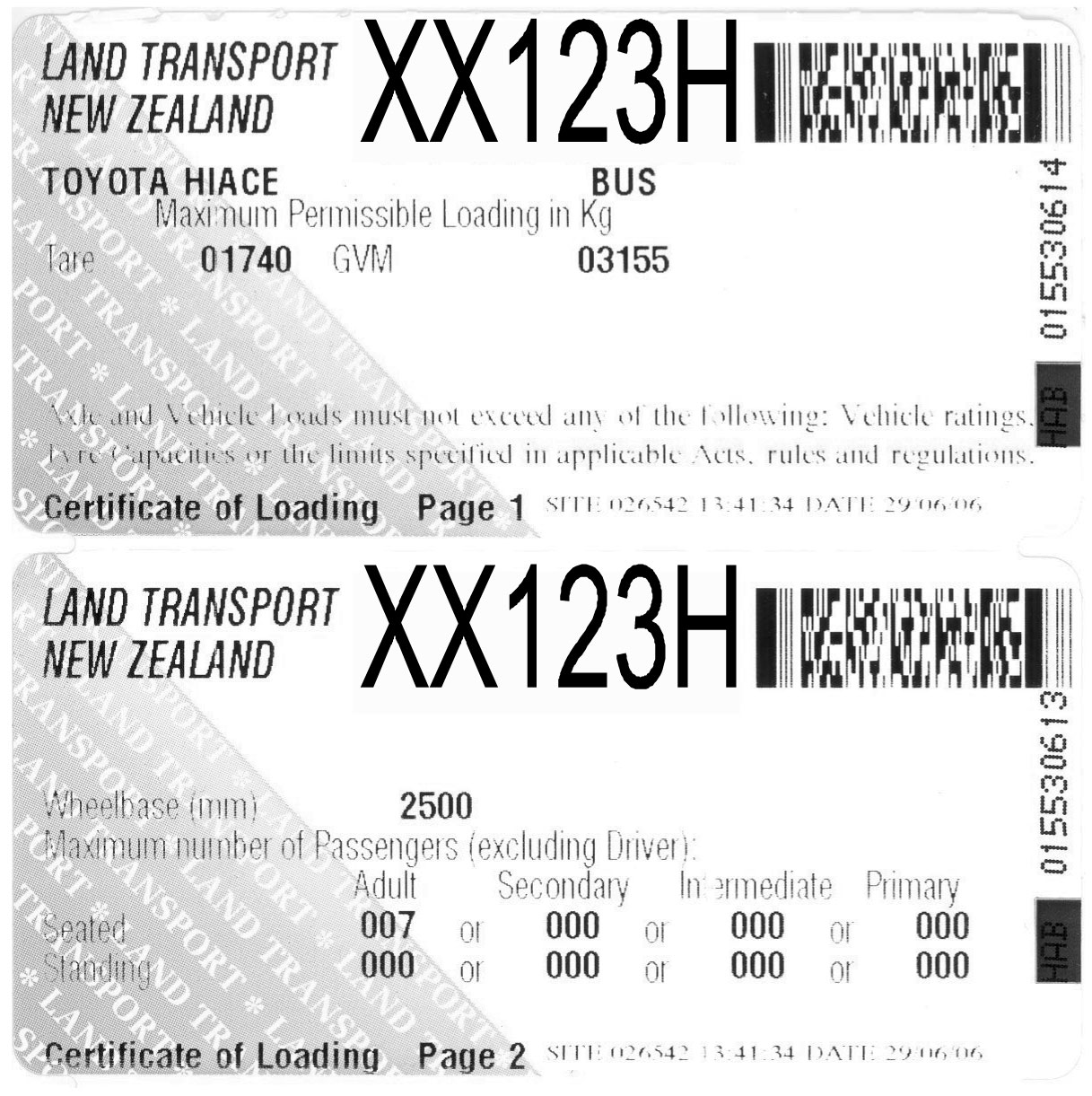
Summary of legislationApplicable legislationMandatory requirement1. A passenger service vehicle with a GVM of 3500 kg or less that requires a certificate of fitness (Note 1) requires a certificate of loading. 2. Before issuing a certificate of fitness, a vehicle inspector must determine that a current certificate of loading is still valid, if one or more of the following events has occurred since the current certificate of loading was issued: a) the vehicle has been modified so as to require low volume vehicle specialist certification, b) the vehicle has been deregistered, c) an application for a change of use has been made under section 16 of the Transport (Vehicle and Driver Registration and Licensing) Act 1986 and the requirements for certificates of loading differ for the new use. 3. If a vehicle inspector has determined that a current certificate of loading for a vehicle is no longer valid, they must request the vehicle’s operator to surrender the certificate to the NZTA.
15 Transport service licence
Note For motorcycle passenger service and rental vehicles only.
15-1 TSL (CoF only)
Reasons for rejection
Mandatory requirement
1. The operator of a transport service vehicle has not notified (Note 3) the vehicle inspector of the passenger service licence number under which the vehicle is operated.
2. The operator of a transport service vehicle has not notified the vehicle inspector of the rental service licence number under which the vehicle is operated.
Note 1
If correctly licensed, a PSV can be identified by the ‘L’ on the vehicle licence label.
Note 2
PSV (passenger service vehicle), for the purpose of this section, means:
- a vehicle used to carry passengers for hire or reward, or
- a class MD3, MD4 or ME vehicle with 13 or more seats,
- but does not include the following:
- a rental vehicle that is not a passenger service vehicle, or
- a vehicle used as a place of abode that is not used in a rental service (eg a motorhome and dual-purpose motorhome carrying horses where at least 50% of the floor space is constructed for human accommodation), or
- a hearse
- a mobile bloodbank vehicle.
Note 3
Many vehicles are required to display a TSL label that identifies the TSL number the vehicle is presently operated under (see Figure 15-1-1). For CoF purposes, the vehicle inspector should use the number on the TSL label unless otherwise notified by the operator.
Summary of legislation
Applicable legislation
Mandatory requirement
1. No certificate of fitness shall be issued in respect of any transport service vehicle unless the vehicle inspector has been notified of the transport service licence under which the vehicle is being operated.
Page updated 3 April 2014 (see amendment details).
General trailers
2 Vehicle exterior
2-1 External projections
Reasons for rejection
Condition and performance (Note 1)
1. The risk of a component (Note 2) hooking a vehicle, or hooking or grazing a person, has not been minimised.
2. An ornamental object or fitting (Note 3) protrudes in such a way that it is likely to injure a person.
3. A protruding object or fitting (Note 4) that has a functional purpose is not installed so that the risk of causing injury to a person is minimised, eg the object or fitting:
a) is of excessively heavy construction for the purpose for which it has been fitted, or
b) has sharp corners, or
c) exceeds the vehicle’s width by more than 100mm on either side.
4. A protruding component, object or fitting is not securely fitted.
5. A protruding object or fitting adversely affects the driver’s vision or control.
Note 1
The external projections requirements relate to the design and maintenance of objects and fittings that protrude from the exterior of the motor vehicle with regard to the safety of other motor vehicles, pedestrians and cyclists. The attachment of such objects and fittings to the vehicle is addressed in the Vehicle structure section of this manual.
Note 3
Ornamental object or fitting means any object or fitting that does not have a practical purpose.
Note 4
Functional object or fitting means an object or fitting that has a practical purpose, eg load restraints.
Summary of legislation
Applicable legislation
Permitted equipment
1. A motor vehicle may be fitted with a protruding ornamental or functional object or fitting.
Condition and performance
2. A protruding ornamental object or fitting must not be likely to injure a person.
3. A protruding object or fitting that has a functional purpose must be installed so that the risk of the object or fitting causing injury to a person is minimised.
4. Components of a motor vehicle, including damaged or corroded body panels, must be such that the risk of their hooking a vehicle, or hooking or grazing a person, is minimised.
5. A protruding object or fitting must not adversely affect driver vision or driver control.
2-2 Dimensions
Reasons for rejectionMandatory equipment1. A trailer with a GVM of 3500kg or less exceeds the dimension requirements set out in Table 2-2-1 and is not fitted with the appropriate hazard warning equipment set out in Table 2-2-2. 2. A trailer with a GVM of 3500kg or less exceeds the dimensions set out in Table 2-2-1 and is not: a) a specialist overdimension trailer (Note 6), or b) a trailer designed primarily to transport an overdimension load, or c) a trailer operating on a valid permit, exemption or approval.
Note 1Definitions of trailer types: - simple trailer means a trailer (other than a semi-trailer) that has only one axle set
- full trailer means a trailer with two axles sets, the foremost of which is steered by a drawbar, and includes a semi-trailer with non-steering axles (Note 4) coupled to a converter dolly
- semi-trailer means a trailer with only one axle set where the point of attachment to the towing vehicle or leading trailer:
a) is no further rearward than the rearmost axle of the towing vehicle or rearmost axle of the leading trailer, or
b) if the towing vehicle is a rigid vehicle (Note 5) and has more than one axle in its rear axle set, is no more than 300mm rearward of the rear axis of the towing vehicle.
Note 2An over-dimension trailer is one that is either: a) fitted with an over-dimension piece of equipment, or b) designed to carry an over-dimension load that cannot be divided, eg glider trailers and large boat trailers, or c) a specialist overdimension trailer. Operational requirements for such trailers are given in Factsheet 53a – Overdimension vehicles and loads.
Note 3Rear axis of a vehicle means: a) trailers with one non-steering axle: centre of that axle b) trailers with a non-steering axle set consisting of two axles: midway between those two axles if each axle has an equal number of tyres on it, or two-thirds of the distance from the lesser-tyred axle towards the greater-tyred axle, if one axle has twice as many tyres on it as the other axle.
Note 4Non-steering axle means any axle of a vehicle, the wheels of which remain substantially parallel with the longitudinal centreline of the vehicle while the vehicle is turning.
Note 5Rigid vehicle means a vehicle with motive power, driver’s position and steering system, that does not have any pivot points to allow any part of the vehicle chassis to move or rotate in relation to any other part of the vehicle chassis, but includes a pivot steer vehicle.
Note 6Specialist overdimension trailer means a trailer where its primary purpose is to carry out a specialist function that requires overdimension equipment, and the dismantling of the equipment would make it unusable for its intended purpose, or it would take more than four hours to dismantle the equipment.
Table 2-2-1. Dimension requirementsNote All measurements must be taken with the vehicle combination in a straight line. Dimension | Maximum distance | Comments |
|---|
Width | 2.55m 1.275m from each side of the longitudinal centreline of the trailer | Measurement does not include: - direction indicators and side-marker lamps
- the bulge towards the bottom of a tyre
- cameras or close-proximity monitoring systems mounted on the side exterior of a vehicle that extends not more than 70mm from the side wall of the vehicle
- devices for improving the aerodynamic performance of a vehicle that extend not more than 25mm from either side of a vehicle.
| Overall length | 12.5m (simple trailers) 11.5m (full trailers) | For a full trailer, measurement is to the centre of the towing eye. | Height | 4.3m | | Forward distance | 8.5m (simple and full trailers) 9.2m (semi-trailer) | Forward distance is measured from: - simple trailer: from the rear axis (Note 3) to the centre of the point of attachment to towing vehicle
- full trailer: from the rear axis to front of trailer body/chassis (excludes drawbar) or load, whichever is foremost
- semi-trailer: from the rear axis to centre of kingpin.
| Rear overhang | 4m | Rear overhang is measured from the rear axis to the rear of the vehicle or its load, whichever is greater. | Front overhang | 2.04m radius arc ahead of: - tow coupling centre (simple trailer)
- turntable centre (full trailer)
- kingpin centre (semi-trailer)
| Front overhang (Figure 2-2-5) is measured from: - simple trailer: tow coupling centre to front of trailer
- full trailer: turntable centre to front of trailer body (excludes drawbar)
- semi-trailer: kingpin centre to front of trailer
|
Table 2-2-2. Hazard warning equipment requirements for vehicles that exceed the dimensions in Table 2-2-1 (see Figure 2-2-3 for vehicle category thresholds)Vehicle category (See Figure 2-2-3) | Dimension | Limits (up to and including) | Required hazard warning equipment |
|---|
Category 1 | Width/forward distance | 2.55m /11.4m, or 3.1m/10.5m, or 3.7m/8.5m, or | 1. Flags1 or panels2 fitted on each side at the front and rear as close as practical to the outside edge | |
Length
|
25m, or
| |
Front overhang
|
7m, or
| |
Rear overhang
|
7m
| Category 2
(not including category 1) | Width/forward distance | 2.55m /13.3m, or 4.5m/8.5m, or | 1. Panels2 fitted on each side at the front and rear as close as practical to the outside edge 2. OVERSIZE sign3 fitted at the front and rear if more than 3.1m wide | |
Length
|
35m, or
| |
Front overhang
|
10m, or
| |
Rear overhang
|
10m
| Category 3
(not including category 2) | Width/forward distance | 2.55m /20m 5m/20m 5m/8.5m | 1. Panels2 fitted on each side at the front and rear as close as practical to the outside edge 2. OVERSIZE sign3 fitted at the front and rear | | Front overhang | 10m, or | | Rear overhang | 10m | Category 4A
(not including category 3) | Width/forward distance | 11m/20m 11m/8.5m | 1. Panels2 fitted on each side at the front and rear as close as practical to the outside edge 2. OVERSIZE sign3 fitted at the front and rear | | Front overhang | 10m, or | | Rear overhang | 10m | | Category 4B | Exceeding any limit in Category 4A | 1. Panels2 fitted on each side at the front and rear as close as practical to the outside edge 2. OVERSIZE sign3 fitted at the front and rear 3. Revolving amber beacon fitted so that it is visible to approaching traffic if the vehicle is more than 3.7m wide |
- Additional operational requirements may apply, eg if operated at night.
1 Flags: - must be fluorescent yellow
- must be at least 400mm long x 300mm wide
2 Hazard warning panels: - must be reflective yellow-green with a reflective orange diagonal stripe
- comply with AS/NZS 1906.1:2007
- be frangible for those portions which extend beyond the vehicle’s limits (frangible means breakable or readily deformable)
- must be of at least of the minimum dimensions and the colours specified in Figure 2-2-1
3 OVERSIZE sign: - must be black lettering on a yellow-green background
- must be at least 300mm x 1100mm in size
- be frangible if any part of the sign extends beyond the body or load of the vehicle, whichever it is attached to (frangible means breakable or readily deformable)
- may be in two parts: OVER and SIZE.
Summary of legislationApplicable legislationMandatory equipment1. A trailer with a GVM of 3500kg or less that exceeds the dimensions in Table 2-2-1 must meet the requirements in Table 2-2-2.
Page amended 1 June 2019 (see amendment details).
2-3 Glazing
Reasons for rejection
Glazing condition
1. Glazing is damaged (Note 1), has deteriorated or is modified (Note 2) so that its strength or mechanical performance is adversely affected.
2. Glazing is not securely affixed to the vehicle.
3. Glazing has a mirrored effect sufficient to dazzle other road users.
Note 2 Definitions
Modify means to change a vehicle from its original state by altering, substituting, adding or removing any structure, component or equipment, but does not include repair.
Repair means to restore a damaged or worn vehicle, its structure, systems, components or equipment to within safe tolerance of its condition when manufactured, including replacement with equivalent undamaged new structures, systems, components or equipment.
Summary of legislation
Applicable legislation
Permitted glazing
1. Trailers may be fitted with any type of glazing, including plastic glazing.
Glazing condition
2. Glazing must be mechanically sound, strong and securely affixed to the vehicle.
3. Glazing must not have a mirrored effect sufficient to dazzle other road users.
3 Vehicle structure
3-1 Structure
Reasons for rejectionCondition1. The structure of the vehicle (shaded areas of Figure 3-1-2) has visible: a) deformation from the original shape that has affected the vehicle’s structural integrity (Note 2), or b) cracking (Note 3) (Figure 3-1-3), or c) fracture, or d) corrosion or wood rotting damage (Note 1) that is individually larger than 50mm in diameter (Figure 3-1-1), or e) any corrosion or wood rotting that the inspector considers has caused weakening of the load-bearing structure, or f) poor repairs (Note 1) that have not returned the structure to within a safe tolerance of when it was manufactured (Note 2), such as: i. filler has been used in an attempt to conceal any damage or deformation of a component, or ii. a high strength steel component has been heated. 2. A hinge for a panel is not securely attached to both the vehicle body and to the door or other hinged panel due to loose connections, corrosion, wood rotting or other damage. 3. There is corrosion or wood rotting damage within 150mm of the hinge of a hinged panel (Figure 3-1-4). 4. There is corrosion or wood rotting damage within 150mm of the latch of a hinged panel (Figure 3-1-4). 5. A hinged panel does not remain secure in a closed or locked position. 6. The trailer is an unrepaired Trailpro 8x4 Tradesman (model number TP5) or a Trailpro 8x5 Tandem (model number TP8), with a bolt-through drawbar attachment (these trailers are subject to safety recall) (Note 4). See Figure 3-1-5 for advice on identifying these trailers. See Figure 3-1-6 and Figure 3-1-7 for advice on identifying repaired Trailpro trailers. 7. The trailer is a Trailpro Handyman (model number TP1) (Note 4).
Note 1Corrosion or wood rotting damage is where a metal or wooden structure has been eaten away and could be seen as bubbling, or pitting of the steel or by water damage, delamination or swelling of a wooden surface. The outward signs of such damage is typically displayed by the lifting, bubbling or discolouring of painted surfaces. In extreme cases, the area affected by the damage will fall out and leave a hole. Repair means to restore a damaged or worn vehicle, its structure, systems, components or equipment to within safe tolerance of its condition when manufactured, including replacement with equivalent undamaged or new structures, systems, components or equipment.
Note 2The vehicle inspector may request additional relevant information from a repairer or other relevant person.
Note 3Special attention should be given to the point or points where the drawbar attaches to the body of the trailer. This is often the first point of structural failure on trailers.
Note 4There is a safety risk with the Trailpro brand of light trailers which were sold through Bunnings NZ between 1 January 2006 and 12 October 2018. Bunnings is now recalling all Trailpro trailers, other than Trailpro 8x4 Tradesman (TP5) or 8x5 Tandem (TP8) models that have undergone Bunnings-approved repairs as part of an earlier recall. These can be identified by the serial number on the identification plate ending with an “R” (see Figure 3-1-6). A TP5 or TP8 trailer with a serial number ending with an “R” may be issued a WoF if it passes all other checks. More information can be found in the safety recall notice on the Transport Agency website.
Summary of legislationApplicable legislationPermitted equipment1. A trailer may be fitted with hinged panels. Condition2. A vehicle must: a) not be so affected by corrosion or weakening of its structure, that is apparent by visual examination, so that the vehicle is unsafe to operate, and b) be safe to be operated, and c) have been constructed using components and materials that are fit for the purpose, and d) be within safe tolerance of its state when manufactured or modified.
Page amended 1 October 2023 (see amendment details).
4 Lighting
4-1 Headlamps
Reasons for rejection
Prohibited equipment
1. A trailer is fitted with headlamps (Note 1).
Note 1
Headlamp means a lamp designed to illuminate the road ahead of a vehicle, and that is a:
a) dipped-beam headlamp (single lamp), or
b) main-beam (high-beam) headlamp (single lamp), and includes a driving lamp, or
c) combination of a dipped-beam headlamp and a main-beam headlamp (dual-lamp unit).
Summary of legislation
Applicable legislation
Prohibited equipment
1. A trailer must not be fitted with a headlamp (Note 1).
4-2 Front and rear fog lamps
Reasons for rejection
Permitted equipment
1. A trailer is fitted with:
a) a front fog lamp (Note 1), or
b) more than two rear fog lamps.
2. A pair of fog lamps is not fitted:
a) symmetrically, or
b) as far towards each side of the trailer as practicable.
Condition (Note 2)
3. A lamp is insecure or contains moisture in the form of large droplets, runs or puddles.
4. A lens is missing, or has a hole, crack or other damage that allows moisture or dirt to enter.
Performance (Note 2)
5. When switched on, a rear fog lamp emits light that is:
a) not projected to the rear, or
b) not diffuse, or
c) not substantially red, or
d) not approximately equal in colour or intensity from the other lamp in a pair, or
e) not steady, or
f) not bright enough to indicate the presence of the trailer from the rear in conditions of severely reduced visibility, eg due to modification, deterioration, dirt or an incorrect light source, or
g) altered, eg due to damage or modification.
6. A fog lamp cannot be switched off from the driver’s seating position.
7. Where a fog lamp comprises an array of light sources (eg LEDs), fewer than 75% of these operate.
Note 1
Fog lamp means a front or rear lamp designed to aid the driver or other road users in conditions of severely reduced visibility, including fog or snow, but not including clear atmospheric conditions under the hours of darkness.
Note 2
A rear fog lamp that does not comply with equipment, condition and performance requirements must be made to comply or be disabled so that it does not emit a light.
Summary of legislation
Applicable legislation
Permitted equipment
1. One or two rear fog lamps (Note 1).
2. A pair of lamps must be symmetrically mounted as far as is practicable towards each side of the vehicle.
Prohibited equipment
3. A trailer must not be fitted with front fog lamps.
Condition
4. A rear fog lamp must be in sound condition if it emits a light.
Performance
5. A rear fog lamp must operate in a way that is appropriate for the lamp and the vehicle.
6. A rear fog lamp must emit a steady light.
7. A rear fog lamp must provide sufficient light output to indicate the presence of the trailer on the road in conditions of severely reduced visibility.
8. The light emitted from a rear fog lamp must be diffused and substantially red in colour.
9. A pair of fog lamps must emit light that is approximately equal in colour and intensity.
10. A fog lamp must be able to be turned off from the driver’s seating position.
11. Where a fog lamp comprises an array of light sources (eg LEDs), at least 75% of these must operate.
Page amended 28 April 2013 (see amendment details).
4-3 Cornering lamps
Reasons for rejection
Prohibited equipment
1. A trailer is fitted with cornering lamps (Note 1).
Note 1
Cornering lamp means a lamp that is designed to emit light at the front of a vehicle to supplement the vehicle’s headlamps by illuminating the road ahead in the direction of the turn.
Summary of legislation
Applicable legislation
Prohibited equipment
1. A trailer must not be fitted with cornering lamps (Note 1).
4-4 Daytime running lamps
Reasons for rejection
Prohibited equipment
1. A trailer is fitted with daytime running lamps (Note 1).
Note 1
Daytime running lamp means a lamp designed to emit a low-intensity light forward of a vehicle to make it more easily seen in the daytime.
Summary of legislation
Applicable legislation
Prohibited equipment
1. A trailer must not be fitted with daytime running lamps (Note 1).
4-5 Direction indicator lamps
Reasons for rejection
Mandatory and permitted equipment
1. A trailer is not fitted with one pair of lamps at the rear if the trailer is one of the following:
a) a trailer first registered in New Zealand on or after 1 April 2012, or
b) a trailer first registered in New Zealand before 1 April 2012 that is so constructed that the driver’s arm signals cannot be seen from behind the trailer.
2. A trailer is fitted with more than:
a) two pairs of lamps at the front, or
b) two pairs of lamps at the rear, or
c) two side-facing lamps on each side of the trailer.
3. A trailer is fitted with a lamp that is not in a pair.
4. A lamp is fitted at a height from the ground exceeding 1.5m (or 2.1m where fitting below 1.5m is not practicable due to the shape of the bodywork of the trailer).
5. A pair of lamps is not:
a) symmetrically mounted, or
b) mounted as far towards each side of the trailer as practicable.
Condition
6. A lamp is insecure or, if a mandatory lamp, contains moisture in the form of large droplets, runs or puddles.
7. A lens is missing, or has a hole, crack or other damage that allows moisture or dirt to enter.
8. A reflector is damaged or has deteriorated so that light output is reduced.
Performance
9. When switched on, a direction indicator lamp:
a) does not operate, or
b) does not begin flashing within one second of switching on, or
c) flashes:
i. faster than two flashes per second, or
ii. slower than one flash per second, or
iii. at a different rate from other lamps on the same side.
10. When switched on, a direction indicator lamp emits a light that is:
a) not substantially white or amber to the front, or
b) not substantially amber or red to the rear, or
c) not substantially amber to the side, or
d) not approximately equal in colour or intensity from the other lamp in a pair, or
e) not bright enough to be visible from 100m in normal daylight and from 200m in normal darkness, eg due to modification, deterioration, dirt or an incorrect light source, or
f) too bright causing significant dazzle to other road users, eg due to an incorrect light source, or
g) altered, eg due to damage or modification.
11. A mandatory lamp emits a light that is not visible within (Figure 4-5-1):
a) 15˚ above and below the horizontal, or
b) 45˚ inboard and 80˚ outboard.
12. On a trailer of American origin fitted with combined stop and indicator lamps, the stop lamp function is not overridden by the indicator function.
13. Where a lamp comprises an array of light sources (eg LEDs), fewer than 75% of these operate.
Note 1
Direction indicator lamp means a lamp designed to emit a flashing light to signal the intention of the driver to change the direction of the vehicle to the right or to the left.
Note 2
A permitted (ie non-mandatory) rear- or side-facing direction indicator lamp that does not comply with condition and performance requirements must be made to comply or be disabled so that it does not emit a light.
Note 3
A forward-facing permitted lamp that does not comply with the equipment, condition and performance requirements must be made to comply or be removed from the vehicle.
Summary of legislation
Applicable legislation
Mandatory and permitted equipment
1. A trailer may be fitted with:
a) one or two pairs of lamps at the front, and
b) one or two pairs of lamps at the rear, and
c) one or two side-facing lamps at each side.
2. One or two pairs of lamps must be fitted to the rear of the trailer if the trailer:
a) was first registered in New Zealand on or after 1 April 2012, or
b) was first registered before 1 April 2012 and is so constructed that it prevents an arm signal given by the driver from being seen from behind the vehicle combination.
3. A pair of lamps must be symmetrically mounted as far towards each side of the trailer as is practicable.
4. A lamp must be fitted at a height from the ground not exceeding 1.5m, or if this is not possible due to the shape of the bodywork, not exceeding 2.1m.
5. On trailers of American origin, the stop lamp and direction indicator lamp functions may be combined in one lamp.
Condition
6. A direction indicator lamp must:
a) be in sound condition, and
b) not be obscured (if a mandatory lamp).
Performance
7. A direction indicator lamp must operate in a way that is appropriate for the lamp and the vehicle.
8. A direction indicator lamp must emit a light that is substantially:
a) white or amber to the front, and
b) red or amber to the rear, and
c) amber to the side.
9. A lamp must flash at a fixed frequency in the range of 1–2 Hertz.
10. Each lamp in a pair must, when operated, emit a light of approximately equal intensity, colour and frequency.
11. A lamp must emit a light that is visible from 100m during normal daylight and 200 m in normal darkness.
12. A retrofitted mandatory lamp must emit a light that is visible within angles of:
a) 15˚ above and below the horizontal, and
b) 45˚ inboard, and
c) 80˚ outboard.
13. If a trailer of American origin is fitted with combined stop and indicator lamps, the indicator lamps must override the stop lamps so that the stop lamps operate as direction indicators.
14. Where a lamp comprises an array of light sources (eg LEDs), at least 75% of these must operate.
Page amended 28 April 2013 (see amendment details).
4-6 Forward-facing position lamps
Reasons for rejection
Mandatory and permitted equipment
1. A trailer that is more than 2m wide is not fitted with one pair of lamps.
2. A trailer is fitted with more than two lamps.
3. A trailer less than 2m wide is fitted with a single lamp on the left side of the vehicle.
4. A pair of lamps is not:
a) symmetrically mounted, or
b) mounted as far towards each side of the trailer as practicable.
Condition
5. A lamp is insecure or, if a mandatory lamp, contains moisture in the form of large droplets, runs or puddles.
6. A lens is missing, or has a hole, crack or other damage that allows moisture or dirt to enter.
7. A lamp’s reflector is damaged or has deteriorated so that light output is reduced.
Performance
8. When switched on, a forward-facing position lamp does not operate.
9. When switched on, a forward-facing position lamp emits a light that is:
a) not substantially white or amber, or
b) not diffuse, or
c) not projected to the front, or
d) not approximately equal in colour or intensity from the other lamp in a pair, or
e) not steady, or
f) not bright enough to be visible from 200m in normal darkness, eg due to modification, deterioration, dirt or an incorrect light source.
10. A mandatory lamp emits a light that is not visible within (Figure 4-6-1):
a) 15˚ above and below the horizontal, or
b) 80˚ outboard.
11. Where a lamp comprises an array of light sources (eg LEDs), fewer than 75% of these operate.
Note 1
Position lamp means a low-intensity lamp that is designed to indicate to road users the presence and dimensions of a vehicle, being:
a) a forward-facing position lamp (front side lamp), or
b) a rearward-facing position lamp (rear side lamp or tail lamp), or
c) a side-marker lamp, or
d) an end-outline marker lamp (including cab roof lamp).
Note 2
A forward-facing permitted lamp that does not comply with the equipment, condition and performance requirements must be made to comply or be removed from the vehicle.
Summary of legislation
Applicable legislation
Mandatory and permitted equipment
1. A trailer more than 2m wide must be fitted with one pair of forward-facing position lamps.
2. A trailer 2m wide or less may be fitted with:
a) one forward-facing position lamp on the right side of the trailer, or
b) two forward-facing position lamps.
3. A lamp must be positioned to the front of the vehicle.
Condition
4. A forward-facing position lamp must:
a) be in sound condition, and
b) not be obscured (if a mandatory lamp).
Performance
5. A forward-facing position lamp must operate in a way that is appropriate for the lamp and the vehicle.
6. A lamp must emit a light that is:
a) diffuse, and
b) substantially white or amber, and
c) steady, and
d) sufficient to indicate to other road users the presence and dimensions of the trailer, and
e) of approximately equal intensity and colour to the other lamp in a pair.
7. A mandatory lamp must be visible within angles of:
a) 15˚ above and below the horizontal, and
b) 80˚ outboard.
8. Where a lamp comprises an array of light sources (eg LEDs), at least 75% of these must operate.
Page amended 28 April 2013 (see amendment details).
4-7 Rearward-facing position lamps
Reasons for rejection
Mandatory and permitted equipment
1. A trailer first registered in New Zealand before 1 January 1978 is not fitted with:
a) one single rearward-facing position lamp (Note 1) in the centre or to the right of the centre of the trailer, or
b) one pair of rearward-facing position lamps.
2. A trailer first registered in New Zealand on or after 1 January 1978:
a) that is less than 1.5m wide is not fitted with one single rearward-facing position lamp in the centre or to the right of the centre of the trailer, or with one pair of rearward-facing position lamps, or
b) that is more than 1.5m wide is not fitted with one pair of rearward-facing position lamps.
3. A trailer is fitted with more than:
a) one single lamp, or
b) two pairs of lamps.
4. A lamp is mounted at a height from the ground exceeding 1.5m (or 2.1m where fitting below 1.5m is not practicable due to the shape of the bodywork of the trailer).
5. A pair of lamps is not:
a) symmetrically mounted, or
b) mounted as far towards each side of the trailer as is practicable.
Condition
6. A lamp is insecure or, if a mandatory lamp, contains moisture in the form of large droplets, runs or puddles.
7. A lens is missing, or has a hole, crack or other damage that allows moisture or dirt to enter.
8. A reflector is damaged or has deteriorated so that light output is reduced.
Performance
9. When switched on, a mandatory lamp does not operate.
10. When switched on, a lamp emits a light that is:
a) not substantially red, or
b) not diffuse, or
c) not projected to the rear, or
d) not approximately equal in colour or intensity from the other lamp in a pair, or
e) not steady, or
f) not bright enough to be visible from 200m in normal darkness, eg due to modification, deterioration, dirt or an incorrect light source.
11. A mandatory lamp emits a light that is not visible within (Figure 4-7-1):
a) 15˚ above and below the horizontal, or
b) 45˚ inboard or 80˚ outboard
12. Where a lamp comprises an array of light sources (eg LEDs), fewer than 75% of these operate.
Note 1
Position lamp means a low-intensity lamp that is designed to indicate to road users the presence and dimensions of a vehicle, being:
a) a forward-facing position lamp (front side lamp), or
b) a rearward-facing position lamp (rear side lamp or tail lamp), or
c) a side-marker lamp, or
d) an end-outline marker lamp (including cab roof lamp).
Note 2
A permitted (ie non-mandatory) rearward-facing position lamp that does not comply with equipment, condition and performance requirements must be made to comply or be disabled so that it does not emit a light.
Summary of legislation
Applicable legislation
Mandatory and permitted equipment
1. A trailer first registered in New Zealand on or after 1 January 1978 and that is more than 1.5m wide must be fitted with one or two pairs of rearward-facing position lamps (Note 1).
2. A trailer first registered in New Zealand before 1 January 1978 or that does not exceed 1.5m in width must be fitted with:
a) one single rearward-facing position lamp in the centre or on the right side of the trailer, or
b) one or two pairs of rearward-facing position lamps.
3. A pair of lamps must be symmetrically mounted as far towards each side of the trailer as is practicable.
4. A lamp must be fitted at a height from the ground not exceeding 1.5m, or if this is not practicable due to the shape of the bodywork of the trailer, not exceeding 2.1m.
Condition
5. A rearward-facing position lamp must:
a) be in sound condition, and
b) not be obscured (if a mandatory lamp).
Performance
6. A rearward-facing position lamp must operate in a way that is appropriate for the lamp and the vehicle.
7. A lamp must emit a diffuse light that is substantially red.
8. A lamp must emit a steady light.
9. A lamp must provide sufficient light output to indicate to other road users the presence and dimensions of the trailer.
10. A lamp must emit light that is visible from a distance of 200m in normal darkness.
11. A retrofitted mandatory lamp must be visible within angles of 15˚ above and below the horizontal, and within 45˚ inboard and 80˚ outboard.
12. Each lamp in a pair must, when operated, emit a light of approximately equal intensity and colour.
13. Where a lamp comprises an array of light sources (eg LEDs), at least 75% of these must operate.
Page amended 28 April 2013 (see amendment details).
4-8 Side-marker lamps
Reasons for rejection
Permitted equipment
1. A side-marker lamp is not positioned so that it gives an indication of the vehicle’s dimensions.
Condition
2. A lamp is insecure.
3. A lens is missing, or has a hole, crack or other damage that allows moisture or dirt to enter.
4. A reflector is damaged or has deteriorated so that light output is reduced.
Performance
5. When switched on, a mandatory lamp does not operate.
6. When switched on, a side-marker lamp emits a light that:
a) is not substantially white or amber to the front, or
b) is not substantially red or amber to the rear, or
c) is not diffuse, or
d) is not approximately of the same colour and intensity on each side of the vehicle, or
e) does not remain steadily illuminated, or
f) is not bright enough to produce light that is visible from 100m in normal daylight and from 200m in normal darkness, eg due to modification, deterioration, dirt or an incorrect light source.
7. Where a lamp comprises an array of light sources (eg LEDs), fewer than 75% of these operate.
Note 1 Definitions
Side-marker lamp means a position lamp designed to be fitted to the side of a vehicle or its load.
Position lamp means a low-intensity lamp that is designed to indicate to road users the presence and dimensions of a vehicle, being:
a) a forward-facing position lamp (front side lamp), or
b) a rearward-facing position lamp (rear side lamp or tail lamp), or
c) a side-marker lamp, or
d) an end-outline marker lamp.
Note 2
The position of a mandatory side-marker lamp need only be approximate as long as it indicates the vehicle’s presence and approximate dimensions when viewed from the side.
Note 3
A permitted side-marker lamp that does not comply with equipment, condition and performance requirements must be made to comply or be disabled so that it does not emit a light.
Summary of legislation
Applicable legislation
Permitted equipment
1. A light trailer may be fitted with side-marker lamps.
2. A side-marker lamp must be positioned so that it gives an indication of the vehicle’s dimensions.
Condition
3. A side-marker lamp must be in sound condition.
Performance
4. A side-marker lamp must operate in a way that is appropriate for the lamp and the vehicle.
5. A lamp must emit a light that is:
a) diffuse, and
b) substantially white or amber to the front, and
c) substantially red or amber to the rear.
6. A lamp must emit a steady light.
7. A side-marker lamp must provide sufficient light output to indicate to other road users the presence and dimensions of the vehicle.
8. A side-marker lamp must emit a light that is visible from a distance of 100m in daylight and 200m during the hours of darkness.
9. Where a lamp comprises an array of light sources (eg LEDs), at least 75% of these must operate.
Modifications
10. A side-marker lamp that is affected by a modification must meet equipment, condition and performance requirements.
4-9 End-outline marker lamps
Reasons for rejection
Permitted and prohibited equipment
1. A light trailer with an overall width of 1.8m or more is fitted with more than:
a) four forward-facing lamps, or
b) two rearward-facing lamps.
2. A light trailer with an overall width of less than 1.8m is fitted with end-outline marker lamps.
3. An end-outline marker lamp is not positioned so that it gives an indication of the vehicle’s dimensions, ie lamps are fitted other than around the outline of the vehicle.
Condition
4. A lamp is insecure.
5. A lens is missing, or has a hole, crack or other damage that allows moisture or dirt to enter.
6. A reflector is damaged or has deteriorated so that light output is reduced.
Performance
7. When switched on, a forward-facing end-outline marker lamp does not operate (Note 2).
8. When switched on, an end-outline marker lamp emits a light that is:
a) not substantially white or amber to the front, or
b) not substantially red to the rear, or
c) not diffuse, or
d) not projected to the front or rear, or
e) not approximately of the same colour and intensity as the other lamp if fitted in a pair, or
f) not steady, or
g) not bright enough to indicate the presence and dimensions of the vehicle to other road users.
9. Where a lamp comprises an array of light sources (eg LEDs), fewer than 75% of these operate.
Note 1
End-outline marker lamp means a position lamp designed to be fitted near the outer extremity of the vehicle in addition to forward-facing and rearward-facing position lamps, and includes a cab roof lamp.
Position lamp means a low-intensity lamp that is designed to indicate the presence and dimensions of a vehicle to other road users, being:
a) a forward-facing position lamp (front side or park lamp), or
b) a rearward-facing position lamp (rear side lamp or tail lamp), or
c) a side-marker lamp, or
d) an end-outline marker lamp (including cab roof lamps).
Note 2
A forward-facing permitted lamp that does not comply with the equipment, condition and performance requirements must be made to comply or be removed from the vehicle. A rearward-facing end-outline marker lamp that does not comply with the equipment, condition and performance requirements must be made to comply or be disabled so that it does not emit a light.
Summary of legislation
Applicable legislation
Permitted and prohibited equipment
1. A light trailer with an overall width of 1.8m or more may be fitted with a maximum of:
a) four forward-facing lamps, and
b) two rearward-facing lamps.
2. A light trailer with an overall width of less than 1.8m must not be fitted with end-outline marker lamps.
3. An end-outline marker lamp must be positioned so that it gives an indication of the vehicle’s dimensions.
Condition
4. An end-outline marker lamp must be in sound condition.
Performance
5. An end-outline marker lamp must operate in a way that is appropriate for the lamp and the vehicle.
6. A lamp must emit a light that is:
a) diffuse, and
b) substantially white or amber to the front, and
c) substantially red to the rear.
7. A lamp must emit a steady light.
8. An end-outline marker lamp must provide sufficient light output to indicate to other road users the presence and dimensions of the vehicle.
9. Where a lamp comprises an array of light sources (eg LEDs), at least 75% of these must operate.
Modifications
10. An end-outline marker lamp that is affected by a modification must meet equipment, condition and performance requirements.
4-10 Stop lamps
Reasons for rejection
Mandatory and permitted equipment
1. A trailer first registered in NZ on or after 1 April 2012:
a) is not fitted with one pair of stop lamps, or
b) is fitted with more than two pairs of stop lamps, or
c) is fitted with a stop lamp that is not in a pair.
2. A trailer first registered in New Zealand on or after 1 January 1978:
a) is not fitted with one pair of stop lamps (Note 1) if the trailer is so constructed that the driver’s arm signals or the towing vehicle’s stop lamps cannot be seen from behind the trailer, or
b) is fitted with more than two pairs of stop lamps, or
c) is fitted with a stop lamp that is not in a pair.
3. A trailer first registered in New Zealand before 1 January 1978:
a) is not fitted with one stop lamp if the trailer is so constructed that the driver’s arm signals or the towing vehicle’s stop lamps cannot be seen from behind the trailer, or
b) is fitted with more than four stop lamps.
4. A stop lamp is fitted at a height from the ground exceeding 1.5m (or 2.1m where fitting below 1.5m is not practicable due to the shape of the bodywork of the trailer).
5. A pair of lamps is not:
a) symmetrically mounted, or
b) mounted as far towards each side of the trailer as practicable.
Condition
6. A lamp is insecure or, if a mandatory lamp, contains moisture in the form of large droplets, runs or puddles.
7. A lens is missing, or has a hole, crack or other damage that allows moisture or dirt to enter.
8. A reflector is damaged or has deteriorated so that light output is reduced.
Performance
9. When the service brake is activated:
a) a mandatory lamp does not operate, or
b) a lamp does not remain steadily illuminated.
10. A lamp operates when the service brake is not activated.
11. A lamp emits a light that is:
a) not substantially red, or
b) not diffuse, or
c) not projected to the rear, or
d) not approximately equal in intensity from the other lamp in a pair, or not bright enough to produce a light that is visible from 100m in normal daylight, eg due to modification, deterioration, dirt or an incorrect light source.
12. A mandatory lamp emits a light that is not visible within (Figure 4-10-1):
a) 15˚ above and below the horizontal, or
b) 45˚ inboard and outboard
13. Where a lamp comprises an array of light sources (eg LEDs), fewer than 75% of these operate.
14. On a trailer of American origin fitted with combined stop and direction indicator lamps, the stop lamp function is not overridden by the indicator function.
Note 1
Stop lamp means a lamp that is designed to operate when the service brake is activated.
Note 2
A permitted (ie non-mandatory) stop lamp that does not comply with equipment, condition and performance requirements must be made to comply or be disabled so that it does not emit a light.
Summary of legislation
Applicable legislation
Mandatory and permitted equipment
1. A trailer first registered in NZ before 1 January 1978 must be fitted with one stop lamp, or one or two pairs of stop lamps, if the trailer is so constructed that the driver’s arm signals or the towing vehicle’s stop lamps cannot be seen from behind the trailer.
2. A trailer first registered in NZ between 1 January 1978 and 31 March 2012 must be fitted with one or two pairs of stop lamps if the trailer is so constructed that the driver’s arm signals or the towing vehicle’s stop lamps cannot be seen from behind the trailer.
3. A trailer first registered in NZ on or after 1 April 2012 must be fitted with one or two pairs of stop lamps.
4. A pair of stop lamps must be symmetrically mounted as far towards each side of the trailer as is practicable.
5. A stop lamp must be fitted at a height from the ground not exceeding 1.5m, or if this is not practicable due to the shape of the bodywork of the trailer, not exceeding 2.1m.
Condition
6. A stop lamp must:
a) be in sound condition, and
b) not be obscured (if a mandatory lamp).
Performance
7. A stop lamp must operate in a way that is appropriate for the lamp and the vehicle.
8. The light emitted from a stop lamp must be diffuse light that is substantially red.
9. A required stop lamp must operate when a service brake is activated.
10. A required stop lamp must provide sufficient light output to fulfil its intended purpose.
11. A stop lamp must emit a steady light.
12. A mandatory stop lamp must emit a light that is visible within the angles of 15˚ above and below the horizontal, and 45˚ inboard and outboard.
13. If a trailer of American origin is fitted with combined stop and direction indicator lamps, the indicator lamps must override the stop lamps so that the stop lamps will operate as direction indicators.
14. Where a stop lamp comprises an array of light sources (eg LEDs), at least 75% of these must operate.
Page amended 28 April 2013 (see amendment details).
4-11 High-mounted stop lamps
Reasons for rejection
Permitted equipment
1. A trailer is fitted with more than two high-mounted stop lamps (Note 1).
2. A lamp is not fitted in a central high-mounted position.
Condition
3. A lamp is insecure.
4. A lens is missing, or has a hole, crack or other damage that allows moisture or dirt to enter.
5. A reflector is damaged or has deteriorated so that light output is reduced.
Performance
6. When the service brake is activated, a lamp does not remain steadily illuminated.
7. A lamp operates when the service brake is not activated.
8. A lamp emits a light that:
a) is not substantially red, or
b) is not diffuse, or
c) is not projected to the rear, or
d) has insufficient light output to produce a light that is visible from 100m in normal daylight, eg due to modification, deterioration, dirt or an incorrect light source.
9. Where a lamp comprises an array of light sources (eg LEDs), fewer than 75% of these operate.
Note 1
Stop lamp means a lamp that is designed to operate when the service brake is activated.
High-mounted stop lamp means a stop lamp that is designed to be fitted in a central, high-mounted position at the rear of the vehicle.
Note 2
A high-mounted stop lamp that does not comply with equipment, condition and performance requirements must be made to comply or be disabled so that it does not emit a light.
Summary of legislation
Applicable legislation
Permitted equipment
1. A trailer may be fitted with one or two high-mounted stop lamps (Note 1).
2. A lamp must be fitted in a central high-mounted position at the rear of the trailer.
Condition
3. A high-mounted stop lamp must be in good condition.
Performance
4. A high-mounted stop lamp must operate in a way that is appropriate for the lamp and the vehicle.
5. The light emitted from a high-mounted stop lamp must be diffuse light that is substantially red.
6. A high-mounted stop lamp must emit a steady light.
7. Where a high-mounted stop lamp comprises an array of light sources (eg LEDs), at least 75% of these must operate.
4-12 Rear-registration-plate illumination lamps
Reasons for rejectionMandatory equipment1. A trailer is not fitted with at least one rear-registration-plate illumination lamp (Note 1). Condition2. A lamp is insecure. 3. A lens is missing, or has a hole, crack or other damage that allows moisture or dirt to enter. 4. A reflector, or lens, is damaged or has deteriorated so that light output is reduced. Performance5. The lamp emits a light that is not: a) substantially white, or b) steady, or c) diffuse. 6. The lamp does not illuminate the registration plate (eg either the lamp or plate have been moved, or the lamps orientation has been changed). 7. The light source of a lamp is visible from the rear of the trailer.
Note 1Rear-registration-plate illumination lamp means a lamp designed to illuminate the rear registration plate of a vehicle.
Summary of legislationApplicable legislationMandatory equipment1. At least one rear-registration-plate illumination lamp (Note 1). Performance2. A rear-registration-plate illumination lamp must operate in a way that is appropriate for the lamp and the vehicle. 3. A lamp must emit a diffuse light that is substantially white. 4. A rear-registration-plate illumination lamp must emit a steady light. 5. The light source of the lamp must not be visible from the rear of the trailer. 6. A lamp must illuminate the figures and letters of the plate so that they are visible from 20m during normal darkness. 7. Where a lamp comprises an array of light sources (eg LEDs), at least 75% of these must operate.
Page amended 1 October 2021 (see amendment details).
4-13 Rear reflectors
Reasons for rejection
Mandatory and permitted equipment
1. A trailer:
a) is not fitted with at least one red rearward-facing reflector on each side (Note 1), or
b) is fitted with a red rearward-facing reflector that is not in a pair.
2. A reflector is not positioned to the rear of the trailer.
3. A reflector is fitted at a height from the ground exceeding 1.5m, or if this is not practicable due to the shape of the bodywork of the trailer, exceeding 2.1m.
4. A trailer equipped with a jinker pole that extends behind its rear lamps is not fitted with one red rearward-facing reflector at the rear extremity of the pole.
5. A pair of reflectors is not:
a) symmetrically mounted, or
b) mounted as far towards each side of the trailer as is practicable.
Condition
6. A mandatory reflector’s ability to reflect light is affected by excessive:
a) fading, or
b) scratching or other damage.
7. A mandatory reflector is obscured.
Performance
8. The reflected light from a mandatory reflector is not visible from 100m.
9. The reflected light from a reflector is not red.
Note 1
Reflector means a distinct item of lighting equipment that is designed to reflect incident light back towards the light source, but does not include reflective material (such as reflective tape).
Reflective material means any material that is designed to reflect incident light back towards the light source, and includes reflective tape, but does not include a reflector.
Summary of legislation
Applicable legislation
Mandatory and permitted equipment
1. A trailer must be fitted with at least one pair of rearward-facing reflectors (Note 1) at a height from the ground not exceeding 1.5m, or if this is not practicable due to the shape of the bodywork of the trailer, not exceeding 2.1m.
2. A trailer equipped with a jinker pole that extends behind its rear lamps must also be fitted with one red reflector at the rear extremity of the pole.
3. A rearward-facing reflector must be positioned to the rear of the trailer.
4. A reflector must be of an area that allows it to reflect light to improve the visibility of the trailer to other road users without causing undue dazzle or discomfort.
5. A pair of reflectors must be symmetrically mounted as far towards each side of the trailer as is practicable.
Condition
6. A reflector must be in good condition and not be obscured.
Performance
7. A reflector must operate in a way that is appropriate for the reflector and the vehicle.
8. A reflector must reflect white light as substantially red light.
9. A reflector must provide sufficient light reflection to fulfil its intended purpose.
4-14 Reversing lamps
Reasons for rejection
Permitted equipment
1. A trailer is fitted with more than two reversing lamps at the rear of the trailer (Note 1).
2. A pair of reversing lamps is not:
a) symmetrically mounted, or
b) mounted as far towards each side of the trailer as practicable.
Condition
3. A lamp is insecure.
4. A lens is missing, or has a hole, crack or other damage that allows moisture or dirt to enter.
5. A reflector is damaged or has deteriorated so that light output is reduced.
Performance
6. A lamp controlled by gear engagement continues to display a light to the rear when the reverse gear is disengaged.
7. A lamp controlled by a manual switch continues to display a light to the rear while the headlamps are switched on.
8. When engaged, a lamp emits light that is not:
a) substantially white, or
b) steady, or
c) diffuse or a dipped beam.
9. Where a lamp comprises an array of light sources (eg LEDs), fewer than 75% of these operate.
Note 1
Reversing lamp means a lamp designed to illuminate the area behind the vehicle while it is reversing and to warn other road users that the vehicle is reversing or about to reverse.
Note 2
A reversing lamp that does not comply with equipment, condition and performance requirements must be made to comply or be disabled so that it does not emit a light.
Summary of legislation
Applicable legislation
Permitted equipment
1. One or two reversing lamps fitted at the rear of the trailer (Note 1).
2. A pair of reversing lamps must be symmetrically mounted as far towards each side of the trailer as is practicable.
Condition
3. A reversing lamp must be in good condition.
Performance
4. A reversing lamp must operate in a way that is appropriate for the lamp and the vehicle.
5. A reversing lamp, when operated, must emit a diffuse light or a dipped beam of light that is substantially white.
6. A reversing lamp must emit a steady light.
7. A reversing lamp may operate only when the reverse gear is engaged or the headlamps are turned off.
8. Where a reversing lamp comprises an array of light sources (eg LEDs), at least 75% of these must operate.
4-15 Other lighting
Reasons for rejectionPermitted equipment1. A cosmetic lamp (ie one not listed in Table 4-15-1) that is fitted to a vehicle: a) has a part of its light-emitting surface positioned within 250mm of any mandatory lamp, or b) is not mounted in a fixed position, or c) is positioned so that its light-emitting surface is visible within the shaded areas in Figure 4-15-1. 2. A work lamp that is fitted to a vehicle is wired in such a way that the switch or circuit for any mandatory or optional lamp controls it. Performance3. When switched on, a cosmetic lamp with a light-emitting surface not visible within the shaded areas in Figure 4-15-1 emits a light that: a) is not diffuse, or b) flashes or otherwise varies in intensity or colour, or c) revolves, rotates or otherwise moves, or d) is too bright and likely to dazzle other road users, or e) is likely to cause confusion about the orientation of the vehicle, or f) is red when seen directly from the front, or g) is not red or amber when seen directly from the rear. 4. A side-facing reflector on a vehicle reflects white light shining on it as anything other than white or amber light
Note 1A rear or side cosmetic lamp that does not comply with requirements for condition or performance must be made to comply, or be disabled so that it does not emit a light.
Note 2Lamp means a device designed to emit light, and includes an array of separate light sources that appear as a continuous illuminated surface. Cosmetic lamp means any lamp that is not listed in Table 4-15-1. Work lamp means a high-intensity lamp that is not necessary for the operation of the vehicle but is designed to illuminate the area or scene and include scene lamps, spot lamps and alley lamps. Scene lamp means a work lamp designed to provide a fixed or movable beam of light to illuminate the area around the vehicle or the vehicle itself. Alley lamp means a work lamp designed primarily to provide a fixed or movable beam of light to the side of the vehicle it is fitted to. Reflective material (or retroreflective material) means any material that is designed to reflect incident light back towards a light source or in a specific direction; but does not include a reflector.
Note 3A forward-facing cosmetic lamp that does not comply with the equipment, condition and performance requirements must be made to comply or be removed from the vehicle.
Table 4-15-1. Lamps that are not cosmetic lampsLamps covered in the VIRM | Other lighting equipment not requiring inspection |
|---|
Headlamps Stop lamps High-mounted stop lamps Direction indicator lamps Position lamps
(includes side-marker lamps and end-outline marker lamps) Rear-registration-plate illumination lamps Rear reflectors Fog lamps Daytime running lamps Cornering lamps Reversing lamps PSV interior lamps Work lamps | Interior lamps
Designed to illuminate the interior of the vehicle for the convenience of passengers Flashing or revolving beacons Illuminated vehicle-mounted signs
Includes PSV destination signs, taxi signs, and variable message signs operated by enforcement officers, under a traffic management plan or permitted by other legislation |
Summary of legislationApplicable legislationPermitted equipment1. A vehicle may be fitted with one or more lamps not specified in Table 4-15-1, provided they are fitted so that light sources are not visible in those regions specified in Figure 4-15-1. 2. A cosmetic lamp must be fitted in a fixed position on the vehicle and positioned so that no part of the light source is situated within 250mm of a mandatory lamp. 3. A work lamp that is fitted to a vehicle is wired in such a way that the switch or circuit for any mandatory or optional lamp controls it. Performance4. A cosmetic lamp must: a) only emit light that is diffuse, and b) not emit light that flashes or otherwise varies in intensity or colour, and c) be fitted in a way, and be of a luminance that ensures that it does not dazzle, confuse or distract other road users, and d) not emit a light that revolves, rotates or otherwise moves, and e) not cause confusion as to the orientation of the vehicle, and f) not emit a red light that is directly visible from the front of the vehicle, and g) not emit a light other than red or amber if the light is directly visible from the rear of the vehicle. 5. A side-facing reflector on a vehicle must reflect white light shining on it as white or amber light.
5 Brakes
5-1 Service brake, parking brake and breakaway brake
Reasons for rejectionMandatory equipment1. If fitted to a trailer: a) a service brake does not act on each road wheel of at least one axle, or b) a parking brake does not act on each wheel of at least one axle. 2. Where the vehicle inspector is able to identify the laden weight (Note 6) of the trailer and its load, the trailer is not fitted with a service brake, parking brake, or breakaway brake, as required by Table 5-1-1. 3. An agricultural trailer with a laden weight (Note 6) of more than 2000kg that does not comply with braking requirements is not fitted with two safety chains that cross each other when the trailer is connected (refer to section 8, Towing connections). ConditionService brake4. There is corrosion damage (Note 1) within 150mm of a brake component mounting point. 5. A vacuum hose or pipe (including connections) is: a) insecure, or b) leaking, or c) damaged (cracked, chafed, twisted, stretched or corroded, eg showing signs of pitting or a noticeable decrease in the pipe’s outside diameter) 6. The brake vacuum servo (brake booster) is: a) not functioning fully or adequately, or b) leaking, or c) insecure. 7. The brake master cylinder is: a) leaking brake fluid, or b) insecure, or c) excessively corroded, or d) reservoir fluid level is below the minimum indicator where this is visible externally. 8. A brake valve is: a) not operating (eg has a seized load sensing valve), or b) leaking brake fluid, or c) insecure, or d) excessively corroded. 9. A brake pipe (including connections) is: a) leaking brake fluid, or b) insecure, or c) deformed from its original shape, or d) chafed, or e) corrosion damaged, eg there are signs of pitting or a noticeable increase in the pipe’s outside diameter. 10. A flexible hydraulic brake hose (including connections): a) is leaking brake fluid, or b) is insecure, or c) bulges under pressure, or d) is twisted, stretched or chafed, or e) external sheathing is cracked to the extent that the reinforcing cords are exposed, or f) has metal connections that are excessively corroded, or g) has an end fitting that is not attached to the hose by means of swaging, machine crimping or a similar process (Note 2). 11. The service brake cable: a) is knotted, frayed or excessively corroded, or b) has an auxiliary tensioner fitted, or c) has otherwise deteriorated so that it may affect the parking brake performance. 12. A service brake actuating rod or guide: a) is excessively corroded, or b) is excessively worn, or c) has otherwise deteriorated so that it may affect the parking brake performance. 13. A brake calliper: a) shows visible signs of leaking, or b) is insecure, or c) is seized. 14. A brake backing plate is: a) insecure, or b) severely corroded, or c) deformed from its original shape, or d) cracked, or e) contaminated by brake fluid, oil or grease. 15. A wheel cylinder: a) shows visible signs of leaking, or b) is insecure, or c) is seized. 16. An ABS system component is damaged, insecure or missing. 17. A brake disc or drum is: a) worn beyond manufacturer’s specifications (where visible without removing vehicle components)
(Note 3), or b) fractured or otherwise damaged (where visible without removing vehicle components) (Note 3), or c) contaminated by brake fluid, oil or grease. 18. A brake friction material (where visible without removing vehicle components) (Note 3) is: a) worn below manufacturer’s specifications, or b) is separating from the brake pad backing plate or brake shoe, or c) is contaminated by brake fluid, oil or grease. 19. A service brake component shows signs of heating or welding after original manufacture. Parking brake20. The parking brake lever: a) travels excessively, or b) is insecure, or c) mounting is damaged, corroded, distorted or fractured within 150mm of the lever mounting, or d) mechanism or lever pivot bearing is worn or damaged so that the parking brake could be easily released by accident. 21. The parking brake cable: a) is knotted, frayed or excessively corroded, or b) has an auxiliary tensioner fitted, or c) has otherwise deteriorated so that it may affect the parking brake performance. 22. A parking brake actuating rod or guide: a) is excessively corroded, or b) is excessively worn, or c) has otherwise deteriorated so that it may affect the parking brake performance. 23. A parking brake component shows signs of heating or welding after original manufacture. PerformanceService brake24. The service brake is not able to be applied in a controlled and progressive manner. 25. When the service brake is applied and without assistance from the towing vehicle’s engine: a) the combined effort of the trailer and towing vehicle brakes does not stop the vehicle combination within 7m from a speed of 30km/h (average brake efficiency of 50%), or b) the vehicle vibrates under braking to the extent that control of the vehicle is adversely affected, or c) (direct trailer brake) the brake fails to release immediately after the towing vehicle’s brakes are released, or d) (indirect trailer brake) the brake fails to release when the towing vehicle stops decelerating, or the directional control is affected, eg swerving to one side, or the brakes on one side apply more slowly than on the other side, or e) the brake balance, during the entire brake application, varies by more than 20% between wheels on a common axle. 26. The ABS or brake system warning lamp or self-check system, if fitted, indicates a defect in the ABS or brake system (this does not apply to brake pad wear warning systems). Parking brake27. When the park brake is applied: a) the vehicle does not stop within 18m from a speed of 30km/h (average brake efficiency of 20%), or b) it does not hold the vehicle at rest on a slope of 1 in 5, or c) it does not hold all the wheels on a common axle stationary against attempts to drive the vehicle away. Breakaway brake28. The breakaway brake does not automatically and immediately apply when the trailer is disconnected from the towing vehicle (Note 5).
Note 1Agricultural trailer means a trailer that is used exclusively for agricultural or land management purposes, and that is operated on the road only for the following purposes: a) during delivery from a manufacturer to the manufacturer’s representative, or b) while being delivered to or from an agricultural show for display or demonstration purposes, or c) while being taken to or from a farm, or from one part of a farm to another part of that farm. Axle means a transverse shaft or housing on which a vehicle’s wheels are mounted. Brake friction material means a brake component having a friction surface that is designed to be preferentially sacrificed. Breakaway brake means a service brake or parking brake fitted to a trailer that ensures, under all conditions of use, that, if the trailer is unintentionally disconnected from its towing vehicle, the brake will automatically and immediately apply and will remain applied for at least 15 minutes. Corrosion damage is where the metal has been eaten away, which is evident by pitting. The outward signs of such corrosion damage is typically displayed by the lifting or bubbling of paint. In extreme cases, the area affected by the corrosion damage will fall out and leave a hole. Direct trailer service brake means a service brake fitted to a trailer that allows the driver of a towing vehicle, by operating the service brake of the towing vehicle, to directly and progressively regulate the trailer brake effort. Engine brake is a modification to a diesel engine used to increase the retardation force provided by the engine on deceleration. Friction surface means any surface of a brake component that is designed to convert kinetic energy to heat. Indirect trailer service brake means a service brake fitted to a trailer where the action of the driver of a towing vehicle applying the brakes of that vehicle results in a reaction by the trailer that is used to progressively regulate the trailer brake effort. Laden weight means the weight of the vehicle and its load for the time being carried. Modify means to change a vehicle from its original state by altering, substituting, adding or removing a structure, system, component or equipment, but does not include repair. Parking brake means a brake readily applicable and capable of remaining applied for an indefinite period without further attention. Repair means to restore a damaged or worn vehicle, its structure, systems, components or equipment to within safe tolerance of its condition when manufactured, including replacement with undamaged or new structures, systems, components or equipment. Service brake means a brake for intermittent use that is normally used to slow down and stop a vehicle.
Note 3If a brake is fitted with an inspection port plug, this must be removed for inspection of the brake components.
Note 4The recommended method of checking operation of the brakes is to check the braking components’ condition, jacking the vehicle whilst the hand brake is applied and checking to see if the wheels can be turned. This method ensures that all the components are in a state that when the trailer is laden the components will perform in a way that generates adequate brake force to stop the trailer and combination within the legal requirements.
Note 5A breakaway brake, if fitted, must be tested, but is not required to be functional on a trailer with a laden weight of 2500kg or less that is fitted with one or two compliant safety chains as required in Table 5-1-1. The vehicle inspector should advise the vehicle operator if the breakaway brake is not functional.
Note 6Laden weight means the weight of the trailer and its load, if any, for the time being carried. A vehicle inspector may be presented with a trailer (usually unladen, such as a boat, car or horse trailer) that has a laden weight below 2000kg, but that is likely to have a laden weight exceeding 2000kg when it carries its normal load. In such a case, the vehicle inspector should make the vehicle operator aware, for example by putting a note on the checksheet, that the trailer may not comply with safety chain or brake requirements when the trailer carries its normal load.
Table 5-1-1. Trailer brake requirementsType of brake required | Laden weight (Note 5) of the trailer |
|---|
2000kg or less | 2001–2500kg | 2501-3500kg |
|---|
Service brake | Not required but, if fitted, must act on each wheel of at least one axle | RequiredEither a direct or indirect service brake must act on each wheel of at least one axle (Note: the braked axle must be an axle which maintains or increases its loading during braking). | RequiredEither: Note: A compliant brake system requires a brake on each wheel of the trailer. | Parking brake | Not required | Not required | Required; must act on at least one complete axle | Breakaway brake
(Note 1)
(Note 4) | Required unless fitted with an appropriate coupling and safety chain | Required, unless fitted with an appropriate coupling and two safety chains | Required, unless fitted with an appropriate coupling and two safety chains (Note: If a breakaway brake is fitted, safety chains are still recommended but not required) |
Summary of legislationApplicable legislationMandatory equipment1. A trailer must be fitted with a service brake, parking brake, or breakaway brake depending on the laden weight (Note 6) of the trailer, as listed in Table 5-1-1. 2. An agricultural trailer with a laden weight (Note 6) of more than 2000kg that does not comply with brake requirements must be fitted with two safety chains that cross each other when the trailer is connected (refer to section 8, Towing connections). Permitted equipment3. A trailer may be fitted with a type of brake that is not required to be fitted to the trailer. Condition4. A brake must be in good condition. 5. The brake friction surfaces must be within safe tolerance of their state when manufactured, and must not be scored, weakened or damaged to the extent that the safety performance of the brake is adversely affected. Performance6. The service brake must be able to be applied in a controlled and progressive manner. 7. When a vehicle’s brake is applied: a) the vehicle or its controls must not vibrate to the extent that control of the vehicle is adversely affected, and b) the braking effort on each wheel must provide stable and efficient braking without adverse effect on the directional control of the vehicle, and c) if the vehicle is equipped with an anti-lock braking system (ABS), the wheels must not lock, other than when the speed of the vehicle falls below the ABS activation parameters set by the vehicle manufacturer. 8. The trailer’s and towing vehicle’s service brakes must together stop the vehicle combination within a distance of 7m from a speed of 30km/h without damage to, or permanent deformation of, either the coupling system or the structure of either vehicle, and without assistance from the compression of the towing vehicle’s engine or other retarders. 9. A trailer parking brake must stop the trailer within a distance of 18m from a speed of 30km/h, or hold the trailer at rest on a slope of 1 in 5. 10. A breakaway brake must automatically and immediately apply when the trailer unintentionally disconnects from the towing vehicle, and must remain applied for at least 15 minutes.
Page amended 1 April 2023 (see amendment details).
Page updated 12 May 2025 (see details)
6 Steering and suspension
6-1 Steering and suspension systems
Reasons for rejection
Condition
1. A ballrace turntable is:
a) not securely fastened, eg bolts or fasteners are loose, or
b) worn beyond manufacturer’s tolerances, or
c) cracked or distorted, or
d) corroded or has deteriorated so that it is no longer safe.
2. A steering linkage or joint:
a) is insecure, or
b) is damaged, significantly corroded, distorted or cracked, or
c) shows signs of welding or heating after original manufacture, or
d) has play beyond manufacturer’s specifications, or
e) does not operate smoothly without roughness or stiffness, or
f) is fouling on the vehicle structure, wheel tyre or brake system component.
3. A steering arm or associated component:
a) is insecure, or
b) is damaged, significantly corroded, distorted or cracked, or
c) shows signs of welding or heating after original manufacture.
4. A kingpin or outer ball joint:
a) is insecure, or
b) is damaged, significantly corroded, distorted or cracked, or
c) shows signs of welding or heating after original manufacture, or
d) has play beyond the manufacturer’s specifications, or
e) does not operate smoothly without roughness or stiffness.
5. A lock stop is loose or damaged.
6. A steering or suspension component mounting point:
a) is insecure, or
b) has corrosion damage (Note 2), buckling or fractures within 150mm of a mounting point (Figure 6-1-1).
7. A suspension component (including air suspension):
a) is insecure, or
b) is damaged, significantly corroded, distorted or cracked, or
c) shows signs of welding or heating after original manufacture, or
d) has play beyond manufacturer’s specifications, or
e) does not operate smoothly without roughness or stiffness, or
f) has excessive leakage of air or damping fluid (Technical bulletin 9), or
g) shows excessive play, roughness or stiffness in a strut upper support bearing, or
h) is a flexible bush that is significantly cracked, damaged or perished.
8. Air bag bellows has obvious external damage - protruding, exposed or worn cords.
9. There is corrosion damage (Note 2) within 150mm of a suspension component mounting point.
Performance
10. During operation:
a) the vehicle veers significantly to one side, or
b) the vehicle requires unreasonable force to steer, or
c) the steering is unreasonably stiff or rough.
Note 1 Definitions
Steering system means those components, parts and systems that connect the driver’s controls to the vehicle’s wheels or tracks by means of which the direction of motion of a vehicle is controlled.
Note 2
Corrosion damage is where the metal has been eaten away, which is evident by pitting. The outward signs of such corrosion damage is typically displayed by the lifting or bubbling of paint. In extreme cases, the area affected by the corrosion damage will fall out and leave a hole.
Note 3
Ballrace turntable means a device incorporating a low friction ball bearing fitted between two substantial structural components of a vehicle to enable rotational motion between those components about a vertical axis.
Note 4Suspension system means a system that allows controlled and limited movement of an axle relative to the chassis or body of a vehicle; and includes a spring and damping system and any associated controls.
Summary of legislation
Applicable legislation
Condition
1. The steering system (Note 1) and associated systems and components that directly or indirectly affect the directional control of the vehicle must be:
a) sound and in good condition, and
b) strong, durable and fit for their purpose, taking into account whether adverse effects have resulted from a loss of integrity of any protective system used by a relevant component.
Performance
2. The steering system and associated systems and components that directly or indirectly affect the directional control of the vehicle must provide the vehicle with safe, efficient, convenient and sensitive control.
Page amended 1 November 2014 (see amendment details).
7 Tyres, wheels and hubs
7-2 Hubs and axles
Reasons for rejectionCondition1. A hub (Note 1): a) is not securely attached to the vehicle, or b) has a visible crack, or c) is significantly damaged, distorted or has deteriorated, or d) has a broken or missing wheel stud. 2. A wheel bearing: a) has play beyond the manufacturer’s specifications, or b) is over-tight or binding, or c) feels/sounds rough when rotated. 3. An axle: a) is insecure, eg has loose U-bolts, or b) is visibly cracked, or c) is significantly damaged, distorted or has deteriorated, or d) shows signs of welding or heating after original manufacture, or e) shows signs of fouling the vehicle structure or a brake, suspension or steering component. Performance4. The geometry of a hub or axle causes the vehicle to veer significantly to one side.
Note 1Hub means that part of a vehicle that is attached to the axle and rotates on, or with, the axle, and to which the wheel is attached, and includes any bearings.
Summary of legislationApplicable legislationCondition1. The components of the assembly must be in good condition. 2. The hub and axle must be sufficiently strong for the type of vehicle to which they are fitted. 3. The hub and axle must have suitable and correctly adjusted geometry.
Page amended 1 April 2024 (see amendment details).
7-1 Tyres and wheels
Reasons for rejectionMandatory equipmentTyres1. Tyres on the same axle are not of the same: a) size designation (see Table 7-1-2), or b) carcass type (ie mixed steel ply, fabric radial ply, bias/cross ply, run-flat), or c) same tread pattern type (mixed asymmetric, directional, normal highway, traction, winter tyre tread (Figure 7-1-2). 2. The tyres on an axle of a light trailer do not meet at least one of the following: a) the tyre ply ratings are the same, or b) the tyre load indices differ by no more than 2 (Note 3). 3. An asymmetric tyre is fitted to a vehicle with the ‘inside’ tyre wall facing outwards. 4. A directional tyre is fitted contrary to its correct direction of rotation. 5. A tyre has a speed category that is less than the speed limit for the vehicle or less than the vehicle’s maximum speed if this is less than the speed limit (Note 3) (Note 34 6. The vehicle has one or more of the following types of tyre fitted: a) a space-saver tyre, or b) a non-pneumatic tyre, or c) a tyre with studs, cleats, lugs or other gripping devices, or d) a tyre that is not compatible with the vehicle to which it is fitted, eg a tyre is marked with any of the following: i. ‘NOT FOR HIGHWAY USE’ ii. ‘NHS’ (Not for Highway Service) iii. ‘ADV’ (Agricultural Drawn Vehicle) iv. ‘RACING PURPOSES ONLY’. 7. A tyre has had any of the following information removed or concealed so that the tyre can no longer be identified (Figure 7-1-3): - manufacturer
- brand
- model
- load rating
- speed rating
- standards markings (where applicable)
- direction of rotation (where applicable).
Wheels8. A wheel is not compatible with the tyre fitted to it for rim profile, flange height or valve fitment. 9. A wheel is: a) not compatible with the vehicle to which it is fitted, or b) not correctly attached to the vehicle. ConditionTyres (excluding spare tyres and space-saver tyres)10. There are signs that a tyre is fouling on another part of the vehicle. 11. A tyre shows damage that is likely to compromise its ability to operate in a safe manner or lead to premature tyre failure, such as: a) a lump or bulge that is likely to be caused by separation or partial failure of the tyre structure, or b) a cut or crack in a sidewall or tread more than 25mm long that reaches the cords, or c) exposed or cut cords, or d) the tread of a retreaded tyre shows signs of separation, or e) nails or other sharp objects embedded in the tyre, or f) significant perishing, eg due to age, moisture or exposure. 12. A tyre has a string-type repair visible from the outside. 13. A tyre, other than a winter tyre (Note 2), does not have a tread pattern depth (Technical bulletin 7) of at least 1.5mm (excluding any tie-bar or tread-depth indicator strip) around the whole circumference of the tyre: a) within all the principal grooves that normally contain moulded tread depth indicators, or b) if the tyre does not normally have moulded tread-depth indicators (such as some retreaded or vintage tyres), across at least three-quarters of the tread width. 14. A winter tyre (Note 2) does not have a tread depth of at least 4mm (excluding any tie-bar or tread-depth indicator strip) within all principal grooves that normally contain moulded tread-depth indicators and around the whole circumference of the tyre. 15. A tyre not identified as designed for regrooving has had its tread depth increased by regrooving. 16. A tyre is noticeably under- or over-inflated. Spare tyres17. A spare tyre, if carried, is not: a) securely attached by a device that is in good condition and correctly applied, or b) stowed in a closed compartment separate from the occupant space (eg if the manufacturer’s attachment device is missing or faulty) . Wheels18. There are signs that a wheel is fouling on another part of the vehicle. 19. A wheel is: a) cracked, or b) significantly damaged, distorted or has deteriorated, or c) not securely attached to the hub. 20. An alloy wheel has poor visible repairs. 21. A wheel nut is: a) missing, or b) loose, or c) deteriorated, or d) the incorrect type, or e) has insufficient thread engagement to the wheel stud, or f) is an aftermarket wheel nut made from aluminium.
Note 1Asymmetric tyre means a tyre which, through tread pattern, is required to be fitted to a vehicle so that one particular sidewall faces outwards. Construction in relation to a tyre: a) for a pneumatic tyre, the type of tyre carcass (including ply orientation and ply rating or load index) [does not include tyre tread], or b) for any other tyre, characteristics relating to size, shape and material. Cross ply means a pneumatic tyre structure in which the ply cords in the tyre carcass extend to the beads and are laid at alternate angles, which are substantially less than 90 degrees, to the centreline of the tread. This tyre structure is also referred to as ‘bias ply’ or ‘diagonal ply’. Directional tyre, also known as unidirectional tyre, means a tyre with a tread pattern that is designed to run in only one direction. A directional tyre usually has an arrow marked on the side wall indicating the direction it is designed to run. Load index is an assigned number ranging from 0 to 279 that corresponds with the maximum load-carrying capacity of the tyre. Most passenger car tyre load indices range from 62 (= 265kg) to 126 (= 1700kg). Modify means to change a vehicle from its original state by altering, substituting, adding or removing a structure, system, component or equipment, but does not include repair. Pneumatic tyre means a tyre that, when in use, is inflated by air or gas introduced from time to time under pressure so as to enclose, under normal inflation, a cushion of air or gas forming altogether at least half of the total area of an average cross-section of a tyre so inflated. Ply rating is an index of tyre strength used to identify a given tyre with its recommended maximum permitted load when used for a specific service. It does not necessarily represent the actual number of plies in a tyre. Common ply ratings are 2, 4, 6, 8, 10 and 12. Commercial (eg truck) tyres often have a ply rating rather than a load index. Principal grooves means the wide grooves in the tyre tread which have the tread wear indicators located inside them. Any other grooves are secondary grooves which may wear out during the service life of the tyre. Radial ply means a pneumatic tyre structure in which the ply cords, which extend from bead to bead, are laid at approximately 90 degrees to the centreline of the tread, the carcass being stabilised by an essentially inextensible circumferential belt. Repair means to restore a damaged or worn vehicle, its structure, systems, components or equipment to within safe tolerance of its condition when manufactured, including replacement with undamaged or new structures, systems, components or equipment. Rim means that part of the wheel on which the tyre is mounted and supported. Run-flat tyre (also known as self-supporting tyre) means a tyre that is so constructed that in case of a puncture the basic tyre functions are still provided for a short distance (at least 80km) and at a reduced speed (usually 80km/h), allowing the vehicle to be safely driven to a place of repair. Some run-flat tyres are identified by an ‘F’ within the size designation. Space saver tyre (temporary-use spare tyre) means a combination tyre and wheel designed and constructed solely for temporary use under restricted driving conditions, and not intended for use under normal driving conditions. Speed category means a code allocated to a tyre by a tyre manufacturer that indicates the maximum vehicle speed for which the use of the tyre is rated. Tread means that part of a pneumatic tyre which comes into contact with the ground. Tread-depth indicator (or tread-wear indicator) means the projections within the principal grooves designed to give a visual indication of the degree of wear of the tread. To help locate these on a tyre, inspectors should look for a ‘’ or ‘TWI’ mark on the outer edge of the tyre side wall (most tyres have these marks). Tube means an inflatable elastic liner, in the form of a hollow ring fitted with an inflation valve assembly, designed for insertion into certain tyre assemblies to provide a cushion of air or gas that, when inflated, supports the wheel (also known as an ‘inner tube’). Tyre carcass means that structural part of a pneumatic tyre other than the tread and outermost rubber of the sidewalls that, when inflated, contains the gas that supports the load. Tyre load rating means the maximum load a tyre can carry at the corresponding cold inflation pressure prescribed by the tyre manufacturer and the speed indicated by its speed category symbol. It is usually indicated by the load index or ply rating. Wheel means a rotating load-carrying member between the tyre and the hub, which usually consists of two major parts, the rim and the wheel disc, and which may be manufactured as one part, or permanently attached to each other or detachable from each other. Wheel centre-disc means that part of the wheel that is the supporting member between the hub and the rim. Wheel spacer means an additional component used for the purpose of positioning the wheel centre-disc relative to the hub, or in multiple wheel sets, for the purpose of positioning the wheel centre-disc relative to another wheel.
Note 2Winter tyre means a tyre which is principally designed to be operated at temperatures of less than 7°C. A winter tyre can be identified by its distinctive tyre tread pattern consisting of deep tread blocks with wavy sipes and is always marked with the word ‘STUDLESS’ and/or a symbol of a snowflake and mountain on the sidewall (see Figure 7-1-2).
Note 3The tyre load index and speed category are usually marked on the tyre. Where the tyre is not marked, the load and speed rating information must be obtained from the tyre manufacturer or a reference guide of tyre ratings before the tyre can be passed.
Note 4Sometimes a retreaded or repaired tyre has had its speed rating removed. Where a tyre has been repaired or retreaded in accordance with standard NZS 5423 (Repairing and retreading car, truck and bus tyres), the tyre must be marked with NZS 5423 and, if a car tyre, have the speed rating removed. In such a case, a missing speed rating is acceptable for WoF/CoF (unless the inspector believes on reasonable grounds that the tyre would not have had the required minimum speed rating for the vehicle in the first place).
Table 7-1-1. Tyre speed symbol categoriesSpeed symbol – speed category (km/h) |
|---|
A1 – 5 | A5 – 25 | B – 50 | F – 80 | L – 120 | Q – 160 | U – 200 | Y – 300 | A2 – 10 | A6 – 30 | C – 60 | G – 90 | M – 130 | R – 170 | H – 210 | ZR – over 240 | A3 – 15 | A7 – 35 | D – 65 | J – 100 | N – 140 | S – 180 | V – 240 | A4 – 20 | A8 – 40 | E – 70 | K – 110 | P – 150 | T – 190 | W – 270 |
Table 7-1-2. Tyre interchangeability – imperial and metricImperial sizing | Metric sizing |
|---|
10/70R22.5 | 255/70R22.5 | 11/70R22.5 | 275/70R22.5 | 12/70R22.5 | 305/70R22.5 | 15R22.5 | 385/65R22.5 | 16.5R22.5 | 425/65R22.5 | 18R22.5 | 445/65R22.5 |
Summary of legislationApplicable legislationMandatory equipmentTyres1. Tyres must be compatible with the vehicle to which they are fitted. 2. Tyres on the same axle must be of the same size designation and construction, and of the same tread pattern type. 3. Asymmetric tyres must be fitted in axle sets in accordance with manufacturer’s instructions. 4. A directional tyre must be fitted to a wheel position corresponding to its direction of rotation. 5. The speed category of a tyre must be compatible with the maximum legal speed limit for the vehicle, or the vehicle’s maximum speed (Note 3) (Note 4). 6. A vehicle must not be fitted with a metal tyre or other non-pneumatic tyre, or with a tyre with studs, cleats, lugs or other gripping devices. Wheels7. A wheel must be: a) sufficiently strong for the type of vehicle to which it is fitted, and b) compatible with the vehicle to which it is fitted, and c) compatible with the tyre rim profile, flange height and valve fitment. 8. There must be adequate clearance for the brake, hub, suspension and steering mechanism and body parts. Permitted equipment9. A vehicle may be fitted with retreaded tyres. ConditionTyres (excluding spare tyres and space-saver tyres)10. A tyre must be of good quality and construction, fit for its purpose, and maintained in a safe condition. 11. A tyre must not have worn, damaged or visible cords apparent by external examination. 12. A tyre must have a tread pattern depth of not less than 1.5mm (excluding any tie-bar or tread-depth indicator strip) around the whole circumference of the tyre: a) within all principal grooves that contain tread-depth indicators, or b) if the tyre does not normally have tread-depth indicators, across at least three-quarters of the tyre tread width. 13. A winter tyre (Note 2) must have a tread pattern depth of not less than 4mm (excluding any tie-bar or tread-depth indicator strip) within all principal grooves that contain moulded tread-depth indicators and around the circumference of the tyre. 14. The regrooving of a tyre is permitted only if the tyre is identified as having been specifically designed for regrooving after manufacture. 15. A tyre that is fitted to a vehicle must be maintained at a safe inflation pressure. Spare tyre16. If the vehicle carries a spare tyre, the tyre must be securely attached on or in the vehicle. Wheels17. The components of the wheel assembly must be in good condition. 18. The wheel must be securely attached to the hub.
Page amended 1 November 2018 (see amendment details).
7-3 Mudguards
Reasons for rejectionMandatory equipment 1. A mudguard (Note 1) over a road wheel is missing where it is reasonable and practicable to fit a mudguard, unless the trailer is: a) in an unfinished condition legally used under the authority of trade plates, or b) is towed by a vehicle that is not capable of exceeding a speed of 30 km/h. 2. A mudguard does not cover the full tread (Note 1) width of a tyre or tyres fitted to a road wheel (Figure 7-3-1), except on a trailer designed for industrial purposes where it is not practicable to fit a full mudguard due to the vehicle’s construction. 3. A trailer used for transporting round timber is not fitted with at least partial mudguards mounted behind the rearmost axle that meet the following requirements (Figure 7-3-2): - the mudguard must provide continuous protection from a horizontal at the top of the tyre to a line rising rearward with a slope of 1 in 3 from the tyres contact point on the road, and
- the distance between the tyre and the mudguard must not be more than twice the distance from the centre of the wheel to the road.
4. On a vehicle with twin or close-spaced multiple tyres a mudguard fitted over a wheel on the rear axle is more than one-third higher than the horizontal distance between the vertical lines of the lowest point of the mudguard and the centre of the wheel (Figure 7-3-2), except when the mudguard is fitted to a vehicle designed for industrial purposes and it is not practicable to fit a full mudguard due to the vehicle’s construction. Mudguard condition5. A mudguard is not securely fixed to the vehicle. 6. A mudguard is so constructed or damaged that it is likely to present a hazard to road users.
Note 1Mudguard means a fitting, inclusive of any portion of the vehicle and of any mudflaps attached, that serves to intercept material thrown up by a wheel more or less on the plane of the wheel. Tyre tread means the portion of a tyre that contacts the road.
Summary of legislationApplicable legislationMandatory equipment1. A trailer must be fitted with a mudguard (Note 1) over each road wheel if it is reasonable and practicable to do so. 2. A mudguard must cover no less than the width of the tyre tread on each road wheel (Figure 7-3-1). 3. A trailer fitted with twin tyres or close-spaced multiple tyres must be fitted with a mudguard over each wheel on the rear axle that provides continuous protection from a horizontal line tangent to the top of the tyre tread (Note 1) to a line with a slope of 1 in 3 rising rearward from the tyre’s contact point on the road (Figure 7-3-2). 4. A trailer designed for industrial purposes may be fitted with partial mudguards if the vehicle’s construction makes it impracticable to fit full mudguards. 5. A trailer used for transporting round timber that cannot be fitted with mudguards over each road wheel must have at least partial mudguards mounted behind its rearmost axle that comply with the following (Figure 7-3-2): a) the mudguard must provide continuous protection from a horizontal line tangent to the top of the tyre tread to a line with a slope of 1 in 3 rising rearward from the tyre’s contact point on the road, and b) the distance between the tyre and the mudguard must not be more than twice the tyre rolling radius. 6. The following trailers are not required to be fitted with mudguards: a) a vehicle in an unfinished condition used under the authority of trade plates and operated in accordance with the Compliance Rule b) a trailer towed by a vehicle that is not capable of exceeding a speed of 30 km/h. Mudguard condition7. A mudguard must be securely fixed to the vehicle and must be constructed so that it does not present a hazard to road users.
8 Towing connections
8-1 Light trailer drawbar and kingpin
Reasons for rejectionMandatory equipment1. A trailer with a laden weight (Note 2) of 2000kg or less without a compliant breakaway brake, except for the following trailers, does not have a safety chain or cable: - a trailer designed for armament purposes by the New Zealand Defence Force.
- a trailer pump for fire fighting purposes.
2. A trailer with a laden weight (Note 2) between 2001kg and 2500kg (where the vehicle inspector is able to determine the laden weight) that does not have a compliant breakaway brake: a) is not fitted with two safety chains that cross each other when connected, or b) has chain links with a material cross-section less than 7.1mm, or there is no evidence that each chain has a breaking strength of at least twice the laden weight of the trailer (Note 3). Condition3. The drawbar or drawbar mounting (or kingpin or kingpin mounting): a) is not securely attached, or b) has a bolt, nut; or pin that is missing or significantly corroded; or damaged, or c) has corrosion damage (Note 1) within 150mm of a mounting point, or d) is cracked or distorted. 4. The drawbar coupling (or kingpin): a) is not securely attached, or b) is not mounted in accordance with manufacturer’s specifications, or c) is worn beyond the manufacturer’s specifications, or d) is significantly corroded, distorted or cracked, or e) has a nut or locking pin that is missing or significantly corroded. 5. A safety chain or cable (including any welded joint, securing bolt or shackle): a) is not securely attached to the drawbar, or b) is welded to the drawbar, and i. there is no clear evidence of weld penetration, or ii. the weld metal has not been applied in accordance with good trade practice, or iii. there is no evidence that the chain can be welded without reducing its strength, or iv. the weld is significantly corroded, has deteriorated or is cracked. c) is significantly corroded, distorted or cracked, or d) has a bolt or shackle that is missing, significantly corroded, distorted or cracked, or e) appears to be too weak to withstand a load of about twice the likely maximum laden weight (as far as can be reasonably estimated by the inspector) (Note 3). 6. The trailer is an unrepaired Trailpro 8x4 Tradesman (model number TP5) or a Trailpro 8x5 Tandem (model number TP8), with a bolt-through drawbar attachment (these trailers are subject to safety recall) (Note 4). See Figure 8-1-2 for advice on identifying these trailers. See Figure 8-1-3 and Figure 8-1-4 for advice on identifying repaired Trailpro trailers. 7. The trailer is a Trailpro Handyman (model number TP1) (Note 4).
Note 1Corrosion damage is where the metal has been eaten away, which is evident by pitting. The outward signs of such corrosion damage is typically displayed by the lifting or bubbling of paint. In extreme cases, the area affected by the corrosion damage will fall out and leave a hole.
Note 2Laden weight means the weight of the trailer and its load, if any, for the time being carried. A vehicle inspector may be presented with a trailer (usually unladen, such as a boat, car or horse trailer) that has a laden weight below 2000kg, but that is likely to have a laden weight exceeding 2000kg when it carries its normal load. In such a case, the vehicle inspector should make the vehicle operator aware, for example by putting a note on the checksheet, that the trailer may not comply with safety chain or shackle requirements when the trailer carries its normal load.
Note 3A safety chain or shackle may be marked as complying with a standard and with a chain designation size that equals the maximum laden weight of the trailer, for example, with 25 or 2500 which denotes 2500kg. This means the chain and shackle are suitable for a trailer with a laden weight of up to 2500kg as the standard has already taken into account the required breaking strength.
Note 4There is a safety risk with the Trailpro brand of light trailers which were sold through Bunnings NZ between 1 January 2006 and 12 October 2018. Bunnings is now recalling all Trailpro trailers, other than Trailpro 8x4 Tradesman (TP5) or 8x5 Tandem (TP8) models that have undergone Bunnings-approved repairs as part of an earlier recall. These can be identified by the serial number on the identification plate ending with an “R” (see Figure 3-1-6). A TP5 or TP8 trailer with a serial number ending with an “R” may be issued a WoF if it passes all other checks. More information can be found in the safety recall notice on the Transport Agency website.
Summary of legislationApplicable legislationMandatory equipment1. A trailer must be fitted with a tow coupling that is fit for purpose and in sound condition. 2. A trailer with a laden weight (Note 2) of 2000kg or less without a compliant breakaway brake must have a securely attached safety chain or cable, unless the trailer is one of the following: a) a trailer designed for armament purposes by the New Zealand Defence Force. b) a trailer pump for fire fighting purposes. 3. A trailer with a laden weight (Note 2) between 2001kg and 2500kg that does not have a compliant breakaway brake must: a) be fitted with two safety chains that comply with standard ADR 62 (determination 2, 1995) and that cross each other when connected, and b) have a coupling system that has a manufacturer's load rating commensurate with the laden weight of the trailer. Condition4. A trailer must be be fitted with a tow coupling that is fit for purpose and in sound condition. 5. A safety chain or cable must be of sufficient strength to hold the trailer secure under all conditions of road use.
Page amended 12 March 2020 (see amendment details).
Heavy trailers
1 Vehicle identification
1-1 VIN and chassis number
|
Important Ensure that the VIN or chassis number is recorded in full on the checksheet.
This number must be:
- the VIN if fitted – not the chassis number (locally allocated VIN)
- the stamped VIN on the VIN plate – not the VIN etched on the glazing.
|
Reasons for rejectionMandatory requirements1. A vehicle first registered or re-registered in New Zealand before 1 April 1994 does not have a VIN or chassis number (Note 1) (Note 4). 2. A vehicle first registered or re-registered in New Zealand from 1 April 1994 does not have a VIN number (Note 1) (Note 4). 3. A VIN number is not valid (Note 2). Condition4. A VIN or chassis number has been (Note 1) (Note 3) (Note 4): a) removed, or b) erased, or c) altered, or d) defaced, or e) obscured, or f) destroyed, or g) obliterated, or h) affixed unlawfully or by unauthorised persons (Note 3).
Note 1The VIN is normally found on the outside of the chassis adjacent to the right front wheel. If the vehicle is unfamiliar, and the VIN or chassis number cannot be located, the vehicle inspector should contact the manufacturer’s agent or the local VIN issuing agent.
Note 2The vehicle inspector must notify NZTA using the vehicle report form if there is reason to believe that the VIN or chassis number has been tampered with in any way. The vehicle inspector must not issue a WoF/CoF/permit until approved by NZTA. Approval will usually include the issue or re-issue of a new VIN plate. The vehicle inspector must not issue a WoF/CoF/permit if there is reason to believe that the VIN or chassis number has been tampered with in any way. Refer the vehicle to a VIN issuing agent (VTNZ, VINZ, NZAA, Drivesure, CVC, i4Checkpoint). They will inspect the vehicle and seek approval from NZTA to issue or re-issue a VIN plate. Once the vehicle has been approved the vehicle may continue through the inspection process.
Note 3A valid VIN is a unique number that has been assigned to the vehicle in the vehicle’s country of origin or by a person appointed by the NZTA. It consists of 17 characters that never contain the letters I, O or Q, and that is capable of being decoded to provide identifying information about the vehicle.
Note 4If the vehicle has failed because the VIN/chassis is missing or unreadable, then 'not found' must be recorded in place of the VIN number on the checksheet.
Summary of legislationApplicable legislationMandatory requirements1. A vehicle first registered or re-registered in New Zealand before 1 April 1994 must have a chassis number or VIN. 2. A vehicle first registered or re-registered in New Zealand from 1 April 1994 must have a VIN. Condition3. A VIN or chassis number must not have been removed, erased, altered, defaced, obscured, destroyed, obliterated or affixed unlawfully or unauthorised.
Page amended 1 October 2022 (see amendment details).
1-2 Vehicle details
Reasons for rejection1. The number on the registration plate(s) is not the same as stated on the licence label. 2. The licence label does not correctly describe the vehicle - do not reject the vehicle if the label type is incorrect, eg 'B' or 'A'.
3. The Vehicle Inspection and Certification (VIC) or LATIS system does not correctly describe the vehicle. Container
Page added 1 October 2020 (see amendment details)
Page updated 1 November 2024 (see details)
2 Vehicle exterior
2-1 External projections
Reasons for rejection
Condition and performance (Note 1)
1. The risk of a component (Note 2) hooking a vehicle, or hooking or grazing a person, has not been minimised.
2. An ornamental object or fitting (Note 3) protrudes in such a way that it is likely to injure a person.
3. A protruding object or fitting (Note 4) that has a functional purpose is not installed so that the risk of causing injury to a person is minimised, eg the object or fitting:
a) is of excessively heavy construction for the purpose for which it has been fitted, or
b) has sharp corners, or
c) exceeds the vehicle’s width by more than 100mm on either side.
4. A protruding component, object or fitting is not securely fitted.
5. A protruding object or fitting adversely affects the driver’s vision or control.
Note 1
The external projections requirements relate to the design and maintenance of objects and fittings that protrude from the exterior of the motor vehicle with regard to the safety of other motor vehicles, pedestrians and cyclists. The attachment of such objects and fittings to the vehicle is addressed in the Vehicle structure section of this manual.
Note 3
Ornamental object or fitting means any object or fitting that does not have a practical purpose.
Note 4
Functional object or fitting means an object or fitting that has a practical purpose, eg load restraints.
Summary of legislation
Applicable legislation
Permitted equipment
1. A motor vehicle may be fitted with a protruding ornamental or functional object or fitting.
Condition and performance
2. A protruding ornamental object or fitting must not be likely to injure a person.
3. A protruding object or fitting that has a functional purpose must be installed so that the risk of the object or fitting causing injury to a person is minimised.
4. Components of a motor vehicle, including damaged or corroded body panels, must be such that the risk of their hooking a vehicle, or hooking or grazing a person, is minimised.
5. A protruding object or fitting must not adversely affect driver vision or driver control.
2-2 Dimensions
| The vehicle inspector need only inspect dimensions in detail if there is doubt about the vehicle’s compliance. |
Reasons for rejectionMandatory equipment1. A trailer with a GVM of 3501kg or more exceeds the dimension requirements set out in Table 2-2-3 and is not fitted with the appropriate hazard warning equipment set out in Table 2-2-4. 2. A trailer exceeds the dimensions set out in Table 2-2-3 and is not: a) a specialist overdimension trailer (Note 1), or b) a trailer designed primarily to transport an overdimension load, or c) a trailer operating on a valid permit, exemption or approval, or d) a vehicle presented with a completed 50MAX proforma entry certification and permit application declaration or HPMV proforma entry certification and permit application declaration signed by a heavy vehicle specialist certifier (Note 4) (Figure 2-2-10).
Note 1 DefinitionsSpecialist overdimension trailer means a trailer where its primary purpose is to carry out a specialist function that requires overdimension equipment, and the dismantling of the equipment would make it unusable for its intended purpose, or it would take more than four hours to dismantle the equipment. Caravan trailer means a trailer that is permanently equipped with features intended to make the vehicle suitable as a dwelling place, and must include at least one sleeping berth and one table, both of which may be of a design that allows them to be retracted or folded away. High-productivity motor vehicle (HPMV) means a heavy motor vehicle or heavy combination vehicle with or without a load: a) exceeds a gross mass of 44,000kg, or b) varies from a dimension requirement in Table 2-2-3, (other than width, height or ground clearance), or c) both (a) and (b), and d) operates on an HPMV permit issued by a road controlling authority. Road controlling authority means the authority, body or person having control of the road (eg the NZTA, a regional council or an authorized delegate).
Note 2An HPMV that does not comply with a dimension requirement in Table 2-2-3 may comply instead with a variation to that requirement as specified on the HPMV permit. The permit must be produced for inspection if required. Any other conditions specified on the permit are not required to be enforced at CoF.
Note 3An HPMV is not required to comply with the Hazard warning equipment requirements of Table 2-2-4.
Table 2-2-3. Dimension requirements for heavy trailers (see Figure 2-2-9) (Note 2)Dimension | Maximum distance | Comments |
|---|
Width | 2.55m, or 1.275m from each side of the longitudinal centreline of the vehicle | Measurement does not include: - direction indicators and side-marker lamps
- the bulge towards the bottom of a tyre
- central tyre inflation system hoses that extend not more than 75mm beyond the outside of the tyre on the drive axles
- a hubodometer that extends not more than 50mm beyond one side of a vehicle from a non-lifting, non-steering axle whose outer casings are of a light colour, provided the hubodometer is fitted on the axle that causes the least overwidth
- cameras or close-proximity monitoring systems mounted on the side exterior of a vehicle that extends not more than 70mm from the side wall of the vehicle
- devices for improving the aerodynamic performance of a vehicle that extend not more than 25mm from either side of a vehicle.
| Overall length | 11.5m (full trailer, pole trailer) 12.5m (simple trailer) 18m (towing vehicle and semi-trailer with a quad axle-set with two steering axles) 19m (towing vehicle and semi-trailer with any axle set other than a quad axle-set with two steering axles) 20m (towing vehicle and full trailer (excluding load)) 22m (towing vehicle and full trailer (including load if load overhanging the rear of the trailer does not exceed 2.3m in width, or 1.15m from the longitudinal centreline of the vehicle )) 22m (towing vehicle and simple trailer) 20m (any other vehicle combination) | Measurement does not include collapsible mirrors. | Height | 4.3m | | Forward distance | 8.5m (full trailer, simple trailer, pole trailer with drawbar at full extension) 9.2m (semi-trailer) | Forward distance is measured from: - full trailer: from the rear axis to the front of the trailer body/chassis (excludes drawbar and front axle set with its associated carriage) or load, whichever is foremost
- simple trailer: from the rear axis to the centre point of attachment to the towing vehicle
- pole trailer with two axle sets: from the front axis to the centre of the point of attachment to the towing vehicle with the drawbar fully extended.
- pole trailer with one axle set: from the rear axis to the point of attachment to the towing vehicle with the drawbar fully extended
- semi-trailer: from the rear axis to the centre of the kingpin
A vehicle with a retractable axle must meet the dimension requirements whether the axle is in contact with the road or in the retracted position. | Rear overhang | 4m (for a trailer first registered anywhere before 1 December 1989) The lesser of 4m or 50% of forward distance (simple trailer, pole trailer with one axle set) The lesser of 4m or 50% of wheelbase (full trailer, pole trailer with two axle sets) The lesser of 4.3m or 50% of forward distance (semi-trailer [other than a class TC caravan trailer]) The lesser of 4m or 65% of forward distance (class TC caravan trailer that is a semi-trailer) | Rear overhang is measured from: - pole trailer: from the rear axis or centre of bolster to the rear of the vehicle, whichever is the greater.
- other trailers: from the rear axis to the rear of the vehicle.
A vehicle with a retractable axle must meet the dimension requirements whether the axle is in contact with the road or in the retracted position. | Ground clearance | The greater of 100mm or 6% of the distance from the nearest axle to the point where the ground clearance is measured | Measurement does not include flexible mudflaps, wheels, tyres or devices designed to discharge static electricity. | Front overhang | 2.04m radius arc ahead of: - kingpin centre (semi-trailer)
- tow coupling centre (simple trailer)
- turntable centre (full trailer)
- turntable centre on towing vehicle (pole trailer)
| Front overhang is measured to the foremost point of the trailer (except for full trailer), from the following positions: - semi-trailer: centre of kingpin
- full trailer: centre of turntable to front of trailer body (excludes drawbar)
- simple trailer: centre of tow coupling
- pole trailer: centre of turntable on towing vehicle.
| Rear trailing unit distance | 14.5m (A-train, B-train, towing vehicle and two trailers) | Rear trailing unit distance is measured from the centre of the fifth wheel or tow coupling on the towing vehicle to the rear of the combination. | Articulated vehicle point of attachment | No further rearward than the rearmost axle of the leading trailer | Applies to B-train leading trailer only. | Coupling point distance | 30% of forward distance of semi-trailer | - Applies to A-train only.
- Measure from the rear axis of the semi-trailer to the tow coupling centre of the full trailer.
| Inter-vehicle spacing | 4m (between any two consecutive vehicles in a combination) | - Inter-vehicle spacing is the distance between a towing vehicle (excluding the tow coupling shroud) and trailer (excluding the drawbar or tow rope or front dolly).
- The inter-vehicle spacing between a towing vehicle and a full trailer must not be less than the greater of 1m or half the width of the foremost point of the trailer (excluding the drawbar and front dolly assembly).
| Turning circle | 25m outside diameter | - The vehicle combination must be able to complete a 360 degree turn in either direction.
- No part of the trailer must encroach outside the outside diameter.
|
Table 2-2-4. Hazard warning equipment requirements for vehicles that exceed the dimensions in Table 2-2-3 (see Figure 2-2-8 for vehicle category thresholds) (Note 3)Vehicle category (See Figure 2-2-8) | Dimension | Limits (up to and including) | Required hazard warning equipment |
|---|
Category 1 | Width/forward distance | 2.55m /11.4m, or 3.1m/10.5m, or 3.7m/8.5m, or | Flags1 or panels2 fitted on each side at the front and rear as close as practical to the outside edge | | Length | 25m, or | | Front overhang | 7m, or | | Rear overhang | 7m | Category 2
(not including category 1) | Width/forward distance | 2.55m /13.3m, or 4.5m/8.5m, or | 1. Panels2 fitted on each side at the front and rear as close as practical to the outside edge 2. OVERSIZE sign3 fitted at the front and rear if more than 3.1m wide | | Length | 35m, or | | Front overhang | 10m, or | | Rear overhang | 10m | Category 3
(not including category 2) | Width/forward distance | 2.55m /20m 5m/20m 5m/8.5m | 1. Panels2 fitted on each side at the front and rear as close as practical to the outside edge 2. OVERSIZE sign3 fitted at the front and rear | | Front overhang | 10m, or | | Rear overhang | 10m | Category 4
(not including category 3) | Width/forward distance | 11m/20m 11m/8.5m | 1. Panels2 fitted on each side at the front and rear as close as practical to the outside edge 2. OVERSIZE sign3 fitted at the front and rear | | Front overhang | 10m, or | | Rear overhang | 10m | | Category 4B | Exceeding any limit in Category 4A | 1. Panels2 fitted on each side at the front and rear as close as practical to the outside edge 2. OVERSIZE sign3 fitted at the front and rear 3. Revolving amber beacon fitted so that it is visible to approaching traffic if the vehicle is more than 3.7m wide |
Note Additional operational requirements may apply, eg if operated at night. 1 Flags: - must be fluorescent yellow
- must be at least 400mm long x 300mm wide.
2 Hazard warning panels: - must be reflective yellow-green with a reflective orange diagonal stripe
- comply with AS/NZS 1906.1:2007
- be frangible for those portions which extend beyond the vehicle’s limits (frangible means breakable or readily deformable)
- must be at least of the minimum dimensions and of the colours specified in Figure 2-2-6.
3 OVERSIZE sign: - must be black lettering on yellow-green background
- must be at least 300mm x 1100mm in size
- be frangible if any part of the sign extends beyond the body or load of the vehicle, whichever it is attached to (frangible means breakable or readily deformable)
- may be in two parts: OVER and SIZE.
Summary of legislationApplicable legislationMandatory equipment1. A trailer with a GVM of 3501kg or more that exceeds the dimensions in Table 2-2-3 must meet the requirements in Table 2-2-4. 2. A trailer with a GVM of 3501kg or more may exceed the dimensions in Table 2-2-3 only if it is: a) a specialist overdimension trailer (Note 1), or b) a trailer designed primarily to transport overdimension loads, or c) a vehicle operating on a valid permit, exemption or approval.
Page amended 1 June 2019 (see amendment details).
2-3 Glazing
Reasons for rejection
Glazing condition
1. Glazing is damaged (Note 1), has deteriorated or is modified (Note 2) so that its strength or mechanical performance is adversely affected.
2. Glazing is not securely affixed to the vehicle.
3. Glazing has a mirrored effect sufficient to dazzle other road users.
Note 2 Definitions
Modify means to change a vehicle from its original state by altering, substituting, adding or removing any structure, component or equipment, but does not include repair.
Repair means to restore a damaged or worn vehicle, its structure, systems, components or equipment to within safe tolerance of its condition when manufactured, including replacement with equivalent undamaged new structures, systems, components or equipment.
Summary of legislation
Applicable legislation
Permitted glazing
1. Trailers may be fitted with any type of glazing, including plastic glazing.
Glazing condition
2. Glazing must be mechanically sound, strong and securely affixed to the vehicle.
3. Glazing must not have a mirrored effect sufficient to dazzle other road users.
2-4 Heavy trailer equipment
Reasons for rejection
Mandatory equipment
1. An outrigger fitted to a vehicle does not have a locking device to prevent its inadvertent extension or separation.
Condition and performance
2. An outrigger locking device is bent, worn or otherwise damaged or has deteriorated so that it is not effective.
3. An outrigger locking device does not lock the outrigger in its locked position.
Note 1
Outrigger, in relation to a vehicle fitted with a crane or a hoist, means a device fitted to the vehicle that extends and stabilises the vehicle while the crane or hoist is in use.
Summary of legislation
Applicable legislation
Mandatory equipment
1. An outrigger fitted to a vehicle must have a locking device to prevent its inadvertent extension or separation.
Condition
2. An outrigger locking device must be effective.
3 Vehicle structure
3-1 Structure
Reasons for rejectionMandatory equipment1. A sliding chassis is not fitted with both: a) an effective locking device to prevent inadvertent extension or separation, and b) endstops at the end of the slideway to prevent separation of the sliding parts if the primary locking device fails. Condition and performance2. Refer to general trailer pages. 3. The chassis (Note 1), body or other load-bearing structure of a vehicle, including a monocoque construction body, has any of the following damage so that the vehicle is no longer of adequate strength for all conditions of loading and operation for which the vehicle was constructed: a) deformation from original shape that has affected the vehicle’s structural integrity, or b) cracking, or c) significant corrosion or delamination, or d) significant rust heave that exceeds the limits in Figure 3-1-3, or e) poor repairs that have not returned the structure to within safe tolerance of when it was manufactured eg: i. filler has been used to conceal corrosion damage or deformation of a component, or ii. a high-strength steel component has been heated, or iii. a component has been strengthened. f) loose, broken or missing fasteners or rivets, or g) damage that affects the integrity, operation or mounting of the following components: i. steering and suspension system, or ii. load anchorages, or iii. brake system, or iv. mandatory lighting equipment, or v. towing connections, or vi. vehicle body. 4. A body-to-chassis attachment, such as a weld, fastener, hinge, body guide or locking device, is: a) missing , or b) loose, or c) broken, or d) cracked, or e) otherwise in poor condition. 5. A tipping body hinge, body guide or locking device has deteriorated so that it is not effective in securing the body to the chassis. 6. The locking of a sliding chassis locking device is not readily verifiable by visual inspection. 7. A sliding chassis locking device has wear or damage, such as a worn or bent pin, so that it is not effective. 8. A sliding chassis locking device does not operate correctly. 9. A sliding chassis end stop is: a) missing, or b) insecure, or c) damaged. 10. A vehicle which uses a wooden or wood laminate floor as a structural component of the chassis has: a) deformation from original shape that has affected the vehicle’s structural integrity (Note 5) (Figure 3-1-4), or b) significant cracking of the body structure or mounting points, or c) significant corrosion of steel elements, delamination, or wood rotting or d) significant rust heave in steel elements that exceeds the limits in (Figure 3-1-3), or e) poor repairs that have not returned the structure to within safe tolerance of when it was manufactured, for example: i. filler has been used to conceal any damage or deformation of a component ii. a high-strength steel component has been heated iii. a component has been strengthened. Modification and repair11. A modification or repair affects the vehicle structure and: a) is not excluded from the requirements for HVS certification (Table 3-1-1), or b) the modification is not for the purpose of law enforcement or the provision of emergency services, or c) is missing proof of HVS certification, that is the vehicle has been modified or repaired, and: i. no LANDATA record has been entered, or ii. no valid LT400 form from an HVS certifier of category HVEC or HMCD has been presented.
Note 1Body means that part of the vehicle that is designed for the use and accommodation of the occupants or to hold any goods. Chassis means the structural lower part of a vehicle to which the running gear and, as applicable, engine, transmission, steering system and body may be attached. Chassis assembly means a chassis with running gear attached and, as applicable, engine, transmission and steering system attached.
Note 2Rust stains can indicate fretting or movement between two components, for example as a result of loose fasteners or cracking.
Note 3Chassis cracking is most likely to occur in the following areas: - where there are abrupt changes in chassis section
- adjacent to welds
- body mounting points
- adjacent to loose fasteners
- notches.
Note 4Corrosion is most likely to occur in areas where moisture is retained, or when the vehicle is used to carry stock, fertiliser or corrosive cargo.
Note 5Dents smaller than 5mm deep and 40mm in diameter (to the outer edges of the crease), such as those caused by hail, in the pillars, cant rail or any other similar roof structure, should not be considered to affect the vehicles structural integrity. Any damage larger than above should be referred to a repairer for additional information (see Figure 3-1-4).
Table 3-1-1. Requirements for HVS certificationHVS certification is required | HVS certification is not required |
|---|
1. Repairs to a structural component of a monocoque body. 2. From 1 January 2025 (Note 6) repairs or modifications to a chassis, including a chassis cross member which is: a) the first or last cross member of the chassis, or b) a cross member that is fitted within 500mm of an engine mount, transmission mount or suspension support, or c) a cross member to which a driveshaft centre bearing is fitted, or d) a cross member that supports any of the following: i. ball-race turntable, or ii. fifth wheel, or iii. kingpin, or iv. bolster attachment, or v. hoist, hydraulic cylinder of a tipping body or any other device that may place a concentrated load on the chassis. 3. Repairs to a coaming rail that supports a load anchorage point or J-hook, or that secures a load-rated curtain. 4. Modifications carried out on or after 1 April 2005 that may result in increased stress to a localised area of the chassis or significant redistribution of the load over the chassis (eg fitting of a hoist, crane, tipping body, or other special equipment, etc.). For modifications carried out before 1 April 2005 it is up to the vehicle inspector to determine if certification is required. Individual certification is only required when the vehicle inspector determines, on reasonable grounds, that the component presents a safety risk. | 1. Repairs to a non-structural component of a monocoque body (eg a body panel). 2. Repairs to a first failure of a chassis cross member except a repair listed in the left-hand column. 3. Repairs to a coaming rail that does not support a load anchorage point or J-hook or does not secure a load-rated curtain. 4. Any modification or repair likely to have been carried out before 1 January 1997 (modifications and repairs before this date generally required certification but for inspection purposes no evidence of this is required). 5. Any repair or modification not listed in the left-hand column unless the vehicle inspector considers that certification is required because the modification or repair has affected the vehicle’s safety performance (a second opinion from an expert may be needed). |
Note 6Welding carried out as part of a chassis modification on or after 1 April 2005 required certification. However, that was not made clear in this VIRM. Consequently, welding carried out as part of a modification between 1 April 2005 and 31 December 2024 can remain uncertified provided the vehicle inspector is satisfied that the vehicle's safety performance is unaffected.
Summary of legislationApplicable legislationMandatory equipment1. A sliding chassis must be fitted with: a) an effective locking device to prevent inadvertent extension or separation, and b) endstops at the end of the slideway to prevent the separation of the sliding parts if the primary locking device fails. 2. The body of a vehicle, such as a tank body for transporting bulk liquid; a tipping body for transporting sand, grain or other bulk goods; or other types of body that are constructed to contain the transported goods without the use of lashings, chains or other devices, must be specifically designed to contain that type and size of load. Condition and performance3. The following must be of adequate strength for all conditions of loading and operation for which the vehicle was constructed: a) the chassis and body of the trailer, and b) the body of a trailer of monocoque construction, and c) any other load-bearing structure. 4. The locking of a sliding chassis locking device must be readily verifiable by visual inspection. 5. A sliding chassis locking device must be effective. 6. If a sliding chassis locking device incorporates a system that provides energy for its operation, the device must remain fully engaged in the locking position, or the locking action must be initiated immediately, if the energising system fails. 7. Load-securing equipment that is fitted to a vehicle must be constructed to ensure that the load can be securely contained on the vehicle under all conditions of loading and operation for which the vehicle was constructed. Modification and repair8. A modification or repair that affects the vehicle structure must be inspected and certified by an HVS certifier of category HVEC or HMCD unless the vehicle: a) is excluded from the requirement for HVS certification (Table 3-1-1), and b) has been inspected in accordance with the requirements in this manual, including those for equipment, condition and performance.
Page amended 10 March 2025 (see amendment details)
3-2 Stability
Reasons for rejectionMandatory requirement1. A class TD trailer, other than one listed in Table 3-2-1, that is presented with a body capable of achieving a load height exceeding 2.8m from the ground does not have proof of Static Roll Threshold (SRT) certification at 0.35g. Modification2. A modification or repair since 1 July 2000 affects the vehicle stability and: a) is not excluded from the requirements for HVS certification (Table 3-2-2), or b) the modification is not for the purpose of law enforcement or the provision of emergency services, or c) is missing proof of HVS certification, ie the vehicle has been modified or repaired, and: i. no LANDATA record has been entered, or ii. no valid LT400 form from a Level 1 or Level 2 SRT certifier has been presented.
Note 1 DefinitionsHigh-productivity motor vehicle (HPMV) means a heavy motor vehicle or heavy combination vehicle that carries a divisible load and with or without a load: a) exceeds a gross mass of 44,000kg, or b) varies from a dimension requirement in Table 2-2-3, section 2-2 (other than width, height or ground clearance), or c) both (a) and (b), and d) operates on an HPMV permit issued by a road controlling authority. Road controlling authority means the authority, body or person having control of the road (eg the NZTA, a regional council or an authorized delegate).
Note 2For the avoidance of doubt, a high-productivity motor vehicle must comply with minimum SRT requirements.
Note 3When measuring the height of a tipper body any lifting ram extending above the rim of the tipper body should not be included in the calculation of the height of the body.
Table 3-2-1. Class TD trailers that are not required to comply with SRT- An overdimension trailer (other than a high-productivity motor vehicle) (Note 1) (Note 2)
- A trailer operating under an overweight permit (other than a high-productivity motor vehicle) (Note 1) (Note 2)
- A trailer first registered before 1 January 1940
- A vehicle recovery service vehicle that is designed principally to transport a heavy motor vehicle.
|
Table 3-2-2. Requirements for HVS certificationHVS certification is required | HVS certification is not required |
|---|
A modification affects the trailer’s SRT compliance (eg deck, body, suspension, different sized wheels or tyres). | Any repair or modification not listed in the left-hand column unless the vehicle inspector considers that certification is required because the modification or repair has affected the vehicle’s safety performance (a second opinion from an expert may be needed, eg the manufacturer’s representative, or a reputable workshop). |
Summary of legislationApplicable legislationMandatory requirement1. A class TD trailer, other than one listed in Table 3-2-1, with a body or load height exceeding 2.8m from the ground must comply with a Static Roll Threshold (SRT) of at least 0.35g. Specialist certification2. Compliance with SRT must be certified by a person approved as a Level 1 or Level 2 SRT certifier. Modification and repair3. A modification or repair, on or after 1 April 2002, that affects the stability of a heavy trailer must be inspected and certified by an HVS certifier, unless the vehicle: a) is excluded from the requirements for HVS certification (Table 3-2-2), and b) has been inspected in accordance with the requirements in this manual, including those for equipment, condition and performance.
Page amended 1 April 2023 (see amendment details).
4 Lighting
4-1 Headlamps
Reasons for rejection
Prohibited equipment
1. A trailer is fitted with headlamps (Note 1).
Note 1
Headlamp means a lamp designed to illuminate the road ahead of a vehicle, and that is a:
a) dipped-beam headlamp (single lamp), or
b) main-beam (high-beam) headlamp (single lamp), and includes a driving lamp, or
c) combination of a dipped-beam headlamp and a main-beam headlamp (dual-lamp unit).
Summary of legislation
Applicable legislation
Prohibited equipment
1. A trailer must not be fitted with a headlamp (Note 1).
4-2 Front and rear fog lamps
Reasons for rejection
Permitted equipment
1. A trailer is fitted with:
a) a front fog lamp (Note 1), or
b) more than two rear fog lamps.
2. A pair of fog lamps is not fitted:
a) symmetrically, or
b) as far towards each side of the trailer as practicable.
Condition (Note 2)
3. A lamp is insecure or contains moisture in the form of large droplets, runs or puddles.
4. A lens is missing, or has a hole, crack or other damage that allows moisture or dirt to enter.
Performance (Note 2)
5. When switched on, a rear fog lamp emits light that is:
a) not projected to the rear, or
b) not diffuse, or
c) not substantially red, or
d) not approximately equal in colour or intensity from the other lamp in a pair, or
e) not steady, or
f) not bright enough to indicate the presence of the trailer from the rear in conditions of severely reduced visibility, eg due to modification, deterioration, dirt or an incorrect light source, or
g) altered, eg due to damage or modification.
6. A fog lamp cannot be switched off from the driver’s seating position.
7. Where a fog lamp comprises an array of light sources (eg LEDs), fewer than 75% of these operate.
Note 1
Fog lamp means a front or rear lamp designed to aid the driver or other road users in conditions of severely reduced visibility, including fog or snow, but not including clear atmospheric conditions under the hours of darkness.
Note 2
A rear fog lamp that does not comply with equipment, condition and performance requirements must be made to comply or be disabled so that it does not emit a light.
Summary of legislation
Applicable legislation
Permitted equipment
1. One or two rear fog lamps (Note 1).
2. A pair of lamps must be symmetrically mounted as far as is practicable towards each side of the vehicle.
Prohibited equipment
3. A trailer must not be fitted with front fog lamps.
Condition
4. A rear fog lamp must be in sound condition if it emits a light.
Performance
5. A rear fog lamp must operate in a way that is appropriate for the lamp and the vehicle.
6. A rear fog lamp must emit a steady light.
7. A rear fog lamp must provide sufficient light output to indicate the presence of the trailer on the road in conditions of severely reduced visibility.
8. The light emitted from a rear fog lamp must be diffused and substantially red in colour.
9. A pair of fog lamps must emit light that is approximately equal in colour and intensity.
10. A fog lamp must be able to be turned off from the driver’s seating position.
11. Where a fog lamp comprises an array of light sources (eg LEDs), at least 75% of these must operate.
Page amended 28 April 2013 (see amendment details).
4-3 Cornering lamps
Reasons for rejection
Prohibited equipment
1. A trailer is fitted with cornering lamps (Note 1).
Note 1
Cornering lamp means a lamp that is designed to emit light at the front of a vehicle to supplement the vehicle’s headlamps by illuminating the road ahead in the direction of the turn.
Summary of legislation
Applicable legislation
Prohibited equipment
1. A trailer must not be fitted with cornering lamps (Note 1).
4-5 Direction indicator lamps
Reasons for rejection
Mandatory and permitted equipment
1. Refer to general trailer pages.
2. A heavy trailer is fitted at the rear with:
a) only one top-mounted lamp, or
b) more than one pair of top-mounted lamps, or
c) top-mounted lamps that are not mounted as close as is practicable to the top corners of the bodywork.
3. A pair of forward-facing or rearward-facing direction indicator lamps (other than top-mounted lamps):
a) in the case of a vehicle with one pair, is fitted at a height from the ground exceeding 1.5m (or 2.1m where fitting below 1.5m is not practicable due to the shape of the bodywork of the vehicle), or
b) in the case of a vehicle with two pairs:
i. the lower pair is fitted at a height from the ground exceeding 1.5m (or 2.1m where fitting below 1.5m is not practicable due to the shape of the bodywork of the vehicle), or
ii. the other pair is fitted at a height from the ground exceeding 2.1m.
4. A heavy trailer is fitted with top-mounted lamps at the front of the trailer.
Condition
5. Refer to general trailer pages.
Performance
6. Refer to general trailer pages.
Note 1
A forward-facing permitted lamp that does not comply with the equipment, condition and performance requirements must be made to comply or be removed from the vehicle.
Note 2
Direction indicator lamp means a lamp designed to emit a flashing light to signal the intention of the driver to change the direction of the vehicle to the right or to the left.
Modify means to change a vehicle from its original state by altering, substituting, adding or removing a structure, system, component or equipment, but does not include repair.
Repair means to restore a damaged or worn vehicle, its structure, systems, components or equipment to within safe tolerance of its condition when manufactured, including replacement with undamaged or new structures, systems, components or equipment.
Summary of legislation
Applicable legislation
Permitted equipment
1. A heavy trailer may be fitted with an additional pair of lamps at the rear of the vehicle that must be symmetrically mounted as near the top corners of the bodywork of the vehicle as is practicable (top-mounted lamps).
2. Forward-facing or rearward-facing direction indicator lamps (excluding top-mounted lamps) may be mounted as follows:
a) one pair at a height from the ground not exceeding 1.5m, or if this is not practicable due to the shape of the bodywork of the vehicle, not exceeding 2.1m, and
b) a second pair at a height from the ground not exceeding 2.1m.
Condition
3. Refer to general trailer pages.
Performance
4. Refer to general trailer pages.
Modifications
5. Refer to general trailer pages.
4-6 Forward-facing position lamps
Reasons for rejection
Mandatory and permitted equipment
1. Refer to general trailer pages.
2. A heavy trailer is fitted at the front with:
a) only one top-mounted lamp, or
b) more than one pair of top-mounted lamps, or
c) top-mounted lamps that are not mounted as close as is practicable to the top corners of the bodywork.
Condition
3. Refer to general trailer pages.
Performance
4. Refer to general trailer pages.
Note 1
The following total numbers of position lamps may generally be fitted to the front or rear of a vehicle:
Front of vehicle:
a) one pair of forward-facing position lamps below 1.5m
b) one pair of forward-facing position lamps at the top corners
c) 10 end-outline marker lamps fitted elsewhere on the outline of the vehicle or on the cab roof (for vehicles first registered in New Zealand before 27 February 2005 there is no restriction on the number of forward-facing end-outline marker lamps that may be fitted).
Rear of vehicle:
a) two pairs of rearward-facing position lamps, one pair below 1.5m and a second pair below 2.1m, fitted symmetrically as far as possible towards the extremities
b) one pair of rearward-facing position lamps at the top corners
c) six end-outline marker lamps elsewhere on the outline of the vehicle.
Summary of legislation
Applicable legislation
Permitted equipment
1. A heavy trailer may be fitted with an additional pair of forward-facing position lamps that must be symmetrically mounted as near the top corners of the bodywork of the vehicle as is practicable (top-mounted lamps).
Condition
2. Refer to general trailer pages.
Performance
3. Refer to general trailer pages.
Modifications
4. Refer to general trailer pages.
4-7 Rearward-facing position lamps
Reasons for rejection
Mandatory and permitted equipment
1. Refer to general trailer pages.
2. A heavy trailer is fitted at the rear with:
a) only one top-mounted lamp, or
b) more than one pair of top-mounted lamps, or
c) top-mounted lamps that are not mounted as close as is practicable to the top corners of the bodywork.
3. A rearward-facing position lamp (other than top-mounted lamps):
a) in the case of a vehicle with one or one pair, is fitted at a height from the ground exceeding 1.5m (or 2.1m where fitting below 1.5m is not practicable due to the shape of the bodywork of the vehicle), or
b) in the case of a vehicle with two pairs:
i. the lower pair is fitted at a height from the ground exceeding 1.5m (or 2.1m where fitting below 1.5m is not practicable due to the shape of the bodywork of the vehicle), or
ii. the other pair is fitted at a height from the ground exceeding 2.1m.
Condition
4. Refer to general trailer pages.
Performance
5. Refer to general trailer pages.
Summary of legislation
Applicable legislation
Permitted equipment
1. A heavy trailer may be fitted with an additional pair of rearward-facing position lamps that must be symmetrically mounted as near the top corners of the bodywork of the vehicle as is practicable (top-mounted lamps).
2. Rearward-facing position lamps (excluding top-mounted lamps) may be mounted as follows:
a) one lamp or one pair at a height from the ground not exceeding 1.5m, or if this is not practicable due to the shape of the bodywork of the vehicle, not exceeding 2.1m, and
b) a second pair at a height from the ground not exceeding 2.1m.
Condition
3. Refer to general trailer pages.
Performance
4. Refer to general trailer pages.
Modifications
5. Refer to general trailer pages.
4-8 Side-marker lamps
Reasons for rejection
Mandatory and permitted equipment
1. A class TC or TD trailer with two or more axles, or an articulated vehicle that exceeds 9.2m in length, is not fitted on each side with a side-marker lamp at a point approximately one-third of the way along the vehicle, measured from the rear (Note 2).
2. A side-marker lamp is not positioned so that it gives an indication of the vehicle’s dimensions.
Condition
3. A lamp is insecure or, if a mandatory lamp, contains moisture in the form of large droplets, runs or puddles.
4. A lens is missing, or has a hole, crack or other damage that allows moisture or dirt to enter.
5. A reflector is damaged or has deteriorated so that light output is reduced.
Performance
6. When switched on, a mandatory lamp does not operate.
7. When switched on, a side-marker lamp emits a light that:
a) is not substantially white or amber to the front (for a vehicle manufactured before January 2006), or
b) is not substantially amber to the front (for a vehicle manufactured on or after January 2006), or
c) is not substantially red or amber to the rear, or
d) is not diffuse, or
e) is not approximately of the same colour and intensity on each side of the vehicle, or
f) does not remain steadily illuminated, or
g) is not bright enough to produce light that is visible from 100m in normal daylight and from 200m in normal darkness, eg due to modification, deterioration, dirt or an incorrect light source.
8. A side-marker lamp emits a light that is not visible within (Figure 4-8-1):
a) 60° above and below the horizontal, or
b) 60° forward and rearward.
9. Where a lamp comprises an array of light sources (eg LEDs), fewer than 75% of these operate.
Note 1 Definitions
Side-marker lamp means a position lamp designed to be fitted to the side of a vehicle or its load.
Position lamp means a low-intensity lamp that is designed to indicate to road users the presence and dimensions of a vehicle, being:
a) a forward-facing position lamp (front side lamp), or
b) a rearward-facing position lamp (rear side lamp or tail lamp), or
c) a side-marker lamp, or
d) an end-outline marker lamp.
Note 2
The position of a mandatory side-marker lamp need only be approximate as long as it indicates the vehicle’s presence and approximate dimensions when viewed from the side.
Note 3
A permitted side-marker lamp that does not comply with equipment, condition and performance requirements must be made to comply or be disabled so that it does not emit a light.
Summary of legislation
Applicable legislation
Mandatory and permitted equipment
1. A class TC or TD trailer fitted with two or more axles, or an articulated heavy vehicle that exceeds 9.2m in length:
a) must be fitted on each side with one side-marker lamp at a point approximately one-third of the way along the vehicle measured from the rear, and
b) may be fitted with additional side-marker lamps.
2. A side-marker lamp must be positioned so that it gives an indication of the vehicle’s dimensions.
Condition
3. A side-marker lamp must:
a) be in sound condition, and
b) not be obscured (if a mandatory lamp).
Performance
4. A side-marker lamp must operate in a way that is appropriate for the lamp and the vehicle.
5. A lamp must emit a light that is:
a) diffuse, and
b) substantially white or amber to the front (for a vehicle manufactured before January 2006), or
c) substantially amber to the front (for a vehicle manufactured on or after January 2006), or
d) substantially red or amber to the rear.
6. A lamp must emit a steady light.
7. A side-marker lamp must provide sufficient light output to indicate to other road users the presence and dimensions of the vehicle.
8. A side-marker lamp must emit a light that is visible:
a) from a distance of 100m in daylight and 200m during the hours of darkness, and
b) within an angle of 60° above and below a horizontal plane passing through the lamp, and within an angle of 60° forward and rearward of a vertical plane that is perpendicular to the longitudinal centreline of the vehicle and passing through the lamp.
9. Where a lamp comprises an array of light sources (eg LEDs), at least 75% of these must operate.
Modifications
10. A side-marker lamp that is affected by a modification must meet equipment, condition and performance requirements.
Page amended 14 October 2013 (see amendment details).
4-9 End-outline marker lamps
Reasons for rejection
Permitted and prohibited equipment
1. A trailer listed in Table 4-9-1 is fitted with lamps that exceed the numbers permitted in Table 4-9-1.
2. A trailer not listed in Table 4-9-1 is fitted with end-outline marker lamps.
3. An end-outline marker lamp is not positioned so that it gives an indication of the vehicle’s dimensions, ie lamps are fitted other than around the outline of the vehicle (Note 2).
Condition
4. A lamp is insecure.
5. A lens is missing, or has a hole, crack or other damage that allows moisture or dirt to enter.
6. A reflector is damaged or has deteriorated so that light output is reduced.
Performance
7. When switched on, a forward-facing end-outline marker lamp does not operate (Note 3).
8. When switched on, an end-outline marker lamp emits a light that is:
a) not substantially white or amber to the front, or
b) not substantially red to the rear, or
c) not diffuse, or
d) not projected to the front or rear, or
e) not approximately of the same colour and intensity as the other lamp if fitted in a pair, or
f) not steady, or
g) not bright enough to indicate the presence and dimensions of the vehicle to other road users.
9. Where a lamp comprises an array of light sources (eg LEDs), fewer than 75% of these operate.
Note 1
For trailers manufactured before 1/5/2011, the following total numbers of position lamps may generally be fitted to the front or rear of a vehicle:
Front of vehicle:
a) one pair of forward-facing position lamps below 1.5m
b) one pair of forward-facing position lamps at the top corners
c) 10 end-outline marker lamps fitted elsewhere on the outline of the vehicle or on the cab roof (for vehicles first registered in New Zealand before 27 February 2005 there is no restriction on the number of forward-facing end-outline marker lamps that may be fitted).
Rear of vehicle:
a) two pairs of rearward-facing position lamps, one pair below 1.5m and a second pair below 2.1m, fitted symmetrically as far as possible towards the extremities
b) one pair of rearward-facing position lamps at the top corners
c) six end-outline marker lamps elsewhere on the outline of the vehicle.
Note 2
End-outline marker lamp means a position lamp designed to be fitted near the outer extremity of the vehicle in addition to forward-facing and rearward-facing position lamps, and includes a cab roof lamp.
Position lamp means a low-intensity lamp that is designed to indicate the presence and dimensions of a vehicle to other road users, being:
a) a forward-facing position lamp (front side or park lamp), or
b) a rearward-facing position lamp (rear side lamp or tail lamp), or
c) a side-marker lamp, or
d) an end-outline marker lamp (including cab roof lamps).
Note 3
A forward-facing permitted lamp that does not comply with the equipment, condition and performance requirements must be made to comply or be removed from the vehicle. A rearward-facing end-outline marker lamp that does not comply with the equipment, condition and performance requirements must be made to comply or be disabled so that it does not emit a light.
Note 4A vehicle originally manufactured with an end-outline marker lamp arrangement that differs from what is required or permitted in this section may retain the original end-outline marker lamps provided they remain fitted in their original position and perform as intended by the vehicle manufacturer. Lamps visible from the front and from the rear on the same side of the vehicle may be combined into one device.
Table 4-9-1. Fitting requirements for end-outline marker lamps
|
If the vehicle was:
|
Row
|
Characteristics of the heavy vehicle
|
Front
|
Rear
|
|
Maximum permitted lamps1
|
Maximum permitted lamps1
|
|
Vehicle manufactured before 1/4/20112
|
A
|
- A trailer with a GVM exceeding 11,300kg
- A trailer in a vehicle combination led by a heavy vehicle, where the combination’s length exceeds 9.2m
|
12
(No Limit if first registered before 27/2/2005)
|
6
|
|
B
|
A trailer with an overall width of 1.8m or more (other than a trailer in row A)
|
6
|
4
|
|
Vehicle manufactured from 1/4/2011
|
C
|
A trailer with an overall width exceeding 2.1m and with a GVM or GCM exceeding 12,000kg
|
12
|
6
|
|
D
|
A trailer with an overall width exceeding 2.1m (other than a trailer in row C)
|
6
|
4
|
1 Maximum permitted lamps are the maximum number of lamps allowed to be fitted.
2 A vehicle manufactured before 1/4/2011 also has the option of complying with the requirements applicable to vehicles manufactured from 1/4/2011.
Summary of legislation
Applicable legislation
Permitted and prohibited equipment
1. A trailer in Table 4-9-1 must or may be fitted with end-outline marker lamps as specified in the table.
2. A trailer not listed in Table 4-9-1 must not be fitted with end-outline marker lamps.
3. An end-outline marker lamp must be positioned so that it gives an indication of the vehicle’s dimensions.
Condition
4. An end-outline marker lamp must be in sound condition.
Performance
5. An end-outline marker lamp must operate in a way that is appropriate for the lamp and the vehicle.
6. A lamp must emit a light that is:
a) diffuse, and
b) substantially white or amber to the front, and
c) substantially red to the rear.
7. A lamp must emit a steady light.
8. An end-outline marker lamp must provide sufficient light output to indicate to other road users the presence and dimensions of the vehicle.
9. Where a lamp comprises an array of light sources (eg LEDs), at least 75% of these must operate.
Modifications
10. An end-outline marker lamp that is affected by a modification must meet equipment, condition and performance requirements.
4-10 Stop lamps
Reasons for rejection
Mandatory and permitted equipment
1. Refer to general trailer pages.
2. A heavy trailer is fitted at the rear with:
a) only one top-mounted lamp, or
b) more than one pair of top-mounted lamps, or
c) top-mounted lamps that are not mounted as close as is practicable to the top corners of the bodywork.
3. A stop lamp (other than top-mounted lamps):
a) in the case of a vehicle with one or one pair, is fitted at a height from the ground exceeding 1.5m (or 2.1m where fitting below 1.5m is not practicable due to the shape of the bodywork of the vehicle), or
b) in the case of a vehicle with two pairs:
i. the lower pair is fitted at a height from the ground exceeding 1.5m (or 2.1m where fitting below 1.5m is not practicable due to the shape of the bodywork of the vehicle), or
ii. the other pair is fitted at a height from the ground exceeding 2.1m.
Condition
4. Refer to general trailer pages.
Performance
5. Refer to general trailer pages.
Note 1
Stop lamp means a lamp that is designed to operate when the service brake is activated.
Note 2
A permitted stop lamp that does not comply with equipment, condition and performance requirements must be made to comply or be disabled so that it does not emit a light.
Summary of legislation
Applicable legislation
Permitted equipment
1. A heavy trailer may be fitted with an additional pair of stop lamps that must be symmetrically mounted as near the top corners of the bodywork of the vehicle as is practicable (top-mounted lamps).
2. Stop lamps (excluding top-mounted lamps) may be mounted as follows:
a) one lamp or one pair at a height from the ground not exceeding 1.5 mor, if this is not practicable due to the shape of the bodywork of the vehicle, not exceeding 2.1m, and
b) a second pair at a height from the ground not exceeding 2.1m.
Condition
3. Refer to general trailer pages.
Performance
4. Refer to general trailer pages.
Modifications
5. Refer to general trailer pages.
4-11 High-mounted stop lamps
Reasons for rejection
Permitted equipment
1. A trailer is fitted with more than two high-mounted stop lamps (Note 1).
2. A lamp is not fitted in a central high-mounted position.
Condition
3. A lamp is insecure.
4. A lens is missing, or has a hole, crack or other damage that allows moisture or dirt to enter.
5. A reflector is damaged or has deteriorated so that light output is reduced.
Performance
6. When the service brake is activated, a lamp does not remain steadily illuminated.
7. A lamp operates when the service brake is not activated.
8. A lamp emits a light that:
a) is not substantially red, or
b) is not diffuse, or
c) is not projected to the rear, or
d) has insufficient light output to produce a light that is visible from 100m in normal daylight, eg due to modification, deterioration, dirt or an incorrect light source.
9. Where a lamp comprises an array of light sources (eg LEDs), fewer than 75% of these operate.
Note 1
Stop lamp means a lamp that is designed to operate when the service brake is activated.
High-mounted stop lamp means a stop lamp that is designed to be fitted in a central, high-mounted position at the rear of the vehicle.
Note 2
A high-mounted stop lamp that does not comply with equipment, condition and performance requirements must be made to comply or be disabled so that it does not emit a light.
Summary of legislation
Applicable legislation
Permitted equipment
1. A trailer may be fitted with one or two high-mounted stop lamps (Note 1).
2. A lamp must be fitted in a central high-mounted position at the rear of the trailer.
Condition
3. A high-mounted stop lamp must be in good condition.
Performance
4. A high-mounted stop lamp must operate in a way that is appropriate for the lamp and the vehicle.
5. The light emitted from a high-mounted stop lamp must be diffuse light that is substantially red.
6. A high-mounted stop lamp must emit a steady light.
7. Where a high-mounted stop lamp comprises an array of light sources (eg LEDs), at least 75% of these must operate.
4-12 Rear-registration-plate illumination lamps
Reasons for rejectionMandatory equipment1. A trailer is not fitted with at least one rear-registration-plate illumination lamp (Note 1). Condition2. A lamp is insecure. 3. A lens is missing, or has a hole, crack or other damage that allows moisture or dirt to enter. 4. A reflector, or lens, is damaged or has deteriorated so that light output is reduced. Performance5. The lamp emits a light that is not: a) substantially white, or b) steady, or c) diffuse. 6. The lamp does not illuminate the registration plate (eg either the lamp or plate have been moved, or the lamps orientation has been changed). 7. The light source of a lamp is visible from the rear of the trailer.
Note 1Rear-registration-plate illumination lamp means a lamp designed to illuminate the rear registration plate of a vehicle.
Summary of legislationApplicable legislationMandatory equipment1. At least one rear-registration-plate illumination lamp (Note 1). Performance2. A rear-registration-plate illumination lamp must operate in a way that is appropriate for the lamp and the vehicle. 3. A lamp must emit a diffuse light that is substantially white. 4. A rear-registration-plate illumination lamp must emit a steady light. 5. The light source of the lamp must not be visible from the rear of the trailer. 6. A lamp must illuminate the figures and letters of the plate so that they are visible from 20m during normal darkness. 7. Where a lamp comprises an array of light sources (eg LEDs), at least 75% of these must operate.
Page amended 1 October 2021 (see amendment details).
4-13 Rear reflectors
Reasons for rejectionMandatory equipment1. Refer to general trailer pages.
2. Rearward-facing retroreflectors fitted to a vehicle of TC or TD class do not meet one of the fitment requirements in Figure 4-13-1. 3. A trailer equipped with a jinker pole that extends behind its rear lamps is not, in addition to the normal rear reflectors, fitted with one red rear reflector at the rear extremity of the pole. Condition4. Refer to general trailer pages. Performance5. Refer to general trailer pages. 6. A rearward-facing reflector on a trailer reflects white light shining on it as anything other than red light (this does not apply to reflective material such as conspicuity/reflective tape).
Definitions Incorporated retroreflector means a retroreflector with a light reflecting surface that is combined with other lamps in a common lamp body See Figure 4-13-3 Single retroreflector means a retroreflector with an independent light reflecting surface and body. See Figure 4-13-4 Jinker pole means a telescoping or sliding pole that forms the drawbar to steer a pole trailer. Pole trailer means a trailer that is attached to the towing vehicle by a telescoping or sliding pole and is designed to support a common load of logs, or a similar load, spanning between the trailer and the towing vehicle.
Summary of legislationApplicable legislationMandatory equipment1. Refer to general trailer pages. 2. A rearward-facing reflector fitted to a class TC or TD vehicle must have an area of at least 30cm2 and be fitted within 150mm of the right and left extremities of the vehicle. 3. A trailer equipped with a jinker pole that extends behind its rear lamps must, in addition to the normal rear reflectors, be fitted with one red rear reflector at the rear extremity of the pole. Condition4. Refer to general trailer pages. Performance5. Refer to general trailer pages.
4-4 Daytime running lamps
Reasons for rejection
Prohibited equipment
1. A trailer is fitted with daytime running lamps (Note 1).
Note 1
Daytime running lamp means a lamp designed to emit a low-intensity light forward of a vehicle to make it more easily seen in the daytime.
Summary of legislation
Applicable legislation
Prohibited equipment
1. A trailer must not be fitted with daytime running lamps (Note 1).
4-14 Reversing lamps
Reasons for rejection
Permitted equipment
1. A trailer is fitted with more than two reversing lamps at the rear of the trailer (Note 1).
2. A pair of reversing lamps is not:
a) symmetrically mounted, or
b) mounted as far towards each side of the trailer as practicable.
Condition
3. A lamp is insecure.
4. A lens is missing, or has a hole, crack or other damage that allows moisture or dirt to enter.
5. A reflector is damaged or has deteriorated so that light output is reduced.
Performance
6. A lamp controlled by gear engagement continues to display a light to the rear when the reverse gear is disengaged.
7. A lamp controlled by a manual switch continues to display a light to the rear while the headlamps are switched on.
8. When engaged, a lamp emits light that is not:
a) substantially white, or
b) steady, or
c) diffuse or a dipped beam.
9. Where a lamp comprises an array of light sources (eg LEDs), fewer than 75% of these operate.
Note 1
Reversing lamp means a lamp designed to illuminate the area behind the vehicle while it is reversing and to warn other road users that the vehicle is reversing or about to reverse.
Note 2
A reversing lamp that does not comply with equipment, condition and performance requirements must be made to comply or be disabled so that it does not emit a light.
Summary of legislation
Applicable legislation
Permitted equipment
1. One or two reversing lamps fitted at the rear of the trailer (Note 1).
2. A pair of reversing lamps must be symmetrically mounted as far towards each side of the trailer as is practicable.
Condition
3. A reversing lamp must be in good condition.
Performance
4. A reversing lamp must operate in a way that is appropriate for the lamp and the vehicle.
5. A reversing lamp, when operated, must emit a diffuse light or a dipped beam of light that is substantially white.
6. A reversing lamp must emit a steady light.
7. A reversing lamp may operate only when the reverse gear is engaged or the headlamps are turned off.
8. Where a reversing lamp comprises an array of light sources (eg LEDs), at least 75% of these must operate.
4-15 Other lighting
Reasons for rejectionPermitted equipment1. A cosmetic lamp (ie one not listed in Table 4-15-1) that is fitted to a vehicle: a) has a part of its light-emitting surface positioned within 250mm of any mandatory lamp, or b) is not mounted in a fixed position, or c) is positioned so that its light-emitting surface is visible within the shaded areas in Figure 4-15-1. 2. A work lamp that is fitted to a vehicle is wired in such a way that the switch or circuit for any mandatory or optional lamp controls it. Performance3. When switched on, a cosmetic lamp with a light-emitting surface not visible within the shaded areas in Figure 4-15-1 emits a light that: a) is not diffuse, or b) flashes or otherwise varies in intensity or colour, or c) revolves, rotates or otherwise moves, or d) is too bright and likely to dazzle other road users, or e) is likely to cause confusion about the orientation of the vehicle, or f) is red when seen directly from the front, or g) is not red or amber when seen directly from the rear. 4. A side-facing reflector on a vehicle reflects white light shining on it as anything other than white or amber light
Note 1A rear or side cosmetic lamp that does not comply with requirements for condition or performance must be made to comply, or be disabled so that it does not emit a light.
Note 2Lamp means a device designed to emit light, and includes an array of separate light sources that appear as a continuous illuminated surface. Cosmetic lamp means any lamp that is not listed in Table 4-15-1. Work lamp means a high-intensity lamp that is not necessary for the operation of the vehicle but is designed to illuminate the area or scene and include scene lamps, spot lamps and alley lamps. Scene lamp means a work lamp designed to provide a fixed or movable beam of light to illuminate the area around the vehicle or the vehicle itself. Alley lamp means a work lamp designed primarily to provide a fixed or movable beam of light to the side of the vehicle it is fitted to. Reflective material (or retroreflective material) means any material that is designed to reflect incident light back towards a light source or in a specific direction; but does not include a reflector.
Note 3A forward-facing cosmetic lamp that does not comply with the equipment, condition and performance requirements must be made to comply or be removed from the vehicle.
Table 4-15-1. Lamps that are not cosmetic lampsLamps covered in the VIRM | Other lighting equipment not requiring inspection |
|---|
Headlamps Stop lamps High-mounted stop lamps Direction indicator lamps Position lamps
(includes side-marker lamps and end-outline marker lamps) Rear-registration-plate illumination lamps Rear reflectors Fog lamps Daytime running lamps Cornering lamps Reversing lamps PSV interior lamps Work lamps | Interior lamps
Designed to illuminate the interior of the vehicle for the convenience of passengers Flashing or revolving beacons Illuminated vehicle-mounted signs
Includes PSV destination signs, taxi signs, and variable message signs operated by enforcement officers, under a traffic management plan or permitted by other legislation |
Summary of legislationApplicable legislationPermitted equipment1. A vehicle may be fitted with one or more lamps not specified in Table 4-15-1, provided they are fitted so that light sources are not visible in those regions specified in Figure 4-15-1. 2. A cosmetic lamp must be fitted in a fixed position on the vehicle and positioned so that no part of the light source is situated within 250mm of a mandatory lamp. 3. A work lamp that is fitted to a vehicle is wired in such a way that the switch or circuit for any mandatory or optional lamp controls it. Performance4. A cosmetic lamp must: a) only emit light that is diffuse, and b) not emit light that flashes or otherwise varies in intensity or colour, and c) be fitted in a way, and be of a luminance that ensures that it does not dazzle, confuse or distract other road users, and d) not emit a light that revolves, rotates or otherwise moves, and e) not cause confusion as to the orientation of the vehicle, and f) not emit a red light that is directly visible from the front of the vehicle, and g) not emit a light other than red or amber if the light is directly visible from the rear of the vehicle. 5. A side-facing reflector on a vehicle must reflect white light shining on it as white or amber light.
5 Brakes
5-1 Service brake, parking brake, emergency brake and breakaway brake
Reasons for rejectionMandatory requirementsService brake1. A heavy trailer does not have a service brake. 2. A heavy trailer first registered in New Zealand on or after 1 November 1990 does not have a service brake that is designed to act on each wheel. Parking brake3. A heavy trailer, other than a semi-trailer first registered before 1 November 1990, does not have a parking brake. 4. A parking brake of a vehicle first registered in New Zealand on or after 1 November 1990 acts on less than 40% of the wheels. 5. A required parking brake of a heavy trailer cannot be applied by the driver from the normal driving position using one control only (Note 2). Emergency brake6. A heavy trailer, other than a semi-trailer first registered before 1 November 1990, does not have an emergency brake. 7. A required emergency brake does not act on at least one-third of the wheels. 8. A required emergency brake fails to automatically apply when the brake coupling is separated. Hoses and other flexible tubing11. A hose or other flexible tubing forming part of a compressed air or vacuum line does not comply with at least one of the standards in Table 5-1-2 (Note 3). Compressed air brake systems12. The air brake of a vehicle first registered in New Zealand on or after 1 March 2007 that has a towing connection to tow an air braked trailer (or a tow connection fitted on or after 1 March 2007) is not capable of being connected to the air brake of the trailer by means of a two-line system. 13. A required two-line system connecting a heavy vehicle to a heavy trailer, other than a semi-trailer, is not attached to the drawbar by a means that would prevent damage to the hoses or flexible tubing. 14. A vehicle that is certified to the New Zealand Heavy-vehicle Brake Specification (HVBNZ) does not have: a) a drain valve fitted to the lowest point of each brake reservoir, specifically, the reservoirs of the service brake and park brake, and including the so-called ‘wet tank’, or b) a drain valve fitted to an air-brake reservoir or to the reservoir of auxiliary equipment is not capable of being operated by a person standing beside the vehicle, without the need for a pit or hoist, or c) an automatic drain valve does not have a means of manual operation. - Operation of drain valves must not require the use of tools.
Electric brakes15. A class TC trailer with electric brakes has not been certified by a heavy vehicle specialist certifier with the brakes category HVEK. Permitted equipment15. An air-operated device is supplied air from a service brake reservoir (ie not from a separate reservoir) unless: a) the operation of the device requires only a small amount of compressed air and it is supplied with compressed air by a hose or pipe with an external diameter not exceeding 8mm, or b) the device is operated only when the vehicle is stationary, or c) the vehicle manufacturer allows it. 16. An air-operated device is connected to the air brake system without a protection valve. 17. A trailer–brake hand control applies brakes other than the service brakes of the trailer(s). Prohibited equipment18. A heavy trailer, other than a heavy haulage trailer or military trailer, has a device fitted that allows the driver to adjust the service brake force distribution between the axles or between the vehicles that are used in combination. Condition19. Refer to general trailer pages. 20. A brake is not capable of being easily adjusted. 21. An adjustment indicator rod is: a) missing, or b) seized. 22. A brake component has excessive travel or stroke (eg as shown by an adjustment indicator rod or similar device). 23. A brake actuator (including a slack adjuster and associated components): a) is insecure, or b) is leaking air, or c) is cracked, or d) does not operate, or e) is excessively worn or corroded, or f) is not seated correctly. 24. A brake valve or reservoir: a) is missing, or b) is insecure, or c) is cracked, or d) is leaking air, or e) does not operate or operates incorrectly (eg due to corrosion, damage,incorrect fitment or excessive travel), or f) contains excessive amounts of foreign fluids (eg water or oil). 25. A brake lining or brake pad: a) has obviously been replaced on or after 1 March 2007 without all the linings or pads on the axle being replaced at the same time, or b) is obviously of a different make, type or grade from another on the same axle. 26. An air brake coupling device fitted to a heavy vehicle first registered in New Zealand on or after 1 March 2007 or fitted to a vehicle on or after that date: a) is not robust, durable, or suitable for automotive application, or b) is unable to prevent the incorrect connection of the control and supply lines, or c) adversely affects the performance of the brake of either the towing or towed vehicle(s), or d) does not have an effective break-away function, or e) the coupling is not fitted as close as practicable to: i) the centre-line of the vehicle, or ii. the rear of the towing vehicle, or iii. the towing connection by which the towed and towing vehicles are connected, or iv. the front if the vehicle is a semi-trailer. 27. A brake pipe (including connections) is: a) leaking, or b) insecure, or c) deformed from its original shape, or d) chafed, or e) corrosion damaged, eg there are signs of pitting or a noticeable increase in the pipe’s diameter, or f) damaged so the cross-sectional area is reduced, or g) fouled by moving parts. 28. A hose or plastic brake pipe (including connections): a) is leaking, or b) is insecure, or c) bulges under pressure, or d) is twisted or stretched, or e) is cracked or chafed, eg the reinforcement cords are exposed, or f) has metal components that are excessively corroded, or g) is fouled by moving parts. 29. A coiled nylon brake hose (suzie coil) does not have: a) a straight hose section at the connector that is at least 50mm long, or b) a spring guard adjacent to the end fittings capable of supporting and protecting the brake hose. - While spring guards can vary in design and length they must remain in good condition, ie not have broken or looped coils.
30. A full-trailer that uses a coiled nylon brake hose (suzie coil): a) does not have a cable of sufficient strength to disconnect/disengage the brake supply and control hoses from the towing vehicle, or b) the cable length will allow separation of the trailer towing coupling by more than 400mm before it disconnects/disengages the brake hoses to activate the emergency braking, or c) the suzie coiled hose is not suitably attached to the trailer drawbar so that it cannot be damaged by dragging on the road surface or pinched by any vehicle components. 31. An ABS plug or socket (see Figure 5-1-2) (Note 5) a) is missing, or b) has damaged, displaced or corroded pins, or c) is otherwise broken or defective. PerformanceService brake (Note: 4)32. The service brake is not able to be applied in a controlled and progressive manner. 33. When the service brake is applied and without assistance from the engine or other retarders: a) the vehicle does not stop within 7m from a speed of 30km/h (average brake efficiency of 50%) for a vehicle which has a service brake designed to act on at least four wheels, or b) the vehicle does not stop within 9m from a speed of 30km/h (average brake efficiency of 40%) for a vehicle first registered in New Zealand before 1 February 1977 which has a service brake designed to act on fewer than four wheels, or c) the vehicle does not stop within 20m from a speed of 30km/h (average braking efficiency of 18%) or equivalent efficiency at its maximum speed for a vehicle manufactured before 31 December 1918 and not capable of exceeding a speed of 30km/h. 34. When the service brake is applied: a) the vehicle vibrates under braking to the extent that control of the vehicle is adversely affected, or b) the brake fails to release immediately after the towing vehicle’s brakes are released, or c) the directional control is affected (eg swerving to one side, or the brakes on one side apply more slowly than on the other side), or d) the brake balance, at anytime above the threshold value, varies by more than 30% between wheels on a common axle. 35. The ABS or brake system warning lamp or self-check system, if fitted, indicates a defect in the ABS or brake system (this does not apply to brake pad wear warning systems). Parking brake (Note: 4)36. When the parking brake is applied: a) the vehicle does not stop within 18m from a speed of 30km/h (average brake efficiency of 20%), or b) it does not hold all the wheels on a common axle stationary against attempts to drive the vehicle away. Compressed air brake systems37. A required drain valve cannot be operated manually. Note Operation of drain valves must not require the use of tools. 38. On a vehicle that is certified to the New Zealand Heavy-vehicle Brake Specification (HVBNZ) the simultaneous application of the service brake and the spring parking brake results in the compounding of the two individual brake forces on that axle. 39. An air-operated spring parking brake that has been retrofitted to a vehicle to replace a wind-on parking brake hasn’t been certified by an HVSC with the brakes category HVEK. Modification and certification40. A vehicle in Table 5-1-3: a) has not been certified as required by that table, or b) has been modified so that recertification is required. 41. A modification that affects the brake system has not been inspected and certified by a heavy vehicle specialist certifier, unless the vehicle: a) is exempted from the requirement for heavy vehicle specialist certification (Table 5-1-4), and b) has been inspected in accordance with the requirements in this manual, including those for equipment, condition and performance. 42. A trailer in a dedicated combination does not have a brake certification plate listing both vehicles' VINs.
Note 1 DefinitionsAir brake means a brake, the operation of which requires the use of compressed air. Anti-lock braking system (ABS) means a device that senses that one or more of the wheels is starting to lock-up during braking and regulates the braking forces automatically and effectively to prevent it. Auxiliary brakemeans a device, other than a service brake or parking brake, fitted to a vehicle to enable the driver to control its speed, whether or not it is suitable to stop the vehicle. Dedicated combination means a combination of vehicles certified for use in combination where both vehicles are affixed with a plate clearly and indelibly marked with the VIN or chassis number of the other vehicle. Emergency brake in relation to any vehicle, or combination of vehicles, means the system that makes it possible to undertake a controlled stop of the vehicle or combination in the event of the failure of the service brake. (Emergency brakes must act as directly as practicable without any interposition of any differential gearing.) Foundation brake means the basic brake assembly fitted to each axle or road wheel which produces the braking force necessary to bring a vehicle to a stop; and includes the complete drum or disc brake. Hydraulic brake means a brake that utilises hydraulic pressure to activate the foundation brake, whether its operation is assisted by compressed air, vacuum or any other means. Modify means to change the vehicle from its original state by altering, substituting, adding or removing any structure, system, component or equipment; but does not include repair. Parking brake means a brake that is designed for keeping the vehicle stationary, and that is readily applicable and capable of remaining applied for an indefinite period without further attention. (Hydraulic locking devices are not acceptable as parking brakes. The parking brake must be applied by solely mechanical means.) Repair means to restore a damaged or worn vehicle, its structure, systems, components or equipment; and includes the replacement of damaged or worn structures, systems, components or equipment with equivalent undamaged or new structures, systems, components or equipment. Reservoir for the purpose of the Heavy-vehicle Brakes Rule, means a device designed and constructed to store fluid, compressed air, compressed gas, or vacuum; and does not include pipes, valves, hoses, or booster cylinders operated by vacuum or compressed air. Service brake means a brake for intermittent use that is designed for the purpose of slowing down and stopping the vehicle. Trailer brake hand control means a hand-operated control capable of applying the service brake of the trailer or trailers. Wheel means a rotating load-carrying member between the tyre and the hub, which usually consists of two major parts, the rim and the wheel disc, which may be manufactured as one part, or permanently attached to each other, or detachable from each other; and includes the tyre fitted to the rim.
Note 2The requirement for a parking brake of a heavy trailer to be applied by the driver from the normal driving position using one control only does not apply to : a) a class TC trailer which has the parking control fitted to the trailer (eg a mechanical wind-on parking brake) provided: i) it is part of a dedicated combination, and ii) it does not have an air brake or a brake that is operated with the assistance of compressed air, and iii) it is fitted with a device that can be operated by the driver of the towing vehicle from the driver’s normal driving position to keep the trailer stationary temporarily, and iv) the parking control of the trailer is fitted in a readily accessible position, and v) the operating control of the device in (iii) above fitted to the towing vehicle has a label permanently attached displaying the words ‘NOT FOR PARKING’ , or b) a class TC or TD trailer that has a parking brake that is operated from the powered vehicle if the trailer also has a device that acts as a parking brake by applying the service brake indefinitely and that will apply the parking brake automatically if that service brake application fails. A trailer fitted with a WABCO Park Release Emergency Valve (PREV) or a trailer with EBS fitted with a Knorr-Bremse TEBS G2 electronic braking system would meet this requirement.
Note 3For in-service inspections standards compliance must be verified when there is reason to believe a hose or flexible tubing does not comply or when it forms part of a brake modification or repair.
Note 4For the purpose of testing the brakes, the vehicle shall be presented with a load of at least 65% of the road legal limit, or be subject to equivalent load simulation (refer to the NZ heavy vehicle brake test protocol).
Note 5Check wheel sensors and pulse rings (if visible) and for hidden plugs or trapped and damaged wiring,
Table 5-1-2. Approved vehicle standards for brake hoses and flexible tubing1All vehicles |
|---|
SAE J844: Nonmetallic Air Brake System Tubing SAE J1394: Metric Nonmetallic Air Brake System Tubing SAE J1402: Automotive Air Brake Hose and Hose Assemblies SAE J1403: Vacuum Brake Hose (supersedes SAE 40 R3) British Standard AU 110: 1965, Specification for rubber hoses and hose assemblies for automotive air pressure brakes systems (withdrawn, revised) British Standard AU 109: 1965, Specification for vacuum brake hose (heavy duty) of oil-resistant rubber (withdrawn) Japan Industrial Standard D2606-80: Rubber hose for automotive air brake system DIN 74324-1: 1996, Air braking systems – Thermoplastic tubing – Requirements and tests DIN 73378: 1996, Polyamide tubing for motor vehicles Federal Motor Vehicle Safety Standard No. 106: Brake hoses SAE 40 R2 (A-E) SAE 70 R3H SAE 40 R3 L SAE 40 R3 H SAE R3 M Nylon tubing of approved makes: Anson Plastics, Nylex, TWL |
1Hoses and tubing may comply with a more recent version of these standards if the safety performance of the vehicle is not adversely affected.
Table 5-1-3. Heavy vehicle brakes: certification requirements for class TC and TD vehiclesConditions applying | Requirements |
|---|
Operated in a combination with a GM1>39 ≤44 t, and - first registered in New Zealand before 1 March 2007, and
- not modified on or after 1 March 2007 (includes vehicles modified before 1 March 2007)
| Existing applicable certification: - IHVBS(1) Interim Performance Specification for Heavy Vehicle Braking
- IHVBS(2) Heavy vehicle braking specification of 6 December 1998
- HVBC(1) Heavy Vehicle Brake Code, First Edition 1991
- HVBC(2) Heavy vehicle brake code, second edition
| Operated in a combination with a GM1>39 ≤44 t, and - first registered or modified2 in NZ 1 March 2007–30 June 2008
| Applicable certification: - IHVBS(2) Heavy vehicle braking specification of 6 December 1998, or
- HVBC(2) Heavy vehicle brake code, second edition, or
- HVBNZ New Zealand heavy vehicle brake specification
| Modified2in NZ 1 March 2007–30 June 2008 | Heavy vehicle specialist certification | First registered or modified2 on or after 1 July 2008 | Applicable certification: - HVBNZ New Zealand heavy vehicle brake specification
|
1 GM means gross mass (see definitions in the Introduction) 2 Modified in this case means to change the vehicle or its braking system from its original state by altering, substituting, adding or removing any structure, system, component or equipment that may affect the brakes and includes, but is not limited to: - altering a vehicle’s wheelbase
- fitting a towing connection to tow another heavy vehicle
- adding or removing an axle (eg 3-axle to 4-axle full trailer or tri-axle to quad-axle semi-trailer)
- changing the vehicles duty (eg simple trailer to full trailer or semi-trailer, or any other duty)
- changing the GVM.
Table 5-1-4. Modifications that do not require HVS certificationFitting of or modification to: | HVS certification is not required provided that: |
|---|
Air fittings (e.g. a connector, T-piece or an air reservoir drain valve) | – does not affect the performance of the braking system, and – is suitable for the intended purpose, and – is unmodified (ie not welded, drilled or tapped), and – installed correctly to unmodified components. | Any modifications for the purposes of law enforcement or the provision of emergency services | |
Summary of legislation
Applicable legislation
Mandatory equipment
Service brake
1. A heavy trailer must have a service brake that acts on each wheel, except for a vehicle first registered in New Zealand before 1 November 1990 which may have a service brake that is designed to act on those wheels as determined by the vehicle manufacturer.
Parking brake
2. A heavy trailer, other than a semi-trailer first registered before 1 November 1990, must have a parking brake.
3. A parking brake of a heavy trailer first registered in New Zealand on or after 1 November 1990 must act on at least 40% of the wheels.
4. The parking brake of a heavy trailer must be able to be applied by the driver from the normal driving position using one control only, except for:
a) a class TC trailer which may have the parking control fitted to the vehicle if:
i) the vehicle is part of a dedicated combination and does not have an air brake or a brake that is operated with the assistance of compressed air, and
ii) the vehicle is fitted with a device that can be operated by the driver of the towing vehicle from the driver’s normal driving position to keep the trailer stationary temporarily, and
iii) the parking control of the trailer is fitted in a readily accessible position, and
iv) the operating control of the device in (ii) fitted to the towing vehicle has a label permanently attached displaying the words ‘NOT FOR PARKING’ , or
b) a class TC or TD vehicle that has a parking brake that is operated from the vehicle if the vehicle also has a device that acts as a parking brake by applying the service brake indefinitely and that will apply the parking brake automatically if that service brake application fails.
Emergency brake
5. A heavy trailer, other than a semi-trailer first registered before 1 November 1990, must have an emergency brake.
6. The emergency brake of a heavy trailer first registered in New Zealand on or after 1 November 1990 must act on at least one-third of the wheels.
7. The emergency brake may be combined with the parking brake or the service brake.
8. The emergency brake of a heavy trailer must operate immediately and automatically to stop and hold the trailer stationary if it becomes disconnected from the towing vehicle.
Hoses and other flexible tubing
9. A hose or other flexible tubing forming part of the compressed air or vacuum lines of a heavy trailer must comply with one or more of the approved vehicle standards in Table 5-1-2.
Compressed air brake systems
10. A heavy trailer that is fitted with an air brake or a brake that is operated with the use of compressed air must be equipped with air receivers or other means of storing compressed air.
11. The air brake of a vehicle first registered in New Zealand on or after 1 March 2007 or modified on or after that date that can be operated in a combination vehicle must be capable of being connected to the air brake of the other vehicle by means of a two-line system.
12. A two-line system must consist of:
a) a supply line that supplies compressed air from the towing to the towed vehicle; and
b) a control line that supplies a control signal, in the form of modulated air pressure, to regulate the intensity of the brake application on the towed vehicle or vehicles.
13. For vehicles other than those towing semi-trailers, the hoses are to be treated as part of the trailer and must be securely attached to the drawbar.
14. A vehicle that is certified to the New Zealand Heavy-vehicle Brake Specification (HVBNZ) must:
a) have a drain valve fitted to the lowest point of each brake reservoir, specifically, the reservoirs of the service brake and park brake, and including the so-called ‘wet tank’, and
b) a drain valve fitted to an air-brake reservoir or to the reservoir of auxiliary equipment must be capable of being operated by a person standing beside the vehicle, without the need for a pit or hoist, and
c) an automatic drain valve must have a means of manual operation.
Permitted equipment
15. An air-operated device may be connected to the air brake only if:
a) the brake is protected so that the operation or failure of the device cannot lower the pressure in any service or parking brake reservoir(s) below the pressure specified by the vehicle manufacturer or brake manufacturer, or, if such information is not available, two-thirds of its maximum operational pressure specified by the vehicle manufacturer or brake manufacturer, and
b) the supply to the device is drawn from a reservoir separate from the service brake or parking brake reservoir(s) supplying the brake, except that an air-operated device may be supplied with compressed air from the service brake or parking brake reservoir(s) if:
i. the operation of the device requires only a small amount of compressed air and it is supplied with compressed air by a hose or pipe with an external diameter not exceeding 8 mm, or
ii. the device is operated only when the vehicle is stationary, or
iii. the vehicle manufacturer allows it.
16. A heavy trailer may be fitted with brakes when they are not required.
Prohibited equipment
17. A heavy trailer, other than a heavy haulage trailer or military trailer, must not have a device fitted by which the driver would be able to adjust the service brake force distribution between the axles or between the vehicles that are used in combination.
Condition
18. A brake must be easily adjustable to compensate for wear or have a means of automatic adjustment and be in good condition.
19. The brake friction material of a brake must be:
a) secure, and
b) in good condition, and
c) free of defects that could noticeably and adversely affect the performance of the brake.
20. When a brake lining or a brake pad on an axle is replaced:
a) all the brake linings or brake pads on that axle must be replaced, and
b) all replacement brake linings and brake pads on that axle must be of the same make, type and grade.
21. A towing vehicle and a towed vehicle first registered in New Zealand on or after 1 March 2007 or modified on or after that date must be fitted with a coupling device to connect the air brake to, and disconnect it from, that of the other vehicle, and that device must:
a) be robust, durable, and suitable for automotive application, and
b) prevent, either through the design of the coupling device or through its installation, the incorrect connection of the control and supply lines, and
c) not adversely affect the performance of the brake of either the towing or towed vehicle(s), and
d) have an effective break-away function.
22. The socket of a coupling device must be fitted as close as practicable to:
a) the centre-line of the vehicle, and
b) the rear of the towing vehicle, and
c) the towing connection by which the towed and towing vehicles are connected, and
d) the front of a semi-trailer.
Performance
23. A brake test that verifies that a vehicle complies with performance requirements must be carried out, and the test results evaluated, in accordance with methods and conditions approved by the NZTA by notice in the New Zealand gazette.
24. The service brake on a heavy vehicle must be able to be applied in a controlled and progressive manner.
25. Every brake which simultaneously applies the braking pressure on two wheels with a common axis must be adjusted or fitted so that the braking effect is approximately the same on both wheels when the brake is applied by the driver, except if the braking effect is modulated by a device to prevent the wheels locking or to improve stability (eg ABS or EBS).
26. When the brake on a heavy vehicle is applied:
a) the vehicle or its controls must not vibrate to the extent that control of the vehicle is adversely affected, and
b) the braking effort on each wheel must provide stable and efficient braking without adverse effect on the directional control of the vehicle, and
c) if the vehicle is equipped with an anti-lock braking system (ABS), the vehicle’s rotationally-sensed wheels must not lock, when the speed of the vehicle is above the ABS-activation parameters set by the vehicle manufacturer.
27. A brake warning system, if fitted, must function correctly (this does not apply to a brake pad wear system ).
Service brake
28. The service brake of a vehicle or vehicle combination that is operated on a hard, dry, level surface that is free of loose material, and without assistance from the compression of the engine or other retarders must operate in the following manner:
a) A service brake that is designed to act on four or more wheels must stop the vehicle within a distance of 7m from a speed of 30km/h (average brake efficiency of 50%).
b) A service brake that is designed to act on fewer than four wheels on a vehicle first registered in New Zealand before 1 February 1977 must stop the vehicle within a distance of 9m from a speed of 30km/h (average brake efficiency of 40%).
c) A service brake on a heavy vehicle manufactured before 31 December 1918 not capable of exceeding a speed of 30km/h must stop the vehicle within a distance of 20m from a speed of 30km/h (average brake efficiency 18%) or equivalent brake efficiency at its maximum speed.
Parking brake
29. A parking brake of a vehicle or vehicle combination that is operated on a hard, dry, level surface that is free of loose material, and without assistance from the compression of the engine or other retarders must operate in the following manner:
- stop the vehicle within 18m from a speed of 30km/h (average brake efficiency of 20%)
Compressed air brake systems
30. An air brake must have priority of supply of compressed air from the brake reservoir.
31. A vehicle that is certified to the New Zealand Heavy-vehicle Brake Specification (HVBNZ) and fitted with a spring-operated parking brake that is normally released by compressed air, the simultaneous application of the service brake and parking brake must not result in a compounded brake force on the axle or axles on which the parking brake acts. This may be referred to as an ‘anti-compounding’ requirement.
Modification and certification
32. The brakes fitted to a heavy trailer must comply with the certification requirements in Table 5-1-3.
33. A modification that may affect the brake system must be inspected and certified by a heavy vehicle specialist certifier of category HVEK or HMKD unless the vehicle:
a) is excepted from the requirement for heavy vehicle specialist certification (Table 5-1-4), and
b) has been inspected in accordance with the requirements in this manual, including those for equipment, condition and performance.
Page amended 1 December 2022 (see amendment details).
5-2 Heavy trailer brake code
Reasons for rejection
Mandatory requirements
1. A vehicle that has been certified to the Heavy Vehicle Brake Code does not have a label stating that the vehicle complies with either NZHVBC first or second edition.
2. An NZHVBC label:
a) is missing, or
b) is not valid, or
c) does not match the vehicle, or
d) has obvious signs of tampering, or
e) is not affixed as close as practicable to the vehicle manufacturer’s identification plate.
Mandatory equipment
Service brake
3. Refer to Heavy trailers, section 5-1.
Parking brake
4. A heavy trailer, other than a semi-trailer first registered in New Zealand before 1 November 1990, does not have a parking brake.
5. A parking brake on a heavy trailer first registered in New Zealand on or after 1 November 1990 does not act on at least half of the wheels.
Emergency brake
6. A heavy trailer, other than a semi-trailer first registered in New Zealand before 1 November 1990, does not have an emergency brake.
7. A required emergency brake on a heavy trailer first registered in New Zealand on or after 1 November 1990 does not act on at least half of the wheels.
Hoses or other flexible tubing
8. Refer to Heavy trailers, section 5-1.
Compressed air brake systems
9. Refer to Heavy trailers, section 5-1.
10. Air connections between all towing vehicles and trailers are not of the two line system using a one piece coupling, eg:
a) a duomatic coupling, or
b) a triomatic coupling.
11. The coupling housing (eg duomatic or triomatic) is not situated close to the centre line (preferably to the right hand side of the centre, ie. driver’s side).
12. The control (service) and supply (emergency) air lines are not installed so that when facing the cover of the female section of the coupling housing:
a) the control (service) line is not on the left side of the housing, and coloured blue or black within 150mm of the coupling or junction, and
b) the supply (emergency) line is not on the right side of the housing, and coloured red or yellow within 150mm of the coupling or junction.
13. A service brake or parking brake reservoir, including any wet tank in an air brake system:
a) is not fitted with a condensate drain valve at the lowest point, or
b) is fitted with an automatic condensate valve that does not have provision for manual operation.
- Operation of drain valves must not require the use of tools.
Permitted equipment
14. Refer to Heavy trailers, section 5-1.
Prohibited equipment
15. Refer to Heavy trailers, section 5-1.
Condition
17. Refer to Heavy trailers, section 5-1.
18. A brake lining or brake pad:
a) has been replaced without all the linings or pads on the axle being replaced at the same time, or
b) does not comply with the NZHVBC (Note 1)
Performance
Service brake
19. Refer to Heavy trailers, section 5-1.
Parking brake
20. Refer to Heavy trailers, section 5-1.
21. The auxiliary park brake release device (yard valve) does not return automatically to its normal operating state when trailer air supply is restored.
Compressed air brake systems
22. Refer to Heavy trailers, section 5-1.
23. A drain valve is not able to be operated manually.
Note Operation of drain valves must not require the use of tools.
24. The individual brake forces of the service and spring parking brake are able to be compounded.
Modification and certification (Note 1)
25. Refer to Heavy trailers, section 5-1.
Note 1
If there is reason to believe that a component does not meet the requirements of the NZHVBC then the vehicle inspector must require the brake maintenance records to be produced.
Summary of legislation
Applicable legislation
Mandatory requirements
1. A vehicle that has been certified to the Heavy Vehicle Brake Code (first edition) prior to 31/8/1997 must have a label affixed to the vehicle, adjacent to the vehicle manufacturer’s identification plate stating that the vehicle complies with “NZHVBC, dated 1991”.
2. A vehicle that has been certified to the Heavy Vehicle Brake Code (second edition) on or after 31 August 1997 and before 1 July 2008 must have a label of permanent material affixed to the vehicle, as close as practicable to the vehicle manufacturer’s identification plate. The label must include the words “NZHVBC Edition No. 2”.
Mandatory equipment
Service brake
3. Refer to Refer to Heavy trailers, section 5-1.
Parking brake
4. A heavy trailer, other than a semi-trailer first registered in New Zealand before 1 November 1990, must have a parking brake.
5. A heavy trailer that was first registered in New Zealand on or after 1 November 1990 must have a parking brake that acts on at least half of the wheels. (Note: spring brakes are the preferred type of park brake.)
6. A parking brake must be able to be applied by the driver from the normal driving position.
7. A parking brake must be able to be released by means of an auxiliary parking brake release control (the so called ‘yard valve’) after the trailer has been uncoupled.
Emergency brake
8. The heavy trailer, other than a semi-trailer first registered in New Zealand before 1 November 1990, must have an emergency brake.
9. A heavy trailer that was first registered in New Zealand on or after 1 November 1990 must have an emergency brake that acts on at least half of the wheels.
10. The emergency brake may be combined with the parking brake or the service brake.
11. The emergency brake must operate automatically to stop and hold the trailer stationary if it becomes disconnected from the towing vehicle during operation.
Hoses or other flexible tubing
12. Refer to Heavy trailers, section 5-1.
Compressed air brake systems
13. Refer to Heavy trailers, section 5-1.
14. Air connections between all towing vehicles and trailers must be of the two line system using a one piece coupling, eg a duomatic coupling, or when an auxiliary air supply (separate from the braking system) is required for a trailer, a Triomatic coupling .
15. The coupling housing (eg duomatic or triomatic) must be situated close to the centre line, preferably to the right hand side (ie driver’s side) of centre.
16. The control (service) and supply (emergency) air lines must be installed so that when facing the cover of the female section of the coupling housing:
a) the control (service) line must be on the left side of the housing, and coloured blue or black within 150 mm of the coupling or junction, and
b) the supply (emergency) line must be on the right side of the housing, and coloured red or yellow within 150 mm of the coupling or junction.
17. Each reservoir in an air brake system must be fitted with a condensate drain valve at the lowest point.
18. Where an automatic condensate valve is fitted, it must have a provision for manual operation.
Permitted equipment
19. Refer to Heavy trailers, section 5-1.
Prohibited equipment
20. Refer to Heavy trailers, section 5-1.
Condition
21. Refer to Heavy trailers, section 5-1.
22. Brake linings or brake pads must be replaced as axle sets.
Performance
23. Refer to Heavy trailers, section 5-1.
Service brake
24. Refer to Heavy trailers, section 5-1.
Parking brake
25. Refer to Heavy trailers, section 5-1.
26. The auxiliary park brake release device must be able to be restored automatically to its normal operating state when normal air supply is restored.
Compressed air brake systems
27. Refer to Heavy trailers, section 5-1.
28. The brake system must not compound their individual brake forces.
Modification and certification
29. Refer to Heavy trailers, section 5-1.
5-3 Interim heavy vehicle braking specification
Reasons for rejection
Mandatory requirements
Service brake
1. Refer to Heavy trailers, section 5-1.
2. The service brake does not act on each axle.
Parking brake
3. Refer to Heavy trailers, section 5-1.
4. The parking brake does not act on at least half of the vehicle’s axles.
Emergency brake
5. The vehicle does not have an emergency brake.
6. The emergency brake does not act on at least half of the vehicle’s axles.
Hoses and other flexible tubing
7. Refer to Heavy trailers, section 5-1.
Compressed air brake systems
8. Refer to Heavy trailers, section 5-1.
9. Air connections between the towing and towed vehicles are not of the two-line type (excluding auxiliaries).
10. Air connections between the towing and towed vehicles that are physically capable of being incorrectly connected are not colour-coded, ie:
a) the control (service) line is not coloured yellow, green or blue, or
b) the supply (emergency) line is not coloured red.
11. The couplings used for the air connections between the towing and towed vehicles:
a) are not mounted on the longitudinal centre-line of the vehicle, or as close to it on the right-hand side, or
b) do not have the control (service) line to the left of the vehicle, ie the curb side, or
c) do not have the supply (emergency) line to the right of the vehicle, ie the driver’s side.
Permitted equipment
12. Refer to Heavy trailers, section 5-1.
Prohibited equipment
13. Refer to Heavy trailers, section 5-1.
Condition
14. Refer to Heavy trailers, section 5-1.
Performance
Service brake
15. Refer to Heavy trailers, section 5-1.
Parking brake
16. Refer to Heavy trailers, section 5-1.
Compressed air brake systems
17. Refer to Heavy trailers, section 5-1.
Modification and certification (Note 1)
18. Refer to Heavy trailers, section 5-1.
Note 1
If there is reason to believe that the vehicle has been modified since it was certified to the Interim Heavy Vehicle Braking Specification then the vehicle inspector must refer to the details shown on the vehicle’s data sheet (form 4067A) issued at the time of certification.
Summary of legislation
Applicable legislation
Mandatory equipment
Service brake
1. Refer to Heavy trailers, section 5-1.
2. The service brake must operate on each axle.
Parking brake
3. Refer to Heavy trailers, section 5-1.
4. The parking brake must act on at least half of the axles on each vehicle.
Emergency brake
5. The vehicle must have an emergency brake system, which is substantially independent of the service braking system.
6. The emergency brake must:
a) act on at least half of the axles on each vehicle, and
b) be operable from one control within easy reach of the driver in his normal seating position.
Hoses and other flexible tubing
7. Refer to Heavy trailers, section 5-1.
Compressed air brake systems
8. Refer to Heavy trailers, section 5-1.
9. Air connections between the towing and towed vehicles must be of the two-line type (excluding auxiliaries).
10. Air connections between the towing and towed vehicles that are physically capable of being incorrectly connected shall be colour-coded as follows:
a) the control (service) line must be coloured yellow, green or blue, and
b) the supply (emergency) line must be coloured red.
11. The couplings used for the air connections between the towing and towed vehicles must:
a) be mounted on the longitudinal centre-line of the vehicle, or as close to it on the right-hand side, and
b) have the control (service) line to the left of the vehicle, ie the curb side, and
c) have the supply (emergency) line to the right of the vehicle, ie the driver’s side.
Permitted equipment
12. Refer to Heavy trailers, section 5-1.
Prohibited equipment
13. Refer to Heavy trailers, section 5-1.
Condition
14. Refer to Heavy trailers, section 5-1.
Performance
Service brake
15. Refer to Heavy trailers, section 5-1.
Parking brake
16. Refer to Heavy trailers, section 5-1.
Emergency brake
17. Refer to Heavy trailers, section 5-1.
Compressed air brake systems
18. Refer to Heavy trailers, section 5-1.
Modification and certification
19. Refer to Heavy trailers, section 5-1.
6 Steering and suspension
6-1 Steering and suspension systems
Reasons for rejectionCondition1. Refer to general trailer pages. 2. An axle-stop has been removed, or its condition is such that it may not be effective. Performance3. Refer to general trailer pages. Modification and repair4. A modification or repair affects the steering and suspension system and: a) is not excluded from the requirements for HVS certification (Table 6-1-1), or b) the modification is not for the purpose of law enforcement or the provision of emergency services, or c) is missing proof of HVS certification, that is the vehicle has been modified or repaired, and: i.no LANDATA record has been entered, or ii. no valid LT400 form from an HVS certifier of category HVEC or HMCD has been presented.
Note 1Axle-stop device means a device to control the movement of the axle in the event of suspension failures (eg a shacke stop, security strap [SAF] or catch strap [BPW]).
Note 2Ballrace turntable means a device incorporating a low-friction ball bearing fitted between two substantial structural components of a vehicle to enable rotational motion between those components about a vertical axis.
Note 3Steering system means those components, parts and systems that connect the driver’s controls to a vehicle’s wheels or tracks by means of which the direction of motion of a vehicle is controlled.
Note 4Suspension system means a system that allows controlled and limited movement of an axle relative to the chassis or body of a vehicle; and includes a spring and damping system and any associated controls.
Table 6-1-1. Requirements for HVS certificationHVS certification is required | HVS certification is not required |
|---|
1. A steering or suspension system that is modified, including a replacement system that is not identical to the system fitted by the vehicle manufacturer. 2. The steering system of a vehicle to which a second steering axle is fitted to form a twin-steer axle set. 3. Any components showing successive repairs. | 1. Any modification or repair likely to have been carried out before 1 January 1997. (Modifications and repairs before this date generally required certification but for inspection purposes no evidence of this is required.) 2. Any repair or modification not listed in the left-hand column unless the vehicle inspector considers that certification is required because the modification or repair has affected the vehicle’s safety performance (a second opinion from an expert may be needed, eg the manufacturer’s representative, or a reputable workshop). |
Summary of legislationApplicable legislationPermitted equipment1. A trailer may be fitted with with an axle-stop device. 2. A trailer may be fitted with a ballrace turntable. Condition3. Refer to general trailer pages. 4. The suspension system must have adequate strength for all conditions of loading and operation for which the vehicle was constructed. 5. A ballrace turntable must be securely fastened and within safe tolerance of its original condition. 6. An axle-stop device fitted to a vehicle must be within safe tolerance of its original condition. Performance6. Refer to general trailer pages. 7. The suspension system must have performance characteristics for all conditions of loading and operation for which the vehicle was constructed. Modification and repair8. A modification or repair that affects the steering or suspension system must be inspected and certified by an HVS certifier of category HVEC or HMCD unless the vehicle: a) is excluded from the requirement for HVS certification (Table 6-1-1), and b) has been inspected in accordance with the requirements in this manual, including those for equipment, condition and performance.
Page amended 1 April 2023 (see amendment details).
7 Tyres, wheels and hubs
7-1 Tyres and wheels
Reasons for rejectionMandatory and permitted equipment1. Refer to general trailer pages. 2. On a groundspreader or dedicated groundsprayer fitted with multiple tyre sets that are made up of tyres of different size or construction: a) the tyre sets are not fitted so that those fitted at one end of the axle mirror those fitted at the other end of the axle. 3. The tyres on an axle do not meet at least one of the following: a) the tyre ply ratings differ by no more than 2 b) the tyre load indices differ by no more than 6 c) where no load index is indicated, the tyre load ratings (kg) on an axle differ by no more than 21% of the lowest rating. Condition4. Refer to general trailer pages. 5. A tyre shows damage that is likely to compromise its ability to operate in a safe manner or lead to premature tyre failure, such as: a) a lump or bulge that is likely to be caused by separation of the tyre structure, or b) a cut or crack in a side wall or tread more than 25mm long that reaches the cords (see Note 2 for visible cords in the tread area of heavy vehicle radial-ply tyres), or c) exposed or cut cords (see (Note 2) for visible cords in the tread area of heavy vehicle radial-ply tyres), or d) the tread of a retreaded tyre shows signs of separation, or e) nails or other sharp objects embedded in the tyre, or f) significant perishing, eg due to age, moisture or exposure. Performance5. Refer to general trailer pages. Modification and repair6. A modification or repair affects the tyres and wheels and: a) is not excluded from the requirements for HVS certification (Table 7-1-3), or b) is not for the purpose of law enforcement or the provision of emergency services, or c) is missing proof of HVS certification, ie the vehicle has been modified or repaired, and: i.no LANDATA record has been entered, or ii. no valid LT400 form from an HVS certifier of category HVEC or HMCD has been presented.
Note 1Central tyre inflation system means a type of tyre pressure control system that adjusts tyre pressure for the purpose of inflating and deflating tyres to improve tyre adhesion and reduce road surface damage and is under the central control of the driver or an automated system, or a combination of both the driver and an automated system (commonly known as ‘CTI’). Dedicated groundsprayer means a self-propelled or trailing machine whose sole function is the application of chemicals or liquid fertiliser to crops or to the ground. Groundspreader means a vehicle designed specifically for the carriage of powder or particulate artificial fertilisers on the road, and for the distribution of those fertilisers directly from the vehicle onto the land by means of a mechanical or pneumatic distributor that forms part of the vehicle. Protective belt, sometimes called a protective ply or breaker, means an optional layer of ply material (cords) located immediately under the tread to minimise damage to the structural belts beneath.
Note 2Where a heavy vehicle radial-ply tyre has visible cords in the tread area, the vehicle inspector may pass such a tyre for CoF provided the tyre is in a safe condition, eg only the protective cord layer (protective belt, see Figure 7-1-3) is visible. When determining whether such a tyre is in a safe condition, the vehicle inspector may take into account written evidence from a person who has current specialist tyre knowledge and experience, particularly in heavy vehicle tyre inspection.
Table 7-1-3. Requirements for HVS certificationHVS certification is required | HVS certification is not required |
|---|
1. Increase of track width beyond vehicle manufacturer’s specified limits 2. Fitting of tyres additional to the limit specified by the vehicle manufacturer 3. Modified wheels | 1. Modified wheels with written evidence from the vehicle manufacturer that the complete assembly of tyre, hub and axle is within the vehicle manufacturer’s operating limits. Such approval is likely to contain the approved tyre and wheel sizes and the maximum track, separately for all axles, together with the maximum number of wheels fitted to one axle, and may also include a few restrictions such as reduced axle load and so on. 2. Retrofitting a tyre pressure control system in accordance with the equipment manufacturer’s instructions. 3. Fitting a regrooved tyre identified as specifically designed and constructed for the process of regrooving after manufacture. 4. Fitting a single large tyre (‘super-single’) to a front axle when this is permitted by the vehicle manufacturer. 5. Any modification or repair likely to have been carried out before 1 January 1997. (Modifications and repairs before this date generally required certification but for inspection purposes no evidence of this is required.) 6. Any repair or modification not listed in the left-hand column unless the vehicle inspector considers that certification is required because the modification or repair has affected the vehicle’s safety performance (a second opinion from an expert may be needed, eg the manufacturer’s representative, reputable workshop). |
Summary of legislationApplicable legislationMandatory and permitted equipment1. Refer to general trailer pages. 2. Individual tyres of multiple tyre sets on groundspreaders or dedicated groundsprayers may be of different sizes or construction in the same set, but each multiple tyre set must be the same as the other multiple tyre set on the same axle. Condition3. Refer to general trailer pages. 4. A heavy vehicle radial-ply tyre may have visible cords in the tyre-tread area provided the tyre is in safe condition. To assess whether such a tyre is in safe condition, the vehicle inspector may take into account written evidence from a person who has current specialist tyre knowledge and experience, particularly in heavy vehicle tyre inspection. Performance5. Refer to general trailer pages. Modification and repair6. A modification or repair that affects the tyres or wheels must be inspected and certified by an HVS certifier of category HVEC or
HMCD
unless the vehicle: a) is excluded from the requirement for HVS certification (Table 7-1-3), and b) has been inspected in accordance with the requirements in this manual, including those for equipment, condition and performance.
Page amended 1 April 2023 (see amendment details).
7-2 Hubs and axles
Reasons for rejectionMandatory requirement (Note 2)1. A semi-trailer with a quad-axle set containing a steering axle does not have evidence of certification, ie: a) the steering axle was fitted before the last CoF inspection and there is no LANDATA record of the certification, or b) the steering axle was fitted after the last CoF inspection and: i. a valid LT400 form is not presented, or ii. the HVS certifier was not of category HVEC or HMCD . Mandatory and permitted equipment (Note 2)2. A heavy trailer, other than a semi-trailer that is not part of an A-train or B-train, is fitted with a steering axle in its rear-axle set. 3. On a semi-trailer that is not part of an A-train or B-train more than half the axles steer at any time. 4. A semi-trailer with a quad-axle set does not have one or two steering axles that are capable of turning in both directions, being: a) the rearmost axle, or b) the two rearmost axles, or c) the foremost and the rearmost axles. 5. A heavy trailer is fitted with an axle set other than one permitted in Table 7-2-1. 6. An axle set, other than a twin-steer axle set, is not load sharing. 7. The manufacturer’s plate for a tandem axle set with a twin-tyred axle and a large single-tyred axle (where these were fitted from 1 July 2002): a) is missing, or b) is not legible, or c) does not show: i. the load-share ratio of the axle set, or ii. a ratio that is either 60:40 or 55:45, or iii. the tyre size on each axle, or iv. the maximum individual axle ratings, or d) has details that do not match the vehicle. 8. A heavy trailer is presented as part of an A-train or B-train and is fitted with a retractable axle in its rear-axle set. 9. A sliding axle set is not fitted with both: a) an effective locking device to prevent inadvertent extension or separation, and b) endstops at the end of the slideway to prevent the separation of the sliding parts if the primary locking device fails. Condition10. Refer to general trailer pages. 11. A sliding axle assembly has deteriorated, eg: a) a chassis rail/guide, locking pin or other component is missing, deformed, cracked or otherwise worn or damaged, or b) a locking pin is too small or too short, or c) there is an air leak from the lock pin air ram. Performance12. Refer to general trailer pages. 13. The locking of a sliding axle locking device is not readily verifiable by visual inspection. 14. A sliding axle locking device has wear or damage, such as a worn or bent pin, so that it is not effective. 15. A sliding axle locking device does not operate correctly. 16. A sliding axle endstop is: a) missing, or b) insecure, or c) damaged. Modification and repair17. A modification or repair affects the hubs and axles and: a) is not excluded from the requirements for HVS certification (Table 7-2-2), or b) is not for the purpose of law enforcement or the provision of emergency services, or c) is missing proof of HVS certification, ie the vehicle has been modified or repaired, and: i. no LANDATA record has been entered, or ii. no valid LT400 form from an HVS certifier of category HVEC or
HMCD
has been presented.
Note 1 DefinitionsRetractable axle means an axle that has a convenient adjustment to allow the axle load distribution of the axle set to be varied substantially. An axle that is retracted is not considered to be part of the axle set. Load-sharing axle set means an axle set suspension system that has effective damping characteristics on all axles of the set and is built to divide the load between the tyres on the set so that no tyre carries a mass more than 10% greater than the mass it would carry if: a) the load were divided in the axle set so that each tyre carries an equal load, or b) the axle set is a tandem-axle set comprising a twin-tyred axle and a large single-tyred axle and is built to divide the load
between the tyres on the set so that: i. 60% of the load is borne by the twin-tyred axle and 40% of the load is borne by the large single-tyred axle, or ii. 55% of the load is borne by the twin tyred axle and 45% of the load is borne by the large single-tyred axle. Specialist overdimension vehicle means: a) a vehicle designed primarily to transport overdimension or overweight loads, or b) a vehicle whose primary purpose is to carry out a specialist function that requires overdimension equipment, and: i. dismantling of the vehicle’s equipment would make the equipment unusable for its intended purpose, or ii. it would take more than four hours to dismantle the vehicle’s equipment.
Note 2For specialist overdimension vehicles, none of the ‘Mandatory requirement’ or ‘Mandatory permitted equipment’ Reasons for rejection apply except number 6, ie axle sets must be load sharing.
Table 7-2-1. Permitted axle sets for heavy trailers (see Figure 7-2-1)Trailer type | Permitted axle sets |
|---|
Semi-trailer | Single axle; tandem axle set; tri-axle set; quad-axle set (not in A-train or B-train) | Full trailer | Front Single axle; tandem axle set Must be connected to the drawbar steering system | Rear
Single axle; tandem axle set; tri-axle set (only with front tandem axle set) | Simple trailer | Single axle; tandem axle set; tri-axle set | Pole trailer | One axle set | Single axle; tandem axle set; tri-axle set | Two axle sets | Front Single axle; tandem axle set Must be connected to the drawbar steering system | Rear Single axle; tandem axle set; tri-axle set (only with front tandem axle set) |
Table 7-2-2. Requirements for HVS certificationHVS certification is required | HVS certification is not required |
|---|
1. An axle that is modified, including a replacement axle that is not identical to the one fitted by the vehicle manufacturer 2. Fitting of an additional axle 3. Steering axles in a quad-axle set of a semi-trailer (unless the vehicle is a specialist overdimension vehicle) 4. A retractable axle | 1. Steering axles in a quad-axle set of a specialist overdimension vehicle 2. Any modification or repair likely to have been carried out before 1 January 1997 (modifications and repairs before this date generally required certification but for inspection purposes no evidence of this is required). 3. Any repair or modification not listed in the left-hand column unless the vehicle inspector considers that certification is required because the modification or repair has affected the vehicle’s safety performance (a second opinion from an expert may be needed, eg the manufacturer’s representative, or a reputable workshop). |
Summary of legislationApplicable legislationMandatory requirement (Note 2)1. A semi-trailer with a quad-axle set containing a steering axle must be certified by a HVS certifier. Mandatory and permitted equipment (Note 2)2. A heavy trailer must not have any rear-steering axles, unless the trailer is a semi-trailer that is not part of an A-train or B-train, provided no more than half the axles within the rear-axle set steer at any time. 3. A semi-trailer with a quad-axle set must have one or two steering axles capable of turning on both directions, being: a) the rearmost axle, or b) the two rearmost axles, or c) the foremost and the rearmost axles. 4. A heavy trailer must be fitted with a permitted axle set as listed in Table 7-2-1. 5. A heavy trailer not part of an A-train or B-train may be fitted with a retractable axle in its rear-axle set. 6. A sliding axle set must have: a) an effective locking device to prevent inadvertent separation or extension, and b) endstops at the end of the slideway to prevent the separation of the sliding parts if the primary locking device fails. Condition7. Refer to general trailer pages. 8. An axle fitted to a vehicle must have adequate strength and performance characteristics for all conditions of loading and operation for which the vehicle was constructed. Performance9. Refer to general trailer pages. 10. The locking of a sliding axle locking device must be readily verifiable by visual inspection. 11. If the sliding axle set locking device incorporates a system that provides energy for its operation, the device must remain fully engaged in the locking position, or the locking action must be initiated immediately, if the energising system fails. Modification and repair12. A modification or repair that affects the hubs or axles must be inspected and certified by an HVS certifier of category HVEC or
HMCD
unless the vehicle: a) is excluded from the requirement for HVS certification (Table 7-2-2), and b) has been inspected in accordance with the requirements in this manual, including those for equipment, condition and performance.
Page amended 1 April 2023 (see amendment details).
7-3 Mudguards
Reasons for rejectionMandatory equipment 1. A mudguard (Note 1) over a road wheel is missing where it is reasonable and practicable to fit a mudguard, unless the trailer is: a) in an unfinished condition legally used under the authority of trade plates, or b) is towed by a vehicle that is not capable of exceeding a speed of 30 km/h. 2. A mudguard does not cover the full tread (Note 1) width of a tyre or tyres fitted to a road wheel (Figure 7-3-1), except on a trailer designed for industrial purposes where it is not practicable to fit a full mudguard due to the vehicle’s construction. 3. A trailer used for transporting round timber is not fitted with at least partial mudguards mounted behind the rearmost axle that meet the following requirements (Figure 7-3-2): - the mudguard must provide continuous protection from a horizontal at the top of the tyre to a line rising rearward with a slope of 1 in 3 from the tyres contact point on the road, and
- the distance between the tyre and the mudguard must not be more than twice the distance from the centre of the wheel to the road.
4. On a vehicle with twin or close-spaced multiple tyres a mudguard fitted over a wheel on the rear axle is more than one-third higher than the horizontal distance between the vertical lines of the lowest point of the mudguard and the centre of the wheel (Figure 7-3-2), except when the mudguard is fitted to a vehicle designed for industrial purposes and it is not practicable to fit a full mudguard due to the vehicle’s construction. Mudguard condition5. A mudguard is not securely fixed to the vehicle. 6. A mudguard is so constructed or damaged that it is likely to present a hazard to road users.
Note 1Mudguard means a fitting, inclusive of any portion of the vehicle and of any mudflaps attached, that serves to intercept material thrown up by a wheel more or less on the plane of the wheel. Tyre tread means the portion of a tyre that contacts the road.
Summary of legislationApplicable legislationMandatory equipment1. A trailer must be fitted with a mudguard (Note 1) over each road wheel if it is reasonable and practicable to do so. 2. A mudguard must cover no less than the width of the tyre tread on each road wheel (Figure 7-3-1). 3. A trailer fitted with twin tyres or close-spaced multiple tyres must be fitted with a mudguard over each wheel on the rear axle that provides continuous protection from a horizontal line tangent to the top of the tyre tread (Note 1) to a line with a slope of 1 in 3 rising rearward from the tyre’s contact point on the road (Figure 7-3-2). 4. A trailer designed for industrial purposes may be fitted with partial mudguards if the vehicle’s construction makes it impracticable to fit full mudguards. 5. A trailer used for transporting round timber that cannot be fitted with mudguards over each road wheel must have at least partial mudguards mounted behind its rearmost axle that comply with the following (Figure 7-3-2): a) the mudguard must provide continuous protection from a horizontal line tangent to the top of the tyre tread to a line with a slope of 1 in 3 rising rearward from the tyre’s contact point on the road, and b) the distance between the tyre and the mudguard must not be more than twice the tyre rolling radius. 6. The following trailers are not required to be fitted with mudguards: a) a vehicle in an unfinished condition used under the authority of trade plates and operated in accordance with the Compliance Rule b) a trailer towed by a vehicle that is not capable of exceeding a speed of 30 km/h. Mudguard condition7. A mudguard must be securely fixed to the vehicle and must be constructed so that it does not present a hazard to road users.
8 Towing connections
8-2 Towbar
Reasons for rejectionMandatory requirement1. A towbar fitted to a heavy vehicle does not have evidence of certification, ie: a) the towbar was fitted before the last CoF inspection, and after 1 January 1997, and no LANDATA record has been entered (Note Before 1 January 1997 certification was required but for inspection purposes the LANDATA record need not be checked), or b) the towbar was fitted after the last CoF inspection and i. a valid LT400 form has not been presented, or ii. the HVS certifier was not of category HVET or HMTD or c) there is no valid certification plate or label attached to the vehicle as required in Table 8-2-1. 2. A towbar fitted to a heavy vehicle before 1 April 2006 for towing a light trailer has not been certified as complying with at least one of the following: a) NZS 5467: 1993, or b) NZS 5446: 1987, or c) NZS 5446: 1987, amended by Appendix A to Policy Statement 5 for towbars rated for a maximum towed mass of 2000kg or less. 3. A towbar fitted to a heavy vehicle on or after 1 April 2006 for towing a light trailer has not been certified as complying with NZS 5467: 1993. 4. The certification label or plate: a) is not indelible, or b) is illegible, or c) is not complete, or d) has expired (where expiry date is required under Table 8-2-1), or e) is not attached to the drawbeam in an easily visible position, or f) does not match the vehicle, or g) has obvious signs of tampering. 5. A 50mm or 1 7/8 inch diameter tow ball for towing a light trailer is not marked with: a) the ball size, that is 50mm or 1 7/8 inch, or b) the ball rating in kilograms. Mandatory equipment6. A towbar does not have provision for securely fitting the safety chain from a trailer coupling, except for: a) New Zealand Defence Force vehicles. b) fire fighting vehicles. Condition7. The towbar or towbar mounting: a) is not securely attached, or b) has a bolt or nut that is missing or significantly corroded, or c) has corrosion damage within 150mm of the mounting points, or d) is cracked or distorted. 8. The towbar coupling (tow ball): a) is not securely attached, or b) is worn beyond manufacturer’s specifications, or c) is significantly corroded, distorted or cracked, or d) has a nut that is missing or significantly corroded. Revoked certifications9. A towbar fitted to a heavy vehicle was last certified by Peter Wastney (PW) of Peter Wastney Engineering Ltd (for sample certification plates see Figure 8-2-1). 10. A towbar fitted to a heavy vehicle was last certified by Patrick Chu (ZC) of Transport and Structure Ltd (for sample certification plates see Figure 8-2-1). Modification and repair11. A modification or repair affects the towbar and: a) is not excluded from the requirements for HVS certification (Table 8-2-2), or b) the modification is not for the purpose of law enforcement or the provision of emergency services, or c) is missing proof of HVS certification, ie the vehicle has been modified or repaired, and: i. no LANDATA record has been entered, or ii. no valid LT400 form from an HVS certifier of category HVET or HMTD has been presented.
Note 1Towbar means that part of the towing vehicle to which a coupling for a light trailer is connected. Coupling means that part of a vehicle that is specifically designed to enable it to be connected to another vehicle; does not include a structural member of the towing or towed vehicle (examples: fifth wheel, hook, pin, ball or socket type). Light trailer means a trailer that has a gross vehicle mass of 3500kg or less.
Table 8-2-1. Minimum information on towbar certification label/plateNZS 5467 | NZS 5446 | NZS 5446 as amended by Appendix A to Policy Statement 5 |
|---|
Manufacturer’s name or trademark Maximum towed mass (braked and unbraked) Model (vehicle make, model or part number) Maximum vertical load | Company or agency name Certifying engineer Vehicle VIN or chassis number Maximum towed mass (kg) Expiry date (if certified after August 1991) | Manufacturer’s name Towbar model number or part number Rating – maximum towed mass (MTM) inkg (maximum of 2000 kg) |
Table 8-2-2. Requirements for HVS certificationHVS certification is required | HVS certification is not required |
|---|
1. Fitting of a towbar | 1. Replacement bolt-on 50mm or 1 7/8 inch diameter tow ball 2. Any modification or repair likely to have been carried out before 1 January 1997 (modifications and repairs before this date generally required certification but for inspection purposes the LANDATA record need not be checked). 3. Any repair or modification not listed in the left-hand column unless the vehicle inspector considers that certification is required because the modification or repair has affected the vehicle’s safety performance (a second opinion from an expert may be needed, eg the manufacturer’s representative, or a reputable workshop). |
Summary of legislationApplicable legislation- Land Transport Rule: Heavy Vehicles 2004
- New Zealand Standard 5467: 1993, Code of Practice for Light Trailers
- New Zealand Standard 5446: 1987, Code of Practice for Heavy Motor Vehicle Towing Connections: Drawbar Trailers
- Policy Statement 5, Appendix A
- New Zealand Standard 5232: 1993, Specifications for Ball-and-Socket Type Trailer Couplings.
Mandatory requirement1. A towbar fitted to a heavy trailer before 1 April 2006 must comply with and be certified to: a) NZS 5467: 1993, or b) NZS 5446: 1987, or c) NZS 5446: 1987, amended by appendix A to Policy Statement 5 for towbars rated for a maximum towed mass of 2000kg or less. 2. A towbar fitted to a heavy trailer on or after 1 April 2006 for towing a light trailer must comply with and be certified to NZS 5467: 1993. Mandatory equipment3. A towbar, if fitted to a vehicle, must have provision for securing the safety chain or cable from a trailer coupling, except if the vehicle is likely to tow any of the following trailers: a) a trailer designed for armament purposes by the New Zealand Defence Force. b) a trailer pump for fire-fighting purposes. Condition4. Towing connection components fitted to a vehicle must ensure that a secure connection can be maintained between the towing and towed vehicles under all conditions of loading and operation for which the vehicle was constructed. Modification and repair5. A modification or repair that affects the towbar must be inspected and certified by an HVS certifier of category HVET or
HMTD
unless the vehicle: a) is excluded from the requirement for HVS certification (Table 8-2-2), and b) has been inspected in accordance with the requirements in this manual, including those for equipment, condition and performance.
Page amended 1 April 2023 (see amendment details).
8-3 Drawbar
Reasons for rejectionMandatory requirement1. A drawbar fitted to a heavy trailer (other than an agricultural trailer to which section 8-5 applies) does not have evidence of certification as complying with NZS 5446, ie: a) the drawbar was fitted before the last CoF inspection, and after 1 January 1997, and no LANDATA record has been entered, (Note Before 1 January 1997 certification was required but for inspection purposes the LANDATA record need not be checked), or b) the drawbar was fitted after the last CoF inspection and: i. a valid LT400 form has not been presented, or ii. the HVS certifier was not of category HVET or HMTD, or c) the drawbar is not fitted with a certification label (Table 8-3-1). 2. The certification label: a) is not indelible, or b) is illegible, or c) is not complete, or d) is not attached to the drawbar in an easily visible position, or e) does not match the vehicle, or f) has obvious signs of tampering, or g) has expired. 3. For a pole trailer that carries its load as a rigid single span secured to both the towing vehicle and the pole trailer: a) the maximum towed mass of the drawbar is not equal to or greater than the unladen mass of the pole trailer, or b) the certification plate attached to the drawbar does not state that the maximum towed mass applies only when the trailer is unladen. Mandatory and permitted equipment4. A full trailer (other than a logging trailer, or a trailer designed for the through loading of livestock or goods, or a trailer with an adjustable drawbar fitted before 1 July 2002): a) is fitted with a telescopic or sliding drawbar, or b) has a drawbar with more than one on-road operating position. 5. A permitted retractable drawbar on a stock or goods trailer that is a full trailer has: a) no locking pin holes, or b) more than one set of locking pin holes, or c) locking pin holes that are not positioned so that the drawbar is fully extended when locked. 6. A telescopic drawbar on a logging trailer that is a full trailer has more than: a) one sliding position for long logs, or b) two fixed positions for short logs, or c) one fixed position for storage of the drawbar when it is out of use while the trailer is being transported. 7. A telescopic or sliding drawbar does not have endstops or a secondary locking device to prevent separation if the primary locking device fails. 8. A socket-type coupling does not have a locking device or a separate means of retaining this device in the locked position. Condition and performance9. A towing connection component is: a) damaged, deformed, cracked or has significantly deteriorated, or b) worn beyond manufacturer’s specifications, or c) not securely attached, or d) missing, or e) not mounted in accordance with manufacturer’s specifications, or f) not protected from striking the ground. < class="indent1"> 10. The towing eye: a) is not protected from striking the ground, or b) is worn beyond (Note 1): i. 41.6mm for a 40mm towing eye, or ii. 51.5mm for a 50mm towing eye, or c) has been repaired, or d) is the demountable type and has been welded, or e) is the weld-in type and has been welded other than parallel to the shank (Figure 8-3-1) or as permitted by the towing eye manufacturer f) is a bolt-in towing eye and shows evidence: i. of looseness around the securing nut, split pin or washer, or ii. in the form of witness or fretting marks between the mounting boss and tow eye, or iii. that the retainer nut has been re-tightened, having been loose. Note: it is vitally important that there be no re-tightening of this component should there be any movement detected as this can cause failure and result in the trailer separating from the towing vehicle. 11. Locking of the coupling is not readily verifiable by visual inspection. 12. A coupling locking device is in such condition that it is not effective. 13. A telescopic or sliding drawbar: a) endstop is not substantial enough to be effective, or b) locking device is in such condition that it is not effective. 14. A drawbar pivot (hinge) pin/bush clearance is more than 1/8th of the pin diameter (eg for a 24mm pin, the clearance is more than 3mm). 15. The drawbar or drawbar mounting has corrosion damage within 150mm of a mounting point. 16. A drawbar on a full trailer has more than one operating position. Revoked certifications17. A drawbar fitted to a heavy vehicle was last certified by Peter Wastney (PW) of Peter Wastney Engineering Ltd (for sample certification plates see Figure 8-3-3). 18. A drawbar fitted to a heavy vehicle was last certified by Patrick Chu (ZC) of Transport and Structure Ltd (for sample certification plates see Figure 8-3-3). Modification and repair (Note 3)19. A modification or repair affects the drawbar and: a) is not for the purpose of law enforcement or the provision of emergency services, or b) is missing proof of HVS certification, ie the vehicle has been modified or repaired, and: i. no LANDATA record has been entered, or ii. no valid LT400 form from an HVS certifier of category HVET or HMTD has been presented.
Note 2Agricultural trailer means a trailer constructed to be operated in connection directly with the operation or management of a farm; does not include a logging trailer. Coupling means that part of a vehicle that is specifically designed to enable it to be connected to another vehicle; does not include a structural member of the towing or towed vehicle (eg: fifth wheel, hook, pin, ball or socket type). Drawbar means an assembly of components that includes the trailer coupling that connects the trailer to the coupling of the towed vehicle, hinges (where applicable), and the structural and other related components between the trailer coupling and trailer bogie or chassis. Pole trailer means a trailer that is attached to a towing vehicle by a telescoping or sliding pole, and is designed to support a common long load spanning between the trailer and the towing vehicle.
Note 3A towing connection that was certified to New Zealand Standard 5446: 1987 (superceded) before November 2007 may continue to comply with and be certified to that standard until the towing connection is modified.
Note 4Some special-use vehicles, such as fertiliser trucks and trailers, are fitted with towing connections where the towing eye is fitted to the towing vehicle and the pin- or hook-type coupling to the trailer. This is permitted In these cases, please refer to section 8-4 for wear limits and other relevant requirements.
Table 8-3-1. Minimum information on drawbar certification label/plateNZS 5446: 1987 | NZS 5446: 2007 | NZS 5446: 2024 | Company or agency name Certifying engineer VIN/Chassis number Maximum towed mass (kg) Expiry date (if certified on or after 1 August 1991) | Person, company or agency name Certifier ID LT400 number* VIN/Chassis number Maximum towed mass Maximum static vertical load (where applicable)* Coupling D value (minimum) (where applicable)* Drawbar length Turntable lock (Yes/No) Expiry date NZS 5446 | Person, company or agency name Certifier ID LT400 number* VIN/Chassis number Maximum towed mass Maximum static vertical load (where applicable)* Coupling D value (minimum) (where applicable)* Drawbar length Turntable lock fitted (if applicable) Expiry date NZS 5446 |
*Prior to 1 December 2016 the engineer's job file number could have been used instead of the LT400 number. **If these values are not applicable, ‘N/A’ must be used (from 1 October 2020). Prior to 1 October 2020 the plate may have a blank space or a zero, nil or N/A value. For example: - hinged drawbars do not have a vertical load rating
- most pintle hooks/eyes do not have a D value.
Summary of legislationApplicable legislationMandatory requirement1. A drawbar fitted to a vehicle used in a combination (other than an agricultural trailer to which section 8-5 applies) must comply with NZS 5446. 2. For a pole trailer that carries its load as a rigid single span secured to both the towing vehicle and the pole trailer: a) the maximum towed mass of the drawbar must be equal to or greater than the unladen mass of the pole trailer, and b) the certification plate attached to the drawbar must state that the maximum towed mass applies only when the trailer is unladen. Mandatory and permitted equipment3. A socket-type coupling must have an effective locking device and a separate means of retaining this device in the locked position. 4. A drawbar on a full trailer must not be extendable except as follows: a) to facilitate the loading of livestock or goods, provided the drawbar has only one set of locking pin holes positioned so that the drawbar is fully extended when locked, b) a logging trailer with a drawbar that has no more than: i. one sliding position for long logs. ii. one or two fixed positions for short logs. iii. a fixed position for storage of the drawbar when it is out of use while the trailer is being transported. 5. A telescopic drawbar must have endstops or a secondary locking device to prevent separation if the primary locking device fails. Condition6. Towing connection components fitted to a vehicle must ensure that a secure connection can be maintained between the towing and towed vehicles under all conditions of loading and operation for which the vehicle was constructed. 7. A drawbar on a full trailer may have only one operating position. 8. Locking off the coupling must be readily verifiable by visual inspection. Modification and repair9. A modification or repair that affects the drawbar must be inspected and certified by an HVS certifier of category HVET or HMTD.
Page amended 10 March 2025 (see amendment details)
8-4 Drawbeam
Reasons for rejectionMandatory requirement1. A drawbeam fitted to a heavy trailer, other than an agricultural vehicle to which section 8-5 applies or a recovery service vehicle, does not have evidence of certification to NZS 5446, ie: a) the drawbeam was fitted before the last CoF inspection, and after 1 January 1997 and no LANDATA record has been entered, (Note that before 1 January 1997 certification was required but for inspection purposes the LANDATA record need not be checked), or b) the drawbeam was fitted after the last CoF inspection and i. a valid LT400 form has not been presented, or ii. the HVS certifier was not of category HVET or HMTD , or c) there is no valid certification label or plate attached to the vehicle as required in Table 8-4-1. 2. The certification label or plate: a) is not indelible, or b) is illegible, or c) is not complete, or d) is not attached to the drawbeam in an easily visible position, or e) does not match the vehicle, or f) has obvious signs of tampering, or g) has expired. Mandatory equipment3. A hook- or pin-type coupling does not have a locking device or a separate means of retaining this device in the locked position. Condition and performance4. A towing connection component is: a) damaged, deformed, cracked or has significantly deteriorated, or b) worn beyond manufacturer’s specifications, or c) not securely attached, or d) missing, or e) not mounted in accordance with manufacturer’s specifications. 5. Locking of the coupling is not readily verifiable by visual inspection. 6. A coupling locking device is in such condition that it is not effective. 7. The towing pin diameter is worn to less than (Note 1): a) 36.4mm for a 40mm pin, or b) 46.4mm for a 50mm pin. 8. A towing hook or pin has been repaired or welded. 9. Towing connection components fitted to a vehicle must ensure that a secure connection can be maintained between the towing and towed vehicles under all conditions of loading and operation for which the vehicle was constructed. 10. A drawbeam designed for towing a full trailer is sliding or adjustable. Revoked certifications11. A drawbeam fitted to a heavy vehicle was last certified by Peter Wastney (PW) of Peter Wastney Engineering Ltd (for sample certification plates see Figure 8-4-2). 12. A drawbeam fitted to a heavy vehicle was last certified by Patrick Chu (ZC) of Transport and Structure Ltd (for sample certification plates see Figure 8-4-2). Modification and repair( see Note 3) 13. A modification or repair affects the drawbeam and: a) the modification is not for the purpose of law enforcement or the provision of emergency services, or b) is missing proof of HVS certification, ie the vehicle has been modified or repaired, and: i. no LANDATA record has been entered, or ii. no valid LT400 form from an HVS certifier of category HVET or HMTD has been presented.
Note 2Coupling means that part of a vehicle that is specifically designed to enable it to be connected to another vehicle; it does not include a structural member of the towing or towed vehicle (eg fifth wheel, hook, pin, ball or socket type). Drawbeam means that part of the towing vehicle to which a coupling is fitted to enable a heavy trailer to be connected; it includes the attached coupling. Full trailer means a trailer with two axle sets, the foremost of which is steered by a drawbar; it includes a semi-trailer with non-steering axles coupled to a converter dolly.
Note 3A towing connection that was certified to New Zealand Standard 5446: 1987 (superseded) before November 2007 may continue to comply with and be certified to that standard until the towing connection is modified.
Table 8-4-1. Minimum information on drawbeam certification label/plateNZS 5446: 1987 | NZS 5446: 2007 / NZS 5446: 2024 | Company or agency name Certifying engineer VIN/Chassis number Maximum towed mass (kg) Expiry date (if certified on or after 1 August 1991) | Person, company or agency name Certifier ID LT400 number* VIN/Chassis number Maximum towed mass Permitted static vertical load (where applicable)** Coupling D value (minimum) (where applicable)** Expiry date NZS 5446 |
*Prior to 1 December 2016 the engineer's job file number could have been used instead of the LT400 number. **If these values are not applicable, ‘N/A’ must be used (from 1 October 2020). Prior to 1 October 2020 the plate may have a blank space or a zero, nil or N/A value. For example drawbeams do not have turntable locks, nor do they require a drawbar length.
Summary of legislationApplicable legislationMandatory equipment1. A drawbeam fitted to a heavy trailer, other than an agricultural trailer to which section 8-5 applies, used in a combination, must comply with New Zealand Standard 5446: 1987, Code of Practice for Heavy Motor Vehicle Towing Connections: Drawbar Trailers. 2. A hook- or pin-type coupling must have an effective locking device and a separate means of retaining this device in the locked position. Condition and performance3. Towing connection components fitted to a vehicle must ensure that a secure connection can be maintained between the towing and towed vehicles under all conditions of loading and operation for which the vehicle was constructed. 4. A drawbeam used for towing a full trailer must not be sliding or adjustable. 5. Locking of the coupling must be readily verifiable by visual inspection. Modification and repair6. A modification or repair that affects the drawbeam must be inspected and certified by an HVS certifier of category HVET or
HMTD
.
Page amended 10 March 2025 (see amendment details)
8-5 Agricultural trailer towing connection
Reasons for rejection
Mandatory equipment
1. An agricultural trailer fitted with a towing connection other than a two- or three-point agricultural linkage does not have a safety chain permanently attached to the trailer.
2. A mandatory safety chain does not meet all of the following requirements:
- Have a breaking strength of at least the gross mass towed (as far as the vehicle inspector can determine that)
- Have its breaking strength identified
- Chain length must allow full articulation and prevent contact of coupling with the ground in case of coupling failure.
Condition
3. A towing connection component including a safety chain is:
a) damaged, deformed, cracked or has significantly deteriorated, or
b) worn beyond manufacturer’s specifications, or
c) has corrosion damage within 150mm of a mounting point, or
d) not securely attached, or
e) missing, or
f) not mounted in accordance with manufacturer’s specifications, or
g) welded, and the weld metal has not been applied in accordance with good trade practice (direct welding of a safety chain is not permitted).
Note 1
Agricultural trailer, for the purposes of this section, means a trailer constructed to be operated in connection directly with the operation or management of a farm; does not include a logging trailer.
Three-point linkage means, for a tractor or agricultural trailer, a towing connection that has three points of attachment.
Towing connection means the combination of components that enables one vehicle to tow or be towed by another vehicle; it includes a towbar, drawbar, drawbeam and coupling.
Two-point linkage means, for an agricultural trailer, a towing connection that has two points of attachment.
Summary of legislation
Applicable legislation
Mandatory equipment
1. An agricultural trailer fitted with a towing connection other than a two- or three-point agricultural linkage must have either one safety chain fitted.
2. An agricultural trailer fitted with a towing connection other than a two-point or three-point linkage must have a safety chain permanently attached to it and that chain must:
a) have a breaking strength of at least the gross mass towed, and
b) have its breaking strength identified, and
c) be attached to the trailer by means other than by welding of the chain itself, and
d) be adjustable in length to eliminate a tight or loose chain.
Condition
3. Towing connection components fitted to a vehicle must ensure that a secure connection can be maintained between the towing and towed vehicles under all conditions of loading and operation for which the vehicle was constructed.
4. Towing connections must be fit for purpose and in sound condition.
Page amended 1 June 2013 (see amendment details).
8-6 Heavy vehicle fifth wheel or ball coupling (for towing a semi-trailer)
Reasons for rejectionMandatory equipment1. A fifth wheel is not designed to fit a 50mm or 90mm kingpin. 2. A fifth wheel or ball-type coupling fitted to a heavy trailer does not have evidence of certification (unless excepted in Table 8-6-1), ie: a) the coupling was fitted before the last CoF inspection, and after 1 January 1997, and no LANDATA record has been entered (Note before 1 January 1997 certification was required but for inspection purposes the LANDATA record need not be checked), or b) the coupling was fitted after the last CoF inspection and i. a valid LT400 form has not been presented, or ii. the HVS certifier was not of category HVET or HMTD. 3. A 50mm diameter fifth wheel, other than a rigid fifth wheel, has not been certified to: a) NZS 5450: 1989, or b) All of the following: i. Australian/New Zealand Standard 4968.1-2003, and ii. Australian/New Zealand Standard 4968.2-2003, and iii. Australian Standard 2174-2006. 4. A 90mm diameter fifth wheel, other than a rigid fifth wheel, has not been certified to one of the following: a) if fitted before 1 April 2005, NZS 5450, or b) if fitted on or after 1 April 2005, both AS 2174 and AS/NZS 4968 (Note 1). 5. A rigid fifth wheel has not been certified to manufacturer’s specifications. 6. A heavy trailer that is fitted with a 90mm diameter fifth wheel does not have ‘90mm fifth wheel’, where ‘90’ is at least 60mm high, clearly displayed in a position readily visible from the position from which the release handle of the fifth wheel is operated. 7. An ‘Operator Statement of Compliance with the Maintenance Requirements of NZS 5450: 1989’ (4085A form) is: a) not presented, or b) incomplete (Note 2), or c) not current, that is more than: i. the time or distance specified by the fifth wheel manufacturer has elapsed or been travelled since the most recent inspection recorded on the form, or ii. 30 days have lapsed or 15,000 km has been travelled, whichever occurred sooner, since the most recent inspection recorded on the form, where manufacturer’s specifications are unavailable. 8. A vehicle is fitted with a ball type coupling to tow a semi-trailer and: a) is not certified to NZS 5446, or b) does not have a valid certification label or plate attached to the vehicle as required in Table 8-6-2, or c) is not part of a dedicated combination (Note 6). 9. A required certification label or plate (ball-type couplings only): a) is not indelible, or b) is illegible, or c) is not complete, or d) is not attached to the vehicle in an easily visible position, or e) does not match the vehicle, or f) has obvious signs of tampering, or g) has expired. 10. A fifth wheel or ball type coupling is installed to the front of a semi-trailer (Note 7). Condition and performance (Note 3)11. A coupling or its mounting: a) is not securely attached, or b) bolt or nut is missing, significantly corroded or not suitable, or c) is cracked, distorted or significantly deteriorated, or d) has corrosion damage within 150mm of the mounting points, or e) pivot is seized, worn beyond manufacturer’s specifications, or not securely attached. 12. The fifth wheel release mechanism: a) is not in good condition, eg the handle is bent or damaged, or b) does not operate freely (check only if presented without trailer attached). 13. The fifth wheel locking mechanism: a) is not in good condition, eg jaws are worn beyond manufacturer’s specifications or out of adjustment, or b) does not operate freely (check only if presented without trailer attached). Modification and repair (Note 4)14. A modification or repair affects the coupling and: a) is not excluded from the requirements for HVS certification (Table 8-6-1), or b) is not for the purpose of law enforcement or the provision of emergency services, or c) is missing proof of HVS certification, ie the vehicle has been modified or repaired, and: i. no LANDATA record has been entered, or ii. no valid LT400 form from an HVS certifier of category HVET or HMTD has been presented.
Note 2Where the service history is incomplete, the CoF inspector must note this on the CoF checksheet, but the vehicle is not required to be failed for this reason alone.
Note 3Where a vehicle is presented in combination, the vehicles do not have to be separated, but a thorough visual inspection as far as practicable must be carried out.
Note 4A towing connection that was certified to New Zealand Standard 5446: 1987 (superseded) before November 2007 may continue to comply with and be certified to that standard until the towing connection is modified.
Note 5While not included as an inspection item, a vehicle may not be towed using a fifth wheel coupled to another fifth wheel.
Note 6Fifth wheel means a device fitted to a vehicle to enable a semi-trailer to be connected to it by means of a kingpin so that the semi-trailer may be towed. Coupling means that part of a vehicle that is specifically designed to enable it to be connected to another vehicle; it does not include a structural member of the towing or towed vehicle (eg fifth wheel, hook, pin, ball or socket type). Dedicated combination means a combination of vehicles certified for use in combination where both vehicles are affixed with a plate clearly and indelibly marked with the VIN or chassis number of the other vehicle (the plate is affixed by the HVS certifying engineer). Semi-trailer means a trailer with only one axle set that is partially superimposed on the towing vehicle so that a substantial part of the trailer and its load is borne by the towing vehicle.
Note 7Some car transporters are fitted with an inverted and front-to-back fifth wheel and kingpin combination. This is permitted. Please refer to the appropriate towing connection sections for the relevant inspection requirements.
Table 8-6-1. Requirements for HVS certificationHVS certification is required | HVS certification is not required |
|---|
1. Fitting of a coupling, other than a direct bolt-on replacement. 2. Modification or repair of a coupling. | 1. Fifth wheel or ball-type coupling that is a direct bolt-on replacement. 2. Any modification or repair likely to have been carried out before 1 January 1997 (modifications and repairs before this date generally required certification but for inspection purposes the LANDATA record need not be checked). 3. Any repair or modification not listed in the left-hand column unless the vehicle inspector considers that certification is required because the modification or repair has affected the vehicle’s safety performance (a second opinion from an expert may be needed, eg the manufacturer’s representative, or a reputable workshop). |
Table 8-6-2. Minimum information on certification label/plateNZS 5446: 1987 | NZS 5446: 2007 / NZS 5446: 2024 | Company or agency name Certifying engineer VIN/Chassis number Maximum towed mass (kg) Expiry date (if certified on or after 1 August 1991) | Person, company or agency name Certifier ID Compliance certificate number (LT400) VIN/Chassis number Maximum towed mass Permitted static vertical load Coupling D value (minimum) Expiry date NZS 5446 |
Summary of legislationApplicable legislation- Land Transport Rule: Heavy Vehicles 2004
- New Zealand Standard 5450: 1989, Coupling Devices for Articulated Vehicles – Fifth Wheel Assemblies
- Australian Standard 1773-1996: Articulated Vehicles – Fifth Wheel Assemblies
- Australian Standard 1771-1996: Installation of Fifth Wheel and Turntable Assemblies
- Australian Standard 2174-1994: Articulated Vehicles – Mechanical Coupling between Prime Movers and Semi-Trailers – Interchangeability Requirements
- Australian Standard 2174-2006: Articulated Vehicles – Mechanical coupling between prime movers and semitrailers – Interchangeability requirements
- Australian/New Zealand Standard 4968.1-2003: Heavy-road vehicles – Mechanical coupling between articulated vehicle combinations – Design criteria and selection requirements for fifth wheel, kingpin and associated equipment
- Australian/New Zealand Standard 4968.2-2003: Heavy-road vehicles – Mechanical coupling between articulated vehicle combinations – Testing and installation of fifth wheel and associated equipment
- New Zealand Standard 5446: 1987, Code of Practice for Heavy Motor Vehicle Towing Connections: Drawbar Trailers
- New Zealand Standard 5446: 2007, Heavy Vehicle Towing Connections – Drawbeams and Drawbars
- New Zealand Standard 5446:2024, On-road heavy vehicle towing connections – Drawbeams and Drawbars.
Mandatory equipment1. A trailer that is constructed to tow a semi-trailer must be fitted with either: a) a 50mm diameter fifth wheel, or b) a 90mm diameter fifth wheel, or c) a ball-type coupling certified to NZS 5446 and be operated as part of a dedicated coupling. 2. A 50mm diameter fifth wheel must comply with: a) NZS 5450: 1989, or b) all of the following: i. Australian/New Zealand Standard 4968.1-2003: Heavy-road vehicles – Mechanical coupling between articulated vehicle combinations – Design criteria and selection requirements for fifth wheel, kingpin and associated equipment, and ii. Australian/New Zealand Standard 4968.2-2003: Heavy-road vehicles – Mechanical coupling between articulated vehicle combinations – Testing and installation of fifth wheel and associated equipment, and iii. Australian Standard 2174-2006: Articulated Vehicles – Mechanical coupling between prime movers and semitrailers – Interchangeability requirements. 3. A 90mm diameter fifth wheel installed before 1 April 2005 must comply with NZS 5450: 1989. 4. A 90mm diameter fifth wheel installed on or after 1 April 2005 and before 29 December 2007 must comply with: a) Australian Standard 1773–1996 (Note 1), and b) Australian Standard 1771–1996 (Note 1), and c) Australian Standard 2174–1994. 5. A 90mm diameter fifth wheel installed on or after 29 December 2007 must comply with: a) AS/NZS 4968.1–2003, and b) AS/NZS 4968.2–2003, and c) AS 2174–2006. 6. A trailer that is fitted with a 90mm diameter fifth wheel must have clearly displayed, in a position readily visible from the position from which the release handle of the fifth wheel is operated, ‘90mm fifth wheel’ where ‘90’ must be not less than 60mm high. 7. A rigid fifth wheel fitted to a trailer must be installed and maintained in accordance with the fifth-wheel manufacturer’s instructions. Condition8. Towing connection components fitted to a trailer must ensure that a secure connection can be maintained between the towing and towed vehicles under all conditions of loading and operations for which the vehicle was constructed. Modification and repair9. A modification or repair that affects the coupling must be inspected and certified by an HVS certifier of category HVET or HMTD unless the vehicle: a) excluded from the requirement for HVS certification (Table 8-6-1), and b) has been inspected in accordance with the requirements in this manual, including those for equipment, condition and performance.
Page amended 10 March 2025 (see amendment details)
8-7 Heavy vehicle kingpin or socket coupling (for towing a semi-trailer)
Reasons for rejectionMandatory equipment1. A semi-trailer is not fitted with: a) a 50mm or 90mm diameter kingpin and a skid plate, or b) a socket-type coupling. 2. A kingpin or socket-type coupling fitted to a heavy semi-trailer does not have evidence of certification (unless excepted in Table 8-7-1), ie: a) the coupling was fitted before the last CoF inspection, and after 1 January 1997, and no LANDATA record has been entered (Note Before 1 January 1997 certification was required but for inspection purposes the LANDATA record need not be checked), or b) the coupling was fitted after the last CoF inspection and i. a valid LT400 form has not been presented, or ii. the HVS certifier was not of category HVET or HMTD. 3. A 50mm diameter kingpin and associated skid plate has not been certified to: a) NZS 5451, or b) All of the following: i. Australian/New Zealand Standard 4968.1-2003, and ii. Australian/New Zealand Standard 4968.2-2003, and iii. Australian Standard 2174-2006, or c) UN/ECE Regulation 55 (if fitted to an imported, powered vehicle). 4. A 90mm diameter kingpin and skid plate installed on or after 1 April 2005 has not been certified to both of the following standards: a) AS/NZS 4968 (supersedes AS 2175 and AS4235), and b) AS 2174. 5. A trailer that is fitted with a 90mm diameter kingpin does not have ‘90mm kingpin’, where ‘90’ is at least 100mm high, clearly displayed in a position readily visible at the lower right-hand side of the front end of the trailer. 6. A vehicle is fitted with a socket-type coupling to tow a semi-trailer and: a) is not certified to NZS 5446, or b) does not have a valid certification label or plate attached to the vehicle as required in Table 8-7-2, or c) is not part of a dedicated combination (Note 1). 7. A required certification label or plate (ball-type couplings only): a) is not indelible, or b) is illegible, or c) is not complete, or d) is not attached to the vehicle in an easily visible position, or e) does not match the vehicle, or f) has obvious signs of tampering, or g) has expired. 8. A hook- or pin-type coupling does not have a locking device or a separate means of retaining this device in the locked position. 9. A kingpin or socket-type coupling has been installed to the rear of a towing vehicle (Note 2). 10. An NZTA 4085B Operator statement of skidplate maintenance form is: a) not presented, or b) not complete (Note 3), or c) not current (ie more than 30 days have lapsed or 15,000km has been travelled, whichever occurred sooner, since the most recent inspection recorded on the form). See also the Heavy vehicle servicing: skid plate inspection guide. Condition and performance (Note 5)11. A skid plate or skid-plate mounting: a) is not securely attached, or b) is cracked, distorted or has significantly deteriorated, or c) has corrosion damage within 150mm of the mounting points. 12. A coupling or its mounting: a) is not securely attached, or b) bolt or nut is missing, significantly corroded or not suitable, or c) is cracked, distorted or significantly deteriorated, or d) has corrosion damage within 150mm of its mounting points, or e) has been repaired, or f) is excessively worn, ie there is excessive play. 13. Locking of the coupling is not readily verifiable by visual inspection. 14. A coupling locking device is in such condition that it is not effective. Modification and repair (Note 2)15. A modification or repair affects the kingpin or skid plate, or socket-type coupling and: a) is not excluded from the requirements for HVS certification (Table 8-7-1), or b) the modification is not for the purpose of law enforcement or the provision of emergency services, or c) is missing proof of HVS certification, ie the vehicle has been modified or repaired, and: i. no LANDATA record has been entered, or ii. no valid LT400 form from an HVS certifier of category HVET or HMTD has been presented.
Note 1Kingpin means a pin attached to the skid plate of a semi-trailer and used for connecting the semi-trailer to the fifth wheel of a towing vehicle. Skid plate means the plate structure forming part of the semi-trailer that houses the kingpin and that mounts on the coupler plate to form the connection between the towing vehicle and the semi-trailer. Semi-trailer means a trailer with only one axle set that is partially superimposed on the towing vehicle so that a substantial part of the trailer and its load is borne by the towing vehicle. Towing connection means the combination of components that enables one vehicle to tow or be towed by another vehicle; it includes a towbar, drawbar, drawbeam and coupling. Fifth wheel means a device fitted to a vehicle to enable a semi-trailer to be connected to it by means of a kingpin so that the semi-trailer may be towed. Coupling means that part of a vehicle that is specifically designed to enable it to be connected to another vehicle; it does not include a structural member of the towing or towed vehicle (eg fifth wheel, hook, pin, ball or socket type). Dedicated combination means a combination of vehicles certified for use in combination where both vehicles are affixed with a plate clearly and indelibly marked with the VIN or chassis number of the other vehicle (the plate is affixed by the HVS certifying engineer).
Note 2A towing connection that was certified to New Zealand Standard 5446: 1987 (superceded) before November 2007 may continue to comply with and be certified to that standard until the towing connection is modified.
Note 3Where the service history is incomplete (except for pass/fail checks and signature), the CoF inspector must note this on the CoF checksheet, but the vehicle is not required to be failed for this reason alone. The CoF inspector can accept a form signed either by a technician or operator.
Note 4Some car transporters are fitted with an inverted and front-to-back fifth wheel and kingpin combination. This is permitted. Please refer to the appropriate towing connection sections for the relevant inspection requirements.
Note 5Where a vehicle is presented in combination, the vehicles do not have to be separated, but a thorough visual inspection as far as practicable must be carried out.
Note 6While not included as an inspection item, a vehicle may not be towed using a fifth wheel coupled to another fifth wheel.
Table 8-7-1. Requirements for HVS certificationHVS certification is required | HVS certification is not required |
|---|
1. Fitting of a coupling, other than a direct bolt-on replacement. 2. Modification or repair of a coupling. | 1. Kingpin or socket type coupling that is a direct bolt on replacement. 2. Any modification or repair likely to have been carried out before 1 January 1997 (modifications and repairs before this date generally required certification but for inspection purposes the LANDATA record need not be checked). 3. Any repair or modification not listed in the left-hand column unless the vehicle inspection considers that certification is required because the modification or repair has affected the vehicle’s safety performance (a second opinion from an expert may be needed, eg the manufacturer’s representative, or a reputable workshop). |
Table 8-7-2. Minimum information on certification label/plateNZS 5446: 1987 | NZS 5446: 2007 / NZS 5446: 2024 | Company or agency name Certifying engineer VIN/Chassis number Maximum towed mass (kg) Expiry date (if certified on or after 1 August 1991) | Person, company or agency name Certifier ID Compliance certificate number (LT400) VIN/Chassis number Maximum towed mass Maximum static vertical load Coupling D value (minimum) Expiry date NZS 5446 |
Summary of legislationApplicable legislation- Land Transport Rule: Heavy Vehicles 2004
- New Zealand Standard 5451: 1989, Coupling Devices for Articulated Vehicles – Fifth Wheel Kingpins
- Australian Standard 2175: 1995, Articulated Vehicles – Kingpins
- Australian/New Zealand Standard 4968: 2003, Heavy Road Vehicles – Mechanical Coupling between Articulated Vehicle Combinations., Parts 1–3 (supersedes AS 2175).
- Australian Standard 2174:1994, Articulated Vehicles – Mechanical Coupling between Prime Movers and Semi-Trailers – Interchangeability Requirements
- Australian Standard 4235: 1994, Articulated Vehicles – Design Criteria for Fifth Wheel Skid Plates
- New Zealand Standard 5446: 1987, Code of Practice for Heavy Motor Vehicle Towing Connections: Drawbar Trailers
- New Zealand Standard 5446: 2007, Heavy Vehicle Towing Connections – Drawbeams and Drawbars
- New Zealand Standard 5446:2024, On-road heavy vehicle towing connections – Drawbeams and Drawbars.
Mandatory equipment1. A semi-trailer must be fitted with: a) a 50mm or 90mm diameter kingpin, and a skid plate, or b) a socket type coupling certified to NZS 5446 and operated as part of a dedicated combination. 2. A 50mm diameter kingpin and associated skid plate fitted to a vehicle must comply with: a) NZS 5451, or b) all of the following: i. Australian/New Zealand Standard 4968.1-2003: Heavy-road vehicles – Mechanical coupling between articulated vehicle combinations – Design criteria and selection requirements for fifth wheel, kingpin and associated equipment, and ii. Australian/New Zealand Standard 4968.2-2003: Heavy-road vehicles – Mechanical coupling between articulated vehicle combinations – Testing and installation of fifth wheel and associated equipment, and iii. Australian Standard 2174-2006: Articulated Vehicles – Mechanical coupling between prime movers and semitrailers – Interchangeability requirements, or c) Despite the requirements in 2b) above, an imported, powered vehicle that is constructed to tow a semi-trailer may be fitted with a 50mm diameter fifth wheel that complies with UN/ECE Regulation 55: Uniform Provisions Concerning the Approval of Mechanical Coupling Components of Combinations of Vehicles E/ECE/32 4 Rev.1/Add.54/Rev.1 E/ECE/TRANS/505A. 3. A 90mm diameter kingpin fitted to a vehicle before 1 April 2005 must be certified by an HVS certifier. 4. A 90mm diameter kingpin fitted to a vehicle on or after 1 April 2005 must comply with both: a) AS/NZS 4968 (supersedes AS 2175), and b) AS 2174. 5. A skid plate fitted to a vehicle on or after 1 April 2005 and before 29 December 2007 in connection with a 90mm diameter kingpin must comply with AS 4235. 6. A skid plate fitted to a vehicle on or after 29 December 2007 in connection with a 90mm diameter kingpin must comply with AS/NZS 4968. 7. A vehicle that is fitted with a 90mm diameter kingpin must have clearly displayed in a position readily visible at the lower right-hand side of the front end of the vehicle ‘90mm kingpin’ where ‘90’ must not be less than 100mm high. 8. A socket-type coupling must have an effective locking device and a separate means of retaining this device in the locked position. Condition and performance9. Towing connection components fitted to a vehicle must ensure that a secure connection can be maintained between the towing and towed vehicles under all conditions of loading and operations for which the vehicle was constructed. 10. A coupling fitted to a vehicle must not have any cracks that can be detected by means of visual inspection. 11. Locking of the coupling must be readily verifiable by visual inspection. 12. A skidplate and kingpin must remain in safe tolerance of the state of manufacture or last modification. Modification and repair13. A modification or repair that affects the coupling must be inspected and certified by an HVS certifier of category HVET or HMTD unless the vehicle: a) is excluded from the requirement for HVS certification (Table 8-7-1), and b) has been inspected in accordance with the requirements in this manual, including those for equipment, condition and performance.
Page amended 10 March 2025 (see amendment details)
9 Miscellaneous items
9-1 Electrical wiring
Reasons for rejection
Condition
1. An electrical wire shows signs of:
a) overheating, or
b) chafing, or
c) other damage.
2. Electrical wires in a vehicle are not:
a) insulated and protected from damage that could be caused by water, fuel, oil, other fluids, dirt or heat, or
b) clipped or otherwise gathered into looms with an insulating material, where this is practicable.
3. Electrical wires and looms are not:
a) appropriately and securely fastened to the vehicle to protect them from damage, or
b) protected from damage where they pass through holes in the vehicle structure.
Summary of legislation
Applicable legislation
Condition
1. The current ratings of the electrical wires in a vehicle must not be exceeded.
2. Electrical wires in a vehicle must:
a) be insulated and protected from damage that could be caused by water, fuel, oil, other fluids, dirt or heat, and
b) if practicable, be clipped or otherwise gathered into looms with an insulating material.
3. Electrical wires and looms must:
a) be appropriately and securely fastened to the vehicle to protect them from damage, and
b) where they pass through holes in the vehicle structure, be protected from damage.
10 Load restraints
10-1 Load anchorages
Reasons for rejectionMandatory requirements1. A load anchorage point does not have evidence of certification to NZS 5444, ie: a) the load anchorage point was fitted before the last CoF inspection, and after 1 January 1997, and no LANDATA record has been entered (Note Before 1 January 1997 certification was required but for inspection purposes the LANDATA record need not be checked), or b) the load anchorage point was fitted after the last CoF inspection and i. a valid LT400 form has not been presented, or ii. the HVS certifier was not of category HVEA or HMAD, or c) there is no valid certification label or plate attached to the vehicle (usually fitted to the left-hand chassis or coaming rail, or to the load platform) as specified in Table 10-1-1. Mandatory equipment2. A trailer constructed to transport a load is not fitted with load anchorage points (hooks, rope rails, twist locks, tie-down rings, keyhole plates or chain slots), unless the trailer is one of the following: a) a trailer fitted with a body that is specifically designed to contain the transported load without the use of lashings, chains or other devices, such as a tank body or a tipping body for transporting bulk goods (refer to section 3-1) b) a trailer fitted with a stock crate and stock crate retention devices (refer to section 10-2) c) a curtain-sided body fitted with a load-rated curtain and curtain anchorage system (refer to section 10-5) d) a trailer fitted with logging bolsters (refer to section 10-3). Condition3. A certification label or plate: a) is not indelibly marked, or b) is illegible, or c) is attached so that it is not easily visible, or d) has details that do not match the vehicle, or e) has obvious signs of tampering. 4. A load anchorage component: a) is missing, or b) is not securely attached, or c) is cracked or deformed, or d) has significant corrosion damage, or e) is worn beyond manufacturer’s specifications. Modification and repair5. A modification or repair affects a load anchorage or its attachment and: a) is not excluded from the requirements for HVS certification (Table 10-1-2), or b) is not for the purpose of law enforcement or the provision of emergency services, or c) is missing proof of HVS certification, ie the vehicle has been modified or repaired, and: i. no LANDATA record has been entered, or ii. no valid LT400 form from an HVS certifier of category HVEA or HMAD has been presented.
Note 1Load-securing equipment means equipment or a device permanently fitted to a vehicle to secure, either by itself or in conjunction with other equipment or devices such as lashings, a load to a vehicle. Load anchorage point means a device permanently attached to a vehicle to enable a load to be secured or attached to the vehicle.
Table 10-1-1. Minimum certification label and plate details requiredNZS 5444: 1989 | NZS 5444: 2005 |
|---|
Identity of the manufacturer Rated capacity of the load anchorage points | Any label or plate issued on or after 1 June 2005 and before 1 December 2016 must contain the information below Certificate number HVS identifier Number and capacity of each type of load anchorage point fitted VIN or chassis number Any special conditions if applicable | Identity of the manufacturer Rated capacity of the load anchorage points | Any label or plate issued on or after 1 December 2016 must contain the information below Compliance Certificate number (LT400) HVS identifier Number and capacity of each type of load anchorage point fitted VIN or chassis number Any special conditions if applicable |
Table 10-1-2. Requirements for HVS certificationHVS certification is required | HVS certification is not required |
|---|
1. Fitting of load anchorages 2. A repair (by heating or welding) affects a load anchorage or attachment 3. A modification affects a load anchorage or attachment | 1. Repairs to coaming rails that do not support certified load anchorage points or J-hooks. 2. A vehicle fitted with a bin lifting and hooking mechanism does not require HVS certification to NZS 5444, but the bin must be able to be secured safely using a fail-safe system. This may include a hydraulically operated and locked hook or similar, provided the locking device can only be opened by applying a positive and definitive hydraulic pressure. 3. Tarpaulin hooks and load restraints fitted inside a box- or van-type body, eg to restrain furniture, are not considered to be load anchorages and therefore do not require HVS certification (it is recommended that tarpaulin hooks and rails are identified to be used only for retaining tarpaulins). 4. Any modification or repair likely to have been carried out before 1 January 1997 (modifications and repairs before this date generally required certification but for inspection purposes the LANDATA record need not be checked). 5. Any repair or modification not listed in the left-hand column unless the vehicle inspector considers that certification is required because the modification or repair has affected the vehicle’s safety performance (a second opinion from an expert may be needed, eg the manufacturer’s representative, or a reputable workshop). |
Summary of legislationApplicable legislationMandatory requirement1. Load anchorage points (hooks, rope rails, twist locks, tie-down rings, keyhole plates and chain slots) must comply and be certified to NZS 5444. Mandatory equipment2. A trailer that is constructed to transport a load must be fitted with load-securing equipment (Note 1). 3. A trailer must have load anchorage points that are certified by an HVS certifier as complying with New Zealand Standard 5444, unless the trailer is one of the following: a) a trailer fitted with a body that is specifically designed to contain the transported load without the use of lashings, chains or other devices, such as a tank body or a tipping body for transporting bulk goods (refer to section 3-1), or b) a trailer fitted with a stock crate and stock crate retention devices (refer to section 10-2), or c) a curtain-sided body fitted with a load-rated curtain and curtain anchorage system (refer to section 10-5), or d) a trailer fitted with logging bolsters (refer to section 10-3). 4. A load anchorage must be certified by an HVS certifier of category HVEA or HMAD. Condition5. A certification label or plate must be: a) clearly and indelibly marked, and b) securely attached. 6. Load securing equipment that is fitted to a vehicle must be constructed to ensure that the load can be securely contained on the vehicle under all conditions of loading and operation for which the vehicle was constructed. Modification and repair7. A modification or repair that affects a load anchorage point must be inspected and certified by an HVS certifier of category HVEA or HMAD unless the vehicle: a) is excluded from the requirement for HVS certification (Table 10-1-2), and b) has been inspected in accordance with the requirements in this manual, including those for equipment, condition and performance.
Page amended 1 April 2023 (see amendment details).
Page updated 18 December 2023 (see update details).
10-2 Stock crates and stock crate retention devices
Reasons for rejectionMandatory equipment(see Technical bulletin: Stock crate retention) 1. A monocoque stock trailer with a GVM of 6000kg or more, or a stock crate, including its retention devices (Figure 10-2-1), fitted to a vehicle with a GVM of 6000kg or more, has no manufacturer’s plate certifying construction in accordance with NZS 5413, that specifies at least all of the following details as appropriate: a) company name, and b) stock crate serial number, and c) date of manufacture of stock crate, and d) restraint capacity total in kilograms (does not apply to monocoque stock crates), and e) restraint capacity individual in kilograms (does not apply to monocoque stock crates), and f) number of restraints per side (does not apply to monocoque stock crates). 2. Stock crate anchorage points fitted to the deck have not been certified to NZS 5444, ie: a) the stock crate anchorage points were fitted before the last CoF inspection, and after 1 January 1997, and there is no LANDATA record (Note Before 1 January 1997 certification was required but for inspection purposes the LANDATA record need not be checked), or b) the stock crate anchorage points were fitted after the last CoF inspection and: i. a valid LT400 form is not presented, or ii. the HVS certifier was not of category HVEA or HMAD, or iii. there is no valid certification plate/label attached to the vehicle as required in Table 10-2-1. Condition3. A certification label or plate: a) is not indelibly marked, or b) is illegible, or c) is attached so that it is not easily visible, or d) has details that do not match the vehicle, or e) has obvious signs of tampering. 4. The stock crate’s external doors: a) are not securely attached to the stock crate body, or b) do not remain secure in a closed or locked position. 5. A J-hook assembly or other retention device, or an anchorage point: a) is not securely attached, or b) has a bush, fastener, washer, J-hook or other component missing or significantly corroded, or c) is cracked or distorted, or d) has cracks or corrosion damage on the stock crate within 150mm of the retention device attachment point, or e) is not of a type suitable for retaining the stock crate, or f) is worn beyond manufacturer’s specifications. Modification and repair6. A modification or repair affects the stock crate or its retention devices and: a) is not excluded from the requirements for HVS certification (Table 10-2-2), or b) is not for the purpose of law enforcement or the provision of emergency services, or c) is missing proof of HVS certification, ie the vehicle has been modified or repaired, and: i. no LANDATA record has been entered, or ii. no valid LT400 form from an HVS certifier of category HVEA or HMAD has been presented.
Note 1Body means that part of the vehicle that is designed for the use and accommodation of the occupants or to hold any goods. Comprised of the load platform/deck, headboard, sideboards, tailgate, coaming rails, cross members, runners and attachment to the chassis. Chassis means the structural lower part of a vehicle to which the running gear and, as applicable, engine, transmission, steering system and body may be attached. J-hook means a retention device fabricated from metal for the retention of stock crates to the vehicle load platform, mounted in such a way as to be fixed either inside or outside the coaming rail vertically and tensioned through a bush on the crate structure by way of a threaded fastener. Load anchorage point means a device permanently attached to a vehicle to enable a load to be secured or attached to the vehicle. Monocoque in relation to a vehicle, means that the chassis of the vehicle is integral to the body.
Table 10-2-1. Minimum certification label and plate details requiredNZS 5444: 1989 | NZS 5444: 2005 |
|---|
Identity of the manufacturer Rated capacity of the load anchorage points | Certificate number HVS identifier Number and capacity of each type of load anchorage point fitted VIN or chassis number Any special conditions if applicable Note Any label or plate issued on or after 1 June 2005 must contain the above information |
Table 10-2-2. Requirements for HVS certificationHVS certification is required | HVS certification is not required | 1. Stock crate retention devices that have been modified or repaired resulting in altered load ratings. | 1. A stock crate retention device has been repaired or modified, and the HVS certifier can confirm that the load ratings are still correct. 2. Any modification or repair likely to have been carried out before 1 January 1997 (modifications and repairs before this date generally required certification but for inspection purposes the LANDATA record need not be checked). 3. Any repair or modification not listed in the left-hand column unless the vehicle inspector considers that certification is required because the modification or repair has affected the vehicle’s safety performance (a second opinion from an expert may be needed, eg the manufacturer’s representative, or a reputable workshop). |
Summary of legislationApplicable legislation- Land Transport Rule: Heavy Vehicles 2004
- New Zealand Standard 5413: 1993, Code of Practice for the Manufacture and Use of Stock crates on Heavy Vehicles
- New Zealand Standard 5444: 1989, Load Anchorage Points for Heavy Vehicles
- New Zealand Standard 5444: 2005, Load Anchorage Points for Heavy Vehicles.
Mandatory equipment1. A monocoque stock trailer with a GVM of 6000kg or more, or a stock crate and its retention devices, if fitted to a vehicle with a GVM of 6000kg or more, must be constructed in accordance with NZS 5413 (see Technical bulletin: Stock crate retention). 2. Stock crate anchorage points fitted to the deck of a vehicle must comply with and be certified to NZS 5444. 3. Stock crate retention devices must be attached to the crate structure so as to transmit the restraint forces to the vehicle load platform or basic vehicle structure. Condition4. External doors shall be firmly fixed to prevent stock from being ejected onto the roadway. 5. Load securing equipment must be constructed to ensure that the load can be safely contained on the vehicle under all conditions of loading and operation for which the vehicle was constructed. Modification and repair6. A modification or repair that affects a stock crate anchorage point must be inspected and certified by an HVS certifier of category HVEA or HMAD unless the vehicle: a) is excluded from the requirement for HVS certification (Table 10-2-2), and b) has been inspected in accordance with the requirements in this manual, including those for equipment, condition and performance.
Page amended 1 April 2023 (see amendment details).
10-3 Log bolsters
Reasons for rejectionMandatory requirement1. A logging bolster attachment fitted to a vehicle that is required to be certified in Table 10-3-1 does not have evidence of certification. 2. A logging bolster attachment fitted to a vehicle certified to the Bolster Attachment Code (issue 1 May 2001 and issue 2 November 2010) does not have evidence of certification, ie: a) the attachment was fitted before the last CoF inspection and there is no LANDATA record of the certification, or b) the attachment was fitted after the last CoF inspection and: i. a valid LT400 form is not presented, or ii. the HVS certifier was not of category HVEL or HMLD. c) individual bolsters are not stamped, indelibly labelled or marked to clearly identify their serial numbers, or d) individual bolster attachments are not stamped, indelibly labelled or marked to clearly identify their serial numbers, or e) the vehicle is not fitted on the left-hand chassis rail with at least one tag clearly identifying the bolsters, bolster attachments, bolster rating, HVS certifier, bolster manufacturer, vehicle and expiry date. 3. A logging bolster attachment fitted to a vehicle certified to the Bolster Attachment Code (issue 27 November 1998) does not have evidence of certification, ie: a) there is no LANDATA record of the certification, or b) individual bolsters are not stamped, indelibly labelled or marked to clearly identify the bolster manufacturer, bolster serial number and rated bolster load, or c) the vehicle is not fitted on the left-hand chassis rail with at least one tag to clearly identify the bolsters, bolster attachment, vehicle and expiry date. 4. A logging bolster attachment on a long log logging vehicle fitted with a convertible (sliding or folding) bolster does not have evidence of certification required in Table 10-3-1, ie there is no LANDATA record of the certification. Condition5. A required certification label, plate or marking: a) is illegible, or b) is incorrect, eg serial numbers differ between the label and the bolsters, or c) has expired. 6. A log bolster or log bolster mounting, including a component such as a load cell, weld and fastener: a) is missing, or b) is not securely attached, or c) is cracked or deformed, or d) has significant corrosion damage, or e) is worn beyond manufacturer’s specifications, or f) has excessive wear between mating surfaces. 7. A sliding bolster locking device is: a) missing, or b) not effective, or c) of an unacceptable type, eg air or hydraulic slide cylinder or chain drives. Modification and repair8. A modification or repair affects the log bolster or its attachment and: a) is not excluded from the requirements for HVS certification (Table 10-3-2), or b) is not for the purpose of law enforcement or the provision of emergency services, or c) is missing proof of HVS certification, ie the vehicle has been modified or repaired, and: i. no LANDATA record has been entered, or ii. no valid LT400 form from an HVS certifier of category HVEL or HMLD has been presented.
Note 1A convertible bolster is usually slid to a different position or dropped down to allow long logs to span two trailers.
Note 2Logging bolster means a vertically orientated member attached to a vehicle that is used to secure loads of timber logs.
Table 10-3-1. Logging bolster attachment certification requirementsFitted before 1 October 1999 | Fitted 1 October 1999–
30 April 2001 | Fitted from 1 May 2001–
30 September 2011 | Fitted from 1 October 2011 |
|---|
No certification | Either Bolster Attachment Code (issue 27 November 1998), or Bolster Attachment Code (issue 1 May 2001), or optional for convertible bolsters on long-log logging vehicles: - certification that the same design of bolster attachments has successfully completed 250,000km of service on a single vehicle without indications of fatigue or failure.
| All bolster attachments: Bolster Attachment Code (issue 1 May 2001), or optional for convertible bolsters on long-log logging vehicles: - certification that the same design of bolster attachments has successfully completed 250,000km of service on a single vehicle without indications of fatigue or failure.
| All bolster attachments: Bolster Attachment Code (issue 2 November 2010), or optional for convertible bolsters on long-log logging vehicles: - certification that the same design of bolster attachments has successfully completed 250,000km of service on a single vehicle without indications of fatigue or failure.
|
Table 10-3-2. Requirements for HVS certificationHVS certification is required | HVS certification is not required |
|---|
1. Any repairs to the bolster attachments. | 1. Where a fastener fails the inspection, the CoF inspector must request a written report from an HVS certifier of category HVEL, HVML or HVIL who will disassemble the fasteners and confirm that: a) movable parts such as lock pins have been checked for proper operation and engagement, and b) mating parts seat correctly, and c) fasteners have been fitted to manufacturer’s specifications and bolt torques are correct, and d) any other manufacturer’s requirements have been complied with. 2. Any modification or repair likely to have been carried out before 1 January 1997 (modifications and repairs before this date generally required certification but for inspection purposes no evidence of this is required). 3. Any repair or modification not listed in the left-hand column unless the vehicle inspector considers that certification is required because the modification or repair has affected the vehicle’s safety performance (a second opinion from an expert may be needed, eg the manufacturer’s representative, or a reputable workshop). |
Summary of legislationApplicable legislation- Land Transport Rule: Heavy Vehicles 2004
- Bolster Attachment Code, issue 27 November 1998
- Bolster Attachment Code, issue 1 May 2001
- Bolster Attachment Code, issue 2 November 2010
- New Zealand Gazette, 14 January 1999, issue 1, page 64
- New Zealand Gazette, 27 May 1999, issue 60, page 1431
- New Zealand Gazette, 26 April 2001, issue 43, page 957.
Mandatory requirement1. A logging bolster attachment fitted to a vehicle must comply with the requirements in Table 10-3-1. 2. Certification of a logging bolster attachment must be certified by an HVS certifier of category HVEL or HMLD. Mandatory equipmentBolster Attachment Code, issue 27 November 19983. Individual bolsters must be stamped, indelibly labelled or marked to clearly identify the: a) bolster manufacturer, and b) bolster serial number, and c) rated bolster load. 4. The vehicle must be fitted, on the left-hand side chassis rail as far as is practicable in line with the front of the coaming rail, with at least one tag identifying the: a) bolsters, and b) bolster attachment, and c) vehicle, and d) expiry date. Bolster Attachment Code (issue 1 May 2001 and issue 2 November 2010)5. Individual bolsters must be stamped, indelibly labelled or marked to clearly identify their serial number. 6. Individual bolster mounts must be stamped, indelibly labelled or marked to clearly identify their serial number. 7. The vehicle must be fitted with at least one tag identifying the bolsters, bolster attachments, bolster rating, the HVS certifier, the bolster manufacturer, the vehicle and the expiry date. Condition8. Load-securing equipment that is fitted to a vehicle must be constructed to ensure that the load can be securely contained on the vehicle under all conditions of loading and operation for which the vehicle was constructed. 9. A load-bearing structure must be of adequate strength for all conditions and loading for which the vehicle was constructed. Modification and repair10. A modification or repair that affects a log bolster attachment must be inspected and certified by an HVS certifier of category HVEL or HMLD unless the vehicle: a) is excluded from the requirement for HVS certification (Table 10-3-2), and b) has been inspected in accordance with the requirements in this manual, including those for equipment, condition and performance.
Page amended 1 April 2023 (see amendment details).
10-4 Headboards, sideboards and tailboards
Reasons for rejection
Condition
1. A headboard, sideboard or tailboard:
a) is not securely attached, or
b) has a fastener that is missing or loose, or significantly corroded, or
c) is cracked or significantly distorted or corroded.
Note 1
Headboard means the substantially vertical part of the forward end of a flat-deck or curtain-sided body of a vehicle.
Sideboard means the substantially vertical part of the side of a flat-deck body of a vehicle.
Tailboard means the substantially vertical part of the rear end of a flat-deck or curtain-sided body of a vehicle.
Summary of legislation
Applicable legislation
Condition
1. A headboard, sideboard or tailboard fitted to a vehicle for the purpose of restraining a load on that vehicle must be of adequate strength to withstand load forces without incurring permanent deformation.
2. A headboard, sideboard or tailboard must be fitted to a vehicle in a way that ensures that the parts of the vehicle to which it is attached are able to withstand the forces exerted by the headboard, sideboard or tailboard without incurring permanent deformation.
10-5 Curtain systems
Reasons for rejection
Condition
1. A load-rated curtain (Note 1) (Note 2):
a) is ripped, or
b) has deteriorated, resulting in weakening of the curtain material, eg crazing, brittleness or stiffness, or
c) has become detached from the frame, or
d) has been poorly repaired.
2. A load-rated curtain tensioning system component:
a) is missing, or
b) is not securely attached, or
c) is damaged, cracked or deformed, or
d) has significant corrosion damage, or
e) is worn beyond manufacturer’s specifications, or
f) does not function correctly.
3. A non-load-rated curtain has deteriorated such an extent that parts could come loose (Note 3).
Note 1
For the purposes of this inspection, a load-rated curtain is one that has labelling that includes the manufacturer’s load rating in kilograms per metre.
Note 2
Advice from the curtain manufacturer may be required in case of doubt about damage and deterioration limits and quality of repairs.
Note 3
For curtain siders that are not load rated, refer to section 10-1 Load anchorages for requirements.
Summary of legislation
Applicable legislation
Mandatory equipment
1. If a vehicle has a curtain-sided body that is constructed to secure a load on a vehicle, each curtain and curtain anchorage system must:
a) have a manufacturer’s load rating appropriate for all conditions of loading and operation of the vehicle, and
b) be clearly marked with the manufacturer’s load rating in kilograms per metre, in a position on the curtain that is readily accessible for inspection purposes.
Condition
2. Load-securing equipment that is fitted to a vehicle must be constructed to ensure that the load can be securely contained on the vehicle under all conditions of loading and operation for which the vehicle was constructed.
11 Certificate of loading
11-1 Certificate of loading
Reasons for rejectionMandatory requirement1. A heavy trailer that requires a certificate of fitness does not have a certificate of loading displayed on the vehicle. 2. The vehicle is one of the following and the certificate of loading is no longer valid: a) the vehicle has been modified so as to require heavy vehicle specialist certification, or b) the vehicle has been de-registered, or c) an application for a change of use has been made (ie an MR14 has been completed) and the requirements for CoL differ in the new use. 3. An invalid certificate of loading has not been surrendered to the vehicle inspector. Condition4. A certificate of loading: a) is illegible, or b) is attached so that it is not easily visible, or c) has details that do not match the vehicle, or d) has obvious signs of tampering.
Note 1Vehicles that require a certificate of fitness are listed in section 3.3.1 in the Introduction of this manual.
Note 2Certificate of loading means a certificate issued under this section to a vehicle that requires verification of its loading and weight limits.
Summary of legislationApplicable legislationMandatory requirement1. A heavy trailer that requires a certificate of fitness requires a certificate of loading. 2. Before issuing a certificate of fitness, a vehicle inspector must determine that a current certificate of loading is still valid, if one or more of the following events has occurred since the current certificate of loading was issued: a) the trailer has been modified so as to require heavy vehicle specialist certification, or b) the vehicle has been de-registered, or c) an application for a change of use has been made under section 16 of the Transport (Vehicle and Driver Registration and Licensing) Act 1986 and the requirements for certificates of loading differ in the new use. 3. If a vehicle inspector has determined that a current certificate of loading for a vehicle is no longer valid, they must request the vehicle’s operator to surrender the certificate to the NZTA.
12 Transport service licence
12-1 TSL
Reasons for rejection
Mandatory requirement
1. The operator of a trailer that requires a transport service licence (Table 12-1-1) has not notified the vehicle inspector of the transport service licence number under which the trailer is operated.
Note 1
If correctly licensed, a vehicle requiring a transport service licence can be identified by the ‘L’ on the vehicle licence label.
Table 12-1-1. Requirements for transport service licences
|
Vehicles that require
|
Vehicles that do not require
|
|
Goods service licence:
|
|
Heavy vehicles with a GVM of 6000kg or more and capable of carrying goods
|
Vehicle recovery service vehicles
Vehicles that operate solely in areas to which the public does not have right of access
Vehicles used as places of abode that are not used in a rental service (eg motorhomes and dual-purpose motorhomes carrying horses where at least 50% of the floor space is constructed for human accommodation (this includes dedicated tractor and semi-trailer motorhomes))
Vehicles listed as farm vehicles (ie exempt class B licence)
Mobile machines
|
|
Vehicle recovery service licence:
|
|
Vehicle recovery service vehicles (ie designed or adapted for the purpose of towing or carrying motor vehicles for hire or reward)
|
Recovery vehicles of the New Zealand Defence Force
|
|
Rental service licence:
|
|
Rental vehicles
|
|
Summary of legislation
Applicable legislation
Mandatory requirement
Business details
1. No certificate of fitness shall be issued in respect of any transport service vehicle unless the vehicle inspector has been notified of the transport service licence number under which the vehicle is being operated.
Forklifts
1 Introduction
Inspection and certification of forklifts: Warrant of fitness requirements
This section specifies the requirements that are applicable to the inspection and certification of forklifts for the purpose of issuing a warrant of fitness (WoF).
A forklift is defined as a motor vehicle (not fitted with self-laying tracks) designed principally for lifting, carrying and stacking goods by means of one or more tines, platens or clamps.
General requirements
1. A forklift that is operated on the road, ie that is registered, requires a WoF. Therefore, the vehicle inspector may inspect a forklift only if it has a registration plate attached to it.
Note: A forklift used solely on a road that is a private road is not required to be registered (so no registration plate attached), and therefore a WoF cannot and must not be issued. Private road means a road, place or arcade laid out or formed on private land by the owner of that land. A forklift operated on a private road must still be safe and, if operated at night, must be fitted with headlamps or work lamps and rear position lamps.
2. Forklifts are required to comply with WoF requirements only as far as is practicable for their design and type. The requirements in this section are what the NZTA considers to be practicable in relation to the inspection and certification of forklifts.
3. Modifications that affect a safety requirement do not require low volume vehicle (LVV) or heavy vehicle specialist (HVS) certification unless specified otherwise. However, if the vehicle inspector has concerns about the modification, they must obtain additional information from a relevant person before passing the vehicle for WoF.
4. A forklift is not required to have a permanent vehicle identifier. If the forklift has a permanent vehicle identifier, such as the manufacturer’s serial number, it must be recorded on the checksheet and on the NZTA computer system.
5. This section applies to both light and heavy forklifts. Heavy forklifts, that is those with a gross vehicle mass (GVM) greater than 3500kg, may be inspected and certified for a WoF only if the inspecting organisation and vehicle inspector have current ‘Heavy vehicle, exempt from CoF’ authorisation.
6. For the purpose of this section, the GVM can generally be determined by adding the unladen weight of the forklift (including fuel in the fuel system and any equipment and accessories necessary to operate the forklift), the crew and the forklift’s lifting capacity.
Page amended 1 November 2012 (see amendment details).
2 Vehicle exterior
2-1 External projections
Reasons for rejection
Condition and performance
1. The risk of a component (Note 1) hooking a vehicle, or hooking or grazing a person, has not been minimised.
2. An ornamental object or fitting (Note 2) protrudes in such a way that it is likely to injure a person.
3. A protruding object or fitting that has a functional purpose (Note 2) is fitted in a way that does not reduce the risk of injury to a person.
4. A component, object or fitting is not securely attached to the vehicle.
5. A protruding object or fitting adversely affects the driver’s vision or control.
Note 1
Components include damaged, corroded and exposed body panels.
Note 2 Definitions
The external projections requirements relate to the design and maintenance of objects and fittings that protrude from the exterior of the motor vehicle with regard to the safety of other motor vehicles, pedestrians and cyclists.
Ornamental object or fitting means an object or fitting that does not have a practical purpose, eg bonnet emblems.
Functional object or fitting means an object or fitting that has a practical purpose.
Summary of legislation
Applicable legislation
Permitted equipment
1. A forklift may be fitted with a protruding ornamental or functional object or fitting.
Condition and performance
2. A protruding ornamental object or fitting must not be likely to injure a person.
3. A protruding object or fitting that has a functional purpose must be installed so that the risk of the object or fitting causing injury to a person is minimised.
4. Components of a forklift, including damaged or corroded body panels, must be such that the risk of their hooking a vehicle, or hooking or grazing a person, is minimised.
5. A protruding object or fitting must not adversely affect driver vision or driver control.
2-2 Dimensions
Reasons for rejectionMandatory equipment1. A forklift exceeds the dimension requirements set out in Table 2-2-1 and is not fitted with the appropriate hazard warning equipment set out in Table 2-2-2. 2. A required revolving amber beacon cannot be activated and deactivated.
Note 1 DefinitionsThe rear axis a) in relation to a vehicle with only one non-steering axle, means that axle, b) in relation to a vehicle with a non-steering axle set of two axles, means: i. midway between those axles, if each axle has an equal number of tyres on it, or ii. two-thirds of the distance from the lesser-tyred axle towards the greater-tyred axle, if one axle has twice as many tyres on it as the other axle c) in relation to a vehicle with a non-steering tri-axle set or a non-steering quad-axle set, or an overdimension vehicle with more than three axles, means midway between the extreme axles of the set d) in relation to a vehicle whose rear axle set includes one or more steerable axles in conjunction with one or more non-
steering axles, means midway between the extreme non-steering axles of the set. Front axis means the centre of the foremost axle of a rigid vehicle with motive power. Wheelbase means the distance from a vehicle’s rear axis to its front axis.
Table 2-2-1. Dimension requirements (see Figure 2-2-4)Dimension | Maximum distance | Comments |
|---|
Width | 2.55m 1.275m from each side of the longitudinal centreline | Measurement does not include: - collapsible mirrors which extend no more than 240mm from the side and 1.49m when measured from the vehicle’s longitudinal centre-line
- direction indicators and side-marker lamps
- cab exterior grab rails that extend no more than 1.325m when measured from a vehicle’s longitudinal centre-line
- the bulge towards the bottom of a tyre.
| Overall length | 12.6m (no tow coupling fitted) 11.5m (tow coupling fitted) | Measurement does not include collapsible mirrors. | Height | 4.3m | | Forward distance | 8.5m (tow coupling fitted) 9.5m (no tow coupling fitted) | - Measured from the rear axis (Note 1) to the front of the vehicle
- Measurement does not include collapsible mirrors
| Rear overhang | Forklift GVM 3500kg or less: Forklift GVM greater than 3500kg: - with rearmost axle being a non-steering axle: 4m or 70% of wheelbase (whichever is less)
- with rearmost axle being a steering axle: 4.25m or 70% of wheelbase (whichever is less)
| - Rear overhang is measured from the rear axis (Note 1) to the rear of the vehicle
| Front overhang | 3m | - Front overhang is measured from the front edge of the driver’s seat in the rearmost position to the front of the vehicle.
|
Table 2-2-2. Hazard warning equipment requirements for vehicles that exceed the dimensions in Table 2-2-1Vehicle category
(see Figure 2-2-4) | Dimension | Limits
(up to and including) | Required hazard warning equipment |
|---|
Category 1 | Width/forward distance
(see Figure 2-2-3) | 2.55m /11.4m, or 3.1m/10.5m, or 3.7m/8.5m, or | Flags1 or panels2 fitted on each side at the front and rear as close as practical to the outside edge | |
Length
|
25m, or
| |
Front overhang
|
7m, or
| |
Rear overhang
|
7m
| Category 2 (not including category 1) | Width/forward distance
(see Figure 2-2-3) | 2.55m /13.3m, or 4.5m/8.5m, or | 1. Panels2 fitted on each side at the front and rear as close as practical to the outside edge 2. OVERSIZE sign3 fitted at the front and rear if more than 3.1m wide 3. Revolving amber beacon fitted so that it is visible to approaching traffic if the vehicle is more than 3.7m wide | |
Length
|
35m, or
| |
Front overhang
|
10m, or
| |
Rear overhang
|
10m
| Category 3 (not including category 2) | Width/forward distance
(see Figure 2-2-3) | 2.55m /20m 5m/20m 5m/8.5m | 1. Panels2 fitted on each side at the front and rear as close as practical to the outside edge 2. OVERSIZE sign3 fitted at the front and rear 3. Revolving amber beacon fitted so that it is visible to approaching traffic if the vehicle is more than 3.7m wide | Category 4A (not including category 3) | Width/forward distance
(see Figure 2-2-3) | 11m/20m 11m/8.5m | 1. Panels2 fitted on each side at the front and rear as close as practical to the outside edge 2. OVERSIZE sign3 fitted at the front and rear 3. Revolving amber beacon fitted so that it is visible to approaching traffic if the vehicle is more than 3.7m wide | | Category 4B | Exceeding any limit in Category 4A | 1. Panels2 fitted on each side at the front and rear as close as practical to the outside edge 2. OVERSIZE sign3 fitted at the front and rear 3. Revolving amber beacon fitted so that it is visible to approaching traffic if the vehicle is more than 3.7m wide |
1 Flags: - must be fluorescent yellow
- must be at least 400mm long × 300mm wide.
2 Hazard warning panels - must be reflective yellow-green with a reflective orange diagonal stripe
- comply with AS/NZS 1906.1:2007
- be frangible for those portions which extend beyond the vehicle’s limits (frangible means breakable or readily deformable)
- must be of at least of the minimum dimensions and of the colours specified in Figure 2-2-1.
3 OVERSIZE sign - must be black lettering on a yellow-green background
- must be at least 300mm × 1100mm in size
- be frangible if any part of the sign extends beyond the body or load of the vehicle, whichever it is attached to (frangible means breakable or readily deformable)
- may be in two parts: OVER and SIZE.
Summary of legislationApplicable legislationMandatory equipment1. A forklift that exceeds the dimensions in Table 2-2-1 must be fitted with additional equipment set out in Table 2-2-2.
Page amended 1 June 2019 (see amendment details).
3 Vehicle structure
3-1 Vehicle structure
Reasons for rejection
Condition
1. The structure of the forklift has visible:
a) deformation from the original shape that has affected the vehicle’s structural integrity (Note 1) (Note 3), or
b) cracking, or
c) fracture, or
d) any corrosion, damage or repair that the inspector considers has caused weakening of a load-bearing structure.
2. A rollover protection structure, or overhead protection structure or cab is not securely attached to the forklift.
Note 1
The structural inspection of a forklift does not include the occupant safety frame, except for its attachment to the vehicle body or chassis.
Note 2
Corrosion damage is where the metal has been eaten away, which is evident by pitting. The outward sign of such corrosion damage is typically displayed by the lifting or bubbling of paint. In extreme cases, the area affected by the corrosion damage will fall out and leave a hole.
Note 3
The vehicle inspector may request additional relevant information from a repairer or other relevant person. The vehicle inspector should withhold the WoF if there is reason to believe that the vehicle has:
a) structural damage, or
b) inadequate structural repair(s), or
c) corrosion damage
to the extent that it could affect the vehicle’s structural strength or one of the vehicle’s safety requirements. If the owner questions the decision, the vehicle inspector should recommend the vehicle owner obtain further written assessment from the equipment manufacturer or other suitable person.
Summary of legislation
Applicable legislation
Condition
1. The forklift must be safe to be operated.
2. The components and materials must be fit for their purpose and within safe tolerance of their state when manufactured or modified.
4 Lighting
4-1 Headlamps
Reasons for rejectionMandatory and permitted equipment (Note 6)1. A forklift that is likely to be operated during the hours of darkness (where the vehicle inspector can determine that) is not fitted with either: a) one pair of dipped-beam headlamps, or b) one pair of forward-facing work lamps (Note 1). 2. A forklift is fitted with more than: a) one pair of dipped-beam headlamps, or b) two pairs of main-beam headlamps. 3. A forklift is fitted with a headlamp that is not in a pair. 4. A retrofitted pair of headlamps is: a) not fitted symmetrically, or b) not fitted as far towards each side of the vehicle as is practicable. 5. A forklift is fitted with a dipped-beam headlamp where the maximum intensity of the beam is projected to the right. Condition6. A lamp is insecure. 7. A lens is missing or has a hole, crack or other damage that allows moisture or dirt to enter. 8. A lens or reflector is damaged or has deteriorated so that light output is reduced. 9. A mandatory lamp is obscured or contains dirt or moisture in the form of large droplets, runs or puddles. 10. A main-beam headlamp warning device is obscured from the driver’s vision. Performance11. When switched on, a headlamp emits a light that is: a) not substantially white or amber, or b) not approximately equal in colour or intensity to the other lamp in a pair, or c) not steady, or d) not bright enough to illuminate the road ahead or be visible from 100m during the hours of darkness, eg due to modification, deterioration or an incorrect light source, or e) too bright, eg due to the fitment of an HID or LED conversion kit (Note 7) or other incorrect light source, or 12. When the dipped-beam headlamps are switched on (with wheels pointing straight ahead): a) a lamp does not operate, or b) more than two lamps operate on dipped beam, or c) the light beam produces an incorrect beam pattern, is not focused, or is reduced or altered, or d) the centreline of the light beam (Figure 4-1-1, Table 4-1-1): i. projects too far to the left, or ii. projects to the right of the vehicle’s centreline, or iii. slopes down too far so that the headlamp is no longer capable of illuminating the road ahead for safe vehicle operation, or iv. is too high causing dazzling to other road users. 13. When the main-beam headlamps are switched on (with wheels pointing straight ahead): a) a lamp does not operate, or b) more than four lamps operate on main beam, or c) the centreline of the light beam projects to the right of the vehicle’s centreline or up from the horizontal (Figure 4-1-2), or d) the lamps are not capable of being switched to dipped beam or turned off from the driver’s seating position, or e) a main-beam headlamp warning device does not indicate to the driver that the main-beam headlamps are switched on. 14. On a forklift with no headlamps, when the forward-facing work lamps are switched on a mandatory lamp does not operate. 15. On a forklift with no headlamps, when the forward-facing work lamps are switched on a lamp emits a light that is: a) not substantially white or amber, or b) not approximately equal in colour or intensity to the other lamp in a pair, or c) not steady, or d) not bright enough to illuminate the road ahead, eg due to modification, deterioration or an incorrect light source, or e) not aligned appropriately, causing dazzling to other road users or insufficient light illuminating the road ahead for safe vehicle operation (Figure 4-1-3).
Note 1 DefinitionsWork lamp means a high-intensity lamp, which is not necessary for the operation of the vehicle but is designed to illuminate a work area or scene, and includes a scene lamp, a spot lamp and an alley lamp. In the case of a forklift without headlamps, forward-facing work lamps must be fitted to illuminate the road ahead during the hours of darkness. Headlamp means a lamp designed to illuminate the road ahead of a vehicle, and that is a: a) dipped-beam headlamp (single lamp), or b) main-beam (high-beam) headlamp (single lamp), and includes a driving lamp, or c) combination of a dipped-beam headlamp and a main-beam headlamp (dual-lamp unit).
Note 2If the dipped-beam headlamps are able to be adjusted from the driver’s seating position, the alignment must be checked with the adjustment at its highest position.
Note 3If the vehicle is fitted with self-levelling suspension, the alignment must be checked with the suspension at its normal level.
Note 4If a headlamp is fitted with a readily removable cover, other than a clear protective cover, this must be removed for inspection of the headlamp.
Note 5A vehicle originally manufactured with a headlamp arrangement that differs from what is required or permitted in this section may retain the original headlamps provided they remain fitted in their original position and perform as intended by the vehicle manufacturer.
Note 6A forklift that has no or non-compliant headlamps may be issued with a WoF provided the forklift: a) complies with all other applicable WoF requirements, and b) is not operated during the hours of darkness.
Note 7A high-intensity discharge (HID or Xenon HID) or LED conversion kit consists of an HID or LED bulb which fits into the original headlamp unit in place of the original bulb with no change to the headlamp lens, reflector or housing. It is illegal to fit an HID or LED conversion kit to a vehicle as it brings the headlamp out of standards compliance by producing poor beam patterns and light that is often far too bright to be safe. The bulbs can also produce light that is noticeably blue and not the required substantially white or amber colour. Vehicle and headlamp manufacturers do not permit this modification, and these kits cannot be LVV certified. It is permitted to replace a complete halogen headlamp unit with a complete HID or LED headlamp unit. If the vehicle is required to meet an approved safety standard for headlamps, only approved headlamps can be retrofitted.
Table 4-1-1. Recommended dipped-beam headlamp alignment | Headlamp type | Distance from ground to centre of light source | Dip rate of beam centre:
lower and upper limits |
|---|
Percent (%) | mm/3m | Degrees (°) | EITHER | Any headlamp dipped beam | N/A | That specified by the vehicle or headlamp manufacturer |
|---|
OR | Headlamp with symmetric dipped-beam pattern | N/A | 3.0–3.5 | 90–105 | 1.7–2.0 |
|---|
OR | Headlamp with asymmetric dipped-beam pattern and distance from ground to centre of light source | less than 0.8m | 1.0–1.5 | 30–45 | 0.57–0.85 |
|---|
0.8–1.2m | 1.0–2.0 | 30–60 | 0.57–1.15 | more than 1.2m | 2.0–2.5 | 60–75 | 1.15–1.43 |
Summary of legislationApplicable legislationMandatory and permitted equipment (Note 6)1. A forklift that is operated in the hours of darkness must be fitted with a) one pair of dipped-beam headlamps, or b) one pair of forward-facing work lamps (Note 1). 2. A forklift may be fitted with one or two pairs of main-beam headlamps. 3. A warning device may be fitted that indicates that the main-beam headlamps are switched on. 4. A retrofitted pair of headlamps must be symmetrically mounted as far towards each side of the vehicle as is practicable. Prohibited equipment5. A dipped-beam headlamp designed solely for a left-hand drive vehicle, where the maximum intensity of the beam is dispersed to the right, must not be fitted. Condition6. A headlamp or a mandatory forward-facing work lamp must: a) be in sound condition, and b) not be obscured. Performance7. A lamp must operate in a way that is appropriate for the lamp and the vehicle. 8. A lamp must emit a steady light. 9. A lamp must provide sufficient illumination and light output to illuminate the road ahead. 10. A pair of lamps must emit light that is approximately of equal colour and intensity when switched on. 11. A lamp must emit a beam that is substantially white or amber. 12. A main-beam headlamp must be capable of being dipped or turned off from the driver’s position. 13. A warning device that indicates that the main-beam lamps are in operation must be in good working order. 14. When the headlamps are switched on and the vehicle’s front wheels are pointing in the straight-ahead position: a) the centre of a headlamp beam must be either parallel to or to the left of the longitudinal centreline of the vehicle, and b) the centre of a main-beam headlamp beam must be either parallel to or dipping down from the horizontal. 15. The dipped-beam headlamps must be visible from 100m in normal darkness. 16. A headlamp must be fitted with a light source that is specified by the vehicle manufacturer or the headlamp manufacturer.
Page amended 1 April 2021 (see amendment details).
4-2 Front and rear fog lamps
Reasons for rejection
Permitted equipment
1. A forklift is fitted with:
a) only one front fog lamp, or
b) more than one pair of front fog lamps.
2. A forklift is fitted with more than two rear fog lamps.
3. A retrofitted pair of fog lamps is:
a) not fitted symmetrically, or
b) not fitted as far towards each side of the vehicle as is practicable, or
c) positioned higher than the dipped-beam headlamps.
Condition
4. A lamp is insecure or contains moisture in the form of large droplets, runs or puddles.
5. A lens is missing or has a hole, crack or other damage that allows moisture or dirt to enter.
6. A reflector is damaged or has deteriorated so that light output is reduced.
7. A fog lamp warning device, if fitted, is obscured from the driver’s vision.
Performance
8. When switched on, a front fog lamp does not operate.
9. When switched on, a front fog lamp emits light that:
a) is not projected to the front, or
b) produces an incorrect beam pattern (Figure 4-2-1), or
c) is not substantially white or amber to the front, or
d) is not approximately equal in colour or intensity to the other lamp in the pair, or
e) is not steady, or
f) is not bright enough to illuminate the road ahead in conditions of severely reduced visibility, eg due to modification, deterioration, dirt or an incorrect light source, or
g) is too bright, and could dazzle other road users, eg due to an incorrect light source, or
h) has a beam centre to the right of the vehicle’s centreline, or
i) has a beam that is not permanently dipped, or
j) has a beam centre that dips at an angle of less than 3% (Figure 4-2-1).
10. When switched on, a rear fog lamp emits light that is not:
a) projected to the rear, or
b) diffuse, or
c) substantially red, or
d) approximately equal in colour or intensity to the other lamp in a pair, or
e) steady, or
f) bright enough to indicate the presence of the vehicle from the rear in conditions of severely reduced visibility, eg due to modification, deterioration or an incorrect light source.
11. A fog lamp cannot be switched off from the driver’s seating position.
12. Where a fog lamp comprises an array of light sources (eg LEDs), fewer than 75% of these operate.
13. A fog lamp warning device, if fitted, does not operate.
Note 1
Fog lamp means a front or rear lamp designed to aid the driver or other road users in conditions of severely reduced visibility, including fog or snow, but not including clear atmospheric conditions under the hours of darkness.
Note 2
A rear fog lamp that does not comply with equipment, condition and performance requirements must be made to comply or be disabled so that it does not emit a light.
Note 3
If a front fog lamp is fitted with a readily removable cover, other than a clear protective cover, this must be removed for inspection of the fog lamp.
Note 4
A vehicle originally manufactured with a front- or rear-fog lamp arrangement that differs from what is required or permitted in this section may retain the original front or rear fog lamps provided they remain fitted in their original position and perform as intended by the vehicle manufacturer.
Note 5
A forward-facing permitted lamp that does not comply with the equipment, condition and performance requirements must be made to comply, be removed from the vehicle, or be disabled so that it does not emit a light.
Figure 4-2-1. Front fog lamp characteristics
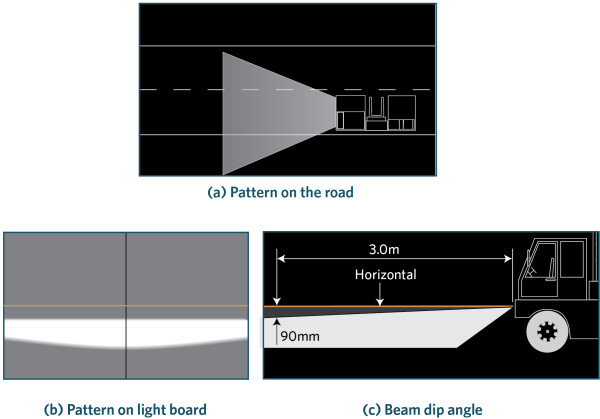
Summary of legislation
Applicable legislation
Permitted equipment
1. A forklift may be fitted with:
a) one pair of front fog lamps, and
b) one or two rear fog lamps.
2. A retrofitted pair of fog lamps must be symmetrically mounted as far as is practicable towards each side of the vehicle.
3. A retrofitted front fog lamp must not be positioned higher than the dipped-beam headlamps.
4. A vehicle may be fitted with a warning device that indicates that a front or rear fog lamp is in operation.
Condition
5. A front fog lamp must be in sound condition.
6. A rear fog lamp must be in sound condition if it emits a light.
Performance
7. A fog lamp must operate in a way that is appropriate for the lamp and the vehicle.
8. A fog lamp must emit a steady light.
9. A front fog lamp must provide sufficient light output to illuminate the road ahead in conditions of severely reduced visibility.
10. A rear fog lamp must provide sufficient light output to indicate the presence of the vehicle on the road in conditions of severely reduced visibility.
11. The light emitted from a front fog lamp must be substantially white or amber.
12. The light emitted from a rear fog lamp must be diffuse and substantially red in colour.
13. A pair of fog lamps must emit light that is approximately equal in colour and intensity.
14. The centre of a front fog lamp beam must be parallel to or to the left of the longitudinal centreline of the vehicle.
15. The centre of a front fog lamp beam must be permanently dipped at an angle of at least 3%.
16. A fog lamp must be able to be turned off from the driver’s seating position.
17. A front or rear fog lamp warning device must be in good working order.
18. Where a fog lamp comprises an array of light sources (eg LEDs), at least 75% of these must operate.
4-3 Cornering lamps
Reasons for rejection
Permitted equipment
1. A forklift is fitted with:
a) only one lamp, or
b) more than one pair of lamps, or
c) a lamp that either:
i. was not originally fitted by the forklift manufacturer, or
ii. is not fitted in the original position.
Condition
2. A lamp is insecure.
3. A lens is missing, or has a hole, crack or other damage that allows moisture or dirt to enter.
4. A lamp’s reflector is damaged or has deteriorated so that light output is reduced.
Performance
5. When activated by switching on the direction indicator lamp or by turning the steering wheel, a cornering lamp does not:
a) operate, or
b) project in the direction of the turn.
6. A cornering lamp emits light that is:
a) not substantially white or amber, or
b) not approximately equal in colour or intensity to the other lamp in a pair, or
c) not steady, or
d) not bright enough to illuminate the road ahead in the direction of the turn, eg due to modification, deterioration, dirt or an incorrect light source, or
e) too bright, causing dazzle to other road users, eg due to an incorrect light source or misalignment.
7. Where a cornering lamp comprises an array of light sources (eg LEDs), fewer than 75% of these operate.
Note 1
Cornering lamp means a lamp that is designed to emit light at the front of a vehicle to supplement the vehicle’s headlamps by illuminating the road ahead in the direction of the turn.
Summary of legislation
Applicable legislation
Permitted equipment
1. One pair of cornering lamps fitted by the forklift manufacturer.
Condition
2. A cornering lamp must be in sound condition.
Performance
3. A cornering lamp must operate in a way that is appropriate for the lamp and the vehicle.
4. A cornering lamp must emit light that is substantially white or amber.
5. A pair of cornering lamps must emit light that is approximately equal in colour and intensity.
6. A cornering lamp must emit a steady light.
7. A cornering lamp must provide sufficient light output to illuminate the road ahead in the direction of the turn.
8. A cornering lamp must be correctly aligned.
9. Where a cornering lamp comprises an array of light sources (eg LEDs), at least 75% of these must operate.
4-4 Daytime running lamps
Reasons for rejection
Prohibited equipment
1. A forklift is fitted with daytime running lamps.
Note 1
Daytime running lamp means a lamp designed to emit a low-intensity light forward of a vehicle to make it more easily seen in the daytime.
Summary of legislation
Applicable legislation
Prohibited equipment
1. A forklift must not be fitted with daytime running lamps.
4-5 Direction indicator lamps
Reasons for rejection
Permitted equipment
1. A forklift is fitted with more than:
a) two pairs of lamps at the rear, or
b) two pairs of lamps at the front, or
c) two side-facing lamps on each side.
2. A forklift is fitted with a lamp that is not in a pair.
3. A retrofitted pair of lamps is not:
a) symmetrically mounted, or
b) mounted as far towards each side of the forklift as is practicable.
Condition
4. A lamp is insecure.
5. A lens is missing, or has a hole, crack or other damage that allows moisture or dirt to enter.
6. A reflector is damaged or has deteriorated so that light output is reduced.
Performance (Note 2)
7. When switched on, a direction indicator lamp:
a) does not operate, or
b) does not begin flashing within one second of switching on, or
c) flashes:
i. faster than two flashes per second, or
ii. slower than one flash per second, or
iii. at a different rate from other lamps on the same side.
8. When switched on, a direction indicator lamp emits a light that is:
a) not substantially amber or red to the rear, or
b) not substantially white or amber to the front, or
c) not substantially amber to the side, or
d) not approximately equal in colour or intensity to the other lamp in a pair, or
e) not bright enough to be visible from 100m in normal daylight and from 200m in normal darkness, eg due to modification, deterioration, dirt or an incorrect light source, or
f) too bright causing significant dazzle to other road users, eg due to an incorrect light source, or
g) altered, eg due to damage or modification.
9. On a forklift of American origin fitted with combined stop and indicator lamps, the stop lamp function is not overridden by the indicator function.
10. Where a lamp comprises an array of light sources (eg LEDs), fewer than 75% of these operate.
Note 1
Direction indicator lamp means a lamp designed to emit a flashing light to signal the intention of the driver to change the direction of the vehicle to the right or to the left.
Note 2
A rear- or side-facing direction indicator lamp that does not comply with equipment, condition and performance requirements must be made to comply or disabled so that it does not emit a light.
Note 3
A vehicle originally manufactured with a direction-indicator-lamp arrangement that differs from what is required or permitted in this section may retain the original direction indicator lamps provided they remain fitted in their original position and perform as intended by the vehicle manufacturer.
Summary of legislation
Applicable legislation
Permitted equipment
1. A forklift may be fitted with one or two pairs of lamps to the front and rear of the vehicle.
2. A forklift may be fitted with one or two side-facing lamps on each side.
3. A suitable device may be fitted that indicates to the driver the failure of a mandatory lamp.
4. A retrofitted pair of lamps must be mounted symmetrically as far towards each side of the forklift as is practicable.
5. On forklifts of American origin, the stop lamp and direction indicator lamp function may be combined in one lamp.
Condition
6. A direction indicator lamp must be in sound condition.
Performance
7. A direction indicator lamp must operate in a way that is appropriate for the lamp and the vehicle.
8. A direction indicator lamp must emit a light that is substantially:
a) red or amber to the rear, and
b) white or amber to the front, and
c) amber to the side.
9. A lamp must flash at a fixed frequency in the range of 1 to 2 Hertz.
10. Each lamp in a pair must, when operated, emit a light of approximately equal intensity, colour and frequency.
11. The lamp-failure indicating device, if fitted, must function.
12. A lamp must emit a light that is visible from 100m during normal daylight and 200m in normal darkness.
13. If a vehicle of American origin is fitted with combined stop and indicator lamps, the indicator lamps may override the stop lamps so that the stop lamps operate as direction indicators.
14. Where a lamp comprises an array of light sources (eg LEDs), at least 75% of these must operate.
4-6 Forward-facing position lamps
Reasons for rejection
Permitted equipment
1. A forklift is fitted with more than two pairs of lamps.
2. A retrofitted pair of lamps is:
a) not symmetrically mounted, or
b) not mounted as far towards each side of the vehicle as is practicable, or
c) mounted at a height from the ground exceeding 2.1m.
3. A pair of top-mounted lamps, if fitted, is not:
a) symmetrically mounted, or
b) mounted as far towards the top corners of the bodywork as is practicable.
4. A lamp is not positioned to the front of the vehicle.
Condition
5. A lamp is insecure or, if a mandatory lamp, contains moisture in the form of large droplets, runs or puddles.
6. A lens is missing, or has a hole, crack or other damage that allows moisture or dirt to enter.
7. A lamp’s reflector is damaged or has deteriorated so that light output is reduced.
Performance
8. When switched on, a forward-facing position lamp does not operate.
9. When switched on, a forward-facing position lamp emits a light that is not:
a) substantially white or amber, or
b) diffuse, or
c) projected to the front, or
d) approximately equal in colour or intensity to the other lamp in a pair, or
e) steady, or
f) bright enough to be visible from a reasonable distance in normal darkness, eg due to modification, deterioration, dirt or an incorrect light source.
Note 1
Position lamp means a low-intensity lamp that is designed to indicate to road users the presence and dimensions of a vehicle, being:
a) a forward-facing position lamp (front side lamp), or
b) a rearward-facing position lamp (rear side lamp or tail lamp), or
c) a side-marker lamp, or
d) an end-outline marker lamp (including cab roof lamp).
Note 2
A vehicle originally manufactured with a forward-facing position lamp arrangement that differs from what is required or permitted in this section may retain the original forward-facing position lamps provided they remain fitted in their original position and perform as intended by the vehicle manufacturer.
Summary of legislation
Applicable legislation
Permitted equipment
1. A forklift may be fitted with one or two pairs of forward-facing position lamps.
2. A retrofitted pair of lamps must be symmetrically mounted as far towards each side of the vehicle as is practicable.
3. A retrofitted lamp must be mounted at a height from the ground not exceeding 2.1m.
4. A forklift may be fitted with one additional pair of forward-facing position lamps that must be symmetrically mounted as far towards the top corners of the vehicle as is practicable (top-mounted lamps).
5. A lamp must be positioned to the front of the vehicle.
Condition
6. A forward-facing position lamp must:
a) be in sound condition,
b) not be obscured (if a mandatory lamp).
Performance
7. A forward-facing position lamp must operate in a way that is appropriate for the lamp and the vehicle.
8. A lamp must emit a light that is:
a) diffuse, and
b) substantially white or amber, and
c) steady, and
d) sufficient to indicate to other road users the presence and dimensions of the vehicle, and
e) of approximately equal intensity and colour to the other lamp of a pair.
9. Where a lamp comprises an array of light sources (eg LEDs), at least 75% of these must operate.
Page amended 1 November 2012 (see amendment details).
4-7 Rearward-facing position lamps
Reasons for rejection
Mandatory and permitted equipment
1. A forklift that is likely to be operated during the hours of darkness (where the vehicle inspector can determine that) is not fitted with at least one lamp.
2. A retrofitted pair of lamps is not:
a) symmetrically mounted, or
b) mounted as far towards each side of the vehicle as is practicable.
Condition
3. A lamp is insecure or, if a mandatory lamp, contains moisture in the form of large droplets, runs or puddles.
4. A lens is missing, or has a hole, crack or other damage that allows moisture or dirt to enter.
5. A lamp’s reflector is damaged or has deteriorated so that light output is reduced.
6. A mandatory lamp is obscured.
Performance
7. When switched on, a mandatory lamp does not operate.
8. When switched on, a lamp emits a light that is not:
a) substantially red, or
b) diffuse, or
c) projected to the rear, or
d) approximately equal in colour or intensity to the other lamp in a pair, or
e) steady, or
f) bright enough to be visible from 100m in normal darkness (if a mandatory lamp), eg due to modification, deterioration, dirt or an incorrect light source.
9. Where a lamp comprises an array of light sources (eg LEDs), fewer than 75% of these operate.
Note 1 Definition
Position lamp means a low-intensity lamp that is designed to indicate to road users the presence and dimensions of a vehicle, being:
a) a forward-facing position lamp (front side lamp), or
b) a rearward-facing position lamp (rear side lamp or tail lamp), or
c) a side-marker lamp, or
d) an end-outline marker lamp (including cab roof lamp).
Note 2
A permitted rearward-facing position lamp that does not comply with equipment, condition and performance requirements must be made to comply or be disabled so that it does not emit a light.
Note 3
A vehicle originally manufactured with a rearward-facing position lamp arrangement that differs from what is required or permitted in this section may retain the original rearward-facing position lamps provided they remain fitted in their original position and perform as intended by the vehicle manufacturer.
Summary of legislation
Applicable legislation
Mandatory and permitted equipment
1. A forklift operated during the hours of darkness must be fitted with at least one rearward-facing position lamp.
2. A forklift may be fitted with one or more rearward-facing position lamps.
3. A retrofitted pair of lamps must be mounted symmetrically as far towards each side of the vehicle as is practicable.
4. A lamp must be positioned to the rear of the vehicle.
Condition
5. A rearward-facing position lamp must:
a) be in sound condition, and
b) not be obscured (if a mandatory lamp).
Performance
6. A rearward-facing position lamp must operate in a way that is appropriate for the lamp and the vehicle.
7. A lamp must emit a light that is:
a) diffuse, and
b) substantially red, and
c) steady, and
d) sufficient to indicate to other road users the presence and dimensions of the vehicle, and
e) visible from a distance of 100m in normal darkness (if a mandatory lamp), and
f) of approximately equal intensity and colour to the other lamp of the pair.
8. Where a lamp comprises an array of light sources (eg LEDs), at least 75% of these must operate.
Page amended 1 November 2012 (see amendment details).
4-8 Side-marker lamps
Reasons for rejection
Prohibited equipment
1. A forklift that has a length of less than 6m is fitted with side-marker lamps.
Condition
2. A lamp is insecure.
3. A lens is missing, or has a hole, crack or other damage that allows moisture or dirt to enter.
4. A reflector is damaged or has deteriorated so that light output is reduced.
Performance
5. When switched on, a lamp emits a light that is not:
a) diffuse, or
b) substantially red or amber to the rear, or
c) substantially white or amber to the front, or
d) steady.
6. Where a lamp comprises an array of light sources (eg LEDs), fewer than 75% of these operate.
Note 1 Definitions
Side-marker lamp means a position lamp designed to be fitted to the side of a vehicle or its load.
Position lamp means a low-intensity lamp that is designed to indicate to road users the prescence and dimensions of a vehicle being:
a) a forward-facing position lamp (front side lamp), or
b) a rearward-facing position lamp (rear side lamp or tail lamp), or
c) a side-marker lamp, or
d) an end-outline marker lamp (including cab roof lamp).
Note 2
A side-marker lamp that does not comply with the equipment, condition and performance requirements must be made to comply or be disabled so that it does not emit a light.
Summary of legislation
Applicable legislation
Permitted and prohibited equipment
1. A forklift with a length of 6m or more may be fitted with one or more side-marker lamps.
2. A forklift with a length of less than 6m must not be fitted with side-marker lamps.
Condition
3. A lamp must be in good condition.
Performance
4. A side-marker lamp must operated in a way that is appropriate for the lamp and the vehicle.
5. A side-marker lamp must emit light that is:
a) diffuse, and
b) substantially red or amber to the rear, and
c) substantially white or amber to the front, and
d) steady.
6. Where a side-marker lamp comprises an array of light sources (eg LEDs), at least 75% of these must operate.
4-9 End-outline marker lamps
Reasons for rejection
Mandatory, permitted and prohibited equipment
1. A vehicle listed in Table 4-9-1:
a) is not fitted with lamps required in Table 4-9-1, or
b) is fitted with lamps that exceed the numbers permitted in Table 4-9-1.
2. A vehicle not listed in Table 4-9-1 is fitted with end-outline marker lamps.
3. An end-outline marker lamp is so positioned that it does not indicate the dimensions of the vehicle.
Condition
4. A lamp is insecure.
5. A lens is missing or has a hole, crack or other damage that allows moisture or dirt to enter.
6. A reflector is damaged or has deteriorated so that light output is reduced.
7. A mandatory lamp is obscured.
Performance
8. When switched on, a mandatory lamp does not operate.
9. When switched on, a lamp emits a light that is not:
a) substantially red to the rear, or
b) substantially white or amber to the front, or
c) diffuse, or
d) steady, or
e) bright enough to be visible from 100m in normal daylight and 200m in normal darkness, eg due to modification, deterioration, dirt or an incorrect light source.
9. Where a lamp comprises an array of light sources (eg LEDs), fewer than 75% of these operate.
Note 1 Definitions
End-outline marker lamp means a position lamp designed to be fitted near the outer extremity of a vehicle in addition to forward-facing and rearward-facing position lamps, and includes a cab roof lamp.
Position lamp means a low-intensity lamp that is designed to indicate to road users the presence and dimensions of a vehicle, being:
a) a forward-facing position lamp (front side lamp), or
b) a rearward-facing position lamp (rear side lamp or tail lamp), or
c) a side-marker lamp, or
d) an end-outline marker lamp (including cab roof lamp).
Note 2
A permitted end-outline marker lamp that does not comply with equipment, condition and performance requirements must be made to comply or be disabled so that it does not emit a light.
Table 4-9-1. Fitting requirements for end-outline marker lamps
|
If the vehicle was:
|
Row
|
Characteristics of the heavy vehicle
|
Front
|
Rear
|
|
Mandatory lamps3
|
Maximum permitted lamps1
|
Maximum permitted lamps2
|
|
Vehicle manufactured before 1/4/20113
|
A
|
- A vehicle with a GVM exceeding 11,300 kg
- A vehicle with a towing connection where the vehicle combination is likely to have a total length exceeding 9.2m
|
2
|
12
(No Limit if first registered before 27/2/2005)
|
6
|
|
B
|
A vehicle with an overall width of 1.8 m or more (other than a vehicle in row A)
|
Not required
|
6
|
4
|
|
Vehicle manufactured from 1/4/2011
|
C
|
A vehicle with an overall width exceeding 2.1m and with a GVM or GCM exceeding 12,000kg
|
2
|
12
|
6
|
|
D
|
A vehicle with an overall width exceeding 2.1m (other than a vehicle in row C)
|
2
|
6
|
4
|
|
E
|
A vehicle with an overall width of 1.8 m or more (other than a vehicle in row C or D).
|
Not required
|
6
|
4
|
1 Maximum permitted lamps are the maximum number of lamps allowed to be fitted, including mandatory lamps.
2 A vehicle manufactured before 1/4/2011 also has the option of complying with the requirements applicable to vehicles manufactured from 1/4/2011.
3 Mandatory lamps must be positioned at a height no lower than the top edge of the windscreen.
Summary of legislation
Applicable legislation
Mandatory, permitted and prohibited equipment
1. A vehicle in Table 4-9-1 must or may be fitted with end-outline marker lamps as specified in the table.
2. A vehicle not listed in Table 4-9-1 must not be fitted with end-outline marker lamps.
3. The position of the lamps must be such that it gives an indication of the vehicle’s dimensions.
Condition
4. A end-outline marker lamp must be:
a) in good condition, and
b) not obscured (if a mandatory lamp).
Performance
5. An end-outline marker lamp must operate in a way that is appropriate for the lamp and the vehicle.
6. Cab roof lamps must emit a light that is visible from 100m in normal daylight and from 200 in normal darkness.
7. A lamp must emit a light that is diffuse and substantially red to the rear and white or amber to the front.
8. A lamp must provide sufficient light output so that the vehicle’s dimensions are easily indicated to other road users.
9. Where an end-outline marker lamp comprises an array of light sources (eg LEDs), at least 75% of these must operate.
4-10 Stop lamps
Reasons for rejection
Permitted equipment
1. A forklift is:
a) is fitted with more than three pairs of stop lamps (including top-mounted stop lamps), or
b) is fitted with a stop lamp that is not in a pair.
2. A retrofitted stop lamp, other than a top-mounted lamp, is fitted at a height from the ground exceeding 2.1m.
3. A retrofitted pair of lamps is not:
a) symmetrically mounted, or
b) mounted as far towards each side of the vehicle as is practicable.
4. A pair of top-mounted lamps is not mounted as far as is practicable to the top of the bodywork of the vehicle.
Condition
5. A lamp is insecure.
6. A lens is missing, or has a hole, crack or other damage that allows moisture or dirt to enter.
7. A reflector is damaged or has deteriorated so that light output is reduced.
Performance
8. A lamp operates when the service brake is not applied.
9. A lamp emits a light that is not:
a) substantially red, or
b) diffuse, or
c) steady, or
d) projected to the rear, or
e) approximately equal in colour or intensity to the other lamp in a pair, or
f) bright enough to produce a light that is visible from a reasonable distance in normal daylight, eg due to modification, deterioration, dirt or an incorrect light source.
10. Where a lamp comprises an array of light sources (eg LEDs), fewer than 75% of these operate.
12. On a vehicle of American origin fitted with combined stop and direction indicator lamps, the stop lamp function is not overridden by the indicator function.
Note 1
Stop lamp means a lamp that is designed to operate when the service brake is activated.
Note 2
A permitted stop lamp that does not comply with equipment, condition and performance requirements must be made to comply or be disabled so that it does not emit a light.
Note 3
A vehicle originally manufactured with a stop-lamp arrangement that differs from what is required or permitted in this section may retain the original stop lamps provided they remain fitted in their original position and perform as intended by the vehicle manufacturer.
Summary of legislation
Applicable legislation
Permitted equipment
1. A forklift may be fitted with one or two pairs of stop lamps at the rear which emit a light that is visible from a reasonable distance.
2. A retrofitted pair of stop lamps must be symmetrically mounted as far towards each side of the vehicle as is practicable.
3. A retrofitted stop lamp must be fitted at a height from the ground not exceeding 2.1m.
4. A forklift may be fitted at the rear with an additional pair of stop lamps provided they are positioned as close as is practicable to the top of the bodywork of the vehicle (top-mounted lamps).
Condition
5. A stop lamp must be in sound condition.
Performance
6. A stop lamp must operate in a way that is appropriate for the lamp and the vehicle.
7. The light emitted from a stop lamp must be diffuse light that is substantially red.
8. A stop lamp must operate when a service brake is activated.
9. A stop lamp must emit a steady light.
10. If a vehicle of American origin is fitted with combined stop and direction indicator lamps, the indicator lamps may override the stop lamps so that the stop lamps will operate as direction indicators.
11. Where a stop lamp comprises an array of light sources (eg LEDs), at least 75% of these must operate.
Page amended 1 November 2012 (see amendment details).
4-11 High-mounted stop lamps
Reasons for rejection
Permitted equipment
1. A forklift is fitted with more than two high-mounted stop lamps.
2. A lamp is not fitted in a central high-mounted position.
Condition
3. A lamp is insecure.
4. A lens is missing, or has a hole, crack or other damage that allows moisture or dirt to enter.
5. A reflector is damaged or has deteriorated so that light output is reduced.
Performance
6. When the service brake is activated a lamp does not remain steadily illuminated.
7. A lamp operates when the service brake is not activated.
8. A lamp emits a light that is not:
a) substantially red, or
b) diffuse, or
c) projected to the rear, or
d) bright enough to be visible from 100m in normal daylight, eg due to modification, deterioration, dirt or an incorrect light source.
9. Where a lamp comprises an array of light sources (eg LEDs), fewer than 75% of these operate.
Note 1 Definitions
High-mounted stop lamp means a stop lamp that is designed to be fitted in a central, high-mounted position at the rear of a vehicle.
Stop lamp means a lamp that is designed to operate when the service brake is activated.
Note 2
A high-mounted stop lamp that does not comply with equipment, condition and performance requirements must be made to comply or be disabled so that it does not emit a light.
Note 3
A vehicle originally manufactured with a high-mounted-stop-lamp arrangement that differs from what is required or permitted in this section may retain the original high-mounted stop lamps provided they remain fitted in their original position and perform as intended by the vehicle manufacturer.
Summary of legislation
Applicable legislation
Permitted equipment
1. A forklift may be fitted with one or two high-mounted stop lamps.
2. A lamp must be fitted in a central high-mounted position at the rear of the vehicle.
Condition
3. A high-mounted stop lamp must be in good condition.
Performance
4. A high-mounted stop lamp must operate in a way that is appropriate for the lamp and the vehicle.
5. The light emitted from a high-mounted stop lamp must be diffuse light that is substantially red.
6. A high-mounted stop lamp must emit a steady light.
7. Where a high-mounted stop lamp comprises an array of light sources (eg LEDs), at least 75% of these must operate.
4-12 Rear-reg.-plate illumination lamps
Reasons for rejectionCondition1. A lamp is insecure. 2. A lens is missing, or has a hole, crack or other damage that allows moisture or dirt to enter. 3. A reflector, or lens, is damaged or has deteriorated so that light output is reduced. Performance4. The lamp emits a light that is not: a) substantially white, or b) steady, or c) diffuse. 5. The lamp does not illuminate the registration plate (eg either the lamp or plate have been moved, or the lamps orientation has been changed). 6. The light source of a lamp is visible from the rear of the vehicle.
Note 1Rear-registration-plate illumination lamp means a lamp designed to illuminate the rear registration plate of a vehicle.
Note 2A vehicle originally manufactured with a rear-registration-plate-illumination-lamp arrangement that differs from what is required or permitted in this section may retain the original rear-registration-plate illumination lamps provided they remain fitted in their original position and perform as intended by the vehicle manufacturer.
Summary of legislationApplicable legislationPermitted equipment1. A forklift may be fitted with one or more rear-registration-plate illumination lamps. Performance2. A rear-registration-plate illumination lamp must operate in a way that is appropriate for the lamp and the vehicle. 3. A lamp must emit a diffuse light that is substantially white. 4. A rear-registration-plate illumination lamp must emit a steady light. 5. The light source of the lamp must not be visible from the rear of the vehicle. 6. A lamp must illuminate the figures and letters of the plate so that they are visible from 20m during normal darkness. 7. Where a lamp comprises an array of light sources (eg LEDs), at least 75% of these must operate.
Page amended 1 October 2021 (see amendment details).
4-13 Rear reflectors
Reasons for rejection
Permitted equipment
1. A forklift is fitted with a rearward-facing reflector that is not in a pair.
2. A retrofitted reflector is fitted at a height from the ground exceeding 1.5m (or 2.1m where fitting below 1.5m is not practicable due to the shape of the bodywork of the vehicle).
3. A reflector is not positioned to the rear of the vehicle.
4. A retrofitted pair of reflectors is not:
a) symmetrically mounted, or
b) mounted as far towards each side of the vehicle as is practicable.
Performance
8. The reflected light from a reflector is not red.
Note 1 Definitions
Reflector means a discreet item of lighting equipment that is designed to reflect incident light back towards the light source, but does not include reflective material (such as reflective tape).
Reflective material means any material that is designed to reflect incident light back towards the light source, and includes reflective tape, but does not include a reflector.
Note 2
A vehicle originally manufactured with a rear reflector arrangement that differs from what is required or permitted in this section may retain the original rear reflectors provided they remain fitted in their original position and perform as intended by the vehicle manufacturer.
Summary of legislation
Applicable legislation
Permitted equipment
1. A forklift may be fitted with one or more pairs of rearward-facing reflectors at a height from the ground not exceeding 1.5m, or if this is not practicable due to the shape of the bodywork of the vehicle, not exceeding 2.1m.
2. A rearward-facing reflector must be positioned to the rear of the vehicle.
3. A reflector must be of an area that allows it to reflect light to improve the visibility of the vehicle to other road users, but it must not cause them undue dazzle or discomfort.
4. A retrofitted pair of reflectors must be symmetrically mounted as far towards each side of the vehicle as is practicable.
Performance
7. A reflector must reflect white light as substantially red light.
Page amended 1 November 2012 (see amendment details).
4-14 Reversing lamps
Reasons for rejection
Permitted equipment
1. A forklift is fitted with more than two reversing lamps at the rear of the vehicle.
2. A retrofitted pair of reversing lamps is not:
a) symmetrically mounted, or
b) mounted as far towards each side of the vehicle as is practicable.
Condition
3. A lamp is insecure or contains visible moisture or dirt.
4. A lens is missing, or has a hole, crack or other damage that allows moisture or dirt to enter.
5. A reflector is damaged or has deteriorated so that light output is reduced.
Performance
6. A lamp controlled by gear engagement continues to display a light to the rear when the reverse gear is disengaged.
7. A lamp controlled by a manual switch continues to display a light to the rear while the headlamps are switched on.
8. When engaged, a lamp emits light that is not:
a) substantially white (Note 3), or
b) steady, or
c) diffuse or a dipped beam.
9. Where a lamp comprises an array of light sources (eg LEDs), fewer than 75% of these operate.
Note 1
Reversing lamp means a lamp designed to illuminate the area behind the vehicle while it is reversing and to warn other road users that the vehicle is reversing or about to reverse.
Note 2
A reversing lamp that does not comply with equipment, condition and performance requirements must be made to comply or be disabled so that it does not emit a light.
Note 3
Vehicles first registered in New Zealand before 27 February 2005 were allowed to use rear indicator lamps as reversing lamps. Although the light emitted is amber instead of white, this arrangement is still permitted for these vehicles.
Note 4
A vehicle originally manufactured with a reversing lamp arrangement that differs from what is required or permitted in this section may retain the original reversing lamps provided they remain fitted in their original position and perform as intended by the vehicle manufacturer.
Summary of legislation
Applicable legislation
Permitted equipment
1. A forklift may be fitted with one or two reversing lamps fitted at the rear of the vehicle.
2. A retrofitted pair of reversing lamps must be symmetrically mounted as far towards each side of the vehicle as is practicable.
Condition
3. A reversing lamp must be in good condition.
Performance
4. A reversing lamp must operate in a way that is appropriate for the lamp and the vehicle.
5. A reversing lamp, when operated, must emit a diffuse light or a dipped beam of light that is substantially white (Note 3).
6. A reversing lamp must emit a steady light.
7. A reversing lamp may operate only when the reverse gear is engaged or the headlamps are turned off.
8. Where a reversing lamp comprises an array of light sources (eg LEDs), at least 75% of these must operate.
4-15 Cosmetic lamps
Reasons for rejection
Permitted equipment
1. A cosmetic lamp (ie one not listed in Table 4-15-1) that is fitted to a vehicle:
a) has a part of its light-emitting surface positioned within 250mm of any mandatory lamps, or
b) is not mounted in a fixed position, or
c) is positioned so that its light-emitting surface is visible within the shaded areas in Figure 4-15-1.
Performance
2. When switched on, a cosmetic lamp with a light-emitting surface not visible within the shaded areas in Figure 4-15-1 emits a light that:
a) is not diffuse, or
b) flashes or otherwise varies in intensity or colour, or
c) revolves, rotates or otherwise moves, or
d) is too bright and likely to dazzle other road users, or
e) is likely to cause confusion about the orientation of the vehicle, or
f) is red when seen directly from the front, or
g) is not red or amber when seen directly from the rear.
Note 1
A rear or side cosmetic lamp that does not comply with requirements for condition or performance must be made to comply, or be disabled so that it does not emit a light.
Note 2 Definitions
Lamp means a device designed to emit light, and includes an array of separate light sources that appear as a continuous illuminated surface.
Cosmetic lamp means any lamp that is not listed in Table 4-15-1.
Note 3
A forward-facing cosmetic lamp that does not comply with the equipment, condition and performance requirements must be made to comply or be removed from the vehicle.
Table 4-15-1. Lamps that are not cosmetic lamps
|
Lamps covered in the VIRM
|
Other lighting equipment not requiring inspection
|
|
Headlamps
Stop lamps
High-mounted stop lamps
Direction indicator lamps
Position lamps
(includes side-marker lamps and end-outline marker lamps)
Rear-registration-plate illumination lamps
Rear reflectors
Fog lamps
Daytime running lamps
Cornering lamps
Reversing lamps
PSV interior lamps
|
Reflective material
Interior lamps
Designed to illuminate the interior of the vehicle for the convenience of passengers
Work lamps
White or amber high-intensity lamps that are not necessary for the operation of the vehicle but are designed to illuminate the area around the vehicle or the vehicle itself
Scene lamps
Work lamps designed to provide a fixed or movable beam of light to illuminate the area around the vehicle or the vehicle itself
Alley lamps
Work lamps designed primarily to provide a fixed or movable beam of light to the side of the vehicle it is fitted to
Flashing or revolving beacons (except a mandatory beacon required for some overdimension vehicles)
Illuminated vehicle-mounted signs
Includes PSV destination signs, taxi signs, and variable message signs operated by enforcement officers, under a traffic management plan or permitted by other legislation.
|
Summary of legislation
Applicable legislation
Permitted equipment
1. A vehicle may be fitted with one or more lamps not specified in Table 4-15-1, provided they are fitted so that light sources are not visible in those regions specified in Figure 4-15-1.
2. A lamp must be fitted in a fixed position on the vehicle and positioned so that no part of the light source is situated within 250mm of a mandatory lamp.
Performance
3. A lamp must:
a) only emit light that is diffuse, and
b) not emit light that flashes or otherwise varies in intensity or colour, and
c) be fitted in a way, and be of a luminance that ensures, that it does not dazzle, confuse or distract other road users, and
d) not emit a light that revolves, rotates or otherwise moves, and
e) not cause confusion as to the orientation of the vehicle, and
f) not emit a red light that is directly visible from the front of the vehicle, and
g) not emit a light other than red or amber if the light is directly visible from the rear of the vehicle.
5 Vision
5-1 Glazing
Reasons for rejection
Glazing condition
1. A piece of glazing is not mechanically sound, or is not securely affixed to the vehicle.
2. A windscreen or front side window is so dirty or obstructed that the driver’s vision is unreasonably impaired.
3. A windscreen has damage that prevents the wiper blades from working properly.
4. A windscreen has scratches, discolouration or other defects that unreasonably impair the driver’s vision or compromise the strength of the windscreen.
5. A modification:
a) unreasonably impairs driver’s vision through the windscreen or a front side window, or
b) adversely affects the strength or mechanical performance of the glazing.
Glazing performance
6. The overall visible light transmittance (VLT) (Note 2) of a windscreen is less than 70%.
7. The overall VLT of a front side window is less than 35%.
8. Glazing has a mirrored effect sufficient to dazzle other road users.
Permitted modifications
9. A modification that affects glazing is not within the limits in Table 5-1-1.
Note 1 Definitions
Windscreen means all glazing extending across the front of the vehicle that is not parallel to the vehicle’s centreline but does not include a wind deflector. No fitting of overlays or stickers are permitted to the windscreen except those previously mentioned.
Overlay means a transparent, translucent or opaque self-adhesive or clinging film that is applied to large areas, or the whole, of a piece of glazing, including anti-glare band overlays and stoneguard overlays.
Sticker means a self-adhesive or clinging film, with or without print on it, that is applied for purposes such as advertising, identification, information, decoration or legal reasons.
Anti-glare band overlay means a tinted overlay that is transparent and that is applied along the top edge of the windscreen for the purpose of reducing glare from the sun.
Damage includes any unrepaired damage and attempted visible repairs.
Note 2
Visible light transmittance (VLT) is the proportion of visible light that passes through glazing, measured perpendicular to the glazing. Overall VLT is the VLT of the glazing together with any overlays.
Table 5-1-1. Permitted modifications
|
Fitting of or modification to:
|
Modification permitted provided that:
|
|
Windscreens
|
|
Stickers
|
- stickers are wholly within 100mm of the top or bottom edge, or 50mm of the side edges, unless required or permitted by legislation, eg:
– a licence label
– a road user licence label
– a WoF label
– an alternative fuel sticker
– a current parking permit or other document issued by the local authority
– learner L-plates (in sticker format) provided the driver’s vision is not unreasonably affected.
|
|
Anti-glare band overlay
|
- the overlay is transparent, and
- the overlay does not extend below the bottom edge of the vehicle’s OE sun visors when they are folded down as far as possible towards the windscreen, and
- the overlay does not contain print below a line that is 100mm below and parallel to the top edge of the windscreen.
|
|
Radio antennae
|
- antennae are wholly within 100mm of any edge.
|
|
Front side windows
|
|
Transparent overlays
|
- the overall visible light transmittance (VLT) is not reduced to below 35%.
|
|
Stickers
|
- stickers are wholly within 100mm of the bottom edge, or 50mm of any other edge, unless required or permitted by legislation.
- manufacturer’s operating instructions may be applied to or incorporated in the glazing.
|
|
Radio antennae
|
- antennae are wholly within 100mm of any edge.
|
|
Rear and rear side windows (behind the driver’s seat)
|
|
Overlays and other modifications
|
- the vehicle is equipped on both sides with external rear-view mirrors.
|
|
Stickers
|
- stickers may be applied anywhere on the glazing, but if not wholly within 100mm of any edge, the vehicle must be equipped on both sides with external rear-view mirrors.
|
|
Radio antennae
|
- in-service requirements for condition and performance are met.
|
|
Fitting of or modification to:
|
Modification always permitted:
|
|
Monsoon shields
|
- in-service requirements for condition and performance must be met.
|
|
Electric demisters
|
|
Sunroofs (overlays and stickers applied anywhere on the glazing, radio antennae, and electric demisters)
|
Summary of legislation
Applicable legislation
Glazing condition
1. Glazing must be mechanically sound, strong and securely affixed to the vehicle.
2. A windscreen and front side windows must be clean and free of obstruction to ensure the driver has sufficient vision through the glazing to operate the vehicle safely.
3. A windscreen must not have scratches and other defects that:
a) unreasonably impair vision, or
b) compromise its strength.
4. A laminated windscreen must not show signs of discoloration that could unreasonably impair the driver’s vision.
5. Glazing in roof panels may be tinted.
Glazing performance
6. A windscreen must have an overall visible light transmittance (VLT) of at least 70%.
7. A front side window must have an overall VLT of at least 35%.
8. Glazing must not have a mirrored effect sufficient to dazzle other road users.
9. A modification must not:
a) unreasonably impair vision through a windscreen or a front side window, or
b) adversely affect the strength or mechanical performance of the glazing or the vehicle.
Permitted modifications
10. A modification that affects glazing is permitted if within the limits in Table 5-1-1.
5-2 Sun visors
Reasons for rejection
Condition
1. A sun visor (Note 1):
a) is insecurely mounted, or
b) for the driver, cannot be adjusted from the normal driving position, or
c) cannot maintain its adjusted position, or
d) has been modified or has deteriorated, and the likelihood of injury to vehicle occupants has not been minimised.
Performance
2. A driver’s sun visor does not effectively aid the driver’s vision by intercepting the glare from the sun.
Note 1
Sun visor means any attachment mounted above the inside of the windscreen and provided for the purpose of shielding the eyes of the driver and other front seat passengers from solar glare.
Summary of legislation
Applicable legislation
Permitted equipment
1. A forklift may be fitted with sun visors (Note 1).
Performance
2. The condition of sun visors must be such that the likelihood of injury to occupants is minimised.
3. A driver’s sun visor must be effective.
5-3 Windscreen wipe and wash
Reasons for rejection
Mandatory equipment
1. A forklift that has a windscreen is not fitted with a windscreen wipe system.
2. A forklift manufactured on or after 1 January 1960 is fitted with wipers that are not power driven.
Condition
Windscreen wipe system
3. The wiper operating device is missing.
4. A wiper arm or wiper blade is:
a) missing, or
b) insecure, or
c) damaged so as to affect the performance of the wipers.
5. The wiper operating mechanism is:
a) missing, or
b) insecure, or
c) damaged so as to affect the performance of the wipers.
Windscreen wash system
6. A wash system component is missing or insecure.
7. The wash operating device is missing.
Performance
Windscreen wipe system
8. A windscreen wiper does not wipe the windscreen effectively, preventing adequate forward vision by the driver.
9. The wipe operating device is unable to activate the wipe system.
Windscreen wash system
10. A windscreen wash nozzle does not discharge washer liquid directly onto the windscreen.
11. The wash operating device is unable to activate the wash system.
Summary of legislation
Applicable legislation
Mandatory equipment
1. A forklift that is fitted with a windscreen must have a windscreen wipe system.
2. Windscreen wipers must be power driven, unless they follow OE specifications in a vehicle manufactured before 1 January 1960.
Permitted equipment
3. A forklift may be fitted with a wash system.
Condition
4. A forklift’s windscreen wipe and wash system must be efficient and within the vehicle manufacturer’s operating limits.
Performance
5. The equipment fitted must be capable of keeping an adequate area of the windscreen clean and clear so that the vehicle may be operated safely under all reasonably foreseeable conditions.
5-4 Rear-view mirrors
Mandatory equipment
1. A forklift is not fitted with at least one rear-view mirror.
Condition
2. A rear-view mirror:
a) is not mounted securely, or
b) cannot be adjusted, or
c) cannot maintain its adjusted position, or
d) is corroded or dirty, or
e) is damaged so that it increases the risk of injury to vehicle occupants.
Performance
3. A rear-view mirror:
a) does not provide a clear view to the rear of the vehicle, or
b) is not sufficiently isolated from vibrations.
Summary of legislation
Applicable legislation
Mandatory equipment
1. A forklift must be fitted with a rear-view mirror.
Permitted equipment
2. Additional rear-view mirrors may be fitted.
Condition
3. A rear-view mirror must be:
a) securely attached so that the risk of injury is minimised, and
b) mounted so that vibration does not inhibit the driver’s required clear view to the rear, and
c) sufficiently adjustable, and able to maintain its position.
Performance
4. A rear-view mirror must provide a clear view to the rear of:
a) the forklift itself, and
b) the forklift’s load, and
c) any towed trailer and its load.
5. A rear-view mirror must be sufficiently isolated from vibrations.
6 Entrance and exit
6-1 Door and hinged panel retention systems
Reasons for rejection
Mandatory equipment
1. A forklift fitted with doors used by the driver or passengers for entrance and exit of the vehicle does not have a door retention system.
Condition
2. A hinge for a door or other hinged panel is not securely attached to both the vehicle body and to the door or other hinged panel, eg due to loose connections, corrosion or other damage.
3. A door used for entrance and exit of the driver or passengers cannot be opened from the inside.
Performance
4. A door used for entrance and exit of the driver or passengers does not open or close easily, eg a door is sticking or requires unreasonable force to open.
5. A door or other hinged panel does not remain secure in a closed or locked position.
Note 1
Corrosion damage is where the metal has been eaten away, which is evident by pitting. The outward sign of such corrosion damage is typically displayed by the lifting or bubbling of paint. In extreme cases, the area affected by the corrosion damage will fall out and leave a hole.
Summary of legislation
Applicable legislation
Mandatory equipment
1. A forklift fitted with doors used by the driver or passengers for entrance and exit of the vehicle must have a door retention system.
Condition
2. A door retention system and its mountings must be safe and structurally sound.
3. A door used for the entrance and exit of the driver or passengers must be operable by any occupant seated by the door from inside the vehicle.
4. The forklift must be designed and constructed using components and materials that are fit for their purpose, and within safe tolerance of their state when manufactured or modified.
Performance
5. A door retention system must be in good working order.
6. A door used for entrance and exit must open and close easily.
7. A door used for entrance and exit must remain secure in a closed position during the operation of the vehicle.
7 Vehicle interior
7-1 Seats and seat anchorages
Reasons for rejection
Mandatory equipment
1. A driver’s seat is not fitted in a forklift that was originally fitted with a driver’s seat.
2. A seat is not attached to the vehicle structure by seat anchorages.
Condition and performance
3. A seat frame or structure has been weakened, eg due
to damage, corrosion or excessive wear.
4. The adjustment mechanism of a driver’s seat:
a) does not operate, or
b) is worn ,causing excessive movement of the seat.
5. The attachment of the seat to the seat anchorage is loose or weakened by damage.
6. The attachment of the seat anchorage to the vehicle structure is loose or weakened by damage.
7. The driver’s seat is in such a condition that it does not allow the driver to have proper control of the vehicle.
Note 2
Corrosion damage is where the metal has been eaten away, which is evident by pitting. The outward sign of such corrosion damage is typically displayed by the lifting or bubbling of paint. In extreme cases, the area affected by the corrosion damage will fall out and leave a hole.
Summary of legislation
Applicable legislation
Mandatory equipment
1. A driver’s seat in a forklift must remain fitted.
2. A seat in a forklift must be fitted to the vehicle structure by means of seat anchorages.
Condition and performance
3. Seats and seat anchorages must be safe, strong, in sound condition and compatible in strength with each other and with the vehicle structure.
4. The driver’s seat and its anchorages must be designed, constructed and maintained to enable the driver to have proper control of the vehicle.
5. Seats and seat anchorages must be securely attached to the vehicle structure.
6. When a seatbelt or any part of the seatbelt is integral to a seat, the seat and seat anchorages must be compatible in strength with the seatbelt or with that part of the seatbelt attached to the seat.
7-3 Head restraints
Reasons for rejection
Condition and performance
1. The external surfaces and padding of a head restraint have deteriorated to the extent that they are likely to injure a vehicle occupant.
2. An adjustable head restraint is unable to remain locked in its adjusted position.
Summary of legislation
Applicable legislation
Permitted equipment
1. A forklift may be fitted with head restraints.
Condition and performance
2. The external surfaces and padding of a head restraint must not have deteriorated to the extent that the likelihood of injury to an occupant of the vehicle is increased.
3. An adjustable head restraint must remain able to be adjusted and locked into position.
7-7 Interior impact
Reasons for rejection
Condition and performance
1. Where an interior fitting, control or surface has been modified or has deteriorated, the likelihood of injury to occupants has not been minimised.
Summary of legislation
Applicable legislation
Condition and performance
1. Interior fittings, controls and surfaces in the passenger compartments must be such that the likelihood of injury to occupants is minimised.
7-12 Speedometer
Reasons for rejectionMandatory equipment1. A forklift first registered in New Zealand on or after 1 December 1951 that is capable of a speed exceeding 50 km/h is not fitted with a speedometer, and the vehicle operator cannot produce acceptable written evidence (Note 2) that: a) the speedometer has been removed for repair, or b) there are no undue delays by the vehicle owner in having the speedometer replaced. Condition and performance2. The speedometer: a) does not operate as intended when the vehicle is moving forward (Note 3), or b) is obscured from the driver’s vision, or c) does not indicate the vehicle’s speed in km/h or mph. 3. Reason for rejection 2(a), 2(b) or 2(c) applies and the vehicle operator cannot produce acceptable written evidence (Note 2) that repair of the speedometer or associated equipment is impracticable or that a suitable replacement is not available.
Note 1Speedometer means an instrument in a motor vehicle that is used to determine forward speed of the vehicle in kilometres per hour (km/h) or miles per hour (mph).
Note 2Acceptable written evidence is documentation provided by the speedometer repairer or supplier. A copy of the documentation must be kept on file with the checksheet.
Note 3
If an odometer is not fitted, not working or unable to be read an appropriate note must be entered into the ‘Comments’ section of the checksheet and '000001' entered into the odometer field of the checksheet and '000001' entered into VIC or LANDATA. This may display as “1” on some screens.
Summary of legislationApplicable legislationMandatory equipment1. A forklift first registered in New Zealand on or after 1 December 1951 that is capable of a speed exceeding 50km/h must be fitted with a speedometer (Note 1). 2. A vehicle is not required to have a speedometer if the speedometer or associated equipment: a) has been removed for repair and there are no undue delays by the vehicle owner in having it replaced, or b) is out of repair, repair is impracticable and a suitable replacement is not available. Performance3. The speedometer must be in good working order and operate while the vehicle is moving forward.
Page amended 1 October 2022 (see amendment details)
7-13 Audible warning devices
Reasons for rejection
Mandatory equipment
1. A forklift is:
a) not fitted with a horn, or
b) fitted with a bell or whistle that is not part of an anti-theft car alarm, personal security alarm or a reversing warning device.
Performance
2. The horn does not operate when activated.
3. The horn operates when not activated.
4. The sound from the horn is not steady and continuous, eg the horn plays a tune.
5. The horn is not audible at a distance of 100m.
Summary of legislation
Applicable legislation
Mandatory equipment
1. A forklift must be fitted with a device (horn) that is audible to other road users.
Permitted equipment
2. A forklift may be fitted with a bell, whistle or siren that is part of an anti-theft car alarm, personal security alarm or a reversing warning device.
Performance
3. The device must be in good working order.
4. The device must be capable of giving a warning that is audible under normal traffic conditions from a distance of at least 100m.
8 Brakes
8-1 Service brake and parking brake
Reasons for rejection
Mandatory equipment
1. A forklift does not have a service brake.
2. A forklift does not have a parking brake.
Condition
Service brake
3. There is corrosion damage (Note 2) within 150mm of a brake component mounting point.
4. The service brake pedal:
a) is insecure, or
b) is spongy (indicating air in the system), or
c) creeps, or
d) has a non-slip surface which has deteriorated to such an extent that the brake cannot be safely applied, or
e) has excessive travel.
5. A vacuum hose or pipe (including connections) is:
a) insecure, or
b) leaking, or
c) damaged (cracked, chafed, twisted, stretched, or corroded, eg showing signs of pitting or a noticeable decrease in the pipe’s outside diameter).
6. The brake vacuum servo (brake booster) is:
a) not functioning fully or adequately, or
b) leaking, or
c) insecure.
7. The brake master cylinder is:
a) leaking brake fluid, or
b) insecure, or
c) excessively corroded.
8. A brake valve is:
a) not operating (has eg a seized load sensing valve), or
b) leaking brake fluid, or
c) insecure, or
d) excessively corroded.
9. A brake pipe (including connections) is:
a) leaking brake fluid, or
b) insecure, or
c) deformed from its original shape, or
d) chafed, or
e) corrosion damaged, eg there are signs of pitting or a noticeable increase in the pipe’s outside diameter.
10. A flexible hydraulic brake hose (including connections):
a) is leaking brake fluid, or
b) is insecure, or
c) bulges under pressure, or
d) is twisted, stretched or chafed, or
e) has an external sheathing which is cracked to the extent that the reinforcing cords are exposed, or
f) has metal connections which are excessively corroded, or
g) has an end fitting that is not attached to the hose by means of swaging, machine crimping or a similar process (Note 3).
11. A brake calliper:
a) shows visible signs of leaking, or
b) is insecure.
12. A brake backing plate is:
a) insecure, or
b) severely corroded, or
c) deformed from its original shape, or
d) cracked, or
e) contaminated by brake fluid, oil or grease.
13. A wheel cylinder:
a) shows visible signs of leaking, or
b) is insecure, or
c) is seized.
14. An ABS system component is damaged, insecure or missing.
15. A brake disc or drum is:
a) worn beyond manufacturer’s specifications (where visible without removing vehicle components), or
b) fractured or otherwise damaged (where visible without removing vehicle components), or
c) contaminated by brake fluid, oil or grease.
16. Brake friction material (where visible without removing vehicle components) is:
a) worn below manufacturer’s specifications, or
b) separating from the brake pad backing plate or brake shoe, or
c) contaminated by brake fluid, oil or grease.
17. A service brake component shows signs of heating or welding after original manufacture.
Parking brake
18. The parking brake lever:
a) has excessive travel, or
b) is insecure, or
c) has mounting which is damaged, corroded, distorted or fractured within 150mm of the lever mounting, or
d) mechanism or lever pivot bearing is worn or damaged so that the parking brake could be easily released by accident.
19. The parking brake cable:
a) is knotted, frayed or excessively corroded, or
b) has an auxiliary tensioner fitted, or
c) has otherwise deteriorated so that it may affect the parking brake performance.
20. A parking brake actuating rod or guide:
a) is excessively corroded, or
b) is excessively worn, or
c) has otherwise deteriorated so that it may affect the parking brake performance.
21. A parking brake component shows signs of heating or welding after original manufacture.
Performance
Service brake
22. The service brake cannot be applied in a controlled and progressive manner.
23. When the service brake is applied without assistance from the engine:
a) the unladen forklift (GVM 3500kg or less) does not stop within 9m from a speed of 30 km/h (average brake efficiency of 40%), or
b) the unladen forklift (GVM more than 3500kg) does not stop within 7m from a speed of 30 km/h (average brake efficiency of 50%), or
c) the unladen forklift (maximum speed 20–29km/h) does not stop within 4m from a speed of 20 km/h (average brake efficiency of 40%), or
d) the unladen forklift (maximum speed less than 20km/h) does not stop within 4m from its maximum speed.
24. When the service brake is applied:
a) the vehicle vibrates under braking to the extent that the control of the vehicle is adversely affected, or
b) the brake fails to release immediately after the brake pedal has been released, or
c) the directional control is affected (eg there is swerving to one side, or the brakes on one side apply more slowly than on the other side).
25. The brake system warning lamp or self-check system, if fitted, indicates a defect in the brake system (this does not apply to brake pad wear warning systems).
Parking brake
26. When the parking brake is applied it does not hold:
a) the vehicle at rest on a slope of one in six (ie a 17% or 9° slope), or
b) the wheels on a common axle stationary against attempts to drive the vehicle away.
Note 1 Definitions
Service brake means a brake for intermittent use that is normally used to slow down and stop a vehicle.
Parking brake means a brake readily applicable and capable of remaining applied for an indefinite period without further attention. A parking brake may be lever operated, or may be a transmission lock or a service brake that is capable of being locked in the applied position.
Note 2
Corrosion damage is where the metal has been eaten away, which is evident by pitting. The outward sign of such corrosion damage is typically displayed by the lifting or bubbling of paint. In extreme cases, the area affected by the corrosion damage will fall out and leave a hole.
Note 3
Hose end fittings that can be undone using hand tools are unacceptable.
Note 4
If a brake is fitted with an inspection port plug, this must be removed for inspection of the brake components.
Summary of legislation
Applicable legislation
Mandatory equipment
1. A forklift must have:
a) a service brake, and
b) a parking brake.
Permitted equipment
2. A forklift may be fitted with a warning system that is part of, or associated with, the use of a brake component or system.
Condition
3. A brake must be in good condition and within safe tolerance of its state when manufactured.
4. The brake friction surfaces must be within safe tolerance of their state when manufactured, and must not be scored, weakened or damaged to the extent that the safety performance of the brake is adversely affected.
Performance
5. The service brake must be able to be applied in a controlled and progressive manner.
6. When the brake is applied:
a) the vehicle or its controls must not vibrate to the extent that control of the vehicle is adversely affected, and
b) the braking effort on each wheel must provide stable and efficient braking without adverse effect on the directional control of the vehicle, and
c) if the vehicle is equipped with an anti-lock braking system (ABS), the wheels must not lock, other than when the speed of the vehicle falls below the ABS activation parameters set by the vehicle manufacturer.
7. A brake warning system must function correctly (does not apply to a brake pad wear warning system).
Service brake
8. The service brake of a forklift that is operated on a hard, dry, level surface that is free of loose material and without assistance from the compression of the engine or other retarders, must operate in the following manner:
a) the service brake must stop the unladen forklift (GVM 3500kg or less) within a distance of 9m from a speed of 30km/h (average brake efficiency of 40%), or
b) the service brake must stop the unladen forklift (GVM more than 3500kg) within a distance of 7m from a speed of 30km/h (average brake efficiency of 50%), or
c) the service brake must stop the unladen forklift (with a maximum speed of 20–29km/h) within a distance of 4m from a speed of 20km/h (average brake efficiency of 40%), or
d) the service brake must stop the unladen forklift (with a maximum speed of less than 20km/h) within a distance of 4m from its maximum speed.
Parking brake
9. A parking brake must hold the unladen forklift at rest on a slope of one in six.
9 Steering and suspension
9-1 Steering and suspension systems
Reasons for rejection
Mandatory equipment
1. A forklift capable of exceeding a speed of 50 km/h equipped with a modified or aftermarket steering system with no direct mechanical connection between the driver’s means of control and the wheels, or other means of changing the vehicle’s direction, does not have at least one additional means of steering.
Condition
2. The steering wheel:
a) is insecurely attached to the steering shaft, or
b) shows excessive movement indicating unacceptable wear or looseness in the steering box or rack or steering column bearings, or
c) has a rim covering which is insecure so that the directional control of the vehicle is affected.
3. The steering column is insecure.
4. The power steering:
a) has been disconnected, or
b) system does not operate correctly, requiring unreasonable force to steer the vehicle, or
c) has a hose, pump drive, drive belt or pump mounting that is insecure, damaged, or has significantly deteriorated, or
d) has a significant fluid leak.
5. The hydrostatic steering system:
a) has been disconnected, or
b) does not operate correctly, eg requiring unreasonable force to steer the vehicle, or
c) has a hose, pump drive, drive belt, cylinder, including their mountings, that is insecure, damaged or significantly deteriorated, or
d) has any fluid leakage, except for minor seepage.
6. A linkage or joint between the steering column shaft and steering box or rack:
a) is insecure, or
b) is damaged, significantly corroded, distorted or cracked, or
c) shows signs of welding or heating after original manufacture, or
d) has play beyond manufacturer’s specifications, or does not operate smoothly without roughness or stiffness, or
e) is fouling on the vehicle structure, wheel, tyre or brake system component.
7. The steering box or rack:
a) is insecure, or
b) is damaged, significantly corroded, distorted or cracked, or
c) shows signs of welding or heating after original manufacture, or
d) has play beyond manufacturer’s specifications, or
e) does not operate smoothly without roughness or stiffness, or
f) has an excessive fluid leak.
8. A steering rack gaiter is missing, insecure or split.
9. A steering linkage or joint (Note 2):
a) is insecure, or
b) is damaged, significantly corroded, distorted or cracked, or
c) shows signs of welding or heating after original manufacture, or
d) has play beyond manufacturer’s specifications, or
e) does not operate smoothly without roughness or stiffness, or
f) is fouling on the vehicle structure, wheel tyre or brake system component, or
g) shows signs of plastic injection.
10. A steering arm or associated component:
a) is insecure, or
b) is damaged, significantly corroded, distorted or cracked, or
c) shows signs of welding or heating after original manufacture.
11. A kingpin or suspension joint (Note 2):
a) is insecure, or
b) is damaged, significantly corroded, distorted or cracked, or
c) shows signs of welding or heating after original manufacture, or
d) has play beyond the manufacturer’s specifications, or
e) does not operate smoothly without roughness or stiffness, or
f) shows signs of plastic injection.
12. A lock stop is loose or damaged.
13. A steering or suspension component mounting point:
a) is insecure, or
b) has corrosion damage, buckling or fractures within 150mm of a mounting point.
14. Any other suspension component:
a) is insecure or missing, or
b) is damaged, significantly corroded, distorted or cracked, or
c) shows signs of welding or heating after original manufacture, or
d) has play beyond manufacturer’s specifications, or
e) does not operate smoothly without roughness or stiffness, or
f) has excessive leakage of damping fluid (Technical bulletin 9), or
g) shows excessive play, roughness or stiffness in a strut upper support bearing, or
h) is a replacement urethane suspension bush that is not voided or shaped to allow for similar movement to an OE bush.
15. There is corrosion damage (Note 3) within 150mm of a suspension component mounting point.
Performance
16. During operation the forklift cannot be controlled in a safe, efficient convenient and sensitive manner, eg:
a) the vehicle veers significantly to one side, or
b) the vehicle requires unreasonable force to steer, or
c) the steering is unreasonably stiff, rough or light, or
d) the vehicle does not handle safely under normal conditions of road use, eg the suspension is excessively hard or soft, or there is excessive body roll.
Note 1 Definition
Steering system means those components, parts and systems that connect the driver’s controls to the vehicle’s wheels or tracks by means of which the direction of motion of a vehicle is controlled.
Note 2
A damaged boot on a steering or suspension joint is not a ground for rejection; however, the vehicle’s owner should be advised.
Note 3
Corrosion damage is where the metal has been eaten away, which is evident by pitting. The outward sign of such corrosion damage is typically displayed by the lifting or bubbling of paint. In extreme cases, the area affected by the corrosion damage will fall out and leave a hole.
Summary of legislation
Applicable legislation
Mandatory equipment
1. A forklift capable of a speed of more than 50 km/h and equipped with a modified or aftermarket steering system with no direct mechanical connection between the driver’s means of control and the wheels, or other means of changing the vehicle’s direction, must have at least one additional means of steering.
Condition
2. The steering system and associated systems and components that directly or indirectly affect the directional control of the vehicle must be:
a) sound and in good condition, and
b) strong, durable and fit for their purpose, taking into account whether adverse effects have resulted from a loss of integrity of any protective system used by a relevant component.
Performance
3. The steering system and associated systems and components that directly or indirectly affect the directional control of the vehicle must provide the vehicle with safe, efficient, convenient and sensitive control.
Page amended 14 October 2013 (see amendment details).
10 Tyres, wheels and hubs
10-1 Tyres and wheels
Reasons for rejection
Mandatory equipment
Tyres
1. Tyres on the same axle are not of the same:
a) size designation, or
b) construction type (ie mixed steel ply, fabric radial ply, bias/cross ply), or
c) tread pattern type (mixed asymmetric, directional, normal highway, traction).
2. An asymmetric tyre is fitted to a vehicle with the ‘inside’ tyre wall facing outwards.
3. A unidirectional tyre is fitted contrary to its correct direction of rotation.
4. A tyre has a speed category (Table 10-1-1) that is less than the speed limit for the vehicle or less than the vehicle’s maximum speed if this is less than the speed limit (Note 3) (Note 4).
5. The forklift has one or more of the following types of tyre fitted (Note 1):
a) a space-saver tyre, or
b) a metal tyre, or
c) a tyre with studs, cleats, lugs or other gripping devices.
6. A tyre is not compatible with the vehicle to which it is fitted, eg a tyre that is marked with any of the following:
a) ‘FOR TRAILER USE ONLY’
b) ‘ADV’ (Agricultural Drawn Vehicle)
c) ‘RACING PURPOSES ONLY’.
Wheels
7. A wheel is not compatible with the tyre fitted to it for rim profile, flange height or valve fitment.
8. A wheel is:
a) not compatible with the vehicle to which it is fitted. or
b) not correctly attached to the vehicle.
Condition
Tyres (excluding spare tyres)
9. There are signs that a tyre is fouling on another part of the vehicle.
10. A pneumatic tyre shows damage that is likely to compromise its ability to operate in a safe manner or lead to premature tyre failure, such as:
a) a lump or bulge that is likely to be caused by separation of the tyre structure, or
b) a cut or crack in a side wall or tread more than 25mm long that reaches the cords (see Note 5 for visible cords in the tread area of heavy vehicle radial-ply tyres), or
c) exposed or cut cords (see Note 5 for visible cords in the tread area of heavy vehicle radial-ply tyres), or
d) the tread of a retreaded tyre shows signs of separation, or
e) nails or other sharp objects embedded in the tyre, or
f) significant perishing, eg due to age, moisture or exposure.
11. A pneumatic tyre has a string type repair visible from the outside.
12. A tyre is noticeably under- or over-inflated.
13. A non-pneumatic tyre is significantly disintegrated or shows signs that are likely to be the result of separation or partial failure of the tyre structure.
14. Tyre repairs have not been carried out in accordance with acceptable industry practice.
15. A tyre has insufficient tread to allow safe operation of the vehicle.
Spare tyres
16. A spare tyre, if carried, is not securely attached to or stored in the vehicle.
Wheels
17. There are signs that a wheel is fouling on another part of the vehicle.
18. A wheel is:
a) cracked, or
b) significantly damaged, distorted or has deteriorated, or
c) not securely attached to the hub.
19. A wheel nut is:
a) missing, or
b) loose, or
c) deteriorated, or
d) the incorrect type, or
e) has insufficient thread engagement to the wheel stud, or
f) is an aftermarket wheel nut made from aluminium.
Note 1
A forklift may be fitted with non-pneumatic tyres such as solid rubber tyres or tyres filled with polyurethane.
Note 2 Definitions:
Asymmetric tyre means a tyre which, through tread pattern or construction, is required to be fitted to a vehicle so that one particular sidewall faces outwards.
Construction, in relation to a tyre, means
a) for a pneumatic tyre, the type of carcass (including ply orientation and ply rating or load index)
b) for any other tyre, characteristics relating to size, shape and material.
Cross ply means a pneumatic tyre structure in which the ply cords in the tyre carcass extend to the beads and are laid at alternate angles, which are substantially less than 90 degrees, to the centreline of the tread. This tyre structure is also referred to as ‘bias ply’ or ‘diagonal ply’.
Directional tyre means a tyre with a tread pattern designed to operate in one direction only, and marked accordingly.
Pneumatic tyre means a tyre that, when in use, is inflated by air or gas introduced from time to time under pressure so as to enclose under normal inflation a cushion of air or gas forming altogether at least half of the total area of an average cross-section of a tyre so inflated.
Protective belt, sometimes called a protective ply or breaker, means an optional layer of ply material (cords) located immediately under the tread to minimise damage to the structural belts beneath.
Radial ply means a pneumatic tyre structure in which the ply cords, which extend from bead to bead, are laid at approximately 90 degrees to the centreline of the tread, the carcass being stabilised by an essentially inextensible circumferential belt.
Repair means to restore a damaged or worn vehicle, its structure, systems, components or equipment to within safe tolerance of its condition when manufactured, including replacement with undamaged or new structures, systems, components or equipment.
Rim means that part of the wheel on which the tyre is mounted and supported.
Speed category means a code allocated to a tyre by a tyre manufacturer that indicates the maximum vehicle speed for which the use of the tyre is rated. It is either marked on the tyre or can be obtained from the tyre manufacturer or a reference guide.
Tube means an inflatable elastic liner, in the form of a hollow ring fitted with an inflation valve assembly, designed for insertion into certain tyre assemblies to provide a cushion of air or gas that, when inflated, supports the wheel (also known as an ‘inner tube’).
Tyre carcass means that structural part of a pneumatic tyre other than the tread and outermost rubber of the sidewalls that, when inflated, contains the gas that supports the load.
Tyre load rating means the maximum load a tyre can carry at the corresponding cold inflation pressure prescribed by the tyre manufacturer and the speed indicated by its speed category symbol.
Wheel means a rotating load-carrying member between the tyre and the hub, which usually consists of two major parts, the rim and the wheel disc, and which may be manufactured as one part, or permanently attached to each other, or detachable from each other.
Wheel centre-disc means that part of the wheel that is the supporting member between the hub and the rim.
Note 3
The tyre load index and speed category are usually marked on the tyre. Where the tyre is not marked, the load and speed rating information must be obtained from the tyre manufacturer or a reference guide of tyre ratings before the tyre can be passed.
Note 4
Sometimes a retreaded or repaired tyre has had its speed rating removed. Where a tyre has been repaired or retreaded in accordance with standard NZS 5423 (Repairing and retreading car, truck and bus tyres), the tyre must be marked with NZS 5423 and, if a car tyre, have the speed rating removed. In such a case, a missing speed rating is acceptable for WoF/CoF (unless the inspector believes on reasonable grounds that the tyre would not have had the required minimum speed rating for the vehicle in the first place).
Note 5
Where a heavy vehicle radial-ply tyre has visible cords in the tread area, the vehicle inspector may pass such a tyre for CoF provided the tyre is in a safe condition, eg only the protective cord layer (protective belt, see Figure 10-1-1) is visible. When determining whether such a tyre is in a safe condition, the vehicle inspector may take into account written evidence from a person who has current specialist tyre knowledge and experience, particularly in heavy vehicle tyre inspection.
Table 10-1-1. Tyre speed symbol categories
|
Speed symbol – speed category (km/h)
|
|
A1 – 5
|
A5 – 25
|
B – 50
|
F – 80
|
L – 120
|
Q – 160
|
U – 200
|
Y – 300
|
|
A2 – 10
|
A6 – 30
|
C – 60
|
G – 90
|
M – 130
|
R – 170
|
H – 210
|
ZR – over 240
|
|
A3 – 15
|
A7 – 35
|
D – 65
|
J – 100
|
N – 140
|
S – 180
|
V – 240
|
|
A4 – 20
|
A8 – 40
|
E – 70
|
K – 110
|
P – 150
|
T – 190
|
W – 270
|
Summary of legislation
Applicable legislation
Mandatory equipment
Tyres
1. Tyres must be compatible with the vehicle to which they are fitted.
2. Tyres on the same axle must be of the same size designation and construction, and of the same tread pattern type.
3. Asymmetric tyres must be fitted in axle sets in accordance with manufacturer’s instructions.
4. A unidirectional tyre must be fitted to a wheel position corresponding to its direction of rotation.
5. The speed category of a tyre must be compatible with the maximum legal speed limit for the vehicle, or the vehicle’s maximum speed.
6. A forklift must not be fitted with a metal tyre or other non-pneumatic tyre (Note 1), or with a tyre with studs, cleats, lugs or other gripping devices.
Wheels
7. A wheel must be:
a) sufficiently strong for the type of vehicle to which it is fitted, and
b) compatible with the vehicle to which it is fitted, and
c) compatible with the tyre rim profile, flange height and valve fitment.
8. There must be adequate clearance for the brake, hub, suspension and steering mechanism, and body parts.
Permitted equipment
9. A forklift may be fitted with retreaded tyres.
Condition
Tyres (excluding spare tyres and space-saver tyres)
10. A tyre must be of good quality and construction, fit for its purpose and maintained in a safe condition.
11. A tyre must not have worn, damaged or visible cords apparent by external examination.
12. A heavy vehicle radial-ply tyre may have visible cords in the tyre tread area provided the tyre is in a safe condition. To assess whether such a tyre is in safe condition, the vehicle inspector may take into account written evidence from a person who has current specialist tyre knowledge and experience, particularly in heavy vehicle tyre inspection.
13. A tyre must have a tread pattern depth of not less than 1.5mm (excluding any tie-bar or tread-depth indicator strip) around the whole circumference of the tyre:
a) within all principal grooves that contain tread-depth indicators, or
b) if the tyre does not normally have tread-depth indicators, across at least three-quarters of the tyre tread width.
14. The regrooving of a tyre is permitted only if the tyre is identified as being specifically designed for regrooving after manufacture.
15. A tyre that is fitted to a forklift must be maintained at a safe inflation pressure.
Spare tyre
16. If the forklift carries a spare tyre, the tyre must be securely attached on or in the vehicle.
Wheels
17. The components of the wheel assembly must be in good condition.
18. The wheel must be securely attached to the hub.
Page amended 1 November 2015 (see amendment details).
10-2 Hubs and axles
Reasons for rejectionCondition1. A hub (Note 1): a) is not securely attached to the vehicle, or b) has a visible crack, or c) is significantly damaged, distorted or has deteriorated, or d) has a broken or missing wheel stud. 2. A wheel bearing: a) has play beyond the manufacturer’s specifications, or b) is over-tight or binding, or c) feels/sounds rough when rotated. 3. An axle: a) is insecure, eg has loose U-bolts, or b) is visibly cracked, or c) is significantly damaged, distorted or has deteriorated, or d) shows signs of welding or heating after original manufacture, or e) shows signs of fouling the vehicle structure or a brake, suspension or steering component.
Note 1Hub means that part of a vehicle that is attached to the axle and rotates on, or with, the axle, and to which the wheel is attached, and includes any bearings.
Summary of legislationApplicable legislationCondition1. The components of the assembly must be in good condition. 2. The hub and axle must be sufficiently strong for the type of vehicle to which they are fitted. 3. The hub and axle must have a suitable and correctly adjusted geometry.
Page amended 1 April 2024 (see amendment details).
10-3 Mudguards
Reasons for rejection
Mudguard condition
1. A mudguard is not securely fixed to the vehicle.
2. A mudguard is so constructed or damaged that it is likely to present a hazard to road users.
Note 1
Mudguard means a fitting, inclusive of any portion of the vehicle and of any mudflaps attached, that serves to intercept material thrown up by a wheel more or less on the plane of the wheel.
Summary of legislation
Applicable legislation
Permitted equipment
1. A forklift may be fitted with mudguards.
Condition
2. A mudguard must be securely fixed to the vehicle and must be constructed so that it does not present a hazard to road users.
11 Exhaust
11-1 Exhaust system
Reasons for rejection
Mandatory equipment
1. A forklift is not fitted with an exhaust system that includes a means of sound reduction (Note 1).
Condition
2. An exhaust system is not securely mounted.
3. The exhaust system is so constructed or modified that its operation or effectiveness can be readily interfered with.
4. The exhaust system is so constructed that emitted heat or fumes are likely to harm vehicle occupants, eg the exhaust gases are not directed away from the perimeter of the vehicle’s passenger compartment.
Performance
5. There is a leak of exhaust fumes from the exhaust system.
6. The noise output is noticeably and significantly louder than it would have been when the vehicle was manufactured with its original exhaust system.
Note 1
Exhaust system means a pipe assembly through which the engine exhaust gases pass to the atmosphere and includes some means of sound reduction such as a silencer or resonator.
Summary of legislation
Applicable legislation
Mandatory equipment
1. A forklift with an internal combustion engine must be fitted with an exhaust system (Note 1).
Condition
2. An exhaust system must not be constructed or modified in a way that allows a person to interfere readily with its operation or reduce its effectiveness.
3. An exhaust system must be designed, constructed, positioned and maintained in a way that minimises the risk of heat or fumes emitted from the system harming the vehicle’s occupants.
Performance
4. An exhaust system must be effective and in good working order.
5. Noise from an exhaust system must not be noticeably and significantly louder than it would have been when the vehicle was manufactured with its original exhaust system.
11-2 Exhaust emissions
Reasons for rejection
Performance
1. A forklift with the engine at normal operating temperature (Note 1), other than a forklift in Reason for rejection 2, emits clearly visible smoke (Technical bulletin 8) from the exhaust tail pipe (Note 2):
a) for a continuous period of five seconds when the engine is idling, or
b) as the engine is being rapidly accelerated to approximately 2500rpm or approximately half the maximum engine speed (whichever is lower) (Note 3).
2. A forklift fitted with an engine that is designed in a way that the forklift cannot reasonably comply with Reason for rejection 1 emits smoke that is noticeably and significantly more visible than it would have been when the vehicle was manufactured and supplied with the recommended fuel (Note 4).
Note 1 Test procedure
a) Carry out the idling and acceleration tests in Reason for rejection 1. A vehicle that passes both tests with the engine below normal operating temperature is deemed to have passed with the engine at normal operating temperature.
b) If the vehicle has failed either test, ensure the engine is at normal operating temperature. Then purge the system by increasing the engine speed to 2500rpm (or half the maximum engine speed if this is lower) and holding it there for about five seconds. Repeat the idling and acceleration tests in Reason for rejection 1.
Note 2
Visible emissions caused by the condensation of water vapour do not count as smoke.
Note 3
During the acceleration test, a diesel-powered vehicle may emit a moderate amount of smoke if this is caused by turbo lag.
Note 4
The vehicle inspector may need to take into account information from the vehicle manufacturer or their representative or other appropriate expert, eg about older or unusual forklifts.
Summary of legislation
Applicable legislation
Performance
1. A forklift must not emit clearly visible smoke (Note 2) when the engine is running at its normal operating temperature, under either of the following conditions:
a) for a continuous period of five seconds when the engine is idling, or
b) as the engine is being accelerated rapidly to approximately 2500 revolutions per minute or approximately half the maximum engine speed (whichever is lower).
2. Requirement 1 above does not apply if the driver of the forklift produces documentation that proves that the engine is original equipment for the vehicle and the engine’s design does not allow the vehicle to reasonably comply.
12 Towing connections
12-1 Towing connections
Reasons for rejection
Condition
1. A towing connection component is:
a) not securely attached, or
b) missing, or
c) cracked, distorted or significantly corroded, or
d) worn beyond manufacturer’s specifications.
2. A coupling mechanism or safety locking device does not operate smoothly or efficiently, or fasten securely.
Note 1
Corrosion damage is where the metal has been eaten away, which is evident by pitting. The outward sign of such corrosion damage is typically displayed by the lifting or bubbling of paint. In extreme cases, the area affected by the corrosion damage will fall out and leave a hole.
Note 2
Towing connection means the combination of components that enables one vehicle to tow or be towed by another vehicle; it includes a towbar, drawbar, drawbeam and coupling.
Summary of legislation
Applicable legislation
Permitted equipment
1. A forklift may be fitted with a towing connection.
Condition
2. Towing connection components fitted to a vehicle must ensure that a secure connection can be maintained between the towing and towed vehicles under all conditions of loading and operations for which the vehicle was constructed.
3. A vehicle must:
a) be safe to be operated, and
b) have been constructed using components and materials that are fit for purpose, and
c) be within safe tolerance of their state when manufactured.
13 Miscellaneous items
13-1 Engine and drive train
Reasons for rejectionCondition1. An engine, gearbox, transfer case, differential or other driveline mounting is insecure. 2. A driveshaft is bent or severely damaged. 3. A driveshaft flange: a) is insecure, or b) has a bolt or nut missing. 4. A driveshaft support bearing is: a) insecure, or b) worn beyond manufacturer’s specifications. 5. A driveshaft universal joint spider (cross) bearing: a) is worn so that the movement in the joint is beyond manufacturer’s specifications, or b) caps have loose or missing cap bolts or circlips, or c) is damaged, displaced or the seals on the spider journals are missing. 6. A rubber doughnut-type driveshaft coupling: a) is worn or damaged beyond manufacturer’s specifications, or b) is split or delaminated so that its mechanical integrity is affected, or c) securing bolt is loose or missing. 7. A driveshaft slip joint (spline) is worn beyond manufacturer’s specifications. 8. The universals in the driveshaft are not fitted in accordance with manufacturer’s specifications.
Summary of legislationApplicable legislationCondition and performance1. The vehicle must be safe to be operated. 2. The components and materials must be fit for their purpose and within safe tolerance of their state when manufactured or modified.
Page amended 1 April 2024 (see amendment details).
13-2 Fuel system
Reasons for rejection
Condition
1. There is a noticeable fuel leak from the fuel system.
2. The security of the fuel tank is affected by:
a) corrosion damage (Note 1), or
b) cracking or other damage, or
c) insecure or loose tank mountings.
3. A fuel line is insecure or loose so that it is likely to get damaged during normal use of the vehicle.
4. A fuel pipe is severely damaged or excessively corroded.
5. A fuel hose is damaged or perished.
6. The fuel pump is insecure.
7. The fuel filler cap is missing, insecure or likely to allow fuel spillage when the vehicle is in normal use.
8. The fuel tank is fitted with a ‘temporary use’ fuel filler cap.
Note 1
Corrosion damage is where the metal has been eaten away, which is evident by pitting. The outward sign of such corrosion damage is typically displayed by the lifting or bubbling of paint. In extreme cases the area affected by corrosion damage will fall out and leave a hole.
Summary of legislation
Applicable legislation
Condition and performance
1. Fuel tanks, fuel lines and associated components must be:
a) securely mounted, and
b) made of suitable materials, and
c) in good condition, and
d) free from significant leaks, and
e) positioned so that the risk of mechanical damage or heat gain is minimised.
13-3 LPG/CNG fuel system
Reasons for rejection
Condition
1. An LPG or CNG fuel system component is:
a) loose, or
b) significantly corroded, distorted or cracked.
2. A gas line:
a) shows signs of corrosion damage (Note 1), such as pitting, or
b) is bulging, or
c) is insecure, or
d) is damaged, such as cut or crimped.
3. There is a noticeable gas leak.
4. There is corrosion damage, distortion or fracture within 300mm of a tank mounting (this requirement is not applicable where the tank is mounted on the counterweight).
Note 1
Corrosion damage is where the metal has been eaten away, which is evident by pitting. The outward sign of such corrosion damage is typically displayed by the lifting or bubbling of paint. In extreme cases, the area affected by the corrosion damage will fall out and leave a hole.
Note 2
LPG/CNG fuel system means a fuel storage and conducting system that is used to provide liquid petroleum gas (LPG) or compressed natural gas (CNG) for the purpose of propulsion of a vehicle.
Summary of legislation
Applicable legislation
Permitted equipment
1. A forklift may be fitted with an alternative fuel (LPG or CNG) system.
Condition
2. An LPG or CNG fuel system must be in safe working condition.
Tractors
1 Introduction
Inspection and certification of tractors and self-propelled machines used in agricultural, land management and roading operations: Warrant of fitness requirementsThis section specifies the requirements that are applicable to the inspection and certification of the following tractors and machines for the purpose of issuing a warrant of fitness (WoF). 1. Agricultural tractors: - An agricultural tractor is defined as a vehicle that is designed and constructed principally for the purposes of towing an agricultural trailer or towing or powering an agricultural implement.
- An agricultural tractor may be capable of any speed, and includes a JCB Fastrac.
2. Tractors (other than agricultural tractors): - A tractor is defined as a motor vehicle (other than a traction engine) that is designed exclusively for traction at speeds not exceeding 50km/h.
- A vehicle capable of traction at speeds exceeding 50km/h is not defined as a tractor. Such a vehicle requires a certificate of fitness (CoF) and is therefore not covered in this section.
3. Self-propelled agricultural machines (eg a combine or grape harvester): - These vehicles are defined as being designed, constructed or adapted for agricultural purposes.
- Agricultural purposes only includes land cultivation, growing and harvesting crops, rearing livestock, operation or management of a farm, and any land management operations undertaken in connection with these, but does not include any purposes related to forestry.
4. Self-propelled machines used in non-agricultural land management or roading operations. General requirements1. This section applies to both light and heavy tractors and machines. Heavy tractors and machines are those that have a gross vehicle mass (GVM) exceeding 3500kg. 2. The table below specifies: - What tractors and machines may be inspected for WoF, and
- What WoF expiry dates apply (refer to Introduction section 3.8.1 for full details), and
- What inspecting organisation and vehicle inspector authorisations are required.
Tractor or machine that may be inspected for WoF1 | WoF expiry | IO/VI authorisation required (inspection group) |
|---|
- An agricultural tractor capable of exceeding a speed of 40km/h
| 12 months2 | Agricultural motor vehicle (6)3, 4 | - A tractor (other than an agricultural tractor) capable of exceeding a speed of 30km/h but not exceeding 50km/h
| 12 months – vehicle is less than 6 years old from date of first registration 6 months – vehicle is 6 or more years old from date of first registration | Heavy vehicle exempt from CoF (5) | - A self-propelled agricultural machine capable of exceeding 40km/h
| 12 months2 | Agricultural motor vehicle (6)3, 4 | - A self-propelled machine used in non-agricultural land management or roading operations capable of exceeding a speed of 30km/h.
| 12 months – vehicle is less than 6 years old from date of first registration 6 months – vehicle is 6 or more years old from date of first registration | Heavy vehicle exempt from CoF (5) | 1 A tractor or machine requires a WoF only if it is operated above the 30km/h or 40km/h as specified in the table. 2 IMPORTANT: An agricultural tractor or machine only qualifies for a 12-month WoF if it is on inspection group 6 (agricultural motor vehicle). The vehicle inspector may need to tick the appropriate inspection group when prompted on the inspection screen. The prompt will only appear if the vehicle is correctly licensed as an agricultural motor vehicle. If a vehicle is not correctly licensed as an agricultural motor vehicle, it does not qualify for inspection group 6 and 12-month WoF, and the WoF expiry will default to 12 or 6 month WoFs applicable to non-agricultural tractors and machines. The owner should contact the NZTA on 0800 108 809 to get the vehicle correctly licensed as an agricultural motor vehicle. 3 Vehicle inspectors that have inspection group 5 authorisation will automatically qualify for inspection group 6 authorisation. 4 Most light agricultural tractors or machines cannot exceed 40km/h so cannot be inspected for WoF. If you are presented with a light agricultural tractor or machine that can exceed 40km/h, and you don’t have inspection group 5 or 6 authorisation, please contact the NZTA on 0800 587 287 to get the correct authorisation. |
3. Only a tractor or machine that has a registration plate attached to it may be inspected for a WoF. 4. Modifications that affect a safety requirement do not require low volume vehicle (LVV) or heavy vehicle specialist (HVS) certification unless otherwise specified. However, if the vehicle inspector has concerns about the modification, he must obtain additional information from a relevant person before passing the vehicle for WoF. 5. A tractor or machine is not required to have a vehicle identifier. If the tractor or machine has a vehicle identifier, such as the manufacturer’s serial number, it must be recorded on the checksheet and on the NZ Transport Agency computer system.
Page amended 11 November 2013 (see amendment details)
Page updated 18 October 2018 (see details)
2 Vehicle exterior
2-1 External projections
Reasons for rejectionCondition and performance1. The risk of a component (Note 1) hooking a vehicle, or hooking or grazing a person, has not been minimised. 2. An ornamental object or fitting (Note 2) protrudes in such a way that it is likely to injure a person. 3. A protruding object or fitting that has a functional purpose (Note 2) is fitted in a way that does not reduce the risk of injury to a person. 4. A component, object or fitting is not securely attached to the vehicle. 5. A protruding object or fitting adversely affects the driver’s vision or control.
Note 2 DefinitionsOrnamental object or fitting means an object or fitting that does not have a practical purpose, eg bonnet emblems. The external projections requirements relate to the design and maintenance of objects and fittings that protrude from the exterior of the motor vehicle with regard to the safety of other motor vehicles, pedestrians and cyclists. Functional object or fitting means an object or fitting that has a practical purpose, eg counterweights, front-end loader attachments and so on.
Summary of legislationApplicable legislationPermitted equipment1. A vehicle may be fitted with a protruding ornamental or functional object or fitting. Condition and performance2. A protruding ornamental object or fitting must not be likely to injure a person. 3. A protruding object or fitting that has a functional purpose must be installed so that the risk of the object or fitting causing injury to a person is minimised. 4. Components of a motor vehicle, including damaged or corroded body panels, must be such that the risk of their hooking a vehicle, or hooking or grazing a person, is minimised. 5. A protruding object or fitting must not adversely affect driver vision or driver control.
2-2 Dimensions
| The vehicle inspector only need inspect dimensions if there is doubt about the vehicle's compliance. |
Reasons for rejectionMandatory equipment1. A vehicle that exceeds the dimension requirements set out in Table 2-2-1 is not fitted with the appropriate hazard warning equipment set out in Table 2-2-2. 2. A required revolving amber beacon cannot be activated and deactivated.
Note 1 DefinitionsThe rear axis of a vehicle means: - if the vehicle is fitted with only one non-steering axle: the centre of that axle
- if the rear axle set includes a steering axle: midway between the extreme non-steering axles of the set.
Wheelbase means the distance from the rear axis to the front axis (centre of the foremost axle)
Note 2Agricultural motor vehicle: a) means a motor vehicle that is designed, constructed, or adapted for agricultural purposes, and includes: i) an agricultural trailer, and ii) an agricultural tractor, but b) does not include any vehicle that is: i) of a class specified in section 3-2 of the Introduction, and ii) designed or constructed for general road use. Agricultural purpose includes: a) land cultivation b) growing and harvesting crops (including horticulture and viticulture) c) rearing livestock d) any land management operation undertaken in connection with the operation or management of a farm. Agricultural tractor means a vehicle that is designed and constructed principally for the purposes of: a) towing an agricultural trailer, or b) drawing, or powering, an implement ordinarily used for an agricultural purpose.
Note 3Agricultural motor vehicles with excess front overhang (over 4m): Instead of fitting flags or panels, front parts of the vehicle or front attachments may be painted with high-visibility paint.
Table 2-2-1. Dimension requirements (see Figure 2-2-4)Dimension | Maximum distance | Comments |
|---|
Width | 2.55m 1.275m from each side of the longitudinal centreline of the vehicle | Measurement does not include: - collapsible mirrors which extend no more than 240mm from the side or 1.49m when measured from the vehicle’s longitudinal centre line
- direction indicators and side-marker lamps
- cab exterior grab rails that extend no more than 1.325m when measured from a vehicle’s longitudinal centre-line
- the bulge towards the bottom of a tyre.
| Overall length | 12.6m (no tow coupling fitted) 11.5m (tow coupling fitted) | Measurement does not include collapsible mirrors. | Height | 4.3m | | Forward distance | 9.5m (no tow coupling fitted) 8.5m (including tow coupling if fitted) | - Forward distance is measured from the rear axis (Note 1) to the front of the vehicle.
- Measurement does not include collapsible mirrors.
| Rear overhang | Vehicle GVM 3500kg or less: 4m Vehicle GVM greater than 3500 kg: - with rearmost axle being a non-steering axle: 4m or 70% of wheelbase (whichever is less)
- with rearmost axle being a steering axle: 4.25m or 75% of wheelbase (whichever is less)
| Rear overhang is measured from the rear axis (Note 1) to the rear of the vehicle. | Front overhang | Rigid non-agricultural motor vehicle: 3m Rigid agricultural motor vehicle: 4m | Front overhang is measured from the front edge of the driver’s seat in the rearmost position to the front of the vehicle. | Ground clearance for vehicles with GVM greater than 3500kg. | Minimum is the greater of 100mm OR 6% of the distance from the nearest axle to the point where the ground clearance is measured. | Except when the vehicle is loading or unloading. Items excluded from ground clearance measurement are: - flexible mudflaps
- wheels and tyres
- devices designed to discharge static electricity.
|
Table 2-2-2. Hazard warning equipment requirements for vehicles that exceed the dimensions in Table 2-2-1Vehicle category | Dimension | Limits (up to and including) | Required hazard warning equipment |
|---|
Category 1 | Width/forward distance (see Figure 2-2-3) | 2.55m /11.4m, or 3.1m/10.5m, or 3.7m/8.5m, or | Flags1 or panels2 fitted on each side at the front and rear as close as practicable to the outside edge (for agricultural motor vehicles with excess front overhang, see (Note 3)). | Length | 25m, or | Front overhang | 7m, or | Rear overhang | 7m | Category 2 (not including category 1) | Width/forward distance (see Figure 2-2-3) | 2.55m /13.3m, or 4.5m/8.5m, or | - Panels2 fitted on each side at the front and rear as practicable to the outside edge (for agricultural motor vehicles with excess front overhang, see (Note 3))
- OVERSIZE sign3 fitted at the front and rear if more than 3.1m wide
- Amber beacon fitted to the cab roof if more than 3.7m wide.
| Length | 35m, or | Front overhang | 10m, or | Rear overhang | 10m | Category 3 (not including category 2) | Width/forward distance (see Figure 2-2-3) | 2.55m /20m 5m/20m 5m/8.5m | - Panels2 fitted on each side at the front and rear as practicable to the outside edge (for agricultural vehicles motor with excess front overhang, see (Note 3))
- OVERSIZE sign3 fitted at the front and rear
- Amber beacon fitted to the cab roof if more than 3.7m wide.
| Front overhang | 10m, or | Rear overhang | 10m | Category 4A (not including category 3) | Width/forward distance (see Figure 2-2-3) | 11m/20m 11m/8.5m | - Panels2 fitted on each side at the front and rear as practicable to the outside edge (for agricultural motor vehicles with excess front overhang, see (Note 3))
- OVERSIZE sign3 fitted at the front and rear
- Amber beacon fitted to the cab roof if more than 3.7m wide.
| Front overhang | 10m, or | Rear overhang | 10m | | Category 4B | Exceeding any limit in Category 4A | 1. Panels2 fitted on each side at the front and rear as close as practical to the outside edge 2. OVERSIZE sign3 fitted at the front and rear 3. Revolving amber beacon fitted so that it is visible to approaching traffic if the vehicle is more than 3.7m wide |
* Additional operational requirements may apply, eg if operated at night. 1 Flags: - must be fluorescent yellow
- must be at least 400mm long × 300mm wide.
2 Hazard warning panels: - must be reflective yellow green with a reflective orange diagonal stripe
- comply with AS/NZS 1906.1:2007
- be frangible for those portions which extend beyond the vehicle’s limits (frangible means breakable or readily deformable)
- must be of at least the minimum dimensions and the colours specified in Figure 2-2-1
- instead of displaying a hazard warning panel an agricultural tractor with a width exceeding 2.55m but less than 3.1m may instead be fitted with and use an amber beacon when operated on the road.
3 OVERSIZE sign: - must be black lettering on yellow-green background
- must be at least 300mm × 1100mm in size
- be frangible if any part of the sign extends beyond the body or load of the vehicle, whichever it is attached to (frangible means breakable or readily deformable)
- may be in two parts: OVER and SIZE.
Summary of legislationApplicable legislationMandatory equipment1. A vehicle that exceeds the dimensions in Table 2-2-1 must be fitted with the equipment set out in Table 2-2-2.
Page amended 1 June 2019 (see amendment details).
3 Vehicle structure
3-1 Vehicle structure
Reasons for rejection
Condition
1. The structure of the tractor has visible:
a) deformation from the original shape that has affected the vehicle’s structural integrity (Note 1) (Note 3), or
b) cracking, or
c) fracture, or
d) corrosion, damage or repair that the inspector considers has caused weakening of a load-bearing structure.
2. A rollover protection structure or cab is not securely attached to the tractor.
Note 1
The structural inspection of a tractor or machine does not include the rollover protection structure (ROPS), which may be a roll bar or may be incorporated into the cab, except for its attachment to the vehicle body or chassis.
Note 2
Corrosion damage is where the metal has been eaten away, which is evident by pitting. The outward signs of such corrosion damage is typically displayed by the lifting or bubbling of paint. In extreme cases, the area affected by the corrosion damage will fall out and leave a hole.
Note 3
The vehicle inspector may request additional relevant information from a repairer or other relevant person. The vehicle inspector should withhold the WoF if there is reason to believe that the vehicle has:
a) structural damage, or
b) inadequate structural repair(s), or
c) corrosion damage
to the extent that it could affect the vehicle’s structural strength or one of the vehicle’s safety requirements. If the owner questions the decision, the vehicle inspector should recommend the vehicle owner obtain further written assessment from the equipment manufacturer or other suitable person.
Summary of legislation
Applicable legislation
Condition
1. The vehicle must be safe to be operated.
2. The components and materials must be fit for their purpose and within safe tolerance of their state when manufactured or modified.
4 Lighting
4-1 Headlamps
Reasons for rejectionMandatory and permitted equipment1. A vehicle is not fitted with one pair of dipped-beam headlamps. 2. A vehicle is fitted with more than: a) one pair of dipped-beam headlamps, or b) two pairs of main-beam headlamps. 3. A vehicle is fitted with a headlamp that is not in a pair. 4. A retrofitted pair of headlamps is not fitted: a) symmetrically, or b) as far towards each side of the vehicle as is practicable. 5. A vehicle is fitted with a dipped-beam headlamp where the maximum intensity of the beam is projected to the right. Condition6. A lamp is insecure. 7. A lens is missing or has a hole, crack or other damage that allows moisture or dirt to enter. 8. A lens or reflector is damaged or has deteriorated so that light output is reduced. 9. A main-beam headlamp warning device is obscured from the driver’s vision. 10. A mandatory lamp is obscured or contains dirt or moisture in the form of large droplets, runs or puddles. Performance11. When switched on, a headlamp emits a light that is: a) not substantially white or amber, or b) not approximately equal in colour or intensity to the other lamp in a pair, or c) not steady, or d) not bright enough to illuminate the road ahead, eg due to modification, deterioration or an incorrect light source, or e) too bright, eg due to the fitment of an HID or LED conversion kit (Note 6) or other incorrect light source. 12. When the dipped-beam headlamps are switched on (with wheels pointing straight ahead): a) a lamp does not operate, or b) more than two lamps operate on dipped beam, or c) the light beam produces an incorrect beam pattern, is not focused, or is reduced or altered, or d) the centreline of the light beam is too far to the left or slopes down too far so that the headlamp is no longer capable of illuminating the road at least 50 m ahead (Figure 4-1-1), or e) the centreline of the light beam: i. projects to the right of the vehicle’s centreline, or ii. does not dip at an angle specified in Table 4-1-1. 13. When the main-beam headlamps are switched on (with wheels pointing straight ahead): a) a lamp does not operate, or b) more than four lamps operate on main beam, or c) the centreline of the light beam projects to the right of the vehicle’s centreline or up from the horizontal, or d) the lamps are not capable of being switched to dipped beam or turned off from the driver’s seating position, or e) a main-beam headlamp warning device does not indicate to the driver that the main-beam headlamps are switched on.
Note 1If the dipped-beam headlamps are able to be adjusted from the driver’s seating position, the alignment must be checked with the adjustment at its highest position.
Note 2If the vehicle is fitted with self-levelling suspension, the alignment must be checked with the suspension at its normal level.
Note 3 DefinitionHeadlamp means a lamp designed to illuminate the road ahead of a vehicle, and that is: a) a dipped-beam headlamp (single lamp), or b) a main-beam (high-beam) headlamp (single lamp), and includes a driving lamp, or c) a combination of a dipped-beam headlamp and a main-beam headlamp (dual-lamp unit).
Note 4If a headlamp is fitted with a readily removable cover, other than a clear protective cover, this must be removed for inspection of the headlamp.
Note 5A vehicle originally manufactured with a headlamp arrangement that differs from what is required or permitted in this section may retain the original headlamps provided they remain fitted in their original position and perform as intended by the vehicle manufacturer.
Note 6A high-intensity discharge (HID or Xenon HID) or LED conversion kit consists of an HID or LED bulb which fits into the original headlamp unit in place of the original bulb with no change to the headlamp lens, reflector or housing. It is illegal to fit an HID or LED conversion kit to a vehicle as it brings the headlamp out of standards compliance by producing poor beam patterns and light that is often far too bright to be safe. The bulbs can also produce light that is noticeably blue and not the required substantially white or amber colour. Vehicle and headlamp manufacturers do not permit this modification, and these kits cannot be LVV certified. It is permitted to replace a complete halogen headlamp unit with a complete HID or LED headlamp unit. If the vehicle is required to meet an approved safety standard for headlamps, only approved headlamps can be retrofitted.
Table 4-1-1. Allowable dipped-beam headlamp alignment| | Headlamp type | Distance from ground to centre of light source | Dip rate of beam centre:
lower and upper limits |
|---|
Percent (%) | mm/3m | Degrees (°) | EITHER | Any headlamp dipped beam | N/A | As specified by the vehicle or headlamp manufacturer | OR | Headlamp with symmetric dipped-beam pattern | N/A | 3.0–3.5 | 90–105 | 1.7–2.0 | OR | Headlamp with asymmetric dipped-beam pattern and distance from ground to centre of light source | less than 0.8m | 1.0–1.5 | 30–45 | 0.57–0.85 | 0.8–1.2m | 1.0–2.0 | 30–60 | 0.57–1.15 | more than 1.2m | 2.0–2.5 | 60–75 | 1.15–1.43 |
Table 4-1-2. Dipped-beam angle conversionsPercent (%) | mm/3m | Degrees (°) | | Percent (%) | mm/3m | Degrees (°) |
|---|
1.0 | 30 | 0.6 | | 2.3 | 69 | 1.3 | 1.1 | 33 | 0.6 | | 2.4 | 72 | 1.4 | 1.2 | 36 | 0.7 | | 2.5 | 75 | 1.4 | 1.3 | 39 | 0.7 | | 2.6 | 78 | 1.5 | 1.4 | 42 | 0.8 | | 2.7 | 81 | 1.5 | 1.5 | 45 | 0.9 | | 2.8 | 84 | 1.6 | 1.6 | 48 | 0.9 | | 2.9 | 87 | 1.7 | 1.7 | 51 | 1.0 | | 3.0 | 90 | 1.7 | 1.8 | 54 | 1.0 | | 3.1 | 93 | 1.8 | 1.9 | 57 | 1.1 | | 3.2 | 96 | 1.8 | 2.0 | 60 | 1.1 | | 3.3 | 99 | 1.9 | 2.1 | 63 | 1.2 | | 3.4 | 102 | 1.9 | 2.2 | 66 | 1.3 | | 3.5 | 105 | 2.0 |
Summary of legislationApplicable legislationMandatory and permitted equipment1. A vehicle: a) must be fitted with one pair of dipped-beam headlamps, and b) may be fitted with one or two pairs of main-beam headlamps. 2. A warning device may be fitted that indicates that the main beam headlamps are switched on. 3. A retrofitted pair of headlamps must be symmetrically mounted as far towards each side of the vehicle as is practicable. Prohibited equipment4. A dipped-beam headlamp designed solely for a left-hand drive vehicle, where the maximum intensity of the beam is dispersed to the right, must not be fitted. Condition5. A headlamp must: a) be in sound condition, and b) not be obscured. Performance6. A headlamp must operate in a way that is appropriate for the lamp and the vehicle. 7. A headlamp must emit a steady light. 8. A headlamp must provide sufficient illumination and light output to illuminate the road ahead. 9. A pair of headlamps must emit light that is approximately of equal colour and intensity when switched on. 10. A headlamp must emit a beam that is substantially white or amber. 11. A main-beam headlamp must be capable of being dipped or turned off from the driver’s position. 12. A warning device that indicates that the main-beam lamps are in operation must be in good working order. 13. When the headlamps are switched on and the vehicle’s front wheels are pointing in the straight ahead position: a) the centre of a headlamp beam must be either parallel to or to the left of the longitudinal centreline of the vehicle, and b) the centre of a main-beam headlamp beam must be either parallel to or dipping down from the horizontal, and c) the centre of a dipped beam headlamp beam must dip at an angle specified in Table 4-1-1. 14. The dipped-beam headlamps must illuminate the road ahead for 50 m in normal darkness. 15. A headlamp must be fitted with a light source that is specified by the vehicle manufacturer or the headlamp manufacturer.
Page amended 1 April 2021 (see amendment details).
4-5 Direction indicator lamps
Reasons for rejectionMandatory and permitted equipment1. A vehicle first registered in New Zealand before 1 January 2006 that is so constructed that the driver’s arm signals cannot be seen from behind the vehicle is not fitted with one pair of rear direction indicator lamps. 2. A vehicle first registered on or after 1 January 2006 is not fitted with one pair of rear direction indicator lamps. 3. A vehicle is fitted with more than: a) two pairs of lamps at the rear (other than top-mounted lamps), or b) one pair of top-mounted lamps at the rear, or c) two pairs of forward-facing lamps, or d) two side-facing lamps on each side of the vehicle. 4. A vehicle is fitted with a lamp that is not in a pair. 5. A retrofitted lamp, other than a top-mounted lamp, is mounted at a height from the ground exceeding 1.5m (or 2.1m where fitting below 1.5m is not practicable due to the shape of the bodywork of the vehicle). 6. A pair of top-mounted lamps is not fitted as close as is practicable to the top corners of the bodywork. 7. A retrofitted pair of lamps is not: a) symmetrically mounted, or b) mounted as far towards each side of the vehicle as is practicable. 8. A vehicle is not fitted with a suitable device that indicates to the driver that a lamp has failed. Condition9. A lamp is insecure or, if a mandatory lamp, contains moisture in the form of large droplets, runs or puddles. 10. A lens is missing or has a hole, crack or other damage that allows moisture or dirt to enter. 11. A lamp’s reflector is damaged or has deteriorated so that light output is reduced. 12. A visual lamp-failure warning device is obscured from the driver in the driver’s seating position. Performance13. When switched on, a direction indicator lamp: a) does not operate, or b) does not begin flashing within one second of switching on, or c) flashes: i. faster than two flashes per second, or ii. slower than one flash per second, or iii. at a different rate from other lamps on the same side. 14. When switched on, a direction indicator lamp emits a light that is: a) not substantially amber or red to the rear, or b) not substantially white or amber to the front, or c) not substantially amber to the side, or d) not approximately equal in colour or intensity to the other lamp in a pair, or e) not bright enough to be visible from 100 m in normal daylight and from 200m in normal darkness, eg due to modification, deterioration, dirt or an incorrect light source, or f) too bright, causing significant dazzle to other road users, eg due to an incorrect light source, or g) altered, eg due to damage or modification. 15. A mandatory lamp mounted outside the original position emits a light that is not visible within (Figure 4-5-1): a) 15° above and below the horizontal, or b) 45° inboard or 80° outboard. 16. A modification to the vehicle has reduced the visibility angles of a mandatory lamp to less than (Figure 4-5-1): a) 15° above and below the horizontal, or b) 45° inboard or 80° outboard. 17. On a vehicle of American specification fitted with combined stop and indicator lamps, the stop lamp function is not overridden by the indicator function. 18. Where a lamp comprises an array of light sources (eg LEDs), fewer than 75% of these operate. 19. A lamp failure warning device does not operate.
Note 1Direction indicator lamp means a lamp designed to emit a flashing light to signal the intention of the driver to change the direction of the vehicle to the right or to the left.
Note 2A permitted (ie non-mandatory) rear- or a side-facing direction indicator lamp that does not comply with equipment, condition and performance requirements must be made to comply or disabled so that it does not emit a light.
Note 3An original equipment (OE) lamp is one that is fitted by the vehicle manufacturer in the original position, or is an equivalent replacement or aftermarket lamp suitable for the position provided by the vehicle manufacturer for that lamp. All other lamps are considered retrofitted (ie non-OE).
Note 4Vehicles first registered in New Zealand before 27 February 2005 may have rear direction indicator lamps that also function as reversing lamps.
Note 5A vehicle originally manufactured with a direction-indicator-lamp arrangement that differs from what is required or permitted in this section may retain the original direction indicator lamps provided they remain fitted in their original position and perform as intended by the vehicle manufacturer.
Summary of legislationApplicable legislationMandatory and permitted equipment1. A vehicle first registered in New Zealand before 1 January 2006 must be fitted with one or two pairs of rearward-facing lamps if the vehicle is so constructed that it prevents an arm signal given by the driver from being seen behind the vehicle. 2. A vehicle first registered anywhere on or after 1 January 2006 must be fitted with one or two pairs of lamps fitted to the rear of the vehicle. 3. A vehicle may be fitted with an additional pair of lamps at the rear of the vehicle that must be symmetrically mounted as far towards the top corners of the bodywork of the vehicle as is practicable (top-mounted lamps). 4. A vehicle may be fitted with one or two pairs of forward-facing lamps. 5. A vehicle may be fitted with one or two side-facing lamps on each side. 6. A suitable device must be fitted that indicates to the driver the failure of a mandatory lamp. 7. A retrofitted pair of lamps must be mounted: a) symmetrically as far towards each side of the vehicle as is practicable, and b) at a height from the ground not exceeding 1.5m, or if this is not practicable due to the shape of the bodywork of the vehicle, not exceeding 2.1m. 8. On vehicles of American specification, the stop lamp and direction indicator lamp function may be combined in one lamp. Condition9. A direction indicator lamp must: a) be in sound condition, and b) not be obscured (if a mandatory lamp). Performance10. A direction indicator lamp must operate in a way that is appropriate for the lamp and the vehicle. 11. A direction indicator lamp must emit a light that is substantially: a) red or amber to the rear, and b) white or amber to the front, and c) amber to the side. 11. A lamp must flash at a fixed frequency in the range of 1 to 2 Hertz. 12. Each lamp in a pair must, when operated, emit a light of approximately equal intensity, colour and frequency. 13. The lamp-failure indicating device must function. 14. A lamp must emit a light that is visible from 100 m during normal daylight and 200 m in normal darkness. 15. A mandatory lamp must emit a light that is visible within angles of: a) 15° above and below the horizontal, and b) 45° inboard, and c) 80° outboard. 16. If a vehicle of American specification is fitted with combined stop and indicator lamps, the indicator lamps must override the stop lamps so that the stop lamps operate as direction indicators. 17. Where a lamp comprises an array of light sources (eg LEDs), at least 75% of these must operate.
4-6 Forward-facing position lamps
Reasons for rejectionMandatory and permitted equipment1. One pair of lamps is not fitted to: a) a vehicle first registered in New Zealand on or after 1 January 1978 that exceeds 1.5m in width, or b) a vehicle that exceeds 2m in width. 2. A vehicle is fitted with more than: a) one pair of lamps (other than top-mounted lamps), or b) two single lamps, or c) one pair of top-mounted lamps. 3. A retrofitted lamp, other than a top-mounted lamp, is mounted at a height from the ground exceeding 1.5m (or 2.1m where fitting below 1.5m is not practicable due to the shape of the bodywork of the vehicle). 4. A pair of top-mounted lamps is not fitted as close as is practicable to the top corners of the bodywork. 5. A retrofitted pair of lamps is not: a) symmetrically mounted, or b) mounted as far towards each side of the vehicle as is practicable. Condition6. A lamp is insecure or, if a mandatory lamp, contains moisture in the form of large droplets, runs or puddles. 7. A lens is missing or has a hole, crack or other damage that allows moisture or dirt to enter. 8. A lamp’s reflector is damaged or has deteriorated so that light output is reduced. 9. A mandatory lamp is obscured. Performance10. When switched on, a forward-facing position lamp does not operate. 11. When switched on, a forward-facing position lamp emits a light that is not: a) substantially white or amber, or b) diffuse, or c) projected to the front, or d) approximately equal in colour or intensity to the other lamp in a pair, or e) steady, or f) bright enough to be visible from 200m in normal darkness, eg due to modification, deterioration, dirt or an incorrect light source. 12. A non-OE mandatory lamp mounted outside the original position emits a light that is not visible within (Figure 4-6-1): a) 15° above and below the horizontal, or b) 45° inboard or 80° outboard. 13. A modification to the vehicle has reduced the visibility angles of a mandatory lamp to less than (Figure 4-6-1): a) 15° above and below the horizontal, or b) 45° inboard or 80° outboard. 14. Where a lamp comprises an array of light sources (eg LEDs), fewer than 75% of these operate.
Note 1Position lamp means a low intensity lamp that is designed to indicate to road users the presence and dimensions of a vehicle, being: a) a forward-facing position lamp (front side lamp), or b) a rearward-facing position lamp (rear side lamp or tail lamp), or c) a side-marker lamp, or d) an end-outline marker lamp (including cab roof lamp).
Note 2An original equipment (OE) lamp is one that is fitted by the vehicle manufacturer in the original position, or is an equivalent replacement or aftermarket lamp suitable for the position provided by the vehicle manufacturer for that lamp. All other lamps are considered retrofitted (ie non-OE).
Note 3A vehicle originally manufactured with a forward-facing position lamp arrangement that differs from what is required or permitted in this section may retain the original forward-facing position lamps provided they remain fitted in their original position and perform as intended by the vehicle manufacturer.
Summary of legislationApplicable legislationMandatory and permitted equipment1. One pair of lamps must be fitted to: a) a vehicle first registered in new Zealand on or after 1 January 1978 that exceeds 1.5m in width, or b) a vehicle that exceeds 2m in width. 2. One or two lamps may be fitted to: a) a vehicle that does not exceed 1.5m in width, or b) a vehicle first registered in New Zealand before 1 January 1978 that does not exceed 2m in width. 3. A retrofitted pair of lamps must be symmetrically mounted as far towards each side of the vehicle as is practicable. 4. A retrofitted lamp must be mounted at a height from the ground not exceeding 1.5m, or if this is not practicable due to the shape of the bodywork of the vehicle, not exceeding 2.1m. 5. A vehicle may be fitted with one additional pair of forward-facing position lamps that must be symmetrically mounted as far towards the top corners of the vehicle as is practicable (top-mounted lamps). Condition6. A forward-facing position lamp must: a) be in sound condition, and b) not be obscured (if a mandatory lamp). Performance7. A forward-facing position lamp must operate in a way that is appropriate for the lamp and the vehicle. 8. A lamp must emit a light that is: a) diffuse, and b) substantially white or amber, and c) steady, and d) sufficient to indicate to other road users the presence and dimensions of the vehicle, and e) visible from 200m in normal darkness, and f) of approximately equal intensity and colour to the other lamp of a pair. 9. A mandatory lamp must be visible within angles of: a) 15° above and below the horizontal, and b) 45° inboard, and c) 80° outboard. 10. Where a lamp comprises an array of light sources (eg LEDs), at least 75% of these must operate.
4-7 Rearward-facing position lamps
Reasons for rejection
Mandatory and permitted equipment
1. A vehicle first registered in New Zealand on or after 1 January 1978 that is more than 1.5m wide is:
a) not fitted with one pair of lamps, or
b) fitted with more than two pairs of lamps (other than top-mounted lamps), or
c) fitted with a lamp that is not in a pair.
2. A vehicle first registered in New Zealand before 1 January 1978 or is less than 1.5m wide is:
a) not fitted with a single lamp or one pair of lamps, or
b) fitted with more than one single lamp, or
c) fitted with more than two pairs of lamps (other than top-mounted lamps).
3. A vehicle is fitted with more than one pair of top-mounted lamps.
4. A single lamp is fitted to the left of the centre of the vehicle.
5. A pair of top-mounted lamps is not fitted as close as is practicable towards the top corners of the bodywork.
6. A retrofitted lamp, other than a top-mounted lamp, is mounted at a height from the ground exceeding 1.5m (or 2.1m where fitting below 1.5m is not practicable due to the shape of the bodywork of the vehicle).
7. A retrofitted pair of lamps is not:
a) symmetrically mounted, or
b) mounted as far towards each side of the vehicle as is practicable.
Condition
8. A lamp is insecure or, if a mandatory lamp, contains moisture in the form of large droplets, runs or puddles.
9. A lens is missing or has a hole, crack or other damage that allows moisture or dirt to enter.
10. A lamp’s reflector is damaged or has deteriorated so that light output is reduced.
11. A mandatory lamp is obscured.
Performance
12. When switched on, a mandatory lamp does not operate.
13. When switched on, a lamp emits a light that is not:
a) substantially red, or
b) diffuse, or
c) projected to the rear, or
d) approximately equal in colour or intensity to that of the other lamp in a pair, or
e) steady, or
f) bright enough to be visible from 200m in normal darkness, eg due to modification, deterioration, dirt or an incorrect light source.
14. A non-OE mandatory lamp mounted outside the original position emits a light that is not visible within (Figure 4-7-1):
a) 15° above and below the horizontal, or
b) 45° inboard or 80° outboard.
15. A modification to the vehicle has reduced the visibility angles of a mandatory lamp to less than (Figure 4-7-1):
a) 15° above and below the horizontal, or
b) 45° inboard or 80° outboard.
14. Where a lamp comprises an array of light sources (eg LEDs), fewer than 75% of these operate.
Note 1
Position lamp means a low-intensity lamp that is designed to indicate to road users the presence and dimensions of a vehicle, being:
a) a forward-facing position lamp (front side lamp), or
b) a rearward-facing position lamp (rear side lamp or tail lamp), or
c) a side-marker lamp, or
d) an end-outline marker lamp (including cab roof lamp).
Note 2
A permitted rearward-facing position lamp that does not comply with equipment, condition and performance requirements must be made to comply or be disabled so that it does not emit a light.
Note 3
An original equipment (OE) lamp is one that is fitted by the vehicle manufacturer in the original position, or is an equivalent replacement or aftermarket lamp suitable for the position provided by the vehicle manufacturer for that lamp. All other lamps are considered retrofitted (ie non-OE).
Note 4
A vehicle originally manufactured with a rearward-facing position lamp arrangement that differs from what is required or permitted in this section may retain the original rearward-facing position lamps provided they remain fitted in their original position and perform as intended by the vehicle manufacturer.
Summary of legislation
Applicable legislation
Mandatory and permitted equipment
1. A vehicle first registered in New Zealand on or after 1 January 1978 and that is more than 1.5m wide must be fitted with one or two pairs of rearward-facing position lamps.
2. A vehicle that was first registered in New Zealand before 1 January 1978 or that does not exceed 1.5m in width must be fitted with:
a) one single rearward-facing position lamp in the centre or to the right of the centre of the vehicle, or
b) one or two pairs of rearward-facing position lamps.
3. A retrofitted pair of lamps must be mounted:
a) symmetrically as far towards each side of the vehicle as is practicable, and
b) at a height from the ground not exceeding 1.5m, or if this is not practicable due to the shape of the bodywork of the vehicle, not exceeding 2.1m.
4. A vehicle may be fitted with an additional pair of rearward-facing position lamps symmetrically mounted as far towards each side and top of the bodywork of the vehicle as possible (top-mounted lamps).
Condition
5. A rearward-facing position lamp must:
a) be in sound condition, and
b) not be obscured (if a mandatory lamp).
Performance
6. A rearward-facing position lamp must operate in a way that is appropriate for the lamp and the vehicle.
7. A lamp must emit a light that is:
a) diffuse, and
b) substantially red.
8. A lamp must emit a steady light.
9. A lamp must provide sufficient light output to indicate to other road users the presence and dimensions of the vehicle.
10. A lamp must emit light that is visible from a distance of 200m in normal darkness.
11. A mandatory lamp must be visible within angles of 15° above and below the horizontal, and within 45° inboard and 80° outboard.
12. Each lamp in a pair must, when operated, emit a light of approximately equal intensity and colour.
13. Where a lamp comprises an array of light sources (eg LEDs), at least 75% of these must operate.
4-8 Side-marker lamps
Reasons for rejection
Permitted and prohibited equipment
1. A vehicle that has a length of less than 6m is fitted with a side-marker lamp.
2. A vehicle is fitted with side-marker lamps that do not give an indication of the vehicle’s dimensions.
Condition
3. A lamp is insecure.
4. A lens is missing or has a hole, crack or other damage that allows moisture or dirt to enter.
5. A reflector is damaged or has deteriorated so that light output is reduced.
Performance
6. When switched on, a lamp emits a light that is not:
a) steady, or
b) diffuse, or
c) substantially red or amber to the rear, or
d) substantially white or amber to the front.
7. Where a lamp comprises an array of light sources (eg LEDs), fewer than 75% of these operate.
Note 1 Definitions
Side-marker lampmeans a position lamp designed to be fitted to the side of a vehicle or its load.
Position lamp means a low-intensity lamp that is designed to indicate to road users the presence and dimensions of a vehicle, being:
a) a forward-facing position lamp (front side lamp), or
b) a rearward-facing position lamp (rear side lamp or tail lamp), or
c) a side-marker lamp, or
d) an end-outline marker lamp (including cab roof lamp).
Note 2
A permitted side-marker lamp that does not comply with equipment, condition and performance requirements must be made to comply or be disabled so that it does not emit a light.
Note 3
A vehicle originally manufactured with a side-marker lamp arrangement that differs from what is required or permitted in this section may retain the original side-marker position lamps provided they remain fitted in their original position and perform as intended by the vehicle manufacturer.
Summary of legislation
Applicable legislation
Permitted and prohibited equipment
1. A vehicle with a length of 6m or more may be fitted with one or more side-marker lamps on each side.
2. A vehicle with a length of less than 6m must not be fitted with side-marker lamps.
3. The position of the lamps must be such that it gives an indication of the vehicle’s dimensions.
Condition
4. A side-marker lamp must be in good condition.
Performance
5. A side-marker lamp must operate in a way that is appropriate for the lamp and for the vehicle.
6. A lamp must emit a light that is:
a) steady, and
b) diffuse, and
c) substantially red or amber to the rear, and
d) substantially white or amber to the front.
7. Where a side-marker lamp comprises an array of light sources (eg LEDs), at least 75% of these must operate.
4-10 Stop lamps
Reasons for rejection
Mandatory and permitted equipment
1. A vehicle first registered in New Zealand on or after 1 January 1978 is:
a) not fitted with one pair of stop lamps, or
b) fitted with a stop lamp that is not in a pair.
2. A vehicle first registered in New Zealand before 1 January 1978 is:
a) not fitted with one single lamp or one pair of lamps, or
b) fitted with more than one single lamp.
3. A vehicle is fitted with more than:
a) two pairs of lamps other than top-mounted lamps, or
b) one pair of top-mounted lamps.
4. A retrofitted stop lamp other than a top-mounted lamp is fitted at a height from the ground exceeding 1.5m (or 2.1m where fitting below 1.5m is not practicable due to the shape of the bodywork of the vehicle).
5. A pair of top-mounted lamps is not fitted as far as is practicable towards the top corners of the bodywork of the vehicle.
6. A retrofitted pair of lamps is not:
a) symmetrically mounted, or
b) mounted as far towards each side of the vehicle as is practicable.
Condition
7. A lamp is insecure.
8. A lens is missing or has a hole, crack or other damage that allows moisture or dirt to enter.
9. A reflector is damaged or has deteriorated so that light output is reduced.
10. A mandatory lamp is obscured, or contains moisture in the form of large droplets, runs or puddles.
Performance
11. When the service brake is activated:
a) a mandatory lamp does not operate, or
b) a lamp does not remain steadily illuminated.
12. A lamp operates when the service brake is not applied.
13. A lamp emits a light that is:
a) not substantially red, or
b) not diffuse, or
c) not projected to the rear, or
d) not approximately equal in colour or intensity from the other lamp in a pair, or
e) not bright enough to produce a light that is visible from 100m in normal daylight, eg due to modification, deterioration, dirt or an incorrect light source.
14. A non-OE mandatory lamp mounted outside the original position emits a light that is not visible within (Figure 4-10-1):
a) 15° above and below the horizontal, or
b) 45° inboard and outboard.
15. A modification to the vehicle has reduced the visibility angles of a mandatory lamp to less than (Figure 4-10-1):
a) 15° above and below the horizontal, or
b) 45° inboard and outboard.
16. On a vehicle of American specification fitted with combined stop and direction indicator lamps, the stop lamp function is not overridden by the indicator function.
17. Where a lamp comprises an array of light sources (eg LEDs), fewer than 75% of these operate.
Note 2
A permitted stop lamp that does not comply with equipment, condition and performance requirements must be made to comply or be disabled so that it does not emit a light.
Note 3
An original equipment (OE) lamp is one that is fitted by the vehicle manufacturer in the original position, or is an equivalent replacement or aftermarket lamp suitable for the position provided by the vehicle manufacturer for that lamp. All other lamps are considered retrofitted (ie non-OE).
Note 4
A vehicle originally manufactured with a stop-lamp arrangement that differs from what is required or permitted in this section may retain the original stop lamps provided they remain fitted in their original position and perform as intended by the vehicle manufacturer.
Summary of legislation
Applicable legislation
Mandatory and permitted equipment
1. A vehicle first registered in New Zealand on or after 1 January 1978 must be fitted with one or two pairs of stop lamps.
2. A vehicle first registered in New Zealand before 1 January 1978:
a) may be fitted with one stop lamp or one or two pairs of stop lamps, or
b) must be fitted with one stop lamp or one or two pairs of stop lamps if the vehicle is so constructed that it prevents the driver’s arm signal from being seen from behind the vehicle.
3. A retrofitted pair of stop lamps must be symmetrically mounted as far towards each side of the vehicle as is practicable.
4. A retrofitted stop lamp must be fitted at a height from the ground not exceeding 1.5m, or if this is not practicable due to the shape of the bodywork of the vehicle, not exceeding 2.1m.
5. A vehicle may be fitted at the rear with an additional pair of stop lamps provided they are positioned as close as is practicable to the top of the bodywork of the vehicle (top-mounted lamps).
Condition
6. A stop lamp must:
a) be in sound condition, and
b) not be obscured (if a mandatory lamp).
Performance
7. A stop lamp must operate in a way that is appropriate for the lamp and the vehicle.
8. The light emitted from a stop lamp must be diffuse light that is substantially red.
9. A required stop lamp must operate when a service brake is activated.
10. A required stop lamp must provide sufficient light output to be visible from 100m.
11. A stop lamp must emit a steady light.
12. A retrofitted mandatory stop lamp must emit a light that is visible within the angles of 15° above and below the horizontal, and 45° inboard and outboard.
13. If a vehicle of American specification is fitted with combined stop and direction indicator lamps, the indicator lamps must override the stop lamps so that the stop lamps will operate as direction indicators.
14. Where a stop lamp comprises an array of light sources (eg LEDs), at least 75% of these must operate.
Page amended 28 April 2014 (see amendment details).
4-12 Rear-reg.-plate illumination lamps
Reasons for rejectionMandatory equipment1. A vehicle is not fitted with at least one rear-registration-plate illumination lamp. Condition2. A lamp is insecure. 3. A lens is missing, or has a hole, crack or other damage that allows moisture or dirt to enter. 4. A reflector, or lens, is damaged or has deteriorated so that light output is reduced. Performance5. The lamp emits a light that is not: a) substantially white, or b) steady, or c) diffuse. 6. The lamp does not illuminate the registration plate (eg either the lamp or plate have been moved, or the lamps orientation has been changed). 7. The light source of a lamp is visible from the rear of the vehicle.
Note 1Rear-registration-plate illumination lamp means a lamp designed to illuminate the rear registration plate of a vehicle.
Note 2A vehicle originally manufactured with a rear-registration-plate illumination lamp arrangement that differs from what is required or permitted in this section may retain the original rear-registration-plate illumination lamps provided they remain fitted in their original position and perform as intended by the vehicle manufacturer.
Summary of legislationApplicable legislationMandatory equipment1. A vehicle must be fitted with at least one rear-registration-plate illumination lamp. Performance2. A rear-registration-plate illumination lamp must operate in a way that is appropriate for the lamp and the vehicle. 3. A lamp must emit a diffuse light that is substantially white. 4. A rear-registration-plate illumination lamp must emit a steady light. 5. The light source of the lamp must not be visible from the rear of the vehicle. 6. A lamp must illuminate the figures and letters of the plate so that they are visible from 20m during normal darkness. 7. Where a lamp comprises an array of light sources (eg LEDs), at least 75% of these must operate.
Page amended 1 October 2021 (see amendment details).
4-13 Rear reflectors
Reasons for rejection
Mandatory and permitted equipment
1. A vehicle is:
a) not fitted with at least one rearward-facing reflector on each side, or
b) fitted with a rearward-facing reflector that is not in a pair.
2. A reflector is not positioned to the rear of the vehicle.
3. A retrofitted reflector is fitted at a height from the ground exceeding 1.5m (or 2.1m where fitting below 1.5 m is not practicable due to the shape of the bodywork of the vehicle).
4. A retrofitted pair of reflectors is not:
a) symmetrically mounted, or
b) mounted as far towards each side of the vehicle as is practicable.
Condition
5. A mandatory reflector’s ability to reflect light is affected by excessive:
a) fading, or
b) scratching or other damage.
6. A mandatory reflector is obscured.
Performance
7. The reflected light from a mandatory reflector is not visible from 100m.
8. The reflected light from a reflector is not red.
Note 1 Definitions
Reflector means a discreet item of lighting equipment that is designed to reflect incident light back towards the light source, but does not include reflective material (such as reflective tape).
Reflective material means any material that is designed to reflect incident light back towards the light source, and includes reflective tape, but does not include a reflector.
Note 2
A vehicle originally manufactured with a rear reflector arrangement that differs from what is required or permitted in this section may retain the original rear reflectors provided they remain fitted in their original position and perform as intended by the vehicle manufacturer.
Summary of legislation
Applicable legislation
Mandatory and permitted equipment
1. A vehicle must be fitted with at least one pair of rearward-facing reflectors at a height from the ground not exceeding 1.5m, or if this is not practicable due to the shape of the bodywork of the vehicle, not exceeding 2.1m.
2. A rearward-facing reflector must be positioned to the rear of the vehicle.
3. A reflector must be of an area that allows it to reflect light to improve the visibility of the vehicle to other road users, but it must not cause them undue dazzle or discomfort.
4. A retrofitted pair of reflectors must be symmetrically mounted as far towards each side of the vehicle as is practicable.
Condition
5. A mandatory reflector must be in good condition and not be obscured.
Performance
6. A reflector must operate in a way that is appropriate for the reflector and the vehicle.
7. A reflector must reflect white light as substantially red light.
8. A reflector must provide sufficient light reflection to fulfil its intended purpose.
5 Vision
5-1 Glazing
Reasons for rejection
Glazing condition
1. A piece of glazing is not mechanically sound, or is not securely affixed to the vehicle.
2. A windscreen or front-side window is so dirty or obstructed that the driver’s vision is unreasonably impaired.
3. A windscreen has damage that prevents the wiper blades from working properly.
4. A windscreen has scratches, discoloration or other defects that unreasonably impair the driver’s vision or compromise the strength of the windscreen.
Glazing performance
5. A modification has:
a) unreasonably impaired vision through a windscreen or a front-side window, or
b) adversely affected the strength or mechanical performance of the glazing.
Note 2
Windscreen means all glazing extending across the front of the vehicle that is not parallel to the vehicle’s centreline but does not include a wind deflector.
Summary of legislation
Glazing condition
1. Glazing must be mechanically sound, strong and securely affixed to the vehicle.
2. A windscreen and front-side windows must be clean and free of obstruction to ensure the driver has sufficient vision through the glazing to operate the vehicle safely.
3. A windscreen must not have scratches and other defects that:
a) unreasonably impair vision, or
b) compromise its strength.
4. A laminated windscreen must not show signs of discoloration that could unreasonably impair the driver’s vision.
5. Glazing in roof panels may be tinted.
6. Overlays must not have any bubbling or other defects that could unreasonably impair vision.
Glazing performance
7. A modification must not:
a) unreasonably impair vision through a windscreen or a front-side window, nor
b) adversely affect the strength or mechanical performance of the glazing or the vehicle.
Page amended 1 June 2013 (see amendment details).
5-2 Sun visors
Reasons for rejectionMandatory equipment1. A vehicle with a windscreen is not fitted with a sun visor for the driver’s use if it is reasonable and practical to do so (Note 1). Condition2. A sun visor: a) is insecurely mounted, or b) for the driver cannot be adjusted from the normal driving position, or c) cannot maintain its adjusted position, or d) has been modified or has deteriorated, and the likelihood of injury to vehicle occupants has not been minimised. Performance3. A driver’s sun visor does not effectively aid the driver’s vision by intercepting the glare from the sun.
Note 1Sun visor means any attachment mounted above the inside of the windscreen and provided for the purpose of shielding the eyes of the driver and other front passengers from solar glare.
Summary of legislationApplicable legislationMandatory equipment1. A vehicle with a windscreen must be fitted with a sun visor for the driver’s use if it is reasonable and practicable to do so (Note 1). Permitted equipment2. Additional sun visors may be fitted in other positions. Sun visor performance3. A driver’s sun visor must be effective.
5-3 Windscreen wipe and wash
Reasons for rejection
Mandatory equipment
1. A vehicle that has a windscreen is not fitted with a windscreen wipe system.
2. A vehicle manufactured on or after 1 January 2001 that is fitted with a windscreen is not fitted with a windscreen wash system.
3. A vehicle manufactured on or after 1 January 1960 is fitted with wipers that are not power driven.
Condition
Windscreen wipe system
4. The wiper operating device is missing.
5. A wiper arm or wiper blade is:
a) missing, or
b) insecure, or
c) damaged so as to affect the performance of the wipers.
6. The wiper operating mechanism is:
a) missing, or
b) insecure, or
c) damaged so as to affect the performance of the wipers.
Windscreen wash system
7. A wash system component is missing or insecure.
8. The wash operating device is missing.
Performance
Windscreen wipe system
9. A windscreen wiper does not wipe the windscreen effectively, preventing adequate forward vision by the driver.
10. The wipe operating device is unable to activate the wipe system.
Windscreen wash system
11. A windscreen wash nozzle does not discharge washer liquid directly onto the windscreen.
12. The wash operating device is unable to activate the wash system.
Summary of legislation
Applicable legislation
Mandatory equipment
1. A vehicle manufactured before 1 January 2001 that is fitted with a windscreen must have a windscreen wipe system.
2. A vehicle manufactured on or after 1 January 2001 that is fitted with a windscreen must have a windscreen wipe and wash system.
3. Windscreen wipers must be power driven, unless they follow OE specifications in a vehicle manufactured before 1 January 1960.
Permitted equipment
4. A vehicle may be fitted with a wash system when this is not required.
Condition
5. A vehicle’s windscreen wipe system must be efficient and within the vehicle manufacturer’s operating limits.
Performance
6. The equipment fitted must be capable of keeping an adequate area of the windscreen clean and clear so that the vehicle may be operated safely under all reasonably foreseeable conditions.
5-4 Rear-view mirrors
Reasons for rejection
Mandatory equipment
1. A vehicle fitted with a permanent cab is not fitted with a rear-view mirror.
2. A vehicle with tint film overlays on a rear or rear-side window is not fitted with an exterior rear-view mirror on each side.
Condition
3. A rear-view mirror:
a) is not mounted securely, or
b) cannot be adjusted, or
c) cannot maintain its adjusted position, or
d) is corroded or dirty, or
e) is damaged so that it increases the risk of injury to vehicle occupants.
Performance
4. A rear-view mirror:
a) does not provide a clear view to the rear of the vehicle, or
b) is not sufficiently isolated from vibrations.
Summary of legislation
Applicable legislation
Mandatory equipment
1. A vehicle must be fitted with a rear-view mirror.
2. A vehicle with tint film overlays on the rear or rear -side windows must be fitted with a left-hand and a right-hand exterior mirror.
Permitted equipment
3. Additional rear-view mirrors may be fitted.
Condition
4. A rear-view mirror must be:
a) securely attached so that the risk of injury is minimised, and
b) mounted so that vibration does not inhibit the driver’s required clear view to the rear, and
c) sufficiently adjustable, and able to maintain its position.
Performance
5. A rear-view mirror must provide a clear view to the rear of:
a) the motor vehicle itself, and
b) the vehicle’s load, and
c) any towed trailer and its load.
6. A rear-view mirror must be sufficiently isolated from vibrations.
6 Entrance and exit
6-1 Door and hinged panel retention systems
Reasons for rejection
Mandatory equipment
1. A vehicle fitted with doors used by the driver or passengers for entrance and exit of the vehicle does not have a door retention system.
Equipment condition
2. A hinge for a door or other hinged panel is not securely attached to both the vehicle body and to the door or other hinged panel, eg due to loose connections, corrosion or other damage.
3. A door used for entrance and exit of the driver or passengers cannot be opened from the inside.
Equipment performance
4. A door used for entrance and exit of the driver or passengers does not open or close easily, eg a door is sticking or requires unreasonable force to open.
5. A door or other hinged panel does not remain secure in a closed or locked position.
Note 1
Corrosion damage is where the metal has been eaten away, which is evident by pitting. The outward sign of such corrosion damage is typically displayed by the lifting or bubbling of paint. In extreme cases, the area affected by the corrosion damage will fall out and leave a hole.
Summary of legislation
Applicable legislation
Mandatory equipment
1. A motor vehicle fitted with doors used by the driver or passengers for entrance and exit of the motor vehicle must have a door retention system.
Condition
2. A door retention system and its mountings must be safe and structurally sound.
3. A door used for the entrance and exit of the driver or passengers must be operable by any occupant seated by the door from inside the motor vehicle.
4. The vehicle must be designed and constructed using components and materials that are fit for their purpose, and within safe tolerance of their state when manufactured or modified.
Performance
5. A door retention system must be in good working order.
6. A door used for entrance and exit must open and close easily.
7. A door used for entrance and exit must remain secure in a closed position during the operation of the vehicle.
7 Vehicle interior
7-1 Seats and seat anchorages
Reasons for rejection
Mandatory equipment
1. The vehicle is not fitted with a driver’s seat.
2. A seat is not attached to the vehicle structure by seat anchorages.
Condition and performance
3. A seat frame or structure has been weakened, eg due to damage, corrosion or excessive wear.
4. The adjustment mechanism of a driver’s seat:
a) does not operate, or
b) is worn, causing excessive movement of the seat.
5. The attachment of the seat to the seat anchorage is loose or weakened by damage.
6. The attachment of the seat anchorage to the vehicle structure is loose or weakened by damage.
7. The driver’s seat is in such a condition that it does not allow the driver to have proper control of the vehicle.
Note 1
A seat may be capable of being rotated or placed to face in different directions.
Note 2
Corrosion damage is where the metal has been eaten away, which is evident by pitting. The outward sign of such corrosion damage is typically displayed by the lifting or bubbling of paint. In extreme cases, the area affected by the corrosion damage will fall out and leave a hole.
Summary of legislation
Applicable legislation
Mandatory equipment
1. A motor vehicle must be fitted with a driver’s seat.
2. A seat in a motor vehicle must be fitted to the vehicle structure by means of seat anchorages.
Condition and performance
3. Seats and seat anchorages must be safe, strong, in sound condition and compatible in strength with each other and with the vehicle structure.
4. The driver’s seat and its anchorages must be designed, constructed and maintained to enable the driver to have proper control of the vehicle.
5. Seats and seat anchorages must be securely attached to the vehicle structure.
6. When a seatbelt or any part of the seatbelt is integral to a seat, the seat and seat anchorages must be compatible in strength with the seatbelt or with that part of the seatbelt attached to the seat.
7-12 Speedometer
Reasons for rejectionMandatory equipment1. A vehicle first registered in New Zealand on or after 1 December 1951 that is capable of a speed exceeding 50km/h is not fitted with a speedometer, and the vehicle operator cannot produce acceptable written evidence (Note 2) that: a) the speedometer has been removed for repair, or b) there are no undue delays by the vehicle owner in having the speedometer replaced. Condition and performance2. A mandatory speedometer: a) does not operate as intended when the vehicle is moving forward (Note 3), or b) is obscured from the driver’s position, or c) does not indicate the vehicle’s speed in km/h or mph. 3. Reason for rejection 2(a), 2(b) or 2(c) applies and the vehicle operator cannot produce acceptable written evidence (Note 2) that repair of the speedometer or associated equipment is impracticable or that a suitable replacement is not available.
Note 1Speedometer means an instrument in a motor vehicle that is used to determine forward speed of the vehicle in kilometres per hour (km/h) or miles per hour (mph).
Note 2Acceptable written evidence is documentation provided by the speedometer repairer or supplier. A copy of the documentation must be kept on file with the checksheet.
Note 3
If an odometer is not fitted, not working or unable to be read an appropriate note must be entered into the ‘Comments’ section of the check sheet and '000001' entered into the odometer field of the check sheet and'000001' entered into VIC or LANDATA. This may display as “1” on some screens.
Summary of legislationApplicable legislationMandatory equipment1. A vehicle first registered in New Zealand on or after 1 December 1951 that is capable of a speed exceeding 50km/h must be fitted with a speedometer (Note 1). 2. A vehicle is not required to have a speedometer if the speedometer or associated equipment: a) has been removed for repair and there are no undue delays by the vehicle owner in having it replaced, or b) is out of repair, repair is impracticable and a suitable replacement is not available. Performance3. A mandatory speedometer must be in good working order and operate while the vehicle is moving forward.
Page amended 1 October 2022 (see amendment details)
7-13 Audible warning devices
Reasons for rejectionMandatory equipment1. A motor vehicle is: a) not fitted with a horn, or b) fitted with a bell, whistle or siren that is not part of an anti-theft car alarm, personal security alarm or a reversing warning device. Performance2. The horn does not operate when activated. 3. The horn operates when not activated. 4. The sound from the horn is not steady and continuous, eg the horn plays a tune. 5. The horn is not audible at a distance of 100m.
Summary of legislationApplicable legislationMandatory equipment1. A vehicle must be fitted with a device (horn) that is audible to other road users. Permitted equipment2. A vehicle may be fitted with a bell, whistle or siren that is part of an anti-theft car alarm, personal security alarm or a reversing warning device. Performance3. The device must be in good working order. 4. The device must be capable of giving a warning that is audible under normal traffic conditions from a distance of at least 100m.
8 Brakes
8-1 Service brake and parking brake
Reasons for rejection
Mandatory equipment
Service brake (Note 1)
1. A vehicle does not have a service brake that acts on the wheels as designed by the vehicle manufacturer.
2. A light tractor manufactured on or after 1 January 1990 and not capable of exceeding a speed of 40km/h does not have a service brake designed to act on the wheels that are intended to provide traction.
Parking brake (Note 1)
3. A vehicle does not have a parking brake.
4. A parking brake does not act on at least one complete axle.
5. Where dual wheels are fitted, a parking brake does not act on at least one axle that has dual wheels fitted.
Condition
Service brake
6. There is corrosion damage (Note 2) within 150mm of a brake component mounting point.
7. The service brake pedal:
a) is insecure, or
b) is spongy (indicating air in the system), or
c) creeps, or
d) has a non-slip surface which has deteriorated to such an extent that the brake cannot be safely applied, or
e) has excessive travel (pedal travel reduces after one or two applications).
8. The brake pedal locking attachment on a tractor with split brake pedals is insecure, damaged or has deteriorated to such an extent that it is no longer fit for purpose.
9. The brake master cylinder is:
a) leaking brake fluid, or
b) insecure, or
c) excessively corroded.
10. A brake valve is:
a) not operating (eg has a seized-load sensing valve), or
b) leaking brake fluid, or
c) insecure, or
d) excessively corroded.
11. A brake pipe (including connections) is:
a) leaking brake fluid, or
b) insecure, or
c) deformed from its original shape, or
d) chafed, or
e) excessively corroded, eg there are signs of pitting or a noticeable increase in the pipe’s outside diameter.
12. A flexible hydraulic brake hose (including connections):
a) is leaking brake fluid, or
b) is insecure, or
c) bulges under pressure, or
d) is twisted, stretched or chafed, or
e) has external sheathing which is cracked to the extent that the reinforcing cords are exposed, or
f) has metal connections that are excessively corroded, or
g) has an end fitting that is not attached to the hose by means of swaging, machine crimping or a similar process (Note 3).
13. A brake calliper:
a) shows visible signs of leaking, or
b) is insecure.
14. A brake backing plate is:
a) insecure, or
b) severely corroded, or
c) deformed from its original shape, or
d) cracked, or
e) contaminated by brake fluid, oil or grease.
15. A wheel cylinder:
a) shows visible signs of leaking, or
b) is insecure, or
c) is seized.
16. An ABS system component is damaged, insecure or missing.
17. A brake disc or drum is:
a) worn beyond manufacturer’s specifications (where visible without removing vehicle components), or
b) fractured or otherwise damaged (where visible without removing vehicle components), or
c) contaminated by brake fluid, oil or grease.
18. Brake friction material (where visible without removing vehicle components) is:
a) worn below manufacturer’s specifications, or
b) separating from the brake pad backing plate or brake shoe, or
c) contaminated by brake fluid, oil or grease.
19. A service brake component shows signs of heating or welding after original manufacture.
Parking brake
20. The parking brake lever:
a) has excessive travel, or
b) is insecure, or
c) mounting is damaged, corroded, distorted or fractured within 150mm of the lever mounting, or
d) mechanism or lever pivot bearing is worn or damaged so that the parking brake could be easily released by accident.
21. The parking brake cable:
a) is knotted, frayed or excessively corroded, or
b) has an auxiliary tensioner fitted, or
c) has otherwise deteriorated so that it may affect the parking brake performance.
22. A parking brake actuating rod or guide:
a) is excessively corroded, or
b) is excessively worn, or
c) has otherwise deteriorated so that it may affect the parking brake performance.
23. A parking brake component shows signs of heating or welding after original manufacture.
24. The locking mechanism on a service brake that is designed to be locked in applied position (Note 1):
a) is missing a component, or
b) does not operate, or operates incorrectly, or
c) is insecure, damaged or has significantly deteriorated.
Performance
Service brake
25. The service brake cannot be applied in a controlled and progressive manner.
26. When the service brake is applied without assistance from the engine, a vehicle does not stop within 7m from a speed of 30km/h (50% efficiency) except in the following cases:
a) a heavy vehicle manufactured before 1 February 1977 with a service brake that is designed to act on fewer than 4 wheels does not stop within 9m from a speed of 30km/h (40% average brake efficiency), or
b) a light tractor manufactured before 1 January 1990 does not stop in a manner that is reasonable for the type of service brake fitted.
27. When the service brake is applied:
a) the vehicle vibrates under braking to the extent that the control of the vehicle is adversely affected, or
b) the brake fails to release immediately after the brake pedal has been released, or
c) the directional control is affected (eg there is swerving to one side, or the brakes on one side apply more slowly than on the other side).
28. The ABS or brake system warning lamp or self-check system, if fitted, indicates a defect in the ABS or brake system (does not apply to brake pad wear warning systems).
Parking brake
29. When the parking brake is applied:
a) the vehicle does not stop within 18m from a speed of 30km/h (average brake efficiency of 20%), or
b) it does not hold the vehicle at rest on a slope of 1 in 5, or
c) it does not hold all the wheels on a common axle stationary against attempts to drive the vehicle away.
Note 1 Definitions
Service brake means a brake for intermittent use that is normally used to slow down and stop a vehicle. The service brake of a tractor which acts directly on the transmission or the rear wheels only is considered to act on all wheels if the transmission shifts automatically from two-wheel drive to four-wheel drive when the service brake is applied.
Parking brake means a brake readily applicable and capable of remaining applied for an indefinite period without further attention. A parking brake may be lever operated, or may be a transmission lock or a service brake that is capable of being locked in the applied position.
Note 2
Corrosion damage is where the metal has been eaten away, which is evident by pitting. The outward signs of such corrosion damage is typically displayed by the lifting or bubbling of paint. In extreme cases, the area affected by the corrosion damage will fall out and leave a hole.
Note 4
If a brake is fitted with an inspection port plug, this must be removed for inspection of the brake components.
Summary of legislation
Applicable legislation
Mandatory equipment
Service brake
1. Vehicles must have a service brake that acts on the wheels as designed by the vehicle manufacturer, except that a light tractor manufactured on or after 1 January 1990 with a maximum speed of 40km/h or less must have a service brake that acts on the wheels that are intended to provide traction.
Parking brake
2. A light vehicle must have a parking brake that:
a) acts on at least one complete axle, or
b) if the vehicle has dual wheels on an axle, acts on that axle.
3. A heavy vehicle must have a parking brake.
Permitted equipment
4. A vehicle may be fitted with a warning system that is part of, or associated with, the use of a brake component or system.
Condition
5. A brake must be in good condition and within safe tolerance of its state when manufactured.
6. The brake friction surfaces must be within safe tolerance of their state when manufactured, and must not be scored, weakened or damaged to the extent that the safety performance of the brake is adversely affected.
Performance
7. The service brake must be able to be applied in a controlled and progressive manner.
8. When the brake on a vehicle is applied:
a) the vehicle or its controls must not vibrate to the extent that control of the vehicle is adversely affected, and
b) the braking effort on each wheel must provide stable and efficient braking without adverse effect on the directional control of the vehicle, and
c) if the vehicle is equipped with an anti-lock braking system (ABS), the wheels must not lock, other than when the speed of the vehicle falls below the ABS activation parameters set by the vehicle manufacturer.
9. A brake warning system must function correctly (does not apply to a brake pad wear warning system).
Service brake
10. The service brake of a vehicle or vehicle combination that is operated on a hard, dry, level surface that is free of loose material and without assistance from the compression of the engine or other retarders must operate in the following manner:
a) a service brake must stop the vehicle within a distance of 7m from a speed of 30km/h (average brake efficiency of 50%), with the exception of:
i. a service brake, that is designed to act on less than four wheels on a heavy vehicle first registered anywhere before 1 February 1977, must stop the vehicle within a distance of 9m from a speed of 30km/h (average brake efficiency of 40%), and
ii. a service brake on a light tractor manufactured before 1 January 1990 must stop the vehicle in a manner that is reasonable for the type of service brake fitted.
Parking brake
11. A parking brake must:
a) stop the vehicle within 18m from a speed of 30km/h (average brake efficiency of 20%), or
b) hold the vehicle at rest on a slope of 1 in 5.
Page amended 1 June 2013 (see amendment details).
9 Steering and suspension
9-1 Steering and suspension systems
Reasons for rejection
Condition
1. The steering wheel:
a) is insecurely attached to the steering shaft, or
b) shows excessive movement, indicating unacceptable wear or looseness in the steering box or rack or steering column bearings, or
c) rim covering is insecure so that the directional control of the vehicle is affected.
2. The steering column is insecure.
3. The power steering:
a) has been disconnected, or
b) system does not operate correctly, requiring unreasonable force to steer the vehicle, or
c) has a hose, pump drive, drive belt or pump mounting that is insecure, damaged, has significantly deteriorated, or
d) has a significant fluid leak.
4. The hydrostatic steering system:
a) has been disconnected, or
b) does not operate correctly, eg requiring unreasonable force to steer the vehicle, or
c) has a hose, pump drive, drive belt or cylinder, including their mountings, that is insecure, damaged or has significantly deteriorated, or
d) has fluid leakage, except for minor seepage.
5. A linkage or joint between the steering column shaft and steering box or rack:
a) is insecure, or
b) is damaged, significantly corroded, distorted or cracked, or
c) shows signs of welding or heating after original manufacture, or
d) has play beyond manufacturer’s specifications, or does not operate smoothly without roughness or stiffness, or
e) is fouling on the vehicle structure, wheel, tyre or brake system component.
7. The steering box or rack:
a) is insecure, or
b) is damaged, significantly corroded, distorted or cracked, or
c) shows signs of welding or heating after original manufacture, or
d) has play beyond manufacturer’s specifications, or
e) does not operate smoothly without roughness or stiffness, or
f) has an excessive fluid leak.
7. A steering rack gaiter is missing, insecure or split.
8. A steering linkage or joint (Note 2):
a) is insecure, or
b) is damaged, significantly corroded, distorted or cracked, or
c) shows signs of welding or heating after original manufacture, or
d) has play beyond manufacturer’s specifications, or
e) does not operate smoothly without roughness or stiffness, or
f) is fouling on the vehicle structure, wheel tyre or brake system component, or
g) shows signs of plastic injection.
9. A steering arm or associated component:
a) is insecure, or
b) is damaged, significantly corroded, distorted or cracked, or
c) shows signs of welding or heating after original manufacture.
10. A kingpin or suspension joint (Note 2):
a) is insecure, or
b) is damaged, significantly corroded, distorted or cracked, or
c) shows signs of welding or heating after original manufacture, or
d) has play beyond the manufacturer’s specifications, or
e) does not operate smoothly without roughness or stiffness, or
f) shows signs of plastic injection.
11. A lock stop is loose or damaged.
12. A steering or suspension component mounting point:
a) is insecure, or
b) has corrosion damage, buckling or fractures within 150mm of a mounting point.
13. Any other suspension component:
a) is insecure or missing, or
b) is damaged, significantly corroded, distorted or cracked, or
c) shows signs of welding or heating after original manufacture, or
d) has play beyond manufacturer’s specifications, or
e) does not operate smoothly without roughness or stiffness, or
f) has excessive leakage of damping fluid (Technical bulletin 9), or
g) shows excessive play, roughness or stiffness in a strut upper support bearing, or
h) is a replacement urethane suspension bush that is not voided or shaped to allow for similar movement to an OE bush.
14. There is corrosion damage (Note 3) within 150mm of a suspension component mounting point.
Performance
15. During operation the vehicle cannot be controlled in a safe, efficient, convenient and sensitive manner, eg:
a) the vehicle veers significantly to one side, or
b) the vehicle requires unreasonable force to steer, or
c) the steering is unreasonably stiff, rough or light, or
d) the vehicle does not handle safely under normal conditions of road use, eg the suspension is excessively hard or soft, or there is excessive body roll.
Note 1
Steering system means those components, parts and systems that connect the driver’s controls to a vehicle’s wheels or tracks by means of which the direction of motion of a vehicle is controlled.
Note 2
A damaged boot on a steering joint is not a ground for rejection; however, the vehicle’s owner should be advised.
Note 3
Corrosion damage is where the metal has been eaten away, which is evident by pitting. The outward signs of such corrosion damage is typically displayed by the lifting or bubbling of paint. In extreme cases, the area affected by the corrosion damage will fall out and leave a hole.
Summary of legislation
Applicable legislation
Condition
1. The steering system and associated systems and components that directly or indirectly affect the directional control of the vehicle must be:
a) sound and in good condition, and
b) strong, durable and fit for their purpose, taking into account whether adverse effects have resulted from a loss of integrity of any protective system used by a relevant component.
Performance
2. The steering system and associated systems and components that directly or indirectly affect the directional control of the vehicle must provide the vehicle with safe, efficient, convenient and sensitive control.
Page amended 14 October 2013 (see amendment details).
10 Tyres, wheels and hubs
10-1 Tyres and wheels
Reasons for rejection
Mandatory equipment
Tyres
1. A tyre has a speed category (Table 10-1-1) that is less than the speed limit for the vehicle or less than the vehicle’s maximum speed if this is less than the speed limit (Note 2) (Note 3).
2. A tyre is not compatible with the vehicle to which it is fitted, eg a tyre that is marked with any of the following:
a) ‘FOR TRAILER USE ONLY’
b) ‘ADV’ (Agricultural Drawn Vehicle)
c) ‘RACING PURPOSES ONLY’.
Wheels
3. A wheel is:
a) not compatible with the vehicle to which it is fitted, or
b) not correctly attached to the vehicle.
Condition
Tyres (excluding spare tyres)
4.There are signs that a tyre is fouling on another part of the vehicle.
5. A tyre shows damage that is likely to compromise its ability to operate in a safe manner or lead to premature tyre failure, such as:
a) a lump or bulge that is likely to be caused by separation of the tyre structure, or
b) a cut or crack in a side wall or tread more than 25mm long that reaches the cords (see (Note 5) for visible cords in the tread area of heavy vehicle radial-ply tyres), or
c) exposed or cut cords (see (Note 5) for visible cords in the tread area of heavy vehicle radial-ply tyres), or
d) the tread of a retreaded tyre shows signs of separation, or
e) nails or other sharp objects embedded in the tyre, or
f) significant perishing, eg due to age, moisture or exposure.
6. A tyre has a string type repair visible from the outside.
7. Tyre repairs have not been carried out in accordance with acceptable industry parctice.
8. A tyre has insufficient tread to allow safe operation of the vehicle.
Wheels
9. There are signs that a wheel is fouling on another part of the vehicle.
10. A wheel is:
a) cracked, or
b) significantly damaged, distorted or has deteriorated, or
c) not securely attached to the hub.
11. A device used to attach dual-wheel sets is insecure, damaged, significantly deteriorated or cannot be locked or remain locked.
12. A wheel weight is not securely attached to the wheel.
13. A wheel nut:
a) is missing, or
b) is loose, or
c) has deteriorated, or
d) is the incorrect type, or
e) has insufficient thread engagement to the wheel stud, or
f) is an aftermarket wheel nut made from aluminium.
Note 1
A vehicle may be fitted with non-pneumatic tyres such as solid rubber tyres or tyres filled with polyurethane.
Note 2 Definitions:
Construction, in relation to a tyre, means
a) for a pneumatic tyre, the type of carcass (including ply orientation and ply rating or load index)
b) for any other tyre, characteristics relating to size, shape and material.
Pneumatic tyre means a tyre that, when in use, is inflated by air or gas introduced from time to time under pressure so as to enclose under normal inflation a cushion of air or gas forming altogether at least half of the total area of an average cross-section of a tyre so inflated.
Protective belt, sometimes called a protective ply or breaker, means an optional layer of ply material (cords) located immediately under the tread to minimise damage to the structural belts beneath.
Radial ply means a pneumatic tyre structure in which the ply cords, which extend from bead to bead, are laid at approximately 90 degrees to the centreline of the tread, the carcass being stabilised by an essentially inextensible circumferential belt.
Repair means to restore a damaged or worn vehicle, its structure, systems, components or equipment to within safe tolerance of its condition when manufactured, including replacement with undamaged or new structures, systems, components or equipment.
Rim means that part of the wheel on which the tyre is mounted and supported.
Speed category means a code allocated to a tyre by a tyre manufacturer that indicates the maximum vehicle speed for which the use of the tyre is rated. It is either marked on the tyre or can be obtained from the tyre manufacturer or a reference guide.
Tube means an inflatable elastic liner, in the form of a hollow ring fitted with an inflation valve assembly, designed for insertion into certain tyre assemblies to provide a cushion of air or gas that, when inflated, supports the wheel (also known as an ‘inner tube’).
Tyre carcass means that structural part of a pneumatic tyre other than the tread and outermost rubber of the sidewalls that, when inflated, contains the gas that supports the load.
Tyre load rating means the maximum load a tyre can carry at the corresponding cold inflation pressure prescribed by the tyre manufacturer and the speed indicated by its speed category symbol.
Wheel means a rotating load-carrying member between the tyre and the hub, which usually consists of two major parts, the rim and the wheel disc, and which may be manufactured as one part, or permanently attached to each other, or detachable from each other.
Wheel centre-disc means that part of the wheel that is the supporting member between the hub and the rim.
Note 3
The tyre load index and speed category are usually marked on the tyre. Where the tyre is not marked, the load and speed rating information must be obtained from the tyre manufacturer or a reference guide of tyre ratings before the tyre can be passed.
Note 4
Sometimes a retreaded or repaired tyre has had its speed rating removed. Where a tyre has been repaired or retreaded in accordance with standard NZS 5423 (Repairing and retreading car, truck and bus tyres), the tyre must be marked with NZS 5423 and, if a car tyre, have the speed rating removed. In such a case, a missing speed rating is acceptable for WoF/CoF (unless the inspector believes on reasonable grounds that the tyre would not have had the required minimum speed rating for the vehicle in the first place).
Note 5
Where a heavy vehicle radial-ply tyre has visible cords in the tread area, the vehicle inspector may pass such a tyre for CoF provided the tyre is in a safe condition, eg only the protective cord layer (protective belt, see Figure 10-1-1) is visible. When determining whether such a tyre is in a safe condition, the vehicle inspector may take into account written evidence from a person who has current specialist tyre knowledge and experience, particularly in heavy vehicle tyre inspection.
Table 10-1-1. Tyre speed symbol categories
|
Speed symbol – speed category (km/h)
|
|
A1 – 5
|
A5 – 25
|
B – 50
|
F – 80
|
L – 120
|
Q – 160
|
U – 200
|
Y – 300
|
|
A2 – 10
|
A6 – 30
|
C – 60
|
G – 90
|
M – 130
|
R – 170
|
H – 210
|
ZR – over 240
|
|
A3 – 15
|
A7 – 35
|
D – 65
|
J – 100
|
N – 140
|
S – 180
|
V – 240
|
|
A4 – 20
|
A8 – 40
|
E – 70
|
K – 110
|
P – 150
|
T – 190
|
W – 270
|
Summary of legislation
Applicable legislation
Mandatory equipment
Tyres
1. Tyres must be compatible with the vehicle to which they are fitted.
2. The speed category of a tyre must be compatible with the maximum legal speed limit for the vehicle, or the vehicle’s maximum speed.
Wheels
3. A wheel must be:
a) securely attached to the hub, and
b) sufficiently strong for the type of vehicle to which it is fitted, and
c) compatible with the vehicle to which it is fitted, and
d) compatible with the tyre rim profile, flange height and valve fitment.
4. There must be adequate clearance for the brake, hub, suspension and steering mechanism, and body parts.
Permitted equipment
5. A vehicle may be fitted with retreaded tyres.
Condition
Tyres (excluding spare tyres)
6. A tyre must be of good quality and construction, fit for its purpose and maintained in a safe condition.
7. A tyre must not have worn, damaged or visible cords apparent by external examination.
8. A heavy vehicle radial-ply tyre may have visible cords in the tyre tread area provided the tyre is in a safe condition. To assess whether such a tyre is in a safe condition, the vehicle inspector may take into account written evidence from a person who has current specialist tyre knowledge and experience, particularly in heavy vehicle tyre inspection.
9. A tyre must have a tread pattern depth of not less than 1.5mm (excluding any tie-bar or tread-depth indicator strip):
a) within all principal grooves that contain tread-depth indicators, or
b) if the tyre does not normally have tread-depth indicators, across at least three-quarters of the tyre tread width.
10. The regrooving of a tyre is permitted only if the tyre is identified as having been specifically designed for regrooving after manufacture.
11. A tyre that is fitted to a vehicle must be maintained at a safe inflation pressure.
Wheels
12. The components of the wheel assembly must be in good condition.
13. The wheel must be securely attached to the hub.
Page amended 1 November 2015 (see amendment details).
10-2 Hubs and axles
Reasons for rejectionCondition1. A hub (Note 1): a) is not securely attached to the vehicle, or b) has a visible crack, or c) is significantly damaged, distorted or has deteriorated, or d) has a broken or missing wheel stud. 2. A wheel bearing: a) has play beyond the manufacturer’s specifications, or b) is over-tight or binding, or c) feels/sounds rough when rotated. 3. An axle: a) is insecure, eg has loose U-bolts, or b) is visibly cracked, or c) is significantly damaged, distorted or has deteriorated, or d) shows signs of welding or heating after original manufacture, or e) shows signs of fouling the vehicle structure or a brake, suspension or steering component.
Note 1Hub means that part of a vehicle that is attached to the axle and rotates on, or with, the axle, and to which the wheel is attached, and includes any bearings.
Summary of legislationApplicable legislationCondition1. The components of the assembly must be in good condition. 2. The hub and axle must be sufficiently strong for the type of vehicle to which they are fitted. 3. The hub and axle must have a suitable and correctly adjusted geometry.
Page amended 1 April 2024 (see amendment details).
10-3 Mudguards
Note 1
Mudguard means a fitting, inclusive of any portion of the vehicle and of any mudflaps attached, that serves to intercept material thrown up by a wheel more or less on the plane of the wheel.
Summary of legislation
Applicable legislation
Permitted equipment
1. A vehicle may be fitted with a mudguard over each road wheel (Note 1).
Mudguard condition
2. A mudguard must be securely fixed to the vehicle and must be constructed so that it does not present a hazard to road users.
Reasons for rejection
Mudguard condition
1. A mudguard is not securely fixed to the vehicle.
2. A mudguard is so constructed or damaged that it is likely to present a hazard to road users.
11 Exhaust
11-1 Exhaust system
Reasons for rejectionMandatory equipment1. A vehicle is not fitted with an exhaust system that includes a means of sound reduction (Note 1). Condition2. An exhaust system is not securely mounted. 3. The exhaust system is so constructed or modified that its operation or effectiveness can be readily interfered with. 4. The exhaust system is so constructed that emitted heat or fumes are likely to harm vehicle occupants, eg the exhaust gases are not directed away from the perimeter of the vehicle’s passenger compartment. Performance5. There is a leak of exhaust fumes from the exhaust system. 6. The noise output is noticeably and significantly louder than it would have been when the vehicle was manufactured with its original exhaust system.
Note 1Exhaust system means a pipe assembly through which the engine exhaust gases pass to the atmosphere and includes some means of sound reduction such as a silencer or resonator.
Note 2
A spark arrestor is not required to be checked.
Summary of legislationApplicable legislationMandatory equipment1. A tractor with an internal combustion engine must be fitted with an exhaust system (Note 1). Condition2. An exhaust system must not be constructed or modified in a way that allows a person to interfere readily with its operation or reduce its effectiveness. 3. An exhaust system must be designed, constructed, positioned and maintained in a way that minimises the risk of heat or fumes emitted from the system harming the vehicle’s occupants. Performance4. An exhaust system must be effective and in good working order. 5. Noise from an exhaust system must not be noticeably and significantly louder than it would have been when the vehicle was manufactured with its original exhaust system.
11-2 Exhaust emissions
Reasons for rejection
Performance
1. A vehicle with the engine at normal operating temperature emits clearly visible smoke (Note 2) from the exhaust tail pipe during a rapid acceleration test (Note 1).
Note 1 Test procedure
Rapid acceleration test
While the engine is accelerated quickly from idle to 2500rpm (or half the maximum engine speed if this is lower), observe the tailpipe emissions. To avoid engine damage do not over-accelerate the engine. A vehicle that passes this test below normal operating temperature is deemed to have passed with the engine at normal operating temperature.
Note 2
Visible exhaust smoke does not include:
- emissions that are largely water vapour, or
- smoke that is barely visible, or
- a moderate amount of smoke caused by turbo lag, or
- some normal visible smoke caused by the engine's design (with the engine in good condition and running the correct fuel). The inspector may require documentary evidence that the engine produces some visible smoke because of its design.
Note 3
The vehicle inspector may need to take into account information from the vehicle manufacturer or their representative or other appropriate expert, eg about older or unusual vehicles.
Summary of legislation
Applicable legislation
Performance
1. A tractor must not emit clearly visible smoke when the engine is running at its normal operating temperature, under the following condition:
- as the engine is being accelerated rapidly to approximately 2500 revolutions per minute or approximately half the maximum engine speed (whichever is lower).
Page amended 1 June 2013 (see amendment details).
12 Towing connections
12-1 Towing connections
Reasons for rejection
Mandatory equipment
1. A tractor with a towing connection other than a three-point linkage does not have an attachment point to which a safety chain can be securely attached.
Condition
2. A towing connection component:
a) is not securely attached, or
b) is missing, or
c) is cracked, distorted or significantly corroded, or
d) has corrosion damage within 150mm of the mounting points, or
e) is worn beyond manufacturer’s specifications.
3. A coupling pin:
a) has a diameter that is:
i. not appropriate for the diameter of the coupling, or
ii. less than 75% of the diameter of the larger of the coupling holes, or
b) does not have a retaining mechanism, or
c) is welded or repaired.
4. A coupling mechanism or safety locking device does not operate smoothly or effectively, or fasten securely.
5. A towing hook is:
a) welded or repaired, or
b) is worn at any point beyond the lesser of:
i. the coupling manufacturer’s wear limits (if available), or
ii. 10% of the original dimensions.
Note 1
Towing connection means the combination of components that enables one vehicle to tow or be towed by another vehicle; it includes a towbar, drawbar, drawbeam, coupling and a safety chain attachment point.
Note 2
Coupling means that part of a vehicle that is specifically designed to enable it to be connected to another vehicle; it does not include a structural member of the towing or towed vehicle.
Note 3
Three-point linkage means, for a tractor or agricultural trailer, a towing connection that has three points of attachment.
Summary of legislation
Applicable legislation
Mandatory equipment
1. A tractor used to tow an agricultural trailer must have an attachment point to which a safety chain can be securely connected.
Permitted equipment
2. A tractor may be fitted with a towing connection that is a three-point linkage.
3. A vehicle other than a tractor may be fitted with a towing connection.
4. A tractor used to tow an agricultural trailer must have an attachment point to which a safety chain can be securely connected.
5. A coupling pin must:
a) be of a diameter that is appropriate for the diameter of the tractor or trailer coupling, whichever has the smaller diameter hole, and
b) have a diameter that is not less than 75% of the diameter of the larger of the coupling holes, and
c) have a retaining mechanism.
Condition
6. Towing connection components fitted to a vehicle must ensure that a secure connection can be maintained between the towing and towed vehicles under all conditions of loading and operations for which the vehicle was constructed.
7. Towing connection components must be fit for purpose and in sound condition.
8. A vehicle must:
a) be safe to be operated, and
b) have been constructed using components and materials that are fit for that purpose, and
c) be within safe tolerance of their state when manufactured.
Page amended 1 June 2013 (see amendment details).
13 Miscellaneous items
13-2 Fuel system
Reasons for rejection
Condition
1. There is a noticeable fuel leak from the fuel system.
2. The security of the fuel tank is affected by:
a) corrosion damage (Note 1), or
b) cracking or other damage, or
c) insecure or loose tank mountings.
3. A fuel line is insecure or loose so that it is likely to be damaged during normal use of the vehicle.
4. A fuel pipe is severely damaged or excessively corroded.
5. A fuel hose is damaged or perished.
6. The fuel pump is insecure.
7. The fuel filler cap is missing, insecure or likely to allow fuel spillage when the vehicle is in normal use.
8. The fuel tank is fitted with a ‘temporary use’ fuel filler cap.
Note 1
Corrosion damage is where the metal has been eaten away, which is evident by pitting. The outward sign of such corrosion damage is typically displayed by the lifting or bubbling of paint. In extreme cases the area affected by corrosion damage will fall out and leave a hole.
Summary of legislation
Applicable legislation
Condition and performance
1. Fuel tanks, fuel lines and associated components must be:
a) securely mounted, and
b) made of suitable materials, and
c) in good condition, and
d) free from significant leaks, and
e) positioned so that the risk of mechanical damage or heat gain is minimised.
Unclassified vehicles
1 Introduction
Inspection and certification of unclassified vehicles: Warrant of fitness requirementsThis section specifies the requirements that are applicable to the inspection and certification of unclassified vehicles for the purpose of issuing a warrant of fitness (WoF). Unclassified vehicles are light and heavy vehicles (including trailers) of the following types: a) vehicles propelled and supported solely by self-laying tracks b) motor vehicles exclusively designed and used on a road for driving, carrying or propelling any of the following, which must be permanently attached to the vehicle: i. aerodrome runway sweepers ii. electrical substations iii. filters for transformer oil iv. log haulers that are stationary when hauling logs v. aero engine test benches c) mobile or movable huts, galleys or similar vehicles that are used on a road solely in connection with the construction or maintenance of roads d) aerodrome crash fire tenders that are used on a road only in emergencies e) trailers while being drawn by a vehicle as stated in b) to d) above f) motor vehicles used exclusively in connection with the embarking and disembarking of ships’ passengers or for loading and unloading ships’ mail, cargo and passengers’ baggage, and used on a public highway only when proceeding unladen from one wharf to another wharf or from its usual place of storage to a wharf and returning to that place of storage g) cable jinkers h) front-end loaders i) log skidders j) tractor cranes k) rough-terrain cranes l) mobile crushing and screening plant machines which are mounted on trailers m) motor graders n) motor scrapers o) trailer scrapers p) plant for servicing oil-filled cables q) post debarkers r) saw bench apparatus s) forestry chippers t) tree feller bunchers u) trench diggers and excavators v) vehicles that are always used unladen on the road and that are designed exclusively for carrying earth or other bulk materials w) mobile concrete mixers that are mounted on tractors x) a vehicle that is similar in design, construction or purpose to a vehicle listed above that cannot be categorised by vehicle class y) all-terrain vehicles. - Tractors for any use and self-propelled machines used solely in agricultural, land management or roading operations are covered in the Tractors section. Forklifts are covered in the Forklifts section.
General requirements1. An unclassified vehicle that is operated on the road (ie that is registered) requires a WoF. Therefore, the vehicle inspector may inspect the vehicle only if it has a registration plate attached to it. 2. Unclassified vehicles are required to comply with WoF requirements only as far as is practicable for their design and type. The requirements in this section are what the NZTA considers to be practicable in relation to the inspection and certification of specialist vehicles. 3. Due to the large variety of vehicles covered in this section, some requirements have been kept general, and the vehicle inspector is expected to make a judgement call in line with the general requirements. 4. Modifications that affect a safety requirement do not require low volume vehicle (LVV) or heavy vehicle specialist (HVS) certification. However, if the vehicle inspector has concerns about the modification, he or she must obtain additional information from a relevant person before passing the vehicle for WoF. 5. An unclassified vehicle is not required to have a permanent vehicle identifier. However, if the vehicle has a permanent vehicle identifier, such as the manufacturer’s serial number, it must be recorded on the checksheet and on the NZTA computer system. 6. This section applies to both light and heavy unclassified vehicles. Heavy vehicles, that is those with a gross vehicle mass (GVM) greater than 3500kg, may be inspected and certified for WoF only if the inspecting organisation and the vehicle inspector have current ‘Heavy Vehicle, Exempt from CoF’ authorisation. 7. For the purposes of this section, the GVM can generally be determined by adding the unladen weight of the vehicle (including fuel in the fuel system and any equipment and accessories necessary to operate the vehicle or equipment), crew and any carrying or lifting capacity the vehicle may have. 8. As this section applies to both self-propelled vehicles and trailers, separate requirements have been indicated where appropriate.
Page amended 23 April 2023 (see amendment details).
2 Vehicle exterior
2-1 External projections
Reasons for rejection
Condition and performance
1. The risk of a component (Note 1) hooking a vehicle, or hooking or grazing a person, has not been minimised.
2. An ornamental object or fitting (Note 2) protrudes in such a way that it is likely to injure a person.
3. A protruding object or fitting that has a functional purpose (Note 3) is fitted in a way that does not reduce the risk of injury to a person.
4. A component, object or fitting is not securely attached to the vehicle.
5. A protruding object or fitting adversely affects the driver’s vision or control.
Note 1
Components include damaged, corroded and exposed body panels.
Note 2
Ornamental object or fitting means an object or fitting that does not have a practical purpose, for example bonnet emblems. The external projections requirements relate to the design and maintenance of objects and fittings that protrude from the exterior of the motor vehicle with regard to the safety of other motor vehicles, pedestrians and cyclists.
Note 3
Functional object or fitting means an object or fitting that has a practical purpose.
Summary of legislation
Applicable legislation
Permitted equipment
1. A vehicle may be fitted with a protruding ornamental or functional object or fitting.
Condition and performance
2. A protruding ornamental object or fitting (Note 2) must not be likely to injure a person.
3. A protruding object or fitting that has a functional purpose (Note 3) must be installed so that the risk of the object or fitting causing injury to a person is minimised.
4. Components of a vehicle, including damaged or corroded body panels, must be such that the risk of their hooking a vehicle, or hooking or grazing a person, is minimised.
5. A protruding object or fitting must not adversely affect driver vision or driver control.
2-2 Dimensions
| The vehicle inspector need only inspect dimensions in detail if there is doubt about the vehicle’s compliance. |
Reasons for rejectionMandatory equipment1. A rigid vehicle or trailer (Note 1) exceeds the dimension requirements set out in Table 2-2-1 and is not fitted with the appropriate hazard warning equipment set out in Table 2-2-2. 2. A required revolving amber beacon cannot be activated and deactivated.
Note 1Rigid vehicle means a vehicle with motive power, driver’s position and steering system, that does not have any pivot points to allow any part of the chassis of the vehicle to move or rotate in relation to any other part of the chassis of the vehicle; includes a pivot steer vehicle.
Note 2Front axis means: a) the centre point of the front axle set of a trailer that has two axle sets and is steered by the front axle set, or b) the centre of the foremost axle of a rigid vehicle with motive power. Rear axis: a) in relation to a vehicle with only one non-steering axle, means that axle b) in relation to a vehicle with a non-steering axle set of two axles, means i. midway between those axles, if each axle has an equal number of tyres on it ii. two-thirds of the distance from the lesser-tyred axle towards the greater-tyred axle, if one axle has twice as many tyres on it as the other axle c) in relation to a vehicle with a non-steering tri-axle set or a non-steering quad-axle set, or an overdimension vehicle with more than three axles, means midway between the extreme axles of the set d) except as specified in (e) below, in relation to a vehicle whose rear axle set includes one or more steerable axles in conjunction with one or more non-steering axles, means midway between the extreme non-steering axles of the set e) in relation to a semi-trailer with two non-steering axles at the front and two steering axles at the rear, means the centre line of the second non-steering axle f) in relation to a vehicle whose rear axle set includes one or more retracted axles in conjunction with one or more non-retracted axles, means midway between the extreme non-retracted axles of the set g) in relation to a vehicle that does not have an axle arrangement that is in paragraphs (a) to (f), means a position determined by the NZTA. Pivot steer vehicle means a vehicle with a chassis that is split into two dependent parts that are connected by a permanent steering pivot. Wheelbase means the distance from a vehicle’s rear axis to its front axis.
Note 3Full trailer means a trailer with two axle sets, the foremost of which is steered by a drawbar; includes a semi-trailer with non-steering axles coupled to a converter dolly.
Note 5Semi-trailer means a trailer with only one axle set where the point of attachment to the towing vehicle or leading trailer: a) is no further rearward than the rearmost axle of the towing vehicle or rearmost axle of the leading trailer, or b) if the towing vehicle is a rigid vehicle and has more than one axle in its rear axle set, is no more than 300mm rearward of the rear axis of the towing vehicle.
Table 2-2-1. Dimension requirements (see Figure 2-2-4, Figure 2-2-5, Figure 2-2-6)Dimension | Maximum distance | Comments |
|---|
Width | 2.55m 1.275m from each side of the longitudinal centreline of the vehicle | Measurement does not include: - collapsible mirrors which extend no more than 240mm from the side and 1.49m when measured from the vehicle’s longitudinal centre line
- direction indicators and side-marker lamps
- cab exterior grab rails that extend no more than 1.325m when measured from a vehicle’s longitudinal centre-line
- the bulge towards the bottom of a tyre
- cameras or close-proximity monitoring systems mounted on the side exterior of a vehicle that extends not more than 70mm from the side wall of the vehicle
- devices for improving the aerodynamic performance of a vehicle that extend not more than 25mm from either side of a vehicle.
| Overall length | Rigid vehicle without tow coupling: 12.6m Rigid vehicle with tow coupling, full trailer: 11.5m Towing vehicle and semi-trailer combination: 19m
(Note: A semi-trailer with a quad-axle set that was first registered before 1 February 2017 may have two steering axles if the overall length of the towing vehicles and its trailer does not exceed 18m) Towing vehicle and simple trailer: 22m Any other vehicle combination: 20m | Measurement does not include collapsible mirrors. | Height | 4.3m | | Forward distance | Any trailer (other than a simple trailer): 8.5m Semi-trailer: 9.2m Rigid vehicle with tow coupling: 8.5m Rigid vehicle without tow coupling: 9.5m | Forward distance is measured as follows: - rigid vehicle: from the rear axis (Note 2) to the front of the vehicle (not including collapsible mirrors)
- full trailer: from the rear axis (Note 2) to the front of the trailer (excluding the drawbar and front axle set with its associated carriage)
- simple trailer: from the rear axis (Note 2) to the centre of the tow coupling
- semi-trailer: from the rear axis (Note 2) to the centre of the kingpin.
| Rear overhang | Vehicle with GVM 3500kg or less: Vehicle with GVM greater than 3500 kg: - rigid vehicle with rearmost axle being a non-steering axle: 4m or 70% of wheelbase (whichever is less)
- rigid vehicle with rearmost axle being a steering axle: 4.25m or 70% or wheelbase (whichever is less)
- simple trailer: 4.0m or 50% of forward distance (whichever is less)
- semi-trailer: 4.3m or 50% of forward distance (whichever is less)
- full trailer: 4m or 50% of wheelbase (whichever is less)
- Vehicle first registered anywhere before 1 December 1989: 4m.
| - Rear overhang is measured from the rear axis (Note 2) to the rear of the vehicle.
| Front overhang | Rigid vehicle: 3m Simple trailer: 2.04m radius arc ahead of tow coupling centre Full trailer: 2.04m radius arc ahead of turntable centre Semi-trailer: 2.04m radius arc ahead of kingpin centre | Front overhang is measured as follows: - rigid vehicle: from the front edge of the driver’s seat in the rearmost position to the front of the vehicle
- semi-trailer: from the centre of the kingpin to the front of the trailer
- full trailer: from the centre of the turntable to the front of the trailer (excluding the drawbar)
- simple trailer: from the centre of the tow coupling to ahead of the trailer.
|
Table 2-2-2. Hazard warning equipment requirements for vehicles that exceed the dimensions in Table 2-2-1Vehicle category
(see Figure 2-2-4) | Dimension | Limits
(up to and including) | Required hazard warning equipment |
|---|
Category 1 | Width/forward distance | 2.55m /11.4m, or 3.1m/10.5m, or 3.7m/8.5m, or | 1. Flags1 or panels2 fitted on each side at the front and rear as close as practical to the outside edge 2. OVERSIZE sign3 if width exceeds 3.1m and vehicle is piloted. | |
Length
|
25m, or
| |
Front overhang
|
7m, or
| |
Rear overhang
|
7m
| Category 2 (not including category 1) | Width/forward distance | 2.55m /13.3m, or 4.5m/8.5m, or | 1. Panels2 fitted on each side at the front and rear as close as practical to the outside edge 2. OVERSIZE sign3 fitted at the front and rear if more than 3.1m wide 3. Revolving amber beacon fitted so that it is visible to approaching traffic if the vehicle is more than 3.7m wide | |
Length
|
35m, or
| |
Front overhang
|
10m, or
| |
Rear overhang
|
10m
| Category 3 (not including category 2) | Width/forward distance | 2.55m /20m 5m/20m 5m/8.5m | 1. Panels2 fitted on each side at the front and rear as close as practical to the outside edge 2. OVERSIZE sign3 fitted at the front and rear 3. Revolving amber beacon fitted so that it is visible to approaching traffic if the vehicle is more than 3.7m wide | | Front overhang | 10m, or | | Rear overhang | 10m | Category 4A (not including category 3) | Width/forward distance | 11m/20m 11m/8.5m | 1. Panels2 fitted on each side at the front and rear as close as practical to the outside edge 2. OVERSIZE sign3 fitted at the front and rear 3. Revolving amber beacon fitted so that it is visible to approaching traffic if the vehicle is more than 3.7m wide | | Front overhang | 10m, or | | Rear overhang | 10m | | Category 4B | Exceeding any limit in Category 4A | 1. Panels2 fitted on each side at the front and rear as close as practical to the outside edge 2. OVERSIZE sign3 fitted at the front and rear 3. Revolving amber beacon fitted so that it is visible to approaching traffic if the vehicle is more than 3.7m wide |
1 Flags: - must be fluorescent yellow
- must be at least 400mm long x 300mm wide.
2 Hazard warning panels: - must be reflective yellow-green with a reflective orange diagonal stripe
- comply with AS/NZS 1906.1:2007
- be frangible for those portions which extend beyond the vehicle’s limits (frangible means breakable or readily deformable)
- must be of at least the minimum dimensions and the colours specified in Figure 2-2-2.
3 OVERSIZE sign: - must be black lettering on a yellow-green background
- must be at least 300mm x 1100mm in size
- be frangible if any part of the sign extends beyond the body or load of the vehicle, whichever it is attached to (frangible means breakable or readily deformable)
- may be in two parts: OVER and SIZE.
Summary of legislationApplicable legislationMandatory equipment1. A rigid vehicle or trailer (Note 1) that exceeds the dimensions in Table 2-2-1 must be fitted with additional equipment set out in Table 2-2-2.
Page amended 1 June 2019 (see amendment details).
3 Vehicle structure
3-1 Vehicle structure
Reasons for rejection
Condition
1. The structure of the vehicle has visible:
a) deformation from the original shape that has affected the vehicle’s structural integrity (Note 1) (Note 3), or
b) cracking, or
c) fracture, or
d) any corrosion, damage or repair that the inspector considers has caused weakening of a load-bearing structure.
2. A protection structure, specialist equipment or a cab is not securely attached to the vehicle body or chassis.
Note 1
The structure of the vehicle includes the chassis, body mounting points and the body frame, but not any specialist equipment or protection structure, except for their attachment to the vehicle.
Note 2
Corrosion damage is where the metal has been eaten away, which is evident by pitting. The outward sign of such corrosion damage is typically displayed by the lifting or bubbling of paint. In extreme cases, the area affected by the corrosion damage will fall out and leave a hole.
Note 3
The vehicle inspector may request additional relevant information from a repairer or other relevant person. The vehicle inspector should withhold the WoF if there is reason to believe that the vehicle has:
a) structural damage, or
b) inadequate structural repair(s), or
c) corrosion damage
to the extent that it could affect the vehicle’s structural strength or one of the vehicle’s safety requirements. If the owner questions the decision, the vehicle inspector should recommend the vehicle owner obtain further written assessment from the equipment manufacturer or other suitable person.
Summary of legislation
Applicable legislation
Condition
1. The vehicle must be safe to be operated.
2. The components and materials must be fit for their purpose and within safe tolerance of their state when manufactured or modified.
4 Lighting
4-1 Headlamps
Reasons for rejectionMandatory, permitted and prohibited equipment1. A self-propelled vehicle is not fitted with either: a) one pair of dipped-beam headlamps, or b) one pair of forward-facing work lamps. 2. A self-propelled vehicle is fitted with more than: a) one pair of dipped-beam headlamps, or b) two pairs of main-beam headlamps. 3. A self-propelled vehicle is fitted with a headlamp that is not in a pair. 4. A retrofitted pair of headlamps is not fitted: a) symmetrically, or b) as far towards each side of the vehicle as is practicable. 5. A self-propelled vehicle is fitted with a dipped-beam headlamp where the maximum intensity of the beam is projected to the right. 6. A trailer is fitted with headlamps. Condition7. A lamp is insecure. 8. A lens is missing or has a hole, crack or other damage that allows moisture or dirt to enter. 9. A reflector or reflector is damaged or has deteriorated so that light output is reduced. 10. A mandatory lamp is obscured or contains dirt or moisture in the form of large droplets, runs or puddles. 11. A main-beam headlamp warning device is obscured from the driver’s vision. Performance12. When switched on, a headlamp emits a light that is: a) not substantially white or amber, or b) not approximately equal in colour or intensity to the other lamp in a pair, or c) not steady, or d) not bright enough to illuminate the road ahead, eg due to modification, deterioration or an incorrect light source, or e) too bright, eg due to the fitment of an HID or LED conversion kit (Note 6) or other incorrect light source. 13. When the dipped-beam headlamps are switched on (with wheels pointing straight ahead): a) a lamp does not operate, or b) more than two lamps operate on dipped beam, or c) the light beam produces an incorrect beam pattern, is not focused, or is reduced or altered, or d) the centreline of the light beam is too far to the left or slopes down too far so that the headlamp is no longer capable of illuminating the road at least 50m ahead (Figure 4–1–1), or e) the centreline of the light beam: i. projects to the right of the vehicle’s centreline, or ii. does not dip at an angle specified in Table 4-1-1. 14. When the main-beam headlamps are switched on (with wheels pointing straight ahead): a) a lamp does not operate, or b) more than four lamps operate on main beam, or c) the centreline of the light beam projects to the right of the vehicle’s centreline or up from the horizontal (Figure 4-1-2), or d) the lamps are not capable of being switched to dipped beam or turned off from the driver’s seating position, or e) a main-beam headlamp warning device does not indicate to the driver that the main-beam headlamps are switched on. 15. On a self-propelled vehicle with no headlamps, when the forward-facing work lamps are switched on amandatory lamp does not operate. 16. On a self-propelled vehicle with no headlamps, when the forward-facing work lamps are switched on a lampemits a light that is: a) not substantially white or amber, or b) not approximately equal in colour or intensity to the other lamp in a pair, or c) not steady, or d) not bright enough to illuminate the road ahead, eg due to modification, deterioration or an incorrectlight source, or e) dazzling to other road users, eg due to inappropriate alignment (Figure 4-1-2 - Work lamp beam pattern).
Note 1 DefinitionsWork lamp means a high-intensity lamp that is not necessary for the operation of the vehicle but is designed to illuminate a work area or scene, and includes a scene lamp, a spot lamp and an alley lamp. In the case of a vehicle without headlamps, forward-facing work lamps must be fitted to illuminate the road ahead during the hours of darkness. Headlamp means a lamp designed to illuminate the road ahead of a vehicle, and that is: a) a dipped-beam headlamp (single lamp), or b) a main-beam (high-beam) headlamp (single lamp), and includes a driving lamp, or c) a combination of a dipped-beam headlamp and a main-beam headlamp (dual-lamp unit).
Note 2If the dipped-beam headlamps are able to be adjusted from the driver’s seating position, the alignment must be checked with the adjustment at its highest position.
Note 3If the vehicle is fitted with self-levelling suspension, the alignment must be checked with the suspension at its normal level.
Note 4If a headlamp is fitted with a readily removable cover, other than a clear protective cover, this must be removed for inspection of the headlamp.
Note 5A vehicle originally manufactured with a headlamp arrangement that differs from what is required or permitted in this section may retain the original headlamps provided they remain fitted in their original position and perform as intended by the vehicle manufacturer.
Note 6A high-intensity discharge (HID or Xenon HID) or LED conversion kit consists of an HID or LED bulb which fits into the original headlamp unit in place of the original bulb with no change to the headlamp lens, reflector or housing. It is illegal to fit an HID or LED conversion kit to a vehicle as it brings the headlamp out of standards compliance by producing poor beam patterns and light that is often far too bright to be safe. The bulbs can also produce light that is noticeably blue and not the required substantially white or amber colour. Vehicle and headlamp manufacturers do not permit this modification, and these kits cannot be LVV certified. It is permitted to replace a complete halogen headlamp unit with a complete HID or LED headlamp unit. If the vehicle is required to meet an approved safety standard for headlamps, only approved headlamps can be retrofitted.
Table 4-1-1. Allowable dipped-beam headlamp alignment| | Headlamp type | Distance from ground to centre of light source | Dip rate of beam centre:
lower and upper limits |
|---|
| | Percent (%) | mm/3m | Degrees (°) |
|---|
EITHER | Any headlamp dipped beam | N/A | As specified by the vehicle or headlamp manufacturer | OR | Headlamp with symmetric dipped-beam pattern | N/A | 3.0–3.5 | 90–105 | 1.7–2.0 | OR | Headlamp with asymmetric dipped-beam pattern and distance from ground to centre of light source | less than 0.8m | 1.0–1.5 | 30–45 | 0.57–0.85 | 0.8–1.2m | 1.0–2.0 | 30–60 | 0.57–1.15 | more than 1.2m | 2.0–2.5 | 60–75 | 1.15–1.43 |
Table 4-1-2. Dipped-beam angle conversionsPercent (%) | mm/3m | Degrees (°) | | Percent (%) | mm/3m | Degrees (°) |
|---|
1.0 | 30 | 0.6 | | 2.3 | 69 | 1.3 | 1.1 | 33 | 0.6 | | 2.4 | 72 | 1.4 | 1.2 | 36 | 0.7 | | 2.5 | 75 | 1.4 | 1.3 | 39 | 0.7 | | 2.6 | 78 | 1.5 | 1.4 | 42 | 0.8 | | 2.7 | 81 | 1.5 | 1.5 | 45 | 0.9 | | 2.8 | 84 | 1.6 | 1.6 | 48 | 0.9 | | 2.9 | 87 | 1.7 | 1.7 | 51 | 1.0 | | 3.0 | 90 | 1.7 | 1.8 | 54 | 1.0 | | 3.1 | 93 | 1.8 | 1.9 | 57 | 1.1 | | 3.2 | 96 | 1.8 | 2.0 | 60 | 1.1 | | 3.3 | 99 | 1.9 | 2.1 | 63 | 1.2 | | 3.4 | 102 | 1.9 | 2.2 | 66 | 1.3 | | 3.5 | 105 | 2.0 |
Summary of legislationApplicable legislationMandatory and permitted equipment1. A self-propelled vehicle must be fitted with one pair of dipped-beam headlamps (Note 1). 2. A self-propelled vehicle may be fitted with one or two pairs of main-beam headlamps. 3. A warning device may be fitted that indicates that the main-beam headlamps are switched on. 4. A retrofitted pair of headlamps must be symmetrically mounted as far towards each side of the vehicle as is practicable. Prohibited equipment5. A dipped-beam headlamp designed solely for a left-hand drive vehicle, where the maximum intensity of the beam is dispersed to the right, must not be fitted. 6. A trailer must not be fitted with headlamps. Condition7. A headlamp must: a) be in sound condition, and b) not be obscured. Performance8. A lamp must operate in a way that is appropriate for the lamp and the vehicle. 9. A lamp must emit a steady light. 10. A lamp must provide sufficient illumination and light output to illuminate the road ahead. 11. A pair of lamps must emit light that is approximately of equal colour and intensity when switched on. 12. A lamp must emit a beam that is substantially white or amber. 13. A main-beam headlamp must be capable of being dipped or turned off from the driver’s position. 14. A warning device that indicates that the main-beam lamps are in operation must be in good working order. 15. When the headlamps are switched on and the vehicle’s front wheels are pointing in the straight-ahead position: a) the centre of a headlamp beam must be either parallel to or to the left of the longitudinal centreline of the vehicle, and b) the centre of a main-beam headlamp beam must be either parallel to or dipping down from the horizontal and c) the centre of a dipped-beam headlamp beam must dip at an angle specified in Table 4-1-1. 16. The dipped-beam headlamps must illuminate the road ahead for 50m in normal darkness. 17. A headlamp must be fitted with a light source that is specified by the vehicle manufacturer or the headlamp manufacturer.
Page amended 1 April 2021 (see amendment details).
4-2 Front and rear fog lamps
Reasons for rejectionPermitted equipment1. A self-propelled vehicle is fitted with: a) only one front fog lamp, or b) more than one pair of front fog lamps. 2. A trailer is fitted with: a) a front fog lamp, or b) more than two rear fog lamps. 3. A vehicle is fitted with more than two rear fog lamps. 4. A retrofitted pair of fog lamps is: a) not fitted symmetrically, or b) not fitted as far towards each side of the vehicle as is practicable, or c) positioned higher than the dipped-beam headlamps. Condition5. A lamp is insecure or contains moisture in the form of large droplets, runs or puddles. 6. A lens is missing or has a hole, crack or other damage that allows moisture or dirt to enter. 7. A reflector is damaged or has deteriorated so that light output is reduced. 8. A fog lamp warning device, if fitted, is obscured from the driver’s vision. Performance9. When switched on, a front fog lamp does not operate. 10. When switched on, a front fog lamp emits light that: a) is not projected to the front, or b) produces an incorrect beam pattern (Figure 4-2-1), or c) is not substantially white or amber to the front, or d) is not approximately equal in colour or intensity to the other lamp in the pair, or e) is not steady, or f) is not bright enough to illuminate the road ahead in conditions of severely reduced visibility, eg due to modification, deterioration, dirt or an incorrect light source, or g) is too bright, and could dazzle other road users, eg due to an incorrect light source, or h) has a beam centre to the right of the vehicle’s centreline, or i) has a beam that is not permanently dipped, or j) has a beam centre that dips at an angle of less than 3% (Figure 4-2-1). 11. When switched on, a rear fog lamp emits light that is not: a) projected to the rear, or b) diffuse, or c) not substantially red, or d) not approximately equal in colour or intensity to the other lamp in a pair, or e) steady, or f) bright enough to indicate the presence of the vehicle from the rear in conditions of severely reduced visibility, eg due to modification, deterioration or an incorrect light source. 12. A fog lamp cannot be switched off from the driver’s seating position. 13. Where a fog lamp comprises an array of light sources (eg LEDs), fewer than 75% of these operate. 14. A fog lamp warning device, if fitted, does not operate.
Note 1Fog lamp means a front or rear lamp designed to aid the driver or other road users in conditions of severely reduced visibility, including fog or snow but not including clear atmospheric conditions under the hours of darkness.
Note 2A rear fog lamp that does not comply with equipment, condition and performance requirements must be made to comply or be disabled so that it does not emit a light.
Note 3If a front fog lamp is fitted with a readily removable cover, other than a clear protective cover, this must be removed for inspection of the fog lamp.
Note 4A vehicle originally manufactured with a front or rear fog lamp arrangement that differs from what is required or permitted in this section may retain the original front or rear fog lamps provided they remain fitted in their original position and perform as intended by the vehicle manufacturer.
Note 5A forward-facing permitted lamp that does not comply with the equipment, condition and performance requirements must be made to comply, be removed from the vehicle, or be disabled so that it does not emit a light.
Summary of legislationApplicable legislationPermitted and prohibited equipment1. A self-propelled vehicle may be fitted with: a) one pair of front fog lamps, and b) one or two rear fog lamps. 2. A trailer: a) may be fitted with one or two rear fog lamps, and b) must not be fitted with a front fog lamp. 3. A retrofitted pair of fog lamps must be symmetrically mounted as far as is practicable towards each side of the vehicle. 4. A retrofitted front fog lamp must not be positioned higher than the dipped-beam headlamps. 5. A vehicle may be fitted with a warning device that indicates that a front or rear fog lamp is in operation. Condition6. A front fog lamp must be in sound condition. 7. A rear fog lamp must be in sound condition if it emits a light. Performance8. A fog lamp must operate in a way that is appropriate for the lamp and the vehicle. 9. A fog lamp must emit a steady light. 10. A front fog lamp must provide sufficient light output to illuminate the road ahead in conditions of severely reduced visibility. 11. A rear fog lamp must provide sufficient light output to indicate the presence of the vehicle on the road in conditions of severely reduced visibility. 12. The light emitted from a front fog lamp must be substantially white or amber. 13. The light emitted from a rear fog lamp must be diffuse and substantially red in colour. 14. A pair of fog lamps must emit light that is approximately equal in colour and intensity. 15. The centre of a front fog lamp beam must be parallel to or to the left of the longitudinal centreline of the vehicle. 16. The centre of a front fog lamp beam must be permanently dipped at an angle of at least 3%. 17. A fog lamp must be able to be turned off from the driver’s seating position. 18. A front or rear fog lamp warning device must be in good working order. 19. Where a fog lamp comprises an array of light sources (eg LEDs), at least 75% of these must operate.
Page amended 1 April 2021 (see amendment details).
4-3 Cornering lamps
Reasons for rejectionPermitted and prohibited equipment1. A self-propelled vehicle is fitted with: a) only one lamp, or b) more than one pair of lamps, or c) a lamp that either: i. was not originally fitted by the vehicle manufacturer, or ii. is not fitted in the original position. 2. A trailer is fitted with cornering lamps. Condition3. A lamp is insecure. 4. A lens is missing or has a hole, crack or other damage that allows moisture or dirt to enter. 5. A lamp’s reflector is damaged or has deteriorated so that light output is reduced. Performance6. When activated by switching on the direction indicator lamp or by turning the steering wheel, a cornering lamp does not: a) operate, or b) project in the direction of the turn. 7. A cornering lamp emits light that is: a) not substantially white or amber, or b) not approximately equal in colour or intensity to the other lamp in a pair, or c) not steady, or d) not bright enough to illuminate the road ahead in the direction of the turn, eg due to modification, deterioration, dirt or an incorrect light source, or e) too bright, causing dazzle to other road users, eg due to an incorrect light source or misalignment. 8. Where a cornering lamp comprises an array of light sources (eg LEDs), less than 75% of these operate.
Note 1Cornering lamp means a lamp that is designed to emit light at the front of a vehicle to supplement the vehicle’s headlamps by illuminating the road ahead in the direction of the turn.
Note 2An original equipment (OE) lamp is one that is fitted by the vehicle manufacturer in the original position, or is an equivalent replacement or aftermarket lamp suitable for the position provided by the vehicle manufacturer for that lamp. All other lamps are considered retrofitted (ie non-OE).
Note 3A vehicle originally manufactured with a cornering-lamp arrangement that differs from what is required or permitted in this section may retain the original cornering lamps provided they remain fitted in their original position and perform as intended by the vehicle manufacturer.
Summary of legislationApplicable legislationPermitted and prohibited equipment1. A self-propelled vehicle may have one pair of cornering lamps fitted as OE. 2. A trailer must not be fitted with cornering lamps. Condition3. A cornering lamp must be in sound condition. Performance4. A cornering lamp must operate in a way that is appropriate for the lamp and the vehicle. 5. A cornering lamp must emit light that is substantially white or amber. 6. A pair of cornering lamps must emit light that is approximately equal in colour and intensity. 7. A cornering lamp must emit a steady light. 8. A cornering lamp must provide sufficient light output to illuminate the road ahead in the direction of the turn. 9. A cornering lamp must be correctly aligned. 10. Where a cornering lamp comprises an array of light sources (eg LEDs), at least 75% of these must operate.
4-4 Daytime running lamps
Reasons for rejectionProhibited equipment1. A vehicle is fitted with daytime running lamps.
Note 1Daytime running lamp means a lamp designed to emit a low-intensity light forward of a vehicle to make it more easily seen in the daytime.
Summary of legislationApplicable legislationProhibited equipment1. A vehicle must not be fitted with daytime running lamps.
4-5 Direction indicator lamps
Reasons for rejectionMandatory and permitted equipment1. A self-propelled vehicle first registered in New Zealand before 1 January 2006, that is so constructed that the driver’s arm signals cannot be seen from behind the vehicle, is not fitted with one pair of rear direction indicator lamps. 2. A self-propelled vehicle first registered on or after 1 January 2006 is not fitted with one pair of rear direction indicator lamps. 3. A trailer that is so constructed that the driver’s arm signals cannot be seen from behind the trailer is not fitted with one pair of lamps at the rear. 4. A self-propelled vehicle is fitted with more than: a) two pairs of lamps at the rear (other than top-mounted lamps), or b) two pairs of lamps at the front, or c) two side-facing lamps on each side of the vehicle. 5. A heavy trailer or a self-propelled vehicle is fitted with more than one pair of top-mounted lamps at the rear. 6. A vehicle is fitted with a lamp that is not in a pair. 7. A pair of top-mounted lamps is not fitted as close as is practicable to the top corners of the bodywork. 8. A retrofitted pair of lamps is not: a) symmetrically mounted, or b) mounted as far towards each side of the vehicle as is practicable. Condition9. A lamp is insecure or, if a mandatory lamp, is obscured or contains visible moisture in the form of large droplets, runs or puddles. 10. A lens is missing or has a hole, crack or other damage that allows moisture or dirt to enter. 11. A reflector is damaged or has deteriorated so that light output is reduced. Performance12. When switched on, a direction indicator lamp: a) does not operate, or b) does not begin flashing within one second of switching on, or c) flashes: i. faster than two flashes per second, or ii. slower than one flash per second, or iii. at a different rate from other lamps on the same side. 13. When switched on, a direction indicator lamp emits a light that is: a) not substantially amber or red to the rear, or b) not substantially white or amber to the front, or c) not substantially amber to the side, or d) not approximately equal in colour or intensity to the other lamp in a pair, or e) not bright enough to be visible from 100m in normal daylight and from 200m in normal darkness, eg due to modification, deterioration, dirt or an incorrect light source, or f) too bright causing significant dazzle to other road users, eg due to an incorrect light source, or g) altered, eg due to damage or modification. 14. On a vehicle of American origin fitted with combined stop and indicator lamps, the stop lamp function is not overridden by the indicator function. 15. Where a lamp comprises an array of light sources (eg LEDs), fewer than 75% of these operate. 16. A lamp-failure warning device does not operate.
Note 1Direction indicator lamp means a lamp designed to emit a flashing light to signal the intention of the driver to change the direction of a vehicle to the right or to the left.
Note 2A permitted (ie non-mandatory) rear- or side-facing direction indicator lamp that does not comply with equipment, condition and performance requirements must be made to comply or disabled so that it does not emit a light.
Note 3An original equipment (OE) lamp is one that is fitted by the vehicle manufacturer in the original position, or is an equivalent replacement or aftermarket lamp suitable for the position provided by the vehicle manufacturer for that lamp. All other lamps are considered retrofitted (ie non-OE).
Note 4Vehicles first registered in New Zealand before 27 February 2005 may have rear direction indicator lamps that also function as reversing lamps.
Note 5A vehicle originally manufactured with a direction-indicator-lamp arrangement that differs from what is required or permitted in this section may retain the original direction indicator lamps provided they remain fitted in their original position and perform as intended by the vehicle manufacturer.
Summary of legislationApplicable legislationMandatory and permitted equipment1. A self-propelled vehicle, first registered in New Zealand before 1 January 2006, must be fitted with one or two pairs of rearward-facing lamps if the vehicle is so constructed that it prevents an arm signal given by the driver from being seen from behind the vehicle. 2. A self-propelled vehicle first registered anywhere on or after 1 January 2006 must be fitted with one or two pairs of lamps to the rear of the vehicle. 3. A self-propelled vehicle may be fitted with one or two pairs of forward-facing lamps. 4. A trailer must be fitted with one or two pairs of lamps at the rear if the trailer is so constructed that it prevents an arm signal given by the driver from being seen from behind the vehicle combination. 5. A trailer may be fitted with: a) one or two pairs of lamps at the front, and b) one or two pairs of lamps at the rear. 6. A self-propelled vehicle or a heavy trailer may be fitted with an additional pair of lamps at the rear of the vehicle. These must be symmetrically mounted as far towards the top corners of the bodywork of the vehicle as is practicable (top-mounted lamps). 7. A vehicle may be fitted with one or two side-facing lamps on each side. 8. A suitable device may be fitted to a self-propelled vehicle that indicates to the driver the failure of a mandatory lamp. 9. A retrofitted pair of lamps must be mounted: a) symmetrically as far towards each side of the vehicle as is practicable, and b) at a height from the ground not exceeding 1.5m, or if this is not practicable due to the shape of the bodywork of the vehicle, not exceeding 2.1m. 10. On vehicles of American origin the stop lamp and direction indicator lamp function may be combined in one lamp. Condition11. A direction indicator lamp must not be obscured (if a mandatory lamp). Performance12. A direction indicator lamp must operate in a way that is appropriate for the lamp and the vehicle. 13. A direction indicator lamp must emit a light that is substantially: a) red or amber to the rear, and b) white or amber to the front, and c) amber to the side. 14. A lamp must flash at a fixed frequency in the range of 1 to 2 Hertz. 15. Each lamp in a pair must, when operated, emit a light of approximately equal intensity, colour and frequency. 16. A lamp-failure indicating device, if fitted, must function. 17. A lamp must emit a light that is visible from 100m during normal daylight and 200m in normal darkness. 18. If a vehicle of American origin is fitted with combined stop and indicator lamps, the indicator lamps may override the stop lamps so that the stop lamps operate as direction indicators. 19. Where a lamp comprises an array of light sources (eg LEDs), at least 75% of these must operate.
4-6 Forward-facing position lamps
Reasons for rejectionMandatory and permitted equipment1. A vehicle more than 2m wide is not fitted with one pair of lamps. 2. A self-propelled vehicle first registered in New Zealand on or after 1 January 1978 that is more than 1.5m wide is not fitted with one pair of lamps. 3. A vehicle is fitted with: a) more than one lamp or one pair of lamps, or b) a single lamp that is on the left side of the vehicle. 4. A retrofitted pair of lamps is not: a) symmetrically mounted, or b) mounted as far towards each side of the vehicle as is practicable. 5. A pair of top-mounted lamps, if fitted, is not: a) symmetrically mounted, or b) mounted as far towards the top corners of the bodywork as is practicable. 6. A lamp is not positioned to the front of the vehicle. Condition7. A lamp is insecure or, if a mandatory lamp, is obscured or contains visible moisture in the form of large droplets, runs or puddles. 8. A lens is missing or has a hole, crack or other damage that allows moisture or dirt to enter. 9. A lamp’s reflector is damaged or deteriorated so that light output is reduced. Performance10. When switched on, a forward-facing position lamp does not operate. 11. When switched on, a forward-facing position lamp emits a light that is not: a) substantially white or amber, or b) diffuse, or c) projected to the front, or d) approximately equal in colour or intensity to the other lamp in a pair, or e) steady, or f) bright enough to be visible from 200m in normal darkness, eg due to modification, deterioration, dirt or an incorrect light source.
Note 1Position lamp means a low-intensity lamp that is designed to indicate to road users the presence and dimensions of a vehicle, being: a) a forward-facing position lamp (front side lamp), or b) a rearward-facing position lamp (rear side lamp or tail lamp), or c) a side-marker lamp, or d) an end-outline marker lamp (including cab roof lamp).
Note 2A vehicle originally manufactured with a forward-facing position lamp arrangement that differs from what is required or permitted in this section may retain the original forward-facing position lamps provided they remain fitted in their original position and perform as intended by the vehicle manufacturer.
Summary of legislationApplicable legislationMandatory and permitted equipment1. A vehicle exceeding 2m in width must be fitted with one pair of lamps. 2. A self-propelled vehicle first registered in New Zealand on or after 1 January 1978 that is more that 1.5m wide must be fitted with one pair of lamps. 3. A self-propelled vehicle less than 2m wide or first registered in New Zealand before 1 January 1978, or a trailer less than 2m wide, may be fitted with: a) one lamp on the right side of the vehicle, or b) one pair of lamps. 4. A retrofitted pair of lamps must be symmetrically mounted as far towards each side of the vehicle as is practicable. 5. A retrofitted lamp must be mounted at a height from the ground not exceeding 1.5m, or if this is not practicable due to the shape of the bodywork of the vehicle, not exceeding 2.1m. 6. A self-propelled vehicle or a heavy trailer may be fitted with one additional pair of forward-facing position lamps. These must be symmetrically mounted as far towards the top corners of the vehicle as is practicable (top-mounted lamps). Condition7. A forward-facing position lamp must not be obscured (if a mandatory lamp). Performance8. A forward-facing position lamp must operate in a way that is appropriate for the lamp and the vehicle. 9. A lamp must emit a light that is: a) diffuse, and b) substantially white or amber, and c) steady, and d) sufficient to indicate to other road users the presence and dimensions of the vehicle, and e) visible from 200m in normal darkness, and f) of approximately equal intensity and colour to the other lamp of a pair. 10. Where a lamp comprises an array of light sources (eg LEDs), at least 75% of these must operate.
4-7 Rearward-facing position lamps
Reasons for rejectionMandatory and permitted equipment1. A vehicle first registered in New Zealand on or after 1 January 1978 that is more than 1.5m wide: a) is not fitted with one pair of lamps, or b) is fitted with more than two pairs of lamps (other than top-mounted lamps), or c) is fitted with a lamp that is not in a pair. 2. A vehicle first registered in New Zealand before 1 January 1978 or that is less than 1.5m wide is: a) not fitted with one pair of lamps, or b) fitted with more than one single lamp, or c) fitted with more than two pairs of lamps (other than top-mounted lamps). 3. A light trailer is fitted with top-mounted lamps. 4. A self-propelled vehicle or heavy trailer is fitted with: a) more than one pair of top-mounted lamps, or b) a top-mounted lamp that is not in a pair. 5. A retrofitted lamp, other than a top-mounted lamp, is mounted at a height from the ground exceeding 1.5m (or 2.1m where fitting below 1.5m is not practicable due to the shape of the bodywork of the vehicle). 6. A single lamp is fitted to the left of the centre of the vehicle. 7. A retrofitted pair of lamps is not: a) symmetrically mounted, or b) mounted as far towards each side of the vehicle as is practicable. 8. A pair of top-mounted lamps is not: a) symmetrically mounted, or b) mounted as far towards the top corners of the bodywork as is practicable. 9. A lamp is not positioned to the rear of the vehicle. Condition10. A lamp is insecure or, if a mandatory lamp, is obscured or contains visible moisture in the form of large droplets, runs or puddles. 11. A lens is missing or has a hole, crack or other damage that allows moisture or dirt to enter. 12. A lamp’s reflector is damaged or has deteriorated so that light output is reduced. 13. A mandatory lamp is obscured. Performance14. When switched on, a mandatory lamp does not operate. 15. When switched on, a lamp emits a light that is not: a) substantially red, or b) diffuse, or c) projected to the rear, or d) approximately equal in colour or intensity to the other lamp in a pair, or e) steady, or f) bright enough to be visible from 200m in normal darkness, eg due to modification, deterioration, dirt or an incorrect light source. 16. A non-OE mandatory lamp mounted outside the original position emits a light that is not visible within (Figure 4-7-1): a) 15° above and below the horizontal, or b) 45° inboard or 80° outboard. 17. A modification to the vehicle has reduced the visibility angles of a mandatory lamp to less than (Figure 4-7-1): a) 15° above and below the horizontal, or b) 45° inboard or 80° outboard. 18. Where a lamp comprises an array of light sources (eg LEDs), fewer than 75% of these operate.
Note 1Position lamp means a low-intensity lamp that is designed to indicate to road users the presence and dimensions of a vehicle, being: a) a forward-facing position lamp (front side lamp), or b) a rearward-facing position lamp (rear side lamp or tail lamp), or c) a side-marker lamp, or d) an end-outline marker lamp (including cab roof lamp).
Note 2A permitted rearward-facing position lamp that does not comply with equipment, condition and performance requirements must be made to comply or be disabled so that it does not emit a light.
Note 3An original equipment (OE) lamp is one that is fitted by the vehicle manufacturer in the original position, or is an equivalent replacement or aftermarket lamp suitable for the position provided by the vehicle manufacturer for that lamp. All other lamps are considered retrofitted (ie non-OE).
Note 4A vehicle originally manufactured with a rearward-facing position lamp arrangement that differs from what is required or permitted in this section may retain the original rearward-facing position lamps provided they remain fitted in their original position and perform as intended by the vehicle manufacturer.
Summary of legislationApplicable legislationMandatory and permitted equipment1. A vehicle first registered in New Zealand on or after 1 January 1978 and that is more than 1.5m wide must be fitted with one or two pairs of rearward-facing position lamps. 2. A vehicle that was first registered in New Zealand before 1 January 1978 or that does not exceed 1.5m in width must be fitted with: a) one single rearward-facing position lamp in the centre or to the right of the centre of the vehicle, or b) one or two pairs of rearward-facing position lamps. 3. A retrofitted pair of lamps, other than top-mounted lamps, must be mounted: a) symmetrically as far towards each side of the vehicle as is practicable, and b) at a height from the ground not exceeding 1.5m, or is this is not practicable due to the shape of the bodywork of the vehicle, not exceeding 2.1m. 4. A self-propelled vehicle or heavy trailer may be fitted with an additional pair of rearward-facing position lamps symmetrically mounted as far towards each side and top of the bodywork of the vehicle as possible (top-mounted lamps). 5. A lamp must be positioned to the rear of the vehicle. Condition6. A rearward-facing position lamp must not be obscured (if a mandatory lamp). Performance7. A rearward-facing position lamp must operate in a way that is appropriate for the lamp and the vehicle. 8. A lamp must emit a light that is: a) diffuse, and b) substantially red, and c) steady, and d) sufficient to indicate to other road users the presence and dimensions of the vehicle, and e) visible from a distance of 200m in normal darkness, and f) of approximately equal intensity and colour to the other lamp of the pair. 9. A retrofitted mandatory lamp must be visible within angles of 15° above and below the horizontal, and within 45° inboard and 80° outboard. 10. Where a lamp comprises an array of light sources (eg LEDs), at least 75% of these must operate.
4-8 Side-marker lamps
Reasons for rejectionProhibited equipment1. A vehicle with a length of less than 6m is fitted with side-marker lamps. Condition2. A lamp is insecure. 3. A lens is missing or has a hole, crack or other damage that allows moisture or dirt to enter. 4. A reflector is damaged or has deteriorated so that light output is reduced. Performance5. When switched on, a lamp emits a light that is not: a) diffuse, or b) substantially red or amber to the rear, or c) substantially white or amber to the front, or d) steady. 6. Where a lamp comprises an array of light sources (eg LEDs), fewer than 75% of these operate.
Note 1 DefinitionsSide-marker lamp means a position lamp designed to be fitted to the side of a vehicle or its load. Position lamp means a low-intensity lamp that is designed to indicate to road users the prescence and dimensions of a vehicle being: a) a forward-facing position lamp (front side lamp), or b) a rearward-facing position lamp (rear side lamp or tail lamp), or c) a side-marker lamp, or d) an end-outline marker lamp (including cab roof lamp).
Note 2A side-marker lamp that does not comply with the equipment, condition and performance requirements must be made to comply or be disabled so that it does not emit a light.
Summary of legislationApplicable legislationPermitted and prohibited equipment1. A vehicle with a length of 6m or more may be fitted with one or more side-marker lamps. 2. A vehicle with a length of less than 6m must not be fitted with side-marker lamps. Condition3. A lamp must be in good condition. Performance4. A side-marker lamp must operated in a way that is appropriate for the lamp and the vehicle. 5. A side-marker lamps must emit light that is: a) diffuse, and b) substantially red or amber to the rear, and c) substantially white or amber to the front, and d) steady. 6. Where a side-marker lamp comprises an array of light sources (eg LEDs), at least 75% of these must operate.
4-9 End-outline marker lamps
Reasons for rejectionMandatory, permitted and prohibited equipment1. A vehicle listed in Table 4-9-1: a) is not fitted with lamps required in Table 4-9-1, or b) is fitted with lamps that exceed the numbers permitted in Table 4-9-1. 2. A vehicle not listed in Table 4-9-1 is fitted with end-outline marker lamps. 3. An end-outline marker lamp is so positioned that it does not indicate the dimensions of the vehicle. Condition4. A lamp is insecure. 5. A lens is missing or has a hole, crack or other damage that allows moisture or dirt to enter. 6. A reflector is damaged or has deteriorated so that light output is reduced. 7. A mandatory lamp is obscured or contains visible moisture in the form of large droplets, runs or puddles. Performance8. When switched on, a mandatory lamp does not operate. 9. When switched on, a lamp emits a light that is not: a) substantially red to the rear, or b) substantially white or amber to the front, or c) diffuse, or d) steady, or e) bright enough to be visible from 100m in normal daylight and 200m in normal darkness, eg due to modification, deterioration, dirt or an incorrect light source. 9. Where a lamp comprises an array of light sources (eg LEDs), fewer than 75% of these operate.
Note 1 DefinitionsEnd-outline marker lamp means a position lamp designed to be fitted near the outer extremity of a vehicle in addition to forward-facing and rearward-facing position lamps, and includes a cab roof lamp. Position lamp means a low-intensity lamp that is designed to indicate to road users the presence and dimensions of a vehicle, being: a) a forward-facing position lamp (front side lamp), or b) a rearward-facing position lamp (rear side lamp or tail lamp), or c) a side-marker lamp, or d) an end-outline marker lamp (including cab roof lamp). Note 2
A permitted end-outline marker lamp that does not comply with equipment, condition and performance requirements must be made to comply or be disabled so that it does not emit a light.
Table 4-9-1. Fitting requirements for end-outline marker lampsIf the vehicle was: | Row | Characteristics of the heavy vehicle | Front | Rear |
|---|
Mandatory lamps3 | Maximum permitted lamps1 | Maximum permitted lamps1 | Vehicle manufactured before 1/4/20112 | A | - A vehicle with a GVM exceeding 11,300kg
- A vehicle with a towing connection where the vehicle combination is likely to have a total length exceeding 9.2m
| 2 | 12 (No limit if first registered before 27/2/2005) | 6 |
|---|
B | A vehicle with an overall width of 1.8 m or more (other than a vehicle in row A) | Not required | 6 | 4 | Vehicle manufactured from 1/4/2011 | C | A vehicle with an overall width exceeding 2.1m and with a GVM or GCM exceeding 12,000kg | 2 | 12 | 6 |
|---|
D | A vehicle with an overall width exceeding 2.1m (other than a vehicle in row C) | 2 | 6 | 4 | E | A vehicle with an overall width of 1.8 m or more (other than a vehicle in row C or D). | Not required | 6 | 4 |
1 Maximum permitted lamps are the maximum number of lamps allowed to be fitted, including mandatory lamps. 2 A vehicle manufactured before 1/4/2011 also has the option of complying with the requirements applicable to vehicles manufactured from 1/4/2011. 3 Mandatory lamps must be positioned at a height no lower than the top edge of the windscreen.
Summary of legislationApplicable legislationMandatory, permitted and prohibited equipment1. A vehicle in Table 4-9-1 must or may be fitted with end-outline marker lamps as specified in the table. 2. A vehicle not listed in Table 4-9-1 must not be fitted with end-outline marker lamps. 3. The position of the lamps must be such that it gives an indication of the vehicle’s dimensions. Condition4. A end-outline marker lamp must be: a) in good condition, and b) not obscured (if a mandatory lamp). Performance5. An end-outline marker lamp must operate in a way that is appropriate for the lamp and the vehicle. 6. Cab roof lamps must emit a light that is visible from 100m in normal daylight and from 200 in normal darkness. 7. A lamp must emit a light that is diffuse and substantially red to the rear and white or amber to the front. 8. A lamp must provide sufficient light output so that the vehicle’s dimensions are easily indicated to other road users. 9. Where an end-outline marker lamp comprises an array of light sources (eg LEDs), at least 75% of these must operate.
4-10 Stop lamps
Reasons for rejectionMandatory and permitted equipment1. A self-propelled vehicle first registered in New Zealand before 1 January 1978: a) is not fitted with one lamp, or one pair of lamps, if the vehicle is so constructed that the driver’s arm signals cannot be seen from behind the vehicle, or b) is fitted with more than two pairs of lamps. 2. A self-propelled vehicle first registered in New Zealand on or after 1 January 1978: a) is not fitted with one pair of lamps, or b) is fitted with more than two pairs of lamps, or c) is fitted with a lamp that is not in a pair. 3. A trailer: a) is not fitted with one pair of stop lamps, or b) is fitted with more than two pairs of stop lamps, or c) is fitted with a stop lamp that is not in a pair. 4. A retrofitted stop lamp, other than a top-mounted lamp, is fitted at a height from the ground exceeding 1.5m (or 2.1m where fitting below 1.5m is not practicable due to the shape of the bodywork of the vehicle). 5. A retrofitted pair of lamps is not: a) symmetrically mounted, or b) mounted as far towards each side of the vehicle as is practicable. 6. A top-mounted stop lamp is: a) fitted to a light trailer, or b) not mounted as far as is practicable to the top of the bodywork of the vehicle, or c) not fitted in a pair, or d) fitted additional to the maximum of one pair of top-mounted lamps. Condition7. A lamp is insecure. 8. A lens is missing or has a hole, crack or other damage that allows moisture or dirt to enter. 9. A reflector is damaged or deteriorated so that light output is reduced. 10. A mandatory lamp is obscured or contains visible moisture in the form of large droplets, runs or puddles. Performance11. When the service brake is activated: a) a mandatory lamp does not operate, or b) a lamp does not remain steadily illuminated. 12. A lamp operates when the service brake is not applied. 13. A lamp emits a light that is not: a) substantially red, or b) diffuse, or c) projected to the rear, or d) approximately equal in colour or intensity to the other lamp in a pair, or e) bright enough to produce a light that is visible from 100m in normal daylight, eg due to modification, deterioration, dirt or an incorrect light source. 14. A non-OE mandatory lamp mounted outside the original position emits a light that is not visible within (Figure 4-10-1): a) 15° above and below the horizontal, or b) 45° inboard and outboard. 15. A modification to the vehicle has reduced the visibility angles of a mandatory lamp to less than (Figure 4-10-1): a) 15° above and below the horizontal, or b) 45° inboard and outboard. 16. Where a lamp comprises an array of light sources (eg LEDs), fewer than 75% of these operate. 17. On a vehicle of American origin fitted with combined stop and direction indicator lamps, the stop lamp function is not overridden by the indicator function.
Note 2A permitted stop lamp that does not comply with condition and performance requirements must be made to comply or be disabled so that it does not emit a light.
Note 3An original equipment (OE) lamp is one that is fitted by the vehicle manufacturer in the original position, or is an equivalent replacement or aftermarket lamp suitable for the position provided by the vehicle manufacturer for that lamp. All other lamps are considered retrofitted (ie non-OE).
Note 4A vehicle originally manufactured with a stop lamp arrangement that differs from what is required or permitted in this section may retain the original stop lamps provided they remain fitted in their original position and perform as intended by the vehicle manufacturer.
Summary of legislationApplicable legislationMandatory and permitted equipment1. A self-propelled vehicle first registered in New Zealand before 1 January 1978: a) must have one lamp, or one or two pairs of lamps, if the vehicle is so constructed that the driver’s hand signals cannot be seen from behind the vehicle, and b) may have one lamp, or one or two pairs of lamps, fitted. 2. A self-propelled vehicle first registered in New Zealand on or after 1 January 1978 must be fitted with one or two pairs of lamps. 3. A trailer: a) may be fitted with one or two pairs of lamps, and b) must be fitted with one or two pairs of lamps if the driver’s arm signals cannot be seen from behind the vehicle combination. 4. A retrofitted pair of stop lamps must be symmetrically mounted as far towards each side of the vehicle as is practicable. 5. A retrofitted stop lamp must be fitted at a height from the ground not exceeding 1.5m, or if this is not practicable due to the shape of the bodywork of the vehicle, not exceeding 2.1m. 6. A self-propelled vehicle or heavy trailer may be fitted at the rear with an additional pair of stop lamps provided they are positioned as close as is practicable to the top of the bodywork of the vehicle (top-mounted stop lamps). Condition7. A stop lamp must not be obscured (if a mandatory lamp). Performance8. A stop lamp must operate in a way that is appropriate for the lamp and the vehicle. 9. The light emitted from a stop lamp must be diffuse light that is substantially red. 10. A required stop lamp must operate when a service brake is activated. 11. A required stop lamp must provide sufficient light output to fulfil its intended purpose and be visible in daylight from 100m away. 12. A stop lamp must emit a steady light. 13. A mandatory stop lamp must emit a light that is visible within the angles of 15° above and below the horizontal, and 45° inboard and outboard. 14. If a vehicle of American origin is fitted with combined stop and direction indicator lamps, the indicator lamps may override the stop lamps so that the stop lamps will operate as direction indicators. 15. Where a stop lamp comprises an array of light sources (eg LEDs), at least 75% of these must operate.
4-11 High-mounted stop lamps
Reasons for rejectionPermitted equipment1. A vehicle is fitted with more than two high-mounted stop lamps. 2. A lamp is not fitted in a central high-mounted position. Condition3. A lamp is insecure. 4. A lens is missing or has a hole, crack or other damage that allows moisture or dirt to enter. 5. A reflector is damaged or has deteriorated so that light output is reduced. Performance6. When the service brake is activated a lamp does not remain steadily illuminated. 7. A lamp operates when the service brake is not activated. 8. A lamp emits a light that is not: a) substantially red, or b) diffuse, or c) projected to the rear, or d) bright enough to be visible from 100m in normal daylight, eg due to modification, deterioration, dirt or an incorrect light source. 9. Where a lamp comprises an array of light sources (eg LEDs), fewer than 75% of these operate.
Note 1 DefinitionsHigh-mounted stop lamp means a stop lamp that is designed to be fitted in a central, high-mounted position at the rear of a vehicle. Stop lamp means a lamp that is designed to operate when the service brake is activated.
Note 2A high-mounted stop lamp that does not comply with equipment, condition and performance requirements must be made to comply or be disabled so that it does not emit a light.
Note 3A vehicle originally manufactured with a high-mounted-stop-lamp arrangement that differs from what is required or permitted in this section may retain the original high-mounted stop lamps provided they remain fitted in their original position and perform as intended by the vehicle manufacturer.
Summary of legislationApplicable legislationPermitted equipment1. A vehicle may be fitted with one or two high-mounted stop lamps. 2. A lamp must be fitted in a central high-mounted position at the rear of the vehicle. Condition3. A high-mounted stop lamp must be in good condition. Performance4. A high-mounted stop lamp must operate in a way that is appropriate for the lamp and the vehicle. 5. The light emitted from a high-mounted stop lamp must be diffuse light that is substantially red. 6. A high-mounted stop lamp must emit a steady light. 7. Where a high-mounted stop lamp comprises an array of light sources (eg LEDs), at least 75% of these must operate.
4-12 Rear-reg-plate illumination lamps
Reasons for rejectionMandatory equipment1. A vehicle is not fitted with at least one rear-registration-plate illumination lamp. Condition2. A lamp is insecure. 3. A lens is missing, or has a hole, crack or other damage that allows moisture or dirt to enter. 4. A reflector, or lens, is damaged or has deteriorated so that light output is reduced. Performance5. The lamp emits a light that is not: a) substantially white, or b) steady, or c) diffuse. 6. The lamp does not illuminate the registration plate (eg either the lamp or plate have been moved, or the lamps orientation has been changed). 7. The light source of a lamp is visible from the rear of the vehicle.
Note 1Rear-registration-plate illumination lamp means a lamp designed to illuminate the rear registration plate of a vehicle.
Note 2A vehicle originally manufactured with a rear-registration-plate-illumination-lamp arrangement that differs from what is required or permitted in this section may retain the original rear-registration-plate illumination lamps provided they remain fitted in their original position and perform as intended by the vehicle manufacturer.
Summary of legislationApplicable legislationMandatory equipment1. A vehicle must be fitted with one or more rear-registration-plate illumination lamps. Performance2. A rear-registration-plate illumination lamp must operate in a way that is appropriate for the lamp and the vehicle. 3. A lamp must emit a diffuse light that is substantially white. 4. A rear-registration-plate illumination lamp must emit a steady light. 5. The light source of the lamp must not be visible from the rear of the vehicle. 6. A lamp must illuminate the figures and letters of the plate so that they are visible from 20m during normal darkness. 7. Where a lamp comprises an array of light sources (eg LEDs), at least 75% of these must operate.
Page amended 1 October 2021 (see amendment details).
4-13 Rear reflectors
Reasons for rejectionMandatory equipment1. A vehicle is: a) not fitted with at least one rearward-facing reflector on each side, or b) fitted with a rearward-facing reflector that is not in a pair. 2. A retrofitted reflector is fitted at a height from the ground exceeding 1.5m (or 2.1m where fitting below 1.5m is not practicable due to the shape of the bodywork of the vehicle). 3. A reflector is not positioned to the rear of the vehicle. 4. A retrofitted pair of reflectors is not: a) symmetrically mounted, or b) mounted as far towards each side of the vehicle as is practicable. Condition5. A mandatory reflector’s ability to reflect light is affected by excessive: a) fading, or b) scratching or other damage. 6. A mandatory reflector is obscured. Performance7. The reflected light from a mandatory reflector is not visible from 100m. 8. The reflected light from a reflector is not red.
Note 1 DefinitionsReflector means a discreet item of lighting equipment that is designed to reflect incident light back towards the light source, but does not include reflective material (such as reflective tape). Reflective material means any material that is designed to reflect incident light back towards the light source, and includes reflective tape, but does not include a reflector.
Note 2A vehicle originally manufactured with a rear reflector arrangement that differs from what is required or permitted in this section may retain the original rear reflectors provided they remain fitted in their original position and perform as intended by the vehicle manufacturer.
Summary of legislationApplicable legislationMandatory equipment1. A vehicle must be fitted with one or more pairs of rearward-facing reflectors at a height from the ground not exceeding 1.5m, or if this is not practicable due to the shape of the bodywork of the vehicle, not exceeding 2.1m. 2. A rearward-facing reflector must be positioned to the rear of the vehicle. 3. A reflector must be of an area that allows it to reflect light to improve the visibility of the vehicle to other road users, but it must not cause them undue dazzle or discomfort. 4. A retrofitted pair of reflectors must be symmetrically mounted as far towards each side of the vehicle as is practicable. Condition5. A mandatory reflector must be in good condition and not be obscured. Performance6. A reflector must operate in a way that is appropriate for the reflector and the vehicle. 7. A reflector must reflect white light as substantially red light. 8. A reflector must provide sufficient light reflection to fulfil its intended purpose.
4-14 Reversing lamps
Reasons for rejectionPermitted equipment1. A vehicle is fitted with more than two reversing lamps at the rear of the vehicle. 2. A retrofitted pair of reversing lamps is not: a) symmetrically mounted, or b) mounted as far towards each side of the vehicle as is practicable. Condition3. A lamp is insecure. 4. A lens is missing or has a hole, crack or other damage that allows moisture or dirt to enter. 5. A reflector is damaged or has deteriorated so that light output is reduced. Performance6. A lamp controlled by gear engagement continues to display a light to the rear when the reverse gear is disengaged. 7. A lamp controlled by a manual switch continues to display a light to the rear while the headlamps are switched on. 8. When engaged, a lamp emits light that is not: a) substantially white (Note 3), or b) steady, or c) diffuse or a dipped beam. 9. Where a lamp comprises an array of light sources (eg LEDs), fewer than 75% of these operate.
Note 1Reversing lamp means a lamp designed to illuminate the area behind the vehicle while it is reversing and to warn other road users that the vehicle is reversing or about to reverse.
Note 2A reversing lamp that does not comply with equipment, condition and performance requirements must be made to comply or be disabled so that it does not emit a light.
Note 3Vehicles first registered in New Zealand before 27 February 2005 were allowed to use rear indicator lamps as reversing lamps. Although the light emitted is amber rather than white, this arrangement is still permitted for these vehicles.
Note 4A vehicle originally manufactured with a reversing lamp arrangement that differs from what is required or permitted in this section may retain the original reversing lamps provided they remain fitted in their original position and perform as intended by the vehicle manufacturer.
Summary of legislationApplicable legislationPermitted equipment1. A vehicle may be fitted with one or two reversing lamps fitted at the rear of the vehicle. 2. A retrofitted pair of reversing lamps must be symmetrically mounted as far towards each side of the vehicle as is practicable. Condition3. A reversing lamp must be in good condition. Performance4. A reversing lamp must operate in a way that is appropriate for the lamp and the vehicle. 5. A reversing lamp, when operated, must emit a diffuse light or a dipped beam of light that is substantially white (Note 3). 6. A reversing lamp must emit a steady light. 7. A reversing lamp may operate only when the reverse gear is engaged or the headlamps are turned off. 8. Where a reversing lamp comprises an array of light sources (eg LEDs), at least 75% of these must operate.
4-15 Cosmetic lamps
Reasons for rejectionPermitted equipment1. A cosmetic lamp (ie one not listed in Table 4-15-1) that is fitted to a vehicle: a) has a part of its light-emitting surface positioned within 250mm of any mandatory lamp, or b) is not mounted in a fixed position, or c) is positioned so that its light-emitting surface is visible within the shaded areas in Figure 4-15-1. Performance2. When switched on, a cosmetic lamp with a light-emitting surface not visible within the shaded areas in Figure 4-15-1 emits a light that: a) is not diffuse, or b) flashes or otherwise varies in intensity or colour, or c) revolves, rotates or otherwise moves, or d) is too bright and likely to dazzle other road users, or e) is likely to cause confusion about the orientation of the vehicle, or f) is red when seen directly from the front, or g) is not red or amber when seen directly from the rear.
Note 1A rear or side cosmetic lamp that does not comply with requirements for condition or performance must be made to comply, or be disabled so that it does not emit a light.
Note 2 DefinitionsLamp means a device designed to emit light, and includes an array of separate light sources that appear as a continuous illuminated surface. Cosmetic lamp means any lamp that is not listed in Table 4-15-1.
Note 3A forward-facing cosmetic lamp that does not comply with the equipment, condition and performance requirements must be made to comply or be removed from the vehicle.
Table 4-15-1. Lamps that are not cosmetic lampsLamps covered in the VIRM | Other lighting equipment not requiring inspection |
|---|
Headlamps Stop lamps High-mounted stop lamps Direction indicator lamps Position lamps
(includes side-marker lamps and end-outline marker lamps) Rear-registration-plate illumination lamps Rear reflectors Fog lamps Daytime running lamps Cornering lamps Reversing lamps PSV interior lamps | Reflective material Interior lamps
Designed to illuminate the interior of the vehicle for the convenience of passengers Work lamps
White or amber high-intensity lamps that are not necessary for the operation of the vehicle but are designed to illuminate the area around the vehicle or the vehicle itself Scene lamps
Work lamps designed to provide a fixed or movable beam of light to illuminate the area around the vehicle or the vehicle itself Alley lamps
Work lamps designed primarily to provide a fixed or movable beam of light to the side of the vehicle it is fitted to Flashing or revolving beacons (except a mandatory beacon required for some overdimension vehicles) Illuminated vehicle-mounted signs
Includes PSV destination signs, taxi signs, and variable message signs operated by enforcement officers, under a traffic management plan or permitted by other legislation |
Summary of legislationApplicable legislationPermitted equipment1. A vehicle may be fitted with one or more lamps not specified in Table 4-15-1, provided they are fitted so that light sources are not visible in those regions specified in Figure 4-15-1. 2. A lamp must be fitted in a fixed position on the vehicle and positioned so that no part of the light source is situated within 250mm of a mandatory lamp. Performance3. A lamp must: a) only emit light that is diffuse, and b) not emit light that flashes or otherwise varies in intensity or colour, and c) be fitted in a way, and be of a luminance that ensures, that it does not dazzle, confuse or distract other road users, and d) not emit a light that revolves, rotates or otherwise moves, and e) not cause confusion as to the orientation of the vehicle, and f) not emit a red light that is directly visible from the front of the vehicle, and g) not emit a light other than red or amber if the light is directly visible from the rear of the vehicle.
5 Vision
5-1 Glazing
Reasons for rejection
Glazing condition
1. A piece of glazing is not mechanically sound, or is not securely affixed to the vehicle.
2. A windscreen or front side window is so dirty or obstructed that the driver’s vision is unreasonably impaired.
3. A windscreen has damage that prevents the wiper blades from working properly.
4. A windscreen has scratches, discouloration or other defects that unreasonably impair the driver’s vision or compromise the strength of the windscreen.
5. A modification:
a) unreasonably impairs the driver’s vision through the windscreen or a front side window, or
b) adversely affects the strength or mechanical performance of the glazing.
Glazing performance
6. The overall visible light transmittance (VLT) (Note 4) of a windscreen is less than 70%.
7. The overall VLT of a front side window is less than 35%.
8. Glazing has a mirrored effect sufficient to dazzle other road users.
Permitted modifications
9. A modification that affects glazing is not within the limits in Table 5-1-1.
Note 1 Definitions
Windscreen means all glazing extending across the front of a vehicle that is not parallel to the vehicle’s centreline but does not include a wind deflector. No fitting of overlays or stickers are permitted to the windscreen except those previously mentioned.
Overlay means a transparent, translucent or opaque self-adhesive or clinging film that is applied to large areas, or the whole, of a piece of glazing, including anti-glare band overlays and stoneguard overlays.
Sticker means a self-adhesive or clinging film, with or without print on it, that is applied for purposes such as advertising, identification, information, decoration or legal reasons.
Anti-glare band overlay means a tinted overlay that is transparent and that is applied along the top edge of the windscreen for the purpose of reducing glare from the sun.
Note 3
Visible light transmittance (VLT) is the proportion of visible light that passes through glazing, measured perpendicular to the glazing. Overall VLT is the VLT of the glazing together with any overlays.
Note 4
Any OE opaque edging (usually black) is not considered part of the windscreen when determining the boundaries permitted for stickers, print on an anti-glare band or radio antennae.
Table 5-1-1. Permitted modifications
|
Fitting of or modification to:
|
Modification permitted provided that:
|
|
Windscreens
|
|
Stickers
|
- stickers are wholly within 100mm of the top or bottom edge, or 50mm of the side edges, unless required or permitted by legislation, eg:
- a licence label
- a road user licence label
- a WoF label
- an alternative fuel sticker
- a parking permit or other document issued by the local authority
- learner L-plates (in sticker format) provided the driver’s vision is not unreasonably affected.
|
|
Anti-glare band overlay
|
- the overlay is transparent, and
- the overlay does not extend below the bottom edge of the vehicle’s OE sun visors when they are folded down as far as possible towards the windscreen, and
- the overlay does not contain print below a line that is 100mm below and parallel to the top edge of the windscreen.
|
|
Radio antennae
|
- antennae are wholly within 100mm of any edge.
|
|
Front side windows
|
|
Transparent overlays
|
- the overall visible light transmittance (VLT) is not reduced to below 35%.
|
|
Stickers
|
- stickers are wholly within 100mm of the bottom edge, or 50mm of any other edge, unless required or permitted by legislation
- manufacturer’s operating instructions may be applied to or incorporated in the glazing.
|
|
Radio antennae
|
- antennae are wholly within 100mm of any edge.
|
|
Rear and rear side windows (behind the driver’s seat)
|
|
Overlays and other modifications
|
- the vehicle is equipped on both sides with external rear-view mirrors.
|
|
Stickers
|
- stickers may be applied anywhere on the glazing, but if not wholly within 100mm of any edge, the vehicle must be equipped on both sides with external rear-view mirrors.
|
|
Radio antennae
|
- in-service requirements for condition and performance are met.
|
|
Fitting of or modification to:
|
Modification always permitted:
|
|
Monsoon shields
|
- in-service requirements for condition and performance must be met.
|
|
Electric demisters
|
|
Sunroofs (overlays and stickers applied anywhere on the glazing, radio antennae, and electric demisters)
|
Summary of legislation
Applicable legislation
Glazing condition
1. Glazing must be mechanically sound, strong and securely affixed to the vehicle.
2. A windscreen and front side windows must be clean and free of obstruction to ensure the driver has sufficient vision through the glazing to operate the vehicle safely.
3. A windscreen must not have scratches and other defects that:
a) unreasonably impair vision, or
b) compromise its strength.
4. A laminated windscreen must not show signs of discolouration that could unreasonably impair the driver’s vision.
5. Glazing in roof panels may be tinted.
Glazing performance
6. A windscreen must have an overall visible light transmittance (VLT) of at least 70%.
7. A front side window must have an overall VLT of at least 35%.
8. Glazing must not have a mirrored effect sufficient to dazzle other road users.
9. A modification must not:
a) unreasonably impair vision through a windscreen or a front side window, or
b) adversely affect the strength or mechanical performance of the glazing or the vehicle.
Permitted modifications
10. A modification that affects glazing is permitted if within the limits in Table 5-1-1.
5-2 Sun visors
Reasons for rejectionCondition1. A sun visor (Note 1): a) is insecurely mounted, or b) for the driver, cannot be adjusted from the normal driving position, or c) cannot maintain its adjusted position, or d) has been modified or has deteriorated, and the likelihood of injury to vehicle occupants has not been minimised. Performance2. A driver’s sun visor does not effectively aid the driver’s vision by intercepting the glare from the sun.
Note 1Sun visor means any attachment mounted above the inside of the windscreen and provided for the purpose of shielding the eyes of the driver and other front passengers from solar glare.
Summary of legislationApplicable legislationPermitted equipment1. A vehicle may be fitted with sun visors (Note 1). Performance2. The condition of sun visors must be such that the likelihood of injury to occupants is minimised. 3. A driver’s sun visor must be effective.
5-3 Windscreen wipe and wash
Reasons for rejection
Mandatory equipment
1. A vehicle that has a windscreen is not fitted with a windscreen wipe system.
2. A vehicle manufactured on or after 1 January 1960 is fitted with wipers that are not power driven.
Condition
Windscreen wipe system
3. The wiper operating device is missing.
4. A wiper arm or wiper blade is:
a) missing, or
b) insecure, or
c) damaged so as to affect the performance of the wipers.
5. The wiper operating mechanism is:
a) missing, or
b) insecure, or
c) damaged so as to affect the performance of the wipers.
Windscreen wash system
6. A wash system component is missing or insecure.
7. The wash operating device is missing.
Performance
Windscreen wipe system
8. A windscreen wiper does not wipe the windscreen effectively, preventing adequate forward vision by the driver.
9. The wipe operating device is unable to activate the wipe system.
Windscreen wash system
10. A windscreen wash nozzle does not discharge washer liquid directly onto the windscreen.
11. The wash operating device is unable to activate the wash system.
Summary of legislation
Applicable legislation
Mandatory equipment
1. A vehicle that is fitted with a windscreen must have a windscreen wipe system.
2. Windscreen wipers must be power driven, unless they follow OE specifications in a vehicle manufactured before 1 January 1960.
Permitted equipment
3. A vehicle may be fitted with a wash system.
Condition
4. A vehicle’s windscreen wipe and wash system must be efficient and within the vehicle manufacturer’s operating limits.
Performance
5. The equipment fitted must be capable of keeping an adequate area of the windscreen clean and clear so that the vehicle may be operated safely under all reasonably foreseeable conditions.
5-4 Rear-view mirrors
Reasons for rejection
Mandatory equipment
1. A vehicle is not fitted with at least one rear-view mirror.
Condition
2. A rear-view mirror:
a) is not mounted securely, or
b) cannot be adjusted, or
c) cannot maintain its adjusted position, or
d) is corroded or dirty, or
e) is damaged so that it increases the risk of injury to vehicle occupants.
Performance
3. A rear-view mirror:
a) does not provide a clear view to the rear of the vehicle, or
b) is not sufficiently isolated from vibrations.
Summary of legislation
Applicable legislation
Mandatory equipment
1. A vehicle must be fitted with a rear-view mirror.
Permitted equipment
2. Additional rear-view mirrors may be fitted.
Condition
3. A rear-view mirror must be:
a) securely attached so that the risk of injury is minimised, and
b) mounted so that vibration does not inhibit the driver’s required clear view to the rear, and
c) sufficiently adjustable, and able to maintain its position.
Performance
4. A rear-view mirror must provide a clear view to the rear of:
a) the vehicle itself, and
b) the vehicle’s load, and
c) any towed trailer and its load.
5. A rear-view mirror must be sufficiently isolated from vibrations.
6 Entrance and exit
6-1 Door and hinged panel retention systems
Reasons for rejection
Mandatory equipment
1. A vehicle fitted with doors used by the driver or passengers for entrance and exit of the vehicle does not have a door retention system.
Condition
2. A hinge for a door or other hinged panel is not securely attached to both the vehicle body and to the door or other hinged panel, eg due to loose connections, corrosion or other damage.
3. A door used for entrance and exit of the driver or passengers cannot be opened from the inside.
Performance
4. A door used for entrance and exit of the driver or passengers does not open or close easily, eg a door is sticking or requires unreasonable force to open.
5. A door or other hinged panel does not remain secure in a closed or locked position.
Note 1
Corrosion damage is where the metal has been eaten away, which is evident by pitting. The outward sign of such corrosion damage is typically displayed by the lifting or bubbling of paint. In extreme cases, the area affected by the corrosion damage will fall out and leave a hole.
Summary of legislation
Applicable legislation
Mandatory equipment
1. A vehicle fitted with doors used by the driver or passengers for entrance and exit of the vehicle must have a door retention system.
Condition
2. A door retention system and its mountings must be safe and structurally sound.
3. A door used for the entrance and exit of the driver or passengers must be operable by any occupant seated by the door from inside the vehicle.
4. The vehicle must be designed and constructed using components and materials that are fit for their purpose, and within safe tolerance of their state when manufactured or modified.
Performance
5. A door retention system must be in good working order.
6. A door used for entrance and exit must open and close easily.
7. A door used for entrance and exit must remain secure in a closed position during the operation of the vehicle.
7 Vehicle interior
7-1 Seats and seat anchorages
Reasons for rejection
Mandatory equipment
1. A driver’s seat is not fitted in a vehicle that was originally fitted with a driver’s seat.
2. A seat in a self-propelled vehicle is not attached to the vehicle structure by seat anchorages.
Condition and performance
3. A seat frame or structure has been weakened, eg due to damage, corrosion or excessive wear.
4. The adjustment mechanism of a driver’s seat:
a) does not operate, or
b) is worn, causing excessive movement of the seat.
5. The attachment of the seat to the seat anchorage is loose or weakened by damage.
6. The attachment of the seat anchorage to the vehicle structure is loose or weakened by damage.
7. The driver’s seat is in such a condition that it does not allow the driver to have proper control of the vehicle.
Note 1
A seat may be capable of being rotated or placed to face in different directions.
Note 2
Corrosion damage is where the metal has been eaten away, which is evident by pitting. The outward sign of such corrosion damage is typically displayed by the lifting or bubbling of paint. In extreme cases, the area affected by the corrosion damage will fall out and leave a hole.
Summary of legislation
Applicable legislation
Mandatory equipment
1. A driver’s seat in a vehicle must remain fitted.
2. A seat in a self-propelled vehicle must be fitted to the vehicle structure by means of seat anchorages.
Condition and performance
3. Seats and seat anchorages must be safe, strong, in sound condition and compatible in strength with each other and with the vehicle structure.
4. The driver’s seat and its anchorages must be designed, constructed and maintained to enable the driver to have proper control of the vehicle.
5. Seats and seat anchorages must be securely attached to the vehicle structure.
6. When a seatbelt or any part of the seatbelt is integral to a seat, the seat and seat anchorages must be compatible in strength with the seatbelt or with that part of the seatbelt attached to the seat.
7-3 Head restraints
Reasons for rejection
Condition and performance
1. The external surfaces and padding of a head restraint have deteriorated to the extent that they are likely to injure a vehicle occupant.
2. An adjustable head restraint is unable to remain locked in its adjusted position.
Summary of legislation
Applicable legislation
Permitted equipment
1. A vehicle may be fitted with head restraints.
Condition and performance
2. The external surfaces and padding of a head restraint must not have deteriorated to the extent that the likelihood of injury to an occupant of the vehicle is increased.
3. An adjustable head restraint must remain able to be adjusted and locked into position.
7-5 Seatbelts and seatbelt anchorages
Reasons for rejection
Condition
Seatbelts (on vehicles capable of exceeding a speed of 50km/h)
1. The seatbelt assembly is not securely attached to a seatbelt anchorage.
2. A seatbelt component (eg protective plastic cover on buckle, tongue or retractor system) is damaged so that foreign objects may enter the interior components, or cause damage to the interior components, mechanisms or webbing.
3. The seatbelt webbing (including webbing attached to the buckle) has:
a) damage such as a cut, including a cut on the surface, a rip or tear, fraying, stretching (eg the webbing is deformed) or damaged or loose stitching, or
b) damage such as excessive fading (with chalking or stiffness) or contamination from grease, solvents or other damaging products, or
c) signs of ‘home’ repairs, eg stapling, hand stitching, or rivets.
4. A buckle and tongue:
a) are mismatched, or
b) do not lock, or
c) do not remain locked, or
d) do not release easily, or
e) are insecure when coupled.
5. A component is missing, cracked, distorted or damaged in such a way that:
a) its strength or integrity is reduced, or
b) it may damage another component or the webbing.
6. A seatbelt stalk:
a) (wire-cable type) shows broken wires, or
b) (plastic-covered webbing type) webbing has deteriorated, frayed, cut or faded, or
c) (solid metal type) is corroded, cracked or buckled.
Seatbelt anchorages
7. A seatbelt anchorage:
a) is not securely fixed to the vehicle structure, or
b) is not securely fixed to the seat if the seatbelt is an integral part of the seat, or
c) is corroded, damaged or shows signs of tampering, or
d) has evidence of corrosion damage or structural damage within 300mm of the seatbelt anchorage.
Performance (on vehicles capable of exceeding a speed of 50km/h)
8. The seatbelt webbing of a retractor-type seatbelt does not easily pull out from the retractor.
9. The seatbelt webbing of a retractor-type seatbelt has difficulty retracting, eg is slow or intermittent, or does not fully retract.
10. A static seatbelt cannot be adjusted to fit a variety of persons.
11. The seatbelt is not of sufficient length to fit a variety of persons.
12. A seatbelt is located so that it cannot be readily fastened or released by the wearer.
13. The web and/or vehicle sensitivity of a dual-sensitive retractor type seatbelt fitted in a front outer seating position does not function correctly.
14. The vehicle sensitivity of a single-sensitive retractor-type seatbelt fitted in a front outer seating position does not function correctly.
Note 1
Seatbelt means an assembly of straps made of webbing or metal with a securing buckle, adjusting devices and attachments, including any device for absorbing energy or for retracting the webbing, that is:
a) able to be anchored to the interior of a vehicle, and
b) designed to diminish the risk of injury to its wearer in the event of a collision or abrupt deceleration of the vehicle by
limiting the mobility of the wearer’s body.
- Safety belts designed to protect a person in case of rollover are not seatbelts for the purpose of WoF inspections, but any defects should be brought to the operator’s attention.
Note 2
Retractor means a device to accommodate parts of, or all of the webbing of a seatbelt.
Single sensitive means a seatbelt retractor that, during normal driving conditions, allows freedom of movement by the wearer of the seatbelt by means of length-adjusting components that automatically adjust the seatbelt to the wearer, and that comprises a locking mechanism activated in an emergency by deceleration of the vehicle (ie the seatbelt is vehicle sensitive).
Dual sensitive means a seatbelt retractor that, during normal driving conditions, allows freedom of movement by the wearer of the seatbelt by means of length-adjusting components that automatically adjust the strap to the wearer, and that is activated by two or more of the following:
a) deceleration of the vehicle, or
b) acceleration of the strap from the retractor, or
c) other means of activation.
Seating position means a seat or part of a seat that is of a suitable size and shape for one person.
Outer seating position means a seating position next to a sidewall of a vehicle where there is no more than 500mm between the longitudinal centre of the seat and the sidewall.
Middle seating position means a seating position in a vehicle that is not an outer seating position.
Rear seating position means a seating position in a vehicle behind the driver.
Monocoque in relation to a motor vehicle, means that the chassis of the vehicle is integral to the body.
Retrofit, in relation to a seatbelt or seatbelt anchorage in a motor vehicle, means to fit a seatbelt or seatbelt anchorage in a location where a seatbelt or seatbelt anchorage has not been fitted before.
Seatbelt anchorage means the parts of a vehicle structure, seat structure or any other part of the vehicle to which a seatbelt assembly is attached.
Modify means to change a vehicle from its original state by altering, substituting, adding or removing a structure, system, component or equipment, but does not include repair.
Repair means to restore a damaged or worn vehicle, its structure, systems, components or equipment to within safe tolerance of its condition when manufactured, including replacement with undamaged or new structures, systems, components or equipment.
Specialist seatbelt means a seatbelt designed for specialist purposes, and includes a full harness seatbelt used for motorsport activities.
Permanent structure means a non-removable structure capable of sustaining loads associated with seatbelts and seatbelt anchorages.
Note 3
Corrosion damage is where the metal has been eaten away, which is evident by pitting. The outward signs of such corrosion damage is typically displayed by the lifting or bubbling of paint. In extreme cases the area affected by the corrosion damage will fall out and leave a hole.
Summary of legislation
Applicable legislation
Permitted equipment
1. A vehicle may be fitted with seatbelts of any type.
Condition
Seatbelts (Note 1)
2. A seatbelt must be of a design that is suitable for the vehicle and must be strong, secure and in sound condition.
3. Seatbelt webbing must not be cut, stretched, frayed or faded, or have otherwise deteriorated so as to reduce the performance of the seatbelt.
4. Seatbelt webbing must be securely attached to the tongue or the adjusting buckle and to any fittings that secure a seatbelt to the seatbelt anchorages.
5. The strands of the steel cables of a seatbelt stalk must not be damaged or have deteriorated, and the seatbelt stalk must not have any other weaknesses that could reduce its performance.
6. Seatbelt buckles, retractor mechanisms or any other fittings intended to ensure the safe use of the seatbelt, must not have deteriorated below safe tolerance.
Seatbelt anchorages
7. A seatbelt anchorage and its mounting location must:
a) be of a strength appropriate to both the motor vehicle and the attached seatbelt, and
b) be structurally sound and free of corrosion, and
c) not be damaged or distorted.
8. When a seatbelt or part of a seatbelt is integral to a seat, the seat and seat anchorages must be compatible in strength with the seatbelt or with that part of the seatbelt attached to the seat.
Performance
9. A seatbelt must be in good working order.
10. A seatbelt must be able to be adjusted by the wearer.
11. A seatbelt must be able to be readily fastened and released by the wearer.
7-7 Interior impact
Reasons for rejection
Condition and performance
1. Where an interior fitting, control or surface has been modified or has deteriorated, the likelihood of injury to occupants has not been minimised.
Summary of legislation
Applicable legislation
Condition and performance
1. Interior fittings, controls and surfaces in the passenger compartments must be such that the likelihood of injury to occupants is minimised.
7-12 Speedometer
Reasosn for rejectionMandatory equipment1. A self-propelled vehicle first registered in New Zealand on or after 1 December 1951, that is capable of a speed exceeding 50km/h is not fitted with a speedometer, and the vehicle operator cannot produce acceptable written evidence (Note 2) that: a) the speedometer has been removed for repair, or b) there are no undue delays by the vehicle owner in having the speedometer replaced. Condition and performance2. The speedometer: a) does not operate as intended when the vehicle is moving forward (Note 3), or b) is obscured from the driver’s vision, or c) does not indicate the vehicle’s speed in km/h or mph. 3. Reason for rejection 2(a), 2(b) or 2(c) applies and the vehicle operator cannot produce acceptable written evidence (Note 2) that repair of the speedometer or associated equipment is impracticable or that a suitable replacement is not available.
Note 1Speedometer means an instrument in a motor vehicle that is used to determine forward speed of the vehicle in kilometres per hour (km/h) or miles per hour (mph).
Note 2Acceptable written evidence is documentation provided by the speedometer repairer or supplier. A copy of the documentation must be kept on file with the checksheet.
Note 3
If an odometer is not fitted, not working or unable to be read an appropriate note must be entered into the ‘Comments’ section of the check sheet and '000001' entered into the odometer field of the check sheet and '000001' entered into VIC or LANDATA. This may display as “1” on some screens.
Summary of legislationApplicable legislationMandatory equipment1. A self-propelled vehicle first registered in New Zealand on or after 1 December 1951, that is capable of a speed exceeding 50km/h, must be fitted with a speedometer (Note 1). 2. A self-propelled vehicle is not required to have a speedometer if: a) the speedometer or associated equipment has been removed for repair and there are no undue delays by the vehicle owner in having it replaced, or b) the speedometer or associated equipment is out of repair, repair is impracticable and a suitable replacement is not available. Performance3. The speedometer must be in good working order and operate while the vehicle is moving forward.
Page amended 1 October 2022 (see amendment details)
7-13 Audible warning devices
Reasons for rejection
Mandatory equipment
1. A self-propelled vehicle is:
a) not fitted with a horn, or
b) fitted with a bell, whistle or siren that is not part of an anti-theft car alarm, personal security alarm or a reversing warning device.
Performance
2. The horn does not operate when activated.
3. The horn operates when not activated.
4. The sound from the horn is not steady and continuous, eg the horn plays a tune.
5. The horn is not audible at a distance of 100m.
Summary of legislation
Applicable legislation
Mandatory equipment
1. A self-propelled vehicle must be fitted with a device (horn) that is audible to other road users.
Permitted equipment
2. A self-propelled vehicle may be fitted with a bell, whistle or siren that is part of an anti-theft car alarm, personal security alarm or a reversing warning device.
Performance
3. The device must be in good working order.
4. The device must be capable of giving a warning that is audible under normal traffic conditions from a distance of at least 100m.
8 Brakes
8-1 Service brake and parking brake
Reasons for rejection
Mandatory equipment
1. A self-propelled vehicle does not have a service brake or parking brake.
2. A self-propelled vehicle with a brake system that uses compressed air is not fitted with:
a) an air compressor, or
b) an air reservoir, or
c) a pressure gauge, or
d) a pressure warning device.
3. A trailer does not have a required service brake, parking brake or breakaway brake as set out in Table 8-1-1.
Condition
Service brake
4. There is corrosion damage (Note 3) within 150mm of a brake component mounting point.
5. The service brake pedal:
a) is insecure, or
b) is spongy (indicating air in the system), or
c) creeps, or
d) has non-slip surface which has deteriorated to such an extent that the brake cannot be safely applied, or
e) has excessive travel.
6. A vacuum hose or pipe (including connections) is:
a) insecure, or
b) leaking, or
c) damaged (cracked, chafed, twisted, stretched or corroded, eg showing signs of pitting or a noticeable decrease in the pipe’s outside diameter).
7. The brake vacuum servo (brake booster) is:
a) not functioning fully or adequately, or
b) leaking, or
c) insecure.
8. The brake master cylinder is:
a) leaking brake fluid, or
b) insecure, or
c) excessively corroded.
9. A brake valve is:
a) not operating (eg has a seized load-sensing valve), or
b) leaking brake fluid, or
c) insecure, or
d) excessively corroded.
10. A brake pipe (including connections) is:
a) leaking brake fluid, or
b) insecure, or
c) deformed from its original shape, or
d) chafed, or
e) corroded, eg there are signs of pitting or a noticeable increase in the pipe’s outside diameter.
11. A flexible hydraulic brake hose (including connections):
a) is leaking brake fluid, or
b) is insecure, or
c) bulges under pressure, or
d) is twisted, stretched or chafed, or
e) has an external sheathing that is cracked to the extent that the reinforcing cords are exposed, or
f) has metal connections that are excessively corroded, or
g) has an end fitting that is not attached to the hose by means of swaging, machine crimping or a similar process (Note 3).
12. A brake calliper:
a) shows visible signs of leaking, or
b) is insecure.
13. A brake backing plate is:
a) insecure, or
b) severely corroded, or
c) deformed from its original shape, or
d) cracked, or
e) contaminated by brake fluid, oil or grease.
14. A wheel cylinder:
a) shows visible signs of leaking, or
b) is insecure, or
c) is seized.
15. An ABS system component is damaged, insecure or missing.
16. A brake disc or drum is:
a) worn beyond manufacturer’s specifications (where visible without removing vehicle components), or
b) fractured or otherwise damaged (where visible without removing vehicle components), or
c) contaminated by brake fluid, oil or grease.
17. Brake friction material (where visible without removing vehicle components) is:
a) worn below manufacturer’s specifications, or
b) separating from the brake pad backing plate or brake shoe, or
c) contaminated by brake fluid, oil or grease.
18. A service brake component shows signs of heating or welding after original manufacture.
19. A compressed air brake component:
a) is missing, or
b) is damaged or has deteriorated, or
c) is seized or has wear beyond manufacturer’s wear limits, or
d) is leaking, or
e) does not operate correctly or as intended by the vehicle manufacturer.
Parking brake
20. The parking brake lever:
a) has excessive travel, or
b) is insecure, or
c) mounting is damaged, corroded, distorted or fractured within 150mm of the lever mounting, or
d) mechanism or lever pivot bearing is worn or damaged so that the parking brake could be easily released by accident.
21. The parking brake cable:
a) is knotted, frayed or excessively corroded, or
b) has an auxiliary tensioner fitted, or
c) has otherwise deteriorated so that it may affect the parking brake performance.
22. A parking brake actuating rod or guide:
a) is excessively corroded, or
b) is excessively worn, or
c) has otherwise deteriorated so that it may affect the parking brake performance.
23. A parking brake component shows signs of heating or welding after original manufacture.
Performance
Service brake
24. The service brake cannot be applied in a controlled and progressive manner.
25. When the service brake is applied without assistance from the engine:
a) the self-propelled vehicle does not stop within 7m from a speed of 30 km/h (average brake efficiency of 50%), or
b) the combined effort of the trailer and towing vehicle brakes does not stop the vehicle combination within 7m from a speed of 30km/h (average braking efficiency of 50%), or
c) the vehicle or vehicle combination does not stop within a distance from 30km/h (or the vehicle’s maximum speed if this is less than 30km/h) that is appropriate for the vehicle’s design, taking into account the vehicle manufacturer’s operating limits.
26. When the service brake is applied:
a) the vehicle vibrates under braking to the extent that the control of the vehicle is adversely affected, or
b) the brake fails to release immediately after the brake pedal has been released, or
c) the directional control is affected (eg there is swerving to one side, or the brakes on one side apply more slowly than on the other side).
27. The brake system warning lamp or self-check system, if fitted, indicates a defect in the brake system (this does not apply to brake pad wear warning systems).
Parking brake
28. When the parking brake is applied:
a) it does not hold the vehicle at rest on a slope of one in six (ie a 17% or 9o slope), or
b) it does not hold all the wheels on a common axle stationary against attempts to drive the vehicle away.
Breakaway brake
29. The breakaway brake does not automatically and immediately apply when the trailer is disconnected from the vehicle.
Note 1 Definitions
Service brake means a brake for intermittent use that is normally used to slow down and stop a vehicle. The service brake of a vehicle which acts directly on the transmission or the rear wheels only is considered to act on all wheels if the transmission shifts automatically from two-wheel drive to four-wheel drive when the service brake is applied. Lever-operated vehicles do not normally have a dedicated service brake, but the vehicles slow down as the lever is operated, and stop when it is in neutral position.
Parking brake means a brake readily applicable and capable of remaining applied for an indefinite period without further attention. A parking brake may be lever operated, or may be a transmission lock or a service brake that is capable of being locked in the applied position.
Breakaway brake means a service brake or parking brake fitted to a trailer that ensures, under all conditions of use, that, if the trailer is unintentionally disconnected from its towing vehicle, the brake will automatically and immediately apply and will remain applied for at least 15 minutes.
Direct trailer service brake means a service brake fitted to a trailer that allows the driver of a towing vehicle, from their driving position, to directly and progressively regulate the trailer brake effort.
Indirect trailer service brake means a service brake fitted to a trailer where the action of the driver of a towing vehicle applying the brakes of that vehicle results in a reaction by the trailer that is used to progressively regulate the trailer brake effort.
Laden weight means the weight of the vehicle and its load for the time being carried.
Note 2
Corrosion damage is where the metal has been eaten away, which is evident by pitting. The outward sign of such corrosion damage is typically displayed by the lifting or bubbling of paint. In extreme cases, the area affected by the corrosion damage will fall out and leave a hole.
Note 3
Hose end fittings that can be undone using hand tools are unacceptable.
Note 4
If a brake is fitted with an inspection port plug, this must be removed for inspection of the brake components.
Table 8-1-1. Trailer brake requirements
|
Type of brake required
|
Laden weight of the trailer
|
|
2000kg or less
|
2001–2500kg
|
2501kg or more
|
|
Service brake
|
Not required, but if fitted must act on each wheel of at least one axle
|
Required: either direct or indirect service brake that must act on each wheel of at least one axle
|
Required: direct service brake that must act on each wheel of at least one axle
|
|
Parking brake
|
Not required
|
Not required
|
Required, acting on at least one complete axle
|
|
Breakaway brake
|
Not required
|
Required, unless fitted with an appropriate coupling and two safety chains
|
Required
|
Summary of legislation
Applicable legislation
Mandatory equipment
1. A self-propelled vehicle must have a service brake and a parking brake.
2. A trailer must have a service brake, a parking brake and a breakaway brake, as specified in Table 8-1-1.
3. A vehicle with a brake system that uses compressed air must be fitted with an air compressor, air reservoir, pressure gauge and pressure warning device.
Permitted equipment
4. A vehicle may be fitted with a warning system that is part of, or associated with, the use of a brake component or system.
5. A trailer may be fitted with a type of brake that is not required to be fitted to the trailer.
Condition
6. A brake must be in good condition and within safe tolerance of its state when manufactured.
7. The brake friction surfaces must be within safe tolerance of their state when manufactured, and must not be scored, weakened or damaged to the extent that the safety performance of the brake is adversely affected.
Performance
8. The service brake must be able to be applied in a controlled and progressive manner.
9. When the brake is applied:
a) the vehicle or its controls must not vibrate to the extent that control of the vehicle is adversely affected, and
b) the braking effort on each wheel must provide stable and efficient braking without adverse effect on the directional control of the vehicle, and
c) if the vehicle is equipped with an anti-lock braking system (ABS), the wheels must not lock, other than when the speed of the vehicle falls below the ABS activation parameters set by the vehicle manufacturer.
10. A brake warning system must function correctly (does not apply to a brake pad wear warning system).
Service brake
11. The service brake of a vehicle that is operated on a hard, dry, level surface that is free of loose material and without assistance from the compression of the engine or other retarders must operate in the following manner:
a) the service brake must stop the vehicle or vehicle combination within a distance of 7m from a speed of 30km/h (average brake efficiency of 50%), or
b) the service brake must stop the vehicle or vehicle combination within a distance from 30km/h (or if the vehicle’s maximum speed if this is less than 30 km/h) that is appropriate for the vehicle’s design, taking into account the manufacturer’s operating limits.
Parking brake
12. A parking brake must hold the vehicle at rest on a slope of 1 in 5 or as appropriate for the vehicle’s design taking into account the manufacturer’s operating limits.
13. A trailer breakaway brake must automatically and immediately apply when the trailer unintentionally disconnects from the towing vehicle, and must remain applied for at least 15 minutes.
9 Steering and suspension
9-1 Steering and suspension systems
Reasons for rejectionMandatory equipment1. A self-propelled vehicle capable of exceeding a speed of 50 km/h and equipped with a modified or aftermarket steering system with no direct mechanical connection between the driver’s means of control and the wheels, or other means of changing the vehicle’s direction, does not have at least one additional means of steering. Condition2. The steering wheel or a control lever: a) is insecurely attached to the steering shaft, or b) shows excessive movement, eg due to unacceptable wear or looseness in the steering box or rack or steering column bearings, or c) rim covering is insecure so that the directional control of the vehicle is affected. 3. The steering column is insecure. 4. The power steering: a) has been disconnected, or b) system does not operate correctly, eg requiring unreasonable force to steer the vehicle, or c) has a hose, pump drive, drive belt or pump mounting that is insecure, damaged, has significantly deteriorated, or d) has a significant fluid leak. 5. The hydrostatic steering system: a) has been disconnected, or b) does not operate correctly, eg requiring unreasonable force to steer the vehicle, or c) has a hose, pump drive, drive belt or cylinder, including their mountings, that is insecure, damaged or has significantly deteriorated, or d) has any fluid leakage, except for minor seepage. 6. A linkage or joint between the steering column shaft and steering box or rack: a) is insecure, or b) is damaged, significantly corroded, distorted or cracked, or c) shows signs of welding or heating after original manufacture, or d) has play beyond manufacturer’s specifications, or does not operate smoothly without roughness or stiffness, or e) is fouling on the vehicle structure, wheel, tyre or brake system component. 7. The steering box or rack: a) is insecure, or b) is damaged, significantly corroded, distorted or cracked, or c) shows signs of welding or heating after original manufacture, or d) has play beyond manufacturer’s specifications, or e) does not operate smoothly without roughness or stiffness, or f) has an excessive fluid leak. 8. A steering rack gaiter is missing, insecure or split. 9. A steering linkage or joint (Note 2): a) is insecure, or b) is damaged, significantly corroded, distorted or cracked, or c) shows signs of welding or heating after original manufacture, or d) has play beyond manufacturer’s specifications, or e) does not operate smoothly without roughness or stiffness, or f) is fouling on the vehicle structure, wheel tyre or brake system component, or g) shows signs of plastic injection. 10. A steering arm or associated component: a) is insecure, or b) is damaged, significantly corroded, distorted or cracked, or c) shows signs of welding or heating after original manufacture. 11. A kingpin or suspension joint (Note 2): a) is insecure, or b) is damaged, significantly corroded, distorted or cracked, or c) shows signs of welding or heating after original manufacture, or d) has play beyond the manufacturer’s specifications, or e) does not operate smoothly without roughness or stiffness, or f) shows signs of plastic injection. 12. A lock stop is loose or damaged. 13. A steering or suspension component mounting point: a) is insecure, or b) has corrosion damage, buckling or fractures within 150mm of a mounting point. 14. Any other suspension component: a) is insecure or missing, or b) is damaged, significantly corroded, distorted or cracked, or c) shows signs of welding or heating after original manufacture, or d) has play beyond manufacturer’s specifications, or e) does not operate smoothly without roughness or stiffness, or f) has excessive leakage of damping fluid (Technical bulletin 9) , or g) shows excessive play, roughness or stiffness in a strut upper support bearing, or h) is a replacement urethane suspension bush that is not voided or shaped to allow for similar movement to an OE bush. 15. There is corrosion damage (Note 3) within 150mm of a suspension component mounting point. 16. A ballrace turntable is: a) not securely fastened, eg bolts or fasteners are loose, or b) worn beyond manufacturer’s tolerances, or c) cracked or distorted, or d) corroded or has deteriorated so that it is no longer safe. Performance17. During operation the vehicle cannot be controlled in a safe, efficient, convenient and sensitive manner, eg: a) the vehicle veers significantly to one side, or b) the vehicle requires unreasonable force to steer, or c) the steering is unreasonably stiff, rough or light, or d) the vehicle does not handle safely under normal conditions of road use, eg the suspension is excessively hard or soft, or there is excessive body roll.
Note 1 DefinitionsSteering system means those components, parts and systems that connect the driver’s controls to a vehicle’s wheels or tracks by means of which the direction of motion of a vehicle is controlled. Ballrace turntable means a device incorporating a low friction ball bearing fitted between two substantial structural components of a vehicle to enable rotational motion between those components about a vertical axis.
Note 2A damaged boot on a steering or suspension joint is not a ground for rejection; however, the vehicle’s owner should be advised.
Note 3Corrosion damage is where the metal has been eaten away, which is evident by pitting. The outward sign of such corrosion damage is typically displayed by the lifting or bubbling of paint. In extreme cases, the area affected by the corrosion damage will fall out and leave a hole.
Summary of legislationApplicable legislationMandatory equipment1. A self-propelled vehicle capable of a speed of more than 50 km/h and equipped with a modified or aftermarket steering system with no direct mechanical connection between the driver’s means of control and the wheels, or other means of changing the vehicle’s direction, must have at least one additional means of steering. Condition2. The steering system and associated systems and components that directly or indirectly affect the directional control of the vehicle must be: a) sound and in good condition, and b) strong, durable and fit for their purpose, taking into account whether adverse effects have resulted from a loss of integrity of any protective system used by a relevant component. Performance3. The steering system and associated systems and components that directly or indirectly affect the directional control of the vehicle must provide the vehicle with safe, efficient, convenient and sensitive control.
Page amended 23 April 2023 (see amendment details).
10 Tyres, wheels and hubs
10-1 Tyres and wheels
Reasons for rejection
Mandatory equipment (Note 2)
Tyres
1. Tyres on the same axle are not of the same:
a) size designation, or
b) construction type (ie mixed steel ply, fabric radial ply, bias/cross ply), or
c) tread pattern type (mixed asymmetric, directional, normal highway, traction).
2. An asymmetric tyre is fitted to a vehicle with the ‘inside’ tyre wall facing outwards.
3. A unidirectional tyre is fitted contrary to its correct direction of rotation.
4. A tyre has a speed category (Table 10-1-1) that is less than the speed limit for the vehicle or less than the vehicle’s maximum speed if this is less than the speed limit (Note 3) (Note 4).
5. The vehicle has one or more of the following types of tyre fitted (Note 1):
a) a space-saver tyre, or
b) a metal tyre, or
c) a tyre with studs, cleats, lugs or other gripping devices.
6. A tyre is not compatible with the vehicle to which it is fitted, eg a tyre that is marked with any of the following:
a) ‘FOR TRAILER USE ONLY’
b) ‘ADV’ (Agricultural Drawn Vehicle)
c) ‘RACING PURPOSES ONLY’.
Wheels
7. A wheel is not compatible with the tyre fitted to it for rim profile, flange height or valve fitment.
8. A wheel is:
a) not compatible with the vehicle to which it is fitted. or
b) not correctly attached to the vehicle.
Condition
Tyres (excluding spare tyres)
9. There are signs that a tyre is fouling on another part of the vehicle.
10. A pneumatic tyre shows damage that is likely to compromise its ability to operate in a safe manner or lead to premature tyre failure, such as:
a) a lump or bulge that is likely to be caused by separation of the tyre structure, or
b) a cut or crack in a side wall or tread more than 25mm long that reaches the cords (see Note 5 for visible cords in the tread area of heavy vehicle radial-ply tyres), or
c) exposed or cut cords (see Note 5 for visible cords in the tread area of heavy vehicle radial-ply tyres), or
d) the tread of a retreaded tyre shows signs of separation, or
e) nails or other sharp objects embedded in the tyre, or
f) significant perishing, eg due to age, moisture or exposure.
11. A pneumatic tyre has a string-type repair visible from the outside.
12. A tyre is noticeably under- or over-inflated.
13. A non-pneumatic tyre has significantly disintegrated or shows signs that are likely to be the result of separation or partial failure of the tyre structure.
14. Tyre repairs have not been carried out in accordance with acceptable industry practice.
15. A tyre does not have a tread pattern depth (Technical bulletin 7) of at least 1.5mm (excluding any tie-bar or tread-depth indicator strip) around the whole circumference of the tyre:
a) within all the principal grooves that normally contain moulded tread depth indicators, or
b) if the tyre does not normally have moulded tread-depth indicators (such as some retreaded or vintage tyres), across at least three-quarters of the tread width.
Spare tyres
16. A spare tyre, if carried, is not securely attached to or stored in the vehicle.
Wheels
17. There are signs that a wheel is fouling on another part of the vehicle.
18. A wheel is:
a) cracked, or
b) significantly damaged, distorted or has deteriorated, or
c) not securely attached to the hub.
19. A wheel nut is:
a) missing, or
b) loose, or
c) deteriorated, or
d) the incorrect type, or
e) has insufficient thread engagement to the wheel stud, or
f) is an aftermarket wheel nut made from aluminium.
Self-laying tracks
20. Track plates:
a) are not securely fitted, or
b) are missing, or
c) have missing bolts, or
d) show excessive damage.
20. Track links, pins and bushes are damaged or worn beyond manufacturer’s wear limits.
21. Drive sprockets are not securely fitted or are damaged or worn beyond manufacturer’s wear limits.
22. Rollers are not securely fitted or are damaged or worn beyond manufacturer’s wear limits.
Note 1
A vehicle may be fitted with non-pneumatic tyres such as solid rubber tyres or tyres filled with polyurethane.
Note 2 Definitions
Asymmetric tyre means a tyre which, through tread pattern or construction, is required to be fitted to a vehicle so that one particular sidewall faces outwards.
Construction, in relation to a tyre, means:
a) for a pneumatic tyre, the type of carcass (including ply orientation and ply rating or load index)
b) for any other tyre, characteristics relating to size, shape and material.
Cross ply means a pneumatic tyre structure in which the ply cords in the tyre carcass extend to the beads and are laid at alternate angles, which are substantially less than 90 degrees, to the centreline of the tread. This tyre structure is also referred to as ‘bias ply’ or ‘diagonal ply’.
Directional tyre means a tyre with a tread pattern designed to operate in one direction only, and marked accordingly.
Pneumatic tyre means a tyre that, when in use, is inflated by air or gas introduced from time to time under pressure so as to enclose under normal inflation a cushion of air or gas forming altogether at least half of the total area of an average cross-section of a tyre so inflated.
Principal grooves means the wide grooves in the tyre tread which have the tread-wear indicators located inside them. Any other grooves are secondary grooves which may wear out during the service life of the tyre.
Radial ply means a pneumatic tyre structure in which the ply cords, which extend from bead to bead, are laid at approximately 90 degrees to the centreline of the tread, the carcass being stabilised by an essentially inextensible circumferential belt.
Repair means to restore a damaged or worn vehicle, its structure, systems, components or equipment to within safe tolerance of its condition when manufactured, including replacement with undamaged or new structures, systems, components or equipment.
Rim means that part of the wheel on which the tyre is mounted and supported.
Speed category means a code allocated to a tyre by a tyre manufacturer that indicates the maximum vehicle speed for which the use of the tyre is rated. It is either marked on the tyre, or can be obtained from the tyre manufacturer or a reference guide.
Tread means that part of a pneumatic tyre which comes into contact with the ground.
Tread-depth indicator (or tread-wear indicator) means the projections within the principal grooves designed to give a visual indication of the degree of wear of the tread. To help locate these on a tyre, inspectors should look for a ‘’ or ‘TWI’ mark on the outer edge of the tyre side wall (most tyres have these marks).
Tube means an inflatable elastic liner, in the form of a hollow ring fitted with an inflation valve assembly, designed for insertion into certain tyre assemblies to provide a cushion of air or gas, that, when inflated, supports the wheel (also known as an ‘inner tube’).
Tyre carcass means that structural part of a pneumatic tyre other than the tread and outermost rubber of the sidewalls that, when inflated, contains the gas that supports the load.
Tyre load rating means the maximum load a tyre can carry at the corresponding cold inflation pressure prescribed by the tyre manufacturer and the speed indicated by its speed category symbol.
Wheel means a rotating load-carrying member between the tyre and the hub, which usually consists of two major parts, the rim and the wheel disc, and which may be manufactured as one part, permanently attached to each other or detachable from each other.
Wheel centre-disc means that part of the wheel that is the supporting member between the hub and the rim.
Note 3
The tyre load index and speed category are usually marked on the tyre. Where the tyre is not marked, the load and speed rating information must be obtained from the tyre manufacturer or a reference guide of tyre ratings before the tyre can be passed.
Note 4
Sometimes a retreaded or repaired tyre has had its speed rating removed. Where a tyre has been repaired or retreaded in accordance with standard NZS 5423 (Repairing and retreading car, truck and bus tyres), the tyre must be marked with NZS 5423 and, if a car tyre, have the speed rating removed. In such a case, a missing speed rating is acceptable for WoF/CoF (unless the inspector believes on reasonable grounds that the tyre would not have had the required minimum speed rating for the vehicle in the first place).
Note 5
Where a heavy vehicle radial-ply tyre has visible cords in the tread area, the vehicle inspector may pass such a tyre for CoF provided the tyre is in a safe condition, eg only the protective cord layer (protective belt, see Figure 10-1-1) is visible. When determining whether such a tyre is in a safe condition, the vehicle inspector may take into account written evidence from a person who has current specialist tyre knowledge and experience, particularly in heavy vehicle tyre inspection.
Table 10-1-1. Tyre speed symbol categories
|
Speed symbol – speed category (km/h)
|
|
A1 – 5
|
A5 – 25
|
B – 50
|
F – 80
|
L – 120
|
Q – 160
|
U – 200
|
Y – 300
|
|
A2 – 10
|
A6 – 30
|
C – 60
|
G – 90
|
M – 130
|
R – 170
|
H – 210
|
ZR – over 240
|
|
A3 – 15
|
A7 – 35
|
D – 65
|
J – 100
|
N – 140
|
S – 180
|
V – 240
|
|
|
A4 – 20
|
A8 – 40
|
E – 70
|
K – 110
|
P – 150
|
T – 190
|
W – 270
|
|
Summary of legislation
Applicable legislation
Mandatory equipment
Tyres
1. Tyres must be compatible with the vehicle to which they are fitted.
2. Tyres on the same axle must be of the same size designation and construction, and of the same tread pattern type.
3. Asymmetric tyres must be fitted in axle sets in accordance with manufacturer’s instructions.
4. A unidirectional tyre must be fitted to a wheel position corresponding to its direction of rotation.
5. The speed category of a tyre must be compatible with the maximum legal speed limit for the vehicle, or the vehicle’s maximum speed.
6. A vehicle must not be fitted with a metal tyre or other non-pneumatic tyre, or with a tyre with studs, cleats, lugs or other gripping devices.
Wheels
7. A wheel must be:
a) sufficiently strong for the type of vehicle to which it is fitted, and
b) compatible with the vehicle to which it is fitted, and
c) compatible with the tyre rim profile, flange height and valve fitment.
8. There must be adequate clearance for the brake, hub, body parts and suspension and steering mechanism.
Permitted equipment
9. A vehicle may be fitted with retreaded tyres.
Condition
Tyres (excluding spare tyres and space-saver tyres)
10. A tyre must be of good quality and construction, fit for its purpose and maintained in a safe condition.
11. A tyre must not have worn, damaged or visible cords apparent by external examination.
12. A heavy vehicle radial-ply tyre may have visible cords in the tyre tread area provided the tyre is in a safe condition. To assess whether such a tyre is in a safe condition, the vehicle inspector may take into account written evidence from a person who has current specialist tyre knowledge and experience, particularly in heavy vehicle tyre inspection.
13. A tyre must have a tread pattern depth of not less than 1.5mm (excluding any tie-bar or tread-depth indicator strip) around the whole circumference of the tyre:
a) within all principal grooves that contain tread-depth indicators, or
b) if the tyre does not normally have tread-depth indicators, across at least three-quarters of the tyre tread width.
14. The regrooving of a tyre is permitted only if the tyre is identified as having been specifically designed for regrooving after manufacture.
15. A tyre that is fitted to a vehicle must be maintained at a safe inflation pressure.
Spare tyre
16. If the vehicle carries a spare tyre, the tyre must be securely attached on or in the vehicle.
Wheels
17. The components of the wheel assembly must be in good condition.
18. The wheel must be securely attached to the hub.
Page amended 1 November 2015 (see amendment details).
10-2 Hubs and axles
Reasons for rejectionCondition1. A hub (Note 1): a) is not securely attached to the vehicle, or b) has a visible crack, or c) is significantly damaged, distorted or has deteriorated, or d) has a broken or missing wheel stud. 2. A wheel bearing: a) has play beyond the manufacturer’s specifications, or b) is over-tight or binding, or c) feels/sounds rough when rotated. 3. An axle: a) is insecure, eg has loose U-bolts, or b) is visibly cracked, or c) is significantly damaged, distorted or has deteriorated, or d) shows signs of welding or heating after original manufacture, or e) shows signs of fouling the vehicle structure or a brake, suspension or steering component.
Note 1Hub means that part of a vehicle that is attached to the axle and rotates on, or with, the axle, and to which the wheel is attached, and includes any bearings.
Summary of legislationApplicable legislationCondition1. The components of the assembly must be in good condition. 2. The hub and axle must be sufficiently strong for the type of vehicle to which they are fitted. 3. The hub and axle must have a suitable and correctly adjusted geometry.
Page amended 1 April 2024 (see amendment details).
10-3 Mudguards
Reasons for rejection
Mudguard condition
1. A mudguard is not securely fixed to the vehicle.
2. A mudguard is so constructed or damaged that it is likely to present a hazard to road users.
Note 1
Mudguard means a fitting, inclusive of any portion of the vehicle and of any mudflaps attached, that serves to intercept material thrown up by a wheel more or less on the plane of the wheel.
Summary of legislation
Applicable legislation
Permitted equipment
1. A vehicle may be fitted with mudguards.
Condition
2. A mudguard must be securely fixed to the vehicle and must be constructed so that it does not present a hazard to road users.
11 Exhaust
11-1 Exhaust system
Reasons for rejection
Mandatory equipment
1. A vehicle is not fitted with an exhaust system that includes a means of sound reduction (Note 1).
Condition
2. The exhaust system is not securely mounted.
3. The exhaust system is so constructed or modified that its operation or effectiveness can be readily interfered with.
4. The exhaust system is so constructed that emitted heat or fumes are likely to harm vehicle occupants, eg the exhaust gases are not directed away from the perimeter of the vehicle’s passenger compartment.
Performance
5. There is a leak of exhaust fumes from the exhaust system.
6. The noise output is noticeably and significantly louder than it would have been when the vehicle was manufactured with its original exhaust system.
Note 1
Exhaust system means a pipe assembly through which the engine exhaust gases pass to the atmosphere and includes some means of sound reduction such as a silencer or resonator.
Note 2
A spark arrestor is not required to be checked.
Summary of legislation
Applicable legislation
Mandatory equipment
1. A vehicle with an internal combustion engine must be fitted with an exhaust system (Note 1).
Condition
2. An exhaust system must not be constructed or modified in a way that allows a person to interfere readily with its operation or reduce its effectiveness.
3. An exhaust system must be designed, constructed, positioned and maintained in a way that minimises the risk of heat or fumes emitted from the system harming the vehicle’s occupants.
Performance
4. An exhaust system must be effective and in good working order.
5. Noise from an exhaust system must not be noticeably and significantly louder than it would have been when the vehicle was manufactured with its original exhaust system.
11-2 Visible exhaust smoke
Reasons for rejection
1. A vehicle with the engine at normal operating temperature (Note 1), other than a vehicle in Reason for rejection 2, emits clearly visible smoke (Technical bulletin 8) from the exhaust tail pipe (Note 2):
a) for a continuous period of five seconds when the engine is idling, or
b) as the engine is being rapidly accelerated to approximately 2500 rpm or approximately half the maximum engine speed (whichever is lower) (Note 3).
2. A vehicle fitted with an engine that is designed in a way that the vehicle cannot reasonably comply with Reason for rejection 1 emits smoke that is noticeably and significantly more visible than it would have been when the vehicle was manufactured and supplied with the recommended fuel (Note 4).
Note 1
Test procedure:
a) Carry out the idling and acceleration tests in Reason for rejection 1. A vehicle that passes both tests with the engine below normal operating temperature is deemed to have passed with the engine at normal operating temperature.
b) If the vehicle has failed either test, ensure the engine is at normal operating temperature. Then purge the system by increasing the engine speed to 2500 rpm (or half the maximum engine speed if this is lower) and holding it there for about five seconds. Repeat the idling and acceleration tests in Reason for rejection 1.
Note 2
Visible emissions caused by the condensation of water vapour do not count as smoke.
Note 3
During the acceleration test, a diesel-powered vehicle may emit a moderate amount of smoke if this is caused by turbo lag.
Note 4
The vehicle inspector may need to take into account information from the vehicle manufacturer or their representative or other appropriate expert, eg about older or unusual vehicles.
Summary of legislation
Applicable legislation
Performance
1. A self-propelled vehicle must not emit clearly visible smoke (Note 2) when the engine is running at its normal operating temperature, under either of the following conditions:
a) for a continuous period of five seconds when the engine is idling, or
b) as the engine is being accelerated rapidly to approximately 2500 revolutions per minute or approximately half the maximum engine speed (whichever is lower).
2. Requirement 1 above does not apply if the driver of the vehicle produces documentation that proves that the engine is original equipment for the vehicle and the engine’s design does not allow the vehicle to reasonably comply.
12 Towing connections
12-1 Towing connections
Reasons for rejection
Condition
1. A towing connection component:
a) is not securely attached, or
b) is missing, or
c) is cracked, distorted or significantly corroded, or
d) is worn beyond manufacturer’s specifications.
2. A coupling mechanism or safety locking device does not operate smoothly or effectively, or fasten securely.
3. A coupling pin or towing hook is:
a) welded or repaired, or
b) is worn beyond the coupling manufacturer’s wear limits or, if these are not available, by more than 5% of the original dimensions.
Note 1
Corrosion damage is where the metal has been eaten away, which is evident by pitting. The outward sign of such corrosion damage is typically displayed by the lifting or bubbling of paint. In extreme cases, the area affected by the corrosion damage will fall out and leave a hole.
Note 2
Coupling means that part of a vehicle that is specifically designed to enable it to be connected to another vehicle; it does not include a structural member of the towing or towed vehicle.
Towing connection means the combination of components that enables one vehicle to tow or be towed by another vehicle, and includes a towbar, drawbar, drawbeam and coupling.
Summary of legislation
Applicable legislation
Permitted equipment
1. A vehicle may be fitted with a towing connection.
Condition
2. Towing connection components fitted to a vehicle must ensure that a secure connection can be maintained between the towing and towed vehicles under all conditions of loading and operations for which the vehicle was constructed.
3. A vehicle must:
a) be safe to be operated, and
b) have been constructed using components and materials that are fit for purpose, and
c) be within safe tolerance of their state when manufactured.
13 Miscellaneous items
13-1 Engine and drive train
Reasons for rejectionCondition1. An engine, gearbox, transfer case, differential or other driveline mounting is insecure. 2. A driveshaft is bent or severely damaged. 3. A driveshaft flange: a) is insecure, or b) has a bolt or nut missing. 4. A driveshaft support bearing is: a) insecure, or b) worn beyond manufacturer’s specifications. 5. A driveshaft universal joint spider (cross) bearing: a) is worn so that the movement in the joint is beyond manufacturer’s specifications, or b) caps have loose or missing cap bolts or circlips, or c) is damaged, displaced or the seals on the spider journals are missing. 6. A rubber doughnut-type driveshaft coupling: a) is worn or damaged beyond manufacturer’s specifications, or b) is split or delaminated so that its mechanical integrity is affected, or c) the securing bolt is loose or missing. 7. A driveshaft slip joint (spline) is worn beyond manufacturer’s specifications. 8. The universals in the driveshaft are not fitted in accordance with manufacturer’s specifications. See also Figure 13-1-1.
Summary of legislationApplicable legislationCondition and performance1. The vehicle must be safe to be operated. 2. The components and materials must be fit for their purpose and within safe tolerance of their state when manufactured or modified.
Page amended 1 April 2024 (see amendment details).
13-2 Fuel system
Reasons for rejection
Condition
1. There is a noticeable fuel leak from the fuel system.
2. The security of the fuel tank is affected by:
a) corrosion damage (Note 1), or
b) cracking or other damage, or
c) insecure or loose tank mountings.
3. A fuel line is insecure or loose so that it is likely to be damaged during normal use of the vehicle.
4. A fuel pipe is severely damaged or excessively corroded.
5. A fuel hose is damaged or perished.
6. The fuel pump is insecure.
7. The fuel filler cap is missing, insecure or likely to allow fuel spillage when the vehicle is in normal use.
8. The fuel tank is fitted with a ‘temporary use’ fuel filler cap.
Note 1
Corrosion damage is where the metal has been eaten away, which is evident by pitting. The outward sign of such corrosion damage is typically displayed by the lifting or bubbling of paint. In extreme cases the area affected by corrosion damage will fall out and leave a hole.
Summary of legislation
Applicable legislation
Condition and performance
1. Fuel tanks, fuel lines and associated components must be:
a) securely mounted, and
b) made of suitable materials, and
c) in good condition, and
d) free from significant leaks, and
e) positioned so that the risk of mechanical damage or heat gain is minimised.
13-3 LPG/CNG fuel system
Reasons for rejection
Condition
1. An LPG or CNG fuel system component is:
a) loose, or
b) significantly corroded, distorted or cracked.
2. A gas line:
a) shows signs of corrosion damage (Note 1), such as pitting, or
b) is bulging, or
c) is insecure, or
d) is damaged, eg it is cut or crimped.
3. There is a noticeable gas leak.
4. There is corrosion damage, distortion or fracture within 300mm of a tank mounting (this requirement is not applicable where the tank is mounted on the counterweight).
Note 1
Corrosion damage is where the metal has been eaten away, which is evident by pitting. The outward sign of such corrosion damage is typically displayed by the lifting or bubbling of paint. In extreme cases, the area affected by the corrosion damage will fall out and leave a hole.
Note 2
LPG/CNG fuel system means a fuel storage and conducting system that is used to provide liquid petroleum gas (LPG) or compressed natural gas (CNG) for the purpose of propulsion of a vehicle.
Summary of legislation
Applicable legislation
Permitted equipment
1. A vehicle may be fitted with an LPG or CNG fuel system.
Condition
2. An LPG or CNG fuel system must be in safe working condition.
Technical bulletins (general)
1 Quick noise check procedure
ReferenceWhat is the purpose of the Noise Quick Check?The purpose of this test procedure is to enable vehicle inspectors to carry out an exhaust noise check with an acceptable noise meter to ensure that vehicle exhaust systems that have been modified to be noisier than OE remain well below the maximum noise levels specified in law (ie be below the noise limits specified in the VIRM). Any vehicle that fails the Noise Quick Check needs to be made quieter and reinspected and/or referred to an LVV certifier for an Objective Noise Test (ONT). This quick check test procedure is therefore a simplified version of the ONT to ensure results are comparable to the ONT. What type of vehicle can be tested?The quick check may be applied only to a vehicle of class LC, LD, LE, MA, MB, MC, MD1, MD2 or NA that is louder than when it was manufactured with its original exhaust system. Test site specificationThe test environment must be such that exhaust noise readings can be achieved as accurately as possible with as little interference from other noise sources as possible. To achieve this, the test site must, within at least a 3m radius from the noise meter microphone: 1. be an open outdoor site (if this is not practicable, a canopied site may be used provided the canopy is at least 3m above the microphone) 2. be predominantly flat 3. be free from large sound-reflecting surfaces, including buildings, walls, billboards, vehicles, canopy/roof supports, trees or shrubs 4. have a solid surface, such as concrete or asphalt, that is free of any loose or sound-absorbing material. It is important that a noisy background, eg due to road traffic or wind, is avoided. If in doubt, use the noise meter to measure the background noise either before or after the Noise Quick Check. The background noise must be at least 10dBA lower than the relevant exhaust noise limit specified in the VIRM. Sharp noise interference such as car doors slamming or loud footsteps must also be avoided to prevent false readings. Which noise meters are acceptable for this test?The noise meter must be of ‘Type 1’ or ‘Type 2’ (Class 1 or 2) standard to ensure accuracy. The noise meter specifications and a list of other equipment required for noise testing is available here. The noise meter must be in good operating condition and be maintained within manufacturer’s specifications. Regular calibration is required. Make sure you know how to use it correctly by following the manufacturer’s instructions.
Note 1The NZTA does not currently intend to make it mandatory for inspecting organisations to obtain a noise meter. However, if you are often presented with noisy vehicles, we strongly recommend that you have one available.
Vehicle preparation prior to testing
Before the noise test can be carried out, the vehicle must:
- have its engine at normal operating temperature
- be stationary with park the brake applied
- have the gear selector positioned in neutral (manual) or park (automatic)
- have the air-conditioning system turned off
- have the engine bonnet closed.
Setting up the microphone for testing
1. Ensure the microphone is fitted with the foam wind shield.
2. Height of microphone
- Mount the noise meter to the tripod. Place it on the ground with the centre of the microphone at about the same height as the centre of the exhaust outlet, but no lower than 200mm from the ground. Make sure the microphone is level, regardless of the angle of the exhaust outlet.
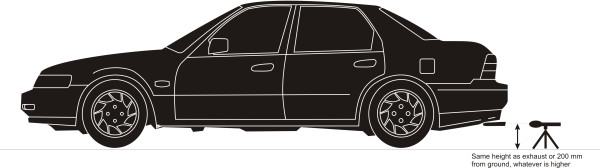
3. Distance of microphone from exhaust outlet
Distance of microphone from exhaust (outlet to the rear)
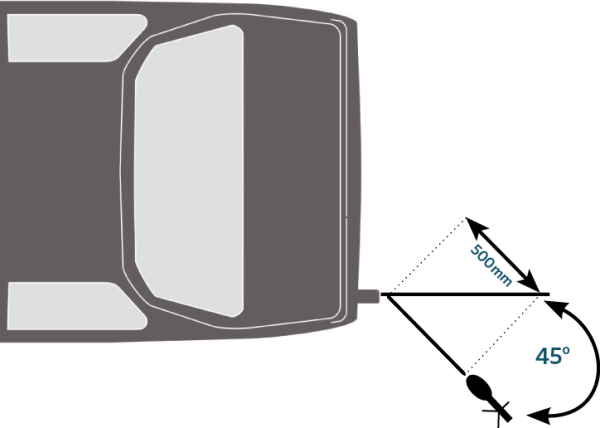
- Position the noise meter 500mm from the exhaust outlet at 45 degrees outboard to the longitudinal centreline of the exhaust outlet.
Distance of microphone from exhaust (outlet to the side)
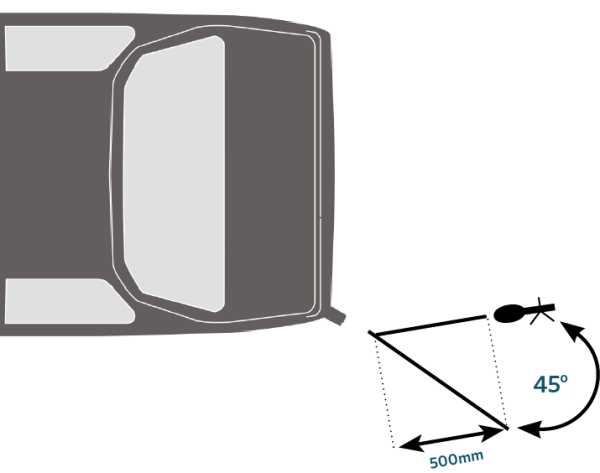
- If the exhaust outlet is at the side of the vehicle, position the noise meter 500mm/45 degrees where it is the furthest from the engine.
Distance of microphone from exhaust (outlet underneath vehicle)
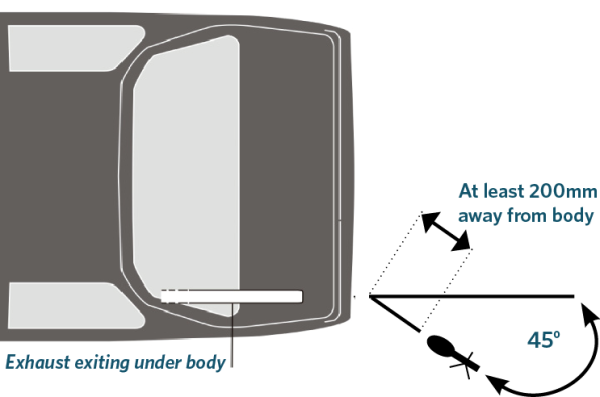
- For exhaust outlets terminating underneath the vehicle body, fit as close as practicable, but no closer than 200mm to the vehicle body. The 45 degree angle may be reduced to ensure a clear path between the microphone and the exhaust outlet.
Distance of microphone from exhaust (two outlets)
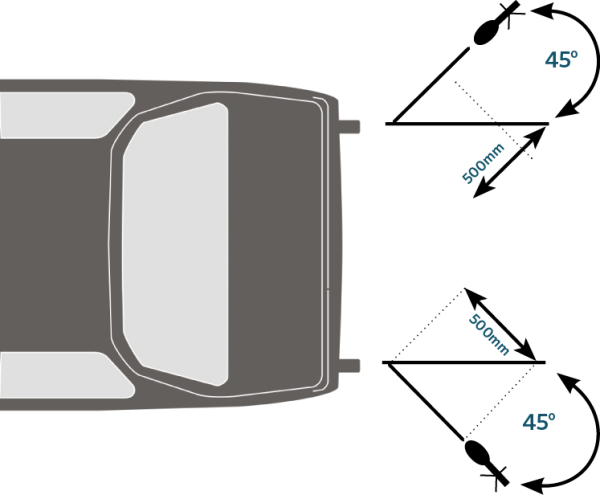
- If the vehicle has two exhaust outlets less than 300mm apart, treat them as one outlet with the microphone positioned at the outside outlet. If the two exhaust outlets are more than 300mm apart, measure each one, with the higher of the two taken as the noise level for the vehicle.
Select the test engine speed
Select the appropriate test engine speed from the table on the next page. Use the vehicle’s tachometer when doing the test (if no tachometer is fitted, use your judgement).
Motorcycle engines
|
Type of engine
|
Required test speed
|
|
2-stroke single cylinder
|
6000 rpm
|
|
2-stroke multi-cylinder
|
5000 rpm
|
|
4-stroke single cylinder
|
3000 rpm
|
|
4-stroke twin-cylinder with 2 valves per cylinder
|
2500 rpm
|
|
4-stroke twin-cylinder with 3 or more valves per cylinder
|
4000 rpm
|
|
4-stroke with 3 or more cylinders
|
4500 rpm
|
Engines other than motorcycle engines
|
Type of engine
|
Required test speed
|
|
Rotary engine
|
4500 rpm
|
|
Up to 5 cylinders
|
4000 rpm
|
|
Up to 5 cylinders with DOHC and variable valve timing
|
4800 rpm
|
|
6 cylinders
|
3200 rpm
|
|
8 cylinders
|
3000 rpm
|
|
More than 8 cylinders
|
4000 rpm
|
|
Diesel (any type)
|
2500 rpm
|
Testing the noise output
1. Make sure that you (the tester) and one assistant (if you require one) are the only persons in the test area.
2. Position and prepare the meter: switch on – warm-up – calibrate (Note)– set to A-weighting – set to fast response – select the correct noise level range (usually ‘High’) – press the Peak-hold or Max-hold button when ready to measure the noise output.
Note 2To calibrate before testing the vehicle, insert the meter into the calibrator. If the reading on the noise meter differs from the calibrator there is no need to adjust the meter, but the difference needs to be taken into account when determining the final noise reading for the vehicle. For example, if the meter reads 2dBa higher than the calibrator, take off 2dBa from the noise test reading to get the final reading.
3. Measure the noise output by increasing the engine speed from idle to the required test speed, holding it there for at least one second, then taking the foot off the accelerator and letting the engine speed return to idle. 4. Make sure that no other noise sources have interfered with the test result, such as planes flying overhead, doors slamming (take care when getting in and out of the test vehicle), dogs barking and so on. Rattling number plates can also be a source of noise interference. If interference occurred, repeat the test (press the Max/hold button first). 5. The noise meter will show the maximum noise output. Record this reading on your checksheet. 6. Measure the background noise level (this can be done before or after the noise test). The microphone must be in the same position and the vehicle’s engine switched off. The background noise level must be at least 10dBA below the relevant exhaust noise limit as specified in the VIRM. If you come across a vehicle you are not sure how to test, then refer it to an LVV certifier who is approved to carry out an Objective Noise Test. Passing and failing the vehiclePASS: The noise reading does not exceed the relevant maximum noise limit specified in the VIRM: In-service certification, Section 11-1 Exhaust system. FAIL: The noise reading exceeds the relevant maximum noise limit in the VIRM. Give the operator the ‘Noisy Vehicles’ pamphlet.
2 Inspection for corrosion in Nissan Terrano and Mistral rear floorpan assemblies
Reference
General vehicles:
Safety concern
There is concern about corrosion that can occur in Nissan Terrano or Nissan Mistral vehicles of the type whose rear floorpan assembly consists of a two-layer (double-skin) panel. If moisture gets trapped between the two layers of the floorpan, corrosion can occur around the seat or seatbelt anchorages, affecting their integrity. Corrosion can also occur where the under-floor reinforcing panel overlaps the top floor skin.
Clarification
The rear floorpan assembly consists of a two-layer (double-skin) panel. The lower layer is a reinforcing panel spot-welded to the upper layer floor section.
The Terrano has a rear seat with three seating positions. Situated in the rear floor, beneath the seat, are four seatbelt anchorages and two seat anchorages.
The Mistral has a stressed bench seat in the rear (the seatbelts are attached to the seat) with two seat anchorages in the floor and two seatbelt anchorages in the wheel well at the sides of the seat.
Inspection
The inspector must lift the rear seat to examine this area effectively. Any carpet and sound insulating material covering the panel that the seats are mounted on must be pulled back far enough to expose the rear seam of the panel (the area most commonly affected by corrosion). It is important to note that damage may be more extensive than can be detected during this inspection.
The vehicle must fail if any signs of corrosion are detected during the inspection, such as:
- bubbling of the paint or surface irregularities in the top floor skin or paint
- a patch repair that has rust around it
- separation of the reinforcement panel and the top skin
- discolouration or rust stains at the edges of the reinforcement panel
- rust holes, or
- the floorpan on a Nissan Terrano has been ‘patch’ repaired after 8 January 1997, or
- the floorpan on a Nissan Mistral has been ‘patch’ repaired after 10 November 2003.
A vehicle that has been ‘patch’ repaired before 8 January 1997 (Nissan Terrano) or 10 November 2003 (Nissan Mistral) may pass the inspection provided that:
- no signs of corrosion are apparent, and
- there is evidence that the repairs were carried out before the above dates, and
- the vehicle inspector considers, or there is evidence provided by a qualified panel beater, that the repair is effective and in sound condition.
Repair options
If any corrosion is detected and the vehicle failed, the floorpan must be replaced.
However, for the following models the Low Volume Vehicle Technical Association (LVVTA) has provided an alternative option to floorpan replacement.
Nissan Terrano Model D21
- installation of the LVVTA rear floor load-bar seatbelt anchorage reinforcement system together with a Low Volume Vehicle certification plate containing the following words in the Body/chassis field: LVVTA ‘Rear floor load-bar seatbelt anchorage reinforcement system’.
Nissan Mistral Model R20 5-door
- installation of the LVVTA rear floor load-bar seatbelt anchorage reinforcement system together with a Low Volume Vehicle certification plate containing the following words in the Body/chassis field: ‘LVVTA Rear floor load-bar seatbelt anchorage reinforcement system’.
For information about these seatbelt anchorage modifications, and for a list of the LVV certifiers who can certify them, see www.lvvta.org.nz.
3 Detecting wear in spring-loaded ball joints
Reference
Safety concern
Wear in the ball joint increases axial play (along the axis of the joint). Spring-loaded ball joints are designed to be self-adjusting in order to compensate for the wear that occurs between the ball and the socket. As a result, the traditional method of rocking the steering to check for ball joint wear may not indicate how much axial play there is and therefore how worn the joint is. An excessively worn joint may be at risk of coming apart and causing steering failure.
Inspection
1. Know the correct test method for checking axial wear in ball joints. This is often specified by the vehicle manufacturer. Some manufacturers do not recommend axial testing at all and test instead for radial wear.
2. Know the manufacturer’s maximum permitted wear tolerances. These may vary from as little as 2mm up to 6mm.
Figure 3-1-1 shows three examples of common types of spring-loaded ball joints and how to check them for axial wear. If you are not sure of the correct test method or the maximum permitted wear limits, you should seek the information in the vehicle manual or from an authorised dealer for that vehicle (there may be a charge for this). This will ensure that the vehicle is correctly passed or failed during a WoF or CoF inspection.
4 Jacking points for common suspension types
Reference
Safety concern
Excessive wear in suspension ball joints can seriously affect the safe handling of the vehicle – if left unchecked, subsequent failure could cause a crash. Modern suspension systems employ multiple control arms, ball joints and compliance bushings, so it's important to check them all carefully during an inspection.
Inspection
To help ensure ball joint wear is correctly detected, the images below show the jacking points for some common suspension types. They do not cover all suspension types or versions.
It's vital that the vehicle is jacked up correctly to avoid any damage. Depending on the type of suspension fitted to the vehicle, you may need to seek the manufacturer's guidance.
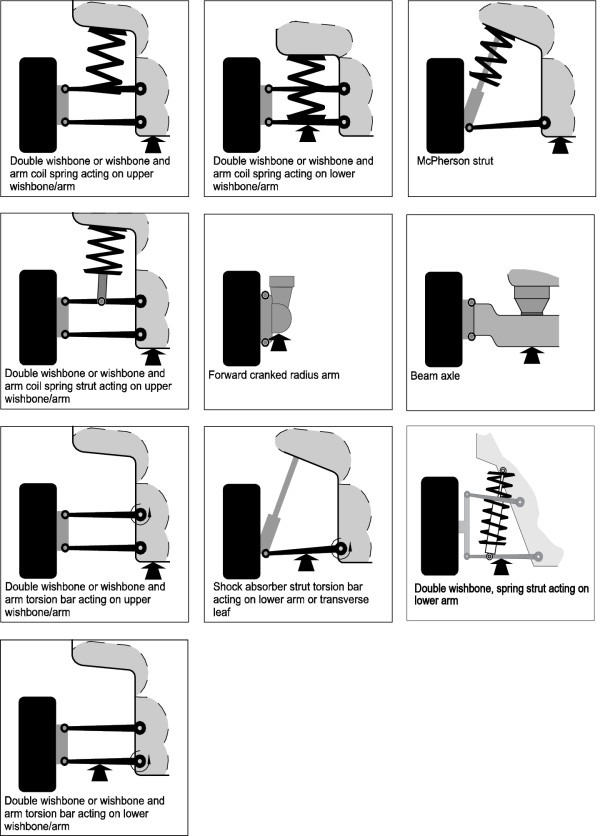
Page amended 1 October 2023 (see amendment details)
Page updated 7 November 2023 (see update details)
5 Webbing clamp seatbelts in class MA vehicles
Reference
Application
This bulletin applies to class MA vehicles fitted with a single- (R1) or dual- (R2) sensitive retractor seatbelt in a front outer seating position where that seatbelt has failed a WoF or CoF inspection.
This bulletin does not apply to vehicles:
- fitted with airbags as original equipment
- not listed in Table 5-1-1 (ie, where the fitting of webbing clamp seatbelts has not been approved by the vehicle manufacturer)
- that are required to comply with an approved frontal impact standard, ie vehicles with a GVM of 2500kg or less that were:
- manufactured on or after 1 March 1999
- first registered in New Zealand on or after 1 April 2002 that were less than 20 years old at the time of first registration in New Zealand
- with OE specification seatbelts that have features specifically designed to operate in conjunction with other parts of an integrated occupant protection system
- in which the fitting of a webbing clamp seatbelt would require modifications to the vehicle structure.
Safety concern
The seatbelts commonly referred to as ‘webbing clamp’ or ‘webbing grabber’ seatbelts have features that minimise uncontrolled webbing payout after the locking mechanism has been activated. This ensures that vehicle occupants are kept firmly in their seats in a crash. When installing a new seatbelt after the previous one has failed during a WoF or CoF inspection, a webbing clamp seatbelt is the safest option for many vehicles.
Inspection
A failed type R1 or R2 retractor seatbelt in a front outer seating position must be replaced with a webbing clamp seatbelt (see Figure 5-1-1) unless a webbing clamp seatbelt is not readily available (see Note 1), or the vehicle inspector has confirmation that the vehicle is one to which this bulletin does not apply.
Note 1
A seatbelt is considered not readily available where, eg, an automotive parts retailer normally able to supply webbing clamp seatbelts does not currently have the correct webbing clamp seatbelt in stock and cannot supply one within two working days by courier from the parts supplier. The vehicle operator must supply proof that the webbing clamp seatbelt was not readily available, eg an invoice from the seatbelt installer or retailer.
Vehicle inspectors must enter the inspection result as outlined in the flowchart in Figure 5-1-2.
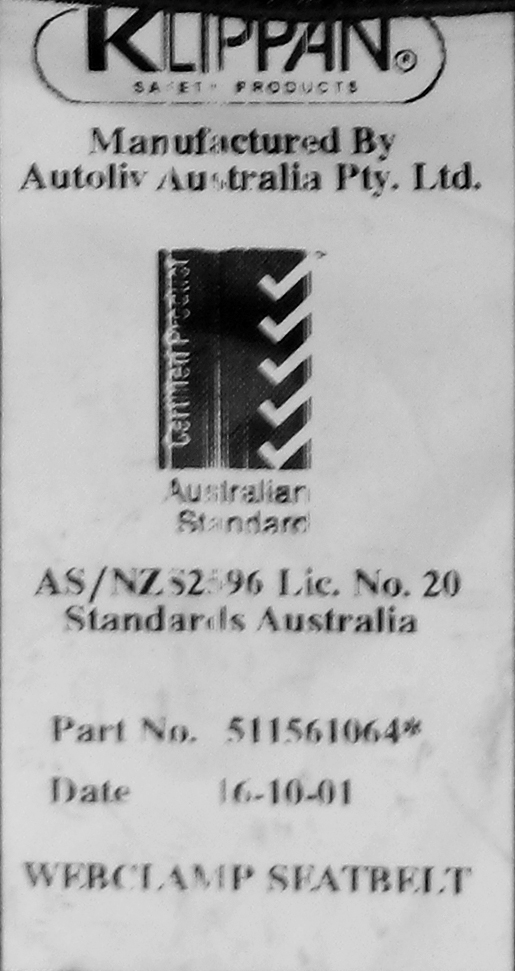
Table 5-1-1. Vehicles generally approved for the fitment of webbing clamp seatbelts
|
Brand
|
Model
|
Variant
|
Model Code
|
Configuration
|
Year
|
|
Audi
|
100
|
2.2L Quattro
|
|
4 Door Sedan
|
1985–1989
|
|
Audi
|
100
|
Avant, Quattro
|
|
4 Door S/Wagon
|
1985–1991
|
|
Audi
|
100
|
CD Avant
|
|
4 Door S/Wagon
|
1985–1991
|
|
Audi
|
100
|
CD, CC, CS, E, EE
|
WAUZZ
|
4 Door Sedan
|
1983–1991
|
|
Audi
|
200
|
CD, CC, CS, E, EE
|
WAUZZ
|
4 Door Sedan
|
1983–1991
|
|
BMW
|
318
|
|
E30
|
4 Door Sedan
|
1983–1991
|
|
BMW
|
518
|
|
E34
|
4 Door Sedan
|
1988–1992
|
|
BMW
|
520
|
|
E34
|
4 Door S/Wagon
|
1992–1996
|
|
BMW
|
520
|
|
E34
|
4 Door Sedan
|
1988–1999
|
|
BMW
|
525
|
|
E34
|
4 Door S/Wagon
|
1992–1996
|
|
BMW
|
525
|
|
E34
|
4 Door Sedan
|
1988–1999
|
|
BMW
|
535
|
|
E34
|
4 Door Sedan
|
1988–1992
|
|
BMW
|
540
|
|
E34
|
4 Door S/Wagon
|
1992–1996
|
|
BMW
|
540
|
|
E34
|
4 Door Sedan
|
1993–1999
|
|
BMW
|
730
|
|
E32
|
4 Door Sedan
|
1985–1994
|
|
BMW
|
735
|
|
E32
|
4 Door Sedan
|
1985–1994
|
|
BMW
|
740
|
|
E32
|
4 Door Sedan
|
1985–1994
|
|
BMW
|
750
|
|
E32
|
4 Door Sedan
|
1988–1994
|
|
Daihatsu
|
Charade
|
|
|
2 Door Hatch
|
1983–1987
|
|
Daihatsu
|
Charade
|
CS
|
G11
|
4 Door Hatch
|
1983–1988
|
|
Daihatsu
|
Charade
|
CS, CX Turbo, TS
|
E-G112S
|
2 Door Hatch
|
1987–1993
|
|
Daihatsu
|
Charade
|
CS, CX Turbo, TS
|
E-G100
|
2 Door Hatch
|
1987–1993
|
|
Daihatsu
|
Charade
|
CS, CX Turbo, TS
|
E-G102
|
2 Door Hatch
|
1987–1993
|
|
Daihatsu
|
Charade
|
CX, TL, CS, Turbo
|
E-G100
|
4 Door Sedan
|
1983–1987
|
|
Daihatsu
|
Charade
|
LS, LX, EX
|
E-G200
|
4 Door Hatch
|
1993–1998
|
|
Daihatsu
|
Charade
|
LS, LX, EX
|
E-G203
|
4 Door Hatch
|
1993–1998
|
|
Daihatsu
|
Charade
|
LS, LX, EX
|
E-G213
|
4 Door Hatch
|
1993–1998
|
|
Daihatsu
|
Charade
|
SEI
|
E-G203S
|
4 Door Sedan
|
1995–1997
|
|
Daihatsu
|
Charade
|
SEI
|
E-G200S
|
4 Door Sedan
|
1995–1997
|
|
Daihatsu
|
Charade
|
TS (white only)
|
|
2 Door Hatch
|
1991–1991
|
|
Daihatsu
|
Mira
|
850 4WD
|
L201
|
2 Door Sedan
|
1990–1993
|
|
Daihatsu
|
Mira
|
LS, LX
|
L201
|
4 Door Sedan
|
1990–1998
|
|
Daihatsu
|
Mira
|
LS, LX
|
L500
|
4 Door Sedan
|
1990–1998
|
|
Daihatsu
|
Mira
|
LS
|
L8ORS
|
4 Door Hatch
|
1986–1990
|
|
Fiat
|
Punto
|
55 SX
|
ZFA176
|
4 Door Liftback
|
1994–1995
|
|
Fiat
|
Punto
|
55, GT
|
ZFA176
|
2 Door Hatch
|
1994–1995
|
|
Ford
|
Autozam
|
|
|
4 Door Sedan
|
1991–1997
|
|
Ford
|
Autozam
|
AZ-3
|
|
2 Door Coupe
|
1991–1997
|
|
Ford
|
Capri
|
XRS, Barchetta
|
|
2 Door Convert
|
1990–1994
|
|
Ford
|
Clef
|
|
|
4 Door Sedan
|
1991–1997
|
|
Ford
|
Fairlane
|
|
EA
|
4 Door Sedan
|
1988–1993
|
|
Ford
|
Falcon
|
S
|
EF
|
4 Door S/Wagon
|
1989–1993
|
|
Ford
|
Falcon
|
S
|
EB
|
4 Door Sedan
|
1989–1993
|
|
Ford
|
Falcon
|
S
|
EB
|
4 Door S/Wagon
|
1989–1993
|
|
Ford
|
Falcon
|
S
|
ED
|
4 Door S/Wagon
|
1989–1993
|
|
Ford
|
Falcon
|
S
|
ED
|
4 Door Sedan
|
1989–1993
|
|
Ford
|
Falcon
|
S
|
EF
|
4 Door Sedan
|
1989–1993
|
|
Ford
|
Falcon
|
|
EA
|
4 Door S/Wagon
|
1988–1990
|
|
Ford
|
Falcon
|
|
XG
|
4 Door S/Wagon
|
1985–1993
|
|
Ford
|
Falcon
|
|
XG
|
4 Door Sedan
|
1985–1993
|
|
Ford
|
Falcon
|
|
EA
|
4 Door Sedan
|
1988–1990
|
|
Ford
|
Festiva
|
S, Trio, GLXi
|
E-D23
|
2 Door Hatch
|
1993–2001
|
|
Ford
|
Festiva
|
S, Trio, GLXi
|
E-D25PF
|
2 Door Hatch
|
1993–2001
|
|
Ford
|
Festiva
|
Trio, GLXi
|
DAFP3
|
2 Door Hatch
|
1995–1998
|
|
Ford
|
Festiva
|
Trio, GLXi
|
DAFP3
|
4 Door Hatch
|
1995–1998
|
|
Ford
|
Festiva
|
|
E-DA3PF
|
4 Door Hatch
|
1985–1993
|
|
Ford
|
Festiva
|
|
E-DA3PF
|
2 Door Hatch
|
1985–1993
|
|
Ford
|
Laser
|
1.3C
|
LO3
|
2 Door Hatch
|
1987–1990
|
|
Ford
|
Laser
|
1.5 Sport
|
|
2 Door Hatch
|
1983–1987
|
|
Ford
|
Laser
|
GL
|
L04
|
4 Door Liftback
|
1992–1994
|
|
Ford
|
Laser
|
L
|
L05
|
2 Door Hatch
|
1986
|
|
Ford
|
Laser
|
Sport
|
|
2 Door Hatch
|
1981–1984
|
|
Ford
|
Laser
|
TX3
|
KF
|
2 Door Hatch
|
1990–1994
|
|
Ford
|
Laser
|
|
BF5PF
|
4 Door S/Wagon
|
1990–1994
|
|
Ford
|
Laser
|
|
BG8PF
|
4 Door Sedan
|
1990–1995
|
|
Ford
|
Laser
|
|
KH
|
4 Door Sedan
|
1990–1995
|
|
Ford
|
Laser
|
|
BG6PF
|
4 Door Sedan
|
1992–1994
|
|
Ford
|
Laser
|
|
KF
|
4 Door Sedan
|
1990–1995
|
|
Ford
|
Laser
|
|
BG5PF
|
4 Door Sedan
|
1990–1993
|
|
Ford
|
Laser
|
|
|
2 Door Hatch
|
1987–1989
|
|
Ford
|
Ltd
|
|
XE
|
4 Door Sedan
|
1981–1988
|
|
Ford
|
Ltd
|
|
XF
|
4 Door Sedan
|
1981–1988
|
|
Ford
|
Ltd
|
|
EB
|
4 Door Sedan
|
1991–1993
|
|
Ford
|
Ltd
|
|
EA
|
4 Door Sedan
|
1988–1993
|
|
Ford
|
Mondeo
|
|
WFOX
|
4 Door Sedan
|
1993–1994
|
|
Ford
|
Mondeo
|
|
WFOX
|
4 Door S/Wagon
|
1993–1994
|
|
Ford
|
Sierra
|
|
|
4 Door Sedan
|
1985–1992
|
|
Ford
|
Sierra
|
Cosworth
|
S15/88B
|
4 Door Liftback
|
1988–1992
|
|
Ford
|
Sierra
|
GLX
|
S15/90BB
|
4 Door S/Wagon
|
1988–1992
|
|
Ford
|
Sierra
|
XR 4X4
|
S15/85BB
|
4 Door Liftback
|
1985–1992
|
|
Ford
|
Sierra
|
|
|
4 Door S/Wagon
|
1984–1988
|
|
Ford
|
Taurus
|
|
|
4 Door Sedan
|
1992–1994
|
|
Ford
|
Telstar
|
GL
|
E-GEFPF
|
4 Door S/Wagon
|
1993–1997
|
|
Ford
|
Telstar
|
GLi, GLEi, Ghia
|
C-HIAVE
|
4 Door Sedan
|
1992–1997
|
|
Ford
|
Telstar
|
V6 XRi
|
GEEPF, T77
|
6 Inspection requirements for temporary vehicle imports
Application
This bulletin specifies the in-service inspection requirements for vehicles that have been imported temporarily from overseas. A temporary import vehicle is brought into the country by a resident of another country, usually for a maximum period of 18 months, while the vehicle remains registered in its country of origin. The vehicle must be exported from New Zealand within that period.
Inspecting a temporary import vehicle for WoF or CoF
Before inspecting a temporary import vehicle for WoF or CoF, the vehicle inspector must check that the following requirements have been met:
1. The vehicle must have the overseas registration plates attached.
2. The registration plate number must be the same as on the licence label.
Note Where the plate number has more than six digits, only the first six digits of the plate number are on the label. Where those digits already exist in the system, the six digits on the label will start with a ‘V’, followed by the first five digits of the plate number.
3. The label correctly describes the vehicle to which the plates are attached.
4. The licence label must be current or have expired no more than 12 months ago.
5. The label indicates that the vehicle has been ‘first registered’ in New Zealand less than 18 months ago.
If the above requirements are not met, or the vehicle inspector finds that the vehicle is not on the system, a WoF or CoF must not be issued. Please refer the vehicle to the nearest TSD agent.
Vehicle inspection requirements
Temporary import vehicles do not require entry or specialist certification, but are required to comply with the basic safety requirements listed in the provisions of the Geneva Convention on Road Traffic. These provisions are outlined below. For WoF/CoF inspection purposes, they apply to all temporary import vehicles, including cars, trucks and trailers, but not including mopeds and other vehicles that don’t require a WoF or CoF in New Zealand. The vehicle inspector may use the main parts of the VIRM for further guidance.
Note Temporarily imported vehicles do not have to meet requirements for modification. Therefore, low volume vehicle (LVV) or heavy vehicle specialist (HVS) certification is not required. However, if a vehicle inspector feels that a vehicle is unsafe to operate, he/she may seek advice from a low volume vehicle or heavy vehicle specialist certifier.
See Table 6-1-1: Group M and N vehicles, Table 6-1-2: Group L vehicles and Table 6-1-3: Trailers.
Table 6-1-1. Group M and N vehicles
|
General safety requirements
|
1. The vehicle must be in good working order and safe mechanical condition so as not to endanger the driver or vehicle occupants or other road users, or cause damage to public or private property.
2. The construction of the vehicle must not obstruct the driver’s vision to the front, right or left of the vehicle.
3. As far as possible, the machinery or equipment of the vehicle must not:
a) be at risk of fire or explosion, or
b) cause the emission of noxious gases or offensive fumes, or
c) produce excessive or disturbing noise, or
d) increase the risk of a collision and/or damage caused in a collision.
|
|
Brakes
|
1. The vehicle must be fitted with a service brake capable of slowing the vehicle and bringing it to a controlled stop under any conditions of loading, on any gradient that the vehicle may be operated on, in an efficient, safe and rapid way.
2. The vehicle must be fitted with a parking brake capable of bringing the vehicle to a controlled stop if the service brake fails.
3. The brakes fitted to a vehicle must be capable of acting on at least half the wheels, and brake performance must be balanced on each side of an axle.
4. At least half the braking devices must act on braking surfaces directly attached to the wheels (or through parts not liable to fail).
5. Braking surfaces must be in good condition, and must always be connected with the wheels of the vehicle in such a way that it is not possible to disconnect them, other than momentarily by means of clutch, gearbox or free wheel.
6. The parking brake must be readily applicable and capable of remaining applied for an indefinite period even in the absence of the driver.
|
|
Headlamps
|
1. A vehicle must be fitted with main-beam headlamps bright enough to illuminate the road ahead for 100m in normal darkness.
2. A vehicle must be fitted with two white or yellow dipped-beam headlamps bright enough to illuminate the road ahead for 30m in normal darkness without causing significant dazzle to other road users.
Note On vehicles from left-hand drive countries the headlamps dip to the right. To avoid blinding on-coming traffic, the headlamps must be adjusted so they do not dip to the right. Generally, asymmetric beam headlamps will also need to be modified to remove the right-hand flick-up, eg by applying some form of masking, such as plastic overlay, or fitting different bulbs.
|
|
Other lamps
|
1. A vehicle must be fitted with two white forward-facing position lamps visible from 150m in normal darkness without causing significant dazzle to other road users. These lamps must be mounted as far towards each side of the vehicle as is practicable, no further than 400mm from the extreme outer edges of the vehicle.
2. A vehicle must be fitted with at least one red rearward-facing position lamp, visible from 150m from the rear of the vehicle in normal darkness.
3. A vehicle must be fitted with a rear-registration-plate illumination lamp that illuminates the figures and letters of the plate so that they are visible from 20m from the rear of the vehicle in normal darkness.
4. A vehicle must be fitted with two red rear reflectors symmetrically mounted as far towards each side of the vehicle as practicable, no further than 400mm from the extreme outer edges of the vehicle. Rear reflectors must be visible from 100m in normal darkness when illuminated by means of two main-beam headlamps.
5. A vehicle must be fitted with a least one red or amber stop lamp mounted at the rear of the vehicle. A stop lamp must operate when the service brake is applied. If the stop light is red, the light intensity must be greater than that of the rearward-facing position lamps.
6. Where the vehicle is fitted with direction indicator lamps, they must have one of the following:
a) a moveable arm protruding beyond each side of the vehicle and illuminated by a steady amber light when the arm is in the horizontal position, or
b) a constantly blinking or flashing amber light mounted on each side of the vehicle, or
c) a constantly blinking or flashing light at each side of the front and rear of the vehicle. These lights must be white or orange towards the front of the vehicle, and red or orange towards the rear of the vehicle.
|
|
Other components
|
1. A vehicle must be equipped with a strong steering system that allows the vehicle to be turned easily, quickly and with certainty.
2. A vehicle must be equipped with at least one driving mirror of adequate size and location to provide the driver with a clear view to the rear of the vehicle.
3. A vehicle must be fitted with at least one audible warning device (horn) that is not:
a) a bell, or
b) a gong, or
c) a siren, or
d) any other loud-toned device.
4. A windscreen, where fitted, must be made of a stable, transparent material that is not likely to produce sharp splinters if broken. Objects must not appear distorted when viewed through this material.
5. Where a vehicle is fitted with a windscreen, it must have at least one efficient windscreen wiper that operates without the constant control of the driver.
6. A vehicle must be fitted with an exhaust silencer system that operates constantly and cannot be interrupted by the driver while on the road.
7. A vehicle must be fitted with pneumatic tyres.
|
Table 6-1-2. Group L vehicles
|
General safety requirements
|
1. The vehicle must be in good working order and safe mechanical condition so as not to endanger the driver or vehicle occupants or other road users, or cause damage to public or private property.
2. The construction of the vehicle must not obstruct the driver’s vision to the front, right or left of the vehicle.
3. As far as possible, the machinery or equipment of the vehicle must not:
a) be at risk of fire or explosion, or
b) cause the emission of noxious gases or offensive fumes, or
c) produce excessive or disturbing noise, or
d) increase the risk of a collision and/or damage caused in a collision.
|
|
Brakes
|
1. The vehicle must be fitted with two braking devices operated by hand or foot, capable of slowing the vehicle and bringing it to a controlled stop in an efficient, safe and rapid way.
|
|
Headlamps
|
1. The vehicle must be fitted with at least one main-beam headlamp bright enough to illuminate the road ahead for 100m in normal darkness.
2. The vehicle must be fitted with a least one dipped-beam headlamp bright enough to illuminate the road ahead for 30m in normal darkness without causing significant dazzle to other road users.
|
|
Other lamps
|
1. A class LD vehicle must be fitted with two white forward-facing position lamps visible from 150m in normal darkness without causing significant dazzle to other road users. These lamps must be mounted as far towards each side of the vehicle as is practicable, no further than 400mm from the extreme outer edges of the vehicle.
2. The vehicle must be fitted with at least one red rearward-facing position lamp, visible from 150m from the rear of the vehicle in normal darkness.
3. The vehicle must be fitted with a rear-registration-plate illumination lamp that illuminates the figures and letters of the plate so that they are visible from 20m to the rear of the vehicle in normal darkness.
4. Rear reflectors must be fitted to the following vehicles:
a) A class LD vehicle must be fitted with two red rear reflectors symmetrically mounted as far towards each side of the vehicle as is practicable, no further than 400mm from the extreme outer edges of the vehicle.
b) A class LC, LE1 or LE2 vehicle must be fitted with one red rear reflector symmetrically mounted as far towards each side of the vehicle as practicable, no further than 400mm from the extreme outer edges of the vehicle.
Rear reflectors must be visible from 100m in normal darkness when illuminated by means of two main-beam headlamps.
5. Where the vehicle is fitted with direction indicator lamps, they must have one of the following:
a) a moveable arm protruding beyond each side of the vehicle and illuminated by a steady amber light when the arm is in the horizontal position, or
b) a constantly blinking or flashing amber light mounted on each side of the vehicle, or
c) a constantly blinking or flashing light at each side of the front and rear of the vehicle. These lights must be white or orange towards the front of the vehicle, and red or orange towards the rear of the vehicle.
|
|
Other components
|
1. The vehicle must be equipped with a strong steering system that allows the vehicle to be turned easily, quickly and with certainty.
2. The vehicle must be equipped with at least one driving mirror of adequate size and location to provide the driver with a clear view to the rear of the vehicle.
3. A vehicle must be fitted with at least one audible warning device (horn) that is not:
a) a bell, or
b) a gong, or
c) a siren, or
d) any other loud-toned device.
4. A windscreen, where fitted, must be made of a stable, transparent material that is not likely to produce sharp splinters if broken. Objects must not appear distorted when viewed through this material.
5. A vehicle fitted with a windscreen must have at least one efficient windscreen wiper that operates without the constant control of the driver.
6. The vehicle must be fitted with an exhaust silencer system that operates constantly and cannot be interrupted by the driver while on the road.
7. The vehicle must be fitted with pneumatic tyres.
|
Table 6-1-3. Trailers
|
General safety requirements
|
1. The trailer must be in good working order and safe mechanical condition so as not to endanger the driver or vehicle occupants or other road users, or cause damage to public or private property.
2. As far as possible, the machinery or equipment of the trailer must not:
a) be at risk of fire or explosion, or
b) cause the emission of noxious gases or offensive fumes, or
c) produce excessive or disturbing noise, or
d) increase the risk of a collision and/or damage caused in a collision.
|
|
Lamps
|
1. The trailer at the end of a combination of vehicles must be fitted with at least one red rearward-facing position lamp, visible from 150m from the rear of the vehicle in normal darkness.
2. The trailer must be fitted with a rear-registration-plate illumination lamp that illuminates the figures and letters of the plate so that they are visible from 20m to the rear of the vehicle in normal darkness.
3. The trailer must be fitted with two red rear reflectors visible from 100m in normal darkness when illuminated by means of two main-beam headlamps.
4. The trailer at the end of a combination of vehicles must be fitted with a least one red or amber stop lamp mounted at the rear of the vehicle, unless the stop light of the towing vehicle is visible from the rear. A stop light must operate when the service brake is applied. If the stop light is red, the intensity of the light output must be greater than that of the rearward-facing position lamps.
5. Where a trailer is fitted with direction indicator lamps, they must have one of the following:
a) a moveable arm protruding beyond each side of the vehicle and illuminated by a steady amber light when the arm is in the horizontal position, or
b) a constantly blinking or flashing amber light mounted on each side of the vehicle, or
c) a constantly blinking or flashing light at each side of the front and rear of the vehicle. These lights must be white or amber towards the front of the vehicle, and red or amber towards the rear of the vehicle.
|
|
Other components
|
1. A full trailer must be equipped with a strong steering system that allows the vehicle to be turned easily, quickly and with certainty.
2. A trailer must be fitted with pneumatic tyres.
|
7 Guidance for vehicle inspectors when checking tyre tread depth
Reference
Land Transport Rule: Tyres and Wheels 2001 has been amended to include new tyre tread depth requirements. These requirements became law on 1 November 2007. They take into account new tyre tread designs and allow for more consistent checking of tread depth during vehicle inspections.
Below is some guidance to help vehicle inspectors measure tyre tread depth to the new requirements for different kinds of tread patterns.
What is the new requirement for tyre tread depth?
The rule now states that a tyre must have a tread pattern depth of at least 1.5mm (excluding any tie-bar or tread depth indicator strip) within all principal grooves that contain moulded tread depth indicators and around the whole circumference of the tyre.
Virtually all tyres have moulded tread-depth indicators. However, a small number of tyres, such as some retreaded or vintage tyres, may not have moulded tread-depth indicators. For these, the NZTA has retained the old requirement of at least 1.5mm tread depth across ¾ of the tread width and around the whole circumference of the tyre.
What are principal grooves and tread depth indicators, and how do I find these?
Principal grooves are the wide grooves in the tyre tread which have the tread-depth indicators located inside them. Any other grooves are secondary grooves which may wear out during the service life of the tyre. Tread-depth indicators (also known as tread wear indicators or TWIs) are the projections within the principal grooves that let you know how far the tread has worn and are usually about 1.6-2.2mm thick. If you find it difficult to find tread-depth indicators, just look along the side wall for a small ‘ ’ or ‘TWI’ mark (see Figure 7-1-1 and Figure 7-1-2). ’ or ‘TWI’ mark (see Figure 7-1-1 and Figure 7-1-2).
Where do I measure the tread depth?
The tread depth is measured in the principal grooves that contain the tread-depth indicators. However, there are tread patterns where the principal grooves cover different widths of tyre tread. This means that in order to pass a WoF or CoF some tyres must have 1.5mm tread depth across a greater tread width than other tyres. This is especially the case for tyres that have lateral grooves (those that end at the tyre edges), as shown in Example 1 of Figure 7-1-3. Vehicle inspectors may disregard the outer end of a lateral groove where it normally tapers off over the shoulder. Note that the tread is only that part of the tyre that is in contact with the ground.
Figure 7-1-3 shows different tread patterns with tread-depth indicators (and therefore principal grooves) and the approximate measuring width marked.
8 Guidance for vehicle inspectors when inspecting vehicles for clearly visible smoke
ReferenceThe requirement is based on Land Transport Rule: Vehicle Exhaust Emissions 2007. The aim of this rule is to check that vehicles are not gross polluters. A Ministry of Transport study in 2006 estimated that 1–2% of petrol-powered vehicles may be affected by this test. The number of diesel vehicles affected may be higher. Below is some guidance on how to conduct the test as well as assistance in assessing whether any smoke emissions will cause the vehicle to pass or fail. The test for clearly visible smokeThe following test may be performed with the engine below normal operating temperature. If the vehicle fails the test, it must be repeated with the engine at normal operating temperature and purged. The test consists of a five-second idling test and a rapid acceleration test from idle to 2500rpm, or half the maximum engine speed if this is lower. Five second idling testWith the engine idling, observe the tailpipe emissions for five seconds. Rapid acceleration testWhile the engine is accelerated quickly from idle to 2500rpm (or half the maximum engine speed if this is lower), observe the tailpipe emissions. The vehicle inspector may require an assistant to accelerate the engine. The assistant must be appropriately instructed to avoid engine damage by over-accelerating the engine. Passing or failing a vehicleA vehicle will pass if during both tests:- there are no visible emissions, or
- the emissions are largely water vapour, or
- the smoke is barely visible (see Figure 8-1-1), or
- the engine produces some visible smoke because of its design and does not emit much more smoke from the tailpipe than it would have done when the vehicle was manufactured and running on the correct fuel. The inspector may require documentary evidence that the engine produces some visible smoke because of its design.
A vehicle will fail if during either test:- there is clearly visible smoke (see Figure 8-1-2), and
- (only in the case where the engine produces some visible smoke because of its design) there is noticeably and significantly more smoke from the tailpipe than there would have been when the vehicle was manufactured and running on the correct fuel.
9 Shock absorbers – misting vs excessive leakage
A vehicle must be failed for WoF if a shock absorber has excessive leakage of damping fluid. However, it seems that quite a few inspectors are incorrectly failing a vehicle when the shock absorber only displays “misting”.
Misting is normal on shock absorbers and must pass for WoF/CoF.
By design, the piston rod carries a film of oil through the rod seal to lubricate the seal lips, thereby reducing friction/wear at the seal contact area, and prolonging seal life. Misting occurs when the hot piston rod is drawn out of the shock body and the microscopic film of hot oil on the rod turns to vapour. This vapour, or mist, condenses when it reaches the cooler outside air, and forms a film on the outside of the shock body. The film will attract road dust and debris, and will often coat the entire body of the shock.
Examples of misting shock absorbers (PASS):
Rod seals may leak as a result of extreme wear, contamination, or defect. A leaking shock will show clear signs of oil leaking in streams from the upper seal down the shock body and may drip from the shock. Such leakage is considered to be excessive and must be failed for WoF/CoF.
Examples of excessively leaking shock absorbers (FAIL):
Note: Some minor streaking of oil may appear on a new shock body during initial stroking. This is the result of the seal “setting” and purging any oil (from assembly) from the seal. This is not to be mistaken as a failure, as it is temporary and totals only a few millilitres of oil.
Page added 1 October 2020 (see amendment details).
10 Brake test procedures for specific vehicles
With new vehicle technologies, testing some vehicles’ brakes, especially on roller brake machines, can be slightly tricky. If the correct process is not followed, there is an increased risk of damaging the vehicle or even the roller brake machine.
This bulletin contains information supplied to the NZTA by vehicle manufacturers about vehicles for which specific brake test procedures need to be followed to reduce the risk of damaging them during the test. It will be updated as the NZTA becomes aware of further specific test procedures supplied by vehicle manufacturers.
If you are not sure about how to test a specific vehicle, check with the local vehicle manufacturer’s agent in the first instance. The roller brake machine manufacturer may also be able to supply information, or refer to the machine’s operating manual.
|
BMW
|
|
IMPORTANT INFORMATION – READ BEFORE TESTING THE BRAKES:
- DO NOT open any doors during the test or while the vehicle is in motion as the transmission will select Park.
- Maximum roller speed must not exceed 5km/h.
- The complete roller brake machine test must not exceed 3 minutes. If the test has not been completed at the 3 minute mark, stop the test immediately and drive the vehicle for at least 1 km to achieve sufficient lubrication in the transfer case.
Testing the electro-mechanical parking brake (EMF) found on most BMW vehicles
You can recognise EMF by the existence of a pull or push electrical button to apply the hand brake rather than a hand brake lever. To test the EMF parking brake, you must carry out the following procedure:
- Place the vehicle on the 1/5 slope or roller brake machine (do not use a Tapley meter or other decelerometer for this test).
- Put the vehicle into Neutral.
- Switch off the engine (if engine is running, the vehicle will apply the service brakes and not the parking brake).
- Turn ignition on but do not start the engine (do not touch the foot brake pedal as doing so will switch the engine on again).
- Carry out the parking brake test as usual by applying the parking brake button and also releasing the parking brake via the button.
- Apply the foot brake pedal and re-start the engine.
Testing the service brakes on all BMW X-drive 4x4 vehicles
As a precaution, treat all BMW 4x4 vehicles as X-drive vehicles. To test the service brakes on a roller brake machine (which must have 4WD mode), carry out the following procedure:
- Make sure HDC (Hill Descent Control) is switched off (the HDC light will be off).
- Put the vehicle into Neutral.
- DO NOT touch the accelerator pedal and DO NOT select a gear while the rollers are turning to avoid damaging the vehicle or rollers.
- Carry out brake test as usual using the roller brake machine’s 4WD mode.
- When the rollers have stopped turning, lock the rollers, select a gear and drive forward slowly.
|
Page added 14 October 2013 (see amendment details).
11 Electronic stability control identification
Identification of Electronic Stability Control (ESC)The following evidence is acceptable proof that the vehicle is fitted with an ESC system: - The presence and correct operation of appropriate ESC tell-tale indicators on the vehicle’s dashboard
- A tell-tale indicator like the symbol below refers to an ESC system:

- A tell-tale indicator on the vehicle’s dashboard comprising one of the following acronyms:
AUDI | ESP (Electronic Stabilization Program) | BMW | DSC (Dynamic Stability Control) | DTC (Dynamic Traction Control)
Note: If a BMW has DTC displayed the vehicle can be accepted as containing an ESC system. The underlying technology to DTC includes DSC - which is an ESC system)
| CRYSLER | ESP (Electronic Stability Program) | DAIHATSU | DVS (Daihatsu Vehicle Stability control system) | FORD | ESP (Electronic Stability Program) | DSC (Dynamic Stability Control) | GM | PSC (Precision Control System) | |
HOLDEN
| ESC (Electronic Stability Control)
| HONDA | VSA (Vehicle Stability Assist) | JAGUAR | DSC (Dynamic Stability Control) | LANDROVER | DSC (Dynamic Stability Control) | LEXUS | VSC (Vehicle Stability Control) | VDIM (Vehicle Dynamics Integration Management) | |
MASERATI
| MSP (Maserati Stability Program)
| MAZDA | DSC (Dynamic Stability Control) | MERCEDES-BENZ | ESP (Electronic Stability Program) | |
MINI
| DSC (Dynamic Stability Control) | MITSUBISHI | ASC (Active Stability Control) | ASTC (Active Stability and Traction Control) | NISSAN | VDC (Vehicle Dynamics Control) | |
PORSCHE
| PSM (Porsche Stability Management)
| SUBARU | VDC (Vehicle Dynamics Control) | SUZUKI | ESP (Electronic Stability Program) | TOYOTA | VDIM (Vehicle Dynamics Integration Management) | VSC (Vehicle Stability Control) | VOLVO | DSTC (Dynamic Stability and Traction Control) | VOLKSWAGEN | ESP (Electronic Stabilization Program) |
The above list is not exhaustive, other manufacturer-specific symbols or acronyms may also be acceptable if the certifier is satisfied that the lamp refers to an ESC system. However, a tell-tale indicator with the letters 'TC' or 'Traction Control' is not an indication of ESC fitment and cannot be accepted as such. The Transport Agency is aware of a letter provided by a Land Rover dealer erroneously stating that vehicles with 'TC' tell-tales are fitted with a form of ESC. This letter cannot be accepted as evidence of ESC fitment. Identification of an ESC faultAn ESC fault is normally identified by the tell-tale indicator lamp not extinguishing at the conclusion of the self-check process initiated when the vehicle’s ignition is switched on.
Page added 1 March 2016 (see amendment details)
Page updated 25 February 2021 (see details)
12 Used imported vehicles from Japan – disconnected airbags at WoF inspection
March 2020 | Version 4
Version historyVersion | Date | Details |
|---|
1 | 14 October 2016 | Outlines how to identify vehicles affected by the recall and what to do. | 2 | 2 November 2016 | Mazda information is now also available. | 3 | 28 November 2016 | Replacement of email notification process with web-based notification process through http://rightcar.govt.nz/recalls/wof. | |
4
|
11 March 2020
| Technical bulletin rescinded. Vehicles with disconnected airbags should be failed in line with section 7-6 Frontal impact airbags reason for rejection 7. Airbags must be reconnected and working to issue the WoF. The Transport Agency does not need to be specifically notified. |
Page updated 11 March 2020
13 Acceptable overseas proof of modification
The table below lists the overseas certifications that are accepted in addition to New Zealand's low volume vehicle certification system. | Acceptable overseas certifications | Specific evidence |
|---|
Australia
ADR SSM: Australian Motor Vehicle Certification Board Second Stage of Manufacture
|
The plate/label is silver in colour. If the word ‘nonstandard’ or the phrase 'low volume’ appears on the plate/label the certification cannot be accepted, refer to a specialist certifier. See Figure 13-1-1 for a sample plate/label.
| Europe
ECWVTA: European Community Whole Vehicle Type Approval
| - 2018/858 OR 2007/46 OR 2001/116 (Note 1) in the Type Approval Number (eg e11*2018/858*0851*01, e11*2007/46*0851*01 or e1*2001/116*0391*11 like in Figure 13-1-2)
- 'Stage 2' or 'Stage 3' must also be on the label immediately below the type approval number.
Note: The word 'Stage' may also be written in a different language, most commonly French (Etape) or German (Stufe). (eg 'Stage 2' or 'Stufe 2' like in Figure 13-1-3)
Note 1 A motorhome may have final stage approval to 2001/116/EC provided it was approved to 2007/46/EC or 2018/858/EC at an earlier approval stage (ie there is a base or second stage approval label listing 2007/46/EC in addition to the 2001/116/EC final stage label). | United States
FMVSS: Federal Motor Vehicle Safety Standards
|
Motorhomes, hearses and limousines with an FMVSS approval plate. See Figure 13-1-4 for a sample FMVSS approval plate.
Note: Conversion vans (aka day vans) are not motorhomes as they are not a dwelling place. The Transport Agency requires these vehicles to be LVV certified. |
Page amended 1 April 2021 (see amendment details).
14 LED light bars
A number of automotive LED light bars are readily available on the market and are being fitted to vehicles. Light bars are long lamps that consist of an array of LEDs, and that project a beam of light. These are generally intended to be fitted as a single lamp to the front centre of a vehicle.
These light bars typically resemble the following: 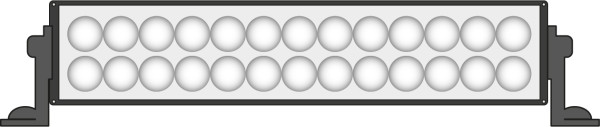
and

Light bars can be fitted as either headlamps or work lamps, but there are some very specific requirements around each type of fitting and use. Light bars fitted as headlamps- On cars and trucks, all headlamps must be fitted as a pair (eg not a single centred headlamp). This means that a centre-mounted single light bar cannot be considered a headlamp.
- Cars and trucks must be fitted with only one pair of dipped-beam headlamps and up to a maximum of two pairs of main-beam headlamps. Since vehicles come with an OEM dipped-beam headlamp, a light bar cannot be added for dipped-beam use (because a second pair is not allowed).
- On mopeds and motorcycles, headlamps can be fitted singly or in pairs, to a maximum of two dipped-beam headlamps and two main-beam headlamps.
- The headlamps cannot dazzle, confuse, or distract so as to endanger the safety of other road users.
- The centre of the beam pattern must be pointed horizontally or down (not upwards) and to the centre or left (not to the right).
- The main-beam headlamps must still be able to be dipped or extinguished from the driver’s seating position.
- All headlamps must meet an approved safety standard unless fitted to older vehicles (before 1992 for class MA and NA, before 1996 for others (excluding group L, which are before 2006)).
Note: because many light bars on the New Zealand market do not comply with approved standards for headlamps, they cannot be fitted to a vehicle as headlamps.
Light bars fitted as work lamps- A vehicle, other than a moped, may be fitted with one or more work lamps, which are defined as follows:
- Work lamp means a high intensity lamp, which is not necessary for the operation of the vehicle but is designed to illuminate a work area or scene; and includes:
(a) a scene lamp; and
(b) a spot lamp; and
(c) an alley lamp.
- A work lamp isn’t for normal on-road driving.
- Work lamps may only be used when the vehicle to which they’re fitted is stationary or travelling slowly; and to illuminate a work area or scene.
- A work lamp must not be wired into the head lamps and must be switched to operate independently of other lighting equipment.
Note: a work lamp: - cannot be fitted to a moped
- doesn’t need to meet a lighting standard (as it is for off-road use only)
How to treat light bars at WoF/CoF when fitted as headlampsNote: because many light bars on the New Zealand market do not comply with approved standards for headlamps, they cannot be fitted to a vehicle as headlamps. The first step is to determine if the lamp complies with an approved standard. Standards compliant lamps on sale in New Zealand should carry standards markings on the lens. - European markings will consist of a circle containing a capital “E” followed by a number, or a rectangle containing a lower case “e” followed by a number (it does not matter what the number is)

- American markings will be the letters DOT, for example:

If one of these markings is found, the lamp can be accepted as standards compliant (Note: The Transport Agency is not aware of any of these lamps that have Japanese standards compliance). If there are no markings on the lamp, it is likely to be non-compliant. The Transport Agency is not aware of any compliant light bars without standards markings at this time, but will update this bulletin if any are found on the market.
How to treat light bars at WoF/CoF when fitted as work lampsA non-standards compliant light bar, or a standards compliant light bar that is fitted as a single lamp might be classified as a work lamp if it were switched independently of all other lighting equipment. In this case, the owner/operator of the vehicle should be advised that it is illegal to use the lamp for normal on-road driving. If a non-compliant light bar is fitted, and it does not meet the criteria for being considered a work lamp, it must be failed a WoF/CoF.
Page added 1 November 2018 (see amendment details).
15 Identifying compliant hitches and brake systems
Imported trailers with whole vehicle type approval
A trailer that has European whole vehicle type approval will have brakes compliant with UN/ECE Regulation 13. These trailers are identified by a plate very similar to the following:
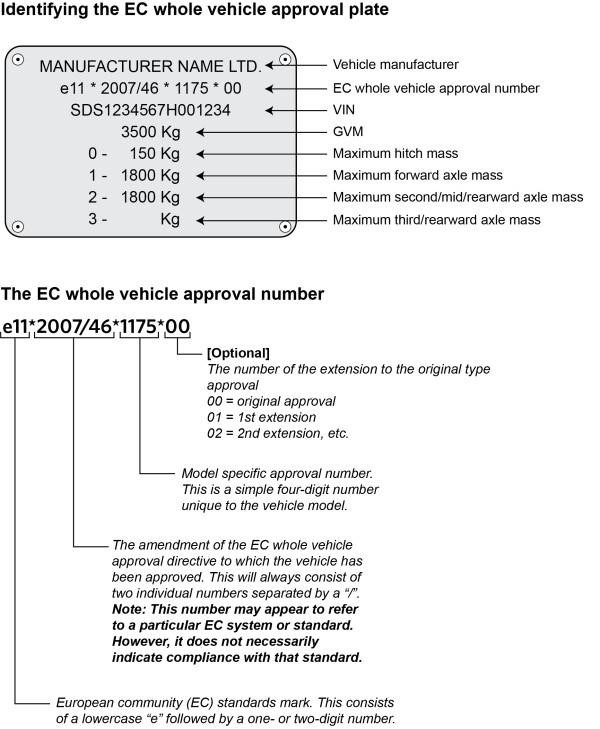
Trailers fitted with a UN/ECE Regulation 13 braking systemThese trailers are usually built in New Zealand and fitted with an imported braking system. An approved braking system can be identified by the features and markings detailed below. If these features and markings are not present the owner must be able to present documentation that reasonably proves the braking system is compliant with UN/ECE Reg.13 and Reg.55. Compliant hitch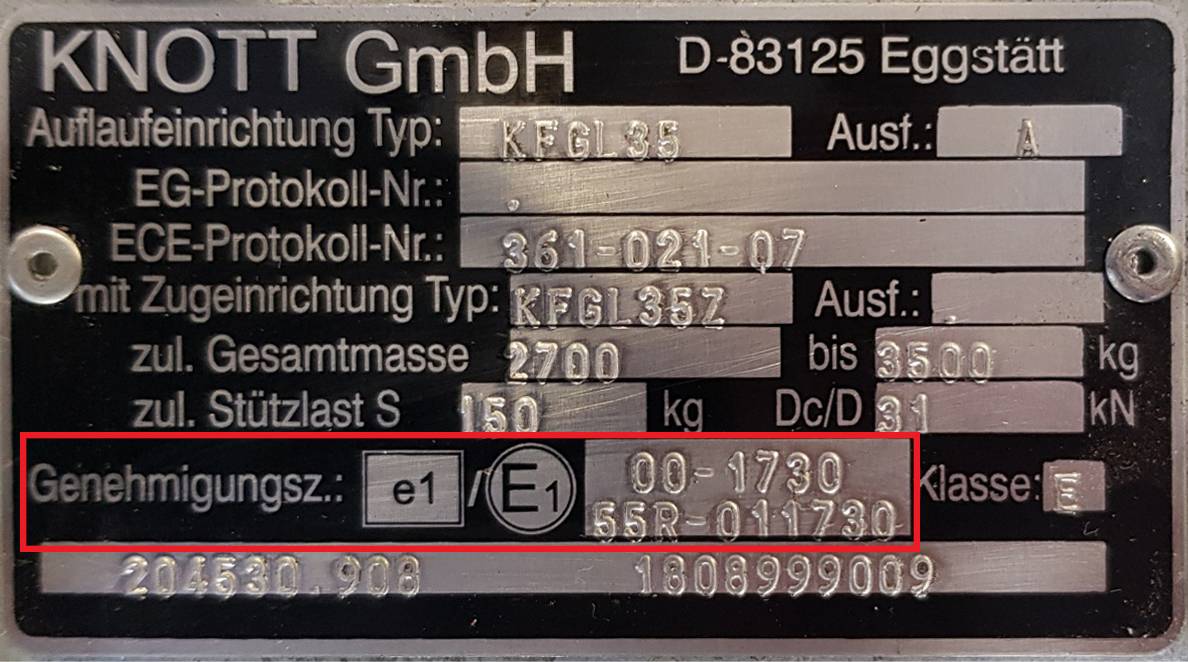
- A compliant hitch will be fitted with a plate like the one above that indicates it is compliant to Reg. 55 as per the red highlighted section in the image.
Compliant brake system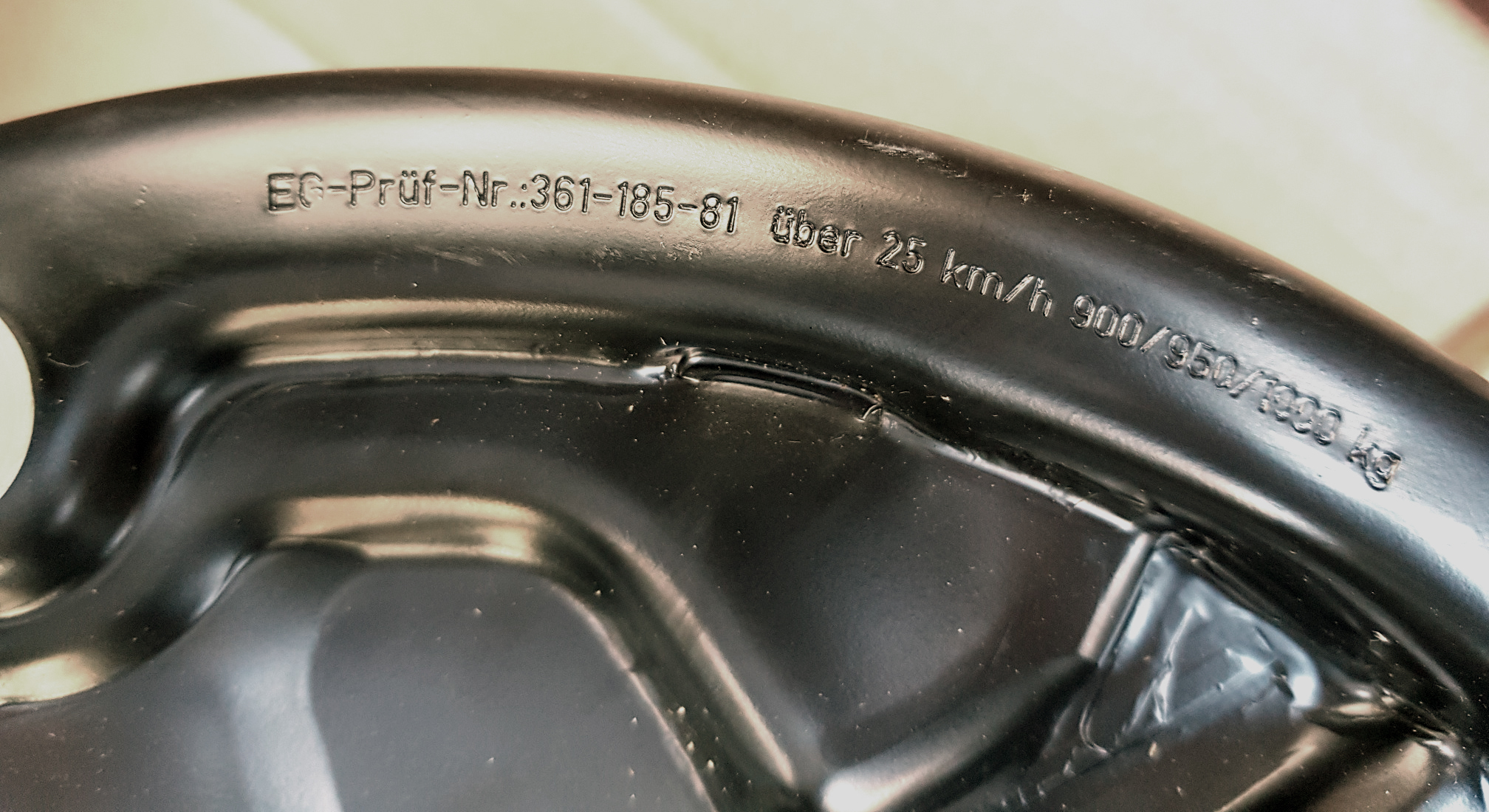
- compliant brake system will require a brake acting on each wheel of every axle (ie two individual brakes on a single axle, four on a twin axle, and six on a tri axle). The back of each brake drum will have a test number marking like that shown above.
Trailers without a UN/ECE approved brake system
Trailers presented without a European approved braking system, as per the two sections above, must be presented with an exemption letter issued by the Transport Agency. An example of this may be seen below. These trailers are usually built in New Zealand and are usually fitted with a brake system manufactured in New Zealand. Some of these trailers will be fitted with a plate like the one shown below. All these trailers must have a VIN/chassis that matches that shown on the exemption letter.
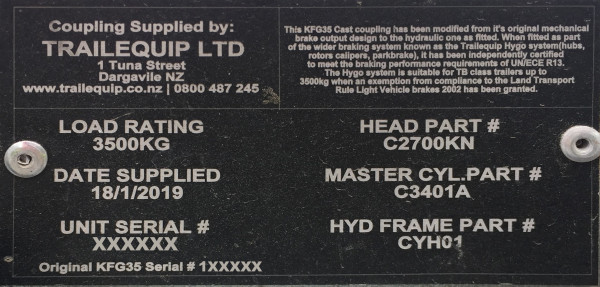
Sample exemption letter
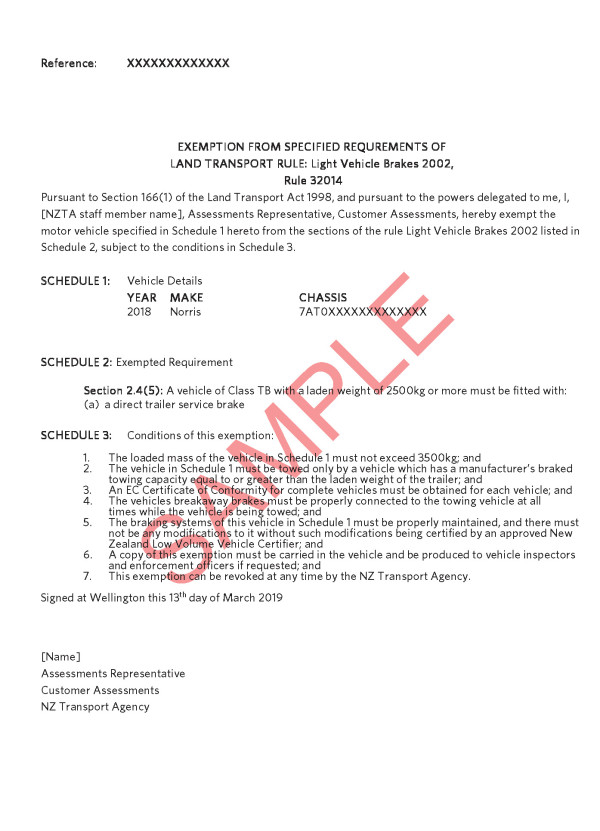
Page added 1 June 2019 (see amendment details)
Page updated 1 May 2020 (see details)
16 Seatbelt repair and re-webbing
Requirements for seatbelt repairA seatbelt may only be legally repaired by the seatbelt manufacturer or their authorised agent. There are currently no mass-manufacturers or agents repairing seatbelts in New Zealand. Re-webbing a seatbelt is considered to be a repair. NZTA has provided an exemption to the following companies to re-web seatbelts manufactured by other seatbelt providers: - APV Australia
- Autosafe Ltd, Christchurch
- Belt Tech NZ Ltd, Wellington
- Seatbelts NZ Ltd
- Seatbelt Manufacturers NZ Ltd.
Further companies will be added to this list as they are approved. Identifying compliant re-webbed seatbeltsTo be compliant a re-webbed seatbelt must have a label with an exemption number (Figure 16-1-1) and either an exemption letter (paper copy in the vehicle) or be confirmed on the websites below. - For Autosafe use the 'Look Up REGO' function found on the Autosafe website
- For Seatbelts NZ Ltd use the check vehicle function on the Seatbelts NZ Ltd website
- For Belt Tech NZ Ltd enter the last six digits of the vehicle's VIN to look up the vehicle on the Belt Tech NZ Ltd website
- For Seatbelt Manufacturers NZ Ltd an exemption letter is required
- APV are not actively re-webbing seatbelts but these must also have an exemption letter.
Identifying non-compliant re-webbed seatbeltsSeatbelts that are re-webbed without an exemption from NZTA may not be accepted for a WoF or CoF. Most non-compliant re-webbed seatbelts are done in a way to hide that they are re-webbed. The following indicators are the best way to identify a non-compliant re-webbed seatbelt: - incorrectly fitted hardware such as buckles on webbing that looks new
- new webbing, or webbing that looks newer than the other seatbelts in the vehicle, with the same compliance tags as the original seat belts
- the same identification tags as the original belts with a different stitch pattern
- a compliance label that is different to the other seatbelts that is not from a typical manufacturer
- no compliance labels fitted on new webbing or a new seatbelt.
Getting a seatbelt re-webbedIf you are trying to help a vehicle owner to get their seatbelt re-webbed it is important that you only use an approved company. NZTA is aware that there are other companies who re-web seatbelts - this is an illegal activity. Autosafe Ltd, APV, Seatbelts NZ Ltd, Seatbelt Manufacturers NZ Ltd and Belt Tech NZ Ltd have been granted exemptions to re-web seatbelts, having been granted these exemptions under strict conditions. Autosafe has a list of seatbelt installers on its website that is regularly updated. There are three specialist installers in Auckland, Wellington and Christchurch and a number of other organisations that can assist with seatbelt installations. The list is available at www.autosafe.co.nz
Page updated 1 April 2024 (see details)
Technical bulletins (CoF)
-
-
-
27 January 2026
Reminder: check your saved VPN links to keep access
If you use our VPN, the most secure link begins with https://. Some users still have the old URL for the VPN saved, without the s. To keep our connections secure, we’re switching off the old link on 29 January 2026. Check your saved links include the 's'.
-
23 December 2025
Safety warning for Suzuki Fronx owners
NZTA is urging the owners of Suzuki Fronx vehicles in New Zealand to stop carrying passengers in the rear seats of the vehicles. This follows the failure of a safety belt in a laboratory crash test. If you get any questions from customers, tell them to contact Suzuki directly.
-
-
1 Expiry dates recorded on ID label/plate and HVS certificate (LT400)
ApplicationThis technical bulletin applies to components with heavy vehicle specialist certification (LT400). ClarificationSome heavy vehicle specialist certifiers (HVS certifiers) have been stipulating an expiry date on an identification label/plate and heavy vehicle specialist certificate (LT400) for items other than the ones where the relevant standard or code specifically allows or requires an expiry date. In other cases, some CoF inspectors have been entering an expiry date on LANDATA, most frequently 10 years after the date of the LT400, even if the certificate does not contain such data. Both of these situations cause avoidable difficulties to the operators, which is made even more obvious if a relevant standard (eg NZ5444) has changed. Inspection1. CoF inspectors are not to enter any expiry date on LANDATA unless the LT400 was issued for: a) a towing connection, first certified to NZS5446 after 1 August 1991, or b) a bolster attachment as per the Bolster Attachment Code. 2. Where an expiry date has been entered on an identification label/plate, or LANDATA for the specialist certification of items other than those identified under 1 above, CoF inspectors must disregard it. In such cases, a lapsed expiry date is not a reason for rejection.
Page amended 1 April 2021 (see amendment details).
2 OEM wheel rim options
Approved distributors wishing to update this bulletin should email their information to virmupdates@nzta.govt.nz
FreightlinerDaimler Truck Australia Pacific Pty Ltd advises that the heavy motor vehicle makes listed below have the following OEM-approved wheels: Make | Rim Type | Rim Brand Name | Rim Diameter | Rim Width |
|---|
Freightliner | Alloy | Alcoa | 22.5" | 8.25" | 9.00" | 12.25" | Steel | Accuride | 22.5" | 8.25" |
The fitting of the above wheel rims does not alter the manufacturer's original axle ratings.
Vehicle inspection requirements manual referenceSafety concernThe fitting of non-approved wheel rims can cause component overloading. InspectionThe fitting of different wheels to OEM requires heavy vehicle specialist certification unless they are approved by the vehicle manufacturer. The following vehicle makes and models distributed by the Motor Industry Association of New Zealand and sold through its franchise dealer network have been confirmed as having optional OEM wheel rims. Vehicles fitted with wheel rims meeting the specified requirements do no not require heavy vehicle specialist certification.
Hino Distributors (NZ) Ltd.Hino Distributors (NZ) Ltd. advises that the heavy motor vehicle makes listed below that have disc wheel rims have the following OEM approved rim options: Models | Rim Type | Rim Brand Name | Rim Diameter | Rim Width |
|---|
700 Series FS1A, FS1E, SS1E, SH1E 500 Series FG8J, GH8J, FM8J GH1A, FL8J, FM1A FS1K Model FS1K | Steel | Topy | 22.5” | 8.25” 11.75” | Steel | Jansta | 22.5” | 8.25” 11.75” | Steel | Accuride | 22.5” | 8.25” 11.75” | Alloy | Weight Cheetah | 22.5” | 8.25” 11.75” | Alloy | Alcoa | 22.5” | 8.25” 11.75” |
The fitting of the above wheel rims does not alter the manufacturer's original axle ratings.
Isuzu NZIsuzu NZ advises that the heavy motor vehicle marques & models listed below that have 22.5-inch, disc wheel rims have the following OEM rim width options for single tired axles. Make/Model | Rim type | Rim brand name | Rim diameter | Rim width |
|---|
Isuzu GIGA 6x4, model year 2015, (10th character of VIN = F) | Alloy | Alcoa | 22.5" | 8.25" | 11.75" | |
Isuzu GIGA CYZ 6x4 from model year 2015, (10th character of VIN = F)
|
Steel
|
Maxion
|
22.5"
|
8.25"
| |
Accuride
|
11.75"
| Isuzu GIGA 8x4, model year 2015, (10th character of VIN = F) | Steel | Maxion | 22.5" | 8.25" | Isuzu GIGA CYZ 6x4 from model year 2022, (10th character of VIN = N) | Alloy | Alcoa | 22.5" | 8.25" | 11.75" | Isuzu GIGA CYZ 6x4 from model year 2022, (10th character of VIN = N) | Steel | Maxion | 22.5" | 8.25" | |
Accuride
| 11.75" |
The fitting of the above wheel rims does not alter the manufacturer's original axle ratings.
Mercedes-BenzDaimler Truck Australia Pacific Pty Ltd advises that the heavy motor vehicle makes listed below have the following OEM-approved wheels: Make/Model | Rim Type | Rim brand name | Rim diameter | Rim width |
|---|
Mercedes-Benz Actros BM963### | Steel | Mercedes-Benz | 22.5" | 8.25" | 9.00" | 11.75" | Alloy | Alcoa | 8.25" | 9.00" | 11.75" | Speedline | 8.25" | 9.00" | 11.75" | Mercedes-Benz Arocs BM964### | Steel | Mercedes-Benz | 20" | 11" | 22.5" | 8.25" | 9.00" | 11.75" | Alloy | Alcoa | 8.25" | 9.00" | 11.75" | Speedline | 8.25" | 9.00" | 11.75" | Mercedes-Benz Atego BM967### | Steel | Mercedes-Benz | 19.5" | 6.75" | 8.25" | 22.5" | 7.50" | Alloy | Alcoa | 19.5" | 6.75" | 8.25" |
The fitting of the above wheel rims does not alter the manufacturer's original axle ratings.
Motor Truck Distributors (NZ) Ltd.Motor Truck Distributors (NZ) Ltd advises that the heavy motor vehicle marques listed below that have 22.5 inch, disc wheel rims have the following OEM rim width options for single tired axles: Make | Rim type | Rim brand name | Rim diameter | Rim width |
|---|
Mack Truck | Steel | Mack | 22.5” | 8.25” 9.00” 11.75” 12.25” (Mack Truck only) | Alloy | Alcoa | Renault Truck | Steel | Renault | Alloy | Truck Speedline | Volvo Bus and Volvo Truck | Steel | Volvo | Alloy | Alcoa |
The fitting of the above wheel rims does not alter the manufacture’s original axle rating.
Penske New ZealandPenske New Zealand advises that the heavy motor vehicle makes listed below have the following OEM-approved wheels: | Make | Rim type | Rim brand name | Rim diameter | Rim width |
|---|
|
MAN Truck and Bus
|
Steel
|
MAN
|
22.5"
|
7.50"
| |
8.25"
| |
Alloy
|
Alcoa
|
9.00"
| |
11.75"
| |
MAN 4x4 models
|
Steel
|
MAN
|
20"
|
10.00"
| |
22.5"
|
7.50"
| |
8.25"
| |
9.00"
| |
11.75"
| |
24"
|
8.50"
| |
TRS Tyre & Wheel Ltd
|
20"
|
11.00"
| |
13.00"
| |
22.5"
|
11.75"
| |
14.00"
| |
Alloy
|
Alcoa
|
22.5"
|
7.50"
| |
8.25"
| |
9.00"
| |
11.75"
|
The fitting of the above wheel rims does not alter the manufacturer's original axle ratings.
Scania NZ Ltd. Must be used for Scania vehicles entry certified on or after 1 February 2023. See Cable Price (NZ) Ltd. for Scania vehicles first registered before 1 February 2023. Scania NZ advises that the heavy motor vehicle makes listed below that have disc wheel rims have the following OEM approved rims options for single tired axles. Make/Model | Rim type | Rim brand name | Rim diameter | Rim width |
|---|
Scania Truck | Steel | Scania | 20.0” | 8.50” | 20.0” | 10.00” | 22.0” | 8.00” | 22.5” | 7.50” | 22.5” | 8.25” | 22.5” | 9.00” | 22.5” | 11.75” | 24.0” | 8.50” | Alloy | Alcoa | 22.5” | 8.25” | 22.5” | 9.00” | 22.5” | 11.75” | Scania Bus | Steel | Scania | 22.5” | 7.50” | 22.5” | 8.25” | 22.5” | 9.00” | 22.5” | 11.75” | Alloy | Alcoa | 22.5” | 8.25” | 22.5” | 9.00” | 22.5” | 11.75” |
Some rims are axle specific, contact Scania NZ for details. The fitting of the above rims does not alter the manufacturer’s original axle ratings.
Southpac Trucks Ltd.Southpac Trucks Ltd advises that the heavy motor vehicle makes listed below that have disc wheel rims have the following OEM approved rim options: Make | Rim Type | Rim Brand Name | Rim Diameter | Rim Width |
|---|
DAF | Steel | DAF | 22.5" | 8.25" | Alloy | Alcoa | 11.5" | |
11.75"
| Kenworth | Steel | KW | 22.5" | 8.25" | | 9.00" | | Alloy | Alcoa | 22.5" | 8.25" | | 9.00" | | 12.25" | | Alloy | Armoury | 22.5" | 8.25" | | 9.00" | | 12.25" |
The fitting of the above wheel rims does not alter the manufacturer's original axle ratings.
UD Truck Distributors (NZ) Ltd.UD Truck Distributors (NZ) Ltd advises that the heavy motor vehicle marques listed below that have 22.5 inch, disc wheel rims have the following OEM rim width options for single tired axles: Make | Rim type | Rim brand name | Rim diameter | Rim width |
|---|
|
UD Trucks (Heavy Duty) 2009-onwards
| Steel | Topy | 22.5” | 8.25” 11.75” | Steel | Jantsa | Alloy | Alcoa | Alloy | Wheels India | | Steel | Wheels India |
The fitting of the above wheel rims does not alter the manufacture’s original axle rating.
Cable Price (NZ) Ltd.Must only be used for Scania vehicles first registered up to and including 31 January 2023. See Scania NZ Ltd. for Scania vehicles first registered from 1 February 2023. CablePrice (NZ) Ltd advises that the heavy motor vehicle makes sold under licence by Cable Price (NZ) Ltd up to and including 31/01/2023 and listed below have disc wheel rims which have the following OEM approved rim options. Any Scania vehicle entry certified after and including 01/02/2023 must conform to the approved wheel rim options covered in the Scania NZ Ltd list above: | Make | Rim type | Rim brand name | Rim diameter | Rim width |
|---|
|
Scania Truck & Scania Bus
|
Steel
|
Scania
|
22.5"
|
7.50"
| |
8.25"
| |
9.00"
| |
11.75"
| |
Alloy
|
Alcoa
|
22.5"
|
8.25"
| |
9.00"
| |
11.75"
| |
Scania 4x4 & 6x6 models
|
Steel
|
Scania
|
22.5"
|
7.50"
| |
8.25"
| |
9.00"
| |
11.75"
| |
TRS Tyre & Wheel Ltd
|
22.5"
|
14.00"
| |
20"
|
11.00"
| |
13.00"
| |
Alloy
|
Alcoa
|
22.5"
|
8.25"
| |
9.00"
| |
11.75"
|
The fitting of the above wheel rims does not alter the manufacturer's original axle ratings.
Page amended 1 April 2021 (see amendment details)
Page updated 18 October 2024 (see update details)
3 Rear seatbelts as aisle obstructions in passenger service vehicles
Vehicle inspection requirements manual references
This bulletin gives guidance to vehicle inspectors in applying the following requirements in the VIRM: In-service certification (WoF and CoF):
Application
This document applies to people-mover vehicles, such as Toyota Previas, that are used as passenger service vehicles (PSVs) and have factory-fitted seats and seatbelts that comply with approved seat and seatbelt standards.
Safety concern
Practical tests have been carried out by the Low Volume Vehicle Technical Association (LVVTA) to investigate the concern that rear seatbelts fitted to Toyota Previa vehicles may obstruct passengers in the rear row of seats from exiting the vehicle in an emergency. Results show that seatbelts fitted in these types of vehicle may cause a minor nuisance but not an obstruction; passengers in the rear row of seats can still exit in a reasonable manner in emergency situations.
Inspection
Factory-fitted seatbelts in people-mover vehicles operated as PSVs should not be considered as obstructions to the aisle provided:
a) seats and seatbelts are original equipment fitted by the manufacturer, and
b) the seatbelt that crosses the aisle is of a retractable type, and
c) the seats, seatbelts and their installation are unmodified (other than minor trimming of the seatback width to achieve the required aisle width), and standards compliant if applicable.
This concession does not apply to:
- fold-down seats encroaching on aisle space
- vehicles that are retrofitted with additional and/or modified seat and seatbelt arrangements. Disconnecting or disabling seat rotation mechanisms is not considered to be a modification.
These vehicles must comply with all PSV requirements, such as aisle width.
4 Taximeter compliance
Meters are not required in small passenger service vehicles. However, if you do use a meter you must ensure that it is accurate.
From 1 October 2017 meters are not a CoF inspection item and meter certification is not carried out by persons authorised by NZTA.
Page amended 1 October 2017 (see amendment details).
5 Door test procedure: Compressed air- or vacuum-operated doors
Legal requirements
The tests are based on the following requirements (see Schedule for details):
Equipment required
- Test bar (Figure 5-1-1)
- Scale with a midrange of approximately 12kg.
Test overview
There are two test types to be carried out, as follows:
1. Testing that the door opens automatically when there is an obstruction:
Test 1: Using the non-tapered end of the test bar
2. Testing that, if the door does not open, the test bar can be easily removed, using the following test:
Test 2: Using a scale, pull to ascertain the force required to extract test bar.
Perform test(s) as outlined in the flowchart below.
Schedule
2.2(2) A power-operated door, its control mechanisms and associated equipment must be designed, constructed and maintained so that the opening and closing force of the door, or its method of operation, is unlikely to injure or trap any person.
2.2(2A) Without limiting the means of compliance with 2.2(2) a power-operated door complies with 2.2(2) if:
a) the door is:
1. located at the left-front of the vehicle; and
2. within the driver’s direct line of sight; and
3. opened and closed by means of a driver-operated control; or
b)in the event that the door closes onto part of a person, the person can readily extract the trapped part.
Taken from:
Power-operated doors
A power-operated door is such that it is likely to injure or trap a person, eg by excessive opening or closing force, or damage or deterioration (Note 1).
Test bar dimensions:
Section of height 60mm, width 30mm with corners radiused to 5mm and tapered at one end over a length of 300mm from a thickness of 30mm to a thickness of 5mm (Figure 5-1-1). Surface to be smooth but shall not be treated with polish or lubricated.
Note 1
A power-operated door may be deemed acceptable in terms of potential injury or entrapment of a person due to excessive closing force if:
a) the door is located at the left-front of the vehicle within the driver’s clear view from his seat (without using mirrors or CCTV), and is opened and closed by means of a driver-operated control, or
b) the door automatically opens when it meets an obstruction, and remains open until being closed using the driver-operated control, or
c) in the event that the door closes onto part of a person, the person can readily extract the trapped part.
Page amended 1 November 2014 (see amendment details).
6 Michelin X Multiway tyres
ReferenceClarificationMichelin X Multiway tyres are like a cross between directional and normal highway tyres however the direction of rotation can be in either direction - meaning the tyre fits into the normal highway tread type classification. The arrow with the larger head indicates the manufacturer’s preferred direction of rotation for the tyre, optimizing tread wear performance. The manufacturer recommends that, especially when new, tyres marked with a bi-directional arrow should be run in the direction of rotation indicated by the larger arrow head. 
However, if a tyre marked with the bi-directional arrow shows an irregular wear profile, (for example, a sloped wear pattern) then it may be turned on the rim and run in the direction of the smaller arrow head with no detriment to any other performance criteria. In cases such as this, the manufacturer recommends that all tyres on the same axle should be turned on the rim such that all arrows face in the same direction. InspectionA vehicle presented that has these tyres is subject to the usual in-service requirements for normal highway tread type tyres. - Despite the manufacturer’s recommendation, there is no reason for rejection if the bi-directional arrows do not face in the same direction.
- There is no reason for rejection if tyres with bi-directional arrows are mixed on the same axle with other Normal Highway tread type tyres.
- Tyres with bi-directional arrows cannot be mixed with asymmetric or directional tyres.
Page added 10 June 2016 (see details)
7 Stock crate retention certification
It is important that stock crate retention is correctly certified to the appropriate standard. This technical bulletin provides explanations of different types of stock crates (fitted to a vehicle with a GVM of 6000 kg or more) their attachments, how to identify them, and how to identify their certification. ReferencesStock crate attachment typesThere are three common ways that stock crates are attached to heavy motor vehicles: - J-hook
- Monocoque
- Deck-mounted.
J-hookThe crate attachment is easy to see as the J-hooks sit on the outside (Figure 7-1-1).
The stock crate is not a vehicle therefore the actual crate J-hook mountings and J-hooks cannot be certified with an LT400. The design can be certified with a design certificate and a plate or label attached to the stock crate. The design certification for the stock crate anchorage is catered for with an design certificate and the certificate will be held on file by the stock crate manufacturer. The stock crate identification plate or label needs to have all of the following information: - Company name
- Serial number
- Date of manufacture
- J-hook capacity load
- J-hook capacity individual
- Number per side.
A certificate of fitness inspector can be satisfied in regard to the certification of the stock crate J-hook mountings if a plate or label providing all the information above is attached to the crate and there is a separate load anchorage certification plate fitted to the vehicle to cover the deck mounting points (coaming rail) used to secure the stock crate.
MonocoqueA stock crate and vehicle constructed as one integral assembly, usually without a rigid chassis, with the wheel and axle assemblies , suspension and steer dolly (in the case of a full trailer) attached directly to the crate assembly. The stock crate fits directly to the chassis and there are no coaming rails or tie rails. (Figure 7-1-2).
Deck-mountedAnother common attachment is the deck-mounted stock crate. There are no external attachments and the fitment looks very similar to monocoque except that the crate sits on a deck which is visible with a coaming rail and general fitment of load anchorages and tie rails (Figure 7-1-3).
Requirements for certification of deck mounted stock crates.The stock crate is not a vehicle therefore the actual crate bolt mountings and bolts cannot be certified with an LT400. The design can be certified with a design certificate and a plate or label attached to the stock crate. The design certification for the stock crate anchorage is catered for with an engineer’s design certificate and the engineers certificate will be held on file by the stock crate manufacturer. The stock crate identification plate or label needs to have all of the following information: - Company name
- Serial number
- Date of manufacture
- Restraint capacity load
- Restraint capacity individual
- Number per side
A certificate of fitness inspector can be satisfied in regard to the certification of the stock crate bolted mountings if a plate or label providing all the information above is attached to the crate and there is a separate load anchorage certification plate fitted to the vehicle to cover the deck mounting points used to secure the stock crate. Sample stock crate plate design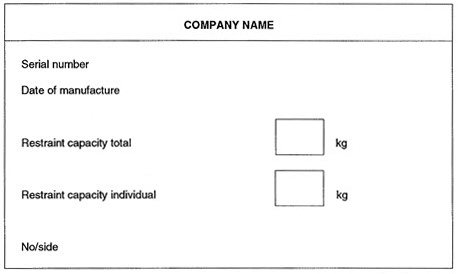
Notes- Any vehicles inspected after 1/11/2016 that do not meet the requirements but are fit for purpose (inspector has completed a detailed visual inspection and is confident that the anchorage points are in good condition) may be passed for CoF but must have certification completed (in line with this technical bulletin) before next CoF. Notes must be recorded showing the completion of this inspection and actions needed to be taken before next CoF.
- Any vehicles presented for inspection 1 year after 1/11/2016 will not pass for CoF without correct certification.
- All vehicles presented for first time entry compliance must meet these requirements for stock crate/load anchorage immediately.
Page amended 1 November 2017 (see amendment details)
Page updated 27 February 2023 (see details)
8 Factory produced bodies fitted to new imported Heavy Motor Vehicles (first registered in New Zealand)
Vehicle inspection requirements manual referenceManufacturers of heavy motor vehicles are building bespoke vehicles more and more in-house using the same facilities and manufacturing processes that are used for the main cab/chassis unit. Body fitments include but are not limited to: - Tipper bins
- Tank units (fuel/water/fluids)
- Box bodies (refrigerated/curtainsided/enclosed)
- Motorhomes
- Specialty units (compactor/bin lifter/sweeper/suction)
- Dual steering conversion
This bulletin gives guidance to vehicle inspectors in applying the requirements in the VIRM. ApplicationUnder the Land Transport Rule: Heavy Vehicles 2004, a modification or repair that affects the vehicle structure must be inspected and certified by a heavy vehicle specialist certifier (HVSC). The vehicles listed in the tables below have a factory produced body structure that has been manufactured by the listed manufacturer in the same facilities and using the same production standards as the main cab/chassis unit, these vehicles can be accepted for entry certification and do not need to be certified by an HVSC. These vehicles may carry a second stage manufacturers plate or label, any details contained, such as GVM, standards compliance etc are to be considered as the manufacturer’s final configuration. Alternatively, a statement on the SoC that confirms the body unit was fitted at factory may also be accepted as proof of standards compliance for the unit. Manufacturers with bodies that do not require an LT400
Foton| Make | Model | Model code |
|---|
|
Foton
|
Aumark
|
BJ1051 (2.8L) - BJ1051V9JD4-FP Tipper
| |
Foton
|
Aumark
|
BJ1051 (2.8L) - BJ1051V9JD4-FP Pantech with tail lift
| | Foton | Aumark | BJ1065LT5995 - Tipper | | Foton | Aumark | BJ1065LB5995 - Box Body with/without tail lift | | Foton | Aumark | BJ1065LF5995 - Refrigerated pantech with/without tail lift | |
Foton
|
Aumark
|
BJ1079 (3.8L) - BJ1079VDJE6-FP Pantech with tail lift
| |
Foton
|
Aumark
|
BJ1079A (3.8L) - BJ1079VDJE6-FP Pantech with tail lift
| |
Foton
|
Aumark
|
BJ1099VEJEA-FP Pantech with tail lift
| |
Foton
|
Aumark
|
BJ1078LT5995 - Tipper
| |
Foton
|
Aumark
|
BJ1078LT8495 - Tipper
| |
Foton
|
Aumark
|
BJ1078LB5995 - Pantech with/without tail lift
| |
Foton
|
Aumark
|
BJ1078LB8495 - Pantech with/without tail lift
| |
Foton
|
Aumark
|
BJ1078LF5995 – Refrigerated pantech with/without tail lift
| |
Foton
|
Aumark
|
BJ1078LF8495 – Refrigerated pantech with/without tail lift
| |
Foton
|
Aumark
|
BJ1078 - Pantech with tail lift
| |
Foton
|
Aumark
|
BJ1078 - Tipper
| |
Foton
|
Aumark
|
BJ1088 - Pantech with tail lift
| |
Foton
|
Aumark
|
BJ1088LB5995 - Pantech with/without tail lift
| |
Foton
|
Aumark
|
BJ1088LB8995- Pantech with/without tail lift
| |
Foton
|
Aumark
| BJ1088LF5995– Refrigerated pantech with/without tail lift | |
Foton
|
Aumark
|
BJ1088LF8995 – Refrigerated pantech with/without tail lift
| | Foton | Aumark S | 106528005995T - Tipper | | Foton | Aumark S | 106528005995B - Pantech | | Foton | Aumark S | 106528005995F - Refrigerated | | Foton | Aumark S | 106528005995T - Tipper | | Foton | Aumark S | 106533605995B - Pantech | | Foton | Aumark S | 106533605995F - Refrigerated | | Foton | Auman | BJ1126MF11995 – Pantech with/without tail lift | | Foton | Auman | BJ1126MF14000 – Pantech with/without tail lift | |
Foton
|
Auman
|
BJ1126MT11995 - Tipper
| |
Foton
|
Auman
|
BJ1126MT14000 - Tipper
| | Foton | Auman | BJ1088LT8995 - Tipper | |
Foton
|
Auman
|
BJ1126MF11995 - Refrigerated pantech with/without tail lift
| |
Foton
|
Auman
|
BJ1126MF14000 - Refrigerated pantech with/without tail lift |
Hino| Make | Model | Submodel |
|---|
|
Hino
|
Model 300
|
XZU605R-WKTMSQ3
| |
Hino
|
Model 300
|
XZU605R-HKMMSQ3
| |
Hino
|
Model 300
|
XZU710R-HKFQTQ3
| |
Hino
|
Model 300
|
XZU710R-HKFTTQ3
| |
Hino
|
Model 300
|
XZU710R-HKTRSQ3D
| |
Hino
|
Model 300
|
XZU710R-WKTSSQ3D
| |
Hino
|
Model 300
|
XZU730R-QKFTTQ3
| |
Hino
|
Model 300
|
XZU730R-QKFTTQ3
| |
Hino
|
Model 300
| XZU655R- WKMMSQ3D | | Hino | Model 300 | XZU710R- WKFQTQ3D | | Hino | Model 300 | XZU710R- WKFQTQ3D-1 | | Hino | Model 300 | XZU710R- WKFTTQ3D | | Hino | Model 300 | XZU710R- WKFTTQ3D-1 | | Hino | Model 300 | XZU710R- WKTRSQ3D | | Hino | Model 300 | XZU710R- WKTRSQ3D-1 | | Hino | Model 300 | XZU730R- ZKFQTQ3D | | Hino | Model 300 | XZU730R- ZKFQTQ3D-1 | | Hino | Model 300 | XZU730R- ZKFTTQ3D | | Hino | Model 300 | XZU730R- ZKFTTQ3D-1 | | Hino | Model 300 | XZU605R- WKMMSQ3D | | Hino | Model 300 | XZU710R- WKTSSQ3D | | Hino | Model 300 | XZU710R- WKTSSQ3D-1 | | Hino | Model 300 | XZU730R- ZKTSSQ3D | | Hino | Model 300 | XZU730R- ZKTSSQ3D-1 | | Hino | Model 500 | FC7JEMM-ANU | |
Hino
|
Model 500
|
FC7JGMA-ANU
| |
Hino
|
Model 500
|
FC2AE1M-DBAAE
| |
Hino
|
Model 500
|
FC2AG1A-DBAAE | | Hino | Model 500 | FE2AJ1A-FCCAED |
Hyundai| Make | Model | Model code | Factory body |
|---|
|
Hyundai
|
Mighty
|
UGAAHMAF8VT3660A
|
Tipper
| |
Hyundai
|
Mighty
|
UGAAHMAF8VT3665A
|
Tipper
| |
Hyundai
|
Mighty
|
UG9AHLAF8VT3685A
|
Tipper
| |
Hyundai
|
Mighty
|
UG9AHLAF8VT3660A
|
Tipper
| |
Hyundai
|
Mighty
|
UGAAHMFF1VT3560
|
Tipper
| |
Hyundai
|
Mighty
|
UG9AHMAF8VT385A
|
Rubbish compactor
| |
Hyundai
|
Mighty
|
UG9AHLAF8VT3685A
|
Rubbish compactor
| |
Hyundai
|
Mighty
|
UGAAHSAF8VT3660A
|
Pantech
| |
Hyundai
|
Mighty
|
UGAAHSAF8VT3665A
|
Pantech
| |
Hyundai
|
Mighty
|
UGAAHMAF8VT3660A
|
Pantech
| |
Hyundai
|
Mighty
|
UGAAHMAF8VT3665A
|
Pantech
| |
Hyundai
|
Mighty
|
UGAAHLAF8VT3660A
|
Pantech
| |
Hyundai
|
Mighty
|
UGAAHLAF8VT3665A
|
Pantech
| |
Hyundai
|
Mighty
|
UG9AHMAF8VT3660A
|
Pantech
| |
Hyundai
|
Mighty
|
UG9AHMAF8VT385A
|
Pantech
| |
Hyundai
|
Mighty
|
UG9AHLAF8VT3660A
|
Pantech
| |
Hyundai
|
Mighty
|
UG9AHLAF8VT3685A
|
Pantech
| |
Hyundai
|
Mighty
|
UG9AHEAF8VT3685A
|
Pantech
| |
Hyundai
|
Mighty
|
UG9AHEAF8VT3660A
|
Pantech
| |
Hyundai
|
Mighty
|
O1EBHBAE1VT360
|
Pantech
| |
Hyundai
|
Mighty
|
O1EBHBAE1VT373
|
Pantech
| |
Hyundai
|
Mighty
|
O1CBCBAF3VT358
|
Pantech
| |
Hyundai
|
PAVISE
|
VECBHEDG3VT3A12
|
Pantech
| |
Hyundai
|
PAVISE
|
VECBHEDG3VT3A14
|
Pantech
| |
Hyundai
|
PAVISE
|
VECBHEDG3VT3A128A
|
Pantech
| |
Hyundai
|
PAVISE
|
VECBHEDG3VT3A148A
|
Pantech
| |
Hyundai
|
PAVISE
|
VECBHEDG3VT3S12
|
Pantech
| |
Hyundai
|
PAVISE
|
VECBHEDG3VT3S14
|
Pantech
| |
Hyundai
|
PAVISE
|
VECBHEDG3VT3S128A
|
Pantech
| |
Hyundai
|
PAVISE
|
VECBHEDG3VT3S148A
|
Pantech
| |
Hyundai
|
PAVISE
|
VECBHUDG3VT3A12
|
Pantech
| |
Hyundai
|
PAVISE
|
VECBHUDG3VT3A14
|
Pantech
| |
Hyundai
|
PAVISE
|
VECBHUDG3VT3A128A
|
Pantech
| |
Hyundai
|
PAVISE
|
VECBHUDG3VT3A148A
|
Pantech
| |
Hyundai
|
PAVISE
|
VECBHLDG3VT3A128A
|
Tipper
| |
Hyundai
|
PAVISE
|
VECBHLDG3VT3A148A
|
Tipper
| |
Hyundai
|
PAVISE
|
VECBHLDG3VT3A128A
|
Rubbish compactor
| |
Hyundai
|
PAVISE
|
VECBHLDG3VT3A148A
|
Rubbish compactor |
IsuzuMake | Model |
|---|
Isuzu | NLR | |
Isuzu
| NMR | Isuzu | NPR | Isuzu | NQR | Isuzu | FRR |
Mercedes-BenzMake | Model | Model code |
|---|
| Mercedes-Benz | Econic | Cab/Chassis – Dual steering conversion | | Mercedes-Benz | Econic | Dual steering and rubbish compactor |
Mitsubishi Fuso/FusoMake | Local Model Code | Model Name |
|---|
MITSUBISHI FUSO | FE150T | Canter 3.5t Tipper | MITSUBISHI FUSO | FEA55T1 | Canter 2.5T Tipper | MITSUBISHI FUSO | FEC60T1 | Canter 3.0t Tipper | MITSUBISHI FUSO | FEC65T1 | Canter 3.5t Tipper | MITSUBISHI FUSO | FEC75T1 | CANTER 4X2 TIPPER | FUSO | FEA61BR | Canter 616 - City Tipper | FUSO | FEC81CR | Canter 616/716/816 - Tipper | FUSO | FIV2PFX2RFBAXXT | Fighter FI1217C Tipper | FUSO | FIV2PFX2RFBA(T) | Enduro FI1217 Tipper | FUSO | FJX3WK2RFBAXXT | Fighter FJ2528C TIPPER | FUSO | FJX3WK2RFBA(T) | Enduro FJ2528 Tipper | FUSO | FOX2WN | Enduro FO3128 Tipper | FUSO | FK62FH | Fighter FK1125 Tipper |
VolkswagenMake | Model | Model code |
|---|
| Volkswagen | Grand Californian | SCBB8Z38 – Motorhome – 2 Berth | | Volkswagen | Grand Californian | SCCB8Z38 – Motorhome – 4 Berth |
Trucks fitted with ShinMaywa tipper bodies will be fitted with a plate as shown in the sample below. 
Trucks fitted with Fuso tipper bodies can be fitted with either the plate shown below or the ShinMaywa body builders plate (above). 
Page updated 26 Spetember 2025 (see details).
9 Container bin hooklifts
Container bin hooklift systems as illustrated below do not require certification of the unit mountings to the chassis rails. The unit is manufactured on it’s own bed and bolted to the chassis rails ensuring that no part of the chassis is subject to increased stress.
The A.T.I.B. lift system as illustrated also employs a hydraulic locking device for the securing of the container bin to the hooklift. This system uses a load and lock hydraulic valve that ensures that it cannot release without the application of hydraulic pressure. This has been designed and manufactured to meet the load security rule. In these cases certification to NZS5444 is not required. The A.T.I.B. lift systems are identified with a manufacturer’s plate attached to the right front side. Any other type of locking system used by other manufacturer’s may require certification.
9 Park brake inspection and 4085D requirements
VIRM referenceHeavy vehicles 8-1: Service brake, parking brake and heavy vehicle emergency brake This bulletin has been produced to supplement information provided to the repair industry and should be considered in inspecting all parts of a heavy vehicle park brake system. IntroductionThe introduction of the 4085D Operator statement of compliance with maintenance requirements for parking brake assemblies form came about due to several run-away trucks that have led to a fatal or serious injury crash where the park brake has been a contributing factor. Issues with the air-powered park brake application valve beside the driver’s seat and the Cardan shaft park brake system found on many trucks, buses and motorhomes have been the main concern, however all park brake systems are susceptible to wear and degradation that can affect the holding performance of the brake. Investigations have found the air park brake valve wears out internally through dust and moisture ingress over time and can cause the valve detent to stick in the neck portion and not fully engage with the lock. As the driver gets out of the vehicle the valve can be knocked or on occasions get caught in the driver’s clothing releasing the lever. There are also problems that have been traced to Cardan shaft park brakes not holding the vehicle even when the lever has been applied. This is due to several factors including a lack of maintenance that reduces the ability of the brake to hold the vehicle and its load, especially on an slope or instances where the lever feels fully applied but resistance and wear in the linkages reduces the application force at the brake unit. The 4085D formThe 4085D Operator statement of compliance with maintenance requirements for parking brake assemblies form is designed to be used by a heavy vehicle operator where their powered heavy vehicle park brake has failed a compliance brake test at In-service certification (CoF B) inspection. The operator must have the park brake system repaired or serviced and return the completed form to the VI to show that the park brake system has been inspected and serviced by a technician and is in good working condition. Parking brake inspectionWhat are the indicators that might make a vehicle inspector doubt the condition of a park brake assembly?A park brake system is generally easily serviced (except for some sealed park brake air valves) but items that are susceptible to wear, degradation and ingress of dust and dirt need to be maintained to ensure park brake performance meets the required standard. Not all park brake assemblies are easily accessible but visual signs that may point to no recent maintenance include: - rusted bolts, screws, clevis pins or linkages which activate the park brake.
- dust, dirt, seat foam or general rubbish around the lever assembly.
- excessive resistance in applying the park brake.
- excessive contamination due to oil leaks or other debris.
- a lack of feel from the detent or lock position when applying the lever of an air park brake valve.
- The park brake fails to hold the vehicle in the stall test.
Are there any parts within the assembly that are more prone to cause problems than others? The risk is more with the age of the vehicle (particularly older vehicles that have not been regularly serviced) and those working in dusty operations such as concrete mixer trucks and quarry trucks. Pay particular attention to the application valve or lever and any detents, ratchet or other mechanical locks designed to hold the lever in its applied position. Are there specific makes/models that should be paid close attention to? Vehicle inspectors should pay attention to all park brake systems. All makes or models should be treated equally. As mentioned above, vehicles working in dusty operations such as concrete mixer trucks and quarry trucks could be a higher risk. NZTA has published safety alerts covering some Nissan trucks and on Cardan shaft park brakes that alert owners to maintenance and adjustments that should be carried out. 4085D requirement scenariosIf a vehicle inspector finds defects in the park brake components or the vehicle fails a stall test, they can request that the 4085D form be presented to provide proof of inspection and servicing to the manufacturer’s specifications, the vehicle inspector may issue a 28-day permit to allow the operator to have the park brake maintenance carried out and get a 4085D form completed. When do you need to ask the operator of a powered heavy vehicle (a heavy truck, bus or motorhome above 3500kg) for a 4085D form? - The vehicle fails the CoF inspection on park brake condition or fails a stall test for park brake performance (do not issue for RBM fails). The VI may issue a 28-day CoF permit.
- The vehicle passes the stall test for park brake performance but fails on another park brake CoF item and the VI has doubts about the park brake maintenance.
When do you NOT need to ask the operator of a powered heavy vehicle for a 4085D? - The vehicle fails an RBM brake test for park brake performance but passes all other CoF requirements, and the VI has no doubts about park brake maintenance, the vehicle goes through the normal recheck process.
- The vehicle passes an RBM brake test for park brake performance but fails on another CoF item, and the VI has no doubts about the park brake maintenance. The VI fails the CoF for the other item(s) and the vehicle goes through the normal recheck process.
Page added 1 May 2023 (see amendment details).
Interim amendments
Interim amendmentsInterim amendments were issued in 2017 and 2018 as a stop-gap between scheduled amendments. They would outline changes to an inspection process and when they'd take effect. The changes would be incorporated into the VIRM as part of the next scheduled amendment. Interim amendments are no longer in use, changes will either be recorded as amendments or minor changes. Amendments Minor changes & improvements Container
*Interim amendments were previously known as Technical notes. Container
| | | | |

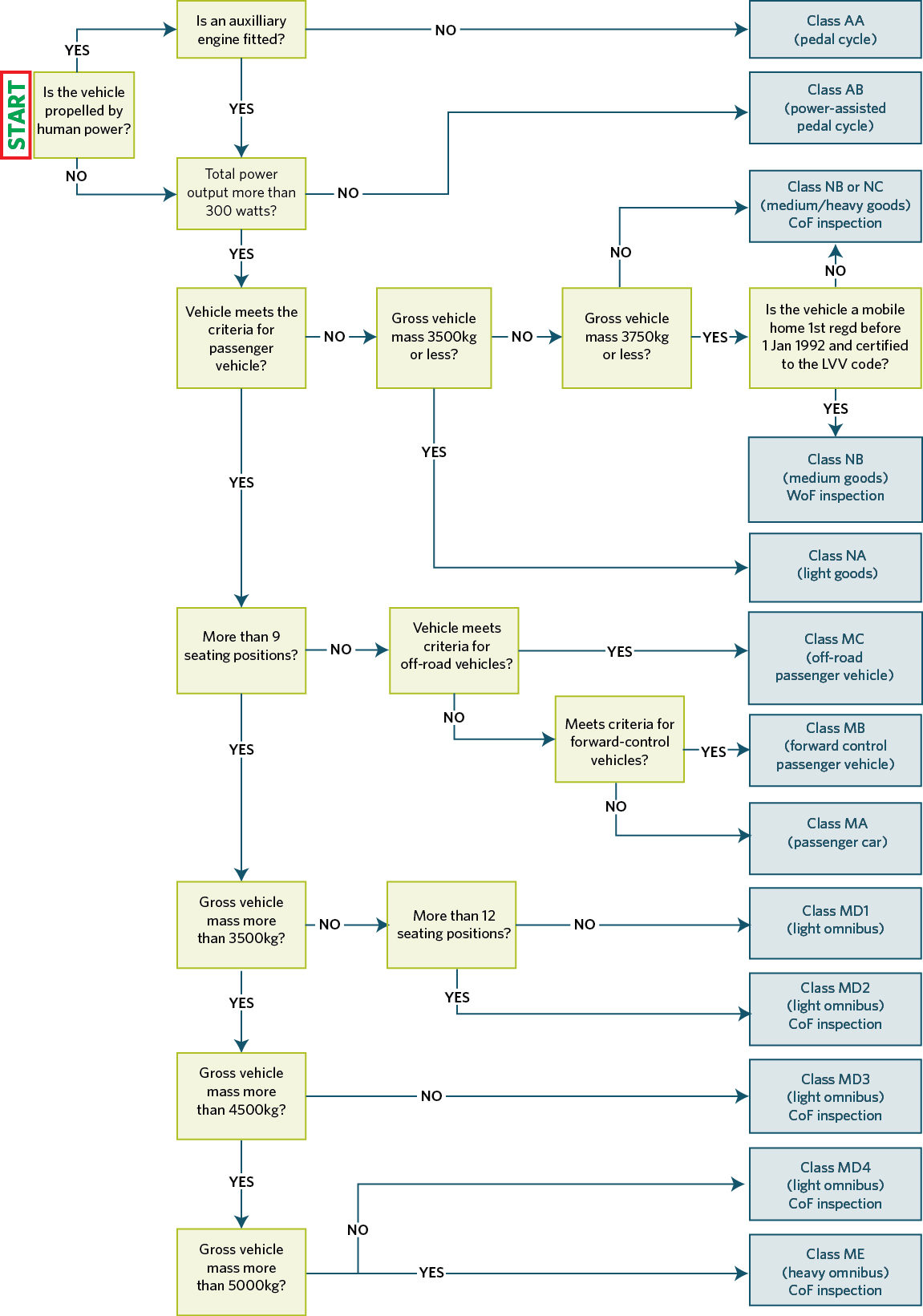
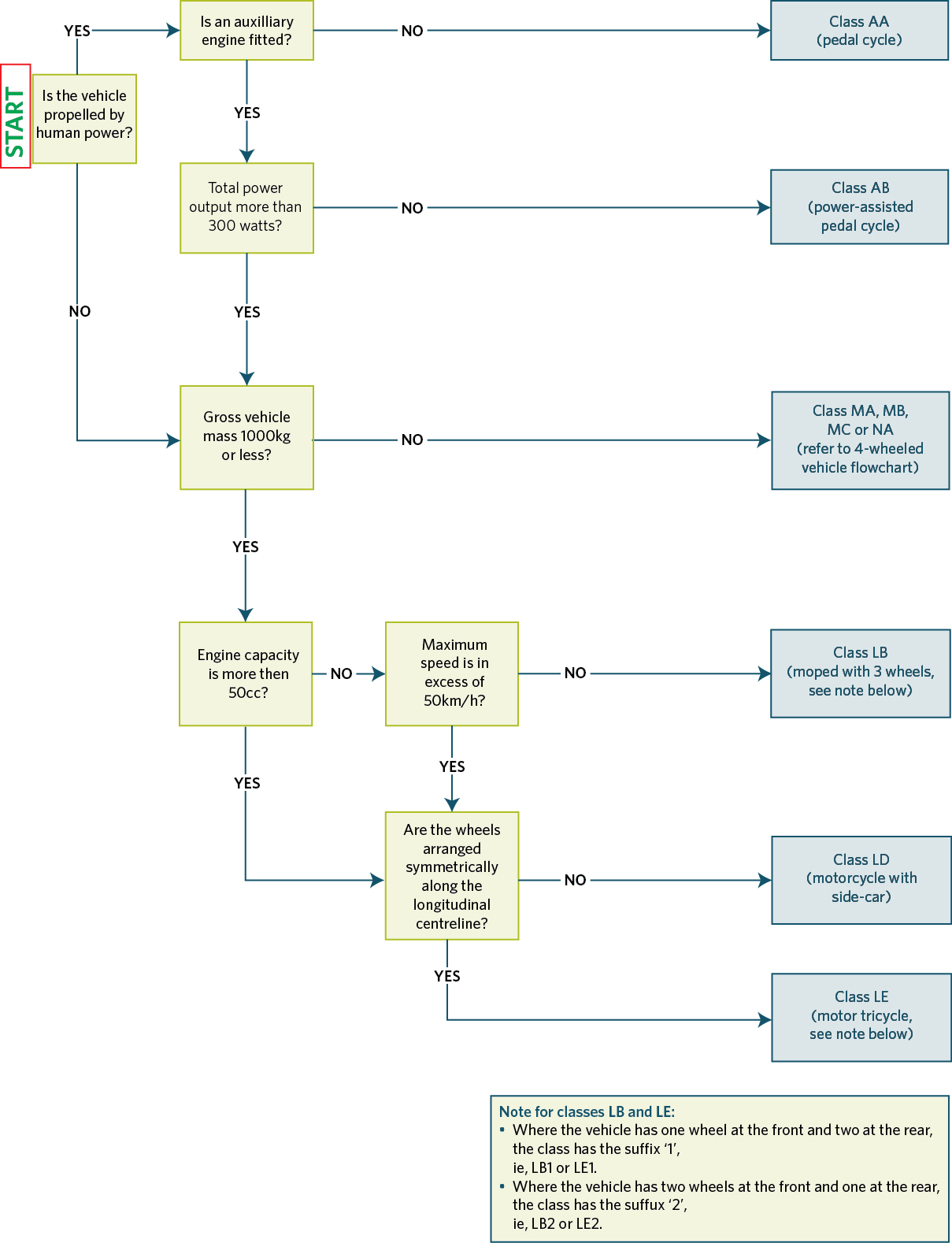
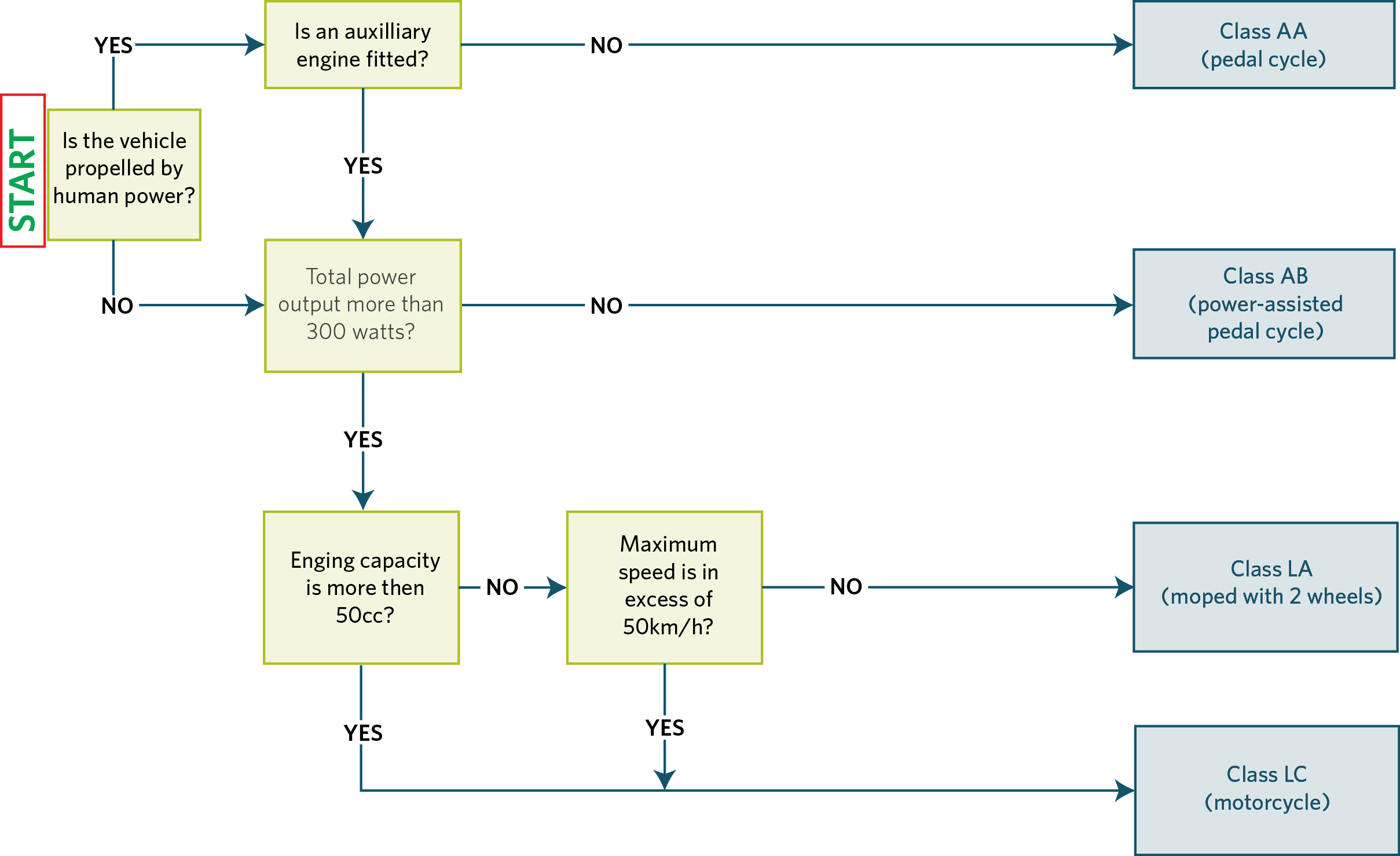
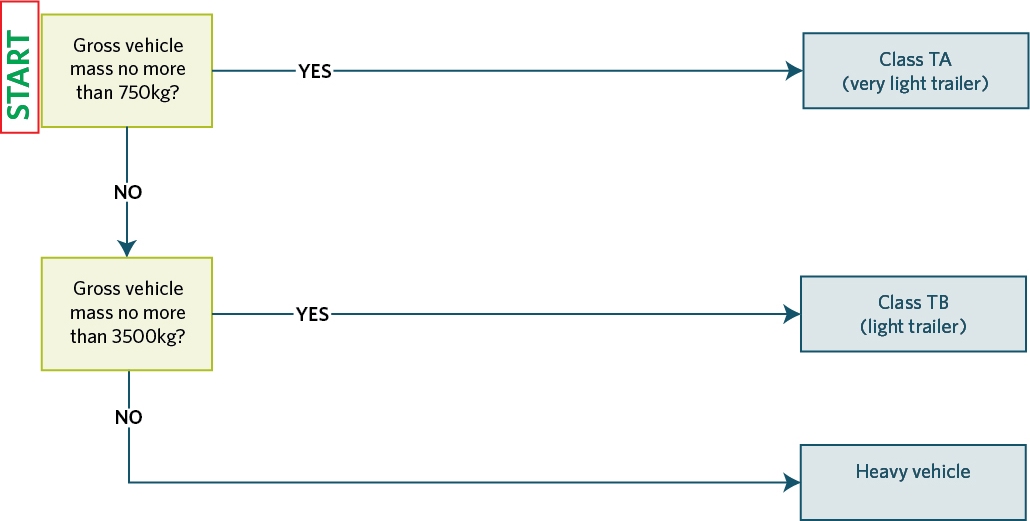
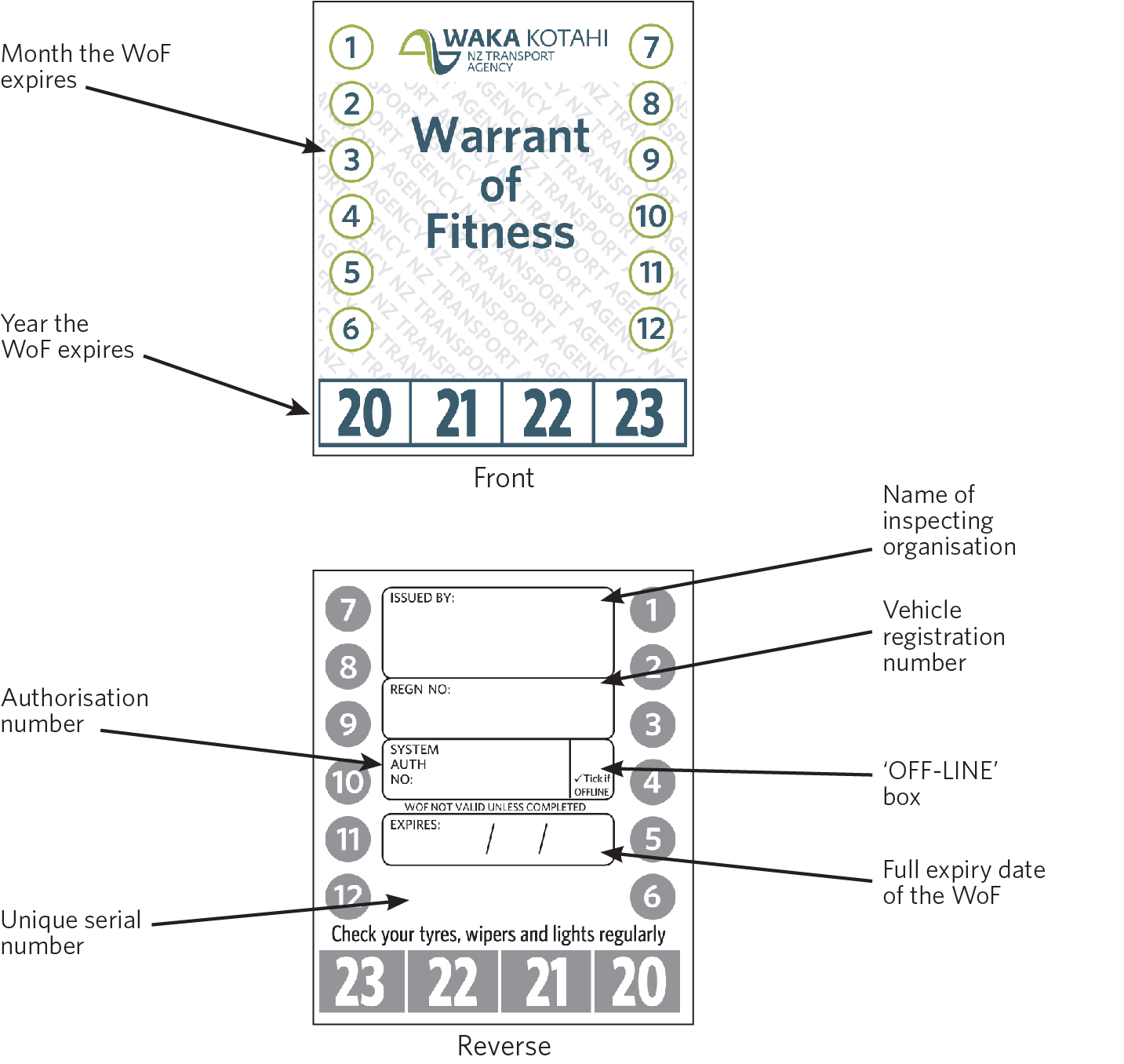
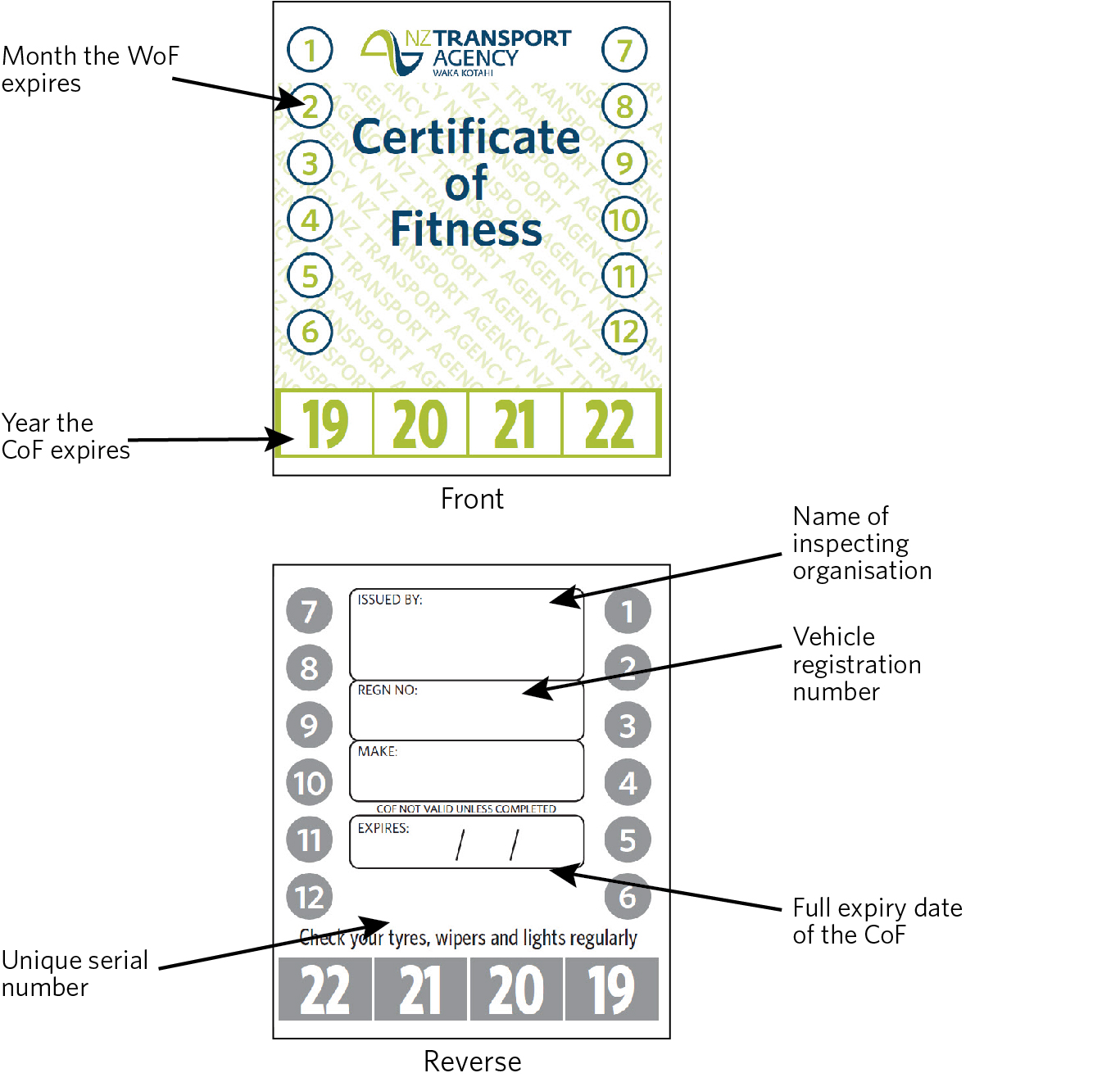
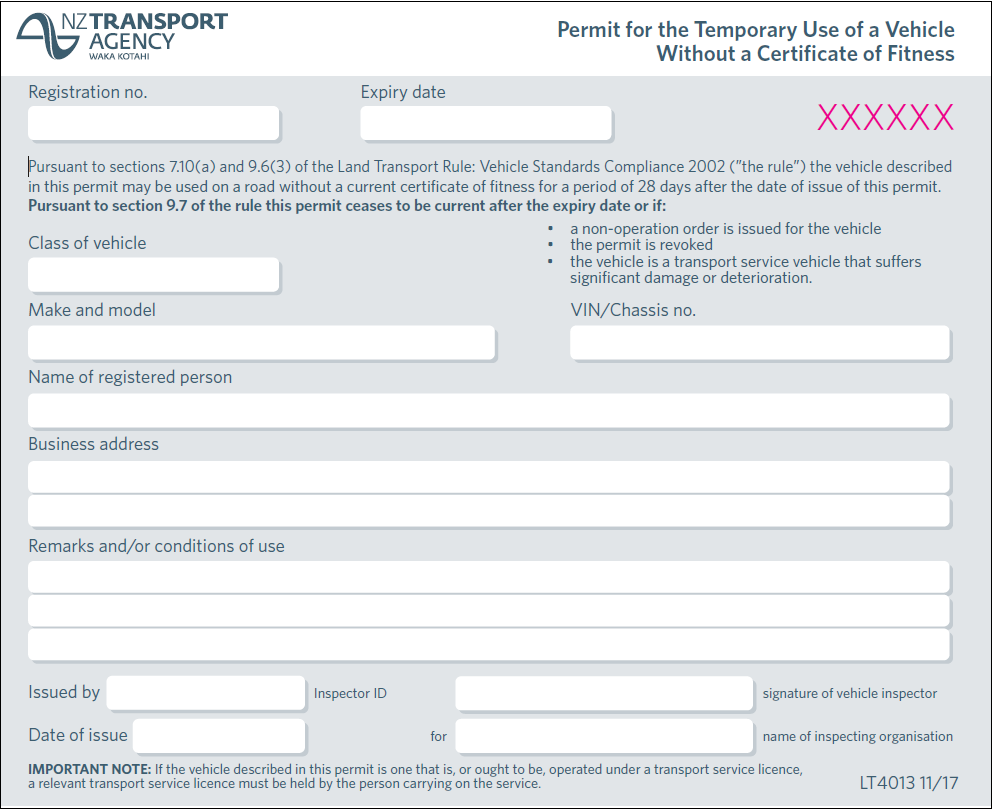
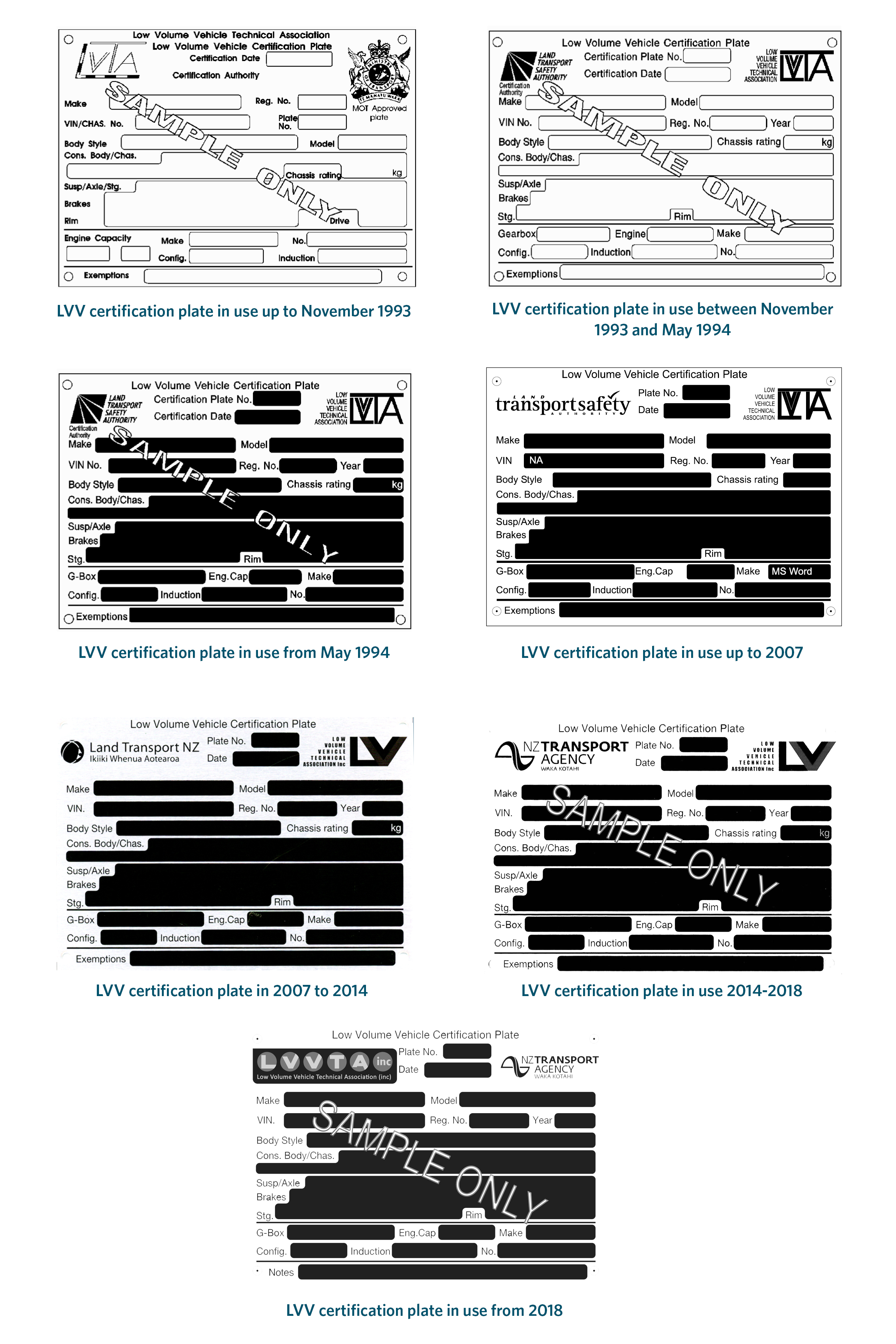
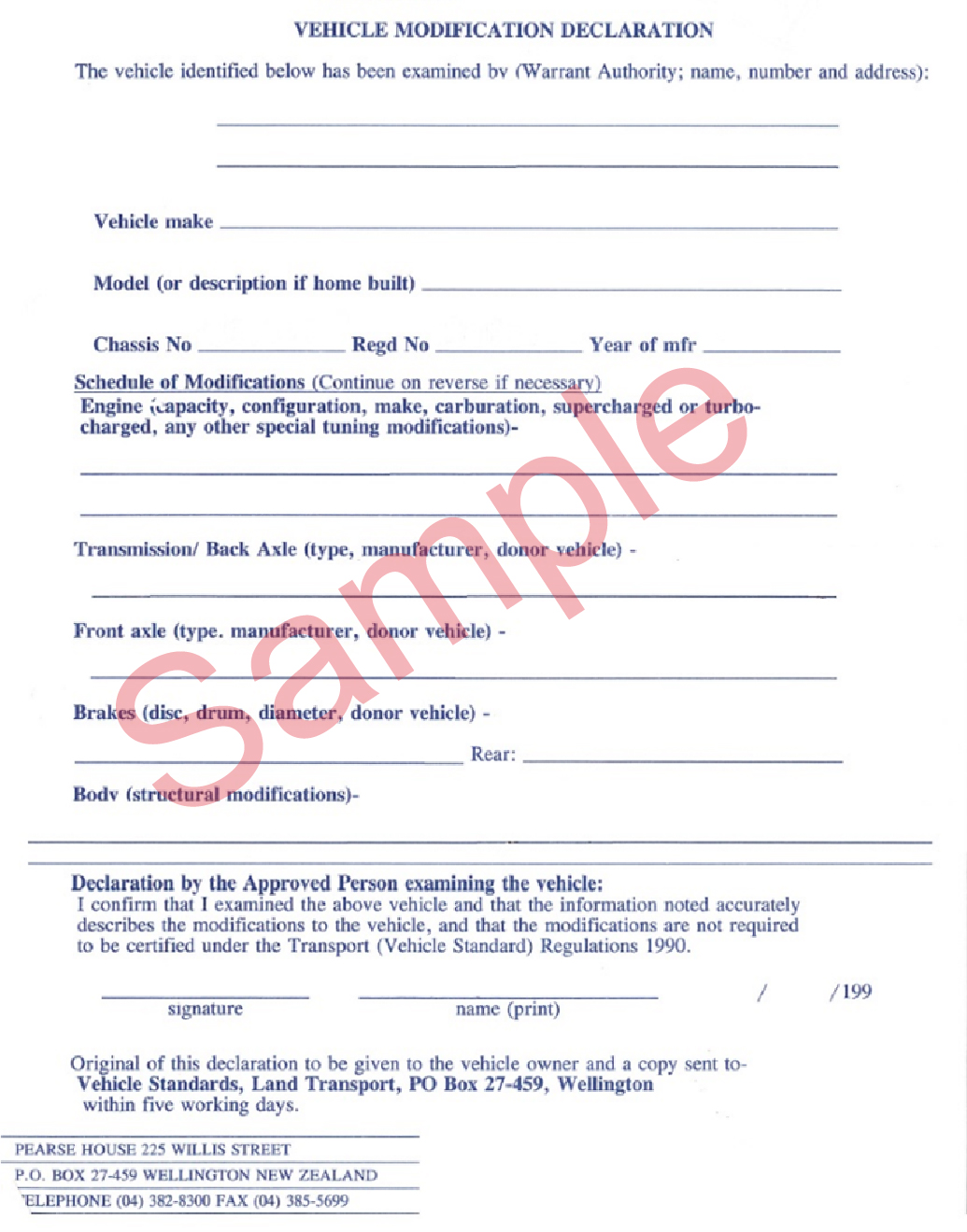
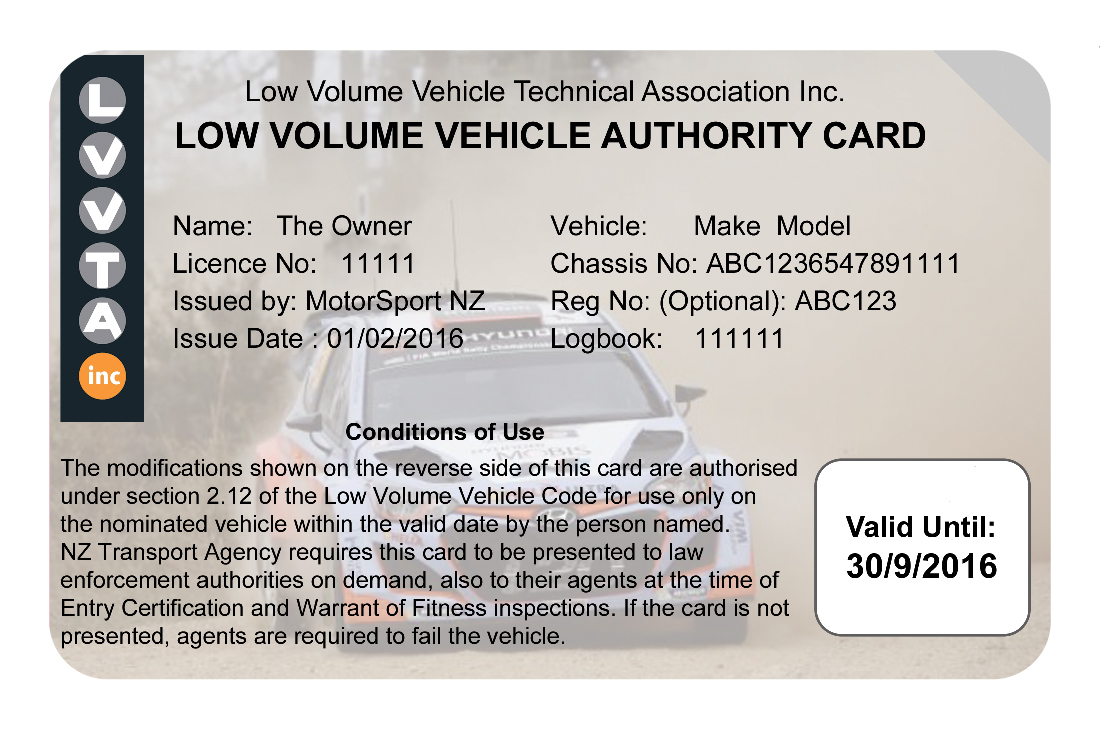
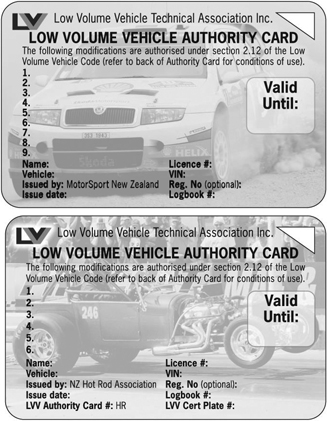
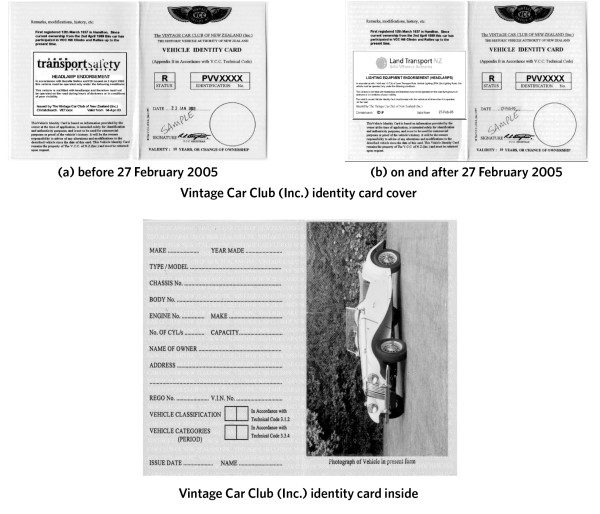
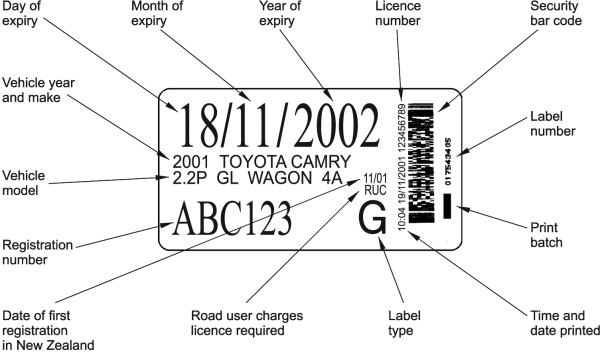
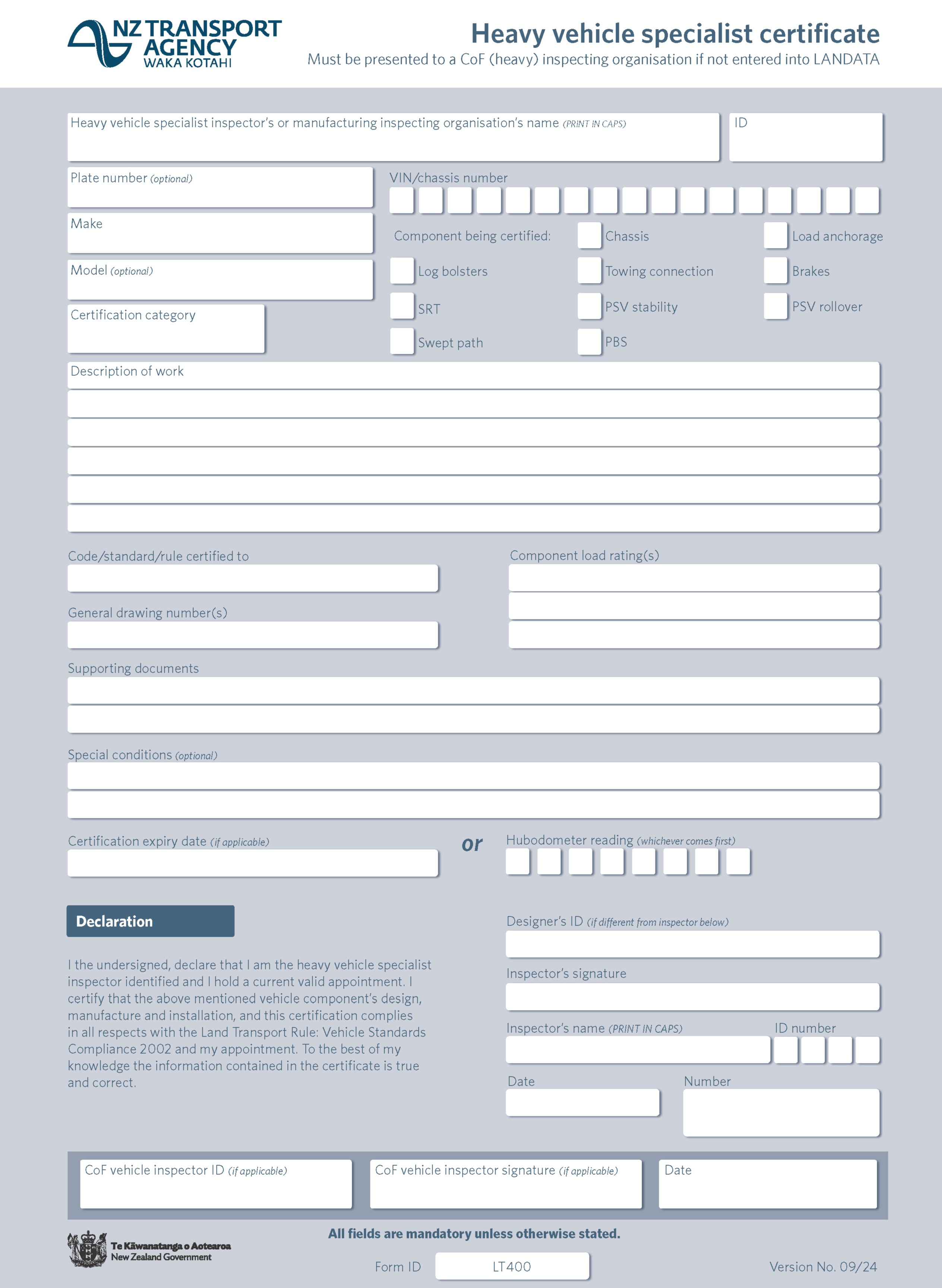
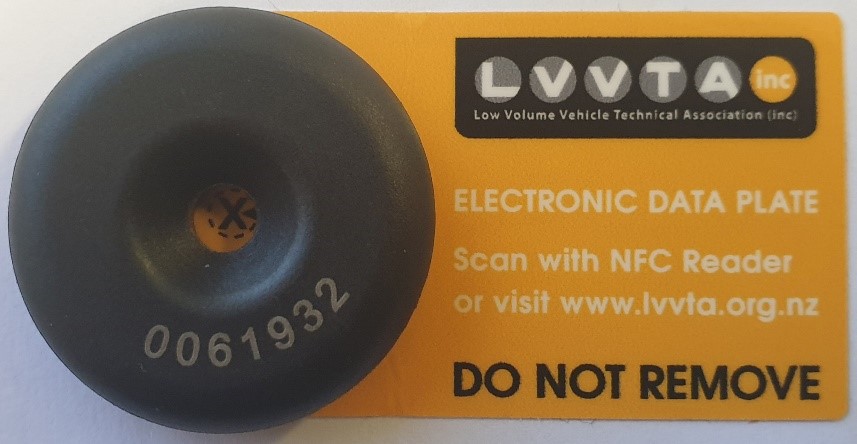
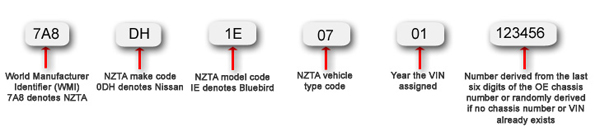
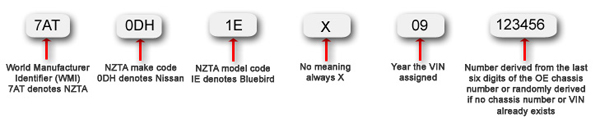
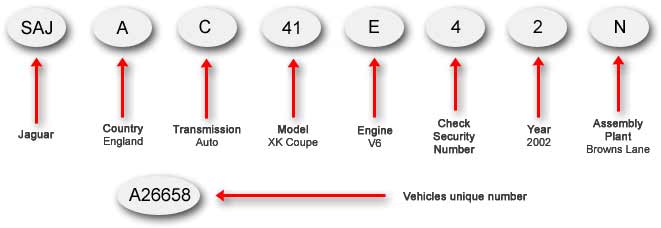
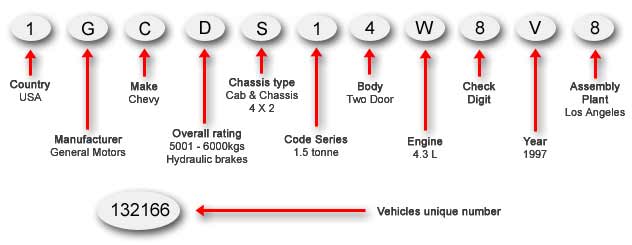
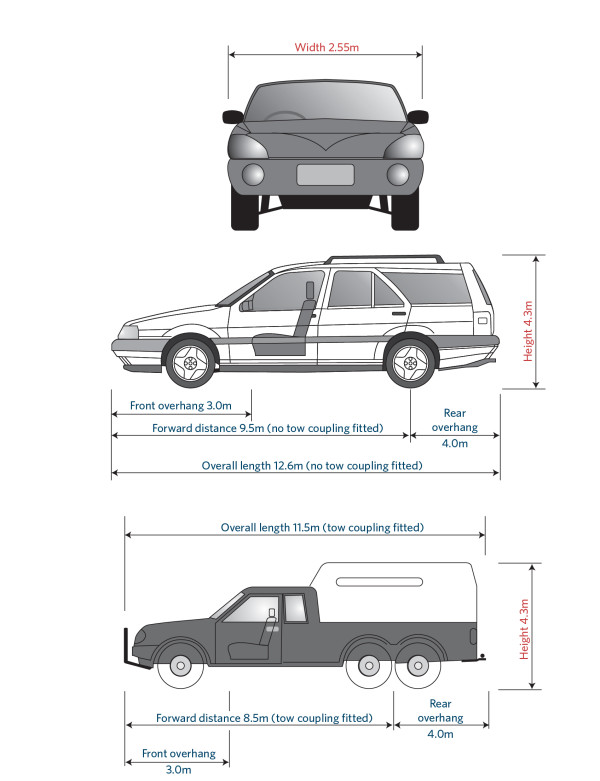
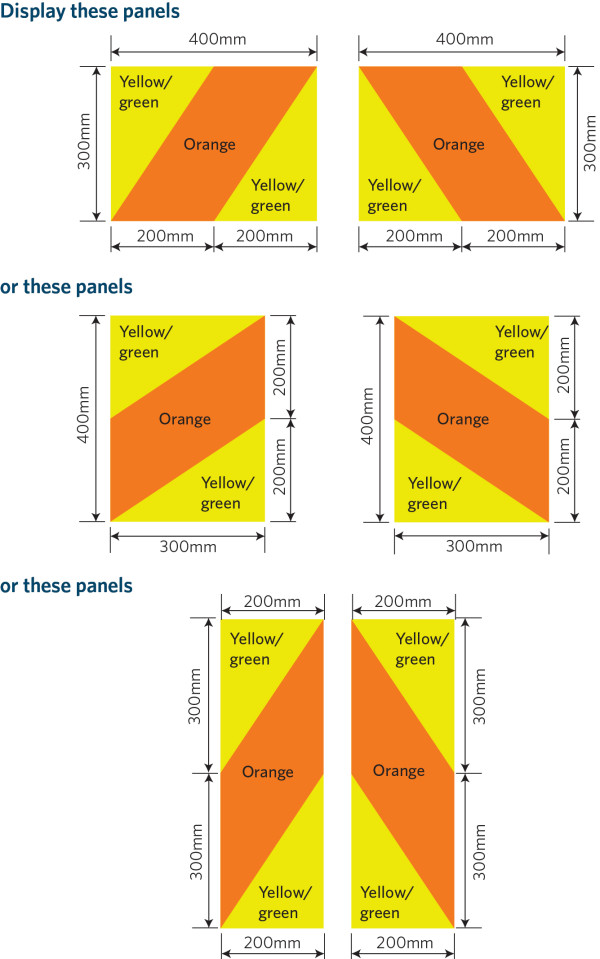
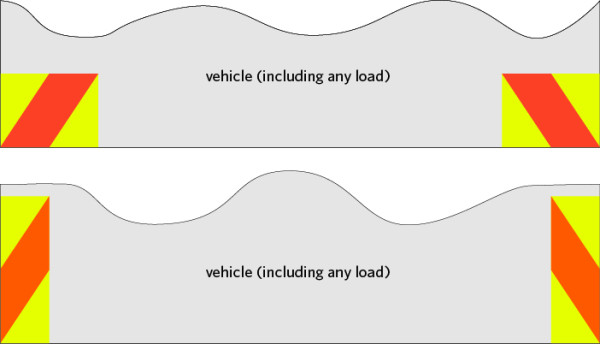
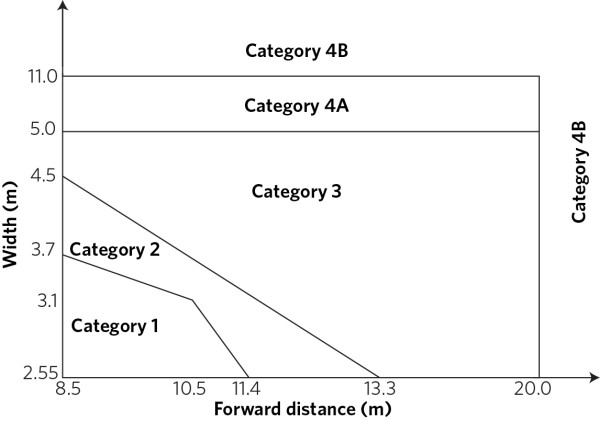
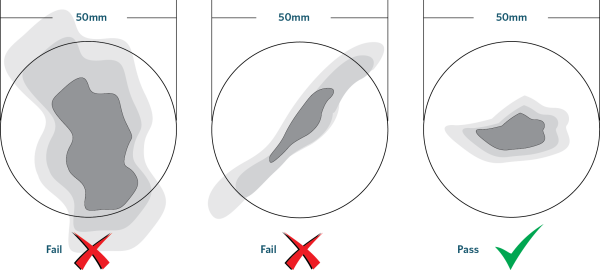
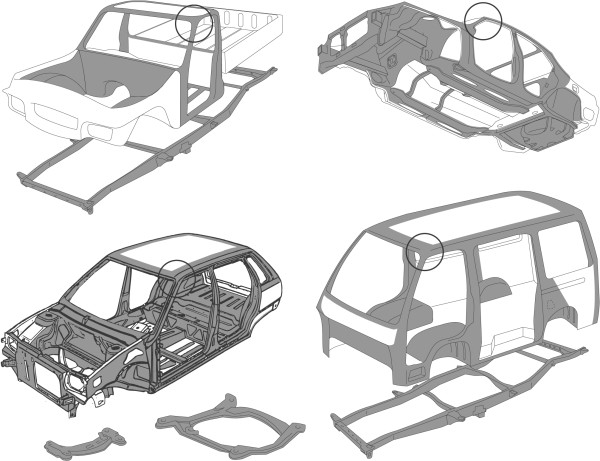
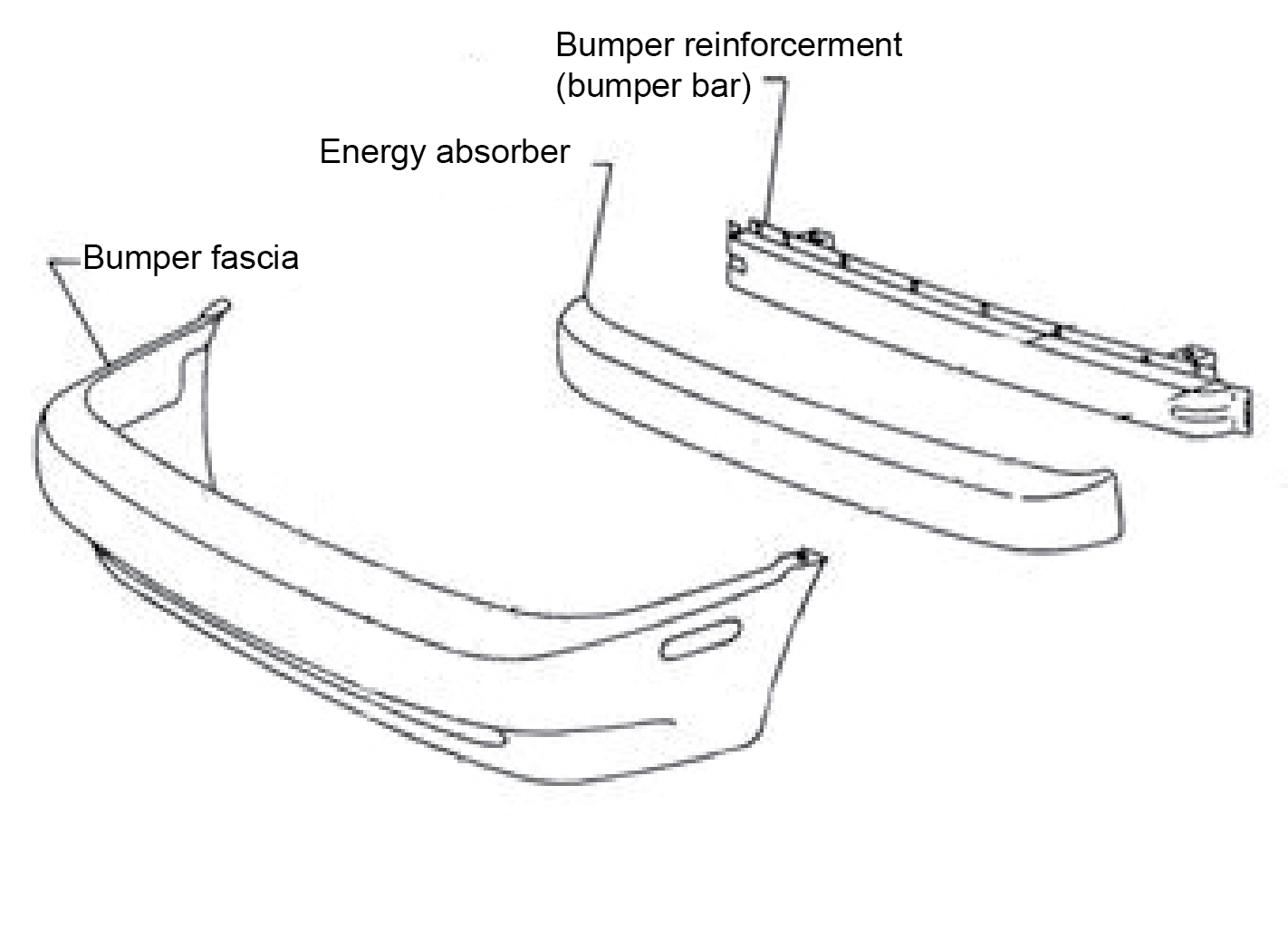
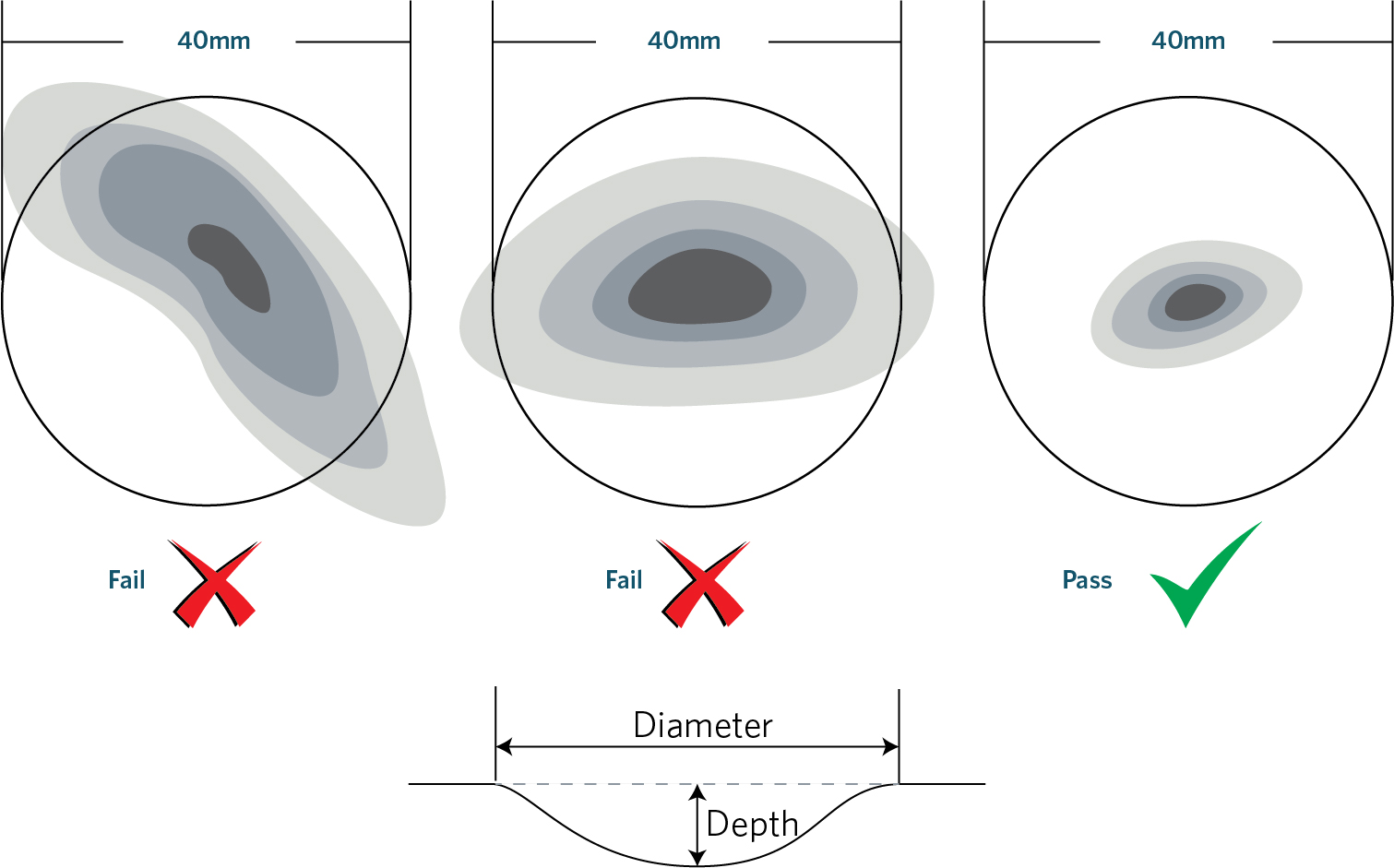

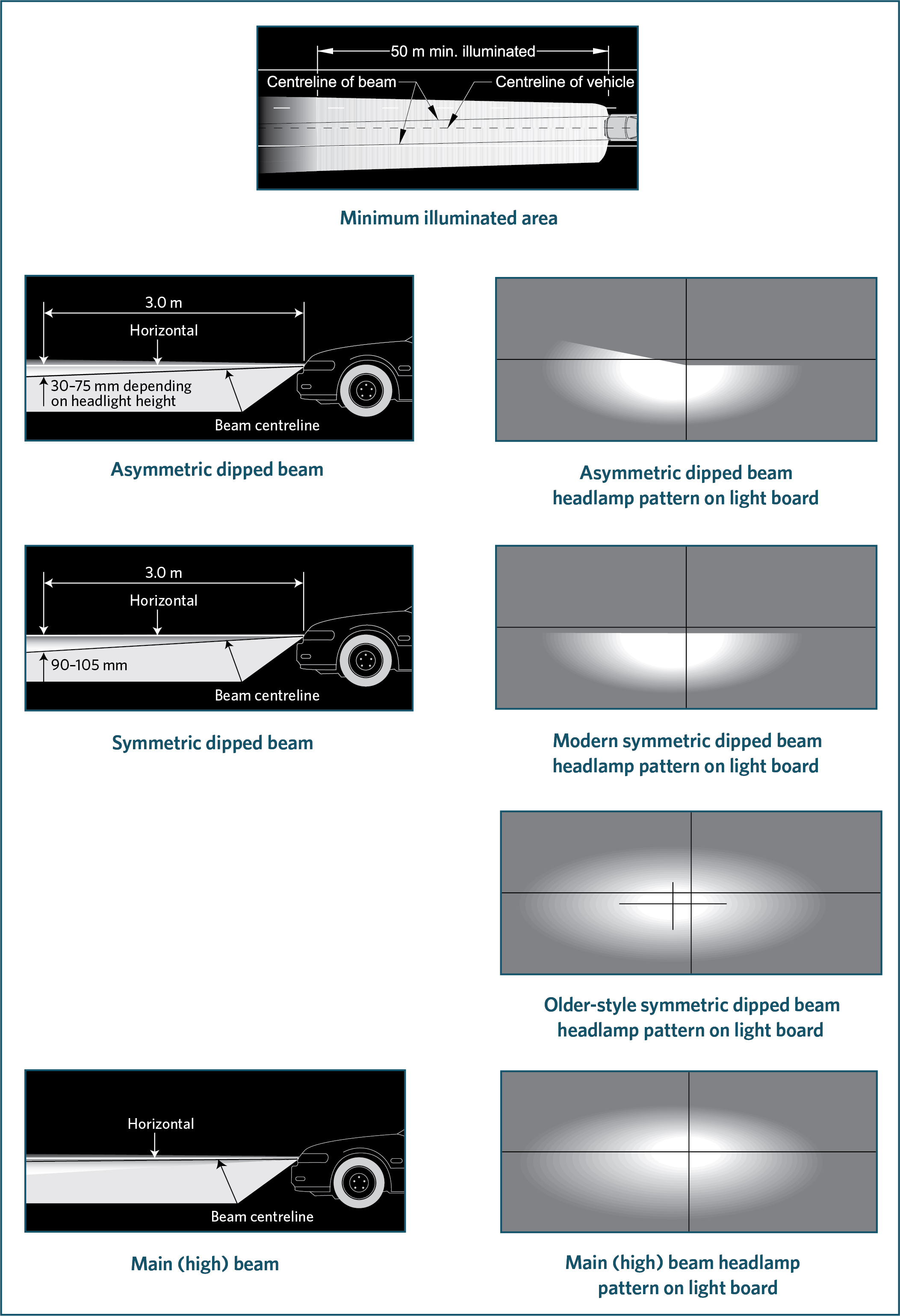
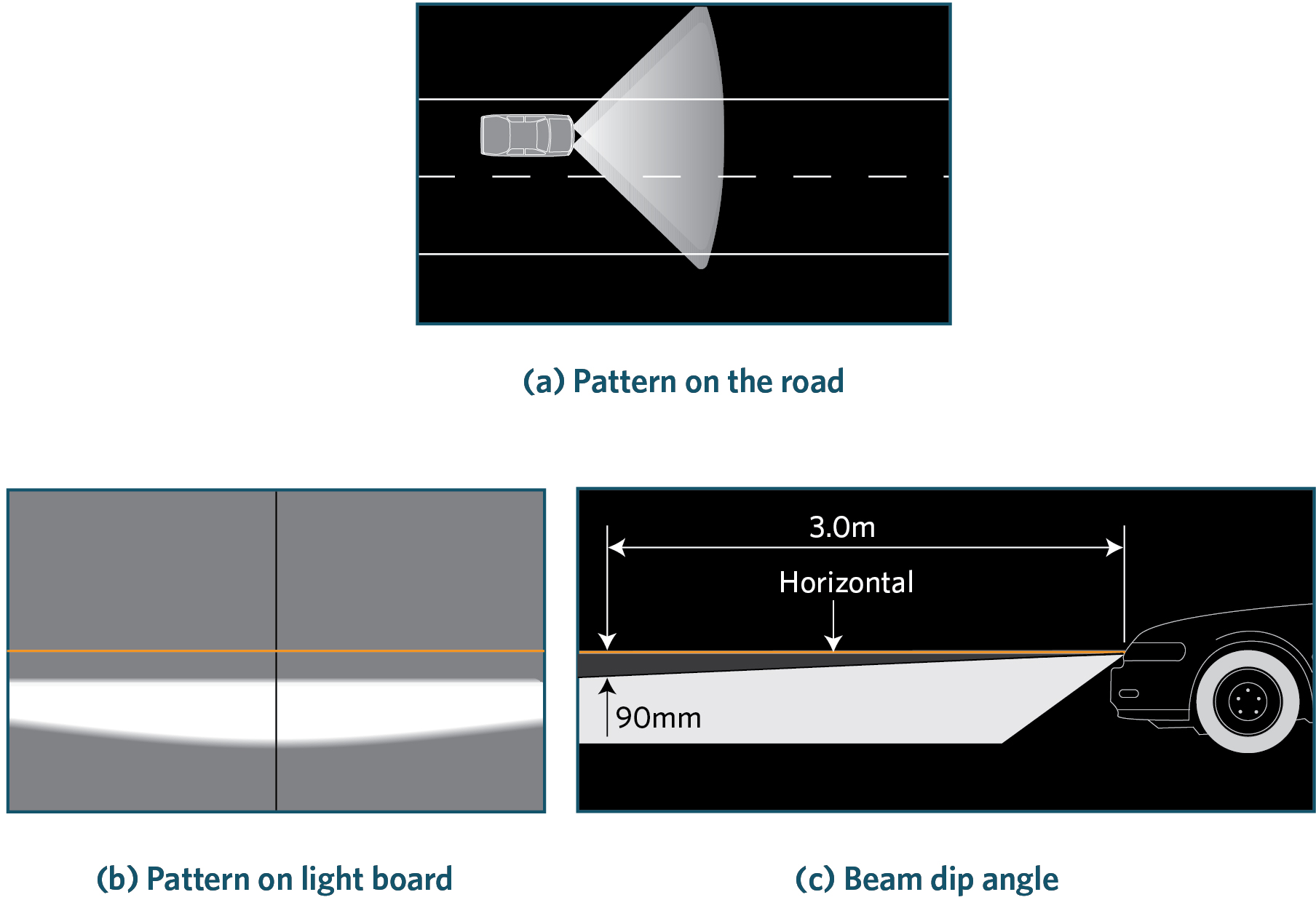
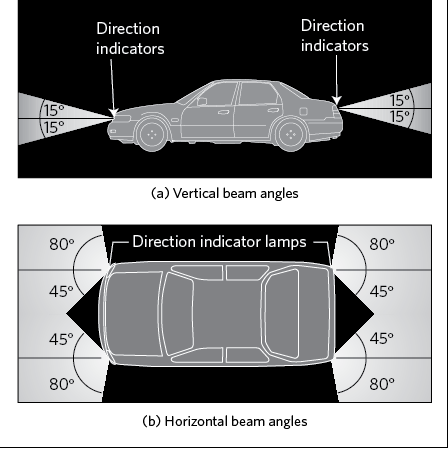
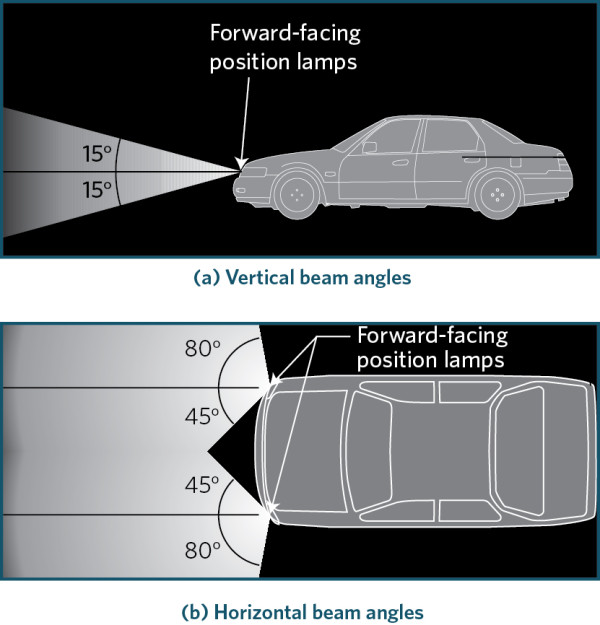
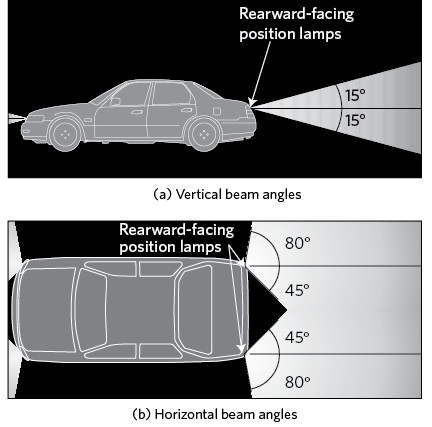
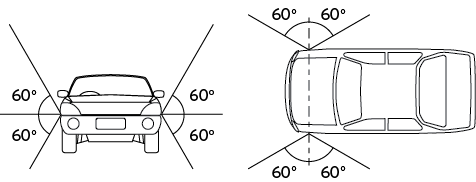
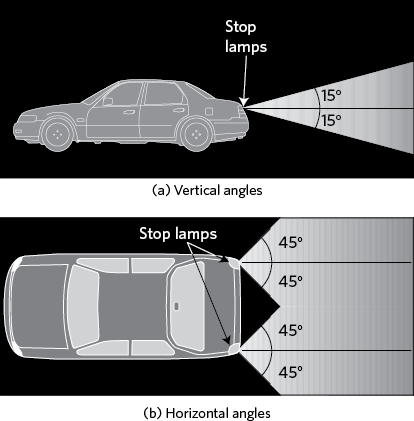
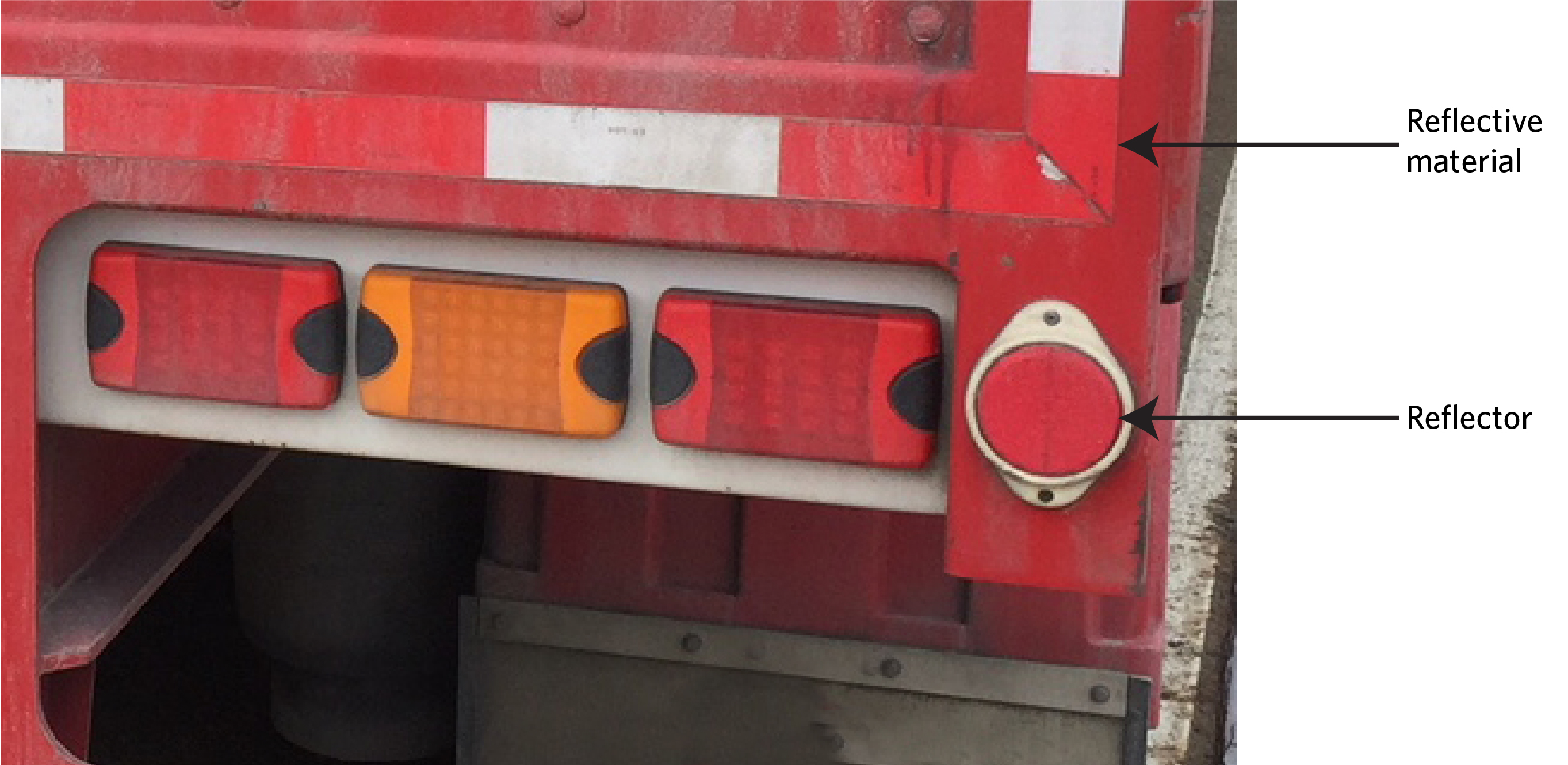
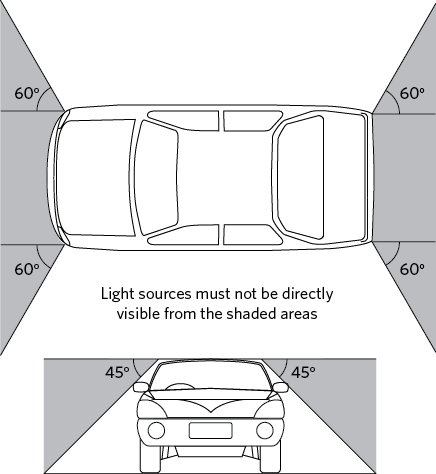
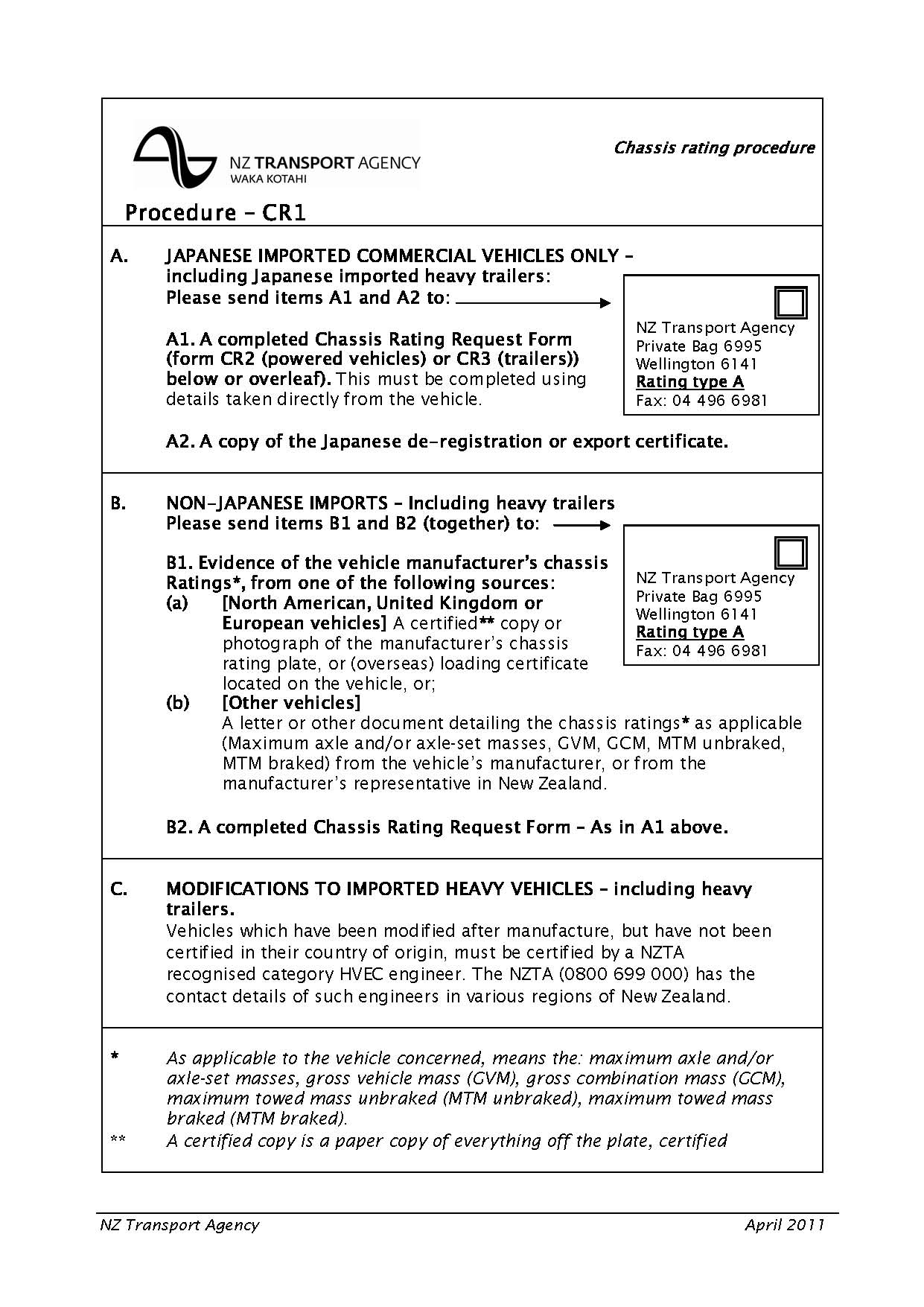
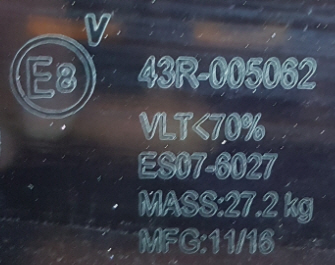
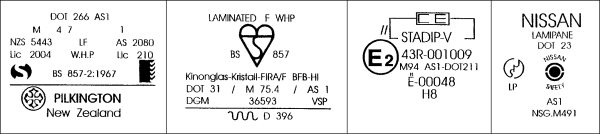
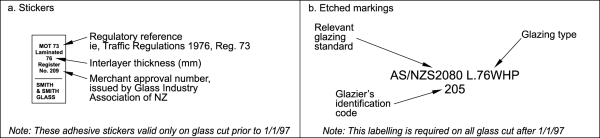
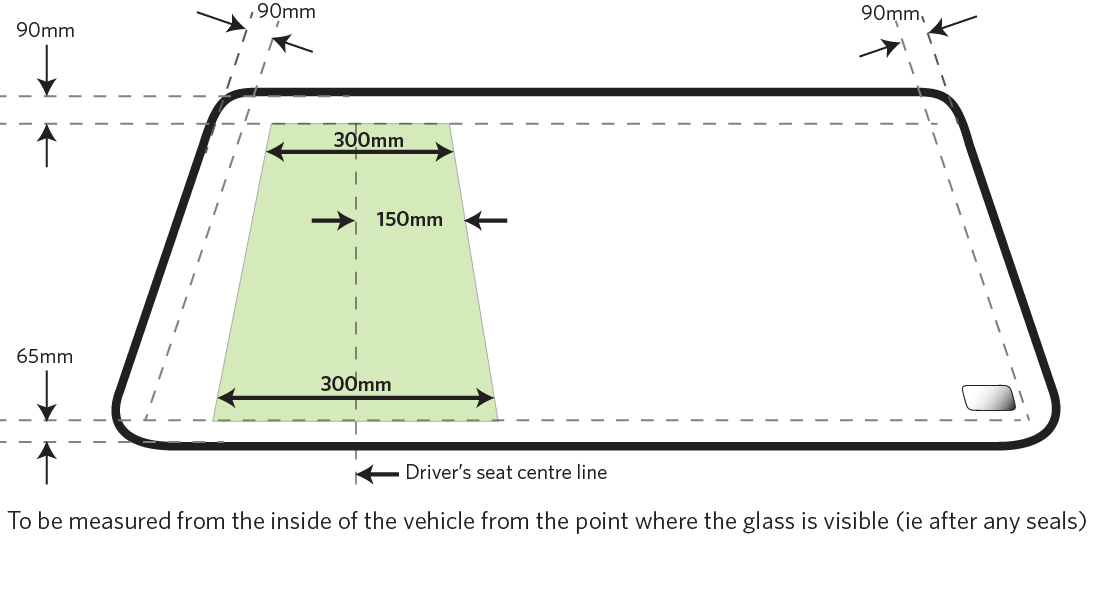
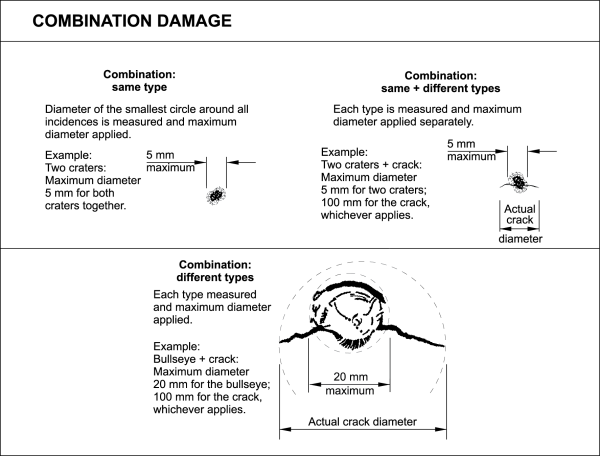
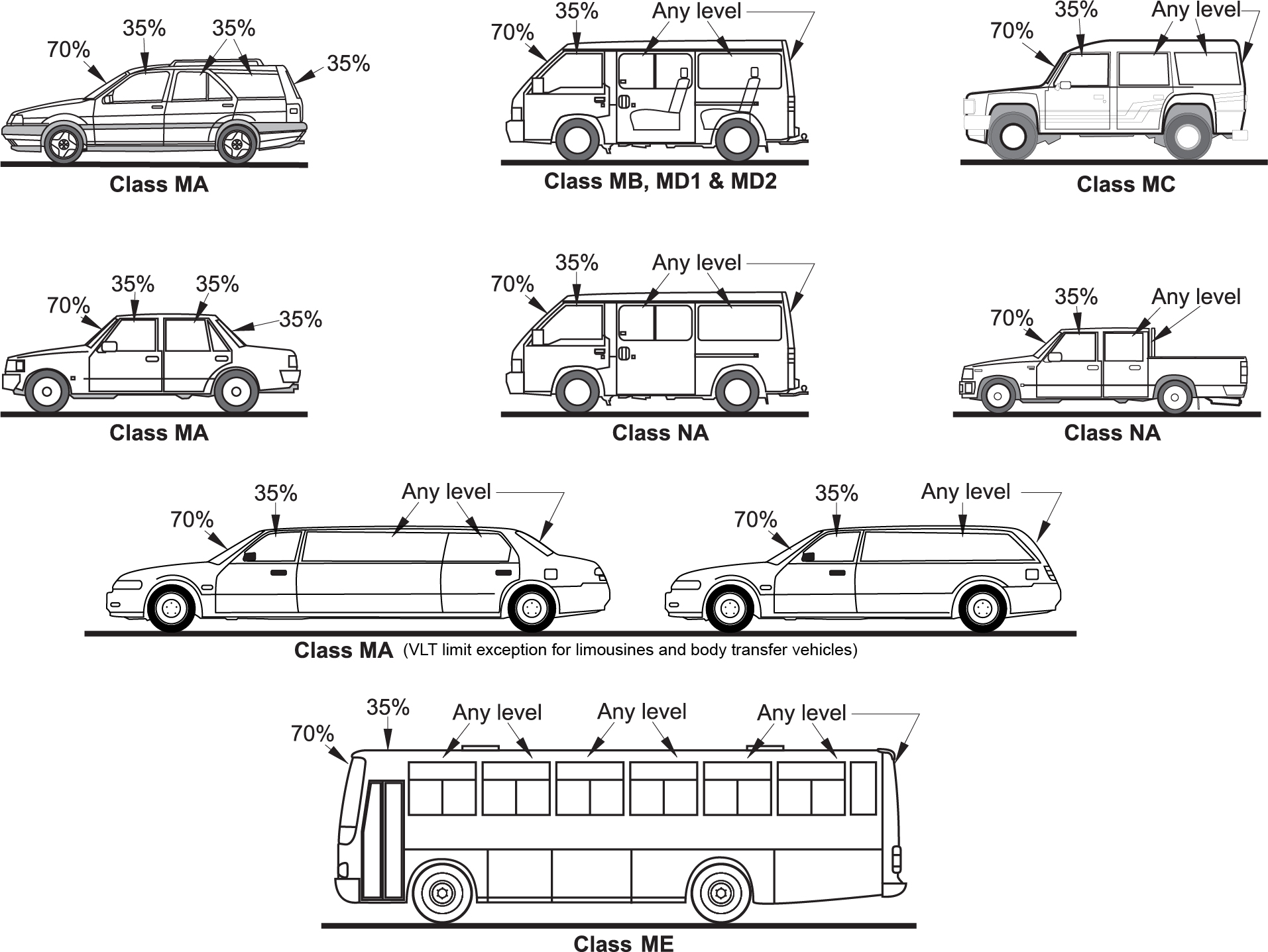
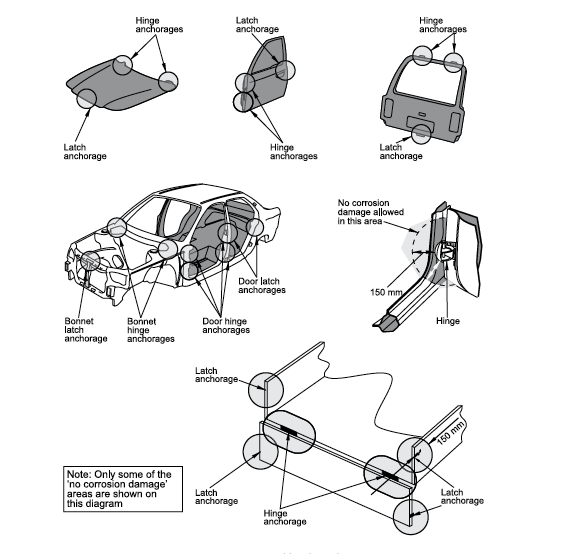
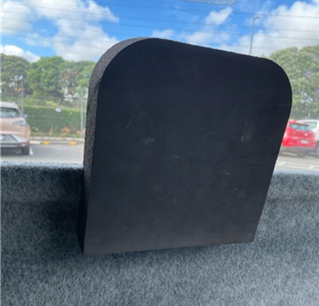
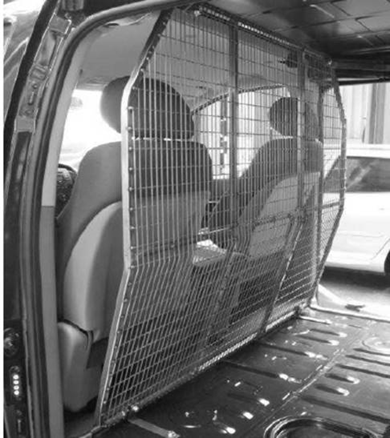
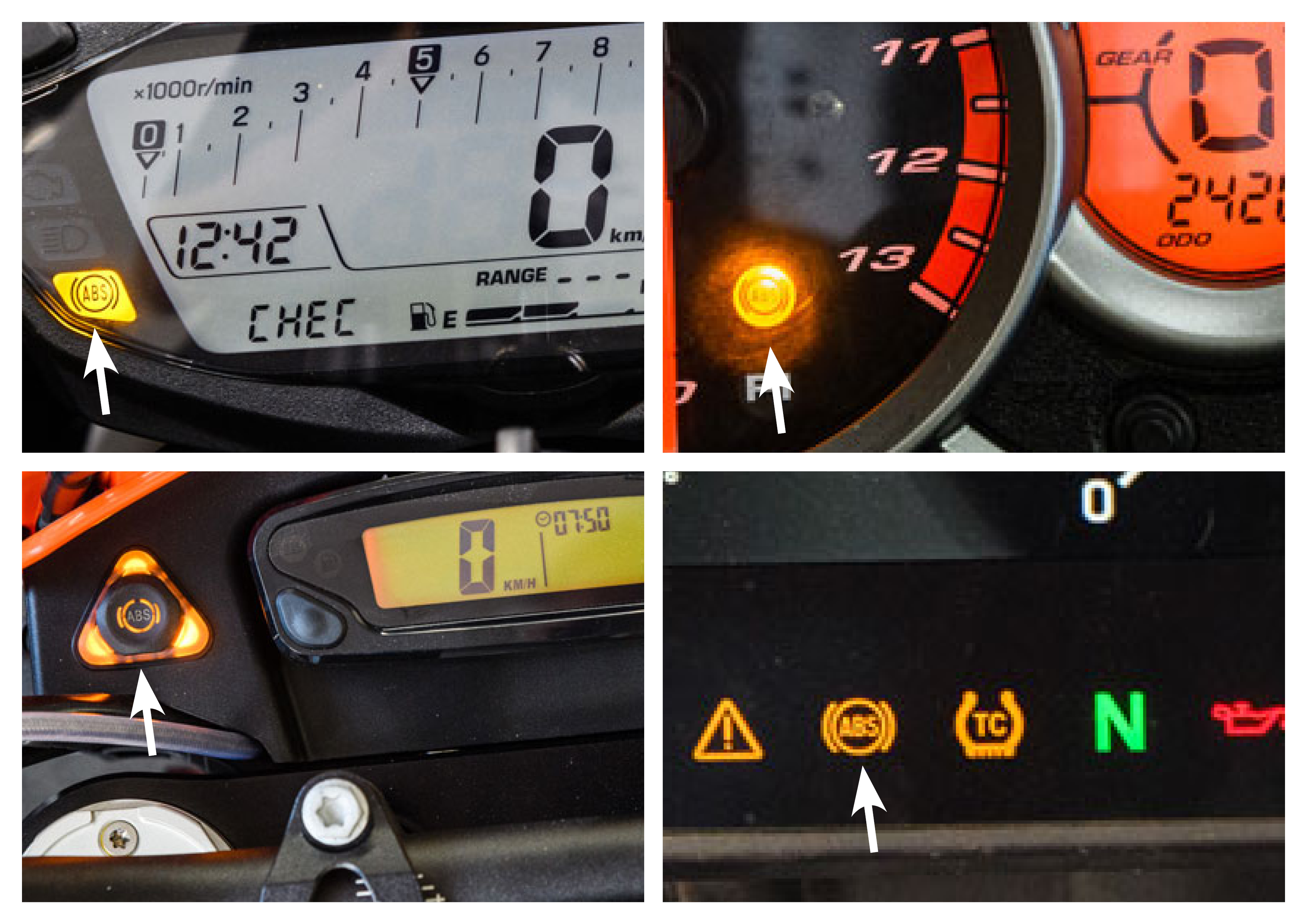
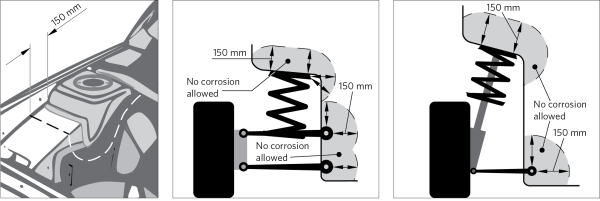
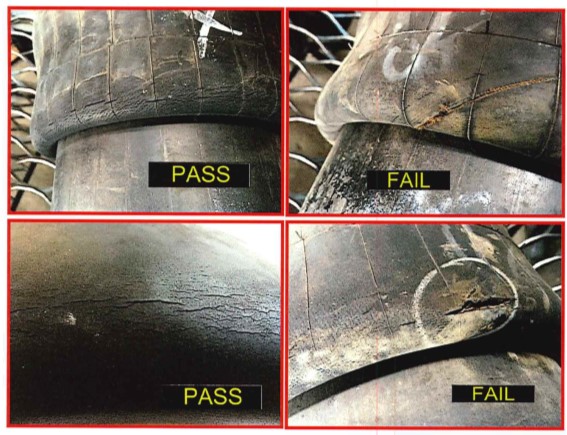
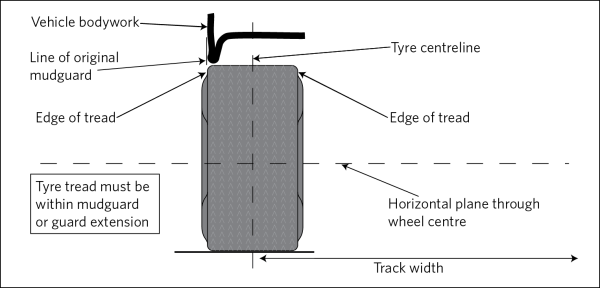
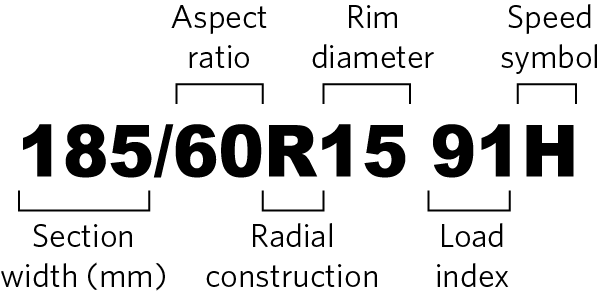
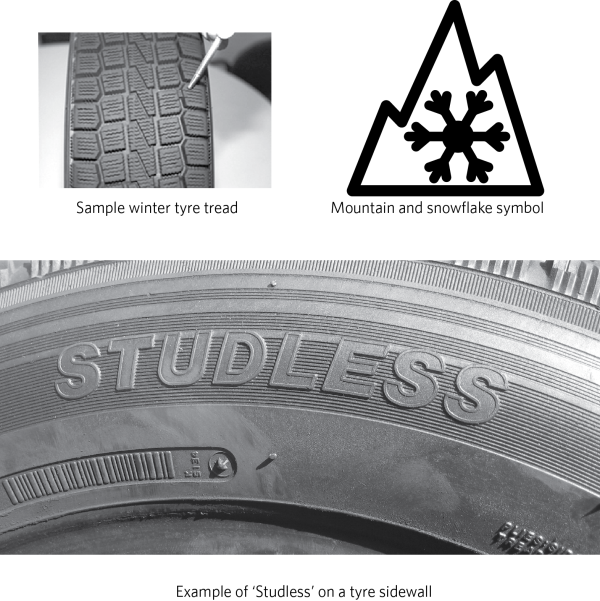
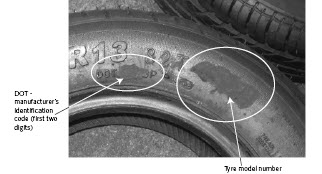
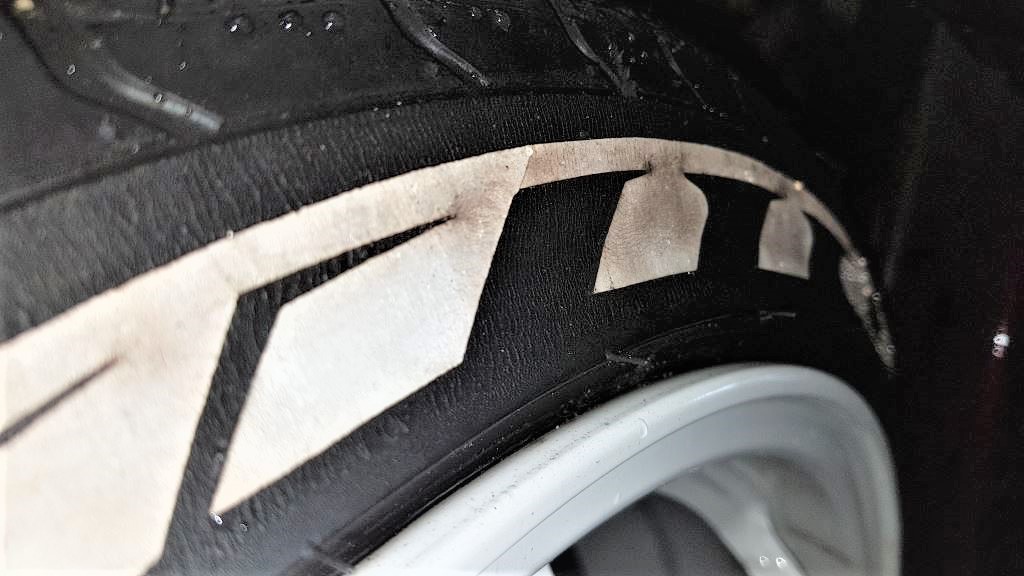
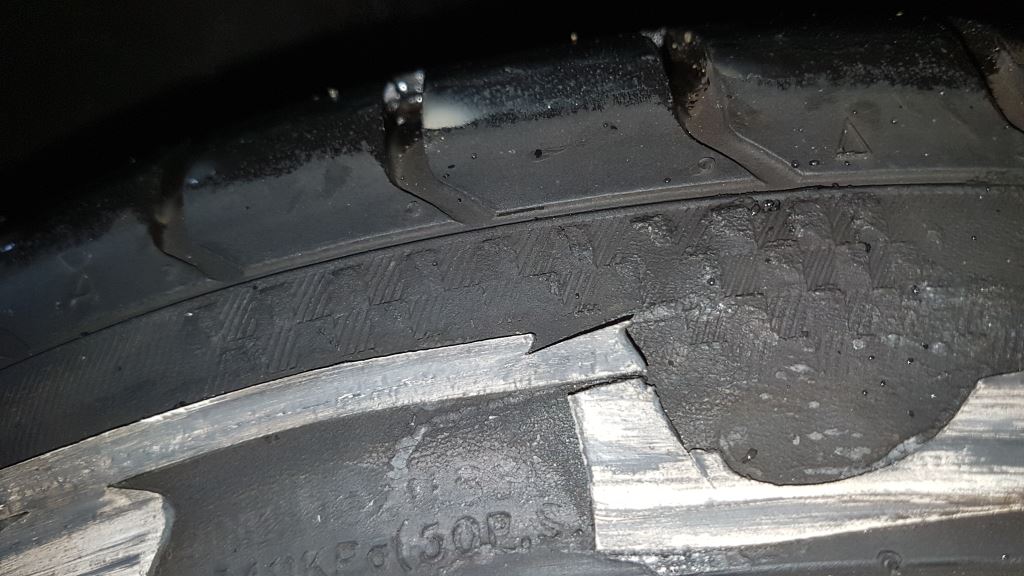

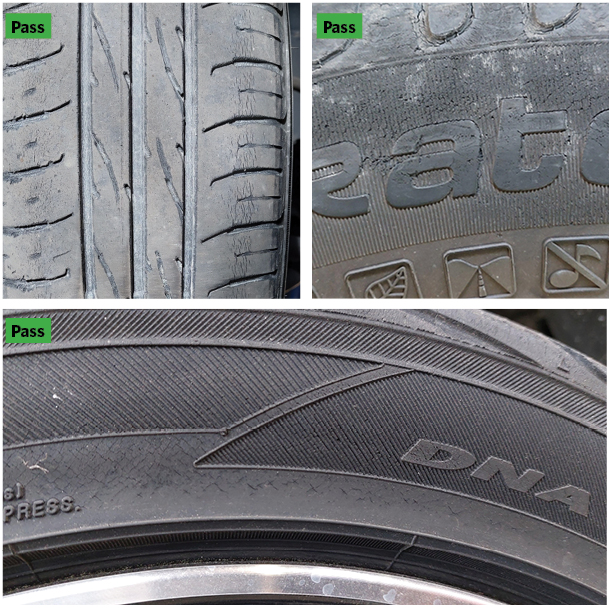
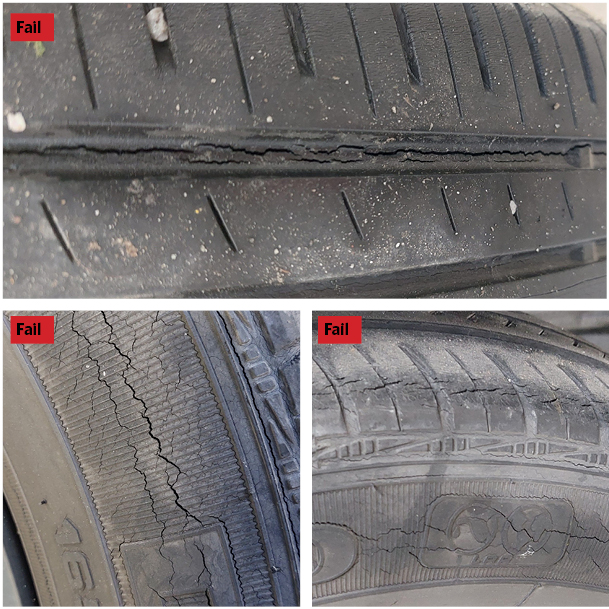
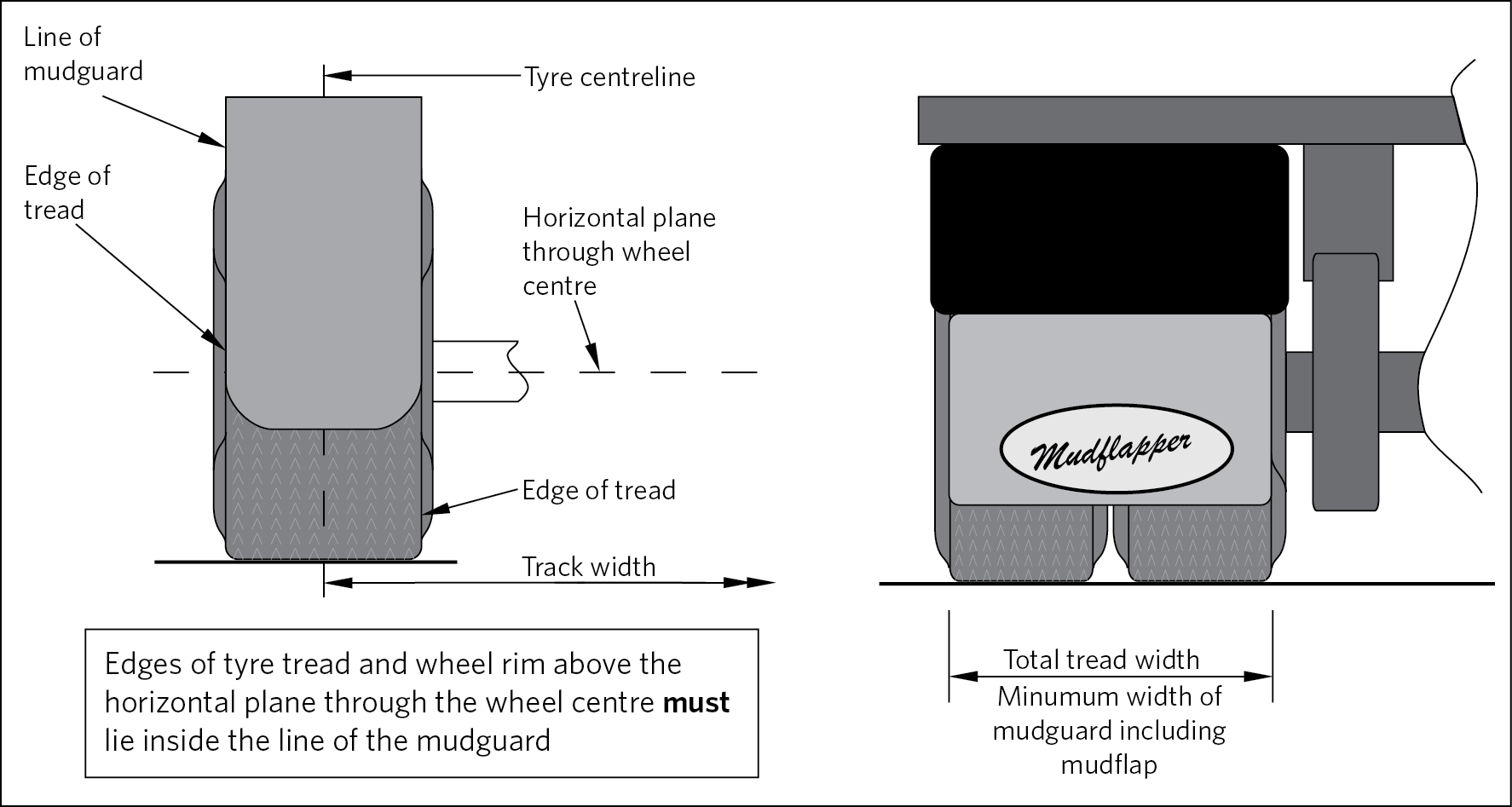
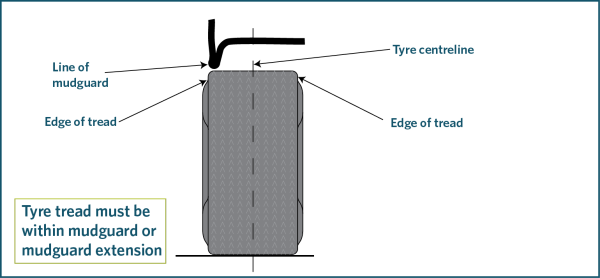
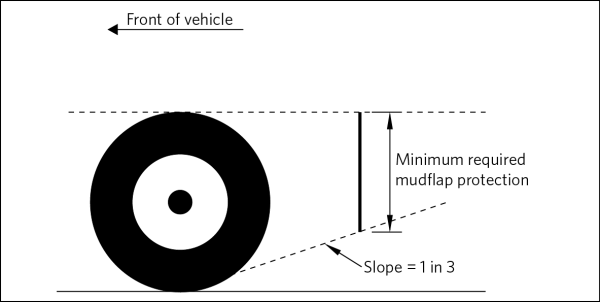
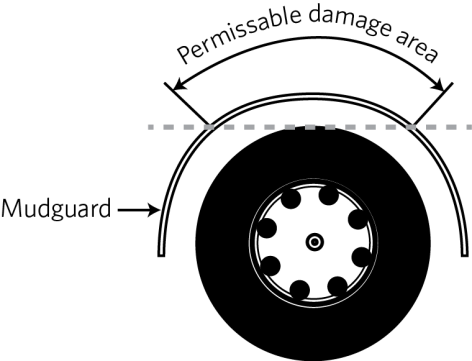
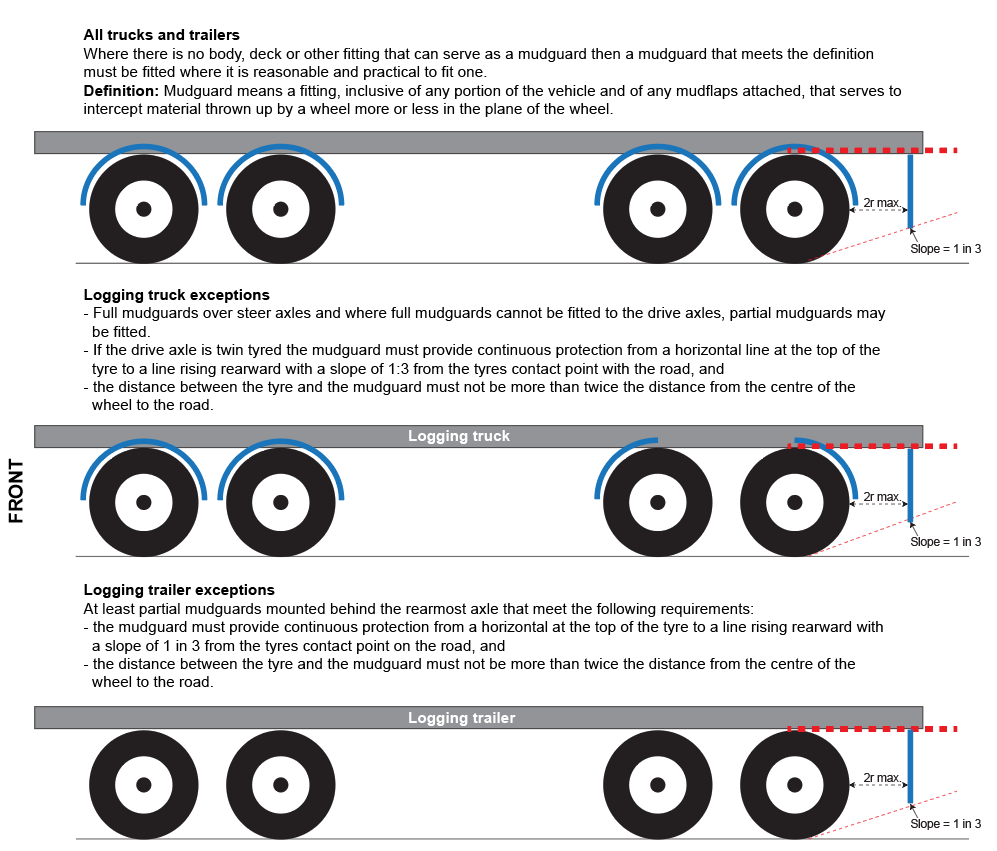
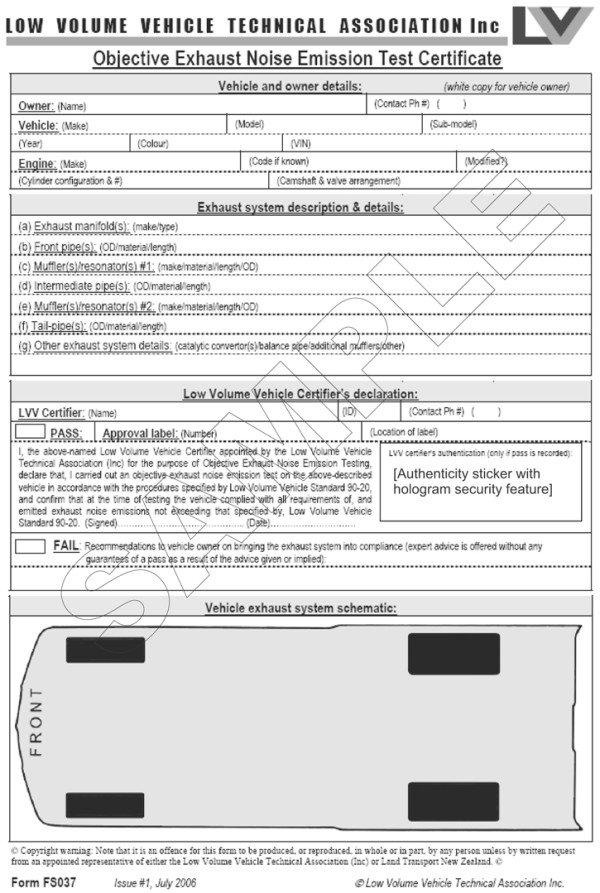
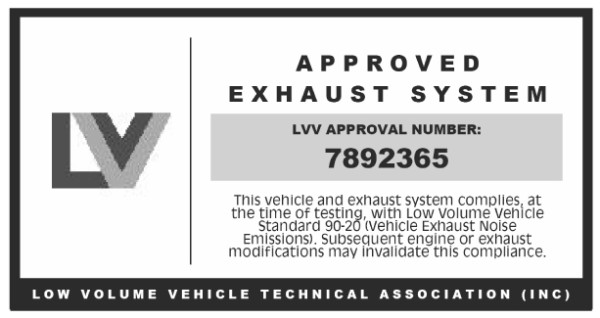
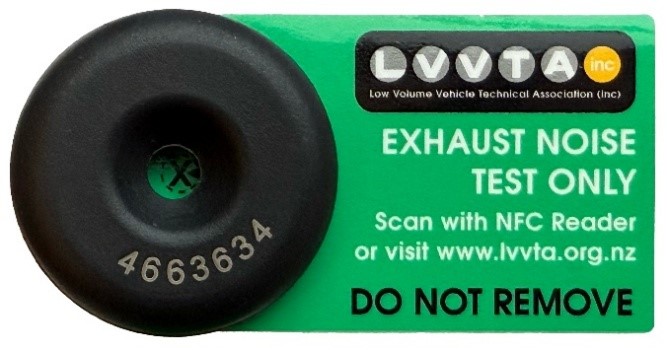
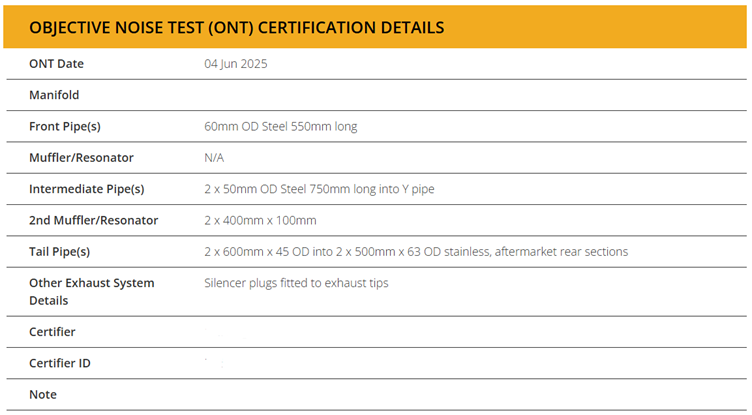
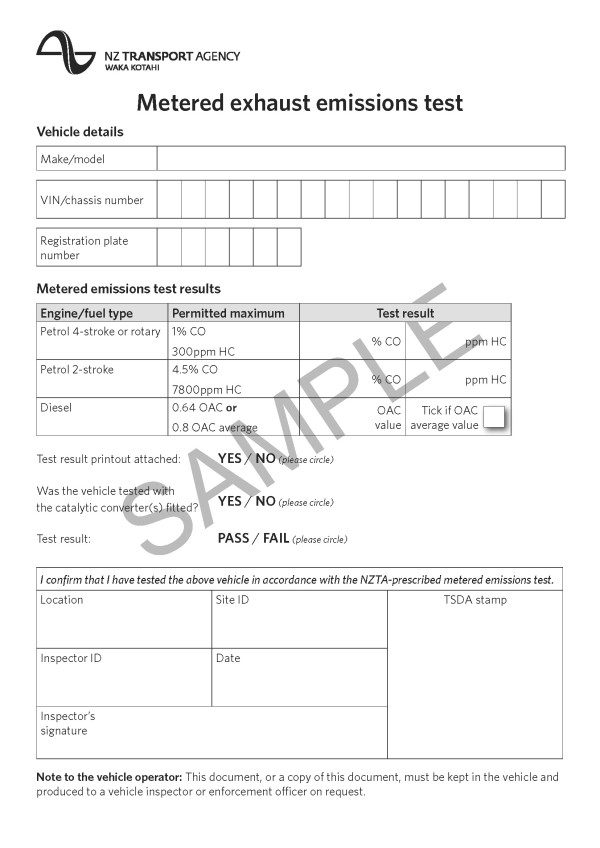
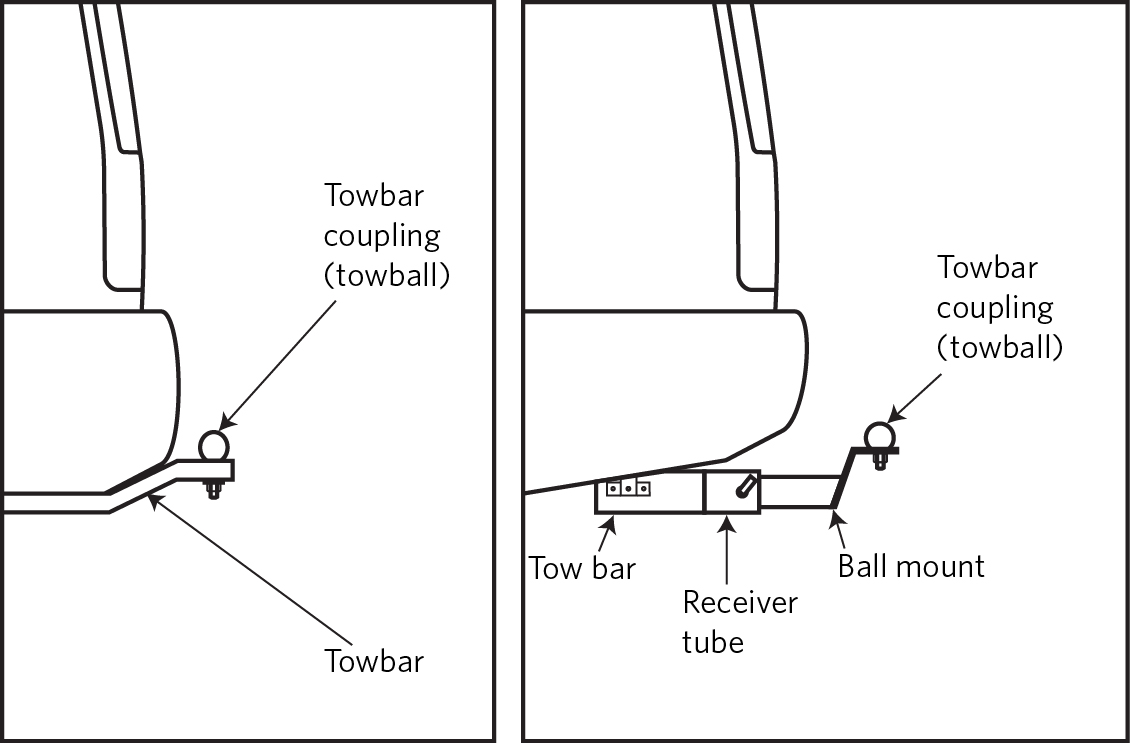
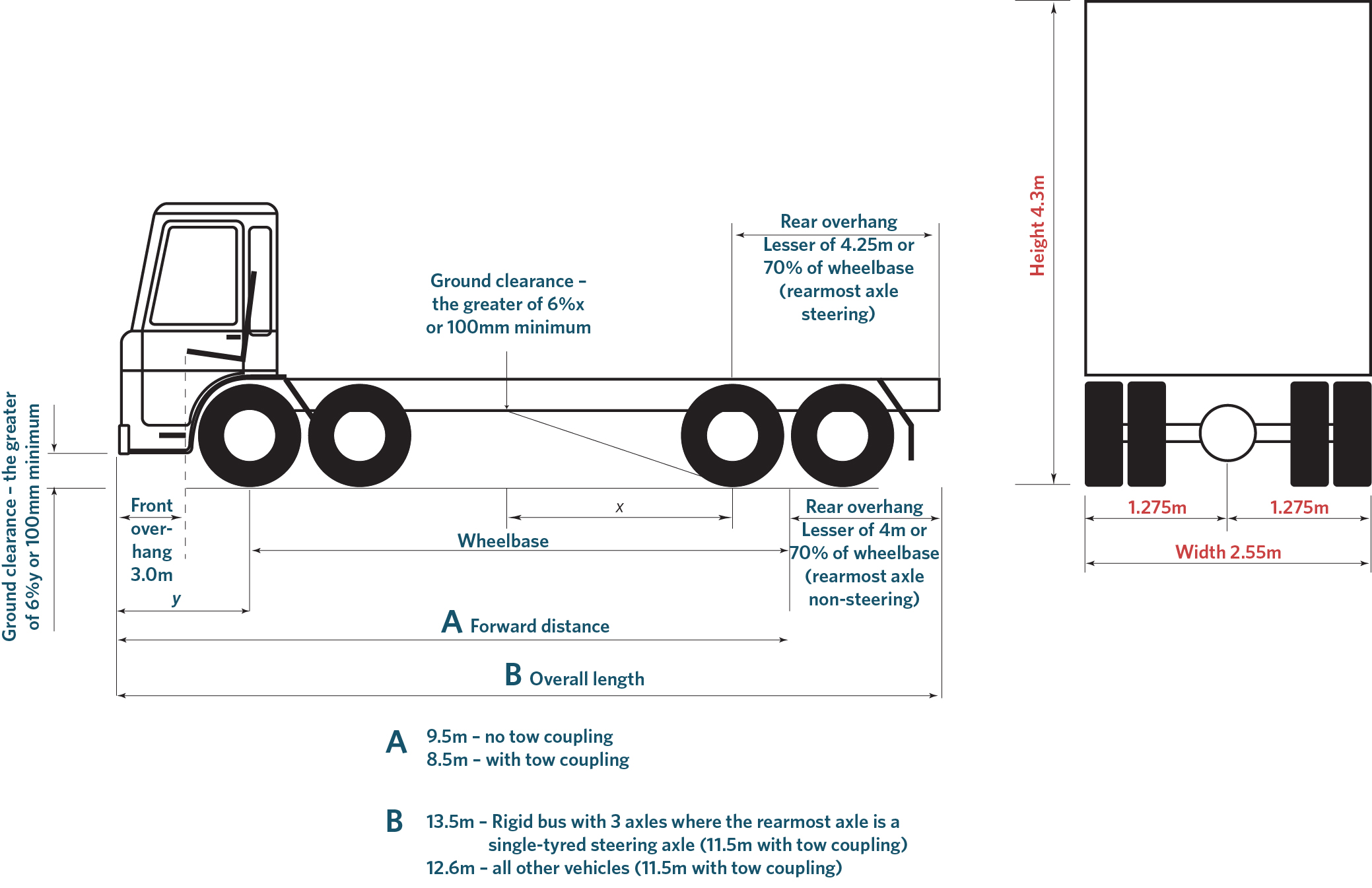
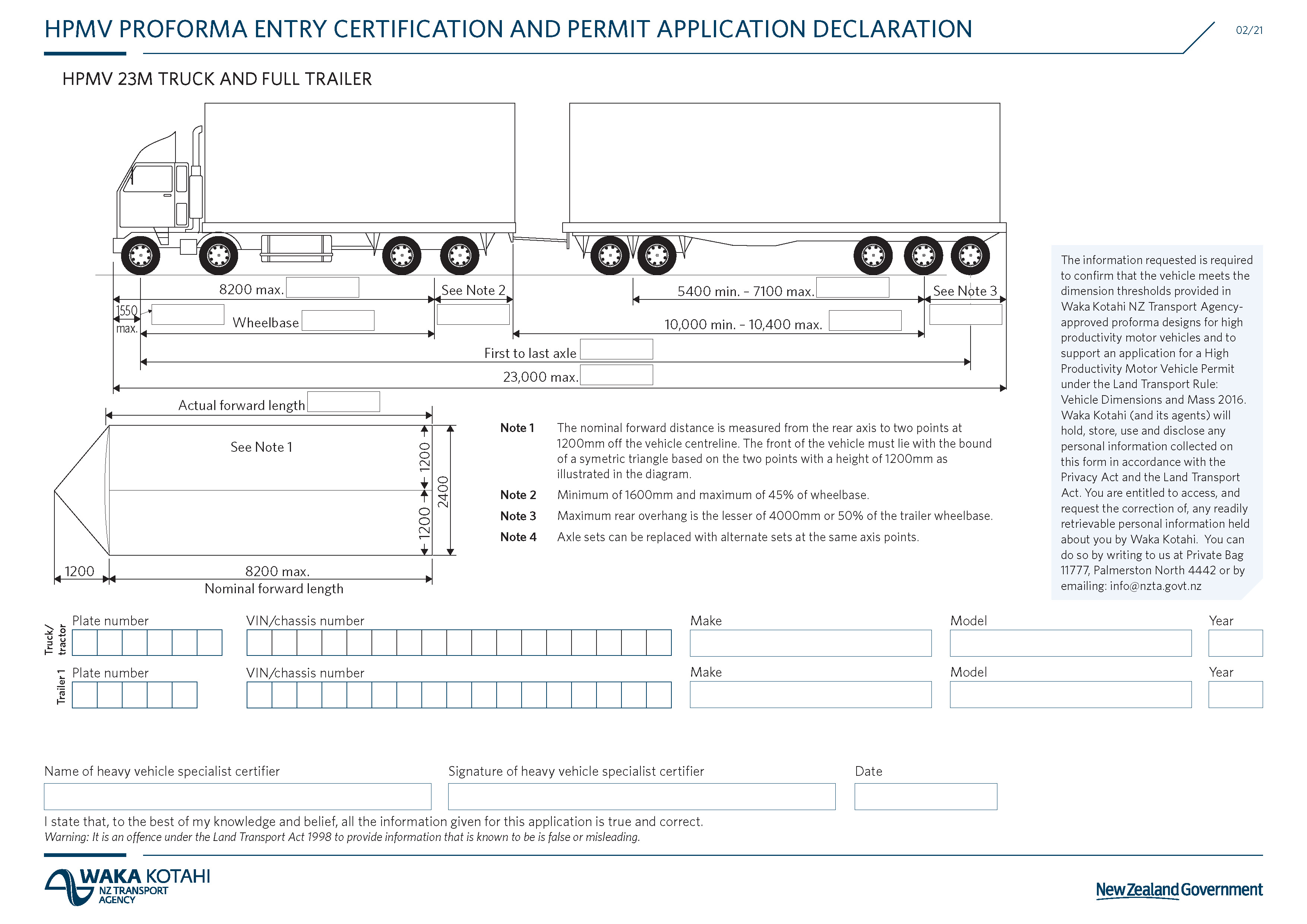
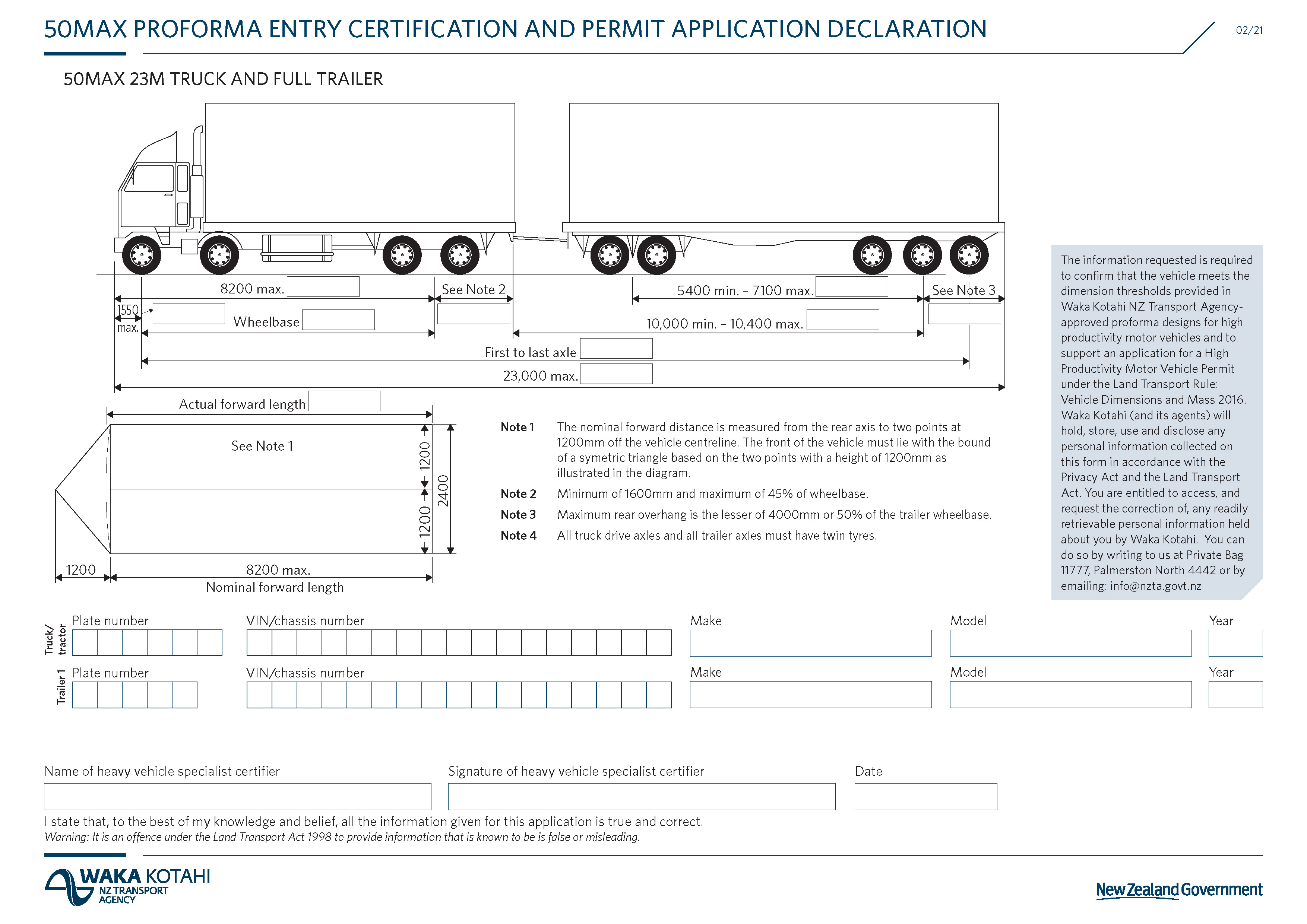
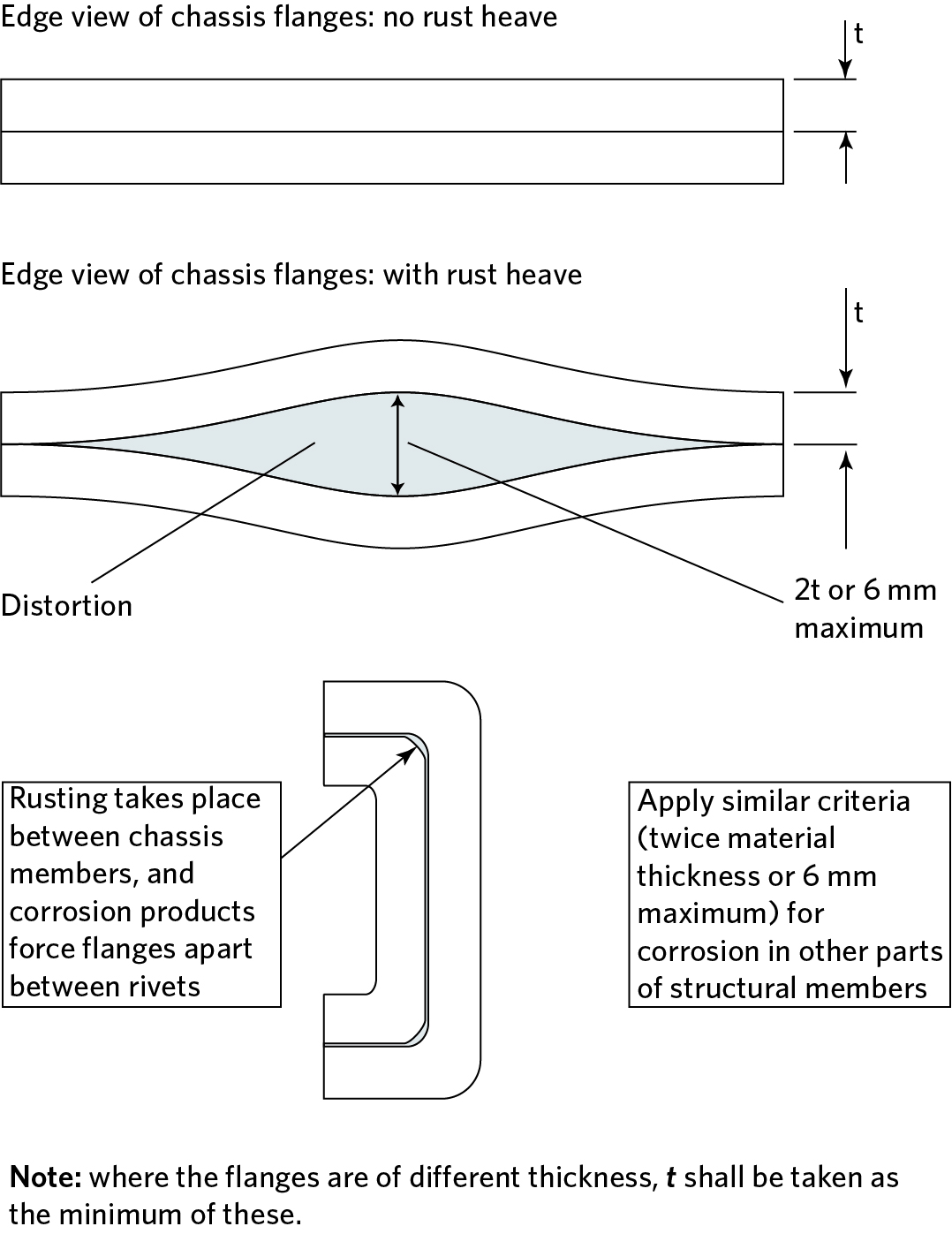
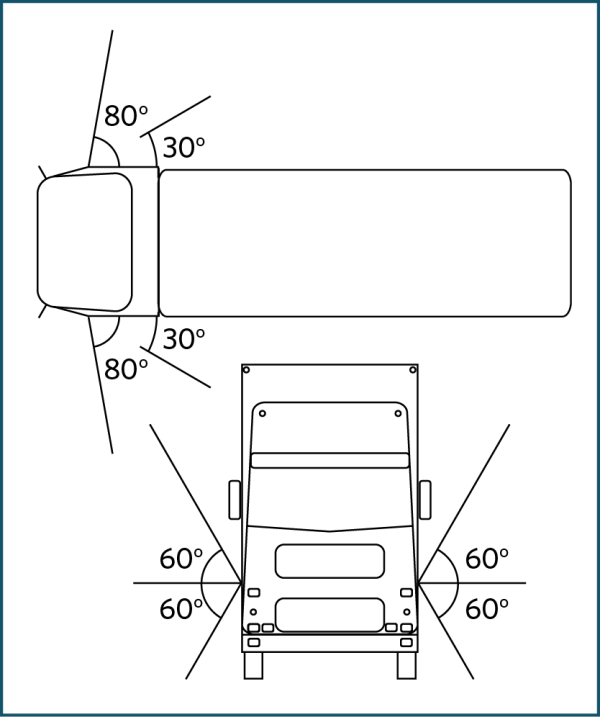

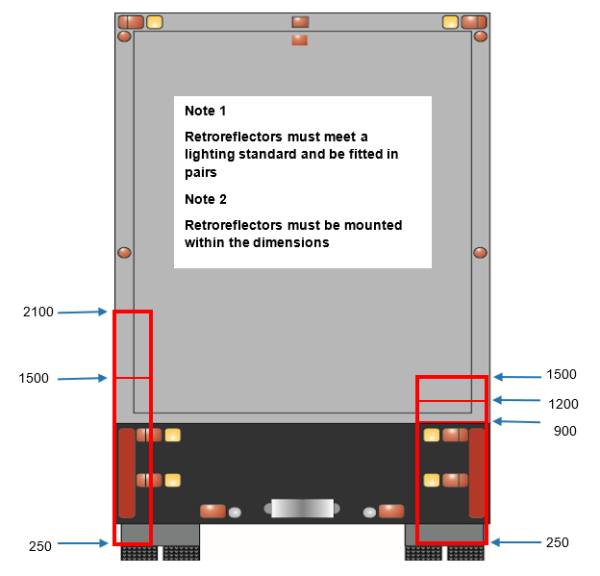
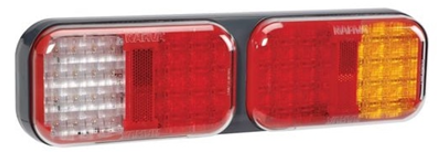
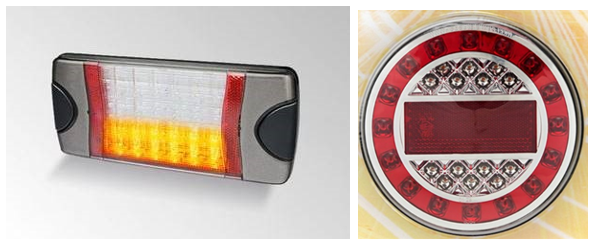
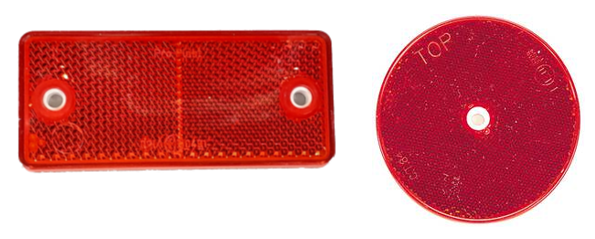
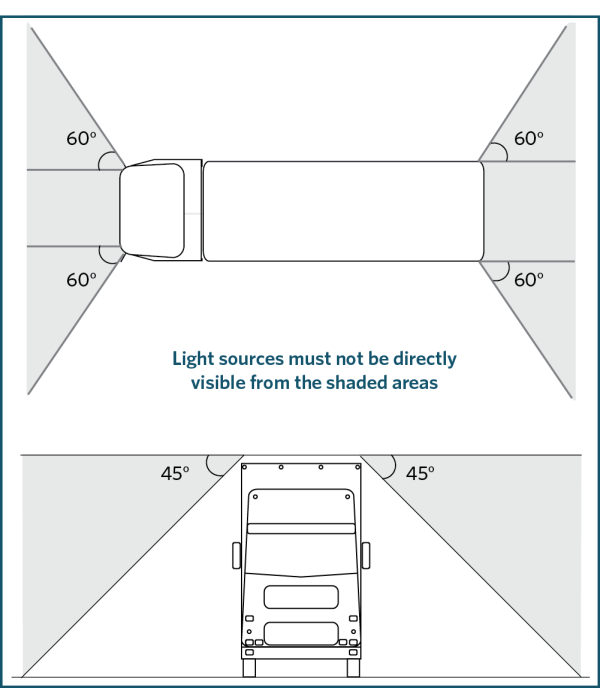
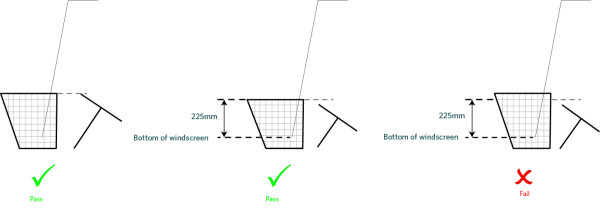
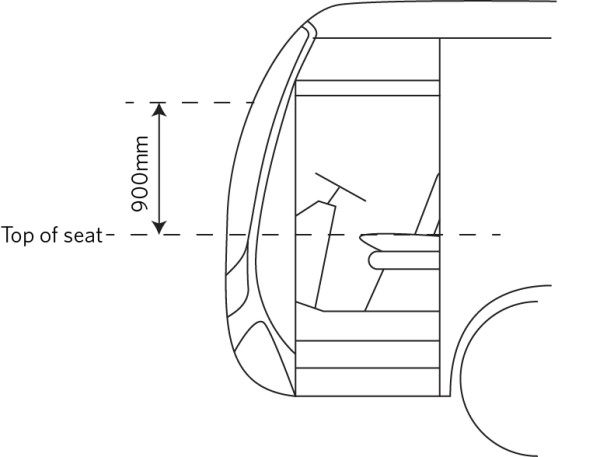
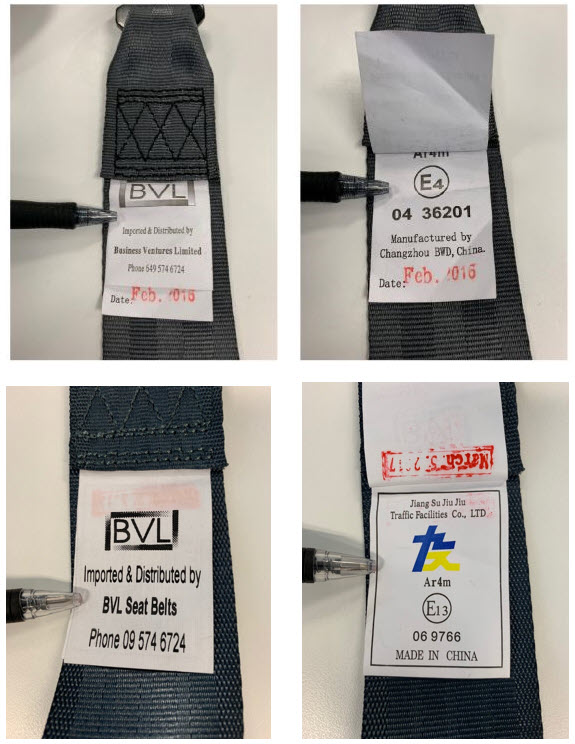
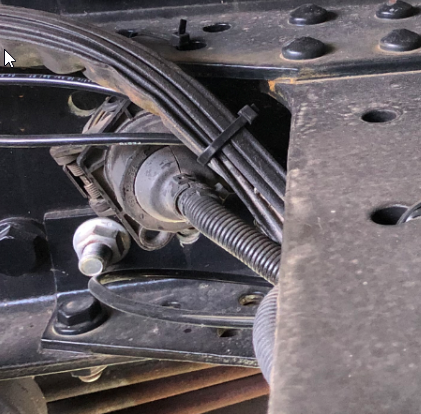
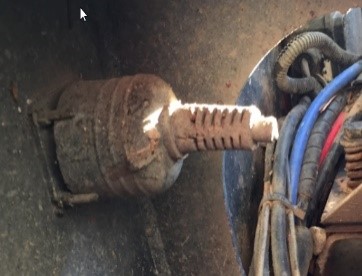
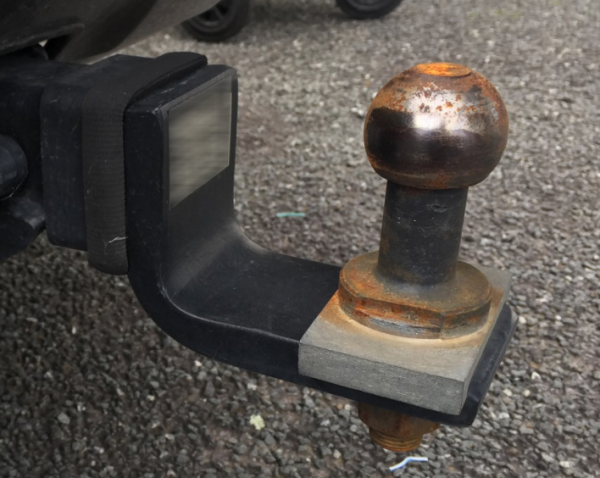
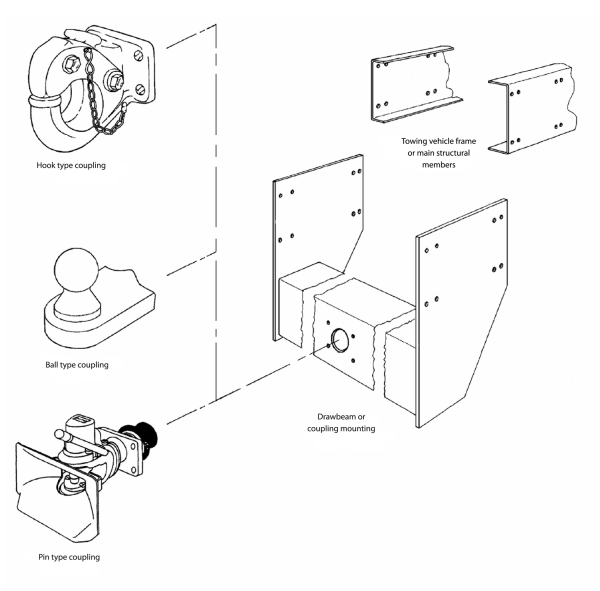
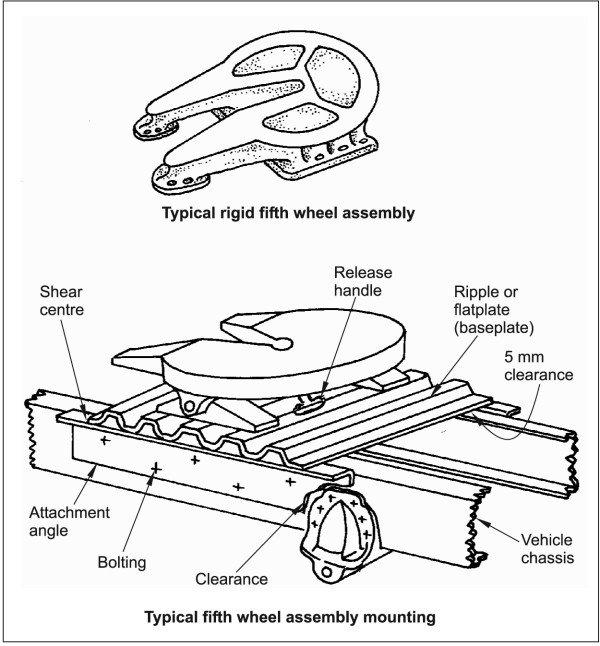
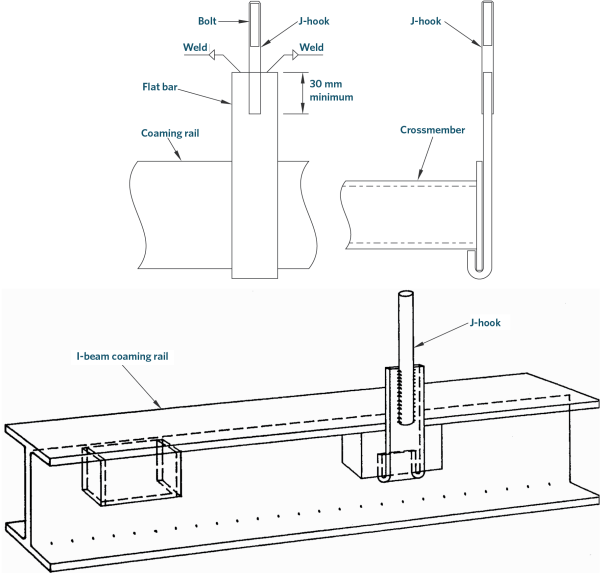
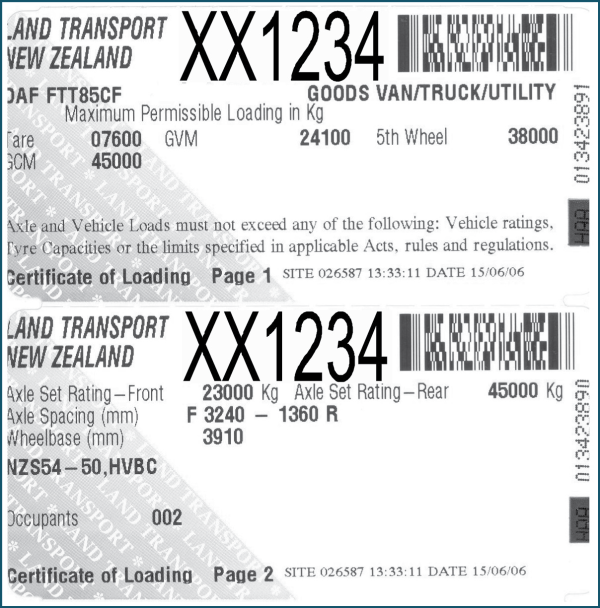
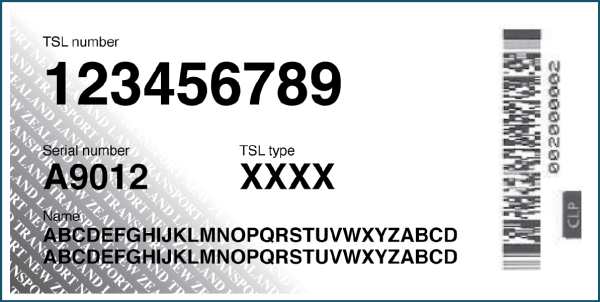
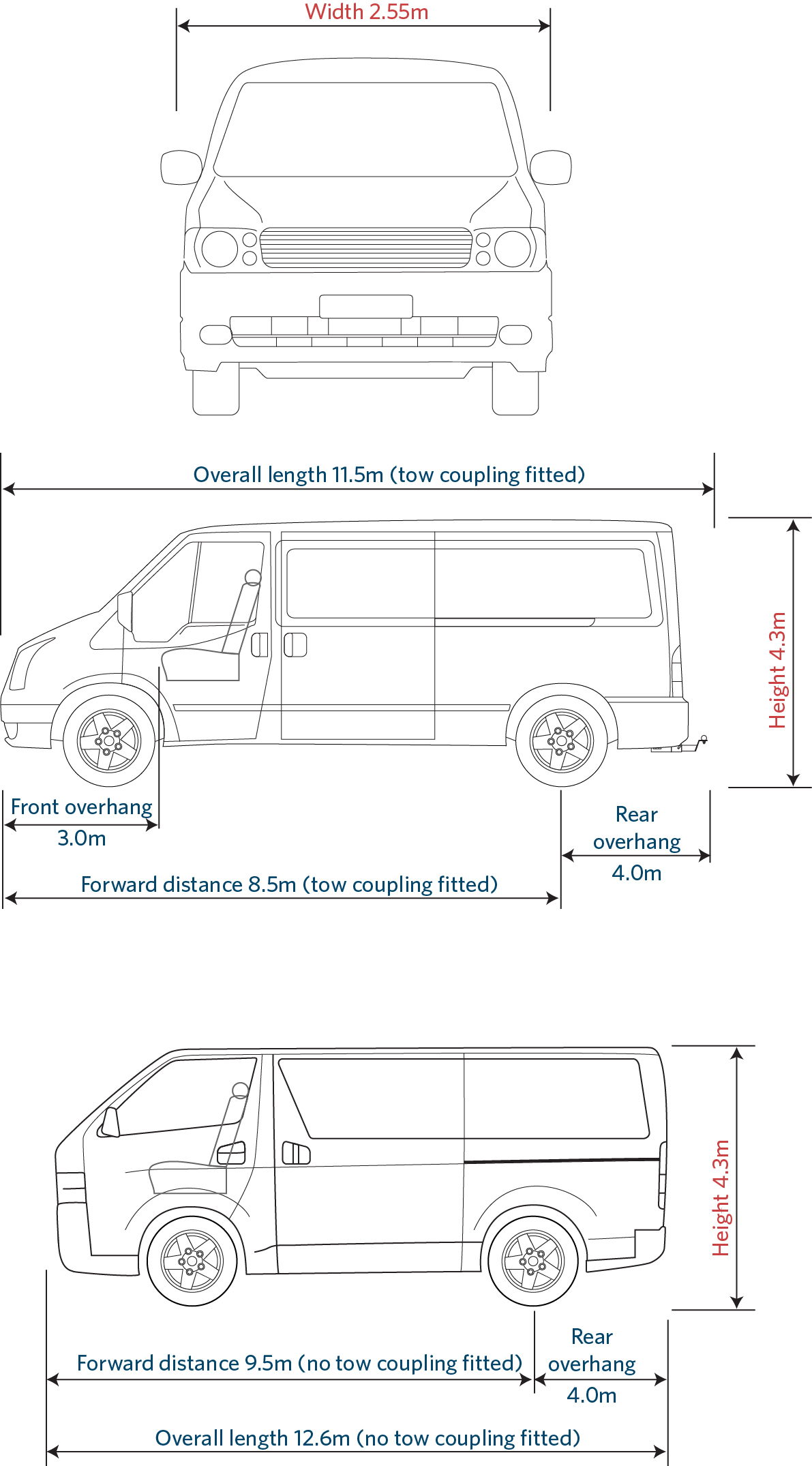
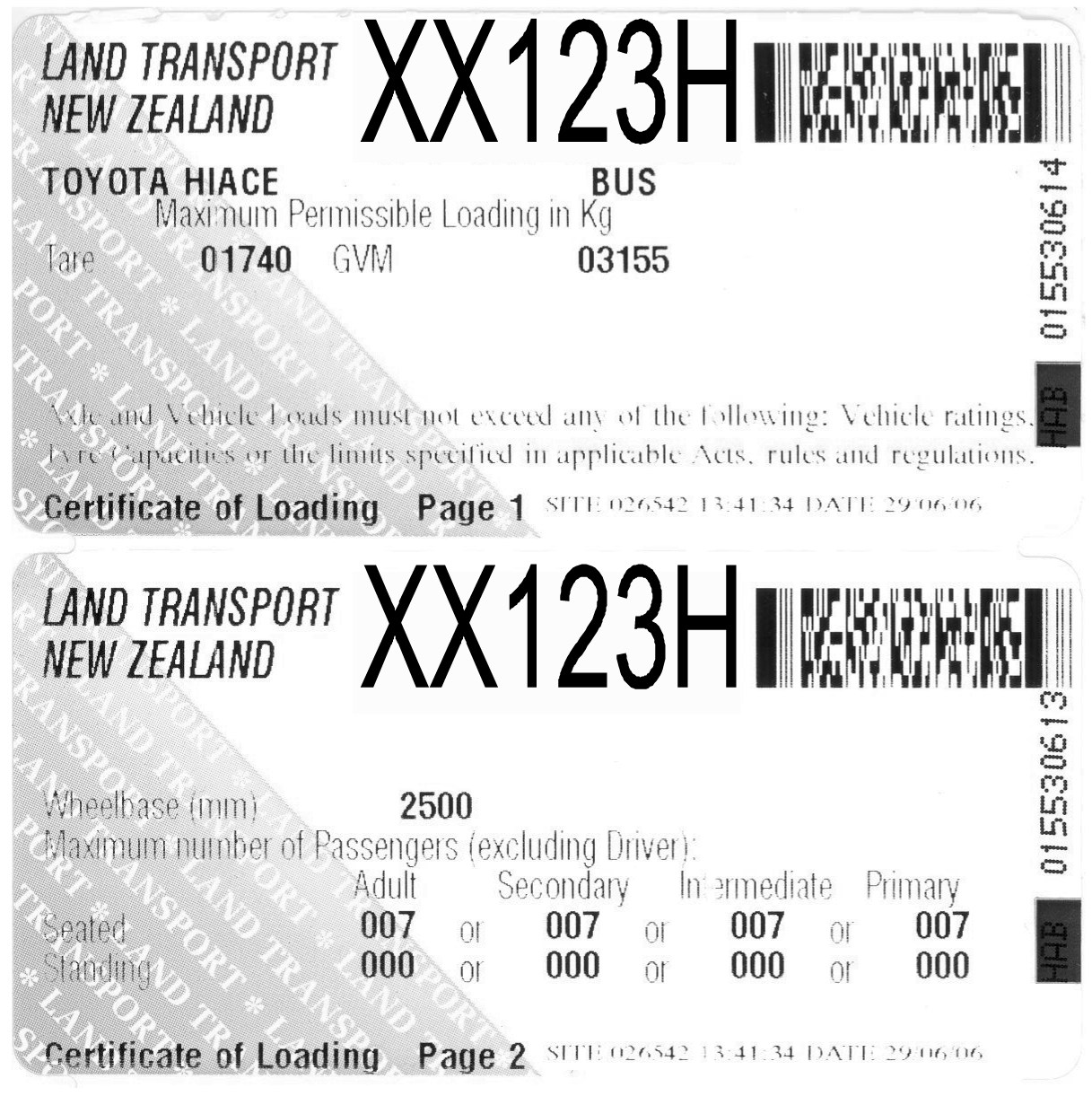
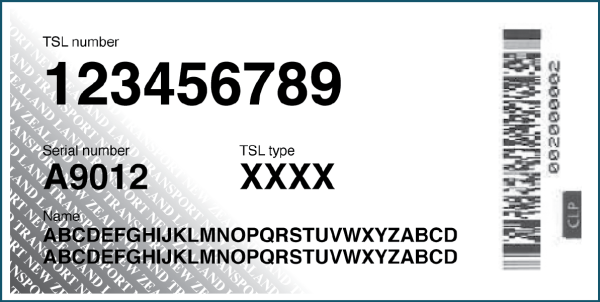
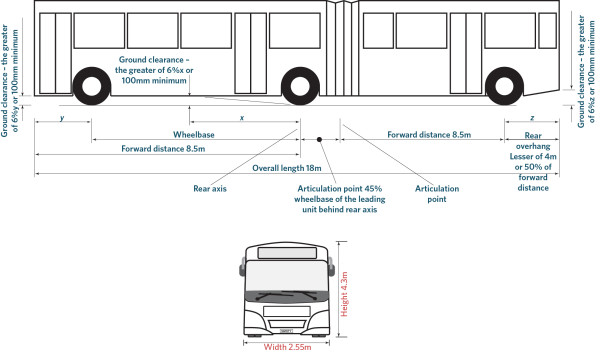
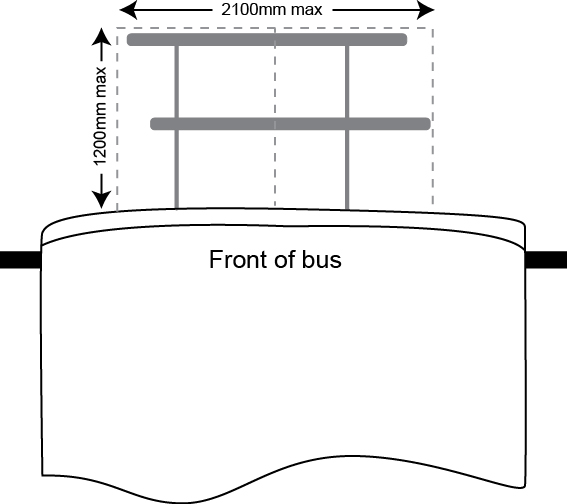
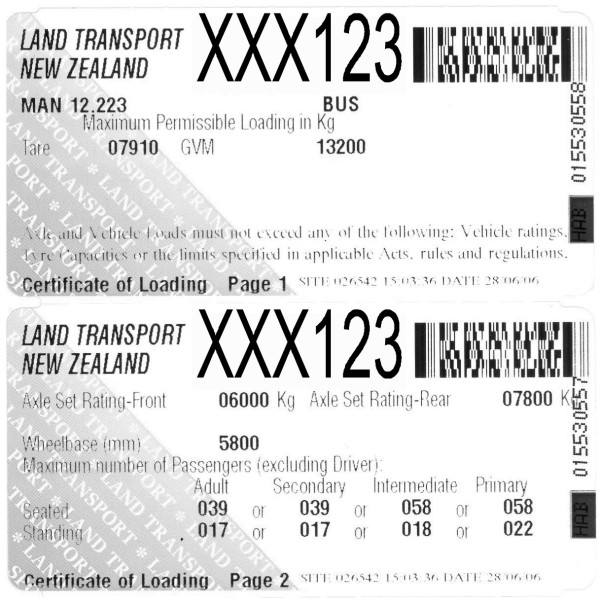
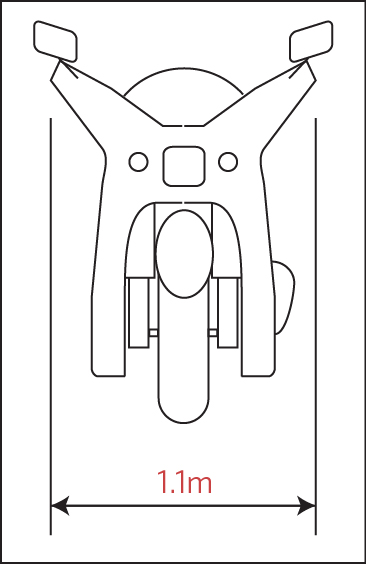
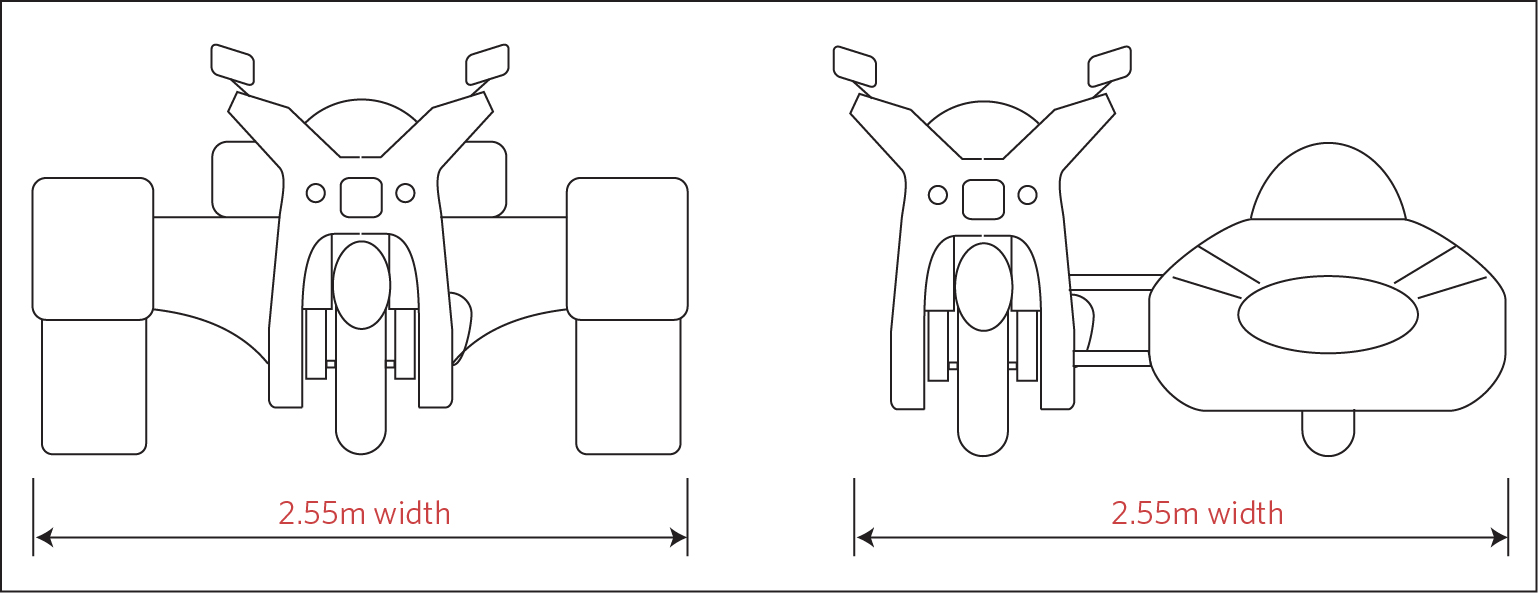
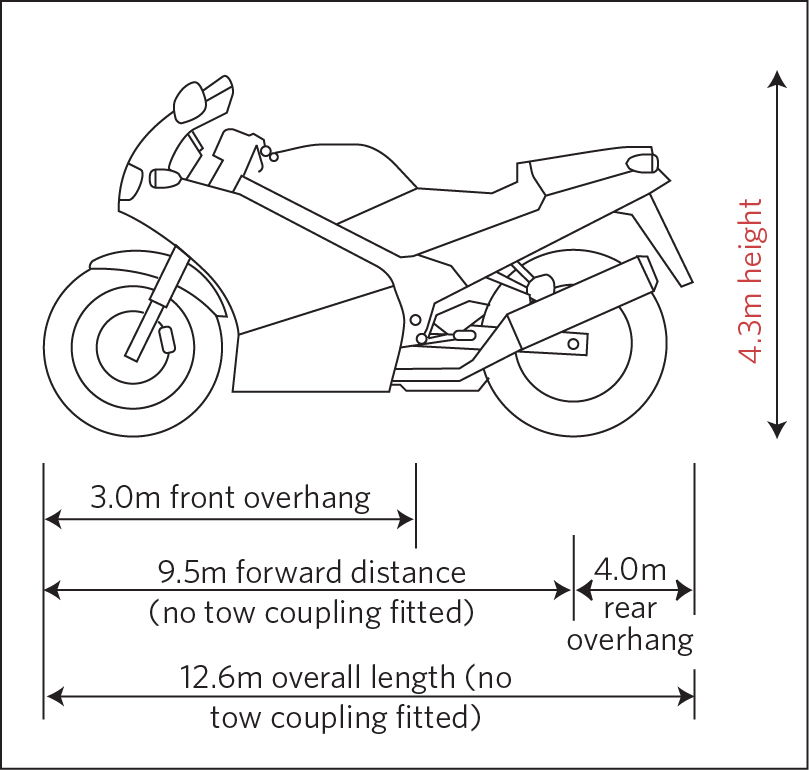
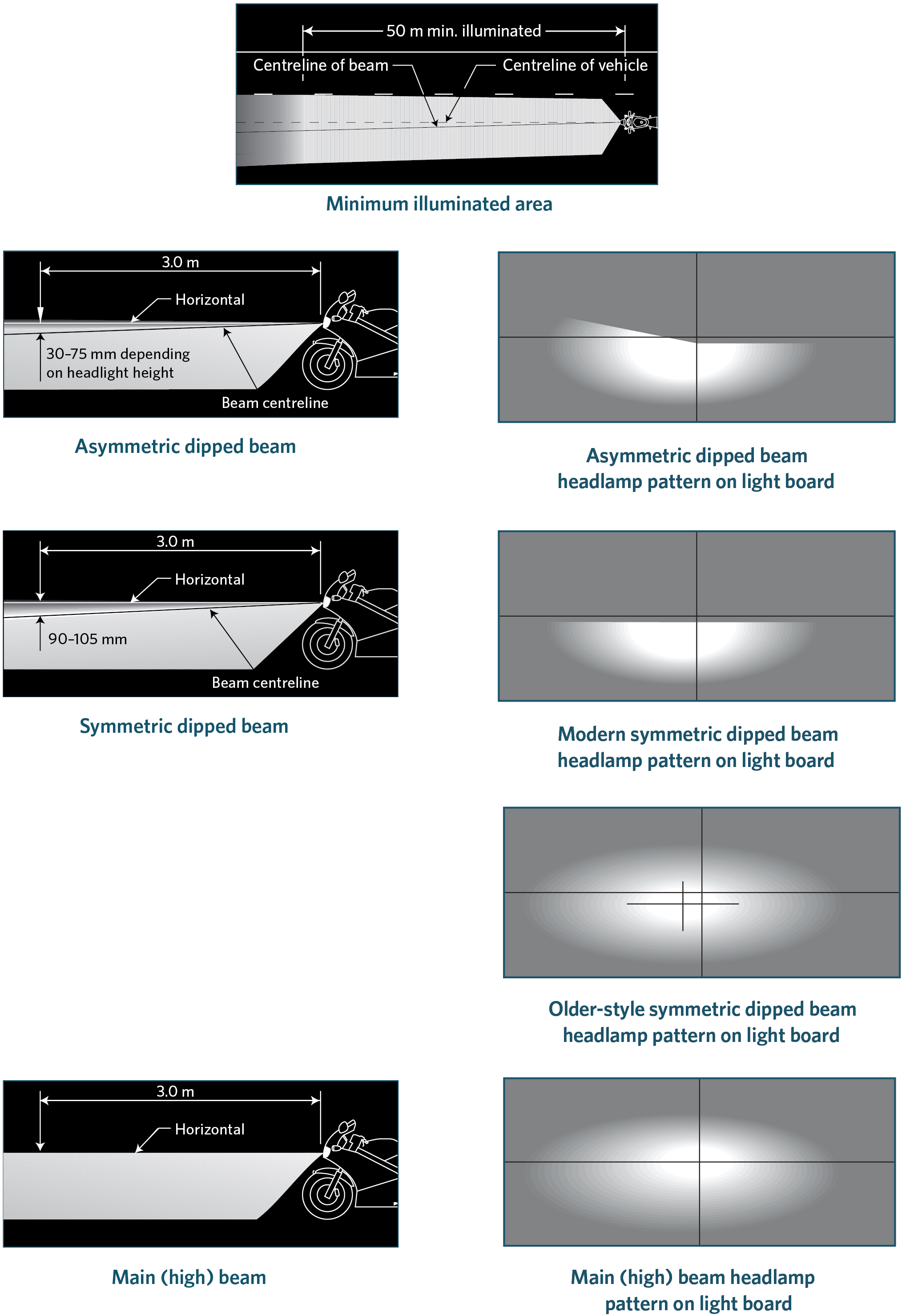
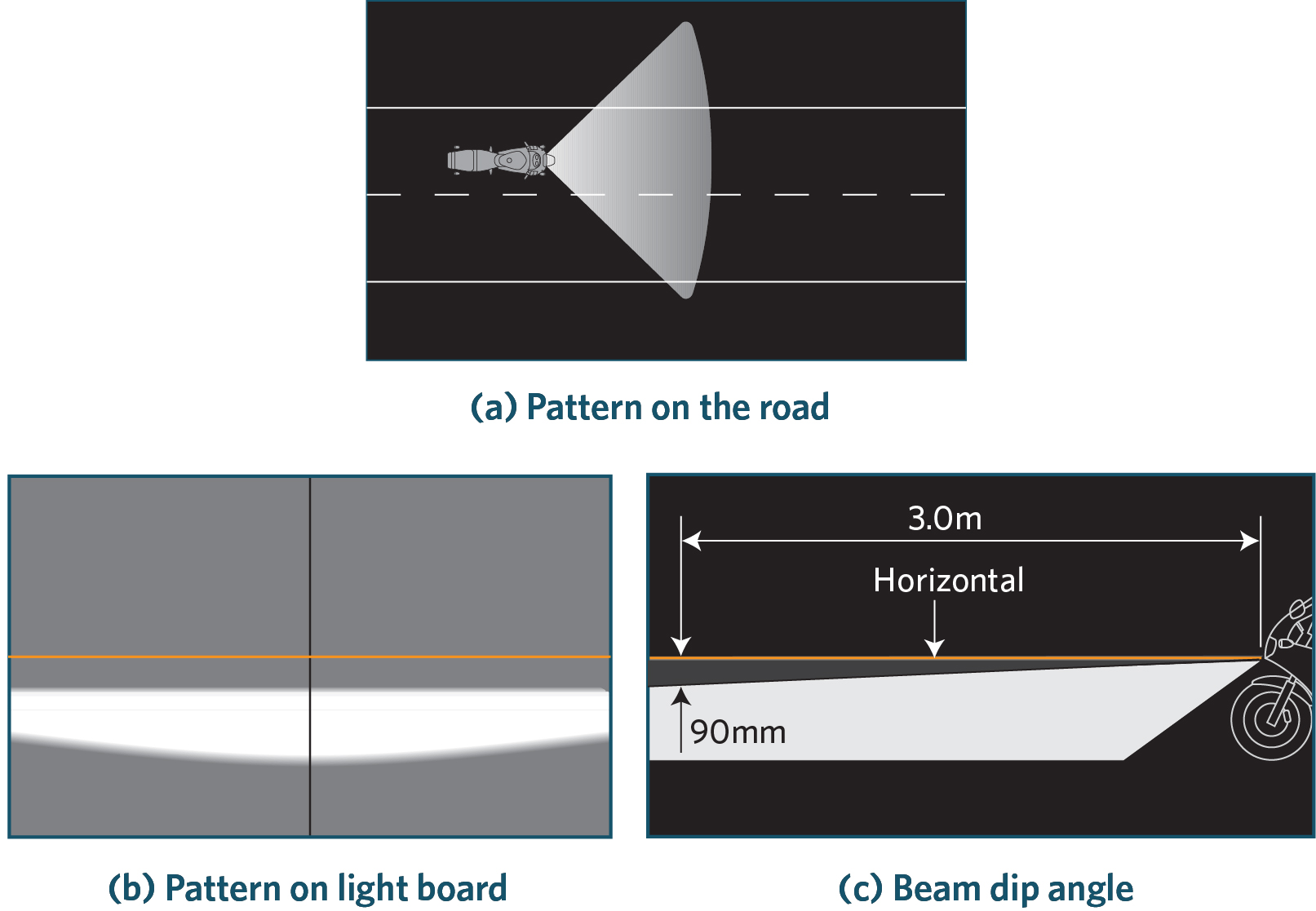
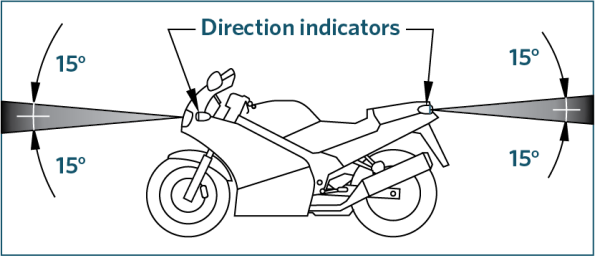
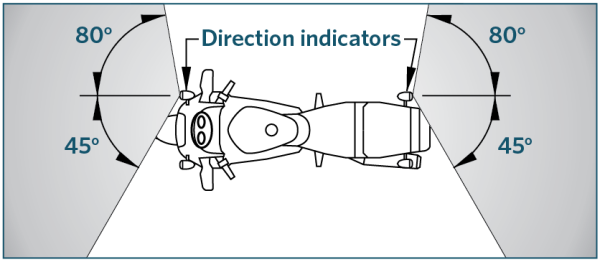
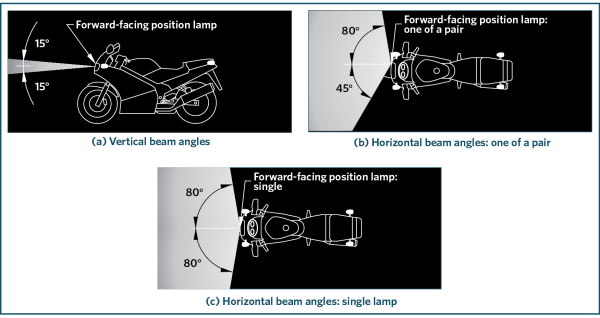
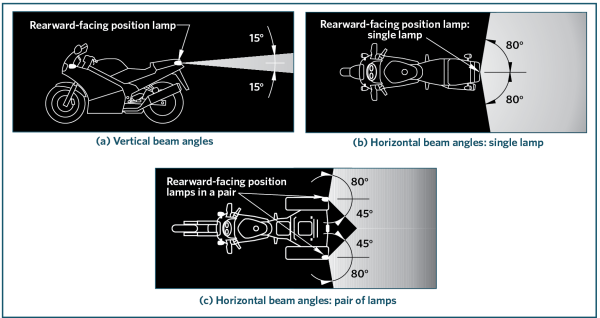
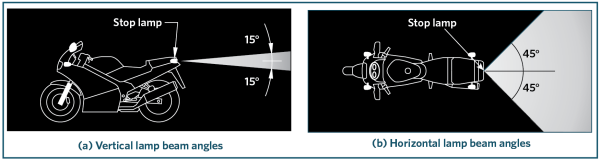
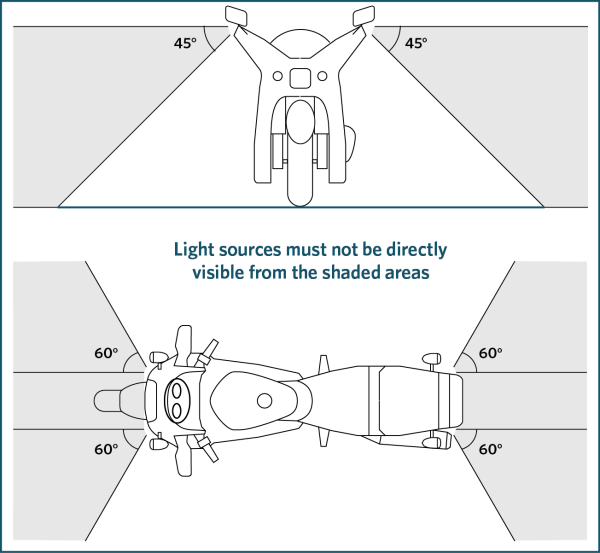
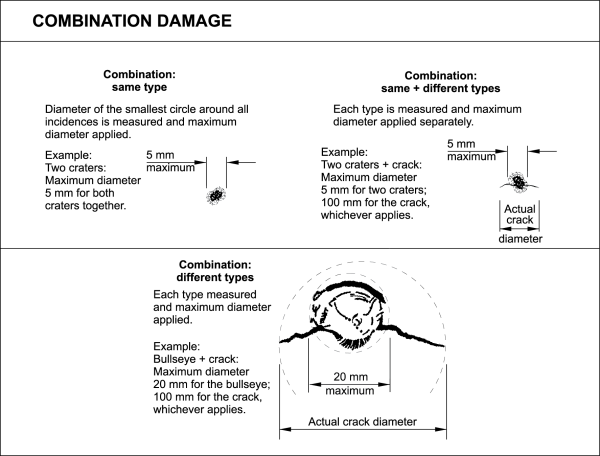
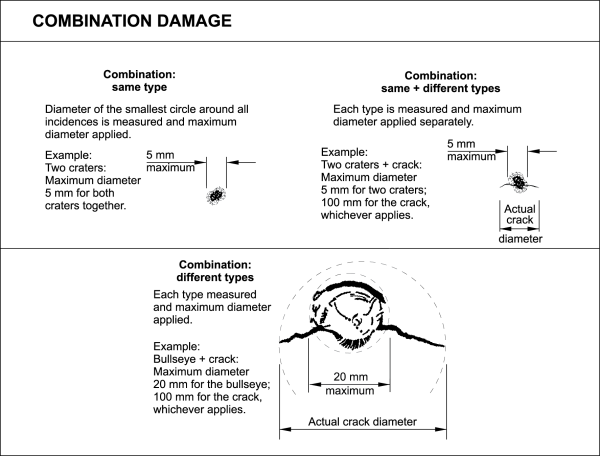
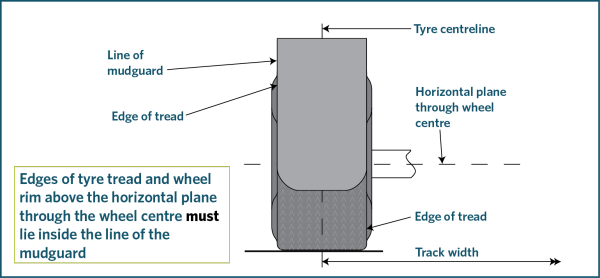
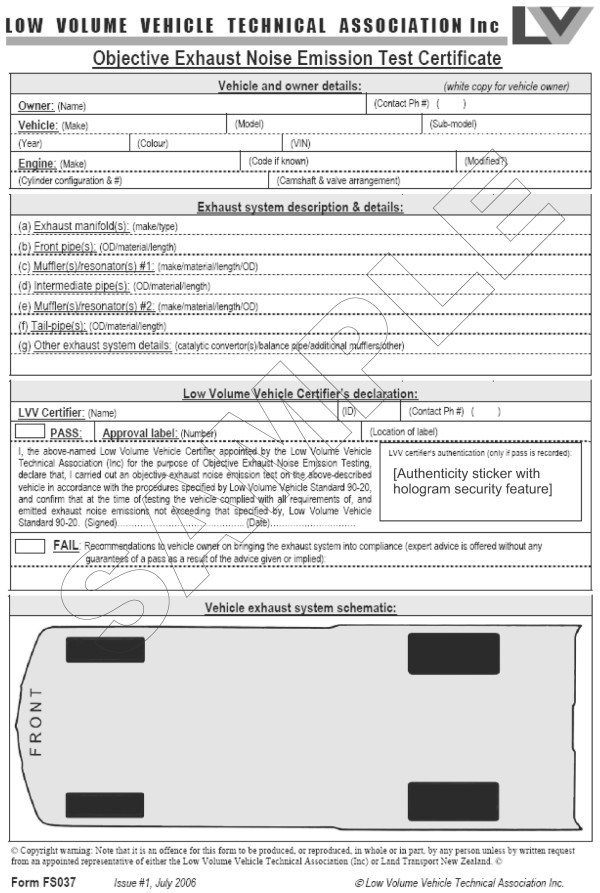
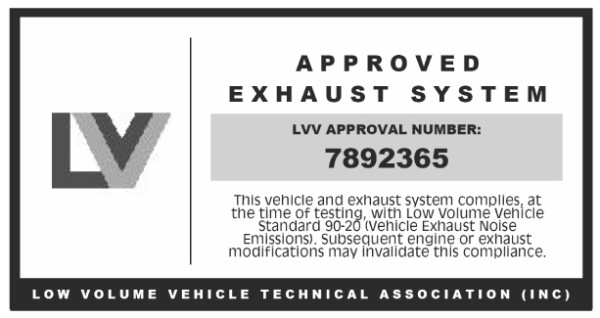
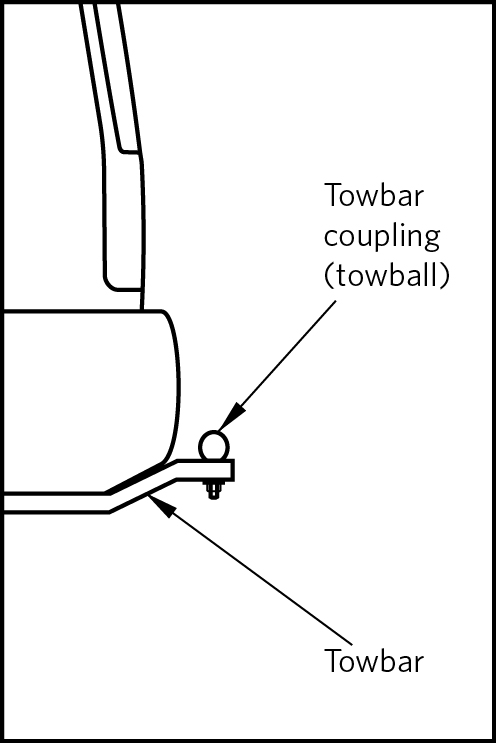
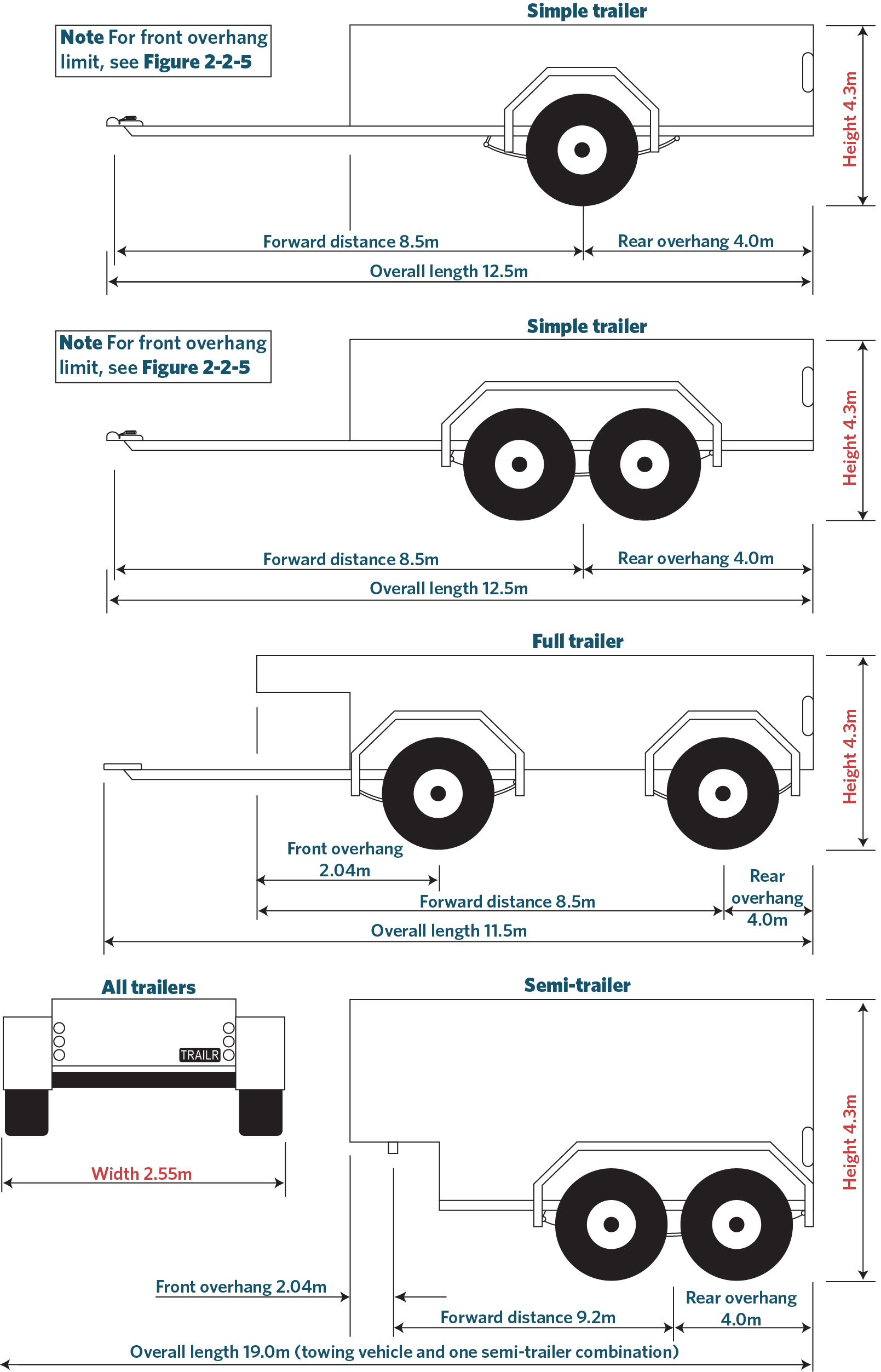
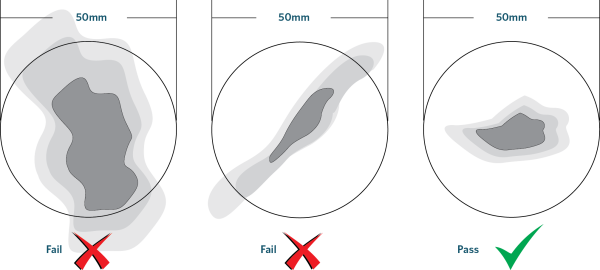
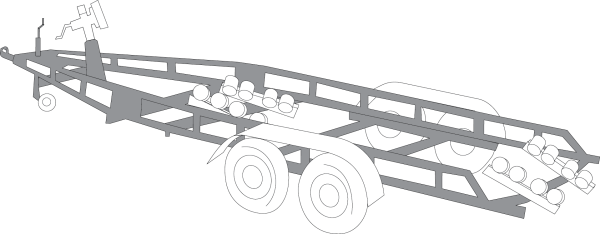
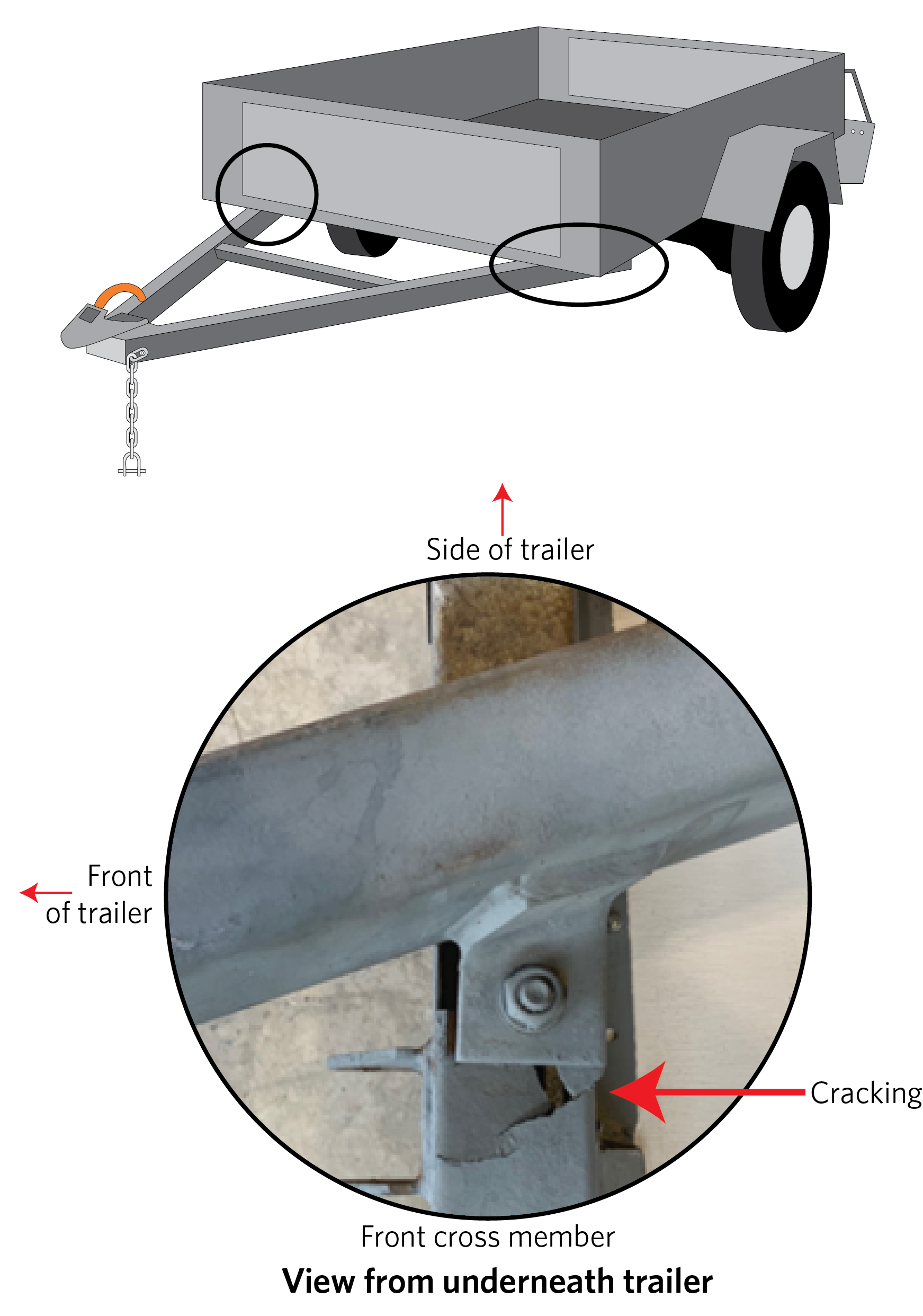
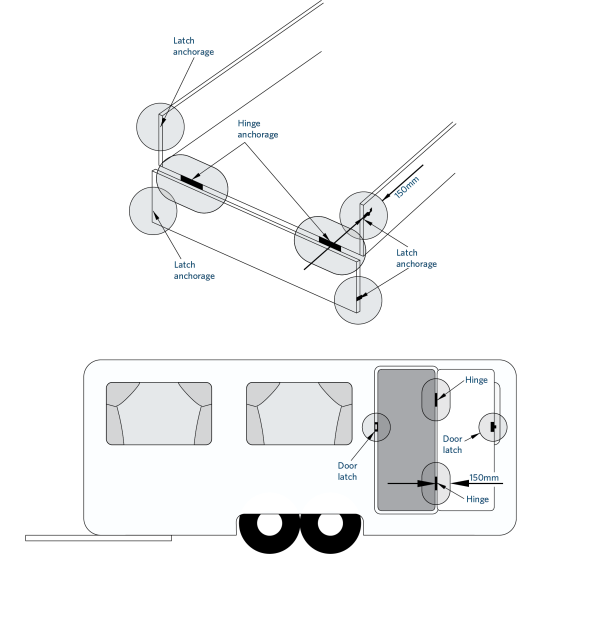
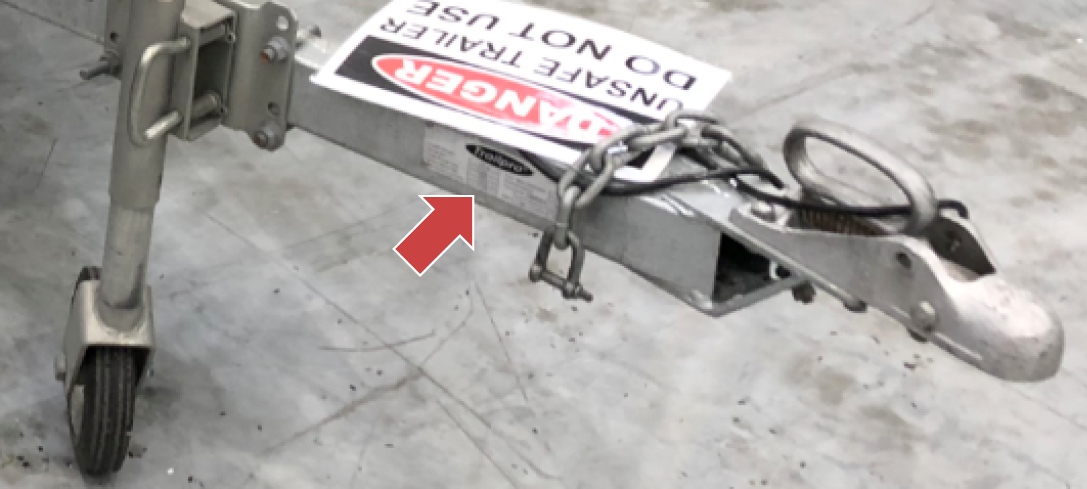
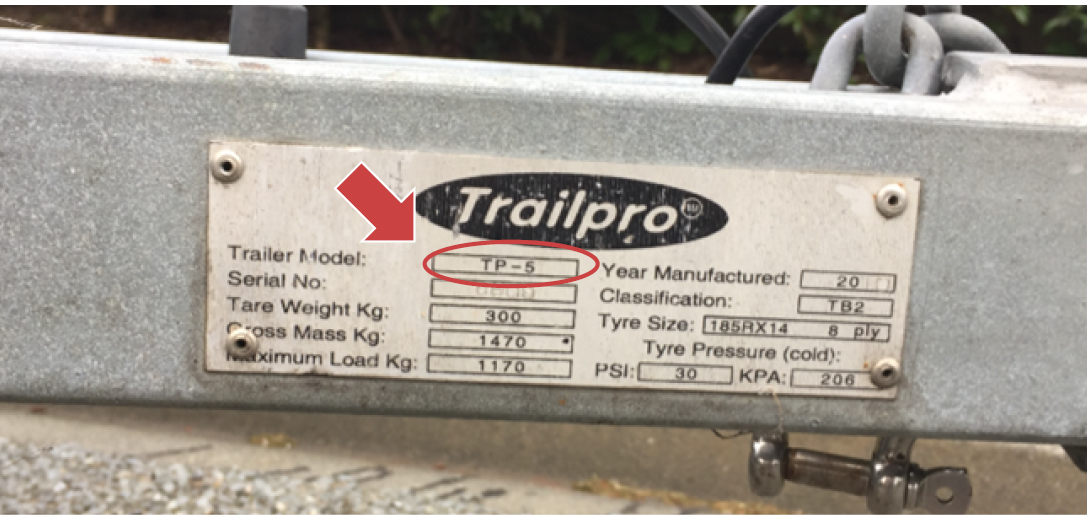
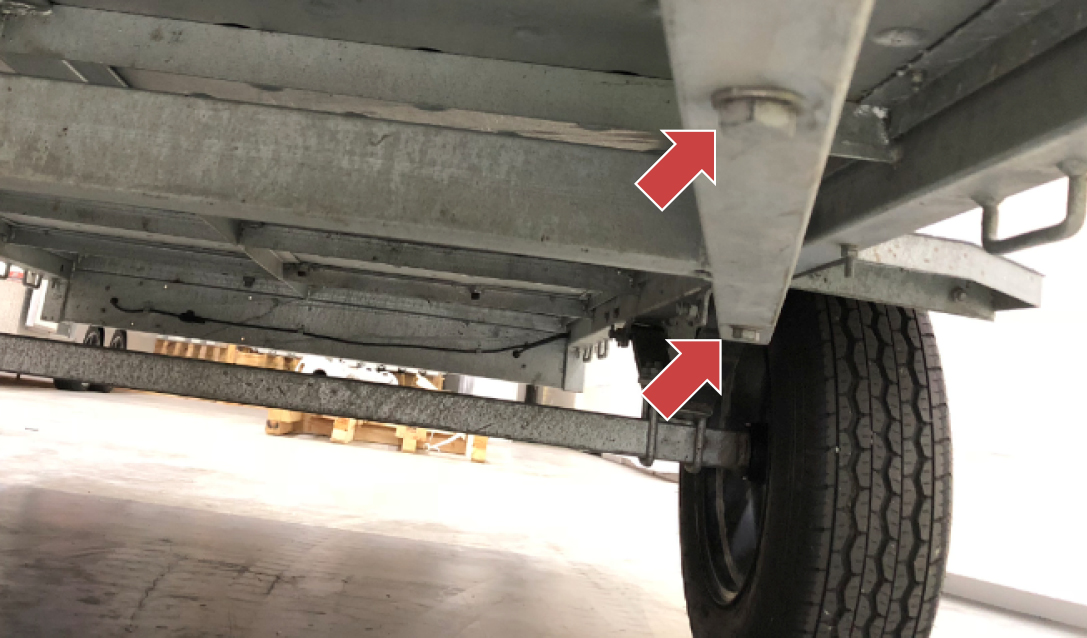
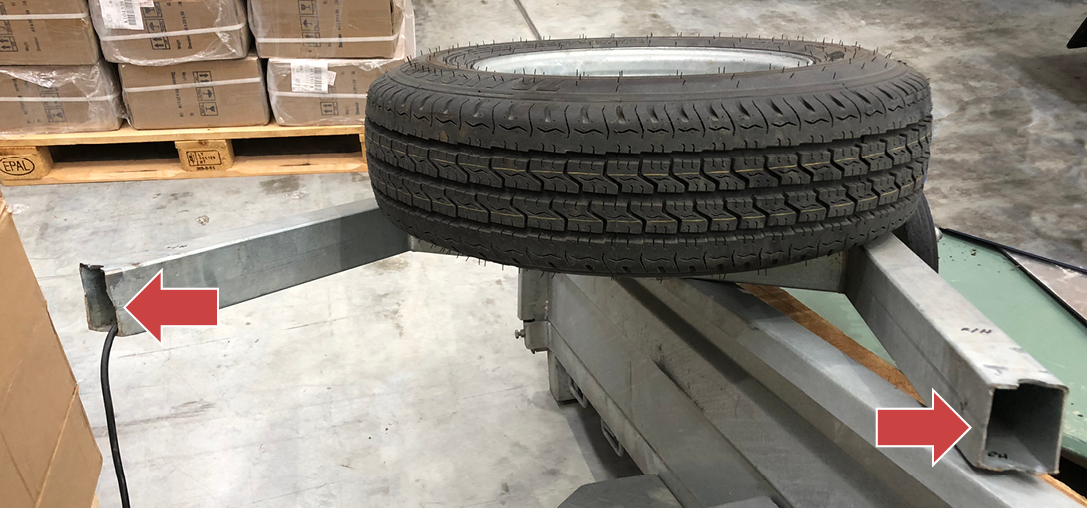
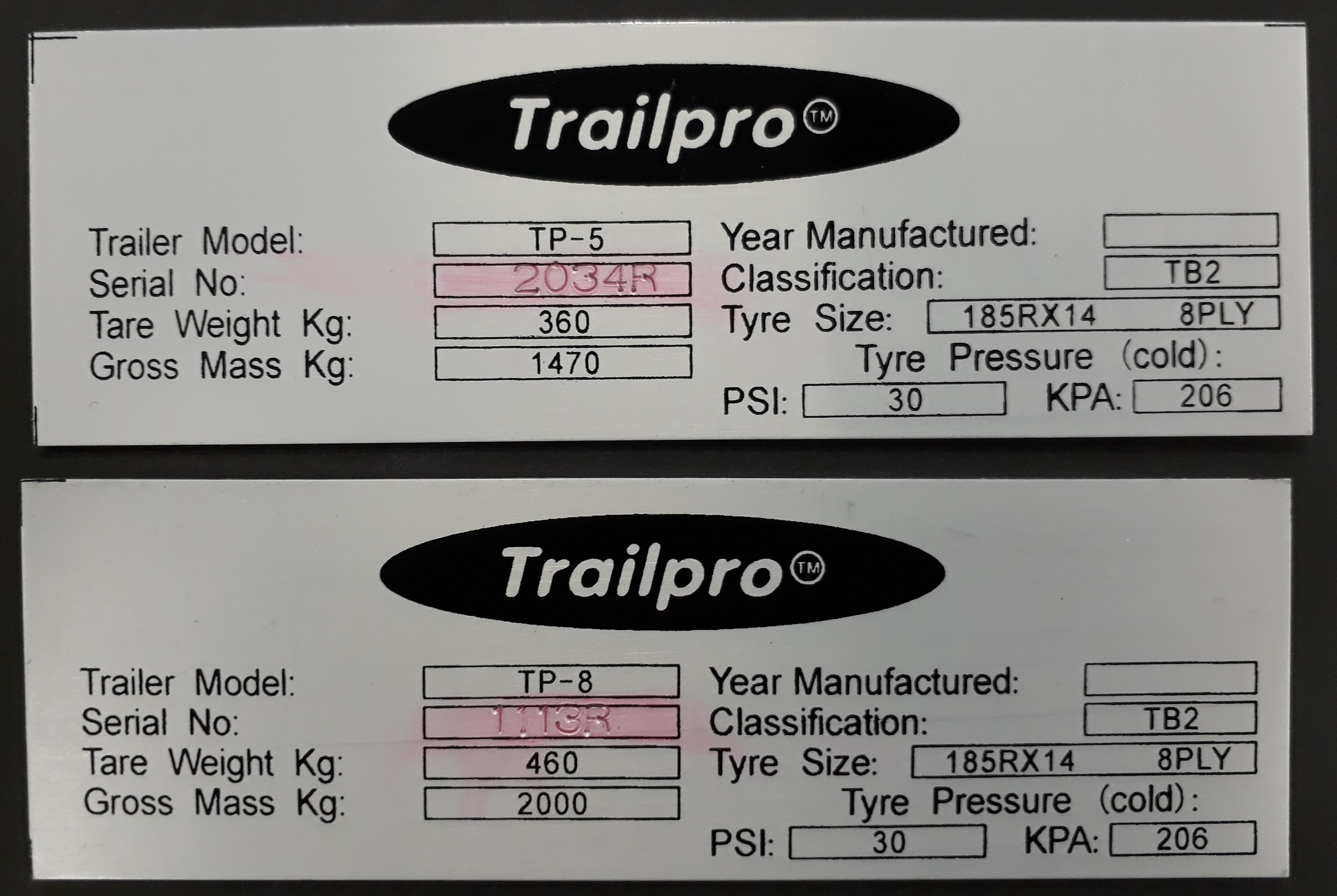
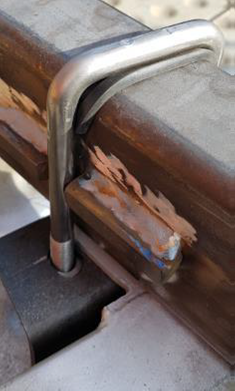
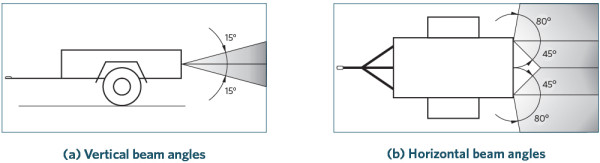
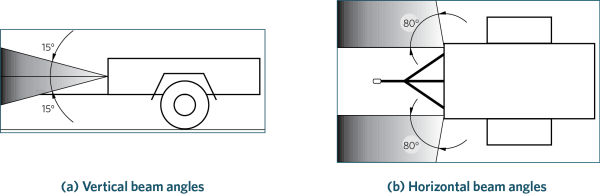
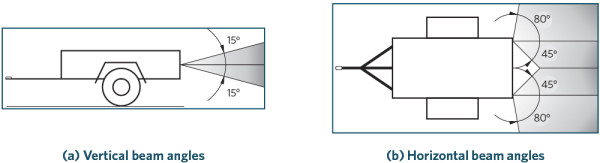
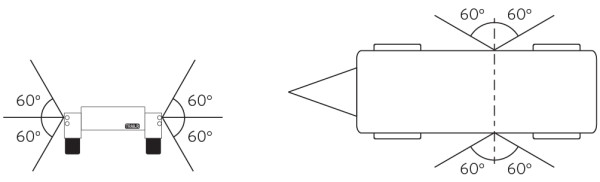
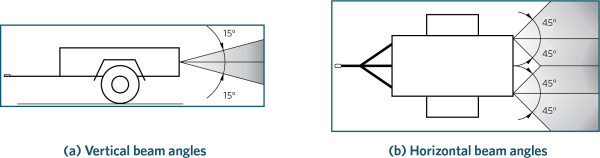
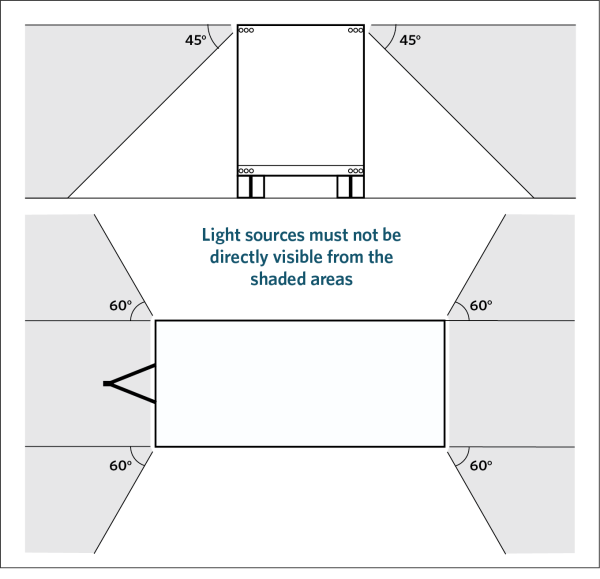
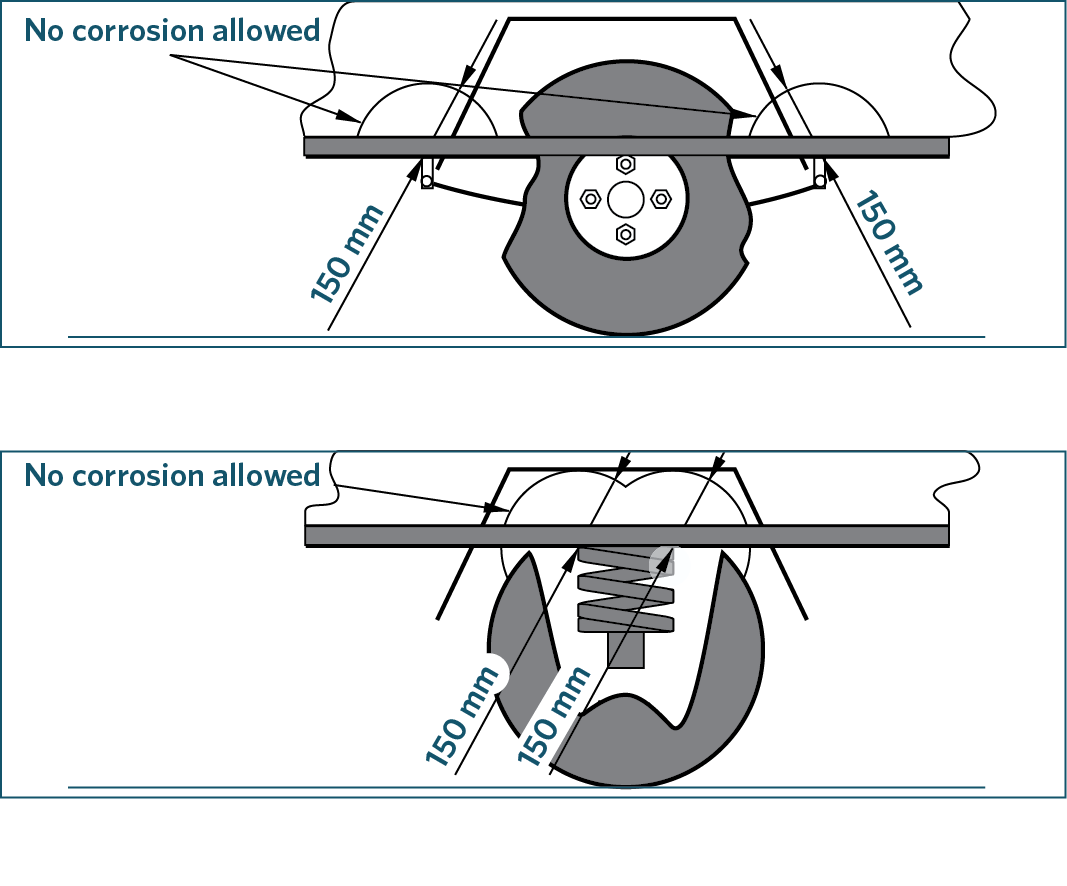
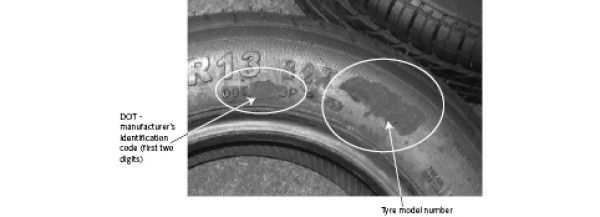

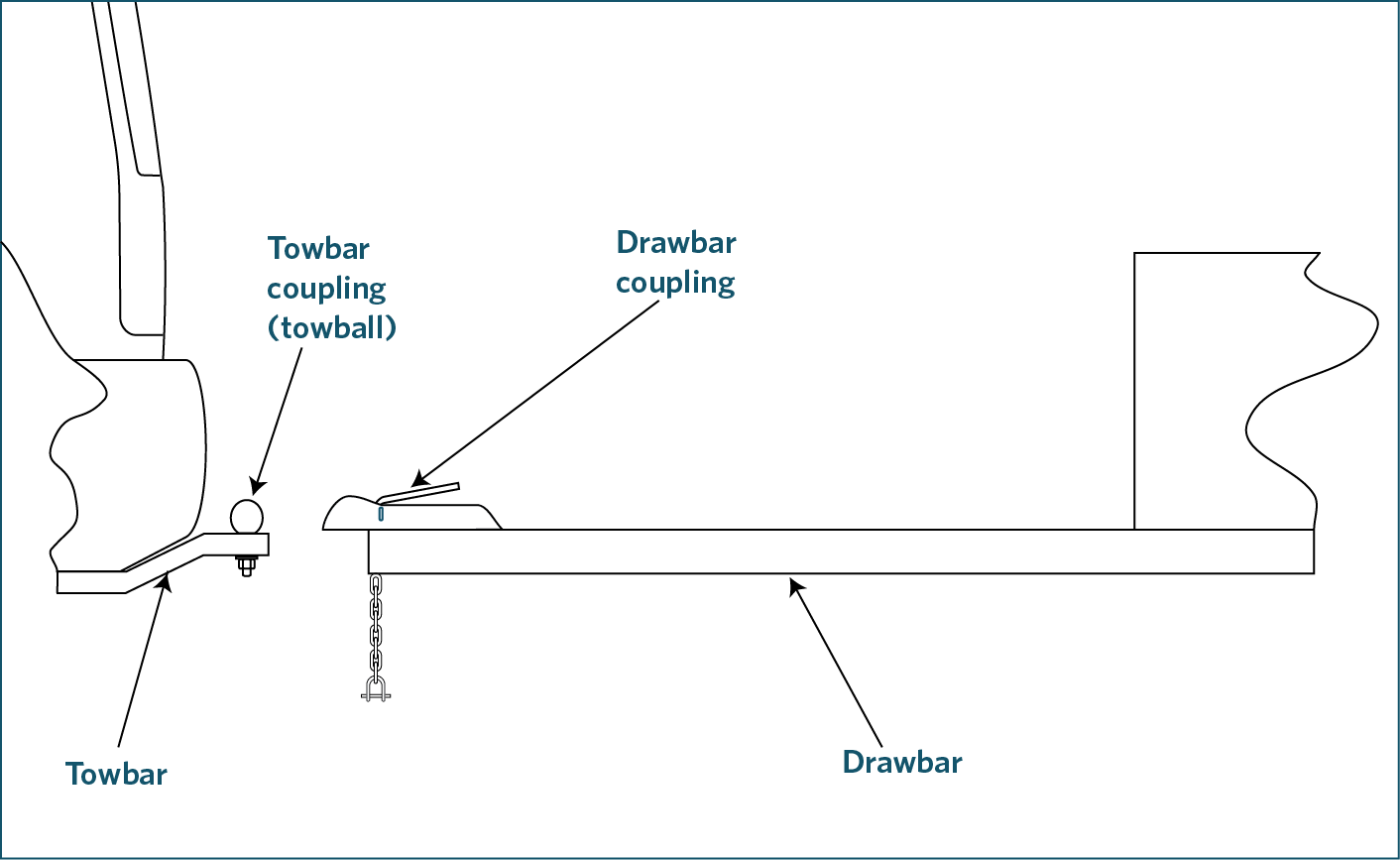
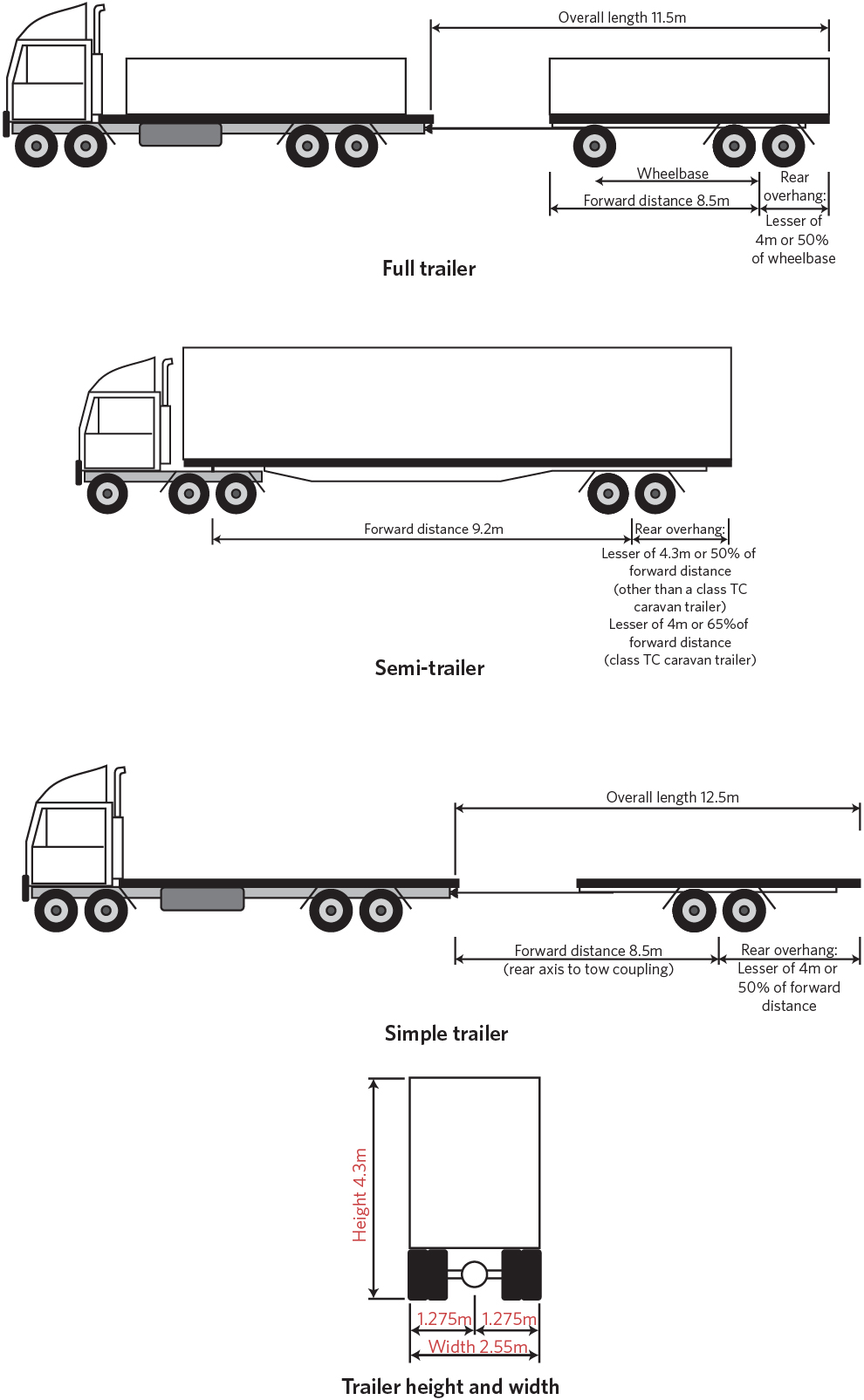
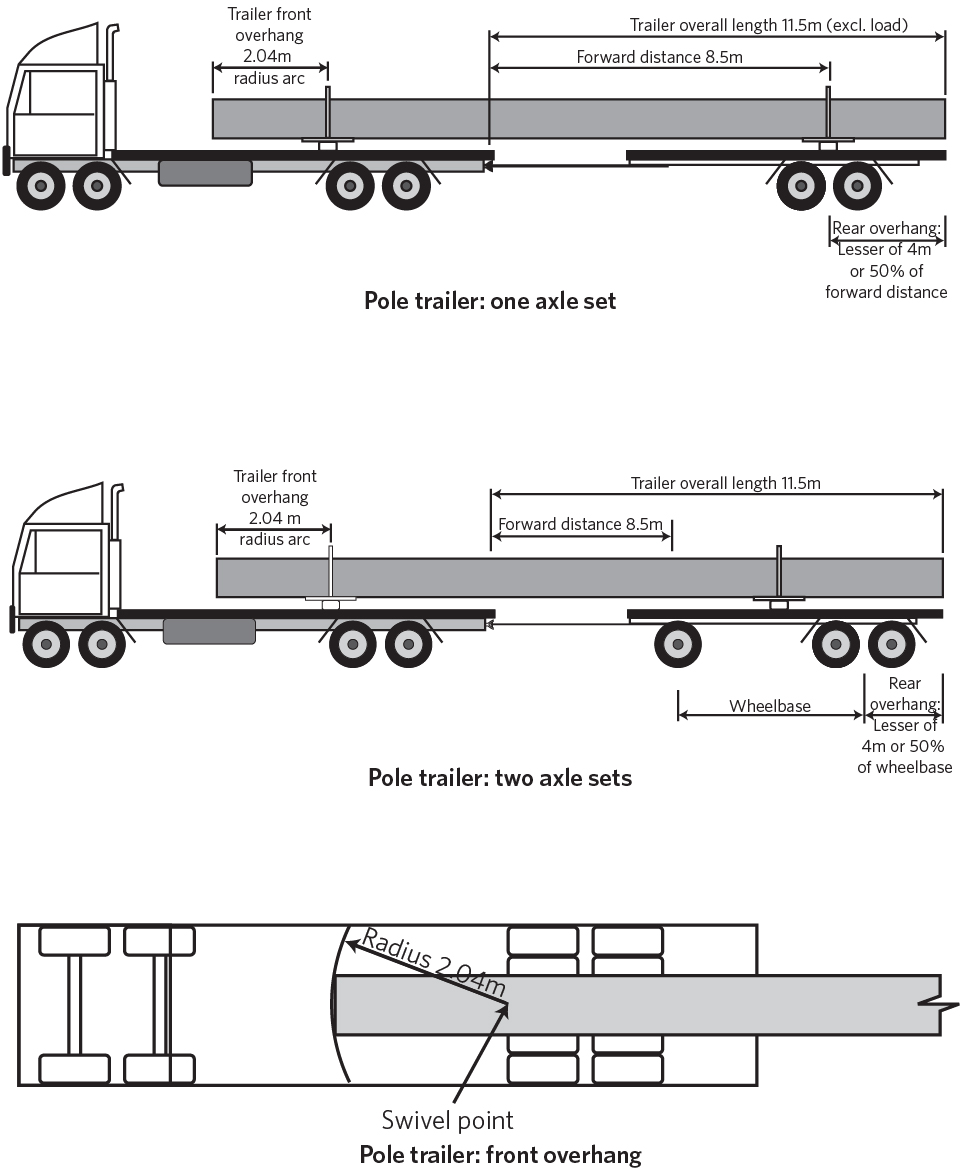
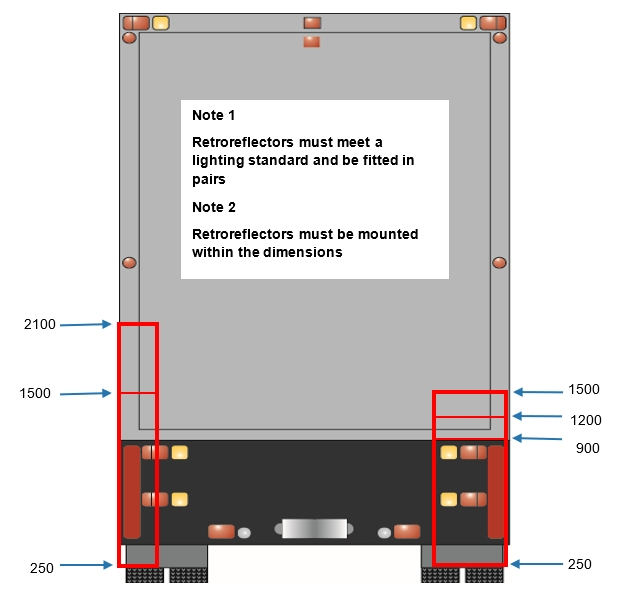
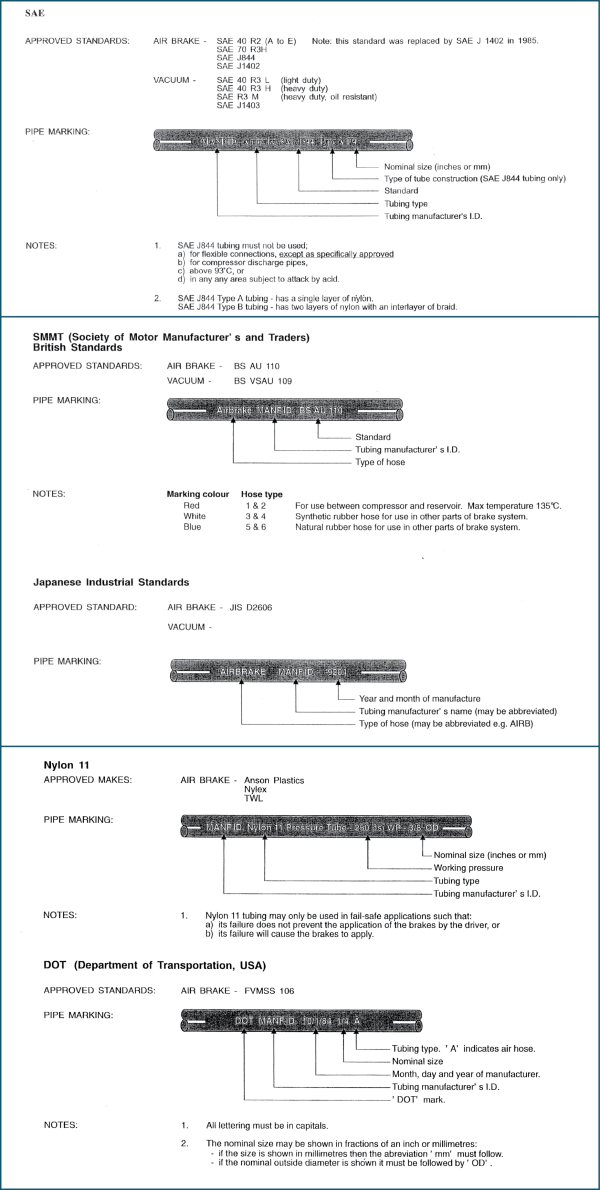
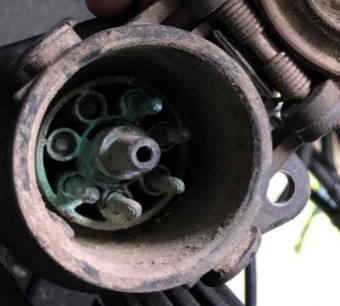

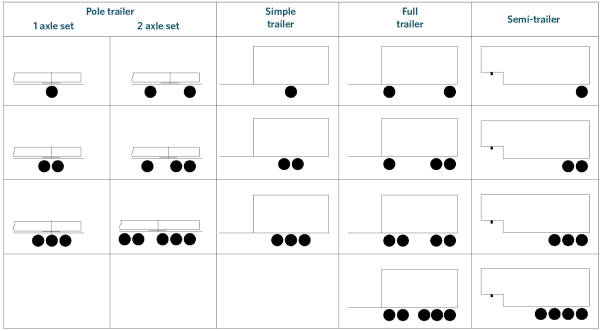
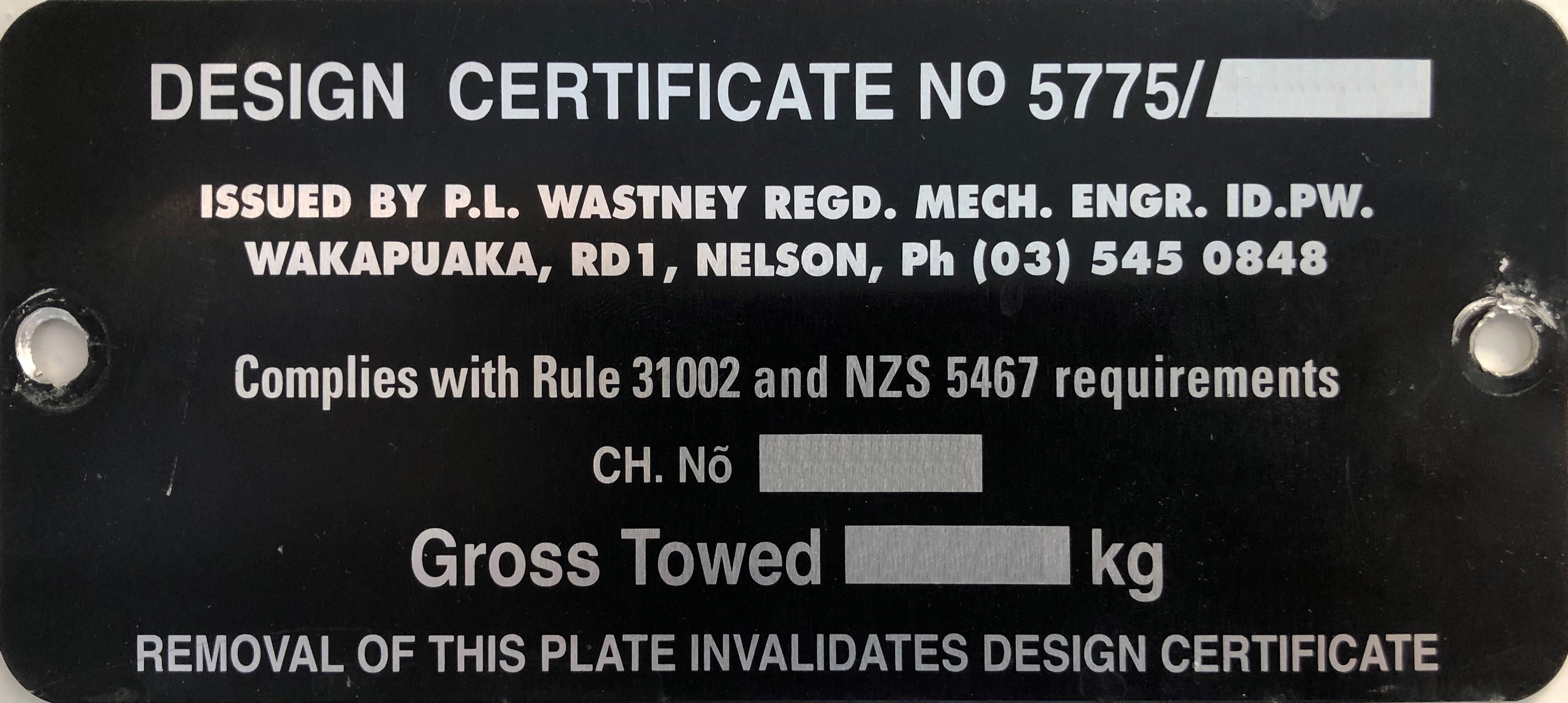
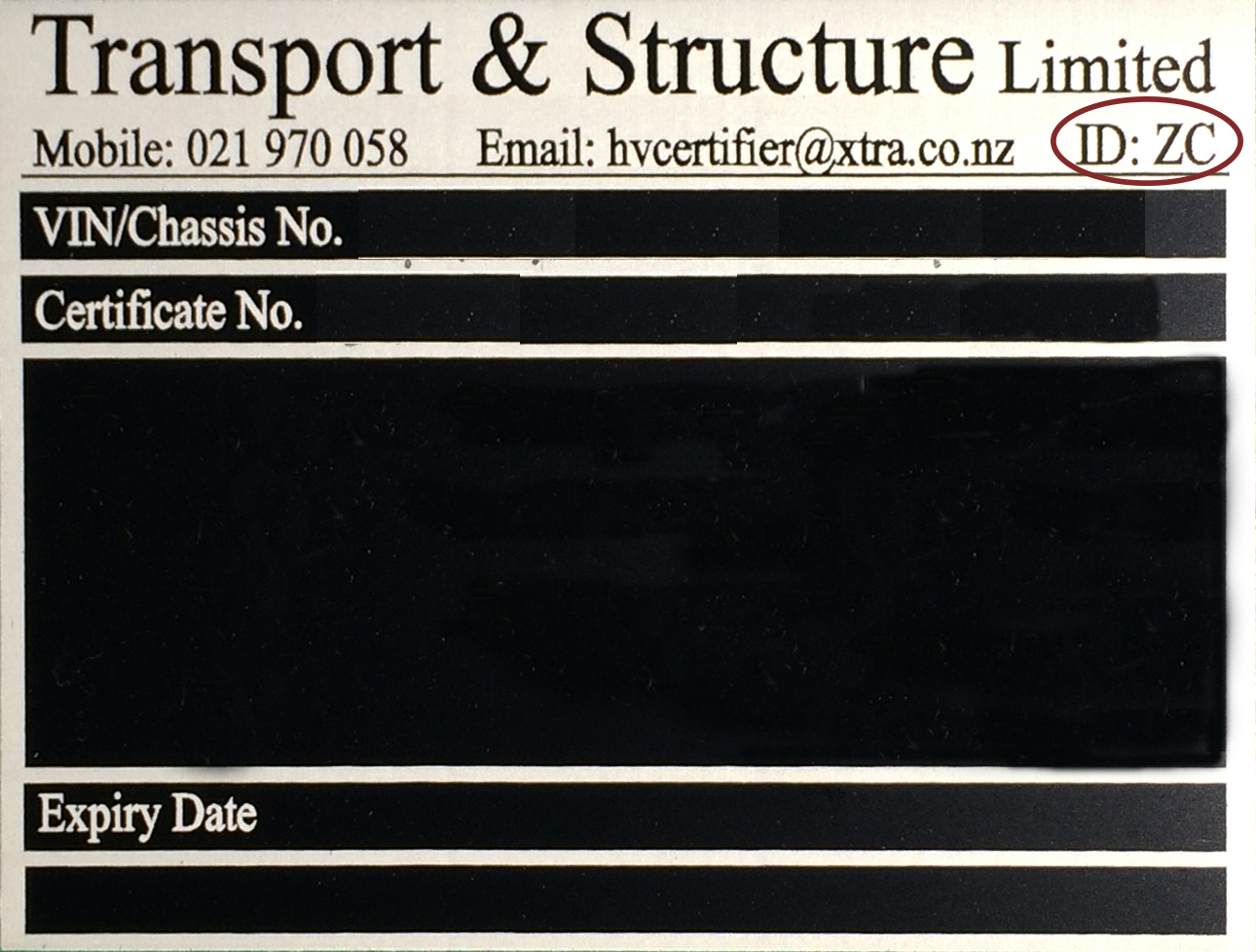
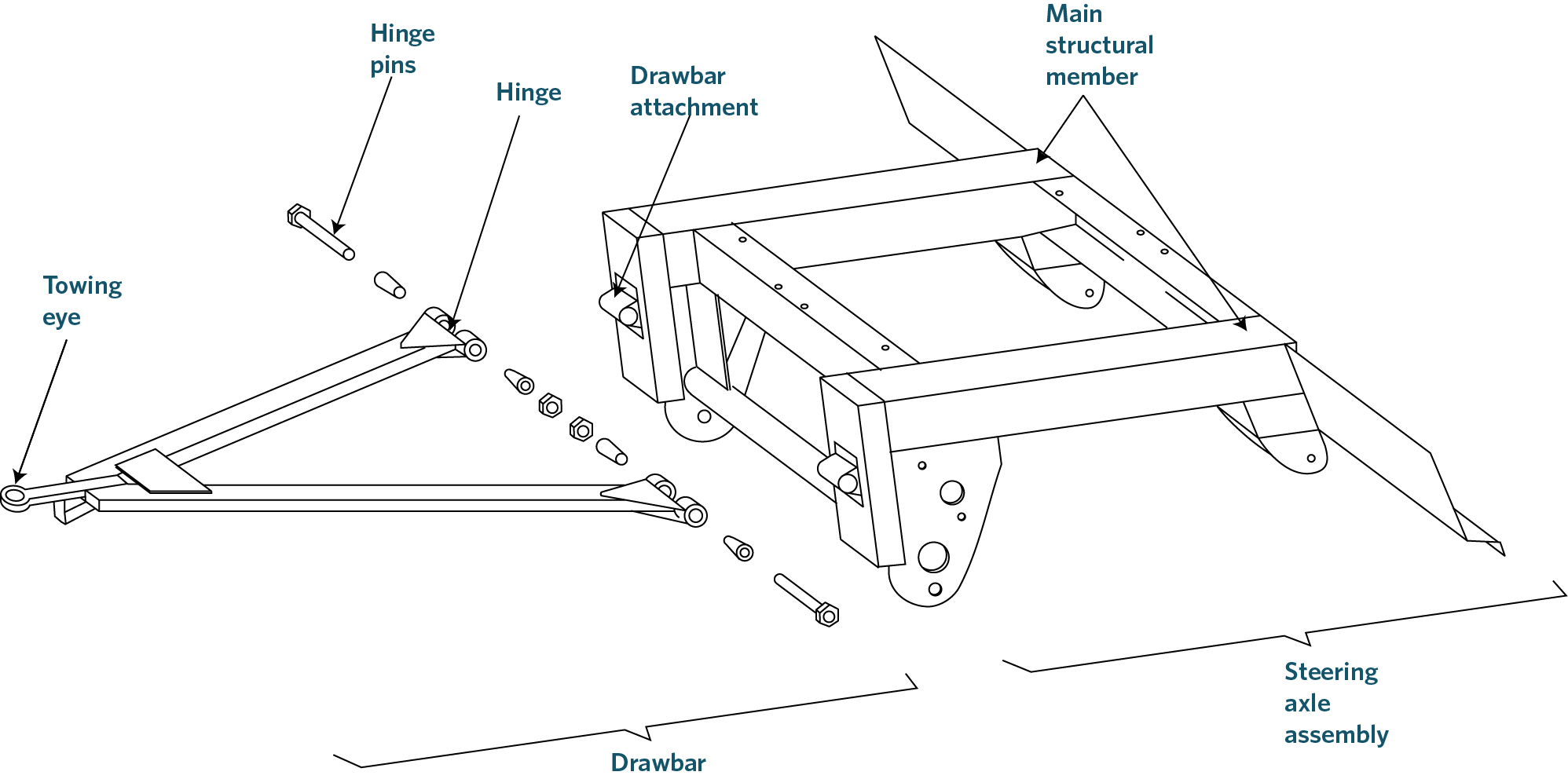
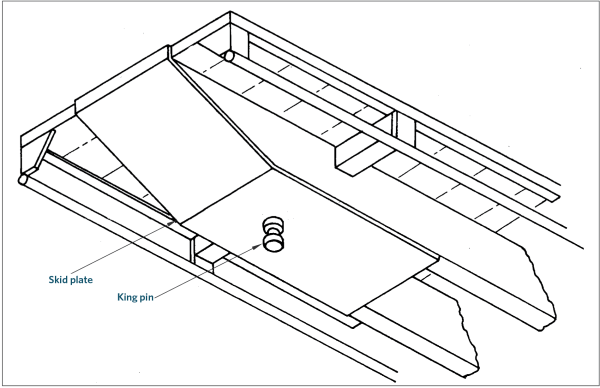
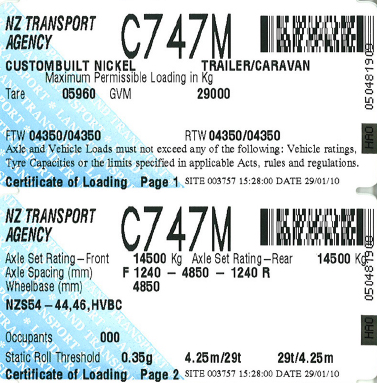
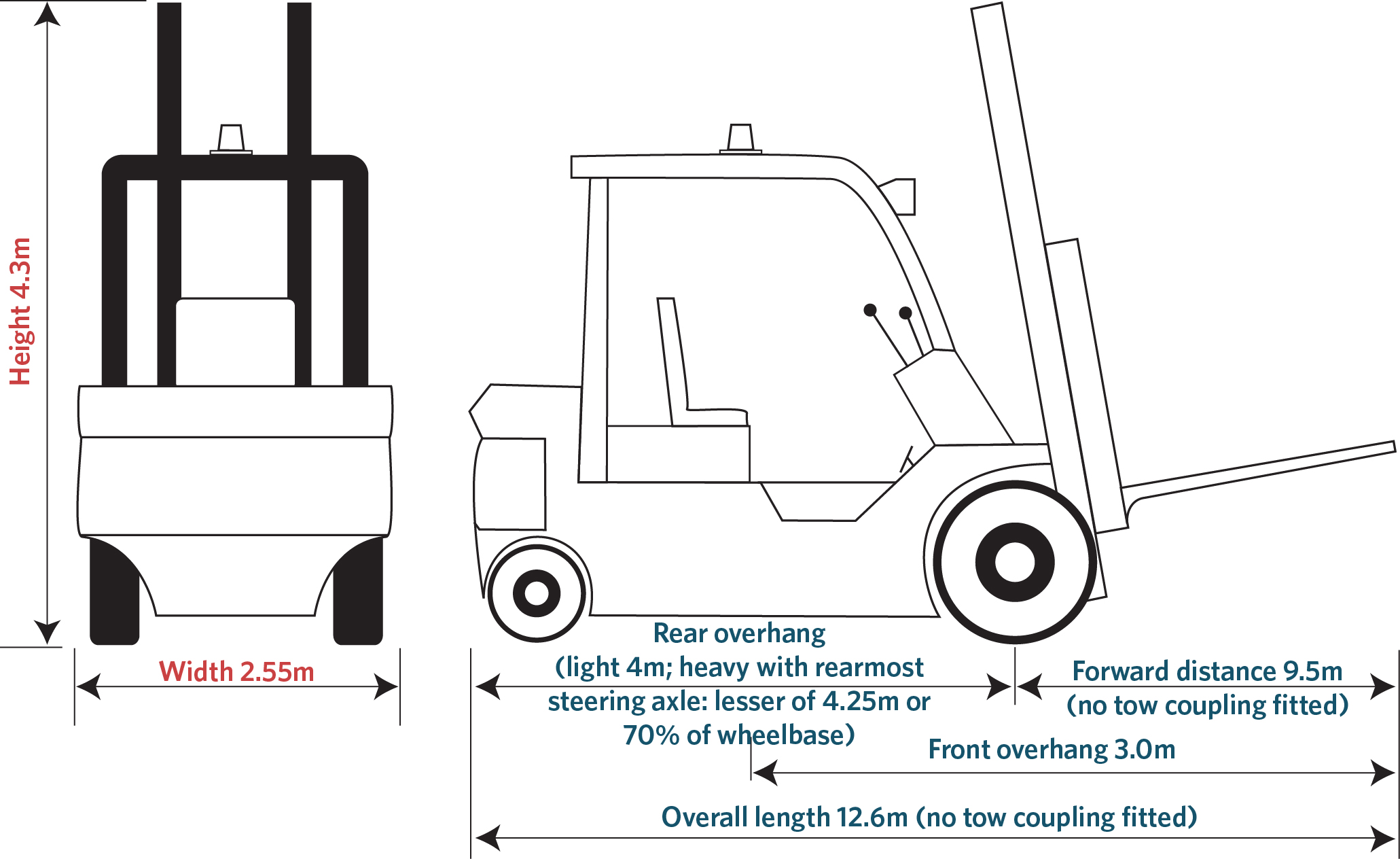
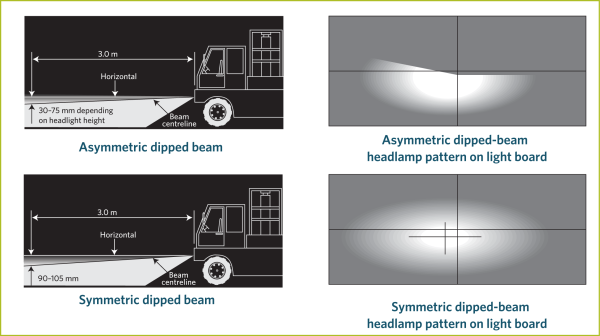
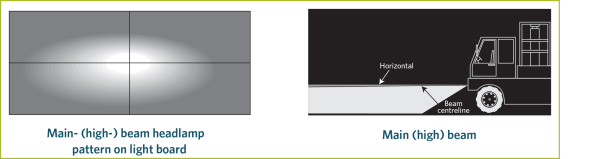
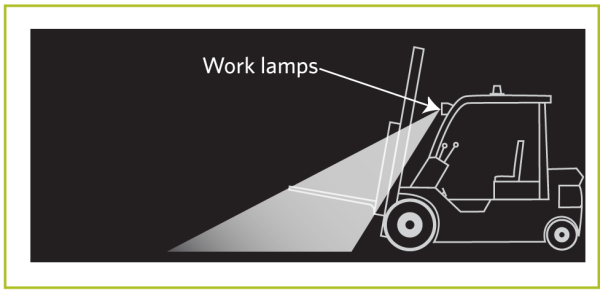
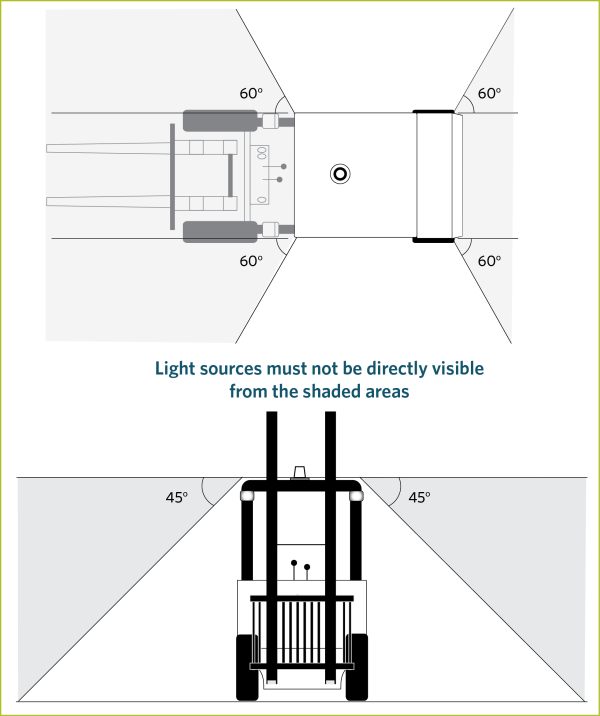 Figure 4-15-1. Visibility angles for cosmetic lamps